










































































Thank you! Your submission has been received!
Oops! Something went wrong while submitting the form.


Corporate video production can be a strong investment, but many marketing teams struggle to measure the return clearly. A video may look polished, get positive feedback, and make the company feel more professional, but leadership still wants to know what it actually produced.
Did it help sales?
Did it improve website engagement?
Did it support recruiting?
Did it create useful content for LinkedIn?
Did it help the company get more value from a conference?
Did it make the brand easier to understand?
Those are the questions that matter.
Measuring the ROI of corporate video production is not only about counting views. Views can be useful, but they do not tell the full story. A corporate video can support sales conversations, shorten explanations, improve event follow-up, strengthen recruiting, build executive visibility, create internal alignment, and give marketing teams content they can reuse for months.
The key is to define the goal before production begins. Through Motlow Pro Media's services, companies can plan video, event media, photography, livestreaming, and content strategy around the business outcomes the content is supposed to support.
Before measuring ROI, the marketing team needs to define what return actually means for the project.
Not every corporate video is designed to generate leads directly. Some videos are built to support brand trust. Some are designed for sales enablement. Some help recruit better candidates. Some support internal communications. Some make conferences more valuable by turning one event into a library of future content.
A video's ROI depends on its purpose.
For example, a corporate brand video may be measured by website engagement, sales team usage, homepage conversion support, or improved clarity in prospect conversations. A customer testimonial may be measured by proposal follow-up engagement, sales influence, or close-rate support. A recruiting video may be measured by career page engagement, candidate quality, application volume, or recruiter feedback.
The mistake is measuring every video the same way.
Before production, decide what the video needs to accomplish. That decision should shape the production plan, edit, distribution strategy, and measurement process.
Some video ROI is direct. Some is strategic.
Direct ROI is easier to track. A video ad leads to a landing page. A viewer fills out a form. A sales video is sent to prospects and tracked through a CRM. A recruiting video is published on a careers page and applications increase.
Strategic value can be harder to measure, but it still matters.
A professional executive interview may help leadership look more credible. A conference recap may support sponsor relationships. A customer story may make the sales process feel warmer and more trustworthy. A brand video may help prospects understand the company faster. Internal videos may help employees feel more aligned.
These outcomes may not always show up as a simple dollar amount, but they still support the business.
A good measurement approach should include both. Track the numbers where possible, but also document how the video is being used by marketing, sales, HR, leadership, and event teams.
The best time to plan ROI measurement is before filming.
If the team waits until after the video is finished, it may be difficult to connect the content to a measurable outcome. The video may not have a clear landing page, tracking link, call to action, campaign plan, or internal owner.
Before production, the marketing team should decide:
This kind of planning helps the video become part of a business system instead of a standalone creative asset.
The business video production partner guide is a helpful resource for understanding why production decisions should connect to goals, audience, and final use before filming begins.
Marketing ROI often starts with visibility, engagement, and conversion support.
Depending on where the video is used, marketing teams may track:
A video on a homepage may not directly close a sale, but it can help visitors understand the company faster. A video on a landing page may support form submissions. A LinkedIn clip may increase engagement with an executive's thought leadership. A YouTube video may support search visibility and audience education.
Tools like Google Analytics can help teams evaluate website behavior, while Google Search Central's video best practicescan help teams think about how video content is structured for online visibility.
Marketing teams should not only ask whether people watched the video. They should ask what the video helped them do next.
Sales enablement is one of the most overlooked areas of video ROI.
A corporate video may not generate a lead by itself, but it can help sales teams move conversations forward. A short customer testimonial, service explainer, executive message, or FAQ video can make a follow-up email stronger and help prospects understand the company more clearly.
Marketing teams can measure sales enablement value by tracking:
This is where an internal video library becomes valuable. When videos are organized by buyer question, service, industry, or sales stage, the team can see which assets are actually useful.
For example, a testimonial video may help prospects trust the company. A service explainer may reduce confusion. An executive clip may help reinforce leadership credibility. A process video may make the buyer feel more comfortable before signing.
Those uses should be included in ROI conversations.
Conference and event video ROI should not be measured only by the recap video.
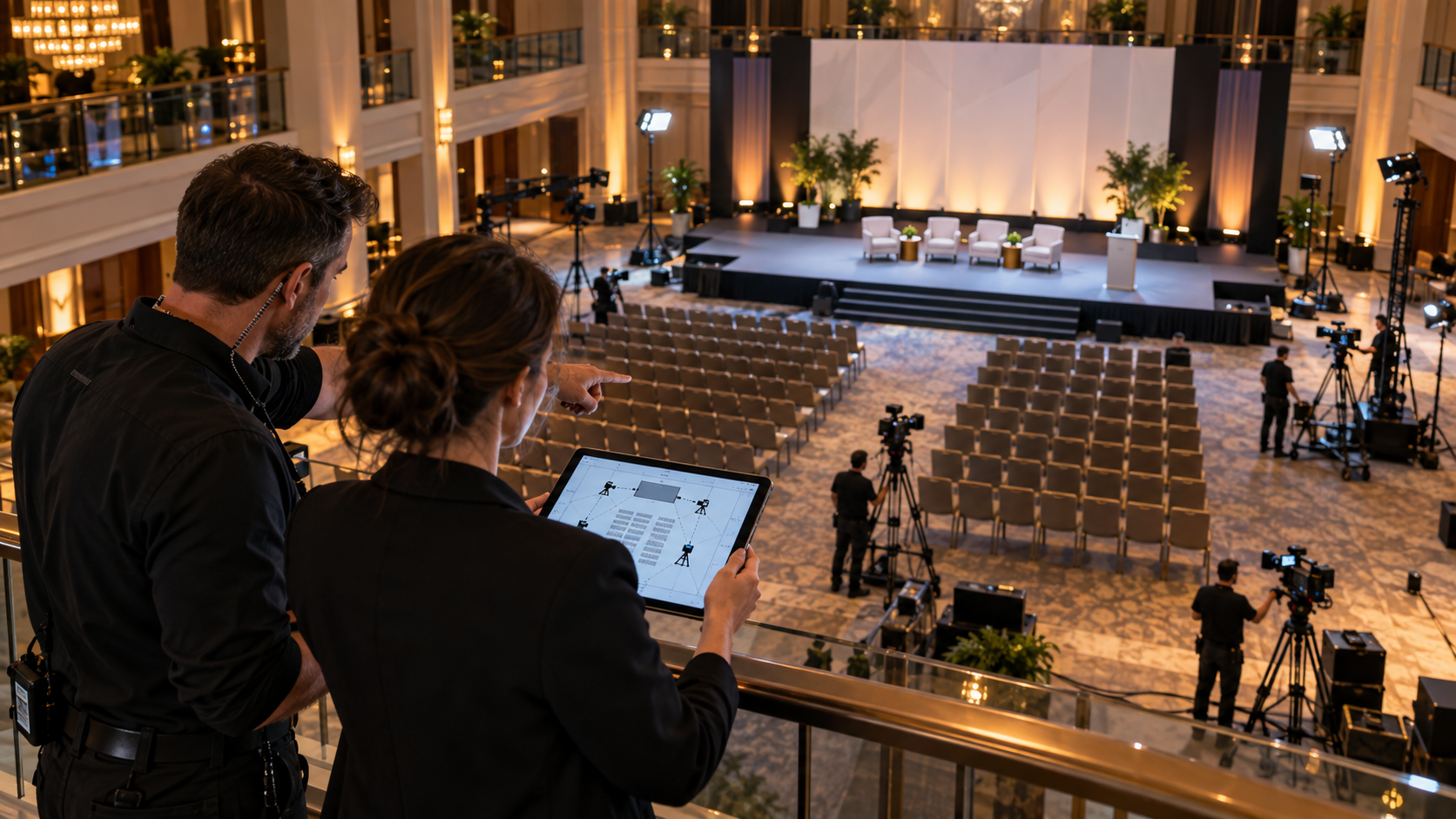
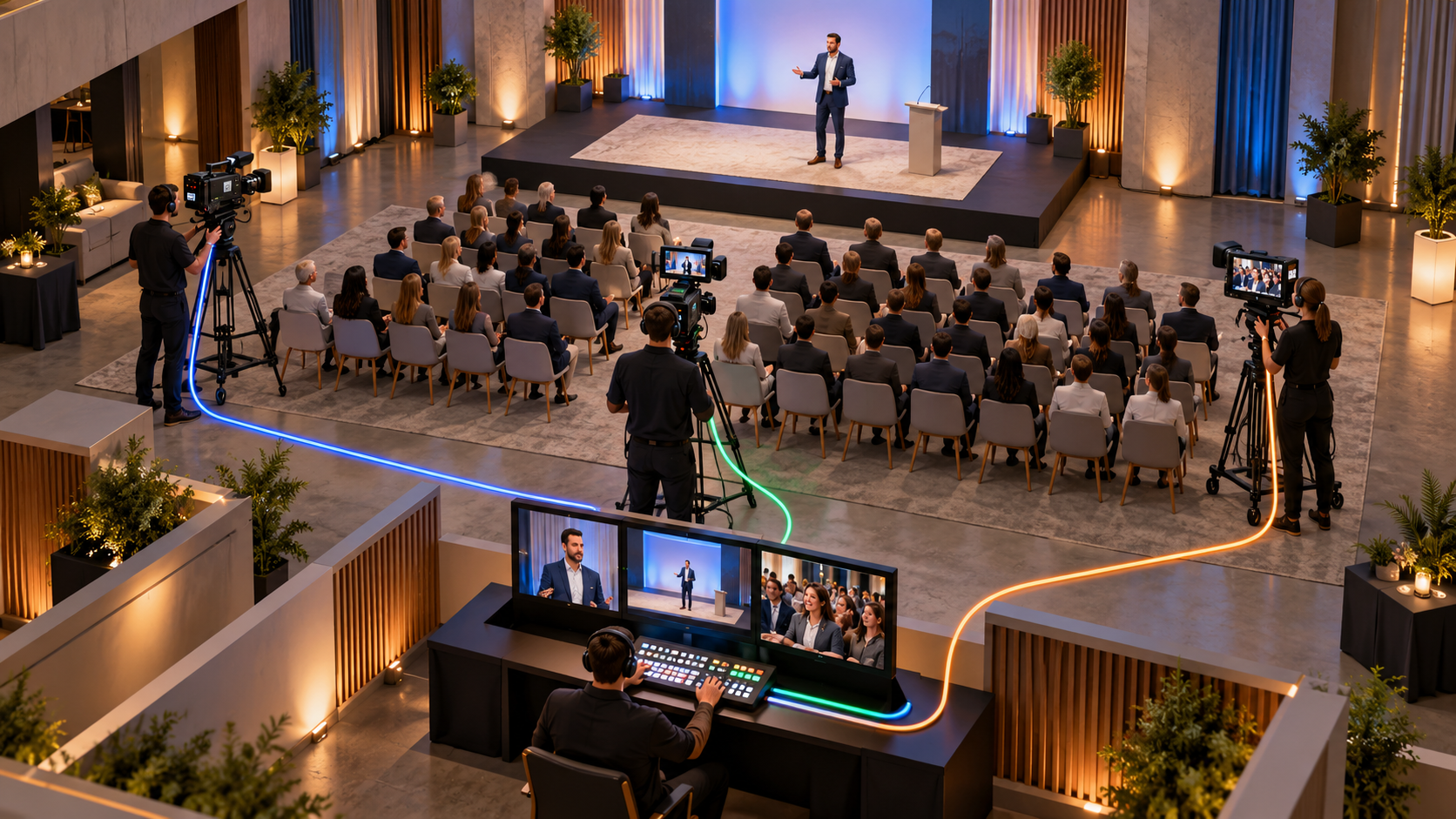
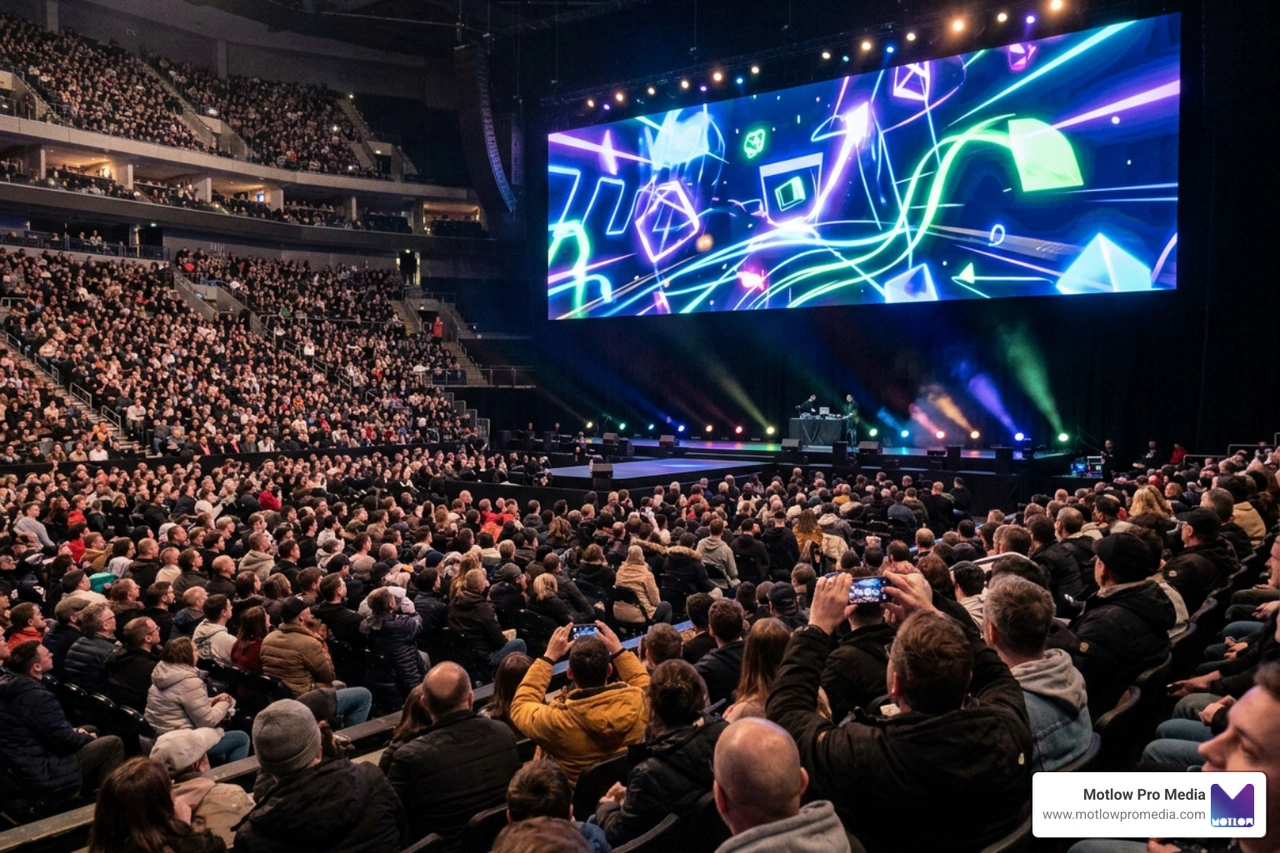
A corporate event can produce many assets: keynote recordings, speaker clips, sponsor content, social videos, photography, executive interviews, audience reactions, internal updates, and future event promotion.
If the marketing team only measures the final highlight reel, it may underestimate the event's content value.
A better event video ROI review may include:
The A-Z Guide to Conference Video Production explains why conferences should be planned as content engines. The ROI improves when the event is not treated as a one-day production, but as a source of marketing and sales content for weeks or months.
Repurposing has a major impact on video ROI.
If a company pays for one production day and only creates one final video, the return is limited to that one asset. If the same production day creates one main video, five social clips, three sales clips, one recruiting cutdown, photography, website content, and internal communication assets, the value increases.
Repurposing helps companies get more from the same production investment.
A single executive interview might become:
A single conference shoot might become:
When measuring ROI, marketing teams should count how many useful assets came from the production and how those assets were used.
This does not mean more content is always better. It means the production should be planned so the right content can be created efficiently.
Corporate video can also support recruiting.
A recruiting video, culture video, employee interview, or leadership message can help candidates understand the company before they apply. It can make the workplace feel more human and help HR communicate the employee experience more clearly.
Recruiting video ROI may include:
Resources like LinkedIn's employer branding guidance reinforce how important employer perception can be when companies are competing for talent.
Recruiting ROI may not always appear immediately, but video can help make the company more visible, credible, and understandable to candidates.
Not all corporate video needs to face the public.
Internal videos can support leadership communication, employee training, onboarding, culture, event updates, and company alignment. These videos may not create leads, but they can help teams understand information faster and feel more connected to leadership.
Internal communications ROI may include:
A leadership update video, for example, may help employees hear the message in a more personal way than a long email. A training video may save managers time by explaining the same process consistently. An event recap may help employees who could not attend feel included.
These outcomes should be considered when evaluating the value of video production.
Some video ROI can be measured with simple tracking systems.
Marketing teams can use:
For example, if a video is used in an email campaign, the team can track clicks and replies. If a video is placed on a landing page, the team can compare engagement and conversions. If a sales team uses a testimonial in follow-up emails, the team can track whether prospects engage with it.
The measurement does not need to be perfect to be useful. It needs to be consistent enough to show how the content is being used and whether it is supporting the intended goal.
A video's ROI should also consider how long the content remains useful.
Some videos are campaign-specific and may only be used for a short period. Others are evergreen and can support the company for years. A corporate brand video, service explainer, customer testimonial, recruiting video, or internal training asset may continue creating value long after the original production day.
When evaluating cost, consider:
A video that costs more upfront may still deliver better value if it becomes a long-term asset. A cheaper video may be less efficient if it cannot be reused, does not fit the brand, or fails to support the business goal.
ROI should consider usefulness, not just price.
Numbers are important, but internal feedback matters too.
Marketing should ask other departments how the video is being used. Sales may know whether a testimonial helps conversations. HR may know whether candidates mention a recruiting video. Leadership may know whether an internal video reduced confusion. Event teams may know whether sponsor recap content supported renewals.
Useful feedback questions include:
This feedback can guide future production. It also helps marketing show leadership that the video is supporting more than one channel.
The first mistake is measuring views only. Views matter, but they do not show whether the video supported sales, recruiting, internal communication, or conversions.
The second mistake is waiting until after production to decide what success means. Measurement should be planned before filming.
The third mistake is ignoring repurposed content. The value of a shoot may include many assets, not just the main video.
The fourth mistake is not involving sales or HR. Other departments may use video in ways marketing does not see unless they ask.
The fifth mistake is treating every video like a lead-generation asset. Some videos are built for trust, education, retention, recruiting, or internal alignment.
The sixth mistake is not tracking where the video is used. If the asset is posted once and forgotten, ROI will be limited.
The seventh mistake is comparing video only by production cost. A stronger question is whether the video helped the company communicate, convert, recruit, sell, or align more effectively.
How do you measure the ROI of corporate video production?
Start by defining the goal of the video. Then track metrics that connect to that goal, such as website engagement, conversions, sales usage, recruiting impact, internal communication value, event content output, or social engagement.
Are views the most important video metric?
Not always. Views can show reach, but they do not always show business value. Watch time, conversions, sales usage, engagement, and content reuse may be more useful depending on the video's purpose.
How can sales teams help measure video ROI?
Sales teams can report which videos they use, how prospects respond, what questions the videos help answer, and whether the content supports proposal follow-up or buyer confidence.
How does repurposing improve video ROI?
Repurposing improves ROI by turning one production effort into multiple useful assets, such as social clips, sales videos, internal updates, recruiting content, blogs, and email content.
What should be measured for conference video ROI?
Conference video ROI should include recap videos, speaker clips, sponsor content, photography, social posts, livestream engagement, internal updates, sales content, and future event promotion.
ROI also compounds the way the underlying content strategy compounds: a single video's return is capped by its own shelf life, but a recurring content partnership keeps producing new assets, new sales clips, and new recruiting content quarter over quarter, which is where the real long-term return tends to show up. Measuring one shoot in isolation will always understate the value of a plan built to keep producing.
Measuring the ROI of corporate video production starts with knowing what the video is supposed to do. A brand video, testimonial, event recap, recruiting video, executive interview, and internal update all create value in different ways.
Marketing teams should measure views and engagement, but they should also look at sales enablement, recruiting impact, internal communication, event content output, repurposing value, and how long the assets remain useful.
When video is planned strategically, the return is not limited to one finished file. A single production can support campaigns, sales conversations, hiring, leadership communication, events, social media, and long-term brand trust. That is where corporate video ROI becomes much easier to see.
Some clients want to give notes in a live Zoom call. Others prefer a group text or email thread. However you like to communicate, we adapt. You’ll never be left guessing where things stand - and you’ll always have a say before anything goes out the door.





Phone:
+1 863-250-8639

Email:
info@motlowpromedia.com