


-5.jpg)





























Thank you! Your submission has been received!
Oops! Something went wrong while submitting the form.

.avif)
September 29, 2026
Conference video and event highlight reels are often discussed as if they were the same deliverable, but they solve different communication problems. Conference video usually preserves ideas, presentations, panels, demonstrations, or interviews so the material can be watched and reused after the event. A highlight reel compresses the event's energy, scale, people, and brand experience into a short story designed to create interest and recall.
Conference planners and corporate marketing teams tend to run into the same tension every year: gorgeous footage that has nowhere useful to go, or a complete session archive that says nothing about what the event actually felt like. Both are avoidable, but only if the team decides upfront which deliverable is doing which job instead of hoping one camera plan can quietly cover both. That decision is easiest to make before the crew books rooms and angles, not after the recap video underwhelms.
The recommended approach is to work backward from the intended business use and define the people, systems, approvals, and assets required to support it. Success means the production plan captures both knowledge and atmosphere in formats suited to different audiences. That standard is more useful than judging the work only by how busy the production looked or how many files were delivered. Every section below turns that principle into a practical decision.
Session recordings, keynote edits, panel discussions, speaker interviews, and educational clips preserve the intellectual value of a conference. They serve attendees who want to revisit material, people who could not attend, internal teams, sponsors, and future content campaigns.
Production must prioritize intelligible audio, readable presentation content, consistent camera coverage, and accurate speaker identification. The editing plan should account for chaptering, captions, graphics, permissions, and the different ways long sessions may be republished.
When it's time to sign off on this coverage, ask what viewers would actually lose if a session weren't recorded, or if it were recorded poorly. That answer separates which sessions are must-capture, which are worth a lighter touch, and which can be skipped, and it keeps the budget aimed at what genuinely serves both knowledge and atmosphere rather than treating every session as equally critical.
For additional context, see the Conference video production guide.
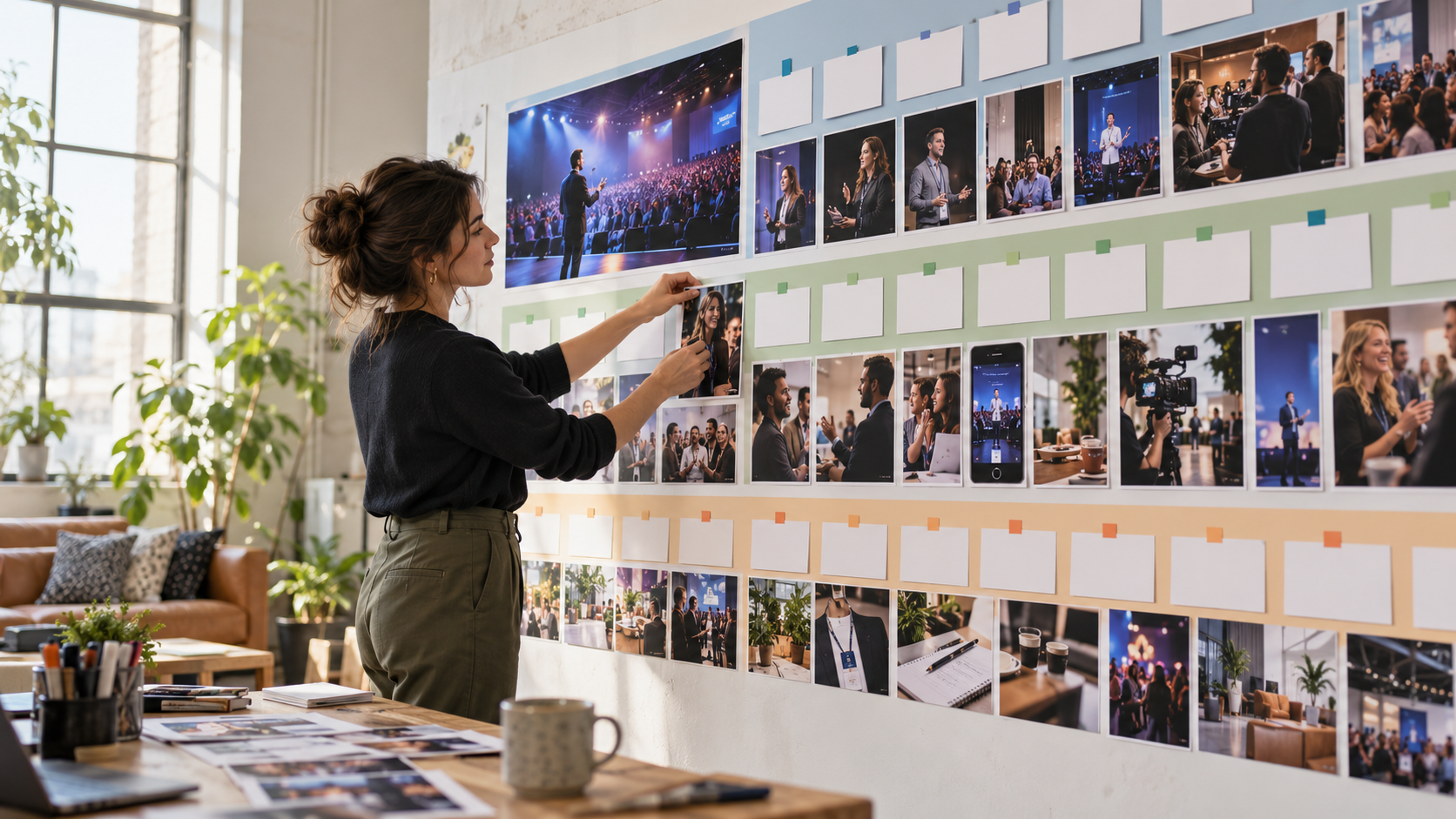
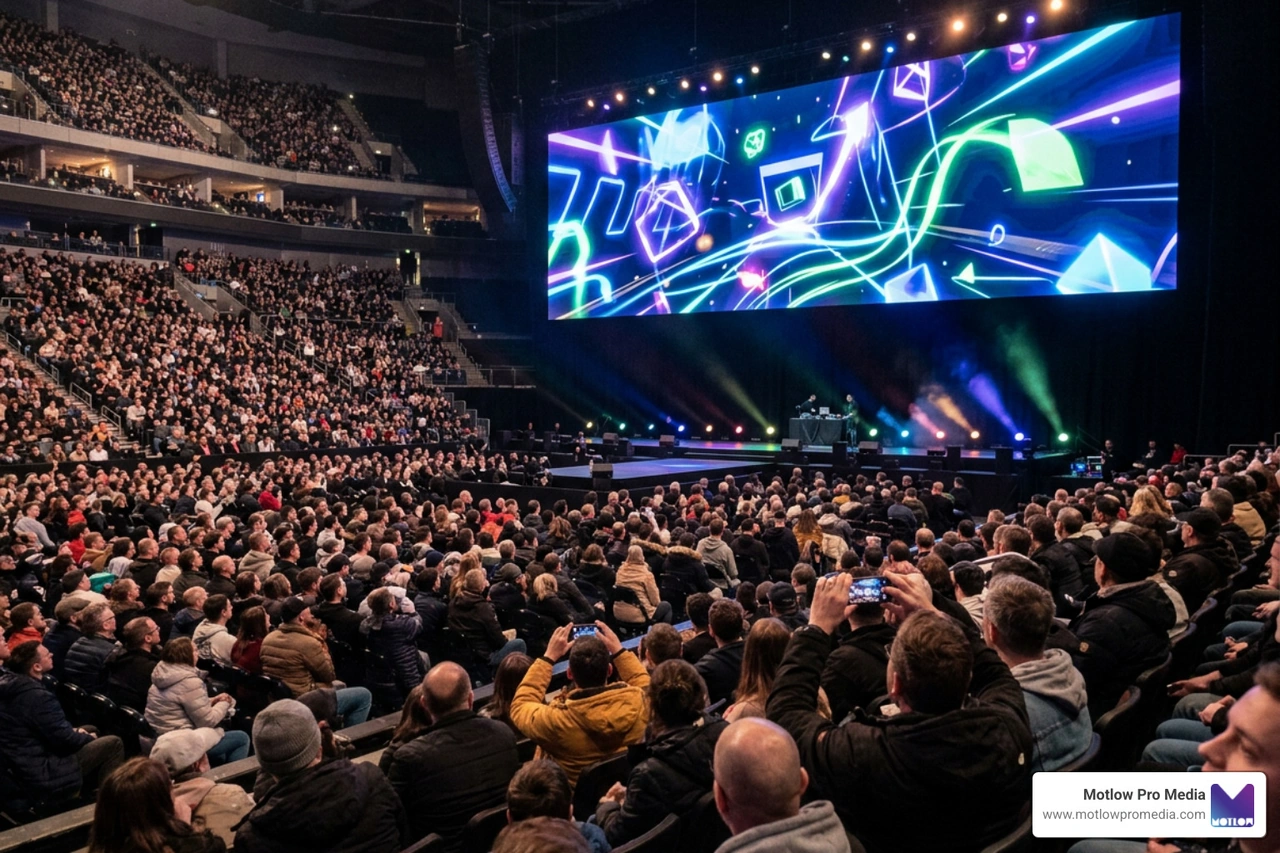
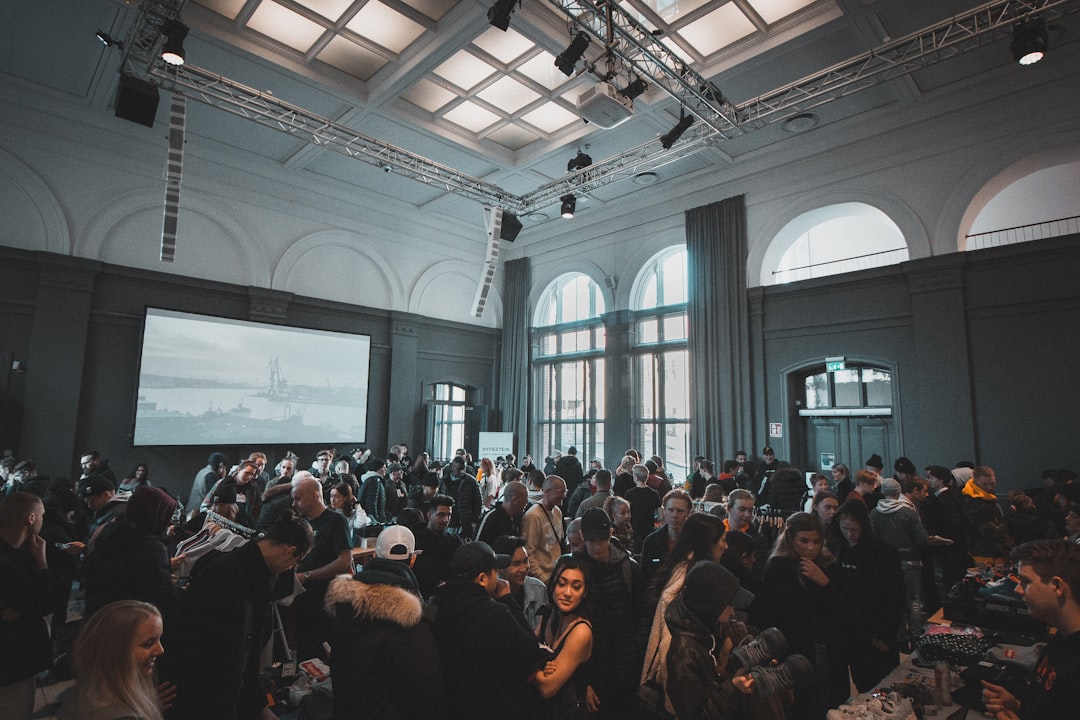
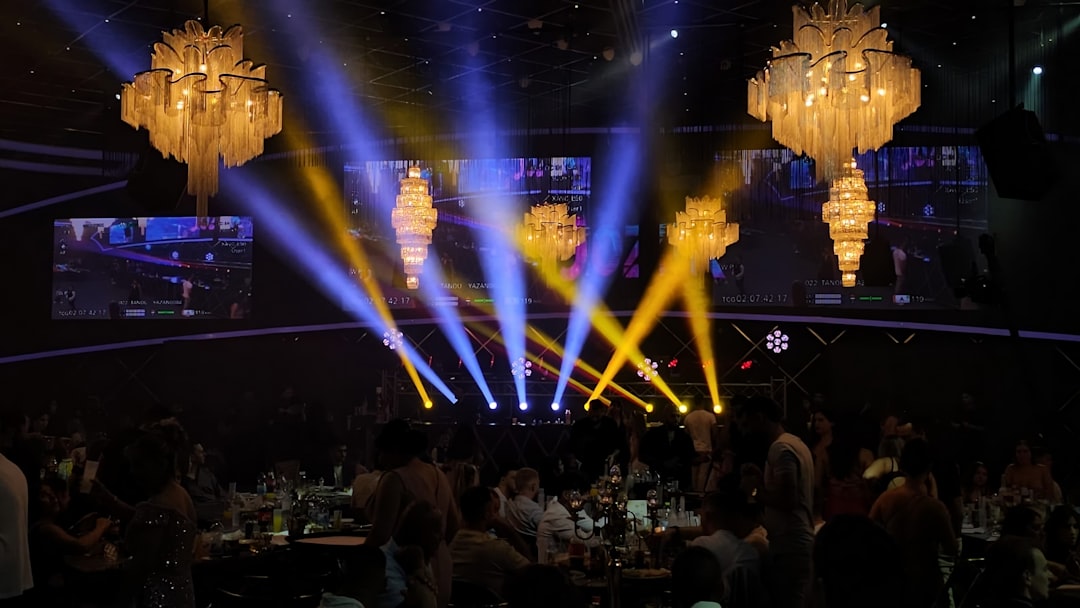
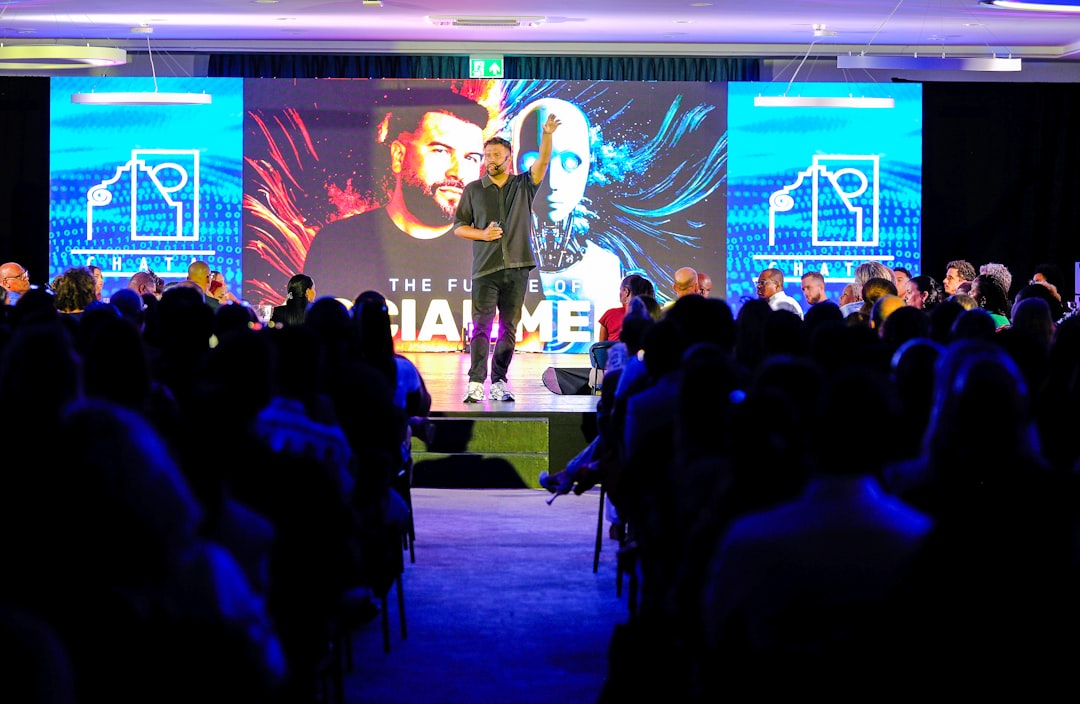
A highlight reel is selective by design and uses a fast visual sequence to communicate what the event felt like. It may combine stage moments, audience reactions, networking, sponsor presence, venue details, entertainment, signage, and short statements from participants.
The intended use determines length and pacing, whether the reel supports next-year registration, sponsor sales, an executive recap, or immediate social media. Strong reels include a clear beginning, middle, and ending rather than a random montage of attractive shots.
Once a reel structure works for one conference, save it as a template for the next: the shot categories worth prioritizing, the person who signs off on pacing, and the deadline for a rough cut. Starting from a proven structure is faster than reinventing it, and it keeps a promising event from producing footage that's beautiful but has nowhere to go.
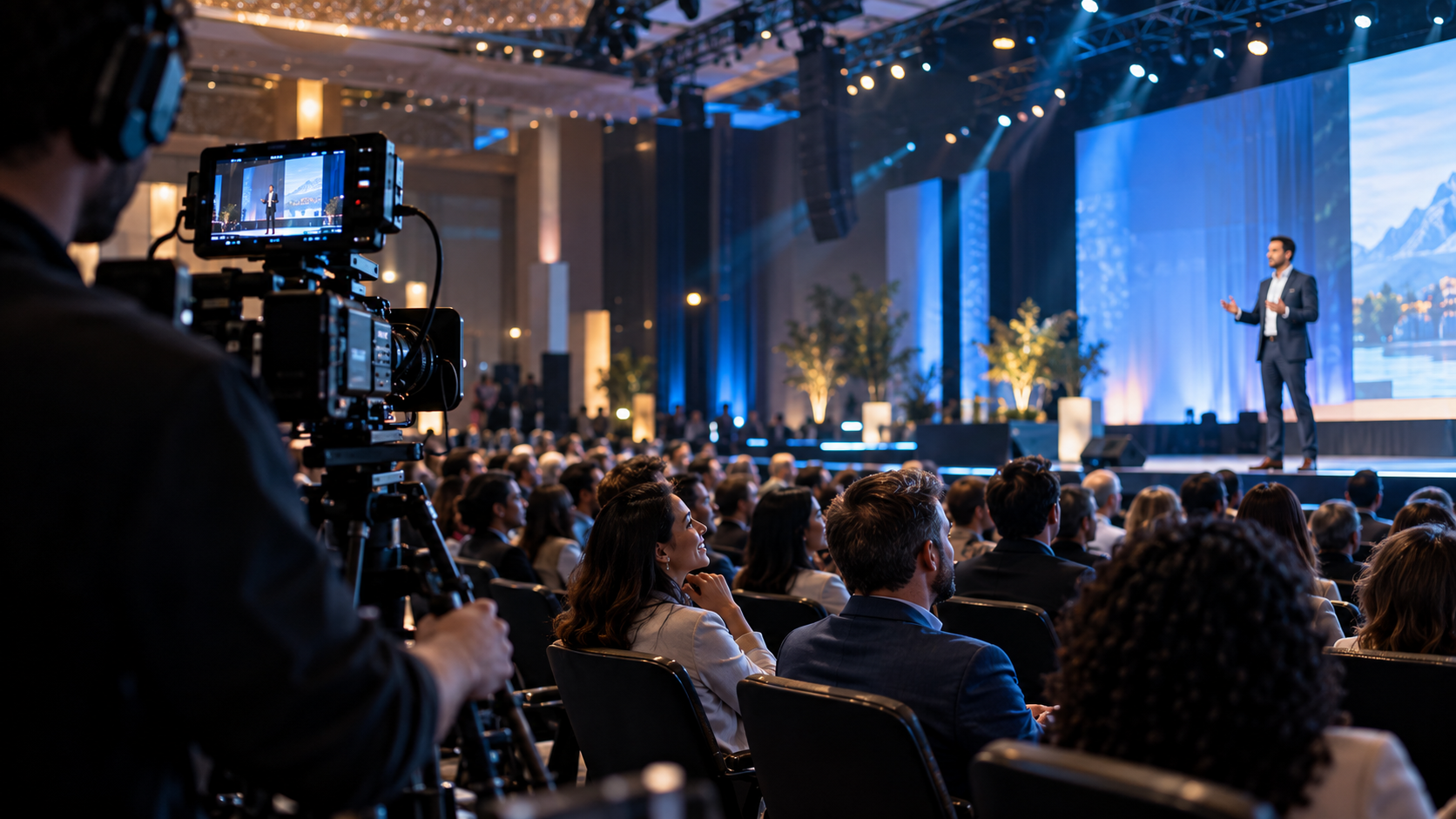
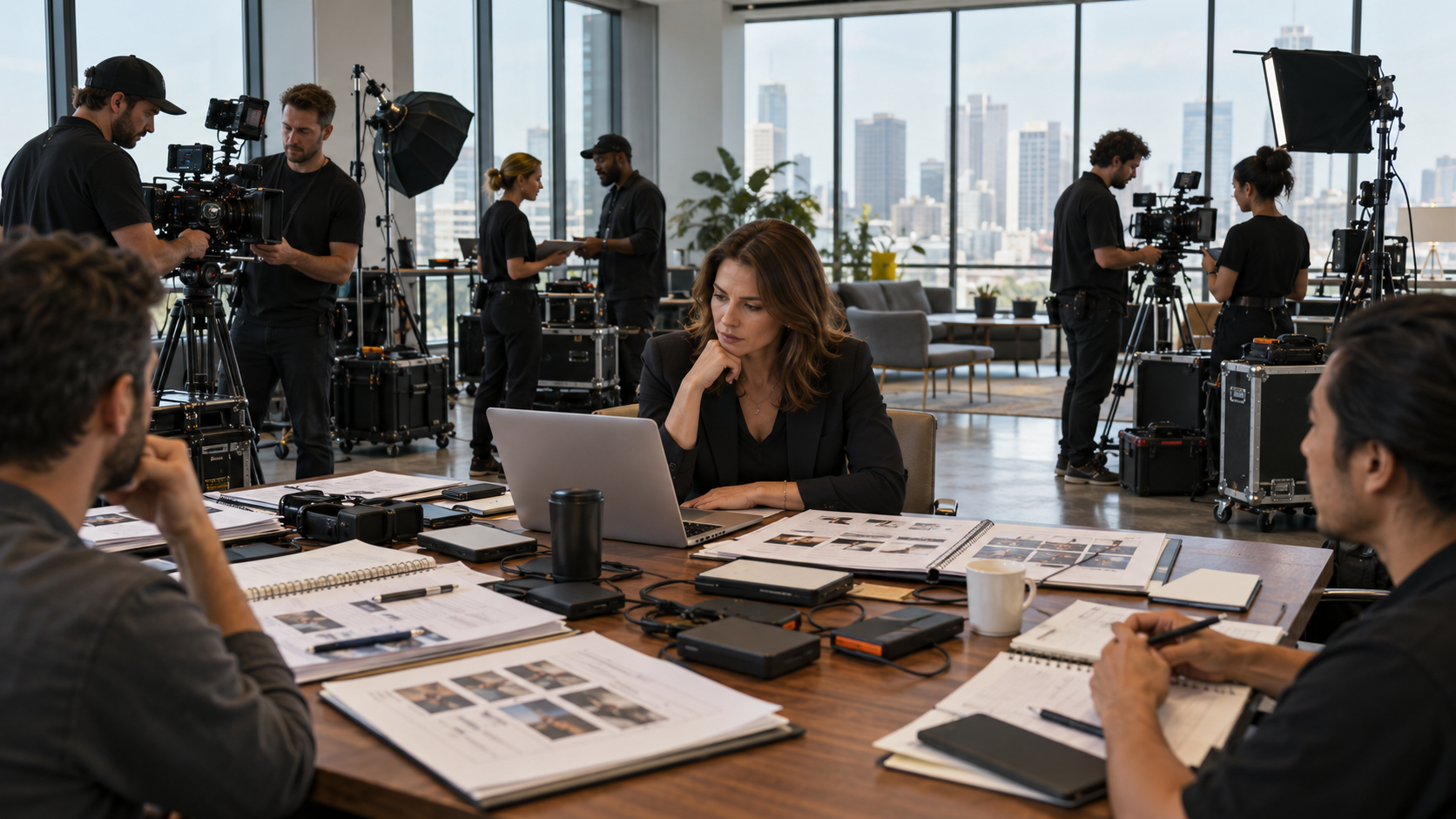
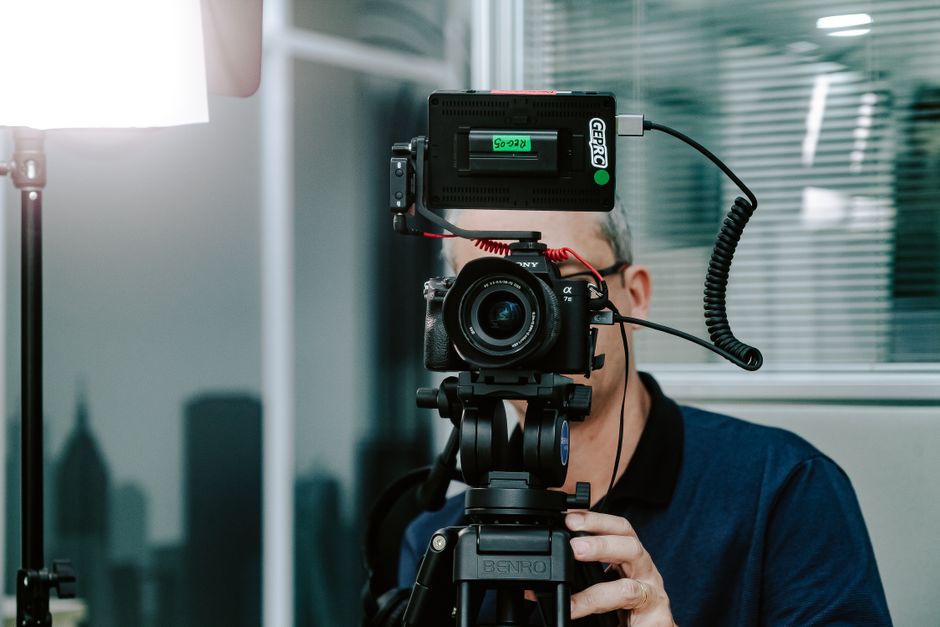
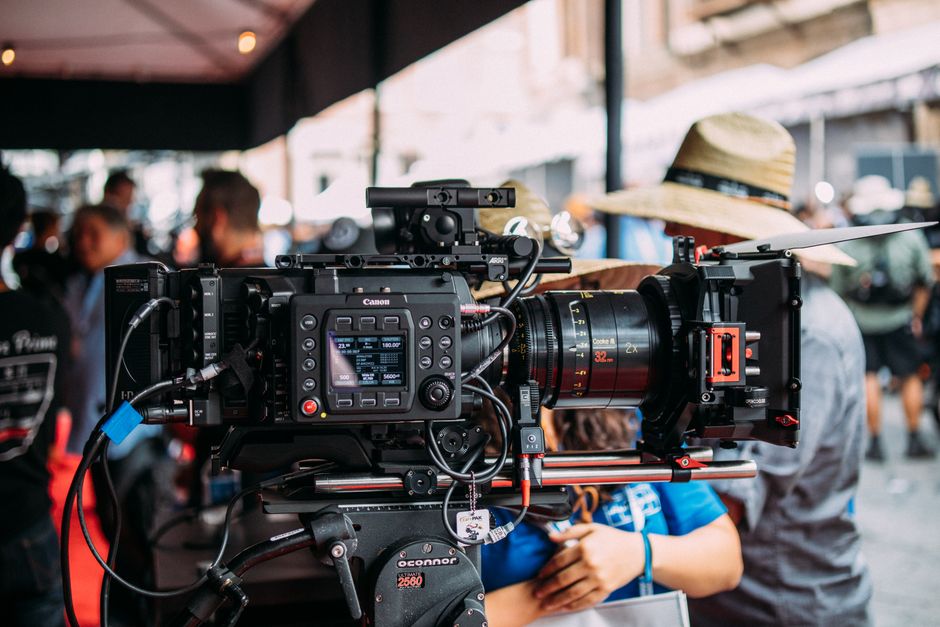
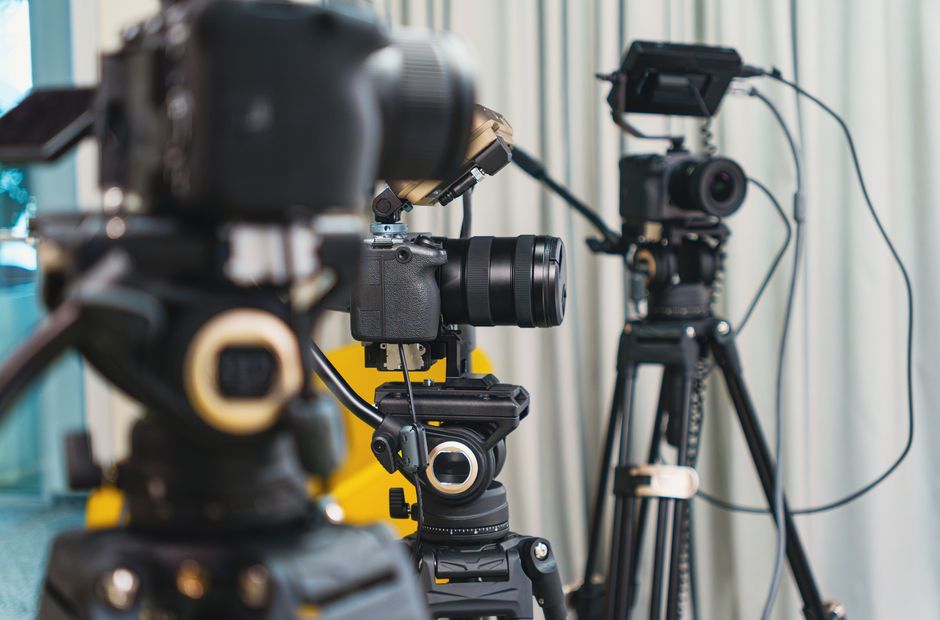
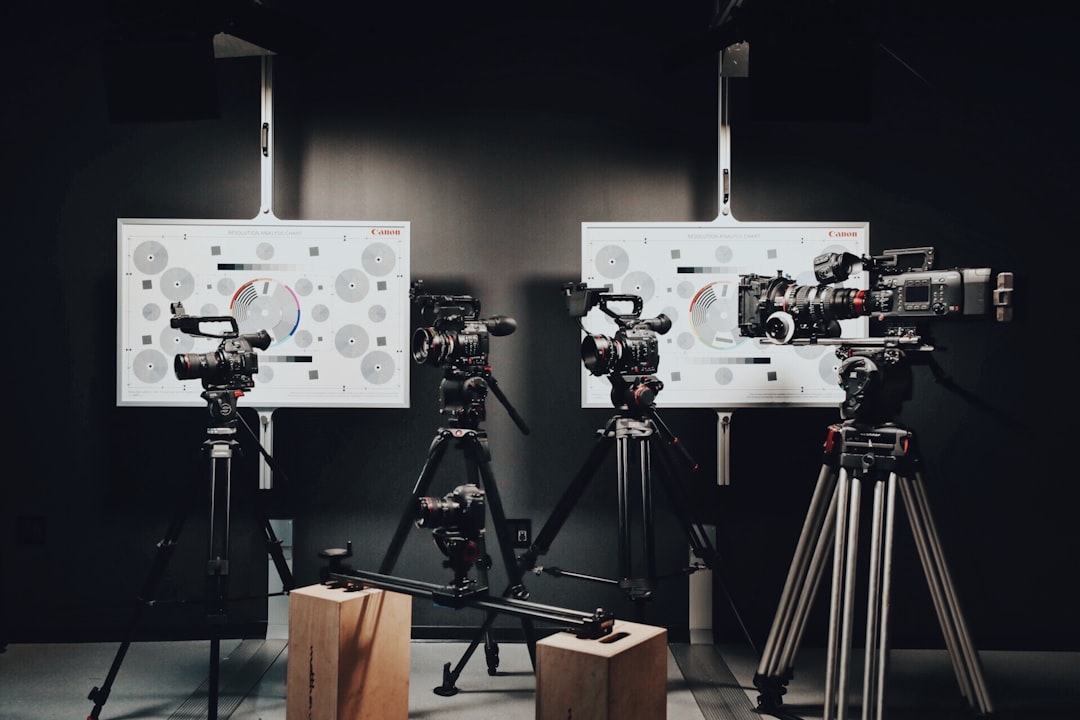
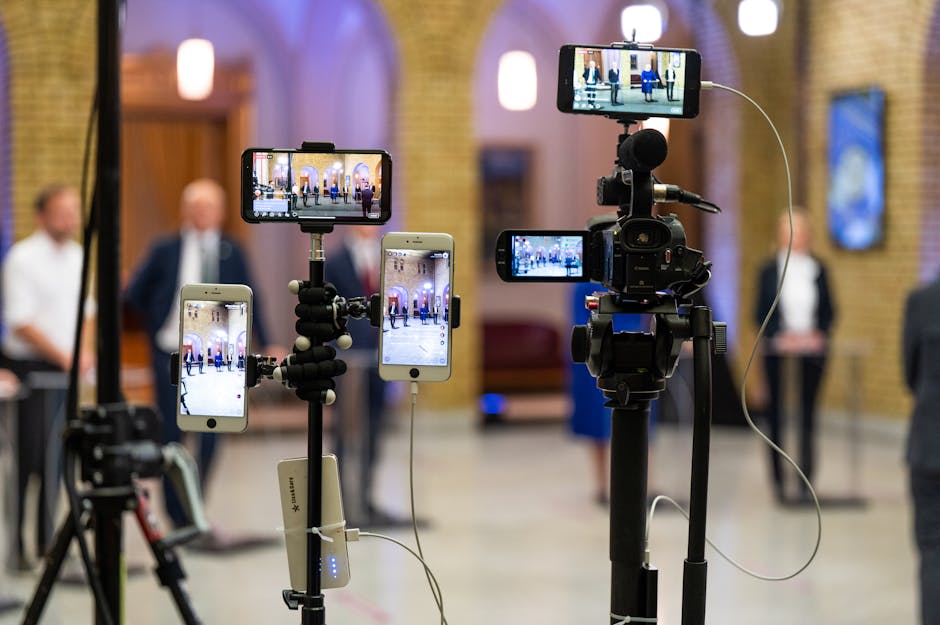
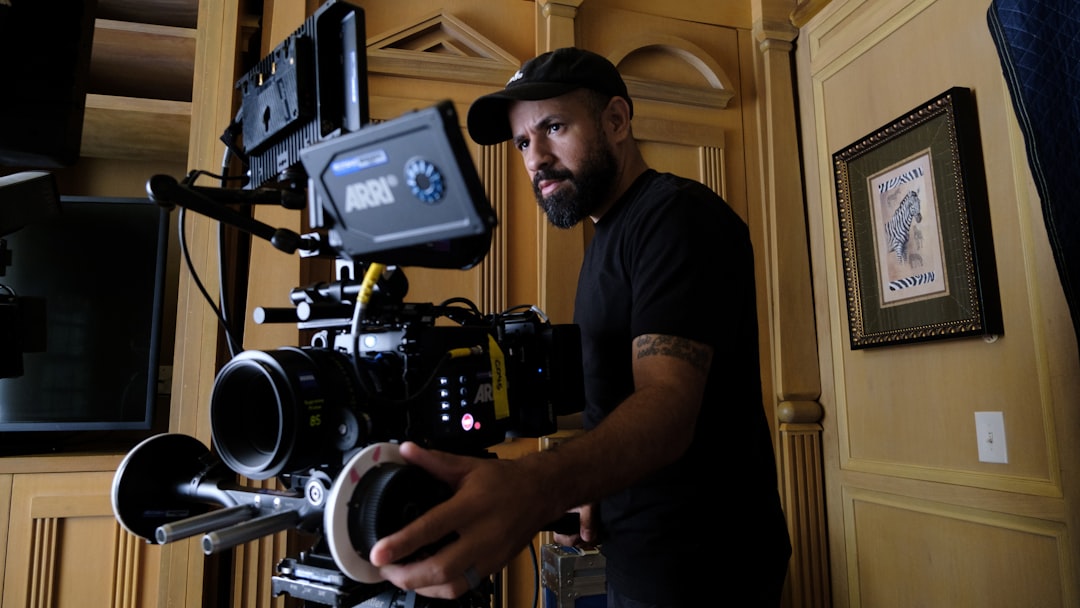
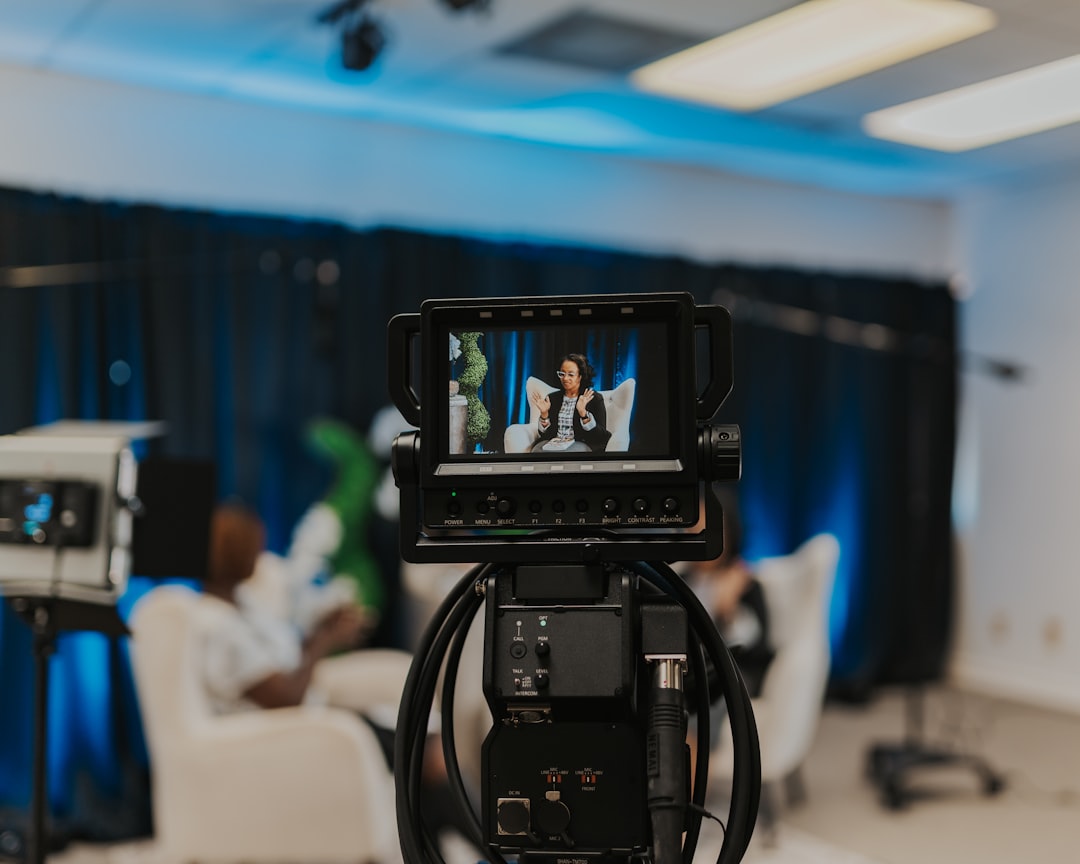
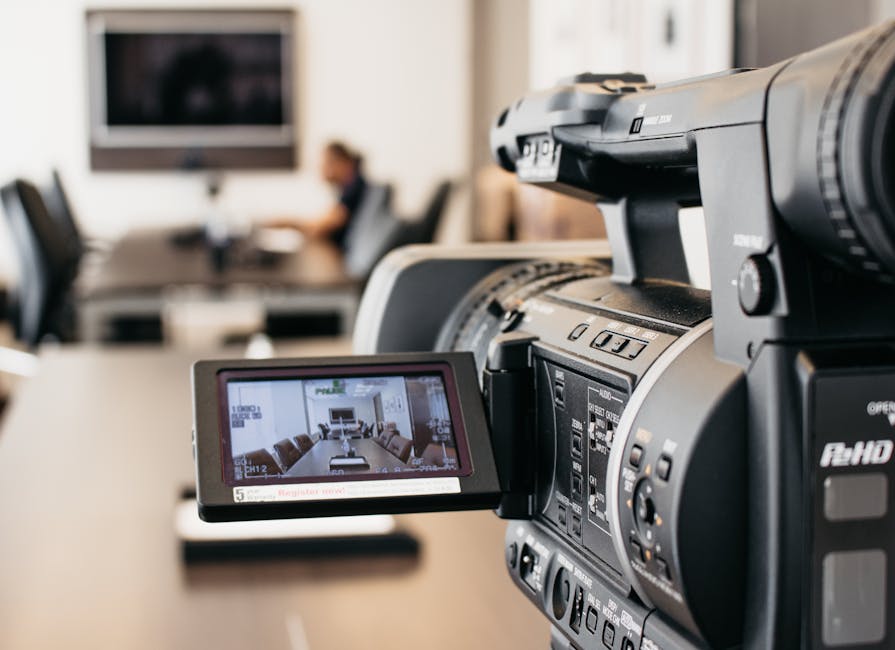
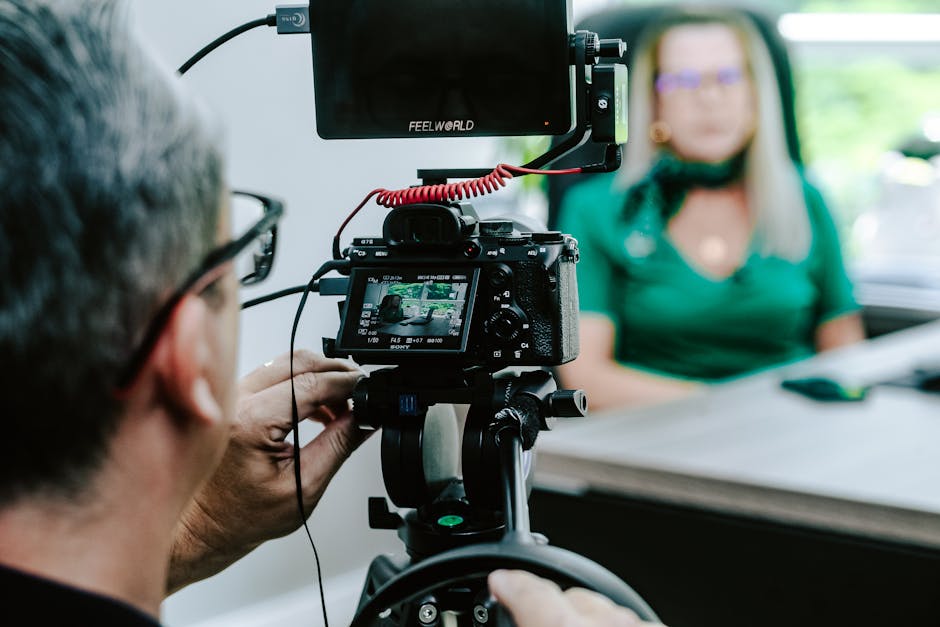
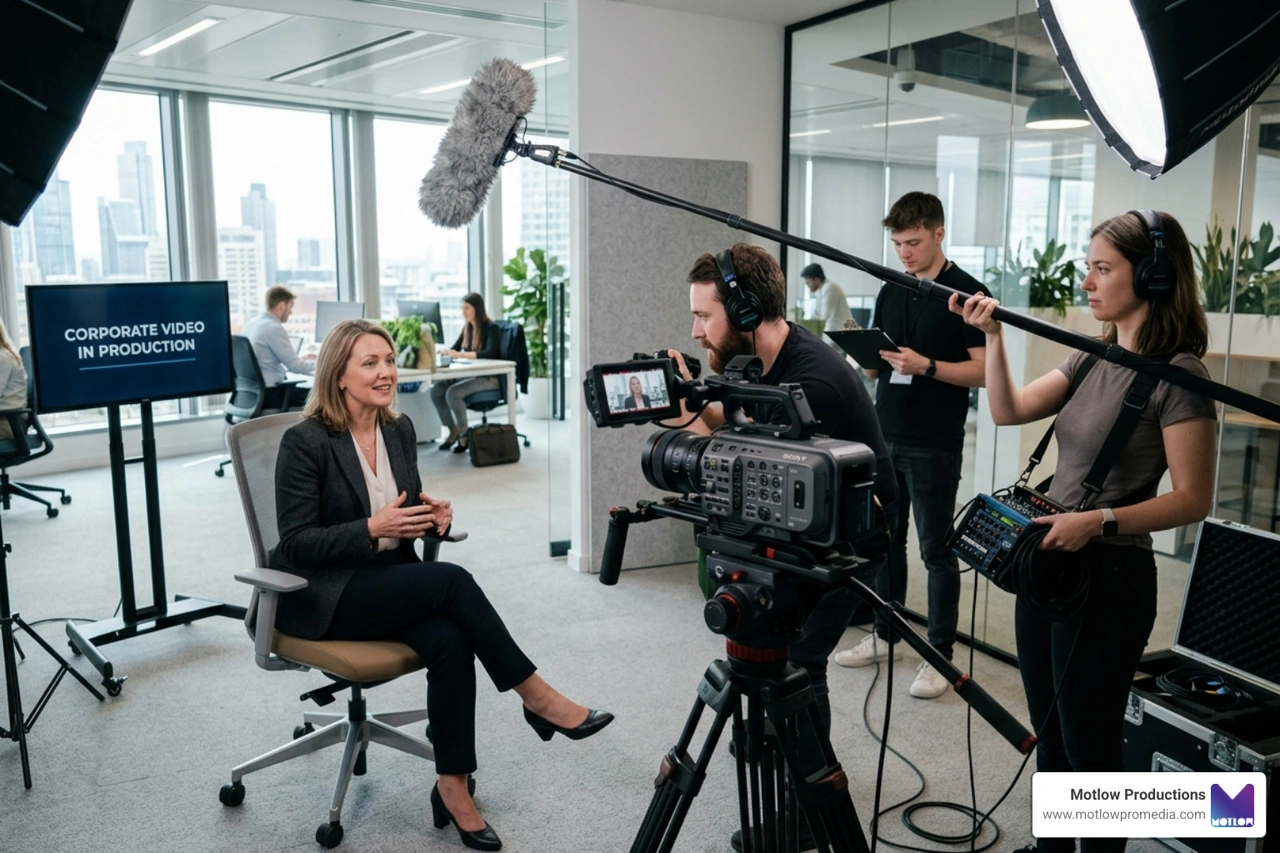
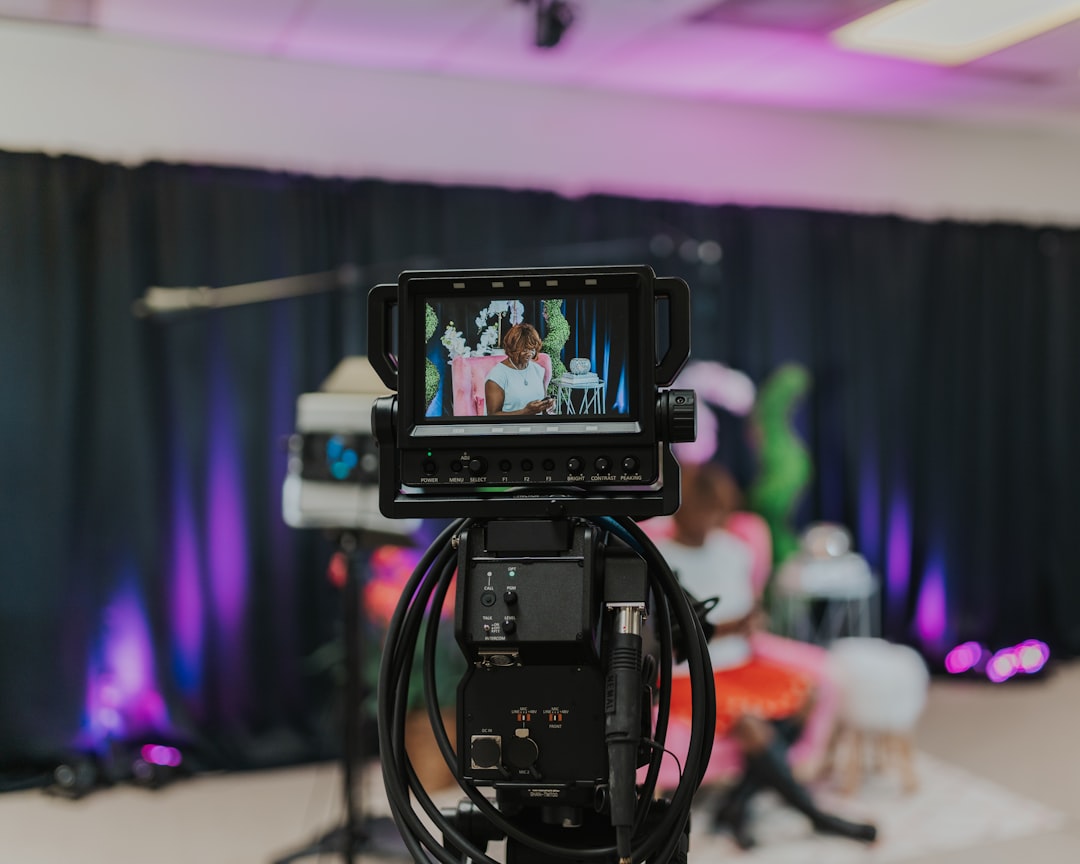
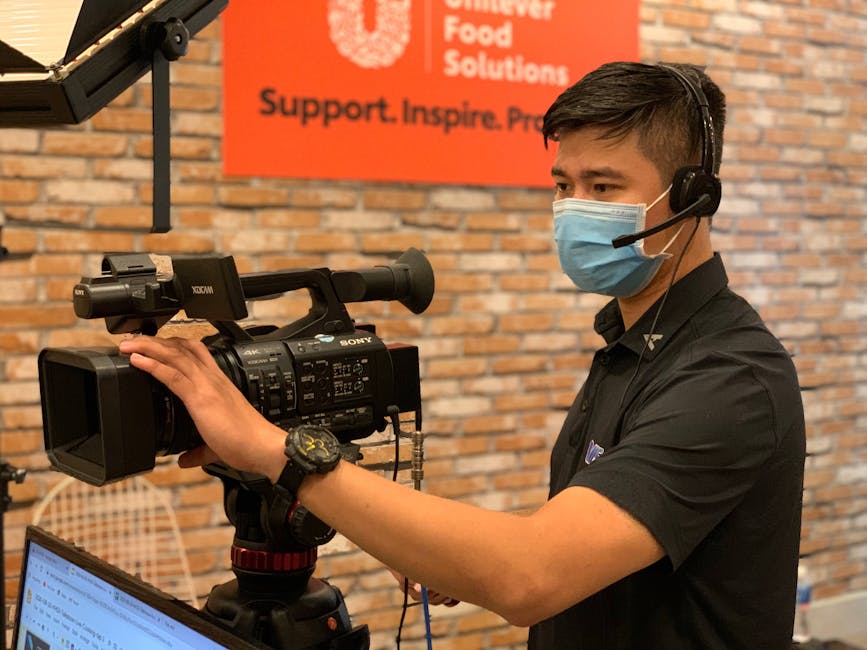
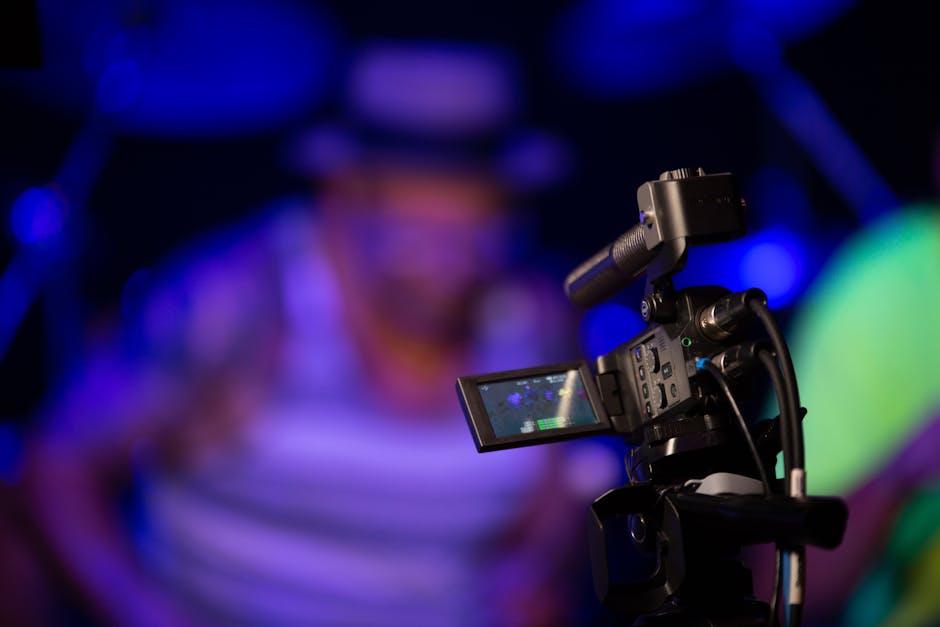
Multi-camera conference coverage protects stage content while adding visual variety.
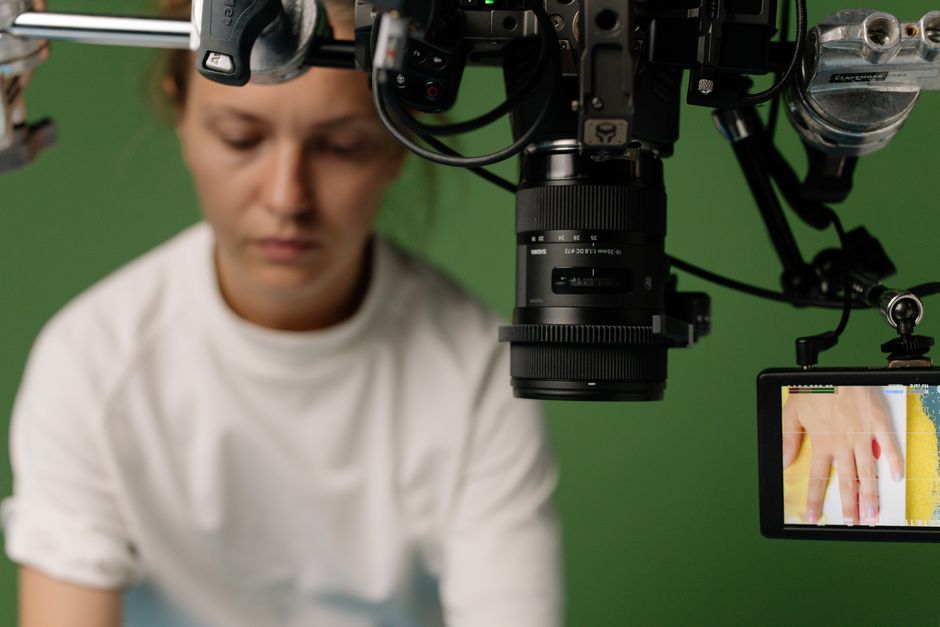
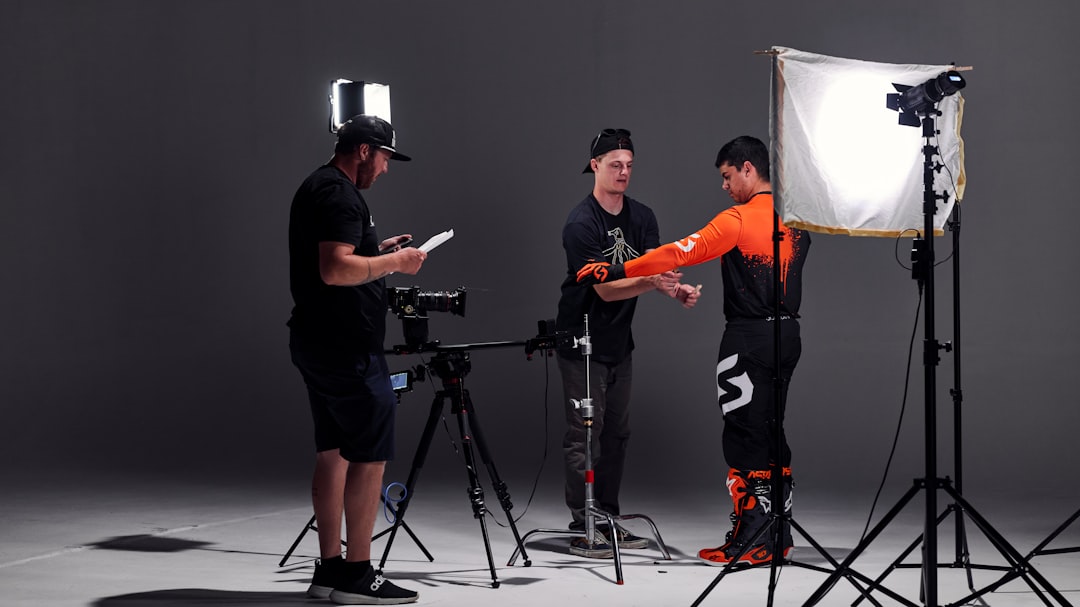
Complete conference coverage requires dependable angles that protect continuity throughout long sessions and speaker movement. Highlight capture requires mobility and visual variety, including establishing shots, close details, transitions, candid interactions, and audience response.
Trying to assign both responsibilities to one fixed camera can force an unacceptable choice between documentation and storytelling. A multi-camera plan should distinguish cameras protecting the program feed from operators collecting cinematic and social-first material.
This deserves its own line item in the production plan rather than an assumption that one crew can quietly handle both jobs: name who owns the program-feed cameras, who owns the highlight coverage, and what has to be locked before the event to make that split work. Check that split against whether it still delivers knowledge and atmosphere in formats each audience actually needs, and adjust it if speaker movement or venue access changes.
For additional context, see the event highlight reel production guide.
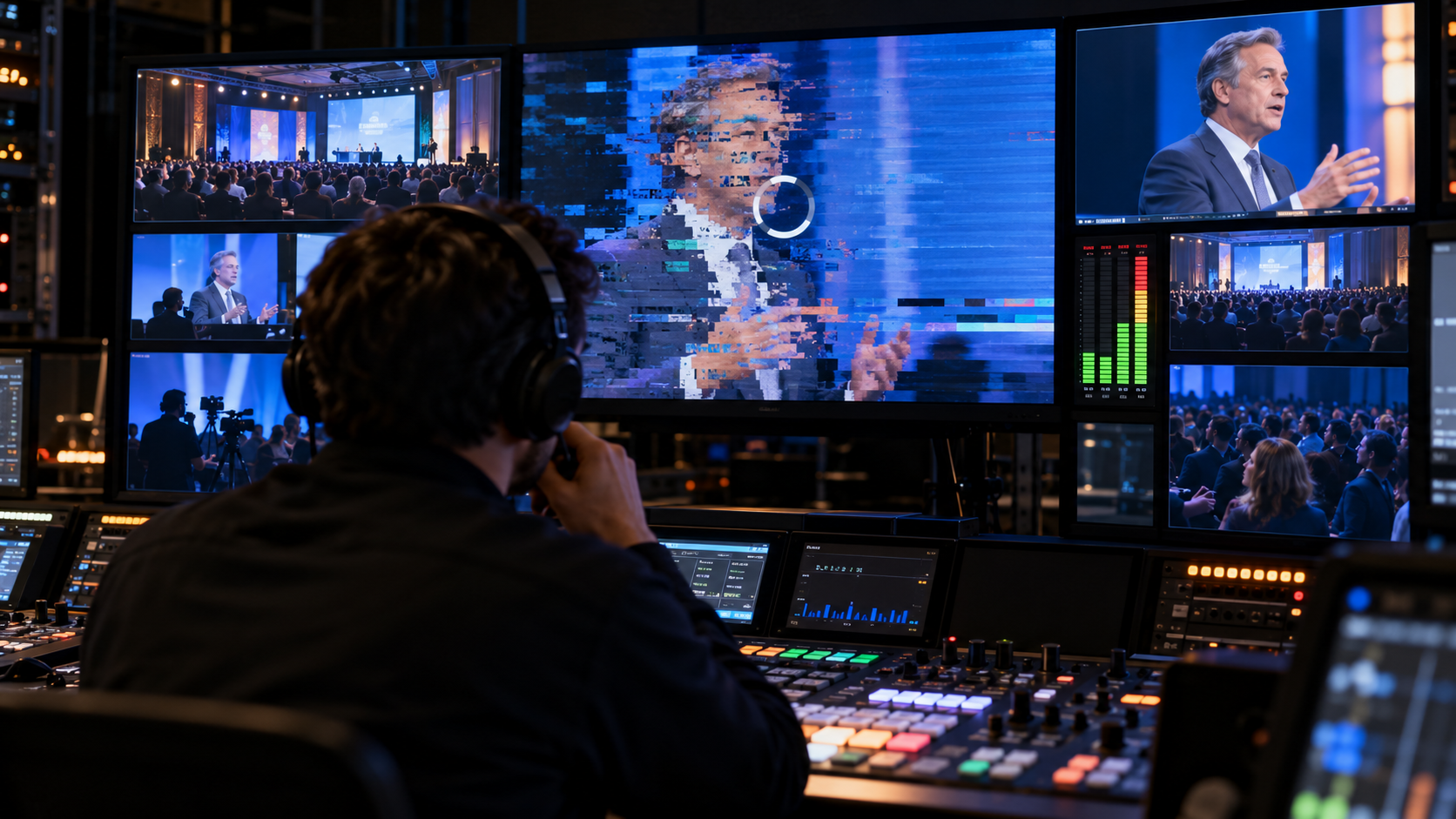
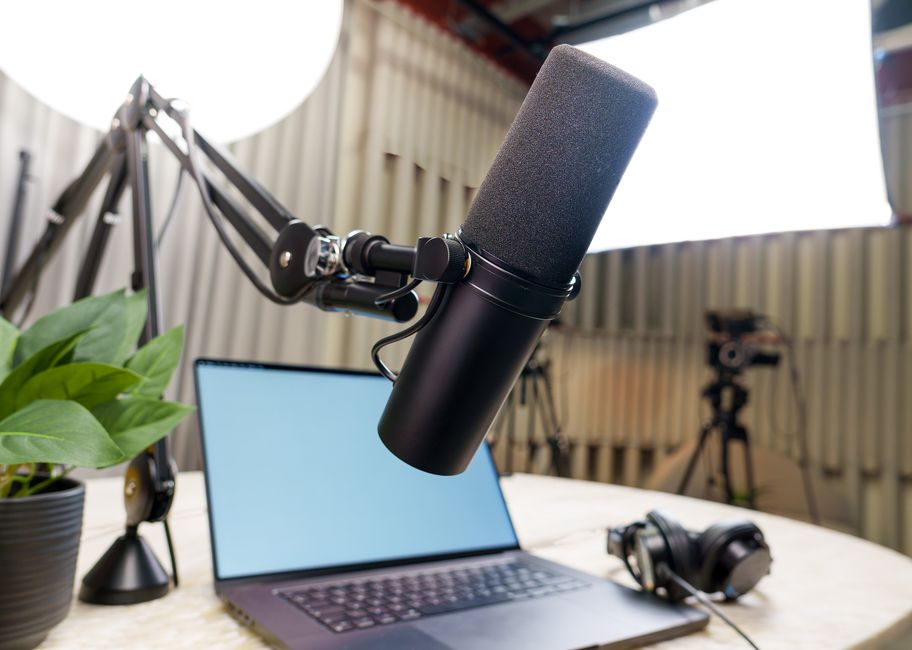
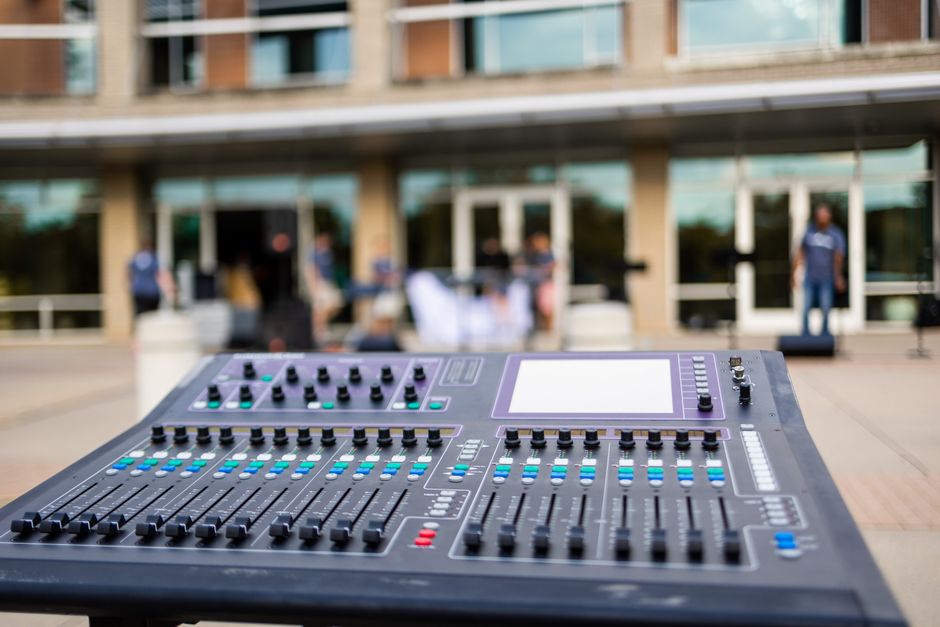
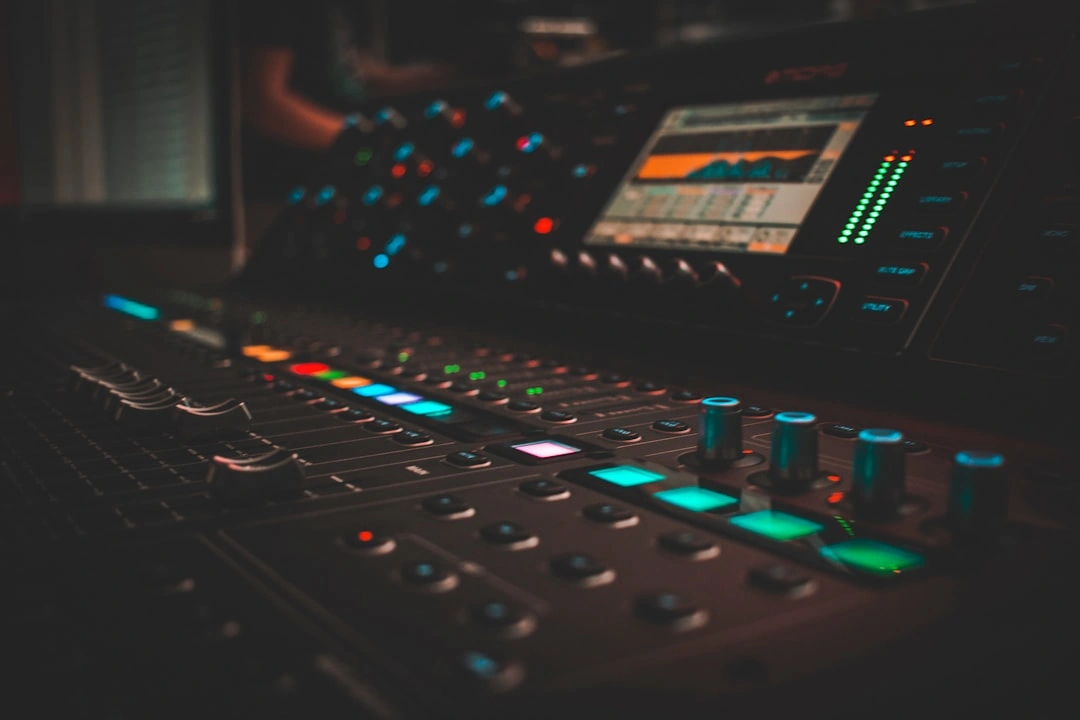
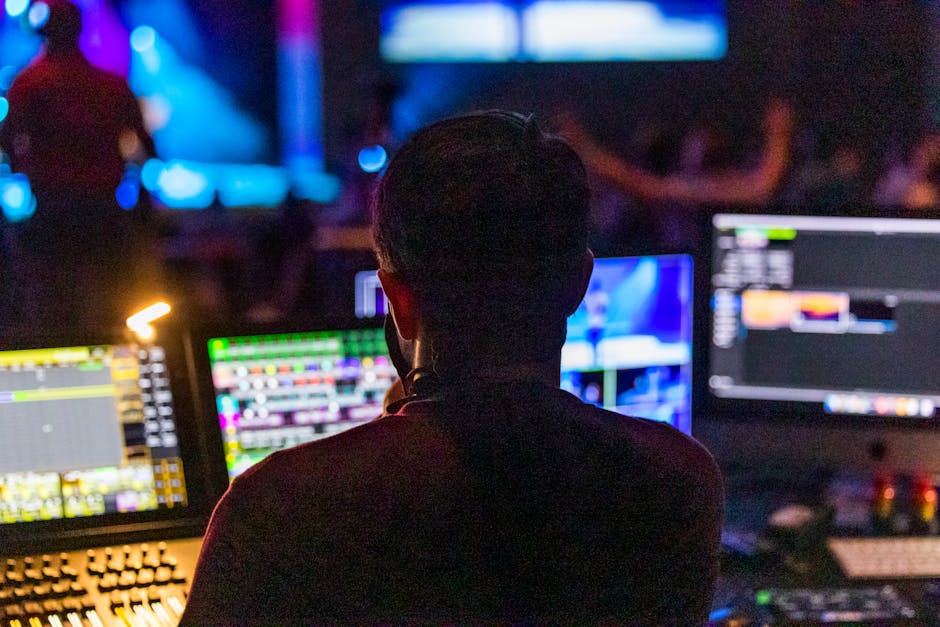
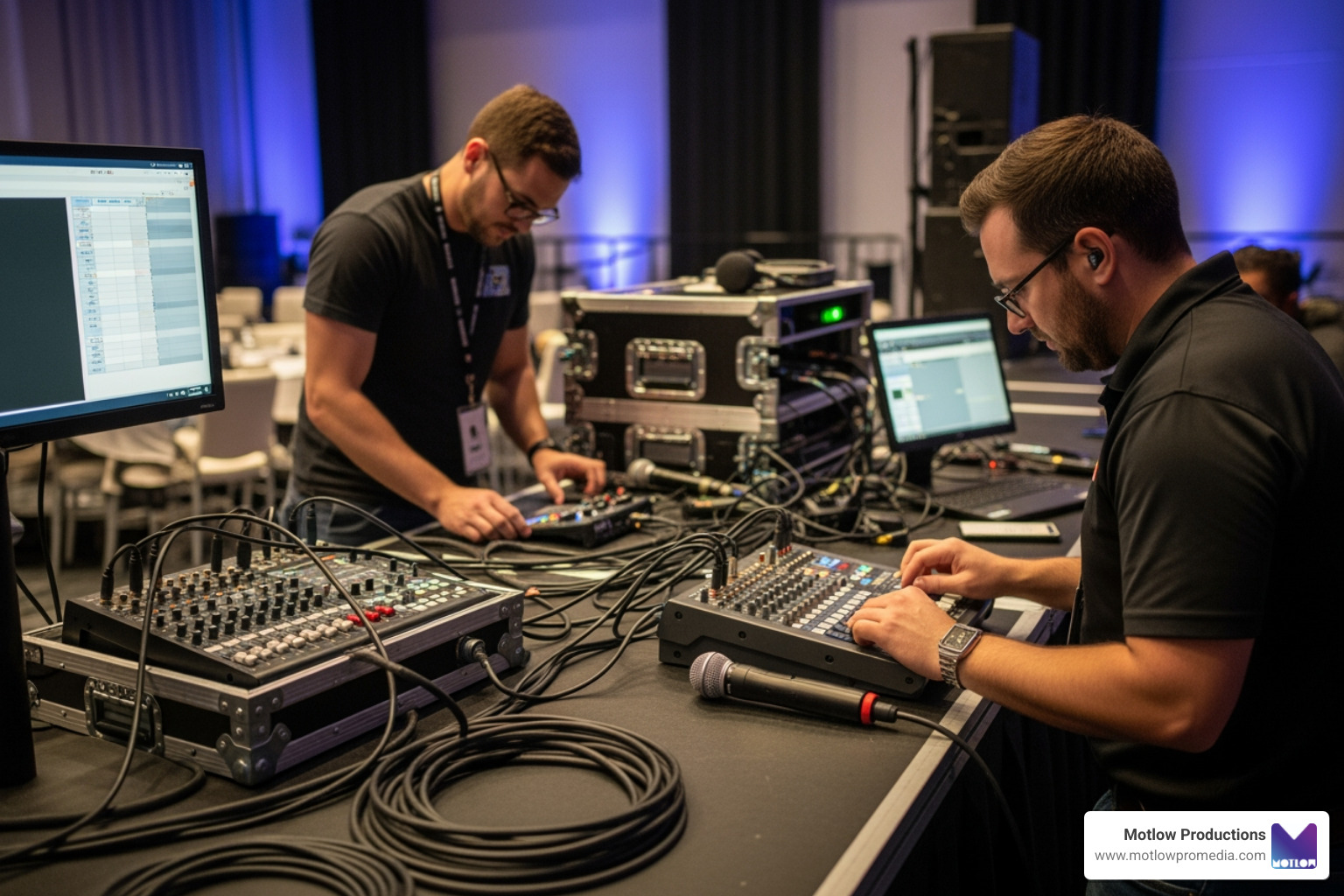
For session content, audio is the spine of the asset because viewers need to understand every speaker and question. That may require isolated microphone feeds, room audio, backup recordings, presentation playback, and careful synchronization.
A highlight reel can use music and brief natural-sound moments, but clean interview clips and applause still strengthen authenticity. Plan audio routing and rights before the event so editors are not limited by missing tracks or music that cannot be published.
Getting audio right for both deliverables starts with knowing exactly what has to be true before the doors open: which feeds are isolated, who confirms the routing works, and how fast the team can get an answer if something's missing. That clarity is what keeps conference planners and marketing teams from ending up with gorgeous footage nobody can use because the audio underneath it can't carry the message.
For additional context, see W3C's guidance on captions.
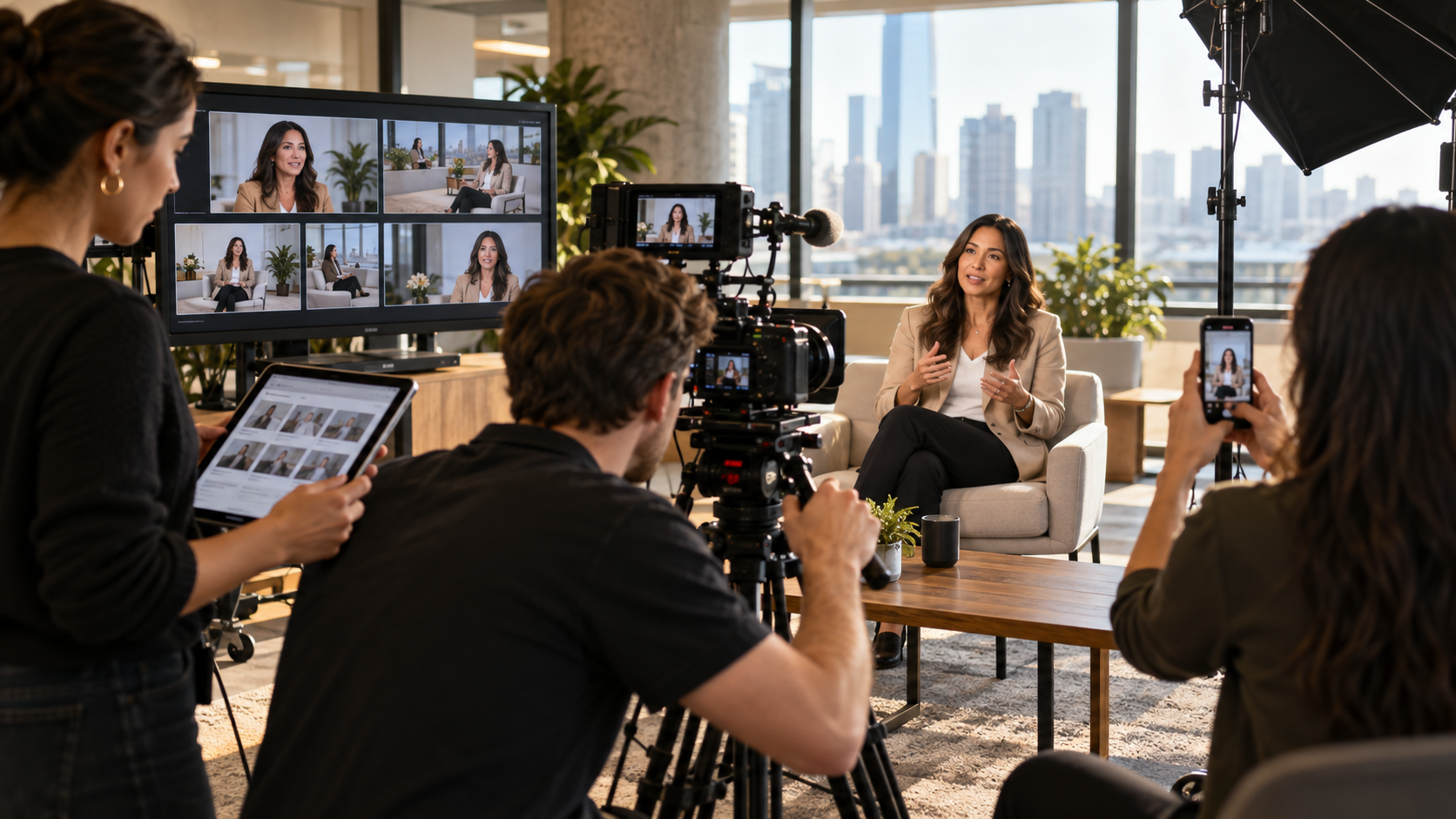
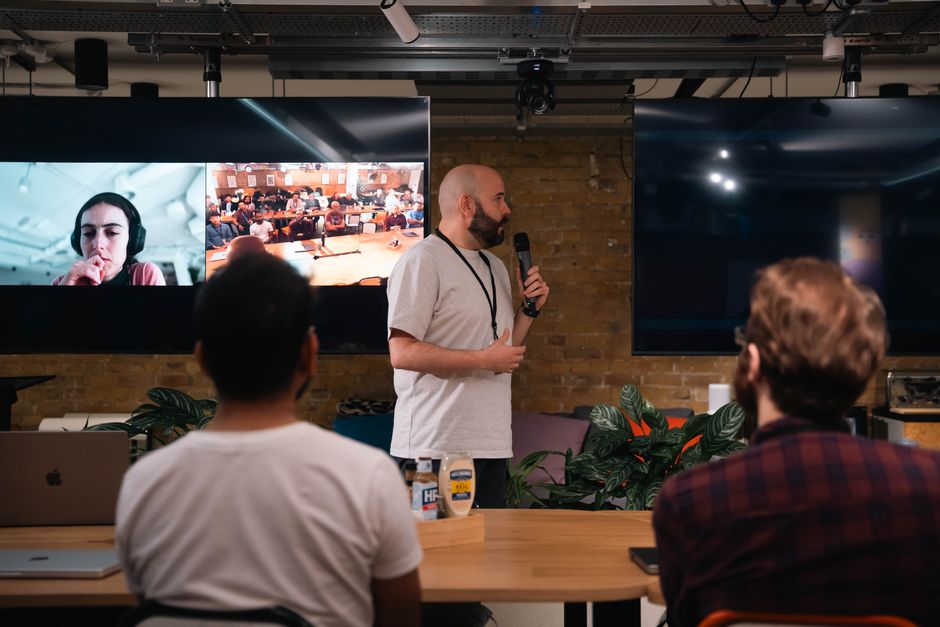
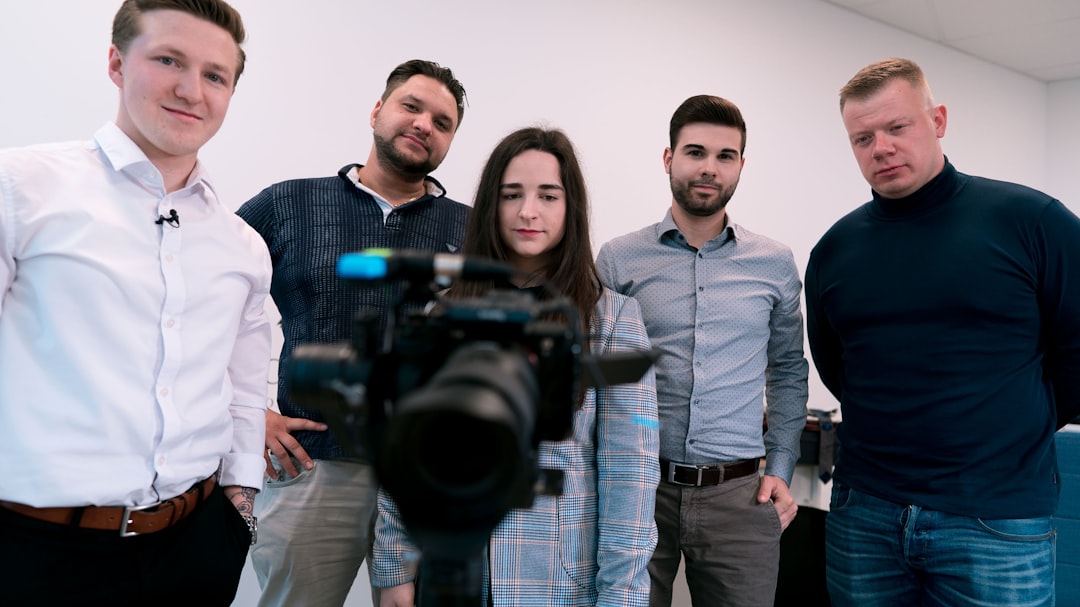
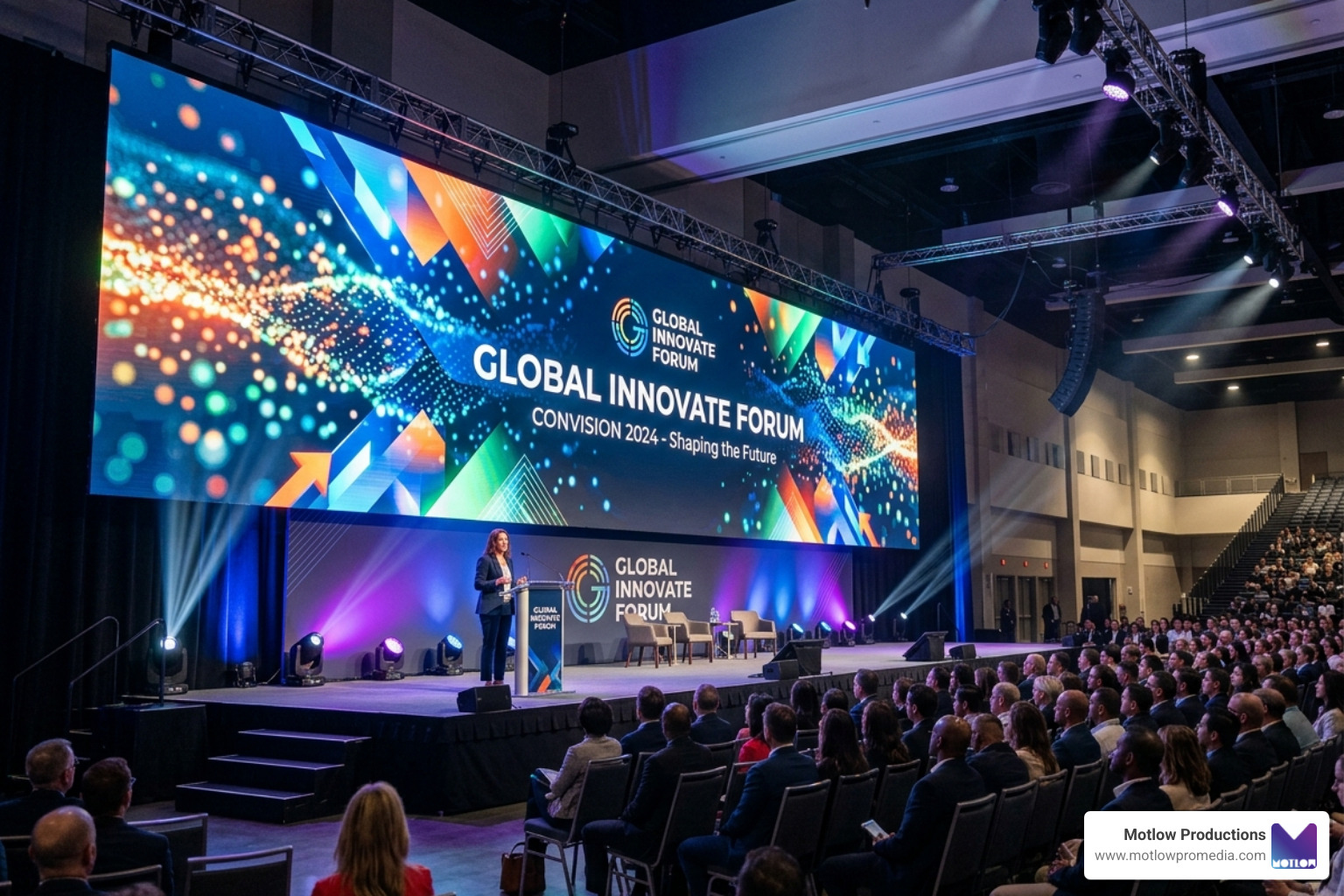
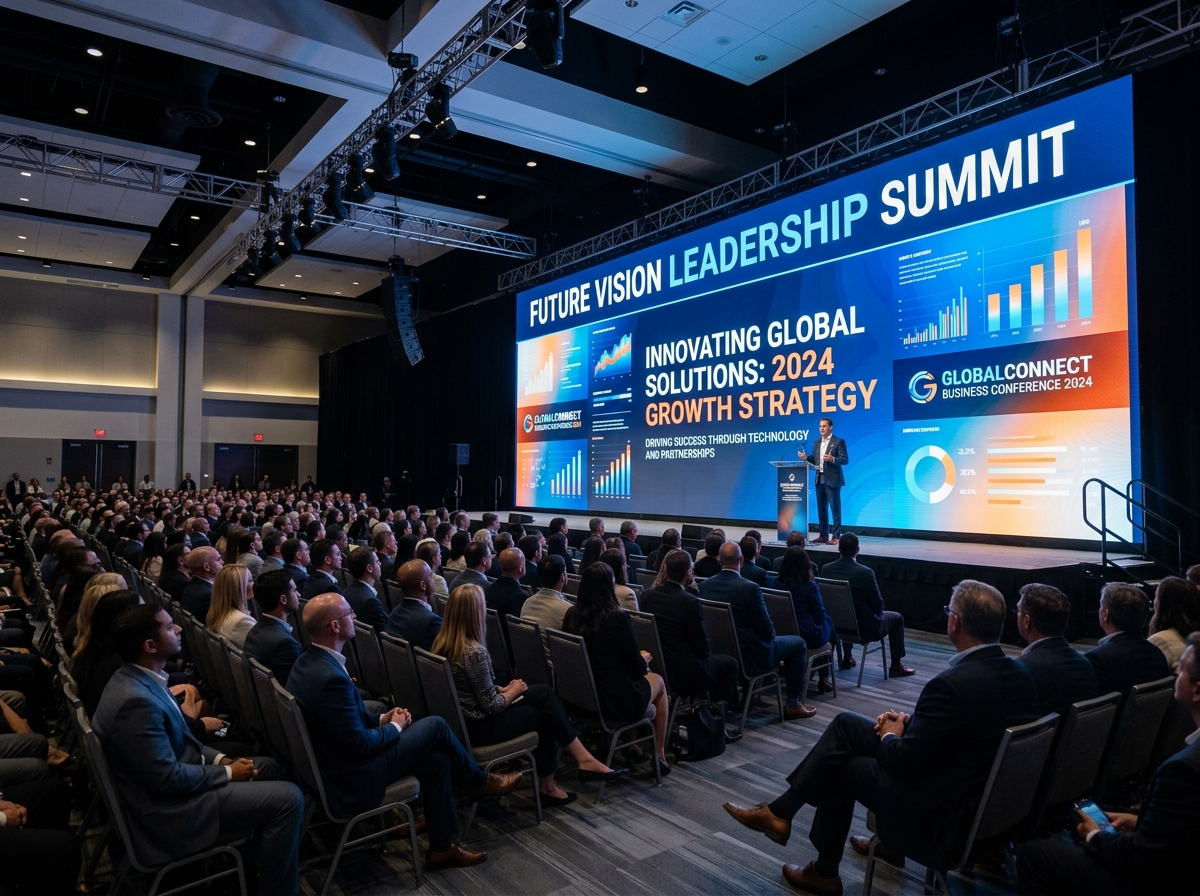
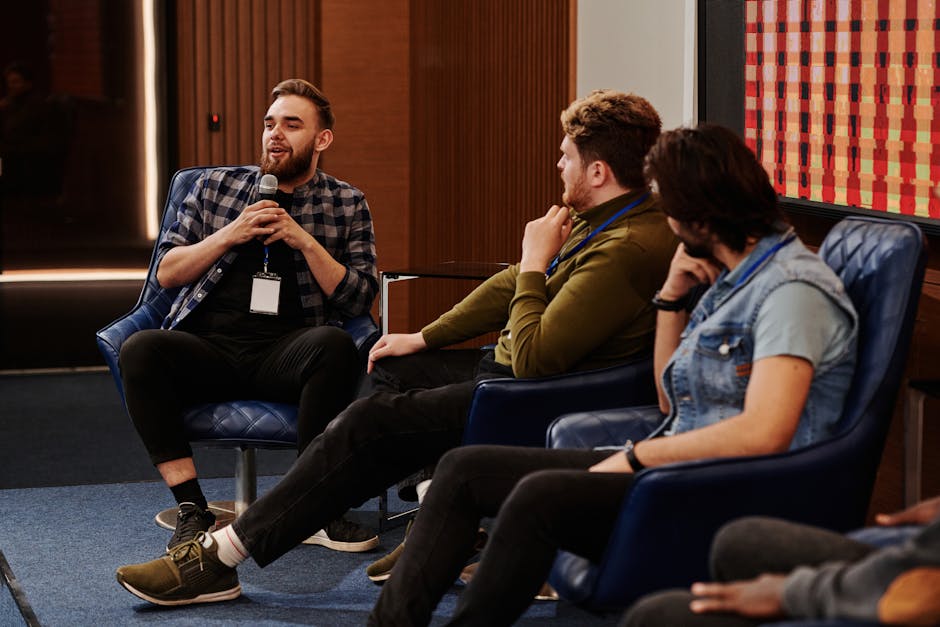
Panel footage preserves the ideas, speakers, and audience context of the event.
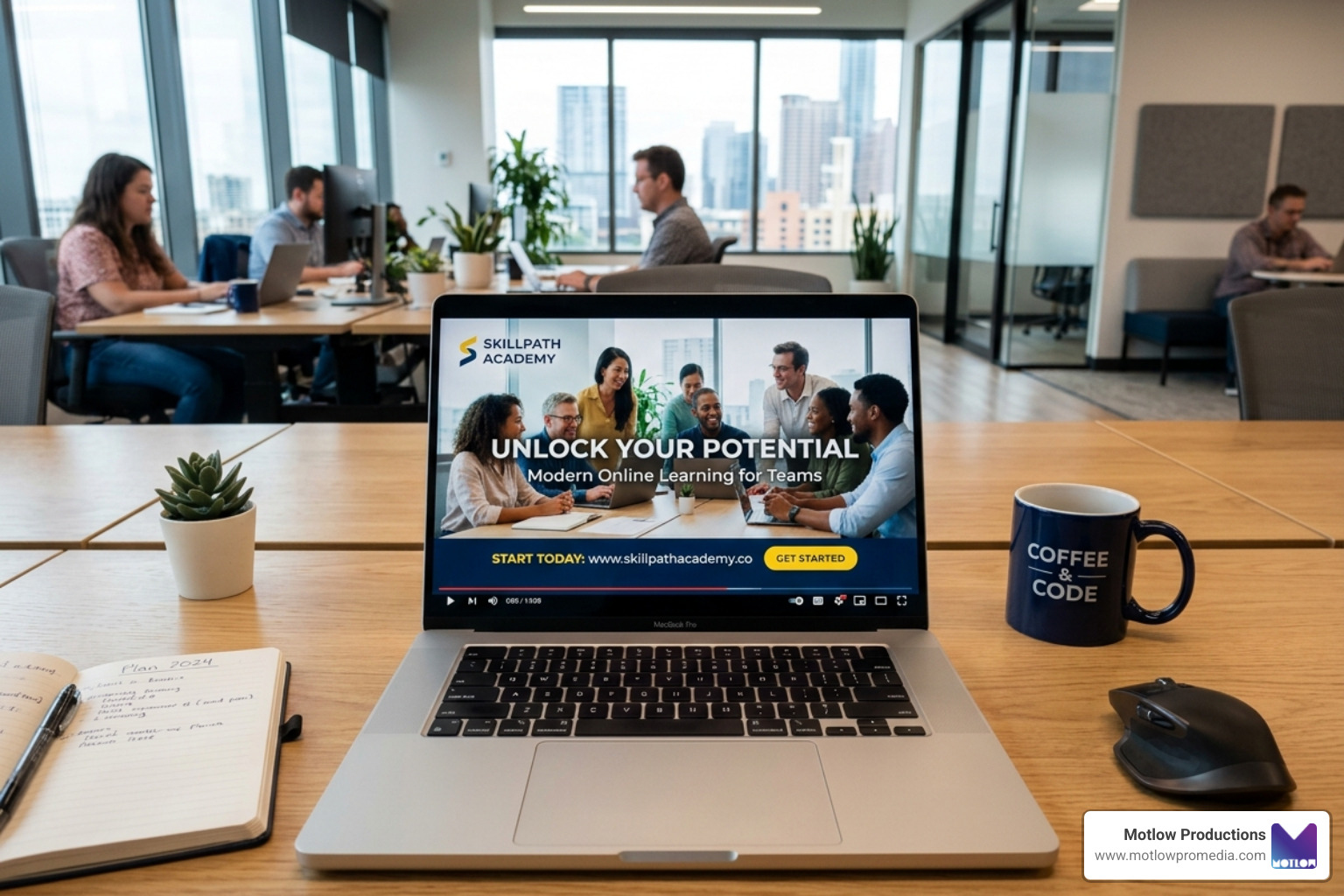
Conference recordings may live in a resource center, learning platform, internal portal, sponsor package, email series, or searchable video library. Highlight reels are more likely to lead a landing page, social campaign, sales presentation, recap email, or announcement for the next event.
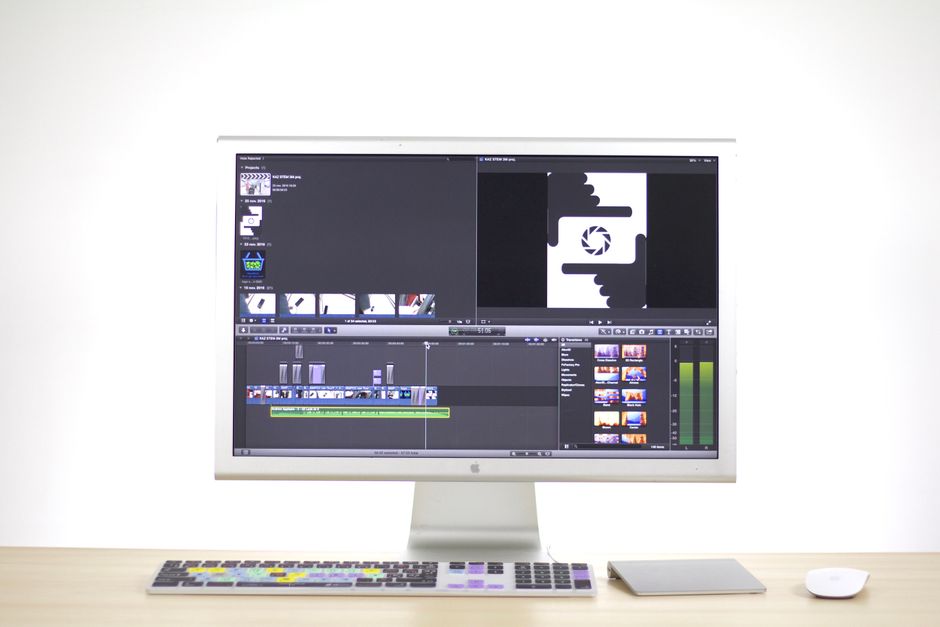
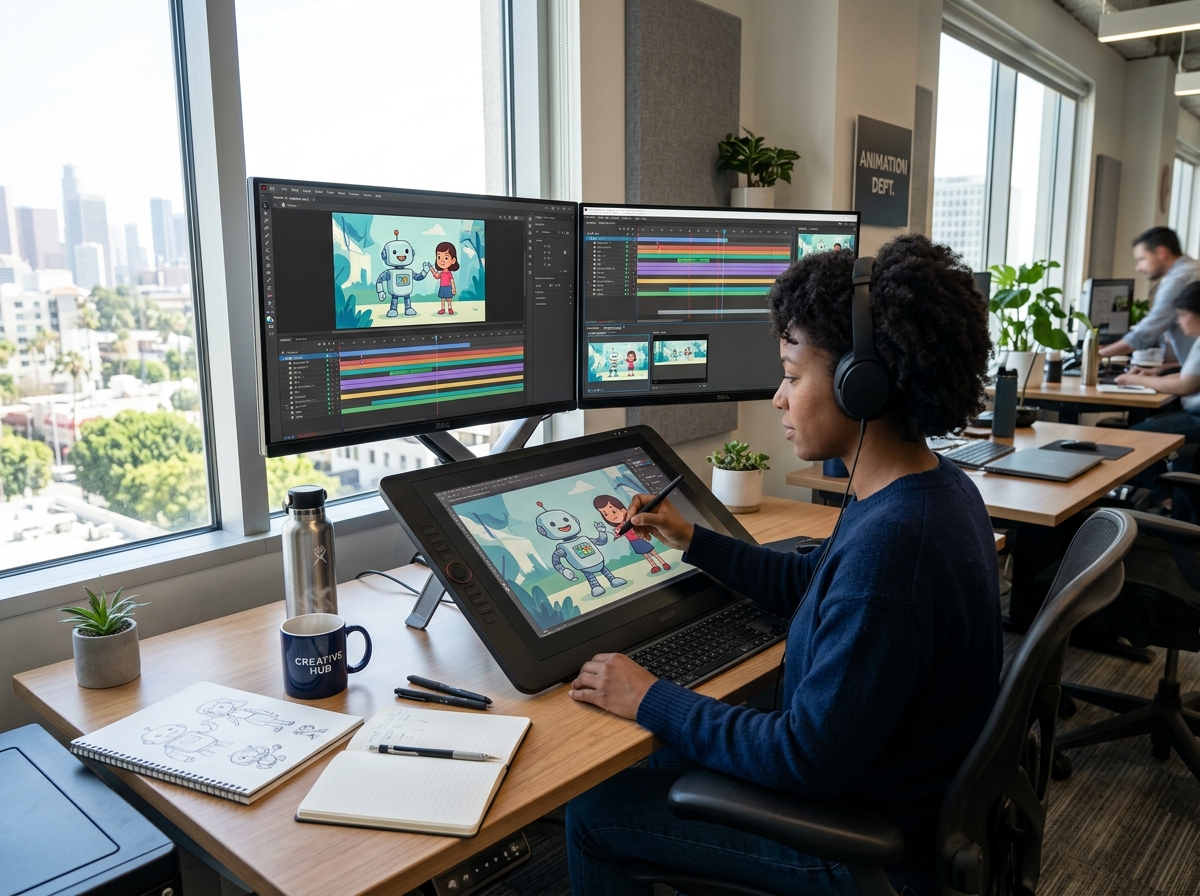
Choose aspect ratios, caption styles, lengths, calls to action, and delivery dates for each destination before post-production begins. A master edit alone is rarely enough when the channels and viewer intentions differ.
Put these distribution decisions in the creative brief and the post-production schedule, not just in a Slack thread that gets buried. A workable decision is specific enough that an editor could act on it without asking a follow-up question, and it should trace back to where the asset will actually live. Revisit the plan again before final export, when adjustments are still cheap, and measure it against whether both audiences — the ones who want substance and the ones who want atmosphere — end up served.
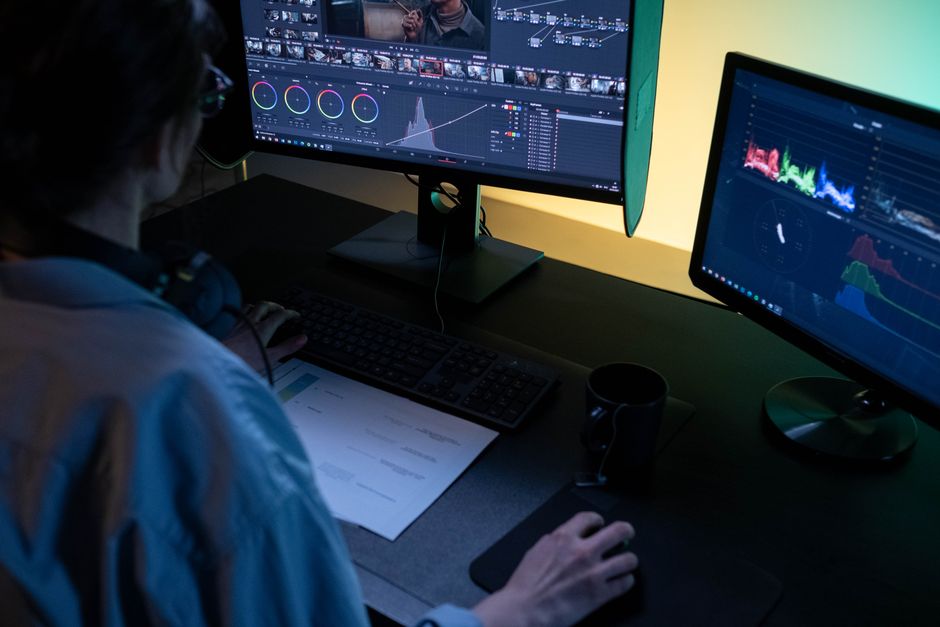
The most efficient strategy does not force conference video and the highlight reel to compete for attention or budget. It identifies the moments needed to preserve knowledge and the moments needed to tell the event story, then assigns coverage accordingly.
A shared production brief can coordinate session priorities, sponsor obligations, interview windows, release requirements, rapid-turn edits, and the long-term library. This produces a more complete return from the event without assuming every recorded minute should become a finished asset.
This is also where it helps to weigh internal capacity against what a production partner should own — deciding who confirms session priorities, who owns the highlight shot list, and what the consequence is if either answer arrives late. Getting that division of labor settled ahead of time is what keeps the event from producing either an unusable archive or a reel with nothing behind it.
For additional context, review the content architecture Motlow Pro Media builds around events like this.
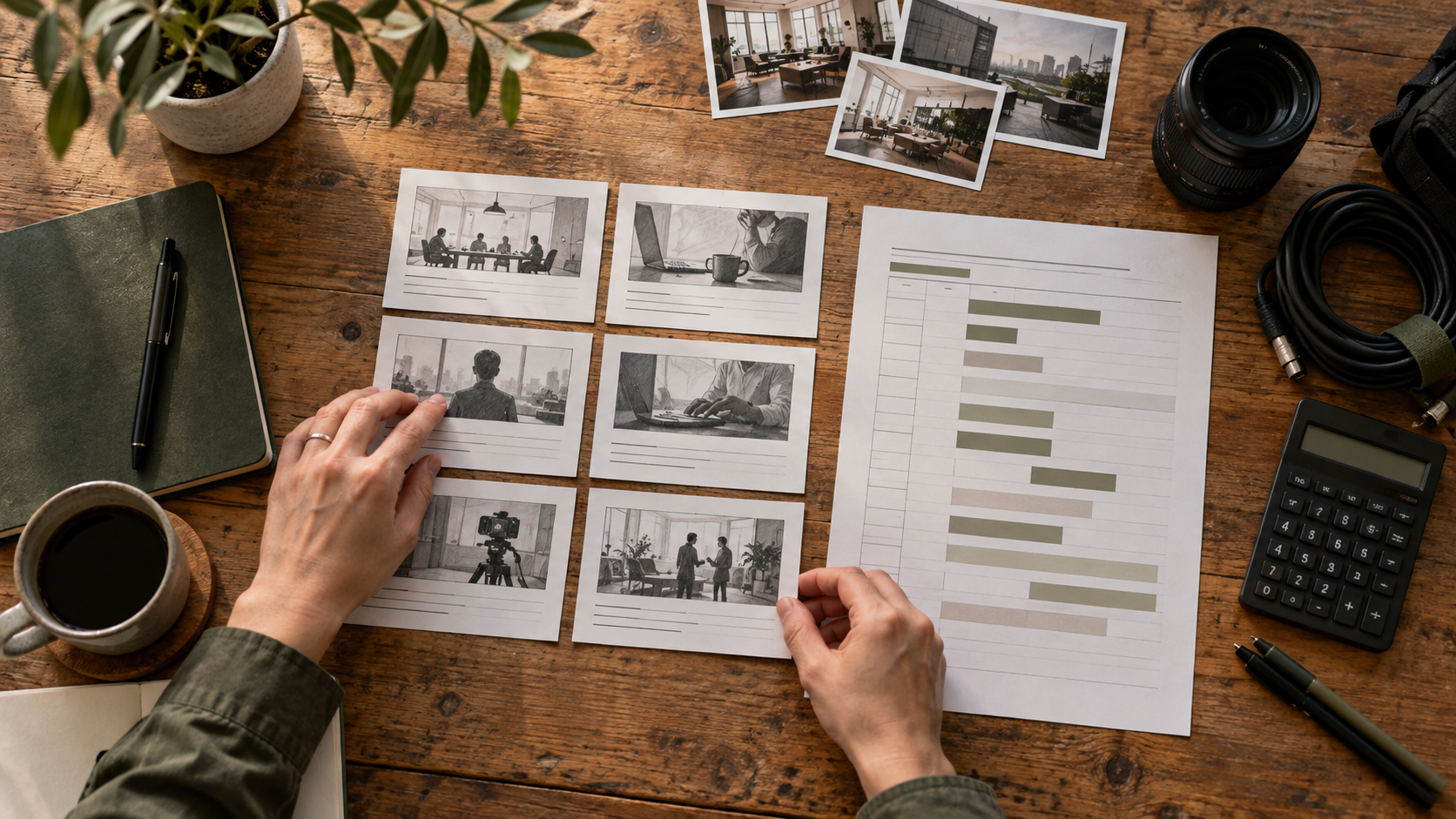
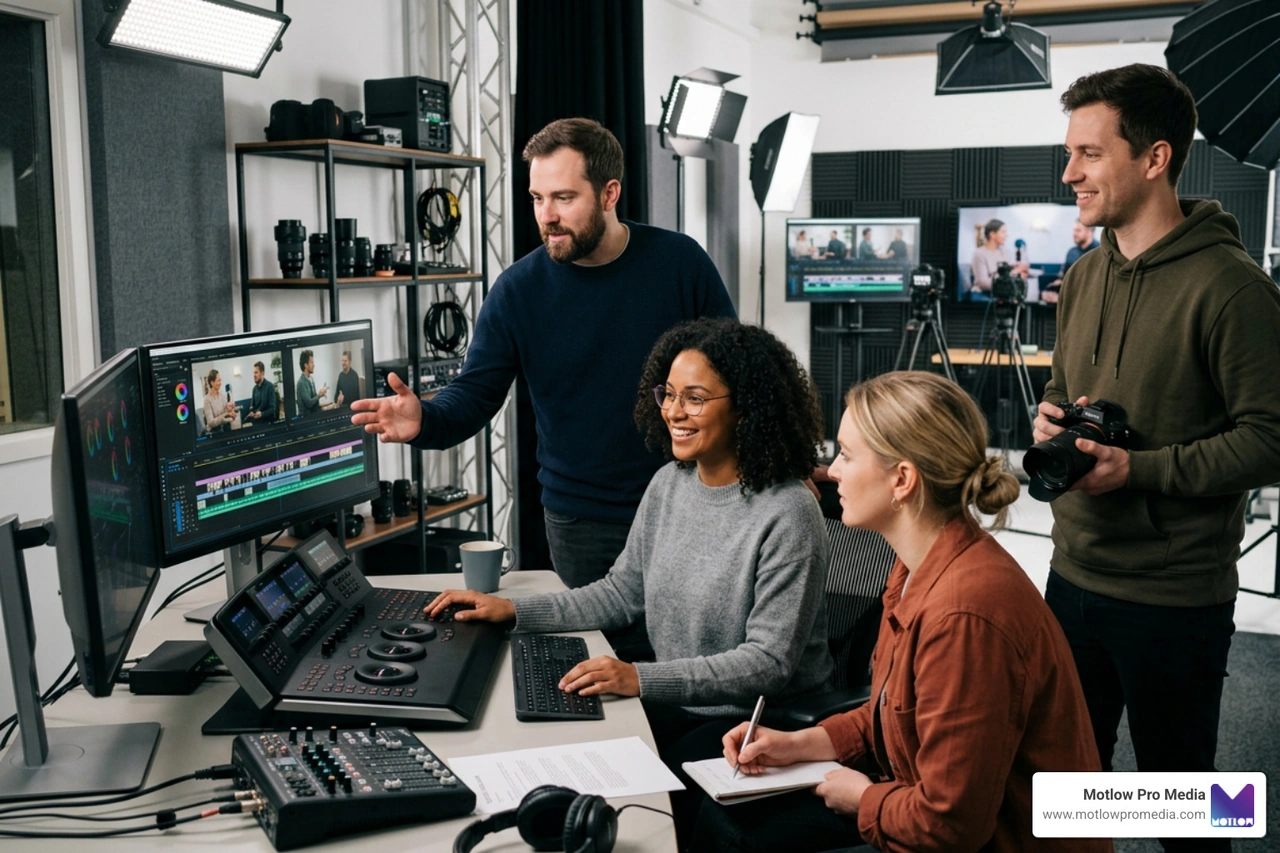
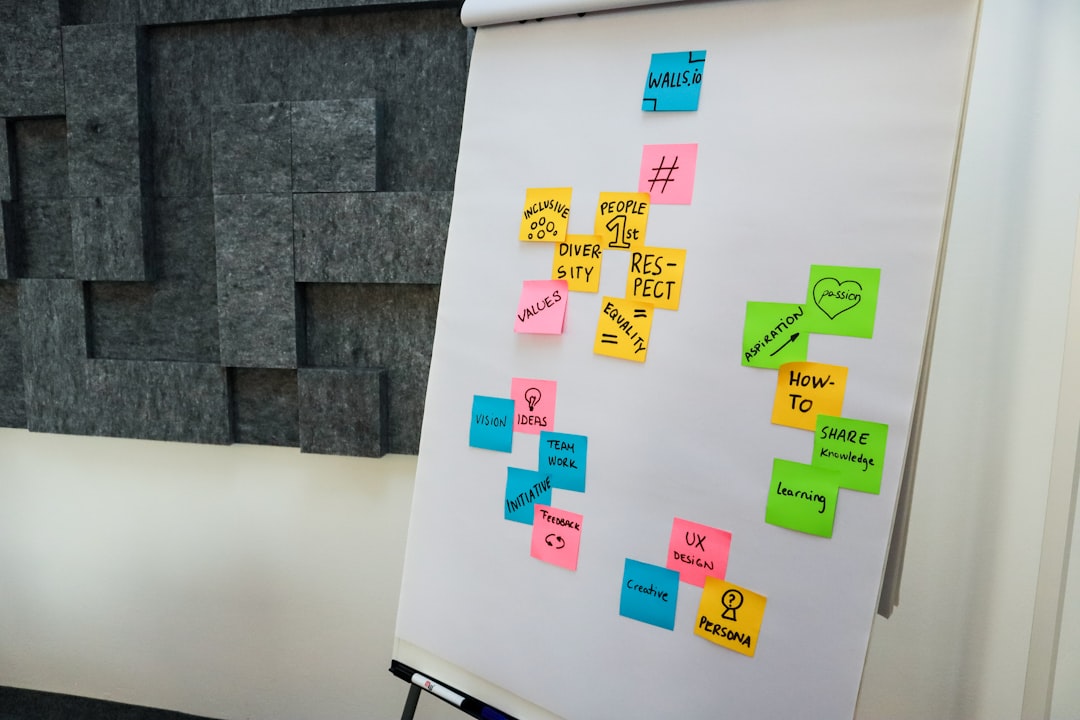
Bring the marketing owner, the production lead, and whoever controls session access, budget, or approval into one 45-minute session well before the event. Use it to rank which sessions need full documentation, which highlight moments matter most, and how the camera plan should split between the two, then assign a date to each open question. The goal is to leave with an executable plan, not another list of preferences.
From there, weigh the audio, distribution, and content-architecture decisions against the real schedule and crew size available on-site. Cut anything with no clear audience or destination, and protect whichever elements most directly deliver both knowledge and atmosphere to the people who need each one. Where a dependency can't be resolved before the event, name what it costs in timing, quality, or coverage instead of hoping it works out.
After the event, take a short look back: which sessions and highlight moments earned their place, what caused delay or rework in the edit, and what should change for next year. Keep those notes with the brief, schedule, releases, and final deliverables so next year's plan starts ahead of this one.
Length depends on the destination and goal. A short social recap may be under a minute, while a website or sponsor reel may need more room to establish the event story. Lock the target length into the creative brief so the edit isn't guessing at scope midway through.
Not necessarily. Prioritize high-value sessions, contractual sponsor deliverables, major announcements, and presentations with strong long-term relevance. Write the prioritized list into the brief so everyone agrees on what "complete coverage" actually means for this event.
Yes, but continuous program coverage may not provide enough visual variety. Plan dedicated highlight footage so the reel can show audience, environment, movement, and emotion as well as the stage. Note this split in the shot list so the highlight crew isn't relying solely on the program feed.
Conference video protects the value of what was said. An event highlight reel communicates why the experience mattered. Treating them as separate but coordinated deliverables allows planners to serve education, promotion, sponsorship, internal communication, and future registration with one thoughtful production plan.
Some clients want to give notes in a live Zoom call. Others prefer a group text or email thread. However you like to communicate, we adapt. You’ll never be left guessing where things stand - and you’ll always have a say before anything goes out the door.





Phone:
+1 863-250-8639
.png)
Email:
info@motlowpromedia.com