



































































Thank you! Your submission has been received!
Oops! Something went wrong while submitting the form.


B2B buyers do not only make decisions based on features, services, and pricing. They also make decisions based on trust, clarity, confidence, and whether they believe a company understands the problem they are trying to solve.
That is why corporate storytelling matters.
For many companies, especially those selling complex services, the hardest part of marketing is not explaining what they do. It is making the message feel clear, relevant, and memorable to the people who need to hear it. Corporate storytelling helps turn a company's expertise, process, people, values, and results into content that buyers can actually connect with.
This does not mean making the content emotional for the sake of being emotional. It does not mean turning every video into a dramatic brand film. In B2B marketing, strong storytelling is usually simple: explain the problem, show why it matters, introduce the people or process behind the solution, and help the buyer see what is possible.
Through Motlow Pro Media's services, companies can use video production, executive interviews, event media, photography, and content strategy to tell clearer stories across sales, marketing, recruiting, and communications.
Corporate storytelling is the practice of communicating a company's value through a clear narrative instead of a list of claims.
A list says:
We offer strategy, production, event support, and post-production.
A story says:
Your marketing team is under pressure to turn one event into weeks of usable content. You need speaker clips, recap videos, sponsor footage, executive interviews, and photography, but you do not have time to coordinate five separate vendors. A strategic production partner helps you plan the event as a content opportunity from the beginning.
The second version is more useful because it places the buyer inside the situation. It shows that the company understands the problem, not just the service.
B2B storytelling can show up in many formats:
The format can change, but the goal stays the same: help the audience understand why the company matters.
Creative content is valuable, but clarity comes first.
B2B buyers are often busy, cautious, and responsible for decisions that affect their team, budget, reputation, or operations. They need to understand what the company does, who it serves, how the process works, and why the solution is credible.
If the story is confusing, the buyer will not work harder to figure it out.
A strong corporate story should answer:
This is especially important for service-based companies. A product can sometimes be shown quickly. A service often needs more explanation. Video, photography, and interviews can make that explanation more human and easier to understand.
The business video production partner guide is a helpful example of how strategic video planning should connect the message, audience, production plan, and final use before filming begins.
The most effective corporate stories do not start with the company. They start with the buyer.
Many B2B videos and brand messages begin by saying how long the company has been in business, what services it offers, and how committed the team is to excellence. Those details can matter, but they are not always where the story should begin.
The buyer is usually asking:
Do you understand what I need?
Have you solved this kind of problem before?
Can I trust your team?
Will this make my job easier?
Will this help my company look better, perform better, or communicate better?
Corporate storytelling should begin there.
For example, a marketing director planning a conference may not be looking for "video production." They may be looking for a way to make the event produce more value. A communications leader may not be looking for "executive interviews." They may be looking for a way to make leadership feel more visible and credible. A sales leader may not be looking for "content." They may be looking for assets that help explain the company's value faster.
When the story starts with the buyer's real problem, the content becomes more relevant.
B2B buyers still buy from people.
Even when the decision involves a committee, budget review, proposal process, or long sales cycle, buyers want to know who they are trusting. Corporate storytelling gives companies a way to show the people behind the work.
That may include:
These human moments help the company feel more credible and approachable. They also make the content easier to remember.
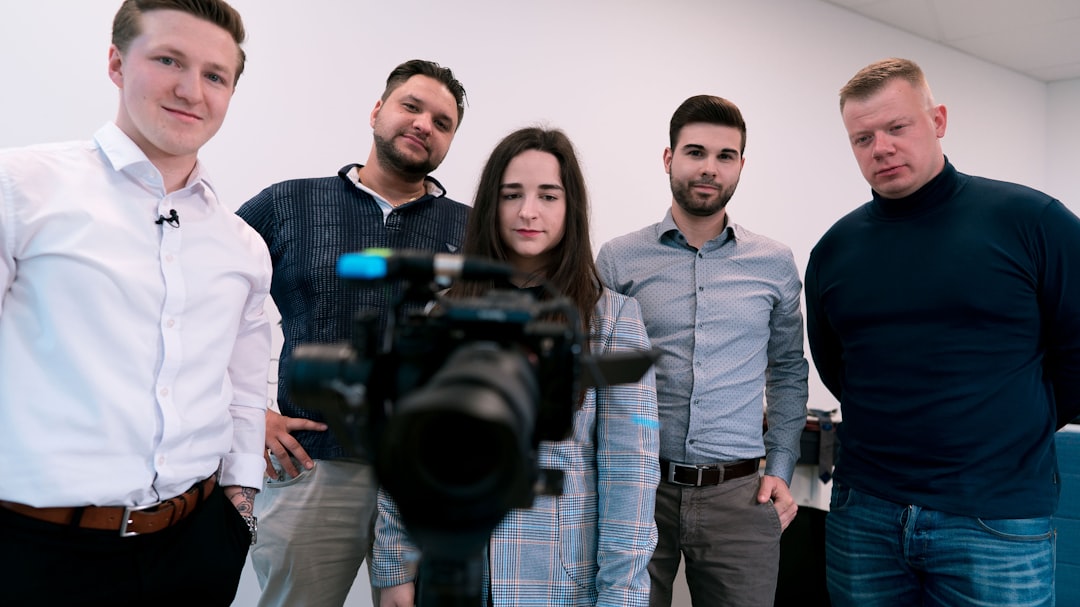
Executive interviews are especially useful for this. A leader can explain the company's perspective, why the work matters, and what clients should expect. Customer testimonials can add proof. Behind-the-scenes footage can show the care and process that support the final result.
The goal is not to make the company look perfect. The goal is to make the company feel real, capable, and trustworthy.
Many B2B companies have a strong process, but they do not explain it clearly.
That is a missed opportunity.
Buyers often feel more confident when they understand what happens after they say yes. If the process feels vague, the buyer may hesitate. If the process feels organized, the buyer may feel safer moving forward.
Corporate storytelling can turn the process into a narrative:
Here is where clients usually start.
Here is what we help them clarify.
Here is how we plan the work.
Here is how we execute.
Here is how we communicate.
Here is what the final result gives them.
This kind of story is useful for website videos, sales enablement clips, onboarding content, and proposal follow-ups.
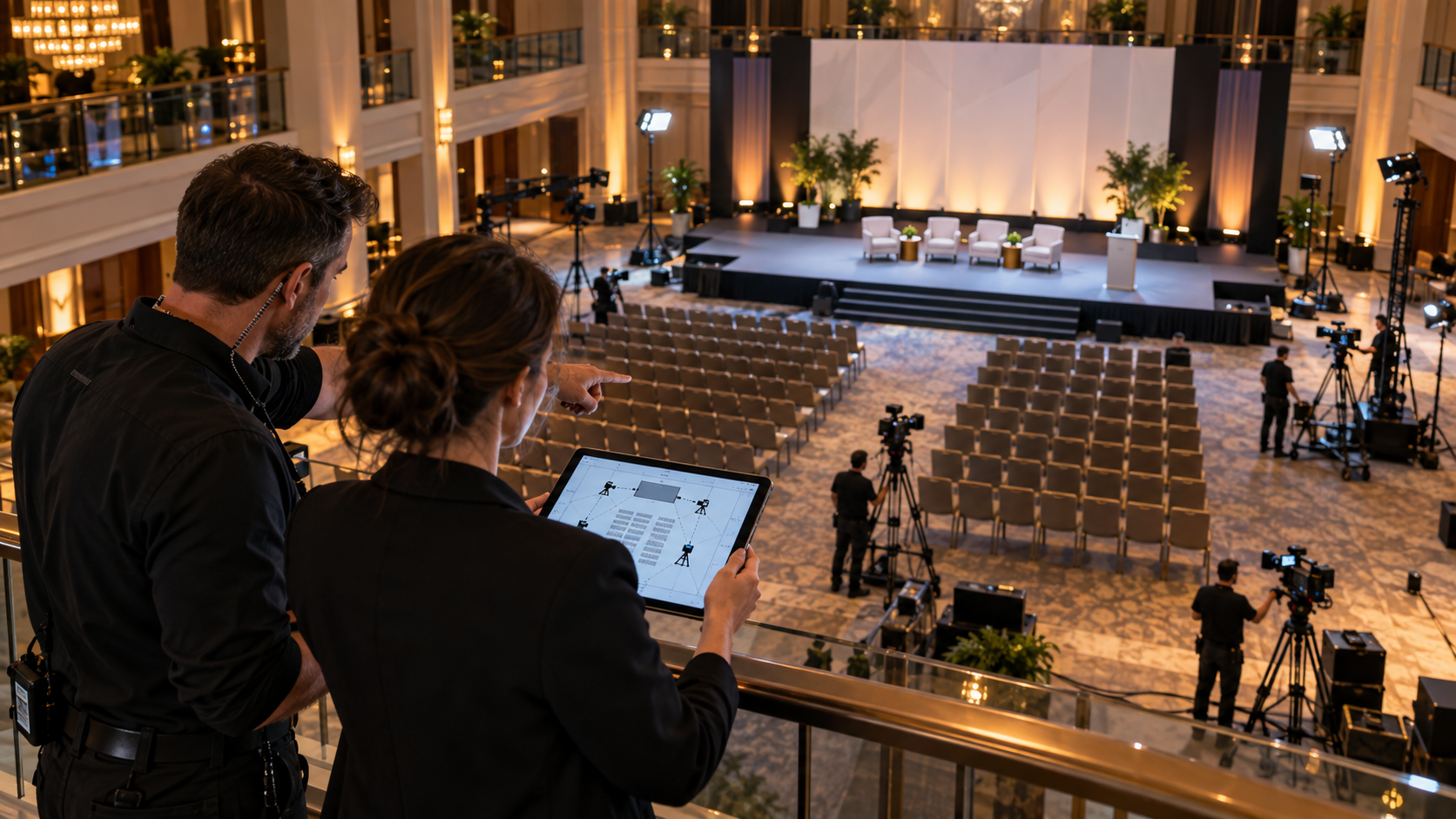
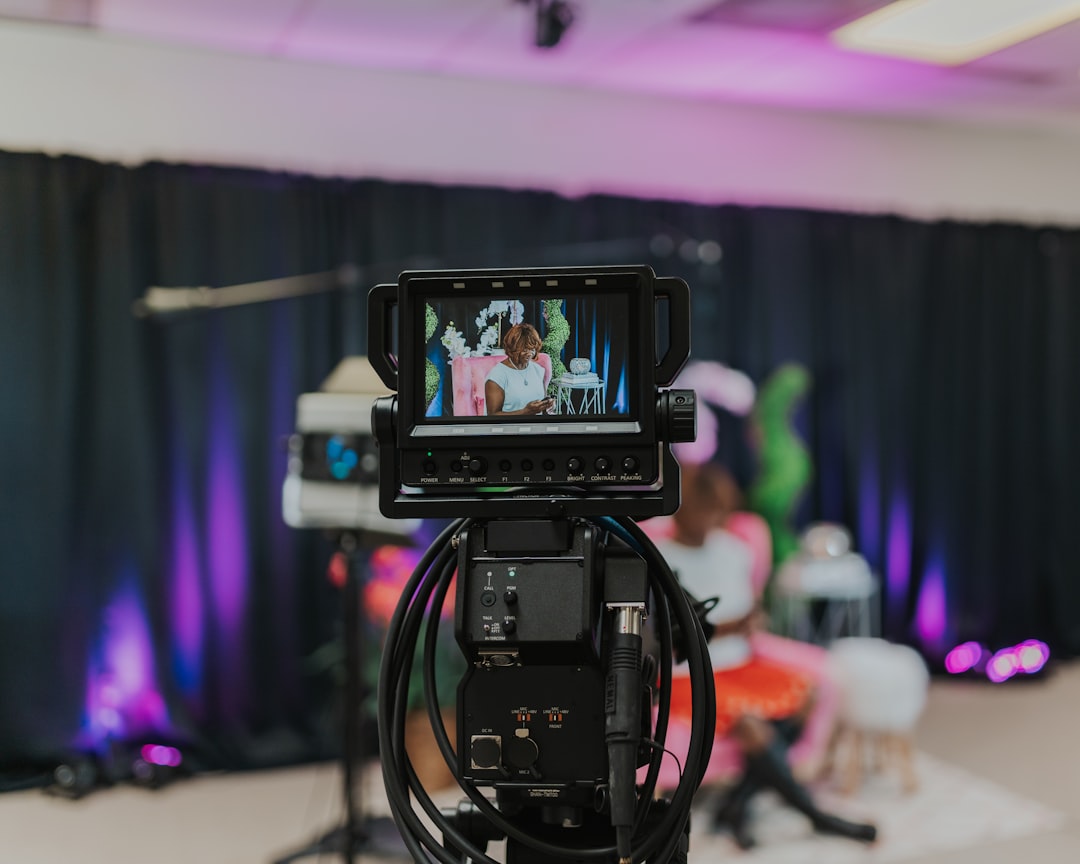
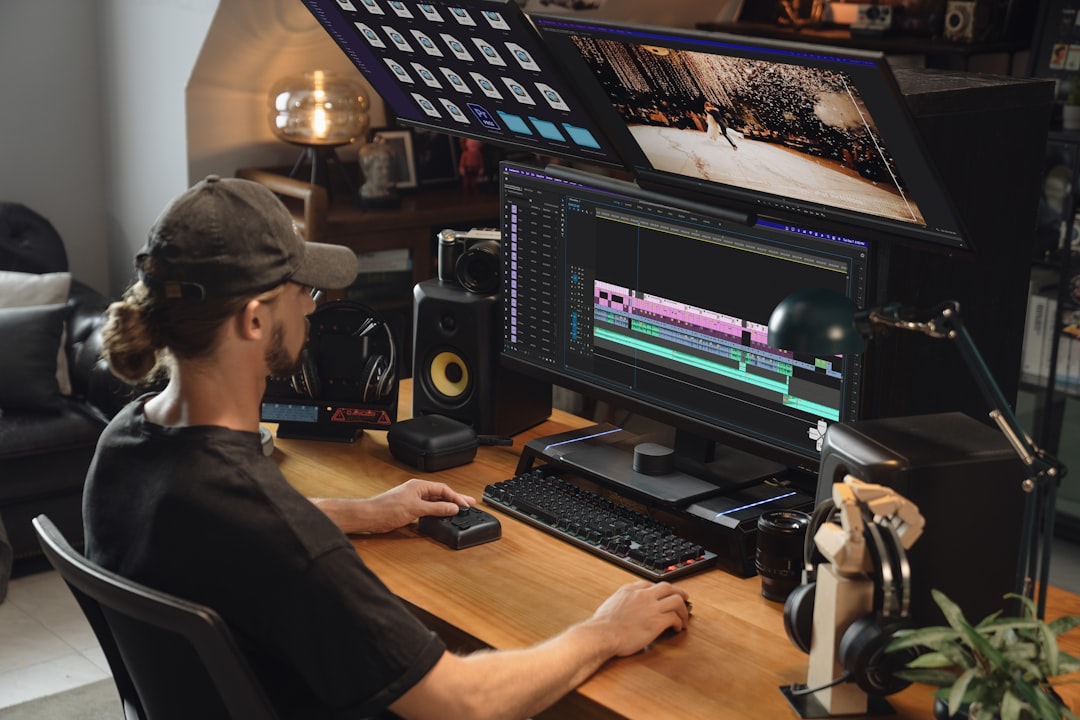
For Motlow-style corporate media, the process story might show how an event becomes a content library. It can explain pre-production, run-of-show planning, camera coverage, speaker interviews, event photography, post-production, and content repurposing.
The A-Z Guide to Conference Video Production is a strong example of process-based storytelling because it helps buyers understand how much planning goes into capturing useful event content.
Customer stories are some of the strongest B2B storytelling assets because they move the message from claim to proof.
A company can say it is reliable. A customer can explain how the team made the process easier. A company can say it understands events. A customer can describe how the event content helped their marketing team. A company can say it delivers quality. A customer can explain what changed because of the final video, photos, or production support.
A strong customer story usually includes:
The story should be specific. Generic praise is nice, but specific proof builds trust.
Instead of only saying, "They were great to work with," a stronger customer story might say, "They helped us capture the keynote, speaker interviews, sponsor footage, and recap content in one event day, which gave our marketing team weeks of usable assets."
Specificity makes the story believable.
B2B services can be hard to explain in a short attention window.
This is where storytelling becomes practical. A story can make a complex service easier to understand because it gives the buyer a path to follow.
For example, instead of listing every technical detail of multi-camera event production, a company can tell the story of what the setup does for the buyer:
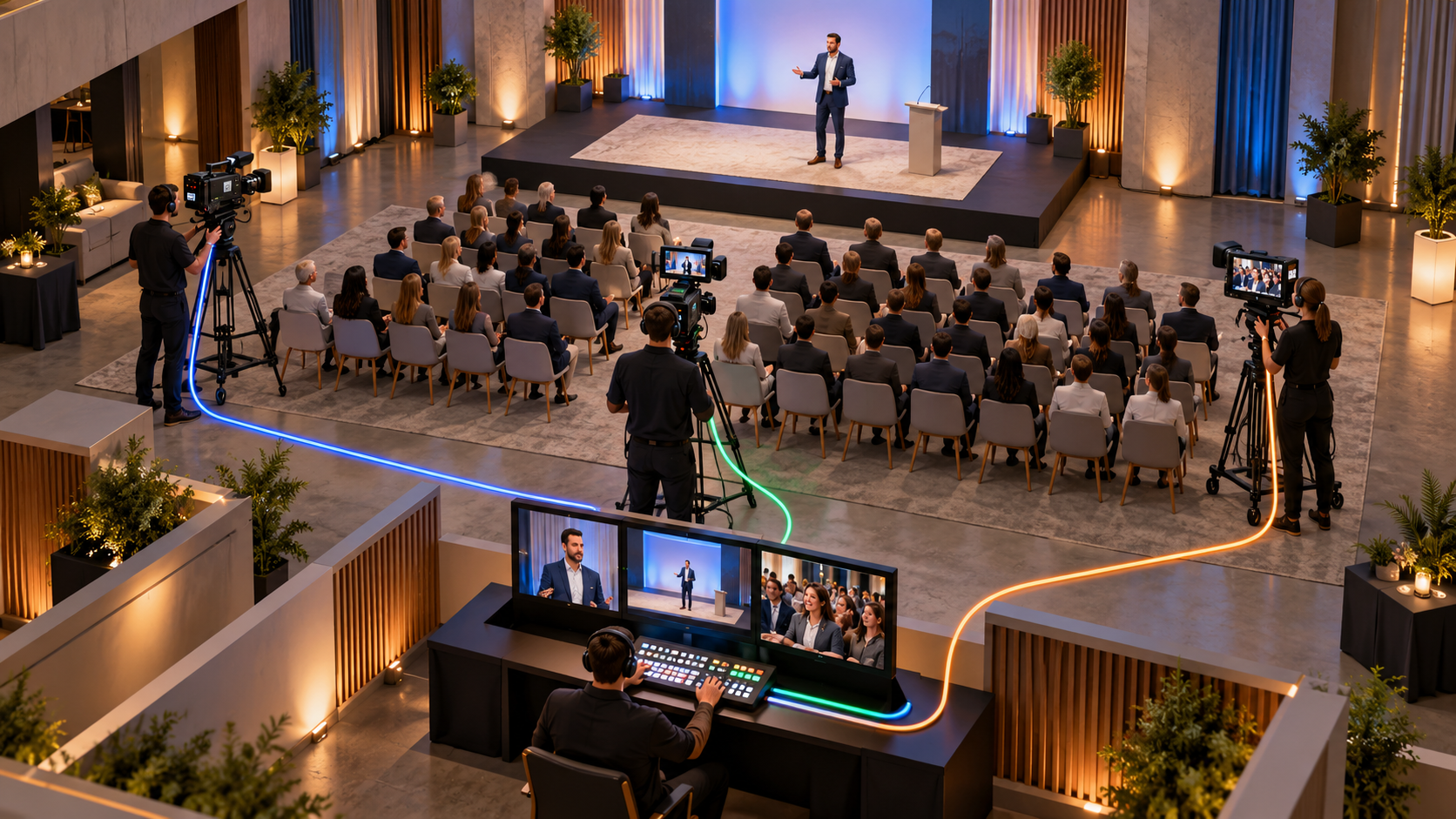
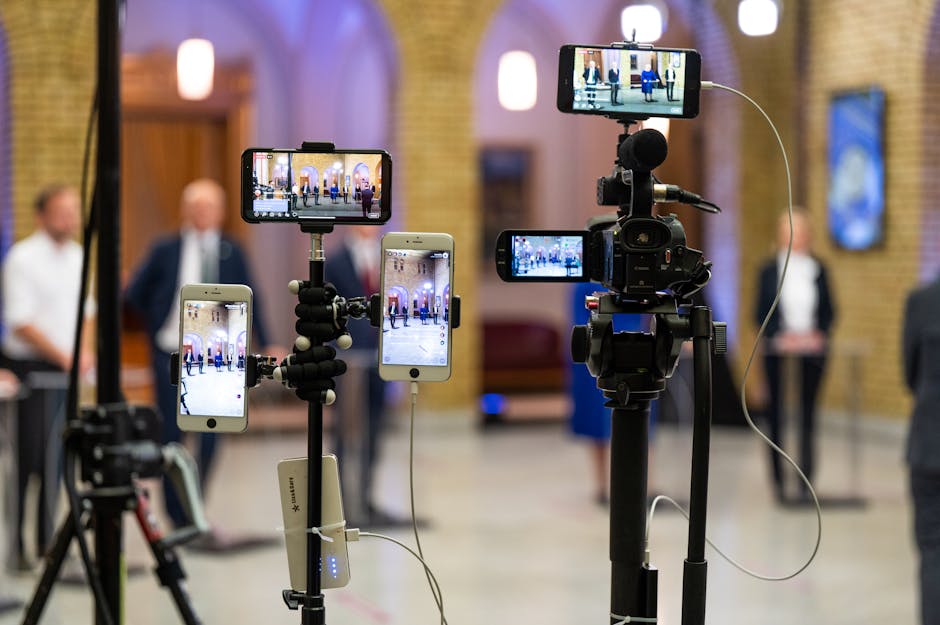
Your keynote speaker is on stage. The audience is engaged. Remote viewers need a clean stream. Your marketing team needs clips afterward. A multi-camera setup captures the speaker, room, audience, and presentation so the event can serve both the live audience and future content needs.
That explanation is easier to understand than a list of cameras, feeds, switchers, and crew roles.
The same applies to livestreaming, executive interviews, corporate photography, recruiting videos, and sales enablement content. Buyers do not always need every technical detail first. They need to understand why the work matters and how it helps them.
Corporate storytelling should not be limited to one brand video.
Different stories are useful at different stages of the buyer journey.
Early-stage buyers may need content that explains the problem and introduces the company's perspective. Mid-stage buyers may need process videos, customer stories, executive insights, and proof of experience. Late-stage buyers may need testimonials, FAQs, proposal support clips, and content that reduces risk.
A strong content library may include:
Each piece should have a job.
The mistake is expecting one video to do everything. One brand video cannot answer every buyer question. A better approach is to build a storytelling system where each asset supports a different decision point.
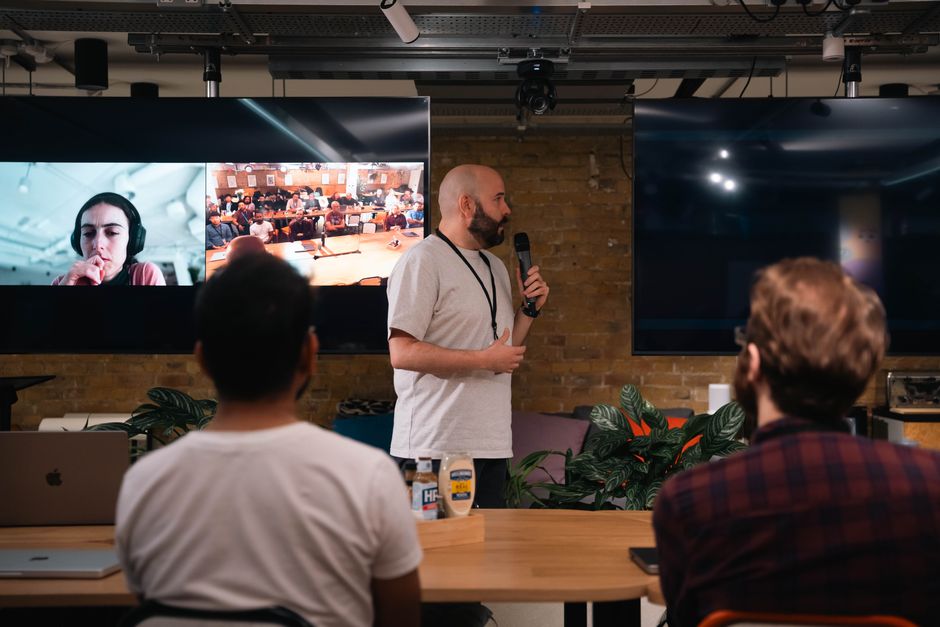
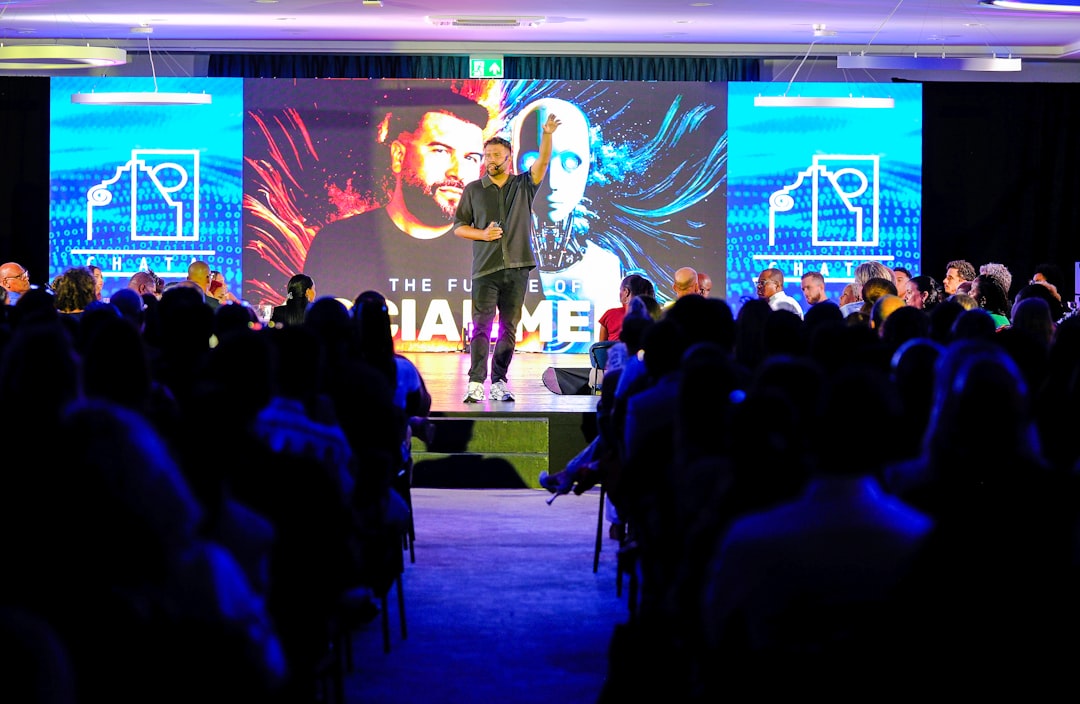
Corporate events are full of stories, but many companies only capture the surface.
They film the stage. They get a few crowd shots. They create a highlight reel. Then the rest of the event value disappears.
A stronger approach treats the event as a storytelling opportunity.
Events can capture:
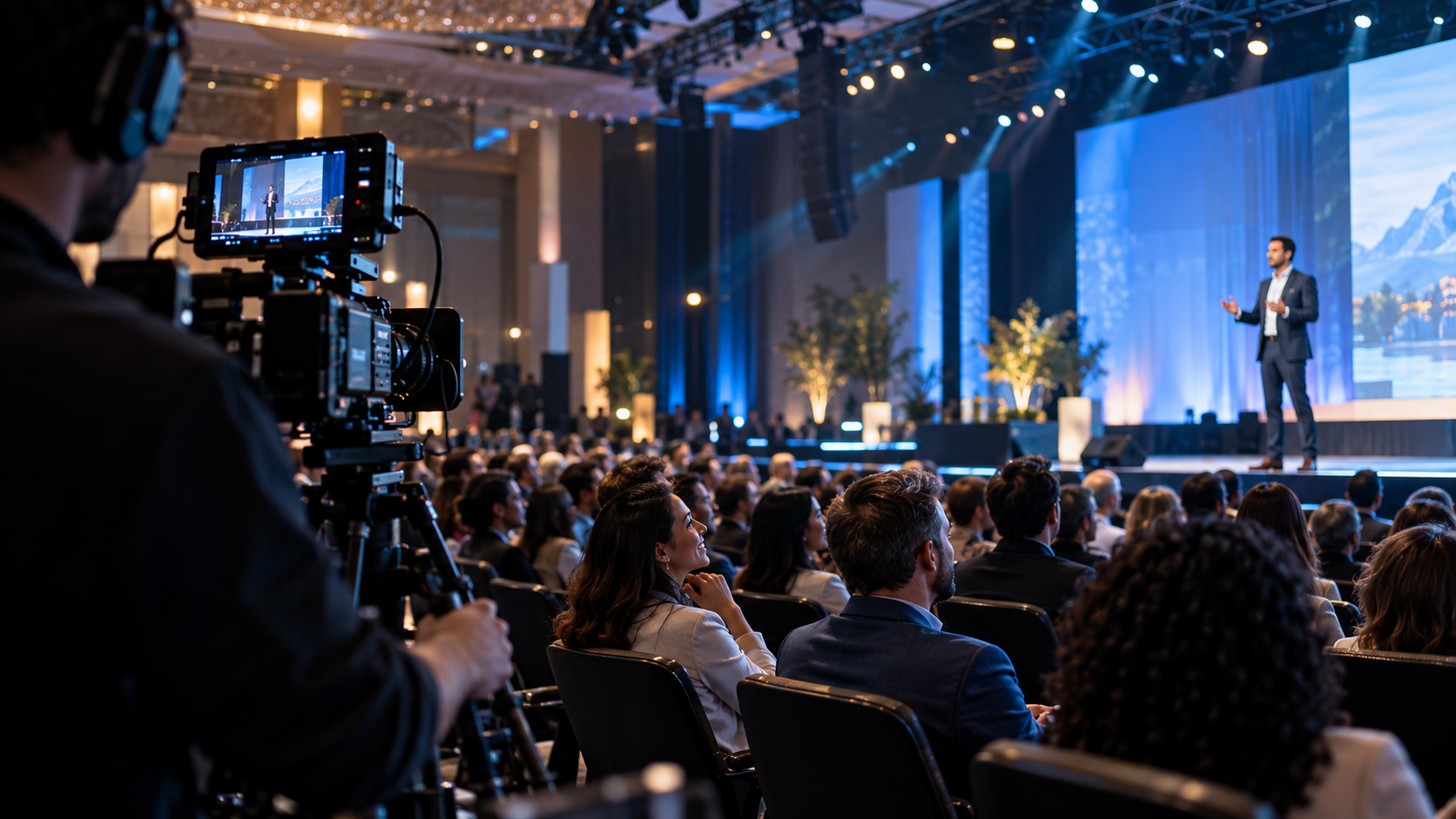
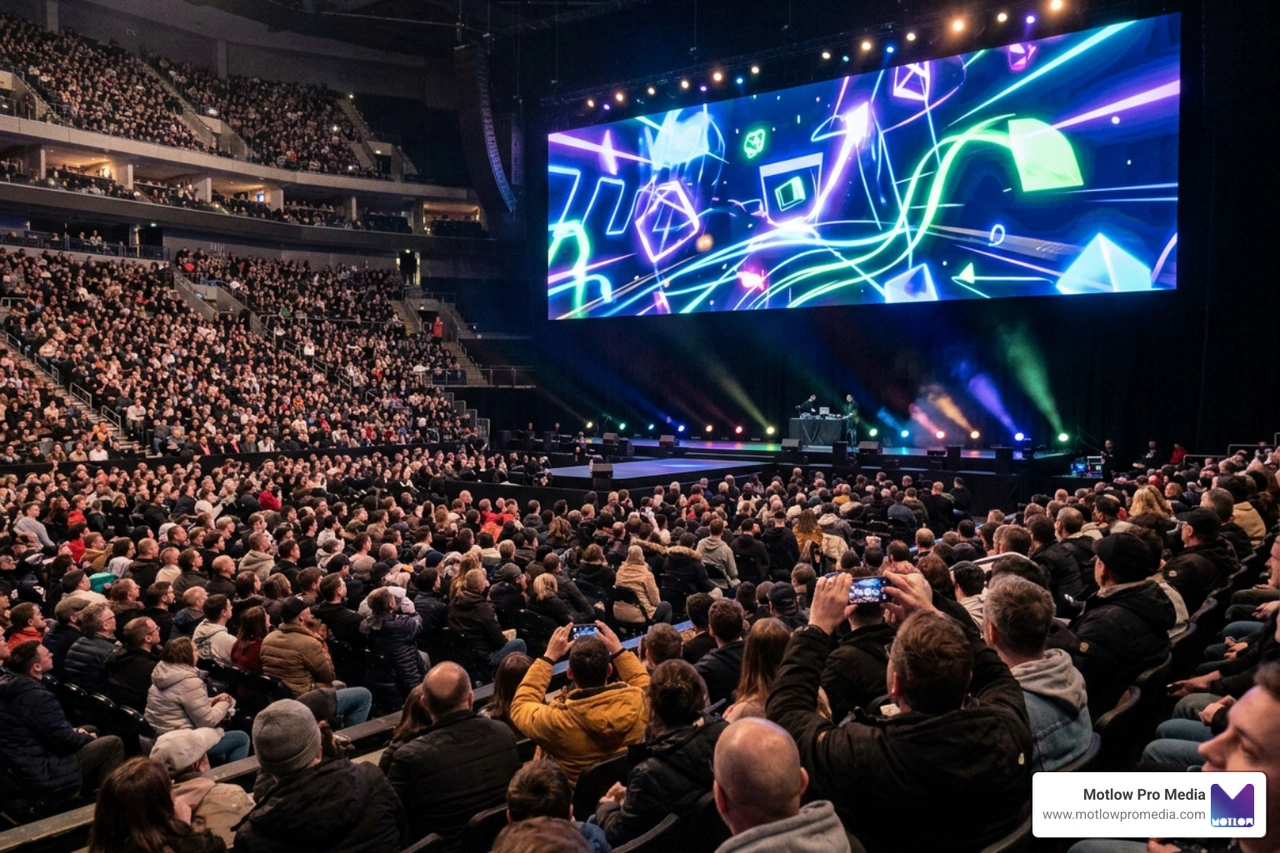
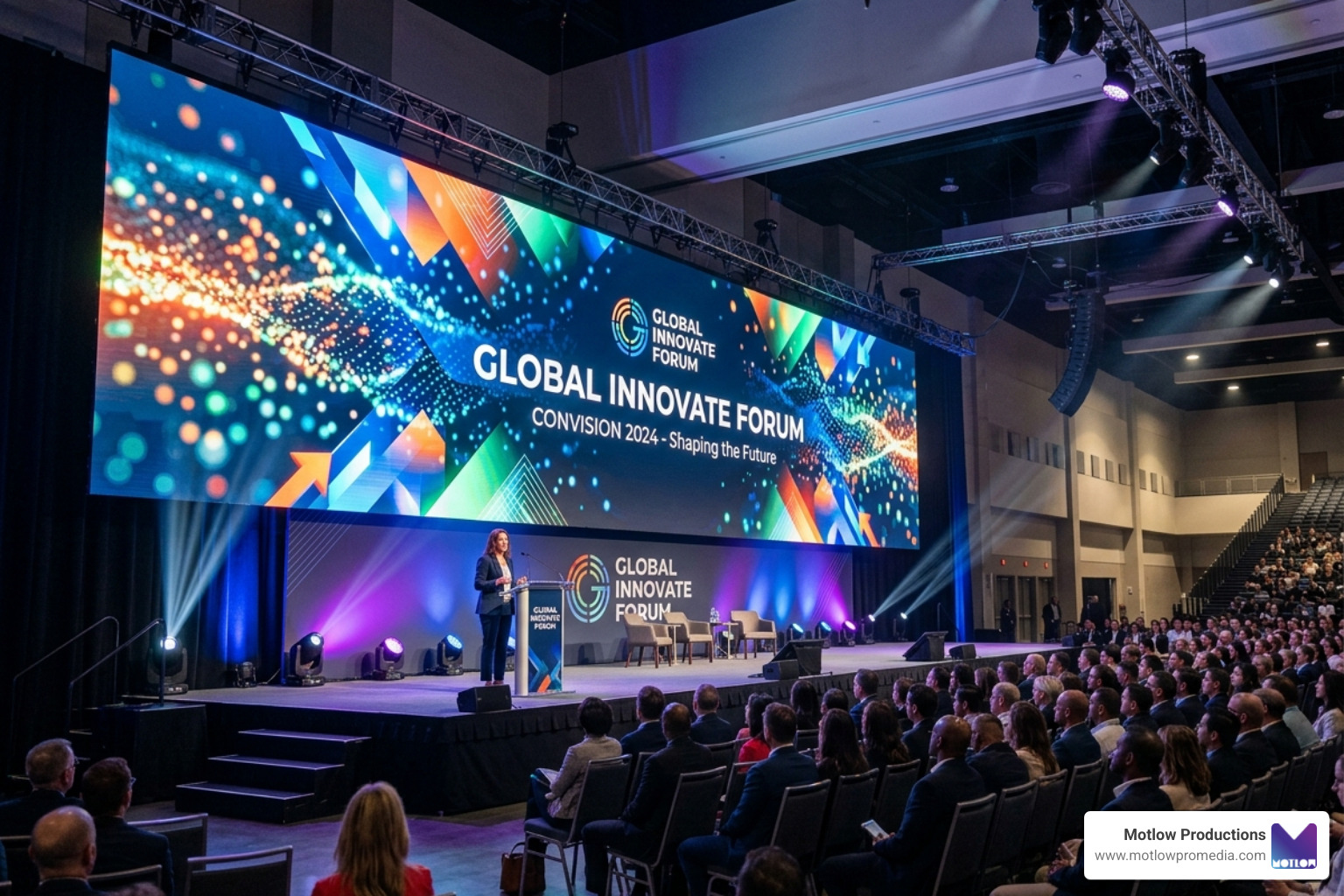
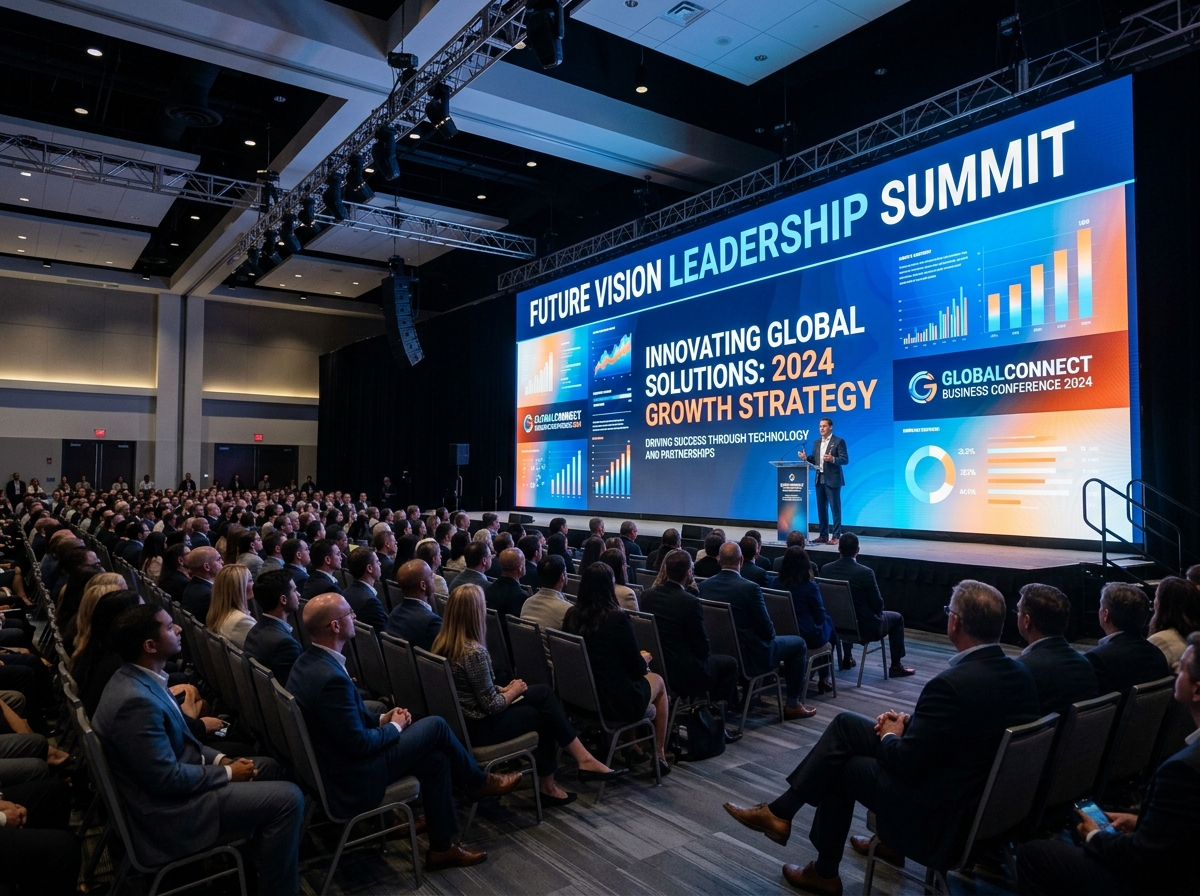
This is especially useful for conferences, hospitality events, casino events, corporate meetings, panels, and branded experiences. The event already brings people, ideas, and energy together. The production plan should capture that story intentionally.
Event storytelling also creates content that can be used long after the event ends. Speaker clips, customer interviews, sponsor recaps, photography, and social videos can all support marketing and sales for weeks or months.
The same story can be told in different ways depending on the format.
A two-minute brand video may tell the high-level story of the company. A 30-second social clip may focus on one powerful idea. A customer testimonial may tell the story from the client's perspective. A blog may explain the full process. A sales video may answer one specific buyer question.
Marketing teams should decide the format based on the audience and use.
For example:
The story should not be copied and pasted into every format. It should be adapted so it works where the audience will see it.
Resources like HubSpot's video marketing research continue to show how widely video is used across marketing channels, while LinkedIn's B2B thought leadership resources reinforce the value of credible expert content in professional decision-making.
Specific stories are stronger than broad claims.
A broad claim says:
We help companies communicate better.
A specific story says:
A marketing team had one annual conference and needed to turn it into content for sales, social media, internal communications, and sponsor follow-up. With the right production plan, the event became a library of keynote clips, executive interviews, photography, and recap videos.
The specific version is more memorable because the buyer can picture it.
Marketing teams should look for specific moments, not just general messages. That might include a customer challenge, a behind-the-scenes decision, a speaker insight, a production problem that was solved, or a measurable use for the final content.
Specificity makes the story feel real.
One of the most common corporate storytelling mistakes is making the company the hero.
The buyer should usually be the hero of the story. The company is the guide, partner, or expert that helps them reach a better outcome.
This distinction matters because B2B buyers care about their own goals. They want to know how the company can help them solve a problem, reduce risk, improve communication, support growth, or make their team's work easier.
A company-centered message says:
We are experts in corporate media production.
A buyer-centered story says:
Your team needs to turn important moments into useful content. The right production partner helps you plan, capture, and repurpose those moments so they support marketing, sales, and communications long after the event ends.
The second message still shows expertise, but it does so through the buyer's need.
The first mistake is starting with the company instead of the buyer's problem. Buyers connect faster when they recognize their own challenge in the story.
The second mistake is using vague language. Words like quality, innovation, and excellence need proof behind them.
The third mistake is trying to tell every story in one video. Strong content usually focuses on one audience, one problem, and one clear message.
The fourth mistake is ignoring the people behind the work. B2B buyers need trust, and people help create that trust.
The fifth mistake is treating customer testimonials as generic praise instead of proof-based stories.
The sixth mistake is using event footage only for recap videos. Events can produce leadership content, customer stories, sponsor clips, and sales assets.
The seventh mistake is not planning distribution. A strong story only works if it reaches the right audience in the right format.
What is corporate storytelling?
Corporate storytelling is the process of communicating a company's value through clear stories about problems, people, processes, customer experiences, and outcomes instead of relying only on service descriptions or claims.
Why does storytelling matter in B2B marketing?
Storytelling helps B2B buyers understand complex services, trust the company, remember the message, and connect the solution to their own business challenges.
What kinds of videos support corporate storytelling?
Brand videos, executive interviews, customer testimonials, case study videos, event recaps, recruiting videos, FAQ clips, and sales enablement videos can all support corporate storytelling.
Should corporate storytelling be emotional?
It should be human and relevant, but it does not need to be overly emotional. In B2B marketing, the strongest stories often focus on clarity, trust, expertise, and practical outcomes.
How can events support corporate storytelling?
Events can capture leadership perspective, speaker insights, customer conversations, audience energy, sponsor value, and behind-the-scenes moments that become useful marketing and sales content after the event.
A single story, however well told, only carries a company so far — B2B buyers need to keep encountering fresh, specific proof as their own needs evolve. That is why storytelling tends to work best as an ongoing practice rather than a one-time production: a recurring content partnership keeps new customer stories, executive perspectives, and event narratives flowing quarter after quarter instead of leaning on the same few videos indefinitely.
Corporate storytelling helps B2B companies communicate in a way buyers can understand, trust, and remember. It turns services, processes, expertise, events, and customer experiences into clear narratives that show why the company matters.
For marketing teams, the strongest stories start with the buyer's problem. They show the people behind the company, explain the process, use customer proof, and connect each asset to a clear purpose in the buyer journey.
When storytelling is built into video production, event coverage, photography, executive interviews, and customer testimonials, the content becomes more than polished media. It becomes a trust-building system that helps buyers see the company as the right partner.
Some clients want to give notes in a live Zoom call. Others prefer a group text or email thread. However you like to communicate, we adapt. You’ll never be left guessing where things stand - and you’ll always have a say before anything goes out the door.





Phone:
+1 863-250-8639

Email:
info@motlowpromedia.com