

-5.jpg)






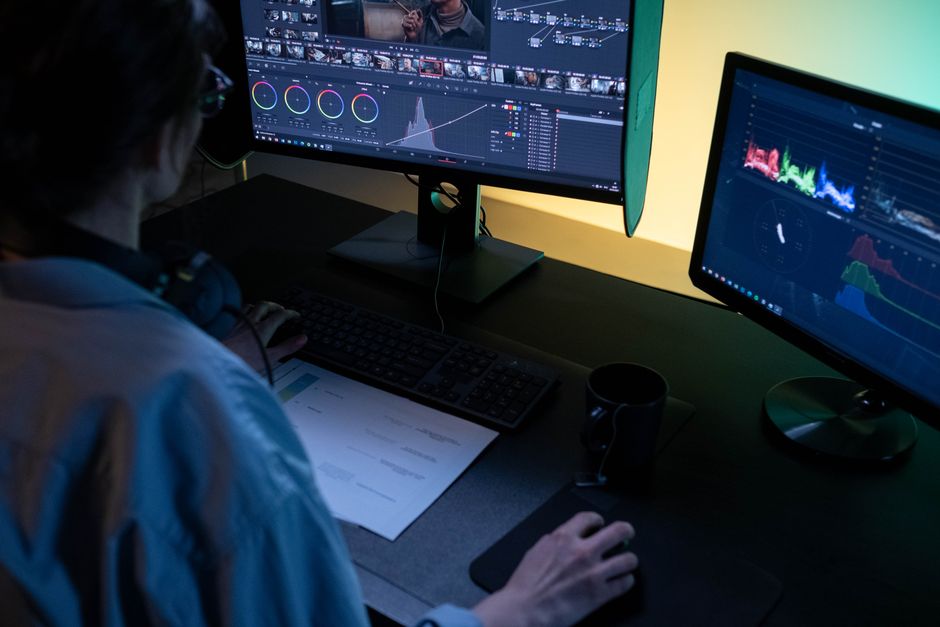
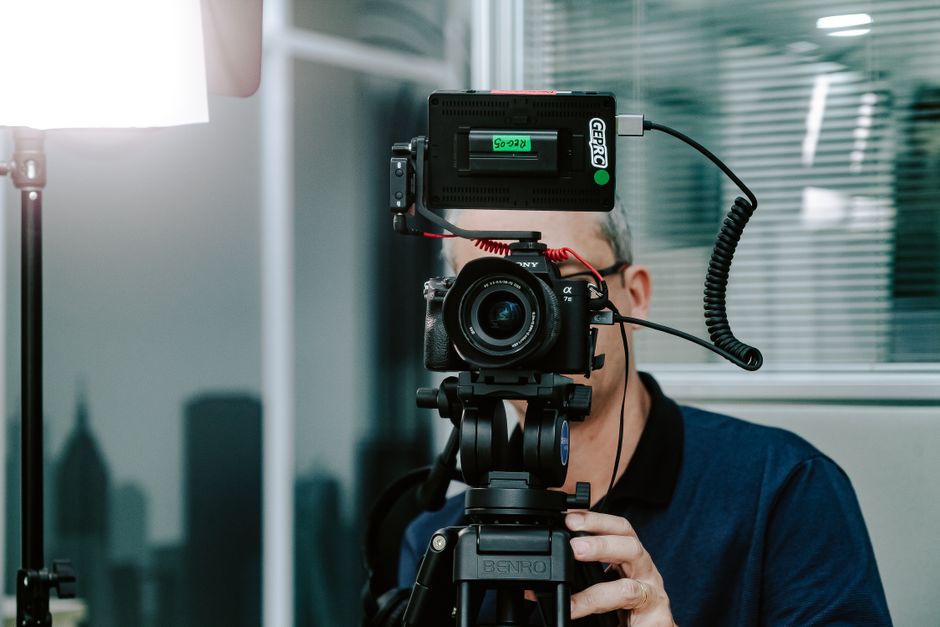
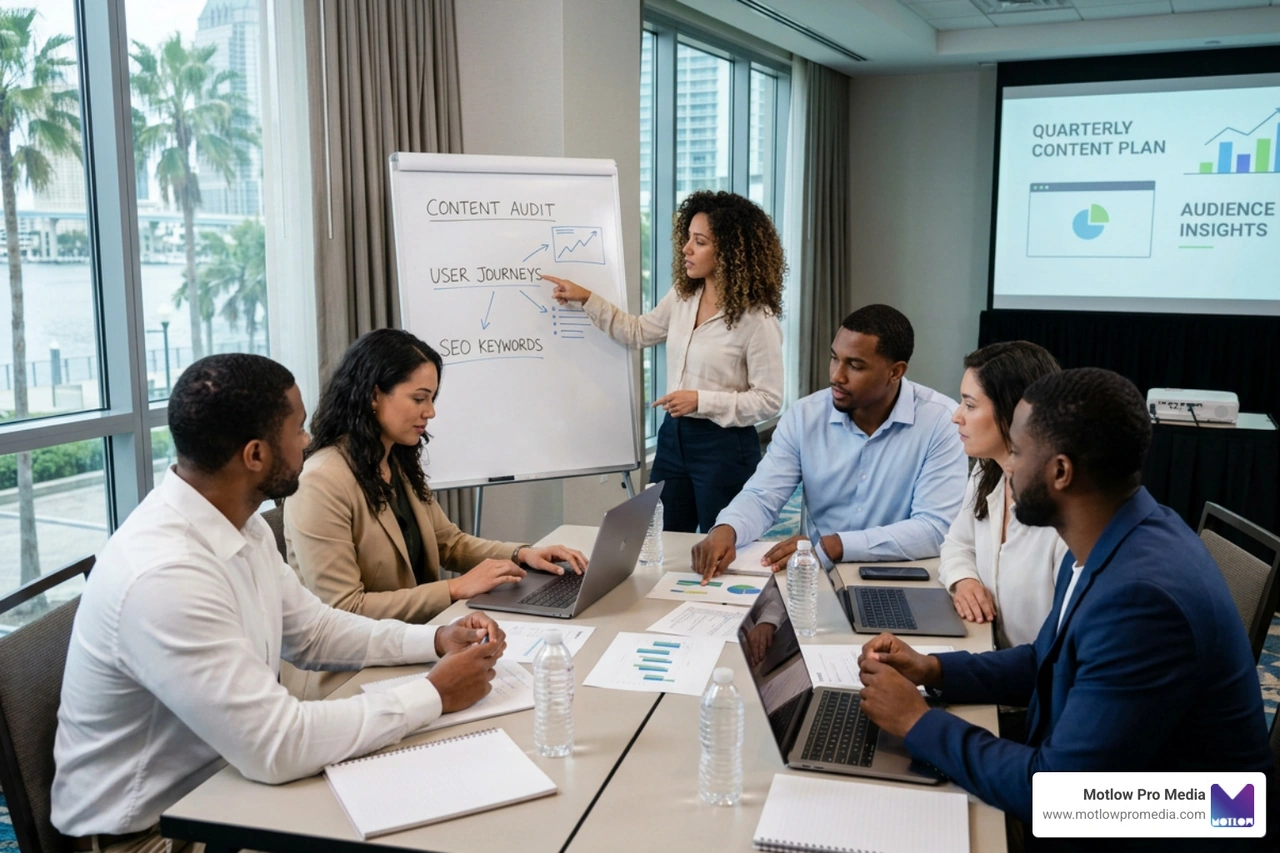
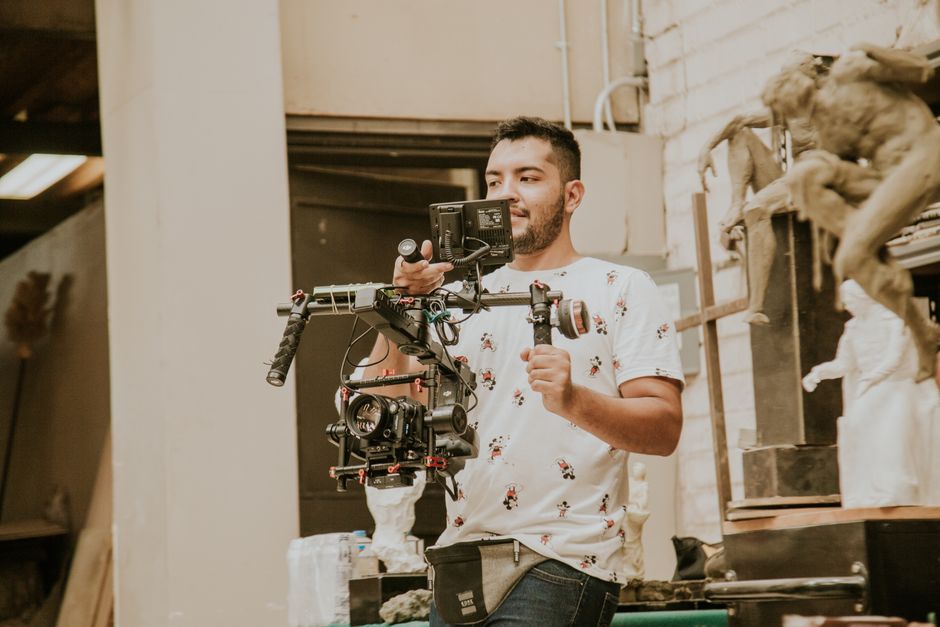


















Thank you! Your submission has been received!
Oops! Something went wrong while submitting the form.

.avif)
September 29, 2026
On-camera interviews can be one of the most valuable assets a marketing team creates. A strong executive interview can support thought leadership, internal communications, recruiting, sales enablement, investor messaging, conference content, and social media. But even experienced leaders can feel uncomfortable once the lights, microphones, and cameras are in place.
That does not mean the executive is unprepared. It usually means the process has not been explained clearly enough.
For marketing teams, the goal is not to turn executives into actors. The goal is to help them communicate naturally, clearly, and confidently while staying aligned with the brand message. Good preparation gives leaders enough structure to stay focused without making them sound scripted.
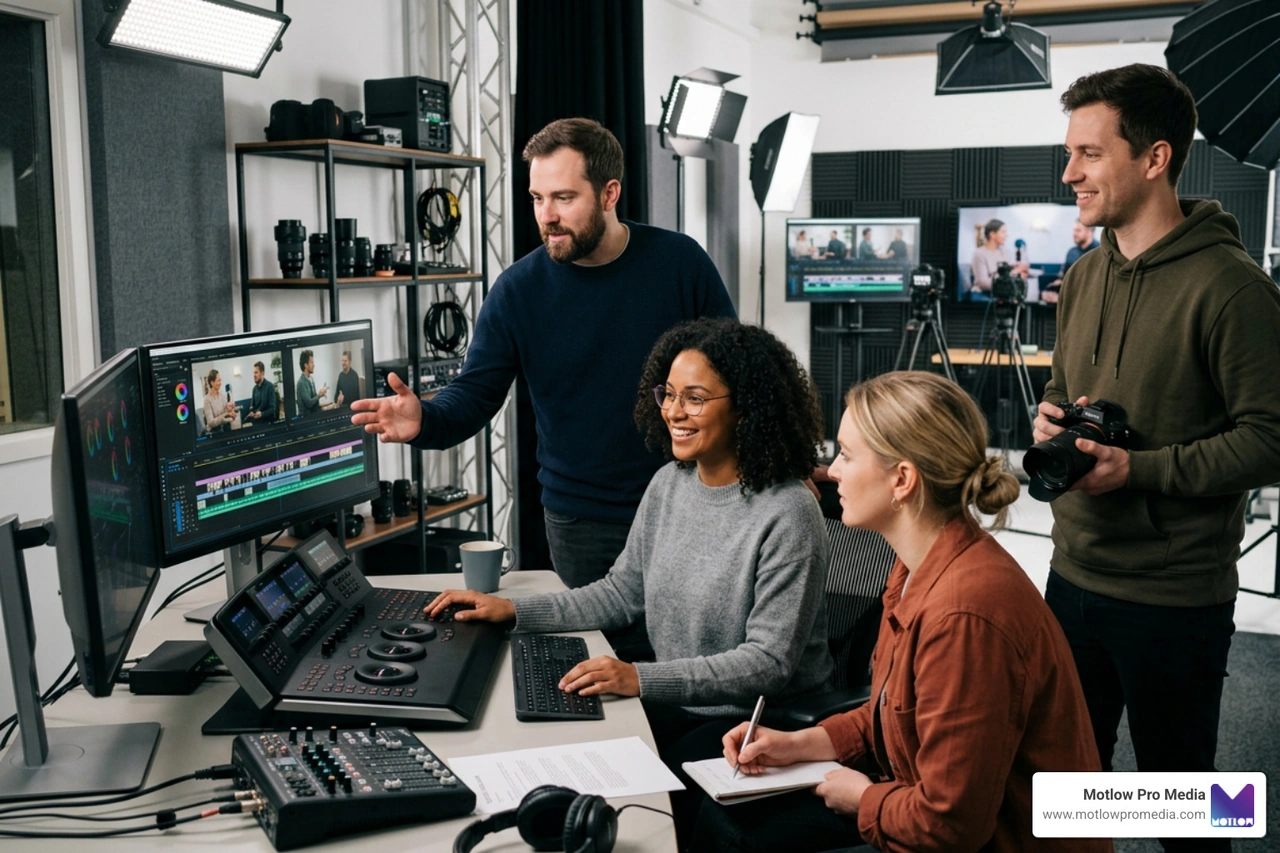
A professional production partner can help with that process. Through Motlow Pro Media's services, corporate teams can plan interviews, event content, executive messaging, and post-production deliverables in a way that makes the final video easier to use across multiple channels.
Before preparing the speaker, define what the interview needs to accomplish. An executive interview for a conference recap will sound different from an internal leadership update. A thought leadership video for LinkedIn will feel different from a recruitment video or customer-facing brand story.
The speaker should know the purpose before they ever sit down. Are they explaining the company's direction? Introducing a new initiative? Reacting to an industry trend? Supporting a sales campaign? Welcoming employees? Building trust with clients?
Without that clarity, executives tend to answer too broadly. They may give strong answers, but the footage becomes harder to edit into a focused final piece.
A helpful prep question is:
What should the viewer understand, feel, or do after watching this interview?
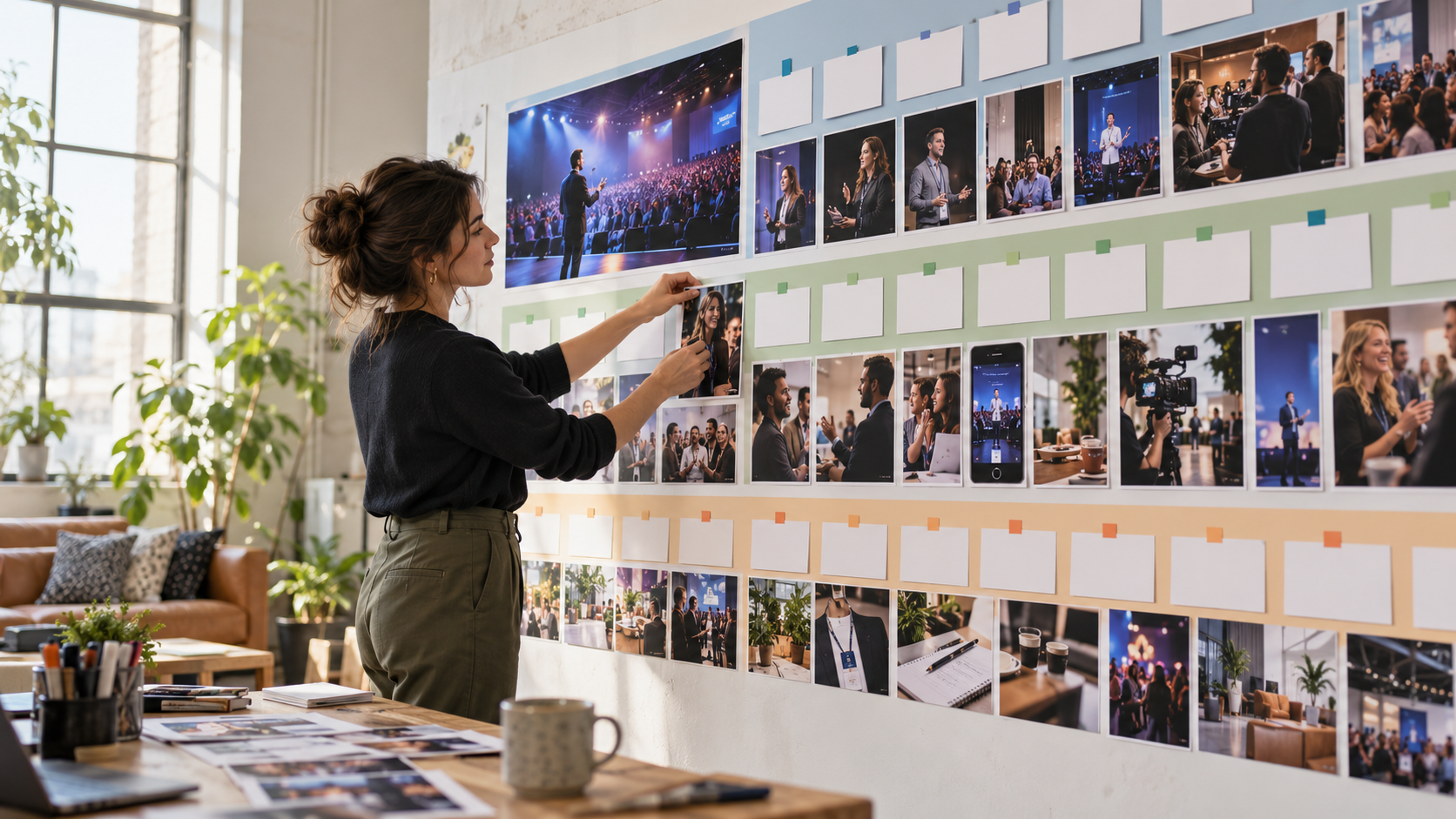
That single question can guide the tone, talking points, and final edit. It also helps the production team capture the right supporting footage, whether that includes office visuals, event coverage, product shots, audience reactions, or branded environmental footage.
Most executive interviews should not be fully scripted. Scripts can make strong leaders sound stiff, especially if they are trying to memorize every word. Instead, the marketing team should prepare talking points.
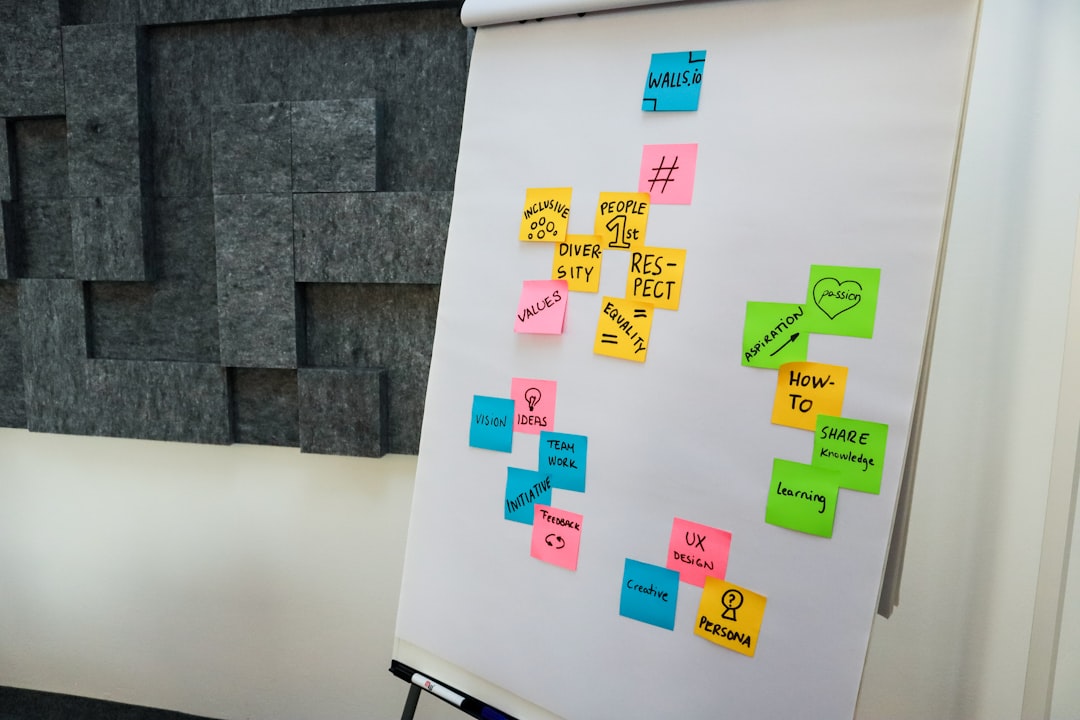
Talking points give the speaker direction without taking away their natural voice. They should include the main ideas the speaker needs to cover, a few proof points, and any language that must be handled carefully.
For example, instead of writing:
"Our organization is committed to delivering innovative solutions that empower our stakeholders."
Use a clearer prompt:
Talk about the specific problem this initiative solves for clients and why it matters now.
That kind of preparation gives the executive room to speak naturally while still protecting the message. It also makes the final video feel more human.
If the interview is part of a larger content strategy, the team should also connect it to existing resources. For example, Motlow's business video production partner guide explains why planning the message and production approach together matters before a company invests in video.
Executive speakers should not be surprised by the direction of the interview. They do not need every follow-up question, but they should know the main topics.
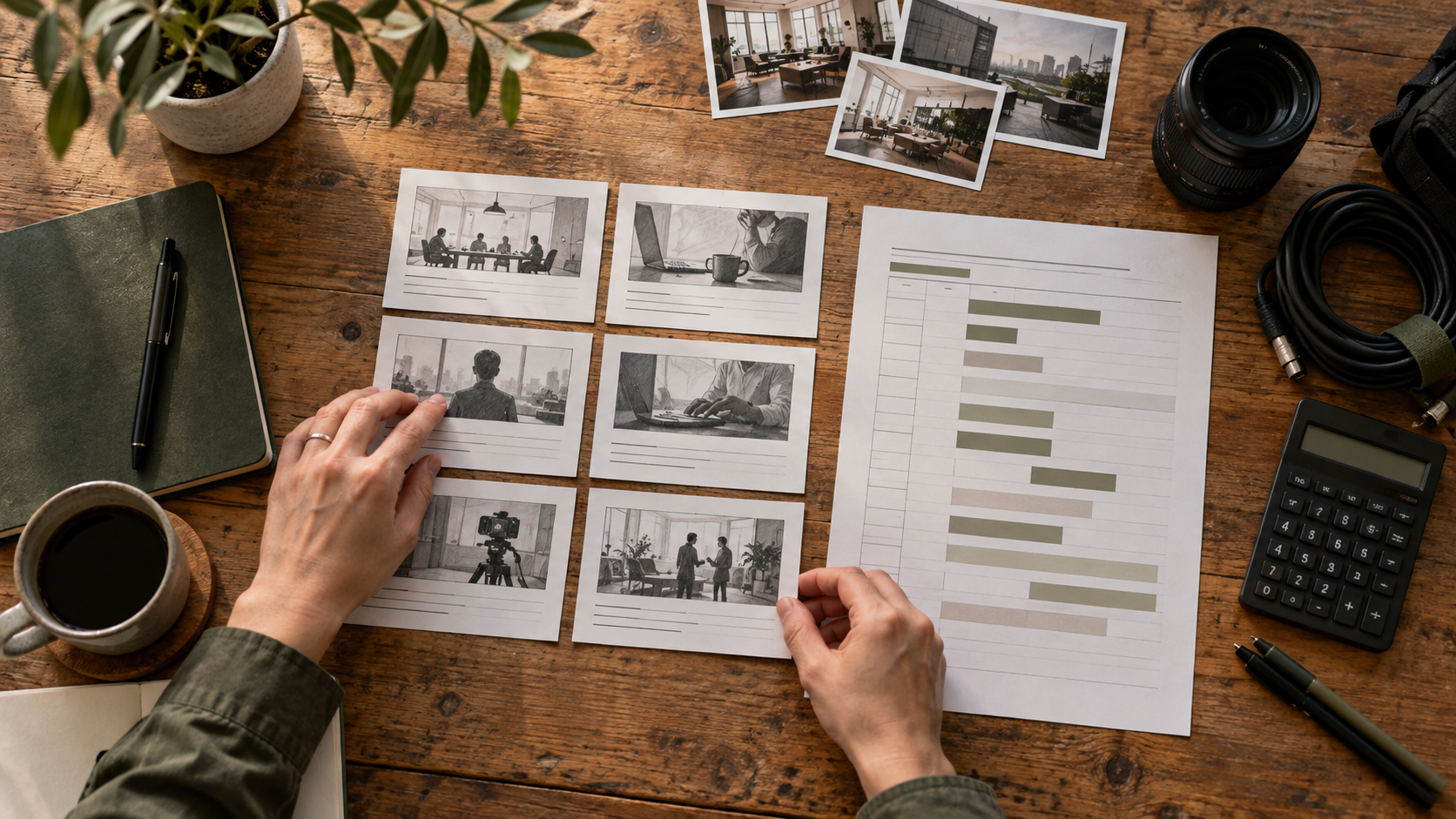
A simple prep document can include:
This makes the process feel organized instead of stressful.
The interviewer should also explain that answers do not need to be perfect on the first try. The speaker can pause, restart, or rephrase. Many executives relax when they understand the interview is not live and that the production team can edit the strongest version together.
That reassurance is important. A speaker who feels rushed will often speak too quickly, over-explain, or become overly cautious. A speaker who understands the process will usually give cleaner, more confident answers.
Executives are often used to leading meetings, presenting strategy, or explaining complex decisions. That can make them strong communicators, but it can also lead to long answers that are difficult to edit.
For video, shorter answers are usually more useful.
A strong executive interview answer often works best in 30 to 90 seconds. That does not mean the speaker needs to oversimplify. It means they should answer with a clear beginning, middle, and conclusion.
A helpful structure is:
First, answer the question directly.
Second, explain why it matters.
Third, give a practical example or takeaway.
For example, if the question is, "Why is this initiative important right now?" a strong answer might follow this pattern:
This initiative matters because our clients are asking for faster, more connected support. The market has changed, and teams need partners who can respond with more clarity and less friction. By bringing these services together, we are making it easier for clients to get the strategy, execution, and communication support they need in one place.
That kind of answer is easier to edit, easier to understand, and easier to repurpose into short clips.
Many executives prepare for what they want to say, but not for how the filming environment will feel. That is where nerves often show up.
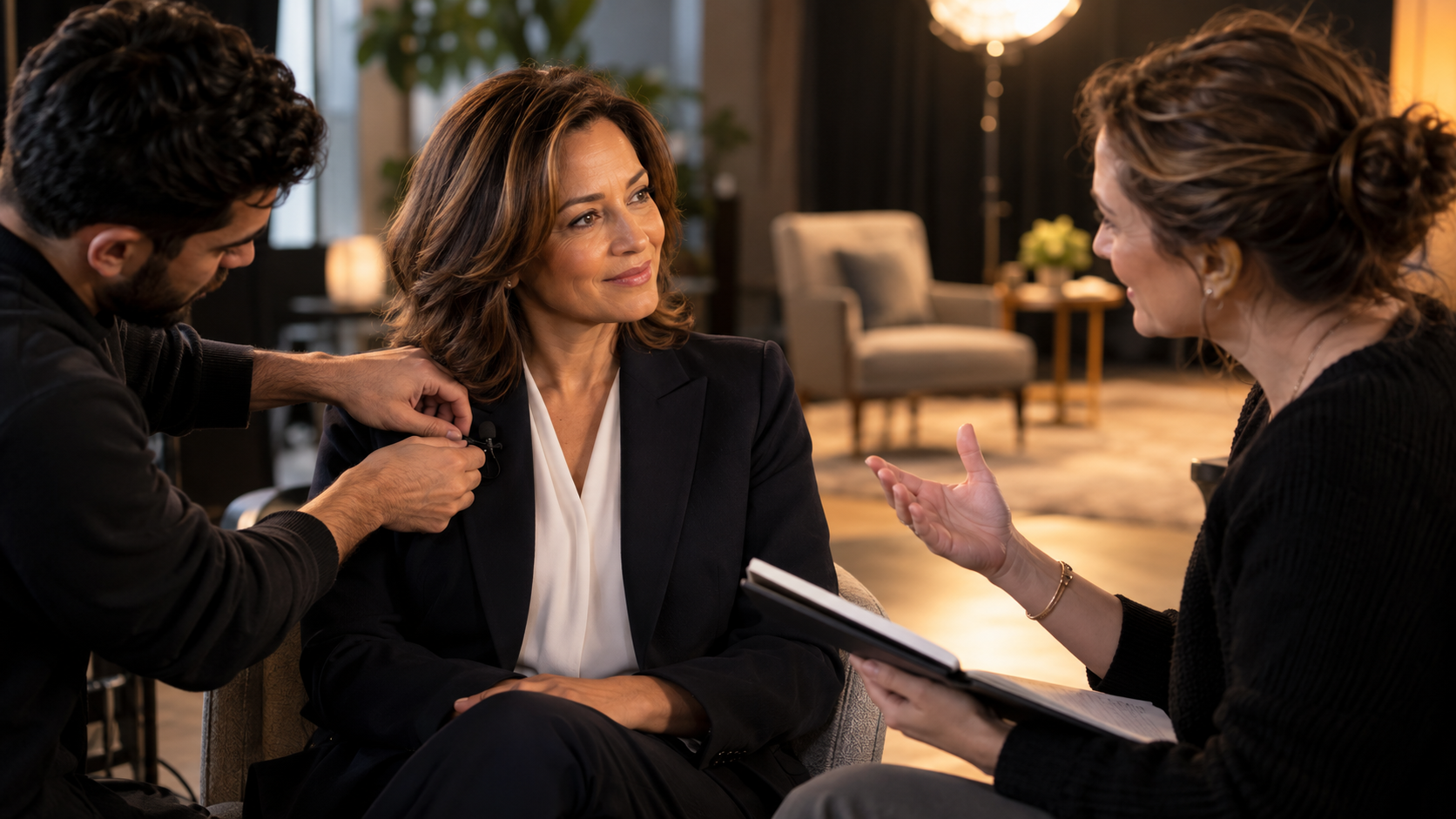
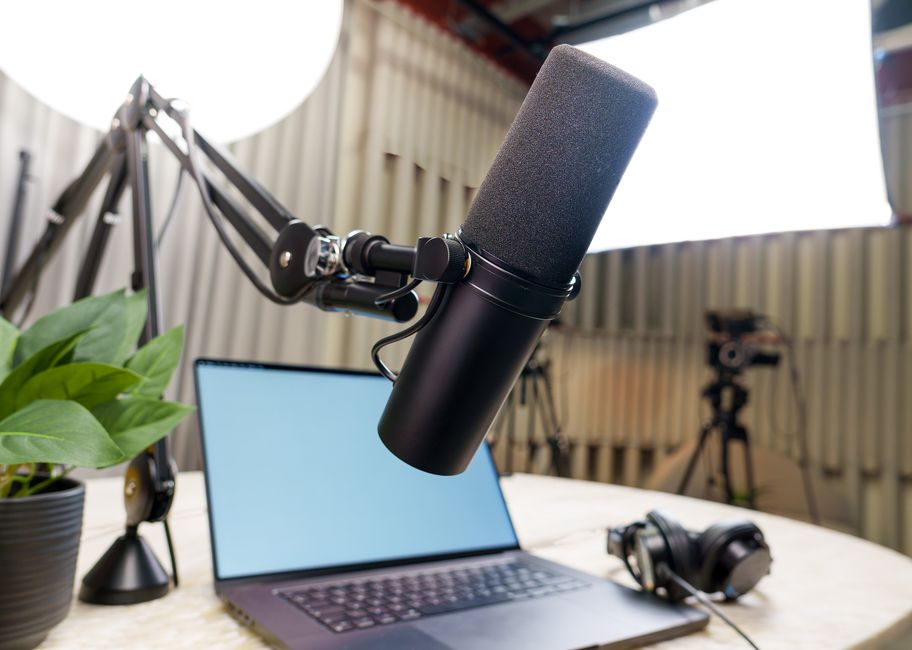
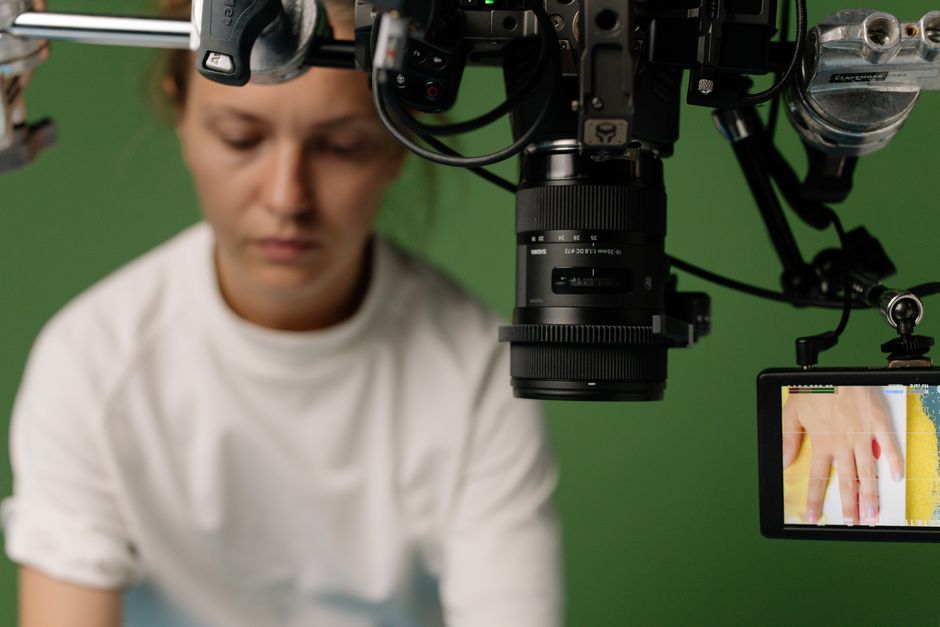
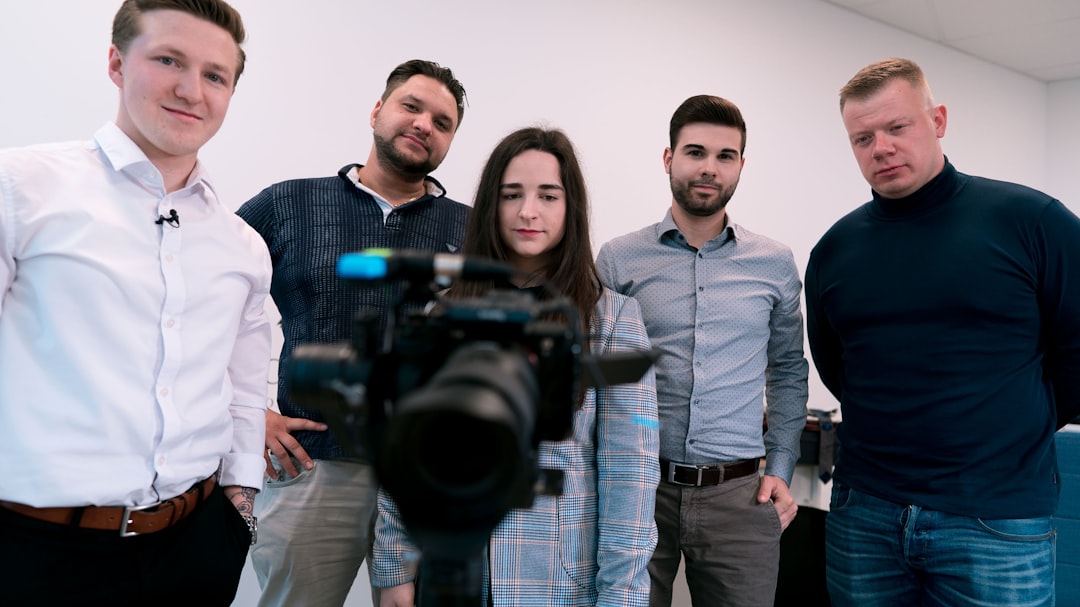
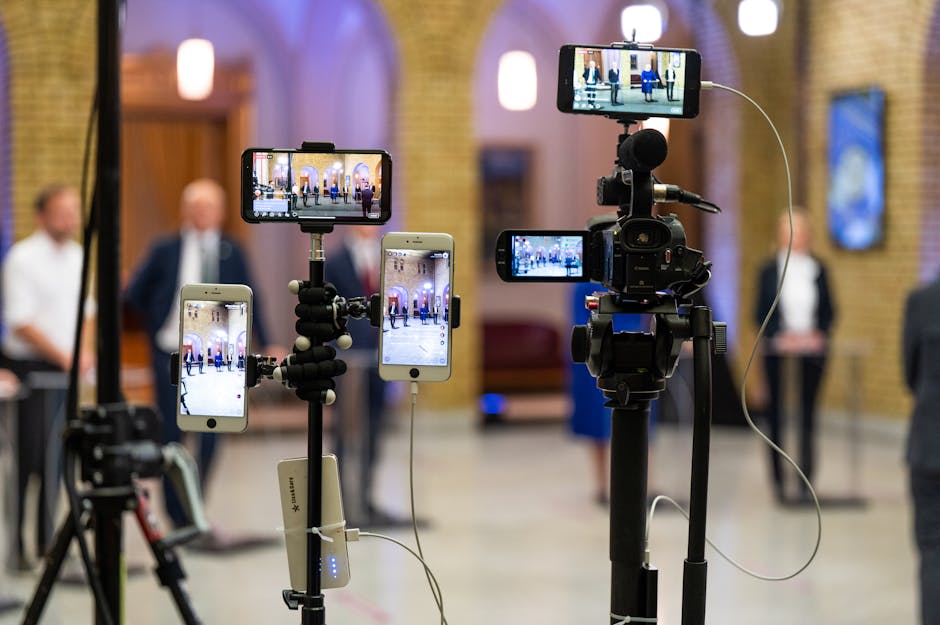
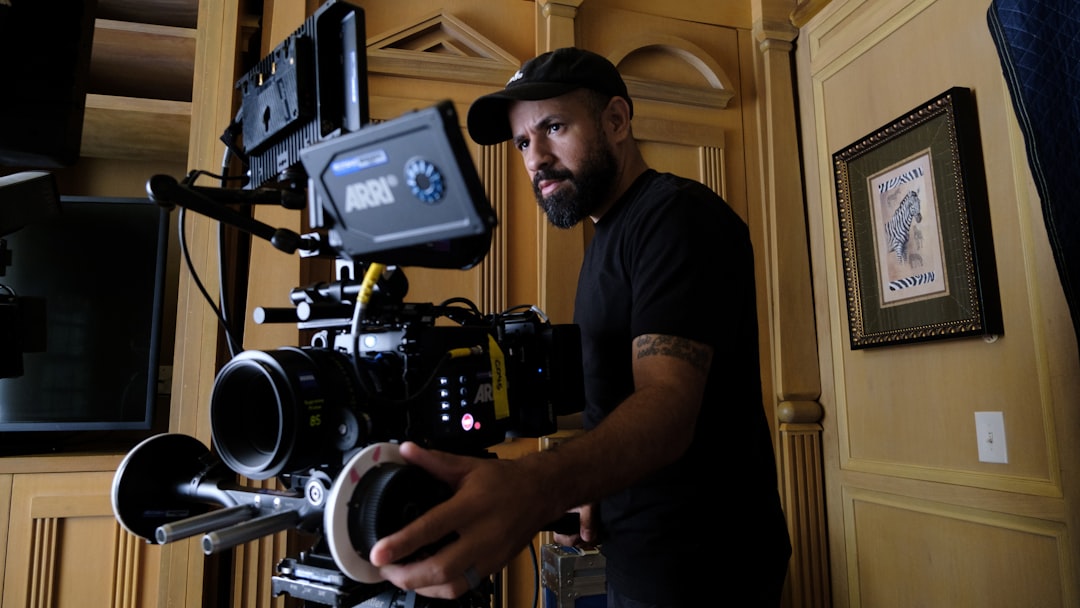
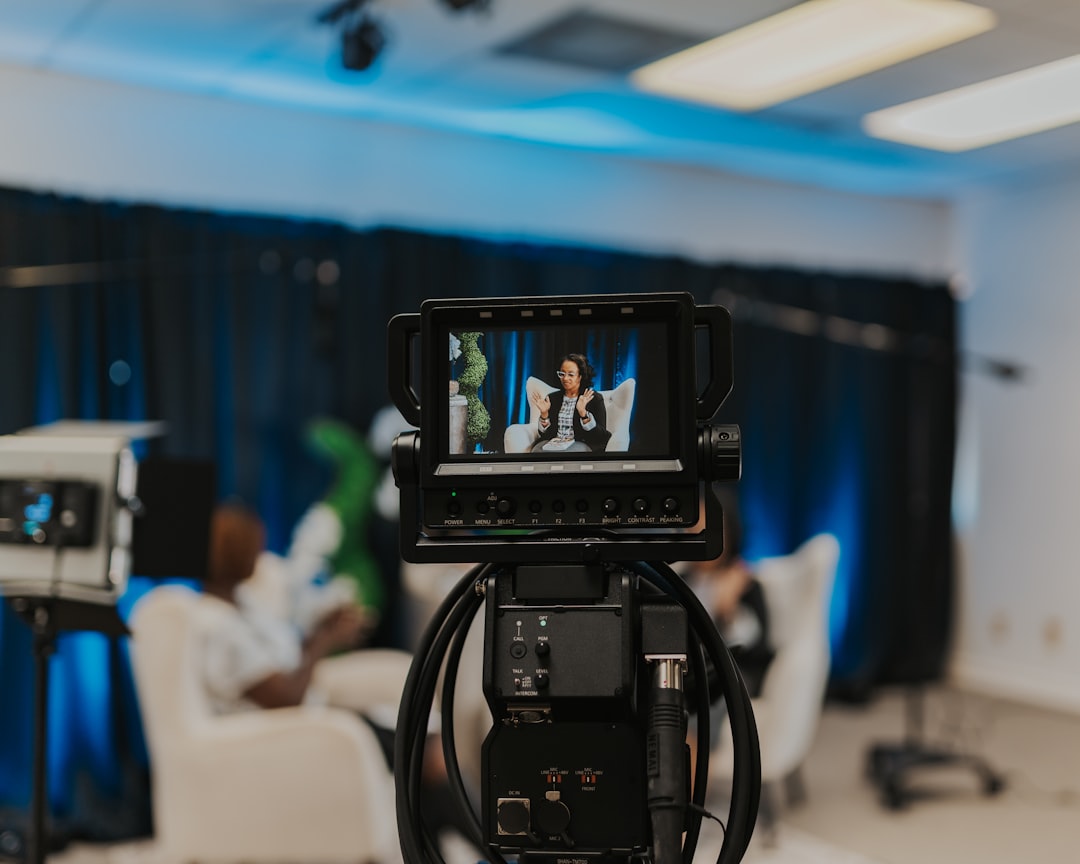
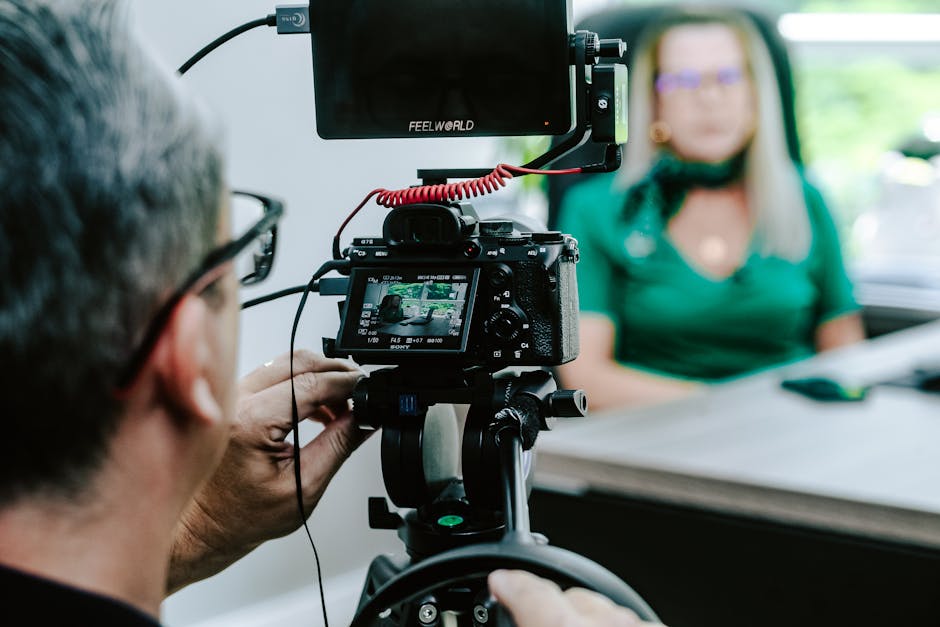
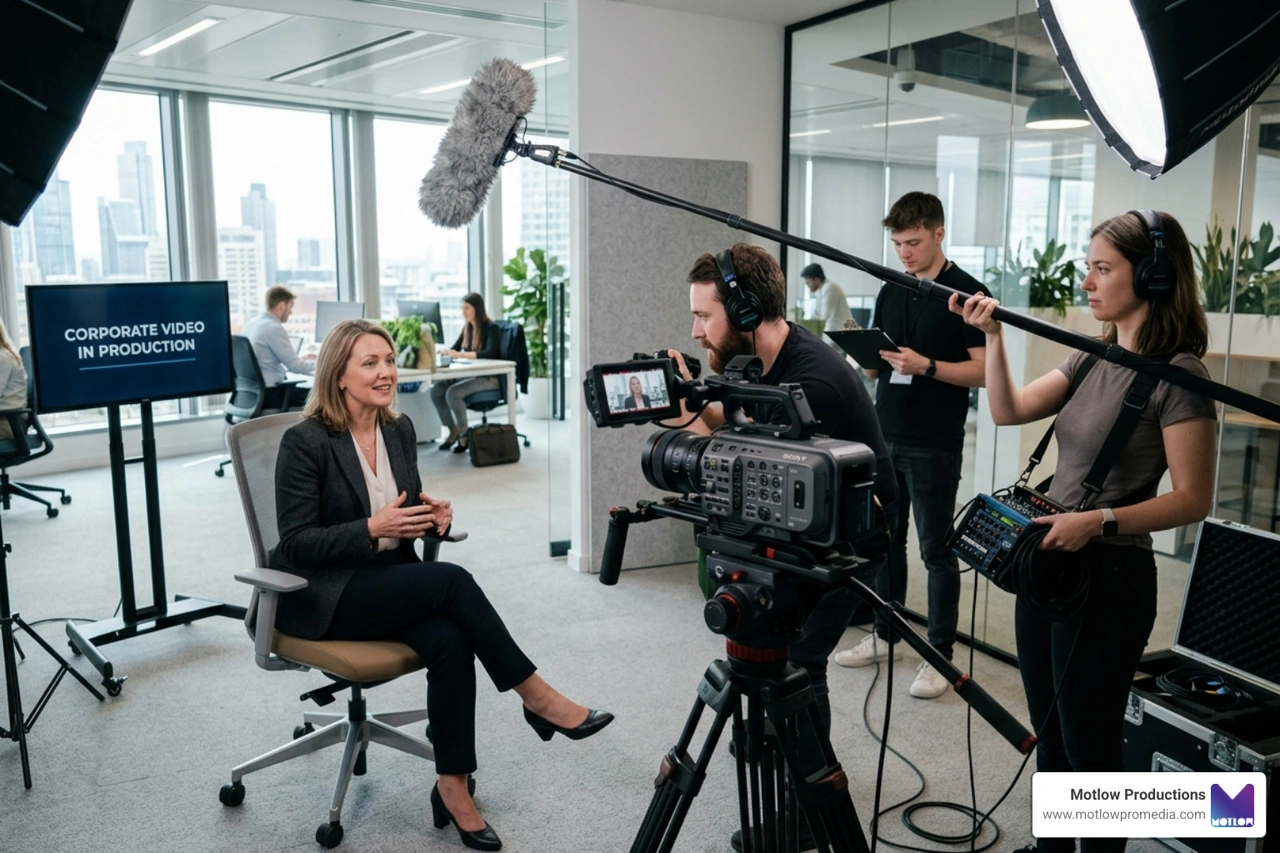
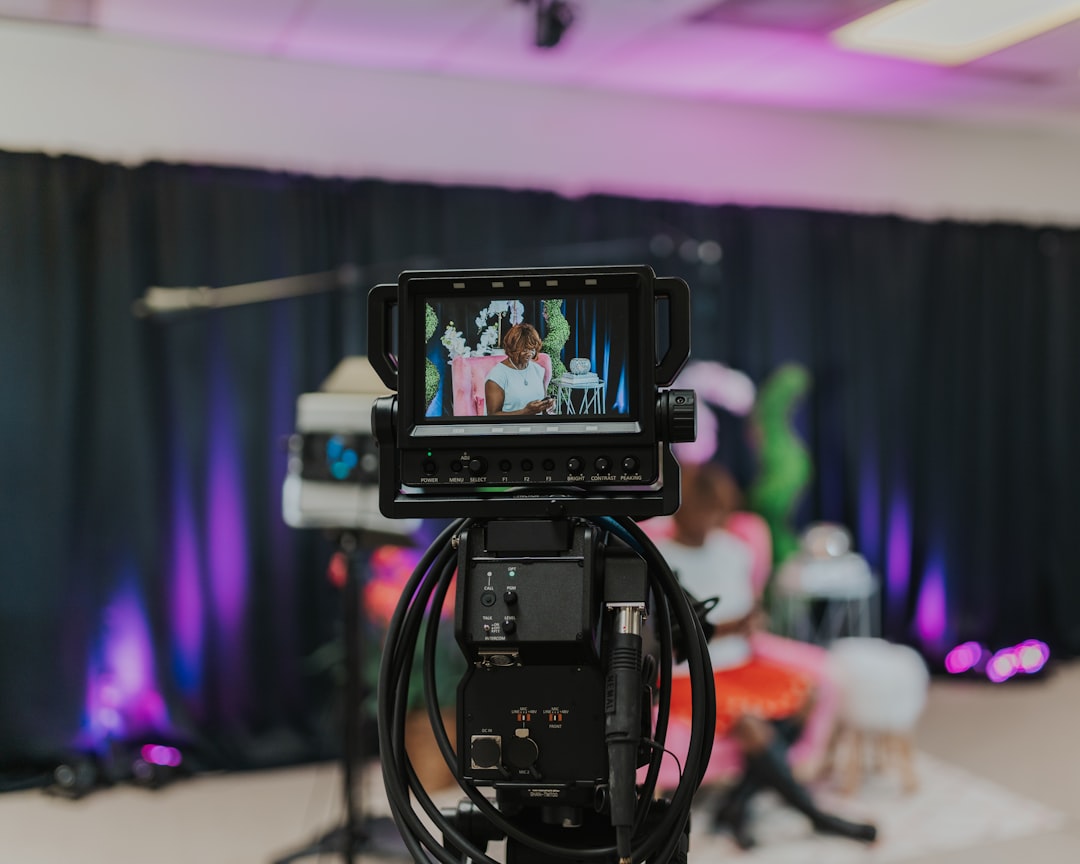
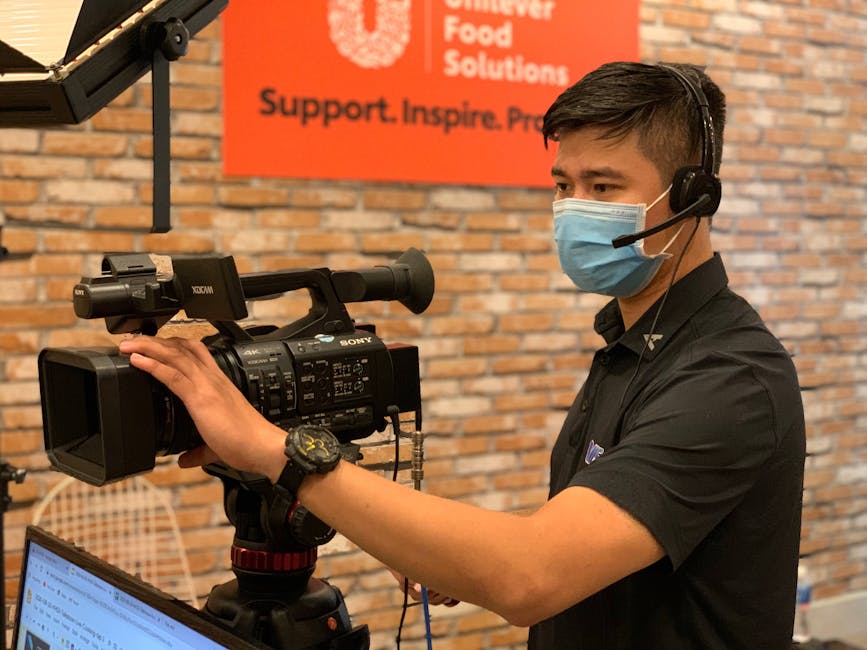
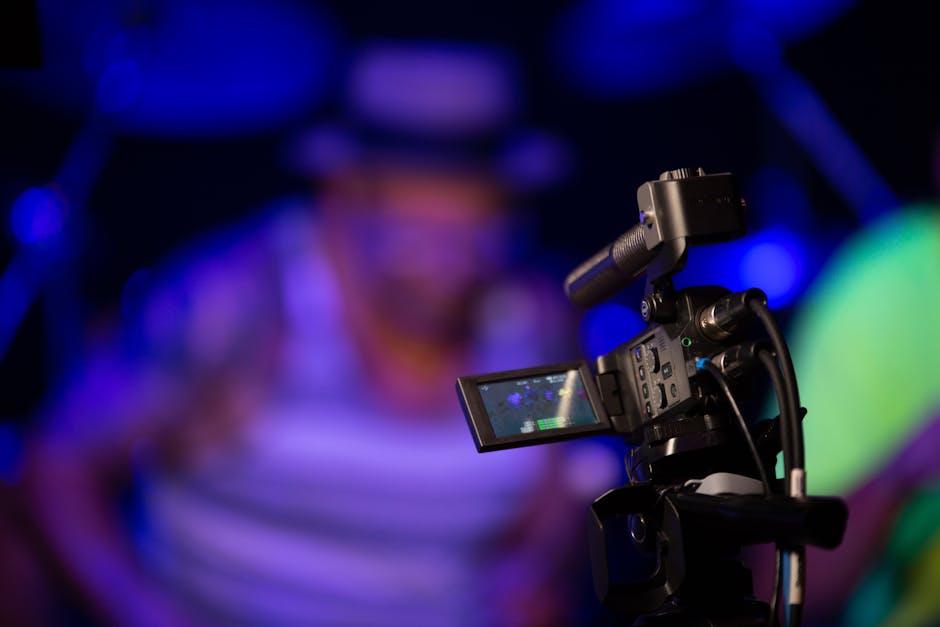
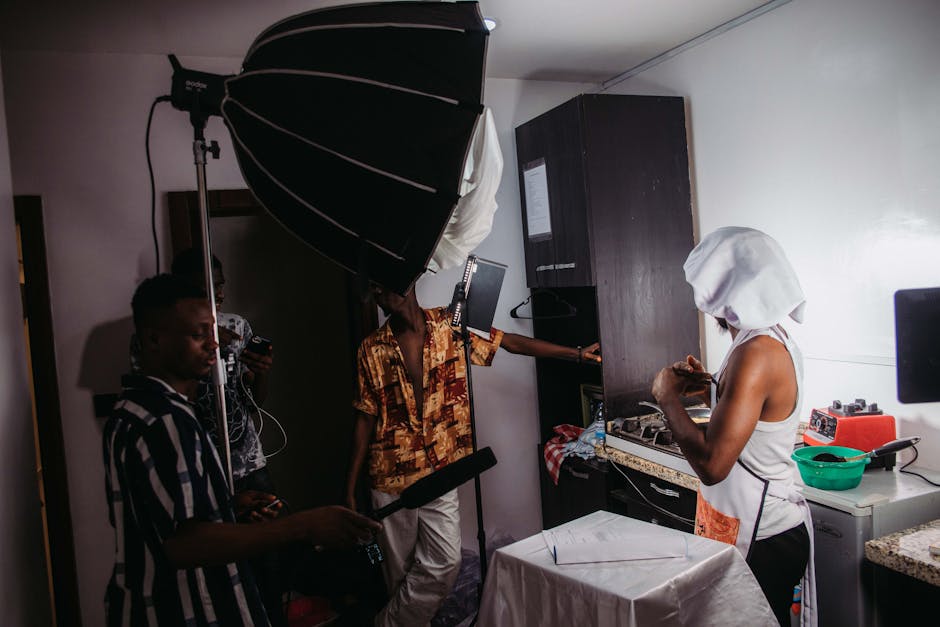
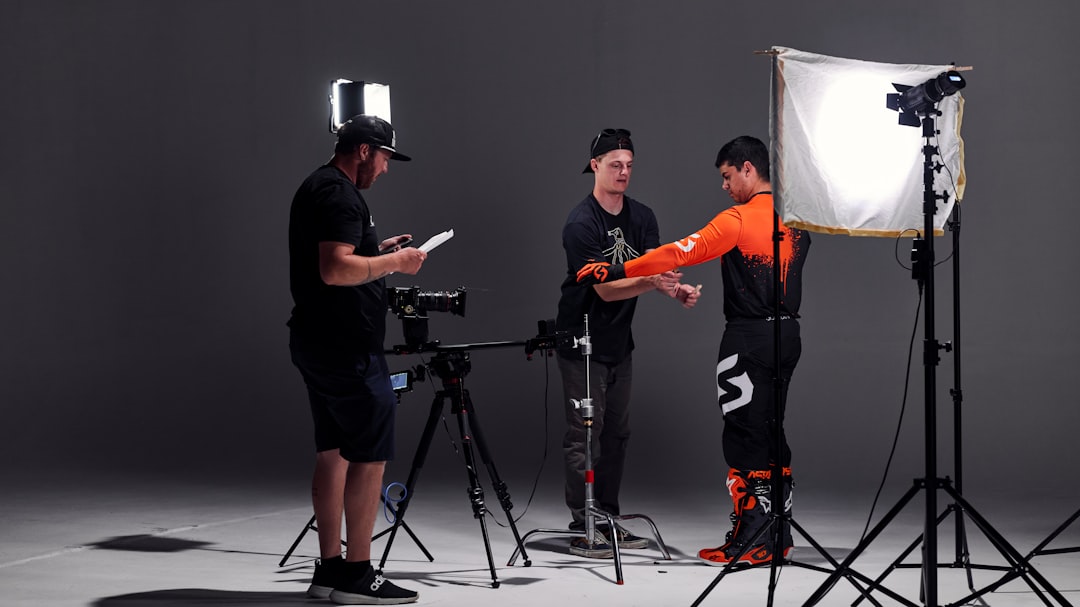
The room may feel quieter than expected. There may be lights nearby. A camera may be closer than the speaker imagined. The interviewer may ask them to repeat an answer. A microphone may be clipped to their clothing. None of this is unusual, but it can feel distracting if the speaker is not prepared.
Before filming, let the executive know what to expect:
The camera may be close enough to capture expression clearly.
The lighting is there to make the image look professional.
The microphone may feel noticeable at first but will be adjusted for comfort.
The production team may pause to fix small details.
Retakes are normal.
Silence between answers is helpful for editing.
This simple explanation can remove a lot of anxiety. It also positions the production team as a partner rather than a technical crew working around the speaker.
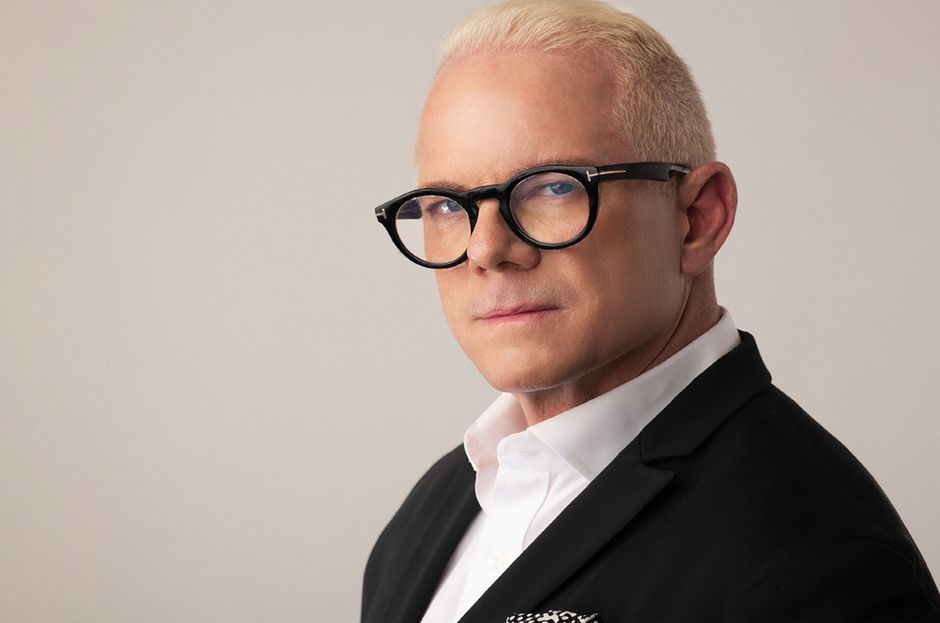
Wardrobe does not need to be complicated, but it does need to be intentional. The executive should look like themselves, but polished for camera.
In most corporate settings, solid colors work well. Avoid tight patterns, loud prints, overly reflective fabrics, and clothing with distracting logos unless the logo is intentionally part of the brand presentation. Glasses, jewelry, and accessories should also be checked for reflections or noise.
The best wardrobe choice depends on the brand, the setting, and the intended use of the video. A CEO speaking in a formal investor update may dress differently than a founder recording thought leadership clips for LinkedIn. A casino executive, hospitality leader, or conference speaker may need a look that fits both the brand and the event environment.
The production team should provide wardrobe notes before filming day, not five minutes before the interview. That gives the speaker time to feel comfortable and prepared.
The filming location affects the tone of the interview. A clean office, branded conference room, stage setup, production studio, or event environment can all work, but the location should support the message.
A thought leadership interview may benefit from a calm, professional setting. A conference interview may feel stronger when filmed near the event space. A culture video may work better in an active office environment. A leadership announcement may need a more controlled background.
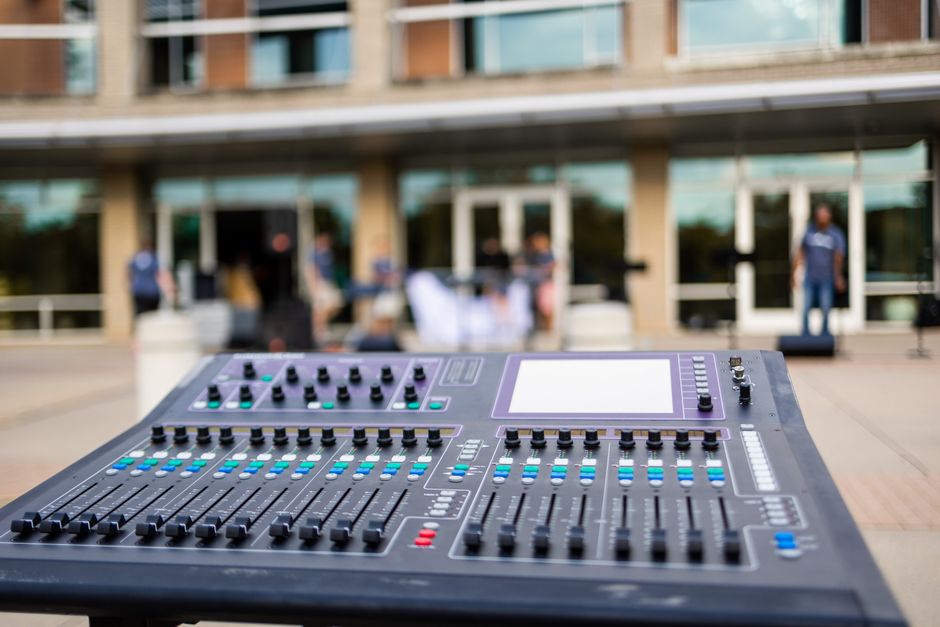
The location should also support good sound. A beautiful room is not always a good interview room if it has loud HVAC, echo, hallway noise, or heavy foot traffic. Audio matters just as much as the image. Viewers may tolerate simple visuals, but they will stop watching if they cannot clearly hear the speaker.
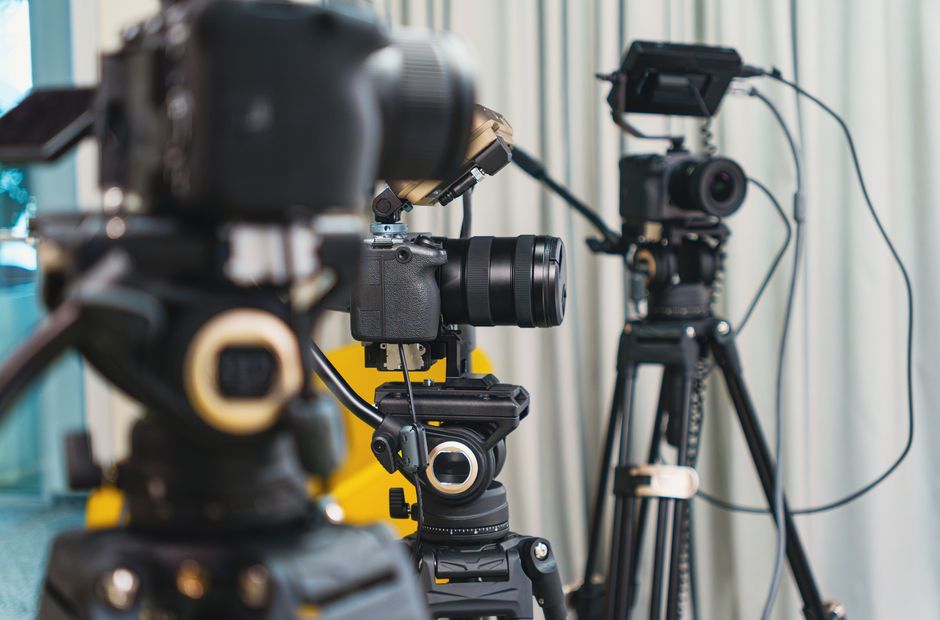
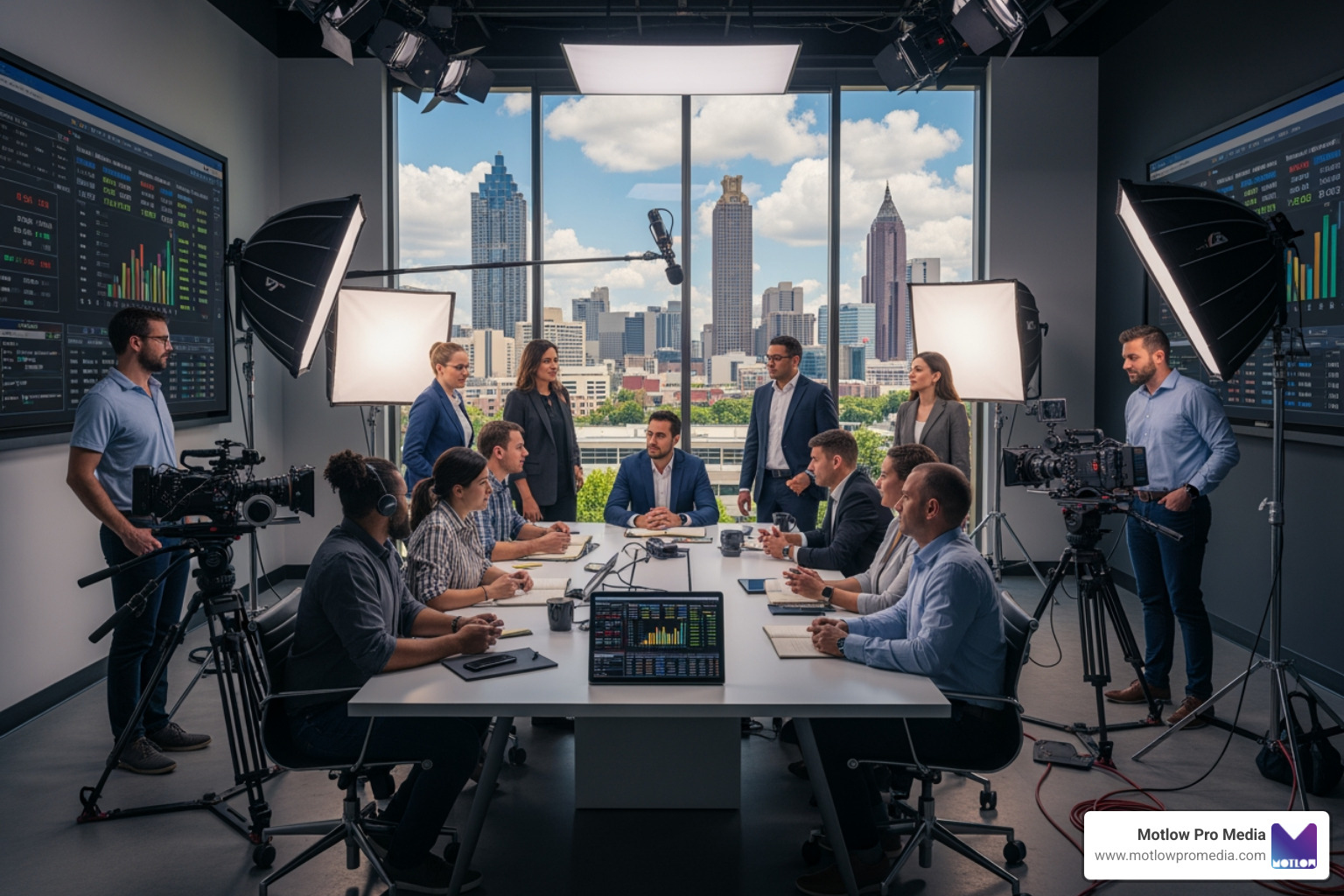
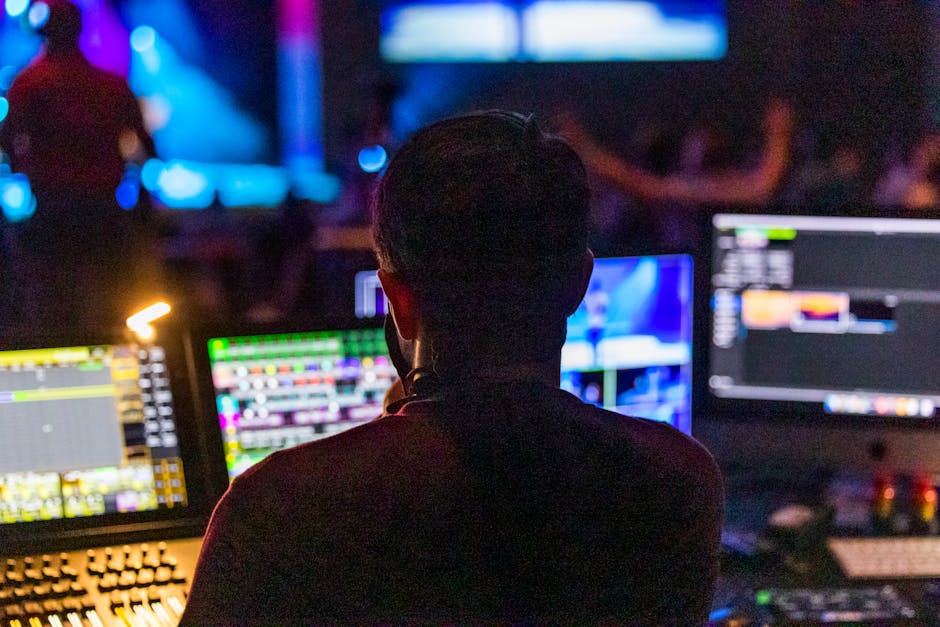
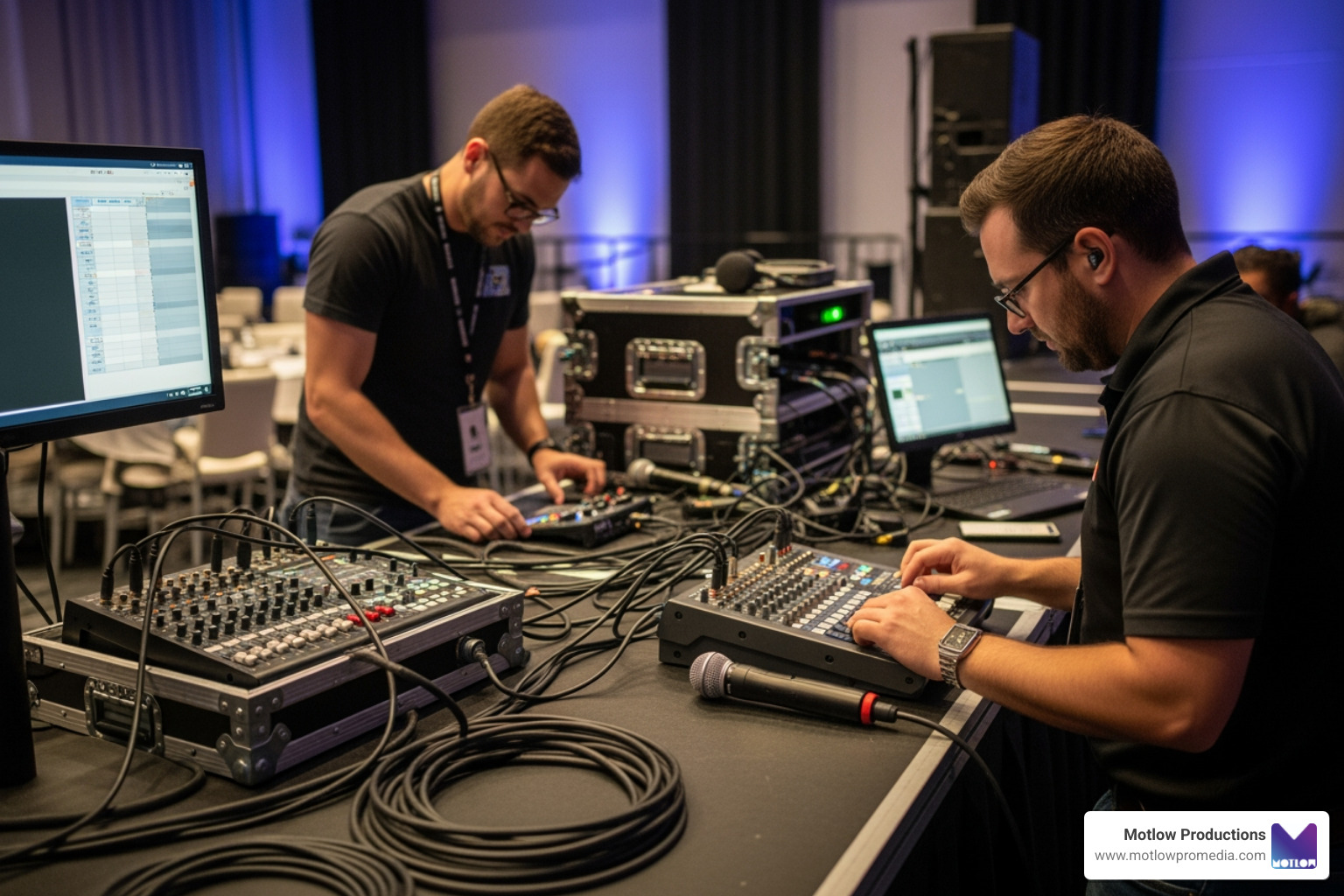
This is one reason planning matters. A professional crew can evaluate the space, manage lighting, reduce distractions, and help the speaker look and sound natural.
Executive speakers do not need to perform. They need to be clear.
Small coaching adjustments can make a major difference on camera. The speaker should sit or stand with grounded posture, avoid excessive movement, and speak slightly slower than they would in a normal meeting. They should also pause between ideas. Pauses feel longer in the room than they do in the final edit, but they make the footage much easier to cut cleanly.
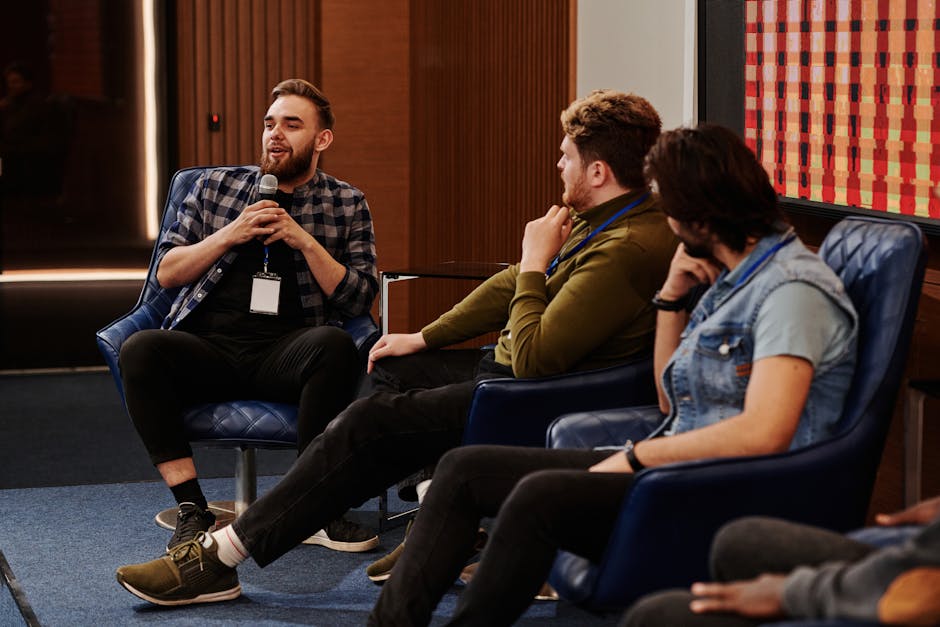
Eye line matters too. The speaker should know whether they are speaking to an interviewer off-camera or directly into the lens. Both approaches can work, but they create different feelings. Speaking to an interviewer feels conversational. Speaking into the lens feels more direct and personal.
The production team should decide this based on the final use of the video. Internal announcements, direct leadership messages, and social clips may benefit from looking into the lens. Thought leadership interviews, event recaps, and documentary-style pieces often feel more natural with an off-camera interviewer.
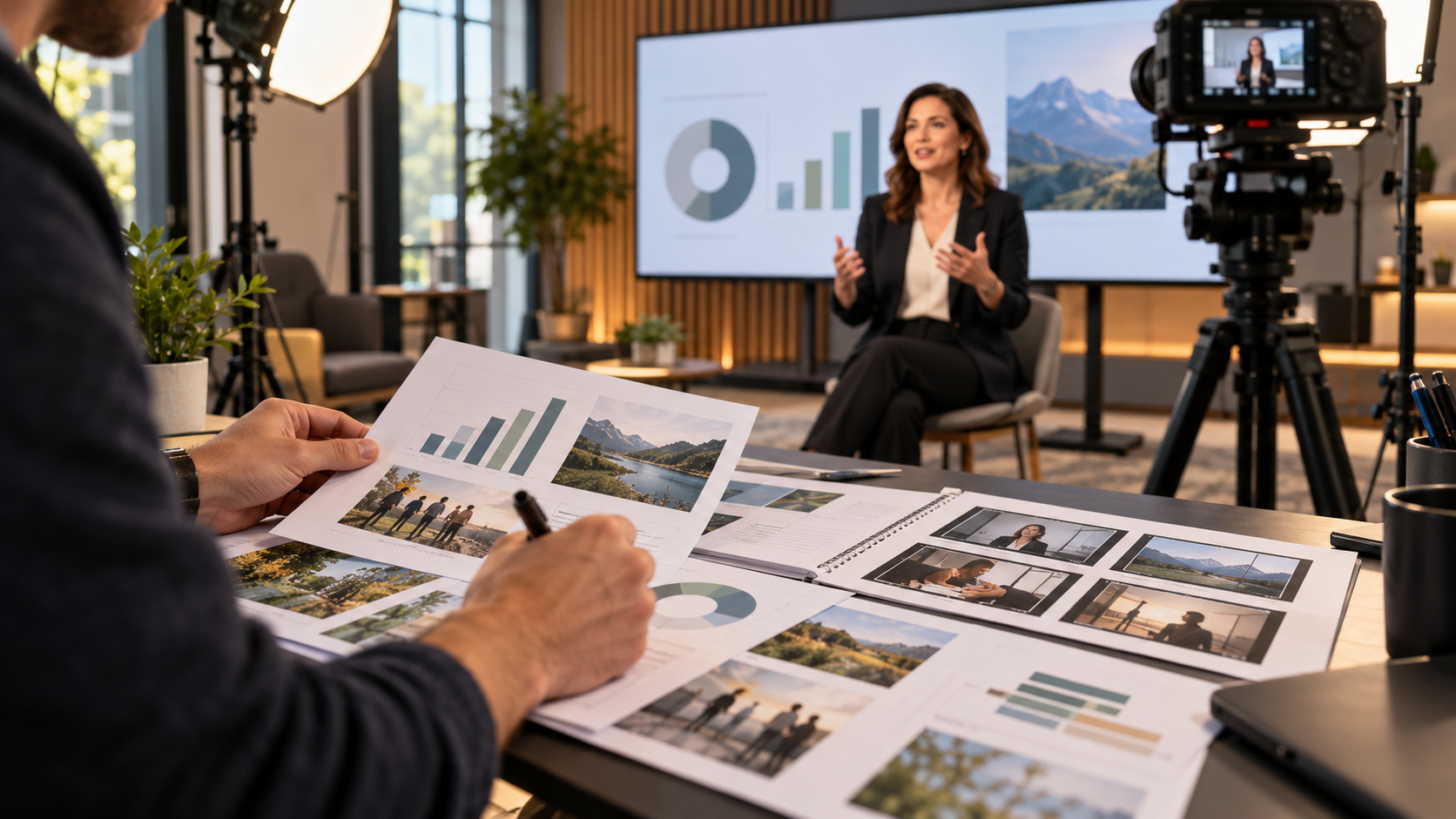
A strong executive interview is rarely only the talking-head footage. The final video becomes more useful when the production team also captures supporting visuals.
That might include:
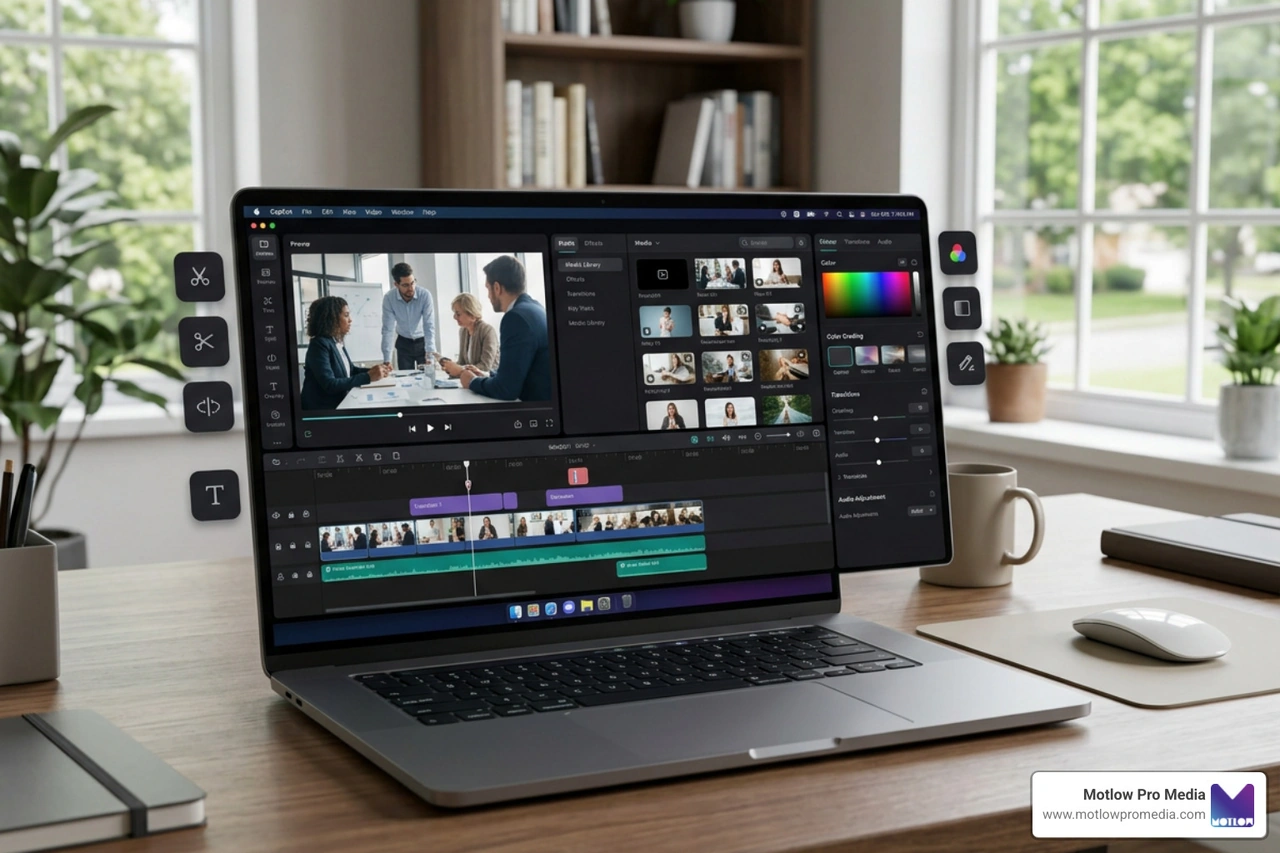
These visuals help the editor build a more engaging final video. They also create additional content for social media, sales decks, internal updates, recruitment campaigns, and event recaps.
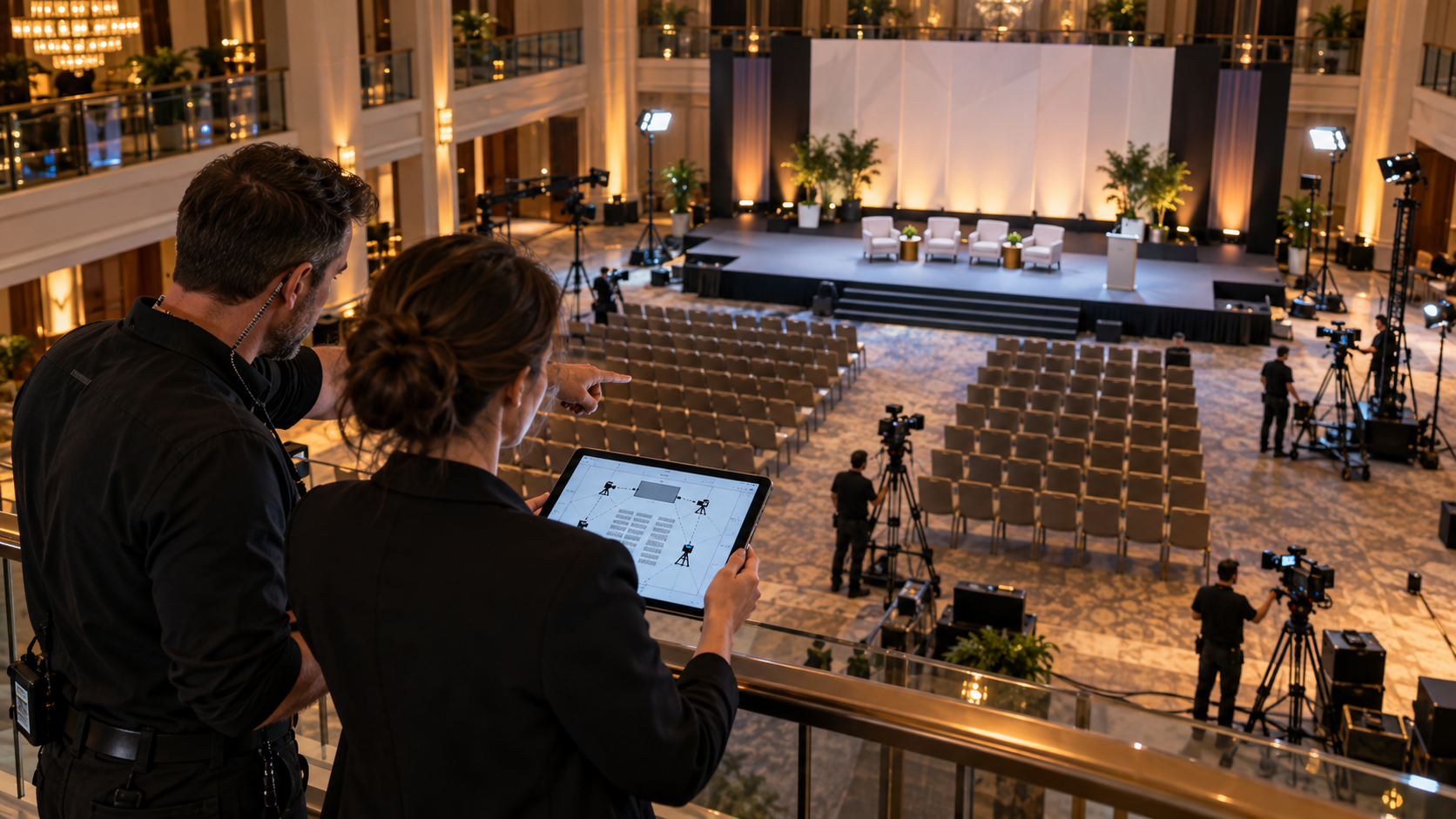
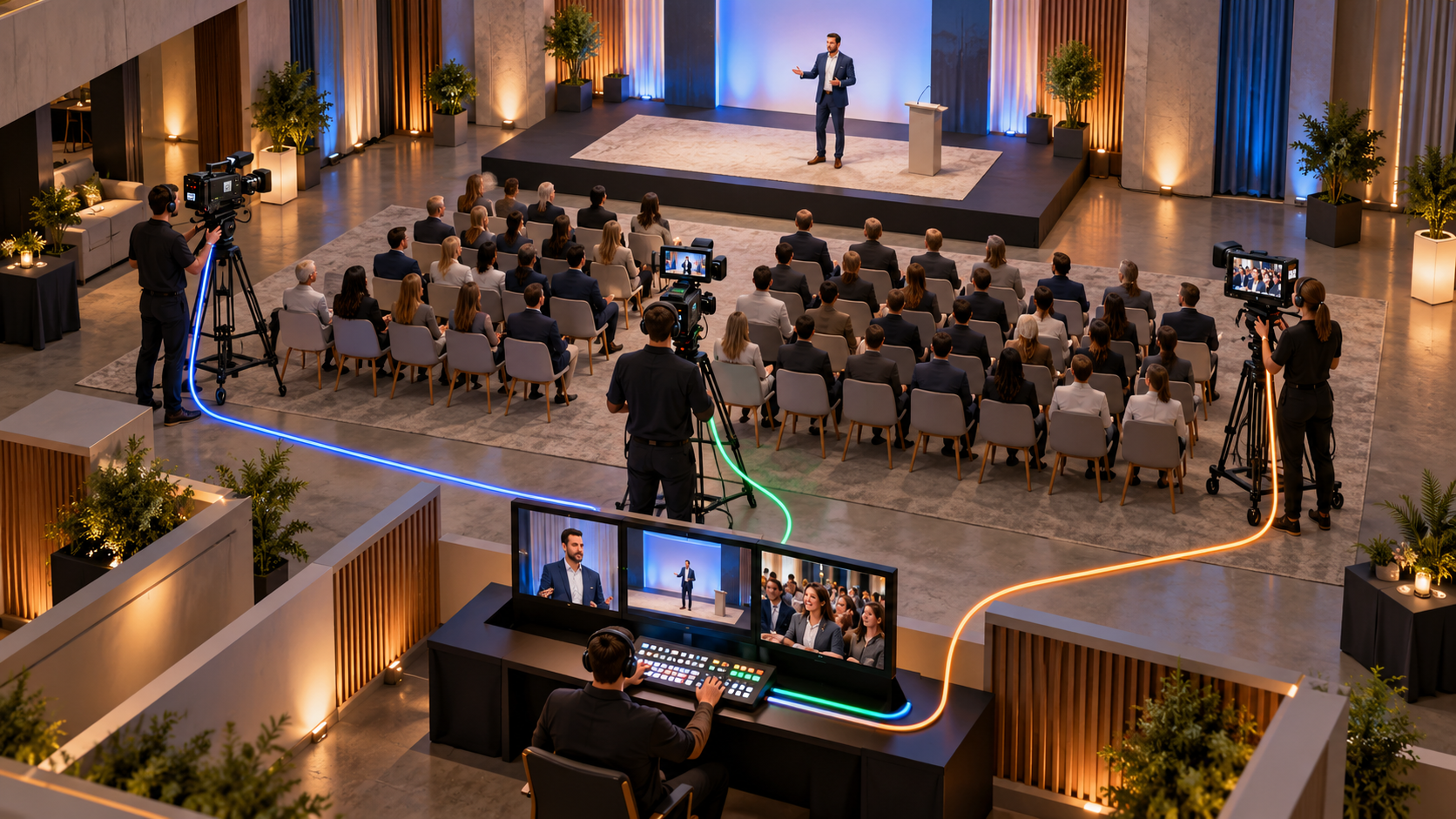
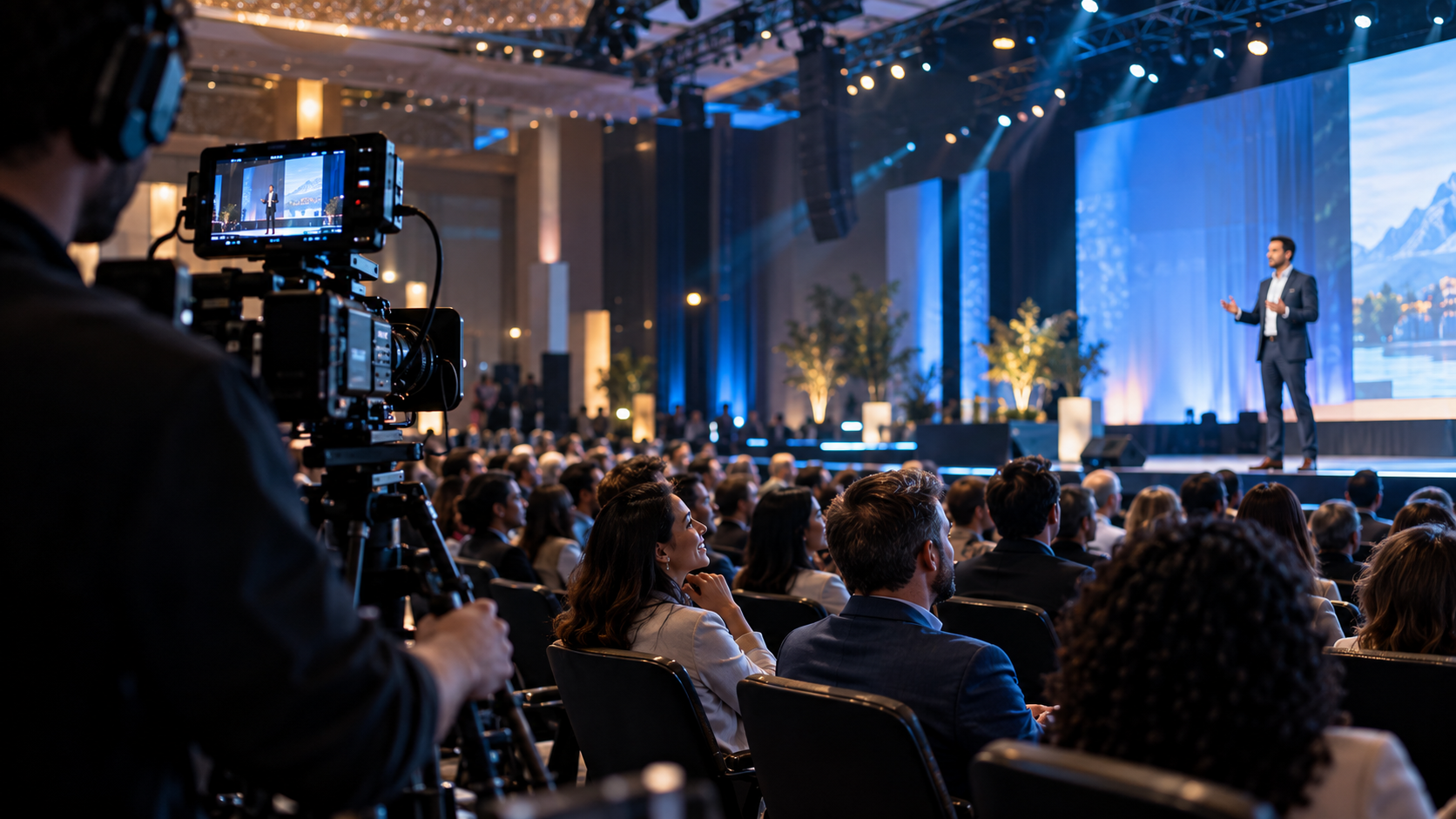
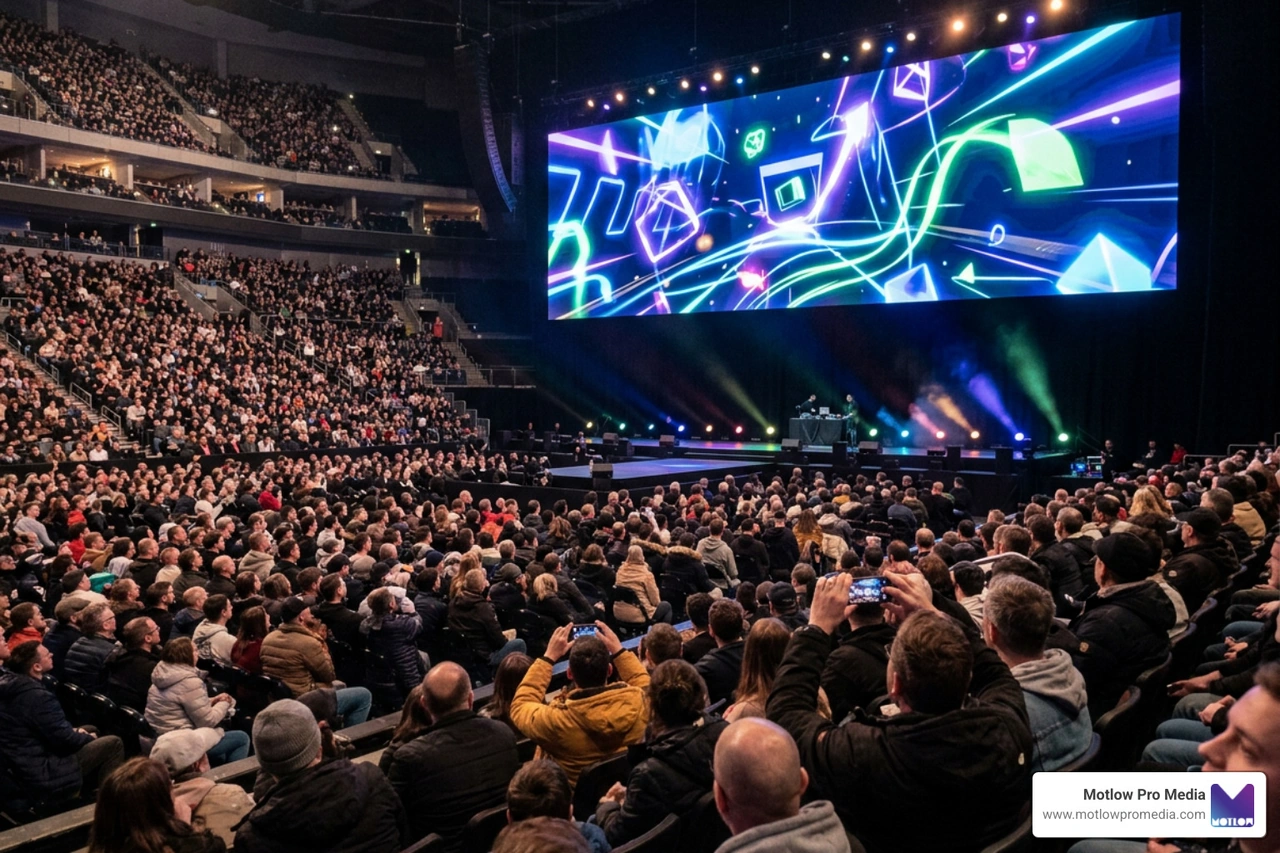
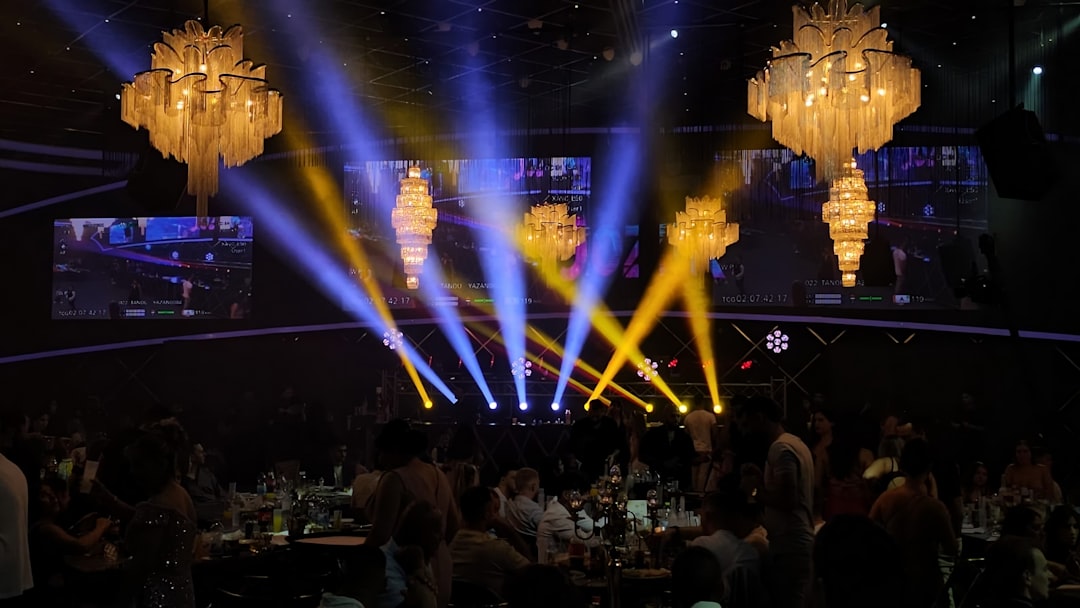
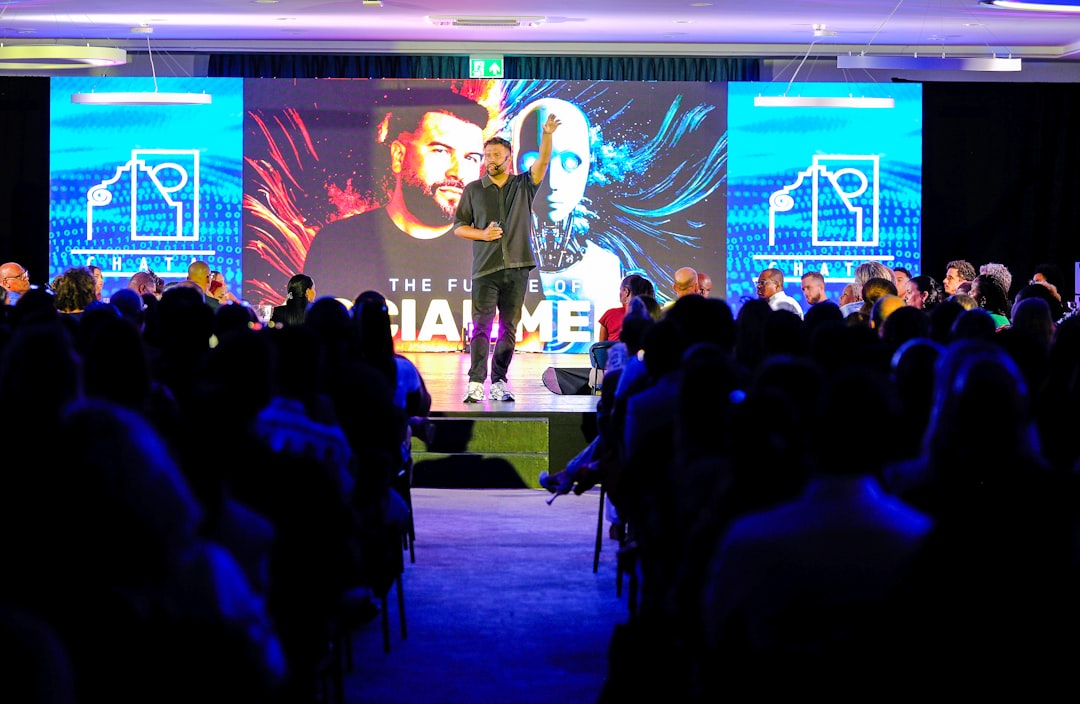
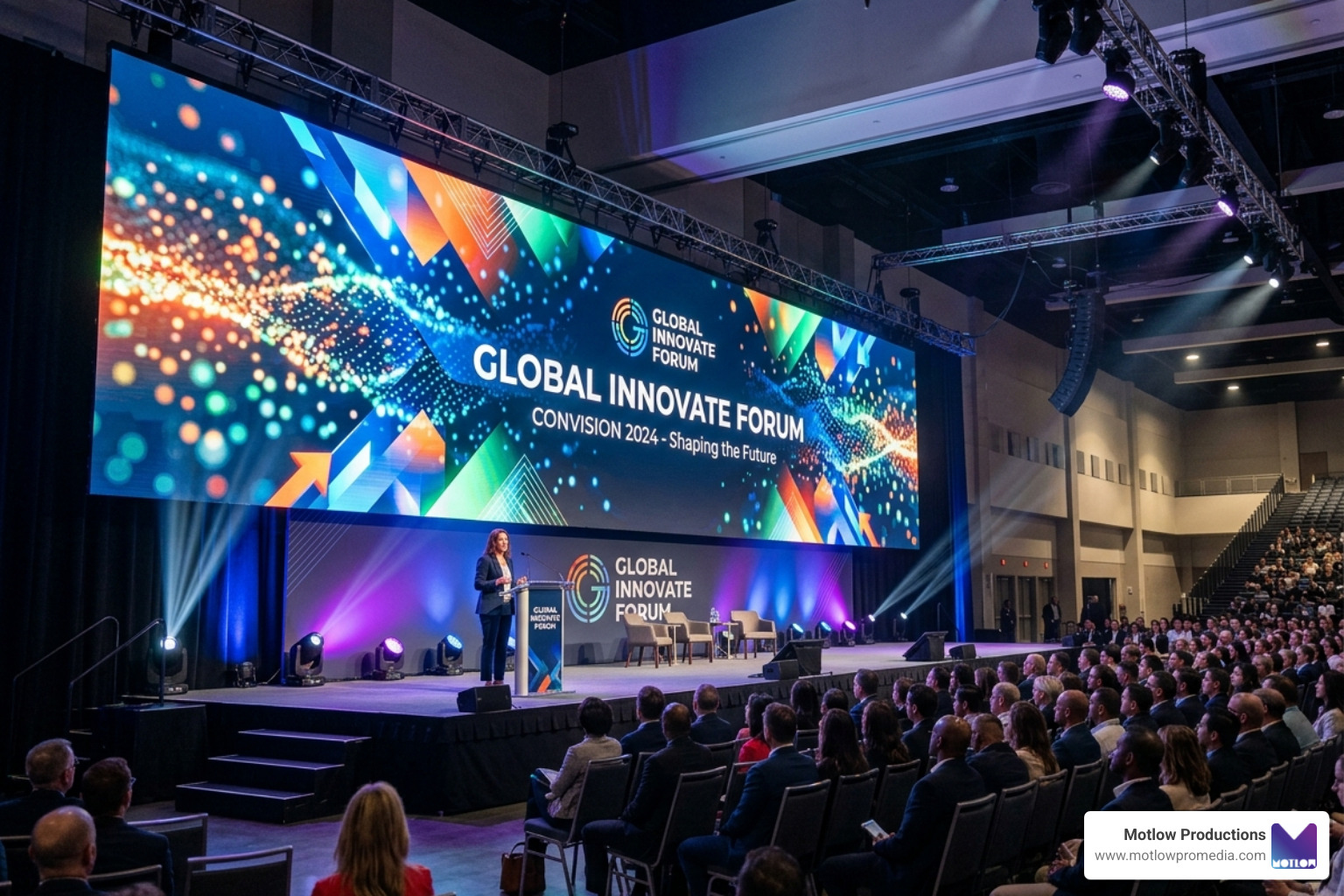
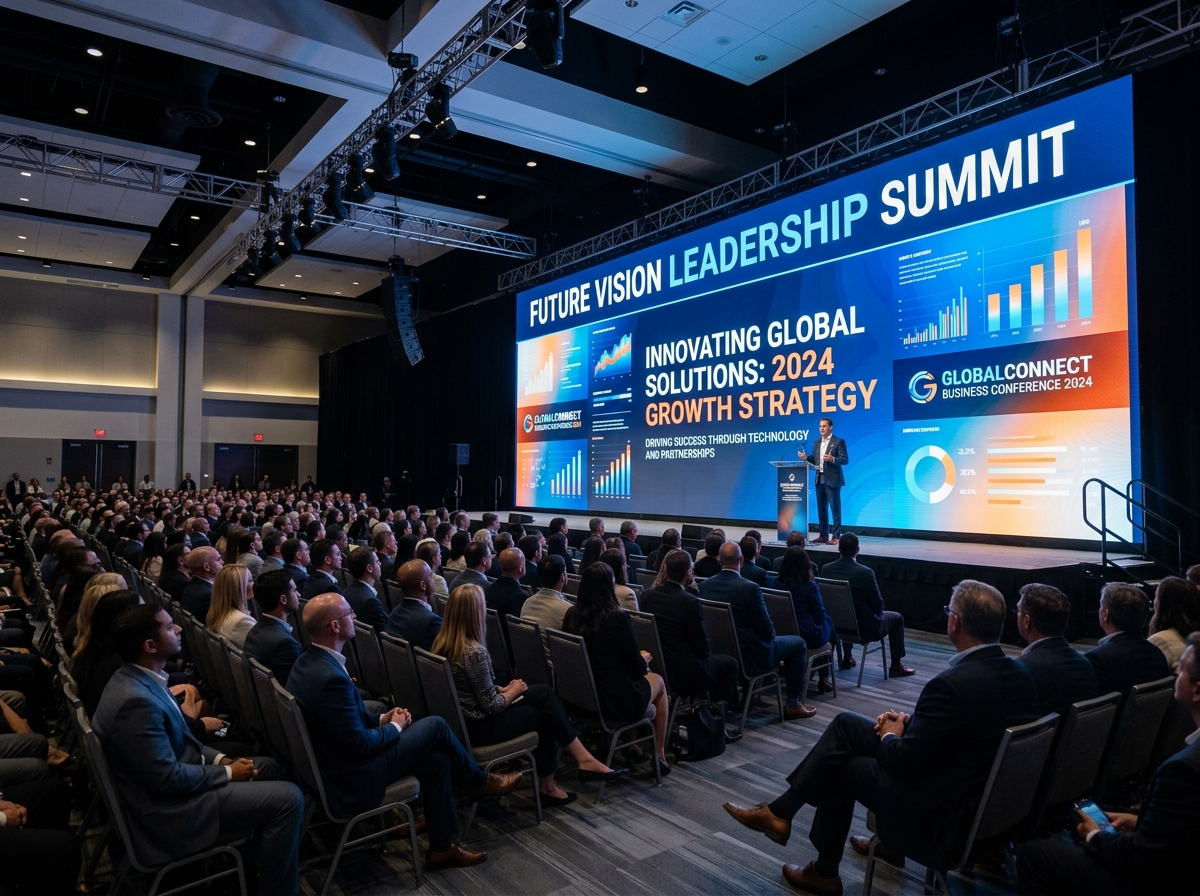
This is especially useful when the interview is part of a larger conference or event production plan. The A-Z Guide to Conference Video Production shows how one event can produce multiple pieces of marketing content when it is planned intentionally.
External research supports this broader approach as well. HubSpot's video marketing research continues to show how important video is across marketing channels, and LinkedIn's thought leadership resources highlight why credible expert content matters in B2B decision-making.
The best executive interviews are planned with the final deliverables in mind. Before filming, the team should know whether the footage will become:
That list changes how the interview should be filmed. If the marketing team needs vertical social clips, the production team should know that before setup. If the footage will be used in a polished brand video, the interviewer may ask broader storytelling questions. If the video is for internal communication, clarity and trust may matter more than cinematic style.
This is where a production partner can help the marketing team think beyond one finished video. The Motlow Pro Media portfolio shows how different types of corporate media can work together across campaigns, events, and brand storytelling.
The first mistake is over-scripting the executive. A script can be useful for legal or compliance-sensitive announcements, but most thought leadership and interview content works better when the speaker sounds natural.
The second mistake is making the interview too broad. If the team tries to cover every company update, every brand message, and every audience in one interview, the final video may feel unfocused. One interview can support multiple clips, but it still needs a clear purpose.
The third mistake is skipping speaker prep because the executive is experienced. A strong public speaker may still need guidance for camera framing, answer length, eye line, pacing, and retakes.
The fourth mistake is ignoring the post-production plan. If the team does not know how the footage will be used, they may miss the chance to capture the right soundbites, supporting visuals, and formats.
The fifth mistake is treating the interview as a one-time asset. A well-planned executive interview can support weeks or months of content when the questions, footage, and editing plan are built correctly.
Should executive speakers memorize their answers?**
**Usually, no. Memorized answers often sound stiff. It is better to prepare talking points, key messages, and examples so the speaker can respond naturally.
How long should an executive interview take to film?**
**It depends on the number of questions and deliverables, but many corporate interviews can be filmed in 30 to 60 minutes once the setup is ready. More complex shoots with multiple locations or supporting footage may take longer.
Should the executive look at the camera or the interviewer?**
**Both can work. Looking at the interviewer feels conversational, while looking into the camera feels more direct. The right choice depends on the final use of the video.
What should executives wear for on-camera interviews?**
**Solid colors, clean lines, and brand-appropriate clothing usually work best. Avoid tight patterns, noisy jewelry, overly reflective fabrics, and anything that distracts from the message.
Can one executive interview become multiple pieces of content?**
**Yes. With the right planning, one interview can become a full video, short social clips, quote graphics, internal updates, recruitment content, sales support, and thought leadership posts.
Speaker prep tends to improve the more often it happens, which is one reason executive interviews work best as a recurring habit rather than a once-a-year scramble before a big announcement. A recurring content partnership keeps talking points, wardrobe notes, and environment logistics consistent across sessions, so leaders get more comfortable on camera each time instead of relearning the process from scratch.
Preparing executive speakers for on-camera interviews is not about making them sound rehearsed. It is about helping them feel clear, confident, and supported. The best preparation gives leaders a purpose, talking points, environment guidance, wardrobe direction, and a basic understanding of how the production process works.
When marketing teams plan the interview with the final content in mind, the footage becomes much more valuable. A single executive interview can support thought leadership, internal communications, recruiting, sales, events, and brand storytelling when it is captured with strategy from the beginning.
Some clients want to give notes in a live Zoom call. Others prefer a group text or email thread. However you like to communicate, we adapt. You’ll never be left guessing where things stand - and you’ll always have a say before anything goes out the door.





Phone:
+1 863-250-8639
.png)
Email:
info@motlowpromedia.com