






-5.jpg)



































Thank you! Your submission has been received!
Oops! Something went wrong while submitting the form.

.avif)
September 29, 2026
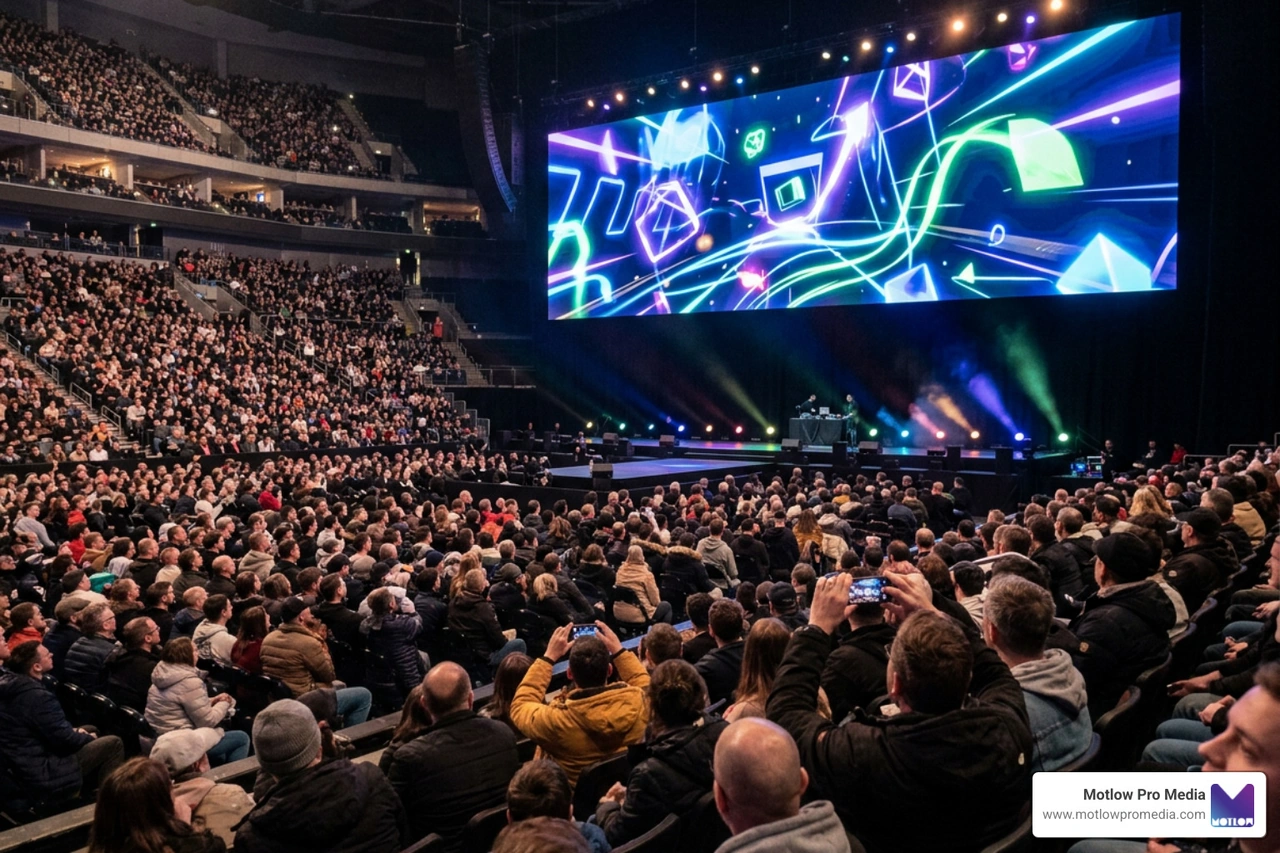
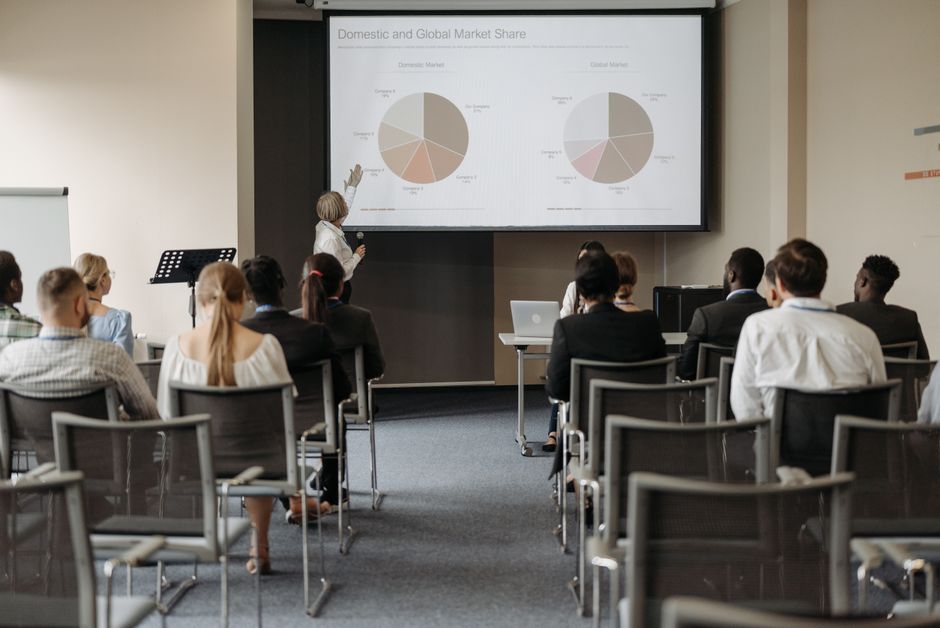
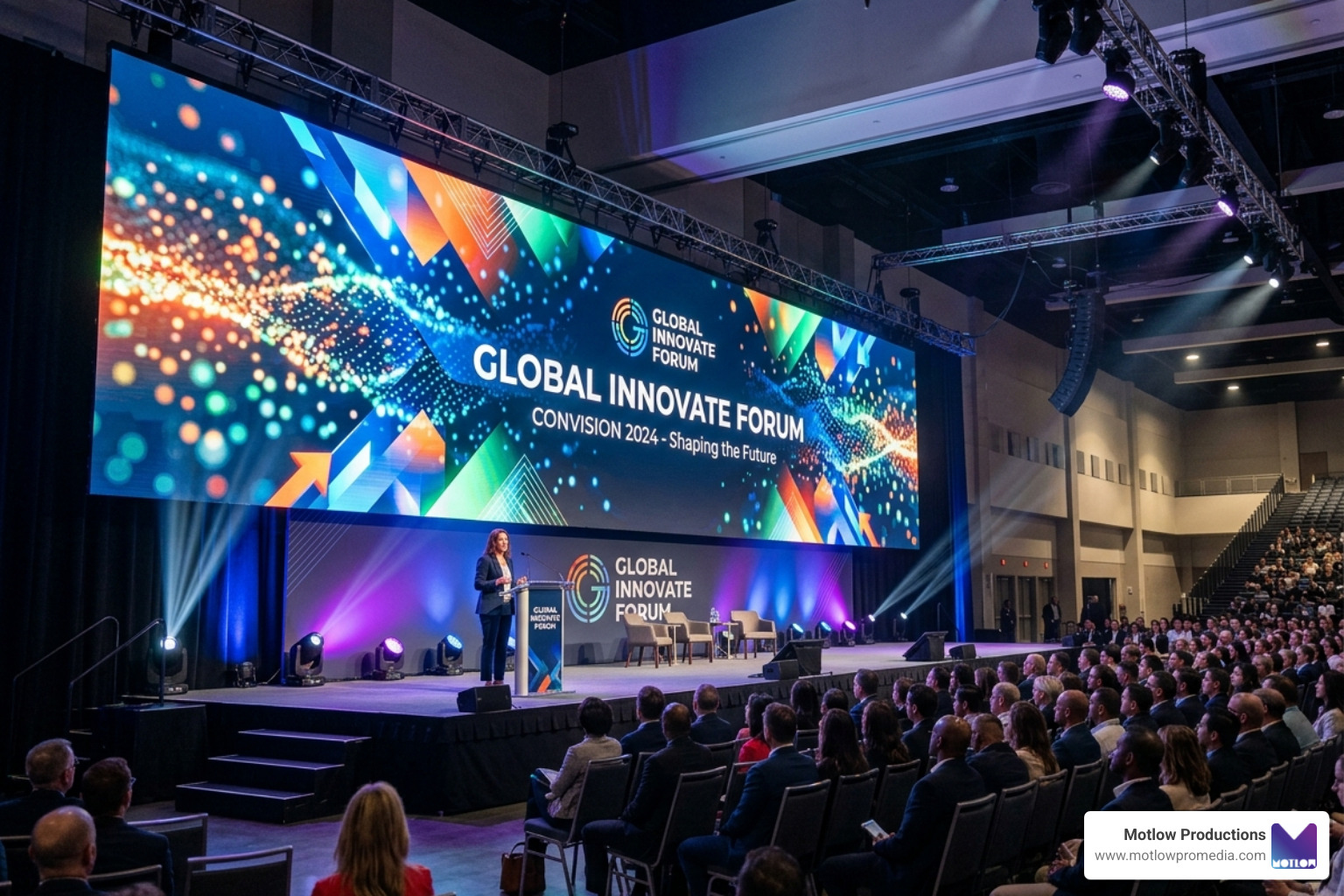
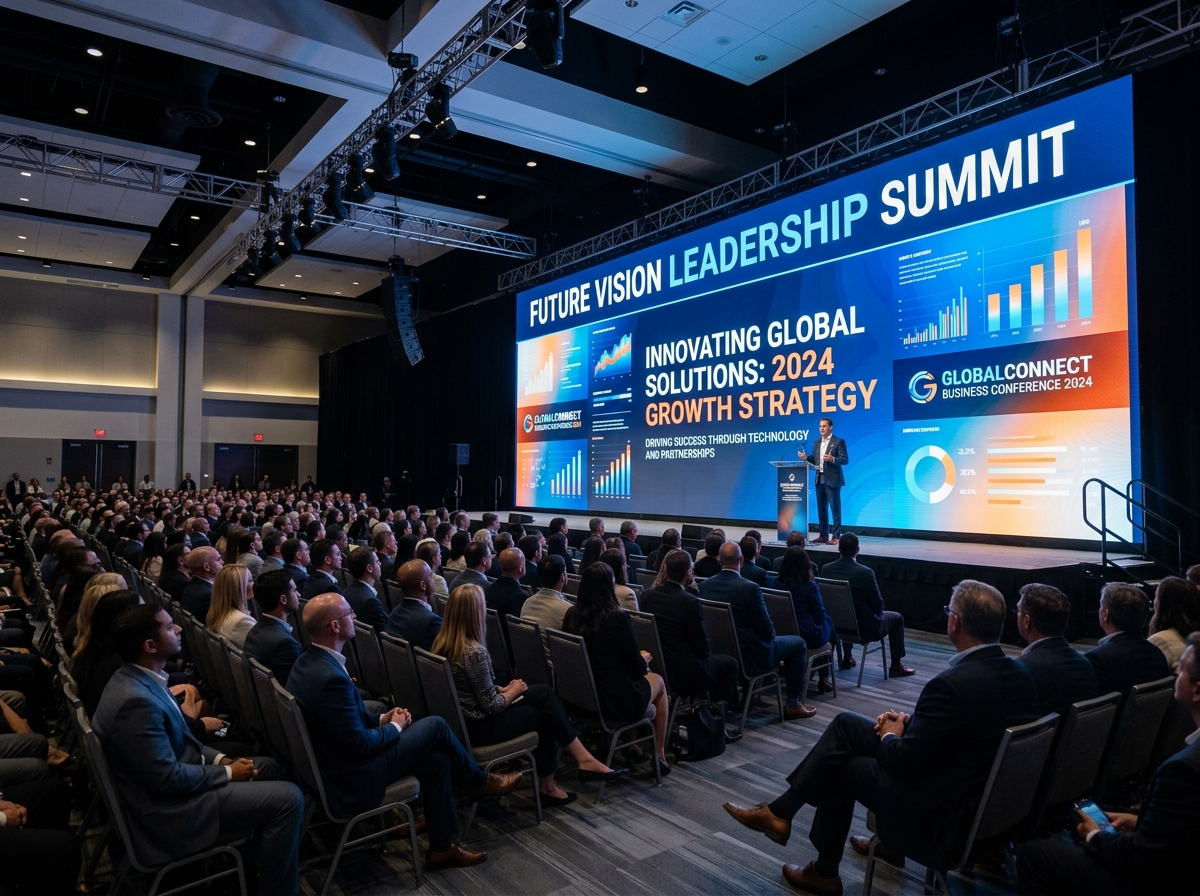
An annual conference concentrates leaders, customers, experts, partners, demonstrations, audience questions, and brand activity into a short period of time. That access is difficult to recreate in a studio after the event, yet many organizations leave with only a recap reel and long session recordings that are rarely used. A 90-day content plan treats the conference as a source library and identifies the stories, answers, proof, and visual moments the marketing team will need after the ballroom is empty.
Conference organizers and corporate marketing teams tend to lose the most valuable material not because the crew missed it, but because nobody decided in advance what would happen to it after the event ended. Access to that many leaders, customers, and experts in one place doesn't come back around until next year, so the repurposing plan has to exist before the cameras roll, not after the footage is sitting in an archive with no publishing path.
The recommended approach is to work backward from the intended business use and define the people, systems, approvals, and assets required to support it. Success means the conference becomes a sustained source of authoritative content rather than a short-lived event recap. That standard is more useful than judging the work only by how busy the production looked or how many files were delivered. Every section below turns that principle into a practical decision.
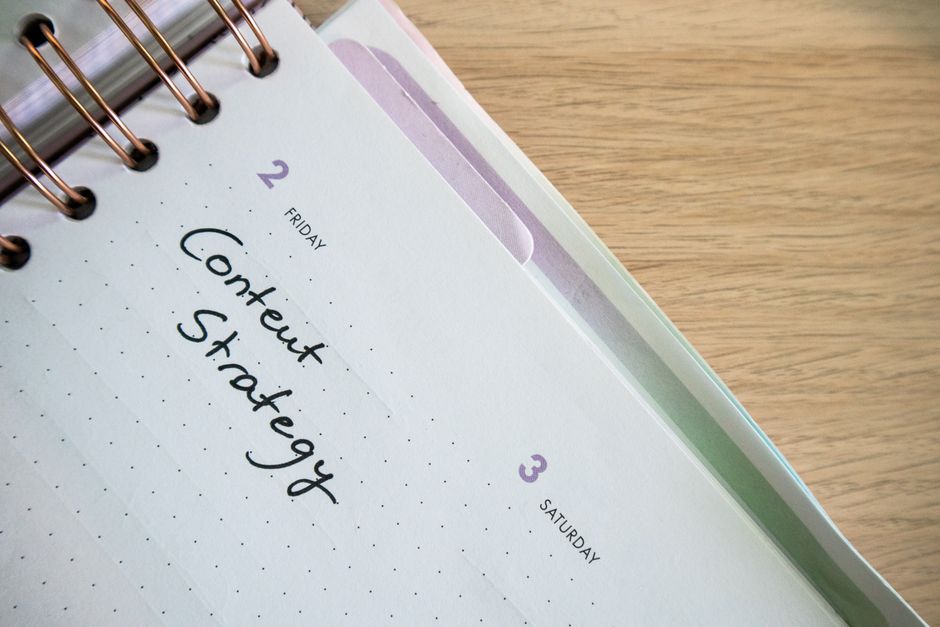
Identify the audiences, campaigns, sales priorities, product themes, recruitment needs, and executive messages that will matter during the three months after the event. Use that map to select sessions, speakers, customers, sponsors, and demonstrations with the strongest future relevance.
Plan an anchor asset for each major theme and supporting clips, articles, emails, graphics, and sales resources around it. This prevents the event team from collecting footage that has no defined publishing path.
Getting this map right means knowing, theme by theme, what has to be captured, who confirms its relevance to the 90-day plan, and how quickly that confirmation can happen once the schedule is set. That clarity is what protects conference organizers and marketing teams from walking away with strong access and no plan for what to do with it, and it gives the team a clear basis for deciding what earns a spot in the shot list versus what gets left out.
For additional context, see the 90-day content plan guide.
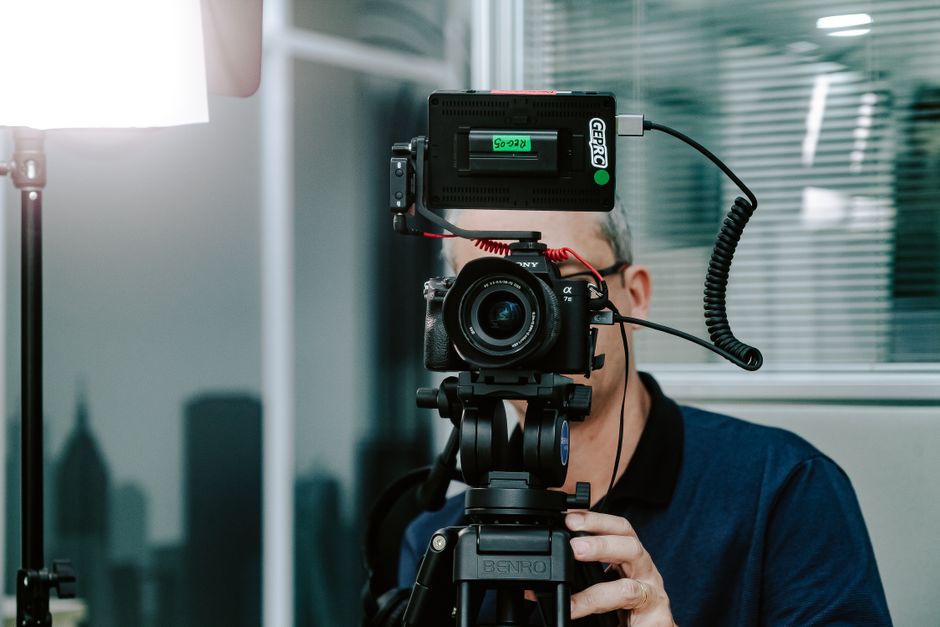
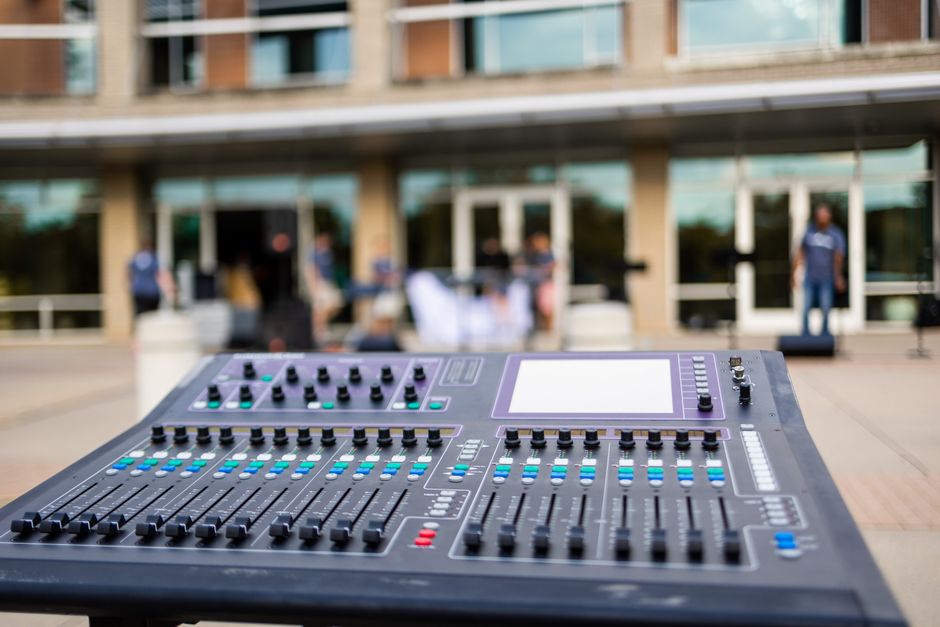
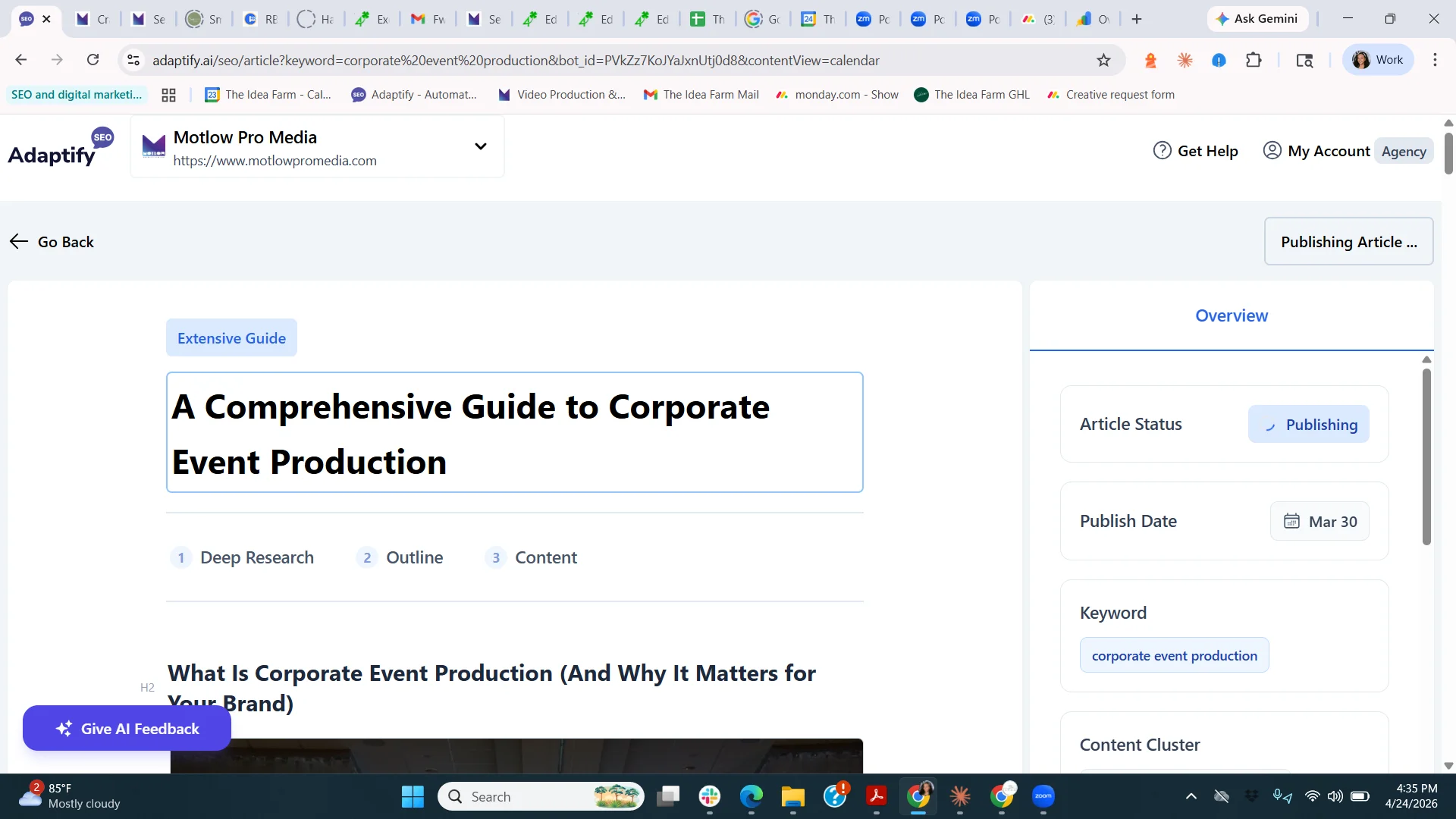
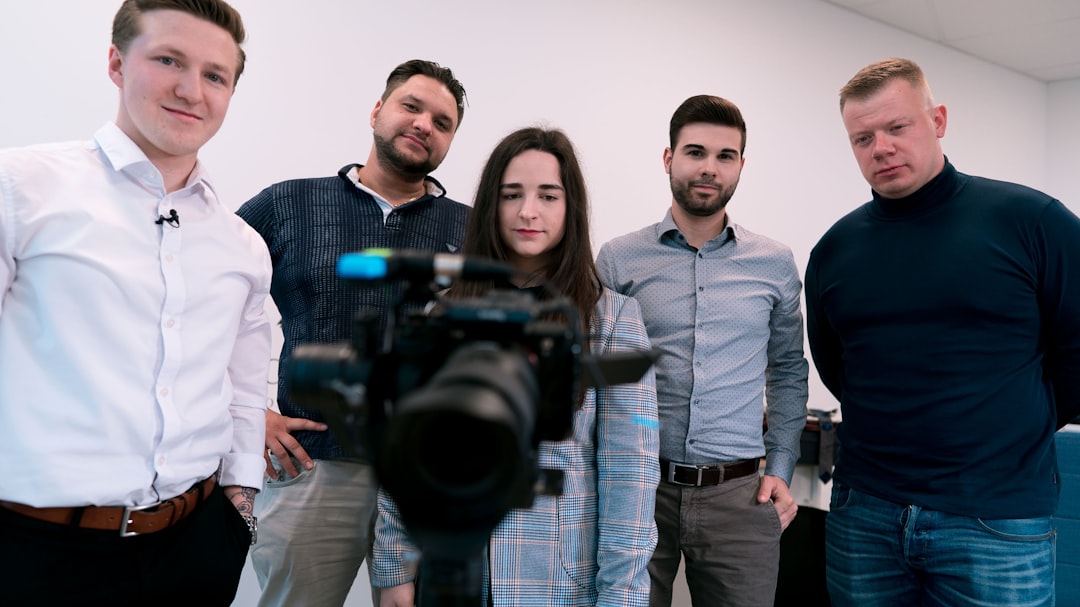
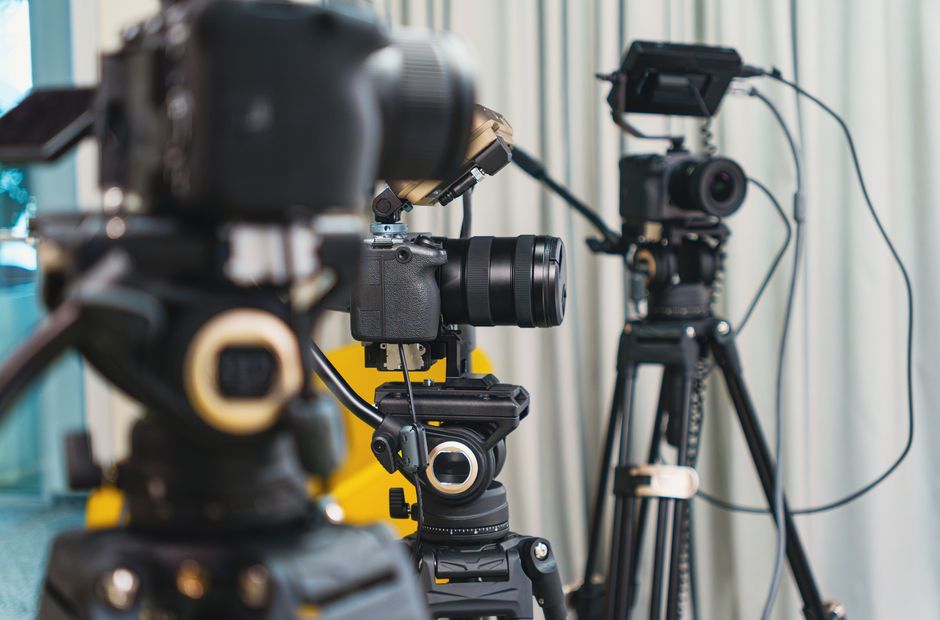
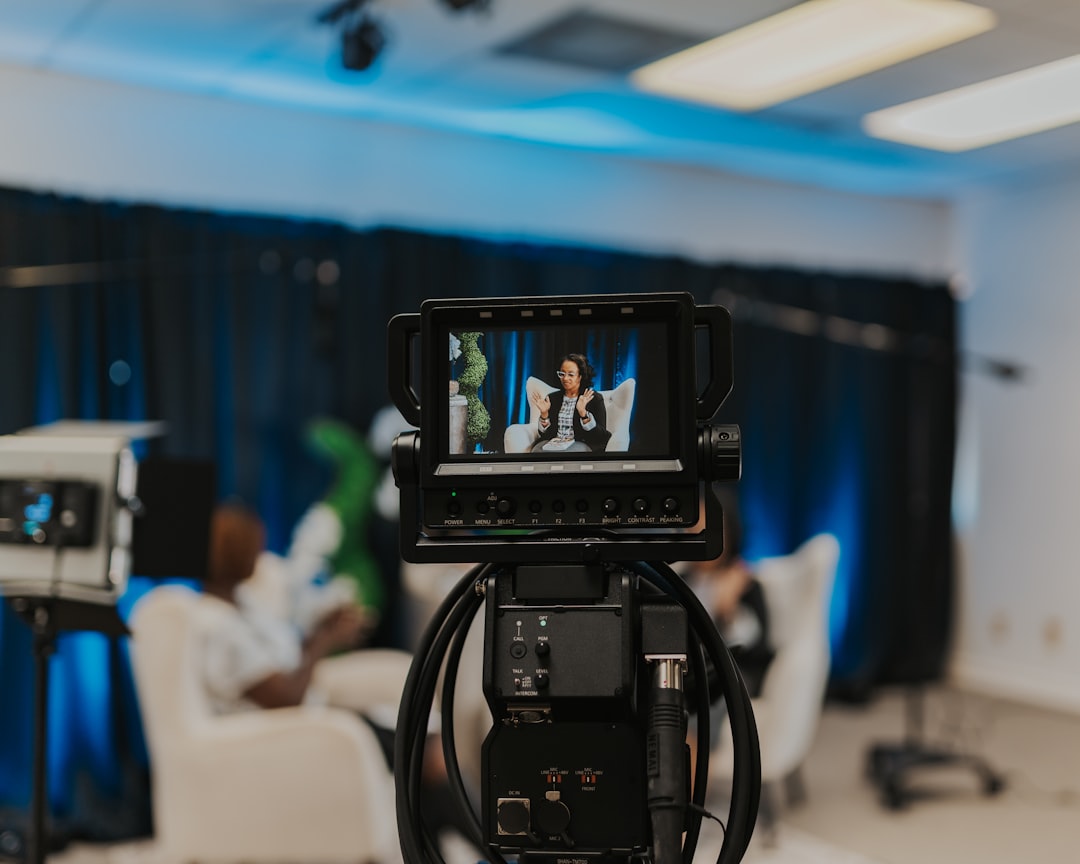
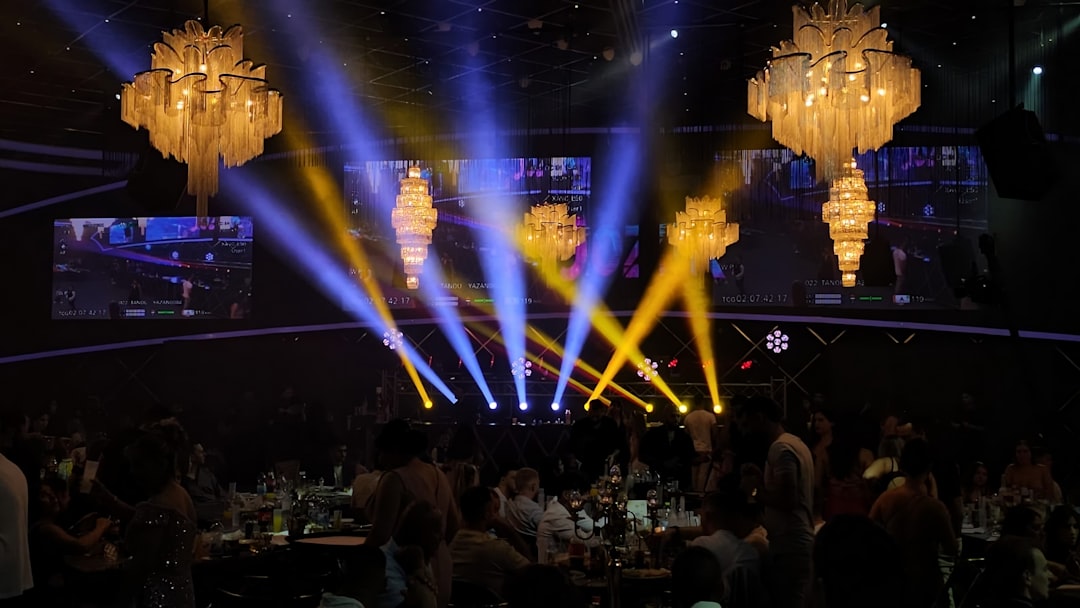
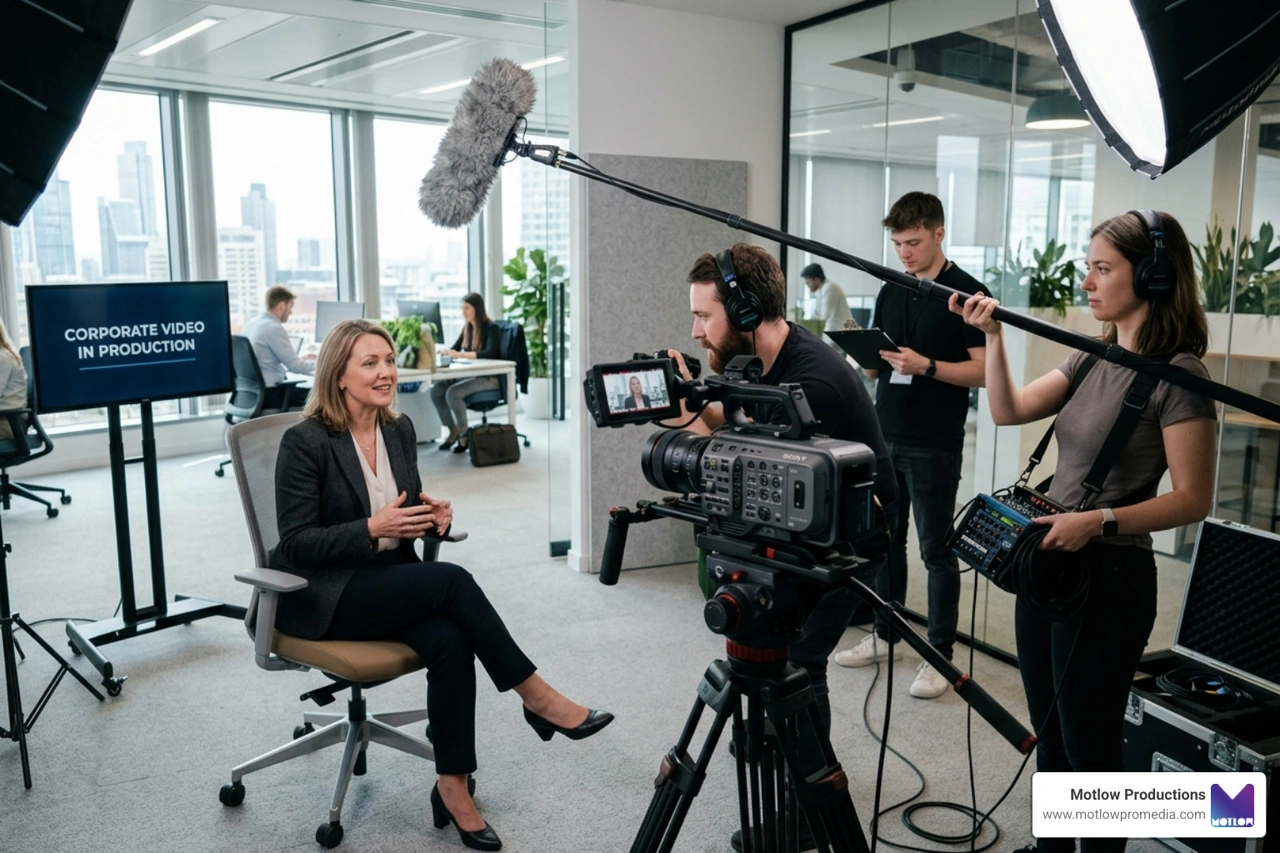
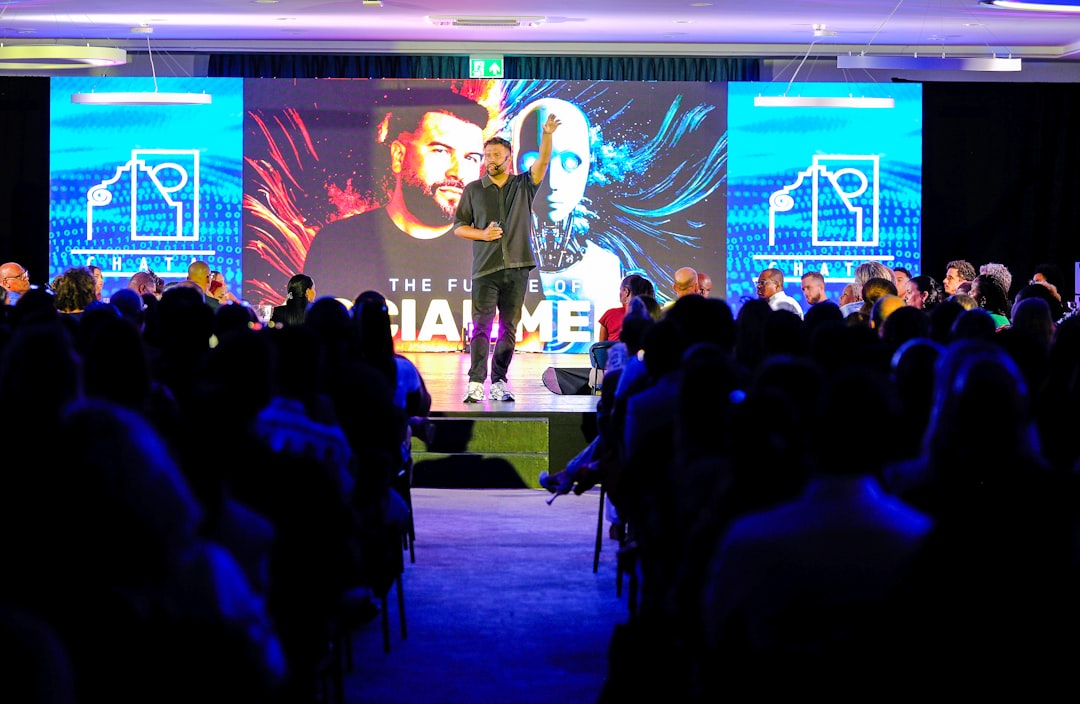
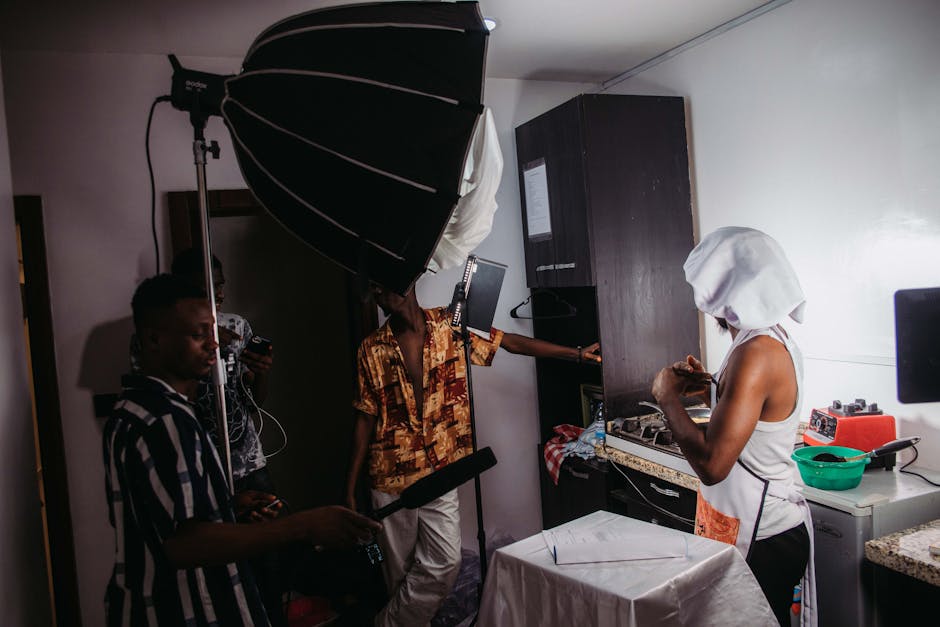
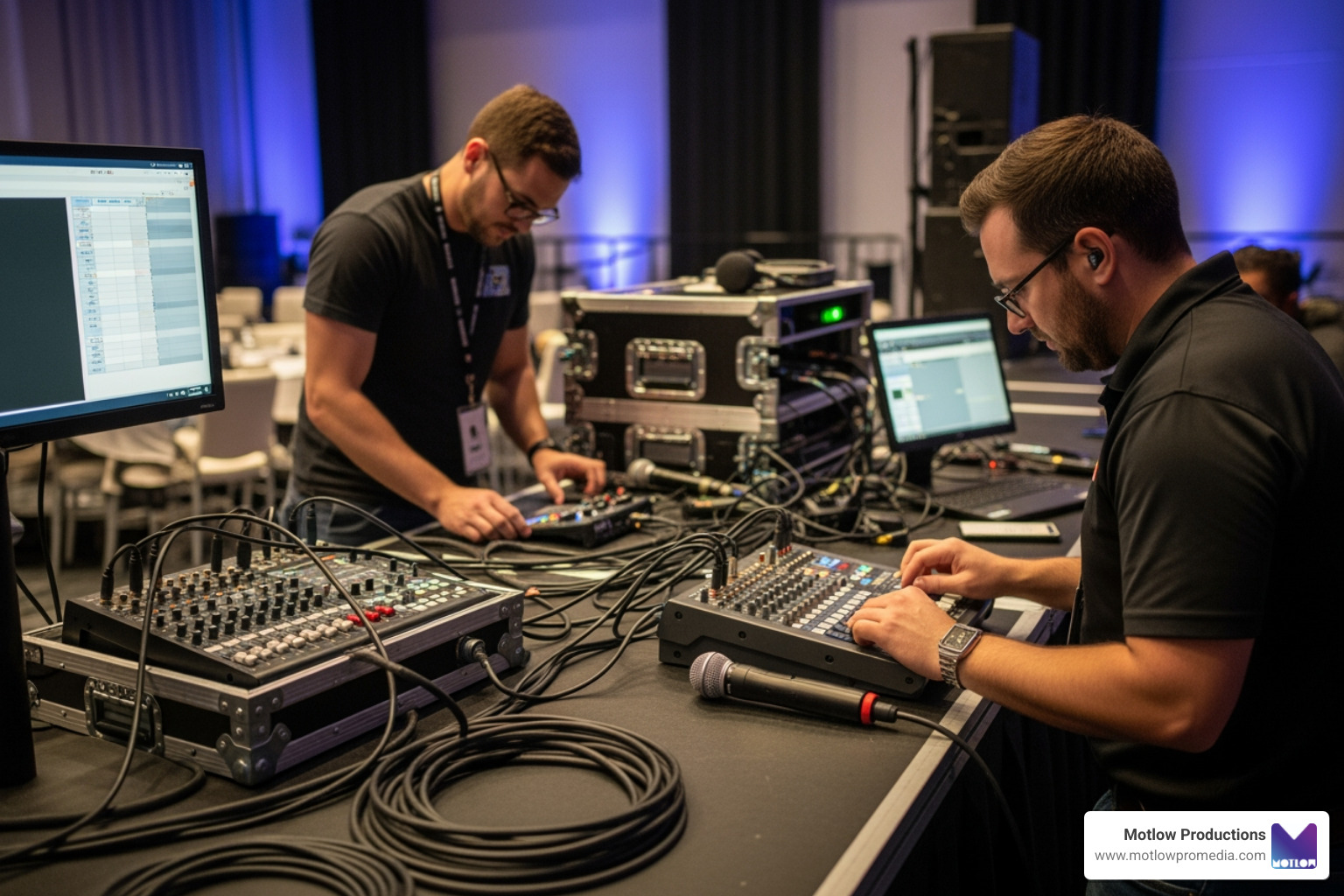
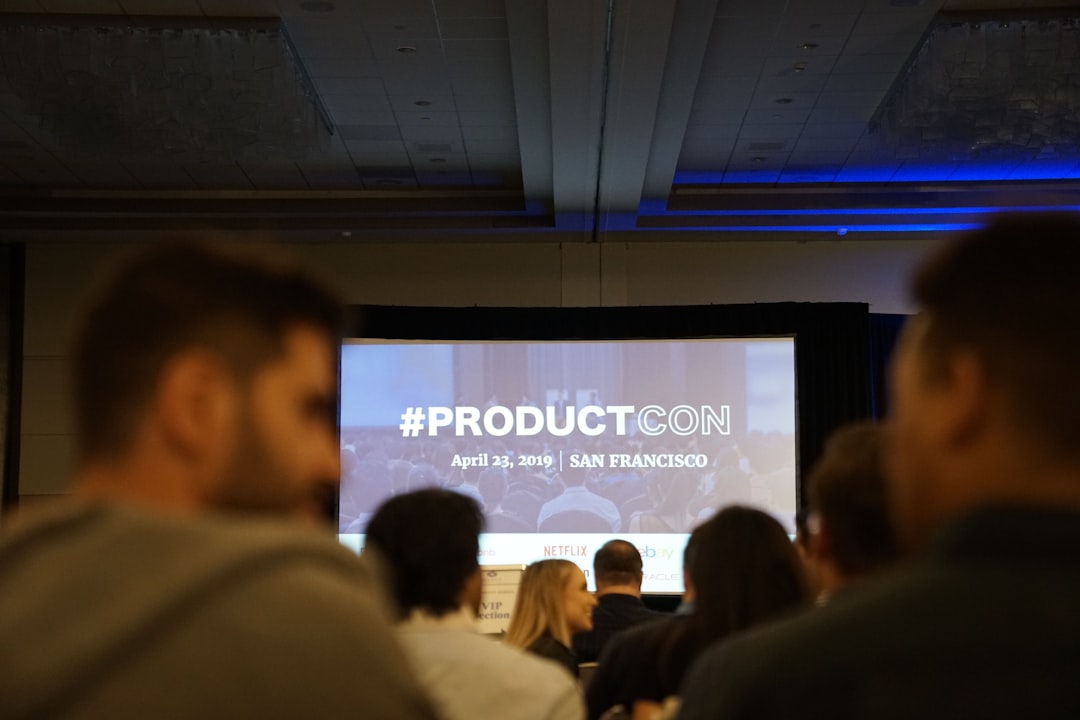
Stage coverage preserves keynotes, panels, announcements, and educational sessions with reliable audio and multiple camera angles. A dedicated interview space captures concise perspectives without the visual and sound limitations of a busy hallway.
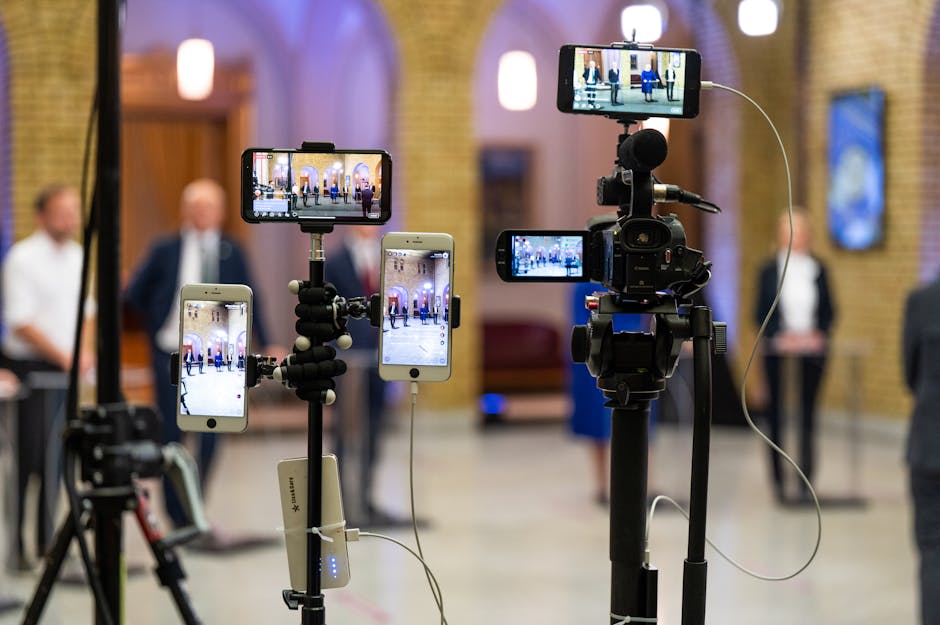
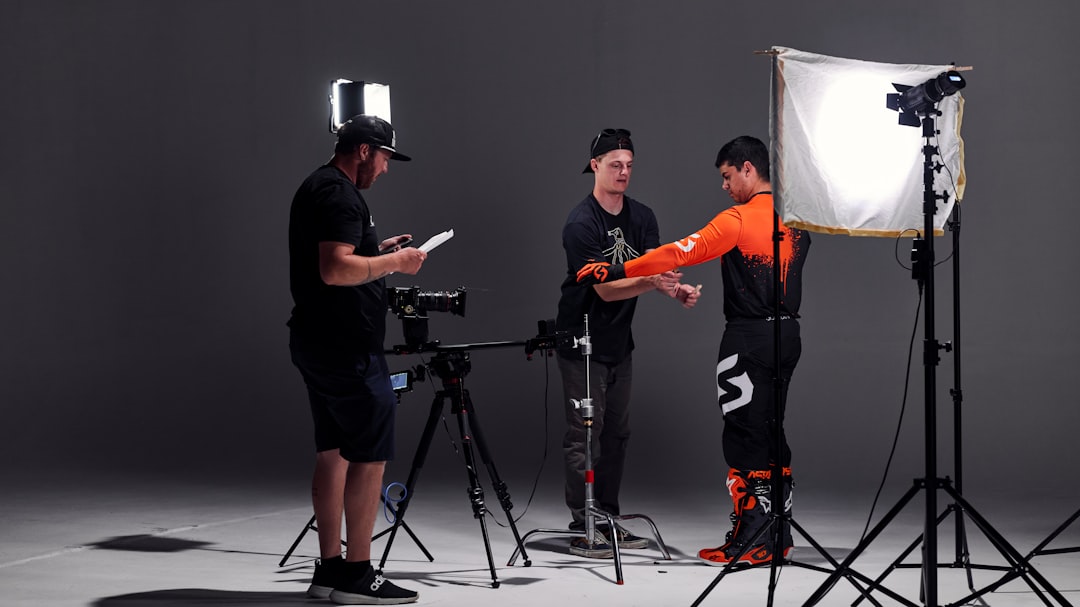
Mobile coverage gathers demonstrations, attendee reactions, sponsor activity, environmental details, networking, and behind-the-scenes material. Together these layers provide authority, personality, and context for different channels.
Write this three-layer structure into the creative brief and the crew schedule instead of leaving it as a verbal understanding on-site. A workable plan is specific enough that a camera operator could read it and know exactly which layer they're covering and why it matters to the 90-day map. Check it again just before the event, while adjustments to staffing are still possible, and hold it to one standard: does it turn the conference into a lasting content source rather than a one-time recap?
Conference content can move from event capture into months of multi-channel marketing.
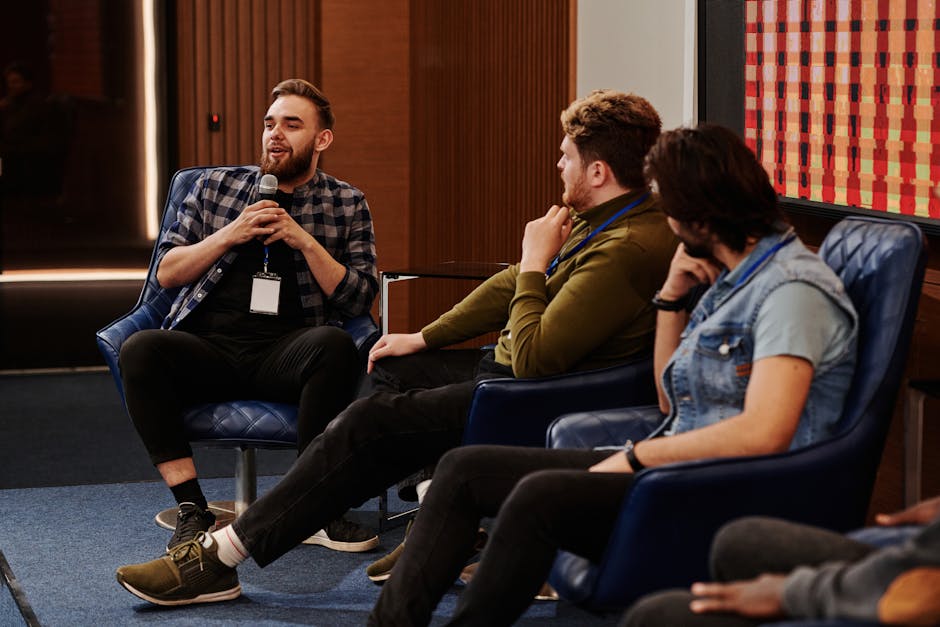
Generic questions such as 'How is the conference going?' tend to produce interchangeable answers with a short useful life. Questions tied to customer problems, industry decisions, lessons, objections, and practical next steps create stronger evergreen material.
Prepare question sets by speaker role and ask for self-contained answers that can stand alone in short edits. Capture alternate openings or concise summaries when a response is likely to become a priority campaign clip.
This is also the right point to weigh what the internal marketing team can prep versus what needs a producer's judgment — who writes the question sets, who confirms they map to the 90-day themes, and who owns the handoff if a speaker's schedule shifts at the last minute. Getting that division settled ahead of time is what keeps valuable access from turning into footage nobody can use later.
For additional context, see the guide on multiple camera angles.
Immediate content has a different job from the evergreen library because it must confirm relevance while the event is still timely. Select rapid-turn photographs, a short recap, key quotes, and one or two major announcements before production begins.
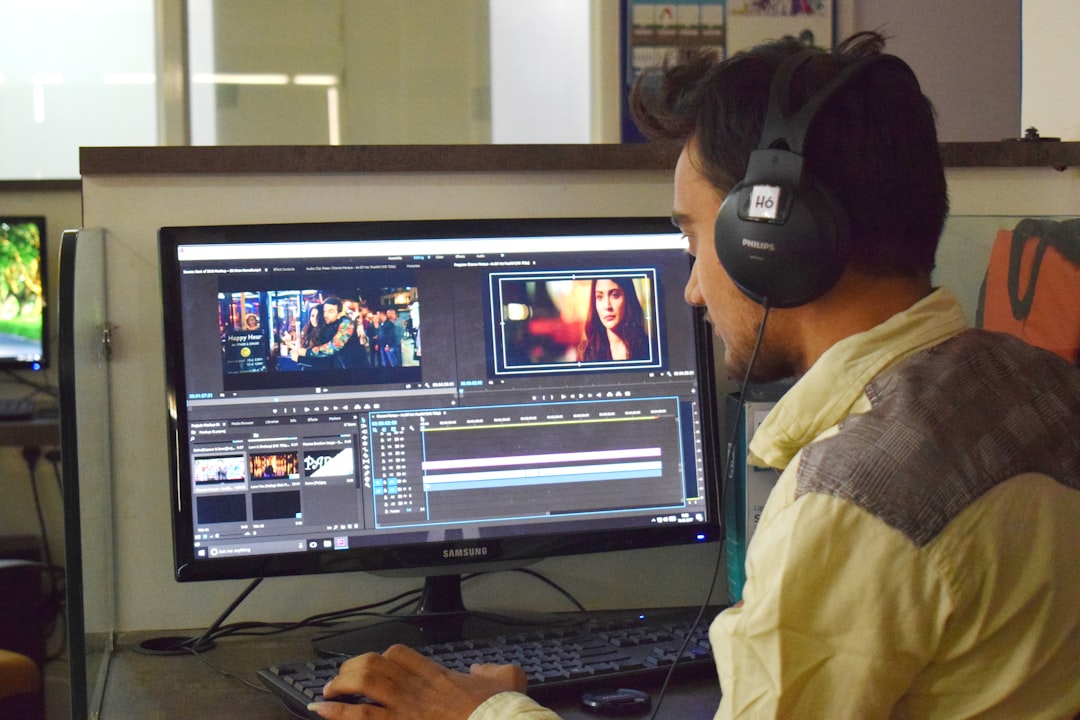
Give the on-site editor approved brand elements, naming conventions, captions, and decision makers so speed does not create avoidable errors. Protect the longer-term edit process from being consumed by urgent but low-value requests.
When it's time to lock this rapid-turn list, ask what the audience would actually miss if it arrived a week later instead of within 72 hours. That question is what separates the handful of assets that genuinely need same-week turnaround from everything else, and it keeps the fast-turn workflow from swallowing the budget meant for the evergreen library that sustains the conference becomes a lasting content source rather than a one-time recap.
For additional context, see W3C's guidance on accurate transcripts.
A repurposing workflow gives every approved asset a clear path from capture to distribution.
The first month can emphasize the event story, major takeaways, and executive perspective while audience memory is fresh. The second month can deepen education through session excerpts, articles, customer insights, and themed clip series.
The third month can convert the strongest material into sales enablement, recruitment, sponsor proof, on-demand resources, and promotion for the next program. A planned rhythm creates continuity without posting the same recap repeatedly.
Once a rhythm like this proves out for one conference, turn it into a template the next one can start from: which asset types anchor each month, who owns the calendar, and the date each month's content needs to be ready. Reusing a tested rhythm is faster than rebuilding the publishing plan from scratch, and it keeps valuable footage from sitting unused because nobody scheduled where it goes.
Speaker permissions, attendee notices, customer approvals, sponsor commitments, presentation ownership, music, and sensitive information can all limit future use. Resolve those questions before capture whenever possible and record restrictions in the asset library.
Create accurate transcripts, captions, tags, and file names so the team can locate clips by topic and speaker months later. Content has little long-term value if the organization cannot confidently publish or find it.
For conference organizers and marketing teams, this is worth documenting as an actual plan rather than something everyone assumes will get handled: name who owns rights tracking, what has to be logged before an asset enters the library, and the standard for calling a file "clear to publish." Test that standard against whether it keeps the conference producing usable content for the full 90 days, and if a restriction changes, update the library and notify whoever is planning around that asset.
For additional context, see the Content Marketing Institute's guide to repurposing.
Bring the marketing owner, the production lead, and whoever controls speaker access, budget, or approval into one 45-minute session well before the event. Use it to rank which campaign themes, content layers, and interview priorities above need decisions now, and assign a date to each open item so planning doesn't stall until the week of the conference. Leave with an executable capture plan, not another list of ideas.
From there, weigh the rapid-turn, publishing-rhythm, and rights decisions against the real crew capacity and editing timeline available after the event. Cut anything without a clear audience, owner, or publishing slot, and protect whatever most directly builds toward a sustained 90 days of content rather than a single recap. Where a rights or scheduling dependency can't be resolved before the event, name the risk to the library instead of assuming it will sort itself out.
After the event, hold a short review of what actually happened: which assets got the most use, what caused delay in editing or clearance, and what should change for next year's capture plan. Keep those notes with the brief, schedule, releases, and source files so next year's conference starts from a stronger plan than this one did.
No. Select sessions with strong strategic relevance and combine them with focused interviews, photography, and environmental footage. Thoughtful selection is more valuable than an unmanageable archive. Put the selection criteria in the brief so the crew is prioritizing the same sessions the marketing team is counting on.
Choose a small set of approved rapid-turn assets for the first 24 to 72 hours, then release deeper educational and campaign content on a planned schedule. Set that cadence in the publishing calendar so early content doesn't crowd out the longer-term rollout.
One marketing owner should manage priorities and distribution while a production partner or media lead manages capture, editing, asset organization, and delivery dependencies. Name both roles in the brief so the handoff between capture and distribution doesn't depend on informal coordination.
A conference can create months of useful marketing only when future content needs influence what happens on site. By mapping the next 90 days, capturing complementary layers, asking stronger questions, planning rapid-turn work, and organizing rights and files, the company converts temporary access into a durable content advantage.
Some clients want to give notes in a live Zoom call. Others prefer a group text or email thread. However you like to communicate, we adapt. You’ll never be left guessing where things stand - and you’ll always have a say before anything goes out the door.





Phone:
+1 863-250-8639
.png)
Email:
info@motlowpromedia.com