




































Thank you! Your submission has been received!
Oops! Something went wrong while submitting the form.

Growing companies often reach a point where the need for media becomes obvious. The marketing team needs more video. Sales wants better assets. HR needs recruiting content. Leadership wants more visibility. Events need coverage. Social media needs a steady flow of clips, photos, and stories.
At that point, it can be tempting to buy more equipment.
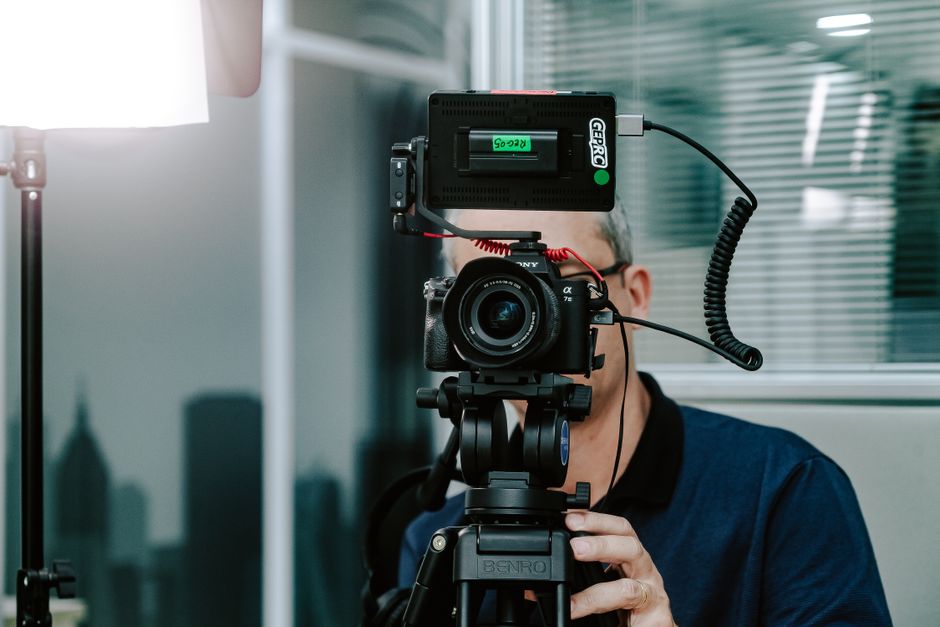
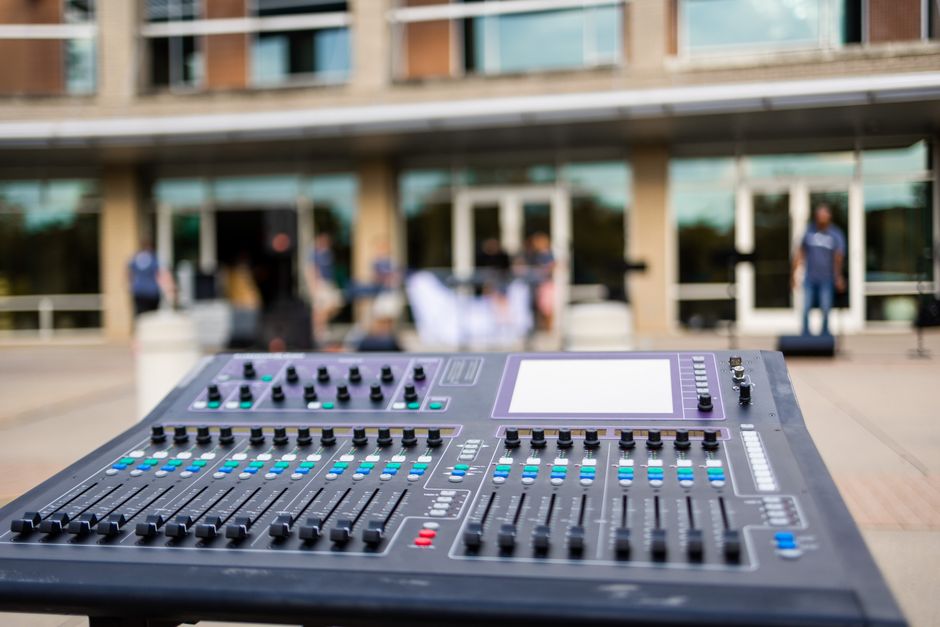
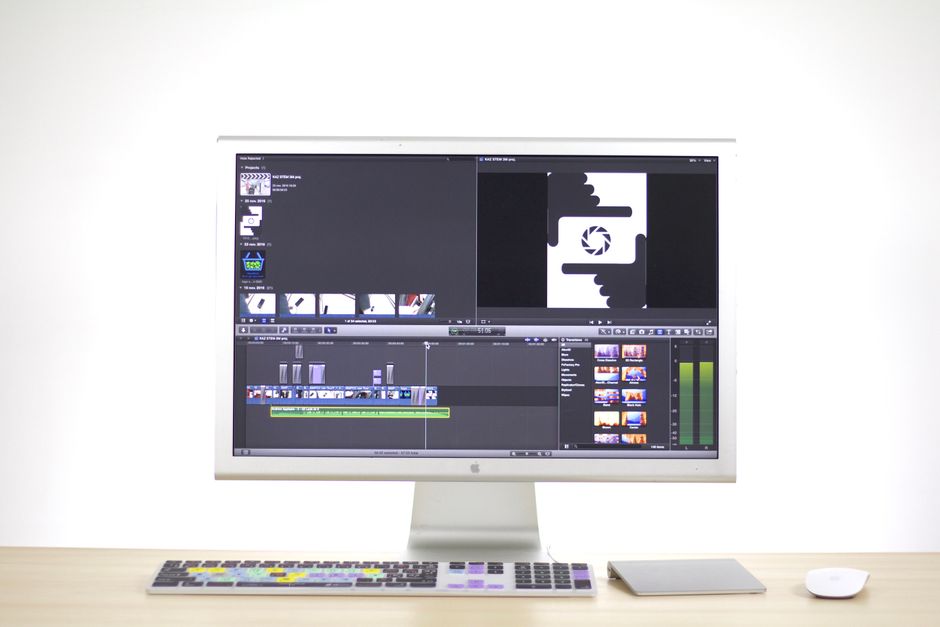
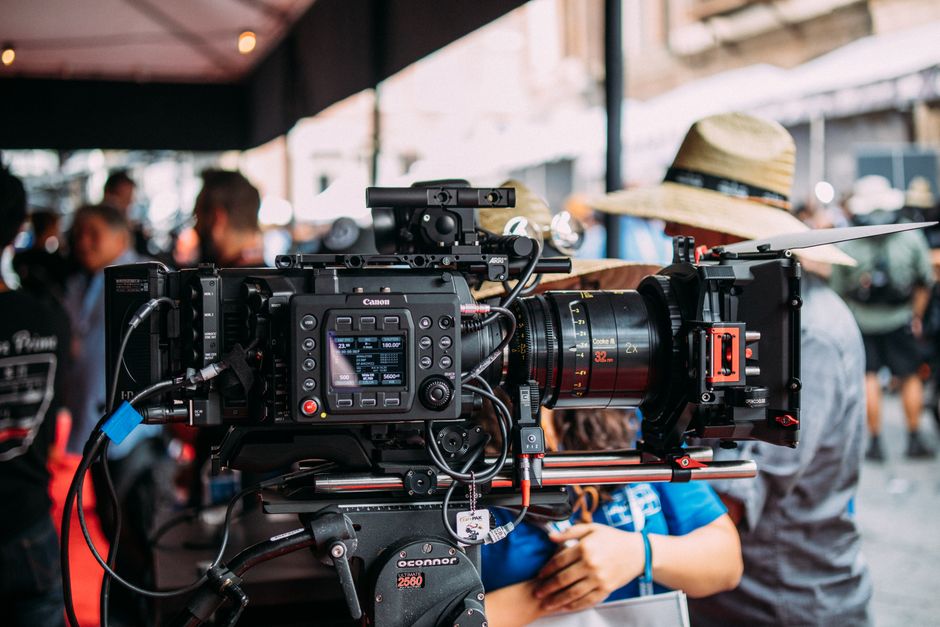
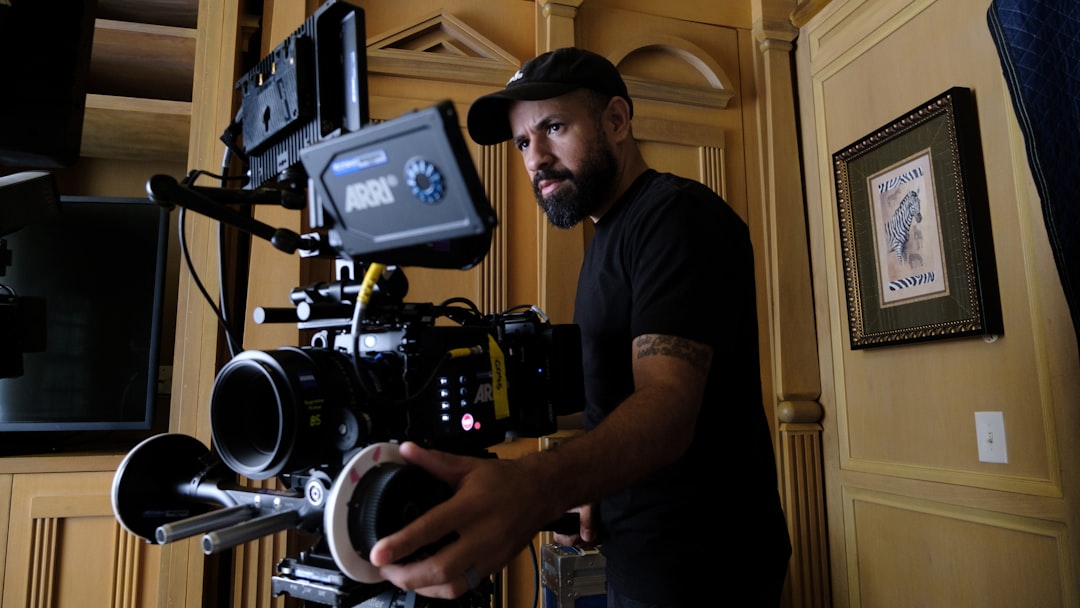
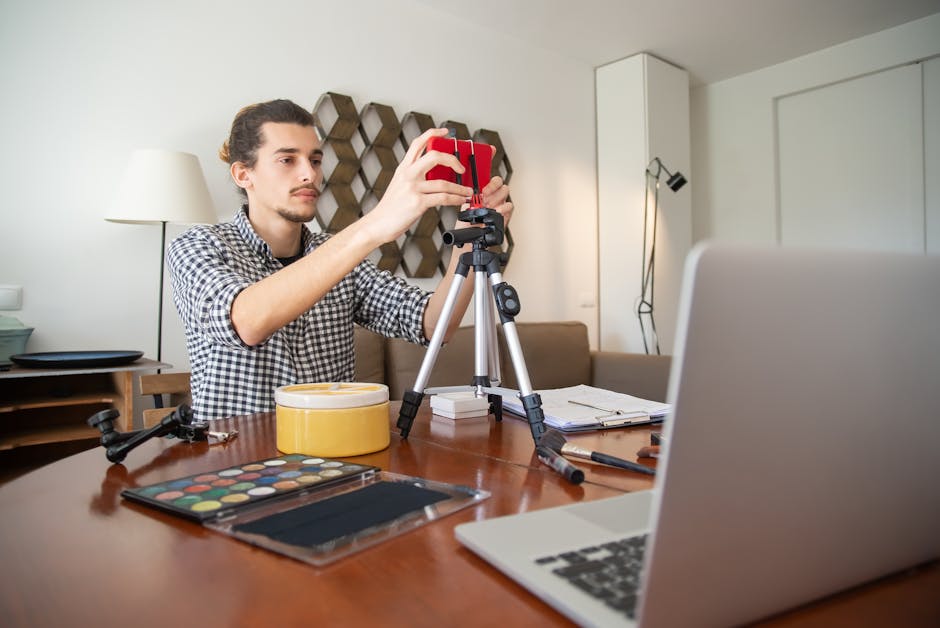
A new camera seems like the answer. A podcast setup seems useful. A lighting kit feels like a smart investment. A few microphones, editing tools, and backdrops can make the company feel more capable internally.
But equipment does not create a media strategy.
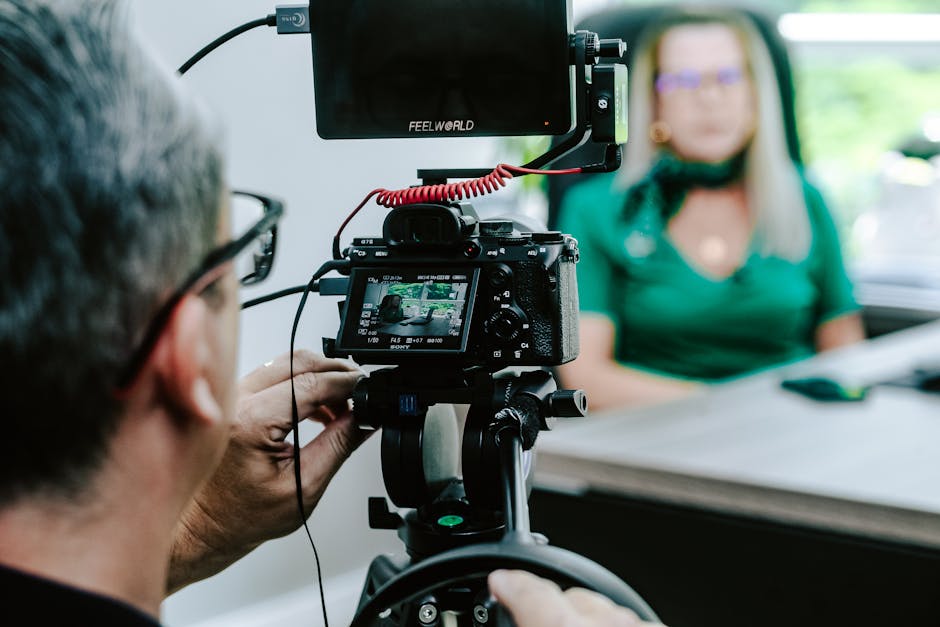
A camera can capture footage, but it cannot decide what stories matter. A microphone can record sound, but it cannot create a message that supports sales, recruiting, leadership, or brand trust. Editing software can produce a video, but it cannot tell the team which content should be prioritized or how each asset should be used.
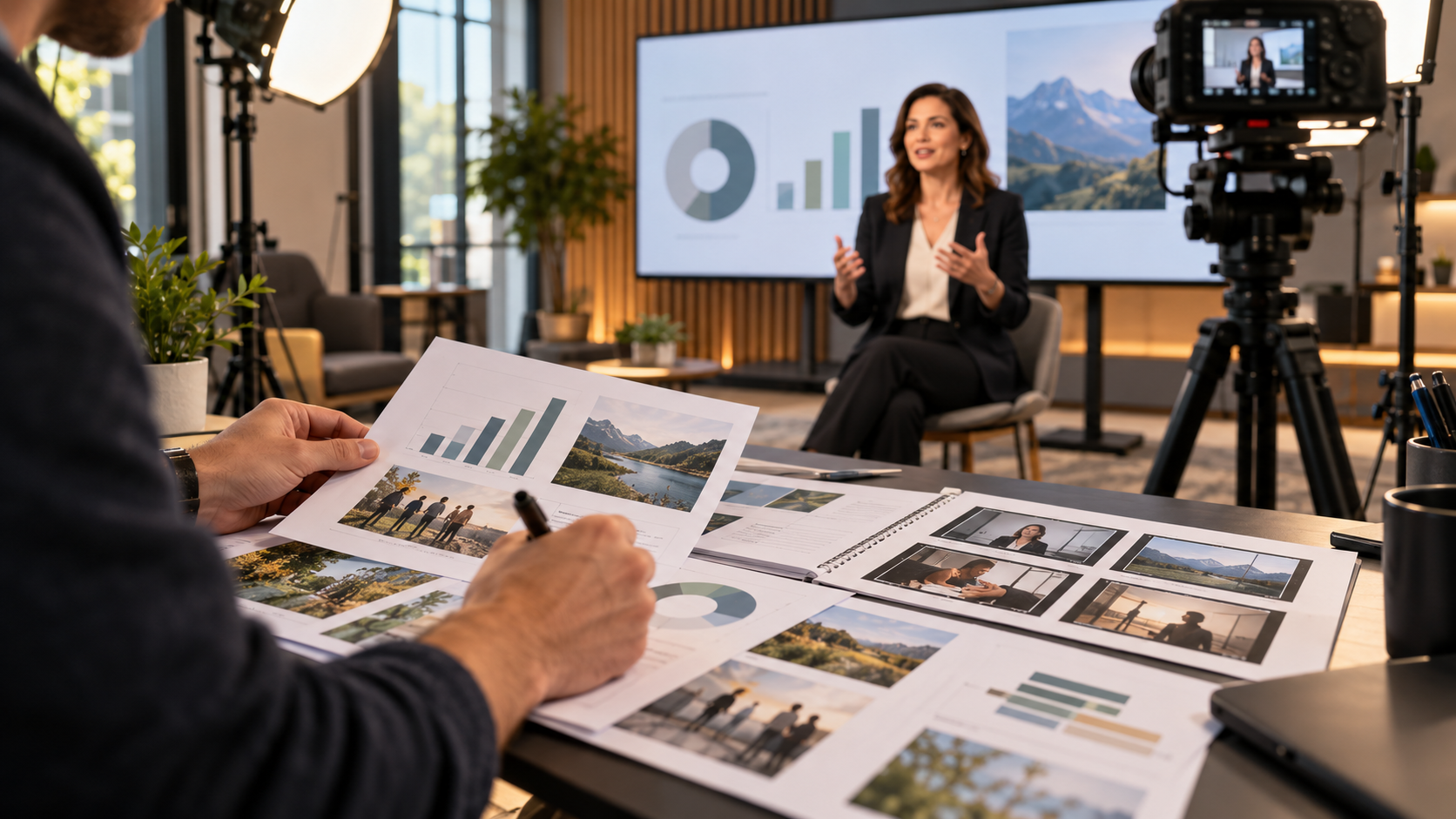
Before buying more gear, growing companies need a clear media strategy. Through Motlow Pro Media's services, companies can plan video, photography, events, livestreaming, and content production around business goals instead of reacting to one-off requests.
When companies feel behind on content, equipment can seem like the fastest fix. But many media problems are not equipment problems.
They are strategy problems.
The company may not know what kind of video it needs. The marketing team may not have a production calendar. Leadership may not be aligned on priorities. Sales may need assets that marketing has not planned for. HR may want recruiting videos, but no one has identified the right employee stories. Events may be filmed, but the footage is not being repurposed afterward.
Buying equipment does not solve those issues.
Without strategy, new gear can sit unused, be used inconsistently, or produce content that does not connect to a larger goal. The company may create more videos, but those videos may still feel random.
A strong media strategy answers the bigger questions first:
Once those questions are clear, equipment decisions become easier.
Before buying cameras, lights, microphones, or editing tools, define what the content needs to accomplish.
A company may need media to support:
Each goal may require a different type of content.
For example, a recruiting campaign may need employee interviews, workplace footage, leadership clips, and culture photography. A sales campaign may need customer testimonials, service explainers, and proof-based video assets. A conference may need multi-camera production, event photography, livestreaming, speaker clips, sponsor content, and post-event social clips.
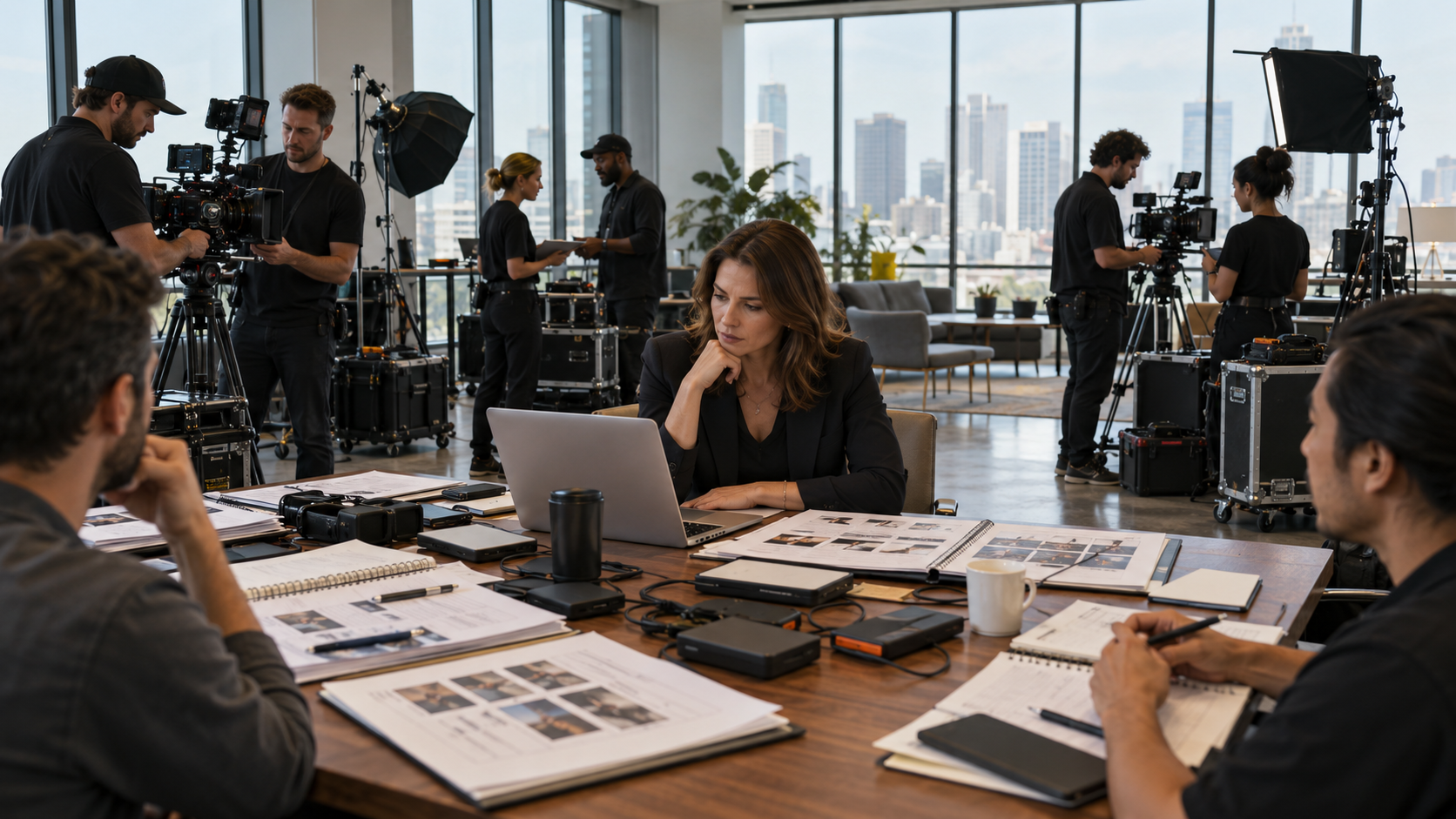
The equipment needed for each use case may be different. The team might not need to own all of it. In many cases, it may be smarter to build the strategy first, then decide what should be handled internally and what should be supported by a professional production partner.
The business video production partner guide is a helpful resource for thinking through those decisions before investing in production.
Equipment costs more than the purchase price.
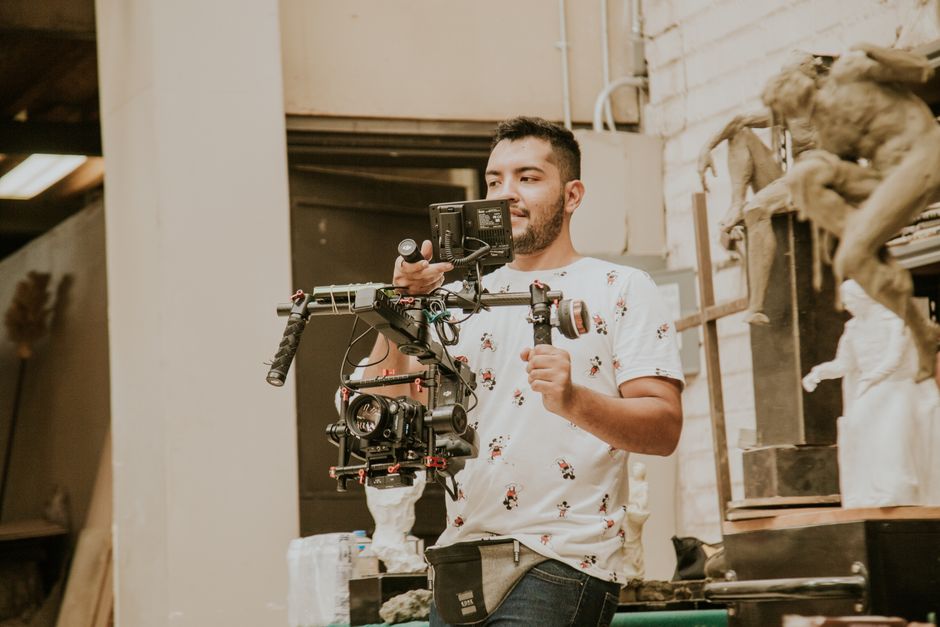
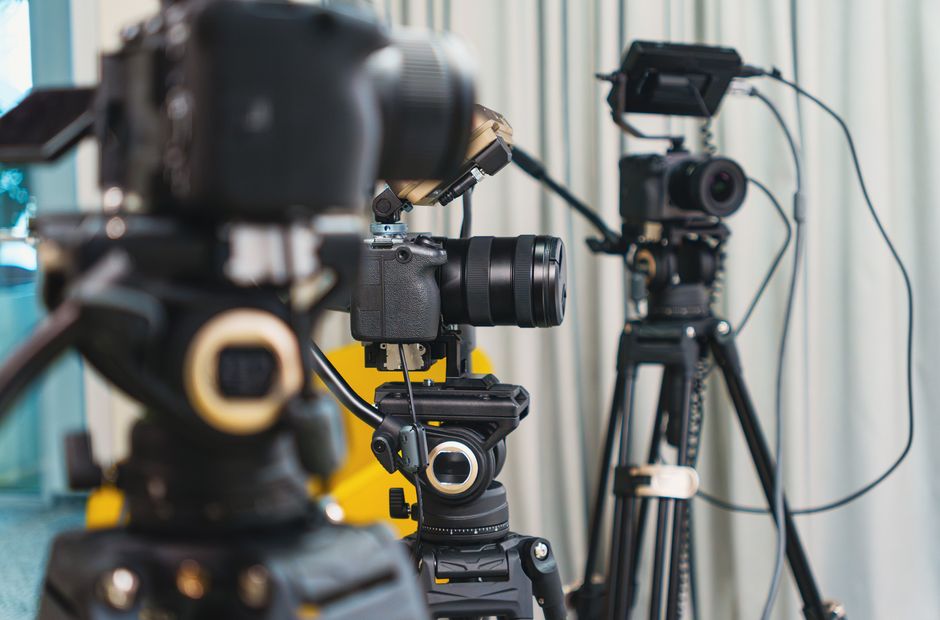
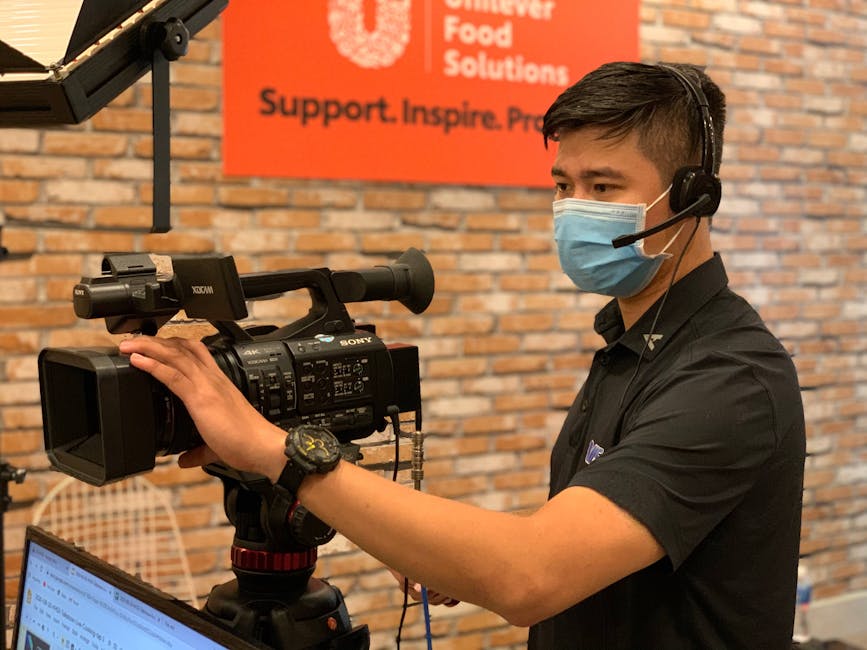
A camera body is only one piece of the system. The company may also need lenses, microphones, tripods, lighting, batteries, memory cards, monitors, cases, editing computers, hard drives, software, cloud storage, backup systems, and accessories. Then someone needs to learn how to use everything properly.
There are also workflow costs.
Who sets up the equipment?
Who manages files after filming?
Who edits the footage?
Who backs up the files?
Who maintains the equipment?
Who troubleshoots when something does not work?
Who makes sure the final content is on-brand?
If no one owns the workflow, equipment can create more complexity instead of solving the content problem.
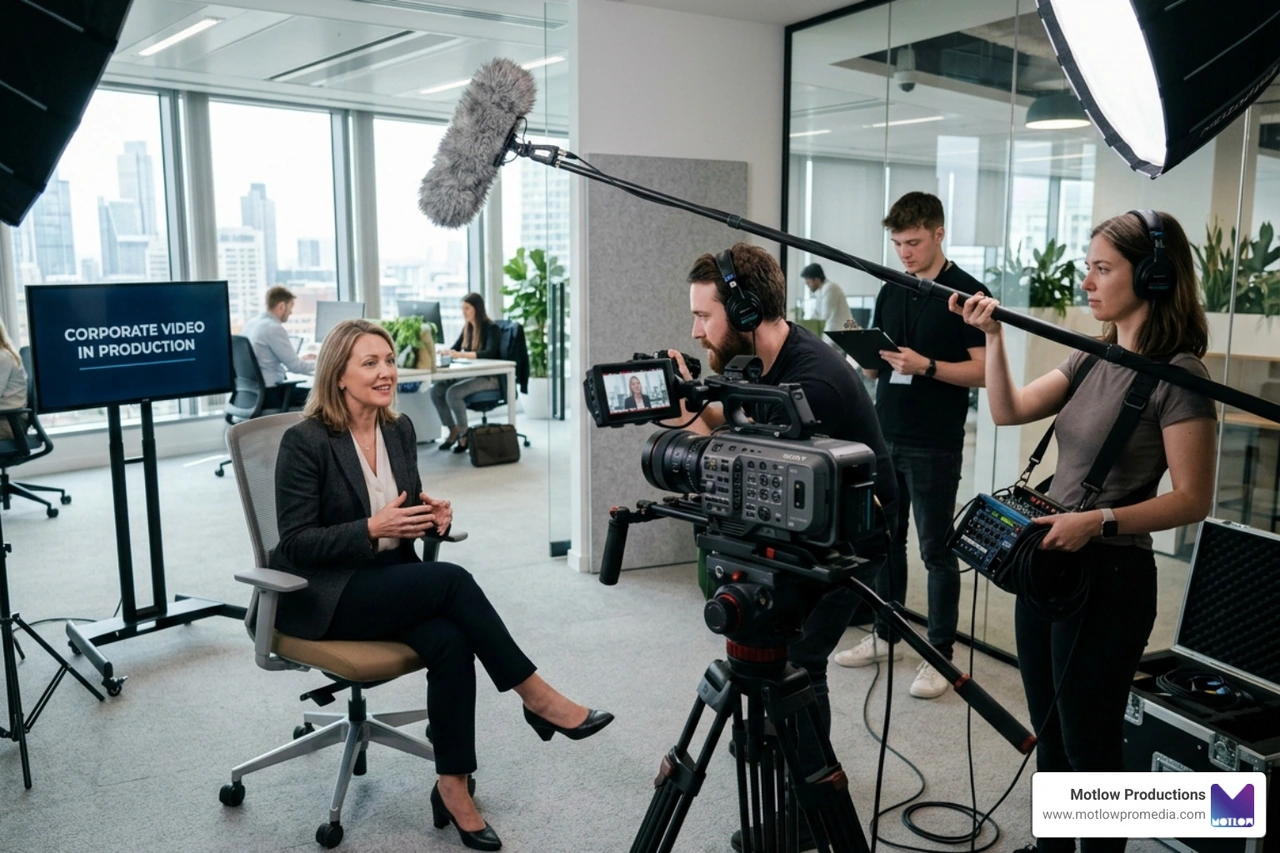
That does not mean companies should never buy gear. It means they should understand what ownership really requires. A simple internal setup can be useful for quick updates, simple social clips, or internal communication. But high-visibility brand videos, executive interviews, conference productions, livestreams, and customer testimonials often need more planning and production support.
A smart media strategy does not require every piece of content to be professionally produced.
Some content can and should be captured internally. Behind-the-scenes clips, simple employee updates, casual social content, internal announcements, and quick event moments may work well with a basic internal setup.
Other content should be handled with more professional support.
This may include:
The key is knowing the difference.
Internal content can help the company stay visible and consistent. Professional production can protect the brand when quality, reliability, message clarity, and final deliverables matter most.
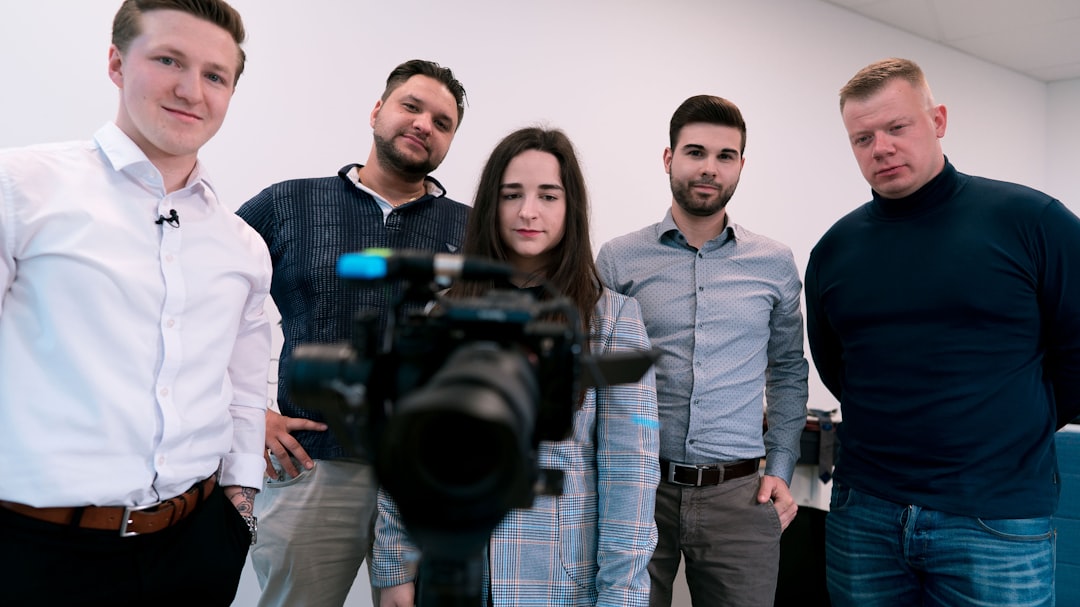
A growing company does not need to choose between internal media and outside support. The strongest approach is often a hybrid system. The internal team handles everyday content, while a production partner supports strategic projects, major campaigns, and high-value events.
A content system is more important than a gear list.
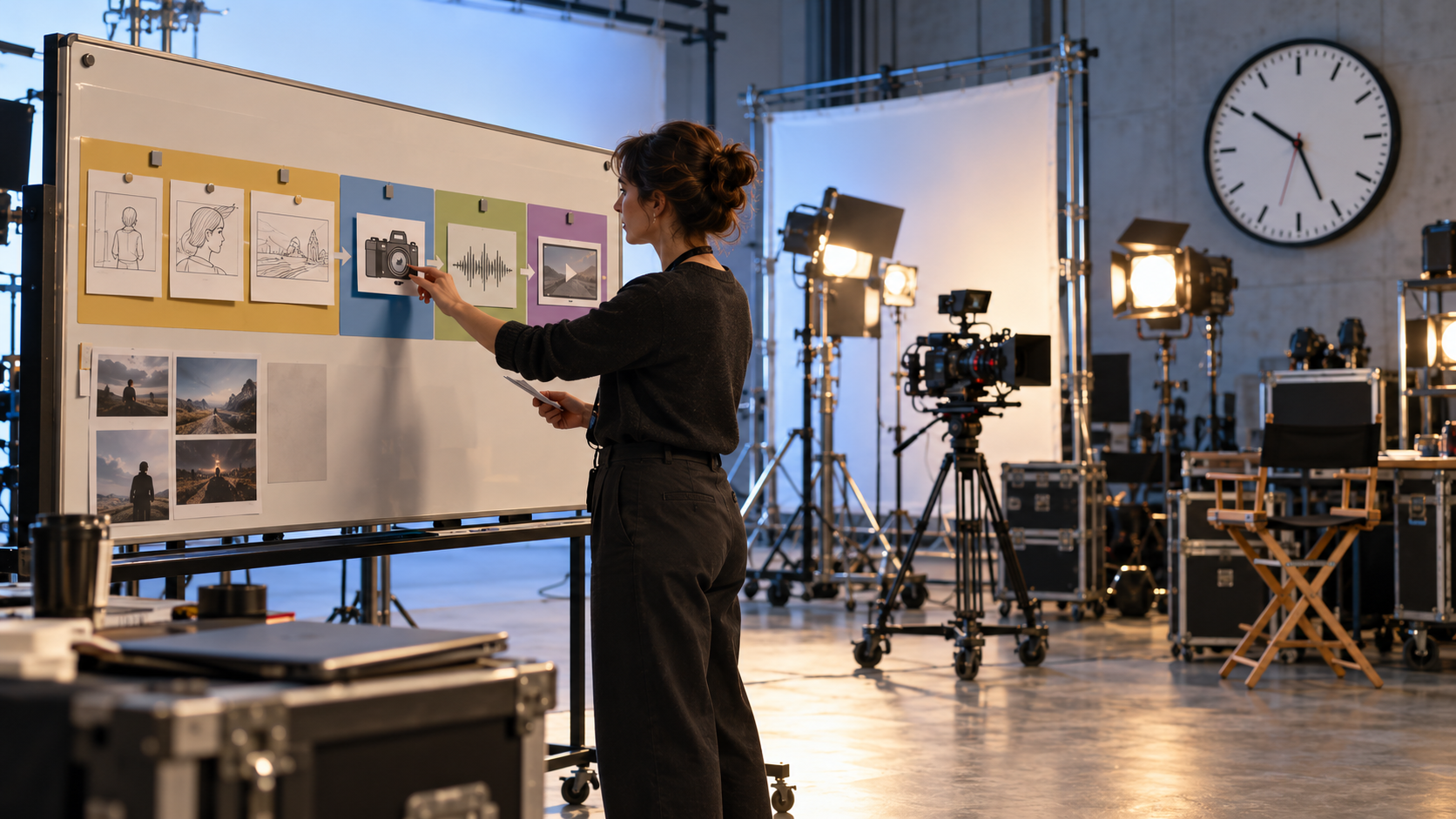
A content system defines how ideas become finished assets. It gives the team a repeatable way to plan, capture, edit, approve, publish, and reuse media.
That system may include:
Without this system, equipment does not have a clear job.
For example, a company might buy a camera for internal videos, but no one schedules interviews. Or the team may record event footage but never turn it into clips. Or leadership may want thought leadership content, but no one prepares topics or questions.
The system creates the structure. Equipment only supports it.
This is why fractional media leadership can be valuable for growing companies. A strategic media partner can help the team decide what content matters, how often it should be produced, and what resources are needed to make it happen consistently.
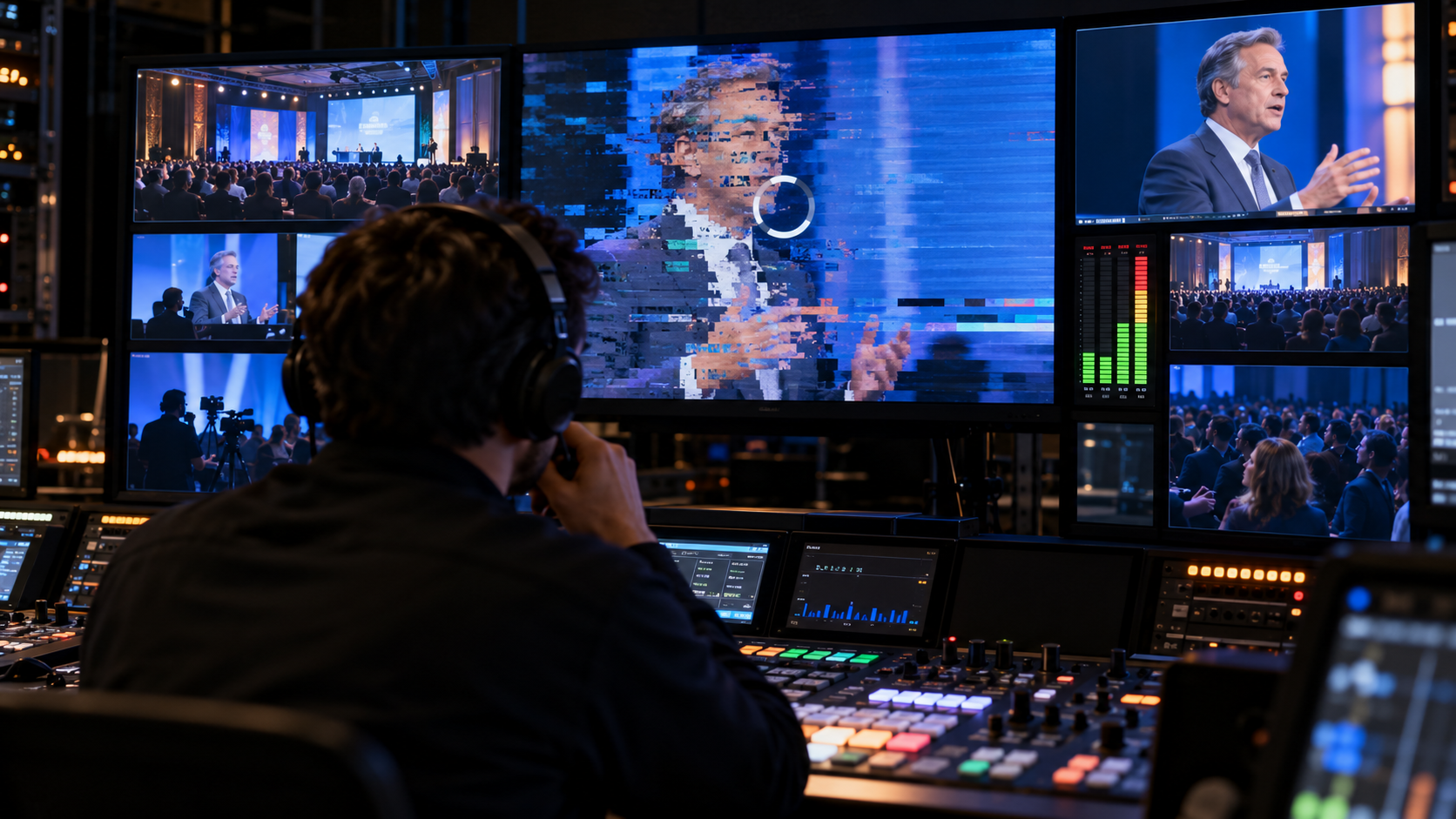
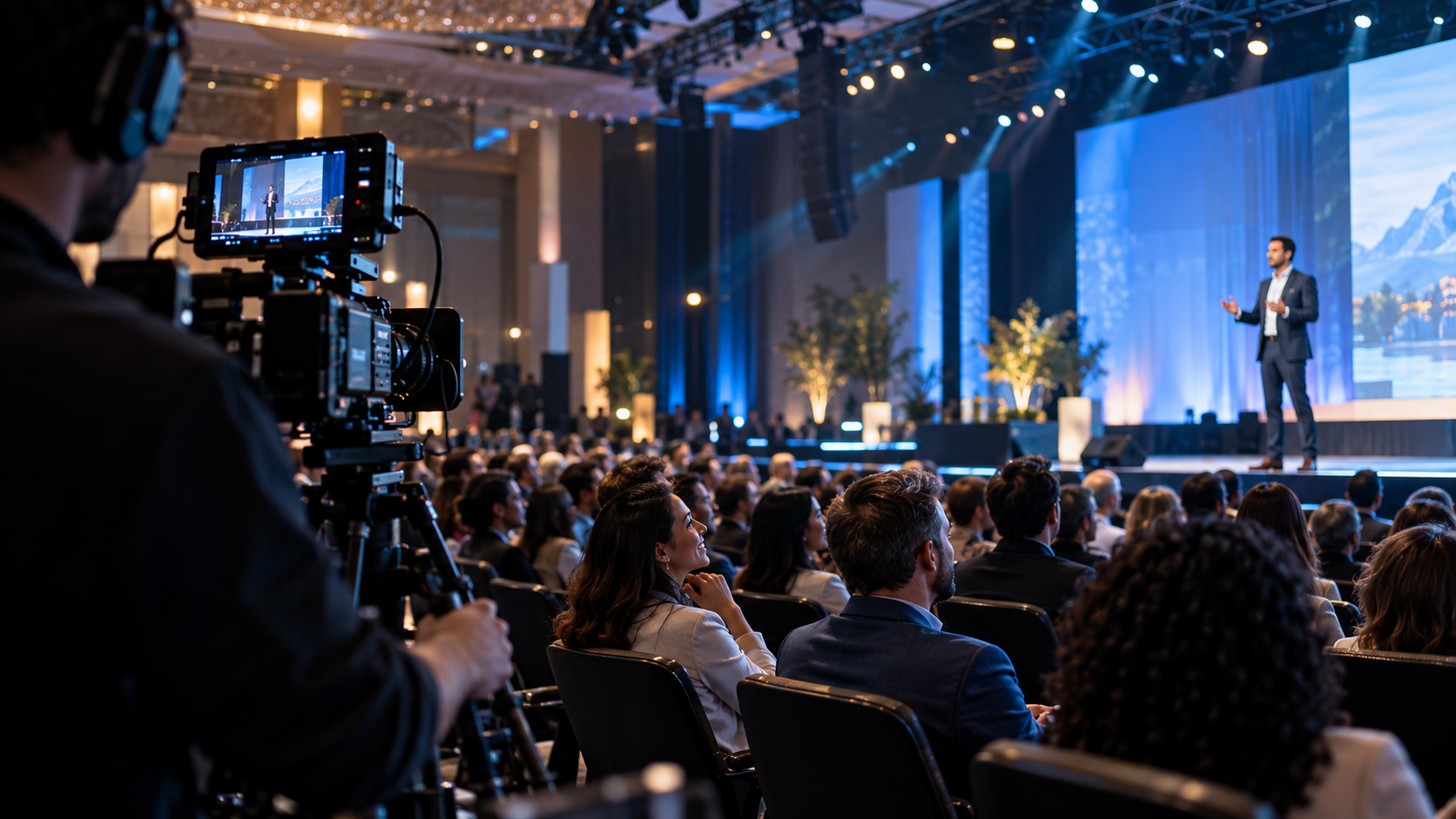
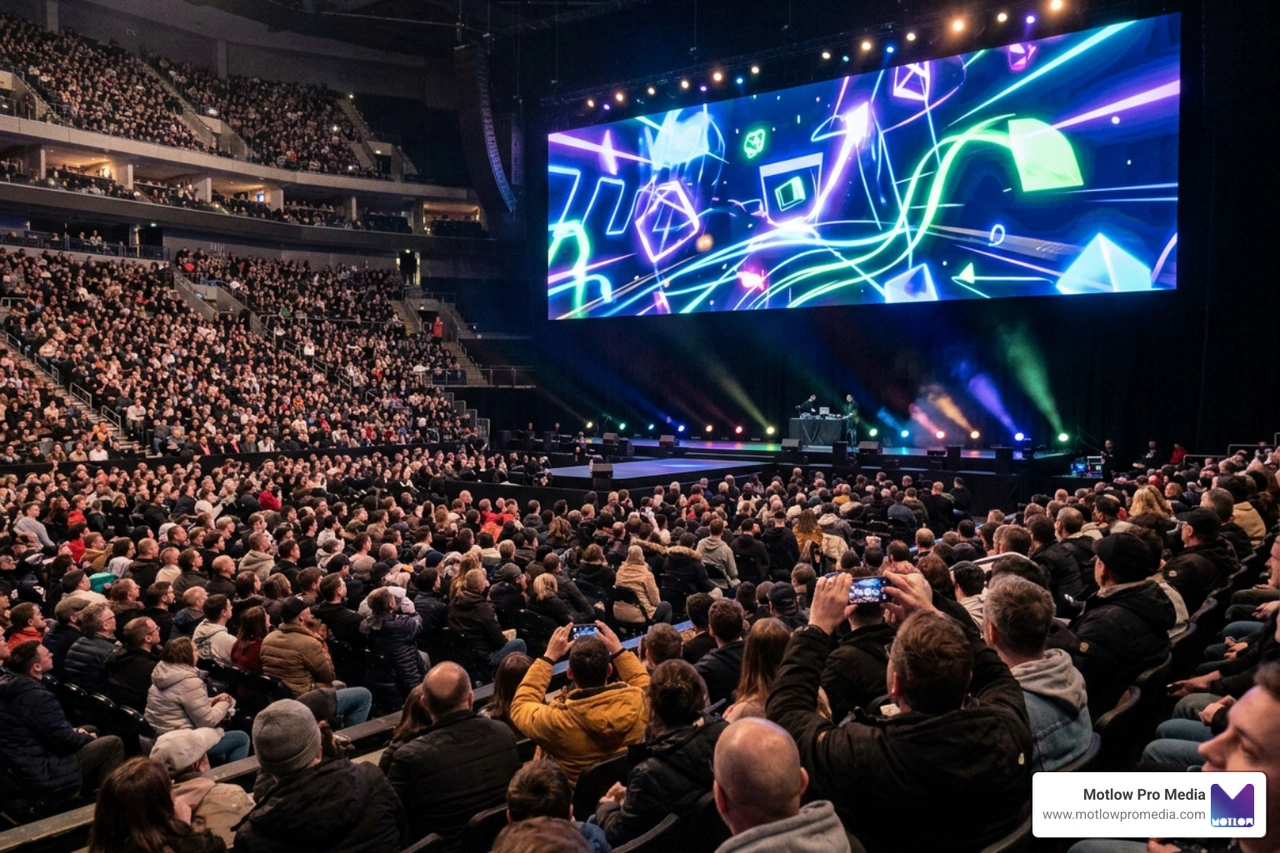
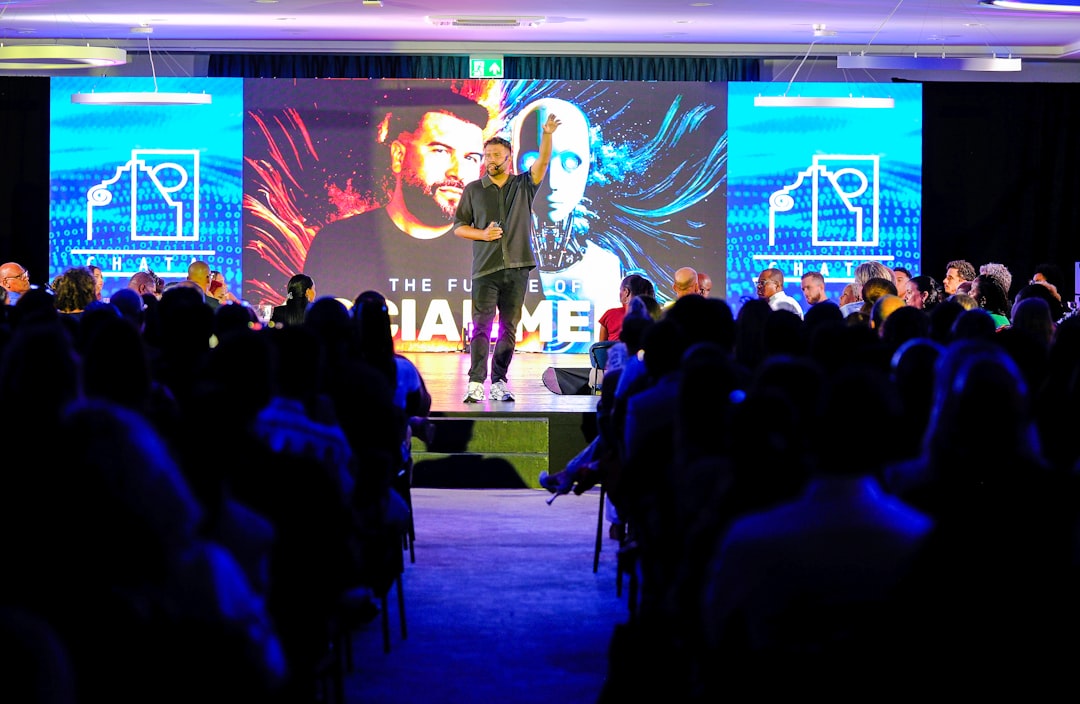
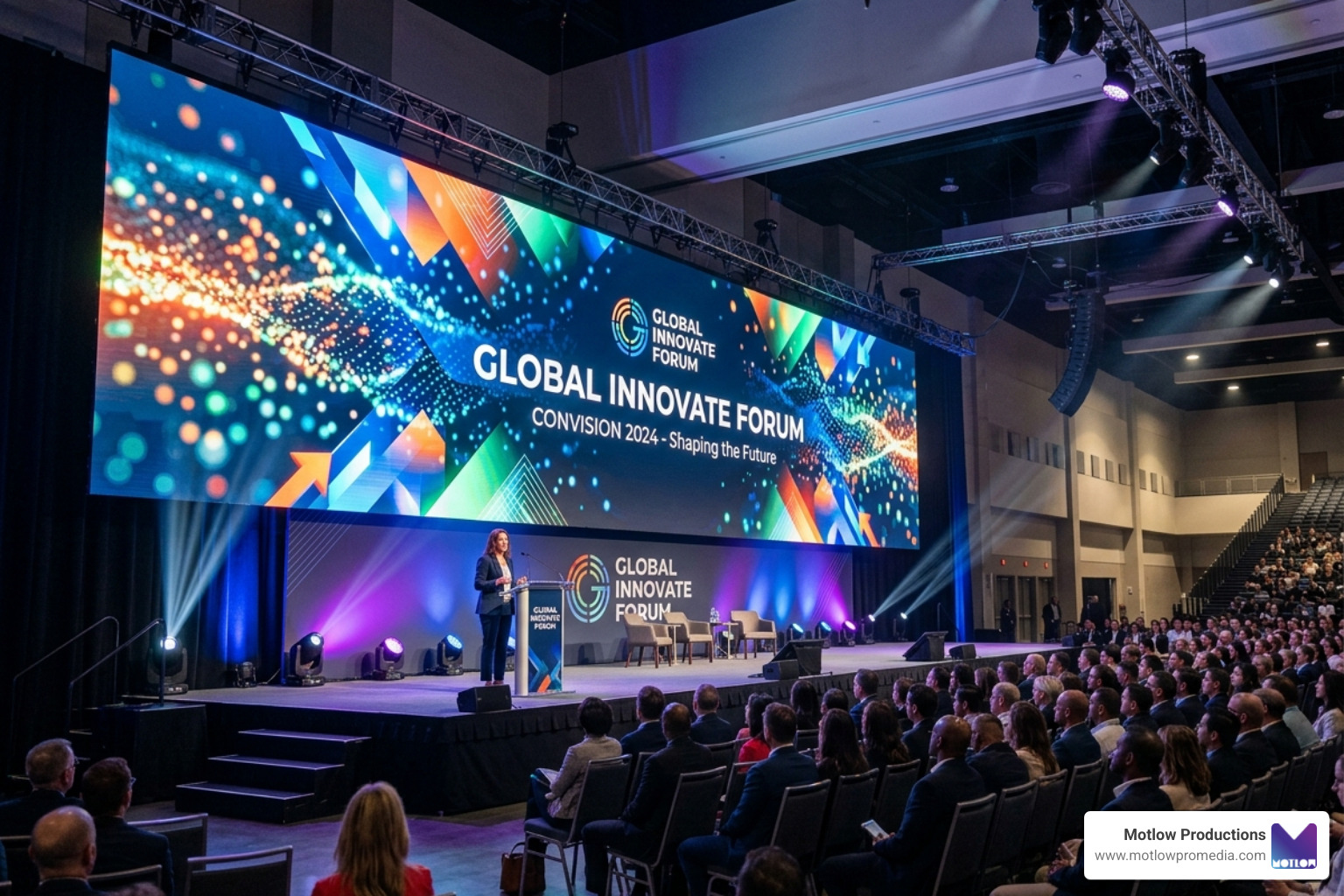
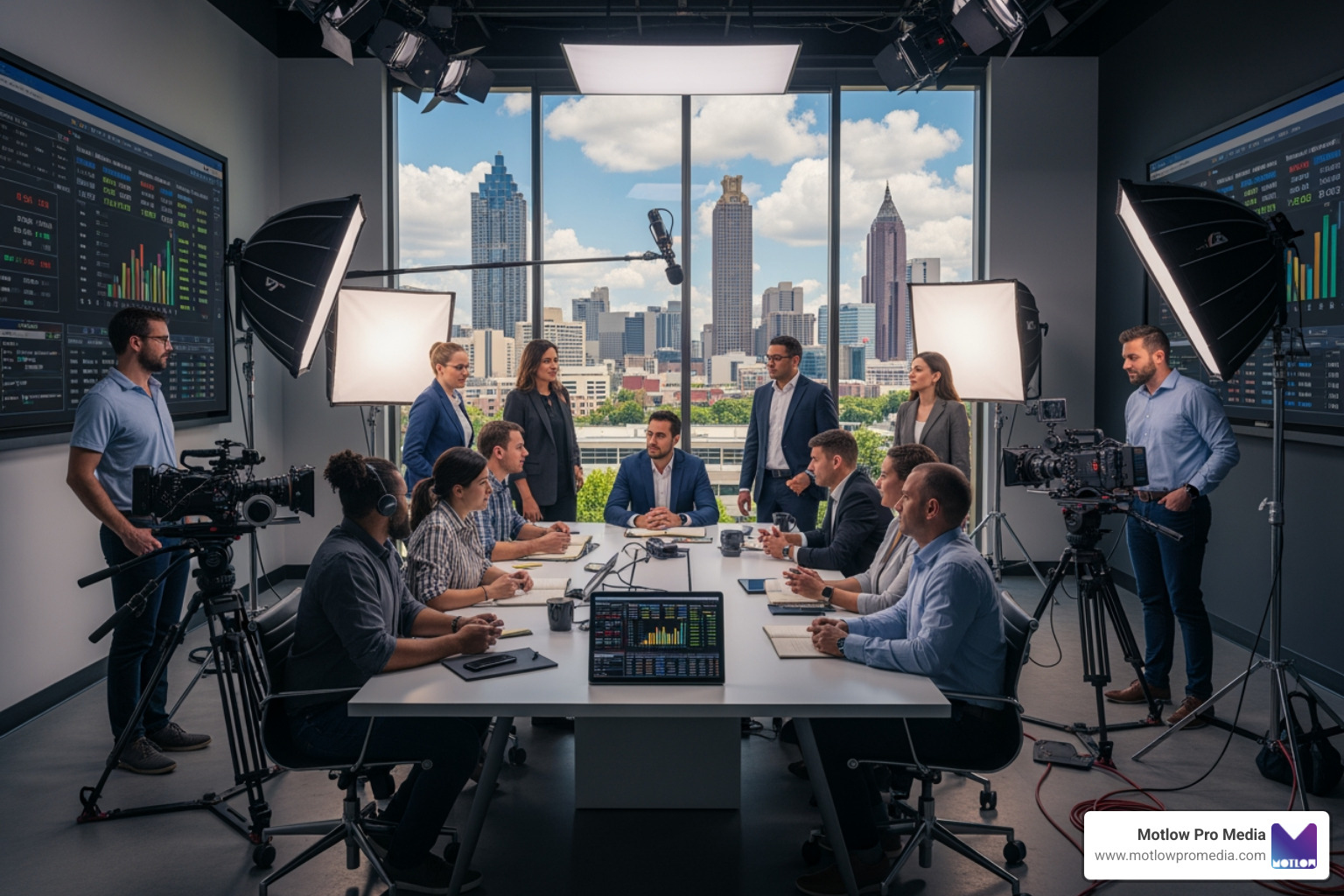
Corporate events are one of the biggest reasons growing companies start thinking about media equipment.
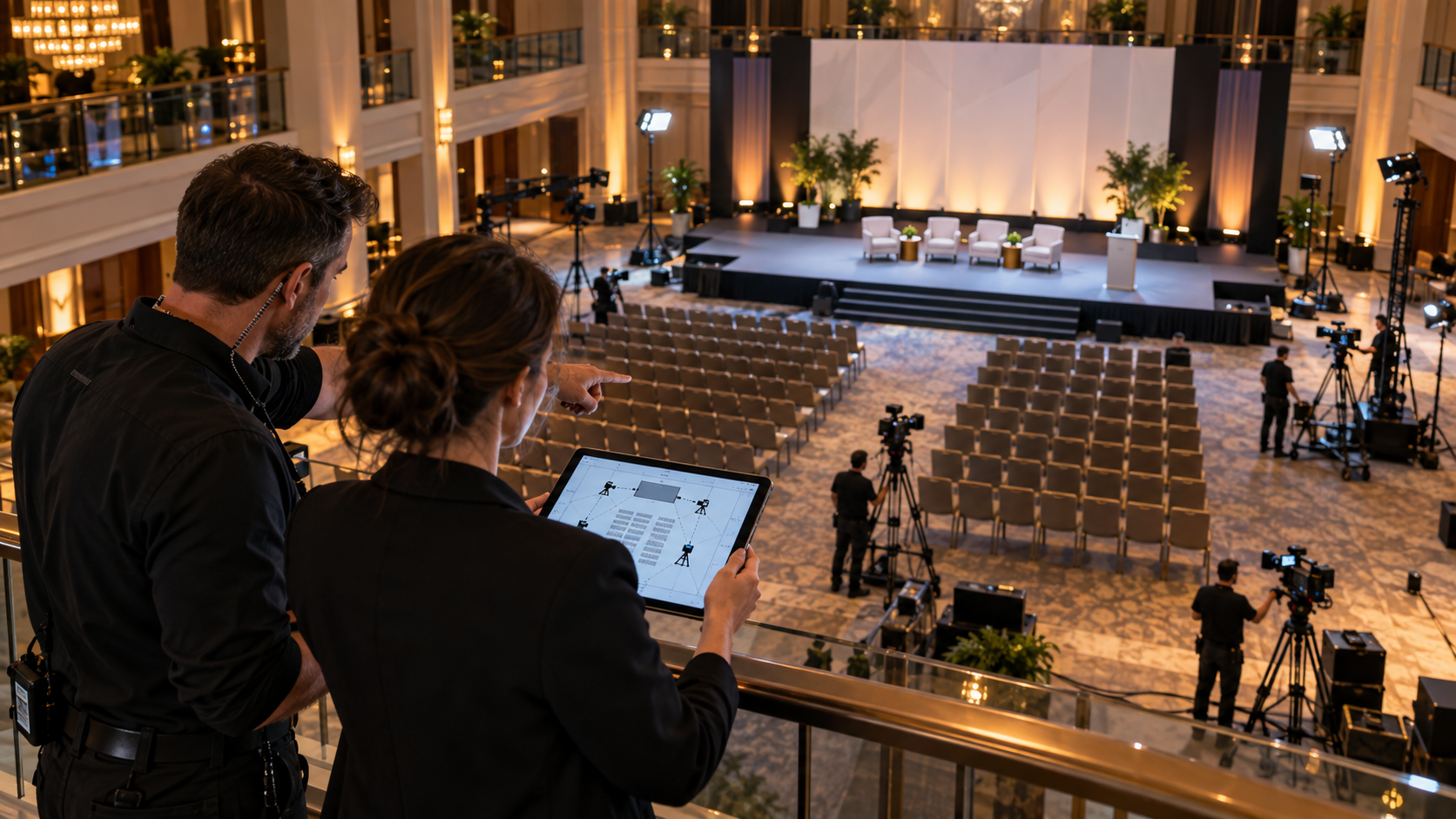
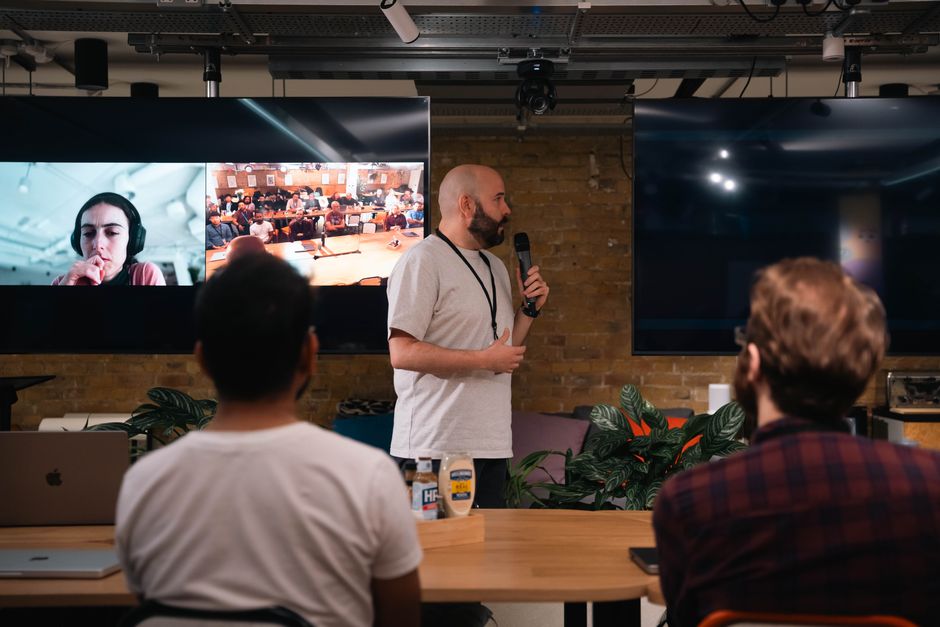
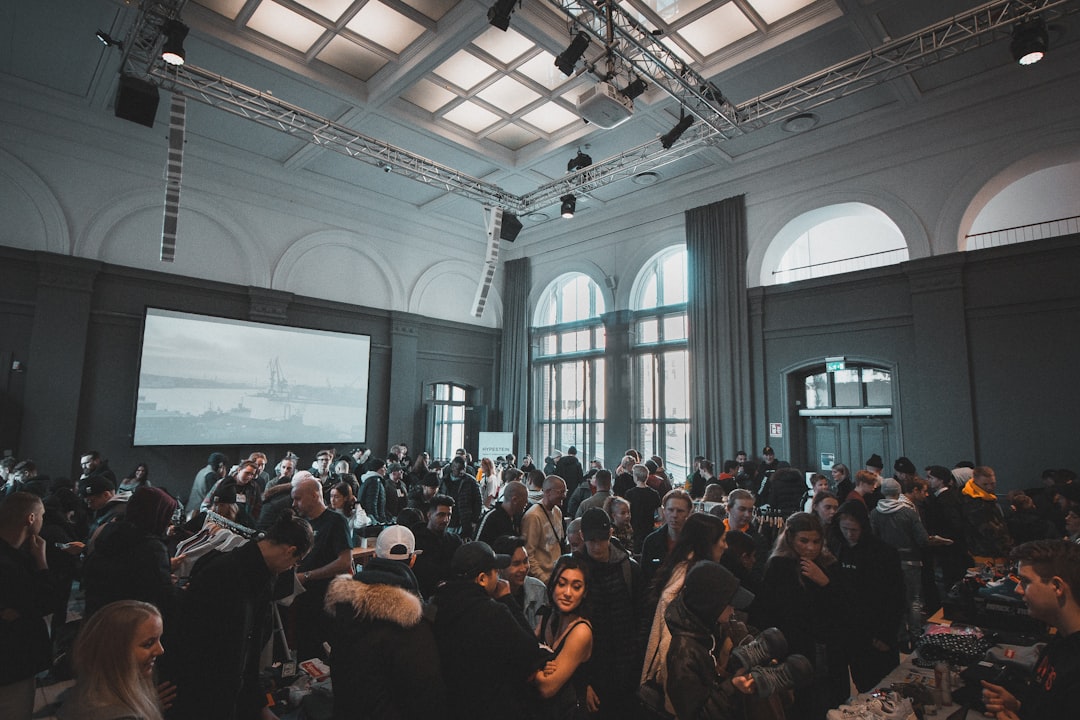
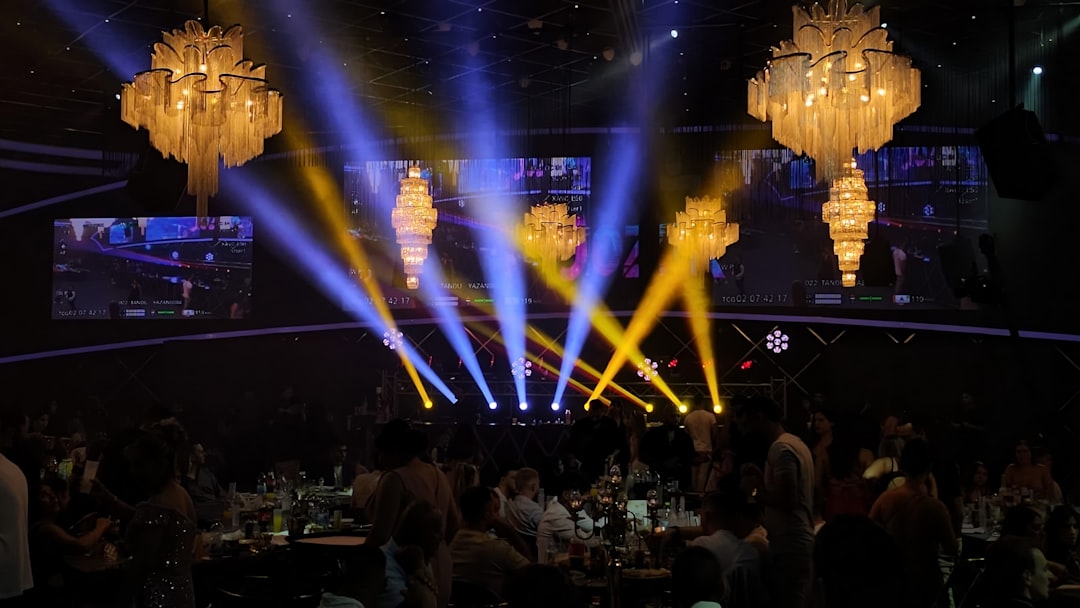
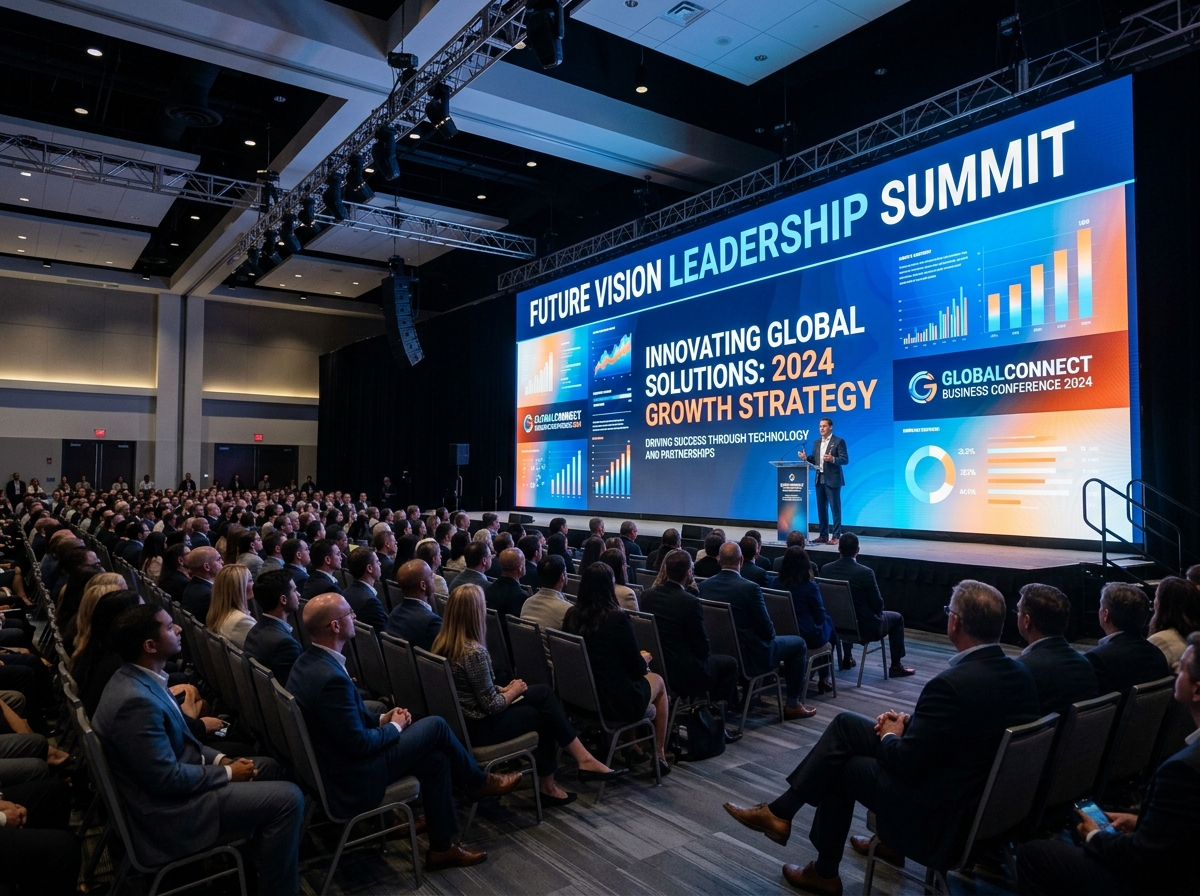
They want to capture conferences, panels, leadership meetings, client events, sponsor activations, internal town halls, and networking moments. But event content is also one of the easiest places to underestimate what is needed.
A single camera in the back of the room may document that the event happened, but it may not create usable marketing content.
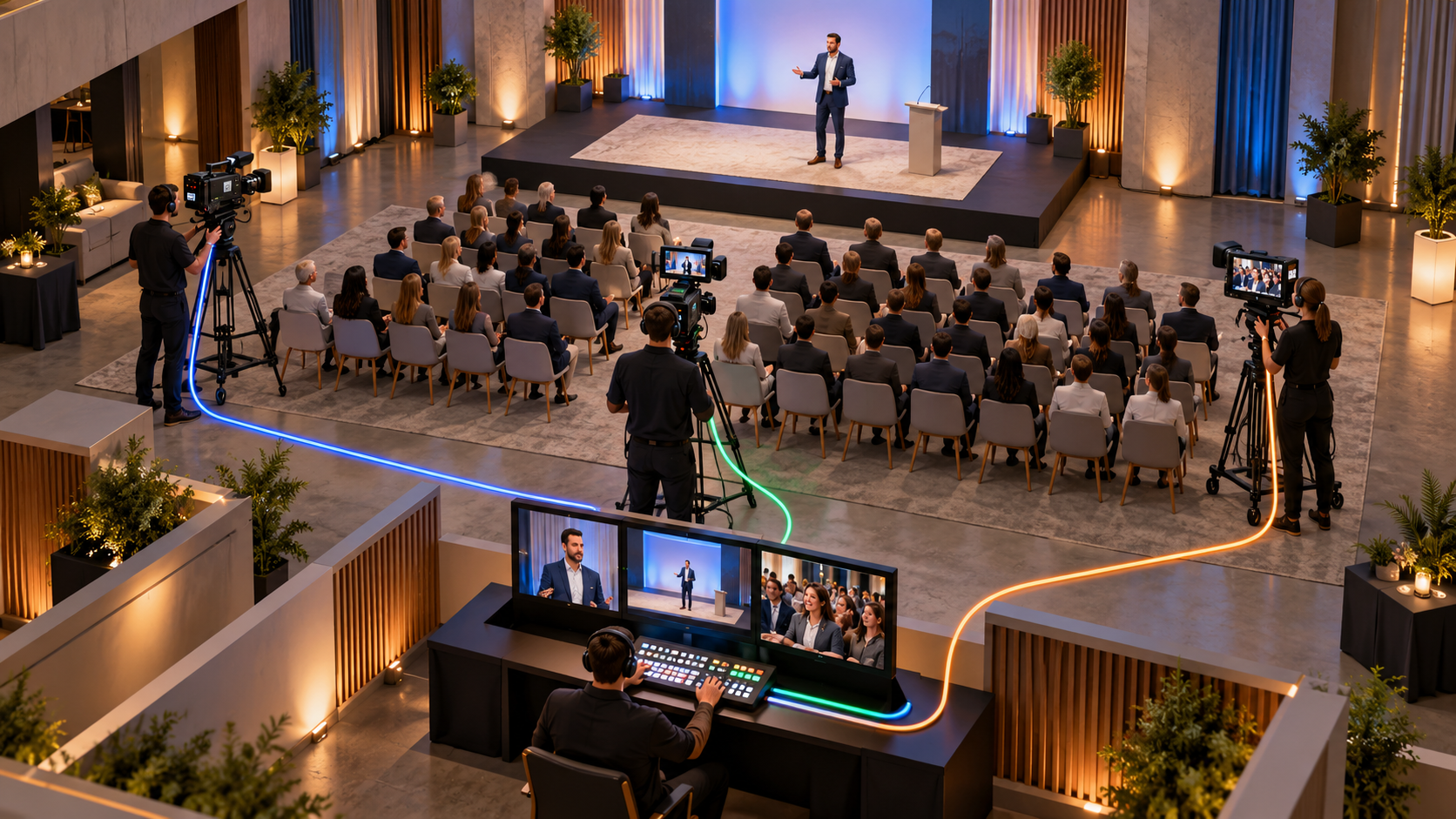
A strong event media plan may need:
The A-Z Guide to Conference Video Production explains why conferences should be treated as content engines. A well-planned event can produce weeks or months of marketing assets.
Buying equipment without an event content strategy can lead to missed moments. The team may own a camera, but still fail to capture the speaker soundbite, sponsor value, audience energy, or post-event clips that would have made the event more useful.
As companies grow, brand consistency becomes more important.
One department may create videos one way. Another may use different graphics. Someone else may post phone footage with poor sound. HR may use a different tone than marketing. Sales may need videos that do not match the company's current messaging.
A media strategy helps create consistency across channels.
It can define:
This does not mean every video needs to look identical. It means the company should feel recognizable and professional across different content types.
Professional brand consistency matters because video and photography often create a first impression. A company's media should support trust, not create confusion.
The right equipment depends on the workflow.
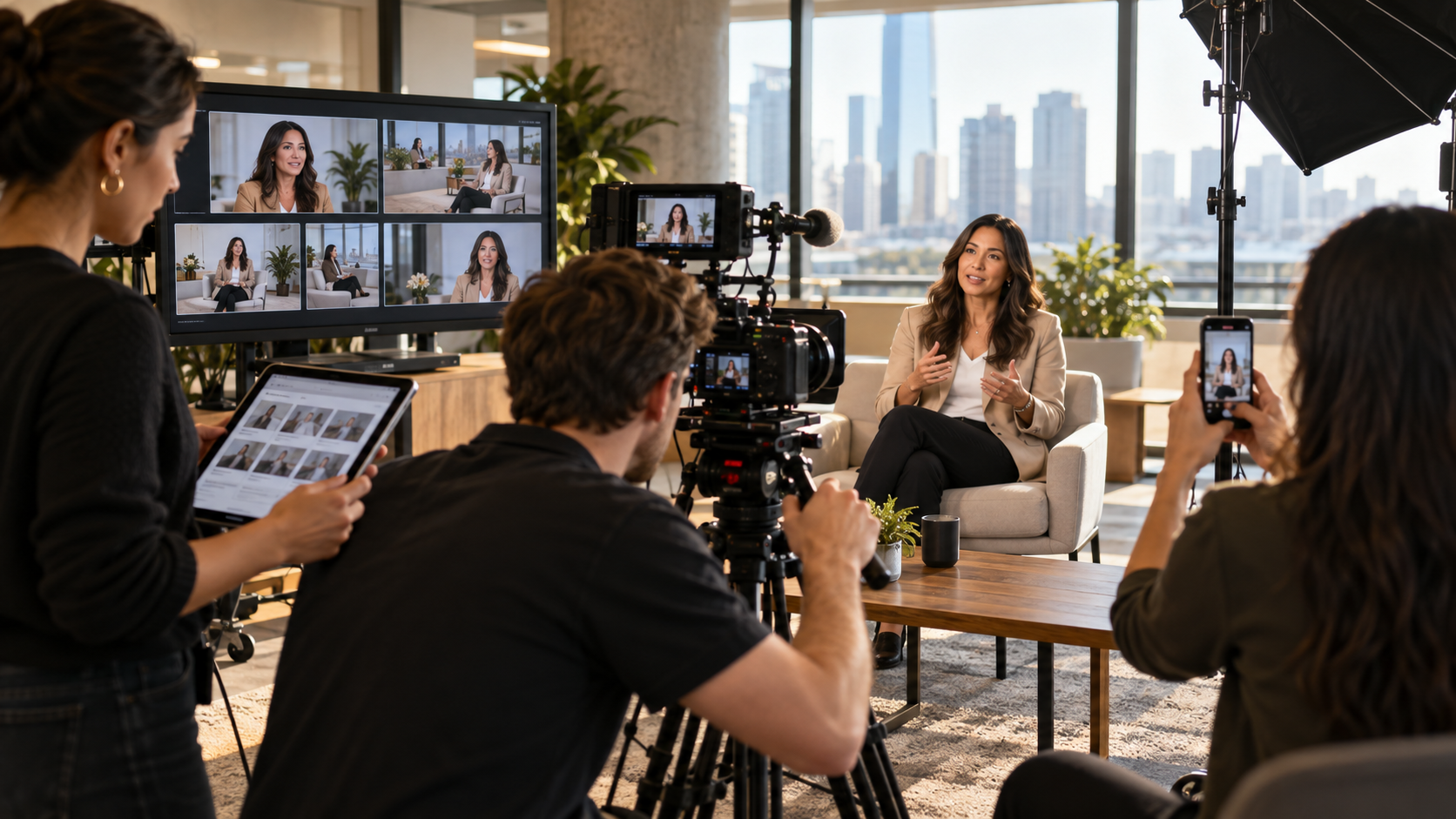
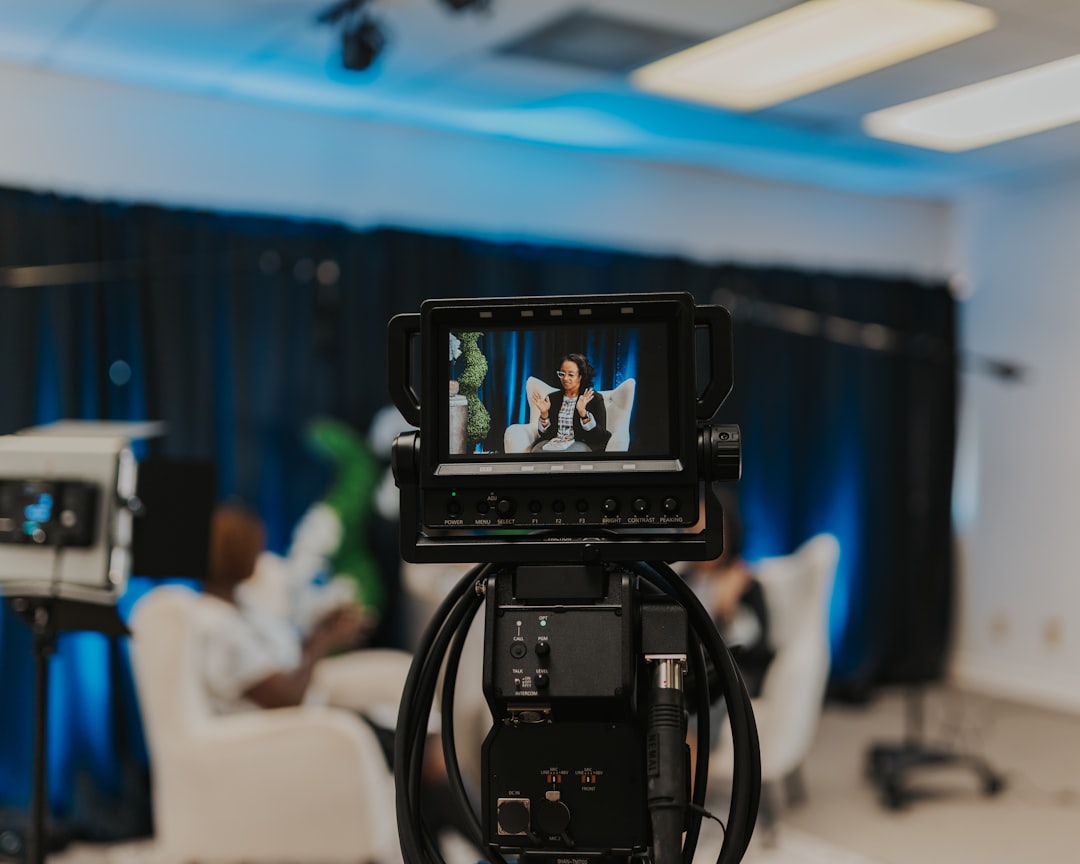
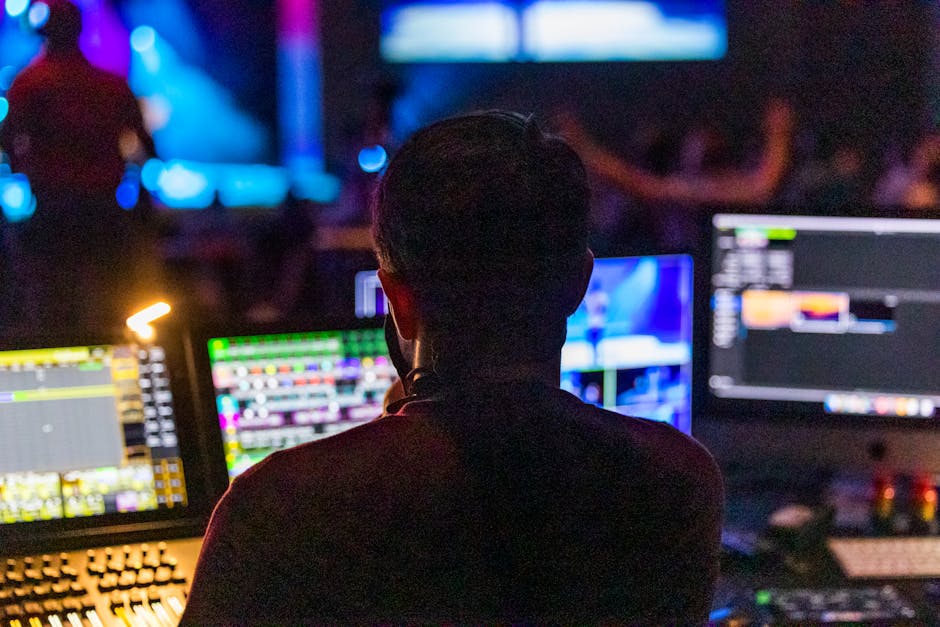
A company creating quick internal videos may need a simple camera, microphone, and lighting setup. A team producing podcasts may need a dedicated audio system and recording environment. A company filming frequent executive interviews may need a repeatable studio-style setup. A team covering live events may need more advanced audio, camera, and switching support.
The mistake is buying equipment before defining the workflow.
Before purchasing, ask:
If the company cannot answer these questions, it may not be ready to buy.
A smaller, simpler setup that gets used consistently is often more valuable than expensive equipment that overwhelms the team.
Buying equipment can make sense when the company has a clear plan for using it.
For example, it may be smart to invest in a basic internal setup if the company regularly records:
It can also make sense when the same type of content is produced often enough that ownership saves time and improves consistency.
The key is to buy for the real use case, not the imagined one.
A growing company may not need the most advanced camera system. It may need a reliable, easy-to-use setup that the team can operate confidently. Or it may need no internal gear at all and instead need a quarterly production partner who captures higher-quality assets in planned sessions.
The right decision depends on frequency, quality needs, internal skill, budget, and business goals.
A media strategy can help companies spend less wastefully.
Without strategy, companies may pay for disconnected shoots, duplicate efforts across departments, or buy equipment they rarely use. With strategy, the team can combine needs and plan production more efficiently.
For example, one production day could capture:
That is much more efficient than scheduling separate shoots for each need.
Planning also helps the company decide when professional production is worth the investment. High-visibility assets should not be treated the same as casual internal clips. The strategy helps determine where quality matters most and where a simpler approach is enough.
The first mistake is buying equipment before defining the content plan. Gear should support strategy, not replace it.
The second mistake is assuming someone internal will "figure it out." Video production requires time, skill, and workflow ownership.
The third mistake is underestimating audio. A good camera cannot fix poor sound.
The fourth mistake is filming events without a content capture plan. Events need strategy before the room fills up.
The fifth mistake is failing to repurpose content. One interview, event, or production day can often create many assets.
The sixth mistake is treating internal and professional content the same. Some content can be casual, but high-stakes brand assets need stronger production.
The seventh mistake is buying advanced equipment when the team really needs a simpler, repeatable system.
Should growing companies buy their own video equipment?
Sometimes. It depends on how often the company creates content, what quality level is needed, who will operate the equipment, and whether there is a clear workflow for editing, storage, and publishing.
What should come before buying media equipment?
A media strategy should come first. The company should define content goals, audiences, use cases, internal ownership, production needs, approval workflows, and distribution plans.
Can internal teams handle video production?
Internal teams can often handle simple videos, social clips, internal updates, and informal content. Higher-stakes brand videos, testimonials, conferences, livestreams, and executive interviews may need professional support.
Why is equipment not enough to solve content problems?
Equipment can capture footage, but it does not create strategy, messaging, structure, editing, consistency, or distribution. Those pieces need to be planned separately.
How can companies get more value from production?
Plan production around multiple uses. One shoot can often create website content, social clips, recruiting videos, sales assets, internal updates, and photography when the strategy is built in advance.
The same logic applies to production partners as it does to equipment: a one-off shoot solves today's request, but a recurring content partnership is what actually builds the strategy, workflow, and institutional knowledge this article argues companies need before they invest further. Choosing an ongoing partner over a series of individual bookings is often the more efficient path to the system described here.
Growing companies need a media strategy before buying more equipment because content problems are rarely solved by gear alone. A camera, microphone, or editing tool can help, but only when the team knows what content it needs, who it serves, how it will be produced, and where it will be used.
The smartest companies build the system first. They define goals, audiences, workflows, content priorities, internal responsibilities, and professional production needs. Then they decide what equipment actually supports that system.
When strategy comes before equipment, media investments become more useful, production budgets stretch further, and the company builds a stronger content library over time.
Some clients want to give notes in a live Zoom call. Others prefer a group text or email thread. However you like to communicate, we adapt. You’ll never be left guessing where things stand - and you’ll always have a say before anything goes out the door.




Phone:
+1 863-250-8639

Email:
info@motlowpromedia.com