









































































Thank you! Your submission has been received!
Oops! Something went wrong while submitting the form.


September 29, 2026
Corporate brand videos and recruiting videos can both help a company look more credible, human, and professional. They can both feature leadership, employees, office environments, client work, team culture, and company values. They may even use some of the same footage.
But they are not the same video.
A corporate brand video is usually built for clients, prospects, partners, investors, or the broader market. It explains who the company is, what it does, why it exists, and why someone should trust it.
A recruiting video is built for candidates. It explains what it feels like to work at the company, what the team values, what kind of people thrive there, and why someone should consider applying.
Both can be valuable. The harder question for marketing teams is which one should come first.
The answer depends on the company's current goals. A business trying to improve sales credibility may need a brand video first. A company struggling to hire may need a recruiting video first. A company preparing for major growth may need both planned together. Through Motlow Pro Media's services, corporate teams can plan video assets around the actual business need instead of producing one-off content that is hard to reuse.
A corporate brand video tells the market who the company is and why it matters.
It is often used on a homepage, service page, sales presentation, event page, proposal follow-up, email campaign, LinkedIn profile, or conference booth display. The goal is usually to build trust quickly with people who may not know the company well yet.
A strong corporate brand video may answer:
This kind of video is especially useful when a company's work is difficult to explain in only a few sentences. It can combine leadership interviews, team footage, client environments, service visuals, event footage, and polished editing into one clear brand story.
The business video production partner guide is a helpful resource for understanding why a brand video should be planned around message, audience, and final use before production begins.
A recruiting video is built to attract the right people.
It is less about explaining the full business to clients and more about helping potential employees picture themselves inside the company. It should give candidates a sense of the culture, leadership style, team environment, career opportunity, and day-to-day experience.
A strong recruiting video may answer:
Recruiting videos are often used on careers pages, LinkedIn, hiring campaigns, job postings, onboarding materials, internal presentations, and employer branding campaigns.
The best recruiting videos feel honest. They should not make the workplace look like something it is not. Candidates are quick to notice when recruiting content feels staged or too polished. A professional recruiting video can still look high-quality, but the message needs to feel real.
The biggest difference between a corporate brand video and a recruiting video is the viewer.
A brand video speaks to people who may buy from the company, partner with it, invest in it, or evaluate its credibility. The viewer is asking, "Can I trust this company?"
A recruiting video speaks to people who may work for the company. The viewer is asking, "Can I see myself here?"
That difference should shape every production decision.
A brand video may emphasize client outcomes, industry expertise, leadership perspective, service quality, and company credibility. A recruiting video may emphasize team culture, employee experience, leadership accessibility, career growth, and shared values.
The mistake is trying to make one video serve both audiences equally. It can happen, but it usually weakens the message. The video becomes too broad for clients and too vague for candidates.
A better strategy is to decide which audience matters most right now, then plan the first video around that audience.
A corporate brand video should usually come first when the company needs stronger market credibility.
This may be the right choice if the business is:
A brand video is especially useful when prospects visit the website and need to understand the company quickly. It gives the team a polished asset that can support sales, marketing, paid media, social media, and events.
For example, a company may need a video that shows its leadership, team, process, service quality, and customer experience in one clear story. That video can then be placed on the homepage, used in sales conversations, shown during presentations, and repurposed into shorter clips.
If the company's biggest issue is that people do not fully understand what it does or why it is different, a corporate brand video should likely come first.
A recruiting video should usually come first when hiring is the more urgent business problem.
This may be the right choice if the company is:
A recruiting video can help candidates feel more connected before they apply. It can show the people behind the company, the work environment, the leadership style, and the values that shape the employee experience.
This matters because job seekers are not only evaluating pay and responsibilities. They are also evaluating culture, leadership, flexibility, growth, and whether the company feels like a place they would want to spend their time.
Resources like LinkedIn's employer branding guidance and SHRM's employer brand resources reinforce the same larger point: companies need to communicate their value as employers, not only as service providers.
If the company's biggest issue is hiring, retention, or employer visibility, a recruiting video may need to come first.
Sometimes the best answer is not choosing one over the other. It is planning both together.
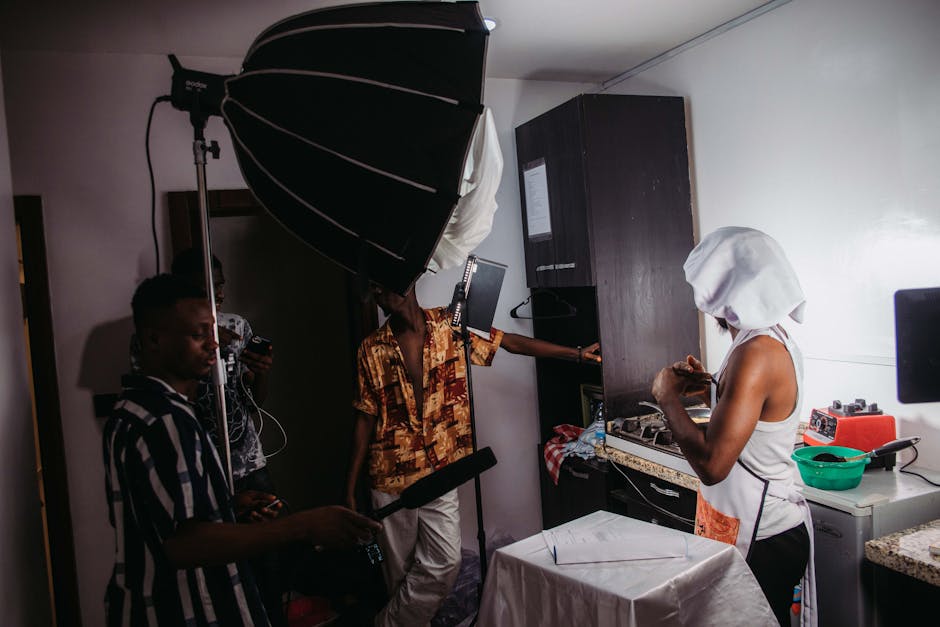
A corporate brand video and recruiting video can share production elements. Both may use footage of the office, leadership, team collaboration, company values, events, client work, and behind-the-scenes moments. With the right planning, one production day can capture footage for both types of content.
The difference is in the questions, edit structure, and final messaging.
For a brand video, the interview questions may focus on the company's purpose, client problems, expertise, process, and market value. For a recruiting video, the questions may focus on culture, team experience, leadership, growth, and what makes the workplace meaningful.
If both videos are needed, the production team should know that before filming. That allows them to capture enough b-roll, interview variety, and supporting visuals for both stories.
This is one of the best ways to stretch a production budget. Instead of booking separate shoots months apart, the marketing and HR teams can collaborate on one strategic capture plan.
A company can reuse footage across brand and recruiting videos, but the final stories should still feel different.
For example, footage of employees collaborating may appear in both videos. In the brand video, that footage might support a message about service quality, process, or client support. In the recruiting video, the same footage might support a message about teamwork, culture, or professional development.
The visuals can overlap because they are part of the same company. The narrative should not be identical because each audience is asking a different question.
That is why the interview plan matters. Leadership may need to answer different questions for each video. Employees may need to speak in the recruiting video, while clients or executives may be more important for the brand video. The editor may need to create different pacing, music, graphics, and calls to action.
Trying to force one generic video into every use usually makes the content less effective.
If a company is debating between a corporate brand video and a recruiting video, marketing and HR should align before production begins.
They should decide:
This conversation prevents confusion during editing. It also helps the production team build a smarter shoot schedule.
For example, if HR needs employee soundbites and marketing needs executive messaging, those interviews should be planned separately. If both teams need office footage, event footage, or team collaboration visuals, those can be captured together.
The easiest way to decide is to connect the video to the company's most urgent growth problem.
Choose a corporate brand video first if the company needs to:
Choose a recruiting video first if the company needs to:
Choose both if the company is preparing for growth and needs to strengthen its market brand and employer brand at the same time.
There is no universal answer. The right first video depends on what the company needs the content to do.
Even though these videos have different goals, they can support each other over time.
A strong corporate brand video can make recruiting easier because candidates often research the company before applying. If the company looks credible, clear, and professional, candidates may feel more confident.
A strong recruiting video can also support the brand because it shows the human side of the company. Prospects often care about the people behind the service. A culture-focused video can help reinforce trust, especially for relationship-driven businesses.
Together, these videos create a fuller picture of the company. One explains why clients should trust the business. The other explains why people should want to work there.
That combination can be especially valuable for companies using video across websites, LinkedIn, conferences, presentations, hiring campaigns, and internal communications. HubSpot's video marketing research continues to show how widely video is used across marketing strategies, and Google Search Central's video best practices can help teams think about how video content appears and performs online.
The first mistake is trying to make one video do everything. A video for prospects and a video for candidates may share footage, but they should not have the exact same message.
The second mistake is choosing the first video based only on budget. The better choice is the video that solves the most urgent business problem.
The third mistake is ignoring HR during brand video planning. If employees, culture, or hiring will be part of the story, HR should be involved early.
The fourth mistake is ignoring marketing during recruiting video planning. A recruiting video still needs to support the larger brand, tone, and visual identity.
The fifth mistake is filming without a reuse plan. If both brand and recruiting content may be needed later, the production team should capture footage that can support both.
The sixth mistake is making the recruiting video too polished and unrealistic. Candidates want to see a credible version of the company, not a staged commercial.
The seventh mistake is making the brand video too internal. A brand video should speak to the audience's needs, not only the company's history.
What is the difference between a corporate brand video and a recruiting video?
A corporate brand video is designed for clients, prospects, partners, or the market. A recruiting video is designed for job candidates and focuses on culture, employee experience, and why someone would want to work for the company.
Can one video be used for both branding and recruiting?
Sometimes, but it is usually better to create separate edits. The footage can overlap, but the message should be tailored to each audience.
Which video should come first?
If the company needs stronger sales credibility or market positioning, start with a corporate brand video. If hiring is the urgent problem, start with a recruiting video. If the company is growing quickly, plan both together.
Who should be interviewed for a corporate brand video?
Corporate brand videos often include executives, leaders, team members, customers, or subject matter experts who can explain the company's value and credibility.
Who should be interviewed for a recruiting video?
Recruiting videos often include employees, managers, leadership, and team members who can speak honestly about the work environment, culture, and growth opportunities.
Deciding which video comes first is really a snapshot of whatever the company's most urgent need is this quarter — and that need has a way of shifting as the business grows. A recurring content partnership is built to revisit that question regularly, rather than locking in one answer with a single shoot and hoping it still fits a year later.
Corporate brand videos and recruiting videos are both valuable, but they serve different audiences. A brand video helps clients and prospects understand why they should trust the company. A recruiting video helps candidates understand why they may want to work there.
The right first choice depends on the company's most urgent need. If sales, positioning, and credibility are the priority, start with the brand video. If hiring, culture, and candidate attraction are the priority, start with the recruiting video. If both matter, plan the content together so one production effort can support multiple strategic assets.
When the videos are planned with clear audiences and deliverables, they do more than look professional. They help the company communicate who it is, what it values, and why people should choose it, whether they are buying from it or applying to join the team.
Some clients want to give notes in a live Zoom call. Others prefer a group text or email thread. However you like to communicate, we adapt. You’ll never be left guessing where things stand - and you’ll always have a say before anything goes out the door.





Phone:
+1 863-250-8639

Email:
info@motlowpromedia.com