









-5.jpg)































































Thank you! Your submission has been received!
Oops! Something went wrong while submitting the form.

.avif)
July 7, 2026
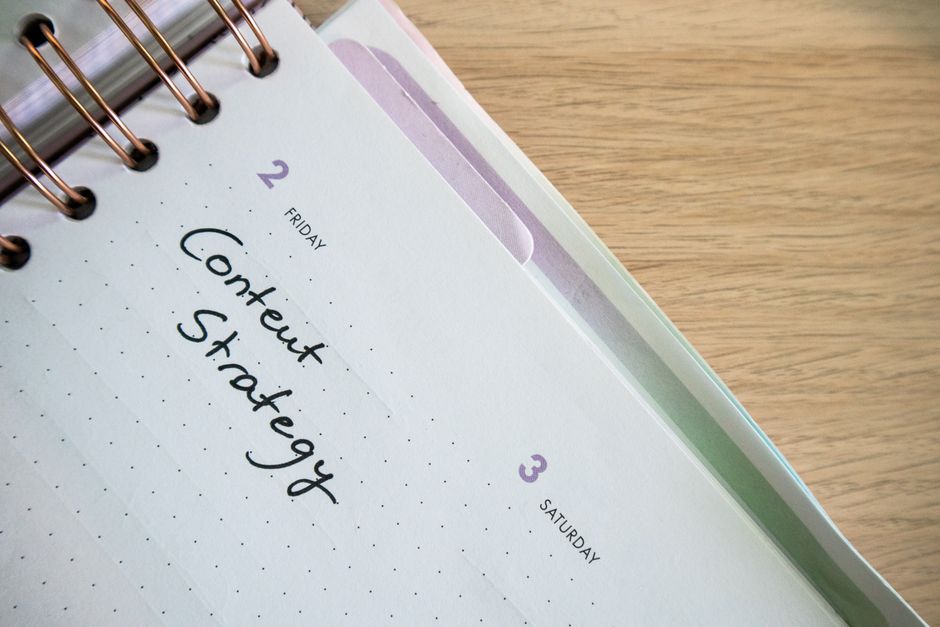
A media content strategy is the structured plan that guides what content you create, where you publish it, who it's for, and how you measure whether it's working.
Here's a quick breakdown of what it includes:
Without all of these working together, you end up with scattered posts, inconsistent messaging, and no clear way to prove value.
The stakes are real. Brands that customize content for each platform see a 23% increase in engagement. Those that maintain a consistent voice and aesthetic achieve 33% higher brand recall. And yet most corporate marketing teams are still operating without a documented strategy — reacting to deadlines instead of leading with intention.
Content strategy has also gotten more complex in 2026. You're no longer just planning for Google rankings. AI-powered search tools now surface answers directly, which means your content needs to earn citations, not just clicks. Short-form video continues to outperform static content, with video posts generating 48% more views on average. And audiences are tuning out brands that feel generic or inconsistent across channels.
The good news: a well-built media content strategy solves all of this. It gives your team a repeatable system — not a guessing game.
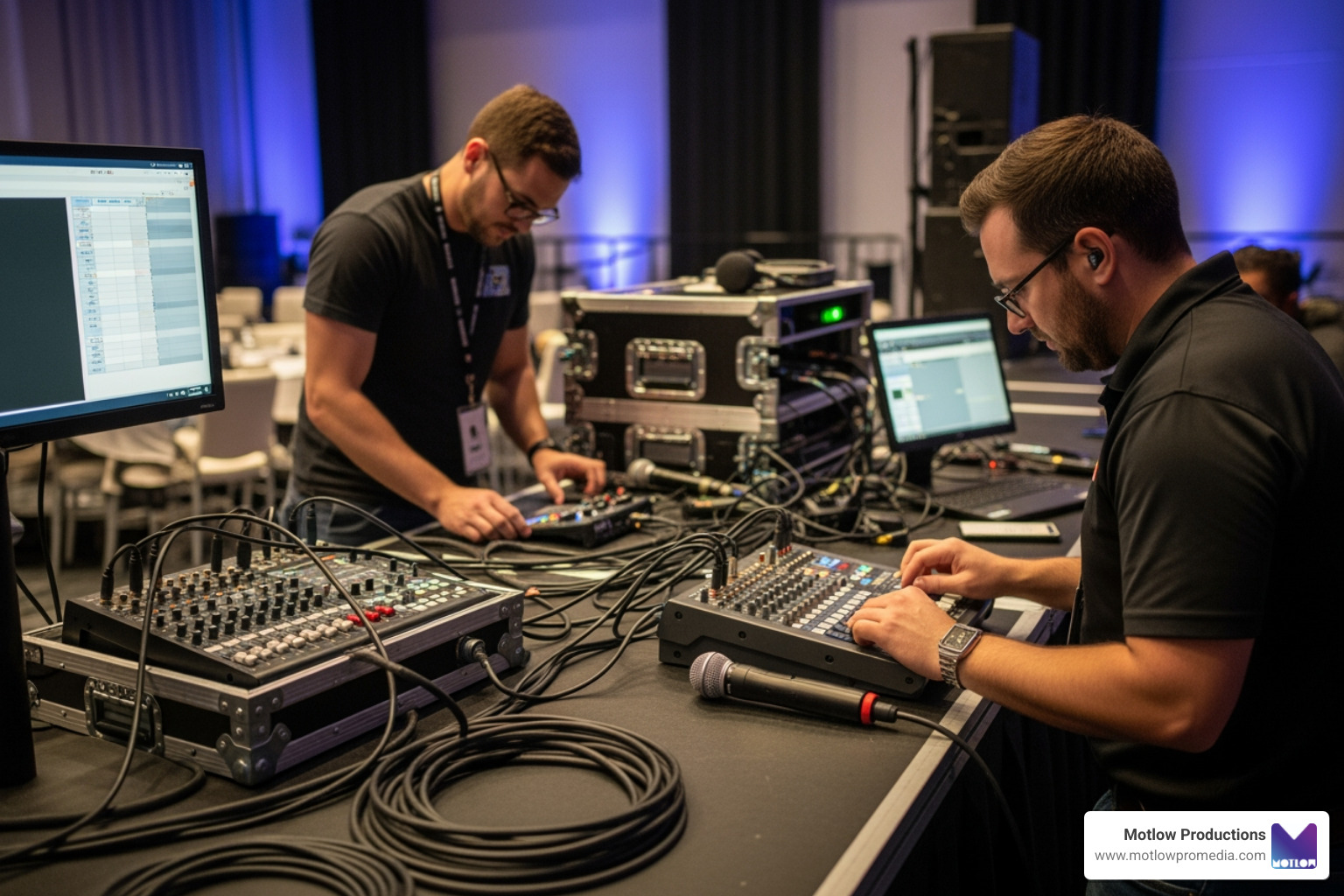
I'm Miranda Motlow, founder and CEO of Motlow Pro Media, where I've spent more than a decade building short-form video content and live productions for corporate marketing teams — including a long run partnering with casino marketing executives in Tampa, Florida, where high competition and guest experience demand a sharp media content strategy. That hands-on background shapes every section of this guide.
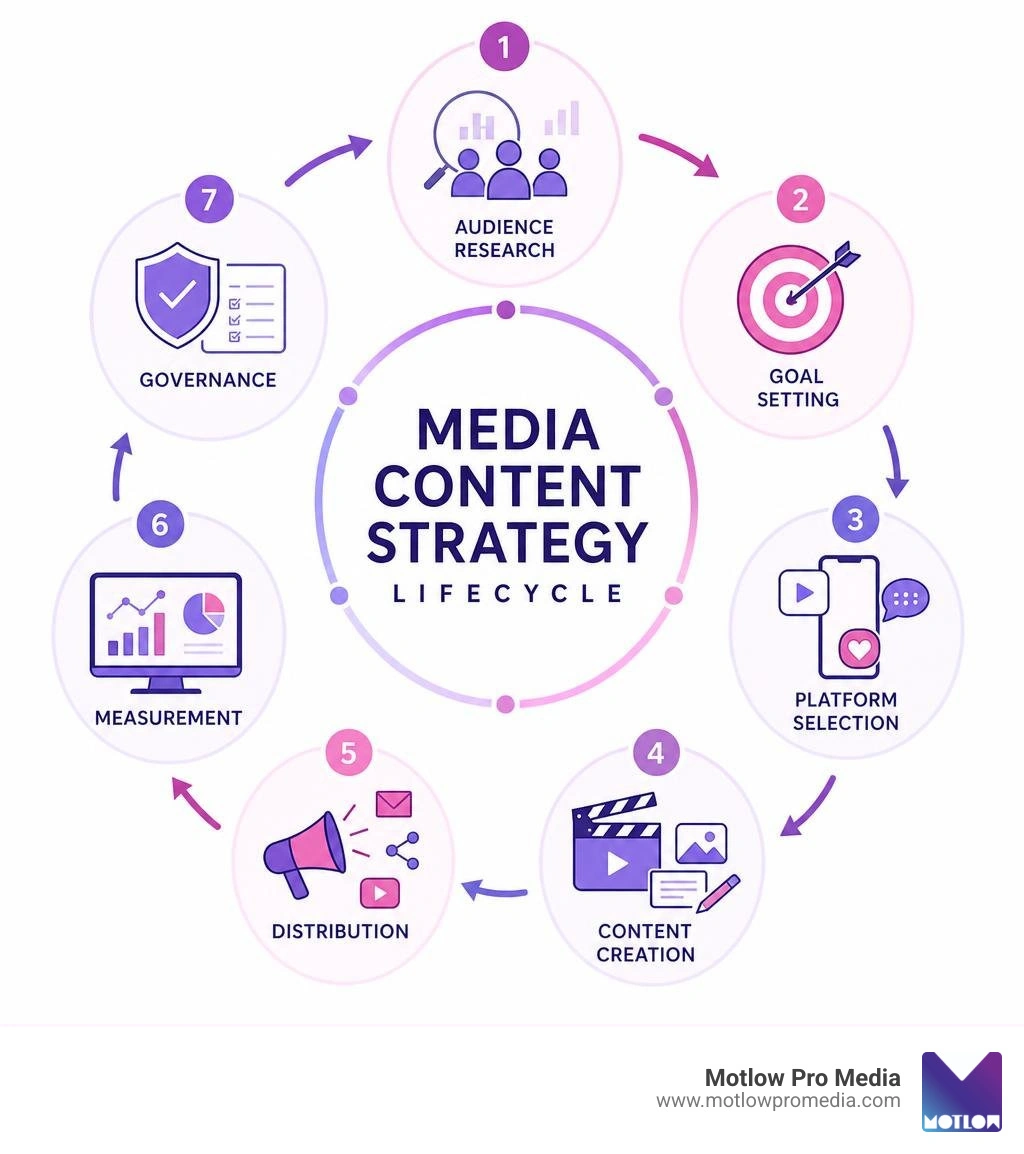
Media content strategy terms you need:
To build an engine that actually moves your business forward, we first need to clear up some industry jargon. Many marketers use "content strategy" and "media content strategy" interchangeably, but they are not the exact same thing.
A general content strategy focuses heavily on written information, structural taxonomy, and search engine optimization (SEO) copy to assist users. A media content strategy, however, is broader and more operational. It treats your content library as a dynamic media asset. It encompasses video production, audio, live broadcasting, and multi-channel distribution. It is less about filling a webpage with text and more about running your brand's owned communication channels like a modern broadcasting network.
At its heart, an effective media content strategy relies on a few core components:
When these components work in harmony, your content stops feeling like an administrative chore and starts operating as a valuable business asset. For a deep dive into how these frameworks have evolved, you can explore Content Strategy: The Complete 2026 Guide.
In the noisy digital landscape of July 2026, neutral reporting and generic updates have near-zero value. Because generative AI can summarize basic information in seconds, your audience is looking for original analysis, human experiences, and strong points of view.
Without a dedicated strategy, brands fall into the trap of posting ad hoc updates that disappear into the archive. When you build a cohesive Business Content Strategy, you establish a real-time "sense-making engine" for your industry. Instead of just selling products, you interpret industry developments, share behind-the-scenes insights, and build genuine trust.
This approach is how top-tier organizations capture real-time attention. For example, venture capital leaders and modern enterprises have shifted toward owning live and episodic media networks to engage their audiences directly. You can read more about this shift in the MTS Content Strategy: How a16z Wins Real-Time Attention | AshMedia case study. By showing up consistently with a clear perspective, you build a media moat that competitors cannot easily rent or outbid.
To execute this level of communication without burning out your team, you need to establish clear pillars for your media planning:
Establishing these pillars ensures that your production remains sustainable, high-quality, and aligned with your brand's unique positioning.
You cannot create a compelling media presence if you are trying to speak to everyone at once. Effective strategy begins with precise audience segmentation. We do this by building lightweight buyer personas that go beyond basic demographics. We want to understand what problems our audience is trying to solve, where they discover new ideas, and what actions they take after watching a video.

Once we understand our audience, we must align our production with SMART goals (Specific, Measurable, Achievable, Relevant, and Time-bound). If your creative team is producing videos simply to get "views," but your sales team needs qualified leads, your strategy is misaligned. Every creative asset must have a clear job to do.
To prove the value of your media content efforts, you must map your key performance indicators (KPIs) directly to broader business objectives. We look at metrics across three main areas:
By focusing on these deeper metrics, you move away from vanity numbers and align your creative production with real business growth. You can learn more about setting up these frameworks in our guide on Strategic Content Planning.
Audience research is not a one-time project; it is an ongoing practice. In 2026, the most successful brands rely on first-party data, direct customer interviews, and active social listening to guide their creative decisions.
By monitoring what your customers are talking about in real time, you can answer their questions before they even ask them. This is also where user-generated content (UGC) becomes a powerful tool. When your clients or customers share their own videos and experiences, it builds massive credibility. Consumers trust peer recommendations far more than traditional ads.
For additional resources and guides on designing user-centered content that resonates with modern audiences, check out Google for Creators | Home .
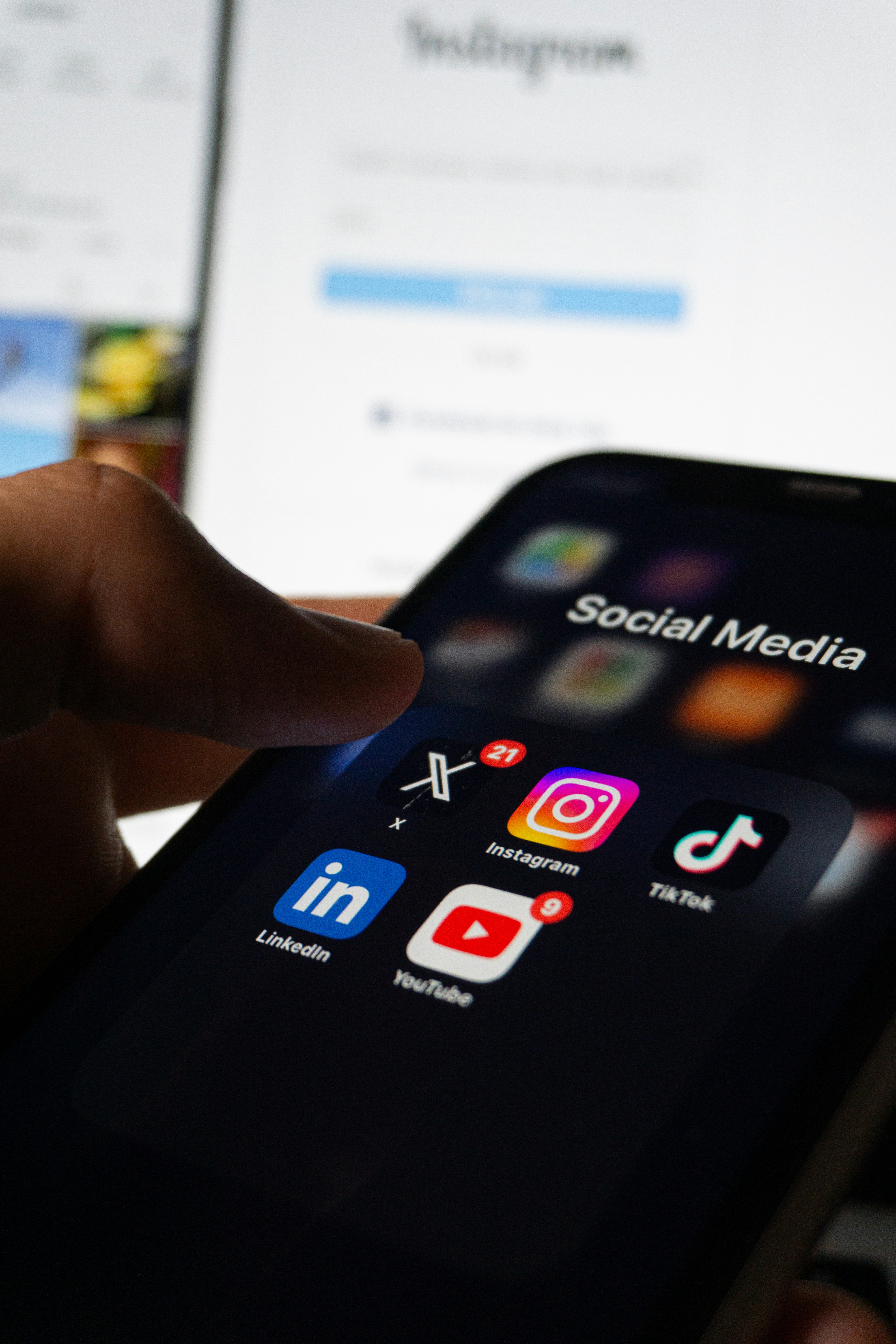
A common mistake is trying to be everywhere at once. If your corporate team has a small creative department, spreading yourself across five different social networks usually leads to low-quality, generic posts. Instead, choose two or three key platforms where your target audience is most active, and master them.
Different platforms serve different business goals:
To explore how to balance these channels effectively, read our analysis of Social Media Content Strategies That Work.
To convert a casual viewer into a loyal customer, you must map your content formats to the different stages of the marketing funnel:
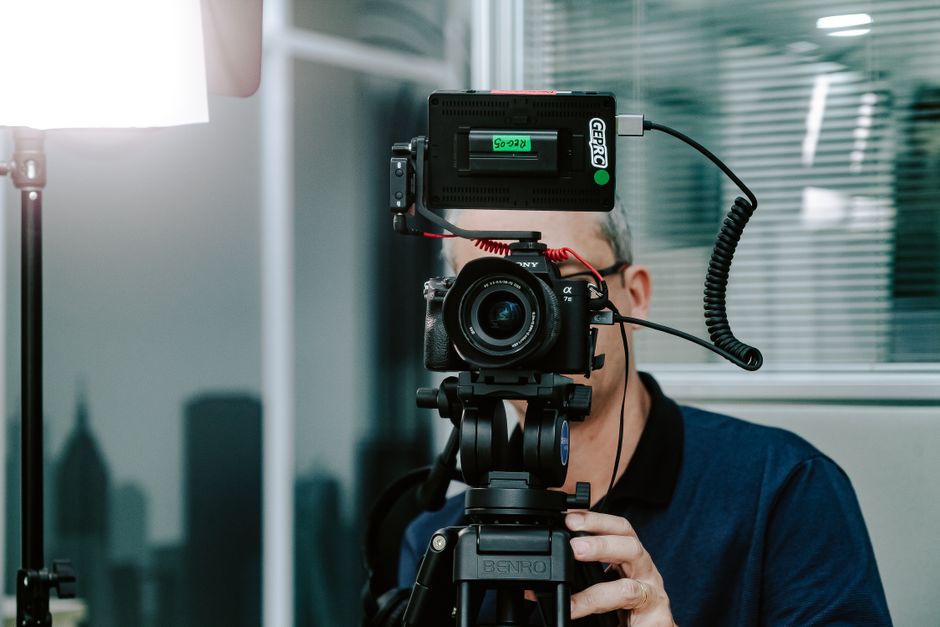
If there is one format you cannot afford to ignore in 2026, it is short-form video. Modern audiences have shrinking attention spans and are flooded with information. Video posts generate 48% more views than static images, and short-form video leads all formats in audience retention.
Furthermore, 80% of marketers now prioritize visual content in their social media strategies. This shift is also driven by how people search for information. With 90% of users stating that voice search and conversational AI queries are faster and easier than traditional typing, your media assets must be structured clearly. Using clear audio, accurate transcripts, and descriptive titles helps search engines understand and cite your video content in search results.
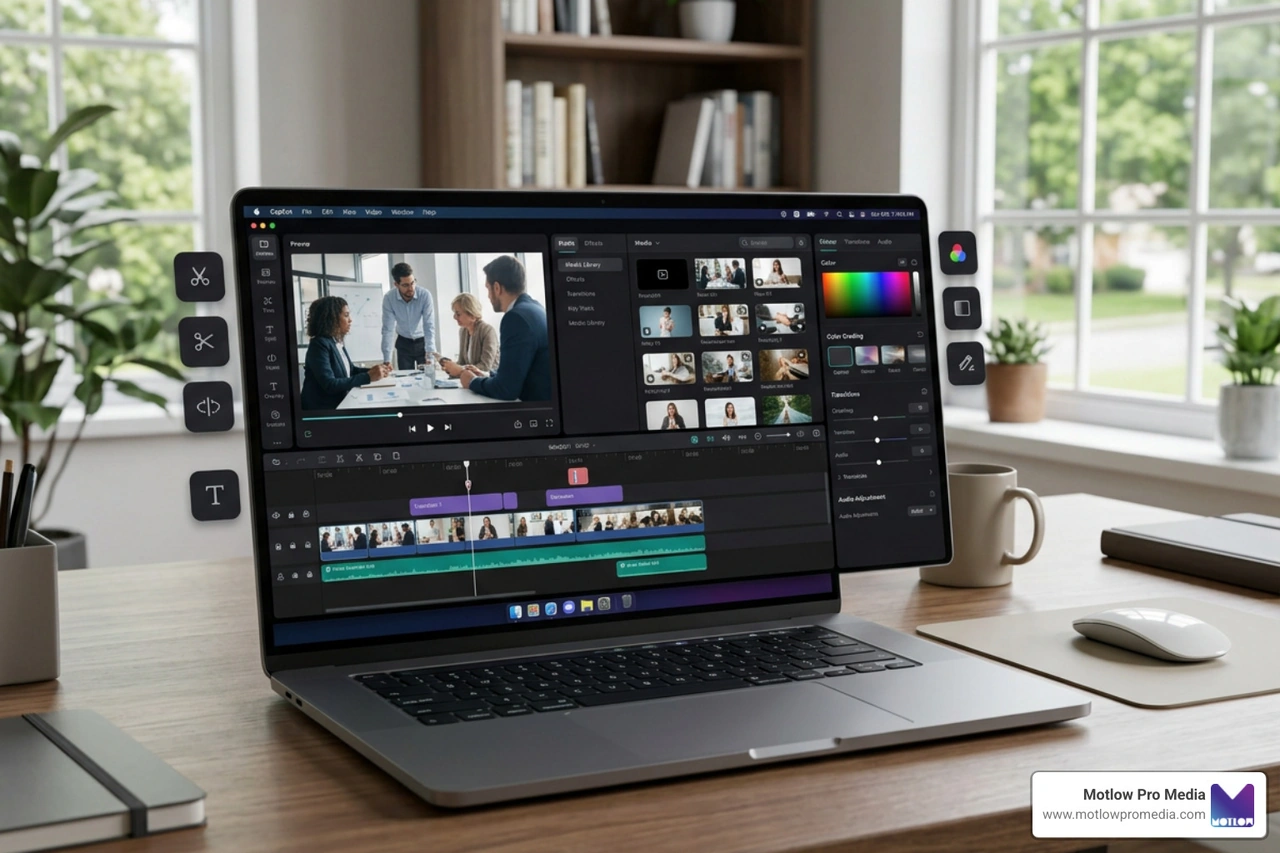
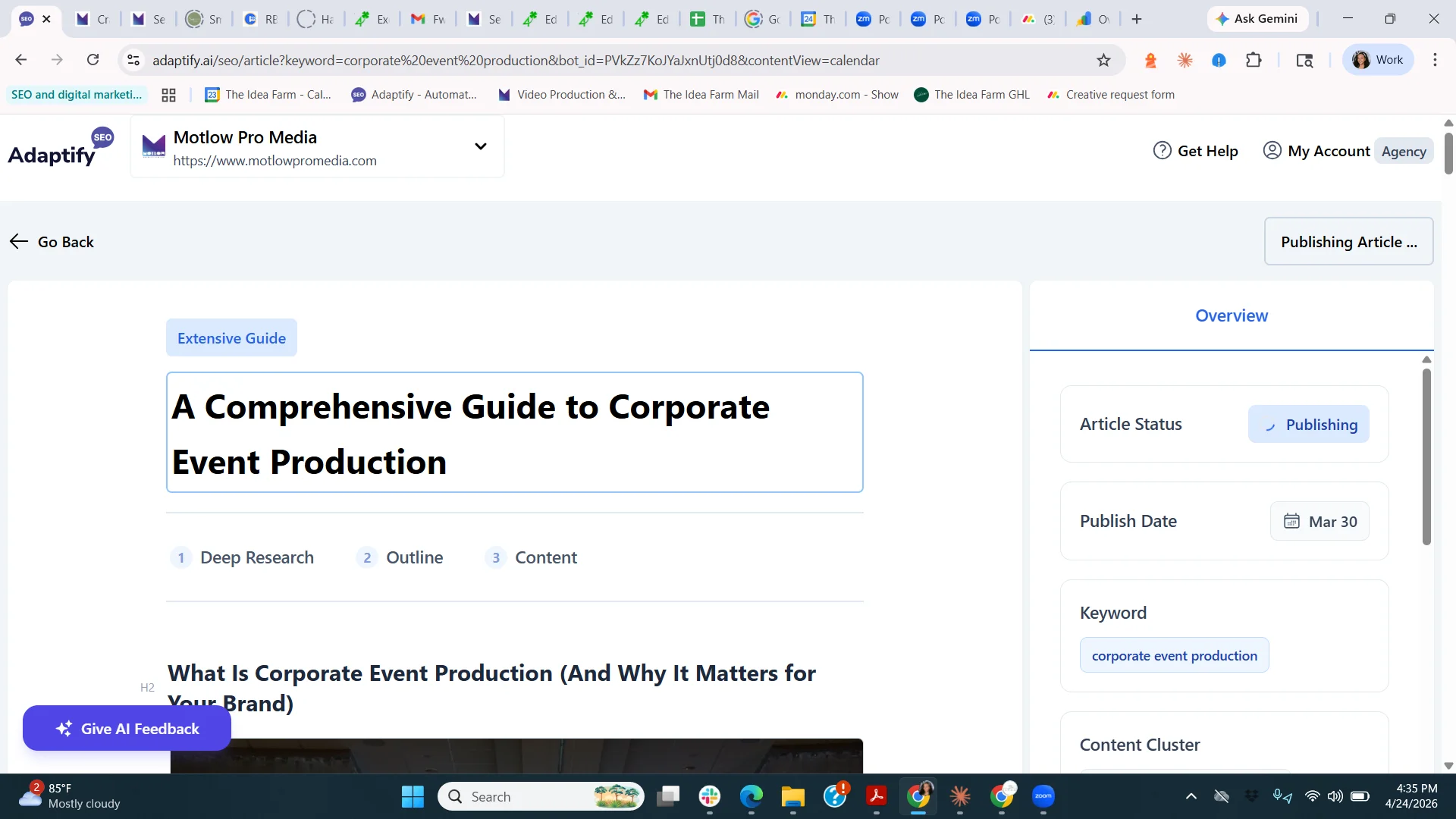
Consistency is the secret ingredient to any successful media campaign. If you publish three great videos in one week and then go silent for a month, your audience will move on. To maintain a steady cadence, you need a structured content calendar and a clear editorial workflow.
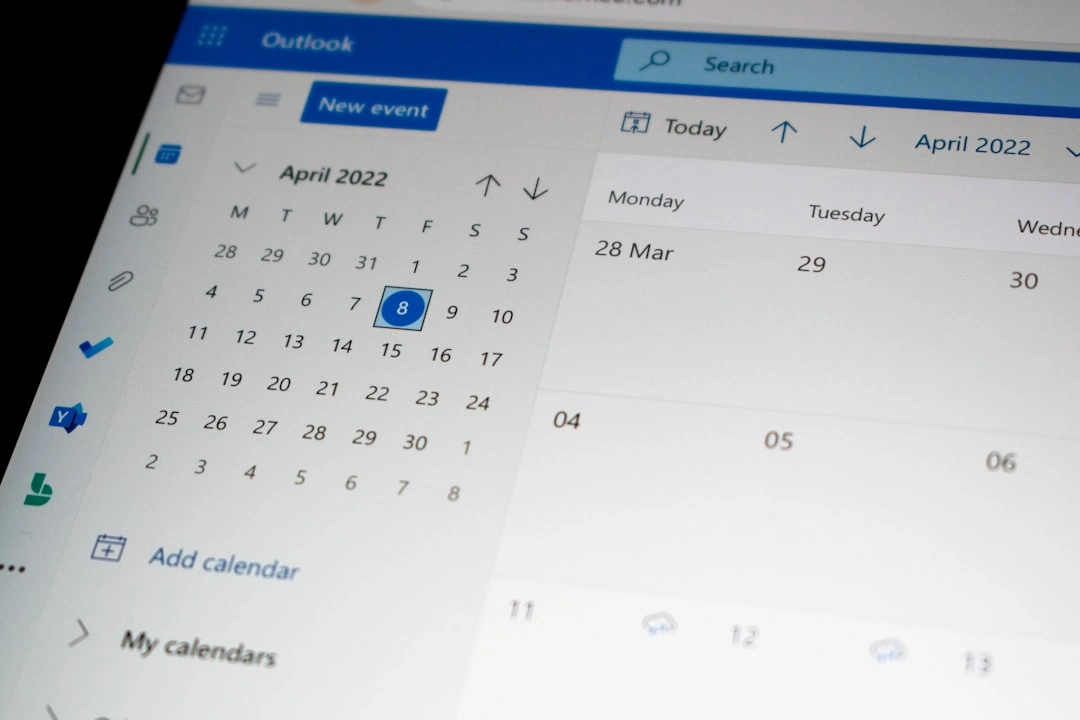
A functional workflow takes an idea through several distinct stages:
To run this workflow smoothly, everyone on your team needs to know their specific responsibilities. In a mature media department, you will typically find several key roles:
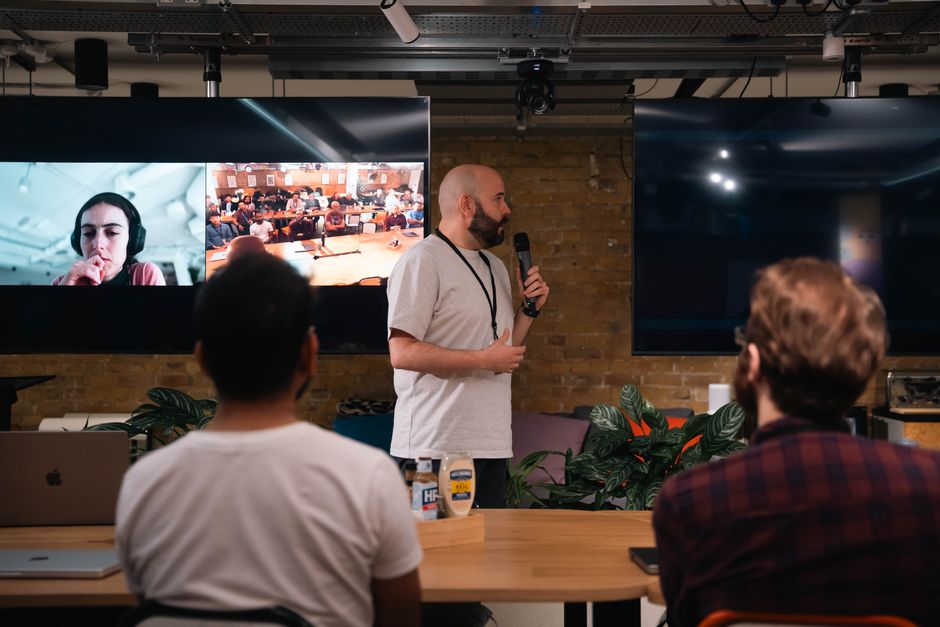
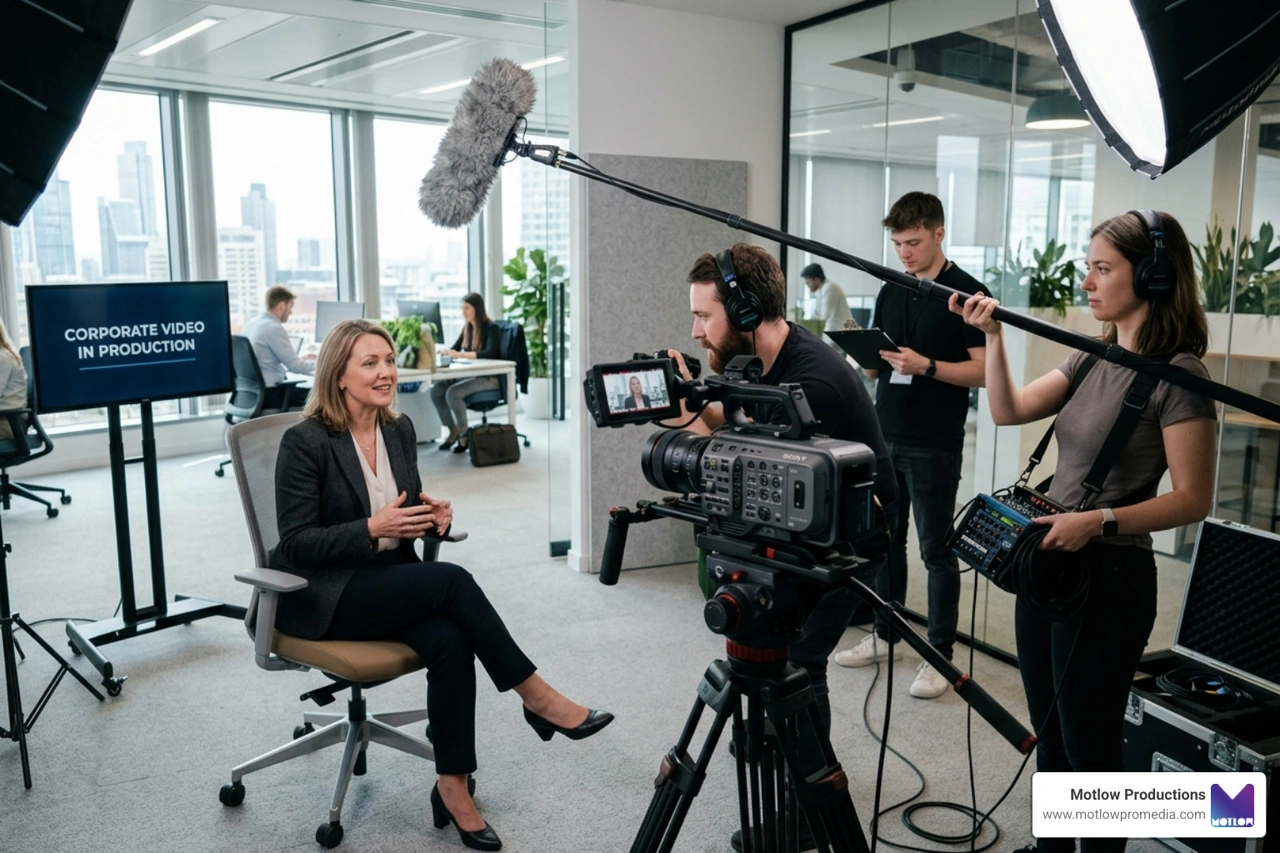
If you don't have the resources to hire a massive in-house department, that is where we come in. At Motlow Pro Media, we provide a "hands-off, but hands-on" partnership. We act as an extension of your team in Tampa, Florida—handling the heavy lifting of short-form production and live event support while you focus on running your business. For tips on structuring your internal creative team, take a look at our Corporate Content Creator Guide.
As your media footprint grows, maintaining a consistent voice and aesthetic becomes critical. This is why we recommend creating a comprehensive Brand Book. This document should outline your company's mission, core values, visual style (colors, fonts, logo placement), and tone of voice (e.g., professional yet warm, or energetic and bold).
In Florida, keeping your marketing assets consistent and legally compliant is essential for long-term success. For practical tips on navigating these local nuances, read The Do's and Don'ts of Social Media Content Marketing in Florida .
Creating a great video is only half the battle. If you do not have a clear promotion plan, your content will sit in the archive unnoticed. Professional teams follow a strict distribution playbook to ensure their assets travel as far as possible.
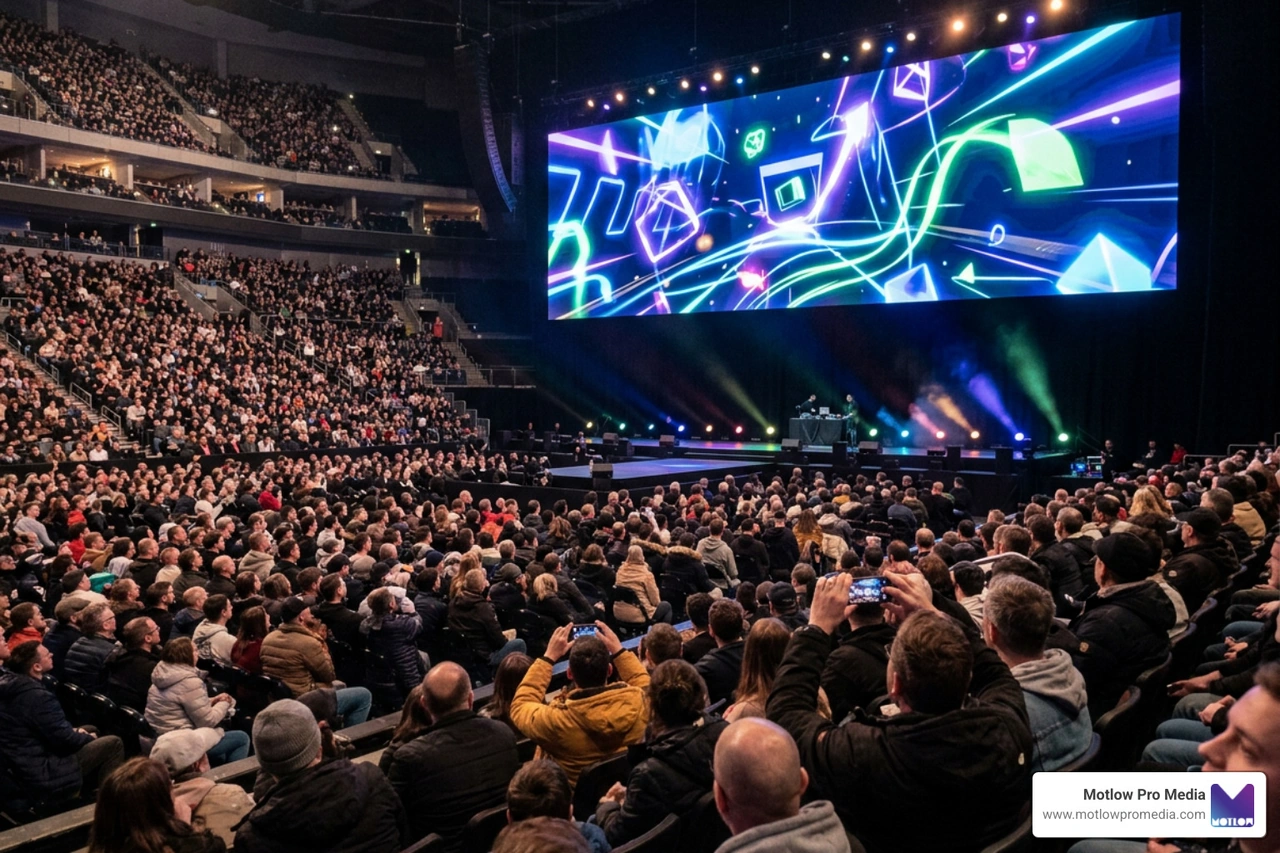
We use the "one-to-many" repurposing workflow. A single high-quality pillar asset—such as a live-streamed corporate event or an in-depth interview—can be broken down into:
For a step-by-step playbook on organizing your library for maximum reach, explore the Content Distribution Strategy: Your Playbook for Max Reach guide.
To justify your media budget, you must connect your creative work to financial outcomes. We do this by setting up clear attribution paths in Google Analytics.
Instead of just looking at vanity metrics like "likes," look for patterns in your lead generation data. Are clients who watch your Digital Content Production videos more likely to book a consultation? Do your video campaigns lead to a lower bounce rate and longer time spent on your website? By tracking these touchpoints, you can confidently calculate the return on investment (ROI) of your media assets.
In 2026, generative AI and automation are powerful tools for scaling your production—but they must be used responsibly.
We use AI to assist with repetitive, data-driven tasks:
However, we never let AI replace human creativity, original analysis, or our unique brand voice. Human-created content continues to drive significantly more traffic and trust than purely automated generation. Use AI to free up your team's time so they can focus on strategic, high-value creative work.
Even the best-planned strategies can run into roadblocks during execution. One of the most common pitfalls is ad hoc posting—creating content only when you "feel like it." If your distribution relies on your mood, it isn't a strategy.
Another major challenge is maintaining an outdated library. A healthy content archive should shrink as often as it grows. Regularly review your older assets and retire or update pages that no longer reflect your current services or brand standards.
It is easy to get excited about a new social media app and rush to create an account. However, managing too many channels often leads to resource exhaustion and brand dilution.
Focus your energy on a sustainable publishing cadence on the platforms where your target clients actually spend their time. It is far better to publish one outstanding video per week on LinkedIn than to post five mediocre updates across five different networks.
Many corporate teams suffer from communication breakdowns between their strategists, creators, and executive leadership. When creative teams work in silos, they produce content that looks beautiful but fails to drive business results.
At Motlow Pro Media, we solve this problem by acting as a trusted, seamless extension of your team. We bridge the gap between high-level business goals and hands-on video production, ensuring that every asset we create in the Tampa, Florida area serves a clear purpose and delivers real value.
A general content strategy focuses heavily on written copy, website structure, and traditional search engine optimization. A media content strategy is broader and more operational, focusing on visual assets, video production, audio, live events, and multi-channel distribution workflows.
AI has split the discipline into two areas: optimizing for traditional search engine clicks and optimizing for AI search engine citations. It also helps automate repetitive tasks like transcription and formatting, freeing up creative teams to focus on high-quality, human-led production.
Short-form video generates 48% more views than static content and achieves the highest audience retention rates. It is the most effective format for capturing attention, showing brand personality, and driving engagement in a crowded digital space.
Building an effective media content strategy is no longer optional for modern brands—it is the key to capturing real-time attention and building long-term trust with your audience. By defining clear goals, researching your audience, prioritizing high-quality short-form video, and establishing repeatable workflows, you can turn your content library into a powerful business asset.
If you are ready to take your brand's online presence to the next level but don't have the time to manage the complex production process yourself, we are here to help. At Motlow Pro Media, we specialize in corporate media production, short-form video creation, and live event support for businesses in Tampa, Florida. Our "hands-off, but hands-on" partnership model means we handle all the technical details and creative execution, acting as a seamless extension of your team.
Contact us today to explore our Tailored Media Solutions and let's start building your brand's custom media engine together.
Some clients want to give notes in a live Zoom call. Others prefer a group text or email thread. However you like to communicate, we adapt. You’ll never be left guessing where things stand - and you’ll always have a say before anything goes out the door.





Phone:
+1 863-250-8639
.png)
Email:
info@motlowpromedia.com