






-5.jpg)
























Thank you! Your submission has been received!
Oops! Something went wrong while submitting the form.

.avif)
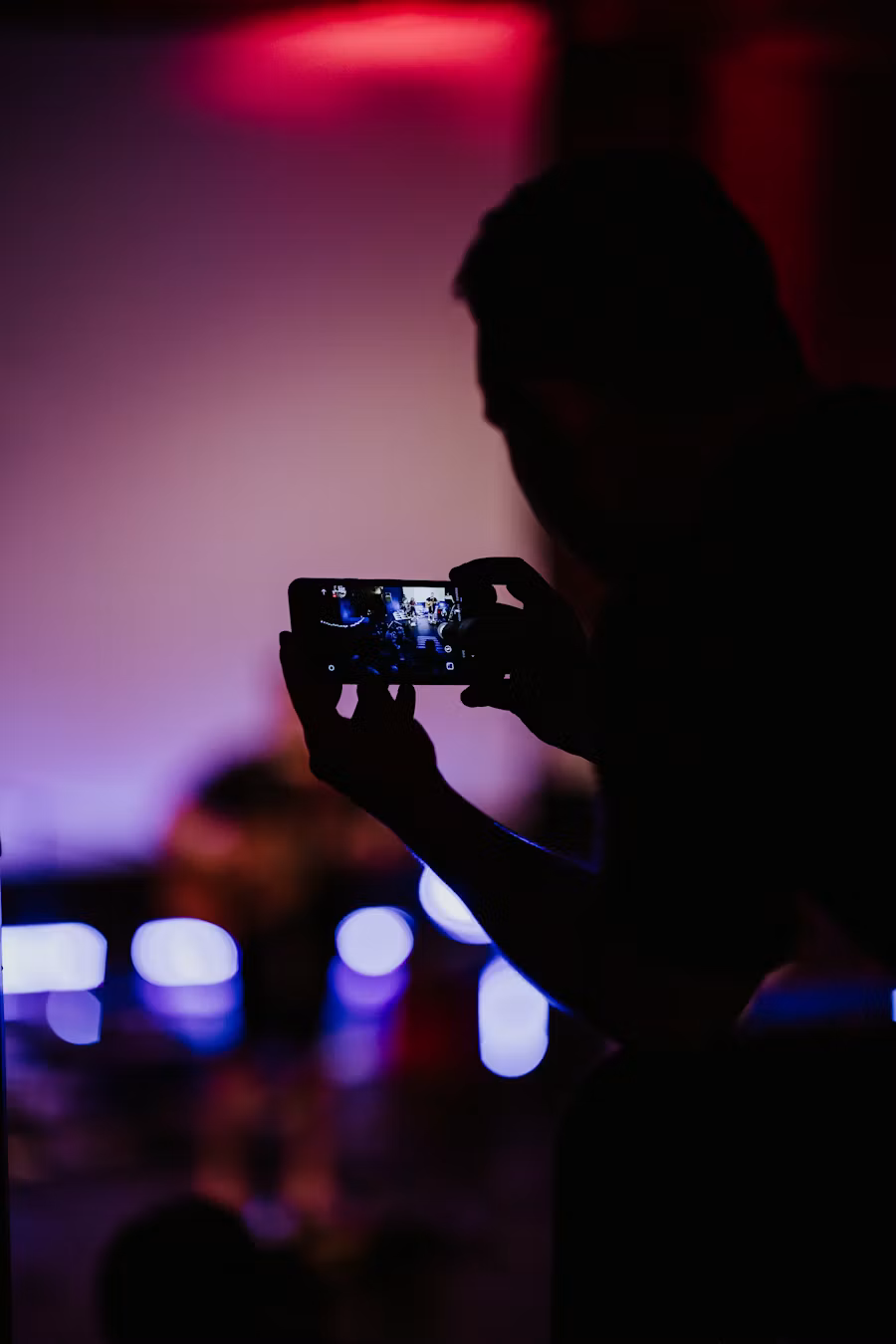
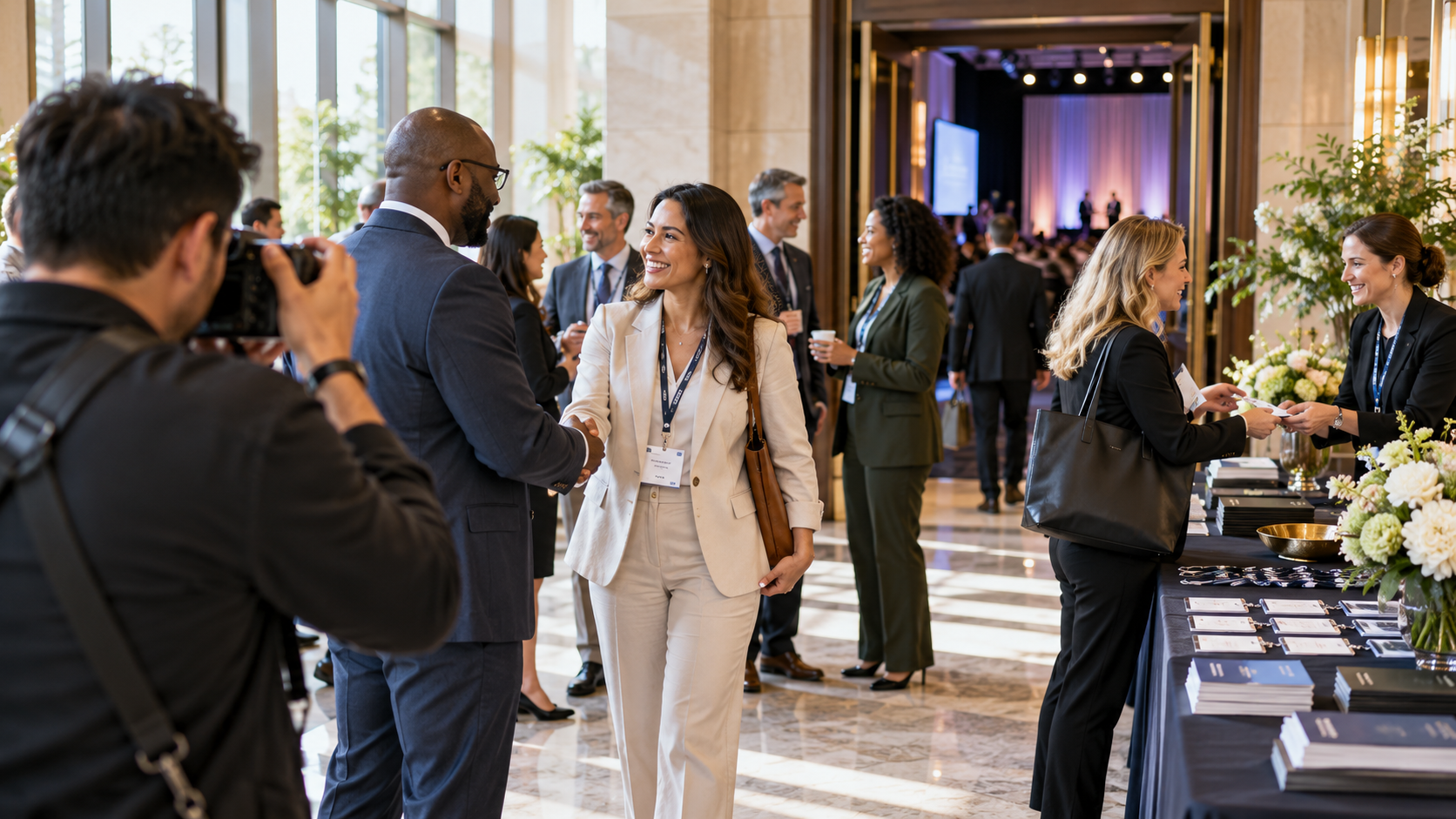
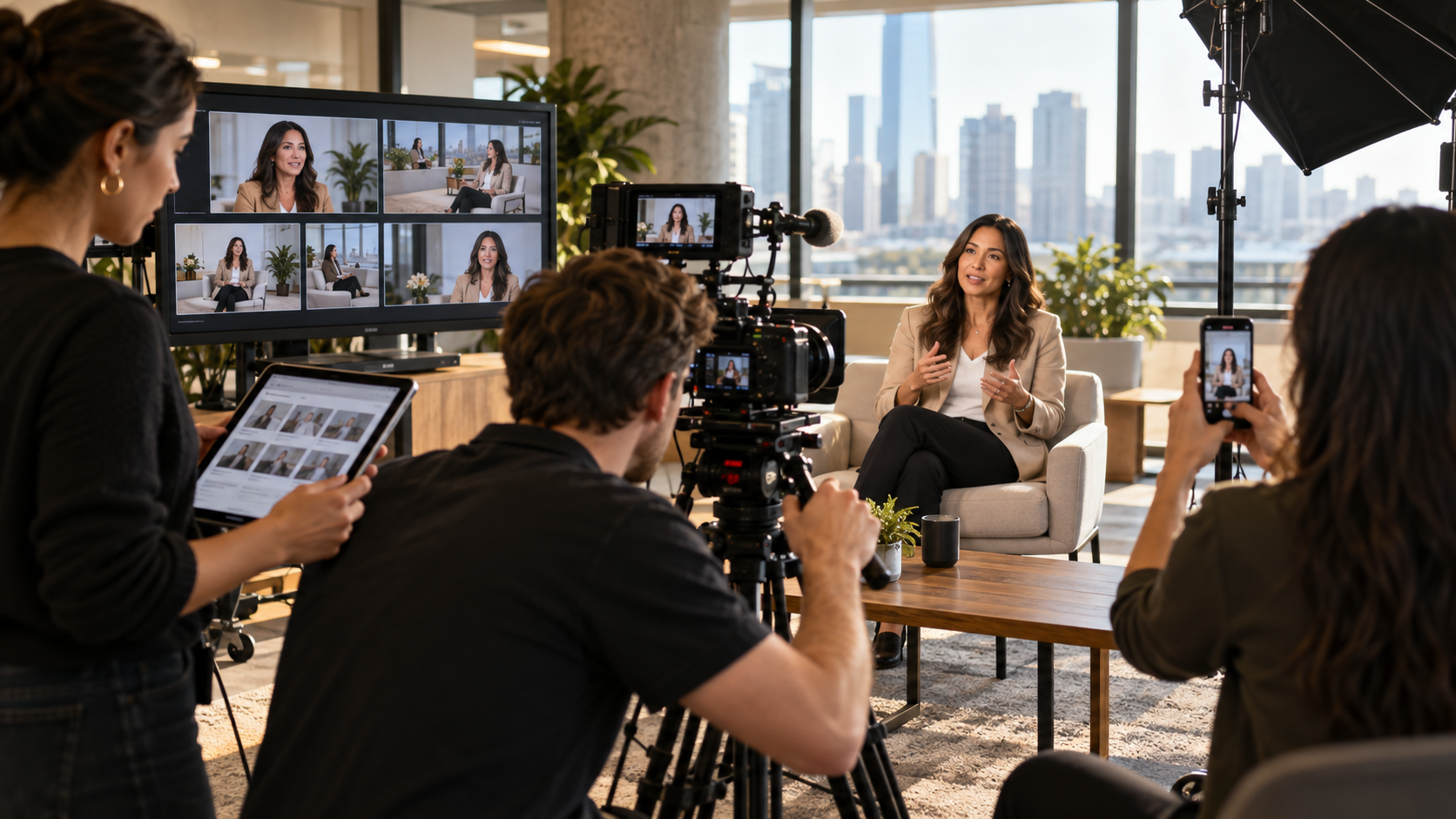
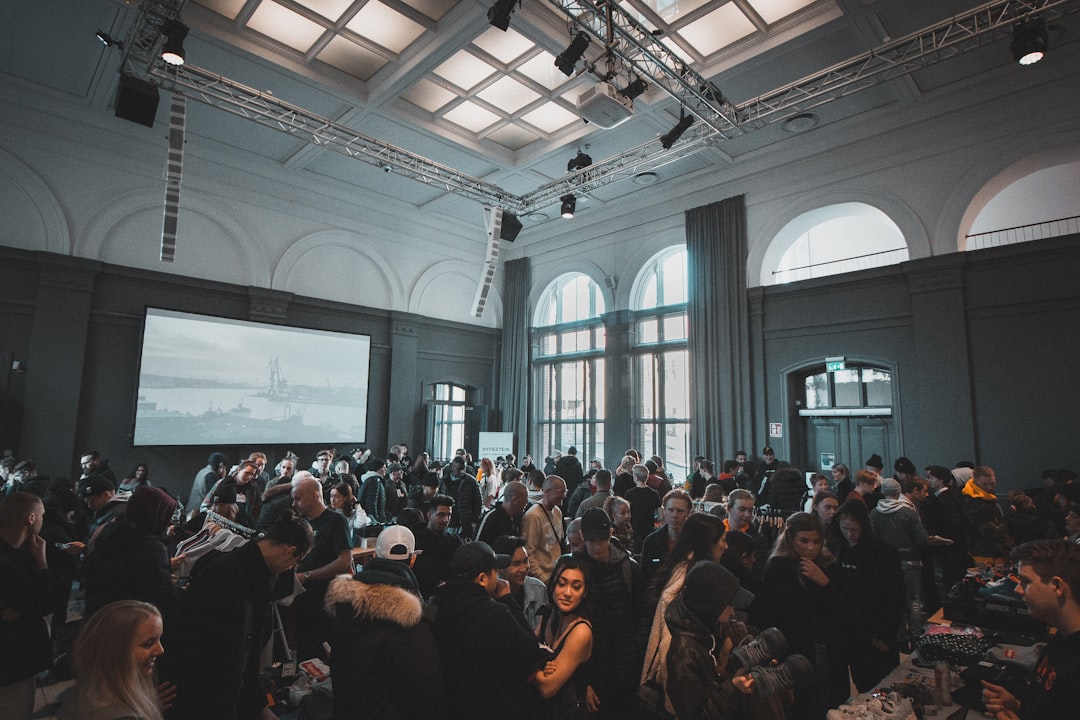
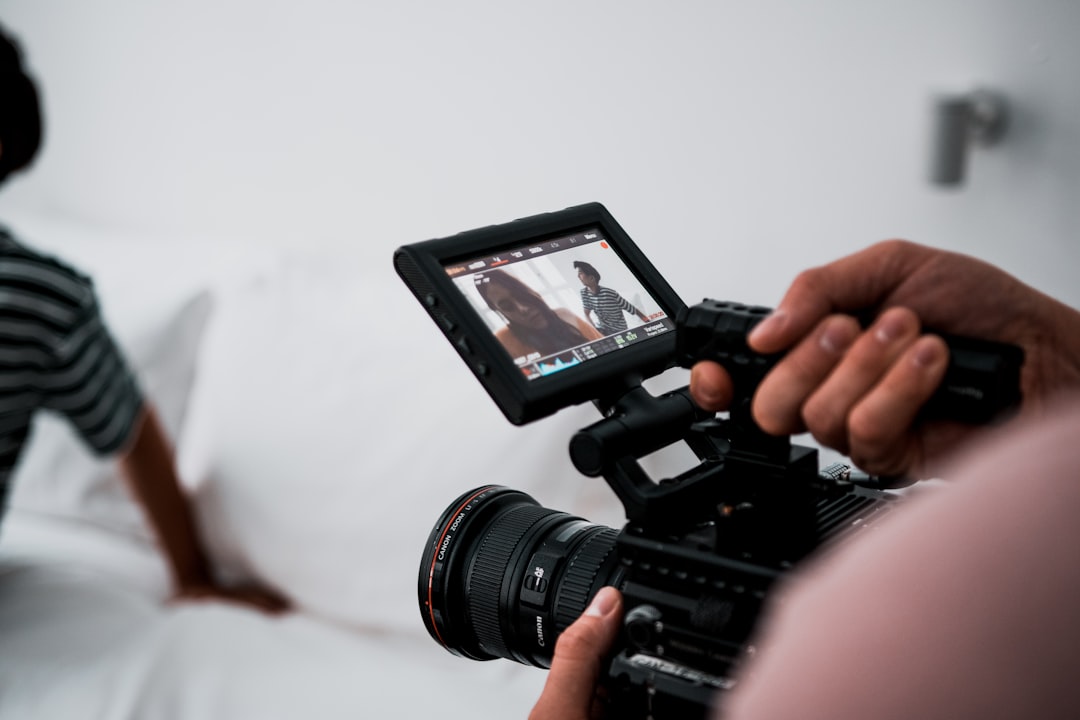
Posting is easy during a busy wedding weekend. The harder question is what to share during the quieter stretches, and that's usually where consistency breaks down. The solution is to treat every event as an opportunity to create content for both now and later.
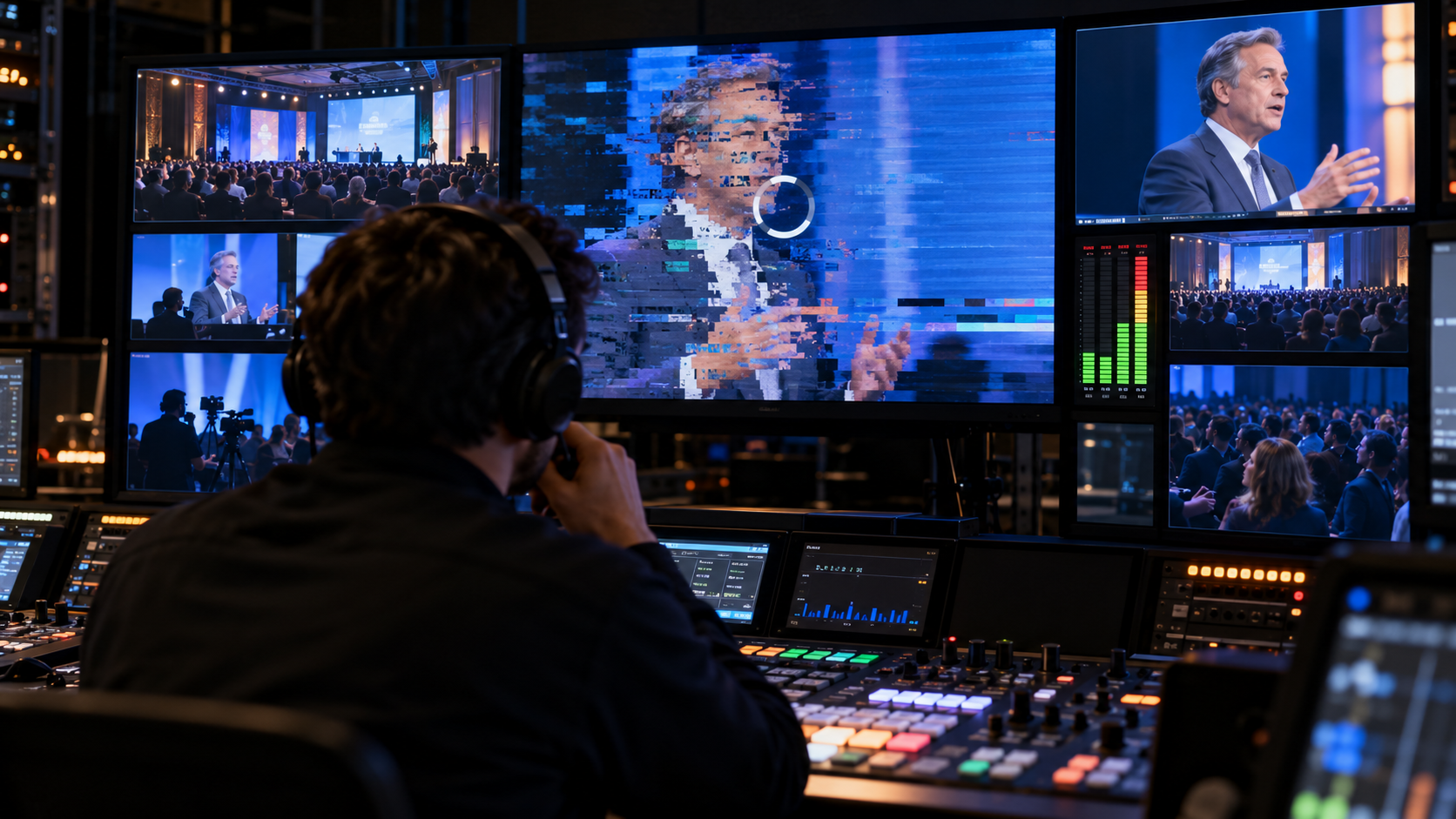
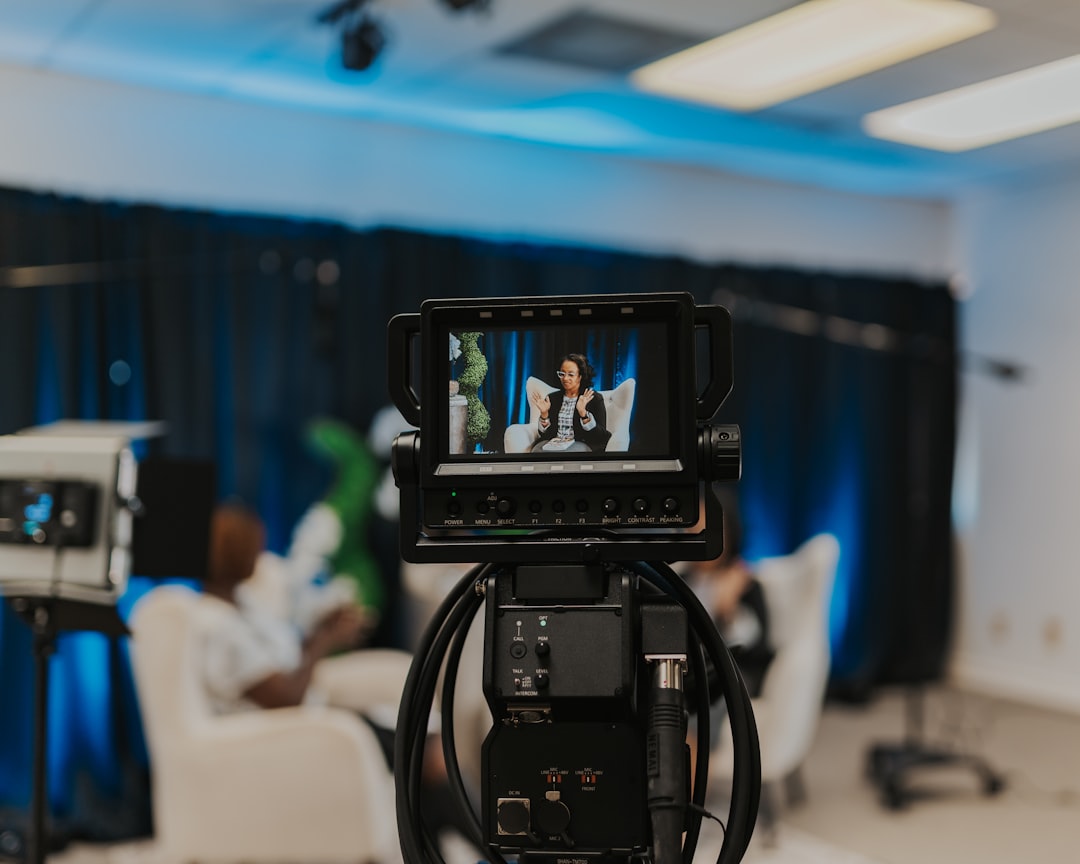
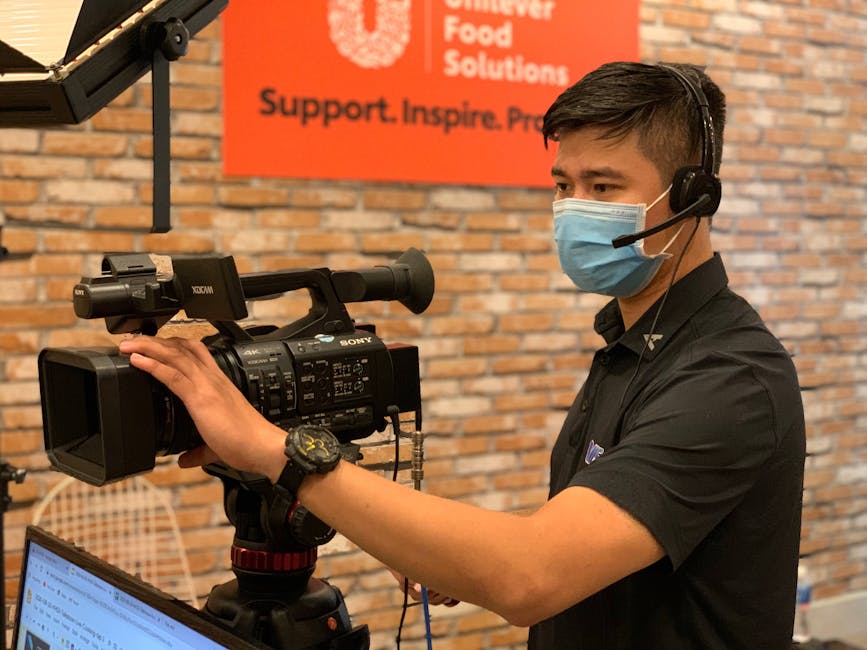
A single weekend can produce enough photography, video, testimonials, planning tips, and behind-the-scenes material to support several weeks of posts. The venue does not need a new wedding every Saturday to stay visible. It needs a system for capturing evergreen material when the property is active. Slower weeks are also a chance to answer questions that busy event coverage rarely addresses.
Those educational posts can help future clients understand the venue before they ever schedule a tour. Consistency matters because prospects may follow a venue for months before they are ready to inquire. If the account disappears between events, the brand can feel less active than it really is. A planned mix of event-driven and evergreen content solves that problem without forcing the team to post just for the sake of posting.
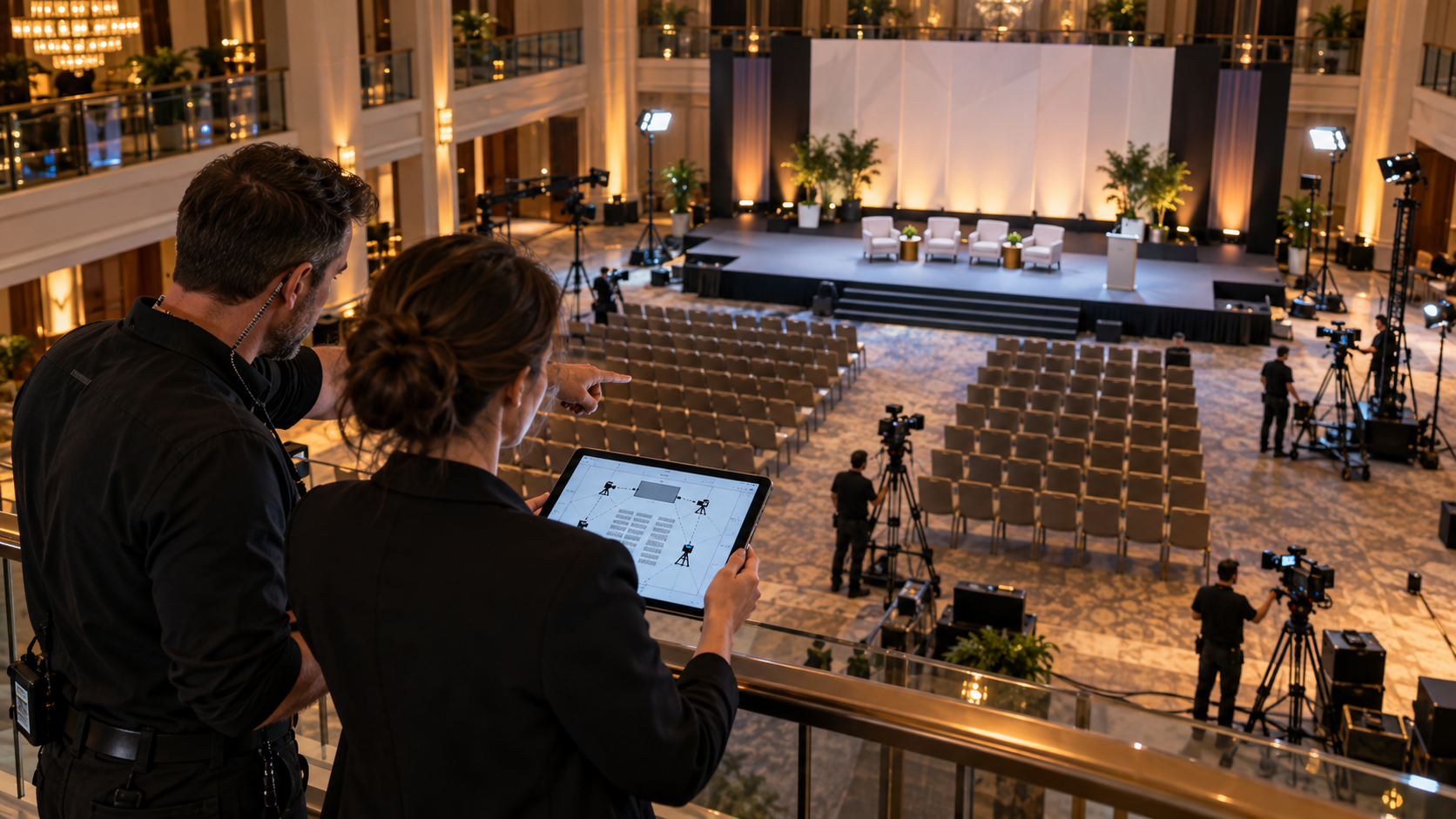
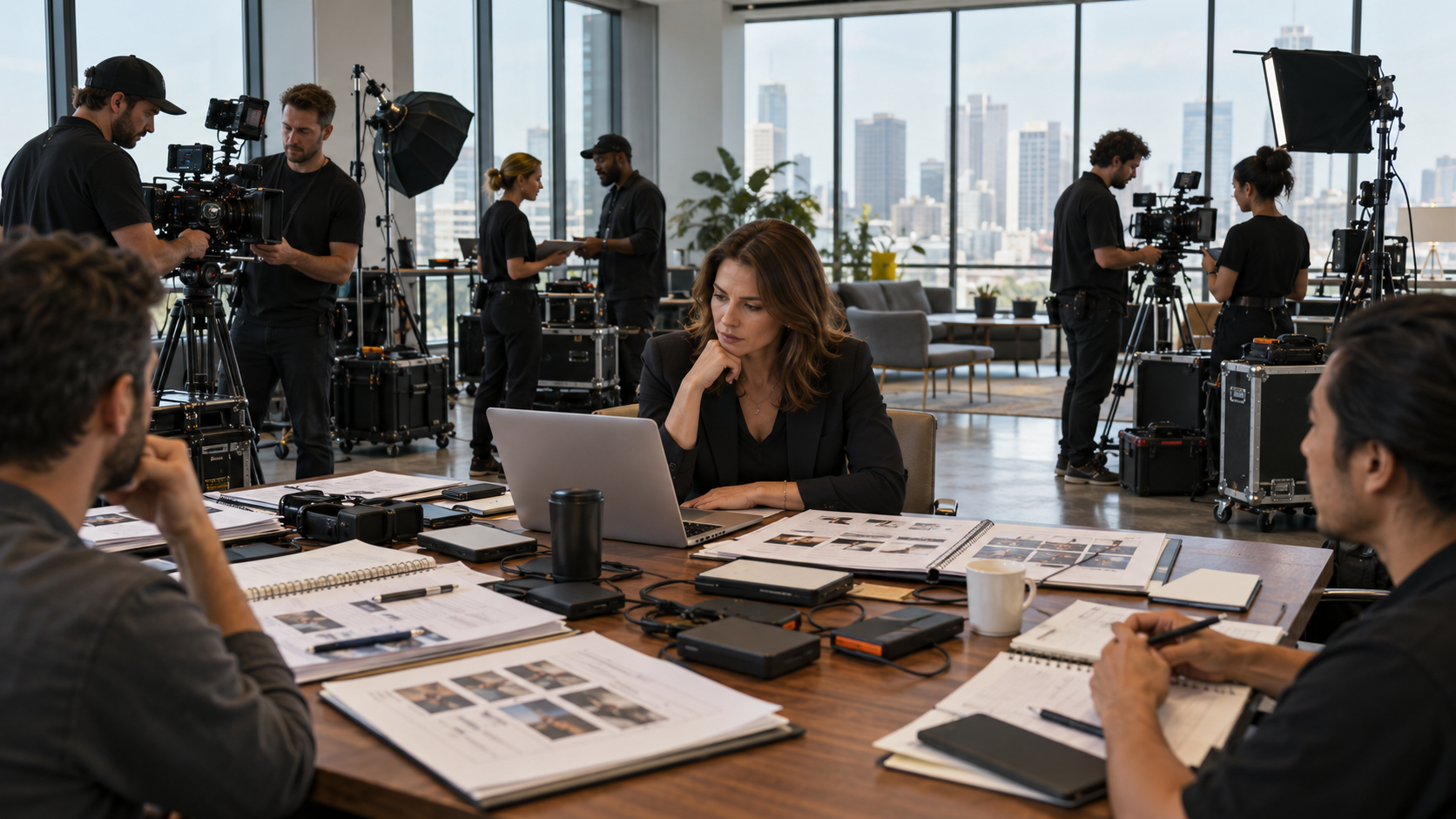
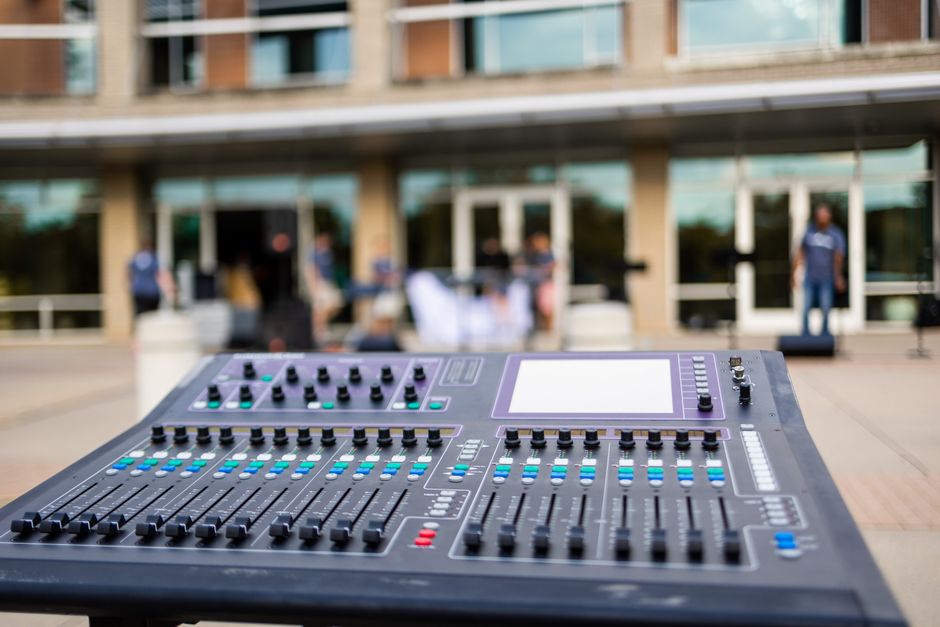
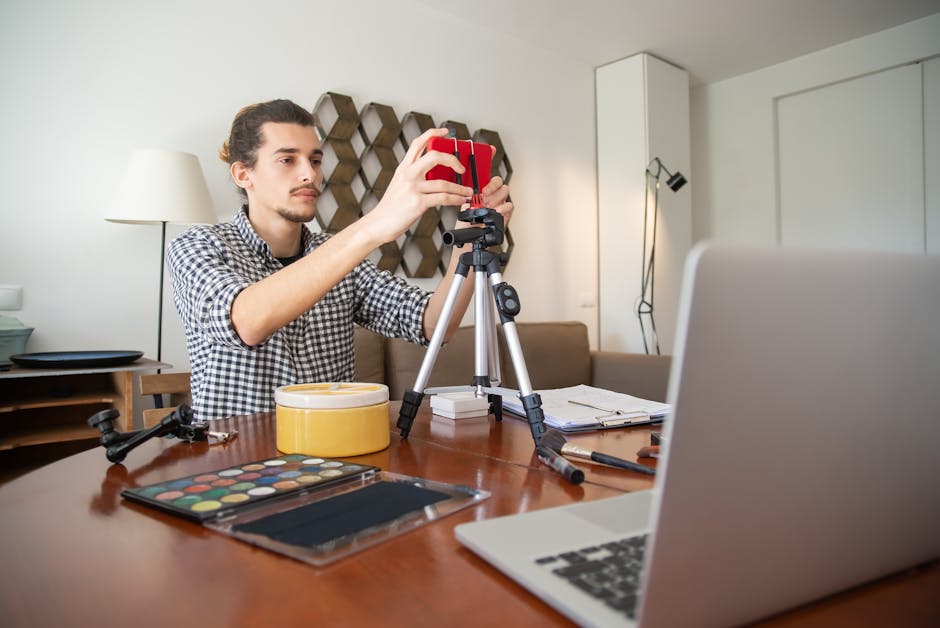
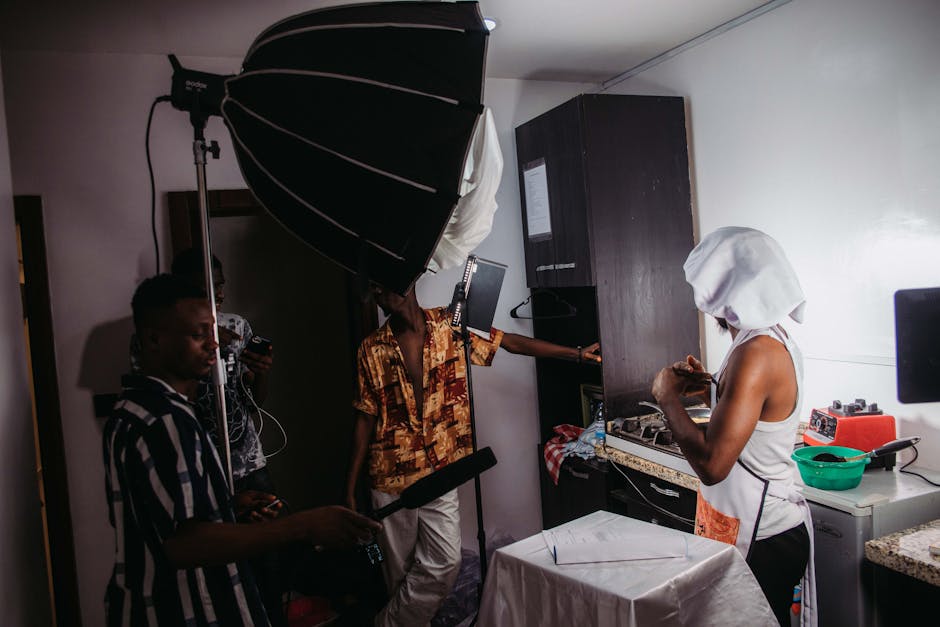
These categories can be captured in batches instead of one post at a time. Setup footage can show the work that happens before guests arrive and demonstrate the level of care behind an event. Vendor spotlights strengthen relationships while giving the audience useful planning ideas and trusted local resources. Team content introduces the people couples or planners may work with after they book, which can make the venue feel more approachable. Seasonal inspiration can show how the same room changes throughout the year. Educational posts can explain timelines, layouts, weather options, and frequently asked questions. Testimonials and past-event stories add proof when there is nothing new happening on-site. The strongest slow-week content still connects directly to the experience of booking or hosting an event at the venue. That keeps the feed relevant rather than filling space with generic lifestyle posts.
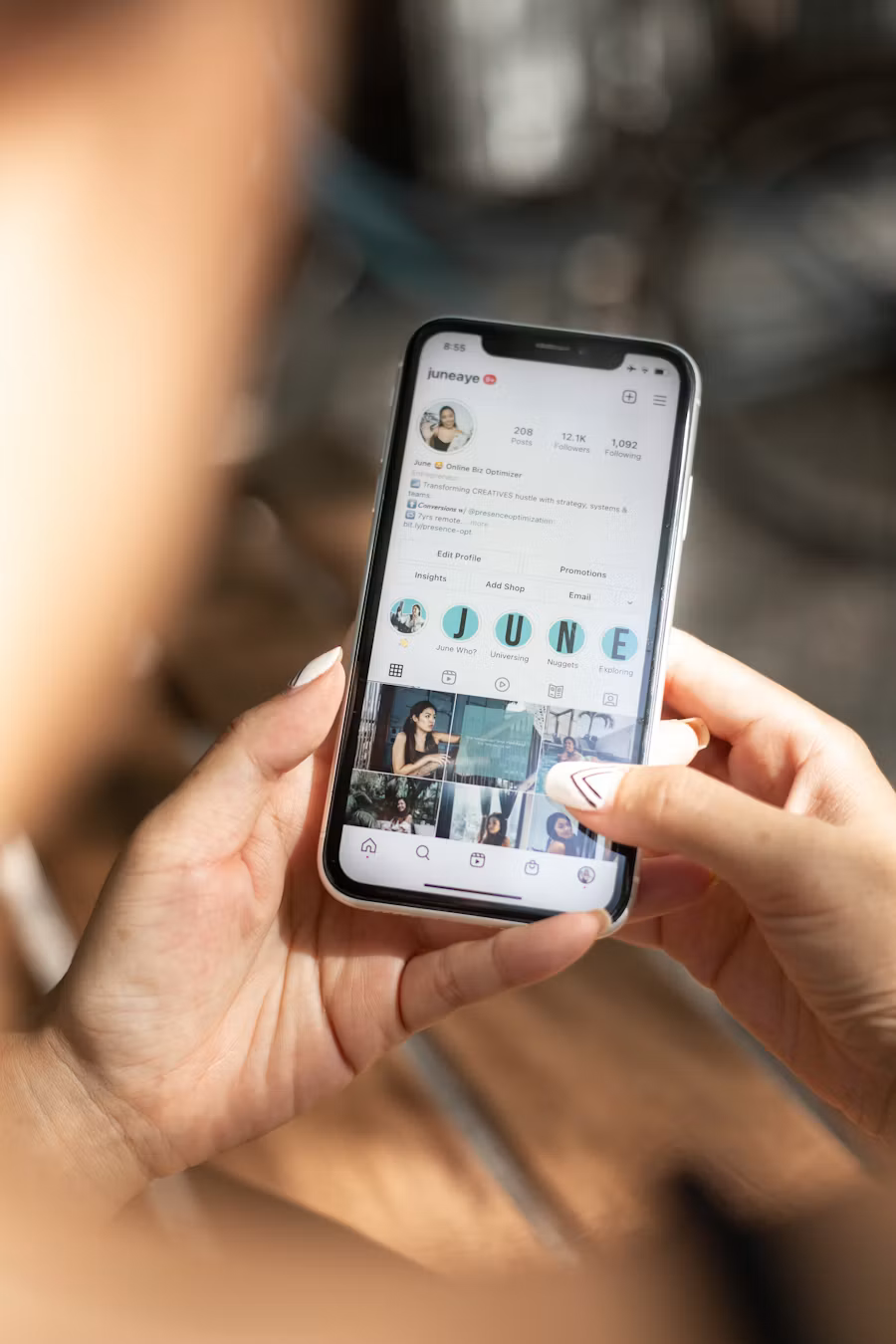
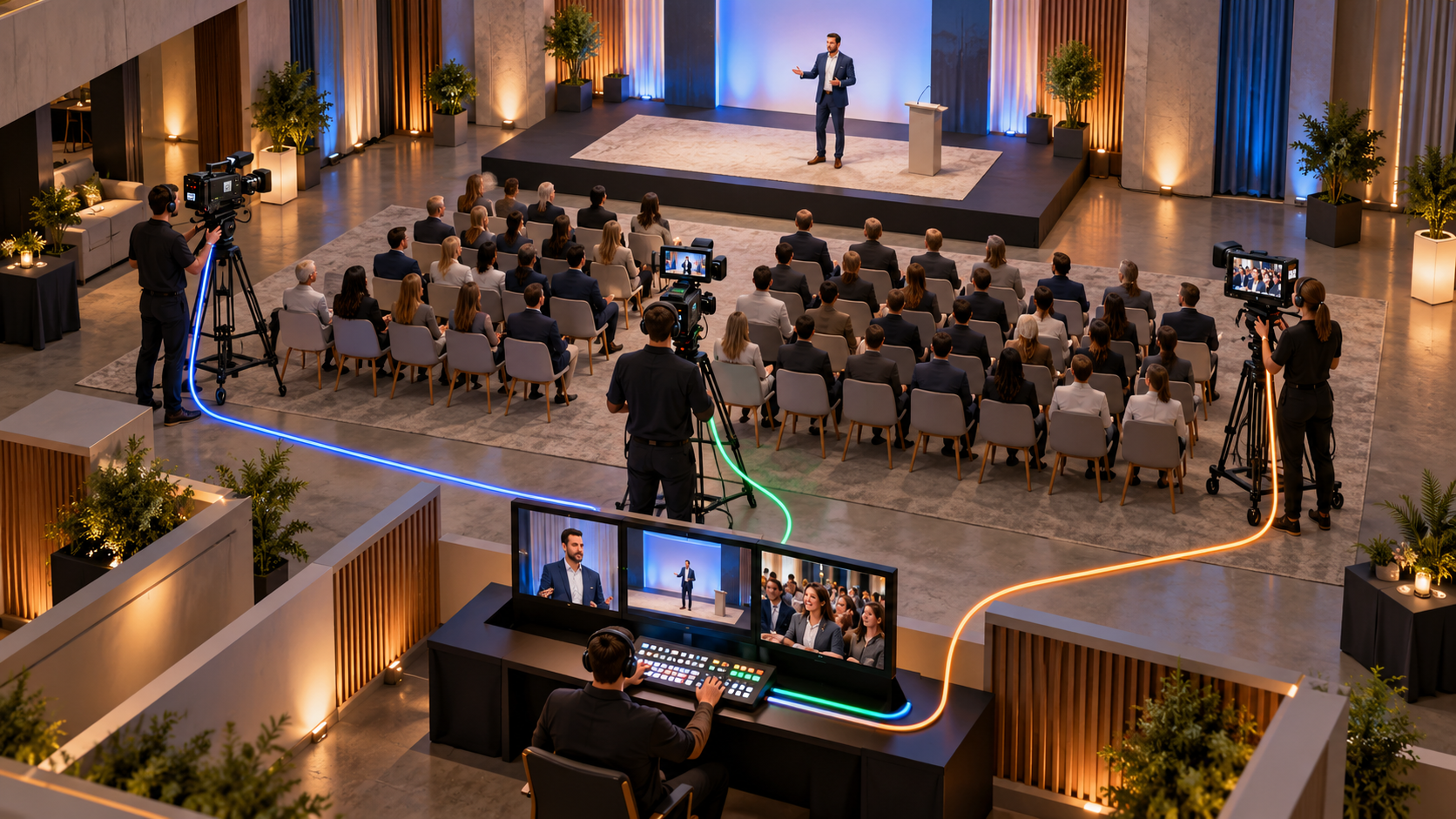
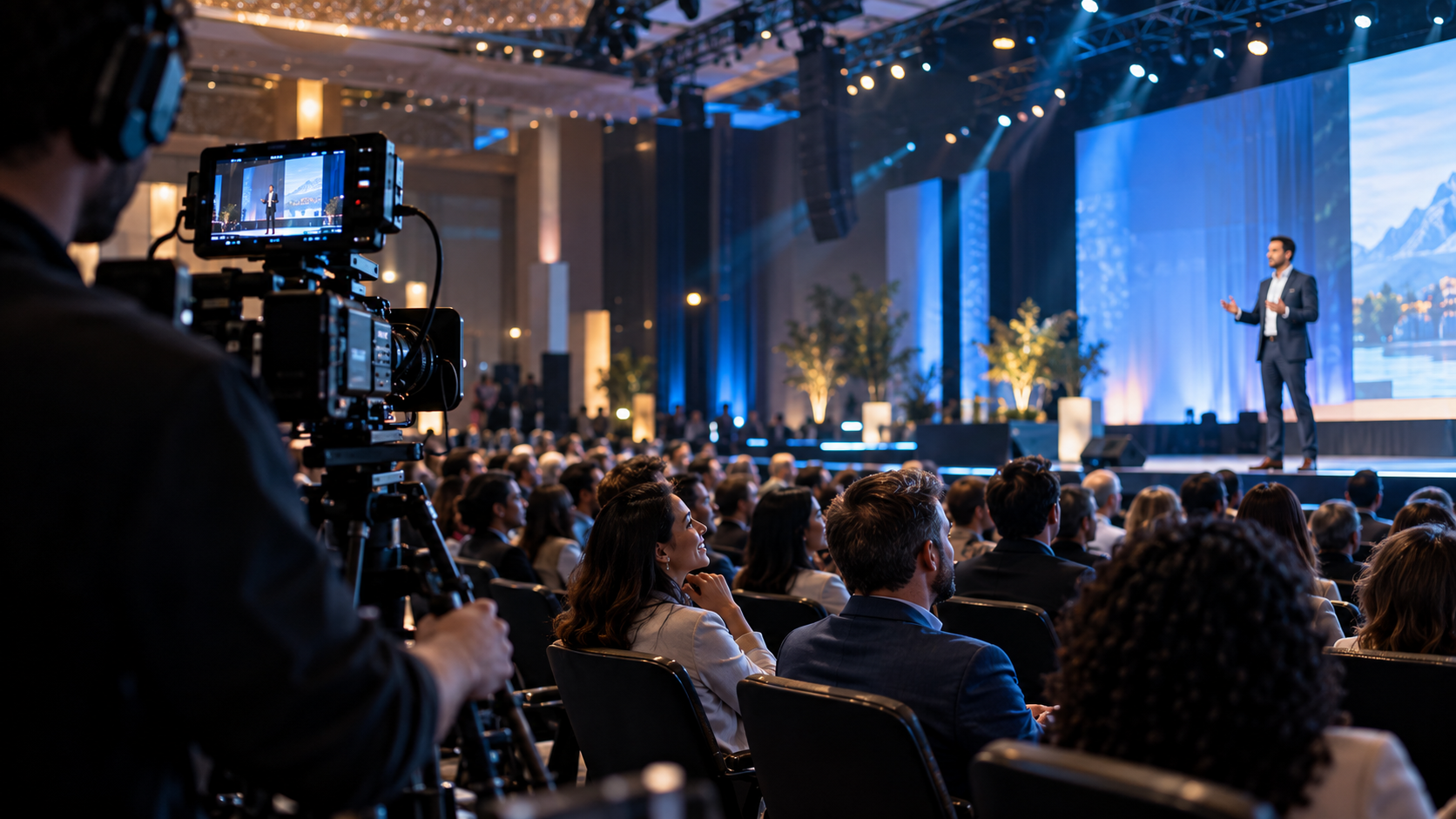
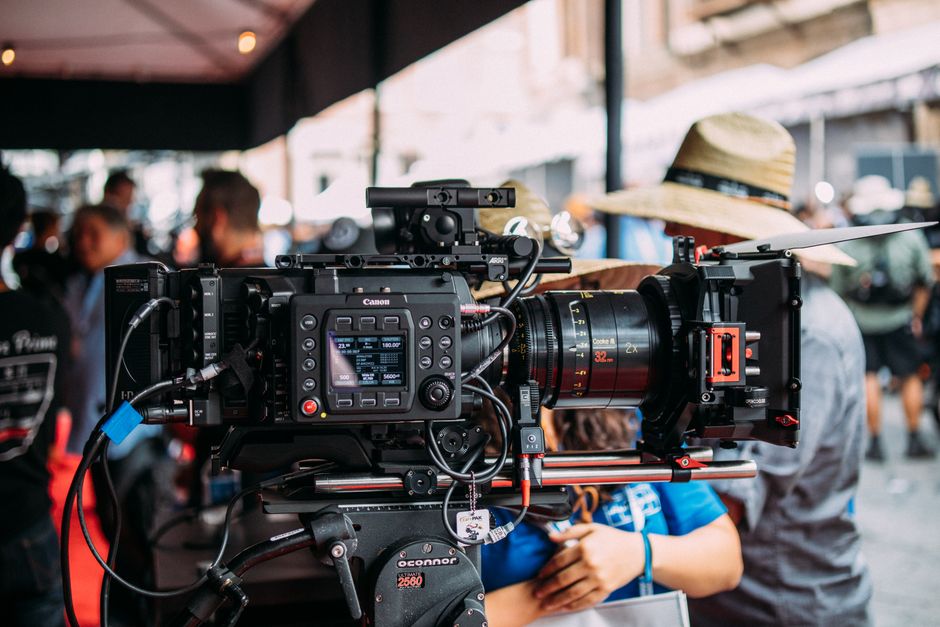
A simple planning rhythm can separate content by the kind of week the venue is having. During an event week, prioritize real-time coverage, room transformations, key details, short highlights, and moments that show the property in use. During a slower week, shift toward behind-the-scenes footage, vendor features, planning education, staff stories, testimonials, and evergreen answers to common questions. The subject changes, but the purpose stays the same: keep giving prospective clients useful reasons to understand and remember the venue. This approach makes the calendar less dependent on whether a wedding or event happens to be taking place that weekend.
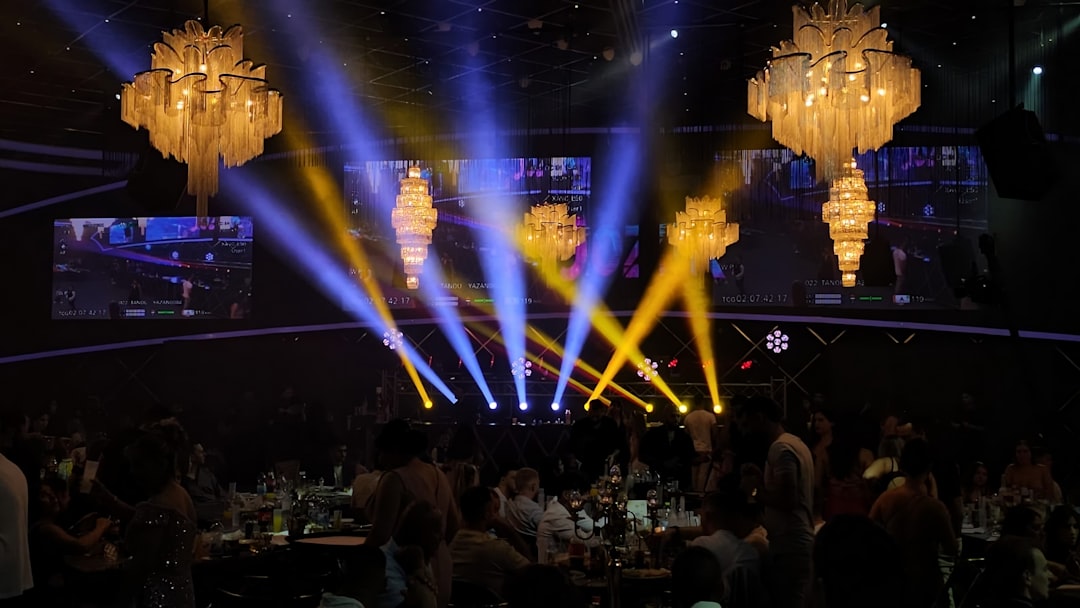
During an Event
The quieter periods are also useful for educational content. Answering common questions about guest count, ceremony layouts, weather plans, vendor policies, parking, or booking timelines can attract people who are actively researching venues even when there is no event happening that weekend. These posts can be especially valuable because they meet prospects while they are actively trying to make decisions. A question about rain plans can become a short video showing the backup ceremony location. A capacity question can become a carousel with several room layouts. Parking information can be paired with an arrival map or guest-experience walkthrough.
Vendor Policy

This content can clarify what is flexible and what is required. Booking-timeline posts can help couples understand when popular dates typically begin to fill. Each answer reduces uncertainty and gives the audience a practical reason to save or share the content. It also gives the sales team a resource they can send when the same question appears in an inquiry. Over time, frequently asked questions can become one of the venue's most dependable evergreen content categories.
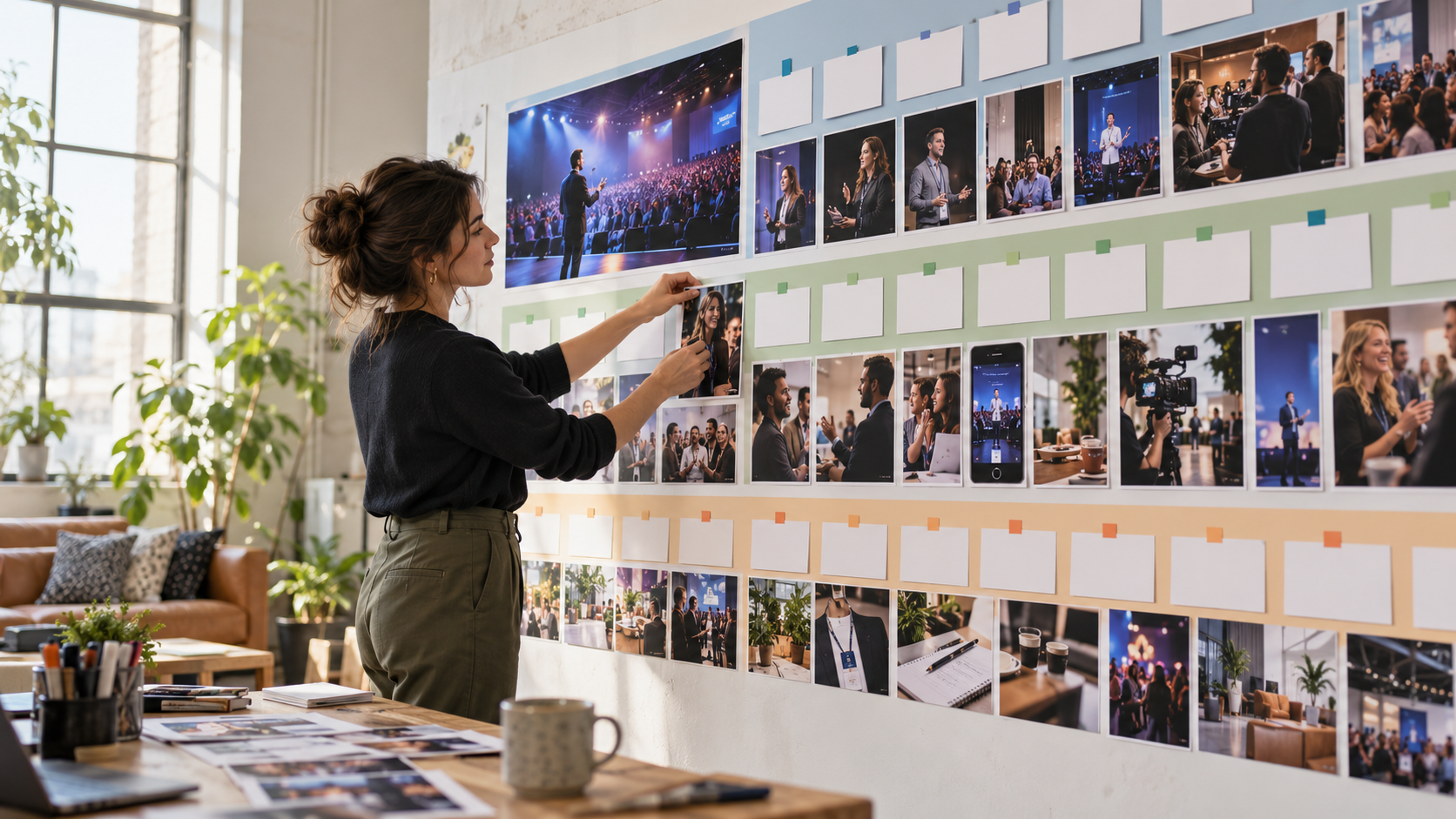
Consistency does not require every post to look the same. Mixing polished event films with candid behind-the-scenes clips, architectural details, team moments, and useful planning information keeps the feed active while still reinforcing the venue's visual identity and experience. Variety also helps the venue show more than one reason to book. A polished highlight film can create emotion, while a quick staff clip can make the brand feel approachable. Architectural details can showcase the property even when no event is taking place.
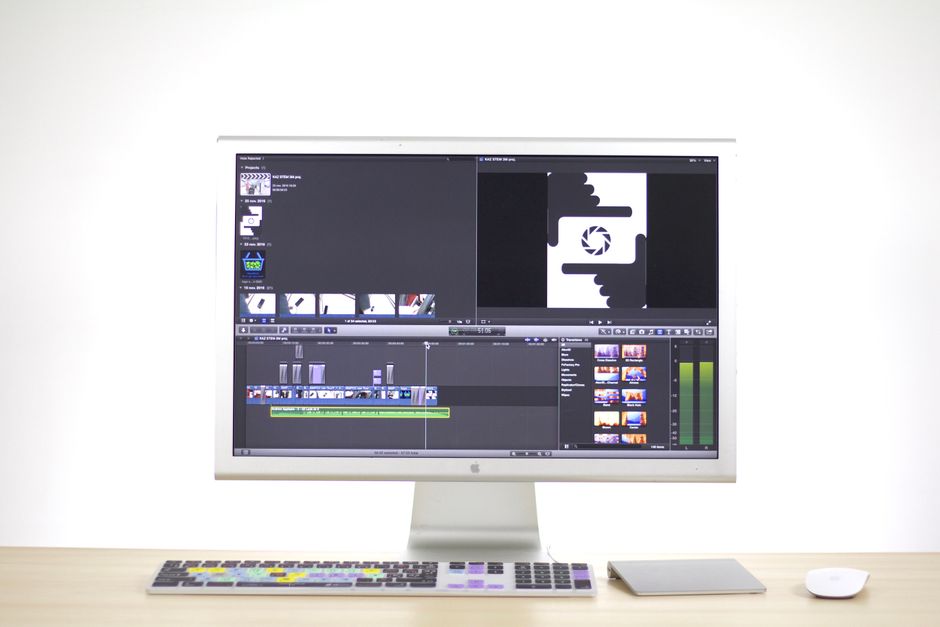
Educational posts can answer objections that might otherwise delay an inquiry. Testimonials provide social proof, and vendor collaborations can introduce the venue to new audiences. These formats should still feel connected through consistent messaging, editing, and visual standards. Reusing a strong topic in multiple formats is often more efficient than inventing a completely new idea. One planning question can become a Reel, carousel, blog section, email tip, and sales follow-up resource. A consistent strategy is easier to sustain when every useful idea can work in more than one place.
Frequently Asked Questions
How far ahead should content be planned?
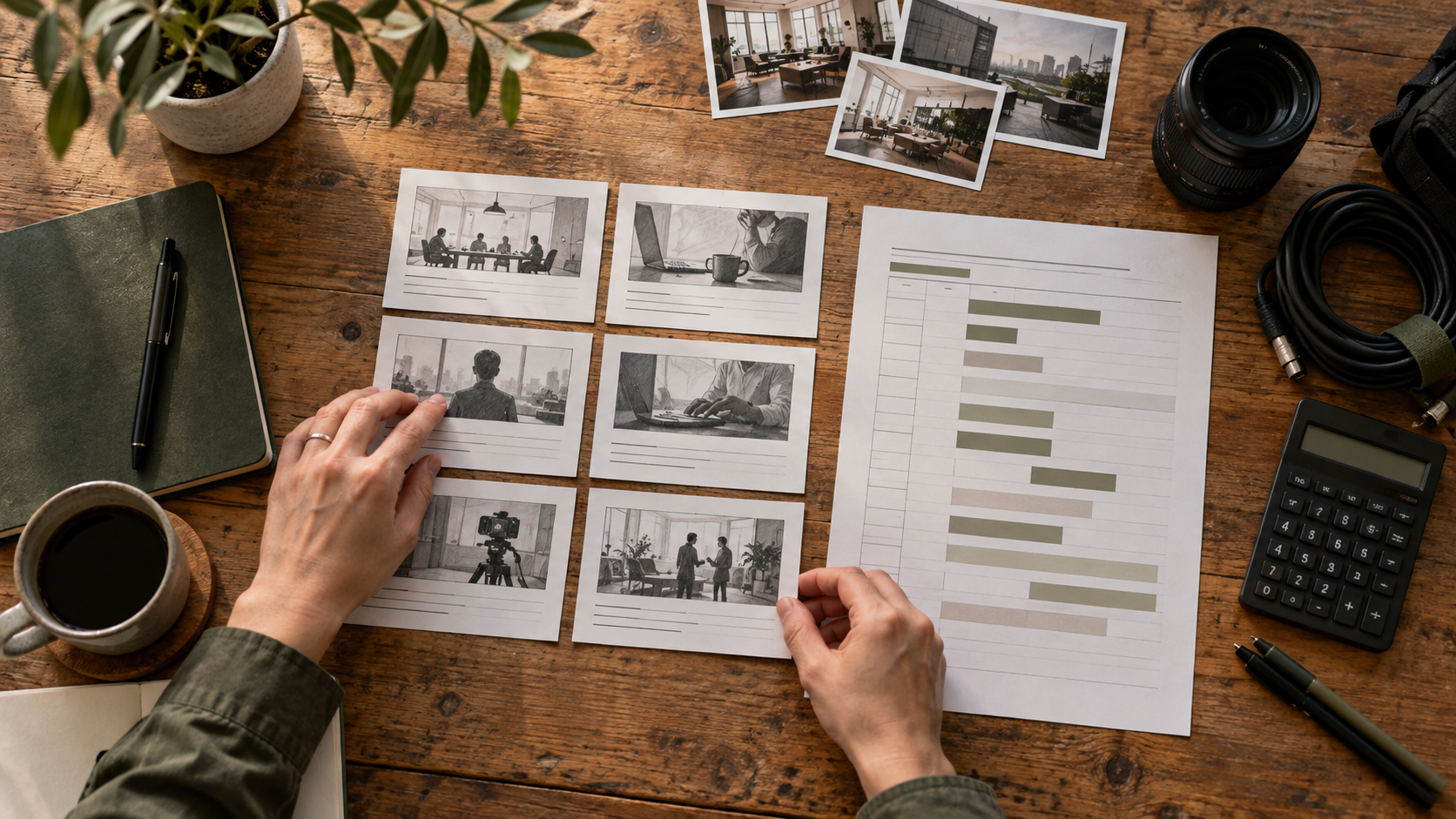
Planning a few weeks out helps smooth over the gaps between events without feeling reactive. A rolling monthly plan is usually enough to create structure without making the content feel rigid. Start with known event dates, seasonal moments, promotions, and venue milestones. Then reserve space for evergreen education, team content, and vendor features. Keeping a small bank of flexible posts makes it easier to respond when an event produces especially strong photos or video. Planning also helps the team request footage before the weekend instead of realizing afterward that an important moment was missed. The calendar should guide production, not prevent spontaneity. Reviewing performance once a month can reveal which themes deserve to appear more often. It also helps prevent the feed from becoming repetitive. A few weeks of visibility gives the team enough time to prepare while still leaving room for timely content.
Does slower-week content still drive bookings?
It plays a different role, keeping the venue visible and building trust between the moments that directly convert. A post published during a quiet week may not produce an inquiry that same day, but it can influence someone who is still building a shortlist. Venue decisions usually involve repeated exposure across search, social media, reviews, websites, and referrals. Educational content keeps the venue useful during that research period. Behind-the-scenes content can make the team feel more familiar before a tour. Vendor features can expand reach through partner audiences. Evergreen venue tips can also earn saves and shares, extending the life of the post beyond the day it was published. The value is cumulative rather than tied to one isolated conversion. That is why slower-week content should be evaluated as part of the broader buyer journey. Visibility and trust created now can support the inquiry that happens later.
The Bottom Line
The quiet weeks are where consistency either gets built or falls apart, and consistency is what the algorithm and the audience both respond to. A dependable content rhythm keeps the venue familiar to couples and planners who may be researching for weeks or months before they inquire. It also prevents the marketing team from treating every quiet week like an emergency. When evergreen content is captured intentionally, the venue can stay active without manufacturing something new every day.
Related Reading
Motlow Pro Media home
Motlow Pro Media blog
The Knot
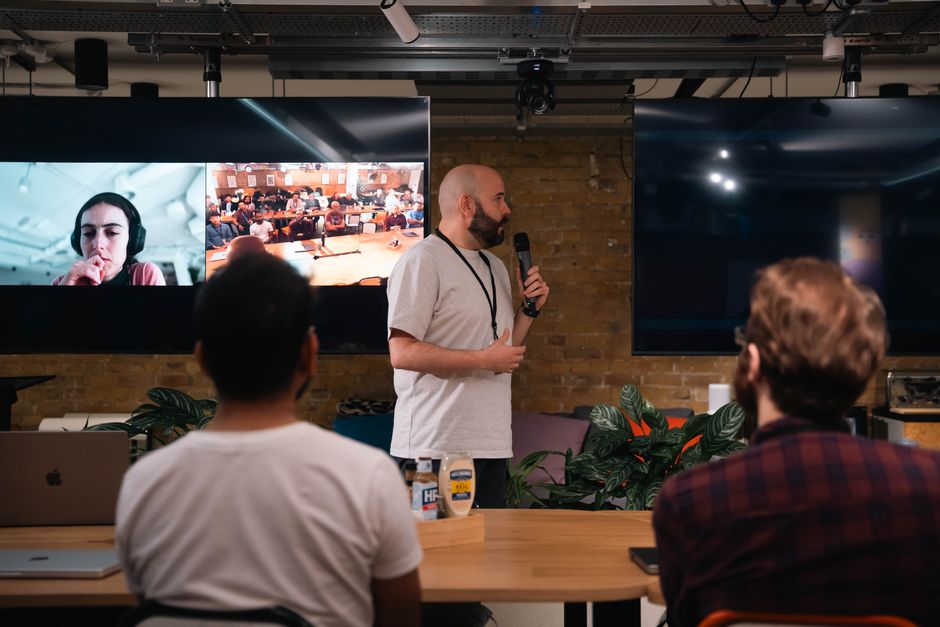
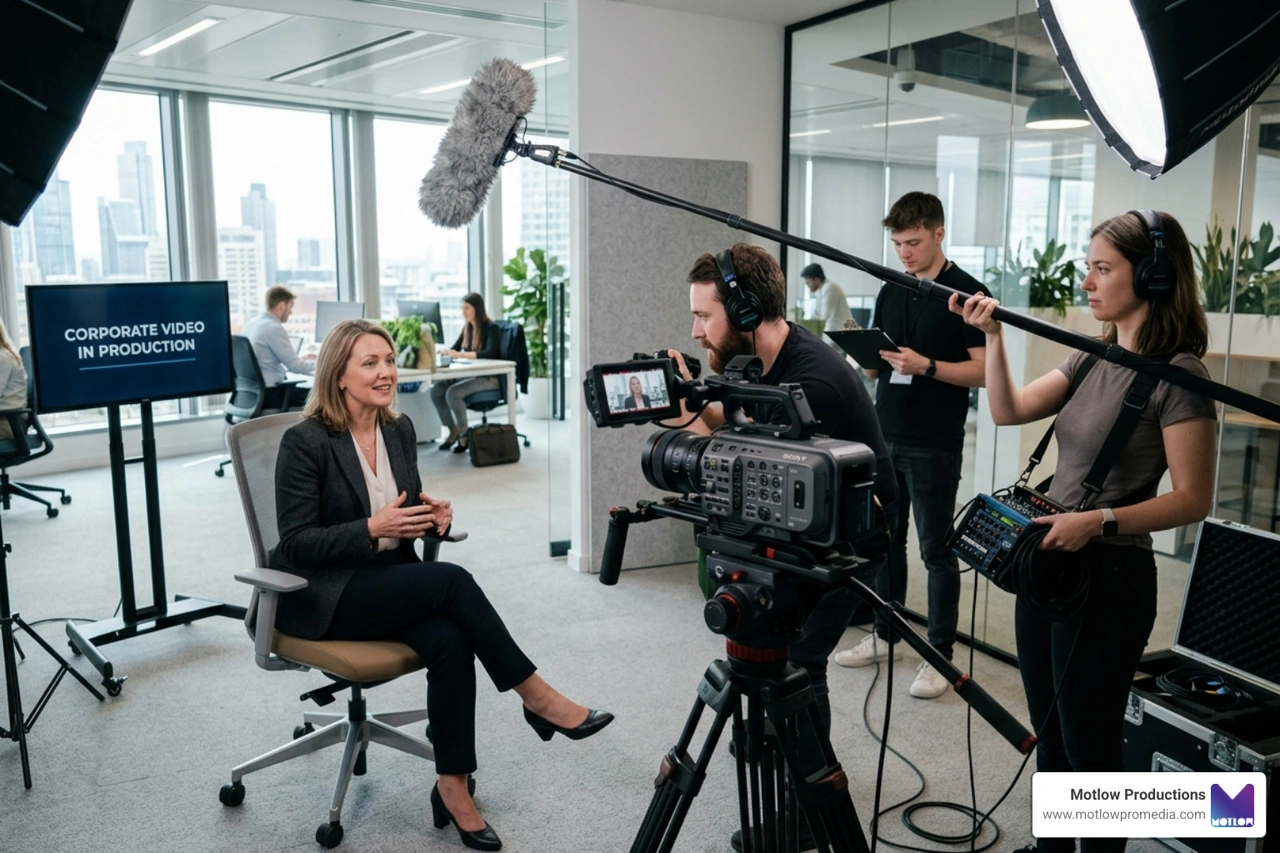
Some clients want to give notes in a live Zoom call. Others prefer a group text or email thread. However you like to communicate, we adapt. You’ll never be left guessing where things stand - and you’ll always have a say before anything goes out the door.





Phone:
+1 863-250-8639
.png)
Email:
info@motlowpromedia.com