-5.jpg)




























Thank you! Your submission has been received!
Oops! Something went wrong while submitting the form.

.avif)
June 18, 2026
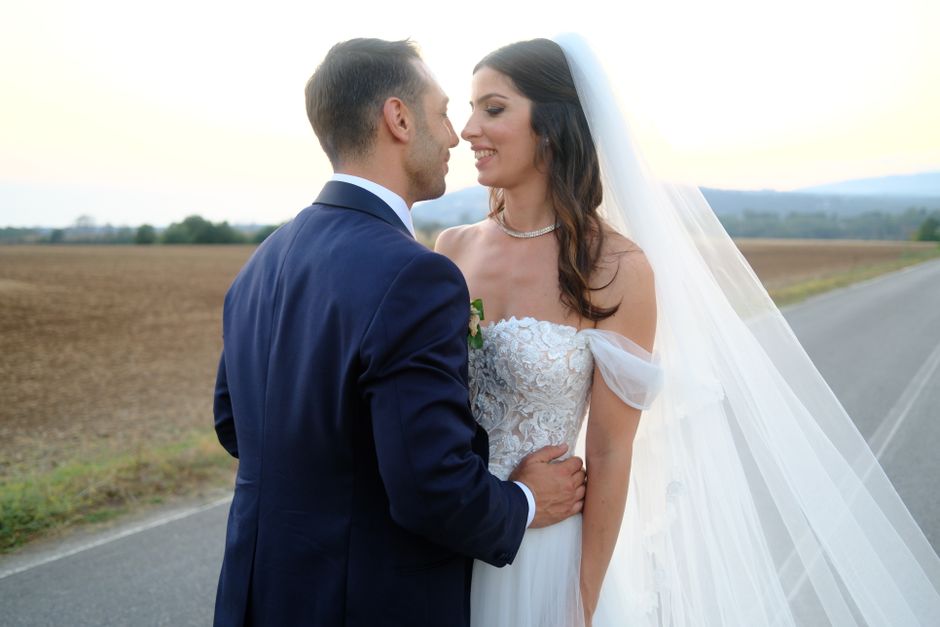
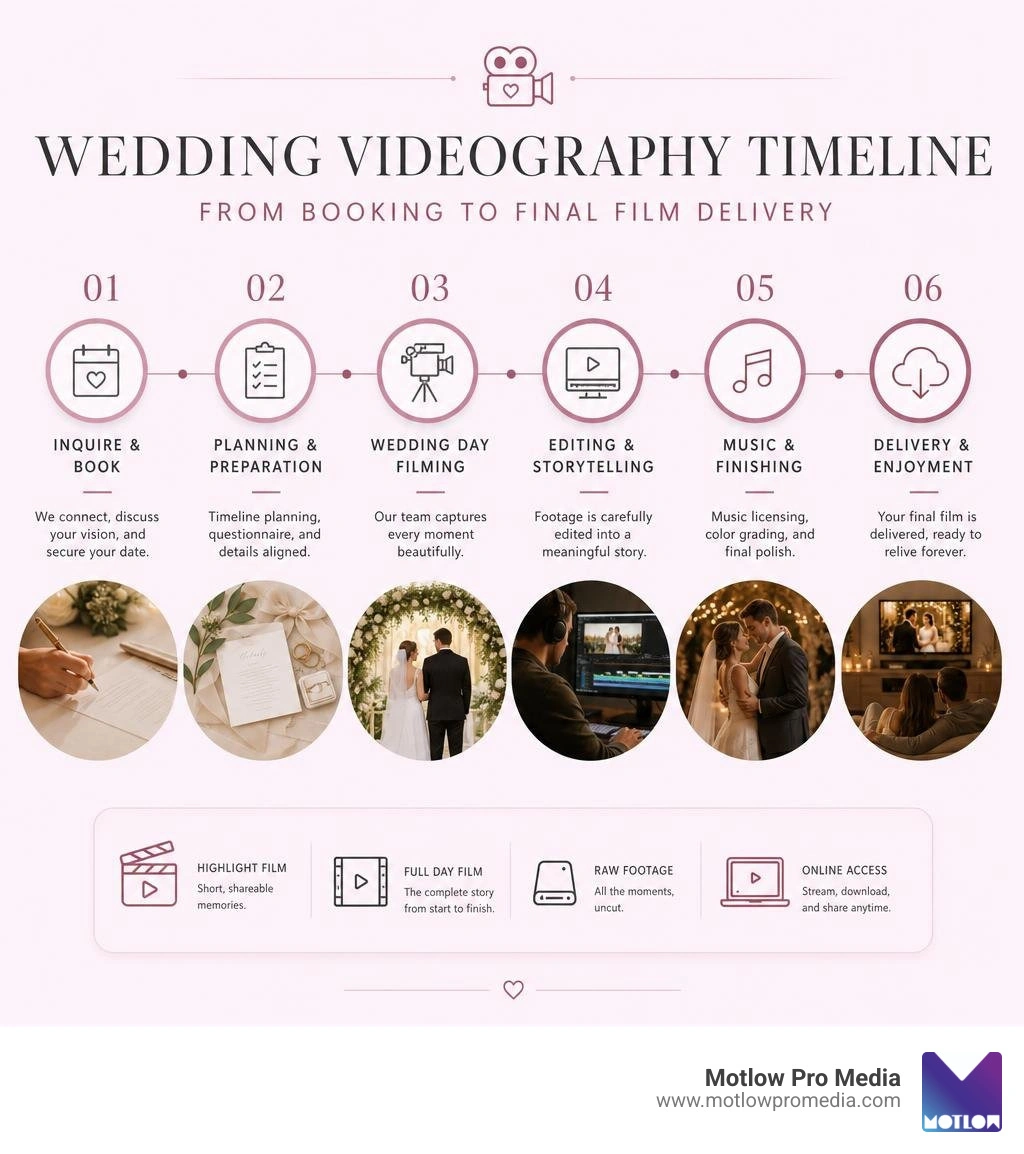
Wedding video production is the process of planning, filming, and editing professional footage of your wedding day into a lasting film you can watch for decades.
Here's a quick overview of what it involves:
| Stage | What Happens |
|---|---|
| Pre-production | Style selection, booking, timeline planning |
| Production | Multi-camera filming, audio capture, drone footage |
| Post-production | Editing, color grading, music licensing, delivery |
| Deliverables | Highlight reel, full-day edit, raw footage, online hosting |
A few numbers worth knowing before you dive in:
The wedding day moves fast. Most couples say it felt like a blur. A well-made wedding film doesn't just document what happened — it captures how it felt. The nervous laugh before the ceremony. The way your parent's face looked during the first dance. The inside jokes in the best man's speech.
That emotional layer is what separates a great wedding film from simple event footage.
I'm Miranda Motlow, founder of Motlow Pro Media, where I lead a team specializing in short-form and long-form wedding video production and live event coverage for clients in Tampa, Florida. My background as a special projects reporter and video producer gives me a journalism-first lens — one that prioritizes authentic storytelling over cookie-cutter content.
Before you begin reaching out to local filmmakers, it helps to understand the vocabulary of wedding cinematography. Different studios approach the wedding day with distinct artistic philosophies. Choosing the right style ensures your final film aligns with your personal taste and the overall vibe of your celebration.
Here is a quick breakdown of how the two most common edits compare:
| Feature | Highlight Reel (Short-Form) | Full-Day Edit (Long-Format) |
|---|---|---|
| Average Length | 4 to 12 minutes | 1 to 3 hours |
| Structure | Artistic, non-linear, music-driven | Chronological, comprehensive |
| Best For | Social sharing, emotional impact, quick viewing | Preserving entire toasts, full dances, legacy archive |
| Pacing | Fast-paced, highly stylized | Natural, real-time pacing |
The cinematic approach treats your wedding day like a movie. Rather than simply documenting events in order, cinematic wedding filmmakers use creative camera angles, intentional lighting, and non-linear editing to build an emotional narrative.
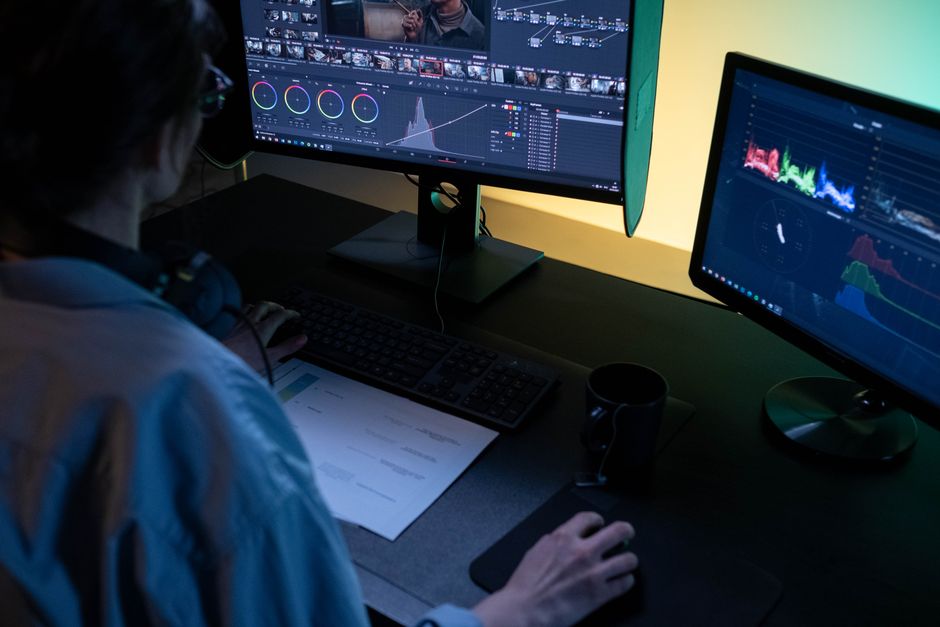
In a cinematic edit, we might play audio from the emotional speeches given during the reception over footage of you getting ready in the morning. This technique, known as time-shifting, adds depth and context to the visuals. Cinematic films rely heavily on high-end color grading (giving the film a polished, movie-like aesthetic) and a carefully curated soundtrack.
If you appreciate artistic shot composition, dramatic pacing, and a film that feels like a Hollywood romance, this is your style. Creative agencies emphasize this high-art approach, proving that wedding films can transcend basic documentation.
If the cinematic style is a Hollywood feature, the documentary style is a beautifully shot real-life chronicle. Often referred to as "journalistic" or "observational," this approach prioritizes real, unstaged moments.
As documentary-style filmmakers, we avoid directing you or asking you to repeat actions for the camera. Instead, we blend into the background, capturing events exactly as they unfold naturally. The editing style is typically chronological, preserving the organic rhythm of the day.
Premium destination filmmakers focus heavily on this quiet, documentary-led approach, proving that the most profound memories often happen in subtle, unscripted glances. If you want your film to feel raw, honest, and completely true to life, the documentary style is an excellent fit.
When choosing a package, you will likely choose between a highlight film and a long-format edit (or opt for a package that includes both).
Other creative approaches exist across the industry, showing just how diverse your styling choices can be.
Once you have a vision for your film's style, it is time to navigate the booking process. Securing the right filmmaker requires understanding where to look, how much to budget, and when to lock in your date.

When starting your search, you will likely encounter massive wedding directories alongside independent boutique studios.
In 2026, the average cost of a professional wedding videographer in the United States sits around $2,300. However, pricing varies significantly based on your location, the provider's experience level, and the complexity of your package:
If you are looking at local specialists, you will find packages tailored to various budget tiers.
Because most wedding videographers can only film one wedding per day (especially solo operators or boutique teams), peak dates book up incredibly fast.
We recommend booking your videographer 9 to 12 months in advance of your wedding date. If you are planning a wedding during peak Florida seasons (such as October through April in Tampa), booking even earlier is highly advised.
To secure your date, most professional studios require a signed contract and a non-refundable retainer deposit, typically ranging from 30% to 50% of the total package price. The remaining balance is generally due 30 days before the wedding day.
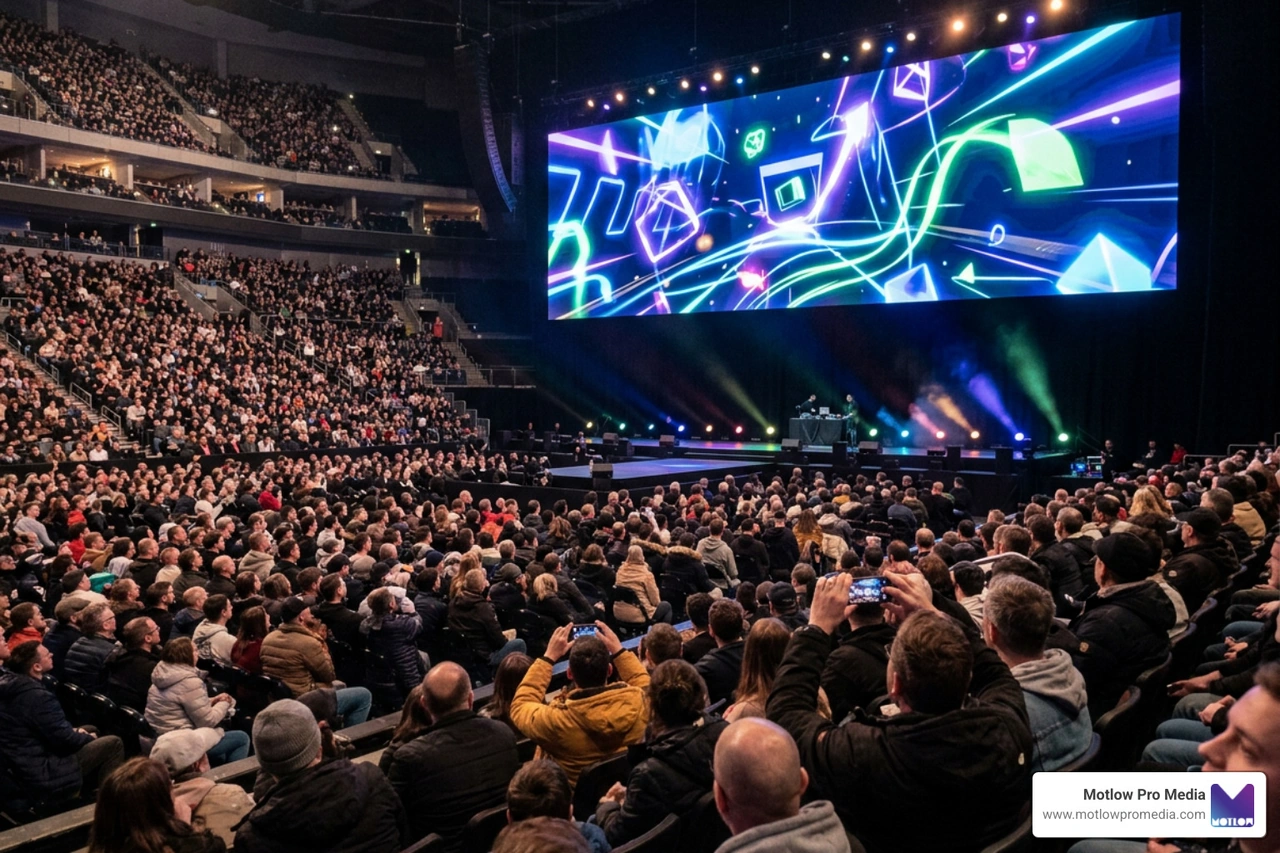
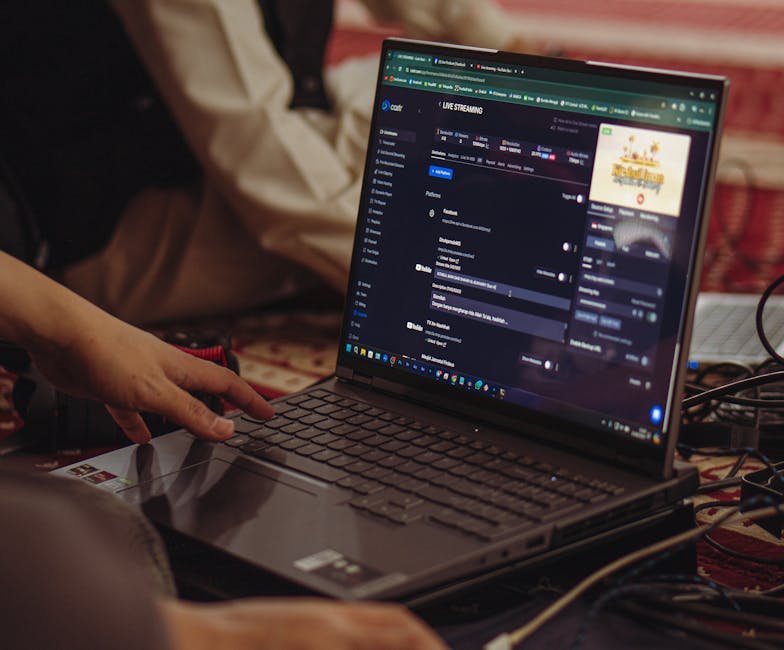
For couples who want to ensure their distant loved ones can participate in the day in real-time, integrating a professional Live Event Streaming service alongside your traditional video package is a fantastic modern solution.
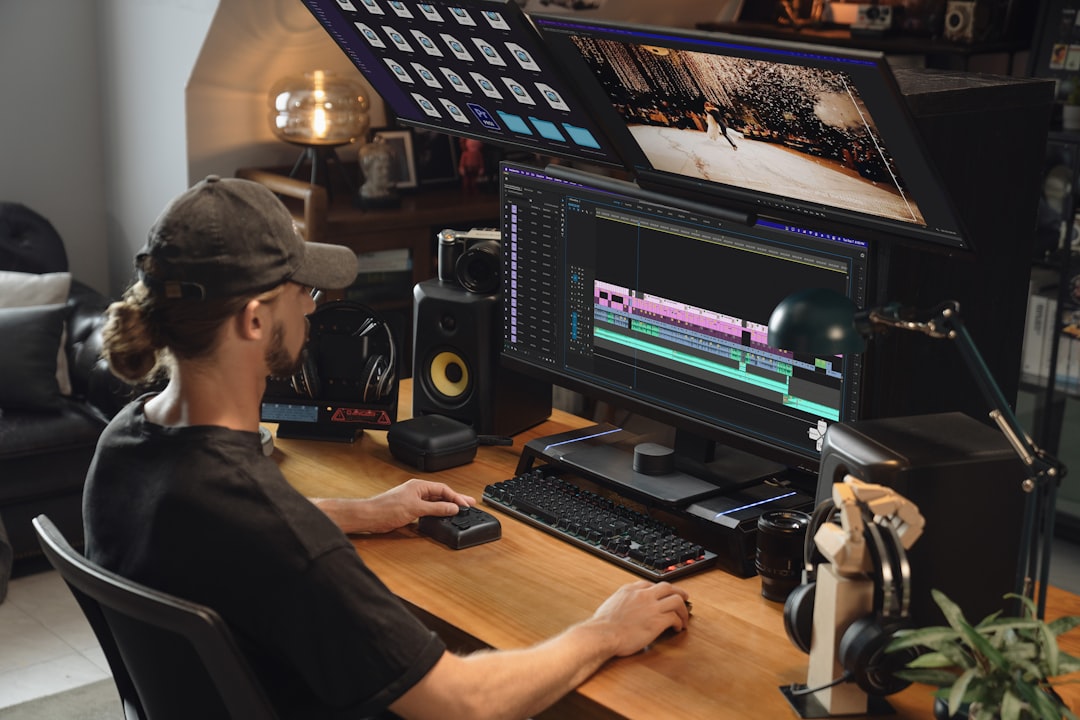
A beautiful wedding film is the marriage of artistic vision and technical execution. Understanding the technical side of wedding video production helps you appreciate what goes on behind the scenes to make your film look and sound spectacular.
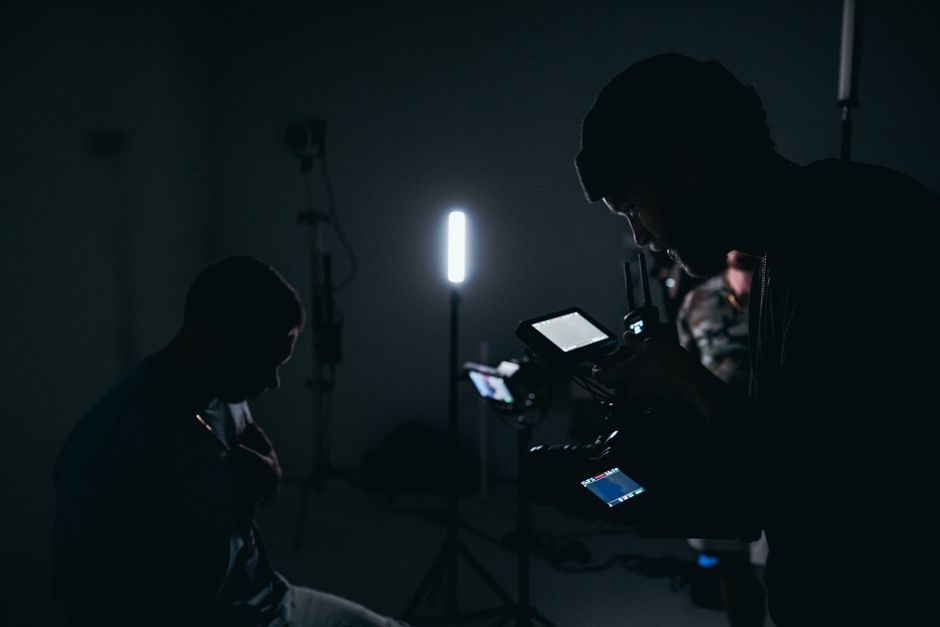
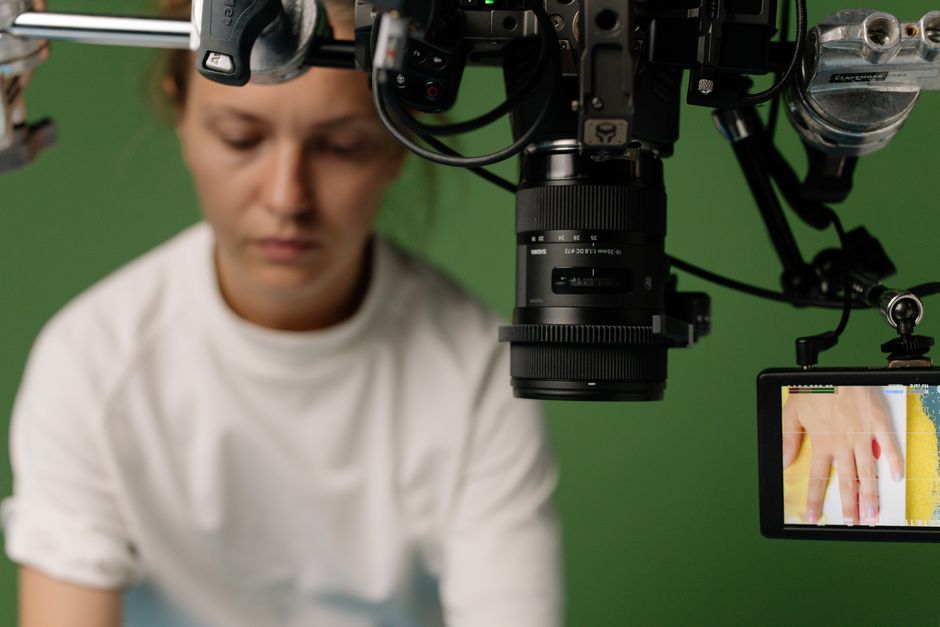
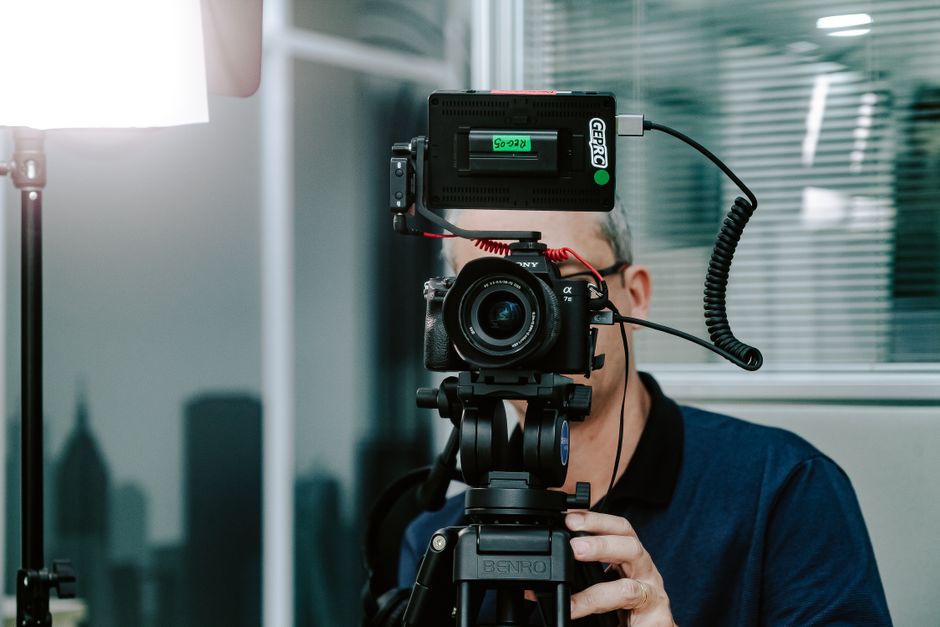
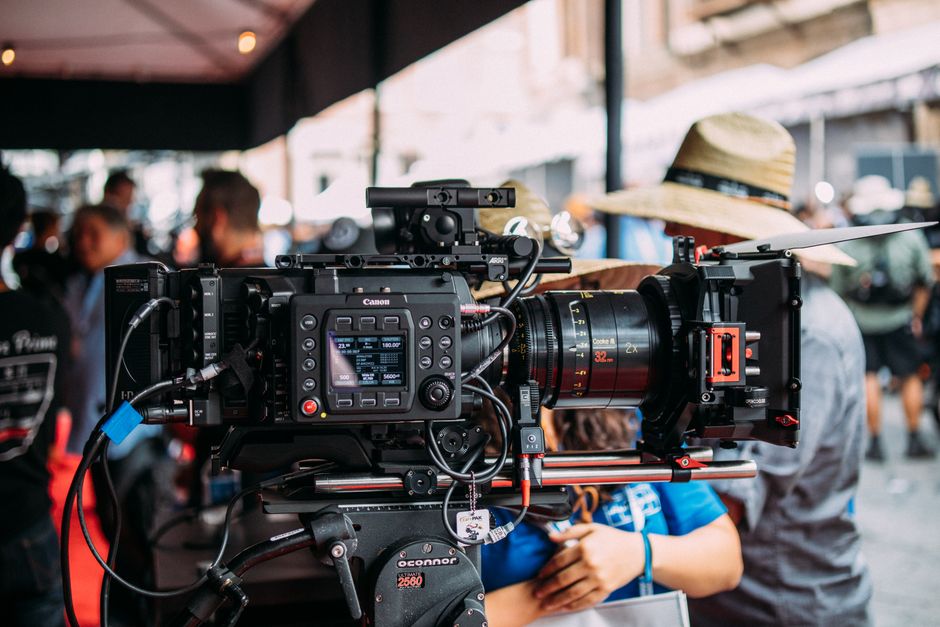
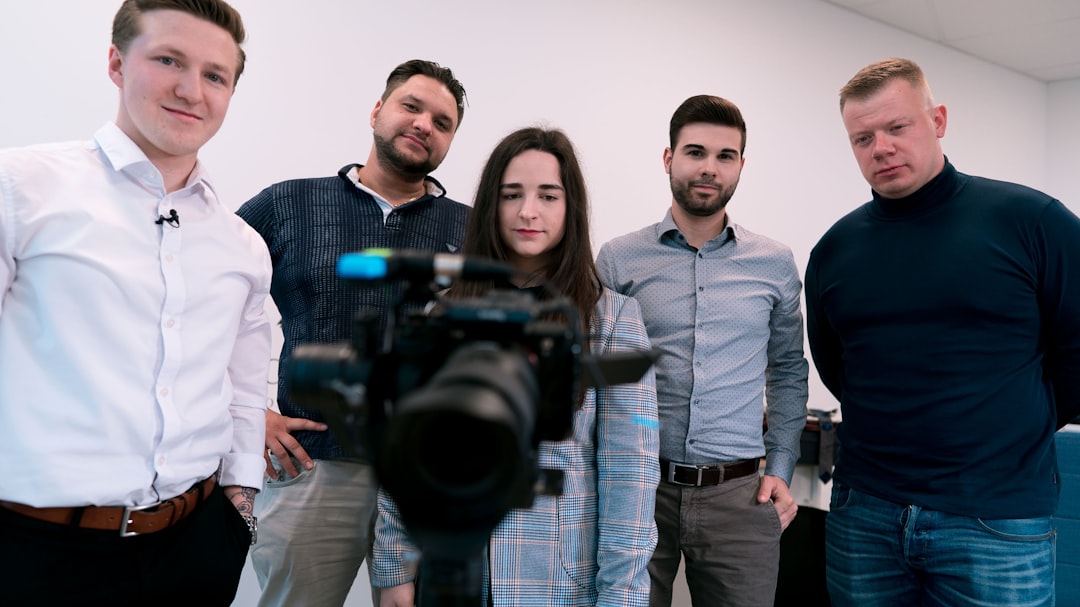
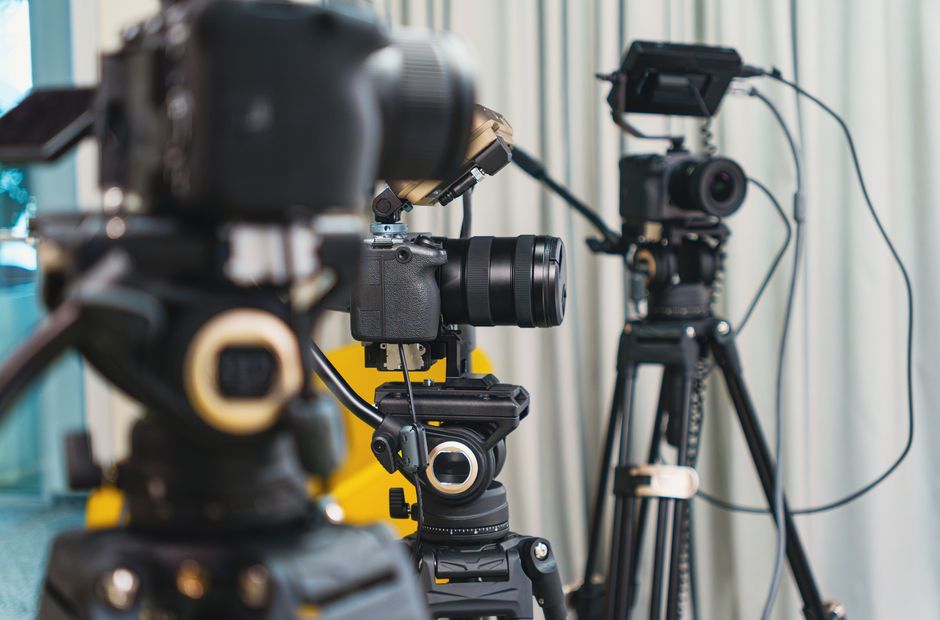
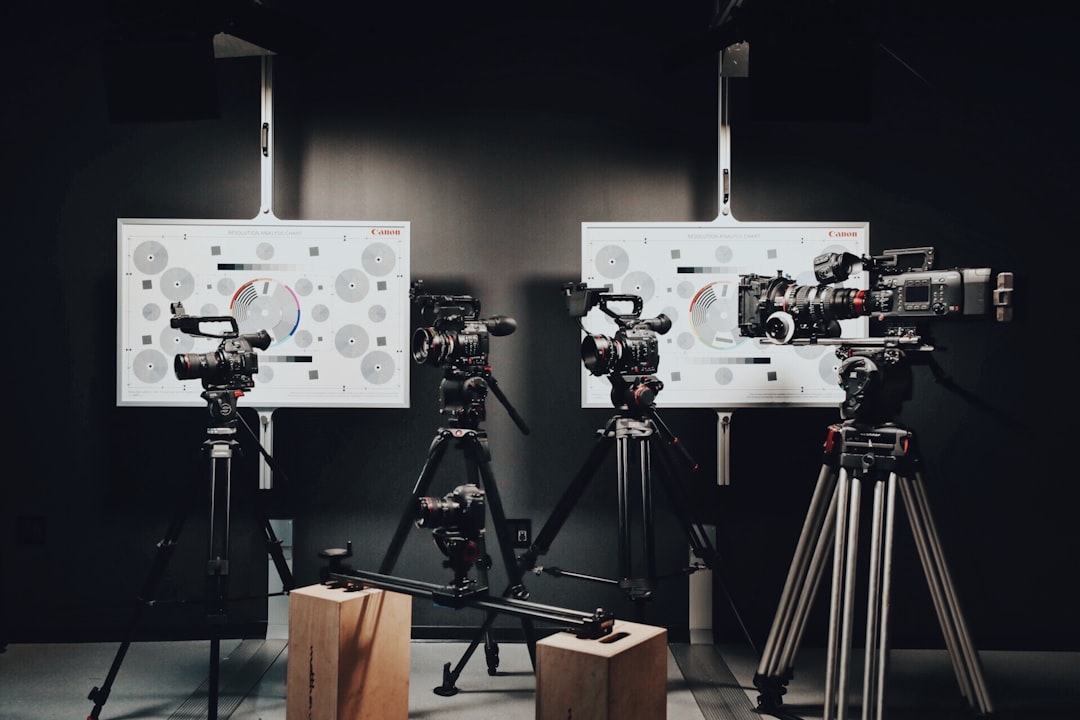
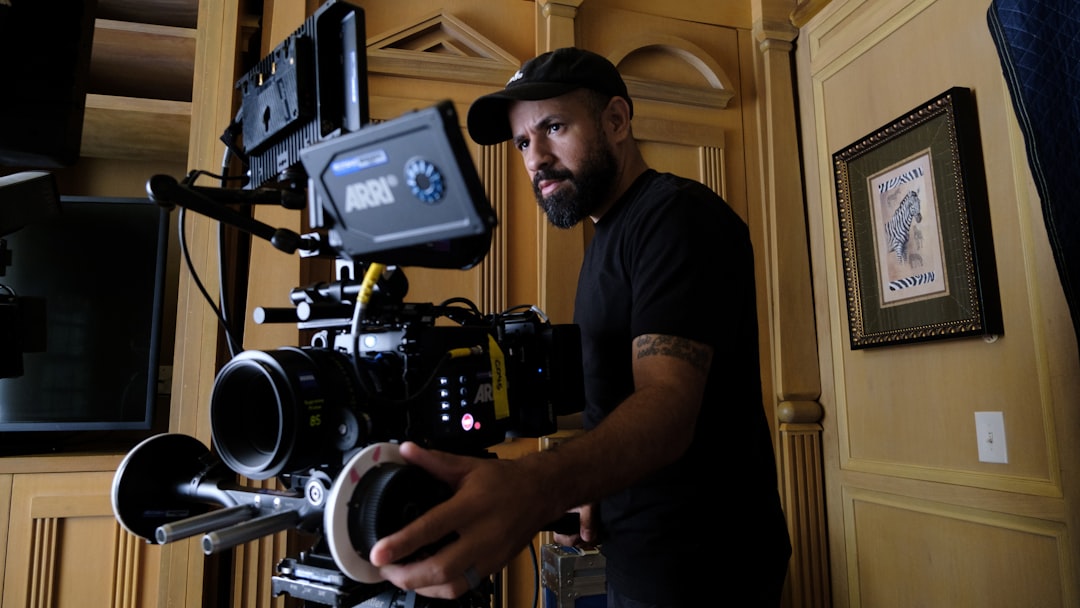
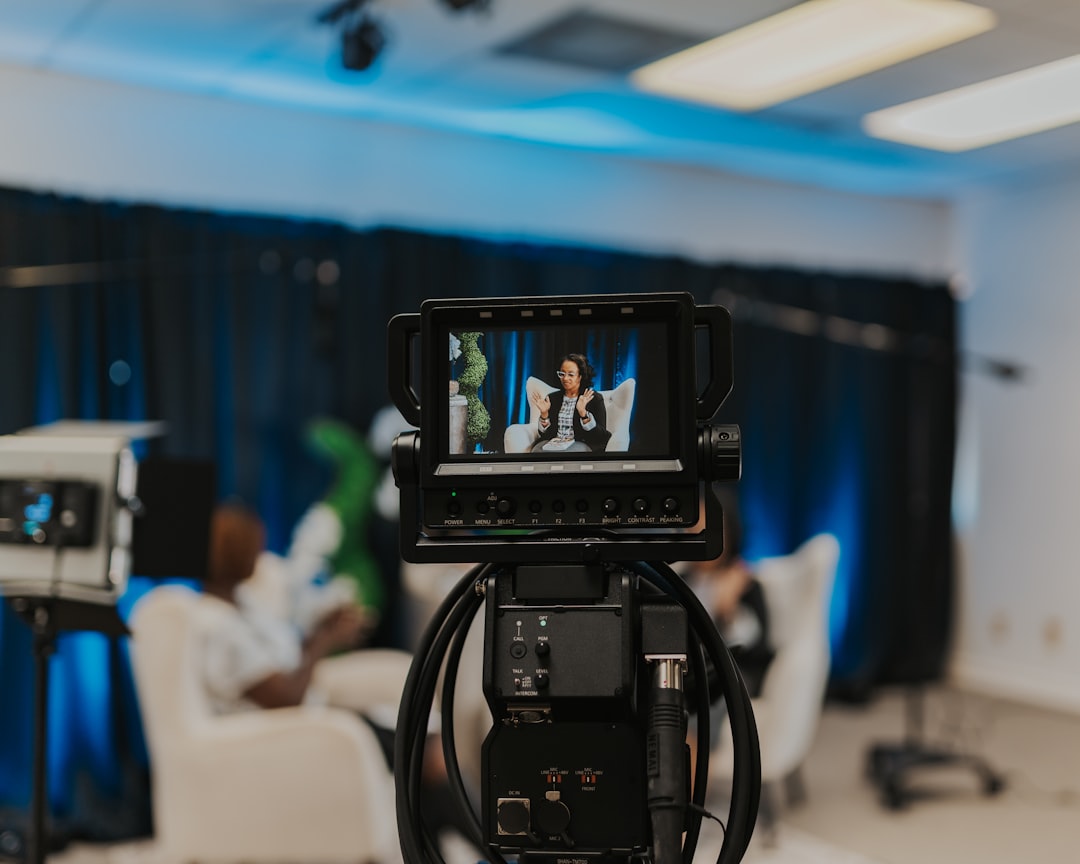
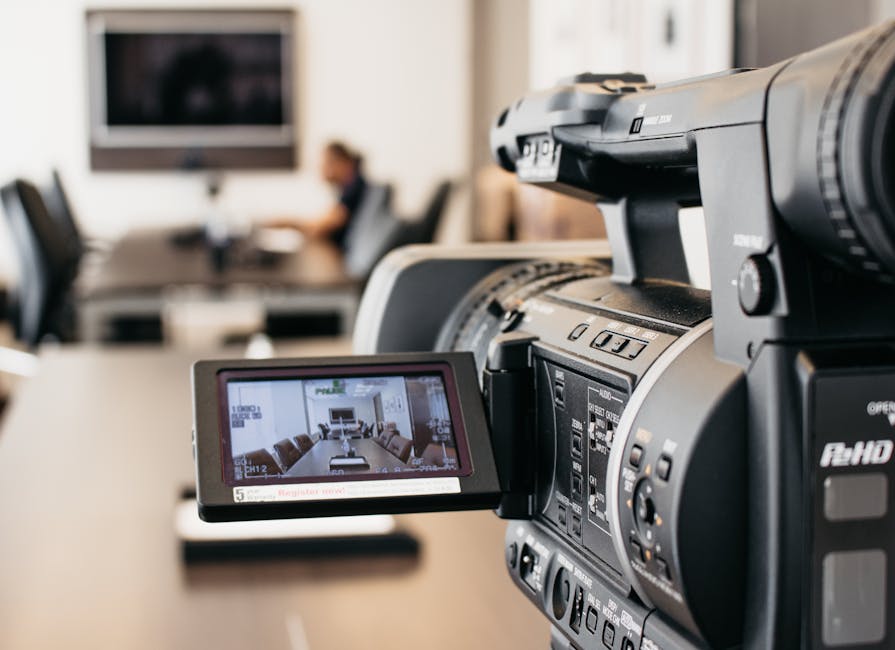
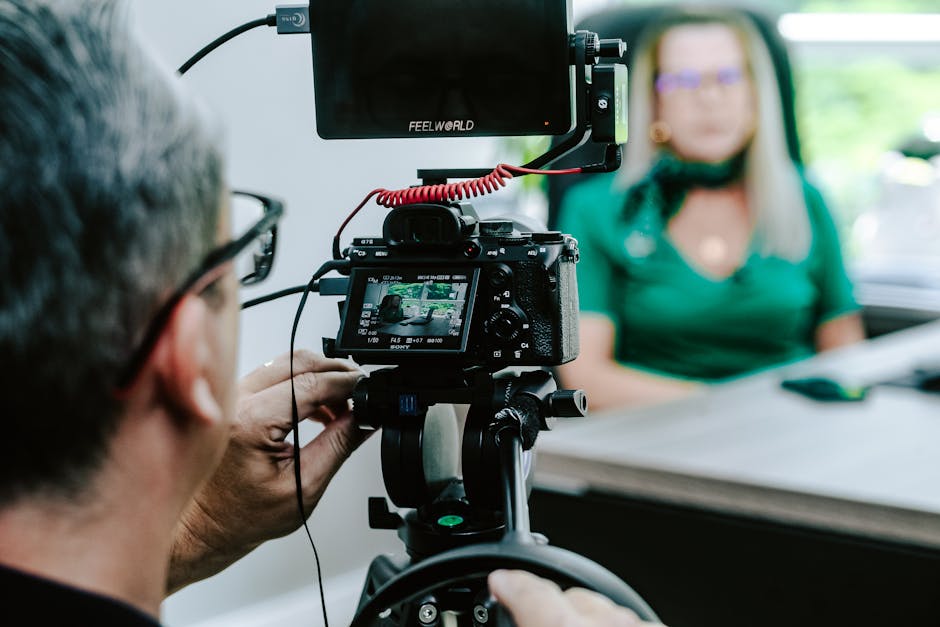
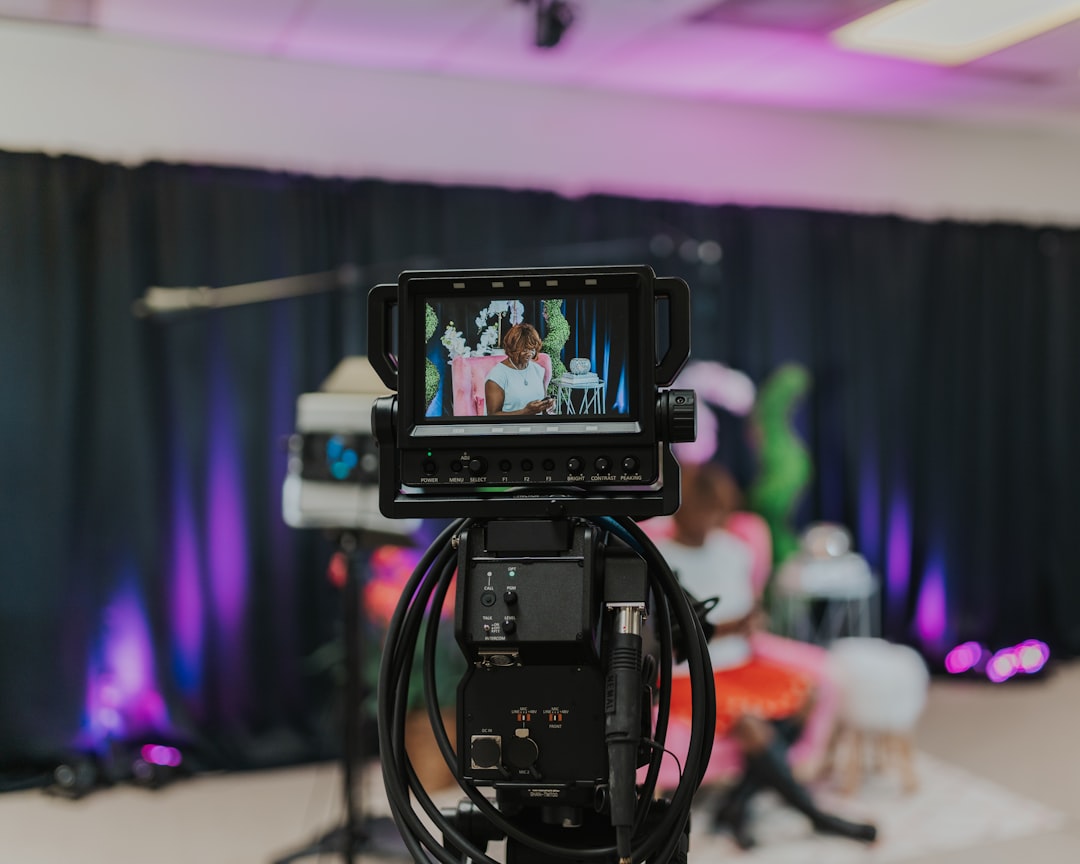
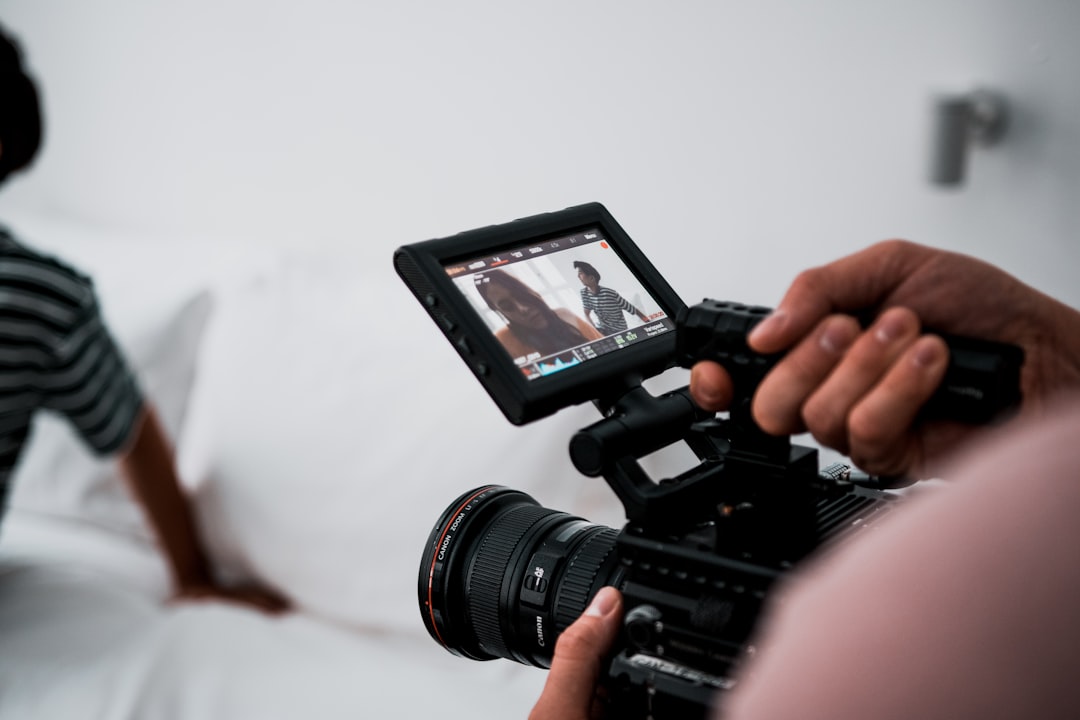
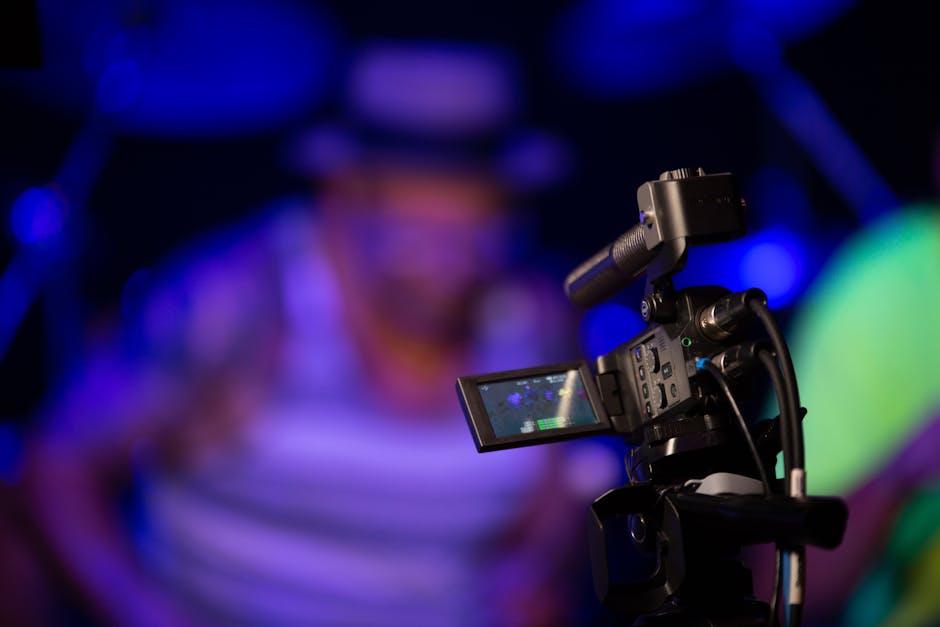
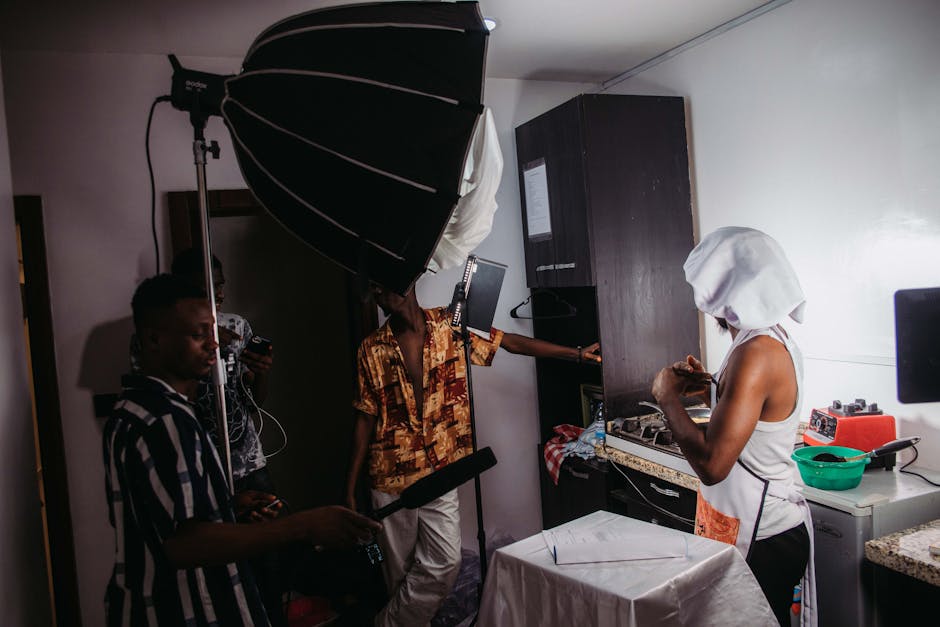
The transition from bulky, old-school camcorders to modern mirrorless cinema cameras has completely changed wedding filmmaking. Today, lightweight and highly sensitive equipment makes it possible to capture strong visuals without disrupting the flow of the day.
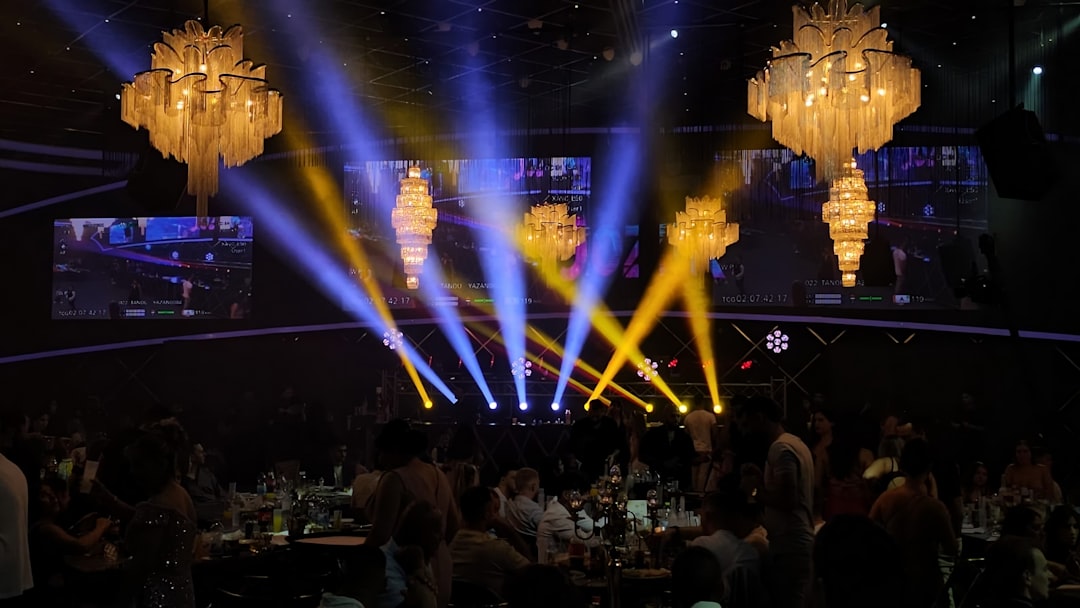
Weddings are notoriously difficult to film because the lighting conditions change constantly. Coverage may move from bright, harsh outdoor sunlight during midday portraits to dimly lit church interiors, and finally to dark reception halls with flashing DJ lights.
To handle these challenges, professional videographers often use full-frame mirrorless cameras known for strong low-light performance. These cameras can capture usable footage in challenging lighting conditions while helping preserve the atmosphere of the space.
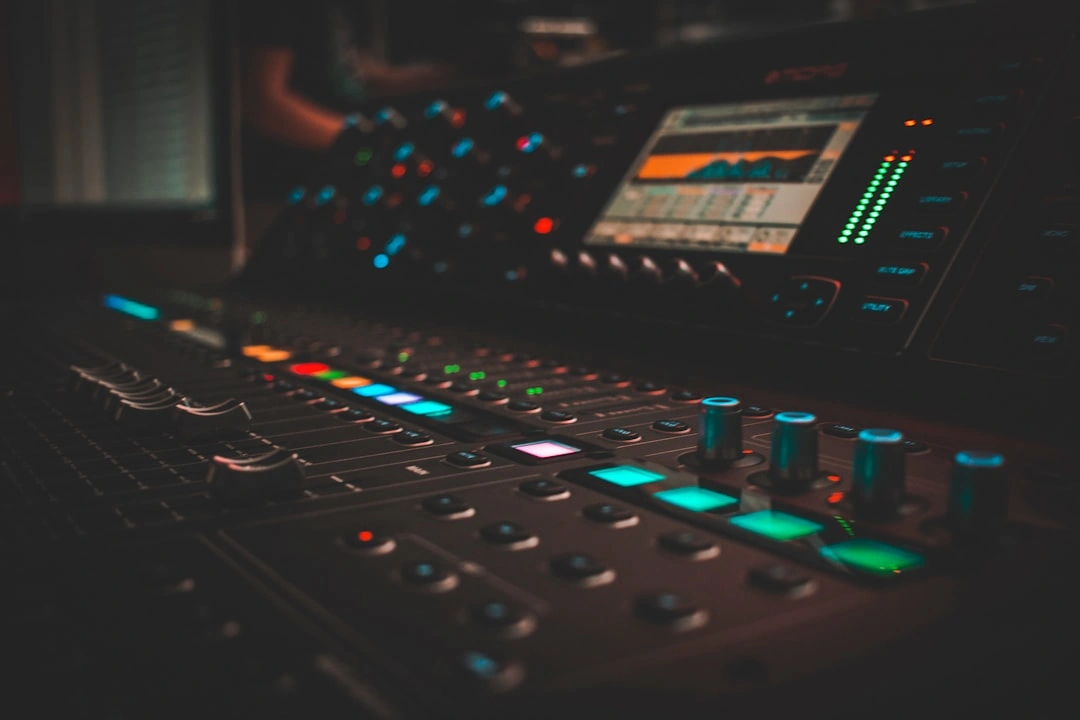
A common industry saying is that "good video is 50% what you see and 50% what you hear." You can have beautiful 4K visuals, but if the vows are muffled or the officiant's microphone crackles, the emotional impact of the film is lost.
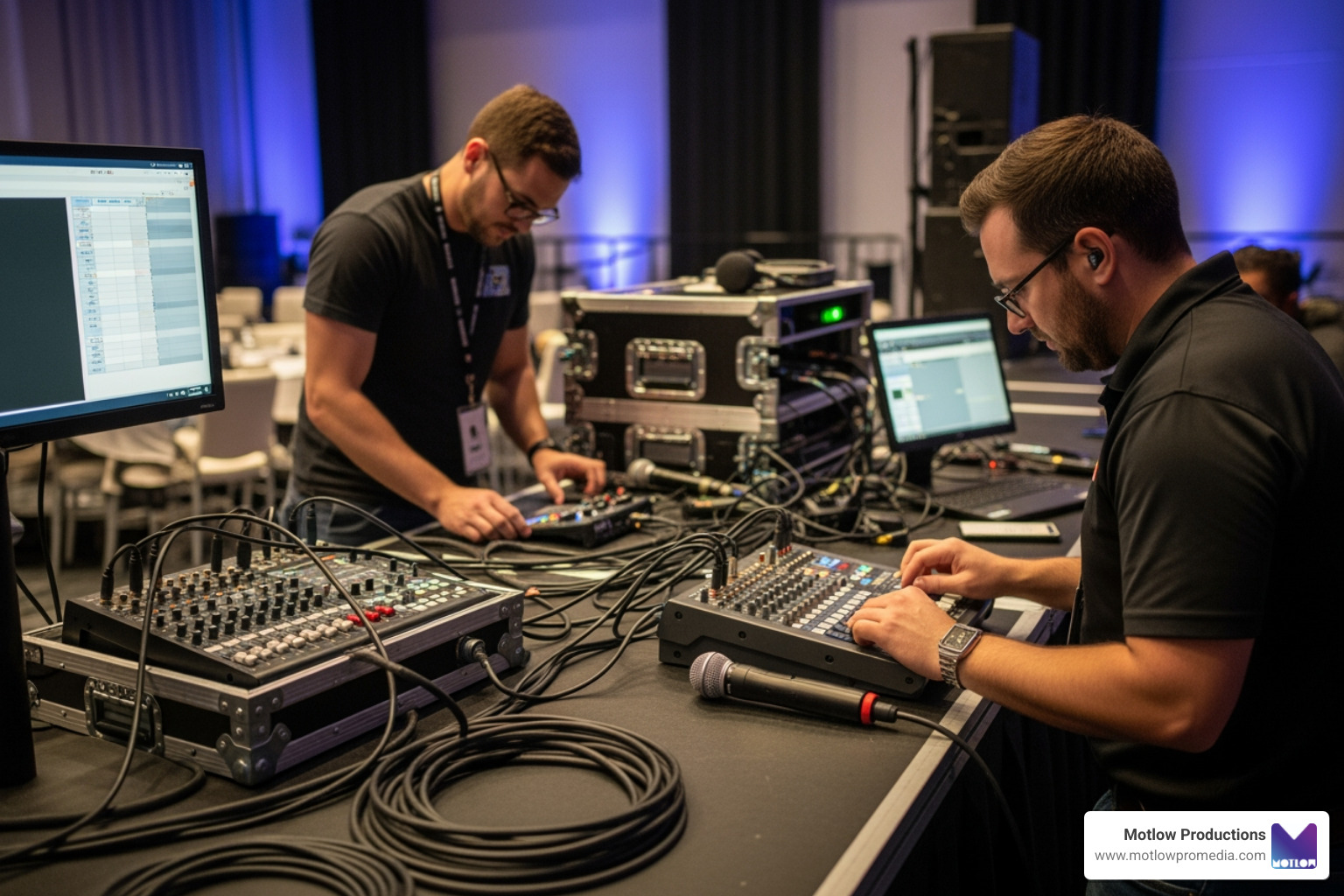
To support clean audio, professional productions often use multiple redundant recording setups:
Aerial shots can add a strong sense of place and scale to a wedding film, especially when the venue or surrounding landscape is part of the story. Compact drones are often used for establishing shots, venue exteriors, and scenic transitions.
However, drone use is always subject to weather conditions, venue rules, and airspace restrictions. High winds or rain can ground a drone, and some locations require additional planning because of nearby airports, military bases, or controlled airspace. The FAA drone regulations are an important reference point for understanding safe and legal drone operation in the United States.
To learn more about how raw footage is transformed through professional color grading, sound design, and pacing, check out our insights on Post Production Video Services.
The best technical gear in the world is only useful when the filmmaker knows how to capture genuine human connection. The magic of a wedding film lies in the candid, unforced moments.
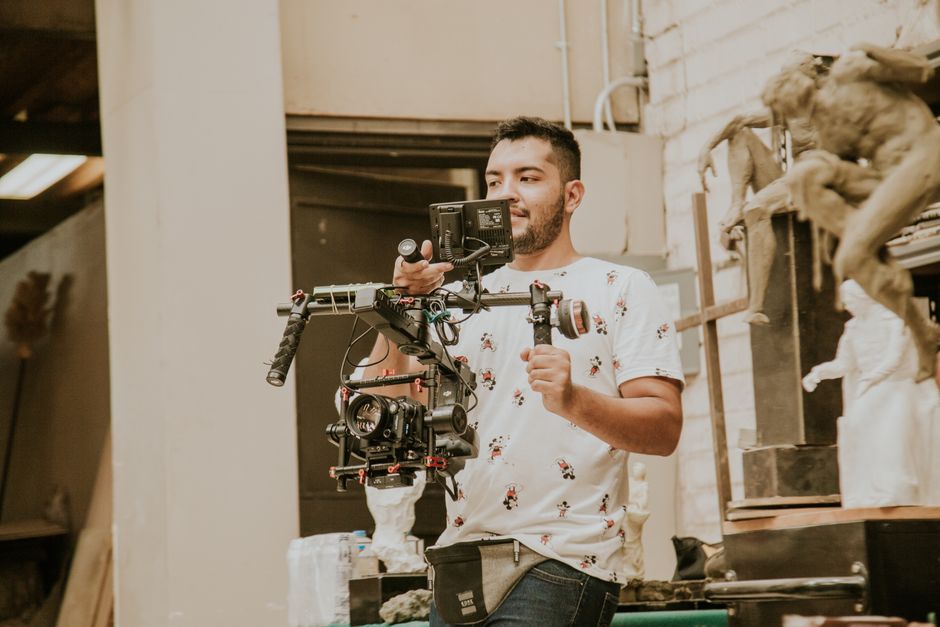
The key to getting authentic reactions on camera is helping guests feel comfortable enough to forget the camera is there. Instead of turning the day into a staged production, a lighter and more mobile setup allows important moments to unfold naturally.
By observing quietly and using the right lenses, a filmmaker can capture the raw emotion of a parent seeing the couple before the ceremony, or a partner wiping away a tear during the vows, without interrupting the moment.
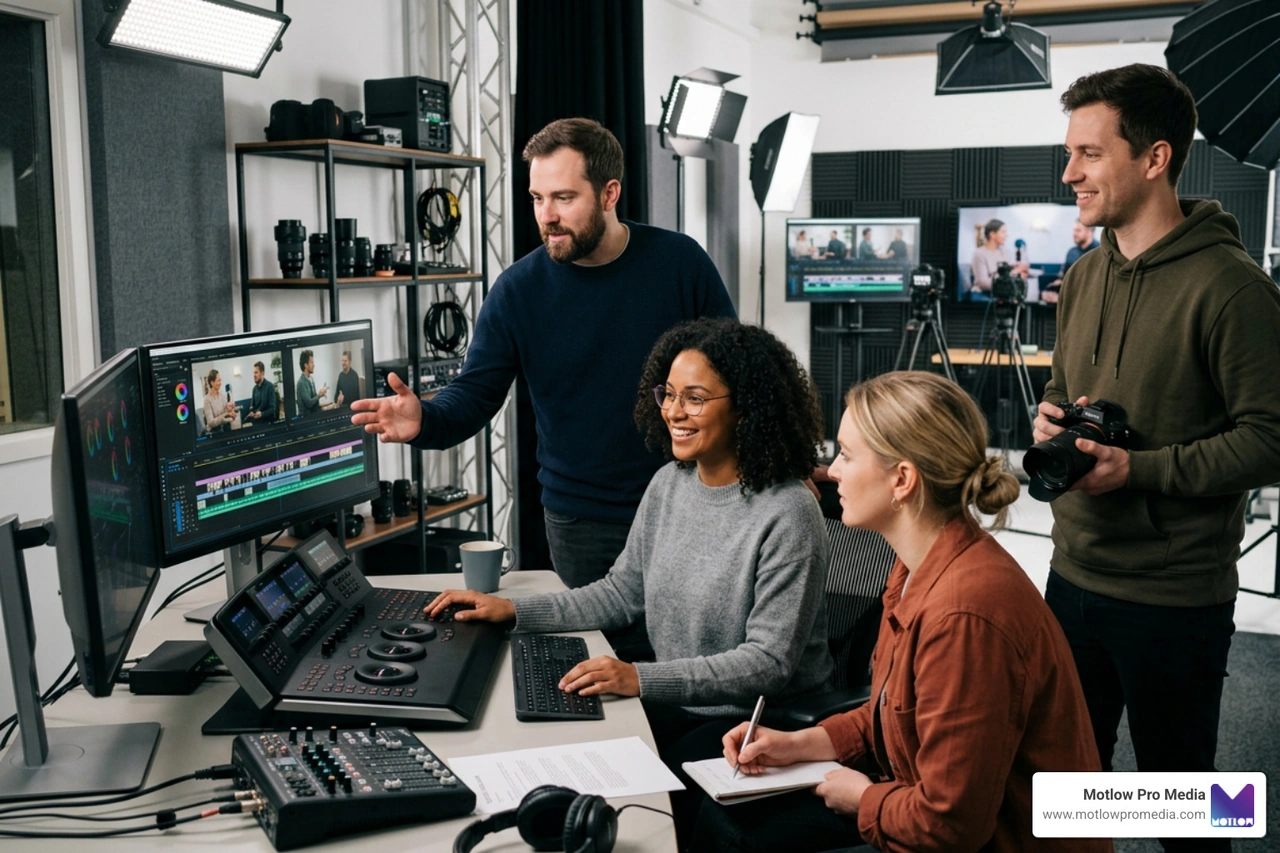
On your wedding day, your videographer and photographer must work as a team. Because both teams are trying to capture the same key moments, such as the kiss, the grand entrance, and the cake cutting, clear communication is vital.
Before the wedding, it helps to coordinate with the photographer to discuss shooting angles, lens choices, and positioning. This reduces the risk of either team stepping into the other's frame and helps everyone deliver better results.
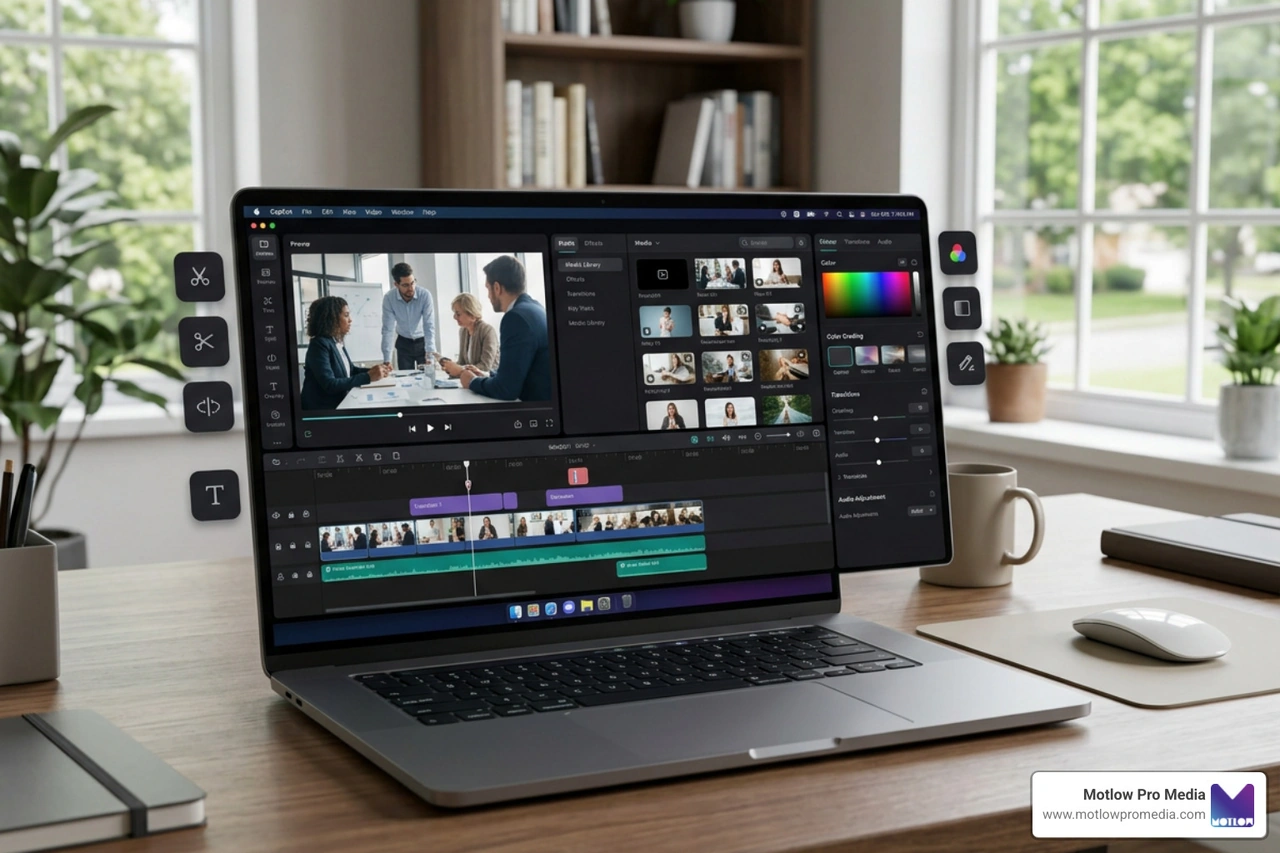
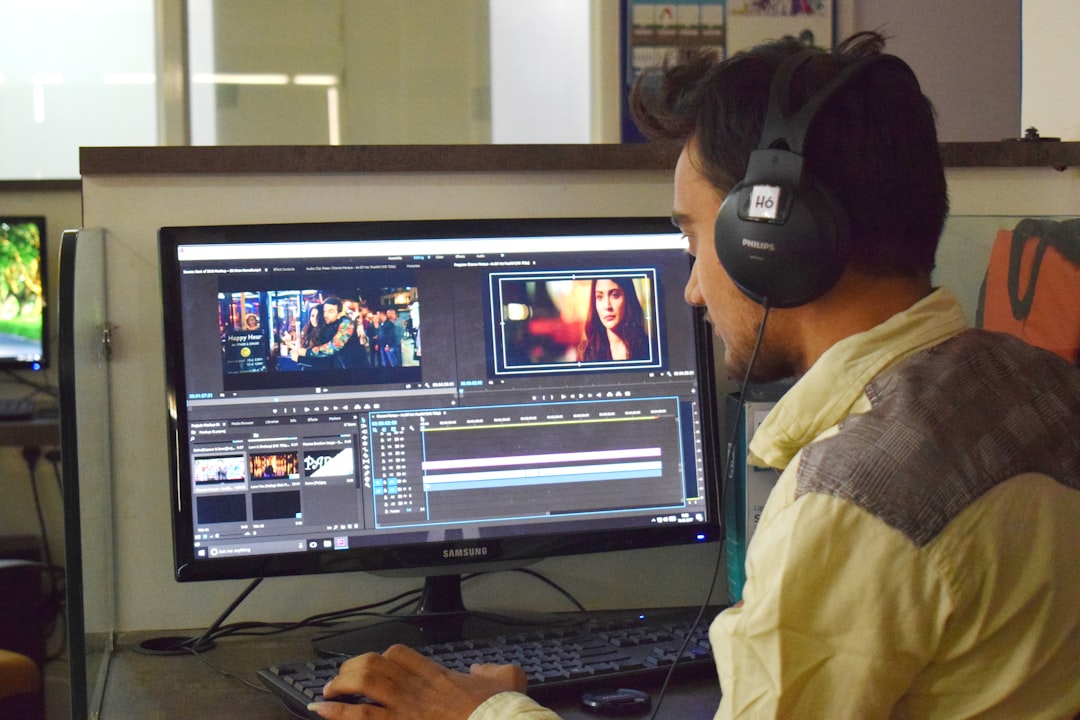
The heavy lifting of weaving these candid moments into a cohesive, emotionally resonant story happens after the wedding day. You can explore this creative process in detail through our guide on Video Editing Services.
When reviewing a wedding videography contract, it is easy to get overwhelmed by the fine print, technical terms, and various upgrade options. Let’s demystify what you should expect in terms of deliverables, optional add-ons, and important legal considerations.
Your contract should clearly outline exactly what files you will receive and how they will be delivered.
As you build your custom package, you will likely be presented with several optional upgrades. Here is how to decide if they are worth the investment:
Before signing any contract, make sure to discuss these three practical elements:
For couples planning a destination wedding or hosting family members who cannot travel, offering a high-quality broadcast of your ceremony is a wonderful way to bring everyone together. Dive into our Wedding Streaming Service Complete Guide to see how modern technology can bridge the distance seamlessly.
Start by looking at your personal style and how you consume media. Do you love dramatic, emotional, movie-like storytelling with sweeping music and voiceovers? If so, a cinematic style is perfect for you. If you prefer a more natural, authentic, and chronological documentation of the day without feeling like you are on a movie set, a documentary style will suit you best. We recommend watching several sample films to see which style consistently moves you.
In 2026, the average cost of a professional wedding videographer in the U.S. is $2,300. Entry-level packages generally start around $1,100, while highly experienced boutique studios and luxury destination filmmakers typically range from $4,800 to $10,000+ depending on travel, coverage hours, and the complexity of the edits.
If you post a video online containing copyrighted music without a license, platforms like Instagram, YouTube, and Facebook will automatically mute, flag, or completely remove your video due to copyright infringement. Professional videographers source and license high-quality, cinematic music through dedicated platforms, ensuring you can share your film online forever without any legal issues.
Your wedding day is a once-in-a-lifetime celebration, filled with fleeting moments and deep emotions that deserve to be preserved. Investing in professional wedding video production ensures that the laughter, the tears, the heartfelt vows, and the joy of your favorite people are captured in a timeless cinematic format you can cherish forever.
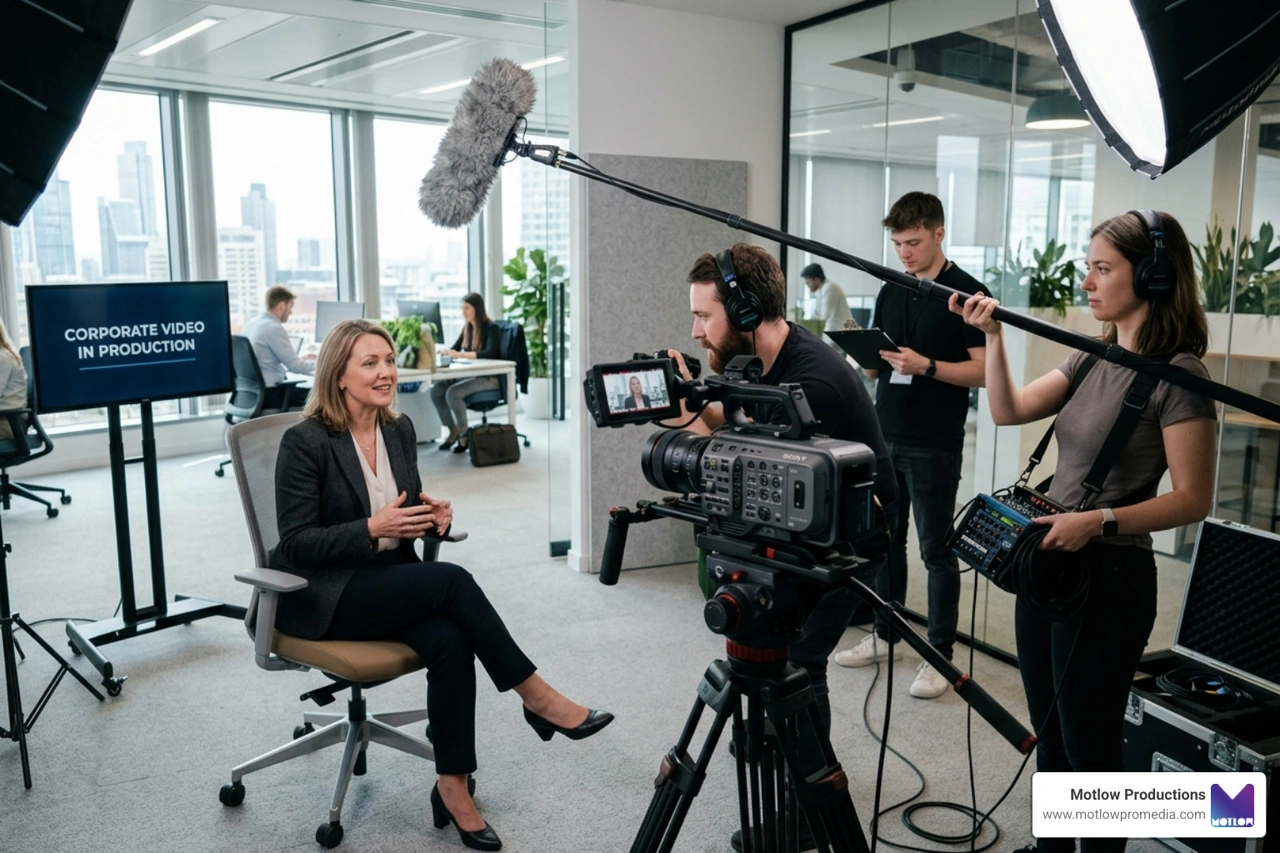
At Motlow Pro Media, we bring a trusted, journalism-first approach to event videography. Serving clients throughout the Tampa, Florida area, we act as a seamless extension of your team, providing professional live event support, custom content creation, and high-impact short-form storytelling. Our "hands-off, but hands-on" partnership model ensures clear communication, meticulous planning, and flawless execution on your big day.
Ready to start planning your wedding film? Explore our professional media services and let's discuss how we can bring your love story to life.
Some clients want to give notes in a live Zoom call. Others prefer a group text or email thread. However you like to communicate, we adapt. You’ll never be left guessing where things stand - and you’ll always have a say before anything goes out the door.





Phone:
+1 863-250-8639
.png)
Email:
info@motlowpromedia.com