



-5.jpg)




















Thank you! Your submission has been received!
Oops! Something went wrong while submitting the form.

.avif)
September 29, 2026
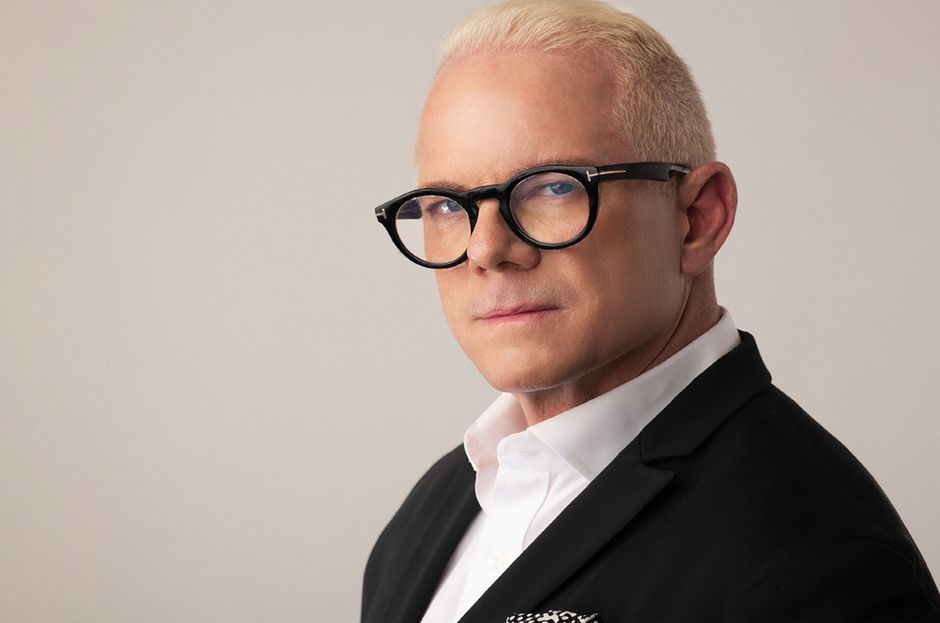
An executive interview can be one of the most powerful pieces of content a company creates. It gives clients, employees, recruits, partners, and stakeholders a chance to hear directly from leadership. When done well, it builds trust. When done poorly, it can make even a strong leader seem uncomfortable, unclear, or disconnected from the message.
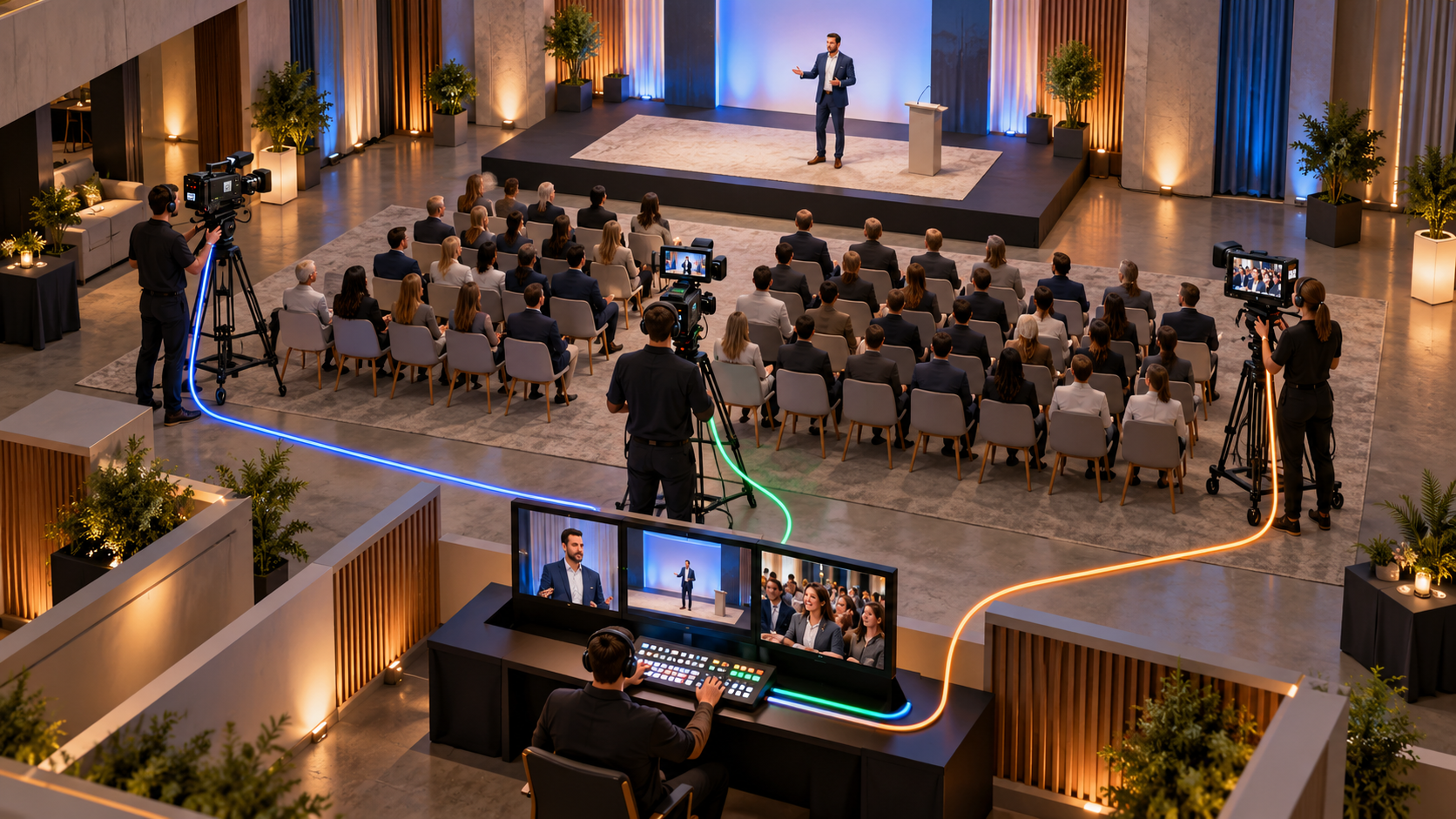
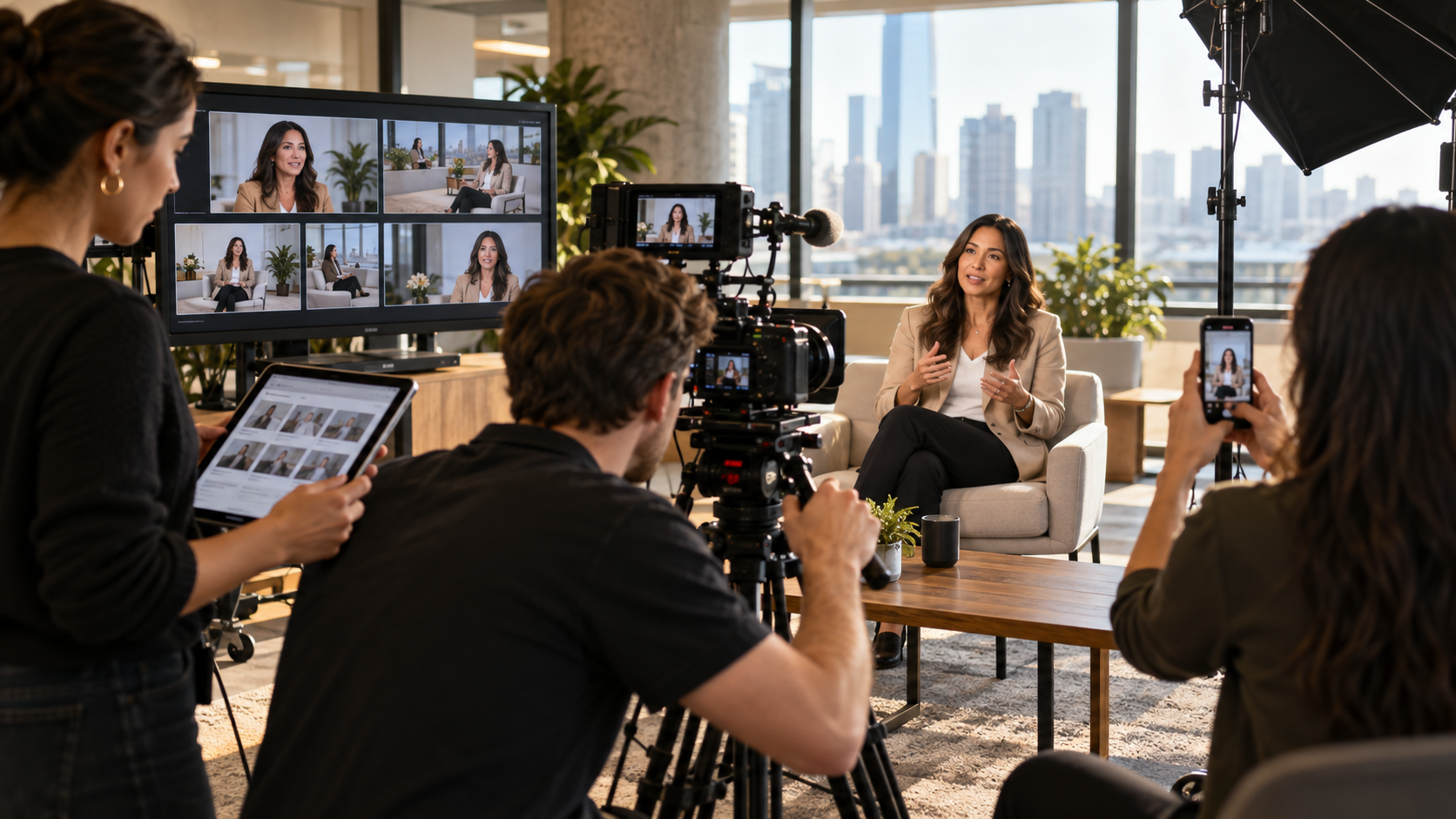
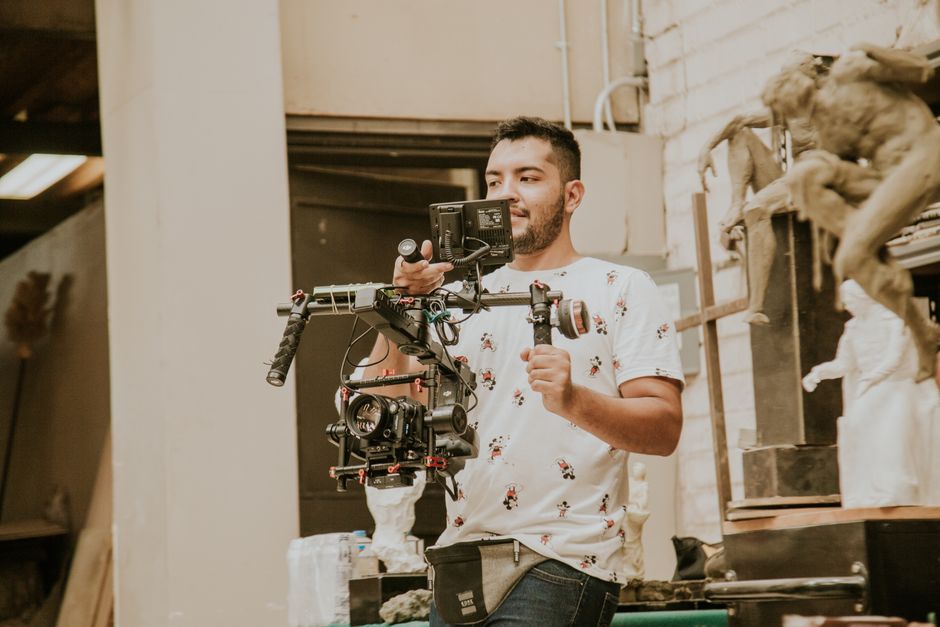
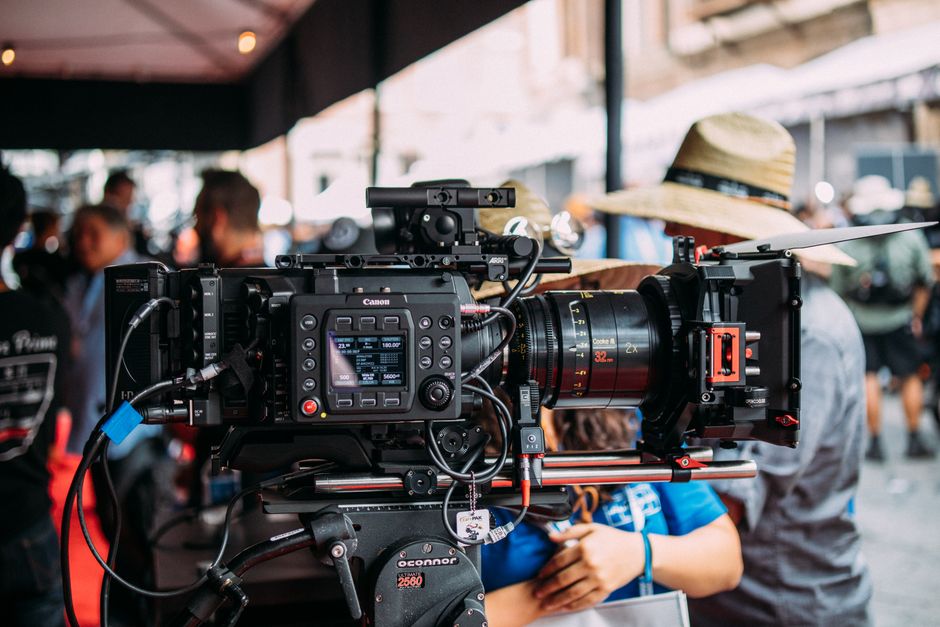
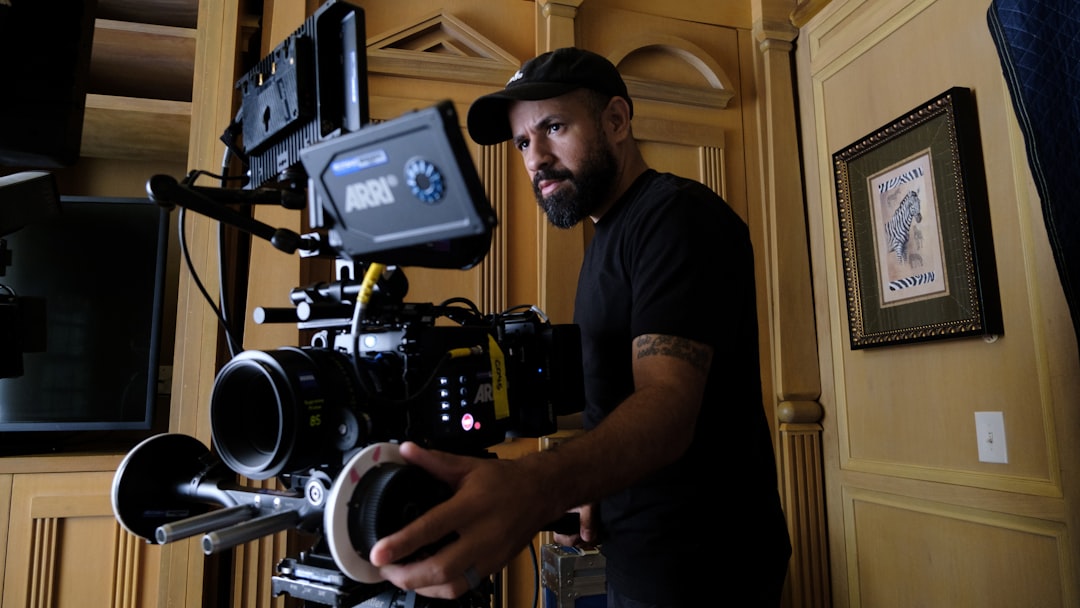
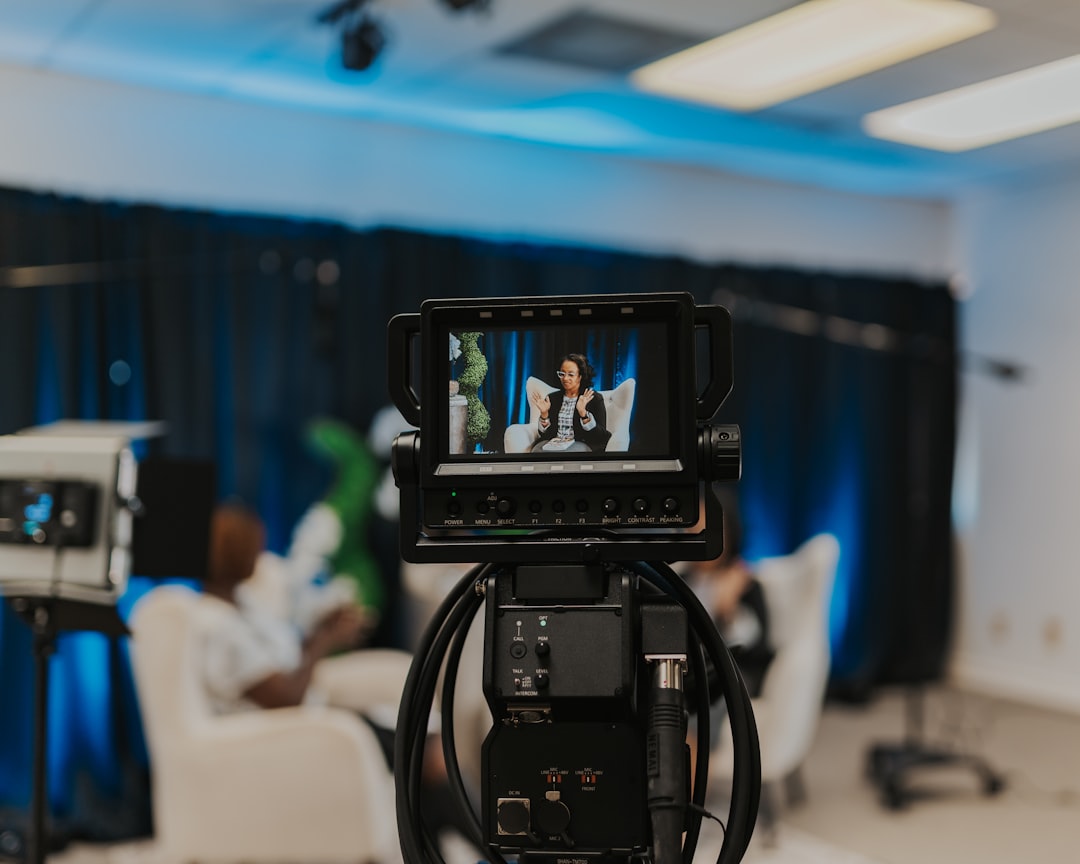
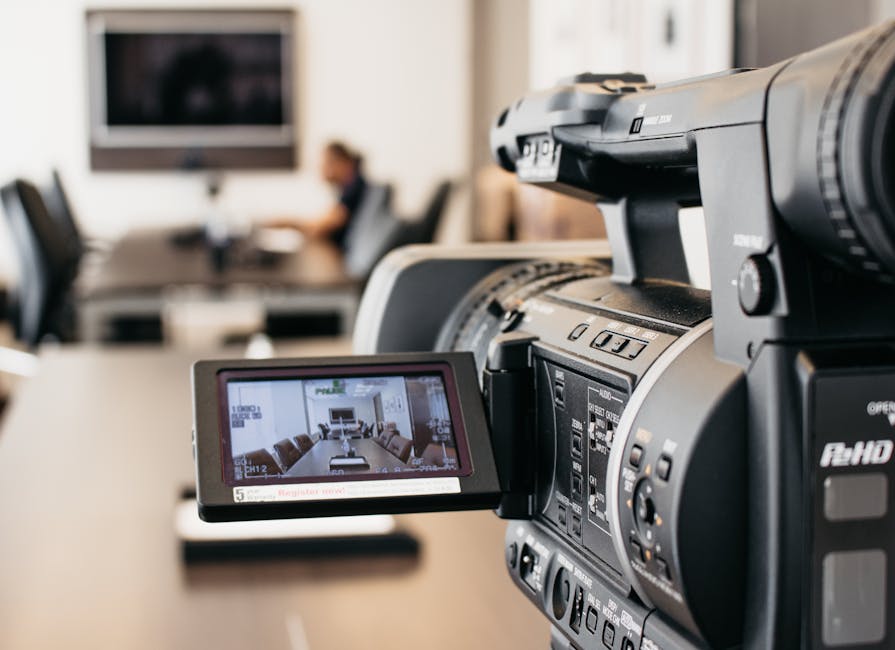
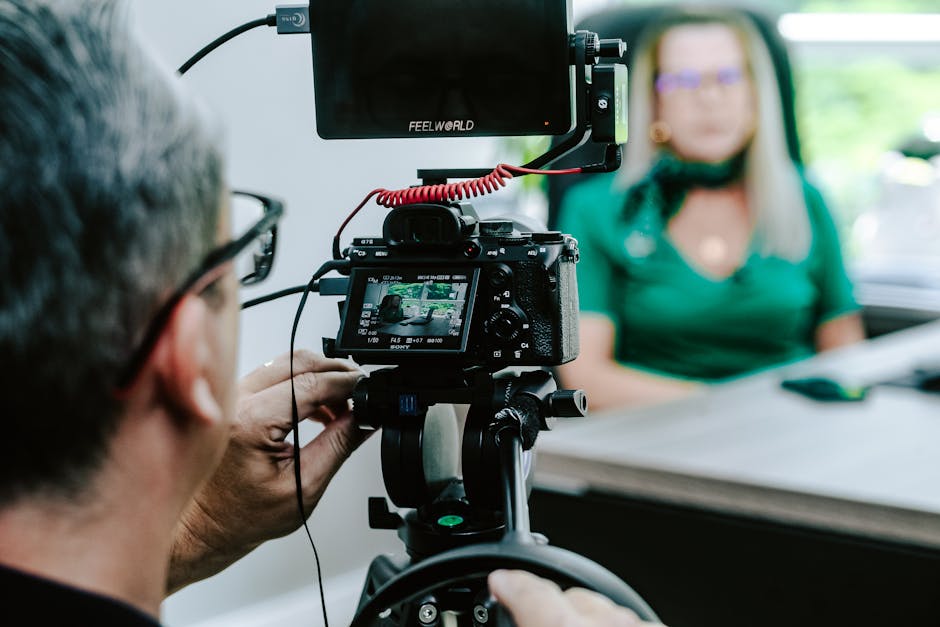
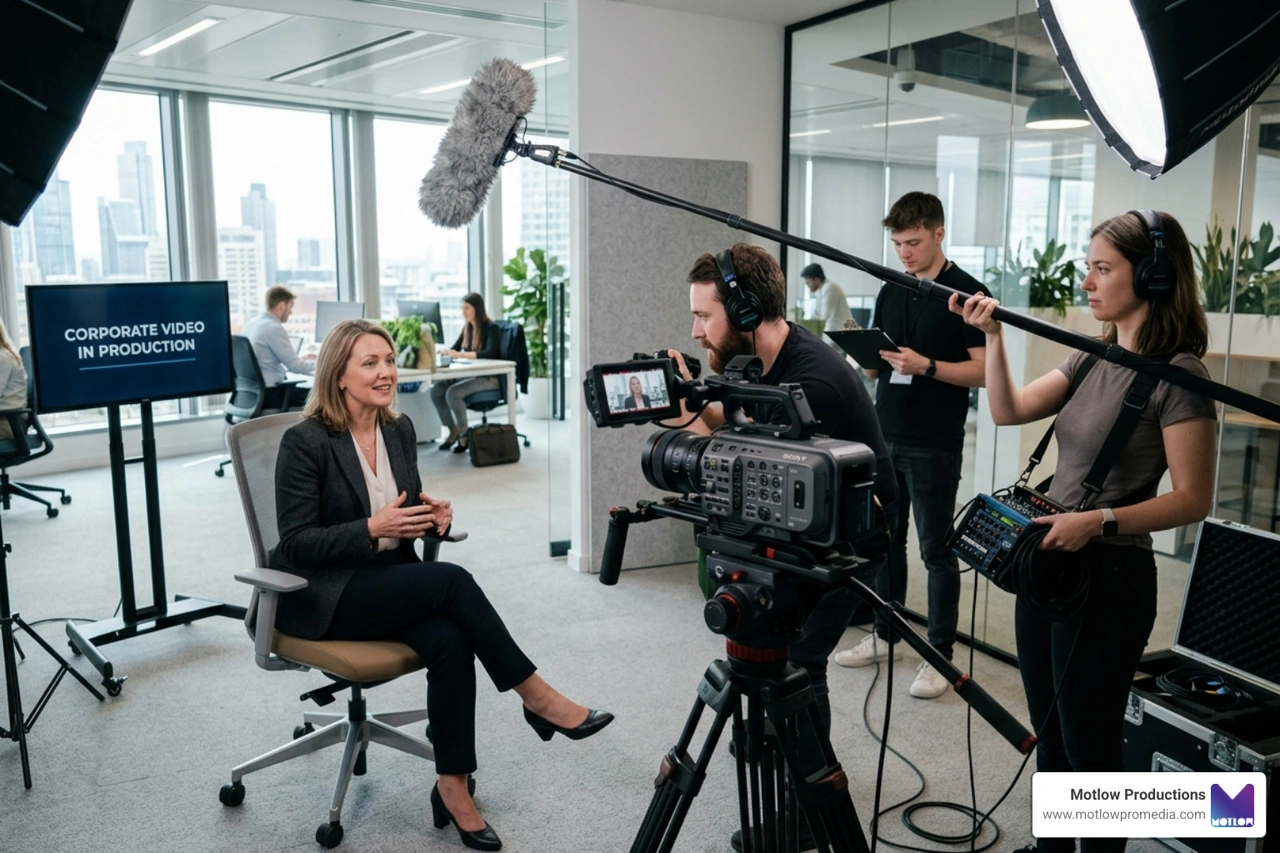
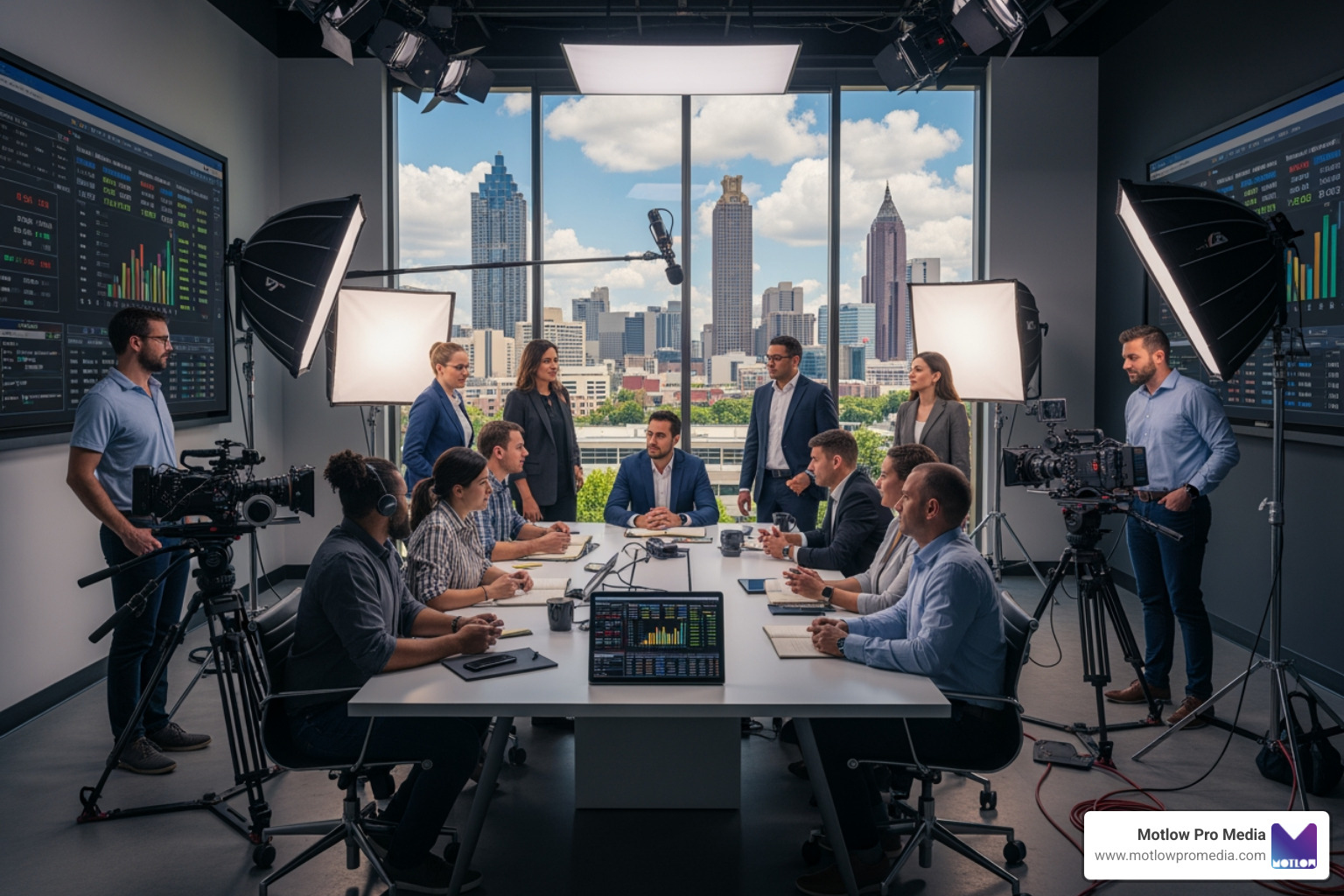
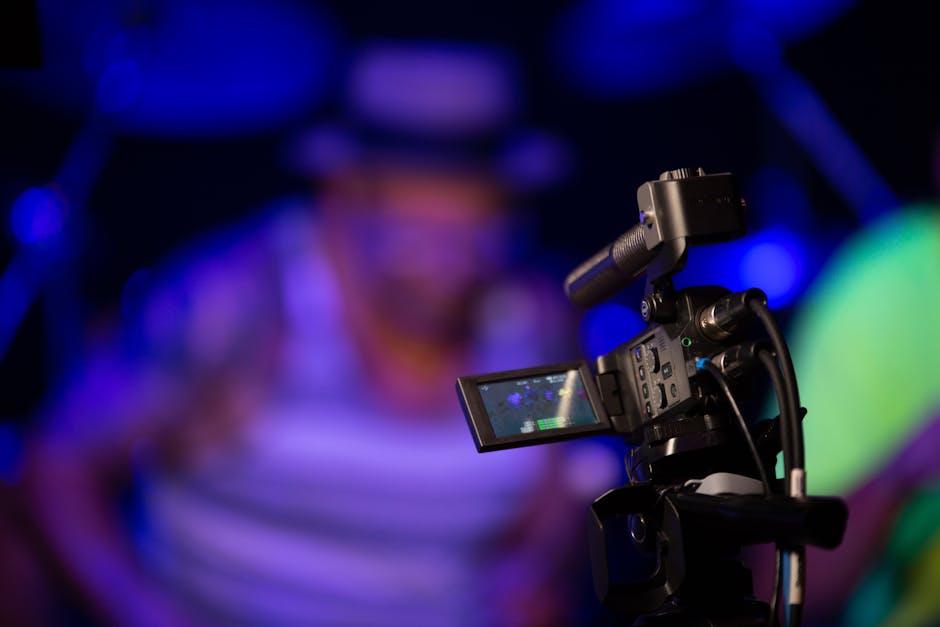
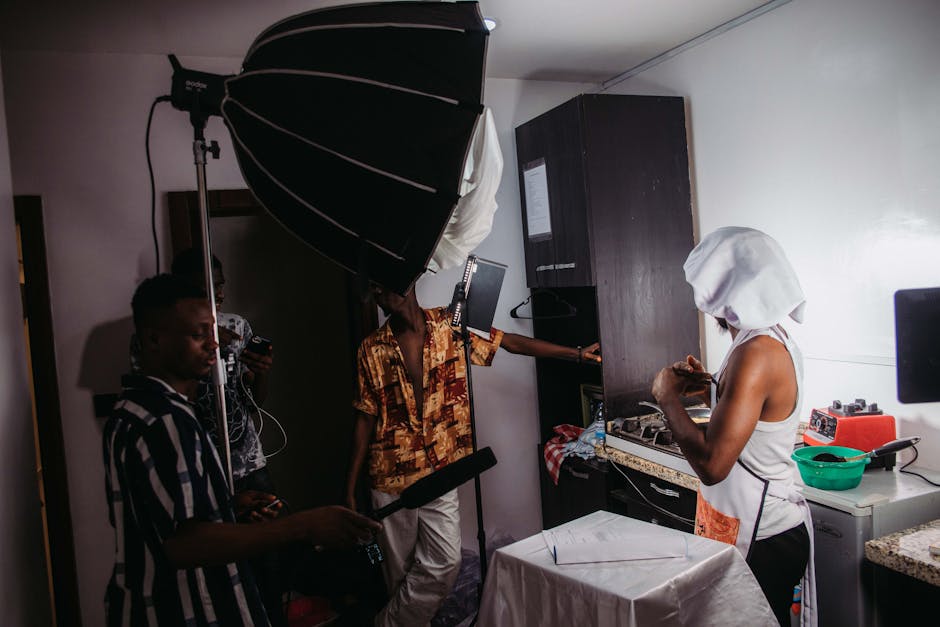
A professional executive interview is not just about having a good camera. The final result depends on the full production environment: lighting, audio, framing, background, wardrobe, pacing, eye line, message clarity, and editing. All of those details work together to make the speaker feel credible and the content feel polished.
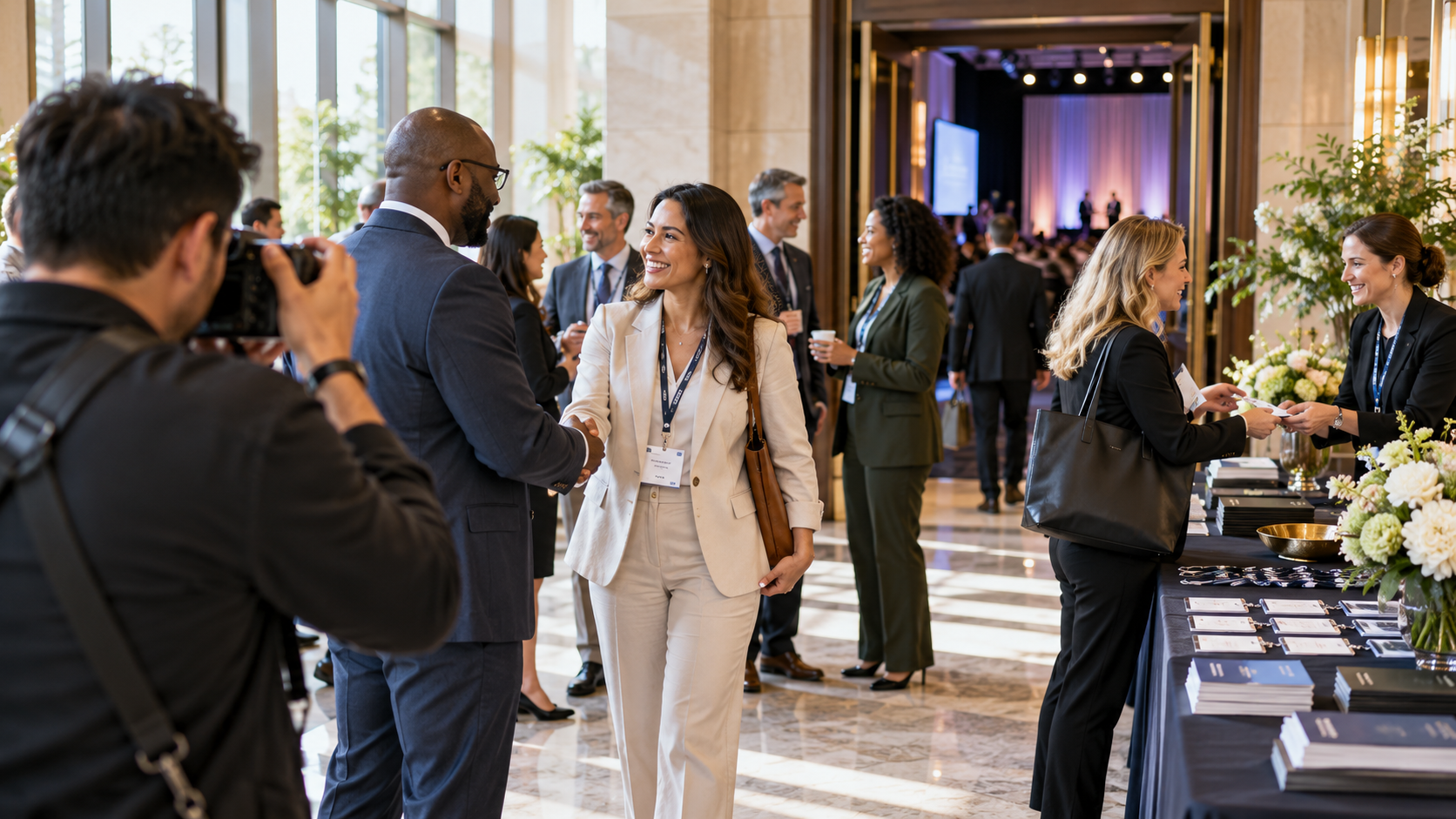
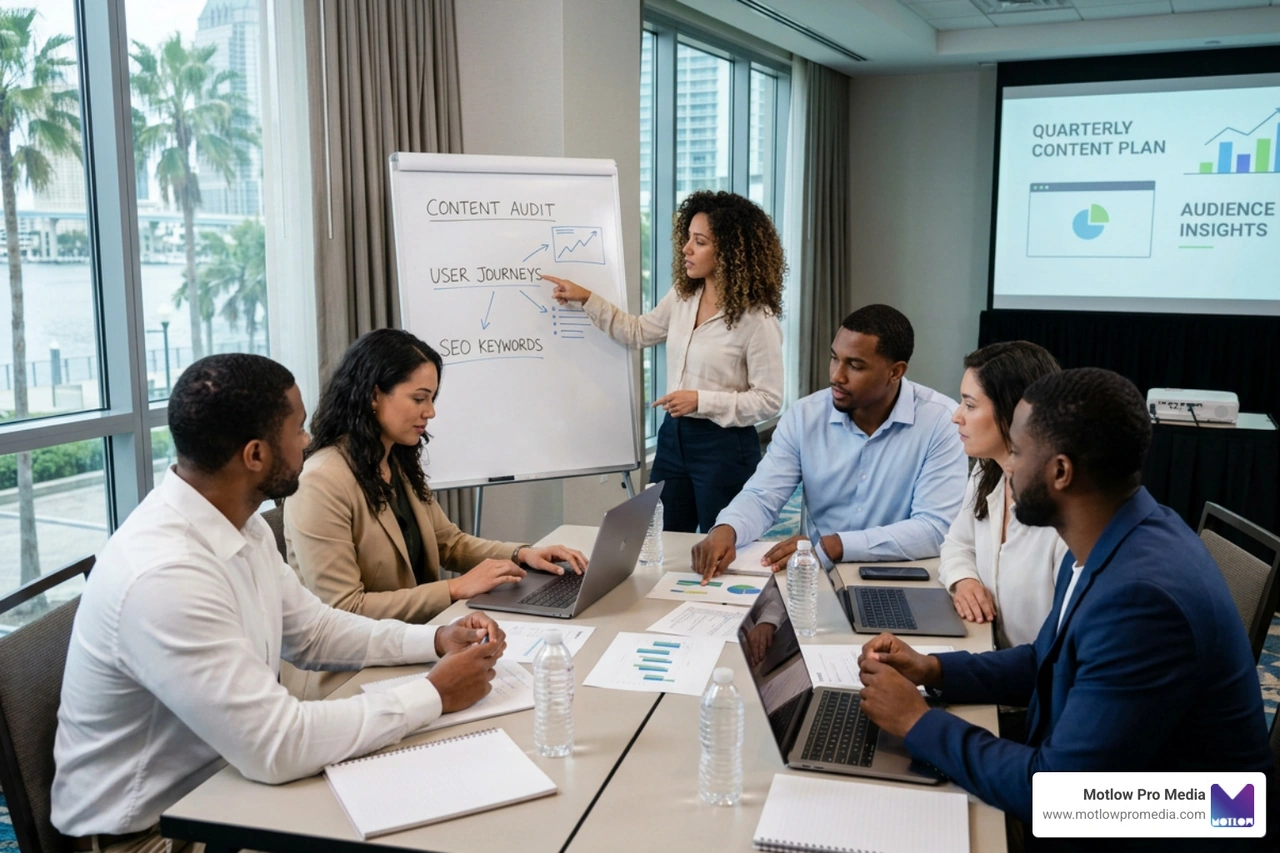
For marketing teams, the goal is not to overproduce the executive. The goal is to make the speaker look and sound like the best version of themselves. A strong production partner can help make that happen. Through Motlow Pro Media's services, companies can plan executive interviews as part of a larger corporate video, event, photography, and content strategy.
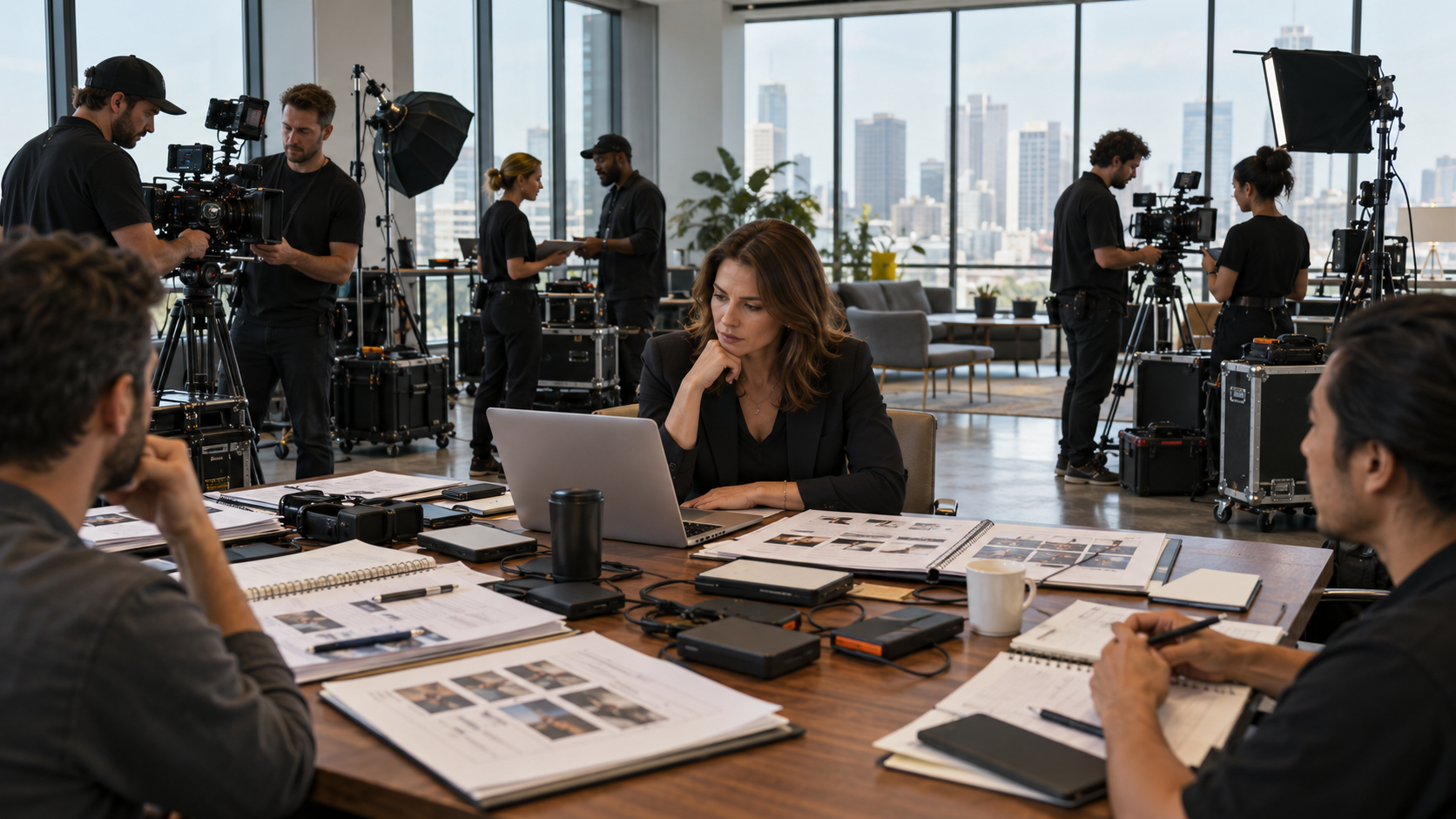
The quality of an executive interview is often decided before filming begins.
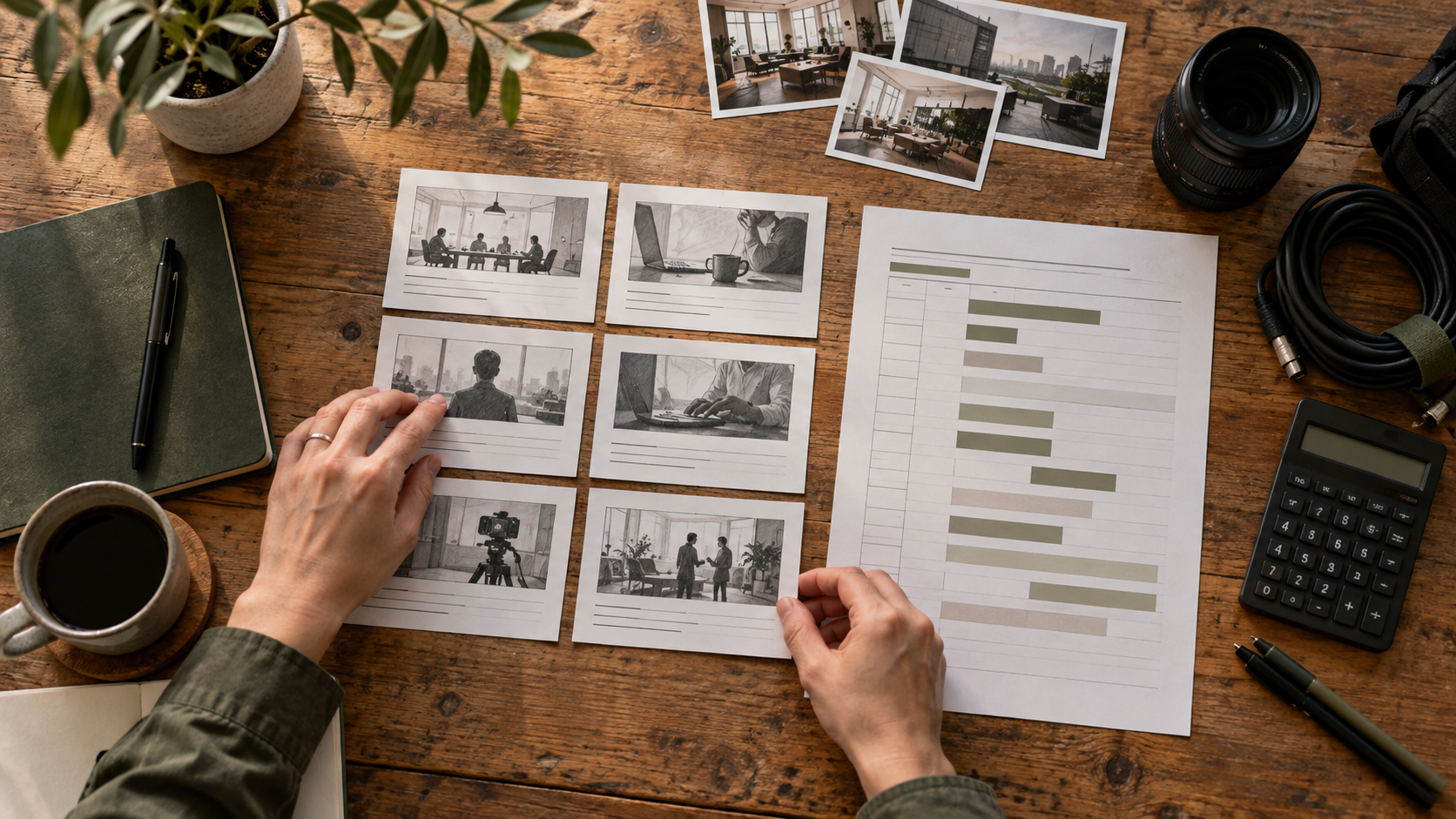
A professional-looking interview starts with a clear purpose. The marketing team should know why the interview is being filmed, who it is for, and how the final video will be used. An executive interview for a website brand video may need a different tone than an internal company update. A LinkedIn thought leadership clip may need a different structure than a conference recap or recruiting video.
Before filming, answer these questions:
Without this clarity, the interview may still look polished, but it may not be useful. The best executive interviews are planned with the final deliverables in mind. That allows the interviewer, production crew, and editor to capture content that supports the business goal.
A professional interview does not only look good. It sounds focused.
Executives are often asked broad questions, which can lead to broad answers. That may work in a meeting, but it does not always work on camera. Video needs cleaner structure. The speaker should understand the main message before they sit down.
That does not mean writing a rigid script. In most cases, talking points work better. A script can make a leader sound stiff or overly rehearsed. Talking points give direction while still allowing the speaker's natural voice to come through.
A strong interview plan should include:
The business video production partner guide is a helpful resource for understanding why message planning and production planning should happen together. A strong video partner should not only capture the interview. They should help the team think through how the interview will support marketing, sales, communications, recruiting, or leadership visibility.
Lighting is one of the first things viewers notice, even if they do not realize it.
Good lighting helps the executive look natural, confident, and clear. Poor lighting can create shadows, make the speaker look tired, flatten the image, or make the video feel less credible. In corporate content, lighting should usually feel polished without looking overly dramatic.
The goal is not to make the interview look like a movie scene. The goal is to make the speaker easy to see and the environment feel intentional.
Professional interview lighting usually considers:
A common mistake is relying on the room's existing lighting. Office lights, hotel conference rooms, and event spaces are not always designed for video. They may look fine in person but appear harsh or uneven on camera. A professional production team can shape the lighting so the executive looks polished while still appearing natural.
Viewers may forgive a simple background. They may forgive a less dramatic camera angle. But they will not stay with a video they cannot hear clearly.
Clean audio is one of the biggest differences between amateur and professional executive interviews. If the speaker sounds hollow, distant, muffled, or full of background noise, the message loses impact.
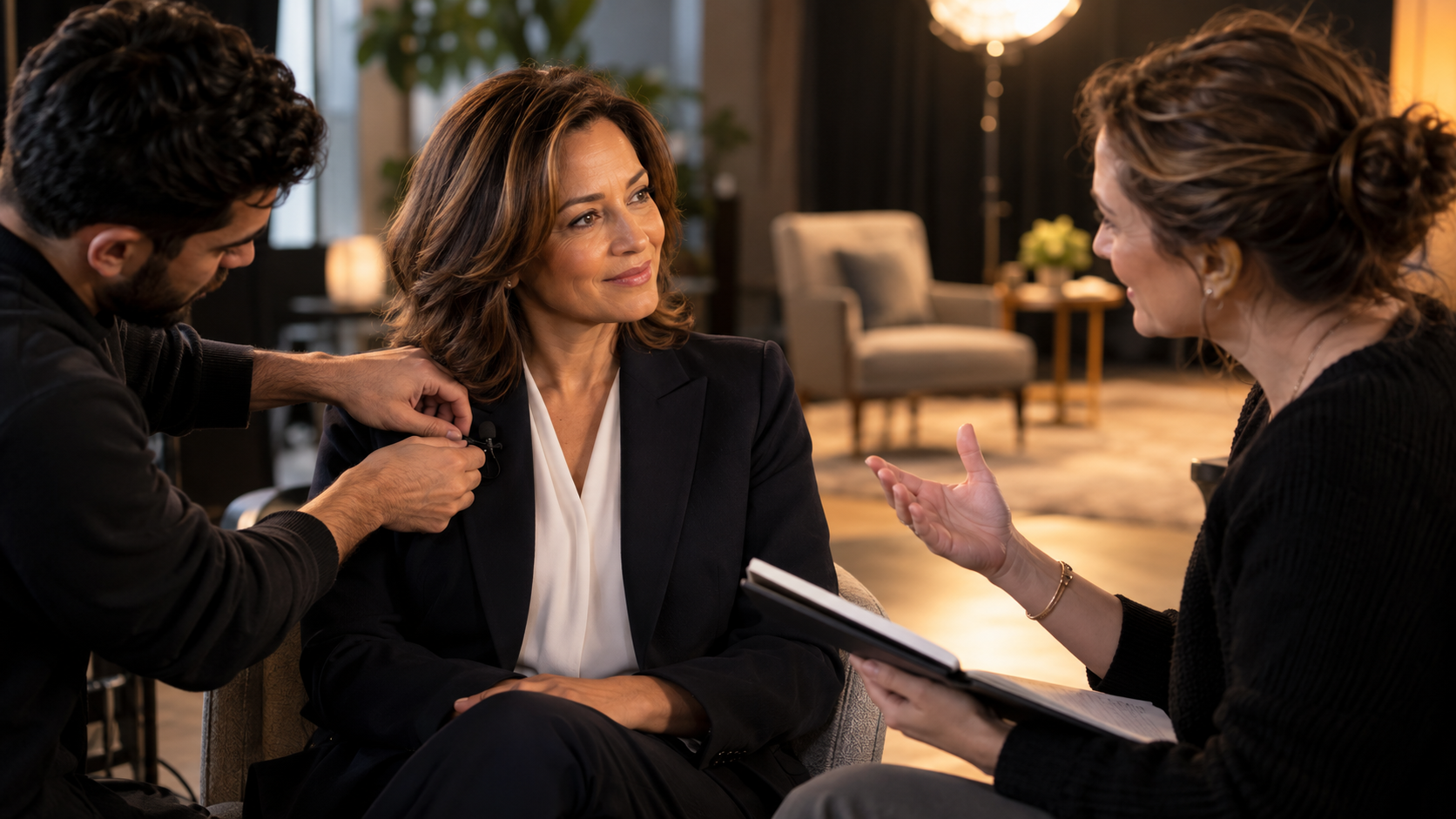
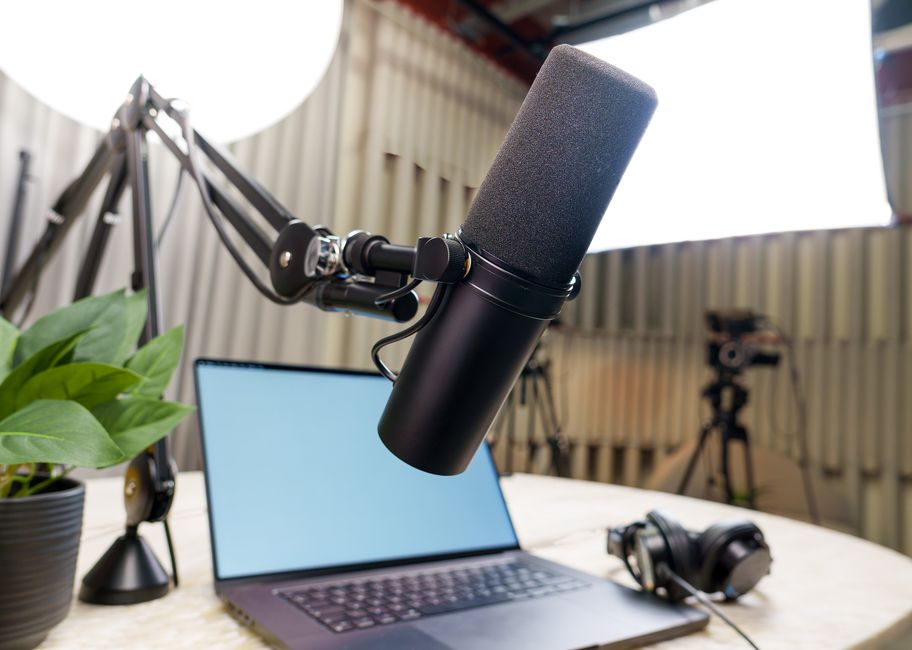
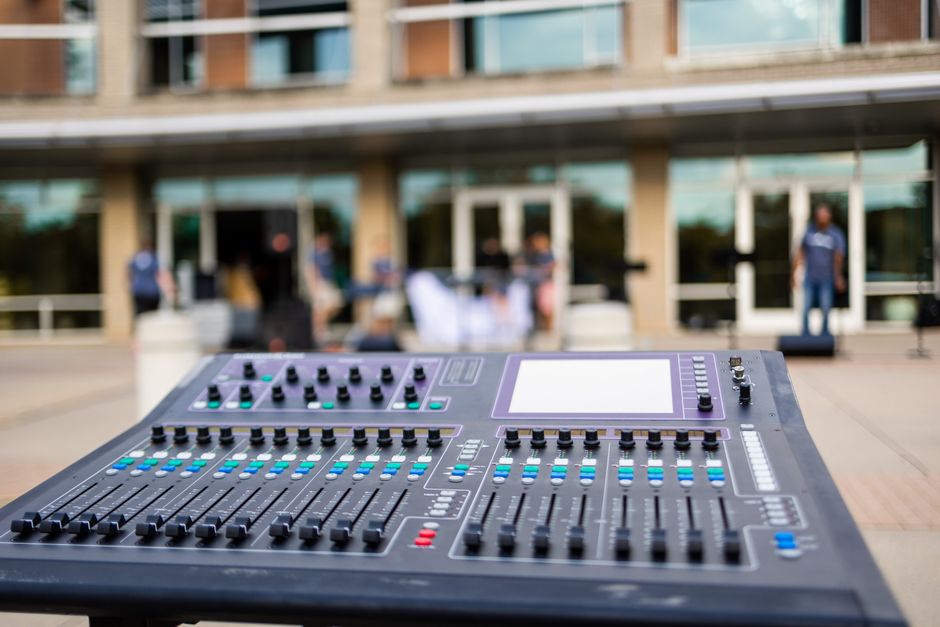
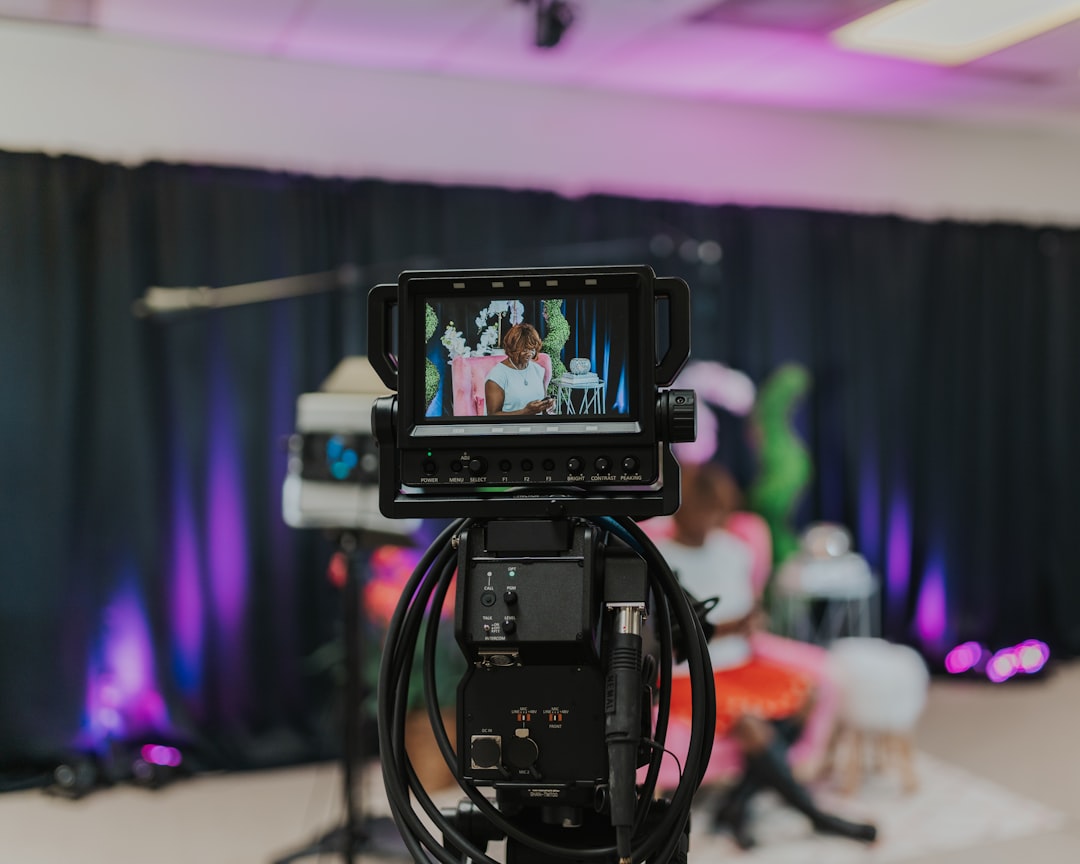
Professional audio planning includes the right microphone, proper placement, room awareness, and monitoring during filming. The production team should listen for HVAC noise, hallway traffic, room echo, jewelry noise, clothing rustle, and other distractions. These issues can be difficult to fix later.
For executive interviews, the microphone should capture the speaker's voice clearly without distracting from the visual. Lavalier microphones and boom microphones can both work depending on the setting. What matters most is that the final audio feels clean, warm, and easy to understand.
This is especially important when the interview will be repurposed into short clips, internal messages, sales videos, or social content. A strong soundbite only works if the sound quality supports it.
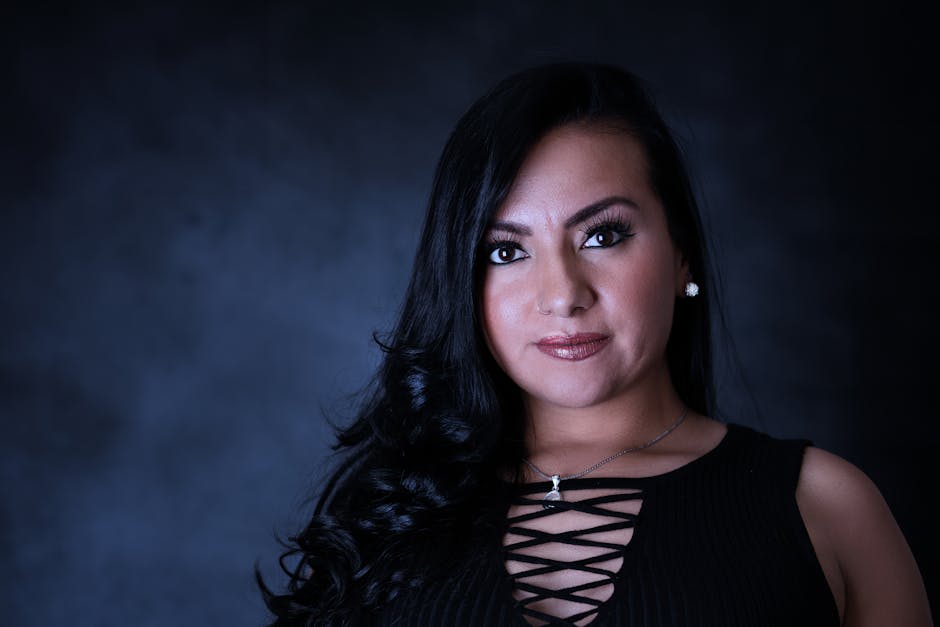
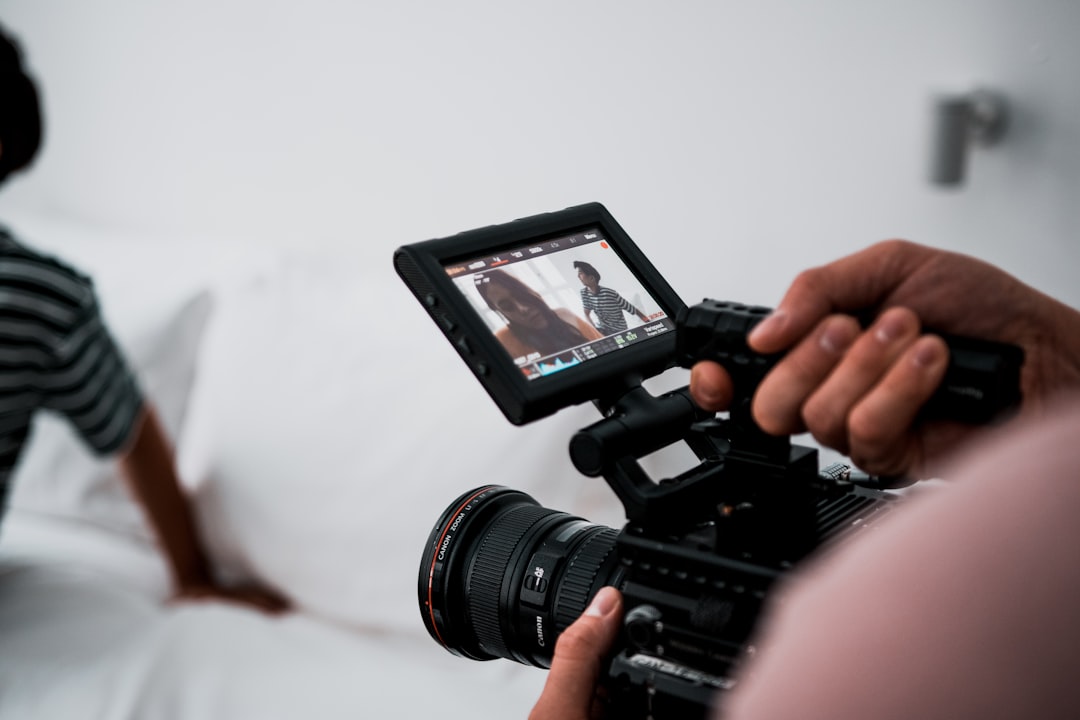
Framing is how the speaker appears in the shot. It affects how professional, confident, and approachable the interview feels.
A strong frame should make the executive the clear focus without making the shot feel too tight or too empty. The camera should usually be placed at a flattering height, with enough space around the speaker to feel natural. The background should add context without becoming distracting.
The production team should consider:
Framing also depends on the use of the video. A direct-to-camera leadership message may be framed differently than a conversational interview with an off-camera interviewer. A website brand video may use a more cinematic frame, while a fast social clip may need tighter framing for mobile viewing.
The important thing is that the frame feels chosen, not accidental.
A professional executive interview needs a background that fits the message.
The background does not need to be flashy. In fact, simple often works best. But it should be clean, intentional, and relevant. A cluttered office, distracting hallway, messy conference room, or bright window can make the interview feel less polished.
Good backgrounds can include:
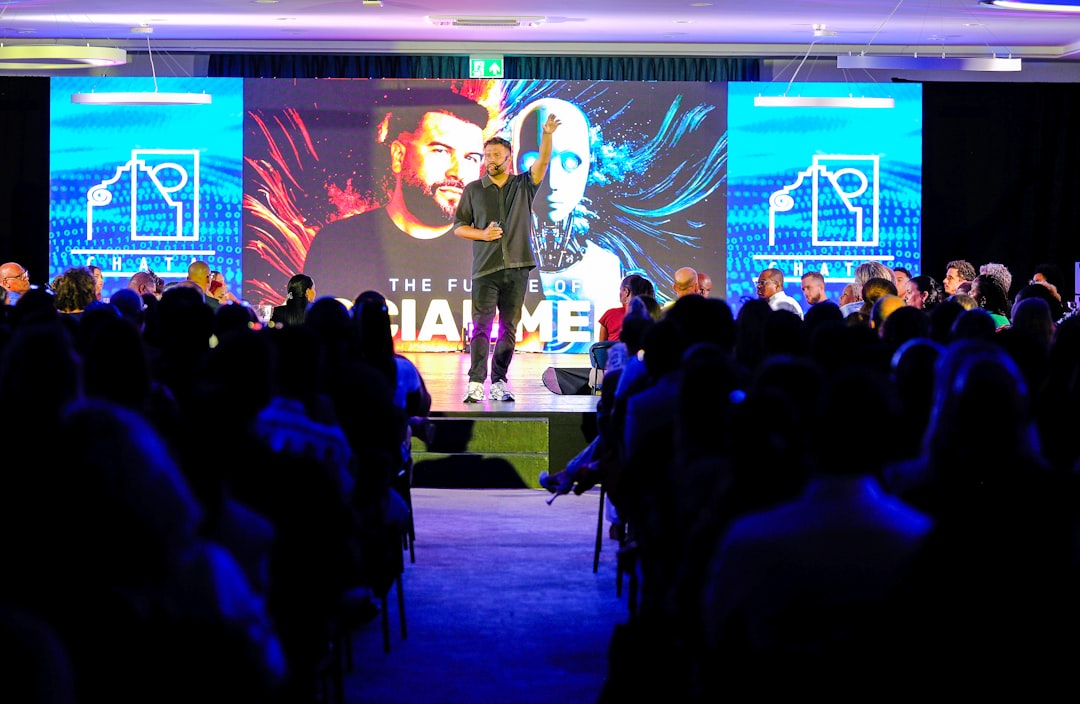
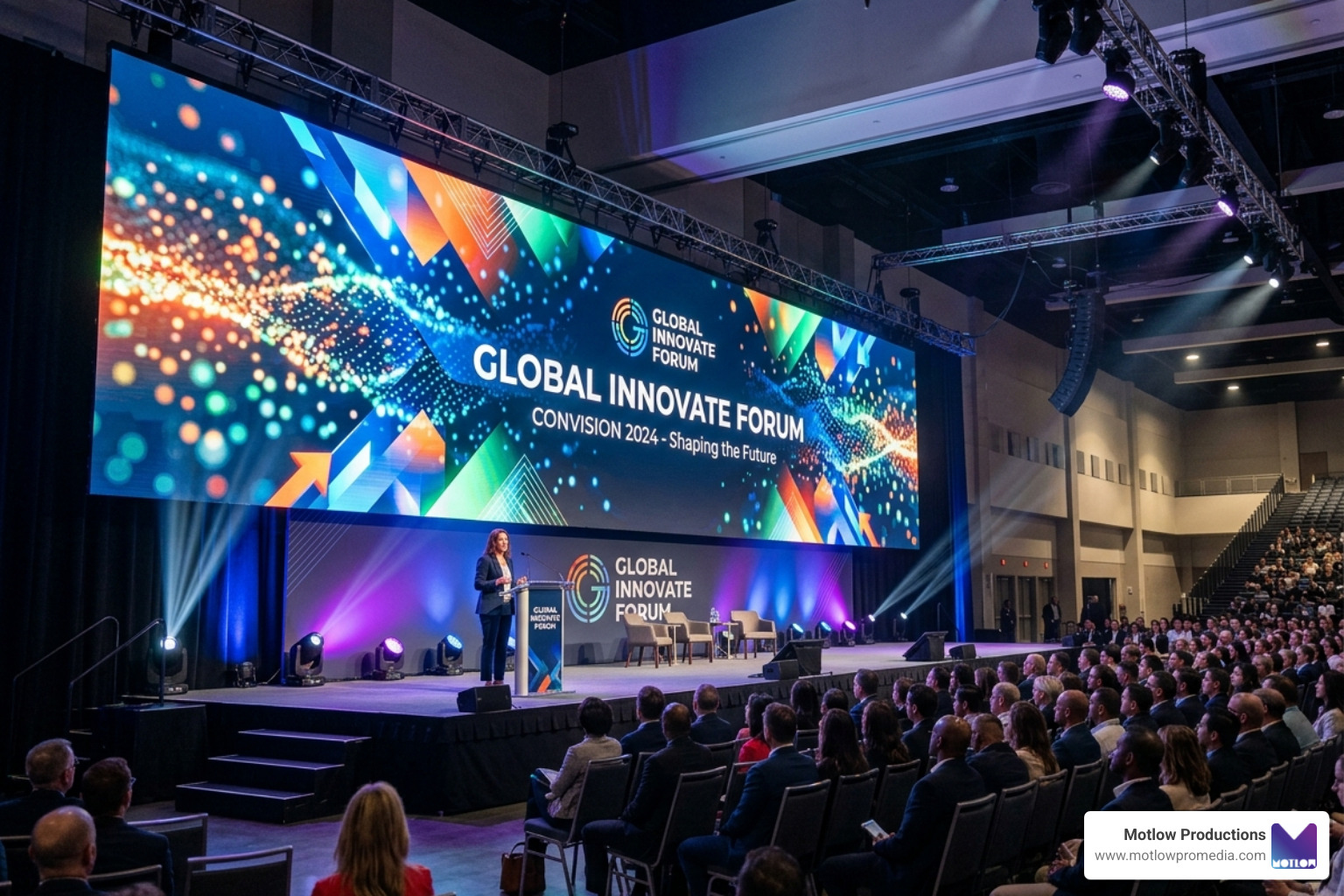
The background should not compete with the speaker. It should support the tone of the interview. If the message is about leadership and trust, the background should feel calm and professional. If the message is about culture, the background may include more energy and team activity. If the interview is part of a conference, the event environment may add credibility and context.
This is one reason location scouting matters. A production team can help choose a setting that looks good on camera and supports clean sound.
Wardrobe plays a bigger role than many teams expect.
The executive should look like themselves, but the clothing should also work on camera. Solid colors usually perform well. Tight patterns, small stripes, reflective fabrics, loud prints, and noisy jewelry can create distractions. Clothing should fit the brand, the audience, and the purpose of the video.
A CEO recording an investor-facing message may dress differently than a founder recording a thought leadership clip for LinkedIn. A hospitality leader may need a different look than a corporate communications executive or conference speaker.
The best wardrobe guidance is simple:
Wardrobe should never become the focus of the interview. It should support the speaker's credibility and help the viewer stay focused on the message.
A professional interview does not mean the speaker has to be perfect.
In fact, the most useful executive interviews often feel conversational. The speaker sounds prepared but not memorized. They know the message but still speak naturally. They pause, restart, and refine their answers without feeling rushed.
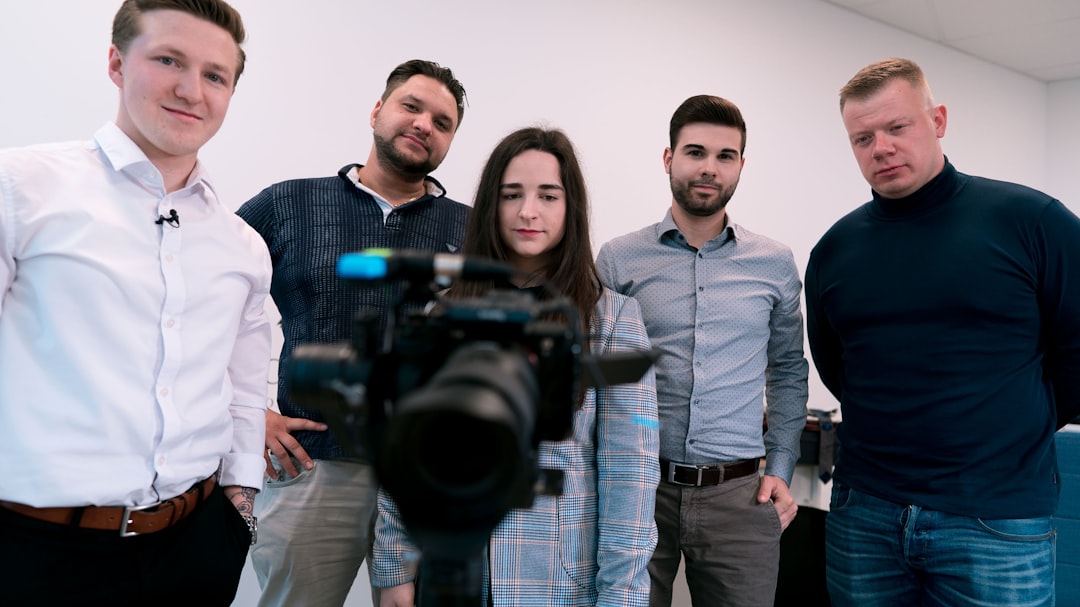
A good interviewer helps create that comfort. They explain the process, ask clear questions, give the speaker time to think, and remind them that retakes are normal. They may also help simplify long answers or ask follow-up questions that bring out stronger soundbites.
Executives should be reminded that they do not need to deliver every answer perfectly the first time. Most interviews are edited. Pauses are useful. Restarts are fine. The goal is to capture the strongest version of the message, not force a live performance.
Eye line refers to where the speaker looks while answering questions.
If the executive looks at an interviewer off-camera, the video feels conversational and documentary-style. This works well for brand stories, event recaps, testimonials, and thought leadership interviews.
If the executive looks directly into the camera, the message feels more direct and personal. This works well for internal announcements, leadership updates, recruitment messages, and direct audience communication.
Neither option is automatically better. The right choice depends on the final use of the video.
The mistake is deciding this casually on set. Eye line should be chosen intentionally because it affects the viewer's experience. If the team wants the viewer to feel like they are listening in on a conversation, off-camera works well. If the team wants the viewer to feel directly addressed, camera-facing may be stronger.
A talking-head interview can work, but it becomes much stronger when supported by b-roll.
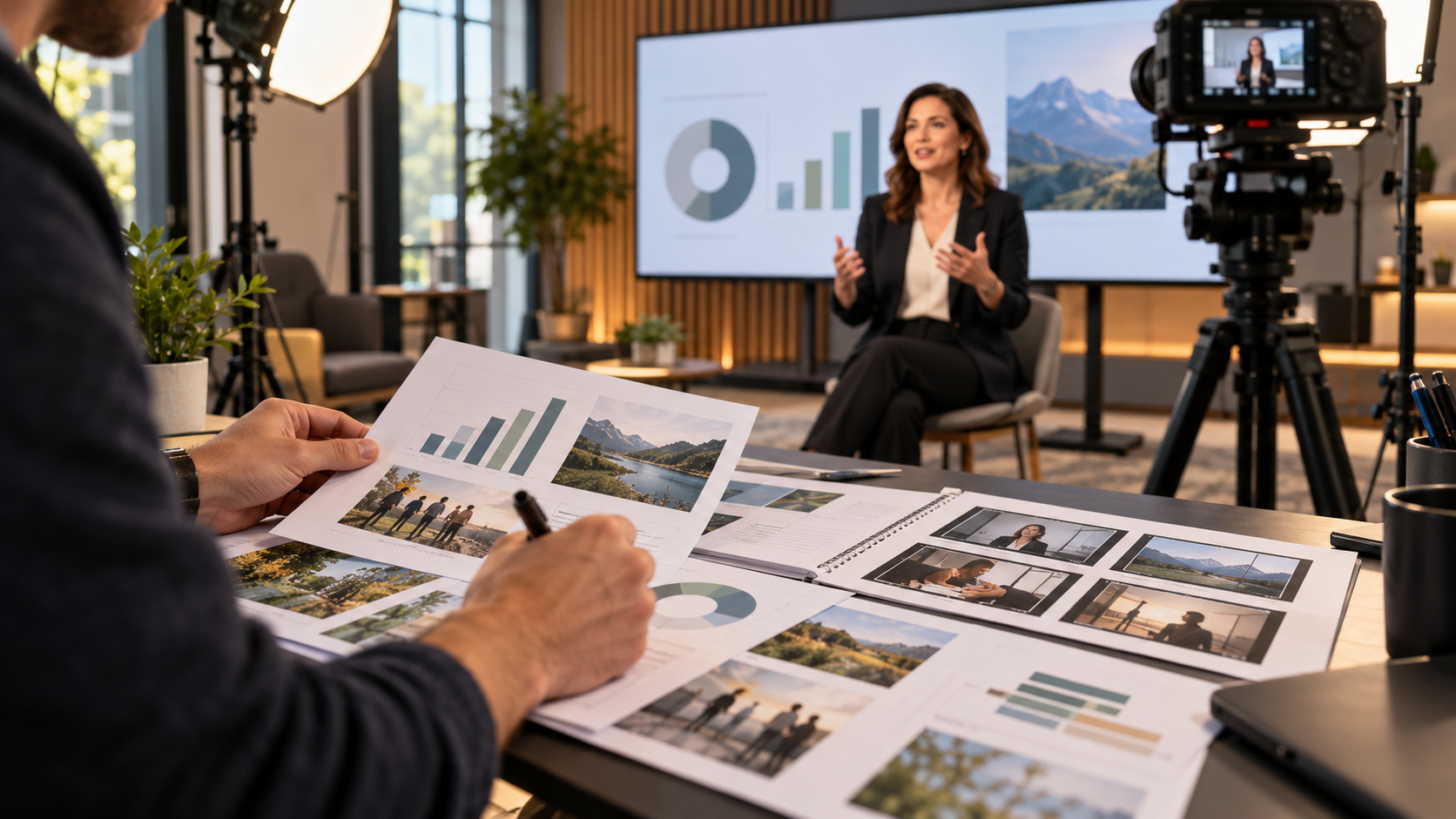
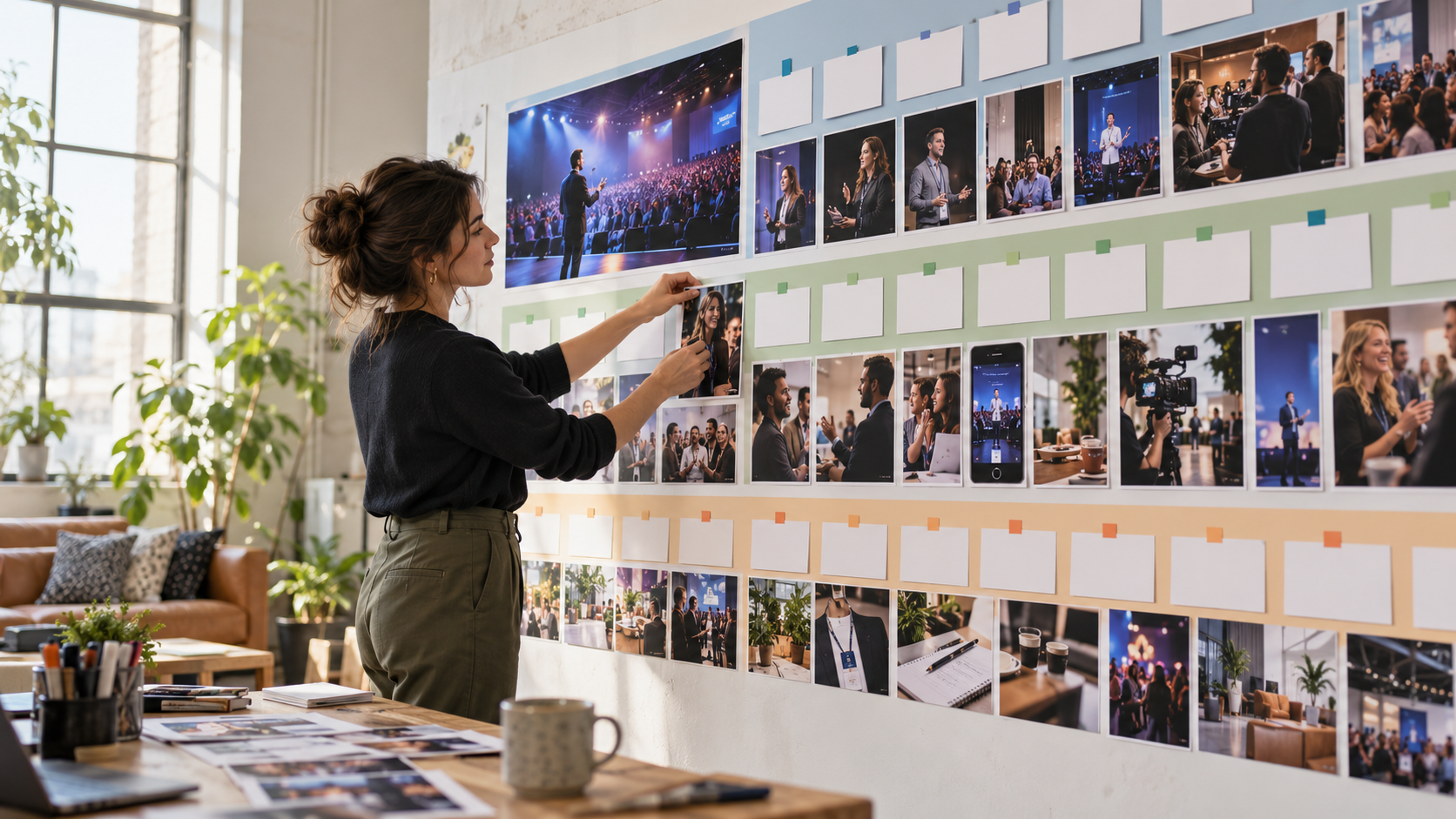
B-roll is the additional footage that helps tell the story visually. It gives the editor options, adds energy, and makes the final video feel more complete. It can also help cover edits, shorten long answers, and connect the speaker's message to real-world visuals.
For executive interviews, useful b-roll may include:
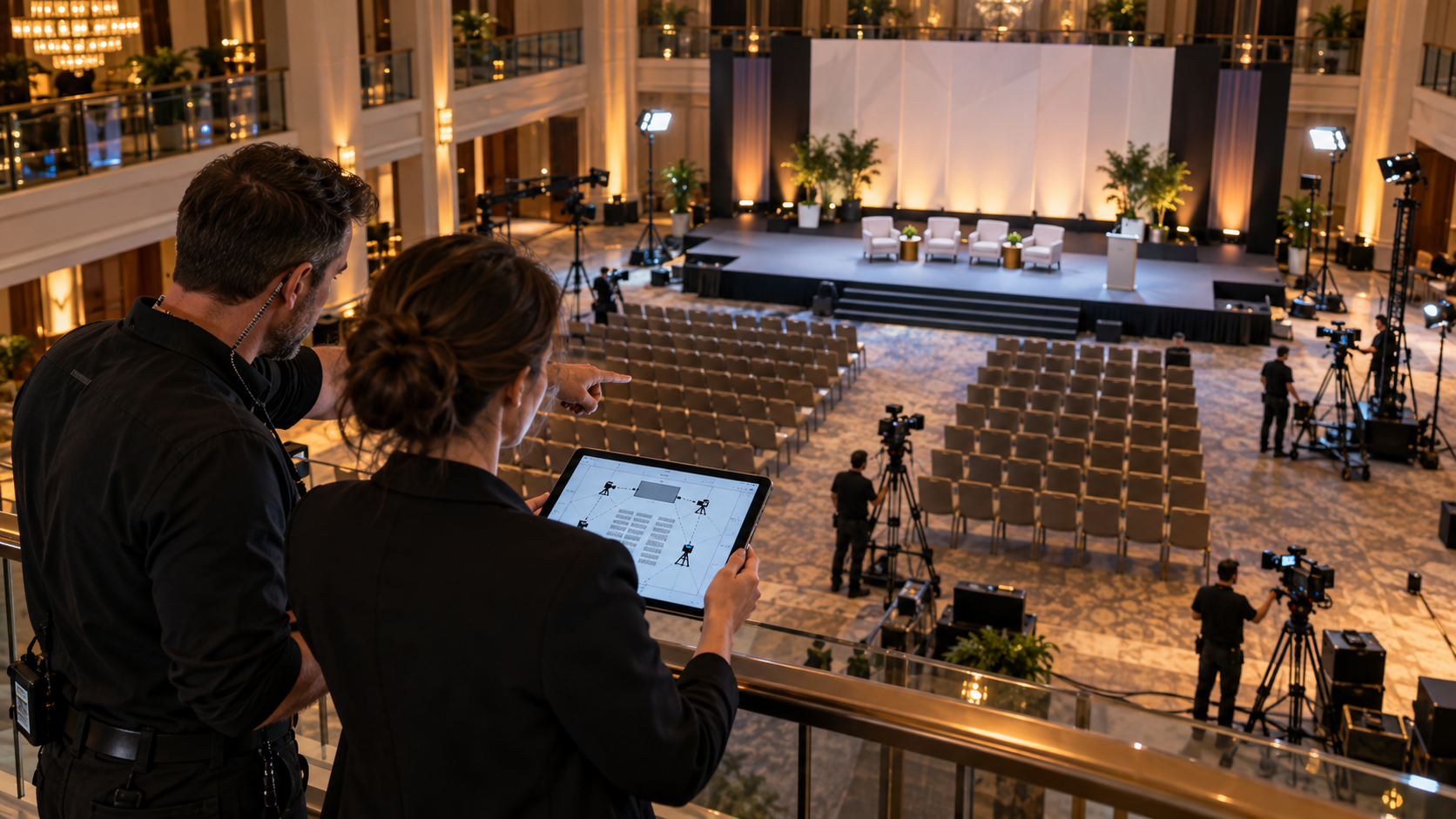
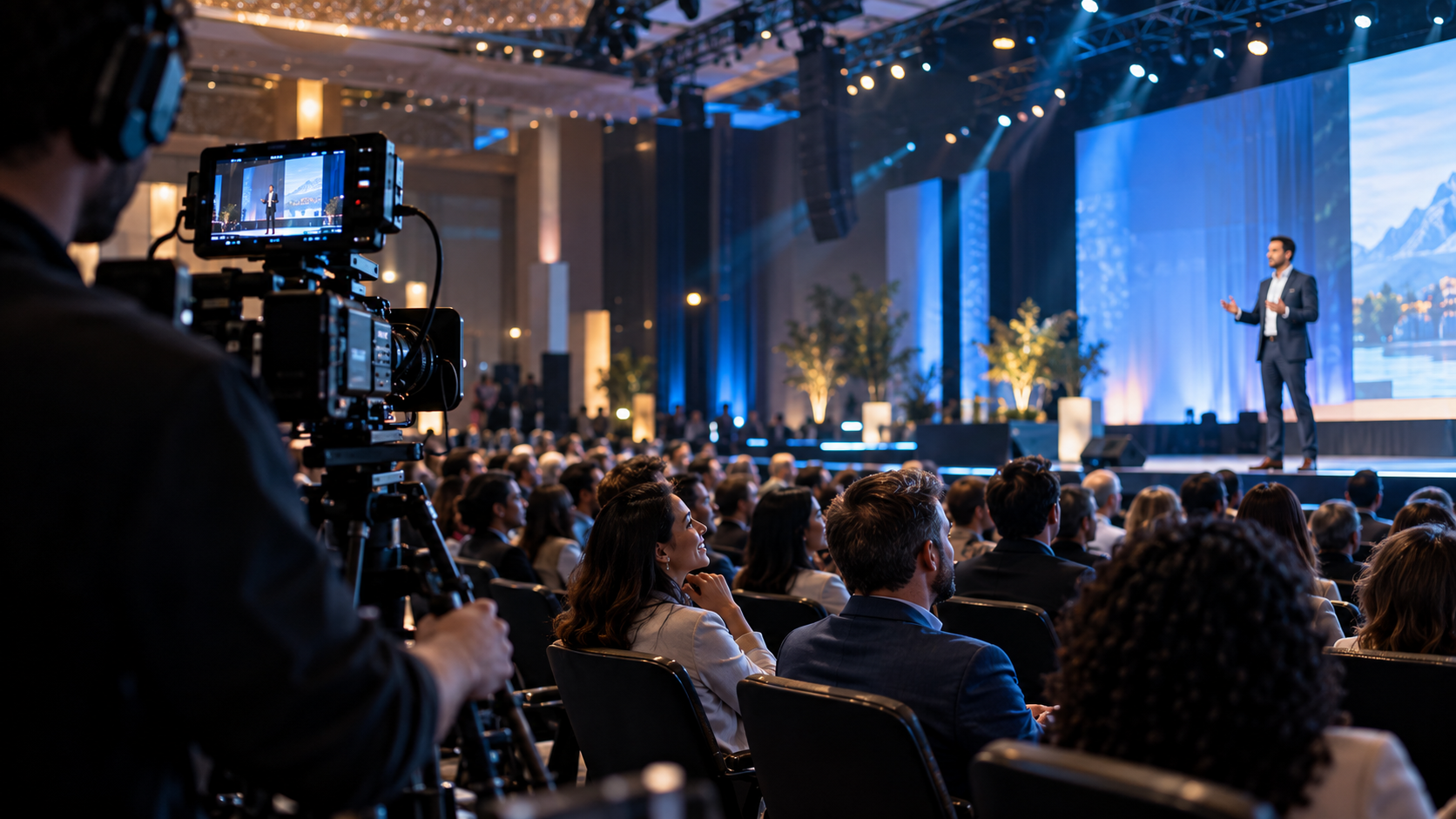
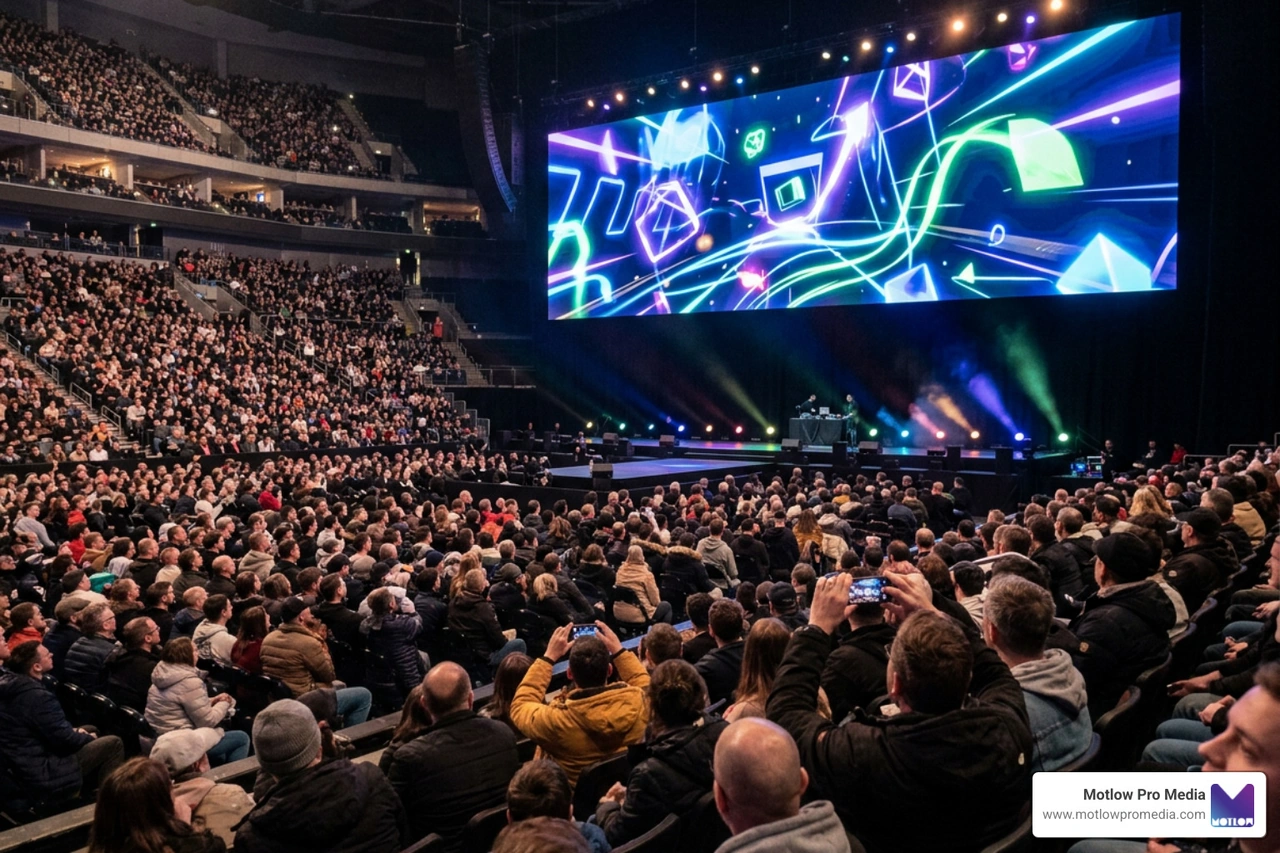
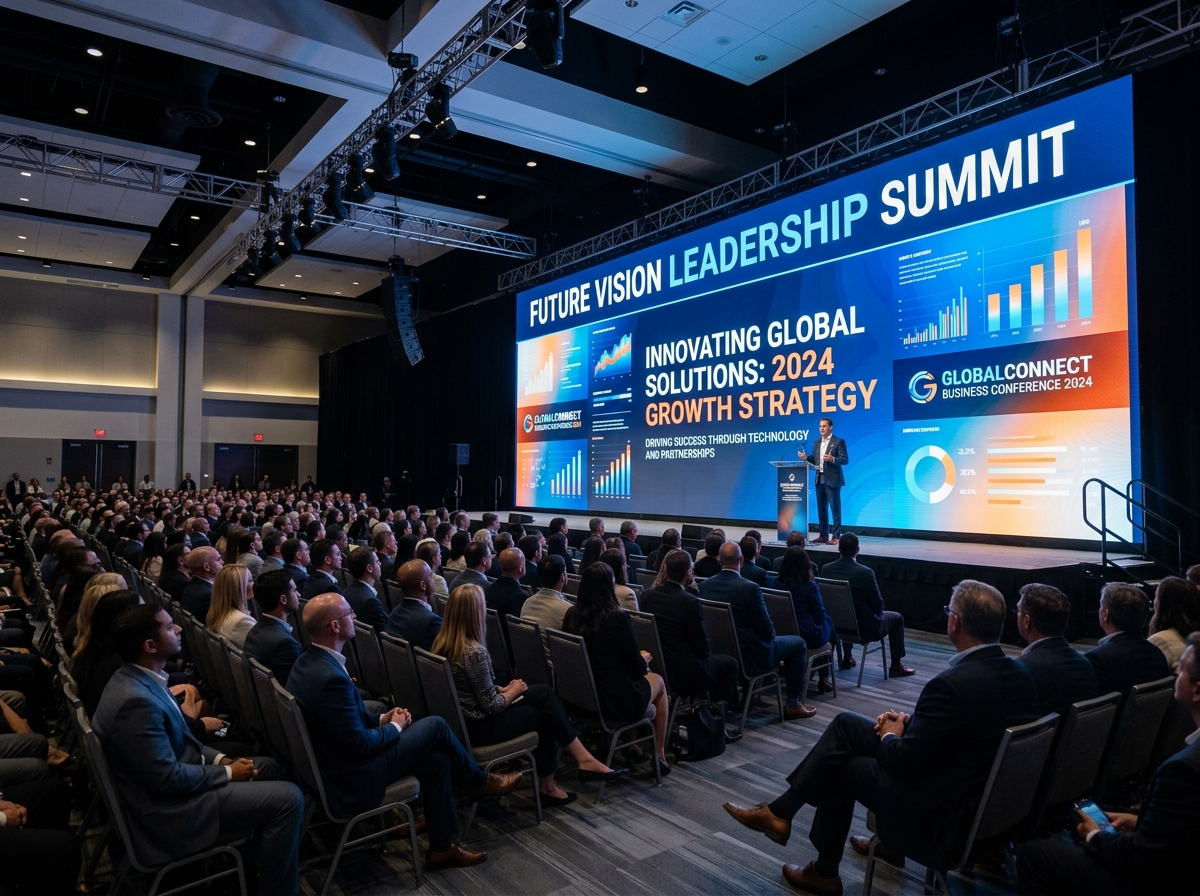
If the interview is connected to an event, the A-Z Guide to Conference Video Production explains how one event can produce a wide range of video assets when capture is planned strategically.
B-roll should not be an afterthought. It should be planned before filming so the editor has enough visual material to build a polished final video.
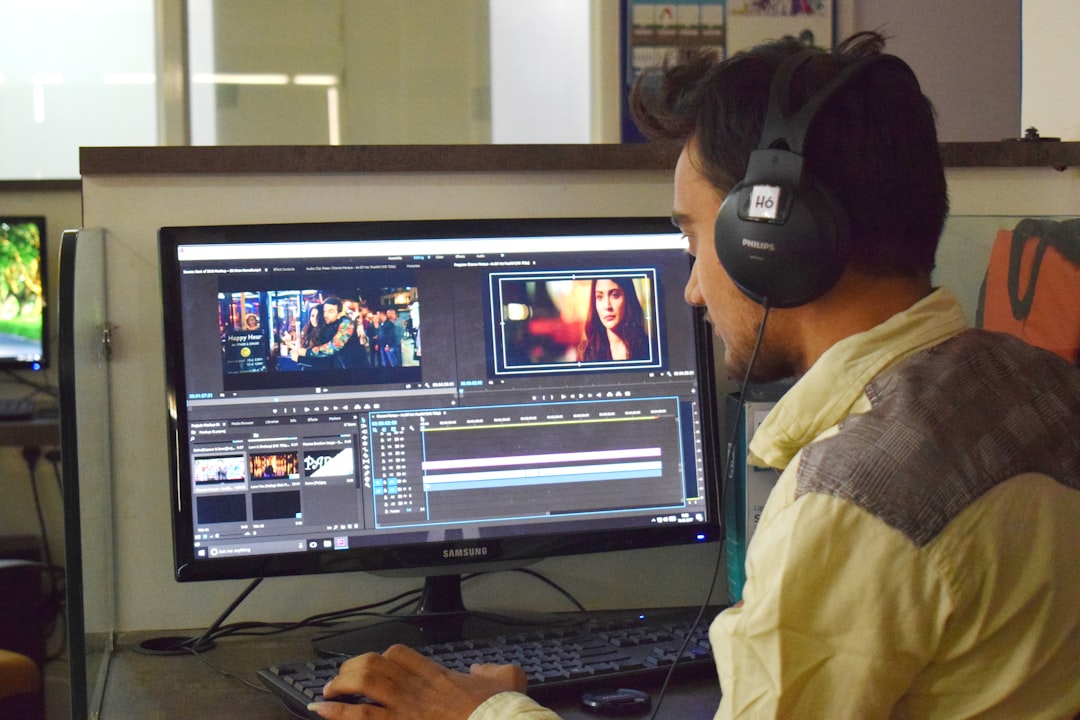
Professional editing is not just cutting out mistakes. It shapes the final story.
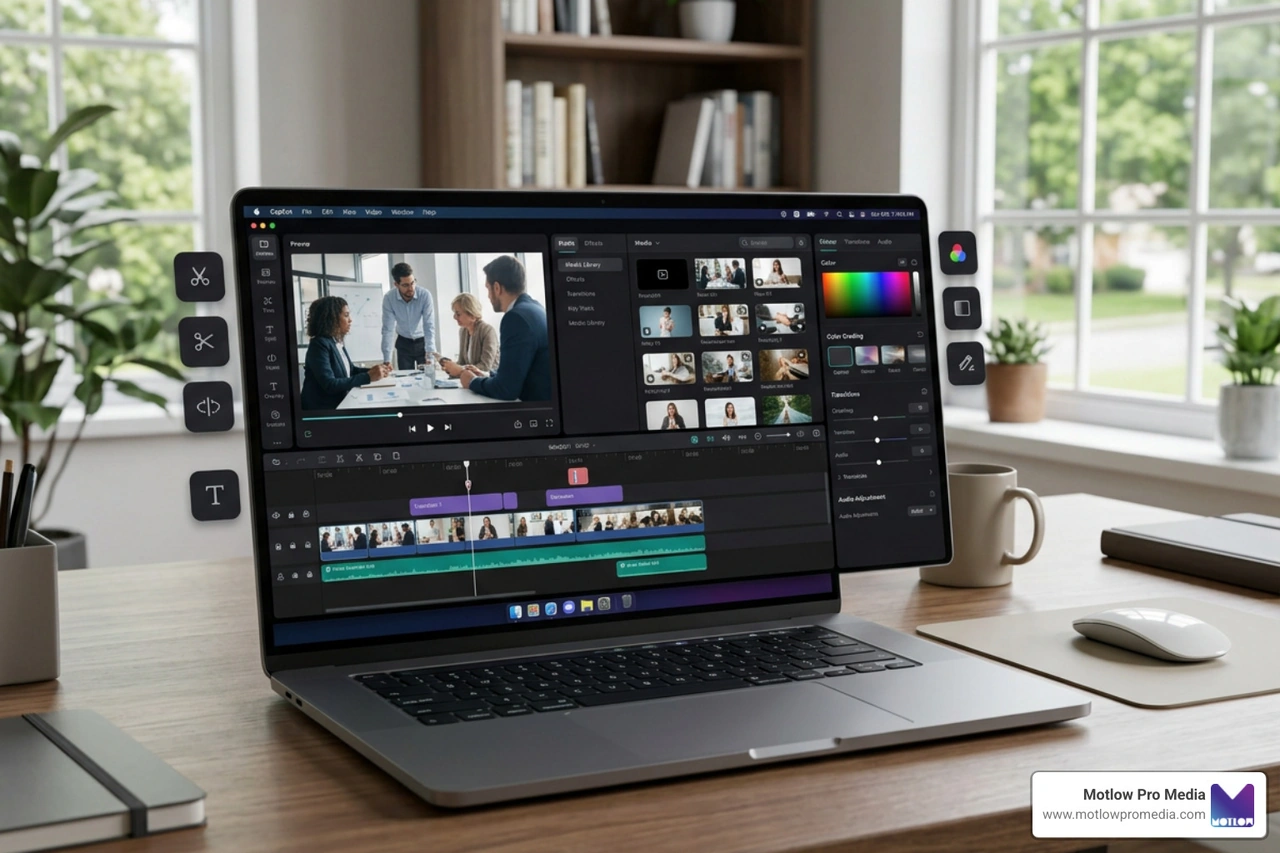
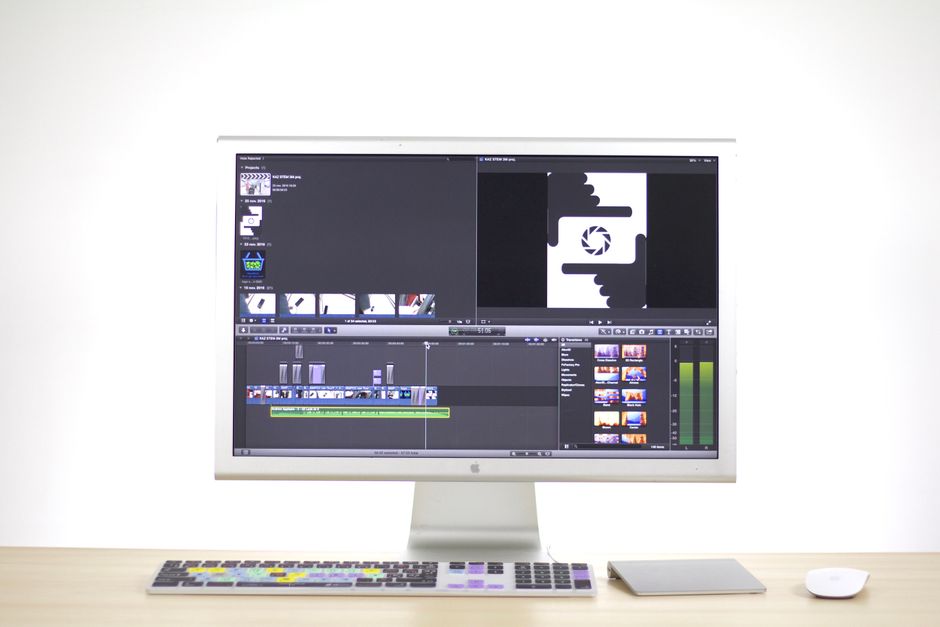
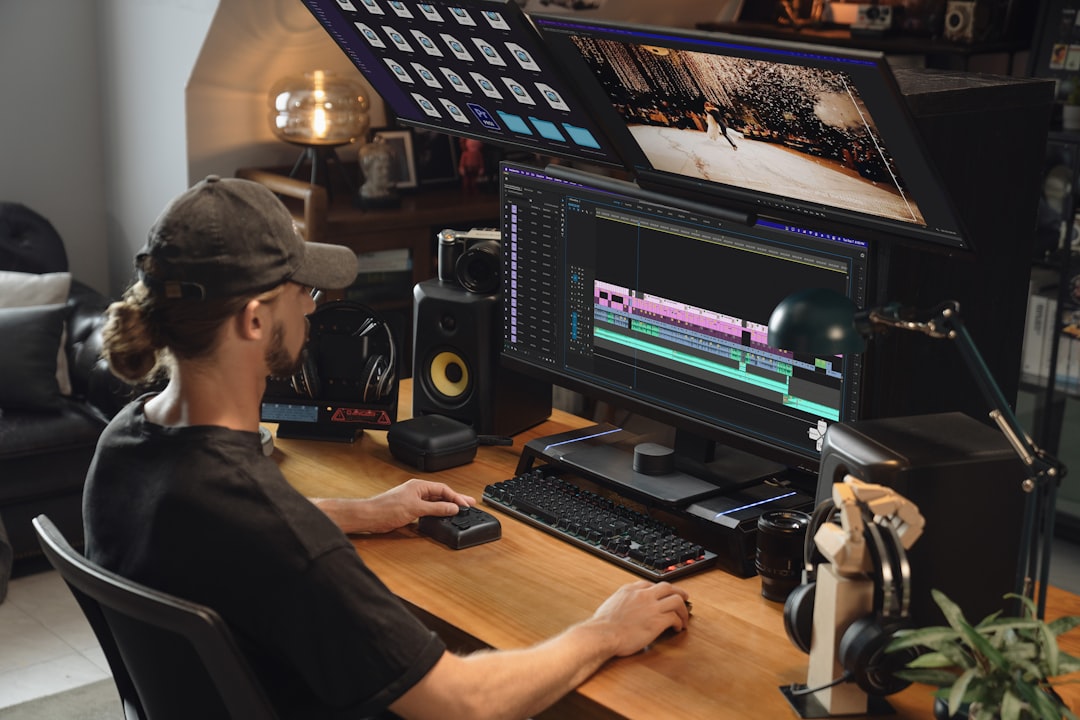
The editor chooses the strongest answers, removes unnecessary repetition, improves pacing, balances audio, adjusts color, adds music if appropriate, includes branded graphics, and builds the final structure. Good editing makes the executive sound clear without changing the meaning of what they said.
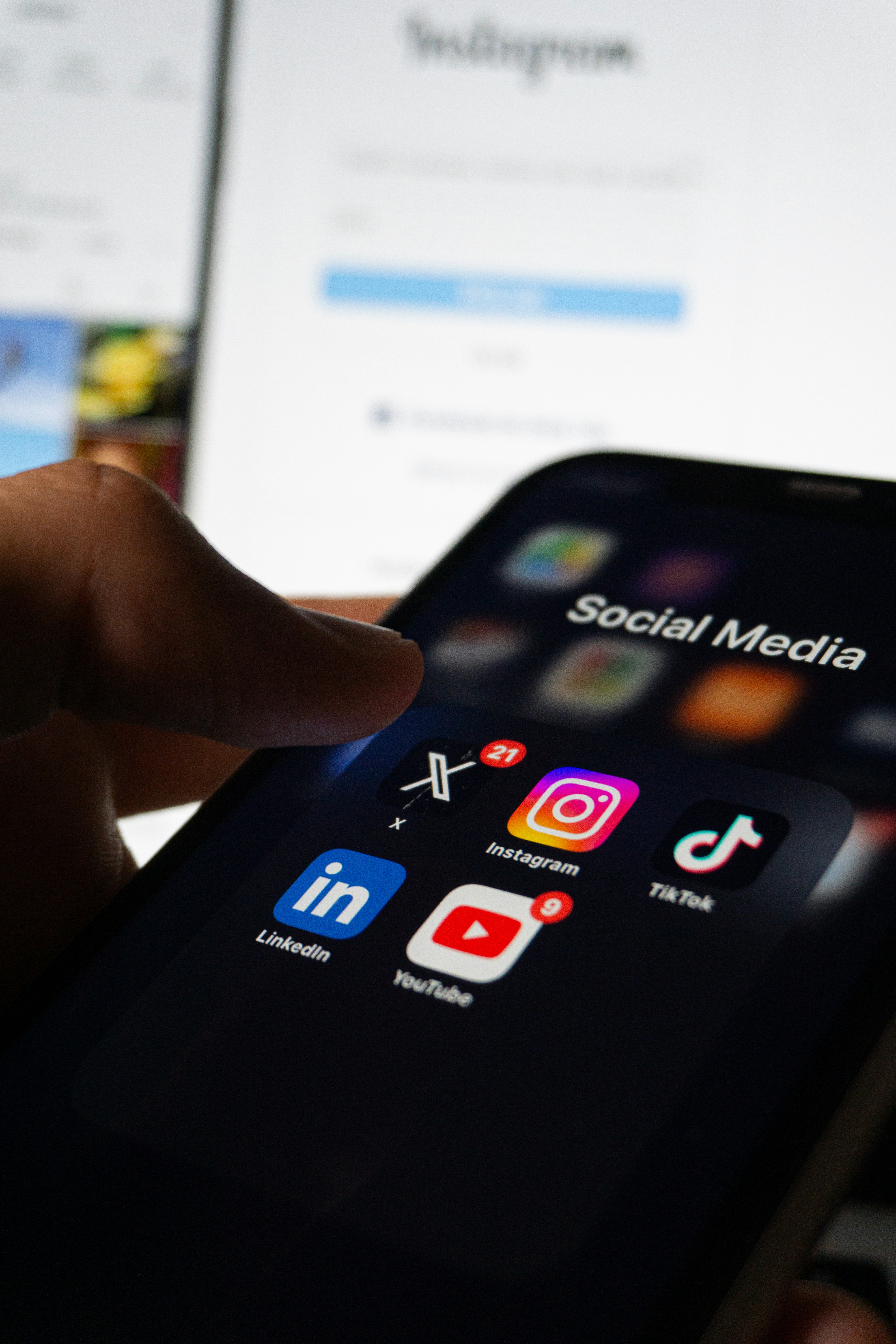
Editing also determines how many assets the interview can become. One executive interview might produce:
This is where planning and production connect directly to marketing value. HubSpot's video marketing research continues to show how important video is across marketing strategies, while LinkedIn's B2B thought leadership resources highlight the value of credible leadership content for professional audiences.
If the interview is filmed and edited with repurposing in mind, the marketing team gets more value from the same production effort.
Branding matters, but it should not overpower the interview.
A professional executive interview may include subtle brand elements like colors, office environment, lower thirds, logo placement, motion graphics, or branded intro and outro screens. These elements help the video feel connected to the company without making it feel like an advertisement.
The speaker should remain the focus.
Too much branding can make the interview feel less human. Too little branding can make it feel disconnected from the company. The right balance depends on the channel and audience. A website video may need more polish. A LinkedIn thought leadership clip may benefit from lighter branding. An internal leadership update may need a clean, direct format.
The Motlow Pro Media portfolio is useful for seeing how different corporate video styles can support different brand and content goals.
The first mistake is using poor lighting. Even a strong speaker can look flat, tired, or unpolished if the lighting is not planned.
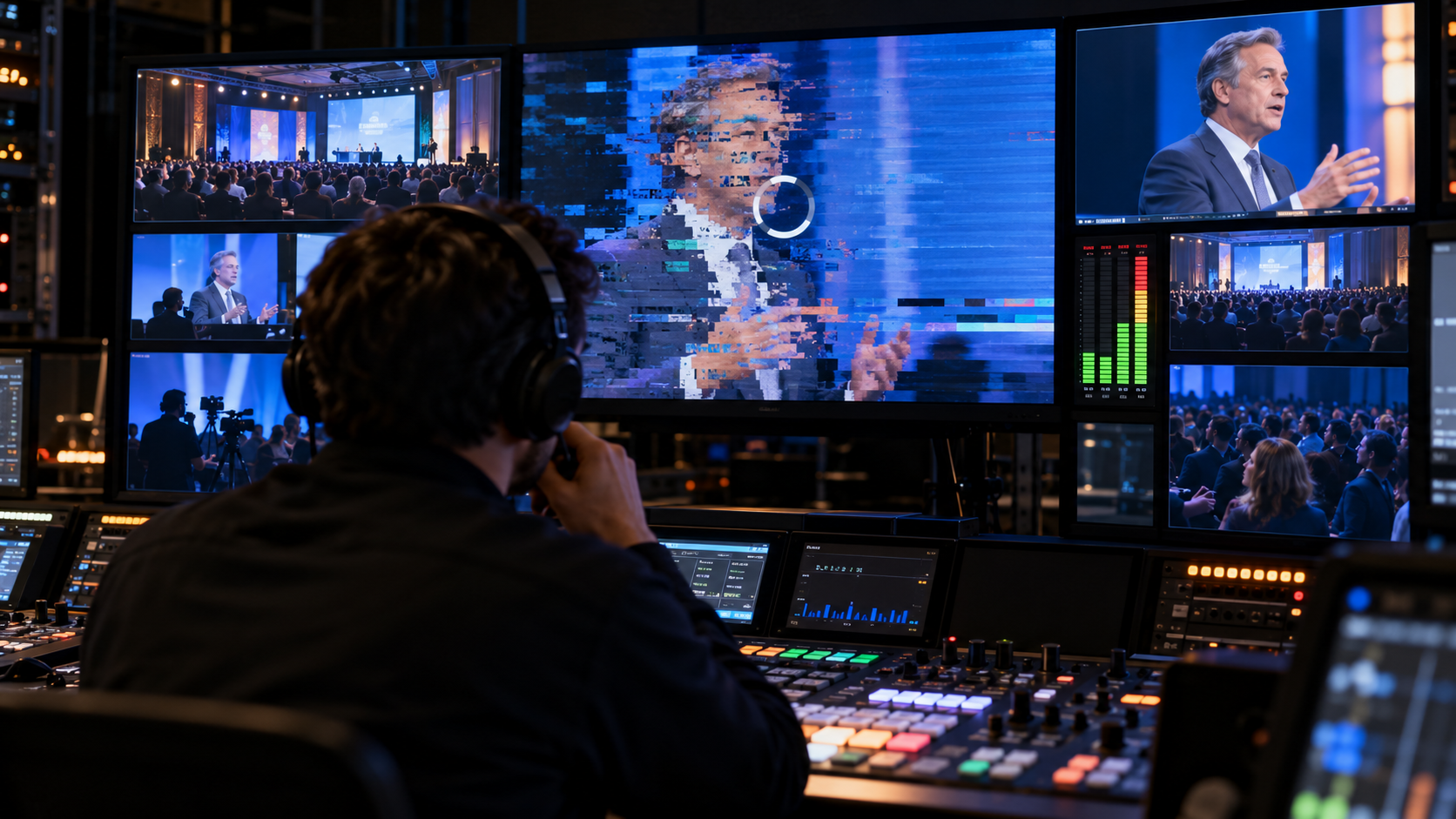
The second mistake is accepting bad audio. If the sound is distracting, the message loses credibility.
The third mistake is choosing the wrong background. A cluttered, noisy, or overly bright location can make the interview feel rushed.
The fourth mistake is over-scripting the speaker. Executives usually sound more confident when they are guided by talking points instead of memorized lines.
The fifth mistake is ignoring framing and eye line. The way the speaker is positioned affects how the viewer receives the message.
The sixth mistake is failing to capture b-roll. Without supporting footage, the final video may feel static and harder to repurpose.
The seventh mistake is waiting until editing to decide how the video will be used. The final deliverables should shape the production plan from the beginning.
What makes an executive interview look professional?**
**A professional executive interview usually includes strong lighting, clean audio, intentional framing, a clean background, camera-friendly wardrobe, clear messaging, confident speaker preparation, and polished editing.
Should executives use a script for video interviews?**
**Usually, talking points work better than a full script. Scripts can make executives sound stiff, while talking points help them stay focused and natural.
Should the executive look at the camera?**
**It depends on the purpose of the video. Looking into the camera feels direct and personal. Looking at an off-camera interviewer feels conversational and natural.
How long should an executive interview video be?**
**The final edited video may range from 60 seconds to several minutes depending on the use. However, the full interview session may be longer so the editor has enough strong material to work with.
Can one executive interview be used for multiple pieces of content?**
**Yes. A well-planned interview can become a main video, short clips, internal messages, social posts, sales content, recruiting content, and conference recap soundbites.
Lighting setups, framing choices, and audio plans get sharper the more consistently a team works with the same production partner across interviews, rather than reassembling the approach from zero for each new leader or campaign. That consistency is exactly what a recurring content partnership is designed to protect — carrying the technical playbook forward so every subsequent interview starts from a stronger baseline.
A professional executive interview is not created by one piece of equipment. It is created by the way the message, speaker, lighting, audio, framing, background, wardrobe, b-roll, and editing work together.
For marketing teams, the best interviews happen when the production process supports the executive instead of overwhelming them. The speaker should feel prepared, comfortable, and clear. The environment should feel intentional. The final edit should make the message easy to understand and useful across multiple channels.
When planned well, an executive interview becomes more than a video. It becomes a reusable leadership asset that supports brand trust, thought leadership, internal communication, sales, recruiting, and long-term content strategy.
Some clients want to give notes in a live Zoom call. Others prefer a group text or email thread. However you like to communicate, we adapt. You’ll never be left guessing where things stand - and you’ll always have a say before anything goes out the door.





Phone:
+1 863-250-8639
.png)
Email:
info@motlowpromedia.com