








-5.jpg)
































































Thank you! Your submission has been received!
Oops! Something went wrong while submitting the form.

.avif)
September 29, 2026
Hiring separate companies for video, photography, livestreaming, audio, lighting, staging, and post-production can appear flexible and cost-efficient on a spreadsheet. The hidden cost emerges in the spaces between those contracts, where someone must reconcile schedules, specifications, approvals, files, brand standards, and responsibility for problems. A fair comparison therefore looks beyond each line-item quote and measures the management load and production risk created by the vendor structure.
For marketing directors and event leaders, the real risk isn't any single vendor underperforming — it's the seams between vendors, where conflicting assumptions, duplicate charges, unclear ownership, and last-minute rework tend to hide until the invoice or the run-through exposes them. Surfacing those gaps at the proposal stage, rather than during load-in, is what keeps a multi-vendor structure from costing more than it promised to save. Whatever gets left unresolved on paper becomes someone's problem on-site.
The recommended approach is to work backward from the intended business use and define the people, systems, approvals, and assets required to support it. Success means creative, technical, and operational decisions remain coordinated from planning through delivery. That standard is more useful than judging the work only by how busy the production looked or how many files were delivered. Every section below turns that principle into a practical decision.
Every additional vendor creates another briefing, schedule, contract, invoice, approval path, and source of project updates. Marketing teams often absorb that work without counting the hours because coordination is spread across meetings, emails, and last-minute calls.
Identify who will own the master timeline, technical decisions, creative consistency, and final escalation path before comparing proposals. If that role is not included in a vendor scope, it still exists and will fall to an internal employee or an unplanned producer.
Put this ownership question directly into the RFP and the contract, not just the kickoff call — spell out who has final say on the schedule and who gets escalated to when something's ambiguous. Revisit that assignment again shortly before the event, once the actual vendor list is locked and there's still room to fix a gap. The test is simple: does this keep every decision, creative, technical, and operational, moving in the same direction through delivery?
For additional context, the integrated approach Motlow Pro Media uses is a useful comparison point.
Separate teams may each include project management, equipment transport, setup time, insurance, media handling, and on-site supervision in their fees. Those charges are legitimate within an individual scope, but the combined project may pay for similar functions more than once.
Map every responsibility across the full vendor list and look for both duplication and gaps. The goal is not to remove necessary oversight; it is to assign each function once, to the right owner, with enough authority to act.
This is also the moment to weigh what actually needs an outside specialist against what the internal team can own directly. Walk the list — marketing, communications, the executive sponsor, subject experts, the venue, and each production vendor — and decide who holds which call and what happens if their answer comes in late. Getting that ownership map right before contracts are signed is what keeps duplicate charges and unclear responsibility from showing up on the final invoice.
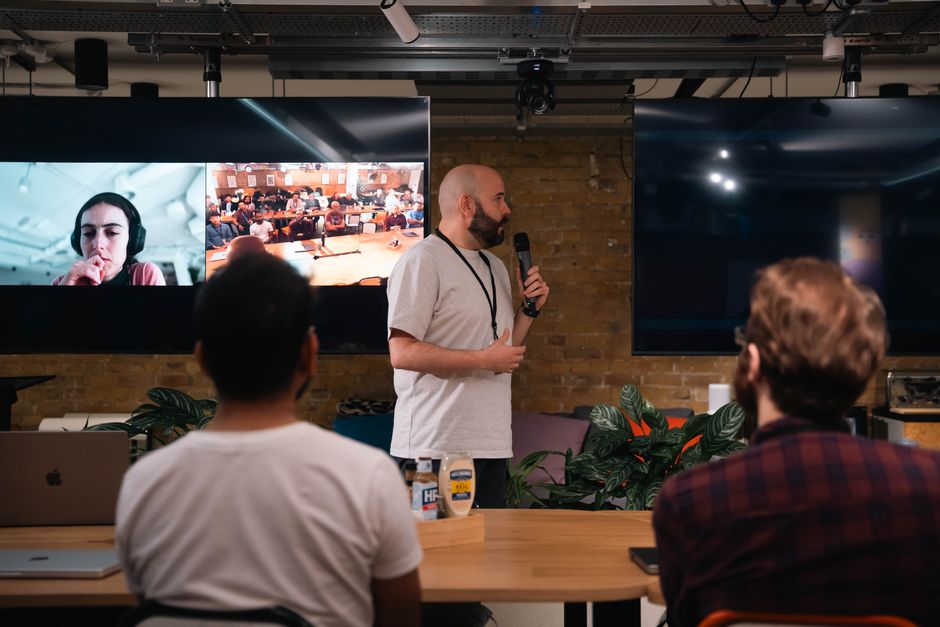
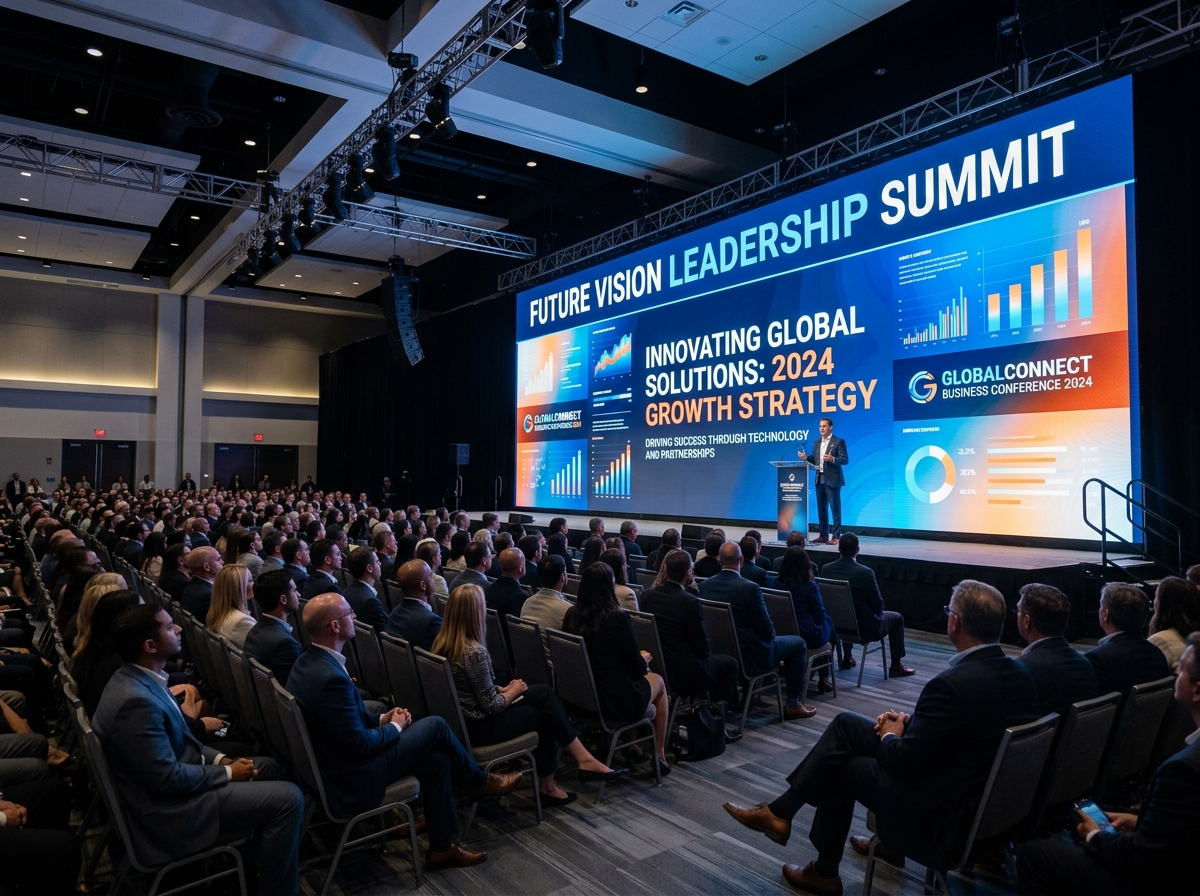
A unified planning team aligns creative, technical, and business requirements.
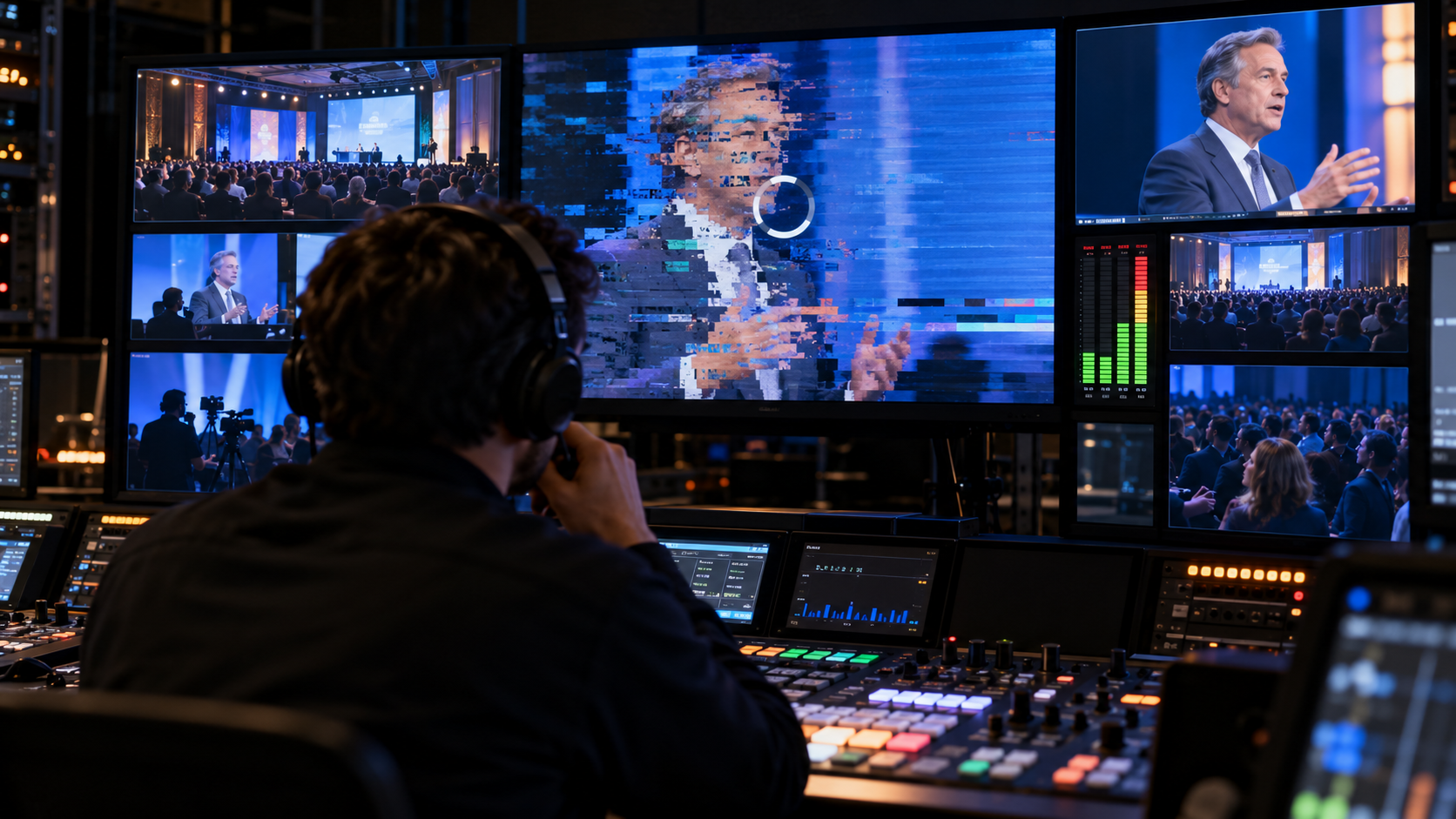
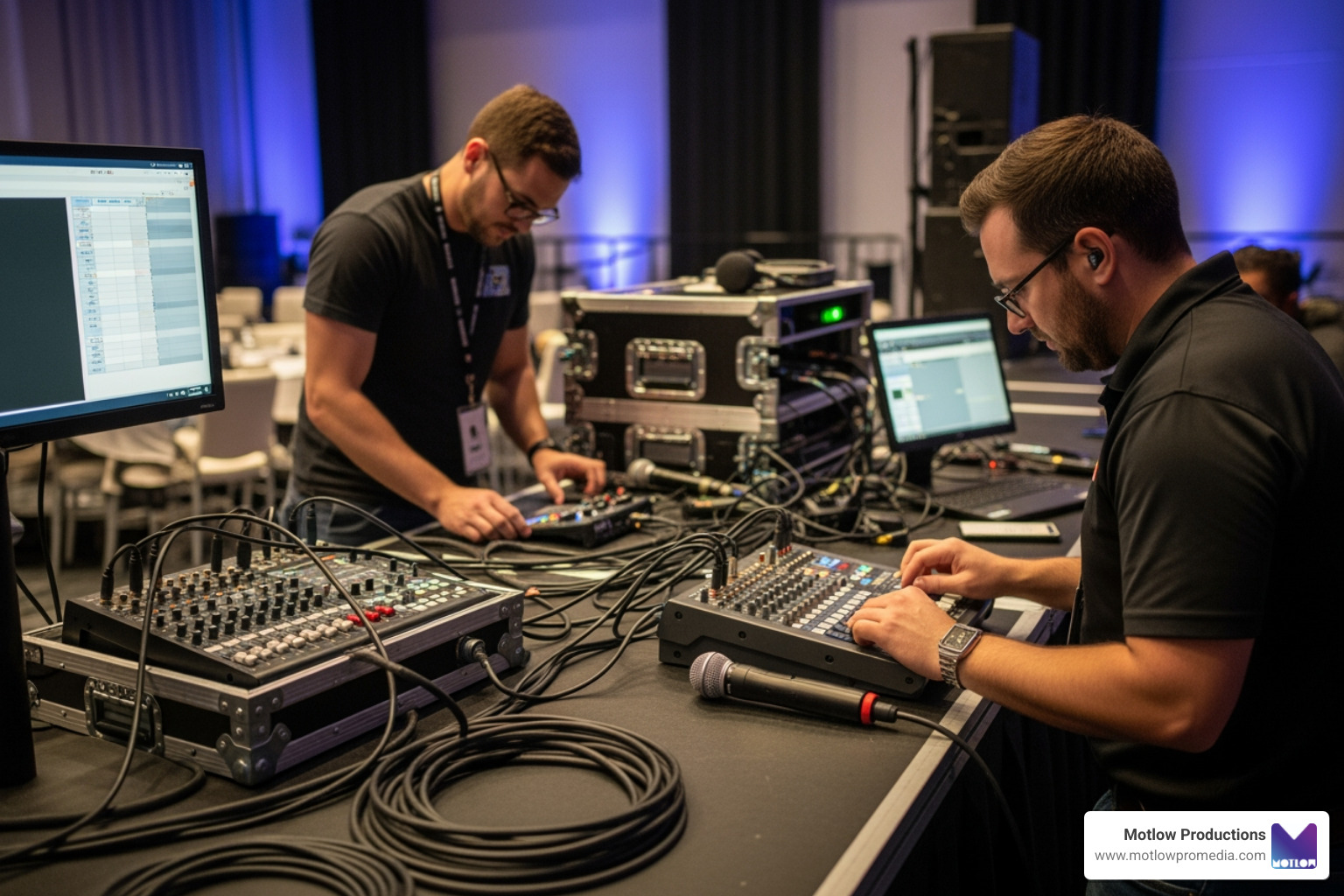
Camera, lighting, audio, presentation, streaming, and venue systems must exchange signals reliably and follow the same run of show. A technically capable vendor can still fail within the larger system if formats, connectors, routing, frame rates, network requirements, or cue ownership were assumed rather than confirmed.
Require a shared technical plan and one lead who can approve signal flow and resolve conflicts before load-in. Pre-event tests should evaluate the complete chain rather than allowing each vendor to test only its own equipment.
When it's time to approve this part of the plan, ask what the room or the remote audience would actually notice if one hand-off failed. That question separates the technical requirements that are truly non-negotiable from the ones that can flex, and it lets the budget follow that distinction rather than treating every vendor's preference as equally critical to getting decisions coordinated from planning through delivery.
For additional context, the shared technical plan Motlow Pro Media builds for multi-vendor shows illustrates this approach.
Different vendors may interpret brand tone, color, framing, graphic standards, speaker treatment, and storytelling priorities in different ways. The result can be technically acceptable assets that do not feel like parts of the same campaign or event experience.
Use one creative brief, shared references, common file specifications, and a single approval hierarchy for all visual teams. A unified direction reduces subjective corrections later and protects the audience from a fragmented brand experience.
Once a brief like this works, keep it and reuse it: log the reference files, the approval owner, and the deadline for sign-off so the next event doesn't start from a blank page. A team that already has a tested creative brief moves faster, and it's far less likely to rediscover the same conflicting-assumptions problem under a different vendor roster next time.
For additional context, Eventbrite's run-of-show template is a useful starting point for aligning creative direction across teams.
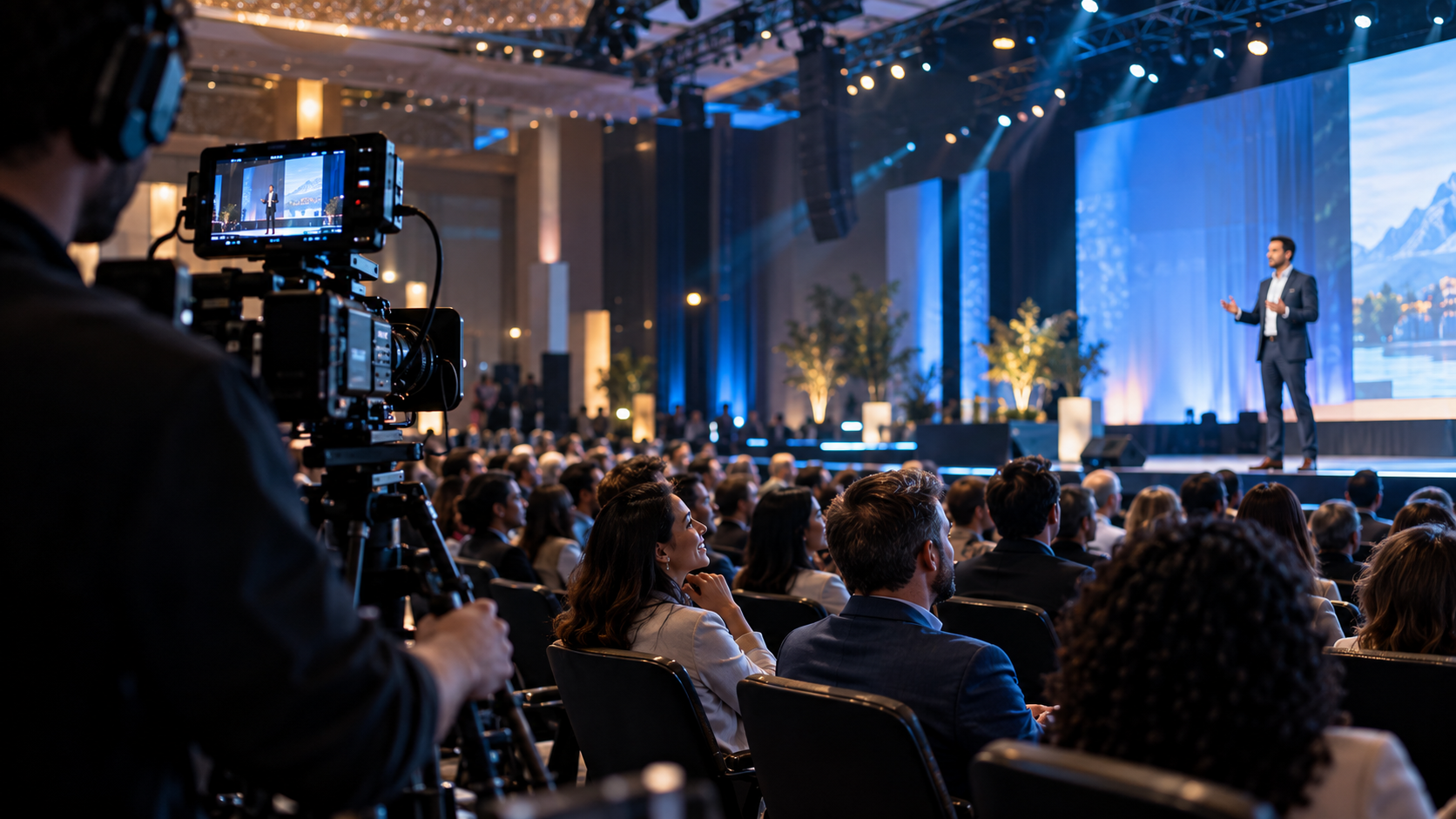
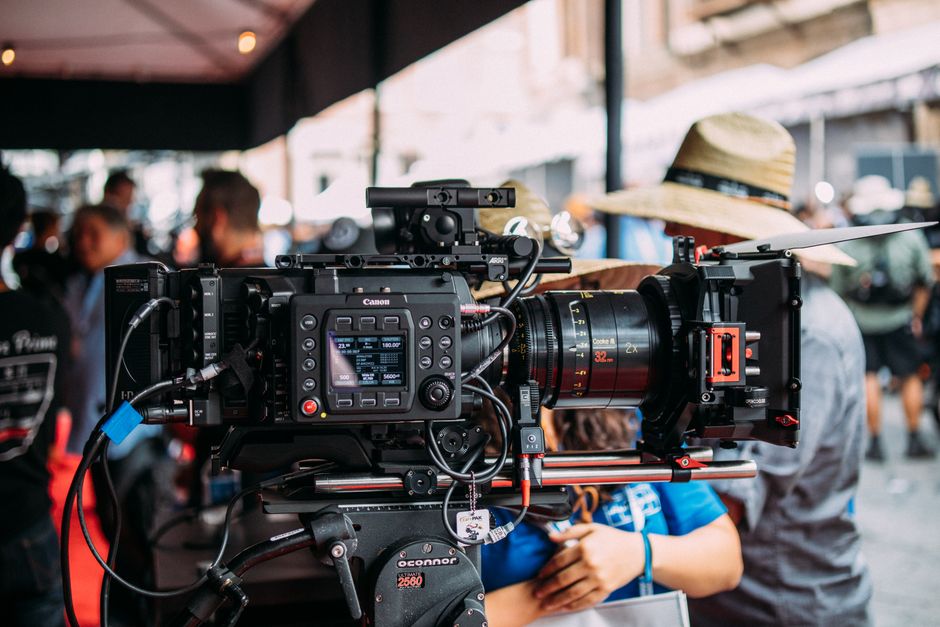
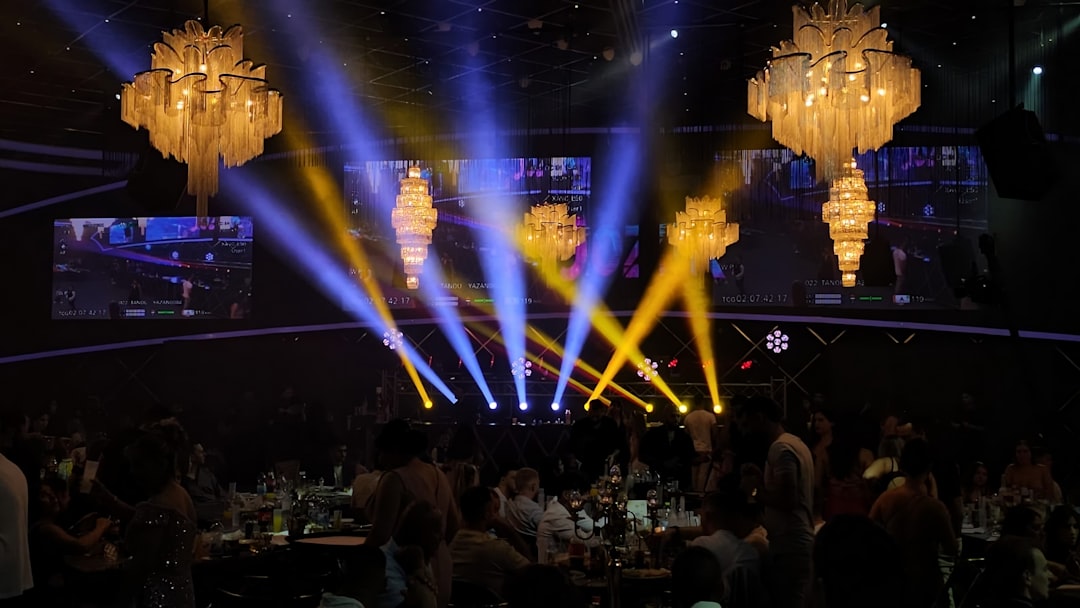
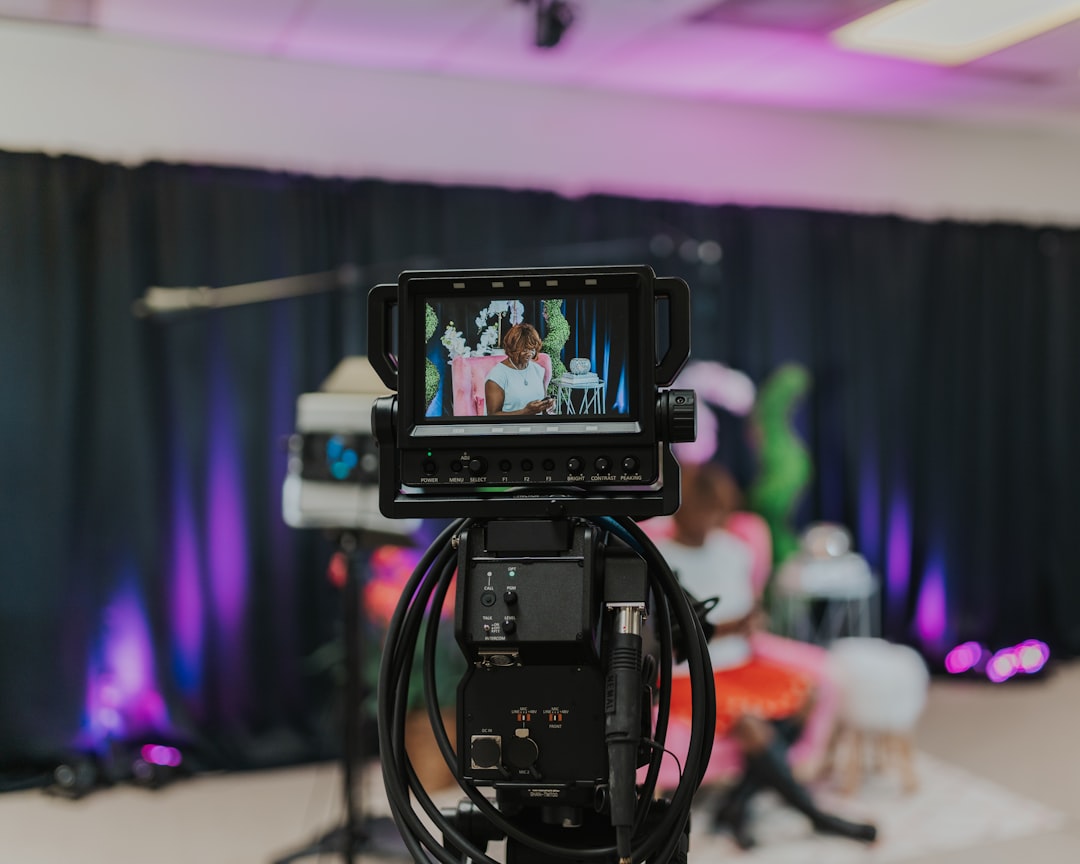
Live production systems work best under one coordinated technical plan.
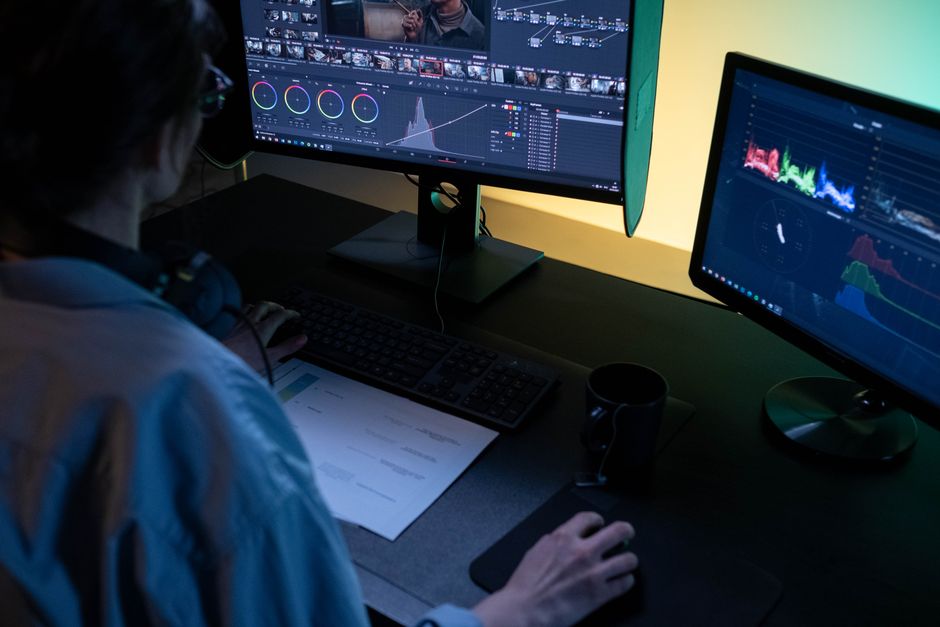
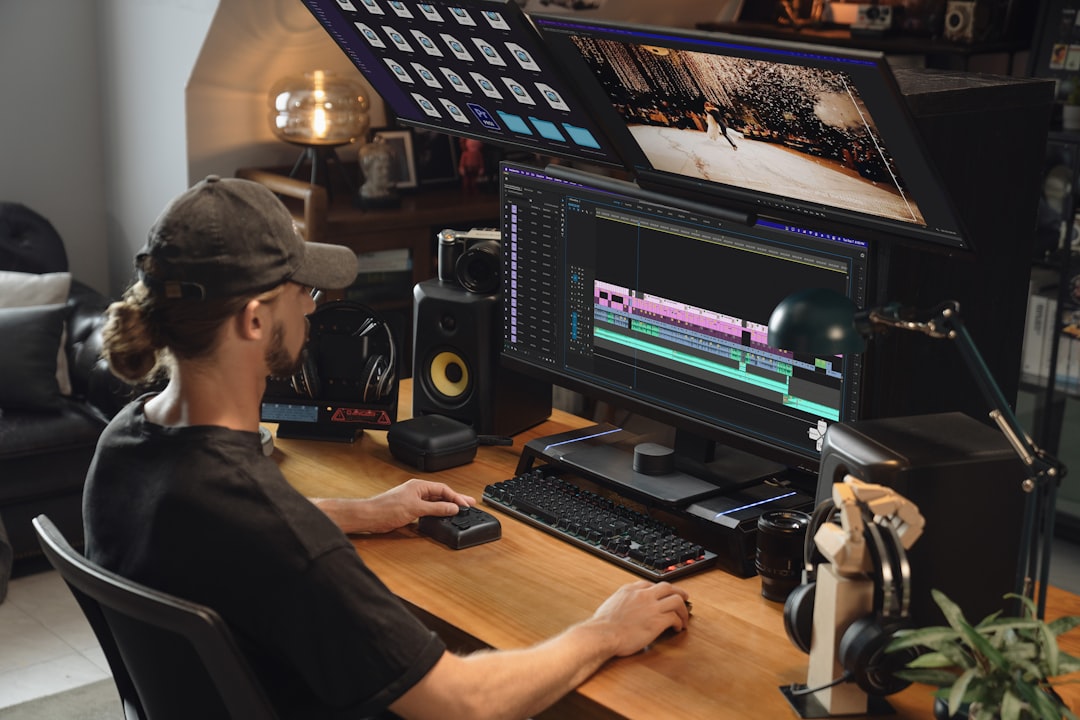
Many multi-vendor costs arrive in post-production when footage, audio, graphics, photographs, and presentation files do not match the agreed delivery plan. Editors may spend billable time converting files, rebuilding graphics, syncing external audio, tracking missing releases, or locating the right version.
Define delivery formats, folder structures, naming rules, backup responsibilities, and transfer deadlines before production. A clean handoff protects both schedule and budget while preserving options for future edits.
For marketing directors and event leaders, this deserves an actual written plan rather than an assumption that files will simply arrive usable: name who owns the delivery specs, when they're due, and what "complete" means for each file type. Check that plan against whether it keeps creative, technical, and operational work coordinated through delivery, and if a vendor's format or timeline shifts, update the plan and tell every affected team before post-production starts.
A single partner is not automatically the right answer, and multiple specialists are not automatically inefficient. The deciding factor is whether the structure provides clear leadership, compatible capabilities, transparent scopes, and a workable escalation path.
Evaluate proposals using total management time, coordination risk, duplicated functions, contingency coverage, and post-production readiness. The strongest model is the one that makes accountability visible and gives the internal team fewer unresolved decisions.
Getting this comparison right comes down to making ownership visible on paper before anyone signs anything: what has to be true for the structure to work, who is accountable for confirming it, and how quickly the production team can get a straight answer. That visibility is what protects marketing directors and event leaders from paying twice for coordination nobody planned, and it gives the team solid ground for pushing back on requests that surface once the vendor mix is locked in.
For additional context, Adobe's guide to scaling brand consistency covers similar ground on keeping standards aligned across teams.
Bring the marketing owner, the lead producer, and whoever controls budget, access, and final approval into one 45-minute session before vendor contracts are finalized. Use it to decide which coordination, scope-overlap, and technical-handoff questions above need answers immediately, and put a date on each open item so vendor selection doesn't drift into an open-ended search. Leave that meeting with a plan the team can act on, not another list of concerns.
From there, test the creative-consistency, rework, and accountability questions against the actual schedule and the vendors under consideration. Cut anything without a clear audience, owner, or delivery path, and keep whatever most directly protects coordination from planning through delivery. Where a dependency between two vendors can't be resolved cleanly, say so and note the cost in time, money, or quality rather than hoping it resolves itself.
After delivery, hold a short debrief that looks at decisions, not personalities: what kept the project on track, what caused delay or rework, which vendor handoffs worked, and what should change before the next event. Keep those notes with the brief, schedule, releases, and final files so the next vendor selection starts from real experience instead of guesswork.
No. Specialized vendors can be appropriate when their scopes are clearly integrated. The meaningful comparison is total project cost, management time, risk, and accountability rather than the number of invoices. Write that comparison into the project brief so the client and every production partner are working from the same math.
A qualified lead producer or technical director should own the full system, not just one vendor's equipment. That person needs access to every scope, the run of show, and the authority to resolve conflicts. Name that person in the brief itself so there's no ambiguity about who has final say once vendors are on-site.
Share the event goals, master schedule, venue rules, floor plan, technical specifications, brand guide, contacts, approval process, delivery requirements, and contingency plan. Put this packet in the brief and distribute it to every vendor at the same time so nobody is working from a partial picture.
Multiple vendors become expensive when the operating model leaves coordination, integration, and quality control unowned. Before choosing a fragmented or integrated approach, calculate the complete cost of managing the work and the consequences of a failed handoff. A production structure should reduce uncertainty for the marketing team, not simply divide one project into more contracts.
Some clients want to give notes in a live Zoom call. Others prefer a group text or email thread. However you like to communicate, we adapt. You’ll never be left guessing where things stand - and you’ll always have a say before anything goes out the door.





Phone:
+1 863-250-8639
.png)
Email:
info@motlowpromedia.com