










-5.jpg)























Thank you! Your submission has been received!
Oops! Something went wrong while submitting the form.

.avif)
June 3, 2026
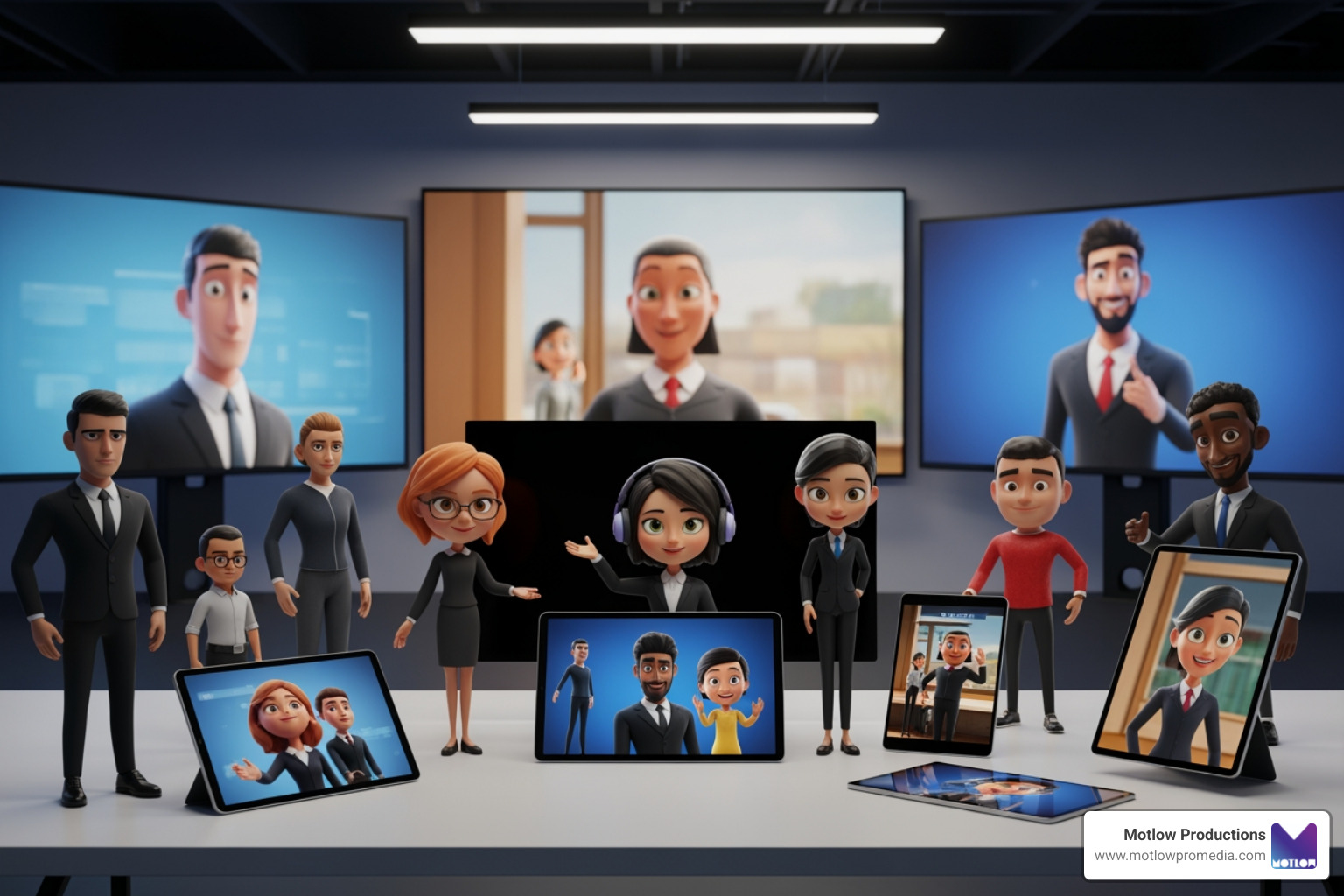
Live streaming corporate events has moved from a "nice to have" to a genuine business essential. Whether it's a global town hall, a product launch, or an investor briefing, organizations are expected to deliver professional, real-time video experiences to audiences who can't be in the room.
Here's a quick overview of what effective corporate live streaming requires:
The stakes are high. A frozen stream during an earnings call or a CEO address that looks like a Zoom call gone wrong can quietly damage trust — with employees, investors, and customers alike.
Expectations have shifted too. Remote audiences now expect broadcast-quality experiences, not shaky webcam feeds. And internal teams stretched thin don't have time to troubleshoot encoder settings the morning of a major event.
This guide walks you through everything you need to plan, produce, and stream a corporate event that looks and runs like a professional broadcast — from technical infrastructure to audience engagement to repurposing your footage afterward.
I'm Miranda Motlow, founder and CEO of Motlow Pro Media, a Tampa-based full-service media agency with deep experience in live production and video strategy, including live streaming corporate events for clients who need flawless execution without the backstage chaos. My background in journalism and business video production means I approach every event with both a storyteller's eye and a producer's discipline.
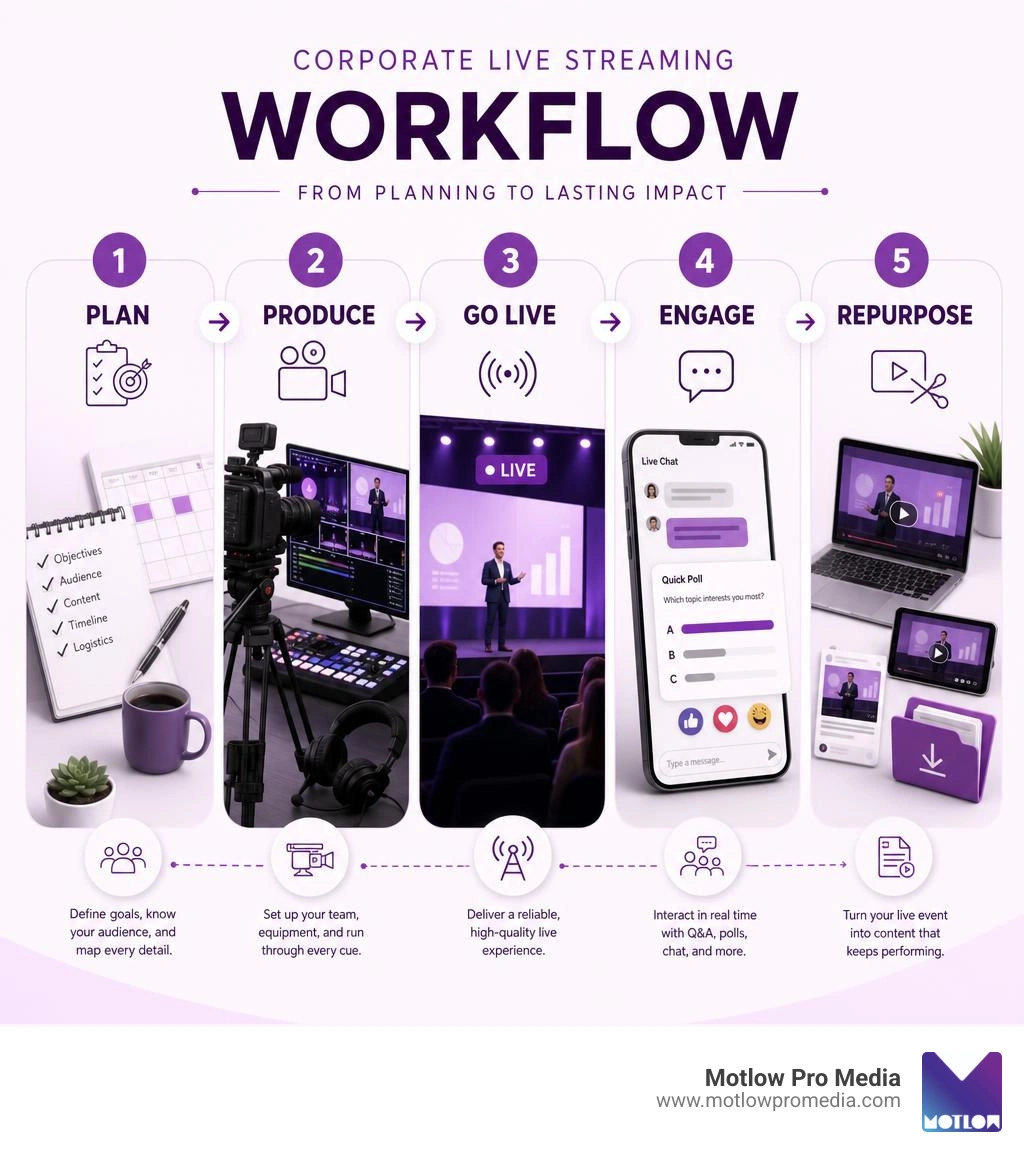
Key terms for Live streaming corporate events:
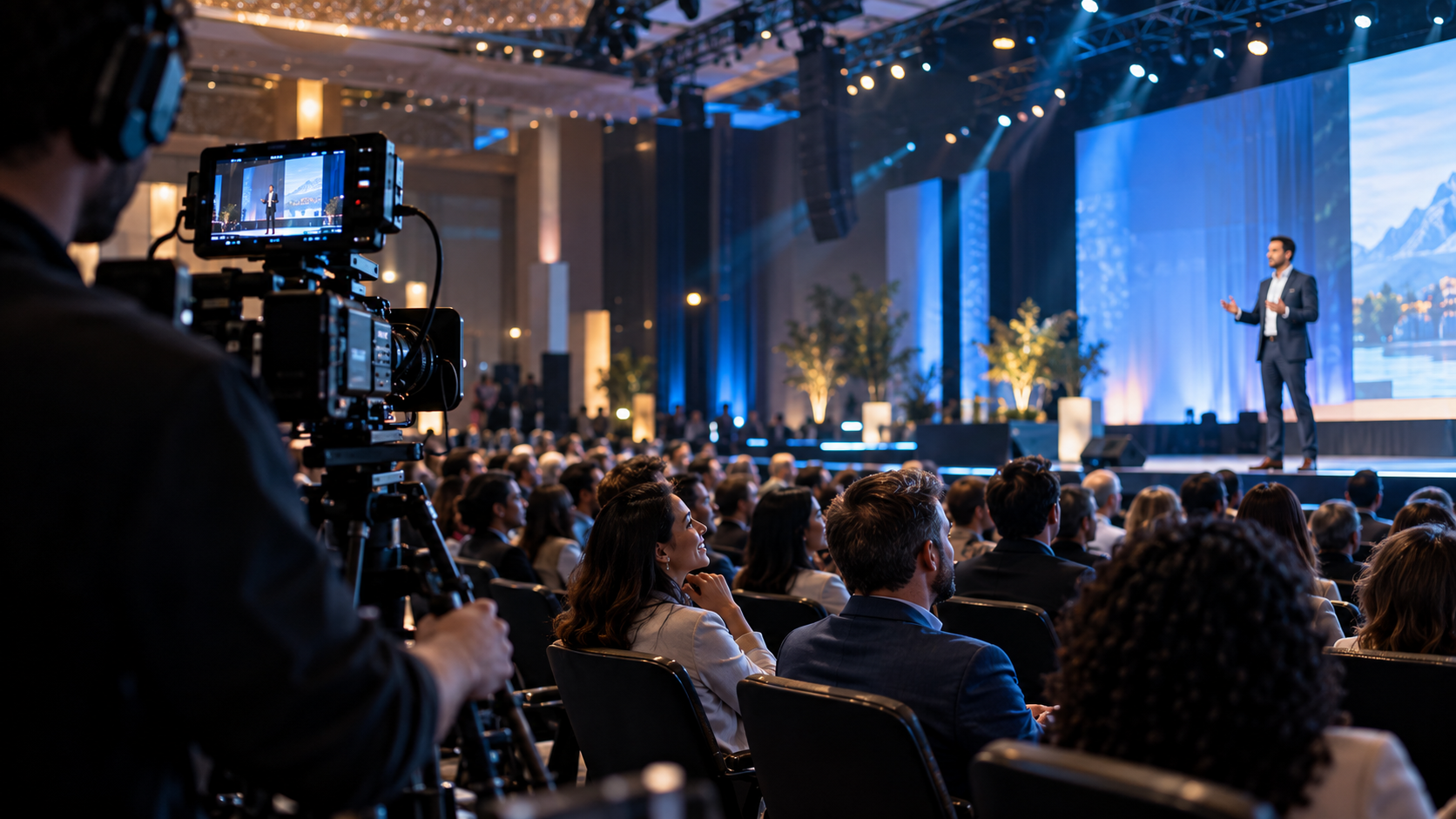
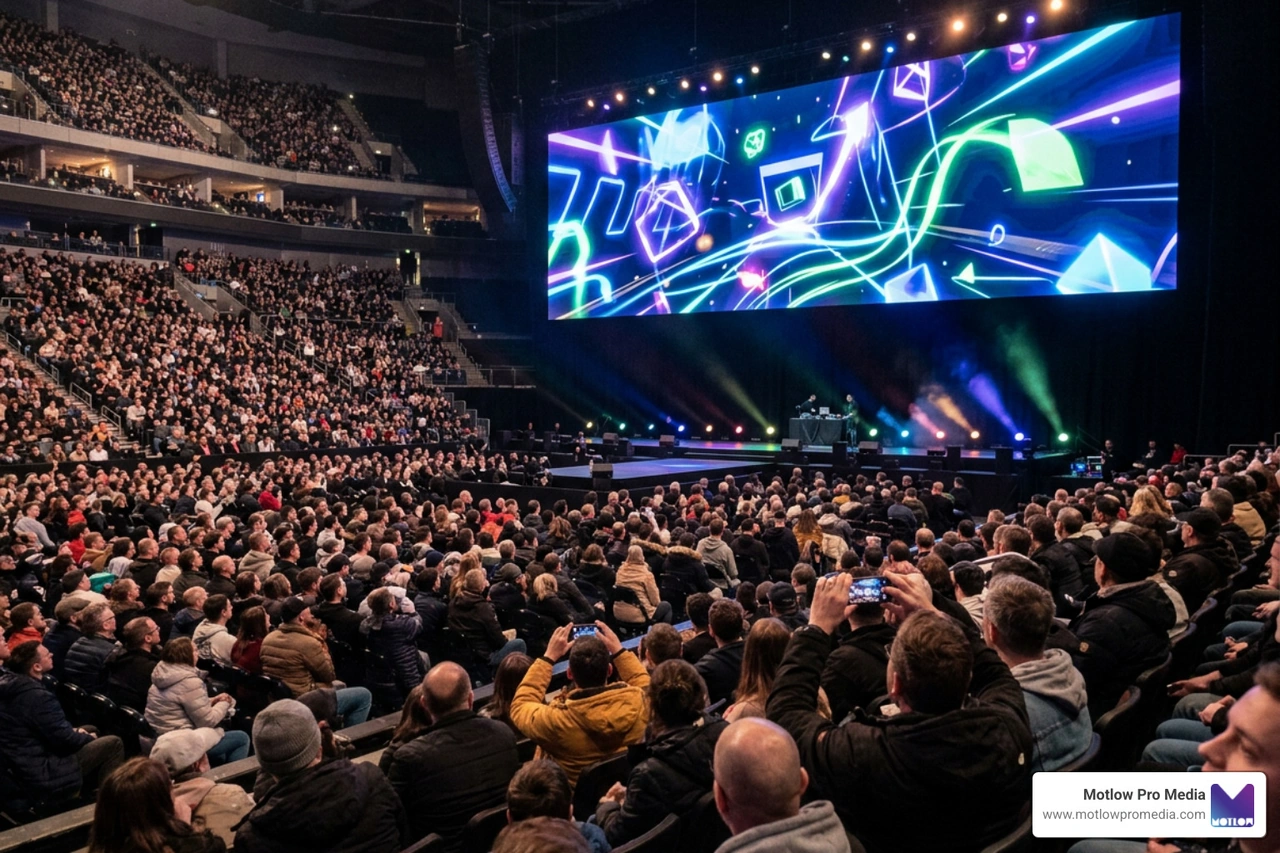
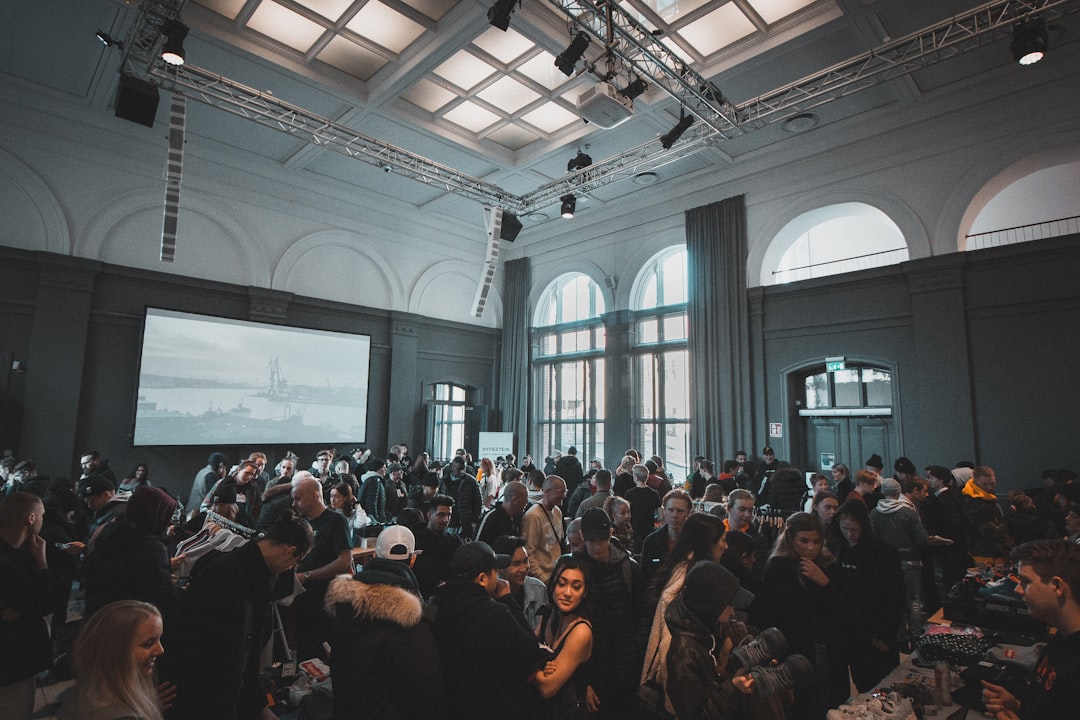
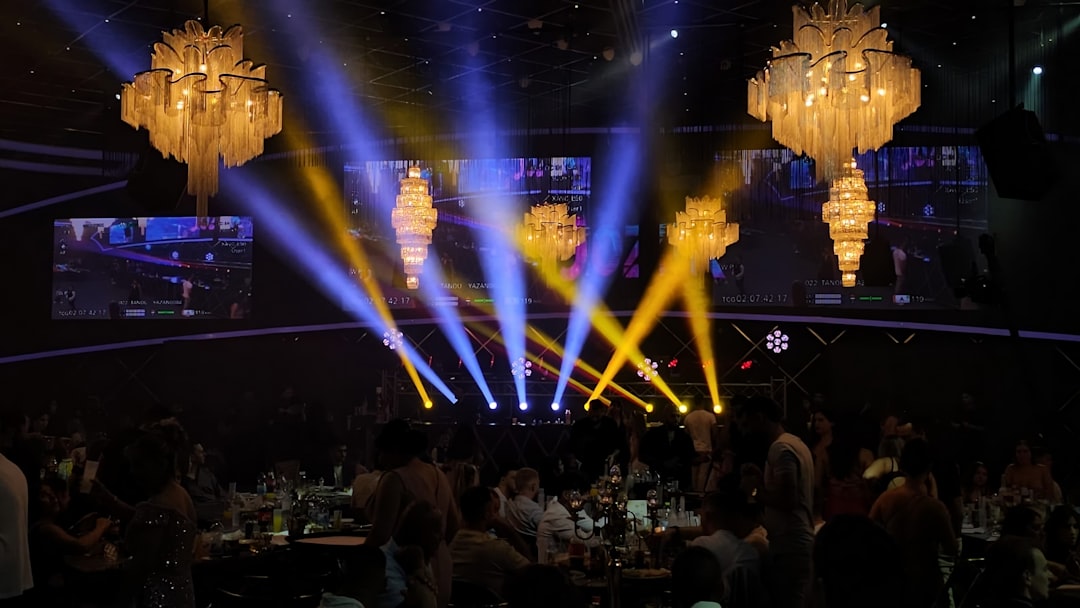
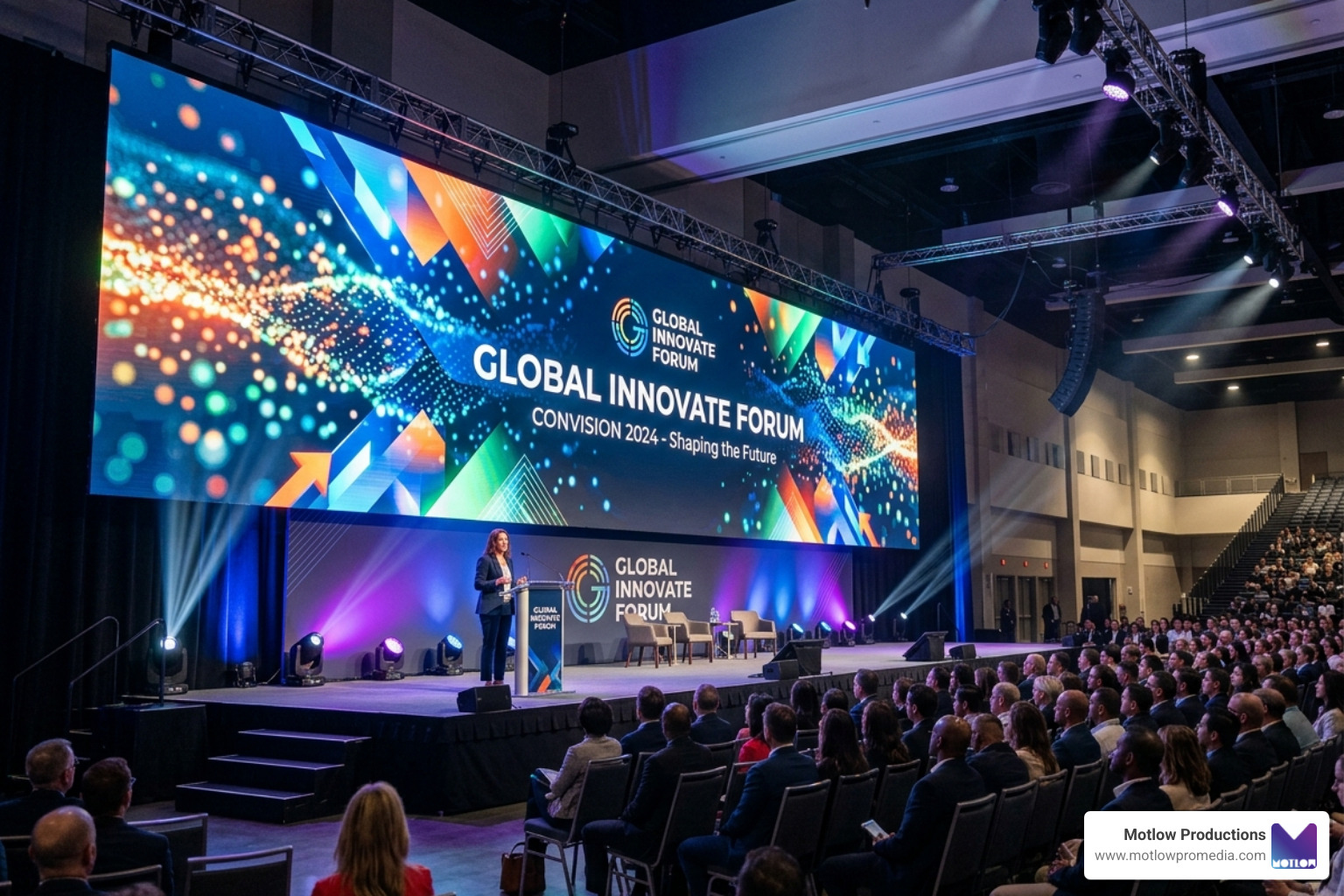
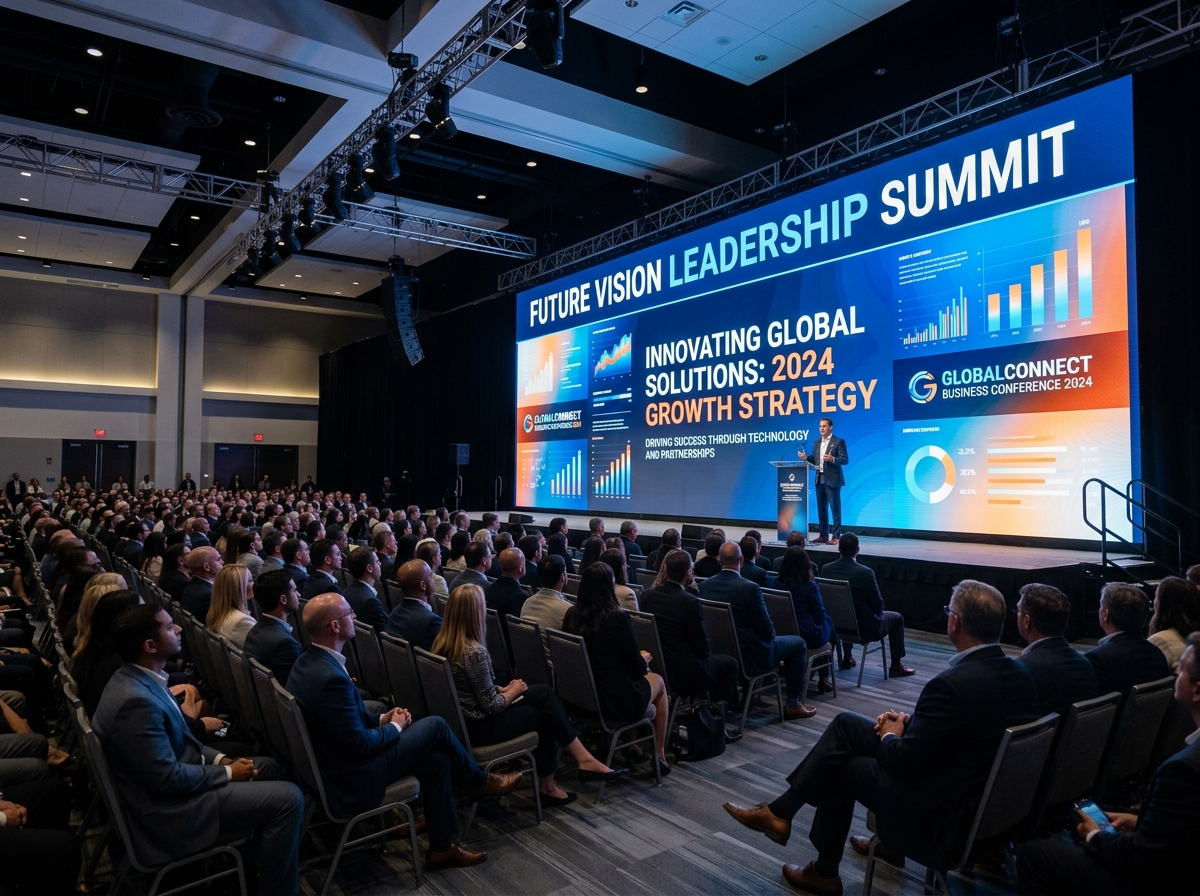
In May 2026, corporate communication is no longer bound by geography. When we produce Live Corporate Events for our clients, we aren't just sending a video feed over the internet; we are building a bridge. The strategic benefits of opening up your physical venue to a virtual audience are immense, touching every corner of modern business operations.
For external audiences, live streaming is a powerful tool for transparency, brand alignment, and market positioning. When preparing for an IPO, presenting a Capital Markets Day, or communicating quarterly financial results, your delivery must be flawless.
Traditional press releases are static. A live stream, however, allows your executive team to deliver key disclosures directly to shareholders, analysts, and the media with their own voice and presence. This real-time delivery builds credibility and protects your reputation during critical business updates.
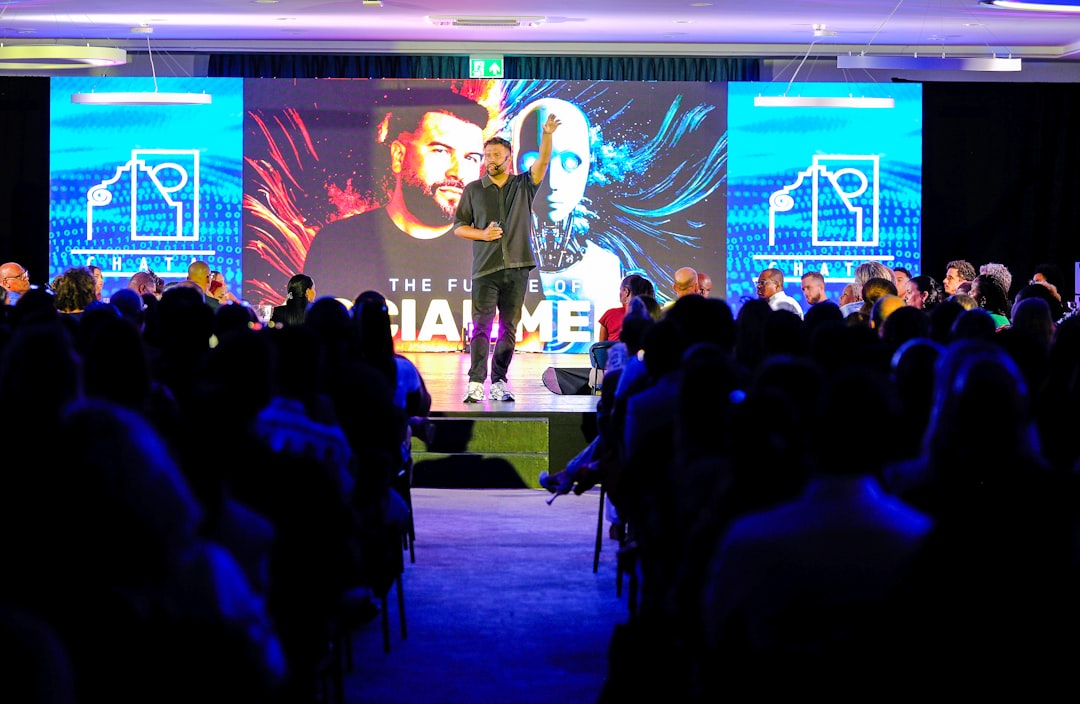
Furthermore, major product launches can turn into global spectacles. Instead of limiting your audience to those who can travel to a physical venue in Tampa, Florida, you can broadcast to thousands of registrants simultaneously. It is not uncommon for modern virtual events to scale rapidly; in fact, we have seen specialized enterprise broadcasts pull in over 1,500 registrants across multiple sessions in a single day. By removing physical barriers, you maximize your top-of-funnel reach and create a unified brand experience worldwide.
For internal communications, Live Event Streaming is the ultimate tool for alignment. In an era of hybrid workforces, keeping remote employees connected to the company culture is a constant challenge.
Global town halls and leadership updates delivered via high-quality video make employees feel like active participants rather than distant observers. Instead of reading a summary email, team members see their leadership team live, hear their tone, and participate in real-time dialog. This builds a culture of transparency and shared purpose.
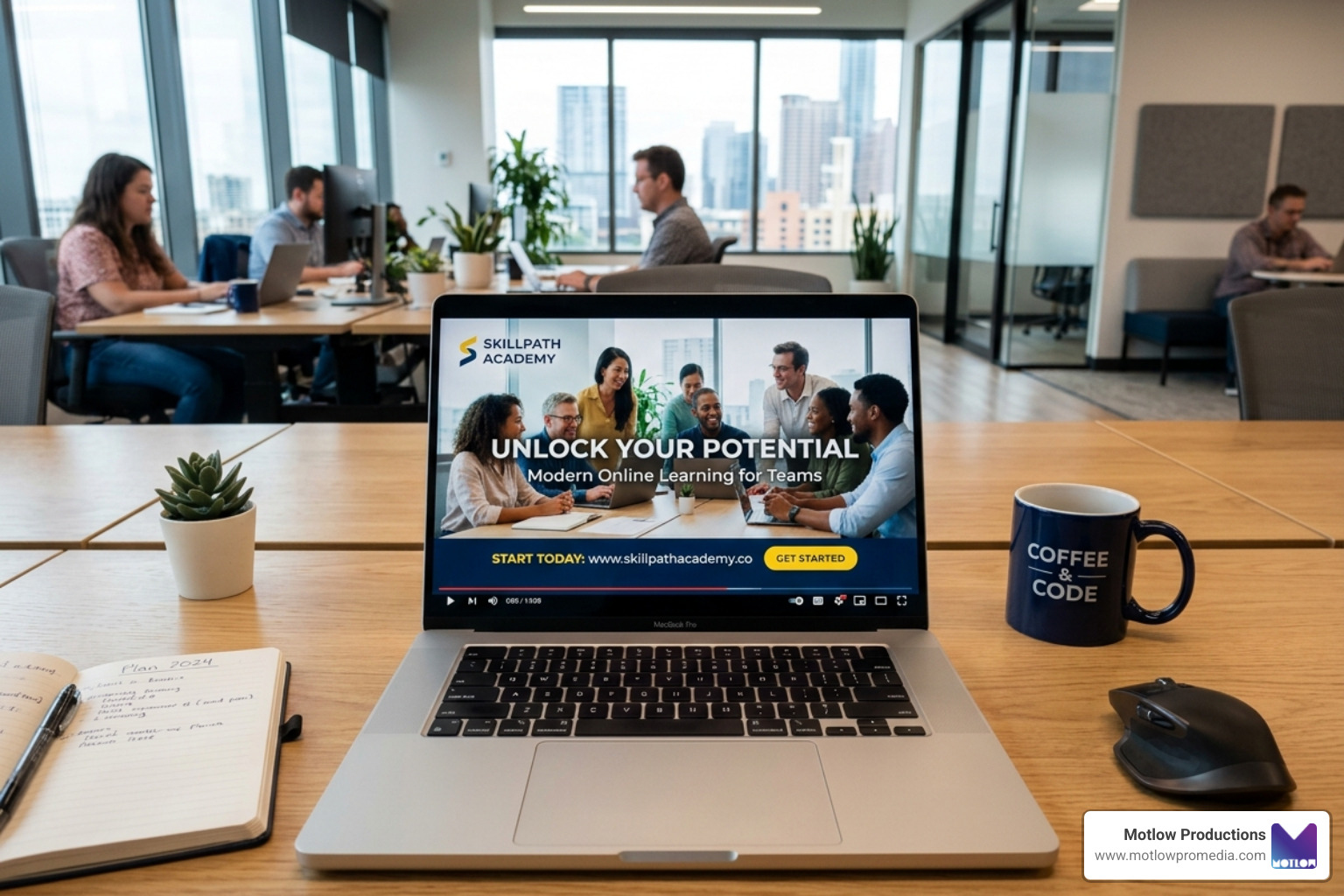
Additionally, interactive training and onboarding sessions can be streamed live to ensure consistent training quality across multiple offices. When your teams can ask questions and receive immediate feedback from subject matter experts in real time, knowledge retention skyrockets.
Behind every seamless stream is a robust technical foundation. You cannot rely on basic office Wi-Fi and a laptop webcam if you want to maintain a professional reputation. Enterprise-grade broadcasts require a deep understanding of network infrastructure, hardware redundancy, and secure data handling.
When we talk about interactive events, latency is the ultimate metric. Traditional streaming setups often suffer from a 15-to-30-second delay. For a passive viewer, this is fine. For a live Q&A session, it is agonizing.
To enable true two-way communication, we look to ultra-low latency protocols like Media Over QUIC (MOQ) and WebRTC, which can deliver sub-second latency (often under 500ms) globally. This allows remote speakers to join panel discussions with virtually zero delay and ensures that live captions remain within 1-2 seconds of the spoken word.
Scalability is another critical pillar. Your streaming infrastructure must be built on a global Content Delivery Network (CDN) capable of dynamically auto-scaling to handle anywhere from 100 to 10,000+ concurrent viewers without buffering.
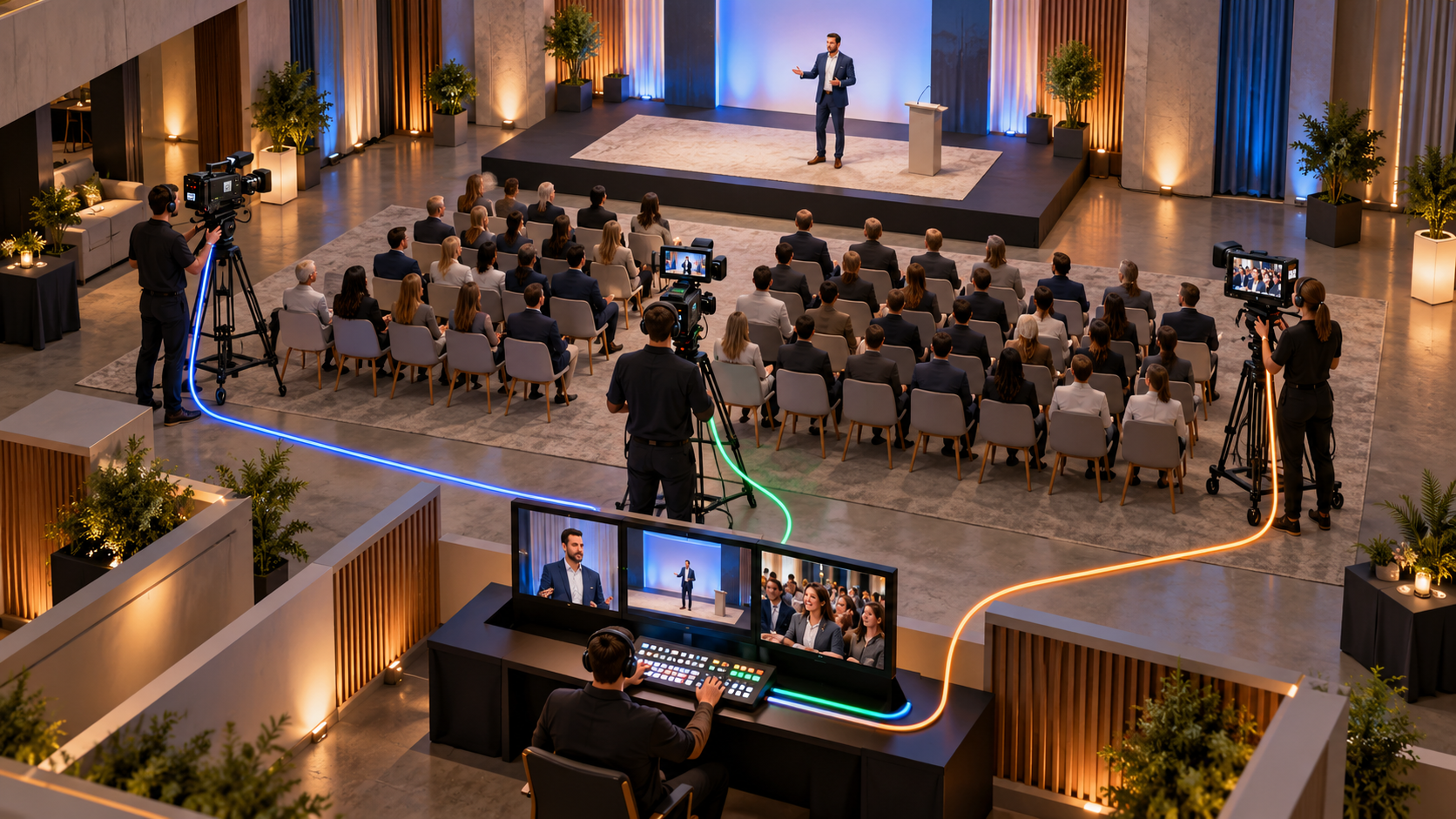
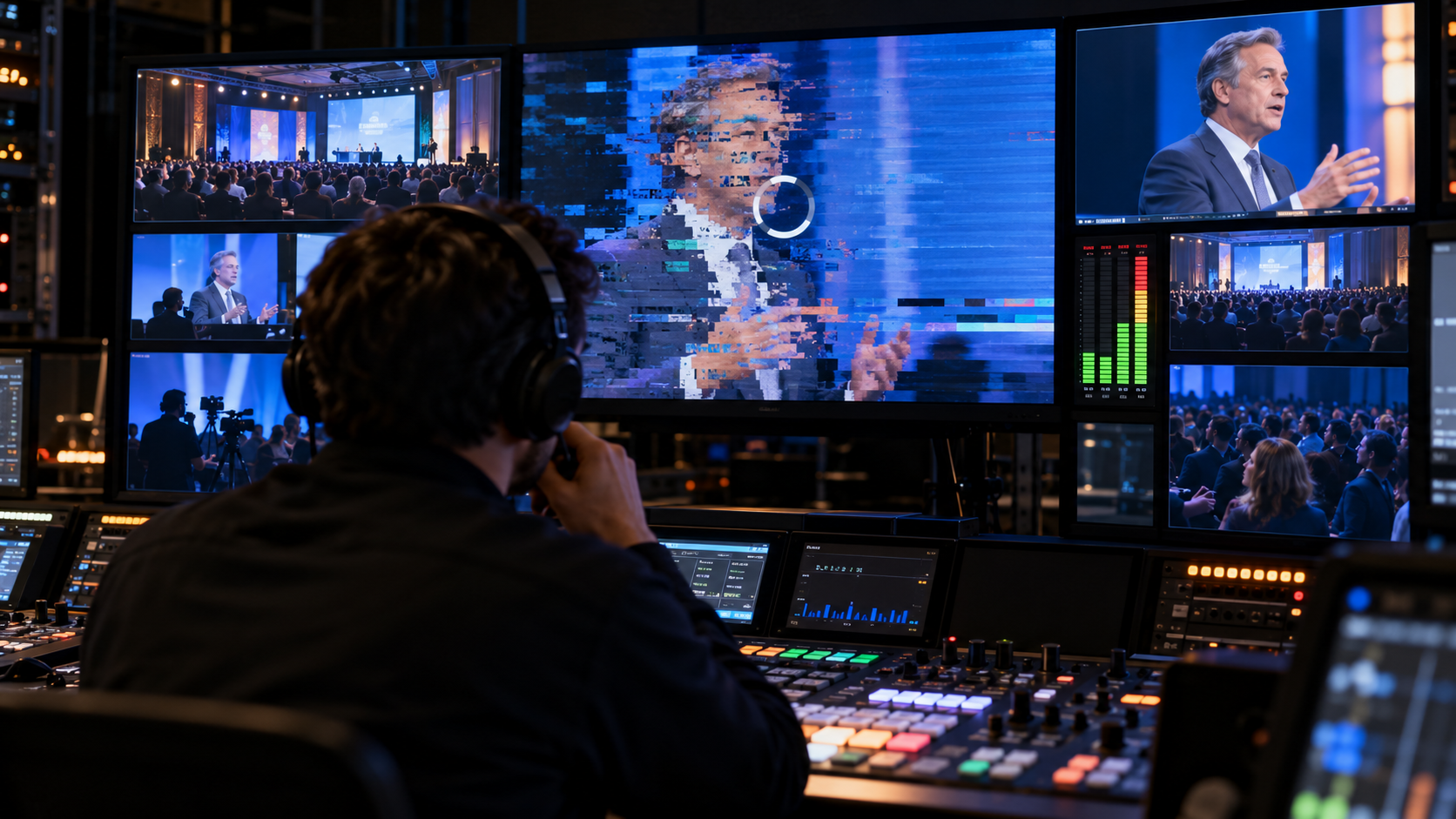
To guarantee 100% uptime, professional productions utilize A/B ingestion and multi-path internet redundancy. This means we ingest two identical, independent streams (Primary and Backup) over separate network connections—such as a dedicated fiber line paired with a bonded cellular system. If the venue’s primary internet drops, the system automatically fails over to the backup stream without the viewer ever noticing a stutter.
Many businesses make the mistake of using consumer-grade software designed for casual video calls to host high-stakes corporate broadcasts. The difference in quality, control, and reliability is night and day.
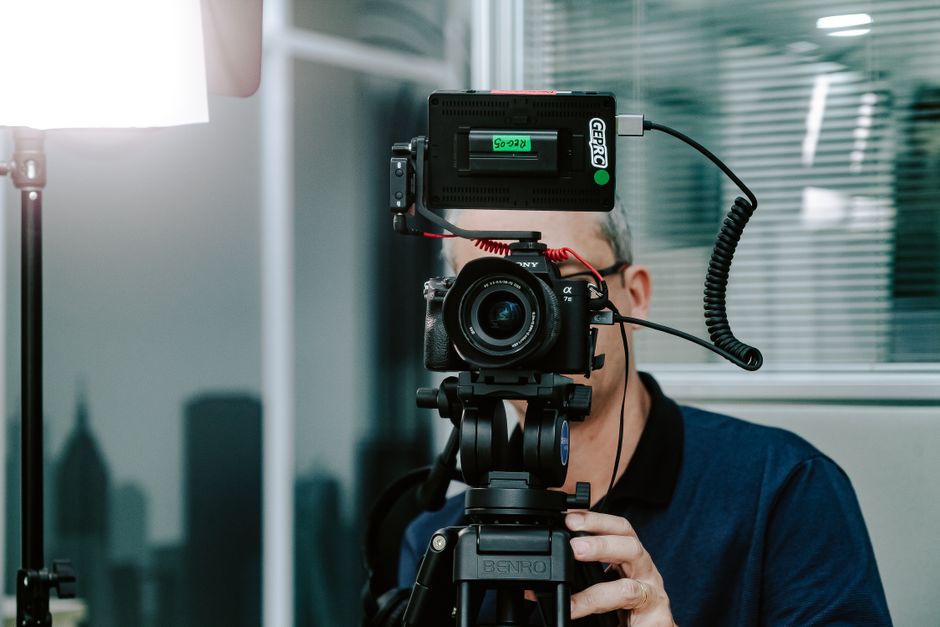
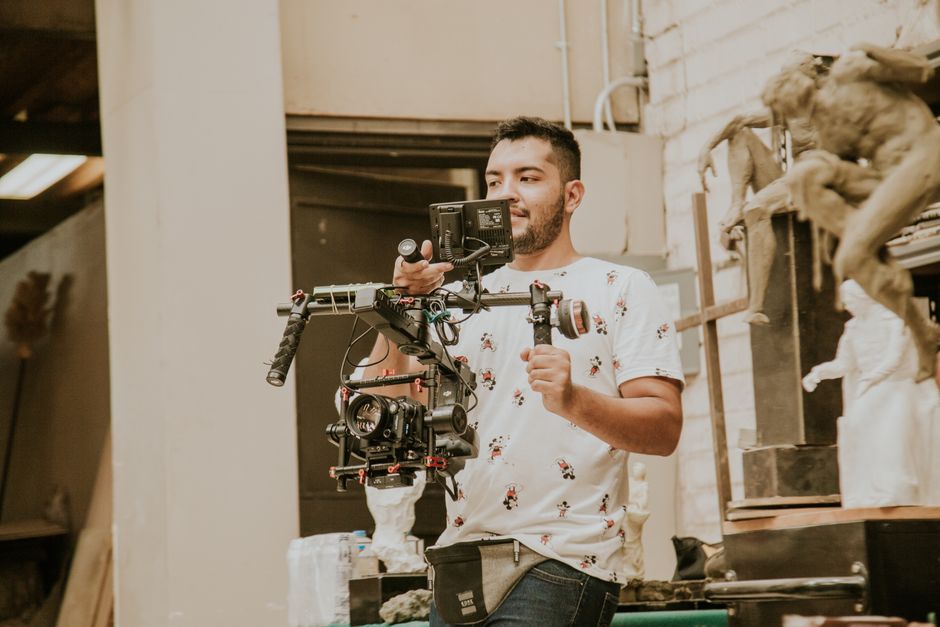
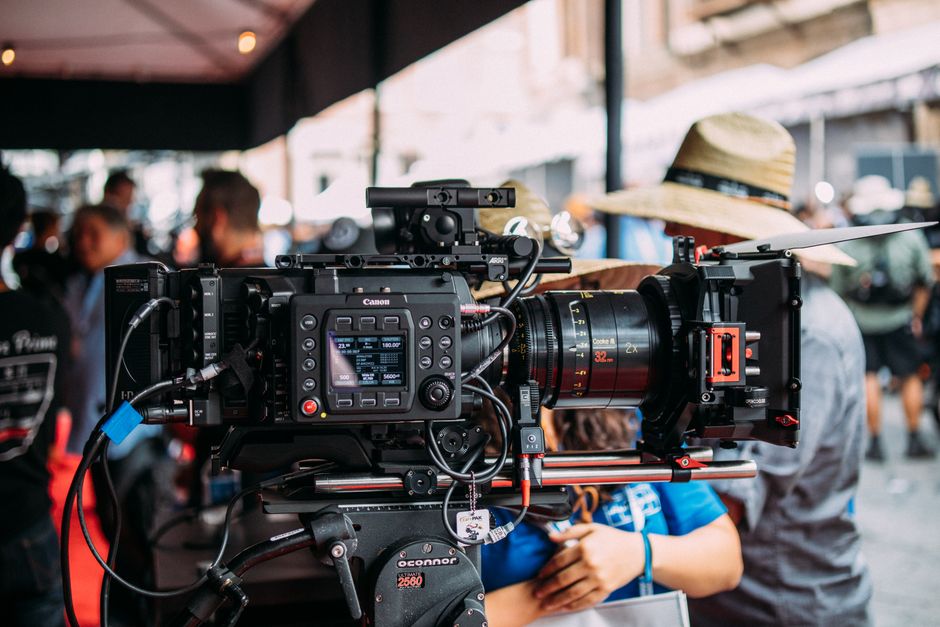
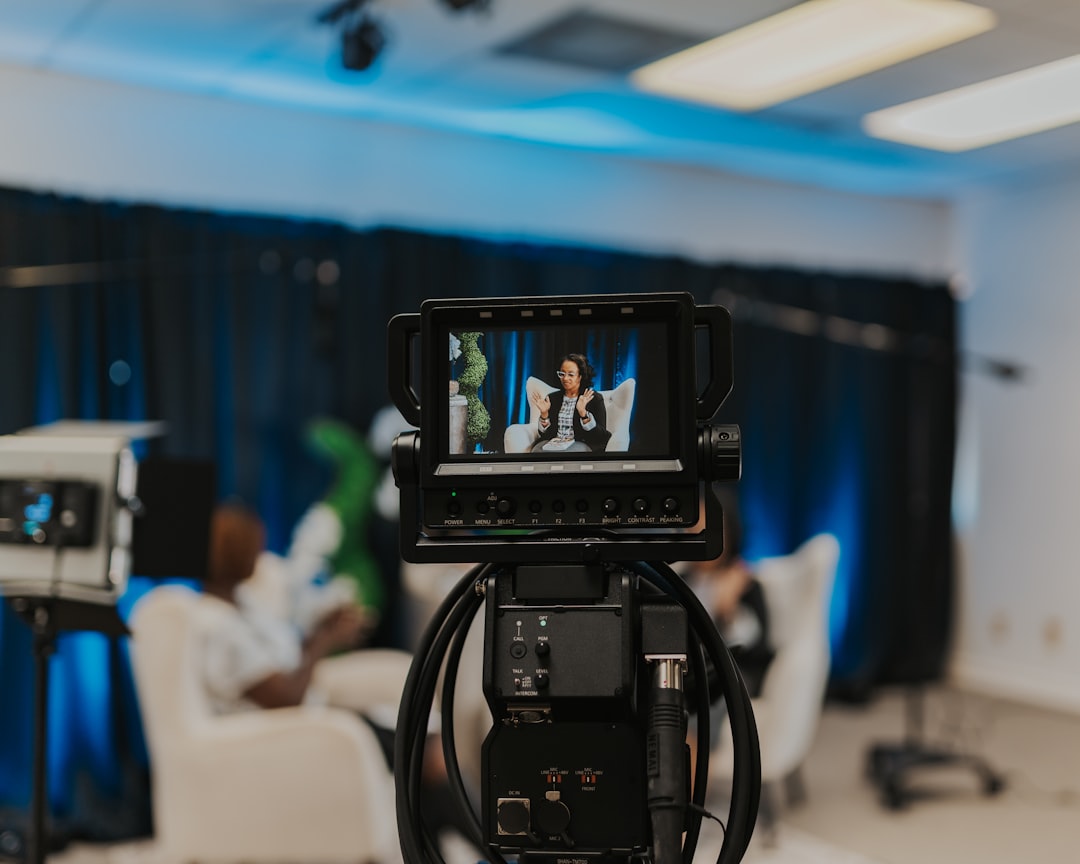
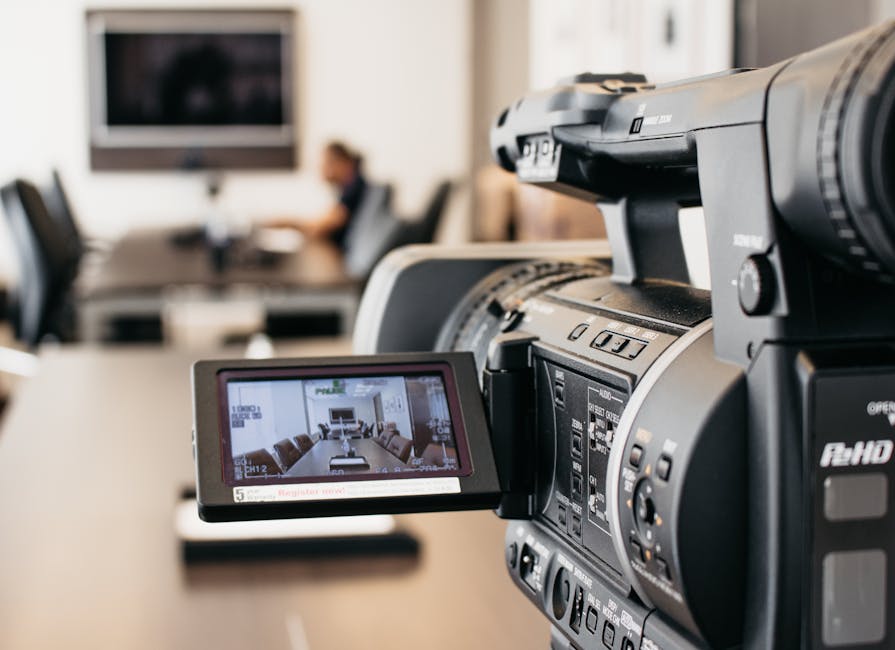
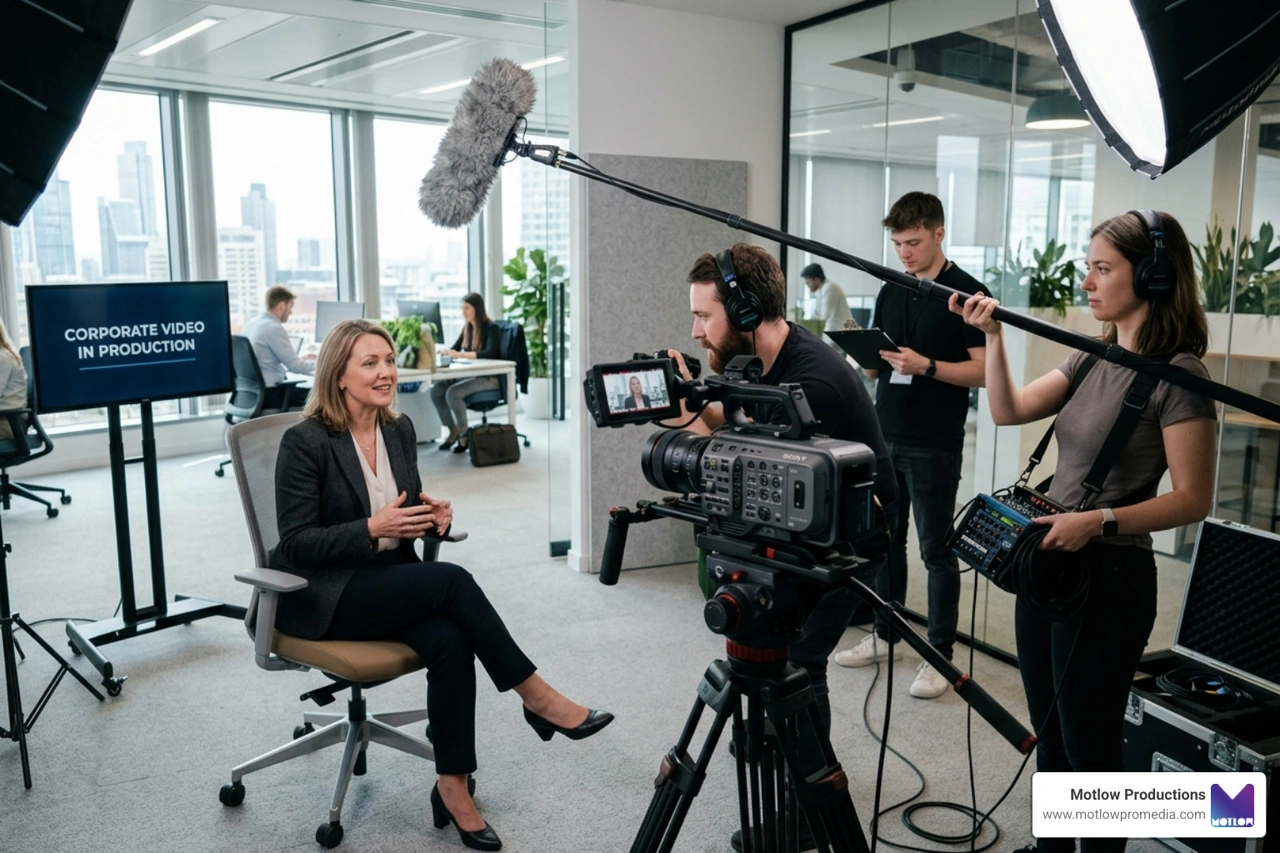
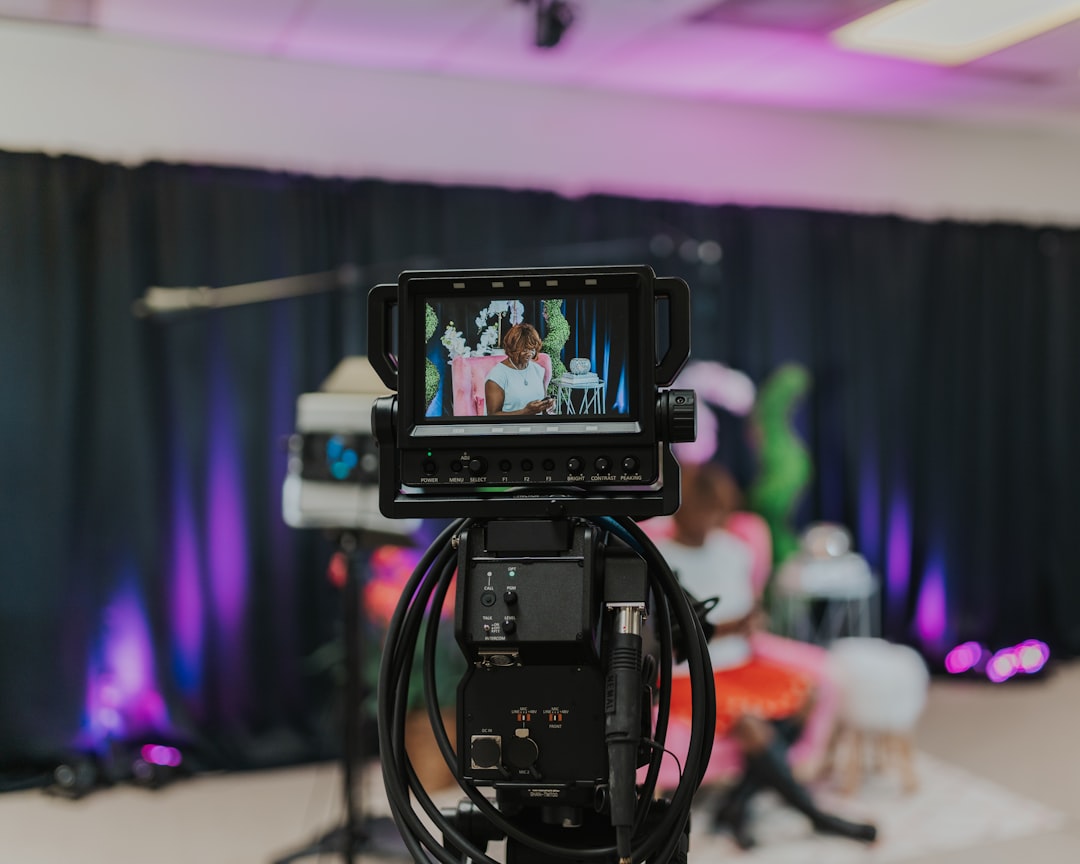
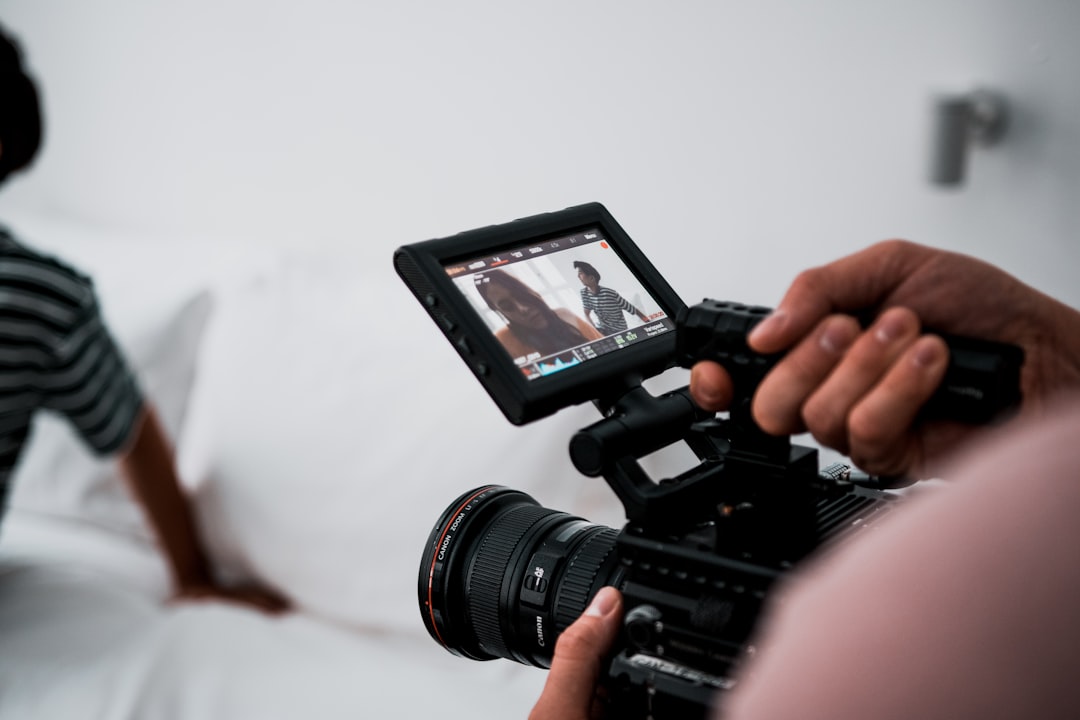
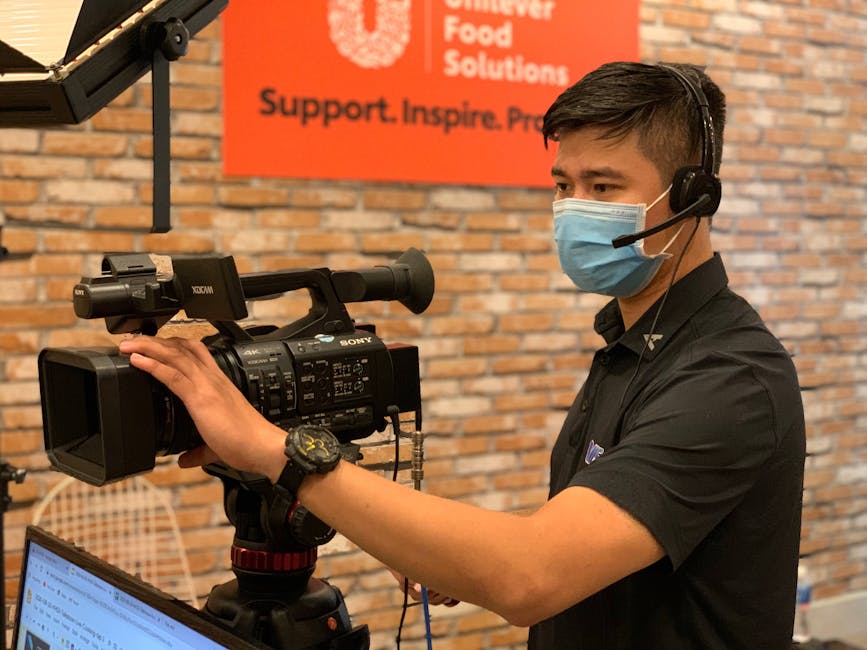
Professional corporate event production relies on dedicated hardware encoders, professional multi-camera setups, and customized RTMP/SRT streaming destinations.
Video quality: Consumer-grade tools often rely on compressed 720p video and local bandwidth. Professional enterprise streaming can support up to 4K with adaptive bitrate streaming.
Reliability: Consumer platforms usually lack built-in failover or network redundancy. Enterprise setups use dual-stream A/B ingestion and automatic failover.
Branding control: Consumer tools may include platform watermarks and generic player interfaces. Professional streams can use white-labeled players, custom logos, and brand colors.
Security: Consumer options typically offer simple password protection. Enterprise streaming can include SSO integration, encrypted streams, and domain restrictions.
Analytics: Consumer platforms usually provide basic viewer counts. Professional solutions can track engagement, drop-off points, and CRM-connected viewer data.
For enterprise organizations, security and compliance are non-negotiable. If you are broadcasting proprietary product roadmaps, financial disclosures, or sensitive internal data, you must ensure your stream is protected from unauthorized access.
Enterprise platforms ensure security through end-to-end encryption, Single Sign-On (SSO) integration, and strict access controls. Furthermore, if your company operates globally, you must adhere to strict data privacy regulations like GDPR. This means utilizing platforms that offer European data hosting and comply with ISO/IEC standards for information security, ensuring that attendee registration data is handled safely and transparently. For organizations requiring absolute compliance, utilizing specialized systems like Corporate Events - nanocosmos helps guarantee that all streams and analytics remain secure and GDPR-compliant.
A successful live stream is 90% preparation and 10% execution. To keep your virtual audience from opening another browser tab, you must design an experience that actively pulls them in.
To drive real engagement, you must treat your virtual audience as active participants. This is where Audience Engagement Technology comes into play.
Modern streams integrate interactive features directly into the video player interface. These include:
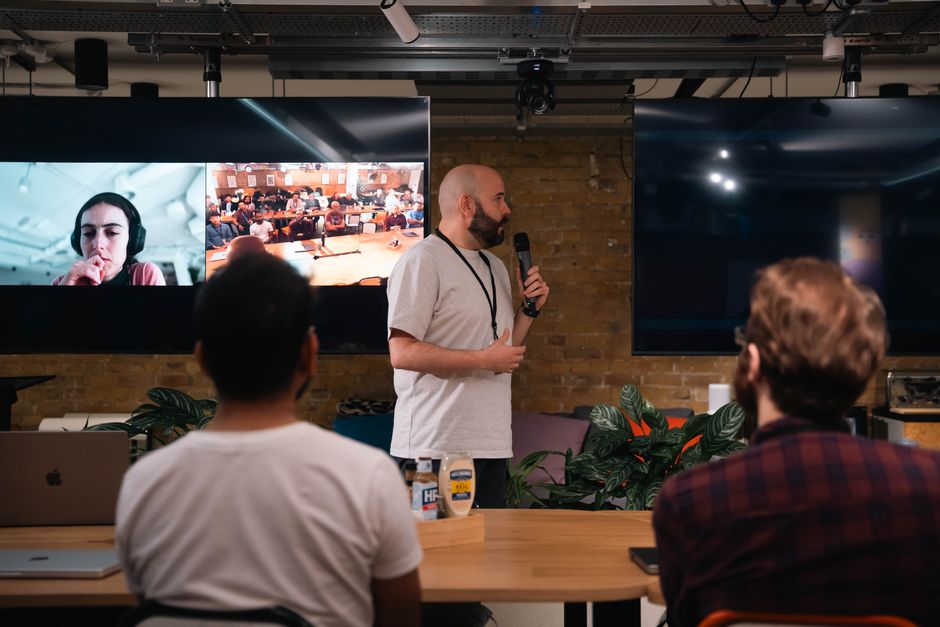
For hybrid events, this technology acts as the connective tissue. By routing the virtual audience's questions directly into the physical venue's audio mix and onto the presenters' screens, you create a shared experience that unites both rooms.
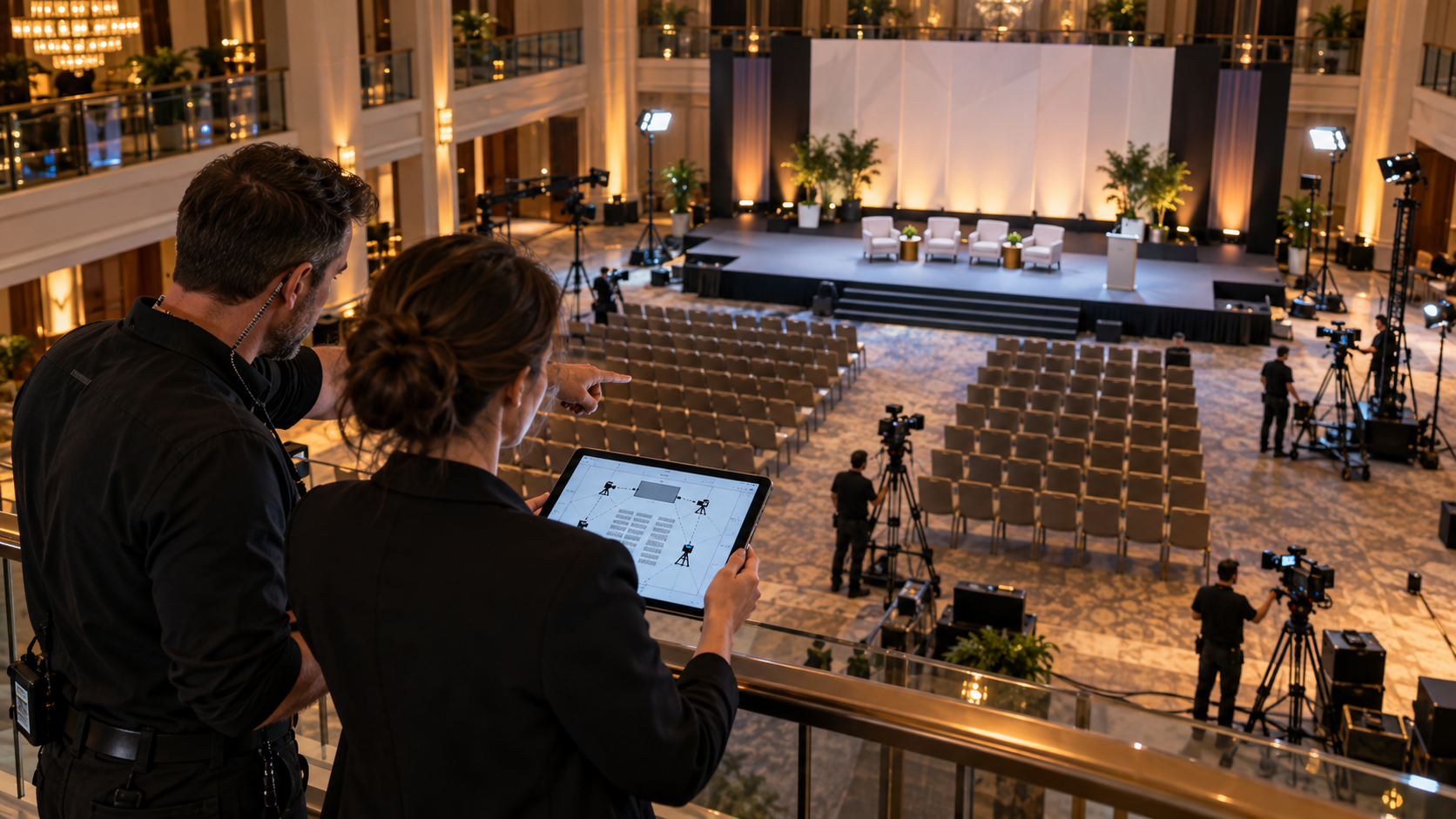
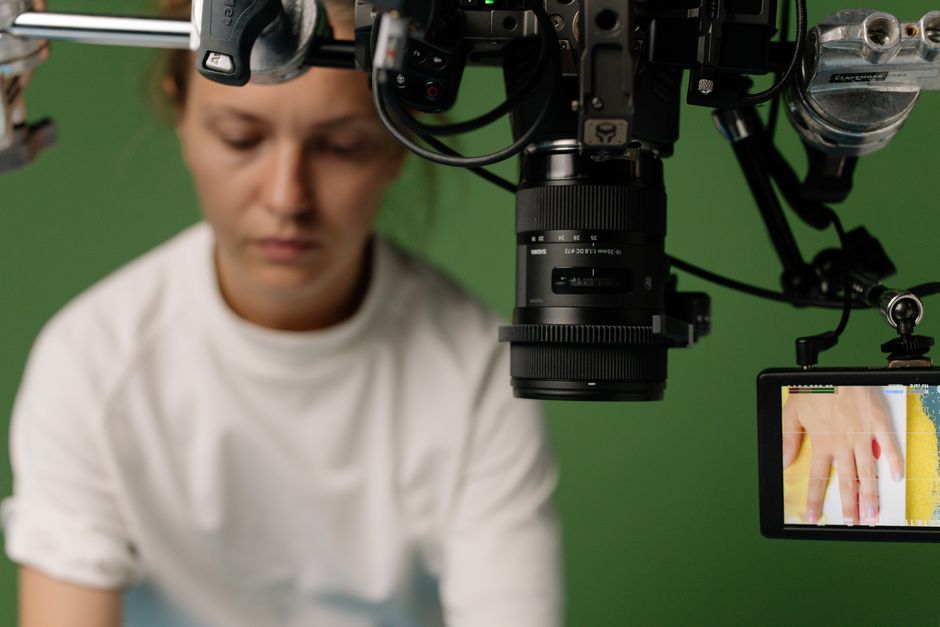
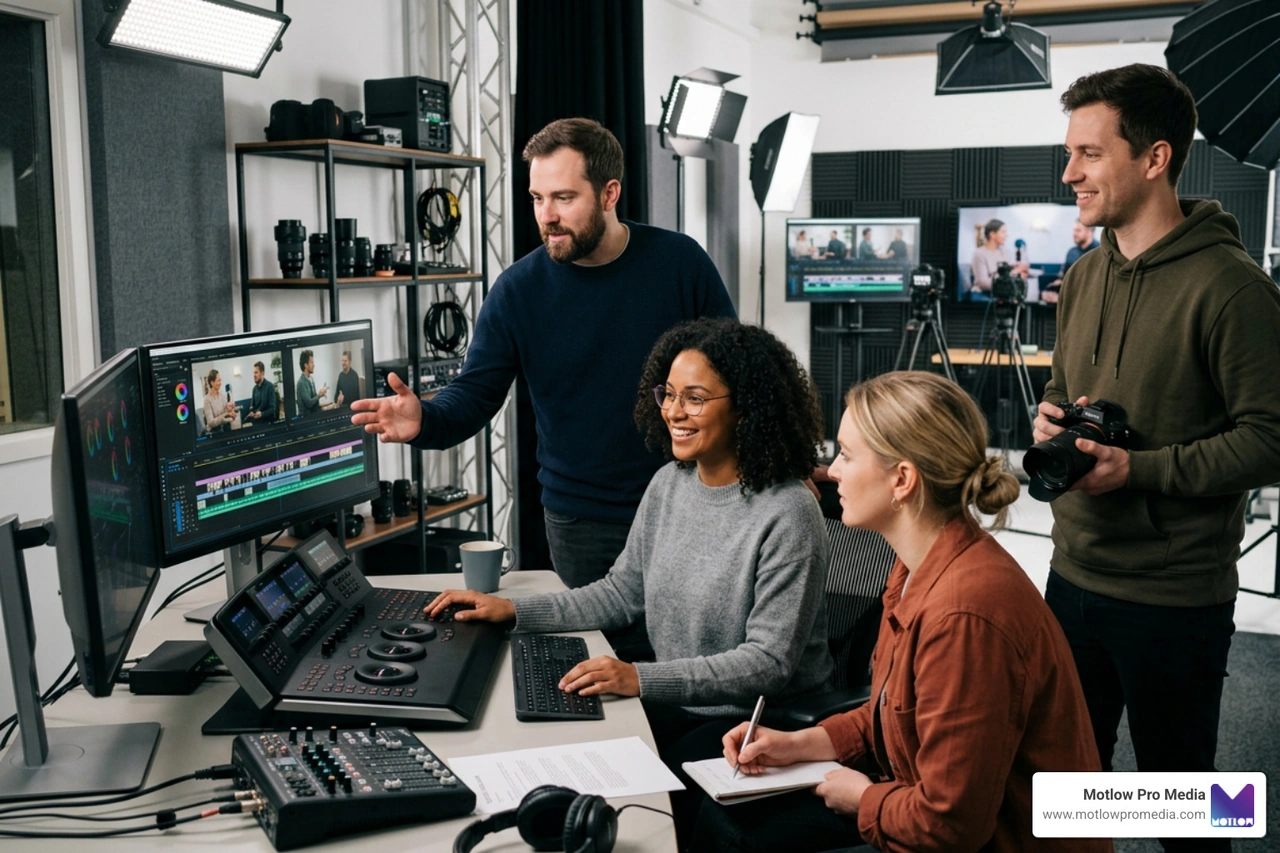
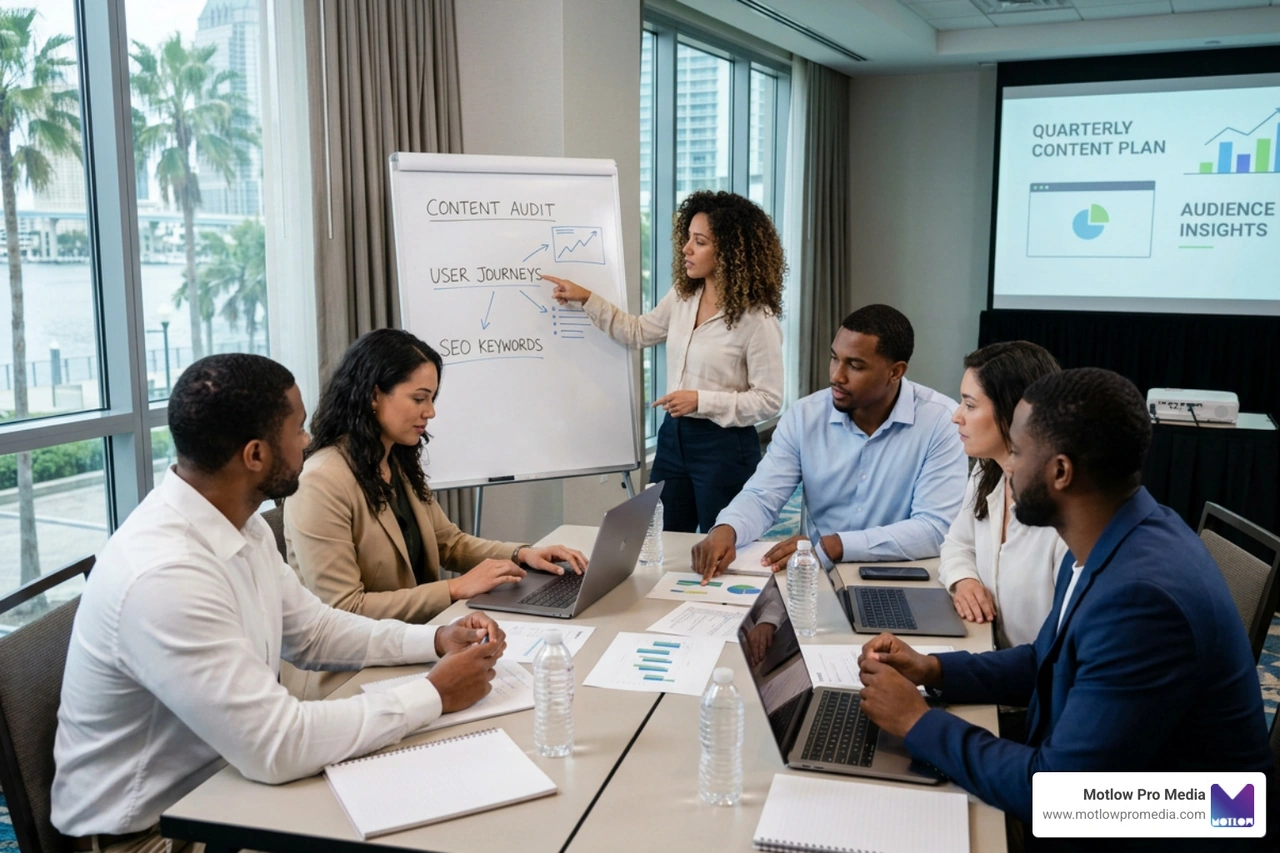
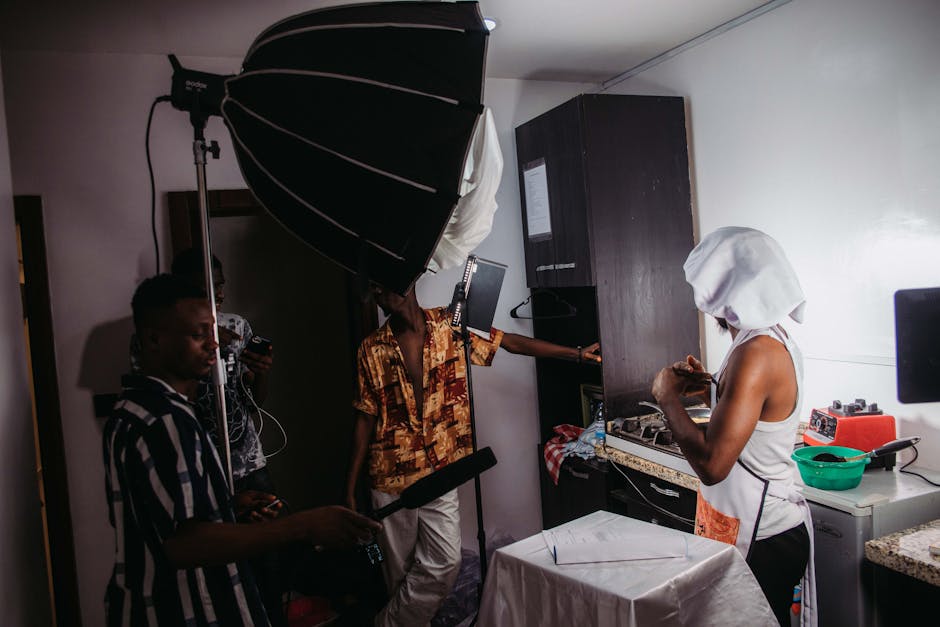
When you partner with us at Motlow Pro Media, we bring a "hands-off, but hands-on" approach to your pre-production. This means we handle the heavy lifting—technical planning, signal flow design, and equipment setup—while keeping communication crystal clear so you always feel in control.
Our team provides comprehensive Live Event Support, which includes:
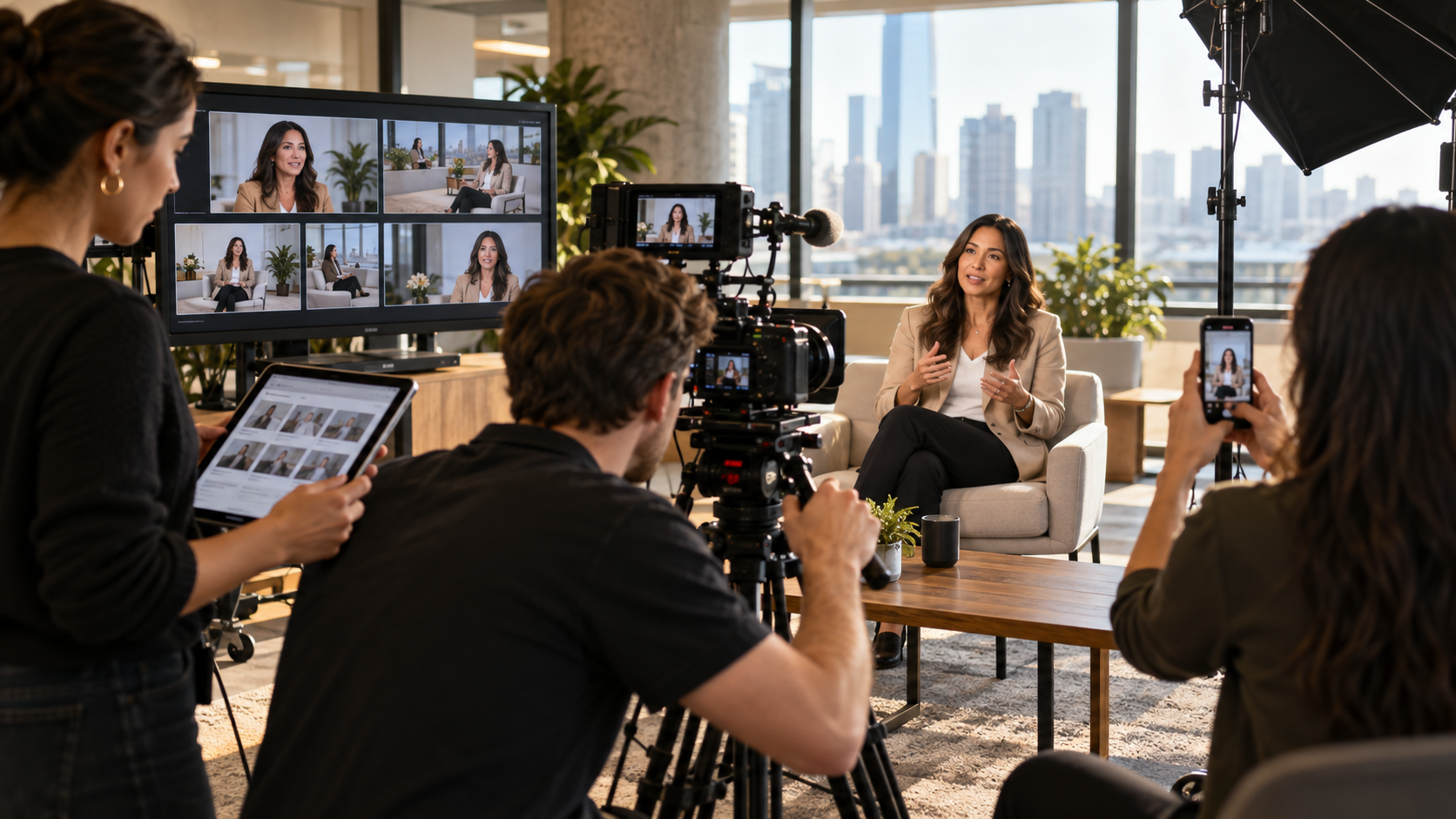
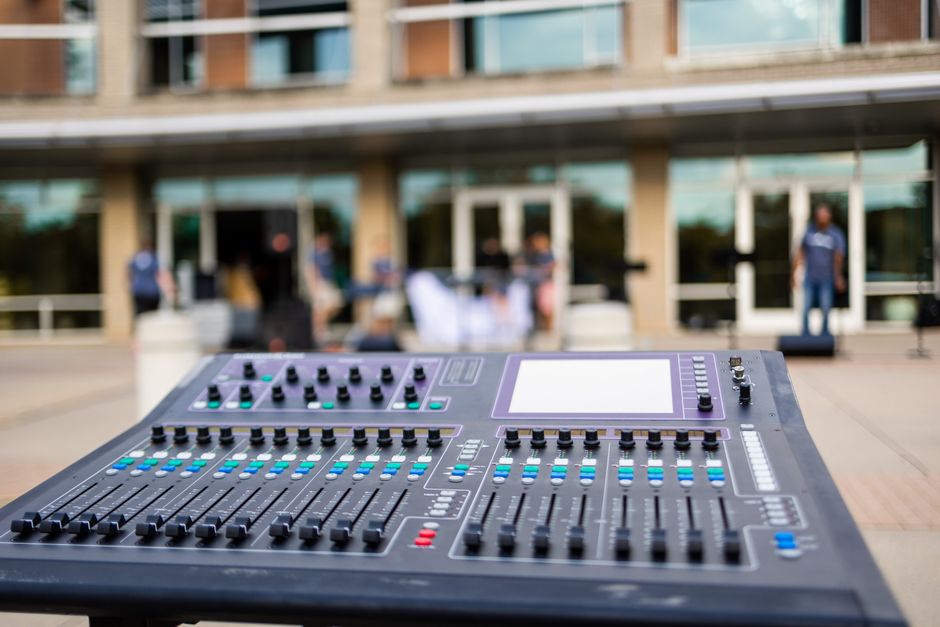
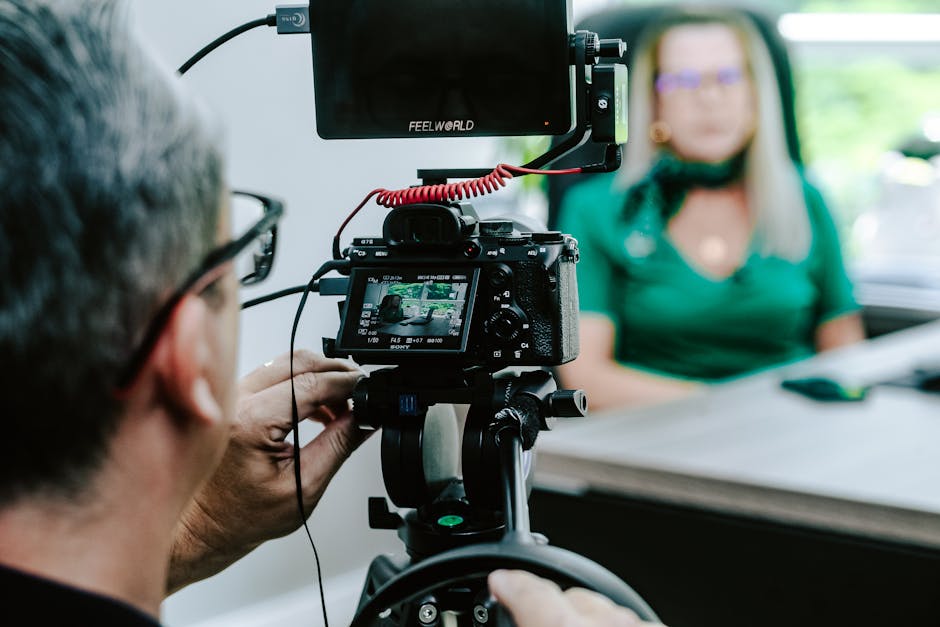
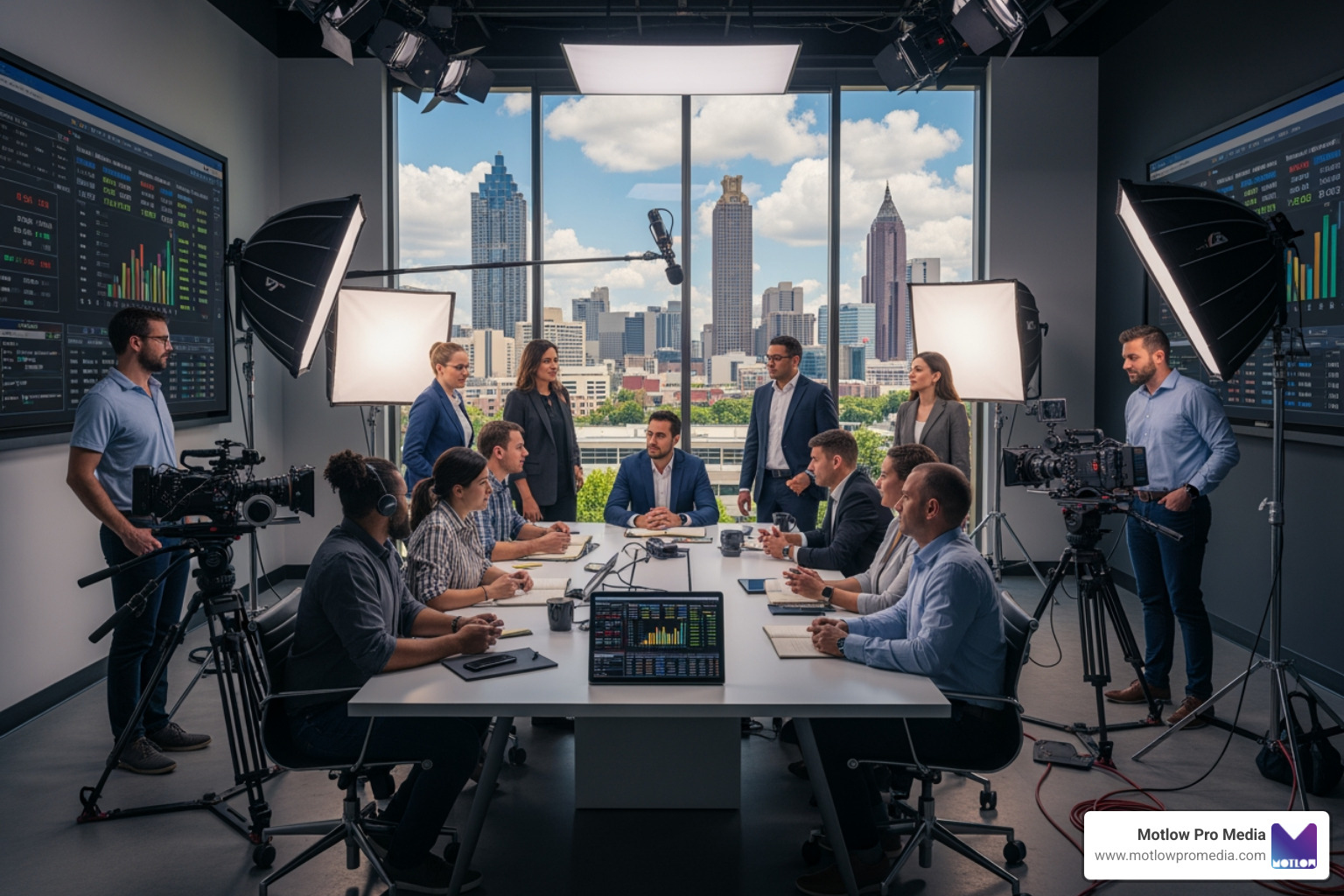
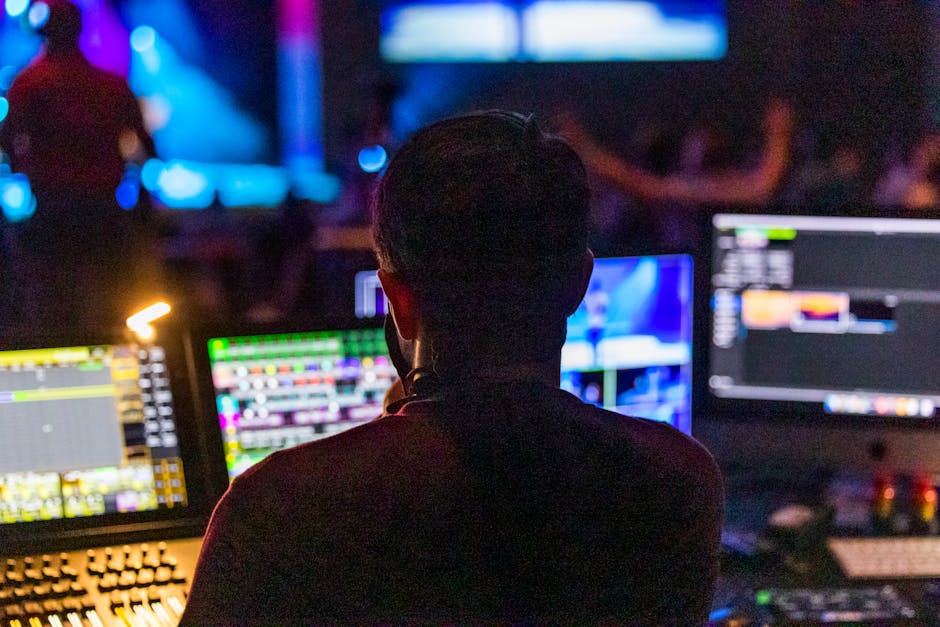
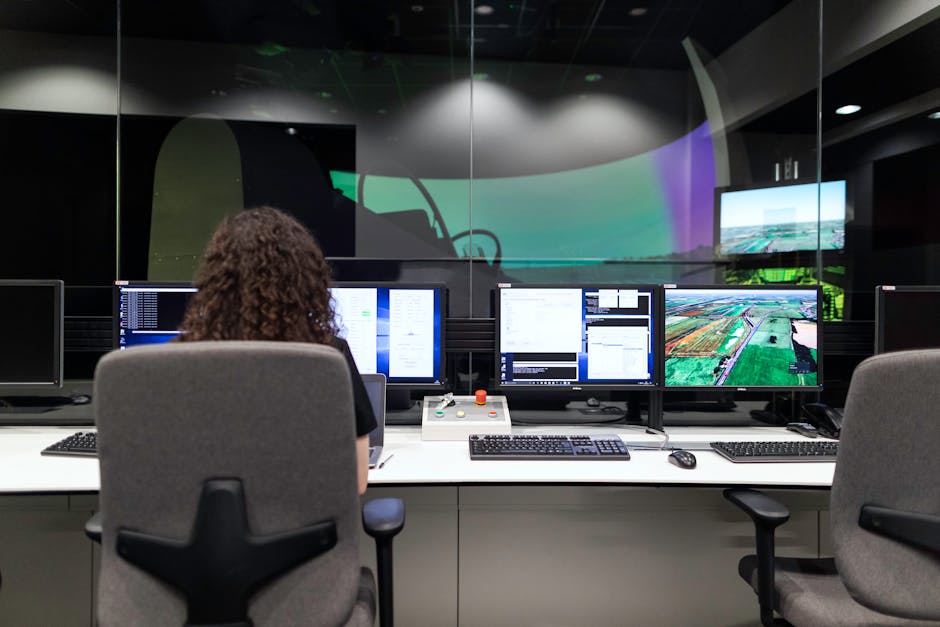
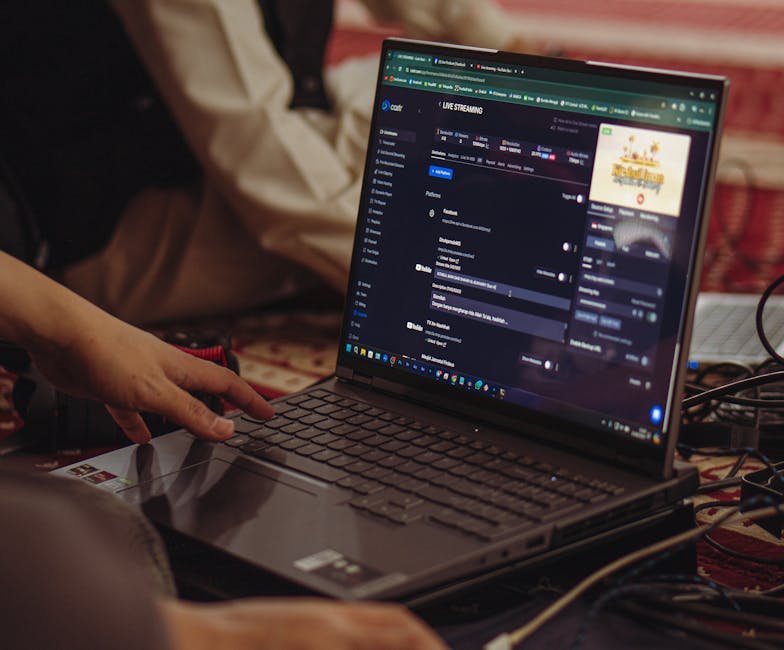
On the day of the event, our crew manages the entire production from our control station, switching cameras, managing audio levels, and monitoring stream health in real time.
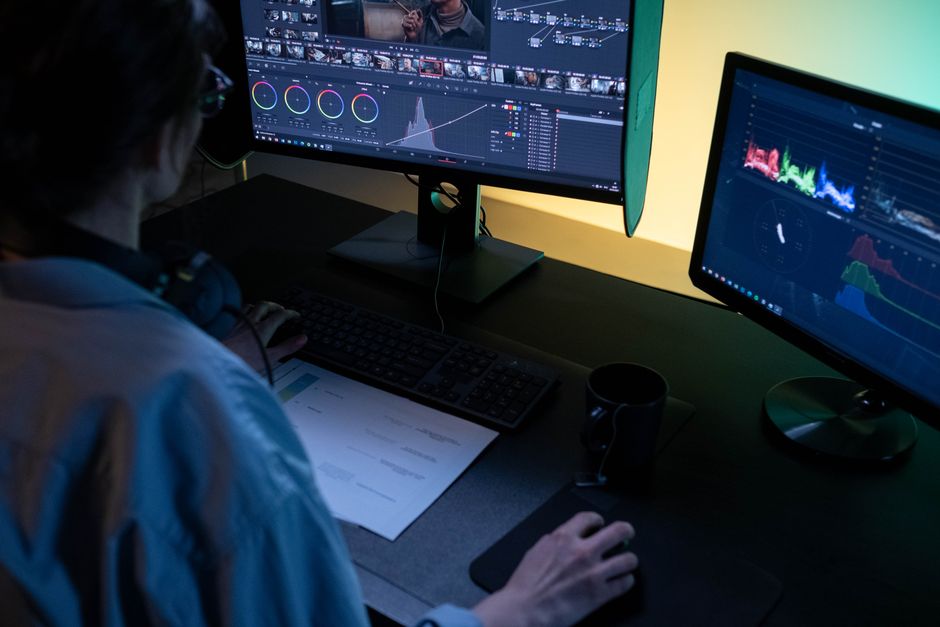
The value of your live stream doesn't end when the broadcast stops. Post-event analytics provide a goldmine of data to help you measure success and prove ROI. Through detailed reporting, you can track total views, average watch time, viewer geographic distribution, and engagement rates for polls and Q&A.
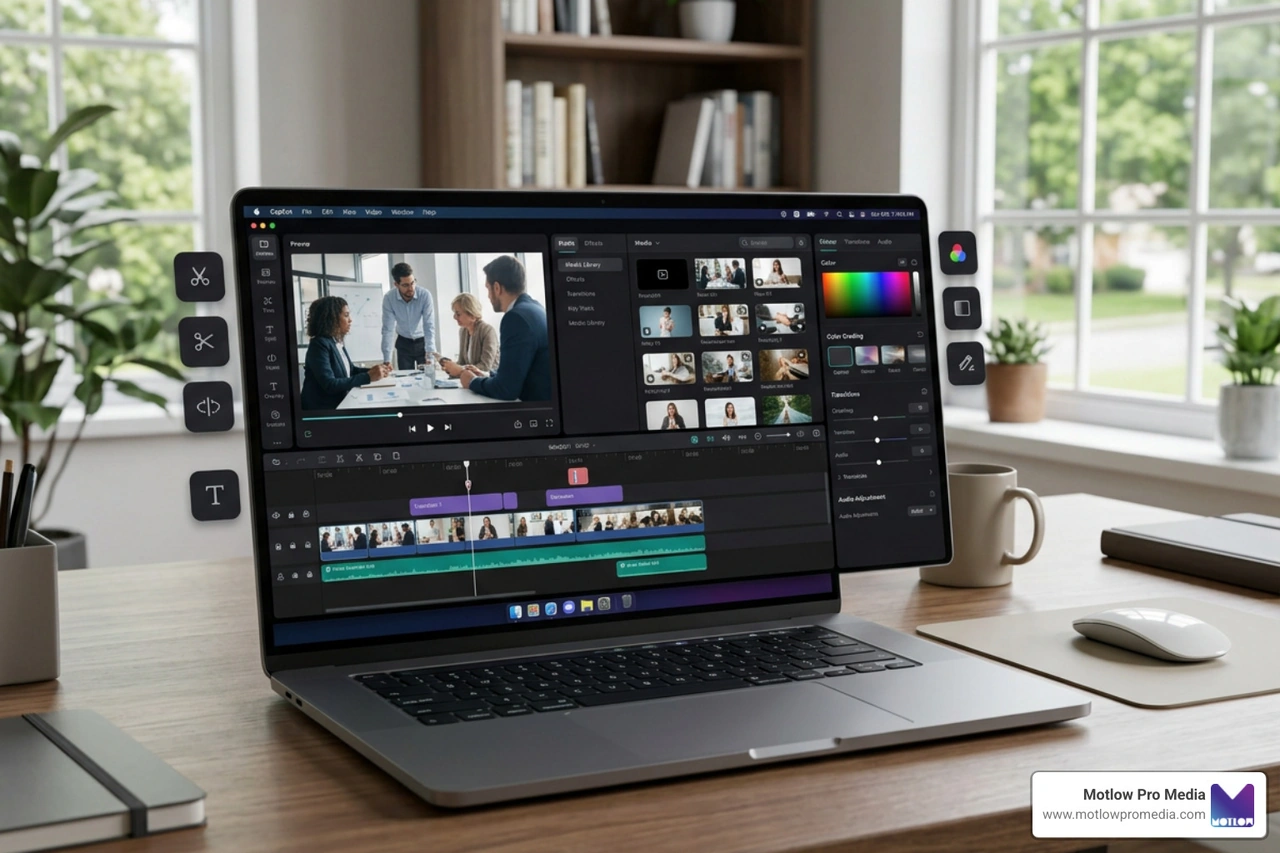
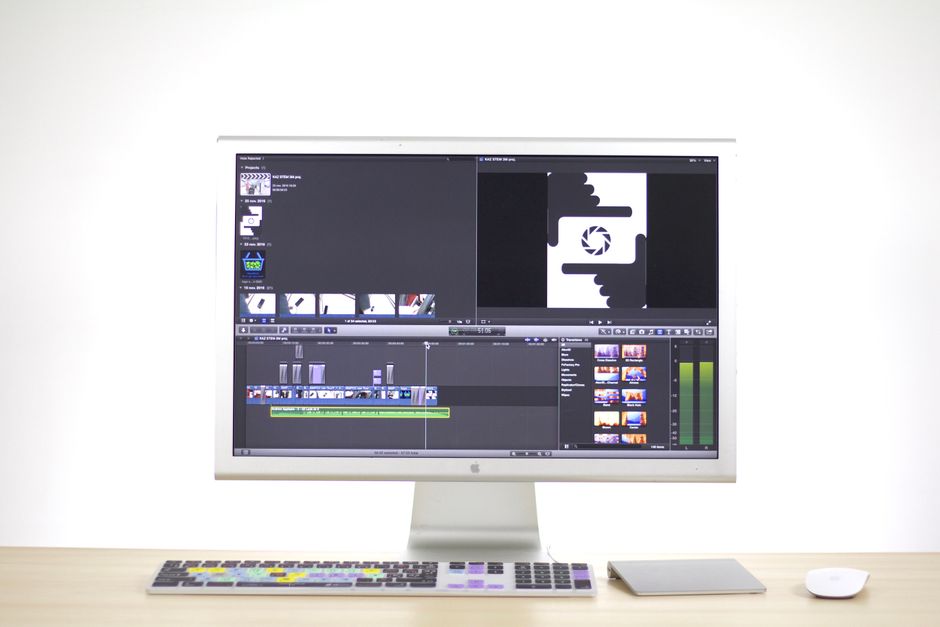
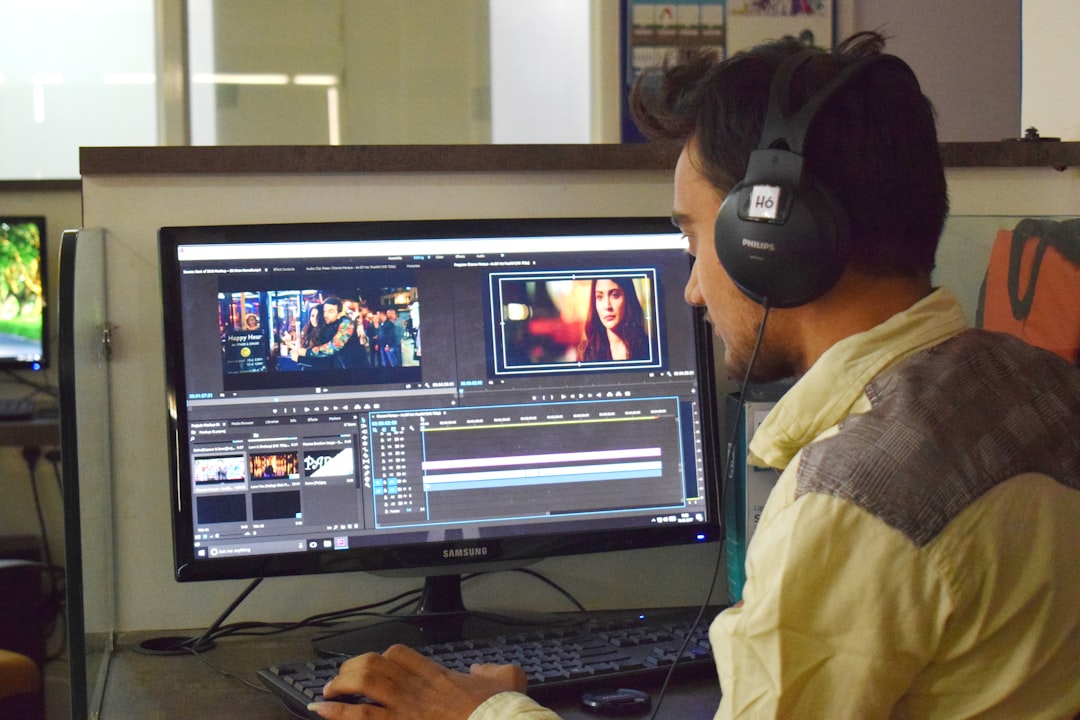
From there, you can maximize your event’s value through a smart content repurposing strategy. With our Event Live Streaming Service, we help you transition your live broadcast into a long-term content library.
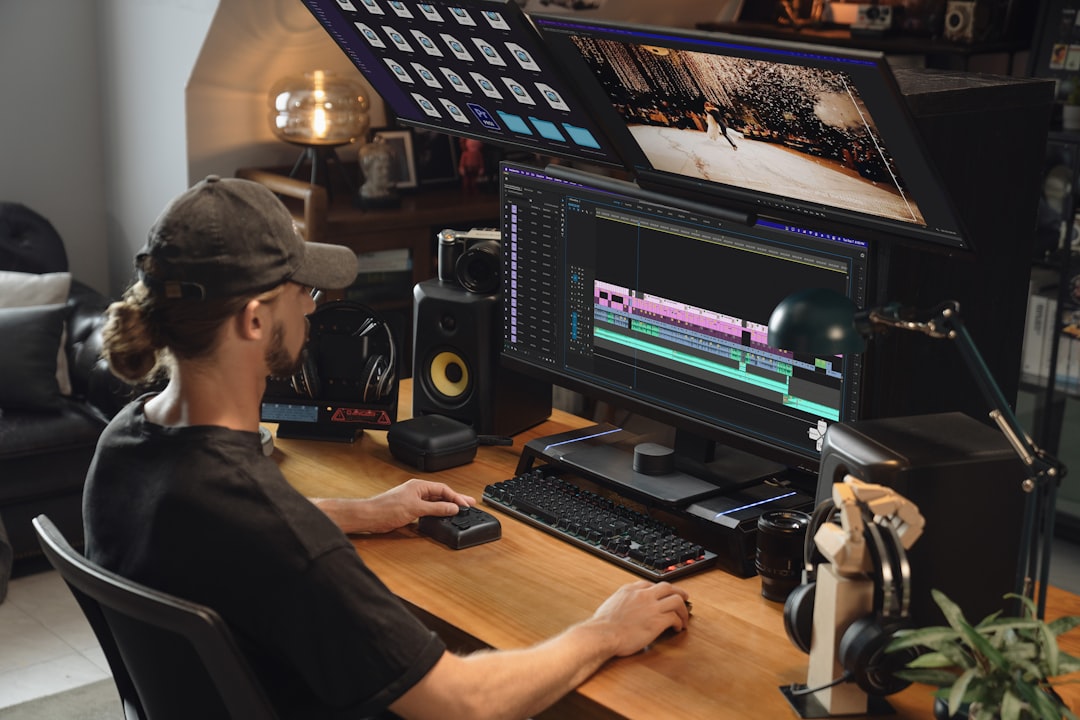
We specialize in taking your full-length stream and slicing it into high-impact, short-form content. These bite-sized video clips are perfect for social media posts, internal newsletters, or marketing campaigns, allowing you to extend the life of your event and continue reaching your audience for months to come.
To ensure your stream is completely secure, you should use an enterprise-grade platform that features encrypted streaming (AES-128 or higher) and integrates with your company's Single Sign-On (SSO) system. This prevents unauthorized external access. For GDPR compliance, choose a provider that hosts all data and streams within the EU, uses secure registration forms, and provides transparent data-handling agreements.
For events that require real-time interaction—such as live Q&A, audience voting, or remote panel discussions—the ideal latency is sub-second (under 500ms to 1 second). Traditional HTTP streaming protocols can introduce a delay of up to 30 seconds, which disrupts natural conversation. Utilizing modern protocols like WebRTC or Media Over QUIC (MOQ) ensures your virtual audience can interact with presenters with virtually zero lag.
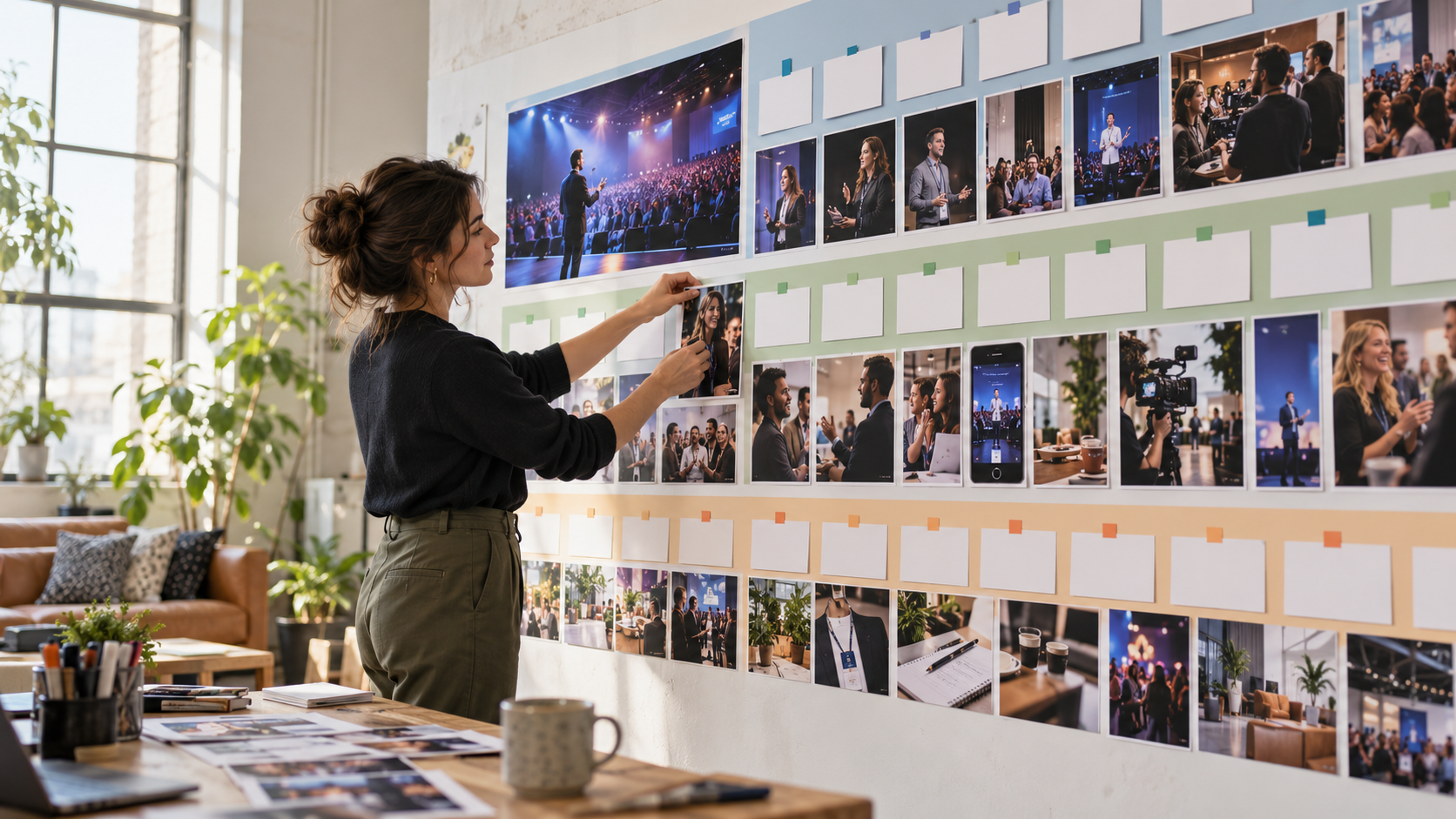
Repurposing your live stream starts during pre-production. By planning specific, high-value segments within your Run of Show, you can easily identify where to cut the footage afterward. Once the event is over, you can download the high-definition recording and edit it into 30-to-60-second highlight clips. These short-form videos can be optimized with vertical framing and captions, making them perfect for sharing on professional networks like LinkedIn or using in internal company updates.
Live streaming corporate events is no longer just about sending video over the internet; it is a vital tool for global alignment, brand authority, and modern business communication. From securing your stream to engaging a hybrid audience and repurposing your footage, executing a flawless broadcast requires technical precision and strategic planning.
At Motlow Pro Media, we help businesses in Tampa, Florida, and beyond navigate this complexity. Our "hands-off, but hands-on" partnership model means we act as a trusted extension of your team. We handle the technical production, signal routing, and camera switching, allowing you to focus entirely on your message and your audience.
Whether you need a full-scale hybrid conference broadcast or a long-term short-form content strategy to maximize your event's ROI, we are here to bring your vision to life with professional, broadcast-grade execution.
Ready to elevate your next business broadcast? Partner with Motlow Pro Media and let us take the stress out of your live production.
Some clients want to give notes in a live Zoom call. Others prefer a group text or email thread. However you like to communicate, we adapt. You’ll never be left guessing where things stand - and you’ll always have a say before anything goes out the door.




Phone:
+1 863-250-8639
.png)
Email:
info@motlowpromedia.com