











-5.jpg)

















































Thank you! Your submission has been received!
Oops! Something went wrong while submitting the form.

.avif)
September 3, 2026
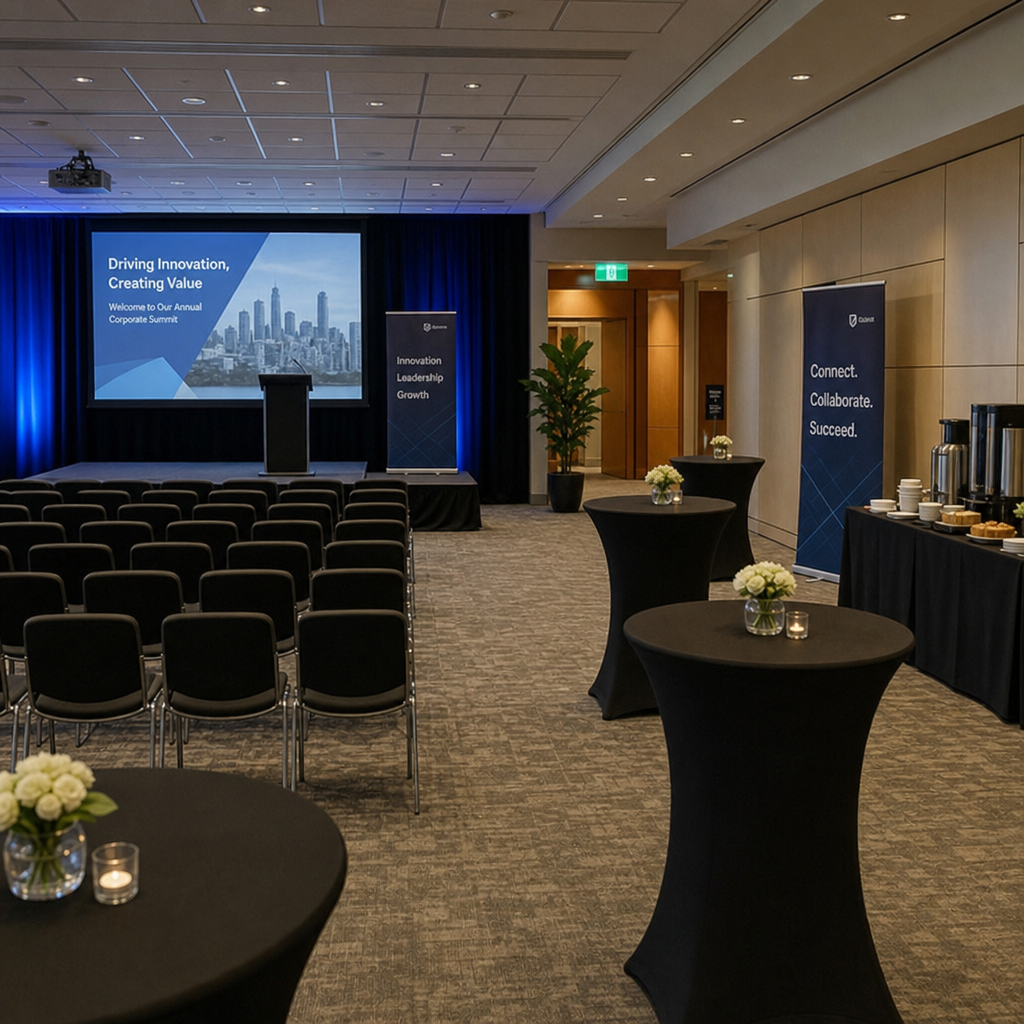
A corporate client wants to know what the venue helps them accomplish. Your marketing should connect the space to outcomes such as stronger team alignment, smoother product launches, polished client receptions, focused board meetings, or memorable employee appreciation events. Instead of opening with general beauty, a corporate event venue should quickly answer: What type of business event works here, and why will stakeholders trust it?
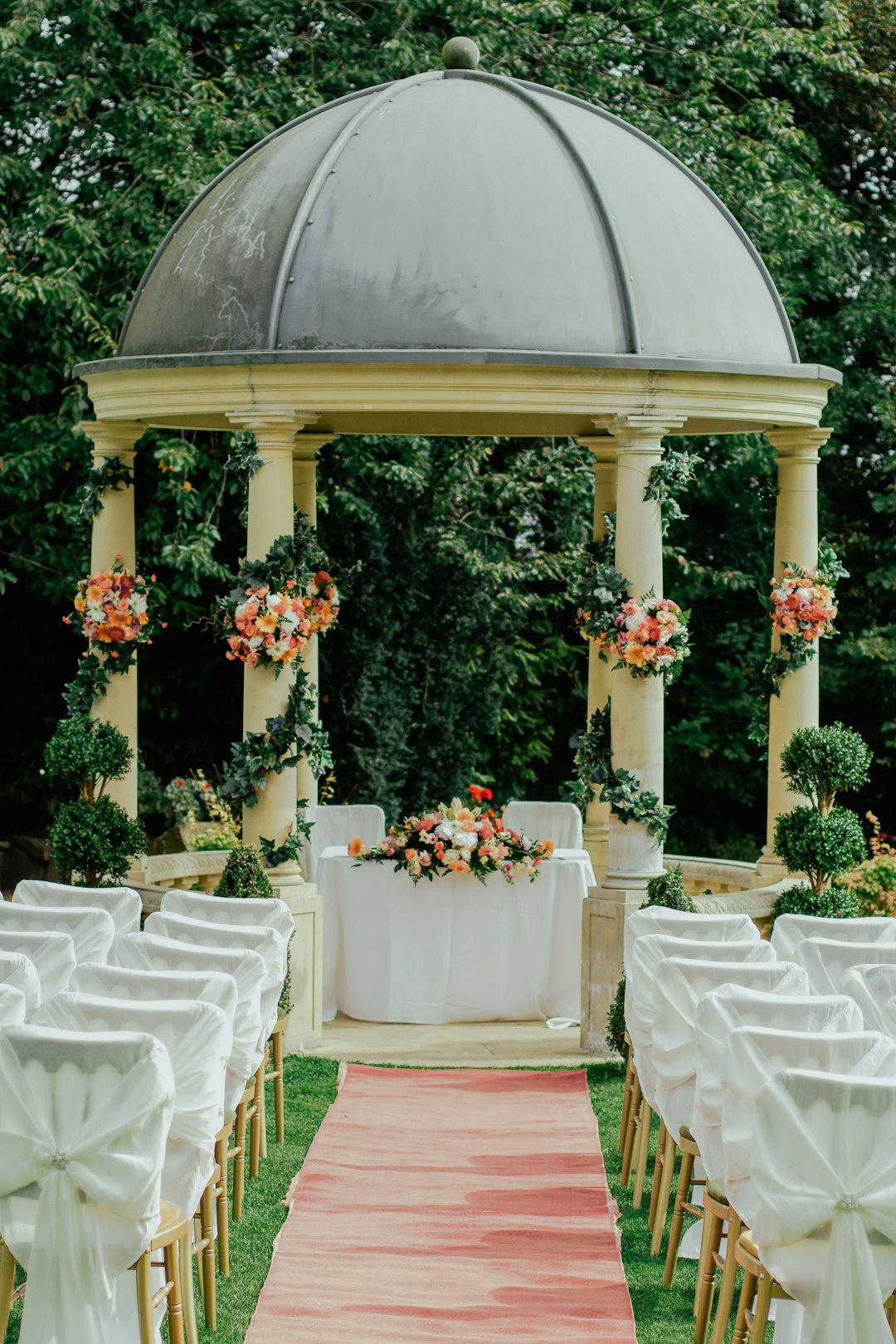
Wedding clients are usually imagining how the day will feel. They want to picture the ceremony, dinner, dancing, portraits, family moments, and the transition from one part of the celebration to the next. Marketing should help them see themselves in the space without making the venue feel rigid or overly corporate.
Practical positioning differences:
The same room can serve both audiences, but the first impression should change. Corporate buyers need clarity. Wedding buyers need imagination supported by trust.
One of the most common event space marketing mistakes is trying to make one page speak equally to corporate planners, couples, nonprofit committees, social hosts, and agencies. The result is usually vague copy that says the venue is “perfect for any occasion,” which gives no buyer a strong reason to inquire. A better approach is to create dedicated pages for each high-value segment.
A corporate page should use language that aligns with corporate venue selection. It should mention meeting formats, guest capacity ranges if known, technology, catering, service flow, accessibility, location advantages, and planning support. A wedding page should speak to ceremony options, reception ambiance, personalization, guest experience, and the emotional ease of working with the venue.
Useful page structure for a corporate venue page:
Useful page structure for a wedding venue page:
Separate pages also help SEO. Someone searching for corporate event spaces is not always using the same language as someone searching for a wedding venue. Your site should meet each searcher with the right vocabulary and intent.
Images do a large share of the selling for venues, but not every beautiful photo sells to every audience. A candlelit reception image may inspire wedding couples, but it may not help an executive assistant understand whether the room can support a leadership summit. Likewise, a classroom-style meeting setup may reassure a corporate planner but feel too sterile on a wedding page.
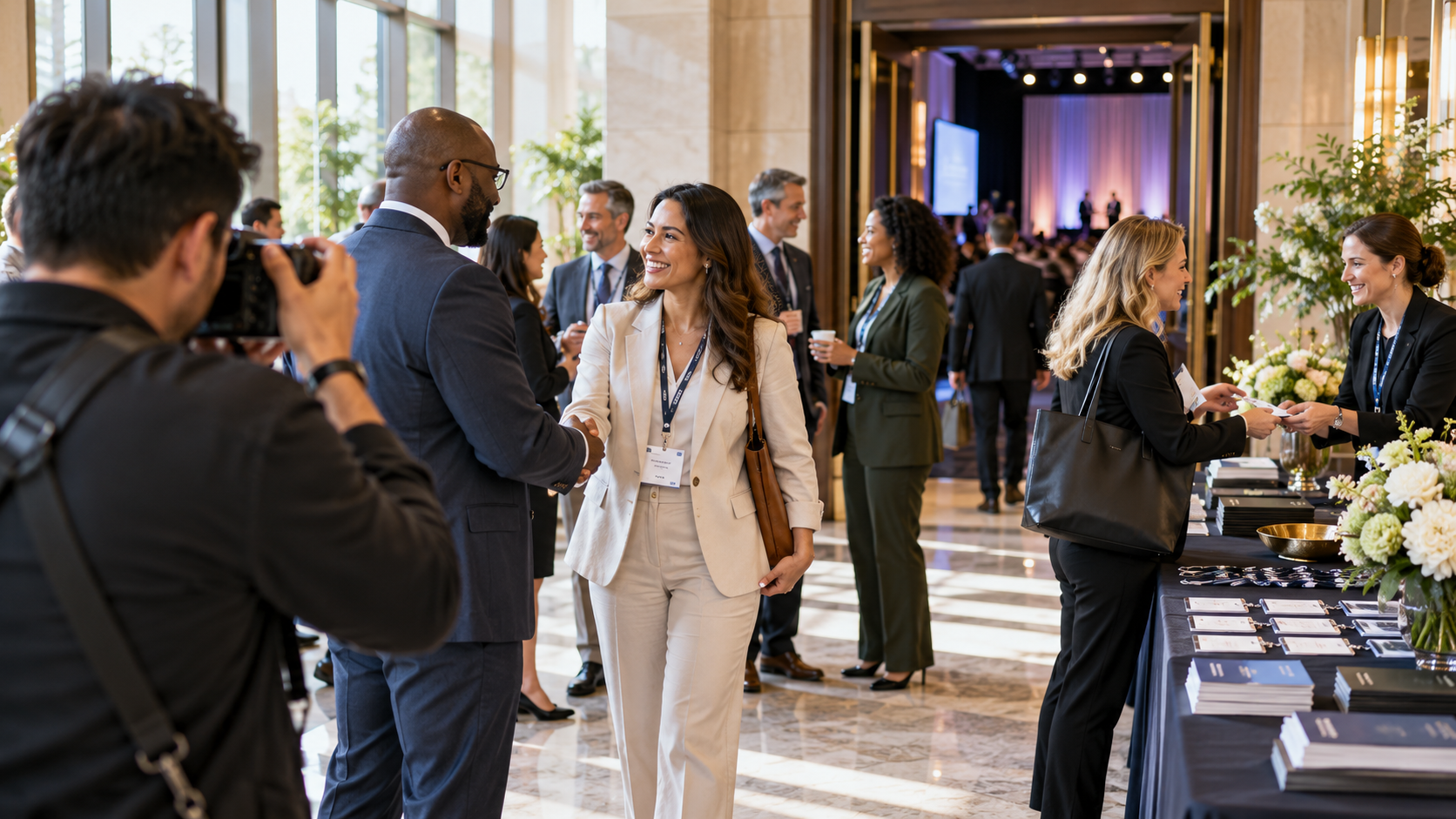
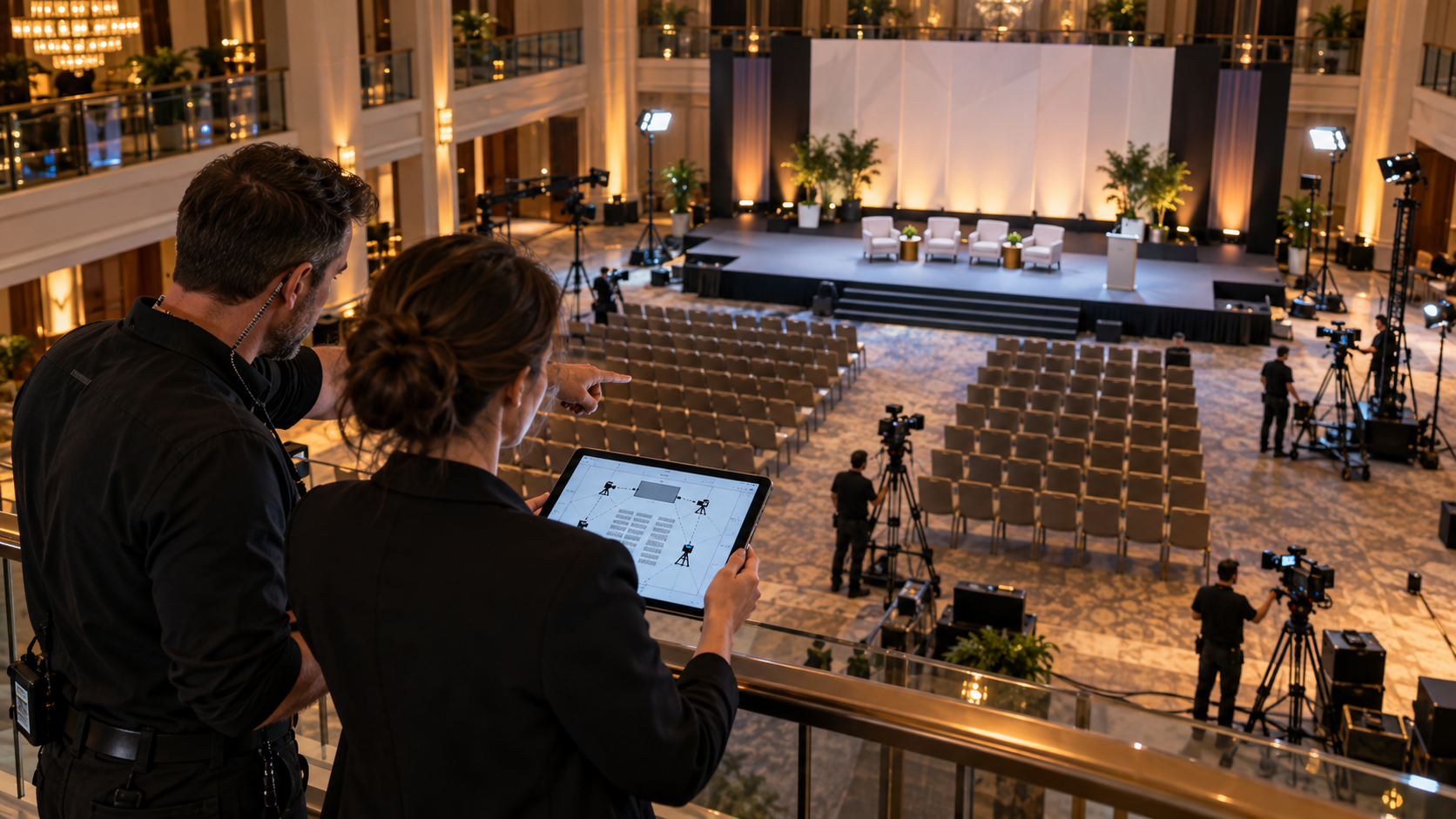
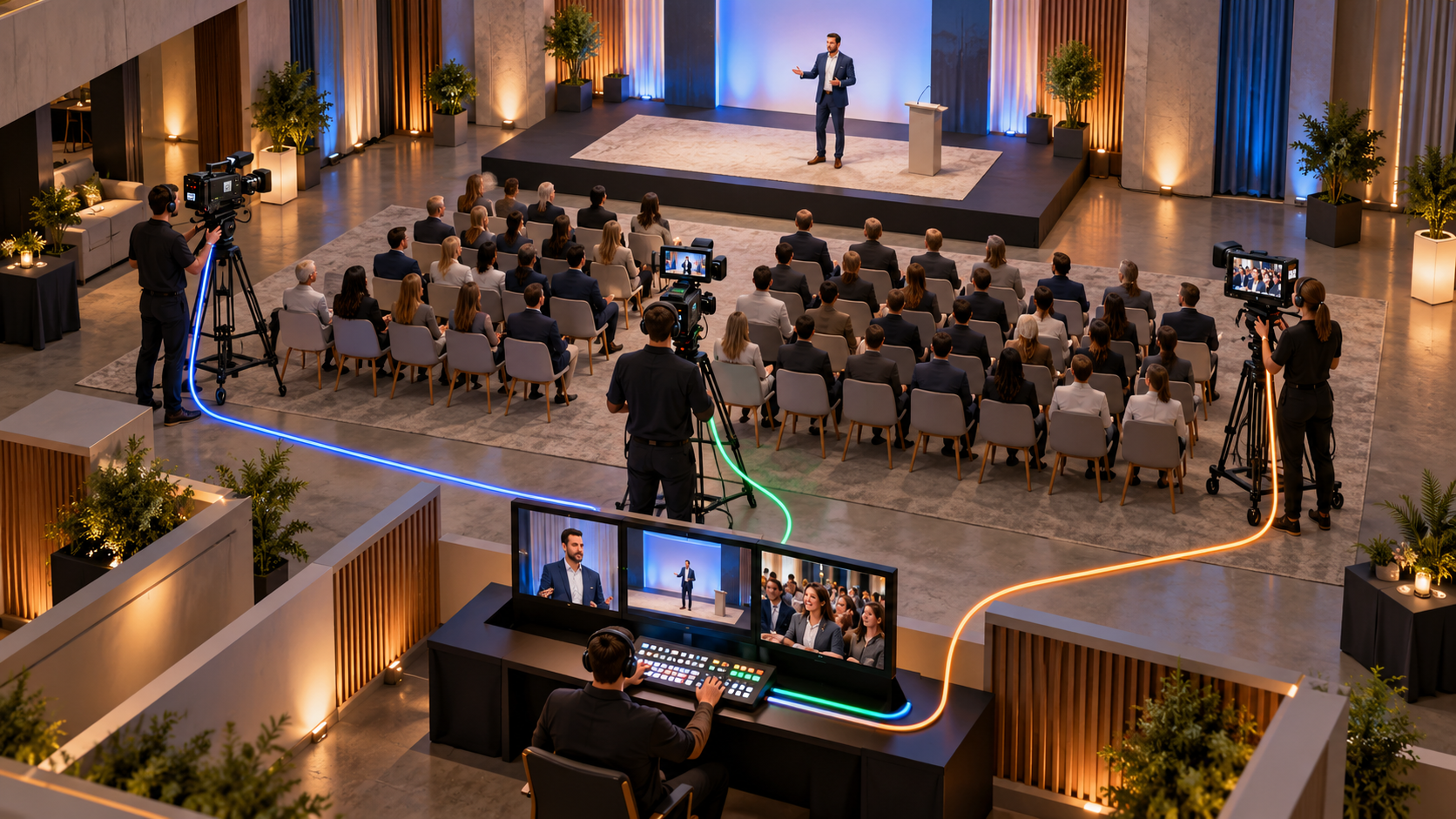
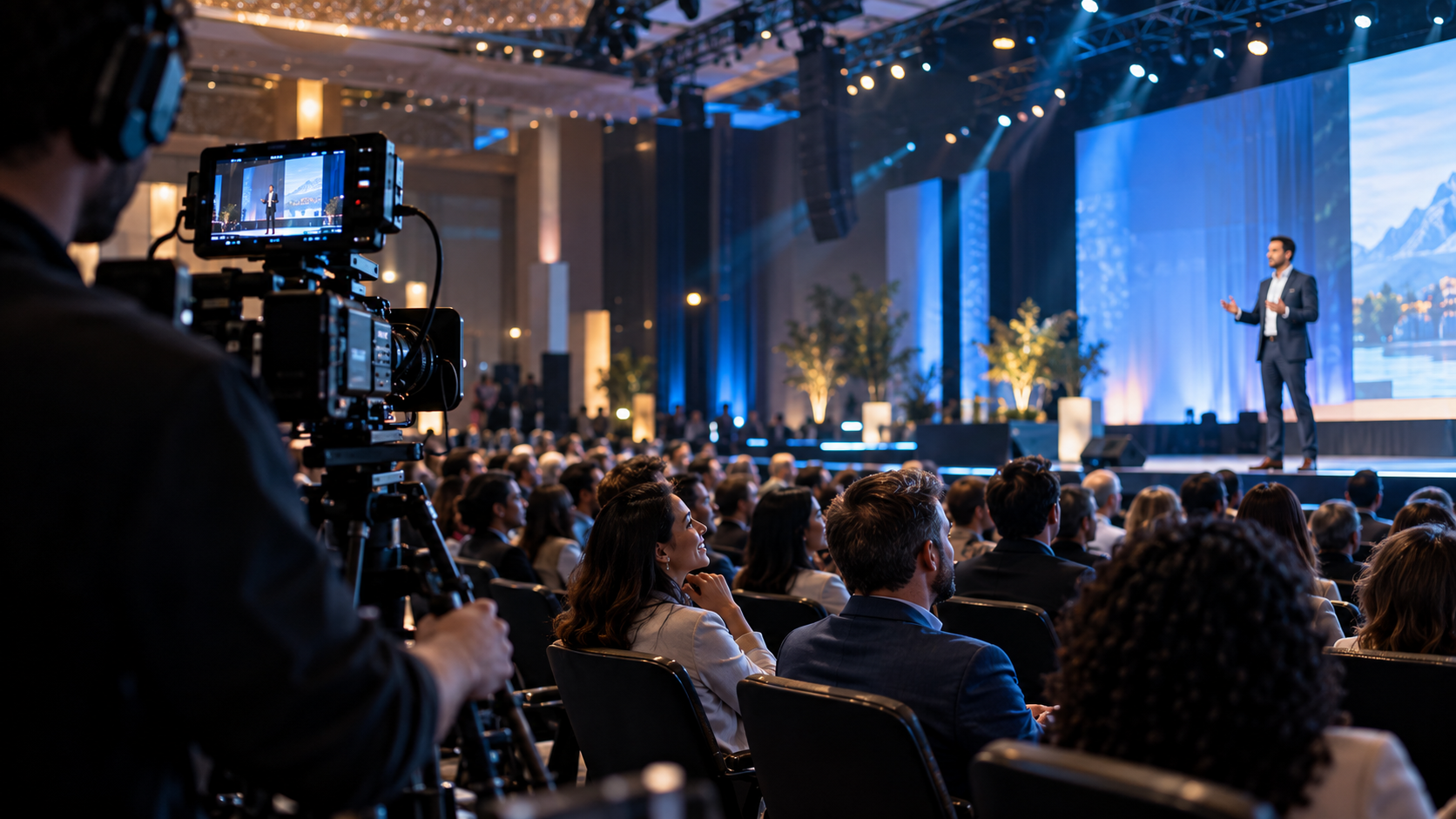
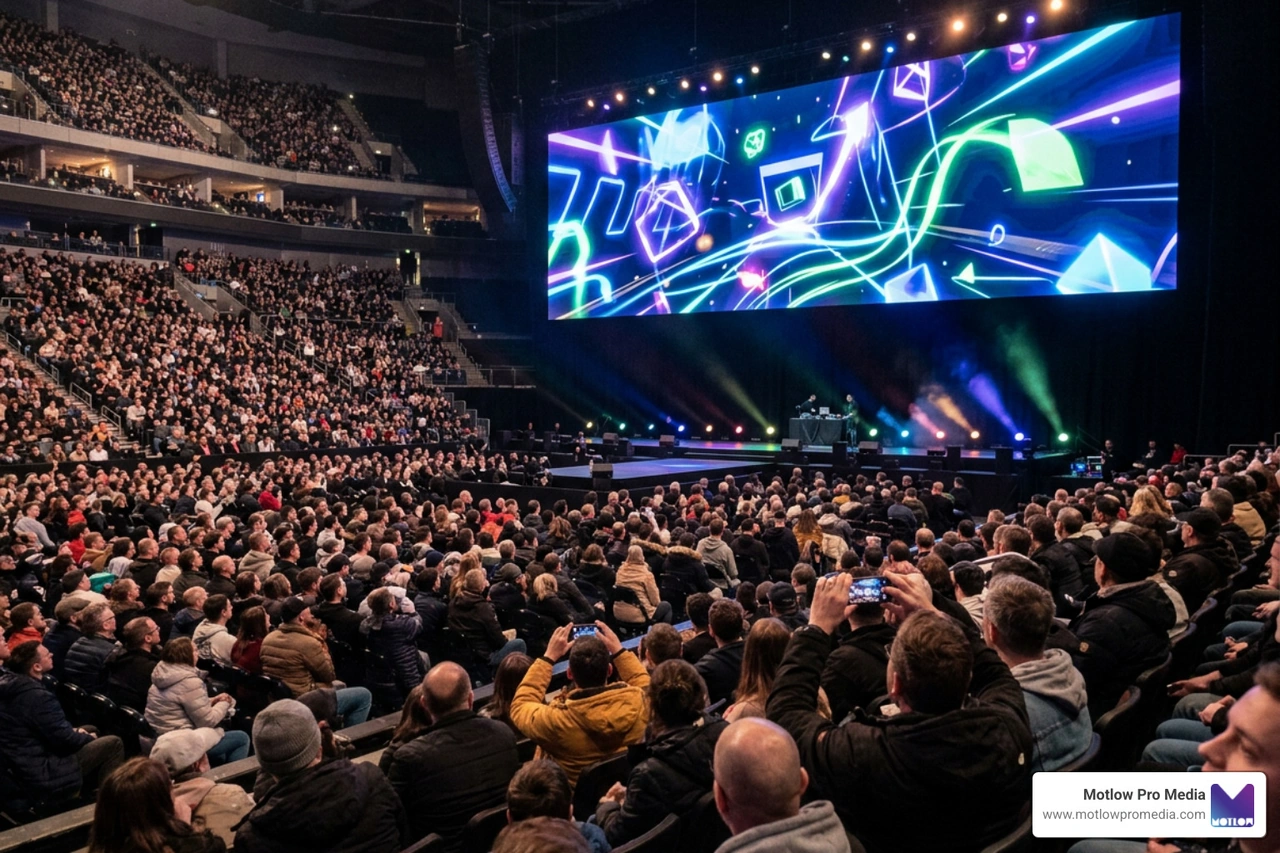
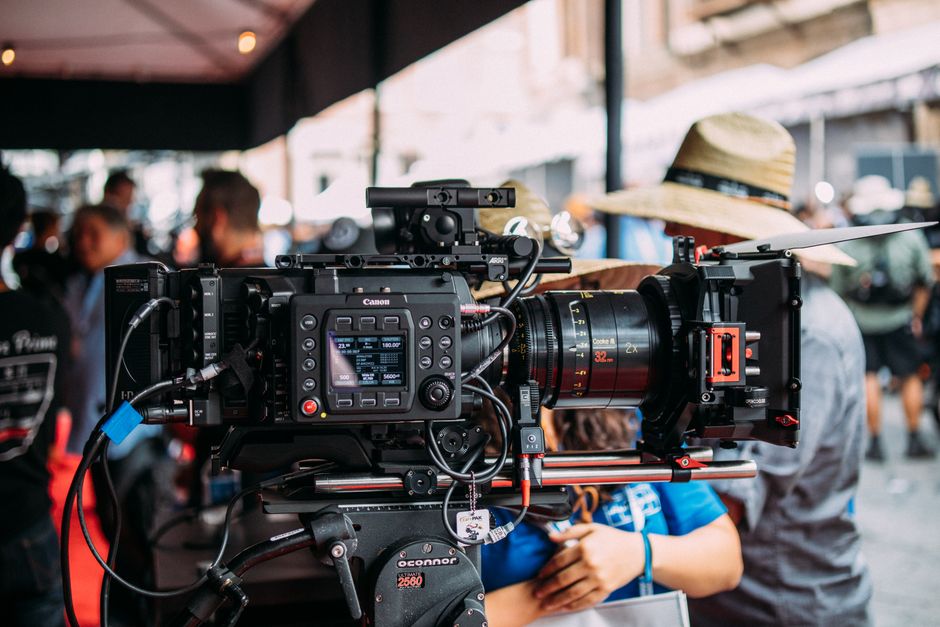
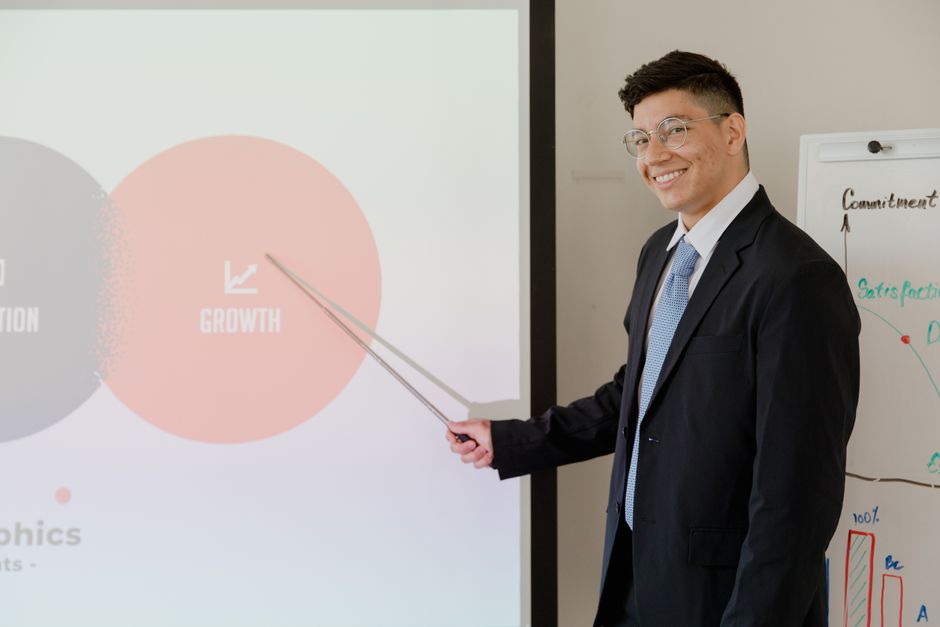
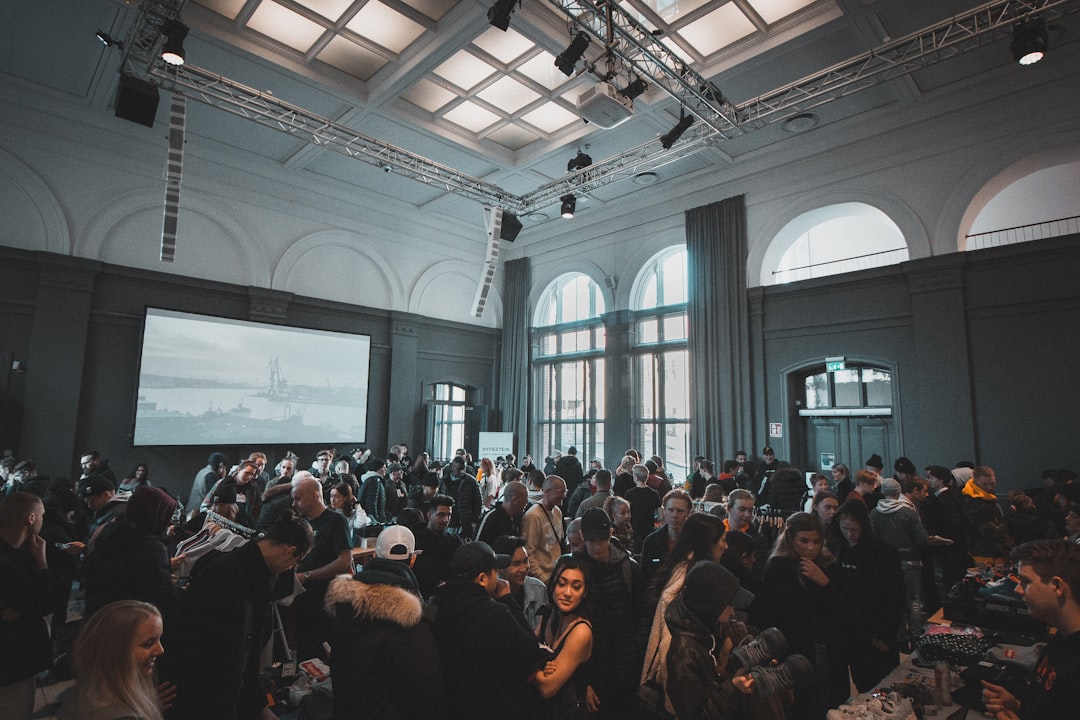
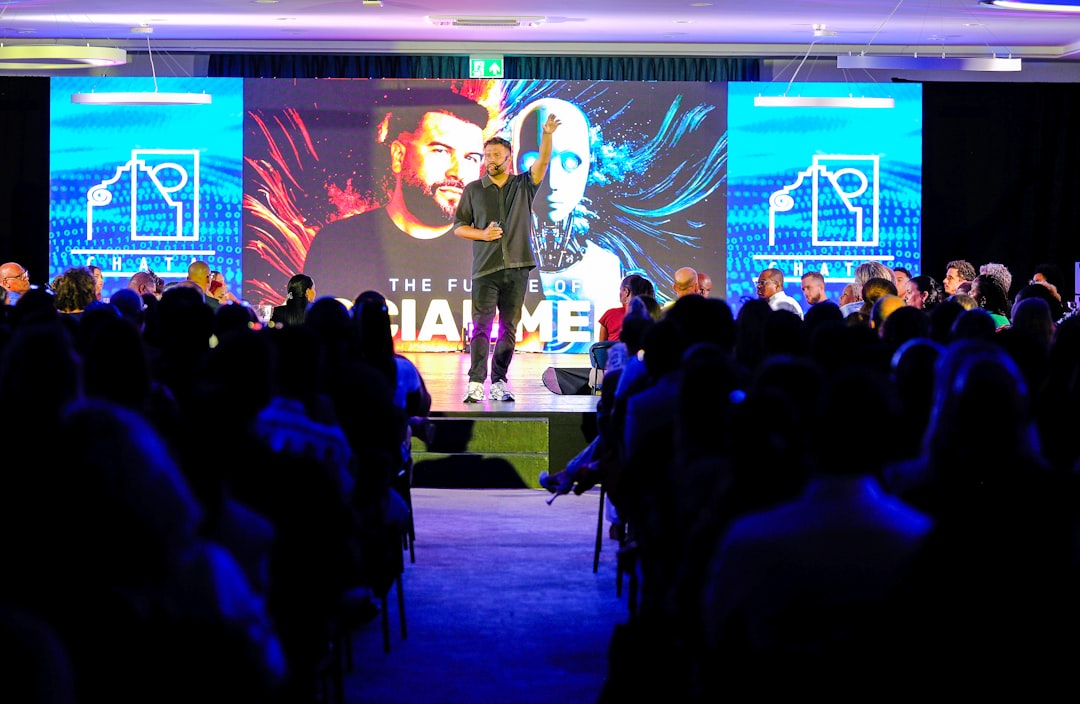
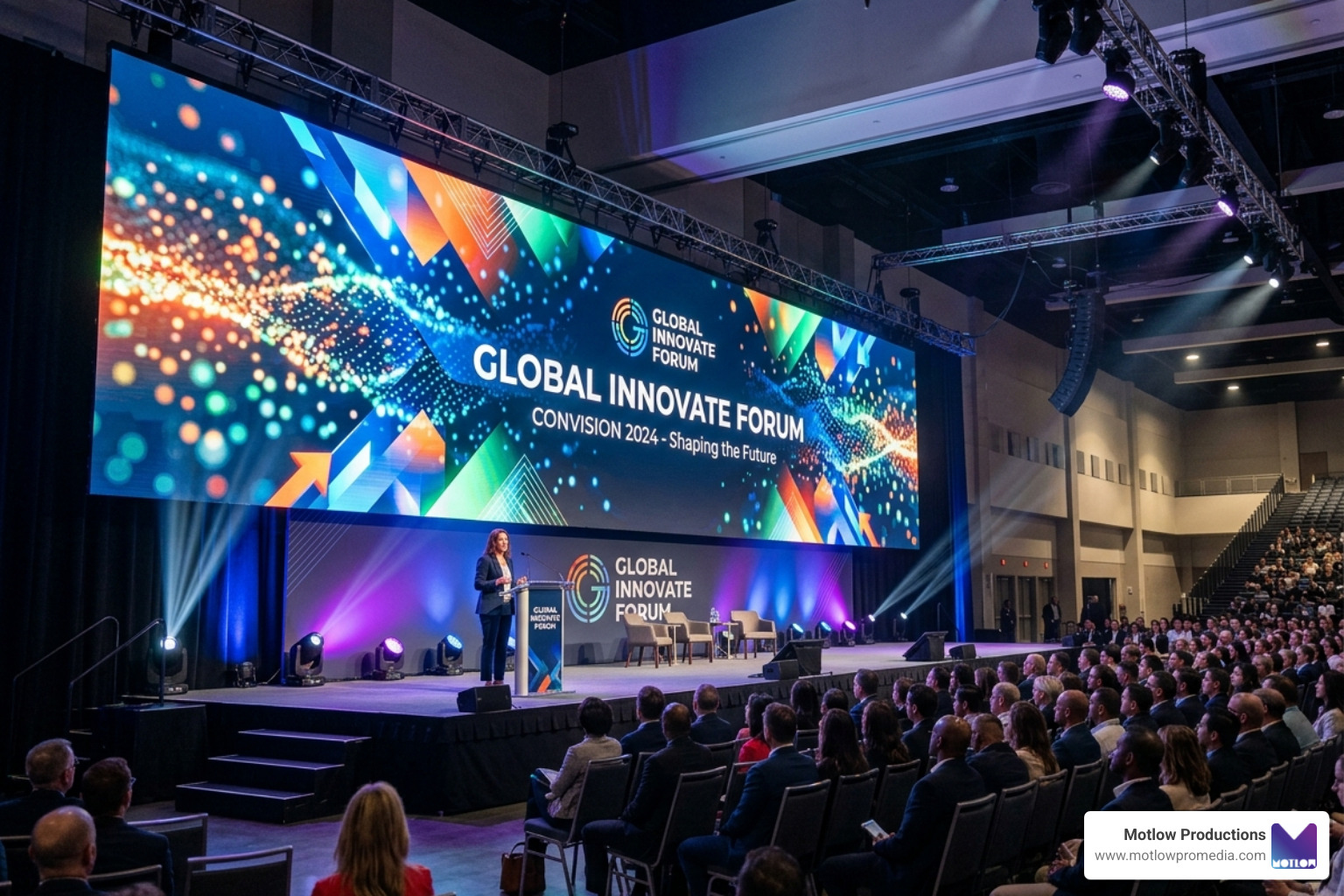
For corporate event spaces, prioritize images that show range, function, and polish. Include meeting seating, panel discussions, reception setups, branded signage areas, food and beverage service, registration tables, and networking flow. If the space works for marketing offsites, team workshops, or investor events, show how people move through it rather than only photographing the empty room.
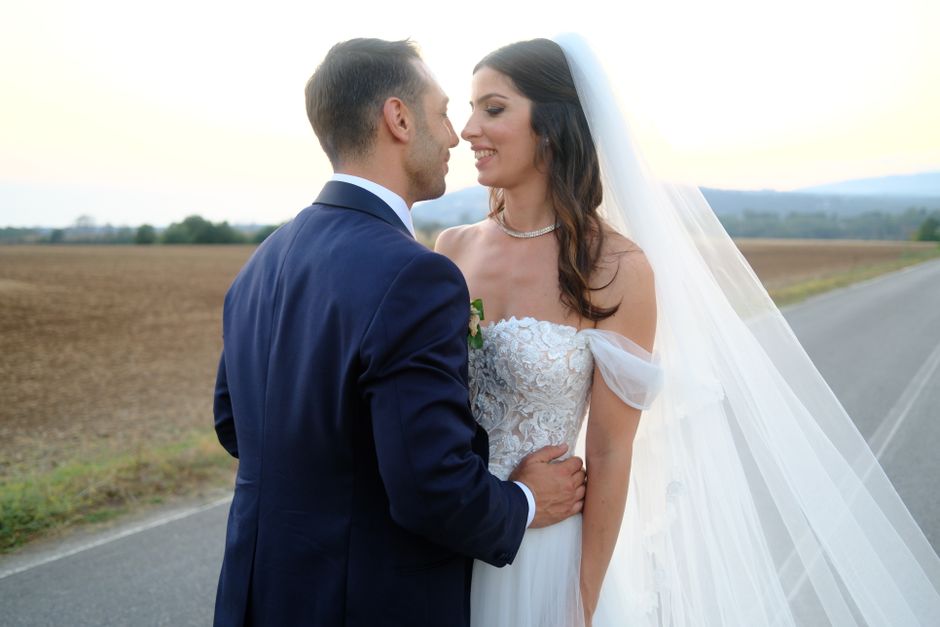
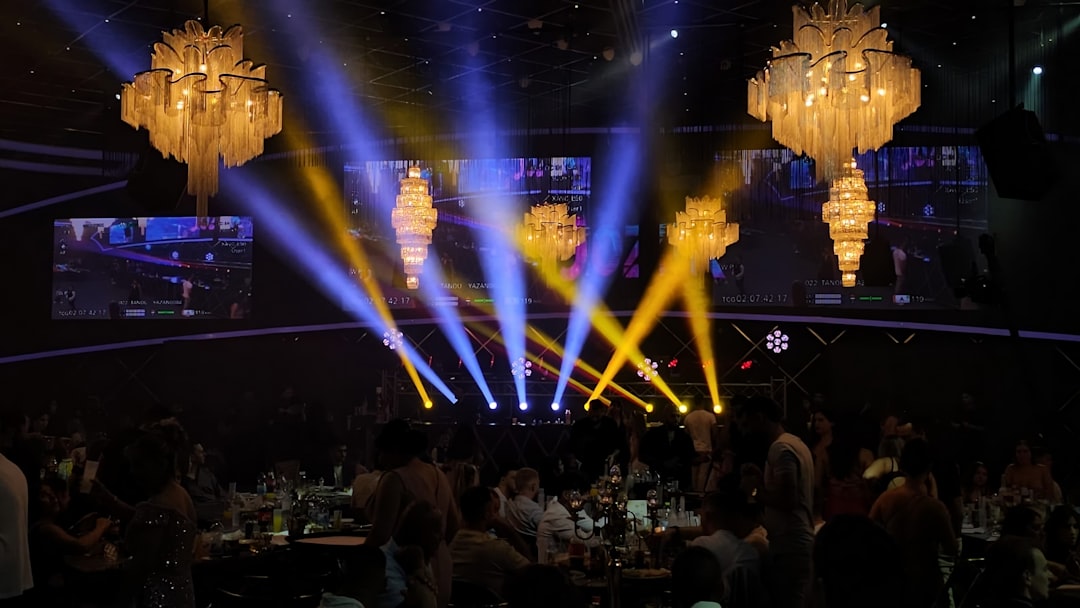
For weddings, prioritize atmosphere and emotion. Show warm lighting, guest tables, ceremony details, floral installations, entrances, dance floors, and natural photo moments. Couples often want to know whether the room can become “theirs,” so images should show style possibilities without making every event look identical.
A helpful visual checklist:
Venue branding ideas should include visual consistency, but not visual sameness. Each audience needs to recognize the same venue through a different lens.
Wedding copy can successfully use words like romantic, elegant, timeless, intimate, dramatic, joyful, and unforgettable when they match the actual space. Corporate copy needs more practical language. It should still sound appealing, but it must communicate control, readiness, and professionalism.
A corporate planner is often accountable to a team, manager, client, or executive group. They are not just buying a room. They are buying reduced friction. Strong corporate copy highlights what makes planning easier: responsive communication, flexible room layouts, food and beverage coordination, AV support, arrival flow, privacy, and timing.
Examples of corporate-friendly phrasing:
Wedding copy can be more sensory and personal:
The shift is subtle but important. Corporate clients respond to usefulness and credibility. Wedding clients respond to beauty and belonging, backed by reliability.

Corporate venue selection often begins with elimination. If a planner cannot quickly confirm that the space fits the event’s practical requirements, they may move on before contacting you. That means your corporate marketing should surface logistics early instead of hiding them in a brochure or late-stage conversation.
Important details to include when available:
Wedding pages need logistics too, but they can be introduced after the emotional hook. Corporate pages should bring them forward because they are part of the value proposition. A planner comparing five venues may shortlist the one that makes information easiest to find.
This is especially true in competitive city markets. A search like “top full-service corporate event venues midtown manhattan marketing offsites” suggests that the buyer is looking for a venue that can support a specific professional use case, not just a pretty room. If your venue serves a location like Midtown Manhattan or another dense business district, your marketing should connect the location to convenience, meeting flow, and attendee expectations.
Packages help buyers understand what is included, but corporate and wedding packages should not look identical. Corporate packages should reduce planning complexity and make internal approval easier. Wedding packages should help couples understand the celebration experience and the support around it.
For corporate event planning, packages may be organized around event format. A morning meeting, half-day offsite, networking reception, seated dinner, or holiday party may each need different timing, staffing, menus, AV, and room setup. The goal is to help the planner quickly map the venue to the event agenda.
For weddings, packages often revolve around guest experience and celebration flow. Couples want to understand ceremony options, cocktail hour, dinner, bar service, vendor coordination, and any included rentals or planning support. They may also want flexibility for cultural traditions, entertainment, design, and family needs.
Strong package messaging avoids two extremes. It should not be so vague that buyers cannot compare options, and it should not be so rigid that clients assume customization is impossible. Use phrases such as “common formats include,” “popular options,” or “planning conversations often cover” when you need to stay flexible.
SEO for venues works best when keywords match the buyer’s stage of planning. A person searching “wedding venue with skyline views” may be dreaming, comparing aesthetics, or preparing to tour. A person searching “corporate event venue with AV and catering” is more likely to be qualifying options against a brief.
For a corporate page, use terms such as corporate event venue, corporate event spaces, corporate venue selection, corporate event planning, meeting venue, offsite venue, product launch venue, networking reception space, and private event space. For a wedding page, use terms tied to the celebration type, location, style, guest count, ceremony options, and reception experience.
Good event space marketing also considers supporting content. A venue blog or resources section can answer questions that attract planners before they are ready to inquire.
Corporate content ideas:
Wedding content ideas:
Do not stuff every keyword into every page. Use the language that belongs to the audience and page intent.
A generic inquiry form can slow down sales because it asks too little, too much, or the wrong information. Corporate leads and wedding leads arrive with different planning details, so the form should guide them accordingly. The easier it is for a buyer to explain their needs, the easier it is for your team to respond with relevance.
A corporate inquiry form may ask for:
A wedding inquiry form may ask for:
The tone can also differ. Corporate forms should feel efficient and professional. Wedding forms should feel welcoming and personal while still collecting useful details.

Marketing sets expectations, but the sales conversation confirms whether the venue is a fit. If your team uses the same discovery script for every inquiry, they may miss what matters most to each buyer. Corporate clients need confidence that the venue can meet the brief. Wedding clients need confidence that the venue understands the significance of the day.
Corporate discovery questions might include:
Wedding discovery questions might include:
Better qualification improves follow-up. A corporate proposal should mirror the business purpose. A wedding proposal should reflect the couple’s priorities and celebration flow.
Social proof is powerful only when it answers the buyer’s real concern. A corporate planner wants evidence that events are handled professionally. A wedding couple wants evidence that the team is caring, organized, and capable of delivering a beautiful experience.
For corporate audiences, useful proof may include recognizable event formats, repeat business, planner testimonials, comments about responsiveness, or examples of complex logistics handled smoothly. If confidentiality prevents naming clients, you can still describe categories of events in a general way, such as executive dinners, company offsites, nonprofit receptions, or industry networking events. Avoid inventing client names or claims you cannot support.
For wedding audiences, useful proof may include testimonials about communication, calm support, food and service, guest experience, setup, and how the day felt. Couples often read reviews to understand whether the venue team will be attentive before and during the celebration.
Where to use proof:
The proof should never feel pasted in. It should support the exact decision the reader is trying to make.
Location matters to both audiences, but for different reasons. Corporate planners may prioritize proximity to offices, hotels, transit, airports, conference centers, restaurants, or client headquarters. They need attendees to arrive easily and stay on schedule, especially when the event is part of a larger workday or multi-day program.
Wedding clients think about location through the guest experience. They may care about hotel blocks, photo backdrops, transportation for family, after-party options, accessibility for older guests, and the feeling of the surrounding neighborhood. The same location details can be reframed depending on the buyer.
For corporate marketing, phrase location benefits around convenience:
For wedding marketing, phrase location benefits around experience:
Avoid assuming every buyer values the same convenience. Translate the location into the outcome that matters to them.
Many venues host both corporate events and weddings successfully. The challenge is not capability. The challenge is clarity. If your brand looks too corporate, couples may assume it lacks warmth. If it looks too wedding-focused, corporate planners may assume it lacks infrastructure.
A clear brand architecture lets each audience find its path. Your homepage can introduce the venue broadly, but navigation should quickly separate weddings, corporate events, social events, and other private events. Each section should have its own copy, gallery, calls to action, and proof points.
Simple website navigation might include:
This structure supports both usability and search. It also helps your paid ads, email campaigns, and sales follow-up direct people to the most relevant information.
A call to action should feel like the natural next move, not a generic button pasted at the bottom of a page. Corporate planners may need to confirm availability, request a proposal, download planning details, or schedule a walkthrough. Wedding couples may want to book a tour, check dates, view packages, or speak with someone about their vision.
Corporate CTA examples:
Wedding CTA examples:
The CTA should also match the page depth. A high-intent corporate page can ask for a proposal request. A more inspirational wedding gallery may perform better with a tour invitation. When in doubt, offer one primary CTA and one softer secondary action.
Corporate and wedding marketing should not be judged only by total inquiries. Lead quality matters. A flood of low-fit inquiries can consume sales time without improving revenue. Track the signals that show whether each page, campaign, or gallery is attracting the right audience.
Corporate marketing metrics may include:
Wedding marketing metrics may include:
Measurement helps refine messaging. If corporate leads keep asking whether you have AV, make AV easier to find. If wedding leads keep asking about ceremony flow, show that flow more clearly.
Start by separating the audience journey before rewriting everything. Choose one high-priority segment, such as corporate events, and audit the page from the buyer’s point of view. Ask whether the page makes corporate venue selection easier within the first few minutes.
A practical starting checklist:
Marketing a Corporate Event Venue vs. a Wedding Venue comes down to relevance. Corporate clients want a venue that makes them look organized, professional, and prepared. Wedding clients want a venue that feels beautiful, personal, and trustworthy. When your messaging, visuals, SEO, forms, and sales process reflect those differences, the same event space can speak clearly to both audiences without sounding generic to either one.
Some clients want to give notes in a live Zoom call. Others prefer a group text or email thread. However you like to communicate, we adapt. You’ll never be left guessing where things stand - and you’ll always have a say before anything goes out the door.





Phone:
+1 863-250-8639
.png)
Email:
info@motlowpromedia.com