












-5.jpg)












































Thank you! Your submission has been received!
Oops! Something went wrong while submitting the form.

.avif)
July 17, 2026
What is video content? Here's a quick answer:
Video content is any digital media made up of moving images — usually combined with audio — used to inform, entertain, educate, or promote. It includes everything from a 15-second Instagram Reel to a 60-minute webinar.
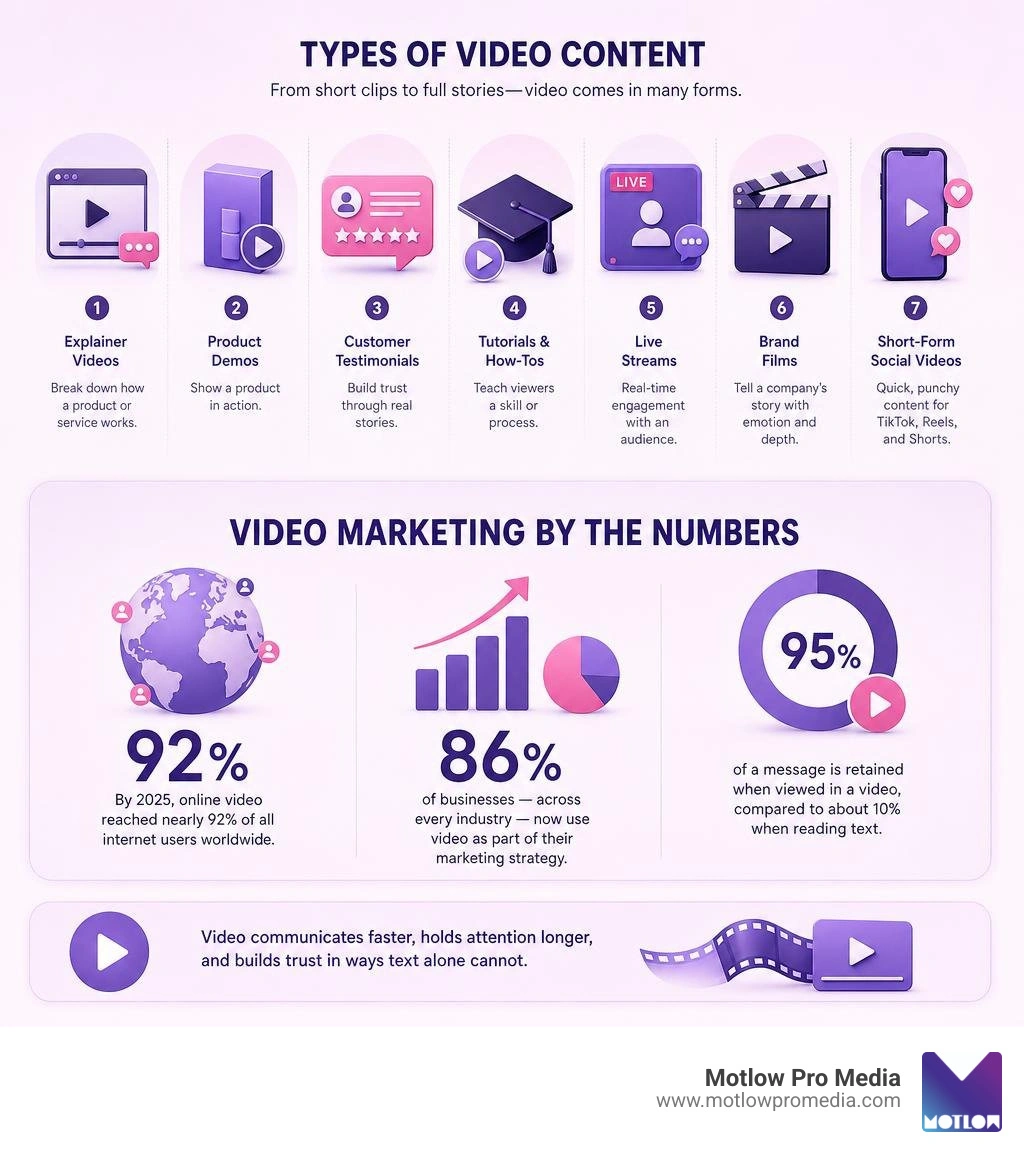
It's not a niche tactic anymore. By 2025, online video reached nearly 92% of all internet users worldwide. And 86% of businesses — across every industry — now use video as part of their marketing strategy.
The reason is simple: video communicates faster, holds attention longer, and builds trust in ways that written content alone cannot. A viewer retains 95% of a message when they watch it in a video, compared to about 10% when reading text.
That gap matters — especially for marketing teams trying to make every piece of content count.
I'm Miranda Motlow, founder and CEO of Motlow Pro Media, and I've spent more than a decade helping brands — including competitive, high-stakes casino marketing teams in Tampa, Florida — use short-form and long-form video content to connect with audiences and drive real results. Understanding what is video content at a strategic level is where every successful production starts, and it's the foundation of everything we do at Motlow Pro Media.
What is video content definitions:
To truly master this medium, we must look past the simple smartphone screen and understand how video functions as a digital asset. At its core, video content is a digital moving image format that combines sequential frames, synchronized audio, and embedded metadata to create a dynamic visual experience. Unlike static images or plain text, video captures temporal information—meaning it unfolds over time, allowing for a narrative progression that engages both the visual and auditory senses.
According to the VIDEO CONTENT definition in American English | Collins English Dictionary, the term refers to any material distributed in a video format, which has increasingly become the primary vehicle for online information dissemination. In a digital marketing and SEO context, the definition expands. As highlighted by Video Content: Definition, Formats, and Digital Moving Image Specifications | Am I Cited, video content is not just a file; it is a highly structured piece of intellectual property designed to deliver a specific message, optimize search engine visibility, and drive audience action.
From a technical standpoint, video is an electronic medium used for the recording, copying, playback, transmission, and display of moving visual images. To understand the mechanics, we can look at the technical history outlined on Video - Wikipedia.
Every video file you interact with is built on several key technical components:
When we produce Video Content for Business, we are not just creating entertainment; we are building an SEO engine. Search engines like Google and Bing love video because users love video. When you embed high-quality video content on your website, several critical SEO metrics improve:
Developing a successful strategy requires matching the right type of video to your specific business goals. You wouldn't use a highly polished, cinematic brand film to explain a minor software update, nor would you use a casual, raw vlog to pitch a multi-million dollar corporate partnership. To create truly Engaging Video Content, we categorize video into distinct formats based on their purpose and audience.
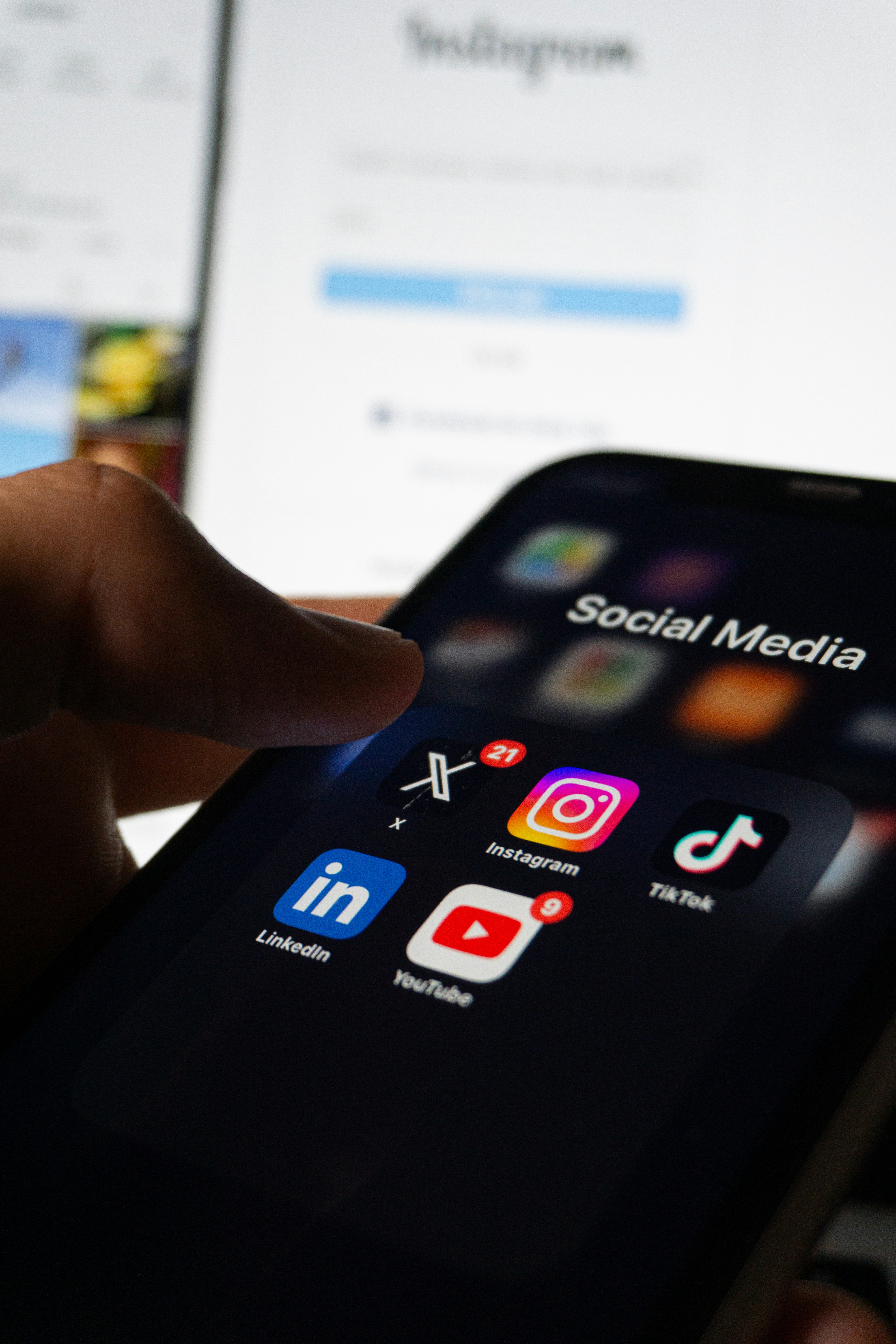
The rise of platforms like TikTok, Instagram Reels, and YouTube Shorts has completely transformed how audiences consume digital media. Short-form video—typically running between 15 and 60 seconds—is optimized for mobile devices and consumption.
Key characteristics of successful short-form social video include:
For B2B brands and established enterprises, video is the ultimate medium for building authority, alignment, and trust. These videos are generally longer, more structured, and focused on delivering deep educational or organizational value.
Investing in professional video production is no longer a luxury—it is a core driver of business growth. Whether you are running a local business in Tampa, Florida, or managing a global enterprise, the return on investment (ROI) of video content is backed by overwhelming statistical evidence.
For a deeper dive into how visual media impacts your bottom line, explore our guides on Business Video Content and Digital Content Production.
When search engines crawl your website, they look for signals of authority, relevance, and user satisfaction. Video content provides all three in abundance. By embedding optimized videos, you can secure valuable real estate on Google search results pages through rich snippets and dedicated video search tabs.
To maximize this benefit, your Strategic Content Planning must include video schema markup. This code tells search engines exactly what your video is about, its duration, thumbnail URL, and target keywords, making it incredibly easy for search crawlers to index and display your content to active searchers.
Video is highly effective at moving prospects through every stage of the sales funnel. In the awareness stage, short social clips introduce your brand. In the consideration stage, in-depth product reviews and explainer videos answer critical questions. Finally, in the decision stage, customer testimonials and detailed product demos provide the final reassurance needed to close the deal.
For a comprehensive framework on aligning video types with your sales funnel, check out our Media Content Strategy Guide 2026.
A brilliant creative concept will fall flat if the technical execution is flawed. To ensure your video content looks stunning and plays flawlessly on every device, you must understand the technical properties of Digital video .
For standard web and social media distribution, we recommend the following baseline specifications:
Every distribution channel has its own set of rules, user behaviors, and technical constraints. A one-size-fits-all upload strategy will limit your campaign's reach.
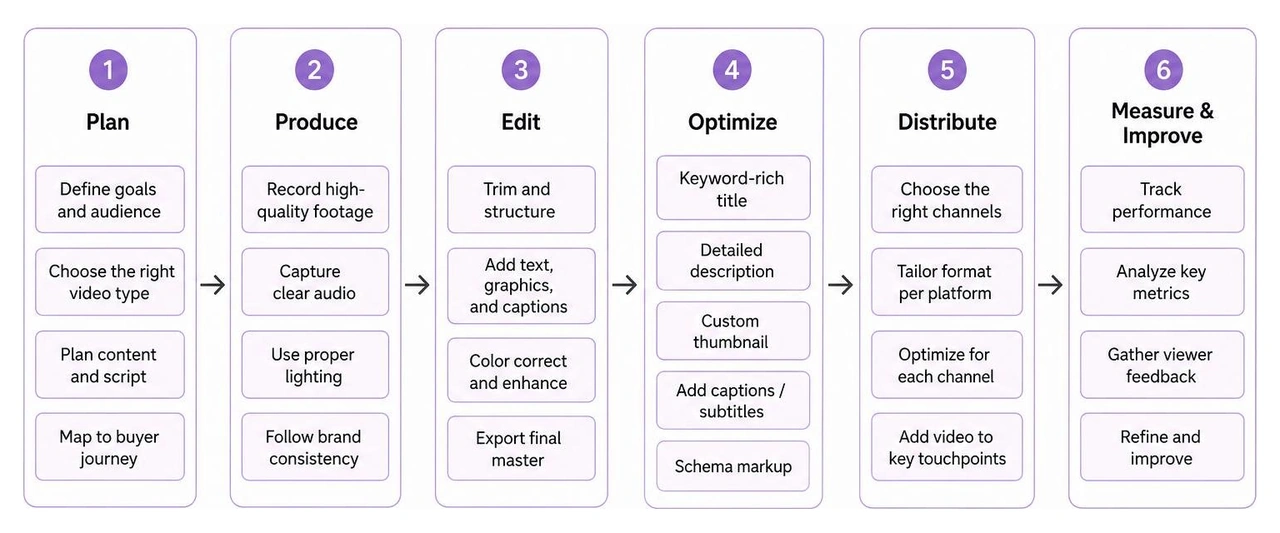
For step-by-step instructions on channel-specific optimization, read our Ultimate Corporate Video Guide 2026.
The integration of artificial intelligence is changing how we produce, edit, and optimize video. From automated rough-cut editing to AI-generated voiceovers and real-time transcription, technology has streamlined production workflows. Additionally, advanced computer vision allows brands to track their visual presence and logo placement across millions of online videos automatically.
However, while AI is an incredibly powerful tool for efficiency, it cannot replace genuine human storytelling, creative direction, and the emotional resonance of professional cinematography. At Motlow Pro Media, we leverage cutting-edge tools to speed up technical workflows while keeping our focus entirely on authentic, human-driven storytelling. Learn more about our approach in our Content Creation Services Complete Guide.
The ideal length of your video depends entirely on the platform and where your viewer is in the buyer's journey:
For universal compatibility and high performance, MP4 (with the H.264 video codec and AAC audio codec) is the gold standard. It offers the best balance of file size compression and visual quality, ensuring your videos load quickly and look great on both desktop computers and mobile devices. For cutting-edge web design, WebM is an excellent secondary format for transparent background video.
To measure video performance accurately, look beyond simple "view counts" and focus on metrics that align with your business goals:
Understanding what is video content is the first step toward building a highly effective digital presence. But turning that understanding into high-quality, high-converting video assets requires time, technical expertise, and strategic vision.
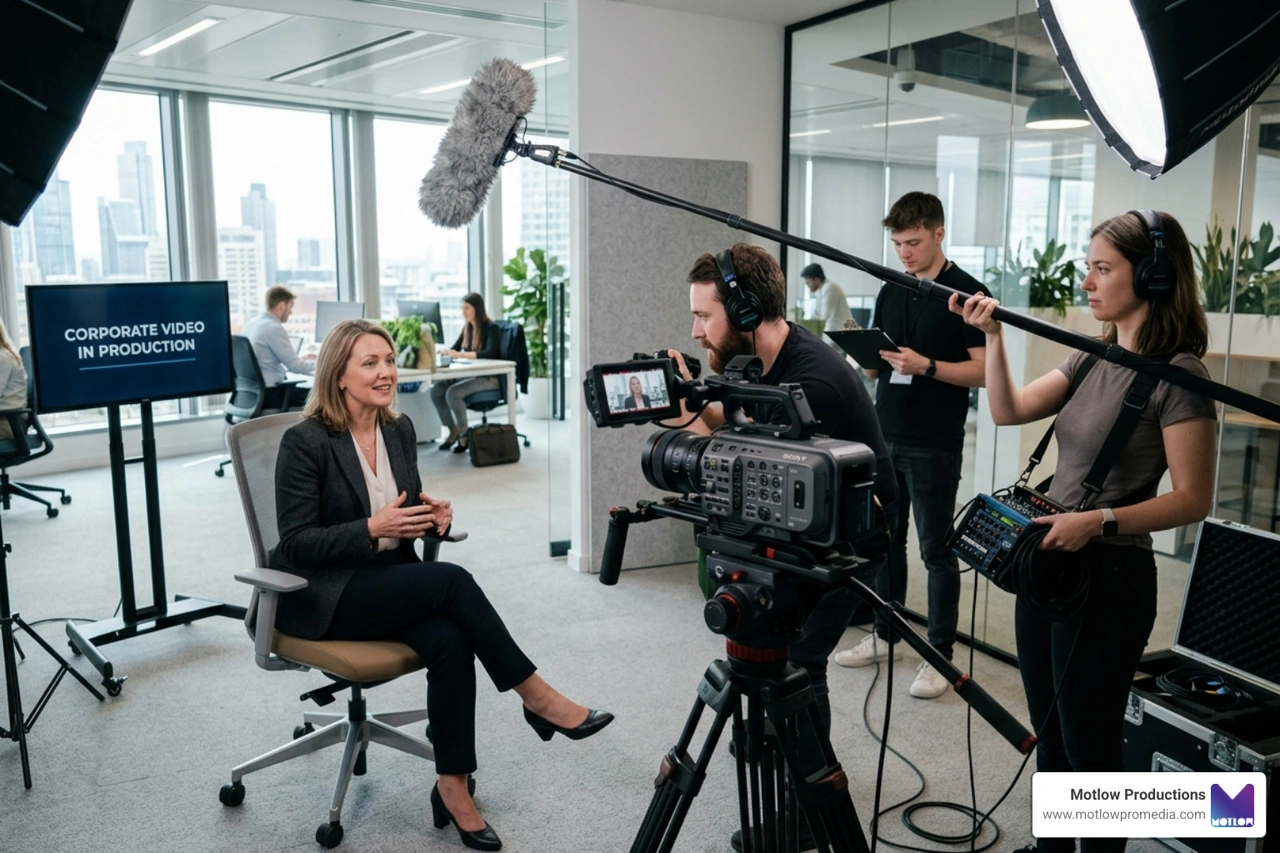
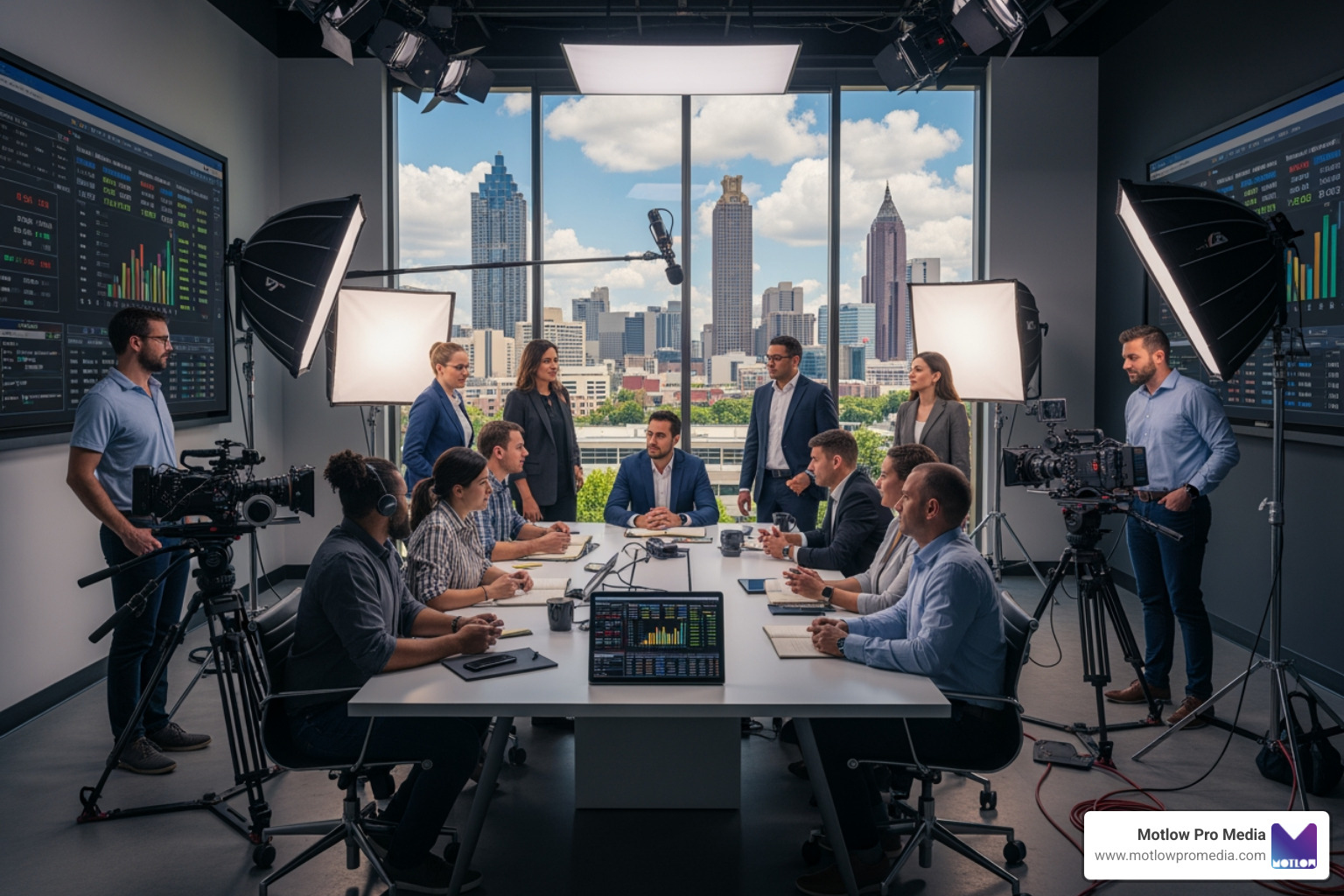
That is where we come in. At Motlow Pro Media, we are a premier corporate media production company serving brands in Tampa, Florida, and beyond. We specialize in content creation, short-form content strategy, and live event support.
What sets us apart is our unique "hands-off, but hands-on" partnership model. We act as a trusted, seamless extension of your marketing team. We handle all the heavy lifting—from strategic planning and high-end filming to editing and platform optimization—while maintaining clear, proactive communication. You get professional, worry-free video production that delivers real business results, without the management headache.
Ready to elevate your brand with professional video content? Explore our Motlow Pro Media Services today, and let's bring your story to life.
Some clients want to give notes in a live Zoom call. Others prefer a group text or email thread. However you like to communicate, we adapt. You’ll never be left guessing where things stand - and you’ll always have a say before anything goes out the door.





Phone:
+1 863-250-8639
.png)
Email:
info@motlowpromedia.com