
































Thank you! Your submission has been received!
Oops! Something went wrong while submitting the form.

A corporate video rarely takes longer than expected because of filming alone. More often, delays happen because the project was not planned clearly before filming began.
The goal changes. The approval process takes longer than expected. An executive is not available. The interview questions are not ready. The team realizes they need social clips after the main edit is almost finished. A stakeholder joins the review late and changes the direction. The final video is approved, but no one has prepared the landing page, captions, thumbnail, or launch copy.
For marketing managers, a strong video production timeline is not just a schedule. It is a way to protect the project from unnecessary delays, rushed decisions, and avoidable rework.
A professional production partner can help build that timeline early. Through Motlow Pro Media's services, corporate teams can plan video production, event content, photography, livestreaming, and post-production around the real deadlines that marketing teams need to meet.
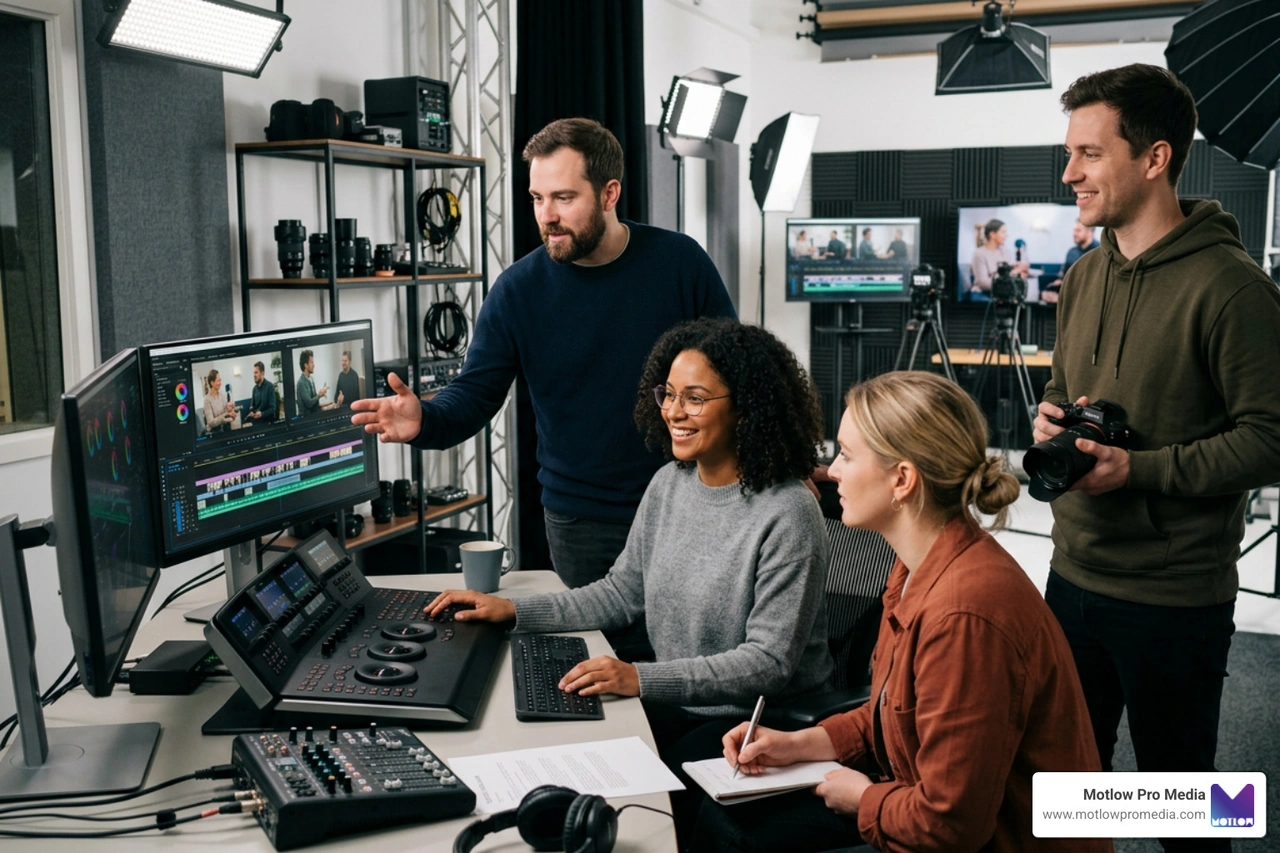
Video projects involve more people than many teams expect.
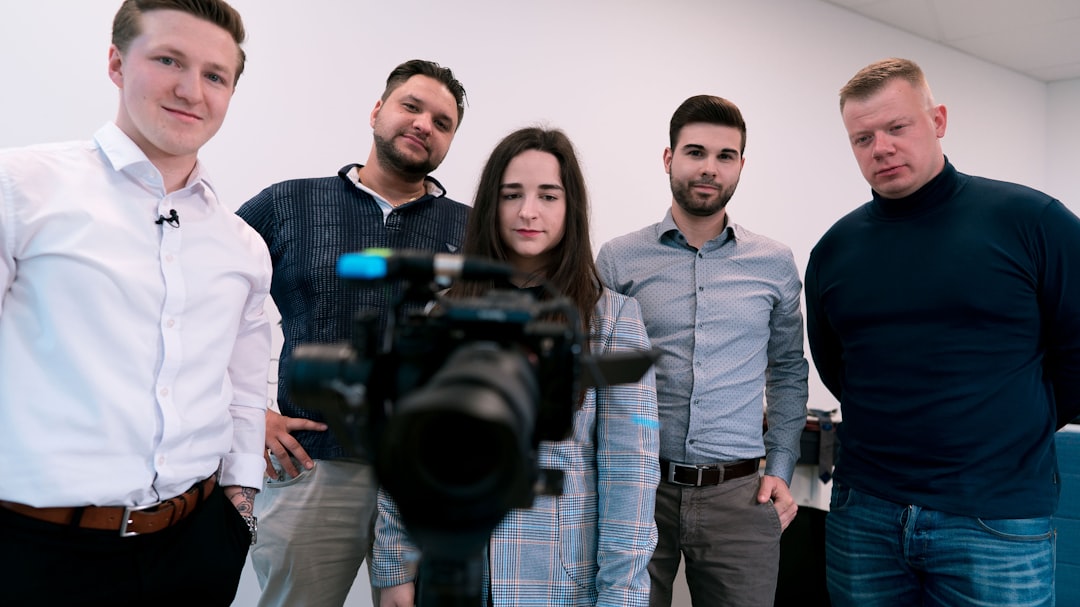
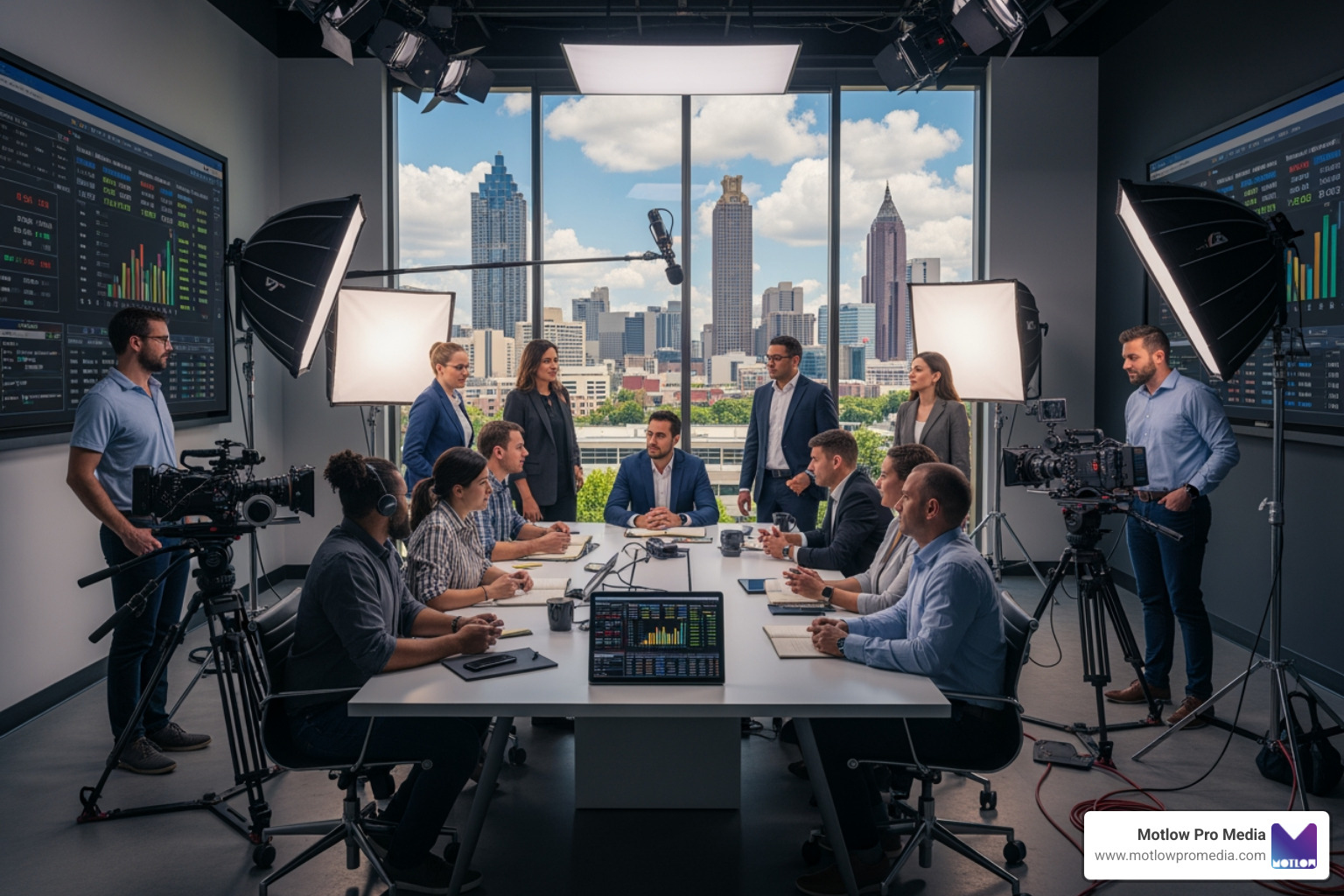
A simple executive interview may require marketing, leadership, communications, the production team, a location contact, brand reviewers, and final approvers. A larger corporate video may involve multiple departments, clients, employees, event teams, legal review, HR, sales, and outside partners.
When the timeline is unclear, every handoff becomes a potential delay.
A clear video production timeline helps the marketing manager understand:
This is especially important when video is tied to a campaign, conference, product launch, recruiting push, sales initiative, or internal communication deadline. The video cannot be treated as a last-minute add-on if it is central to the campaign.
A realistic video timeline begins with strategy and scope.
This phase defines what the video is supposed to accomplish. Before talking about shoot dates or edit deadlines, the marketing team needs to clarify the purpose of the project.
The team should answer:
This phase may take a few days for a simple video or one to two weeks for a larger project with multiple stakeholders. It is worth taking the time here because unclear scope is one of the biggest causes of production delays.
For example, "we need a company video" is not a complete scope. A clearer scope would be: one two-minute brand video for the website, three 30-second social cutdowns, two executive interview clips, and a b-roll library for future campaigns.
The business video production partner guide is a helpful resource for thinking through these decisions before production begins.
Once the project scope is clear, the next phase is creative direction.
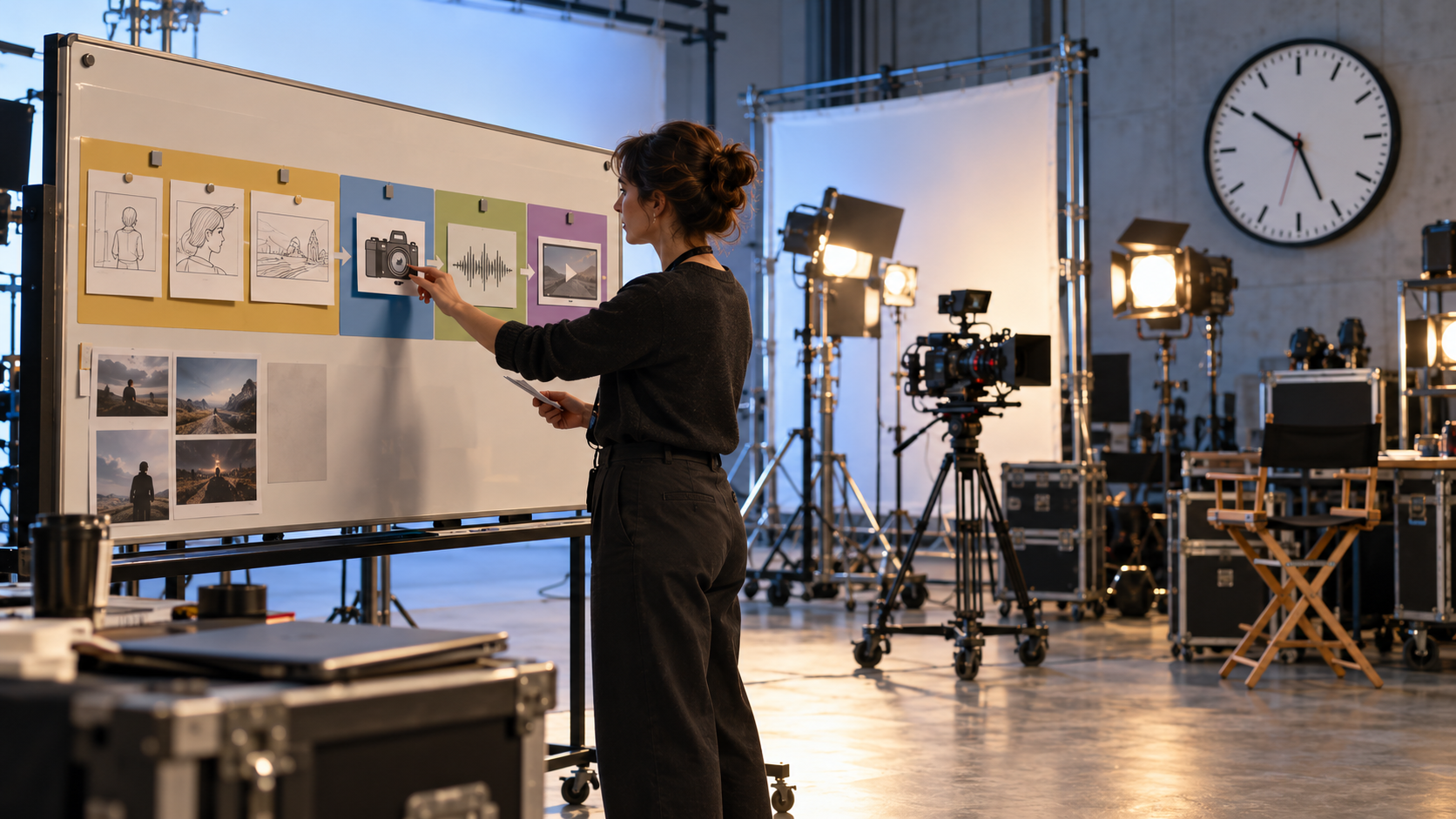
This does not always mean writing a formal script. Some corporate videos need scripts, especially brand videos, ads, launch videos, or polished announcements. Others need interview questions, talking points, story outlines, or shot lists.
This phase should define the message and tone before filming.
A corporate video may need to feel polished and authoritative. A recruiting video may need to feel human and honest. A customer testimonial may need to feel specific and natural. An executive interview may need to feel confident without sounding rehearsed.
Creative direction may include:
This phase often takes one to two weeks, depending on how many people need to review the direction. The timeline can move faster when the marketing manager gathers stakeholder input early and consolidates feedback before sending it to the production team.
Pre-production is where the actual production day is planned.
This is one of the most important phases of the entire timeline. It may not feel as exciting as filming or editing, but it is where many problems are prevented.
Pre-production may include:
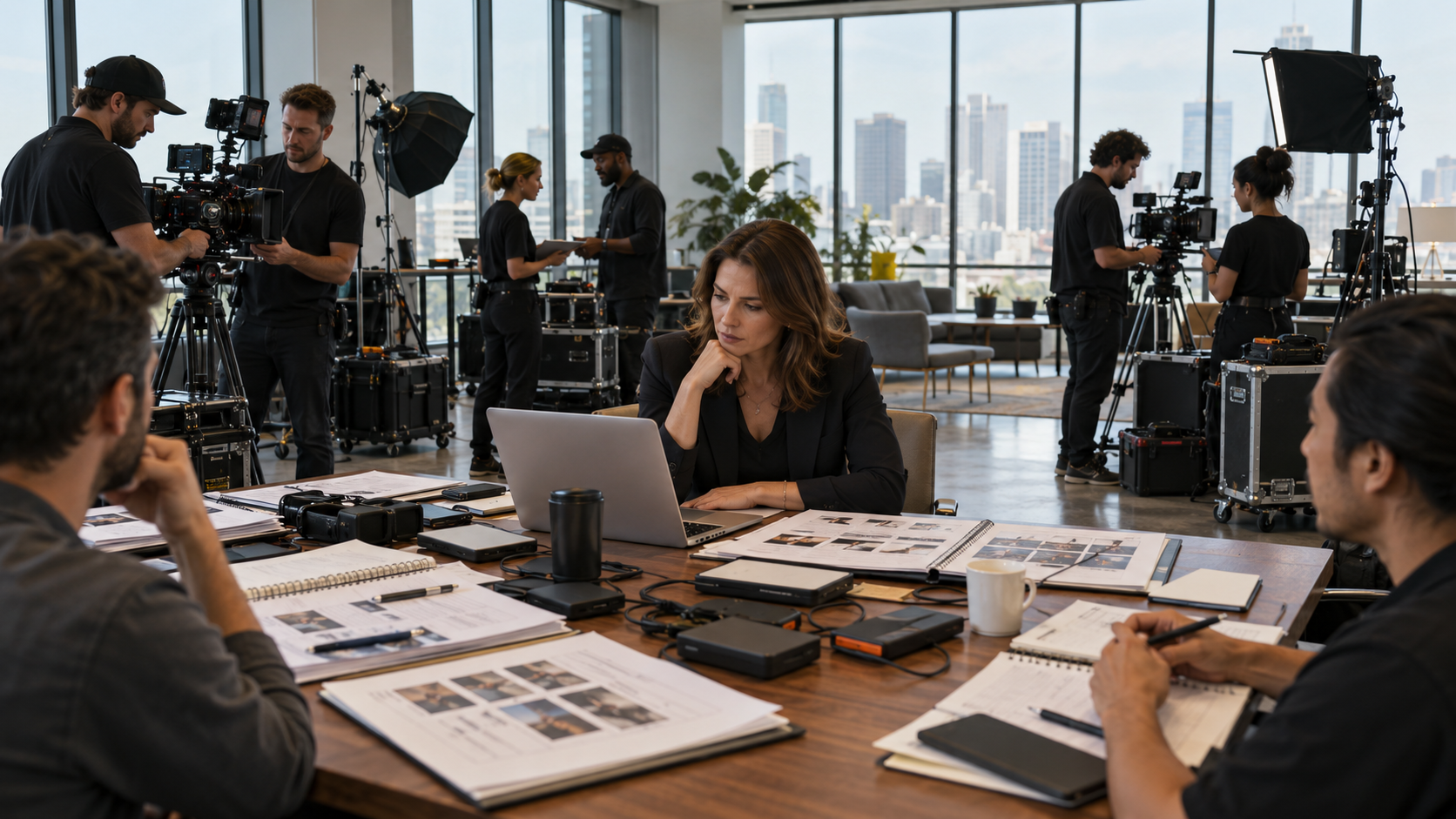
For a simple interview shoot, pre-production may take one week. For a larger corporate video, multi-location shoot, conference production, or livestream project, pre-production may take two to four weeks or more.
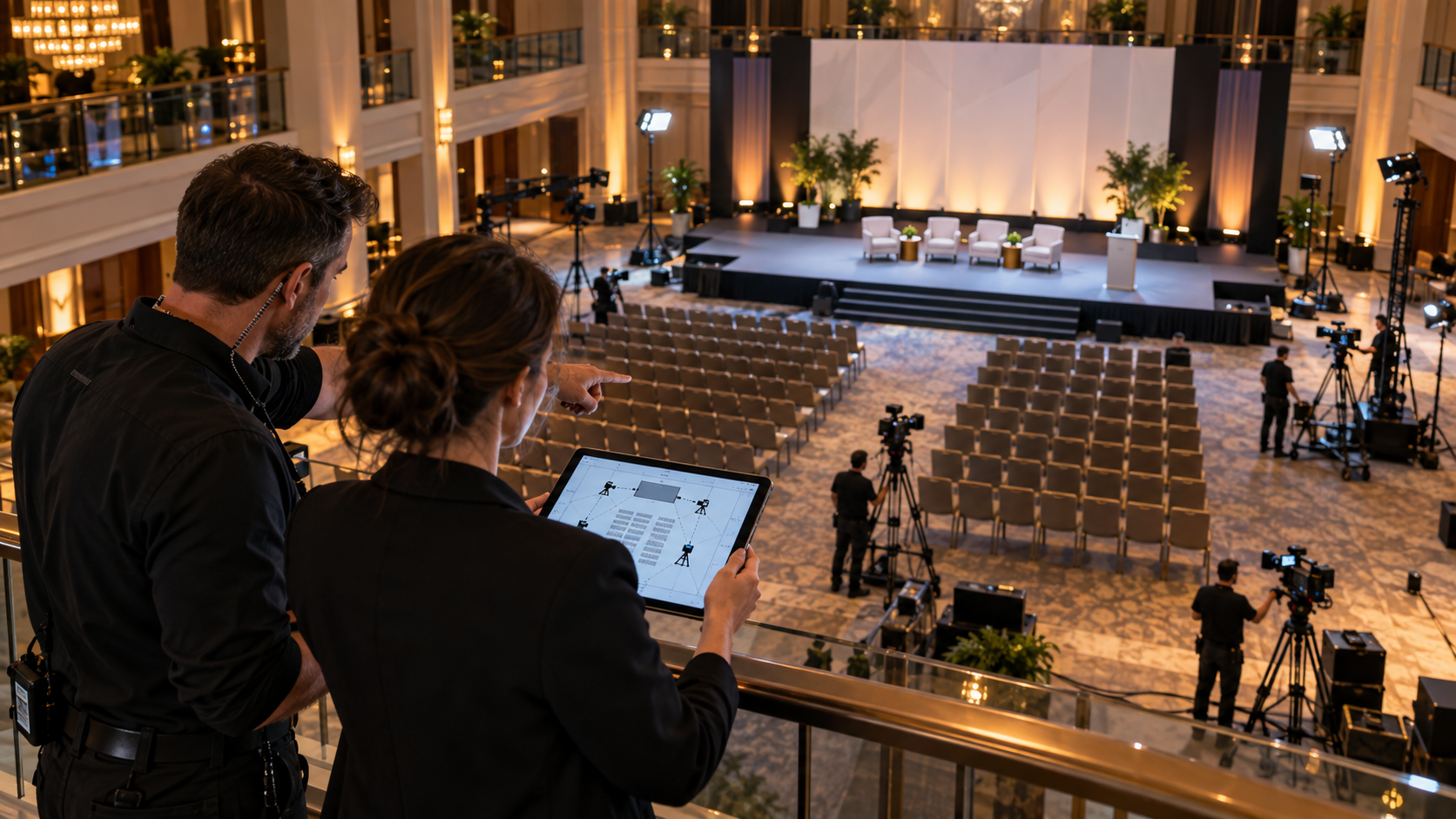
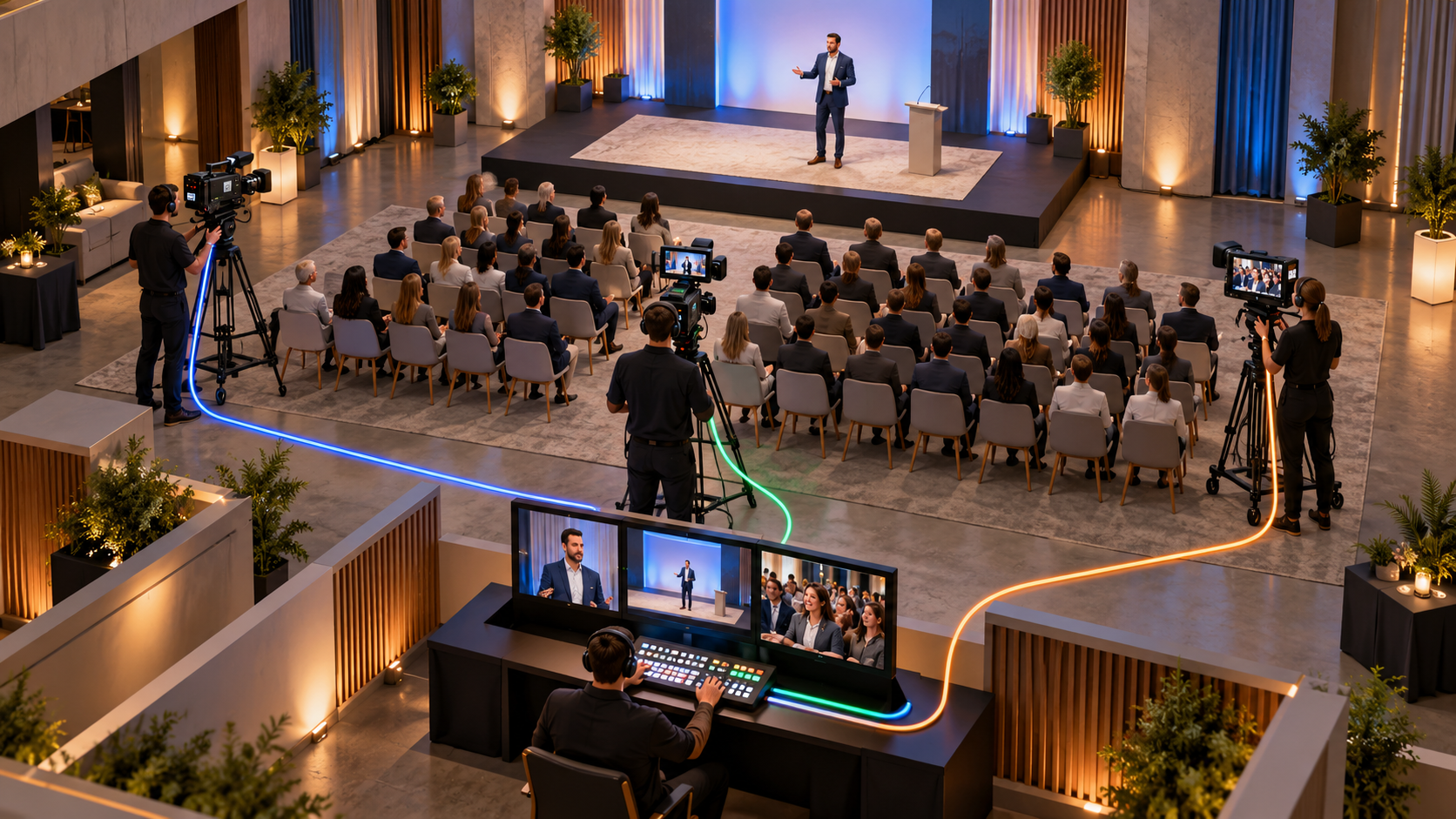
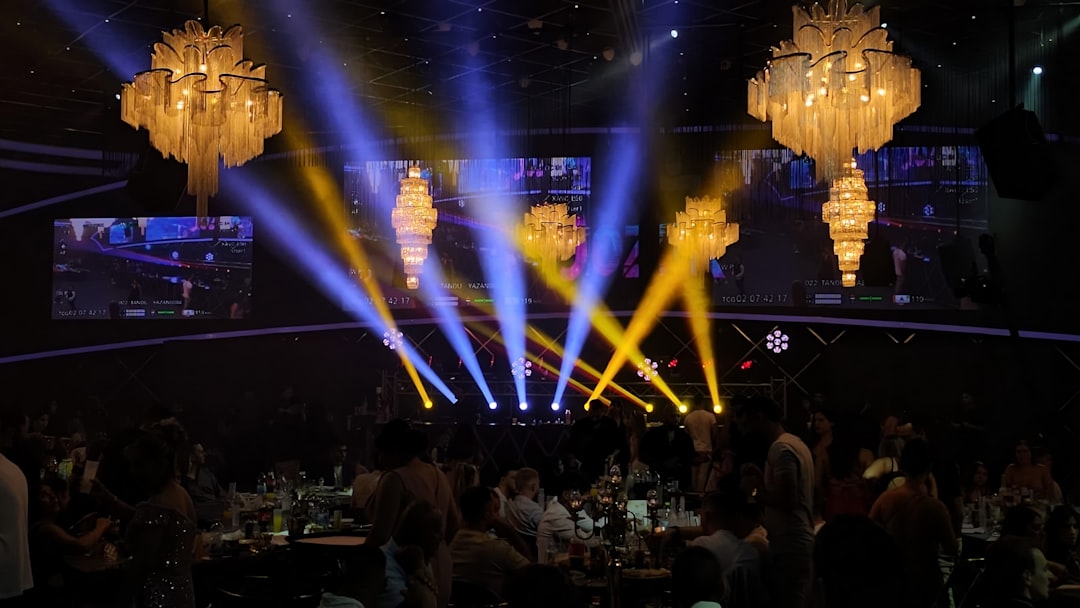
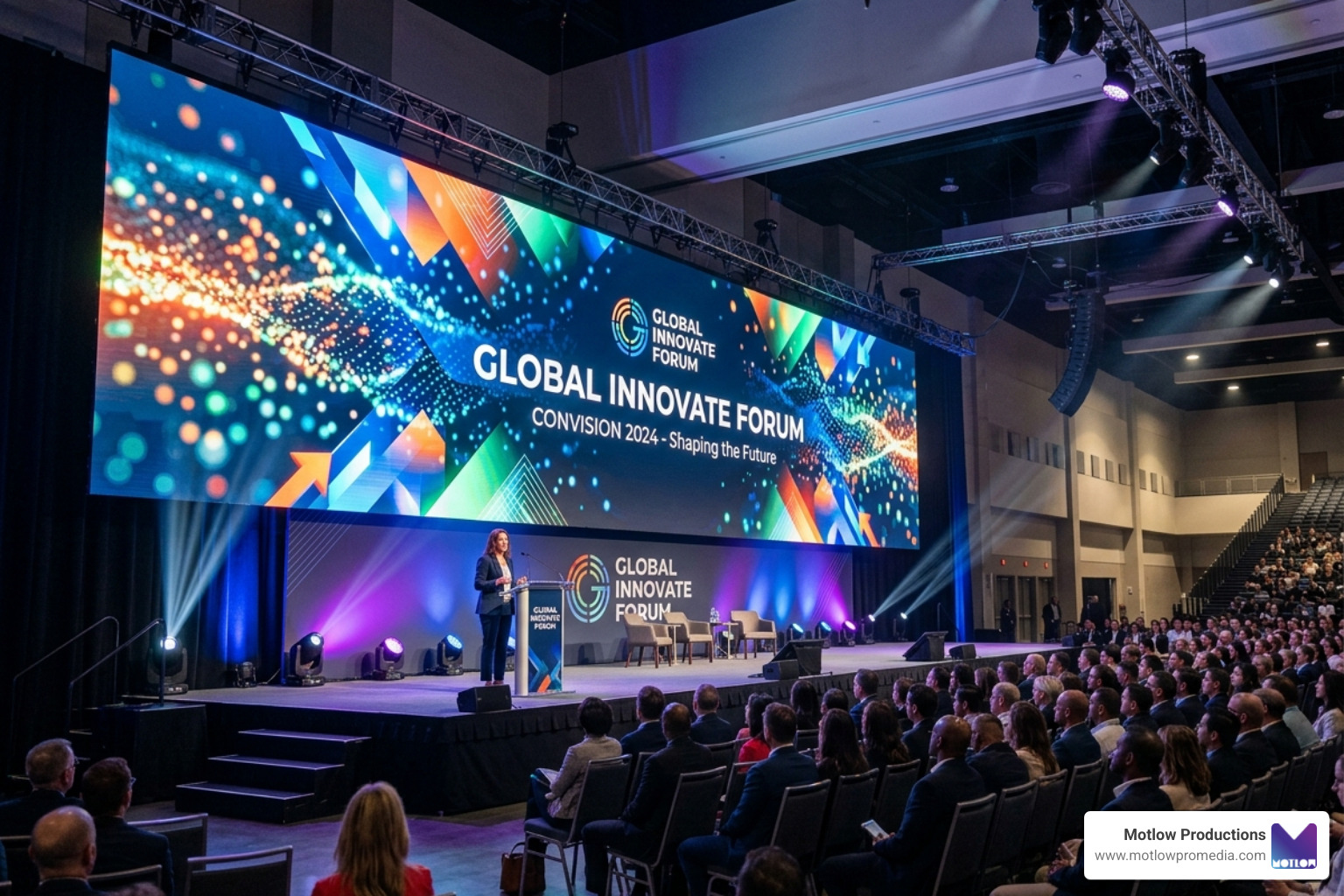
The more complex the project, the more important this phase becomes. A conference video project, for example, may need agenda review, speaker lists, run-of-show planning, sponsor priorities, livestream details, camera positions, photography shot lists, and post-event deliverable planning.
The A-Z Guide to Conference Video Production explains why event video should be planned as a content strategy, not just a production day.
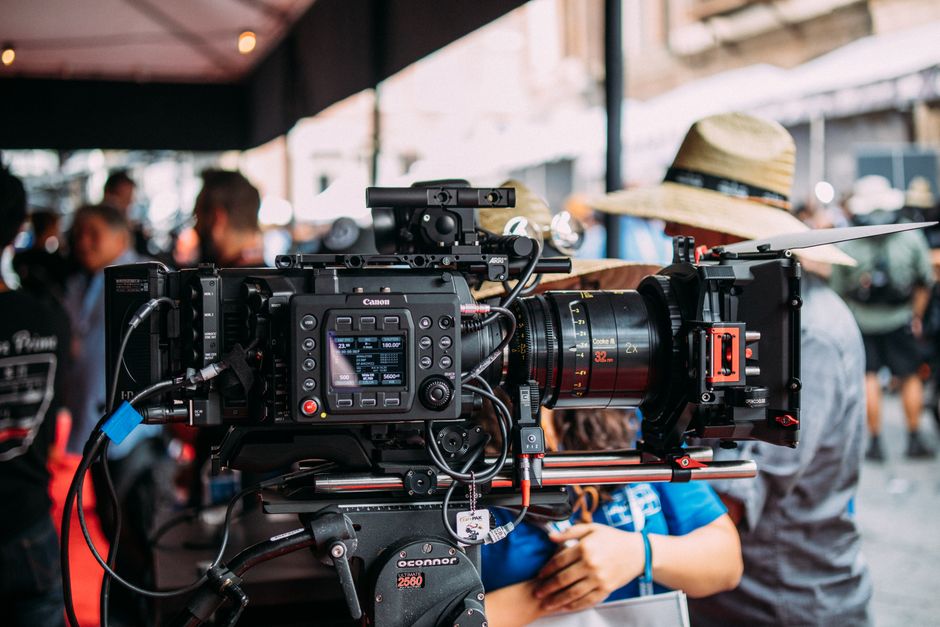
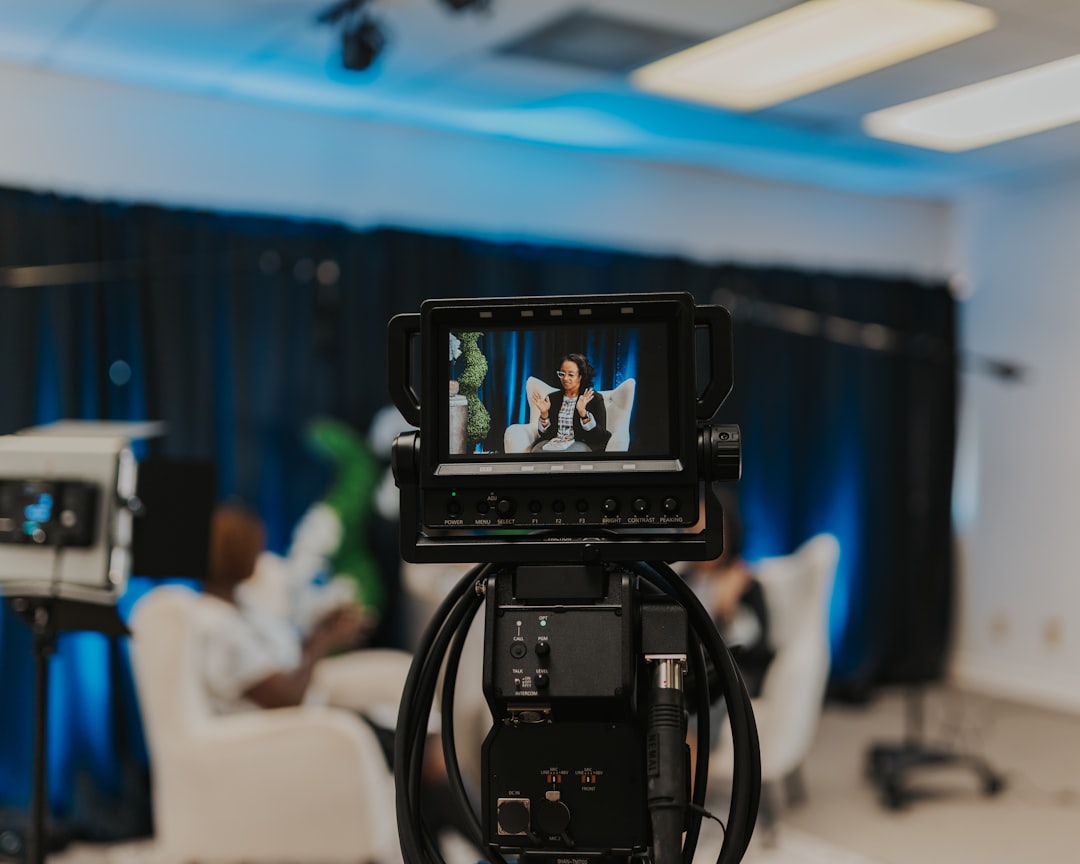
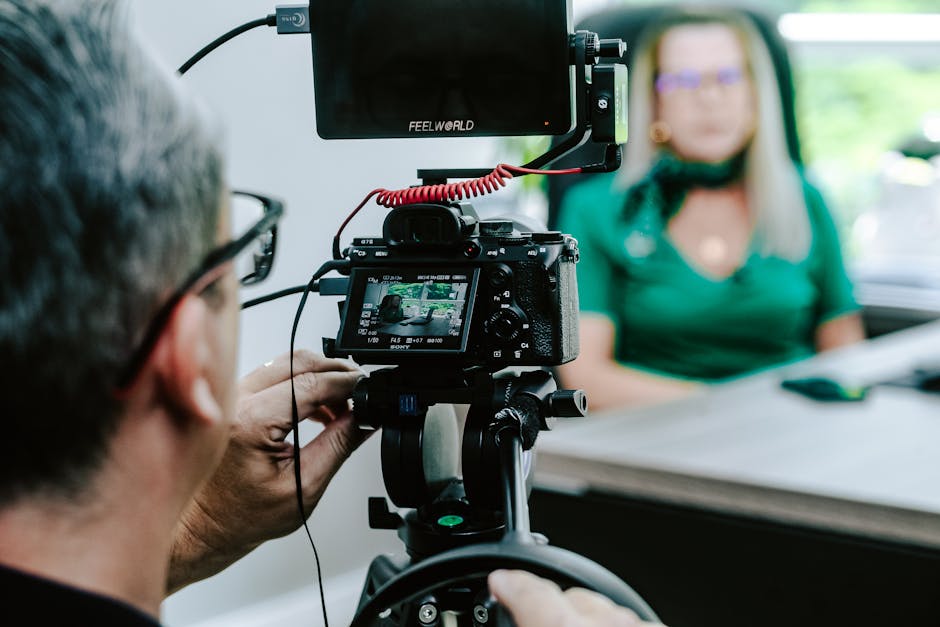
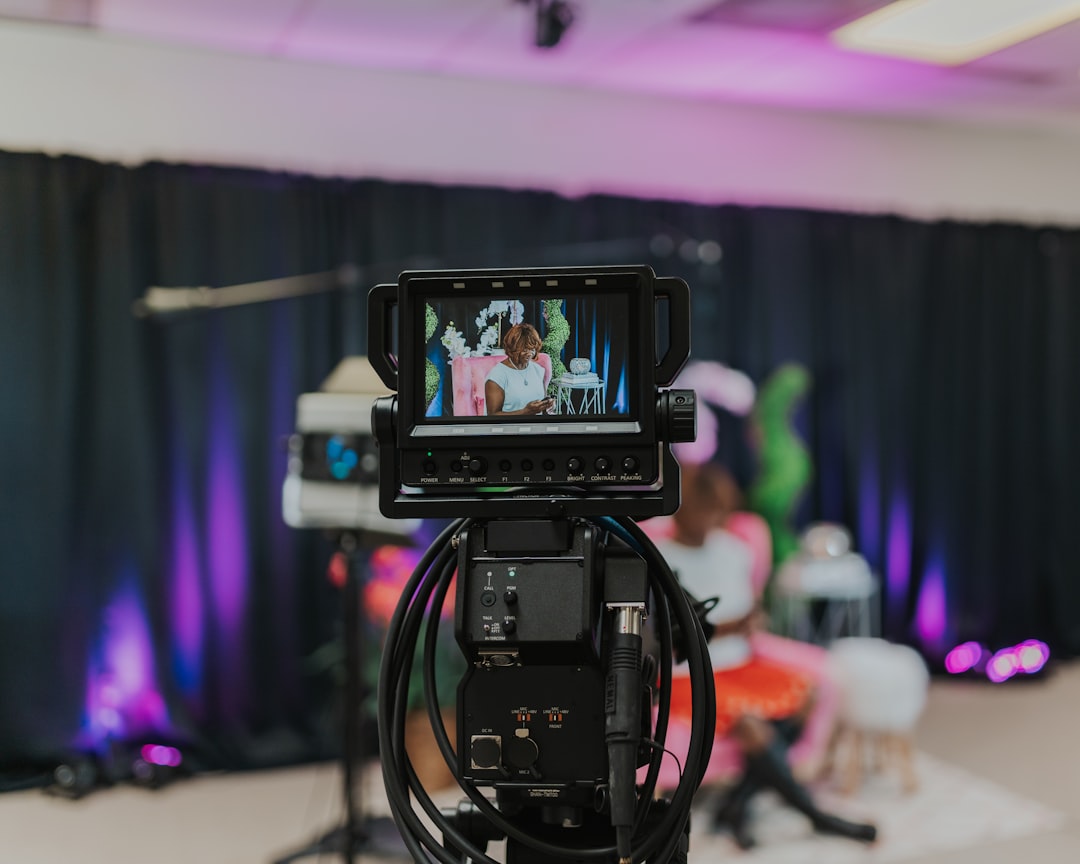
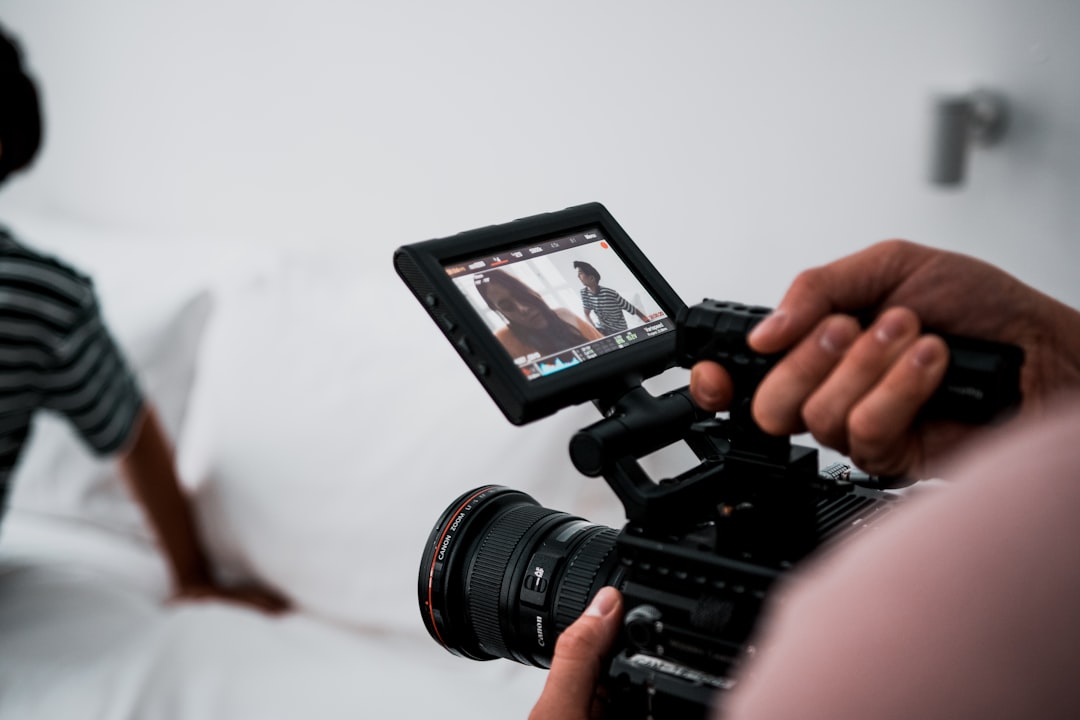
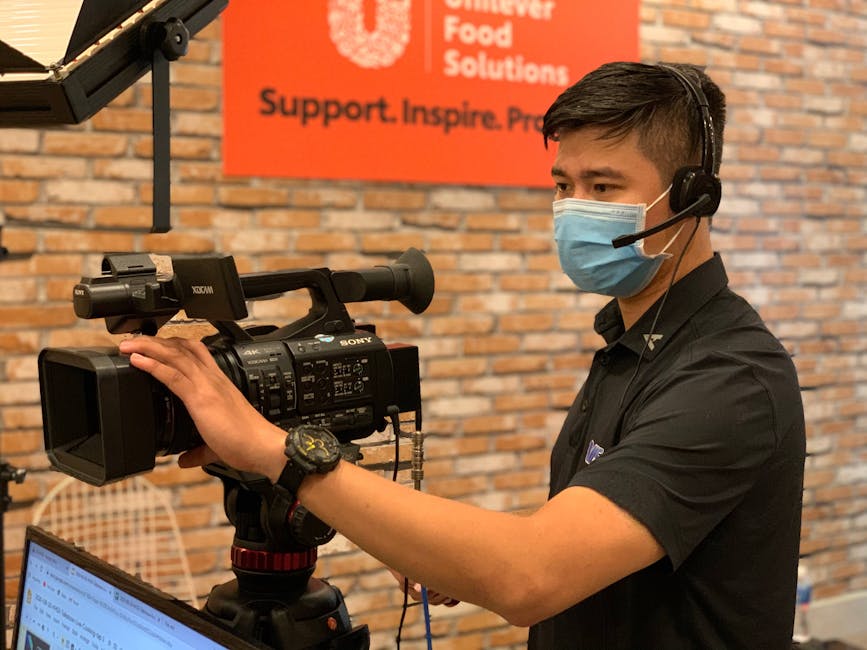
Production is the filming phase.
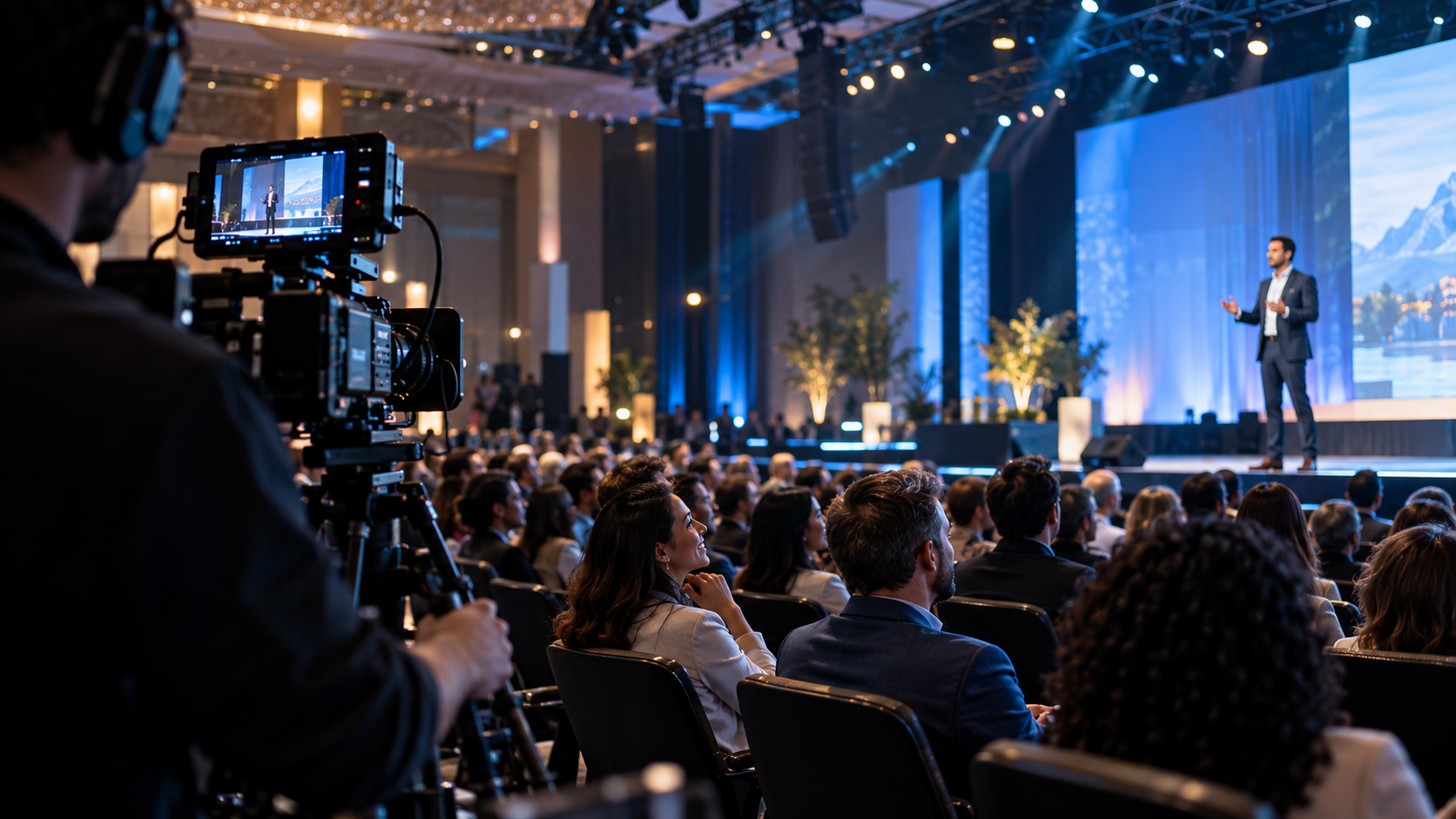
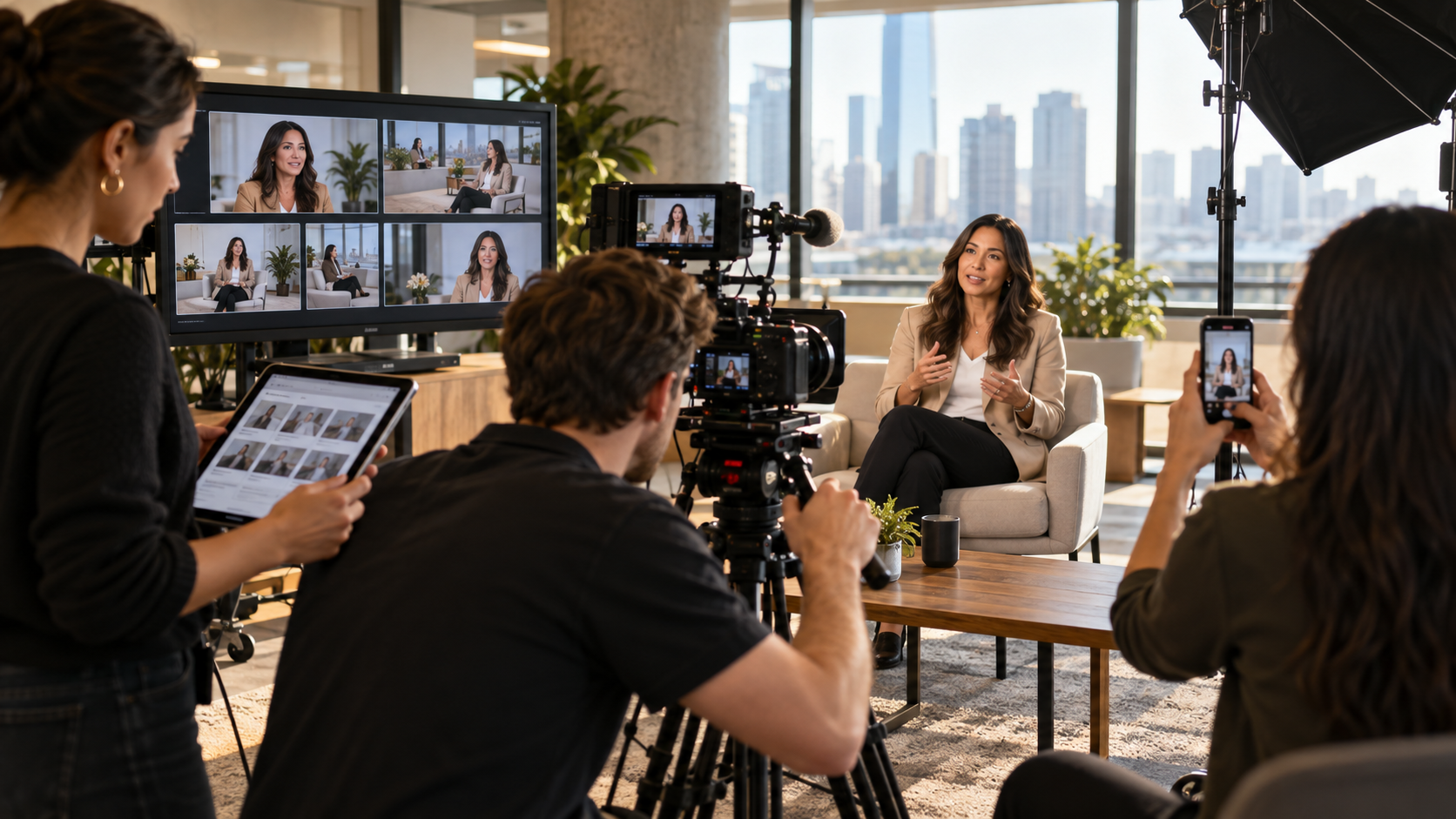
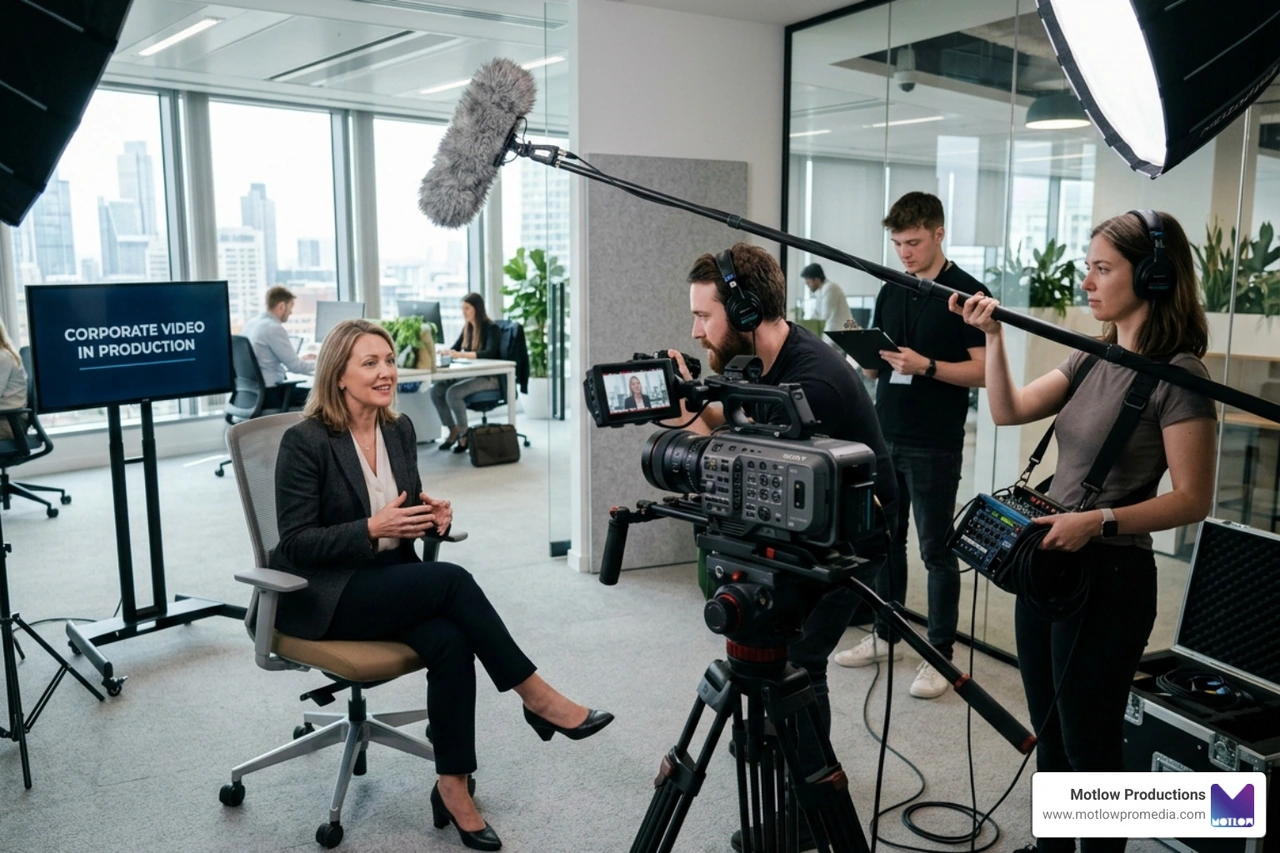
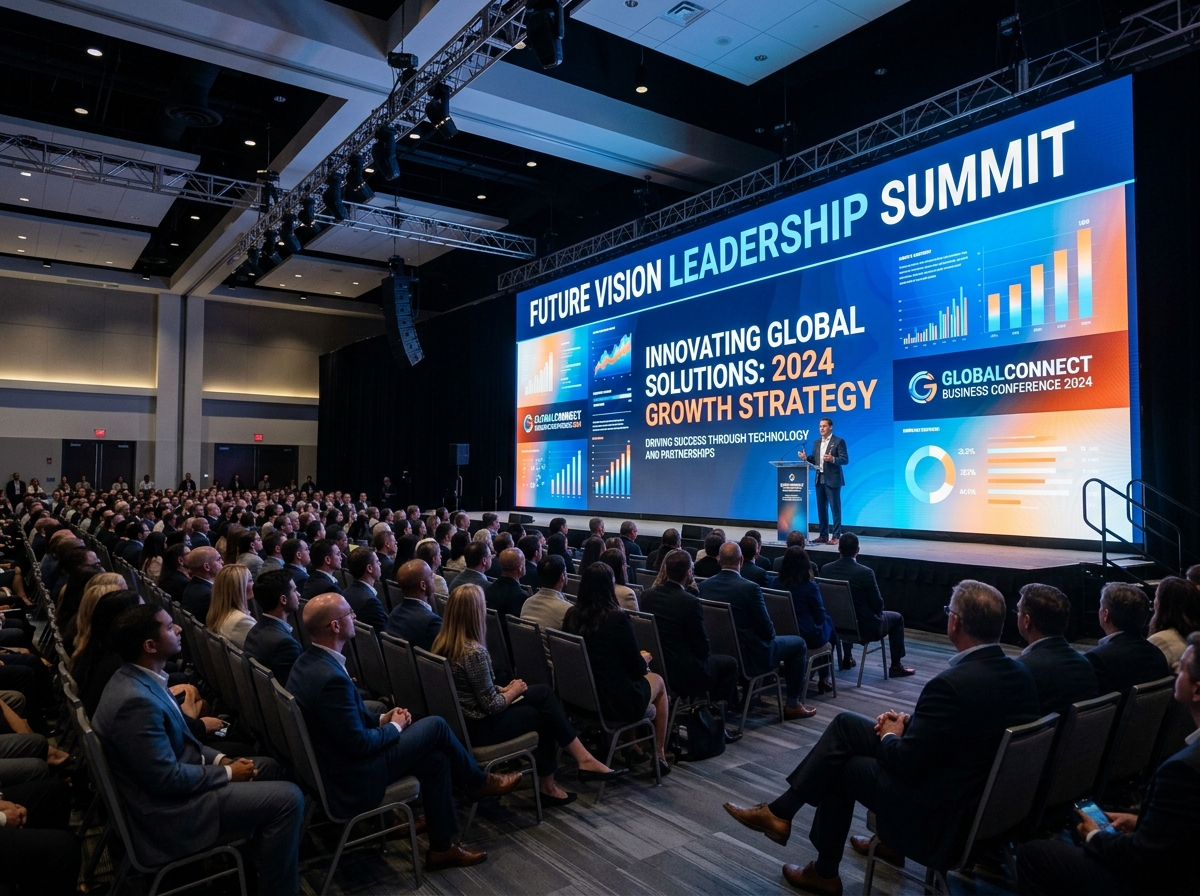
Depending on the project, production may take a few hours, one full day, or several days. A single executive interview may be captured in one setup. A brand video may require multiple interviews and b-roll. A conference may require full-day or multi-day event coverage. A recruiting video may involve several departments, locations, and employee interviews.
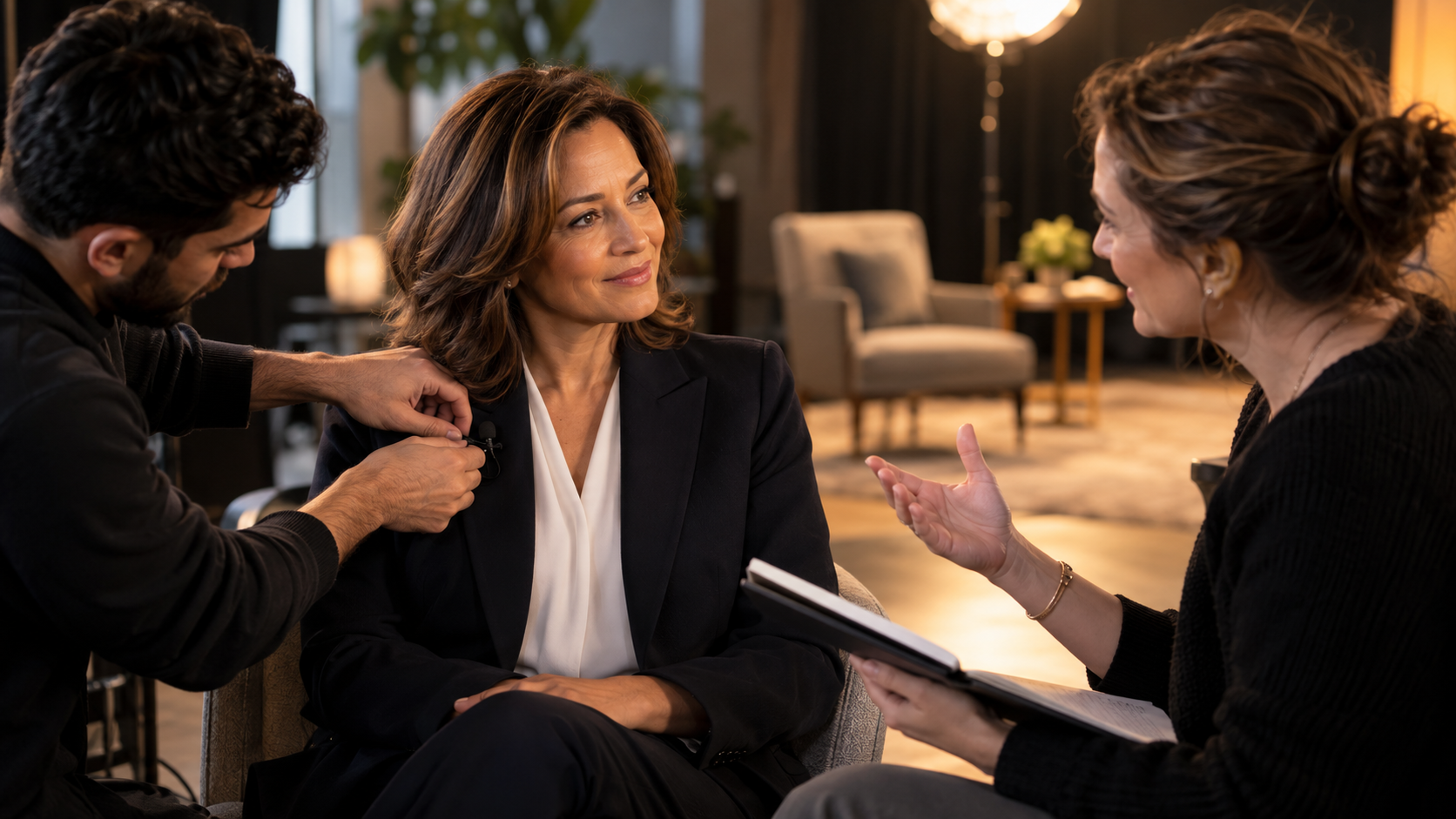
Production day usually includes more than the time spent on camera. The team also needs time for setup, lighting, audio checks, camera framing, speaker preparation, location changes, breaks, retakes, and backup footage.
Marketing managers should avoid scheduling production too tightly. If executives are booked back-to-back with no buffer, the day can become stressful quickly. If the team has to move between locations, that movement needs to be built into the schedule. If the video requires b-roll, the crew needs dedicated time to capture it.
A smoother production day usually comes from stronger pre-production. When the schedule, speakers, locations, and deliverables are clear, filming can move more efficiently.
After filming, the production team needs time to organize footage.
This step may include backing up files, syncing audio, reviewing interviews, organizing b-roll, selecting strong soundbites, and preparing the project for editing. For a simple shoot, this may happen quickly. For a large event or multi-day production, this phase can take longer because there may be hours of footage to sort through.
This phase is easy for clients to overlook because it happens behind the scenes. But it matters.
Good organization helps the editor work faster and make better choices. It also protects the footage. Corporate video projects often capture valuable interviews, event moments, client stories, and leadership messages. Those files should be handled carefully.
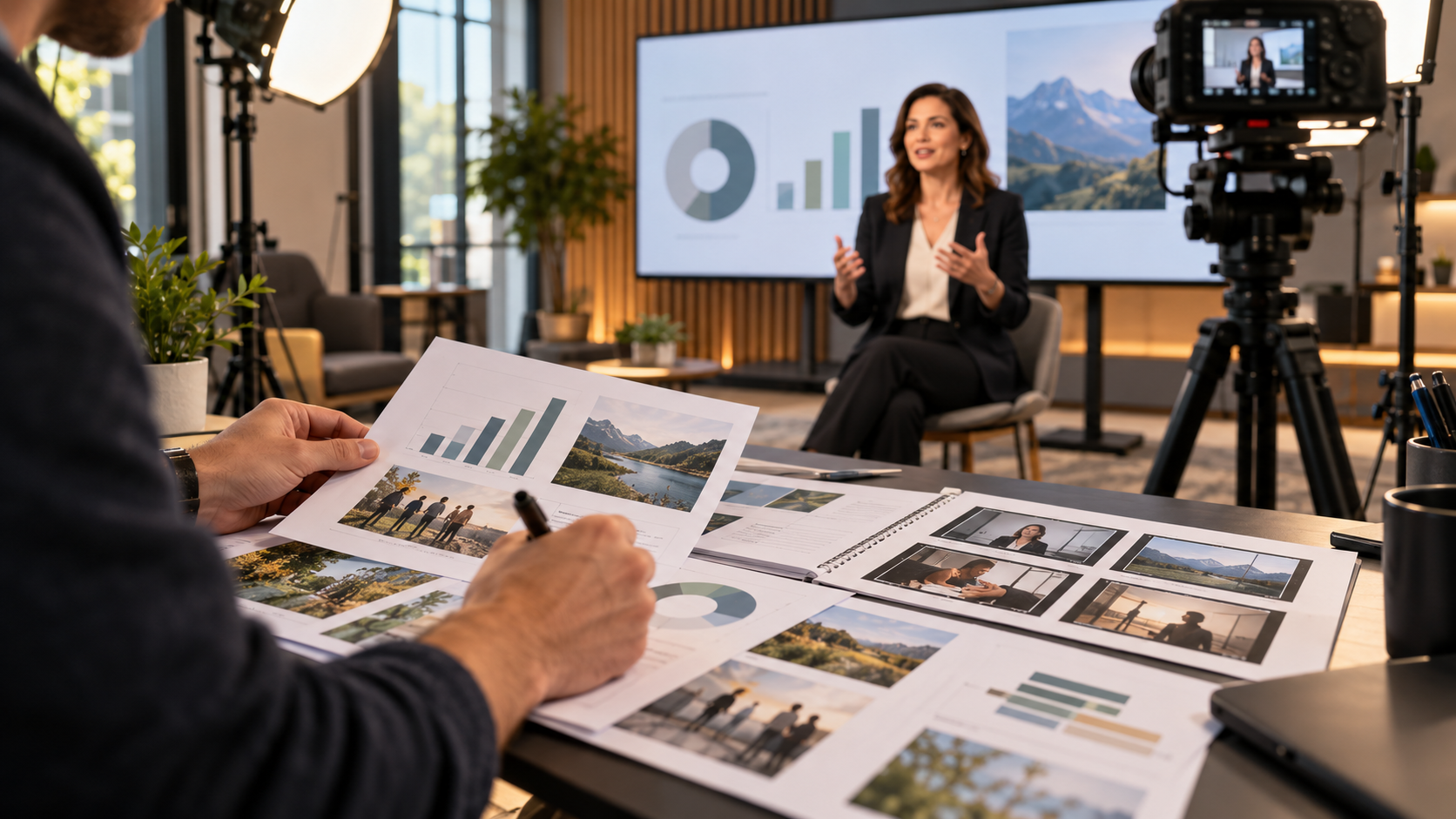
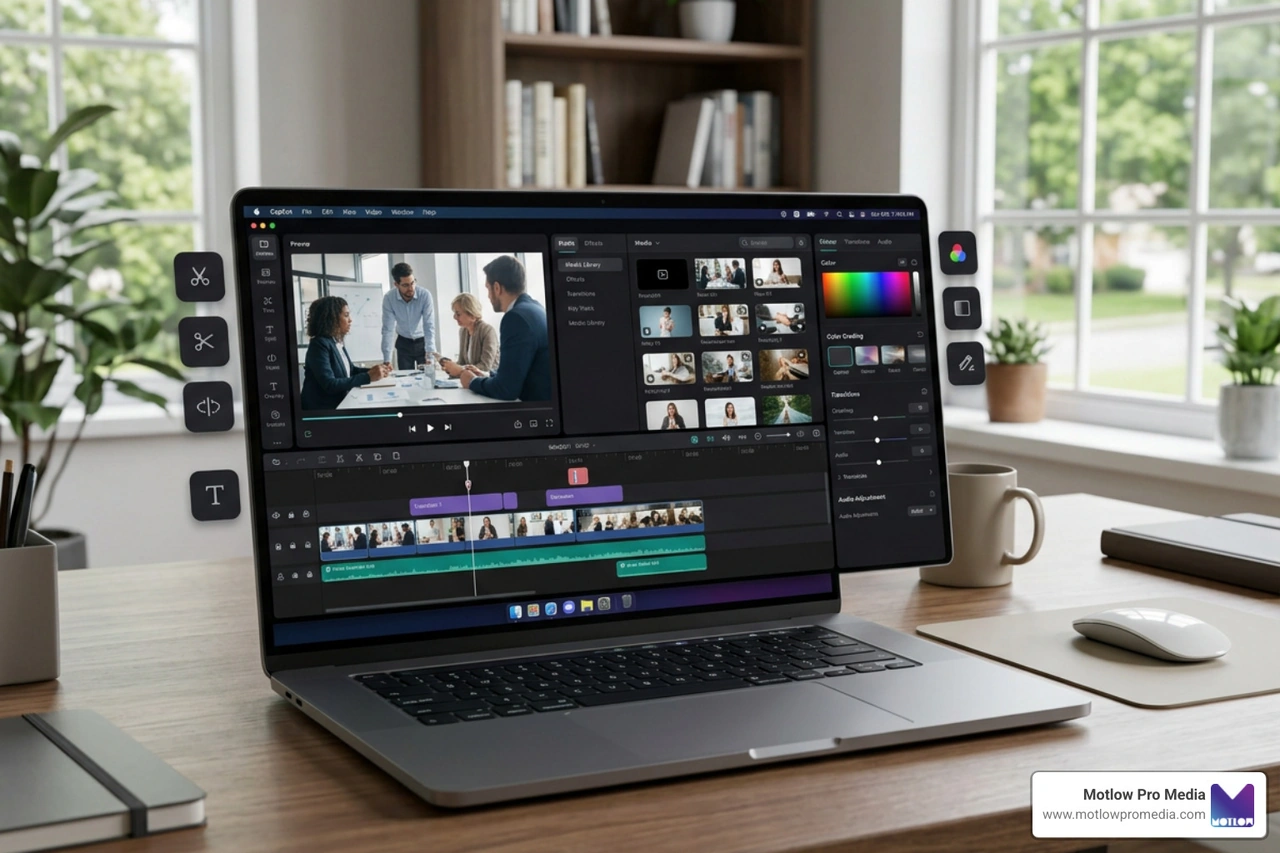
The first edit is where the project starts to feel real.
This is the first version of the video that the marketing team can review. Depending on the project, the first edit may include the main story structure, selected interview soundbites, b-roll placement, music direction, basic graphics, and pacing.
A first edit for a short interview-based video may take one to two weeks. A more complex video may take two to four weeks. A large event recap, brand video, or multi-deliverable project may require more time.
Marketing managers should remember that the first edit is not always meant to be final. It is a structured draft. The purpose is to confirm that the story, message, pacing, and direction are working before the team moves into final polish.
This is also where clear feedback matters. Instead of sending scattered comments from multiple reviewers, the marketing manager should consolidate feedback into one organized response.
The review phase is one of the most common places for video timelines to slow down.
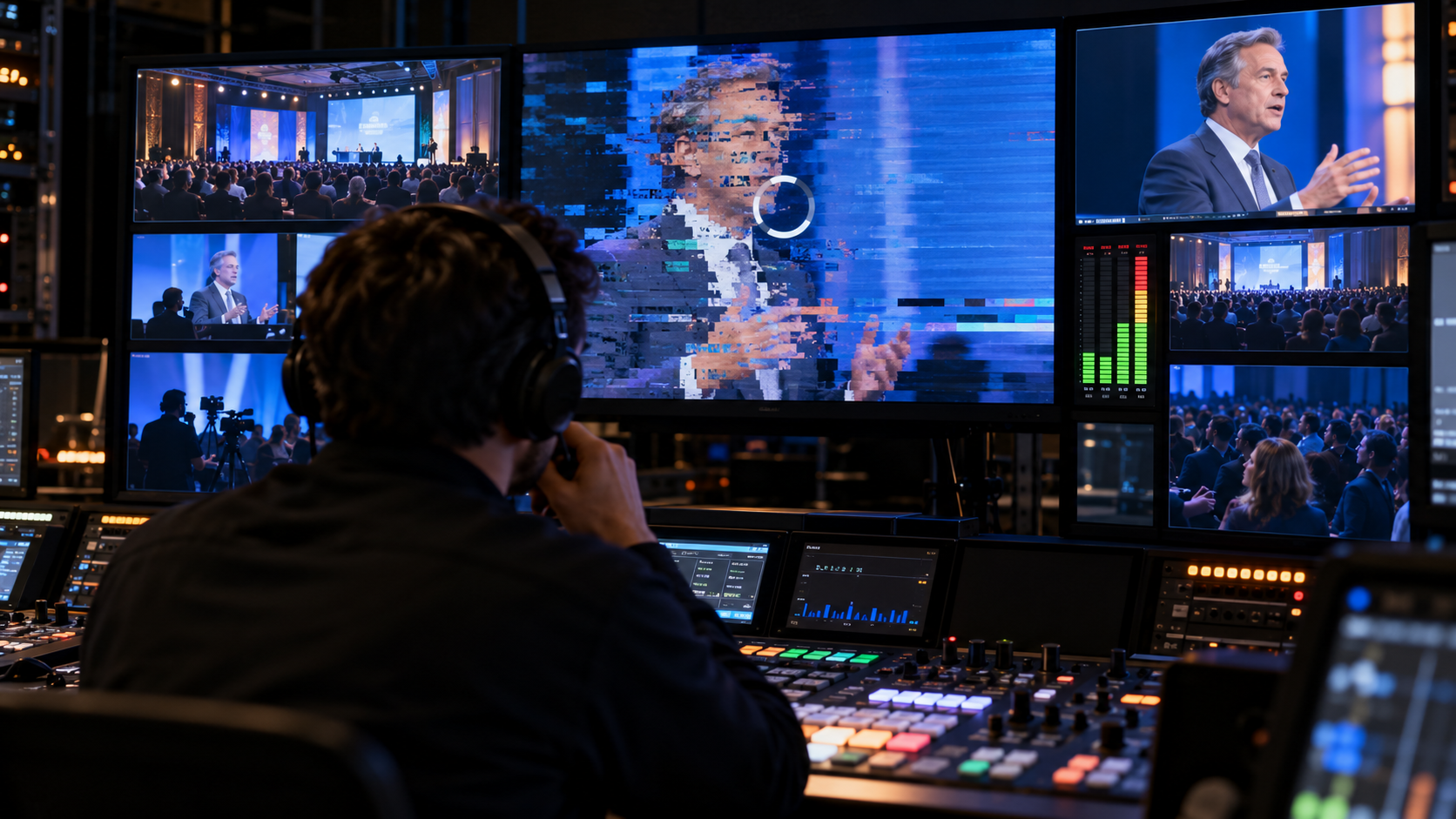
A video may be edited on schedule, but then feedback takes a week longer than expected. Or one stakeholder approves the video while another asks for major changes. Or reviewers give conflicting notes. Or someone joins the process late and questions decisions that were already approved before filming.
To keep the timeline moving, define the review process early.
Before editing begins, decide:
A typical revision phase may take one to three weeks, depending on the number of reviewers and edits. Simple changes may move quickly. Larger structural changes can take longer, especially if the team changes the message after the first edit.
The best way to protect the timeline is to align stakeholders before filming and keep feedback focused during review.
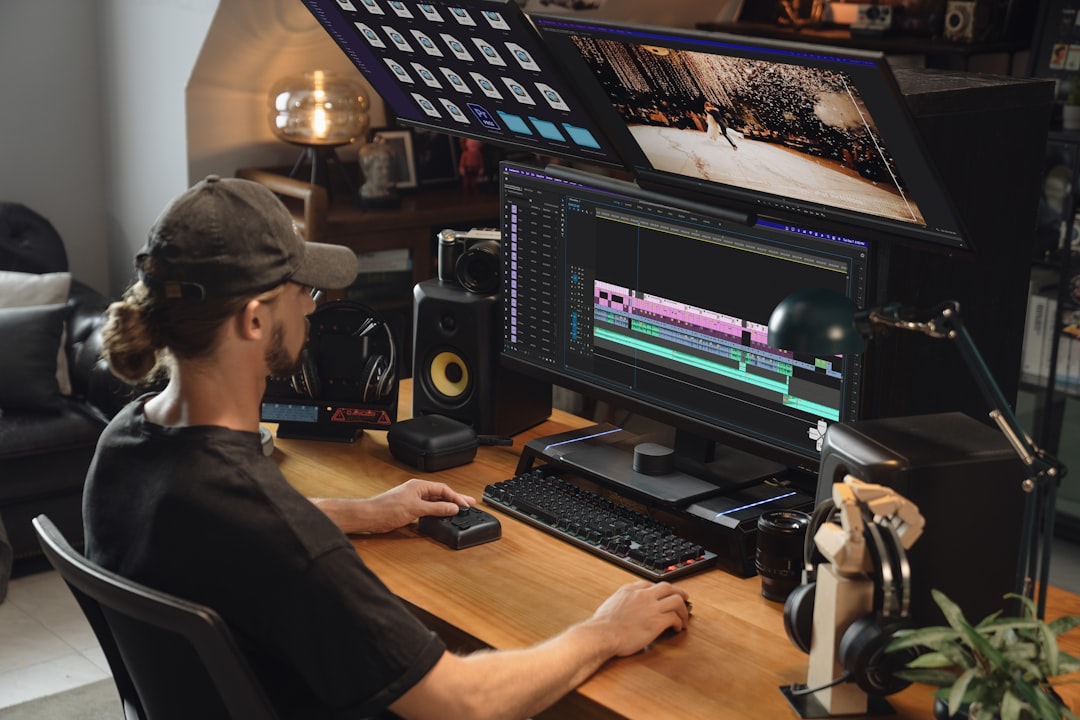
Once the structure is approved, the video moves into final polish.
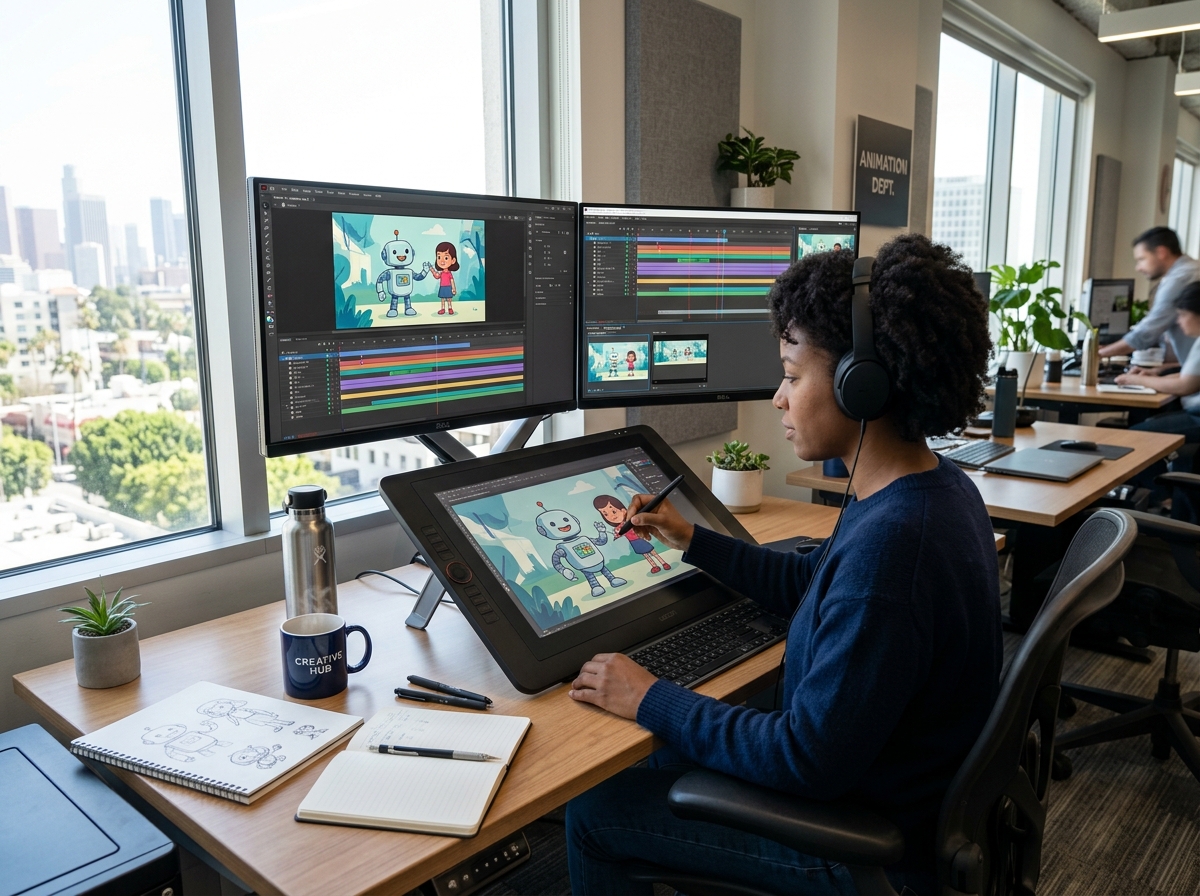
This may include color correction, audio mixing, music balancing, captions, graphics, lower thirds, logo animations, final exports, thumbnails, and formatting for different channels.
Final delivery may include several versions, such as:
This phase may take a few days to one week for a simple video. A larger deliverable package may take longer.
Marketing managers should make sure the final file needs are clear before this stage. If the team suddenly asks for vertical versions, captions, multiple aspect ratios, or extra cutdowns at the end, that can extend the timeline.
Resources like Google Search Central's video best practices can help teams think about how video content is prepared for online visibility, while HubSpot's video marketing research reinforces why video assets should be planned for multiple marketing channels.
A video is not finished just because the file is delivered.
Marketing teams also need a launch plan. The strongest corporate videos are connected to a campaign, page, sales process, email sequence, event follow-up, recruiting push, or internal communication plan.
Launch planning may include:
This phase is often forgotten until the last minute. That creates unnecessary pressure. If the video is tied to a campaign launch, the launch materials should be prepared while the final edit is being polished.
The video should have a job to do once it is published.
Every project is different, but a basic corporate video timeline may look like this:
Week 1: Strategy, scope, audience, deliverables, and approval process
Week 2: Creative direction, interview questions, talking points, and shot list
Week 3: Pre-production, scheduling, location planning, and speaker prep
Week 4: Production day or filming window
Weeks 5–6: First edit
Weeks 7–8: Review, revisions, and final polish
Week 9: Delivery, launch preparation, and publishing
Some projects move faster. Some need more time. A simple interview may be completed in a few weeks. A major brand video, conference production, or multi-deliverable campaign may take several months from strategy to launch.
The most important thing is to build the timeline around the real scope of the project, not the ideal deadline.
Several factors can extend a video production timeline:
Not all of these are problems. Some are simply part of a larger project. The issue is when they are not included in the original plan.
A timeline should leave room for the actual work required.
The first mistake is starting with the launch date and working backward without confirming the scope. A deadline only works if the project plan supports it.
The second mistake is waiting too long to schedule speakers. Executive availability can become one of the biggest bottlenecks.
The third mistake is skipping pre-production. Rushing planning usually creates more delays later.
The fourth mistake is involving approvers too late. Stakeholders should understand the direction before filming, not after the first edit.
The fifth mistake is assuming one video file is the only deliverable. Social clips, captions, thumbnails, and alternate formats need time too.
The sixth mistake is not planning distribution until after delivery. Publishing should be part of the timeline, not an afterthought.
The seventh mistake is asking for major message changes during revisions. Structural changes late in the process can extend the project significantly.
How long does a corporate video project usually take?
A simple corporate video may take a few weeks, while a larger brand video, event video, or multi-deliverable campaign may take several months. The timeline depends on scope, scheduling, filming needs, editing complexity, and approvals.
How long does pre-production take?
Pre-production may take one week for a simple interview shoot or several weeks for a larger project. More complex videos need more planning around locations, speakers, shot lists, crew, equipment, and deliverables.
How long does editing take?
Editing can take one to four weeks or more depending on the length, complexity, number of deliverables, revision process, and final polish required.
What slows down video production the most?
Common delays include unclear scope, executive scheduling issues, late stakeholder feedback, too many reviewers, message changes after filming, and additional deliverables requested near the end.
When should marketing managers involve the production team?
The production team should be involved as early as possible, ideally during strategy and planning. Early involvement helps the team build a realistic scope, timeline, and content capture plan.
A timeline like this gets easier to hit the second, third, and tenth time a company works with the same production partner, because approval habits, review cycles, and stakeholder expectations are already established instead of being negotiated fresh with every project. That is a large part of the case for a recurring content partnership over one-off bookings: the process itself gets faster even as the work stays just as thorough.
Video production timelines help marketing managers turn a creative idea into a finished asset without unnecessary stress. The strongest timelines account for strategy, messaging, pre-production, filming, editing, revisions, final delivery, and launch planning.
A corporate video is not just a filming day. It is a process with many decisions, handoffs, and approvals. When those steps are planned clearly, the final video is stronger, the team works more efficiently, and the content is easier to use across campaigns, sales, recruiting, internal communications, and events.
The best timeline is not always the fastest one. It is the one that gives the team enough structure to create a video that looks professional, supports the business goal, and launches when it needs to.
Some clients want to give notes in a live Zoom call. Others prefer a group text or email thread. However you like to communicate, we adapt. You’ll never be left guessing where things stand - and you’ll always have a say before anything goes out the door.




Phone:
+1 863-250-8639

Email:
info@motlowpromedia.com