








-5.jpg)













































Thank you! Your submission has been received!
Oops! Something went wrong while submitting the form.

.avif)
September 29, 2026
A production company's portfolio shows what its finished work can look like, but it does not show how the team plans, communicates, responds to changes, protects files, or keeps a project aligned with business goals. Marketing directors need to evaluate the working relationship as carefully as the visual style because most project risk develops before and between the filming days. The strongest interview questions reveal how a prospective partner thinks, what it owns, and where the client will still need to provide leadership.
Marketing directors comparing production partners often end up choosing on reel quality alone, because that's the easiest thing to compare across proposals side by side. The problem is that a polished demo says nothing about process, accountability, scope discipline, or whether the team actually fits how this particular organization works. The questions below are designed to surface that harder-to-see information before a contract is signed, not after the first missed deadline.
The recommended approach is to work backward from the intended business use and define the people, systems, approvals, and assets required to support it. Success means the selected video team can manage the project's strategic, creative, technical, and operational requirements. That standard is more useful than judging the work only by how busy the production looked or how many files were delivered. Every section below turns that principle into a practical decision.
Ask how the team translates a business objective into audience, message, format, distribution, and measurement decisions. A strong answer should go beyond making the video look professional and explain how creative choices serve the intended viewer and next action.
Request an example of a project where the final approach changed because discovery revealed a different communication need. This shows whether the partner listens strategically or simply applies a familiar production formula.
Push this question into the actual proposal, not just the pitch meeting — ask the team to write down how they'd translate this specific goal into a plan, then hold that plan to a simple test: can someone else read it and see exactly how it serves the audience? Revisit the answer again once references and past work are in, while there's still time to walk away if the fit isn't right, and measure it against whether this partner can genuinely manage the project end to end.
For additional context, see the production company's portfolio.
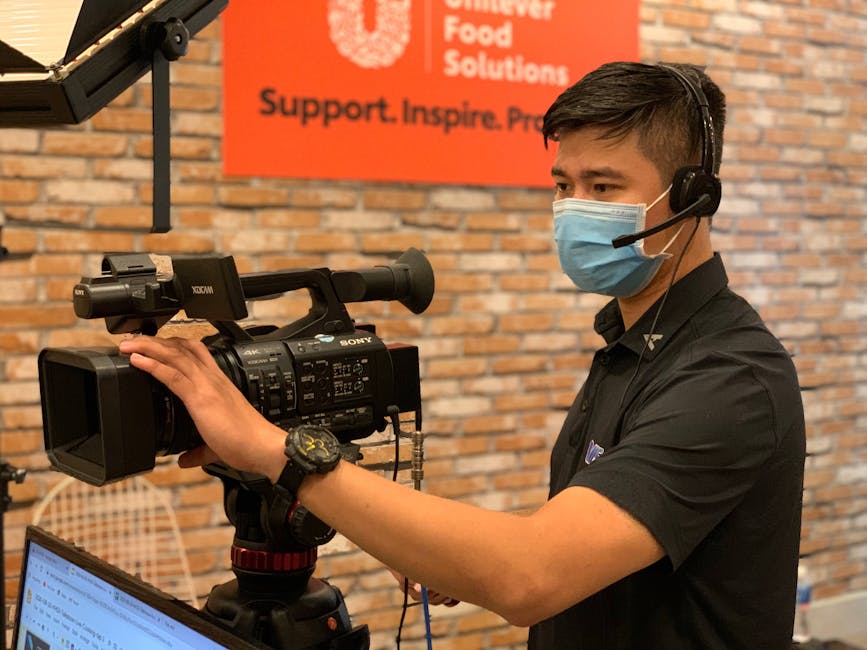
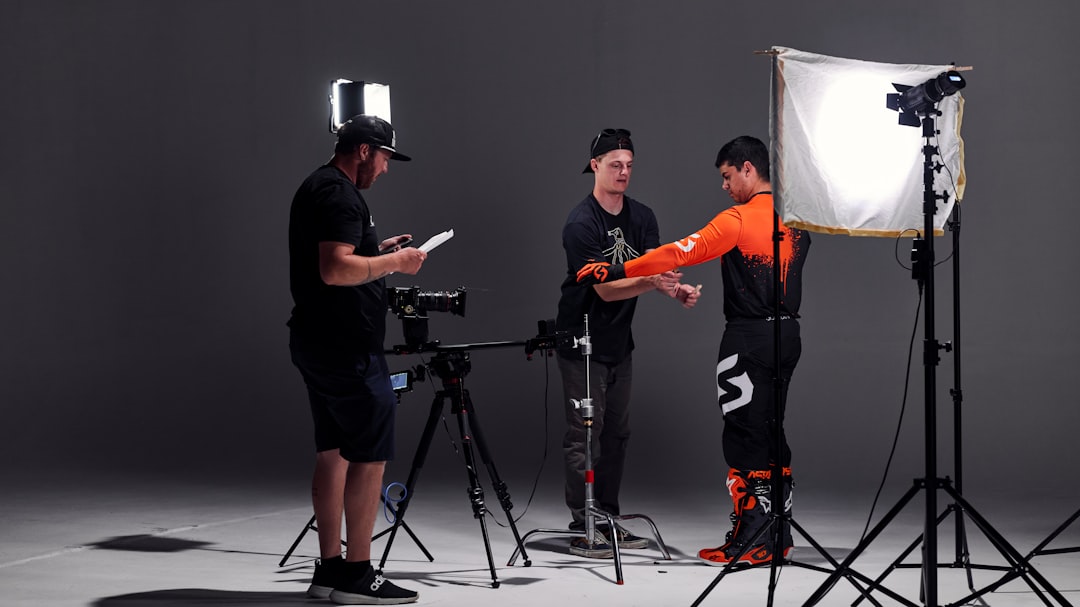
Clarify who leads discovery, scripting, interview preparation, storyboarding, scheduling, locations, releases, logistics, technical planning, and approvals. Ask what information the client must provide and when those inputs become critical to the schedule.
Review sample briefs, timelines, call sheets, or communication checkpoints rather than accepting a vague promise that pre-production is included. A visible planning process reduces surprises and makes internal responsibilities easier to manage.
This is also a good moment to weigh what the internal marketing team should own versus what genuinely belongs to the production partner — who drafts the brief, who owns the schedule, and what happens if an internal input arrives late. Getting that division clear during vetting is what keeps a promising partnership from turning into a mismatch over accountability once the contract is signed.
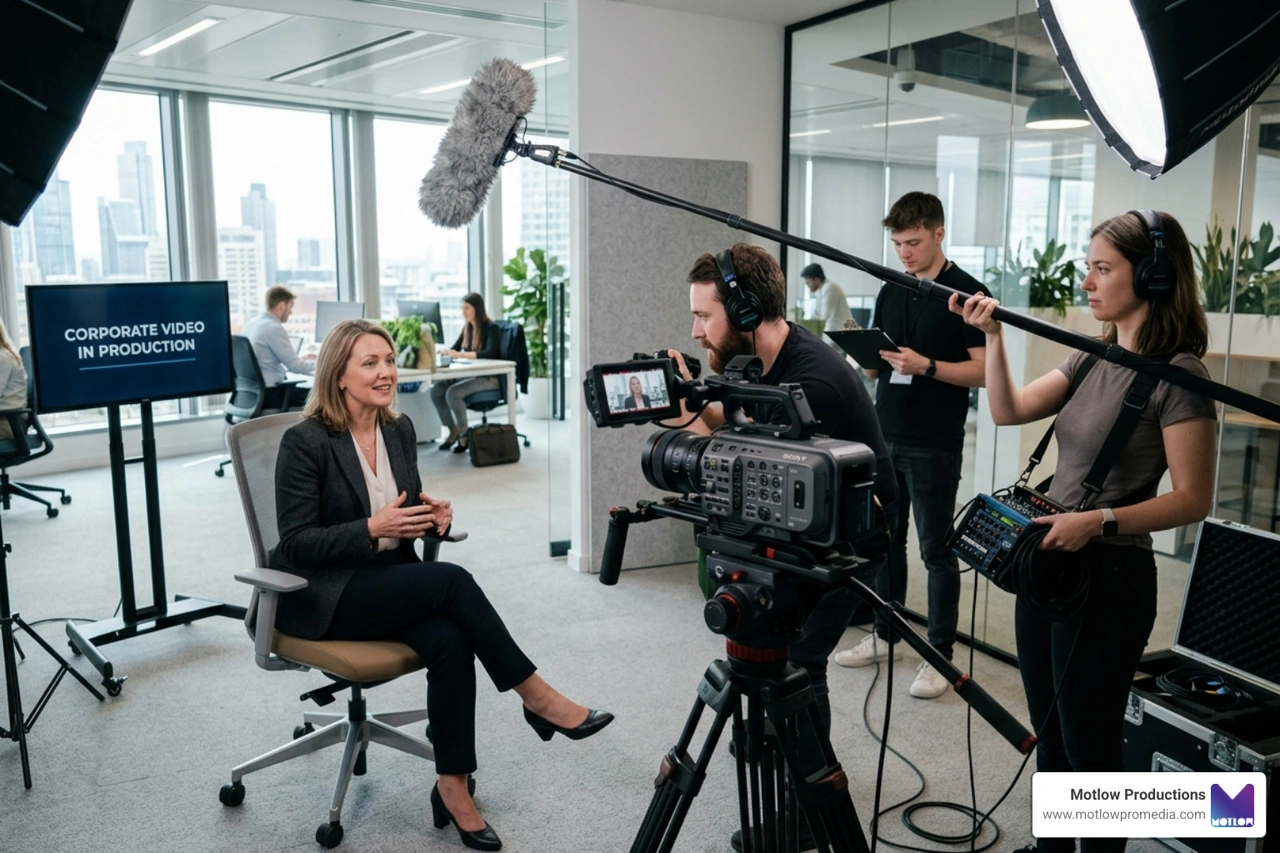
A production partner should bring a clearly defined team and accountable on-site leadership.
The people in the sales meeting may not be the producer, director, camera crew, editor, or account lead assigned after the contract is signed. Ask which roles are confirmed, which may be subcontracted, and who remains accountable for quality across the full project.
Understand the team's experience with similar environments, executive talent, live events, security requirements, or industry-specific constraints. Fit depends on both technical skill and the ability to represent the client professionally on site.
Before signing anything, ask what would actually happen to quality or timing if one of these named roles turned out to be different from who was promised in the pitch. That question is what separates the roles a marketing director should insist on confirming from the ones that can reasonably flex, and it protects against the classic bait-and-switch of a strong sales team handing the project to a different crew.
For additional context, see the planning process Motlow Pro Media follows.
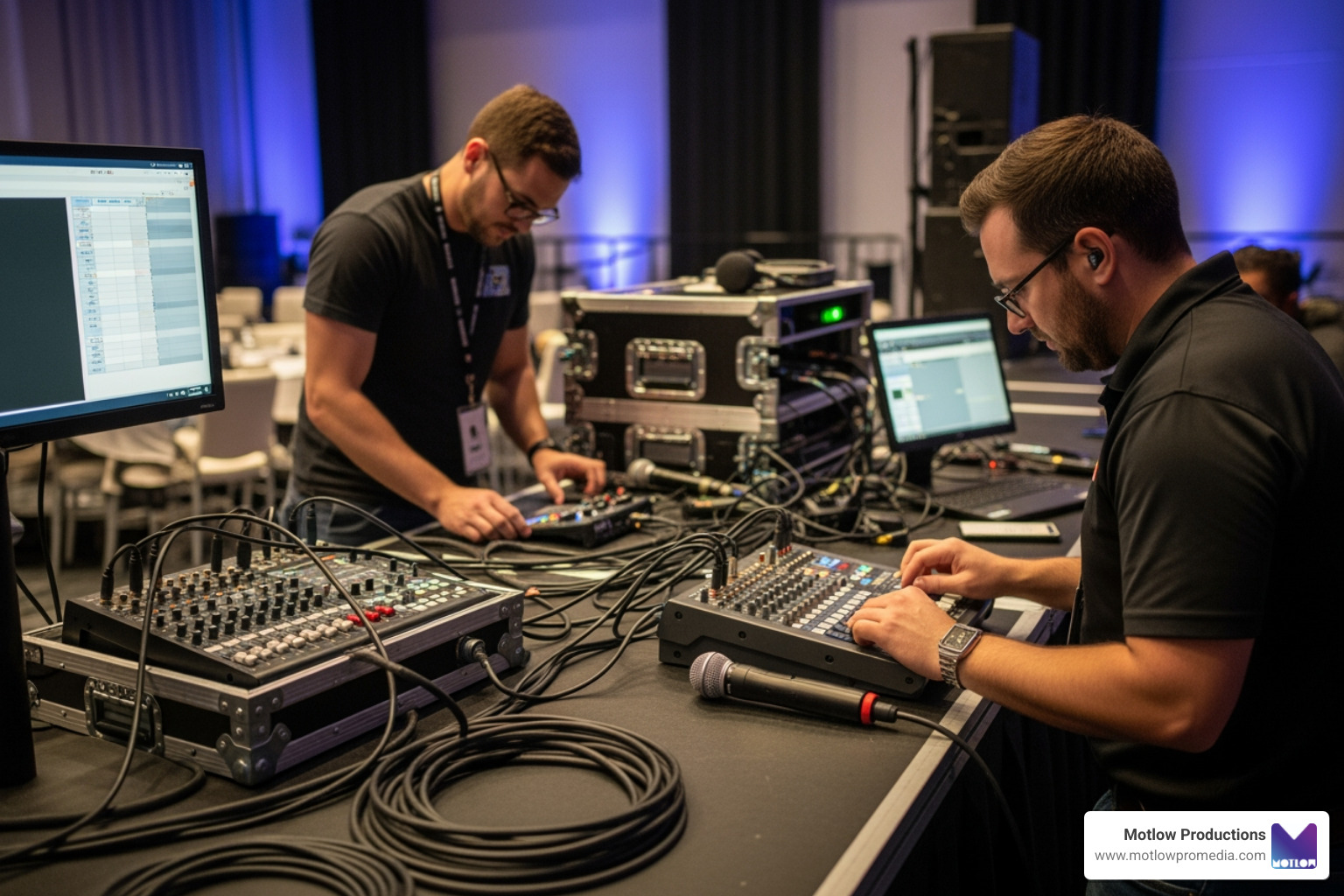
Ask how the team approaches equipment redundancy, media backup, audio protection, network testing, weather, travel, crew illness, location access, and schedule changes. The appropriate plan will vary by project, but high-stakes work should not depend on a single unprotected component.
Request clarity on insurance, safety, data handling, incident communication, and who can approve a contingency decision. A confident partner should be able to discuss risk plainly without using fear as a sales tactic.
Turn the answer into something worth keeping on file for the next vetting process, not just a good impression from one conversation: which risks this partner actually plans for, who owns each backup, and what the decision path looks like if something breaks mid-shoot. Reusing that evaluation standard is faster than starting from scratch, and it stops the same accountability gap from resurfacing with a different vendor next time.
For additional context, see the U.S. Copyright Office's overview of client rights.
The right crew matches technical execution to the project's business and creative goals.
Review crew days, equipment, travel, pre-production, filming hours, overtime, editing, graphics, music, captions, versions, storage, raw footage, and revision rounds. Ask which assumptions could change the price and how change orders are approved.
Confirm delivery formats, deadlines, review tools, file naming, archival terms, and the client's rights to finished and source materials. Comparable proposals require comparable scopes, not just totals at the bottom of a page.
For marketing directors evaluating production partners, this deserves a real, written comparison rather than a gut read of which number looks lowest: name what's included in each quote, who owns confirming that the scopes actually match, and the deadline for getting clarifying answers before a decision is due. Test each proposal against whether the team behind it can manage the full project, strategic through operational, and if an assumption shifts after signing, revisit the scope and tell whoever it affects.
If the organization needs ongoing content, ask how the team learns brand standards, maintains continuity, organizes assets, and plans future production. A long-term partner should reduce repeated briefing and help the marketing team see opportunities across campaigns and events.
Discuss reporting, quarterly planning, preferred communication, capacity, and how previous footage can be reused responsibly. The goal is to understand whether the relationship can become more efficient and strategic over time.
Getting a clear answer here comes down to the same discipline as everything else in the vetting process: know what has to be true for a long-term partnership to work, know who's accountable for confirming it, and know it early enough to negotiate before signing. That's what protects marketing directors from ending up locked into a vendor chosen for one great reel rather than a genuine fit for the work ahead, and it gives the team solid footing for renegotiating scope as needs change.
For additional context, see W3C's guidance on accessible video.
Bring the marketing owner, whoever will manage the relationship day to day, and the stakeholders who control budget or final approval into one 45-minute session before proposals go out. Use it to decide which strategic-fit, process, and staffing questions above matter most for this project, and assign a date for getting answers so vetting doesn't drag on indefinitely. Leave with a shortlist and a clear evaluation standard, not just a stack of decks.
From there, weigh the risk-management, pricing, and long-term-fit answers against the actual scope and schedule under discussion. Rule out any proposal that leaves a role, cost, or deliverable undefined, and favor whichever partner most clearly demonstrates it can manage the project from strategy through delivery. Where a proposal leaves a real dependency unresolved, ask the vendor to name the cost or risk directly rather than accepting a vague reassurance.
After the decision is made, take a short look back at what the vetting process revealed: which questions produced the clearest answers, which vendors struggled to respond, and what should be asked differently next time. Keep those notes with the brief and proposals so the next search for a production partner starts from real experience.
Enough to compare approach, fit, scope, and accountability without turning the search into an unpaid creative competition. A focused shortlist of qualified teams is usually more useful than collecting many incomparable quotes. Set that shortlist size in the internal brief before outreach starts so the search has a natural stopping point.
Ask how source footage is handled, priced, organized, and licensed. Raw files can be valuable, but they require storage, technical knowledge, and clear rights to remain useful. Get the terms in writing before the shoot so there's no ambiguity about what's included later.
Vague scopes, unclear ownership, unwillingness to discuss risk, prices without assumptions, and recommendations made before understanding the audience or goal all deserve closer examination. Note any of these red flags directly in the vetting notes so they factor into the final decision rather than fading from memory.
Hiring a video team is a decision about process and accountability as much as creative talent. The right partner should explain how it connects strategy to execution, protects the production, communicates decisions, defines cost, manages rights, and supports the content after delivery. Better questions make that operating model visible before the work begins.
Some clients want to give notes in a live Zoom call. Others prefer a group text or email thread. However you like to communicate, we adapt. You’ll never be left guessing where things stand - and you’ll always have a say before anything goes out the door.





Phone:
+1 863-250-8639
.png)
Email:
info@motlowpromedia.com