








-5.jpg)





















































Thank you! Your submission has been received!
Oops! Something went wrong while submitting the form.

.avif)
July 4, 2026
Video production day rates vary widely — and if you're budgeting a corporate project without a clear benchmark, you're likely to either overpay or get burned by an underqualified crew.
Here's a quick snapshot of what to expect in 2026:
| Role | Typical Day Rate Range (US) |
|---|---|
| Production Assistant | $150 – $400 |
| Camera Operator | $250 – $900 |
| Director of Photography | $500 – $3,000 |
| Gaffer | $350 – $700 |
| Key Grip | $454 – $663 |
| Sound Mixer / Audio Tech | $400 – $1,500 |
| Video Editor | $500 – $1,500 |
Rates assume a standard 10-hour shoot day. Equipment, overtime, and travel are typically billed separately.
A standard production day is 10 hours. Anything beyond that triggers overtime — usually 1.5x for hours 10–12, and 2x after hour 12. Kit fees, travel, and post-production are almost always separate line items.
Major markets like Los Angeles, New York, and Chicago command rates 20–40% above the national median. Regional markets like Tampa fall somewhere in the middle — lower than the coastal hubs, but not the floor.
The real challenge isn't finding a rate card. It's knowing which numbers apply to your specific project, location, and crew configuration — and how to read a quote without missing the hidden costs.
"If you think it's expensive to hire a professional, wait until you hire an amateur." — Red Adair
That quote has been repeated in production circles for good reason. Crew costs are real, and cutting corners on them rarely saves money in the long run.
I'm Miranda Motlow, founder and CEO of Motlow Pro Media, a Tampa-based media agency specializing in short-form and long-form content strategy and production for corporate clients. I've spent over a decade producing brand and marketing video for high-stakes environments where video production day rates directly affect what a project can realistically deliver — and I've learned exactly where budgets go wrong.

Video production day rates terms to know:

When you look at a commercial estimate, the numbers can feel like they were pulled out of thin air. In reality, establishing fair video production day rates is a highly calculated science.
To demystify these costs, we have to look at the foundational elements of how we price our crew. If you want to dive deeper into the entire lifecycle of a project, check out our Corporate Video Production Complete Guide.
Four primary factors dictate what a crew member will cost on any given day:
For a broader look at how these elements roll up into total project costs, you can read more about How Much Does a Video Crew Cost? - Team Unity Media .
One of the first decisions you'll make when planning a video is deciding who to hire. The three main avenues—freelancers, production agencies, and building an in-house team—come with vastly different financial structures.
To evaluate which model fits your business goals, read our Ultimate Corporate Video Guide 2026.
The type of video you are creating directly dictates the crew size and, consequently, the daily labor rate.
If we are executing a rapid-fire short-form content strategy for your brand, we might only need a lean, agile crew—perhaps a solo shooter or a two-person team. This keeps the daily rate highly manageable while maximizing output.
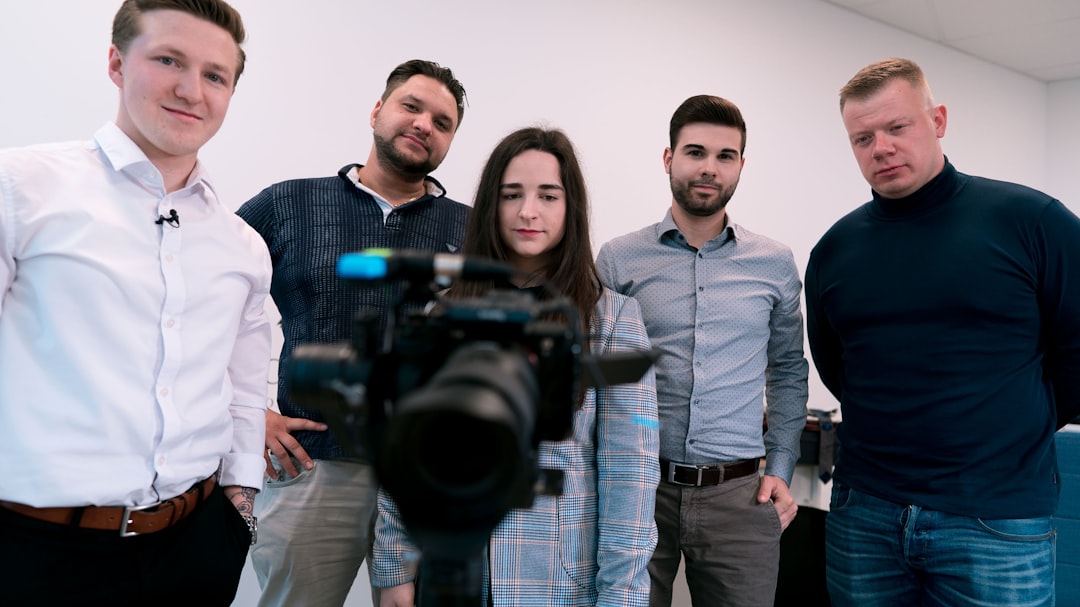
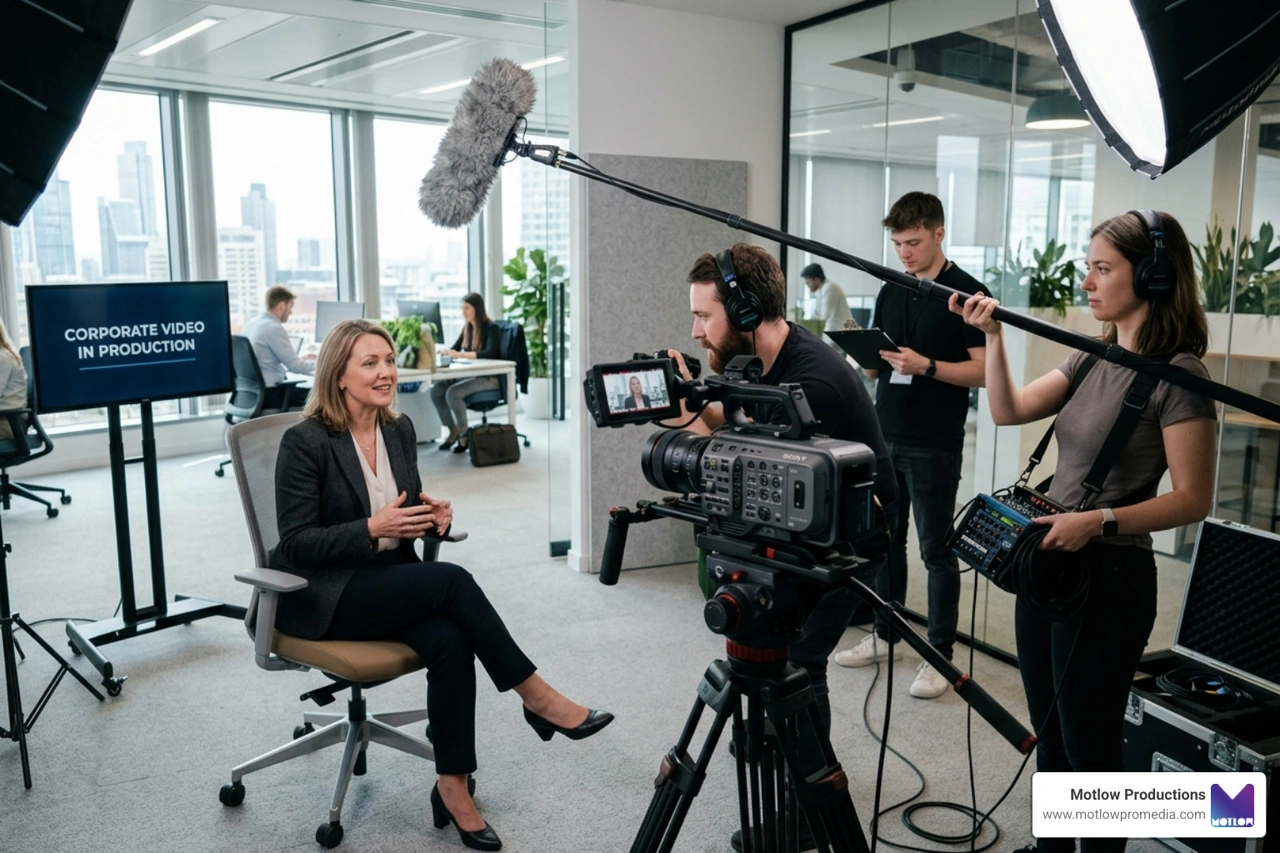
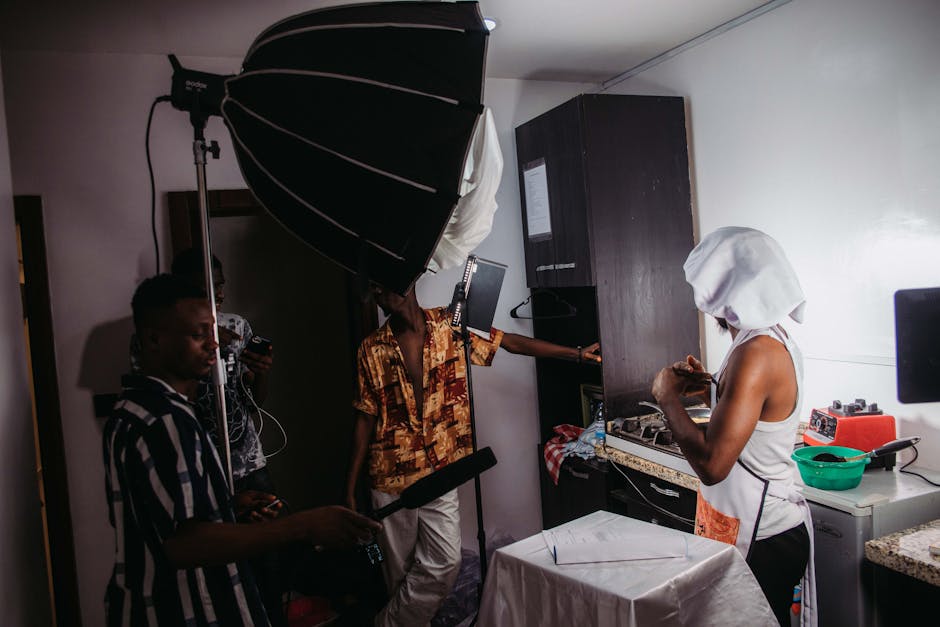
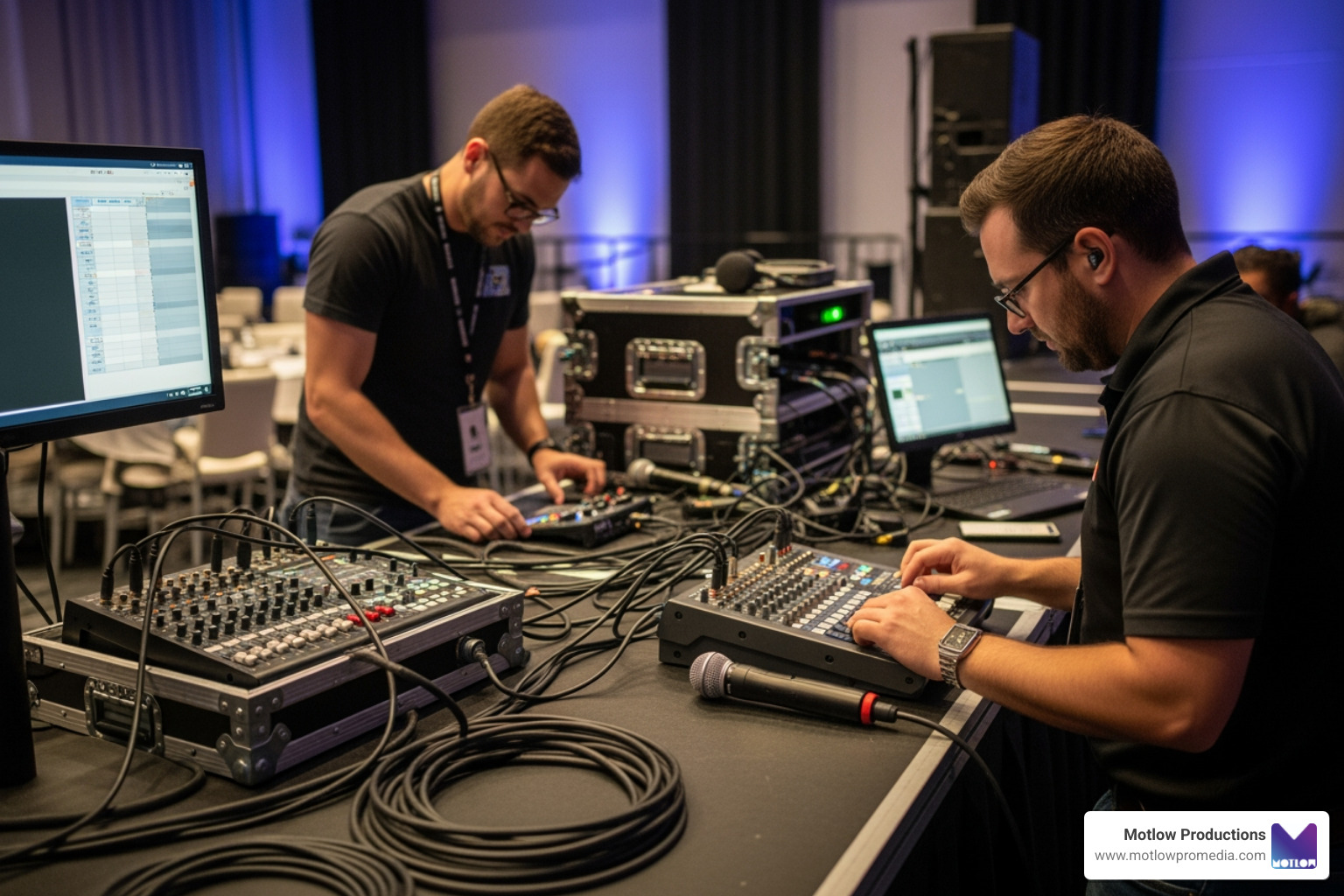
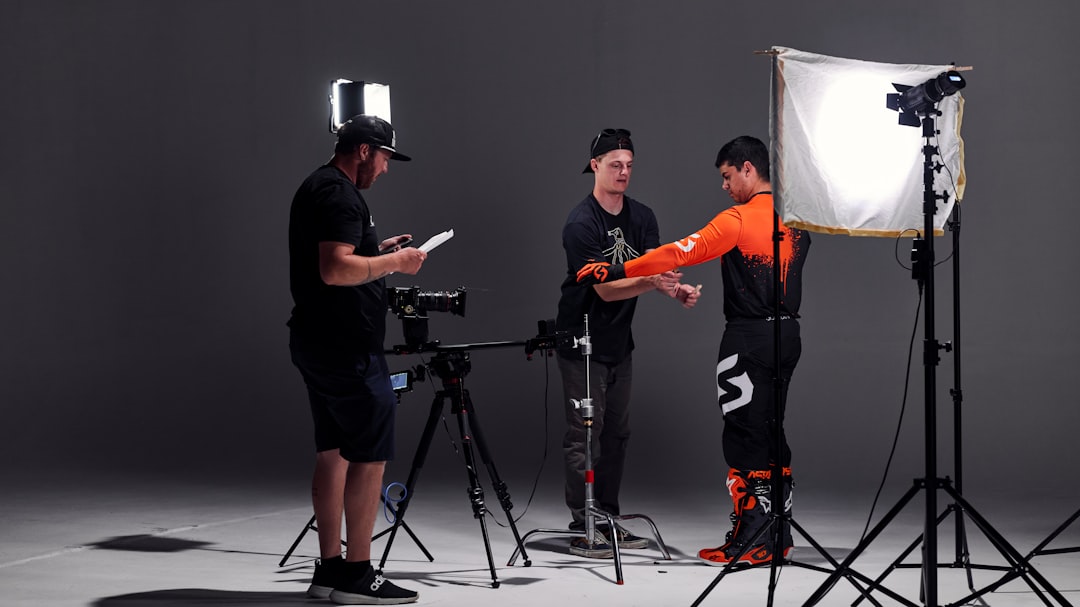
Conversely, a high-end corporate brand film requires a full crew: a Director of Photography, a Camera Operator, a Gaffer to control the lighting, a Key Grip for safety and rigging, and a dedicated Sound Mixer.
At Motlow Pro Media, we help you right-size your crew so you aren't paying for a massive team when a streamlined crew can achieve the exact same marketing goal. Discover how we tailor these roles on our Corporate Video Services page.

To build an accurate budget, you need to understand the baseline labor standards. The film and video industry relies heavily on historic data to set expectations. For example, the benchmarks we use are backed by real-world data, including resources like the Film Crew Day Rates 2026 - Assignment Desk , which aggregates actual billing records across tens of thousands of assignments.
Below is a breakdown of median non-union day rates for key production roles in 2026. These figures represent the baseline labor cost for a standard 10-hour day:
| Crew Role | Non-Union Day Rate Range (10 Hours) | Median Day Rate |
|---|---|---|
| Director of Photography (DP) | $800 – $3,000 | $1,200 |
| Camera Operator | $600 – $900 | $750 |
| Gaffer (Chief Lighting Tech) | $500 – $750 | $600 |
| Key Grip | $450 – $700 | $550 |
| Audio Technician / Sound Mixer | $500 – $1,200 | $750 |
| Production Assistant (PA) | $200 – $350 | $250 |
Even if you are running a non-union corporate shoot, union agreements act as the gravitational pull for all industry pricing. Organizations like IATSE (representing crew), the DGA (Directors Guild of America), and the Teamsters negotiate strict minimum pay scales, benefits, and working conditions.
Under union contracts, rates are heavily influenced by the project's budget tier. For instance, the IATSE "Ultra Low Budget" tier applies to films with budgets under $2.75 million. Even at this entry tier, minimum rates are locked in. For high-end directors, DGA contracts mandate weekly minimums of $23,760.
Non-union crews look at these union minimums as a benchmark for their own worth. If union rates rise, non-union video production day rates rise alongside them to keep talented crew members from leaving the independent market. We break down how these professional standards elevate corporate projects in our guide to Professional Corporate Video.
Let's look closer at what these key "below-the-line" (technical and crew) roles actually do on set and why their rates span such wide ranges:
For a deeper dive into role-by-role breakdowns across different US markets, explore the Film Crew Day Rates by Role and City (2026 Guide) | NeedaCrew .
Geography plays a massive role in what you will pay for a video crew. Because the cost of living varies wildly across the United States, production rates adjust accordingly.
At Motlow Pro Media, we operate primarily in Tampa, Florida. This regional positioning allows us to deliver exceptional, high-end production value without the inflated overhead of the coastal media capitals. If you are planning a local shoot, you can connect directly with our local network via our Corporate Video Crew Tampa page.
To understand how rates shift, we use "city multipliers." If we treat Los Angeles as the baseline (1.00x) for production pricing, other cities scale as follows:
For a comparison of regional Florida pricing, you can check out the Orlando Videographer Rates | Pricing for Events & Conferences . By shooting in the Tampa Bay area, businesses can save 15% to 20% on crew costs alone compared to flying a team in from New York or Chicago.
A common mistake corporate marketing managers make is multiplying a crew member's day rate by the number of shoot days and assuming that is the final cost. Unfortunately, labor is only part of the equation. To build a bulletproof budget, you must account for the "hidden" line items.
A standard production day is budgeted at 10 hours (which includes setup, shooting, and teardown). It's critical to understand how overtime scales if your shoot runs long:
For example, if a Camera Operator's base day rate is $600 (which breaks down to an effective rate of $60/hour), and the shoot runs 14 hours, the total cost for that single day jumps to $960.
Additionally, if you hire crew as employees rather than independent contractors, you must budget an extra 10% to 15% on top of their day rates to cover employer payroll taxes (FICA at 7.65%), workers' compensation insurance, and payroll processing fees.
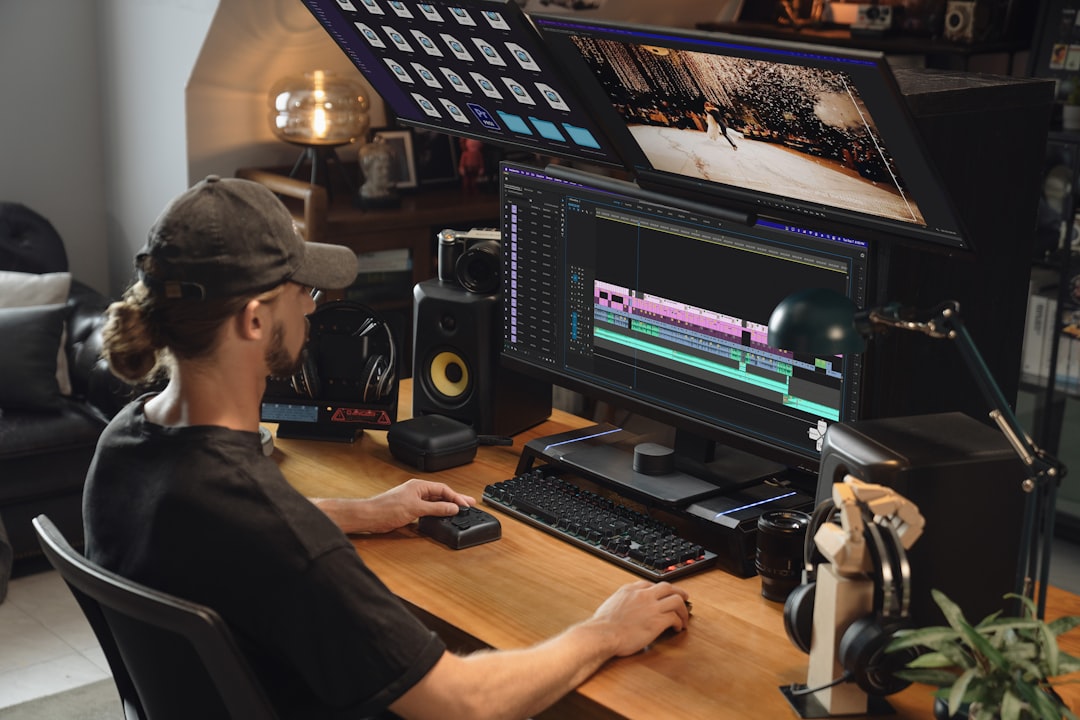
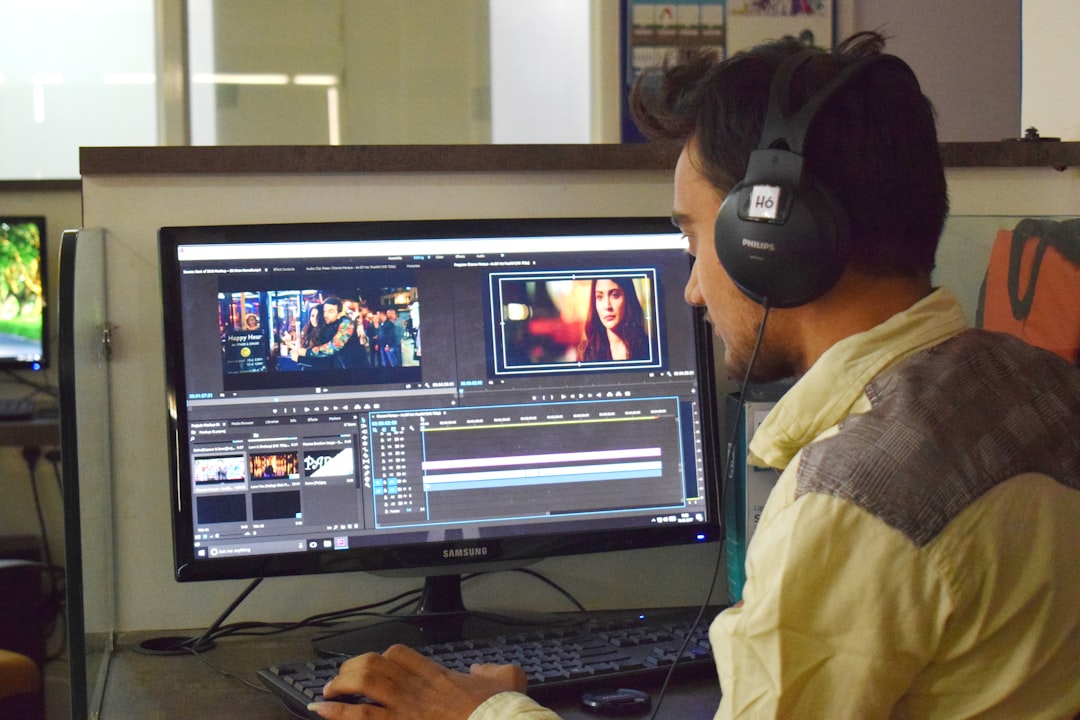
Once the cameras stop rolling, the editing phase begins. You can learn more about how editing time is calculated and billed by reading our guide on Video Editing Services.
A standard day rate covers 10 hours of active time on set (including setup and teardown) and the crew member’s specialized labor. It typically does not include advanced equipment kits, post-production editing, travel expenses outside the local area, or meals.
Freelancers charge purely for their personal labor and basic gear, leaving the client to handle project management, liability, and creative direction. Agencies charge rates that cover end-to-end production management, backup gear, professional liability insurance, creative strategy, and guaranteed project delivery. Agencies absorb the risk so you don't have to.
Overtime begins immediately after the 10th hour on set and scales rapidly to 1.5x and 2x the hourly baseline. Travel days are typically billed at half-day or full-day rates, and travel expenses (mileage, hotels, meals) are billed "portal-to-portal" from the moment the crew leaves their home base.
Navigating video production day rates doesn't have to feel like a guessing game. By understanding the benchmarks, geographic multipliers, and hidden costs like kit fees and overtime, you can approach your next corporate video project with absolute confidence.
At Motlow Pro Media, we believe in complete transparency. We specialize in a "hands-off, but hands-on" partnership. This means we handle the heavy lifting—from managing crew rates and securing top-tier Tampa talent to executing a seamless short-form content strategy—while keeping you fully informed and in control. We act as a trusted, seamless extension of your internal marketing team.
Ready to bring your next video project to life without the budget headaches? Learn more about our professional corporate video services and let's build something incredible together.
Some clients want to give notes in a live Zoom call. Others prefer a group text or email thread. However you like to communicate, we adapt. You’ll never be left guessing where things stand - and you’ll always have a say before anything goes out the door.





Phone:
+1 863-250-8639
.png)
Email:
info@motlowpromedia.com