









































Thank you! Your submission has been received!
Oops! Something went wrong while submitting the form.

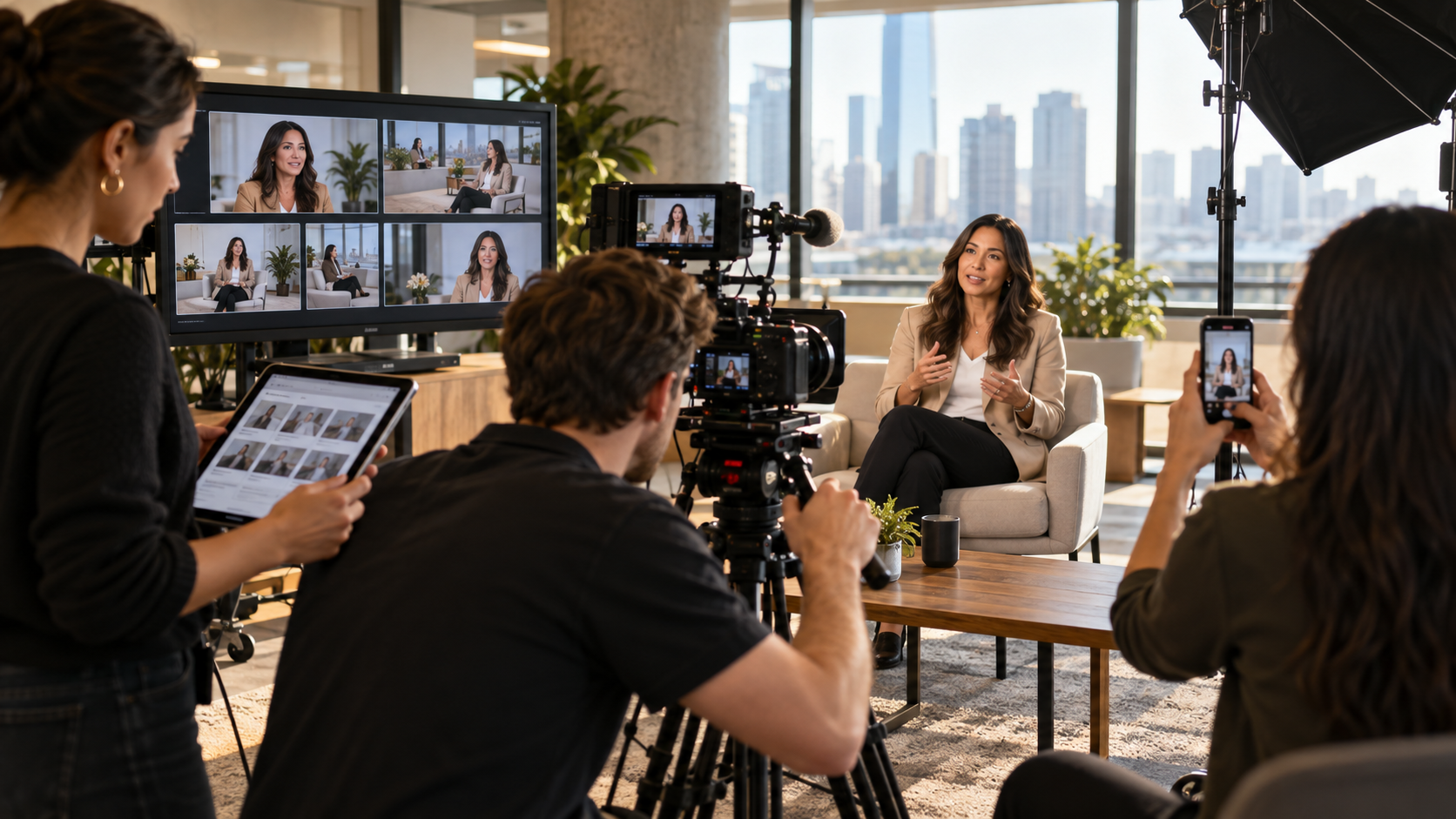
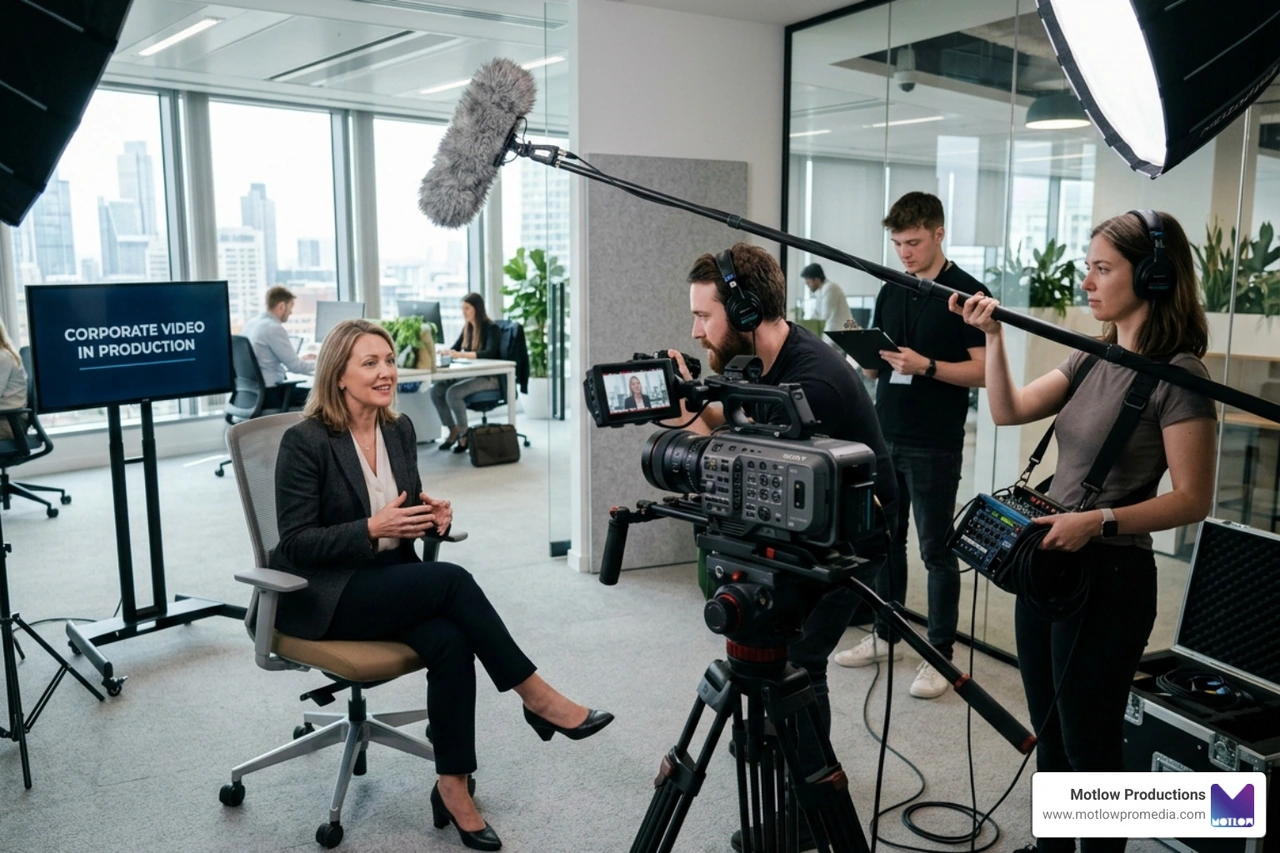
One strong interview can do much more than become one video.
For marketing teams, an interview with an executive, customer, subject matter expert, event speaker, or internal leader can become the foundation for an entire content campaign. The same conversation can support video, social media, blogs, email, sales enablement, internal communications, recruiting, event promotion, and thought leadership.
The difference is planning.
If the interview is filmed with only one final video in mind, the marketing team may end up with one useful asset. If the interview is planned as a content source, the team can create 10, 15, or even 20 pieces of content from the same production effort.
That approach saves time, protects budget, and helps teams publish more consistently without constantly starting from scratch. Through Motlow Pro Media's services, corporate teams can plan interviews, video production, event content, photography, and post-production deliverables as part of a larger content system.
Repurposing starts before the interview happens.
The marketing team should know why the interview is being captured, who the audience is, and how the content will be used. An executive interview for thought leadership may need different questions than a customer testimonial. A conference speaker interview may need different framing than an internal leadership message.
Before filming, answer these questions:
This step matters because the interview questions shape everything that comes after. If the interviewer asks broad questions, the content may be hard to break into focused pieces. If the interviewer asks specific, strategic questions, the footage becomes easier to repurpose.
The business video production partner guide is a helpful resource for understanding why the production plan should connect to the final marketing use before filming begins.
Not every interview is equally easy to repurpose.
The best interviews are built around topics that can support several smaller ideas. For example, "tell us about the company" may be too broad. But "how should marketing teams plan conference video before an event?" can create multiple content angles.
From that one topic, the team could create content about planning, budgeting, speaker prep, sponsor coverage, livestreaming, post-event clips, photography, and content distribution.
Good repurposing topics usually have:
The more useful the conversation, the more useful the final content library will be.
A long interview is not automatically a useful interview.
For repurposing, the interviewer needs to guide the speaker toward clear, concise answers. A strong answer should be able to stand alone as a clip, quote, paragraph, or email section. That means the question should be specific enough to produce a focused response.
Instead of asking:
"Tell us about your work."
Ask:
"What is the biggest mistake companies make when planning event video?"
Instead of asking:
"Why does this matter?"
Ask:
"What does a marketing team lose when they only plan for a recap video?"
Instead of asking:
"Can you explain the process?"
Ask:
"What should happen before the production team arrives on-site?"
Specific questions create stronger soundbites. They also make the editor's job easier because each answer has a clear purpose.
If the interview will be repurposed, the production team should know that before filming.
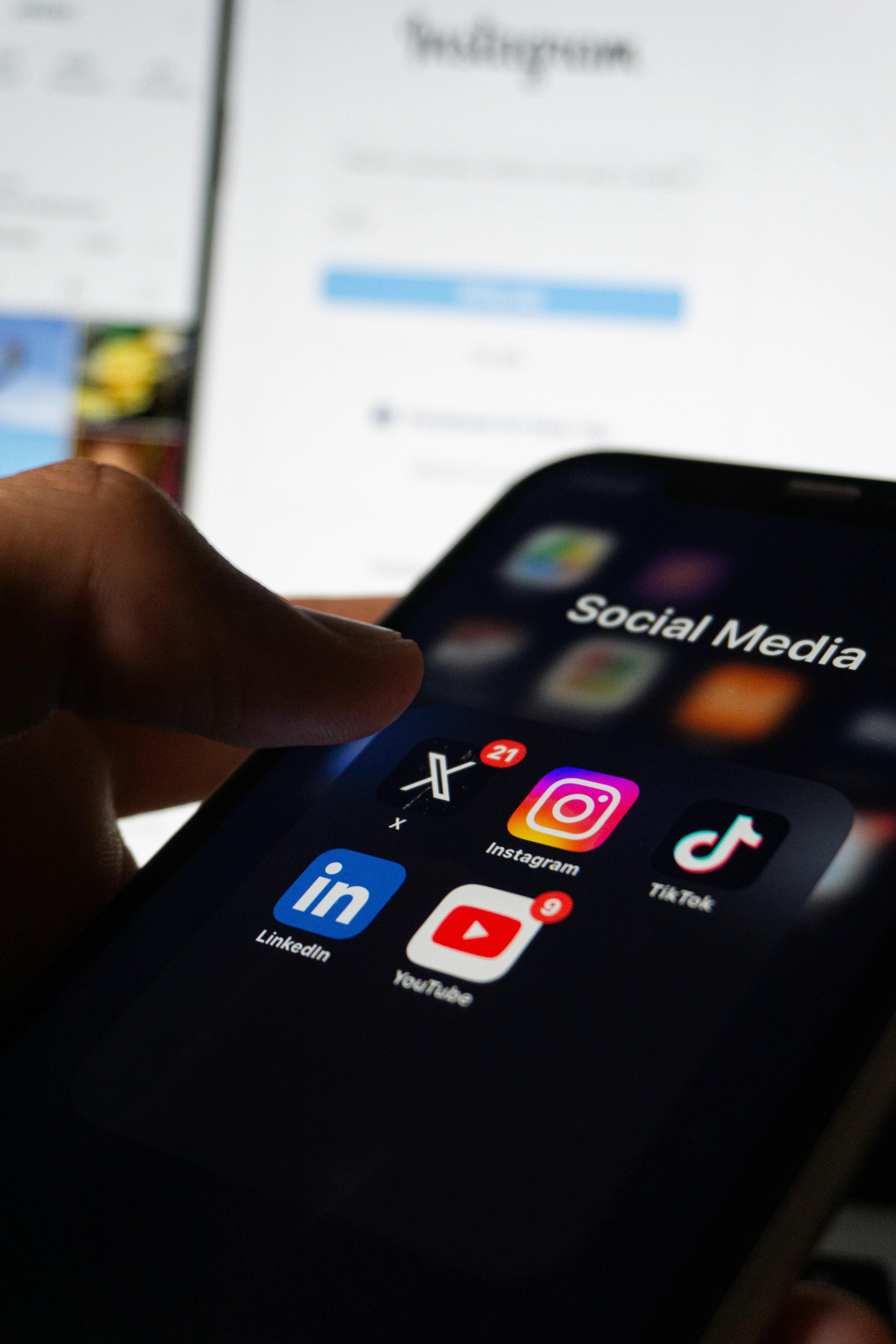
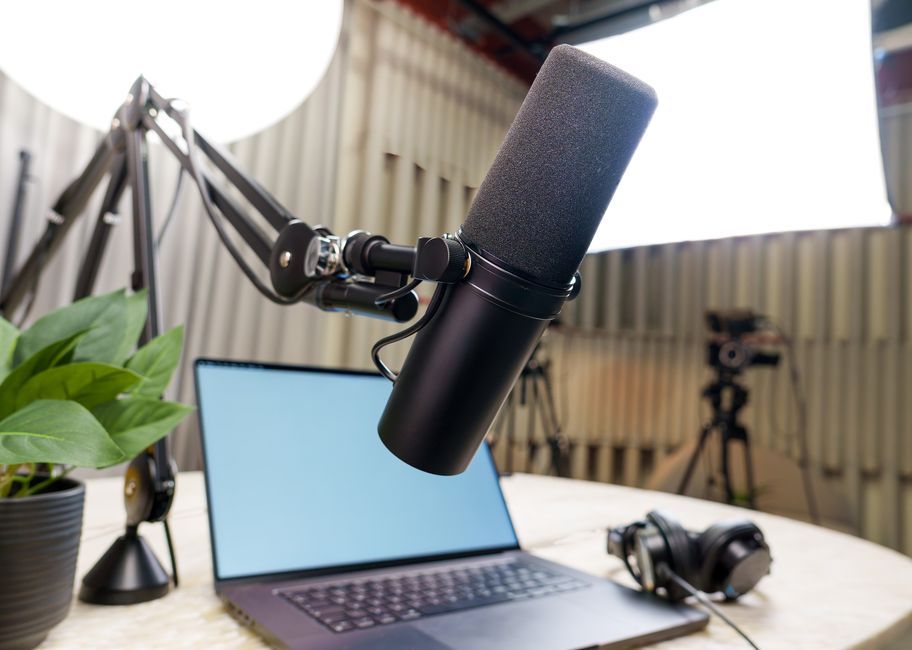
A full horizontal video may be useful for a website or YouTube. Short vertical clips may be needed for LinkedIn, Instagram, or paid social. Still images may support blogs, email headers, and sales decks. Clean audio may support quote clips, captions, or even podcast-style content.
The production setup should support those needs.
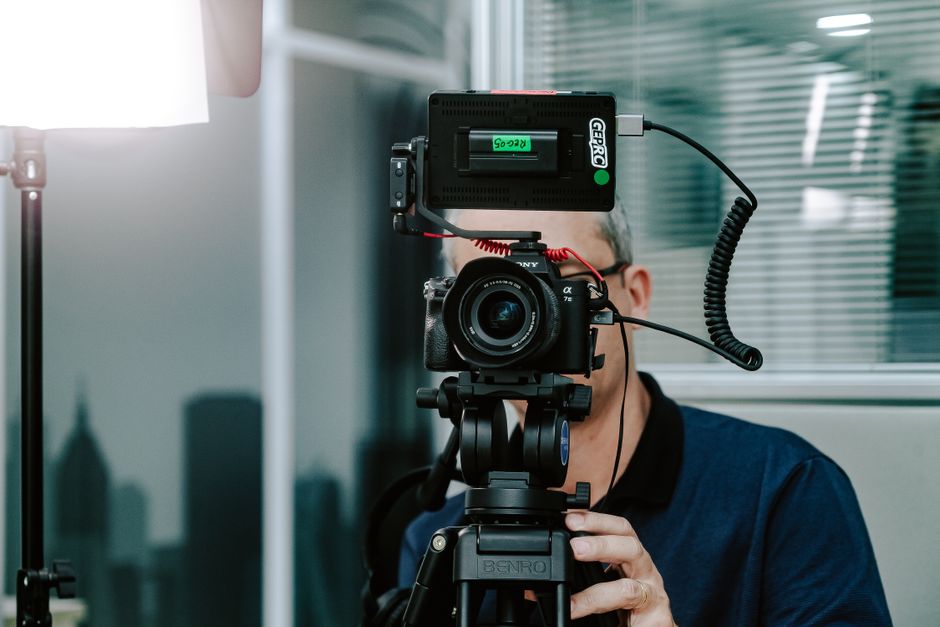
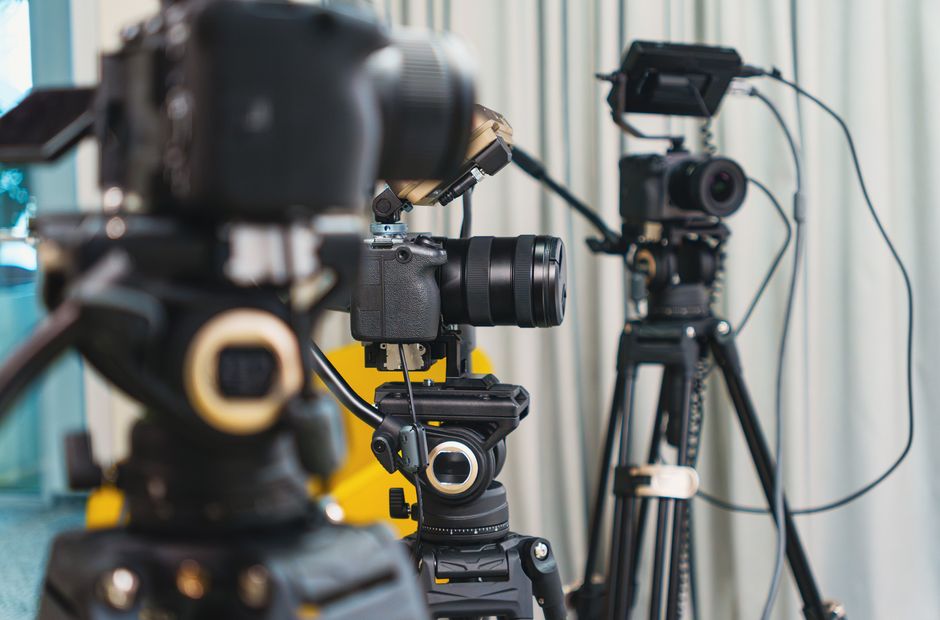
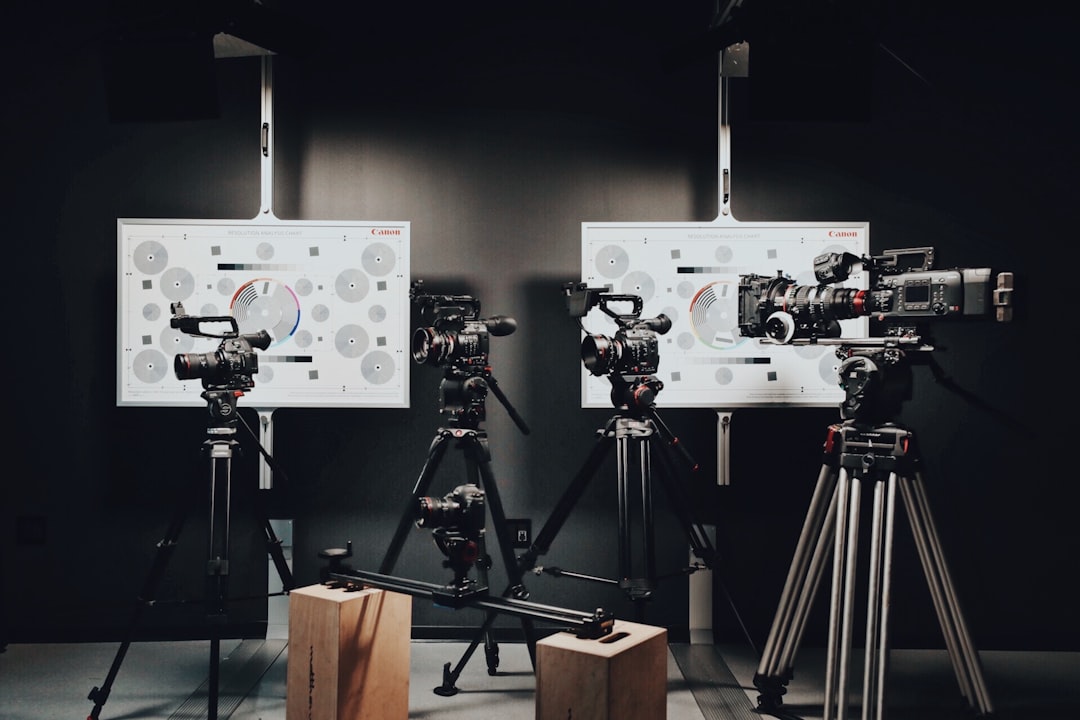
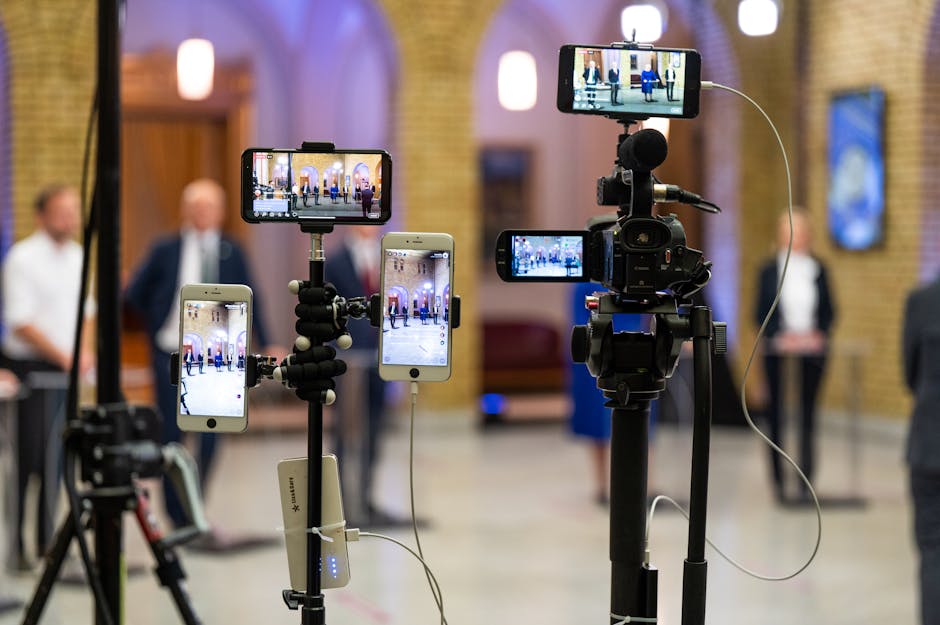
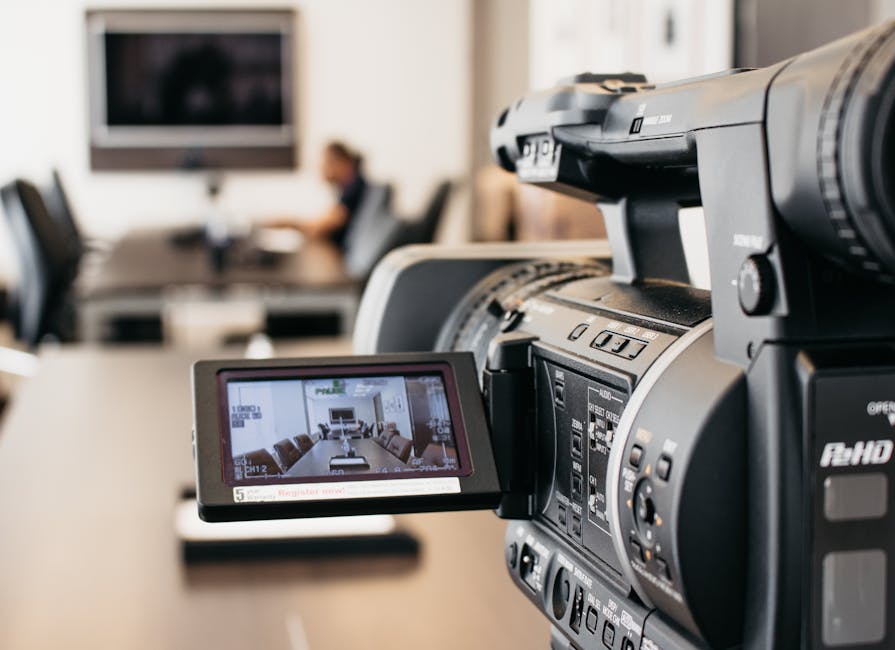
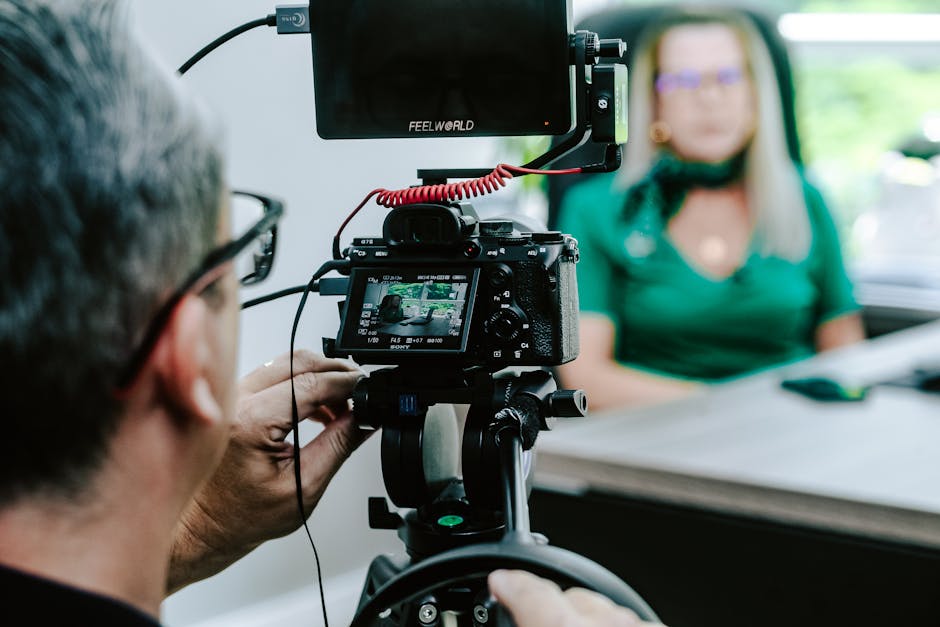
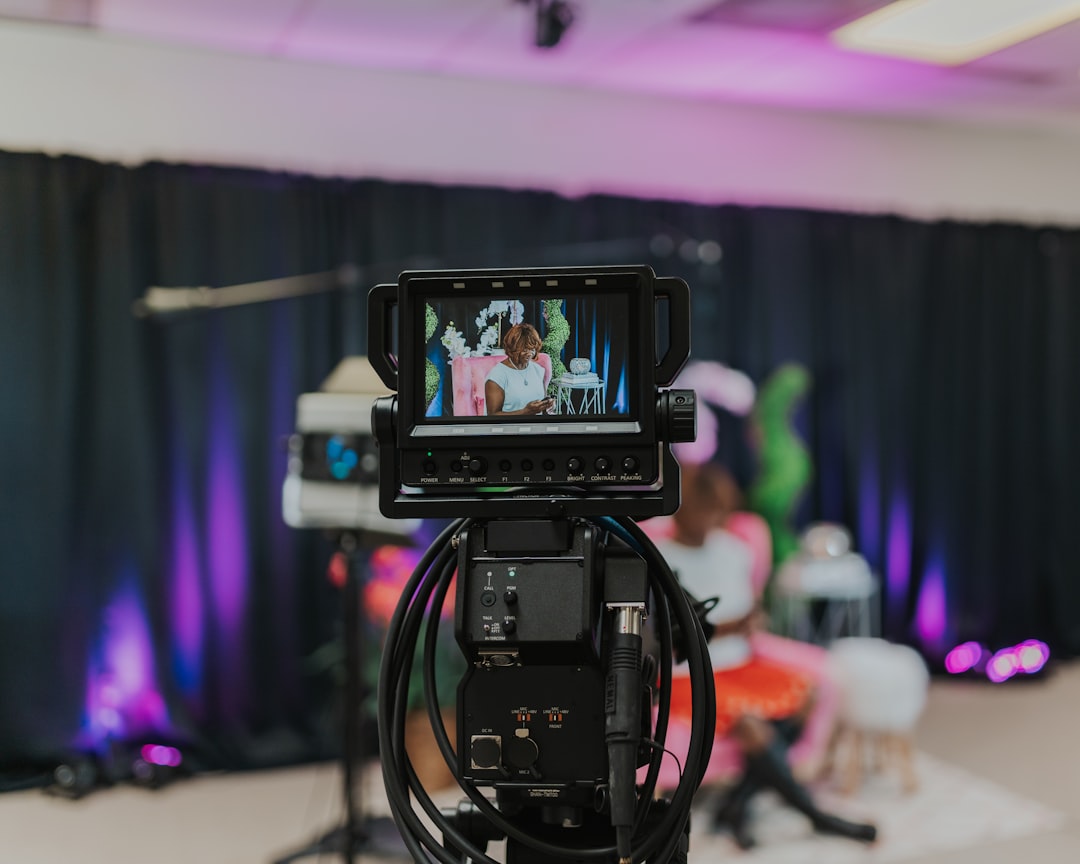
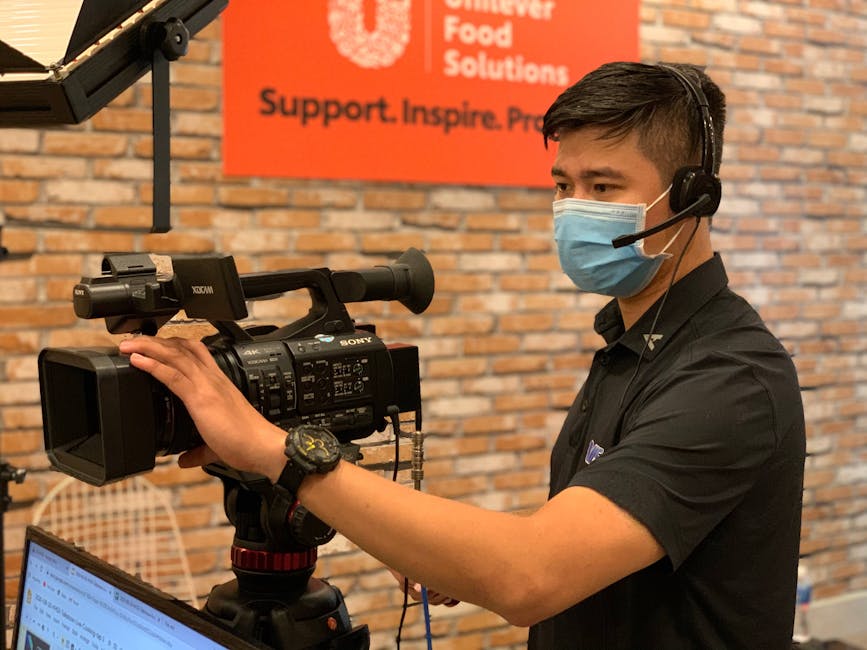
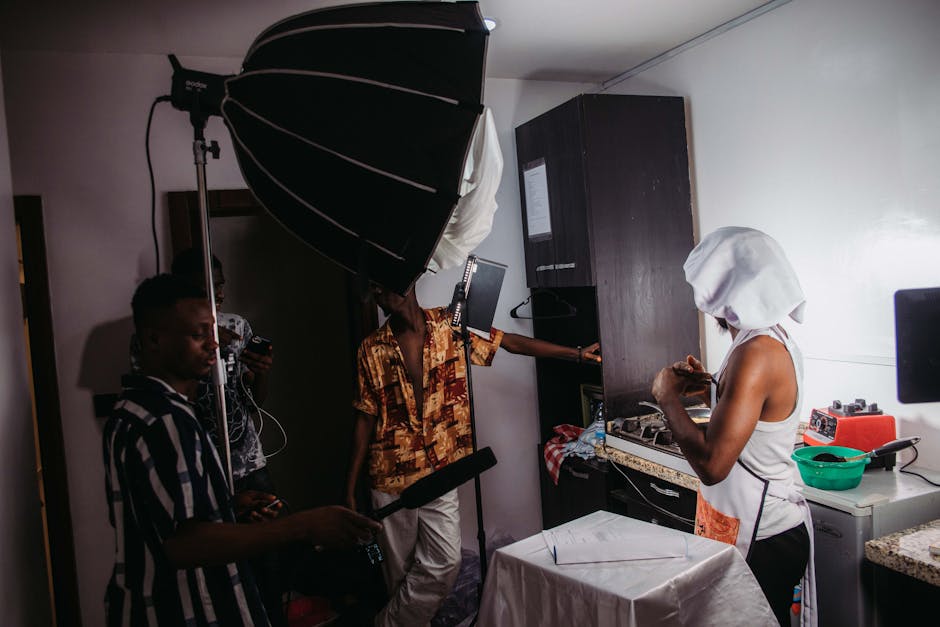
That may mean planning camera framing for both horizontal and vertical edits. It may mean capturing enough b-roll to support several videos. It may mean recording clean audio so the strongest soundbites can stand alone. It may mean taking still photos during the setup so the marketing team has visual assets to use later.
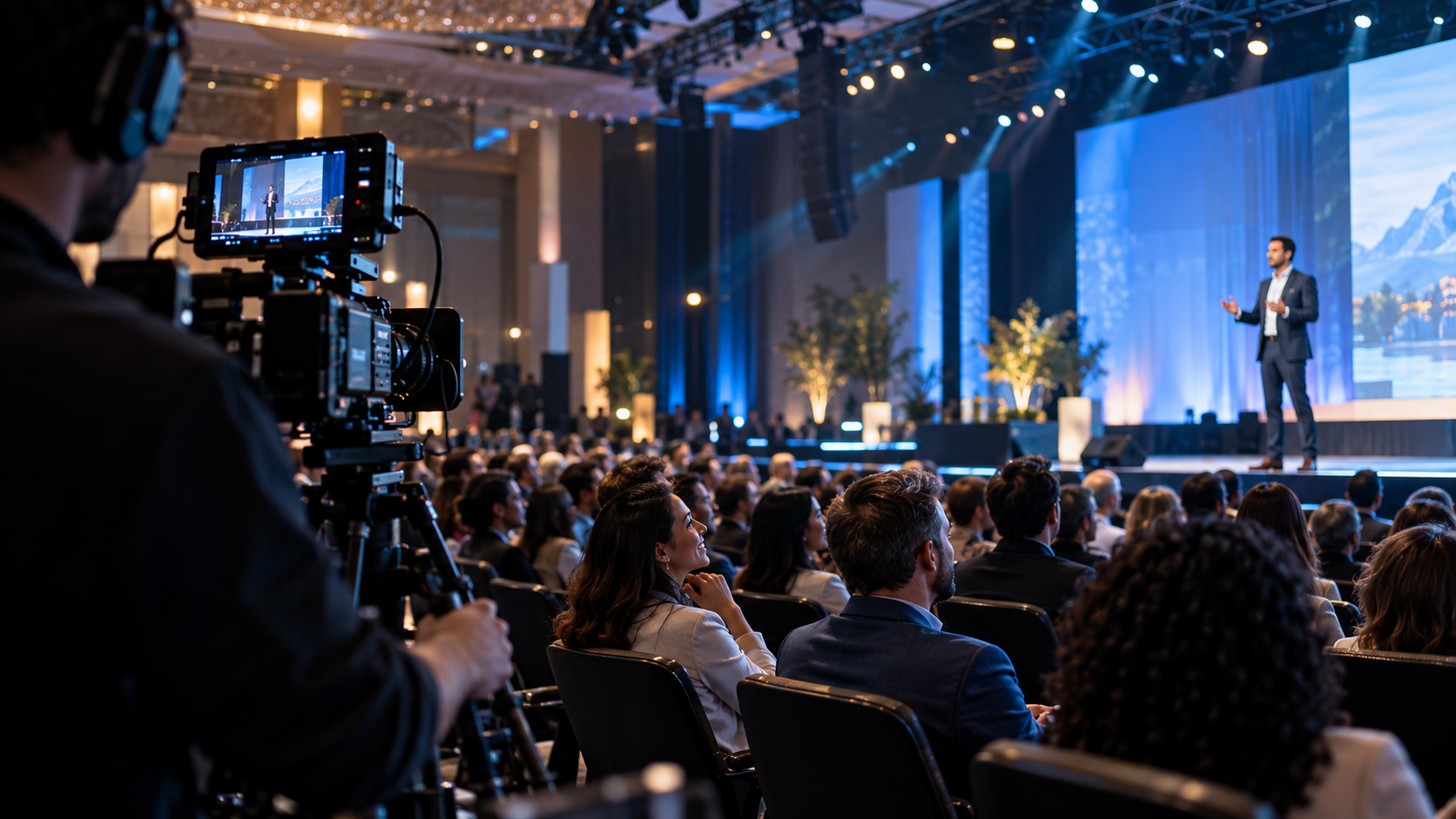
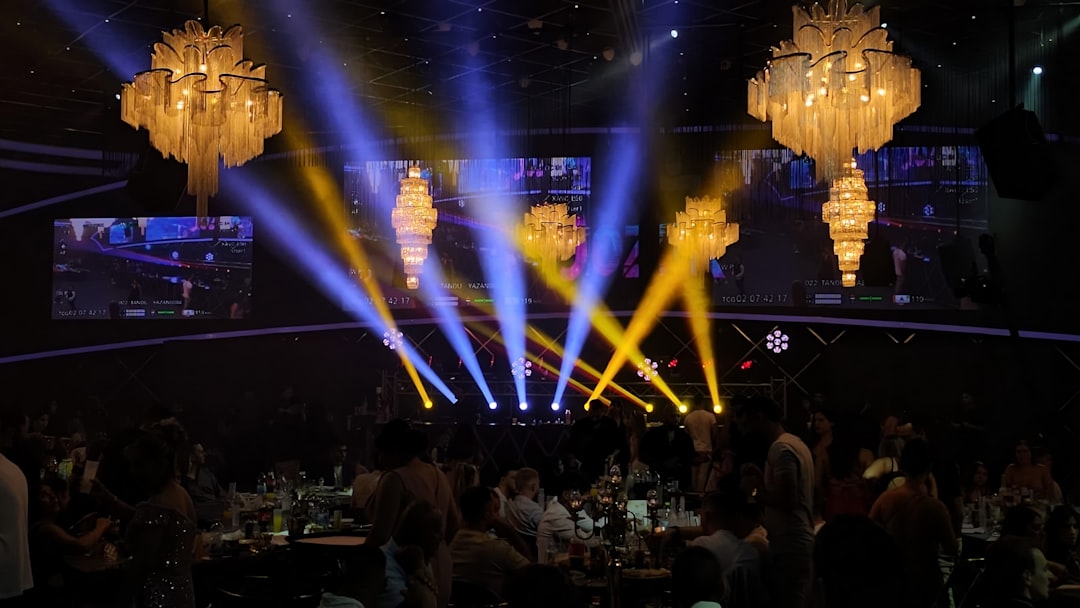
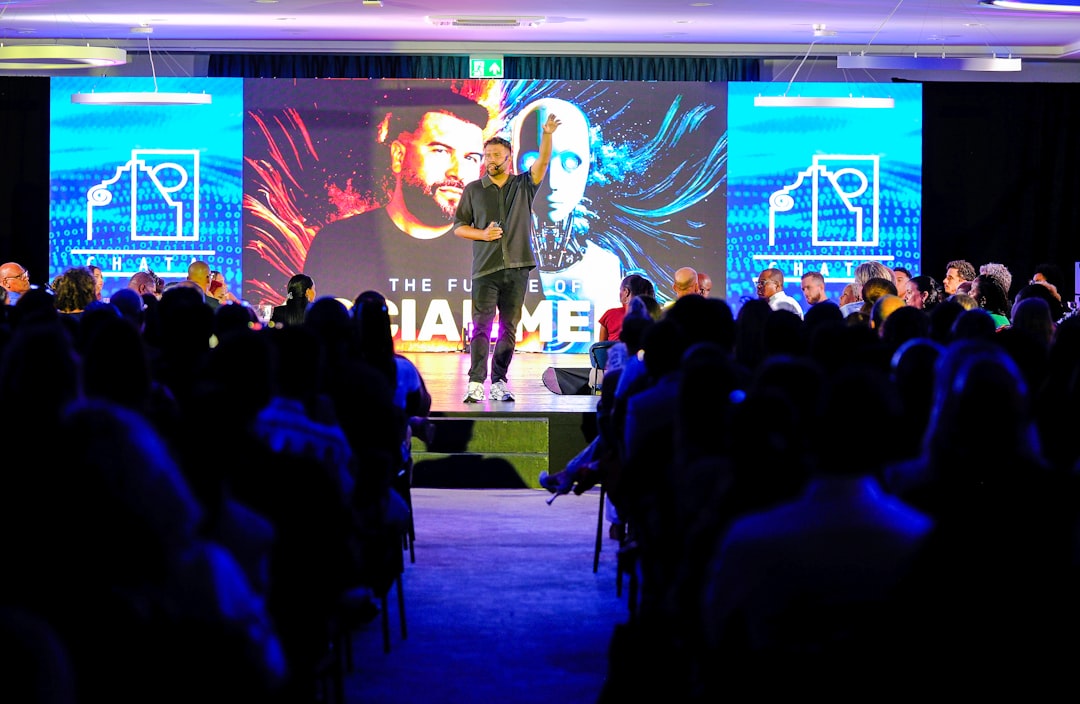
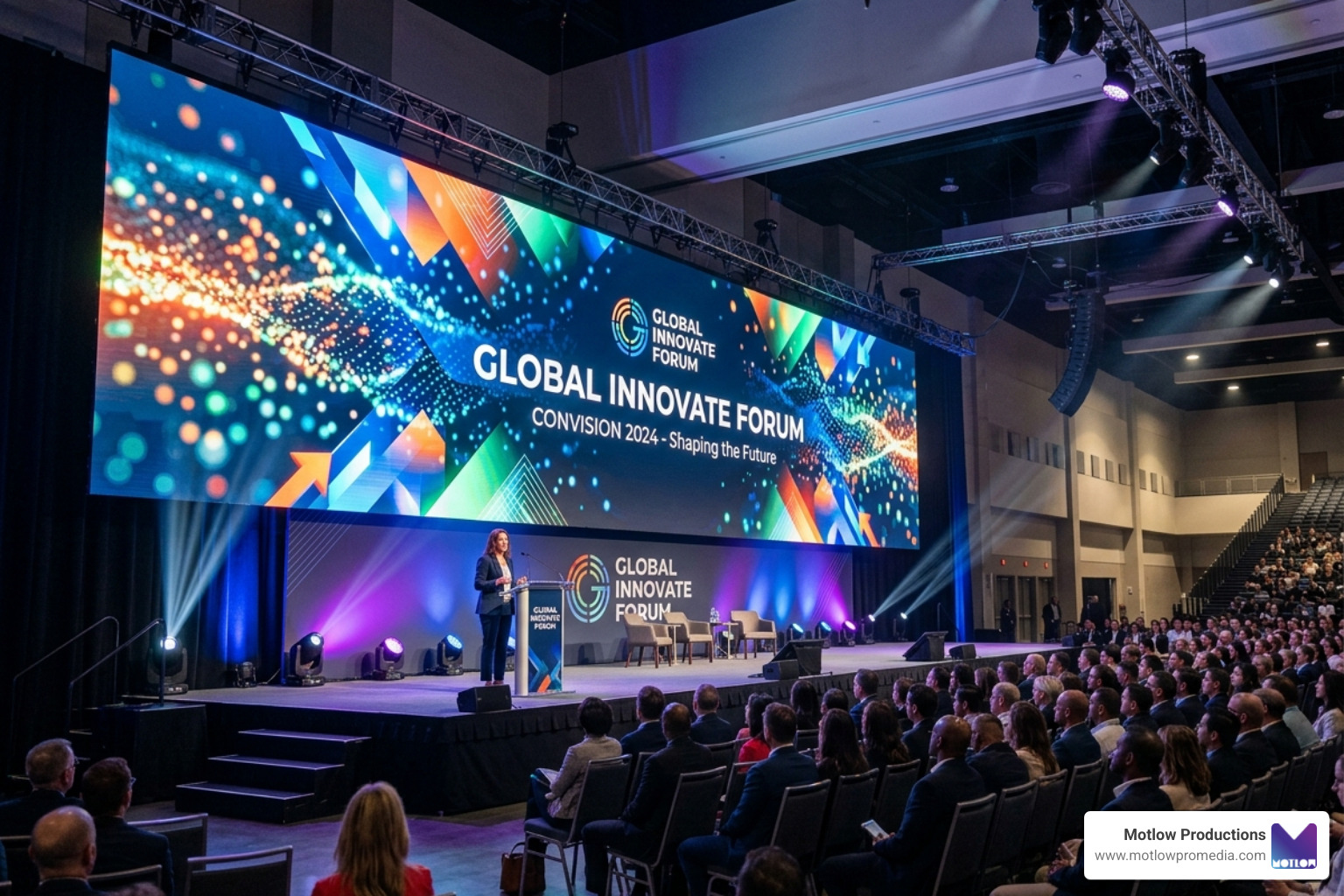
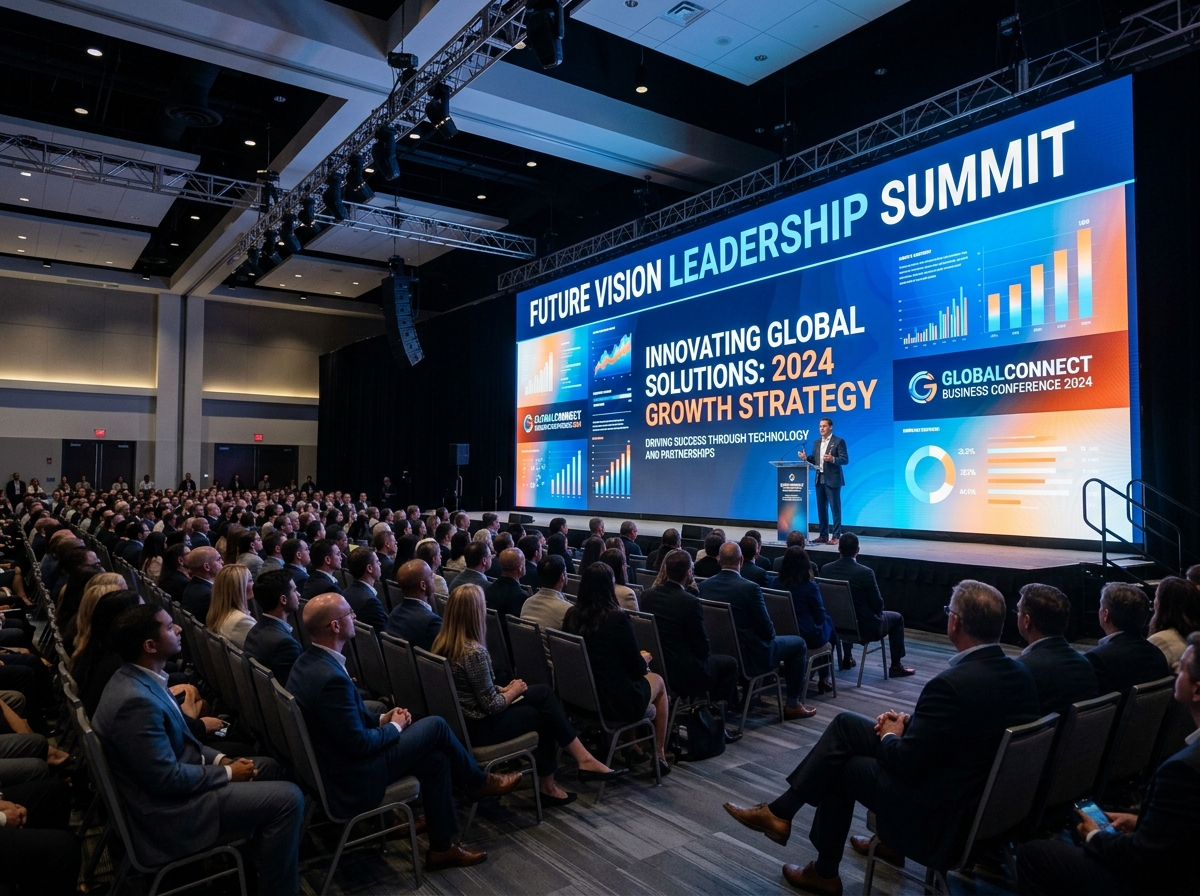
This is especially useful when interviews are captured during a conference or corporate event. The A-Z Guide to Conference Video Production explains how one event can become a larger content library when production is planned with repurposing in mind.
One well-planned interview can produce many different assets. The exact list depends on the topic, audience, and channels, but a single interview can often become:
This does not mean every interview should become all 20 pieces. The point is that the content potential exists when the interview is planned correctly.
A marketing team may only need five assets from one interview. Another team may need a full campaign. The right number depends on the strategy.
Video clips are usually the most obvious repurposing opportunity.
A strong interview can produce several short clips, each focused on one idea. These clips can be used on LinkedIn, company websites, landing pages, sales emails, internal updates, or event follow-ups.
Good clips usually focus on:
The best clips do not feel like random pieces of a longer interview. They feel like complete thoughts. This is why the interview should be structured around focused questions.
Captions, titles, lower thirds, and branded intro frames can help make the clips easier to understand when viewed without sound. Google Search Central's video best practices can also help teams think through how video content is structured and presented online.
An interview can also become written content.
The transcript can be used to identify key ideas, quotes, questions, and topic sections. From there, the marketing team can create a blog post, article, newsletter, social caption, landing page section, or sales email.
Written content does not need to copy the interview word for word. In most cases, it should organize the speaker's ideas into a clearer structure.
For example, a 30-minute executive interview could become:
This helps the marketing team get more value from the speaker's time. It also helps reach people who may prefer reading over watching a video.
Strong interviews often produce short lines that can work across multiple channels.
A strong quote can become a graphic, carousel slide, email opener, landing page callout, sales deck slide, or social media post. A practical takeaway can become a checklist item, FAQ answer, or internal training note.
Marketing teams should listen for lines that are:
For example, a speaker may say something like:
"If you wait until after the conference to decide what content you need, you have already missed the best moments."
That kind of line can become a LinkedIn post, event planning reminder, sales talking point, or blog subheading.
The strongest pull quotes usually come from specific questions, not generic ones.
Interview content can be especially useful for sales.
A short clip from an executive, customer, or subject matter expert can help explain a service more clearly than a written paragraph. Sales teams can use these clips in follow-up emails, proposals, presentations, and one-to-one conversations.
For example, if prospects often ask the same question, the marketing team can create a short video answer from an interview. If prospects need proof of experience, a customer testimonial clip can help. If prospects need to understand a process, a subject matter expert can explain it in a short video.
Sales teams usually do not need long videos. They need focused assets that answer specific buyer questions.
This is why marketing should ask sales what questions come up most often before planning interview topics. One interview can become a library of helpful answers for the sales process.
Interview content does not only need to face the public.
Executives and team leaders can use interviews to support internal communication. A single leadership interview can become clips for employee updates, onboarding, training, company meetings, and culture communications.
Internal clips may focus on:
Because employees are often busy, short and clear clips can be more effective than long written updates. They help leadership feel visible and make messages easier to absorb.
Interviews can also support employer branding.
A leadership interview can explain what kind of people thrive at the company. An employee interview can show team culture. A customer-facing interview can also support recruiting by making the company look credible, active, and professional.
Recruiting content may include:
The key is making the content feel honest. Recruiting clips should not sound like generic company slogans. They should help candidates understand what the workplace is actually like.
Resources like LinkedIn's employer branding guidance reinforce the importance of communicating the employer experience clearly, especially when companies are competing for strong candidates.
Repurposing only works if the content is actually used.
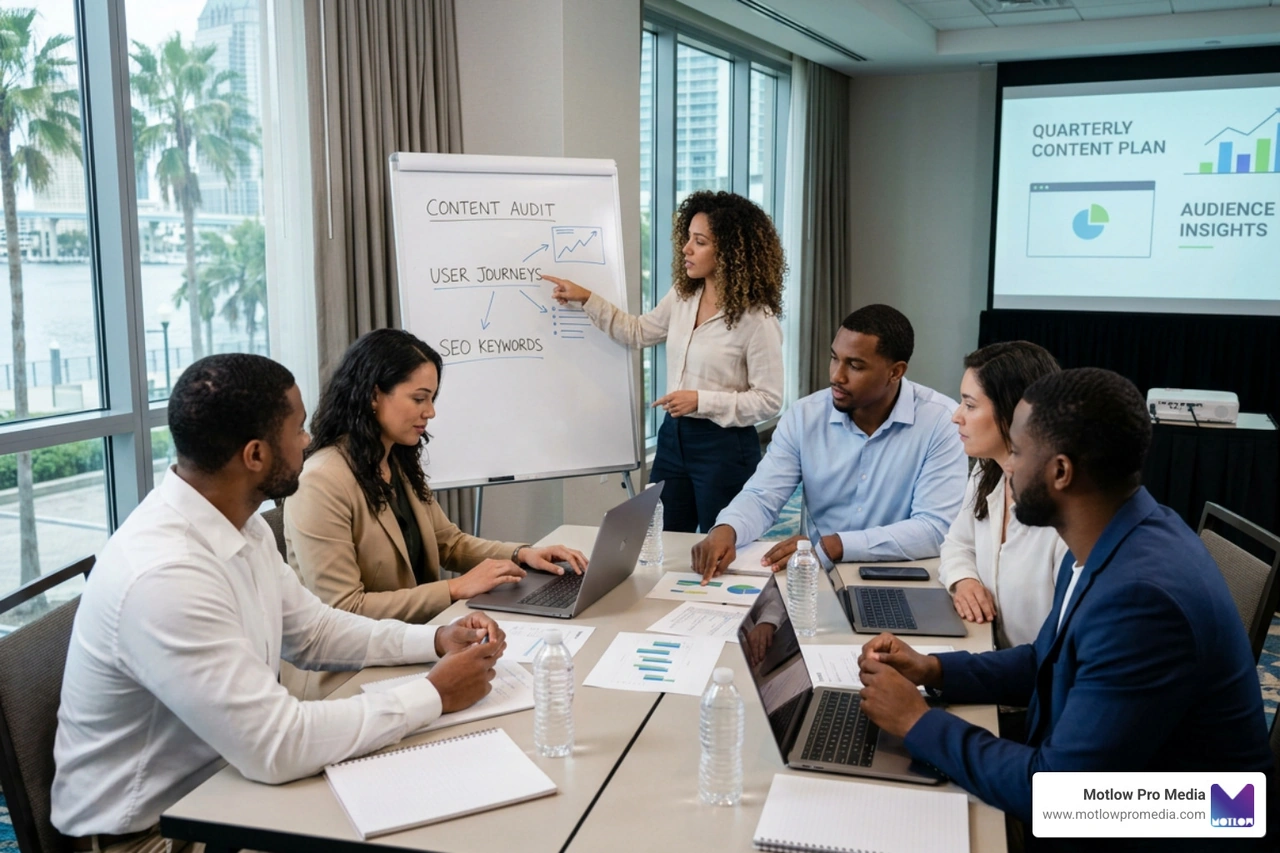
Before editing begins, the marketing team should decide where each asset will go. A clip for LinkedIn may need a different format than a clip for a website. A sales video may need a different opening than a public social post. An internal update may need less branding and more direct context.
A basic distribution plan should identify:
This prevents the content from sitting in a folder after delivery.
HubSpot's video marketing research continues to show how central video is across marketing strategies, but the value only comes when the content is distributed intentionally.
The first mistake is filming without knowing how the interview will be used. Repurposing should be planned before production, not after.
The second mistake is asking questions that are too broad. Broad questions often produce long answers that are harder to turn into short content.
The third mistake is ignoring video format. If the team needs vertical clips, social cutdowns, or website versions, the production team should know before filming.
The fourth mistake is treating the transcript as finished written content. A transcript is a starting point. It usually needs editing, structure, and audience-focused writing.
The fifth mistake is creating too many assets with no distribution plan. More content is not automatically better. The team needs a plan for where each piece will be used.
The sixth mistake is failing to involve sales, HR, or internal communications. Other departments may have valuable uses for the interview content.
The seventh mistake is not capturing enough b-roll. Supporting visuals make the final clips more engaging and easier to edit.
How many pieces of content can one interview create?
One strong interview can often create 10 to 20 pieces of content, including video clips, blogs, social posts, quote graphics, email content, sales assets, internal updates, and recruiting content.
How long should the original interview be?
Many useful interviews can be captured in 30 to 60 minutes, depending on the topic and number of deliverables. The key is asking focused questions that create usable answers.
Should we plan repurposing before filming?
Yes. Repurposing should be planned before filming so the production team can capture the right framing, audio, b-roll, and formats.
Can one interview support both marketing and sales?
Yes. A single interview can create public-facing content for marketing and focused clips that answer buyer questions for sales teams.
Do we need a transcript?
A transcript is very helpful. It makes it easier to find quotes, write blogs, create captions, build social posts, and identify strong soundbites.
Getting 20 pieces of content out of one interview is a planning skill, and like most planning skills, it gets sharper the more consistently it's practiced across sessions rather than relearned for each new speaker. This is exactly the kind of compounding value a recurring content partnership is designed to deliver — a team that already knows your repurposing playbook walks into every new interview ready to capture for it.
One interview can become much more than one video when it is planned with repurposing in mind. The key is to start with a clear topic, ask focused questions, capture strong audio and visuals, plan multiple formats, and decide where the content will be used before editing begins.
For marketing teams, this approach makes content production more efficient. It helps one executive, customer, or subject matter expert conversation support video, blogs, social media, sales, recruiting, internal communications, and events.
When one interview is treated as a content source instead of a single deliverable, the marketing team gets more value from every production day and builds a stronger content library over time.
Some clients want to give notes in a live Zoom call. Others prefer a group text or email thread. However you like to communicate, we adapt. You’ll never be left guessing where things stand - and you’ll always have a say before anything goes out the door.




Phone:
+1 863-250-8639

Email:
info@motlowpromedia.com