

-5.jpg)




















Thank you! Your submission has been received!
Oops! Something went wrong while submitting the form.

.avif)
May 21, 2026
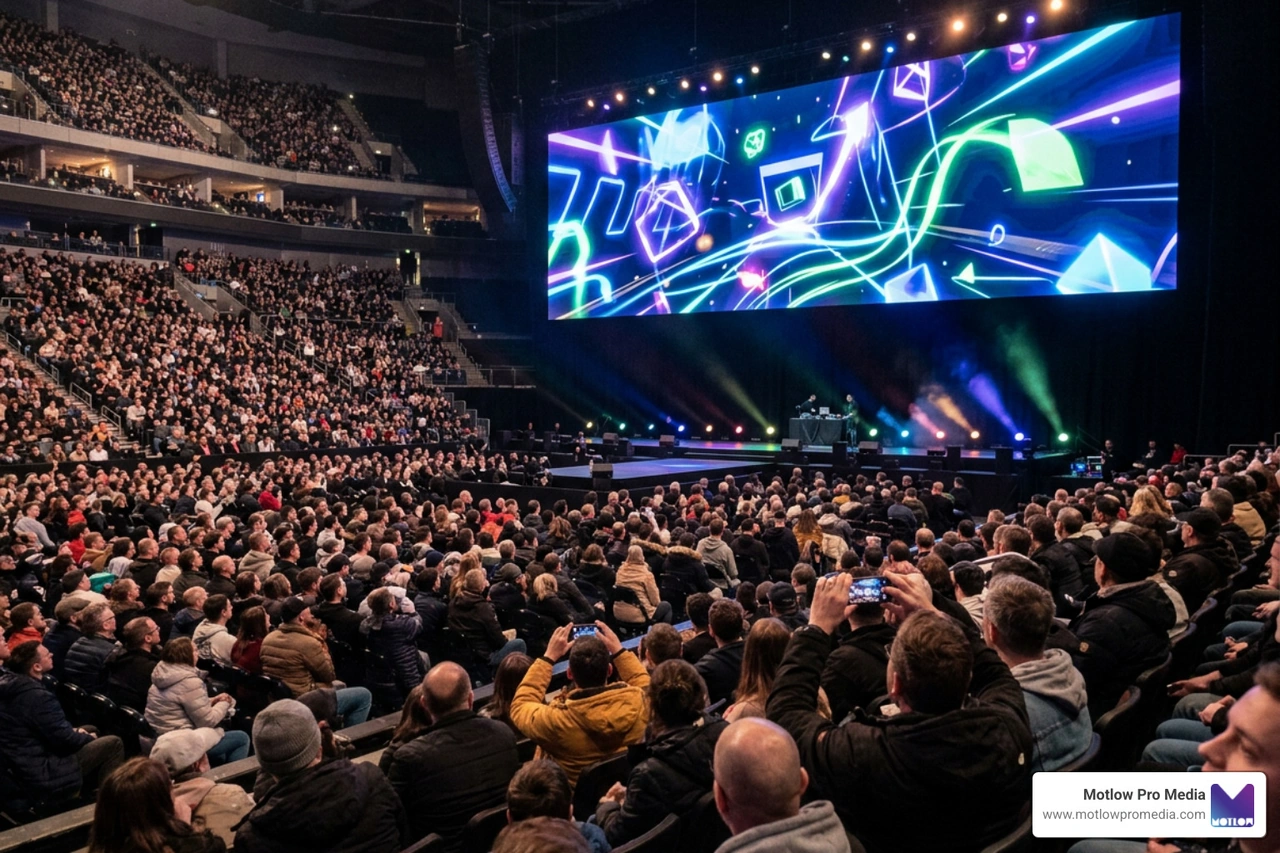
Corporate meeting AV is the technical backbone of every successful business event — from a 20-person boardroom session to a 5,000-person annual conference.
Here's a quick breakdown of what optimized corporate meeting AV looks like:
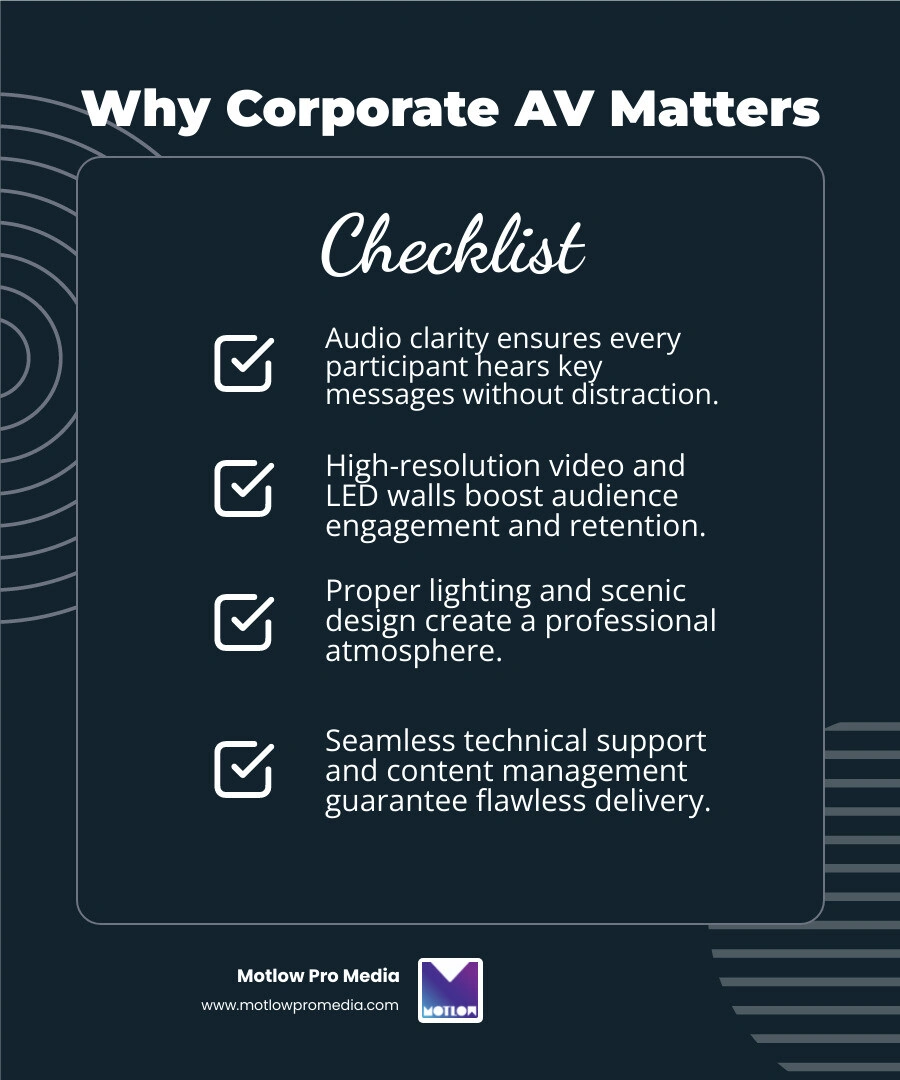
When AV works, no one notices it. When it fails, everyone does.
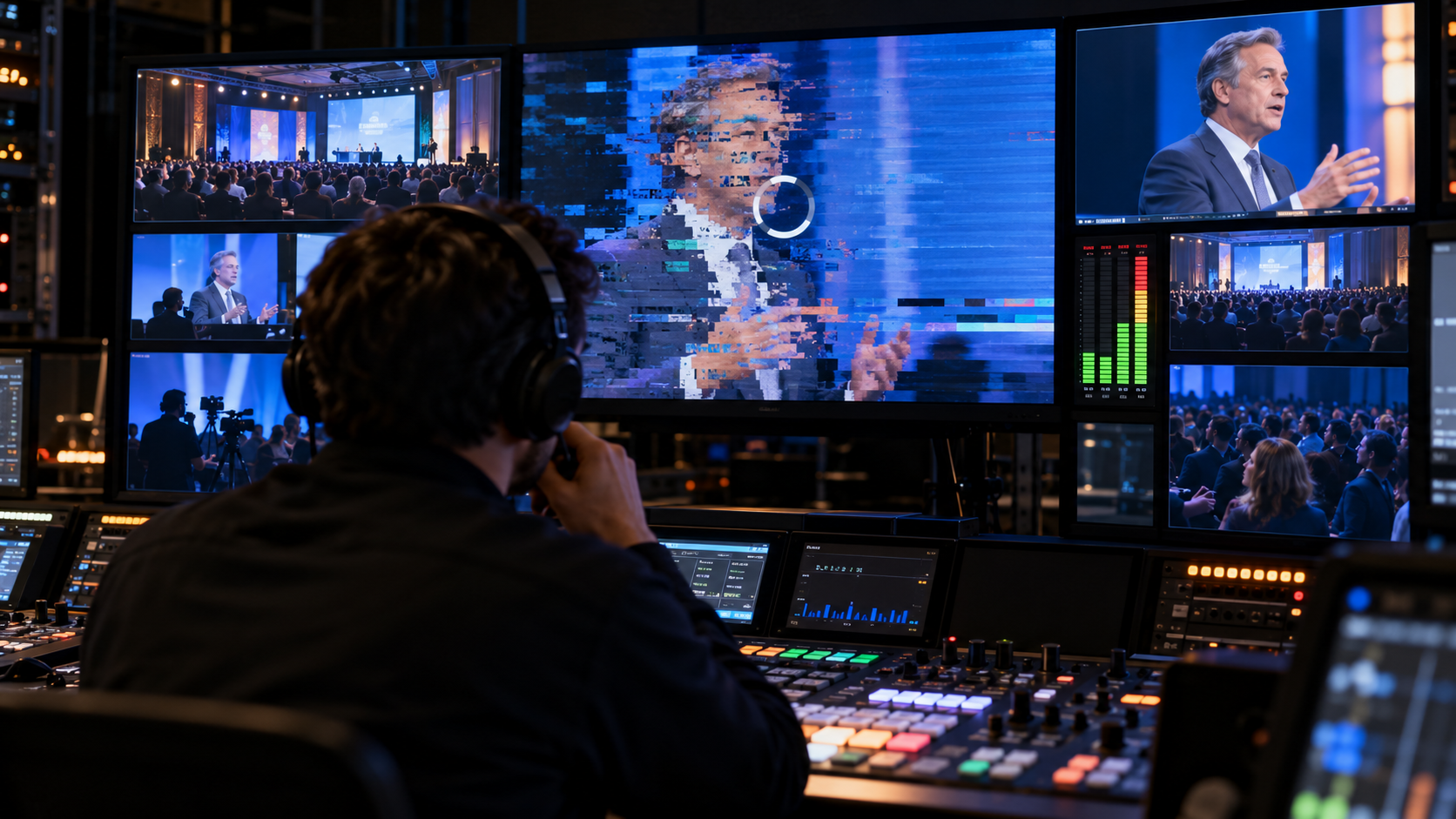
A dropped mic, a blank screen mid-presentation, or a livestream that cuts out during an executive keynote — these aren't just technical glitches. They undermine your credibility, distract your audience, and put months of planning at risk.
The good news: most AV failures are preventable with the right setup, the right team, and the right planning process.
I'm Miranda Motlow, founder of Motlow Pro Media, and I've spent over a decade producing live events and marketing content where corporate meeting AV had to perform flawlessly under pressure. In this guide, I'll walk you through exactly how to optimize your meeting room technology so your next event runs without a hitch.
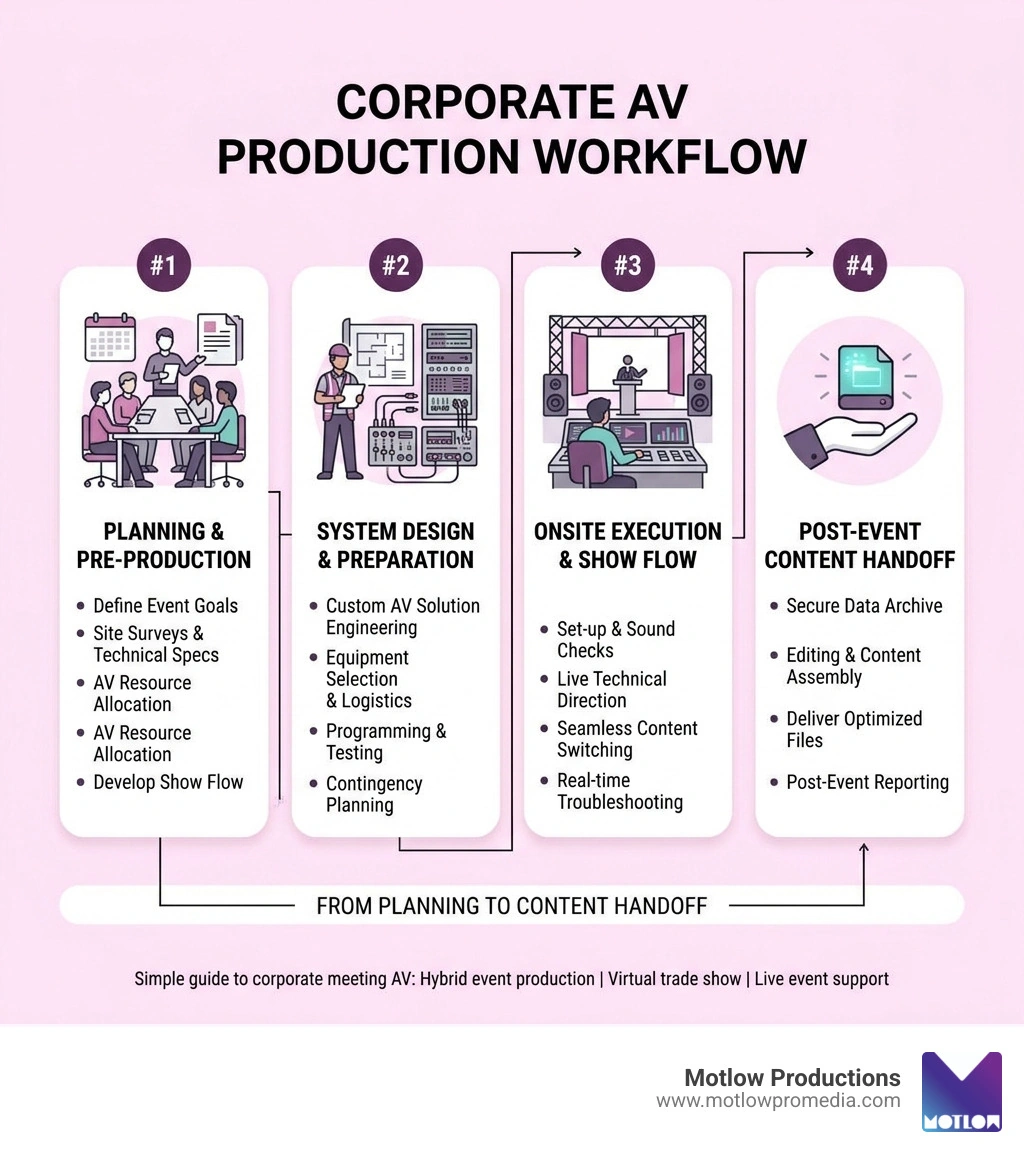
Simple guide to Corporate meeting AV:
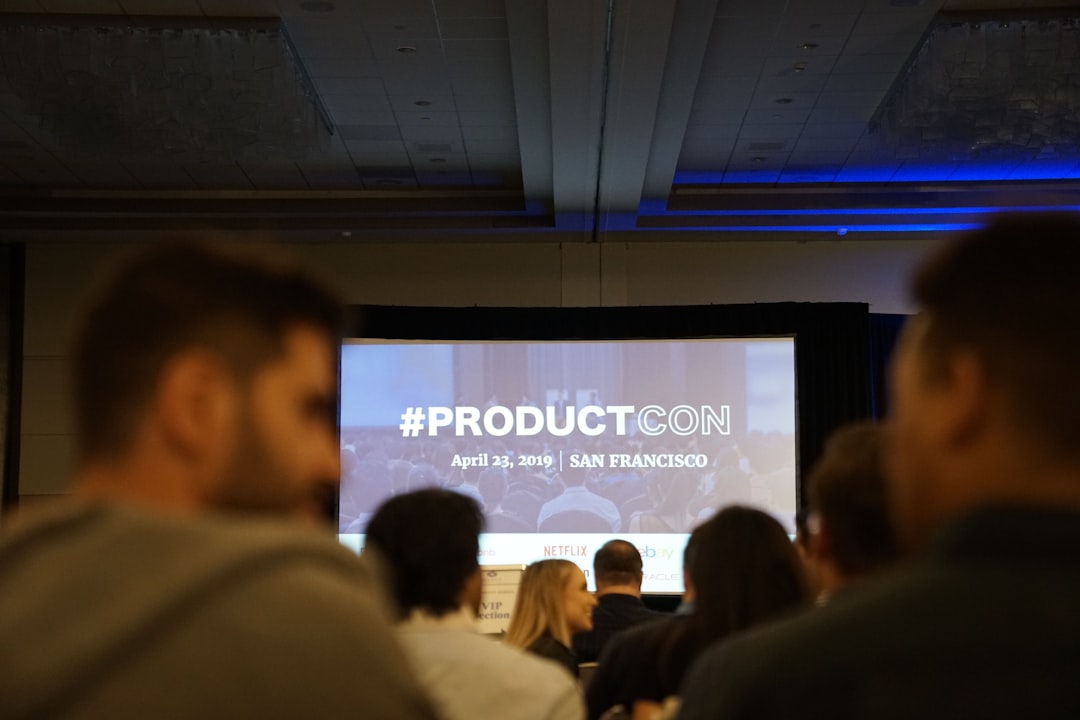
When we talk about Corporate meeting AV, we aren’t just talking about plugging in a projector and hoping for the best. True AV production is an immersive media experience. It’s the art of using technology to captivate an audience from the moment they walk into the room until the final applause.
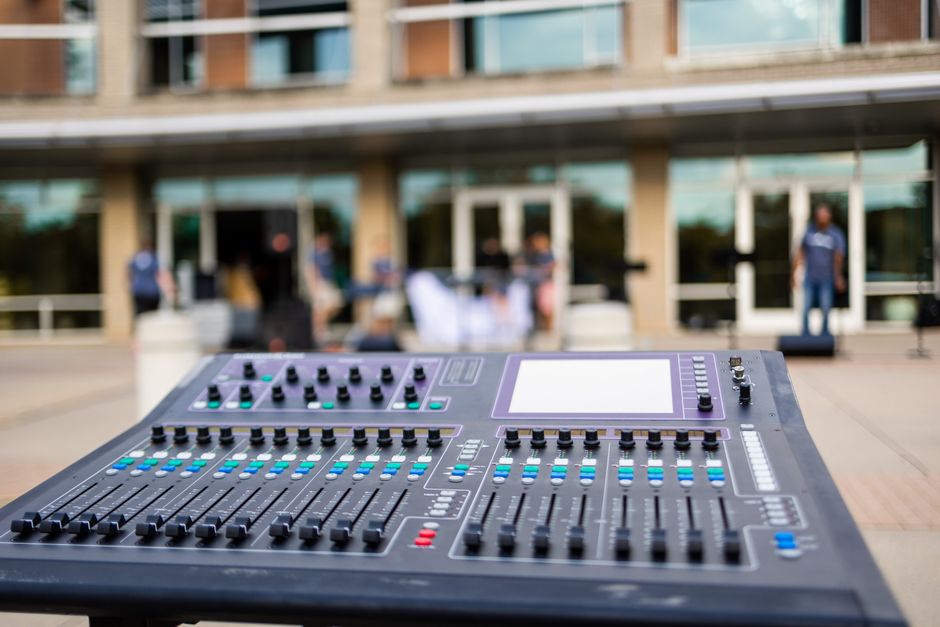
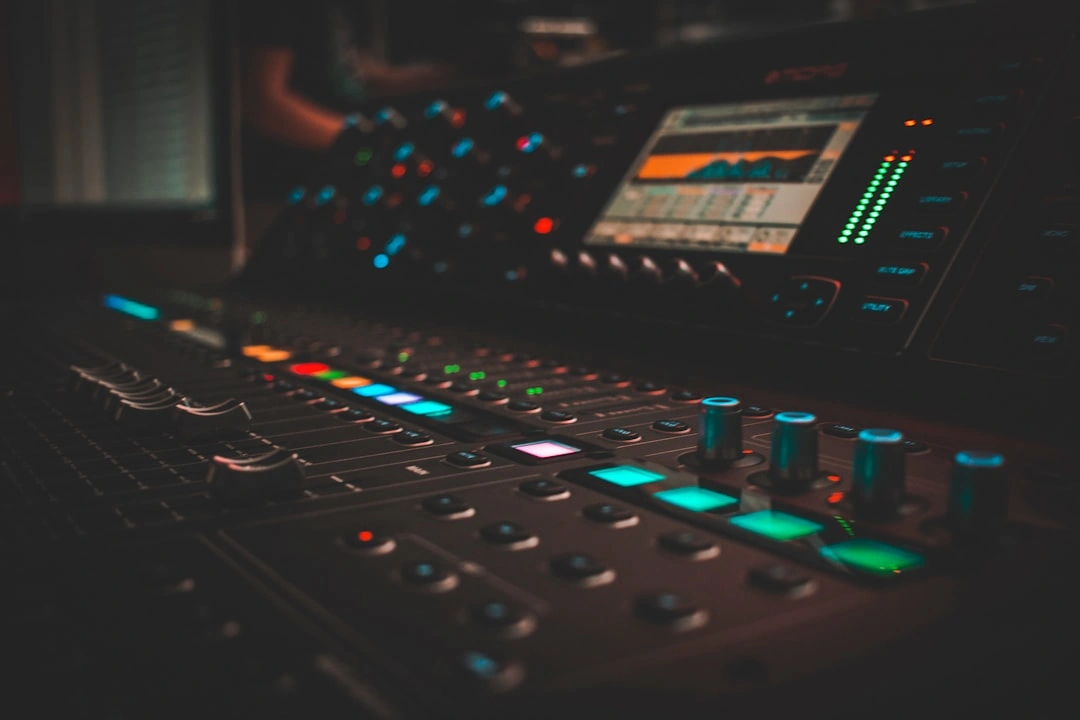
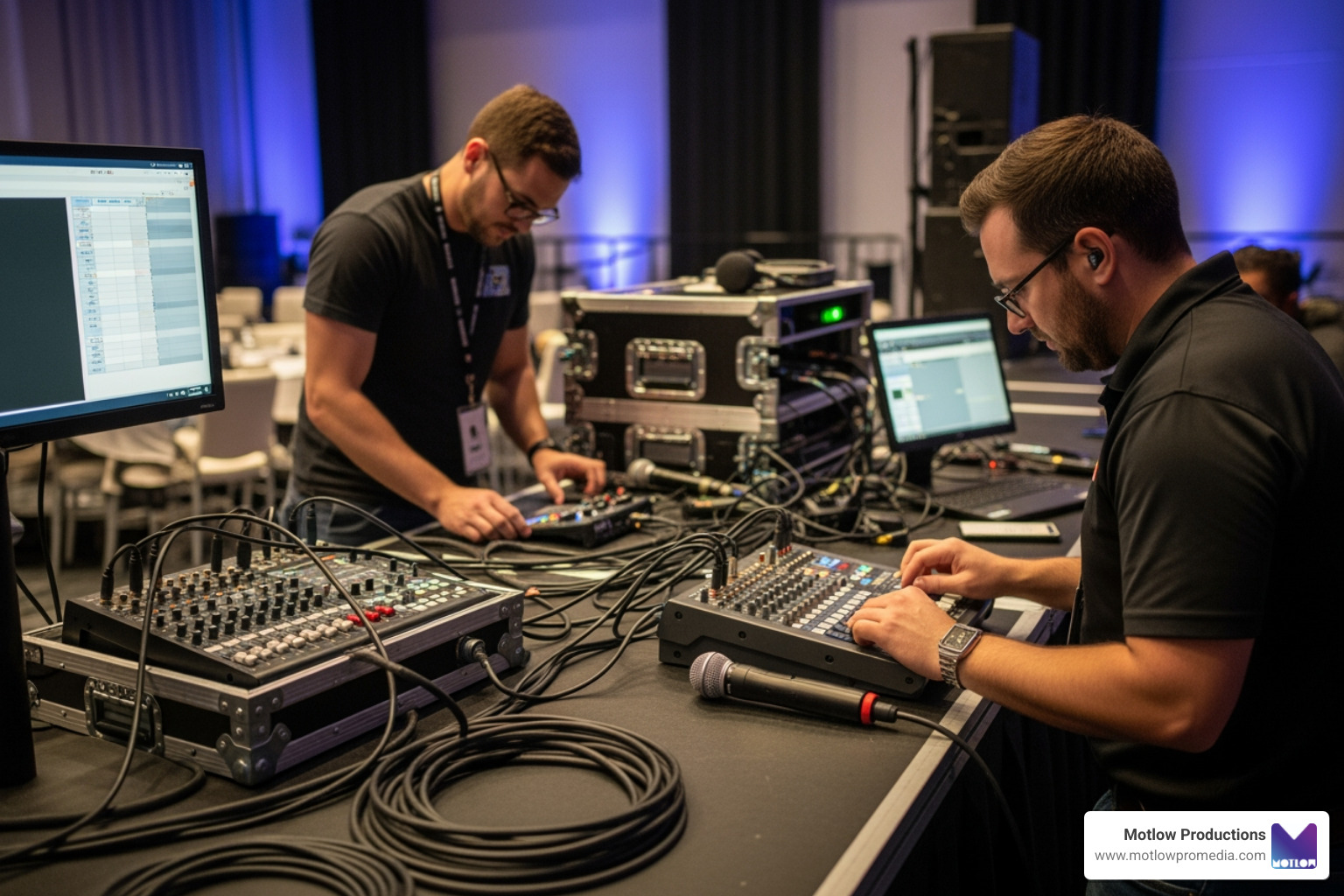
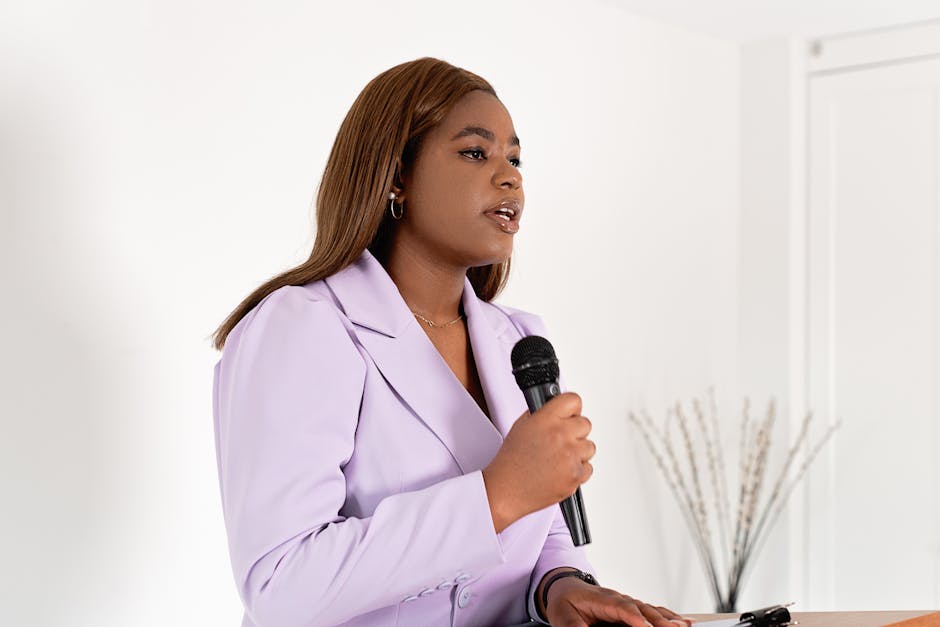
To achieve this, we focus on several core pillars. First is audio clarity. In events, audio is actually more important than video. If a screen goes black for five seconds, the speaker can keep talking. If the audio cuts out, the meeting stops. We ensure that sound is consistent, intelligible, and entirely feedback-free, whether you are in a small boardroom or a massive convention hall.
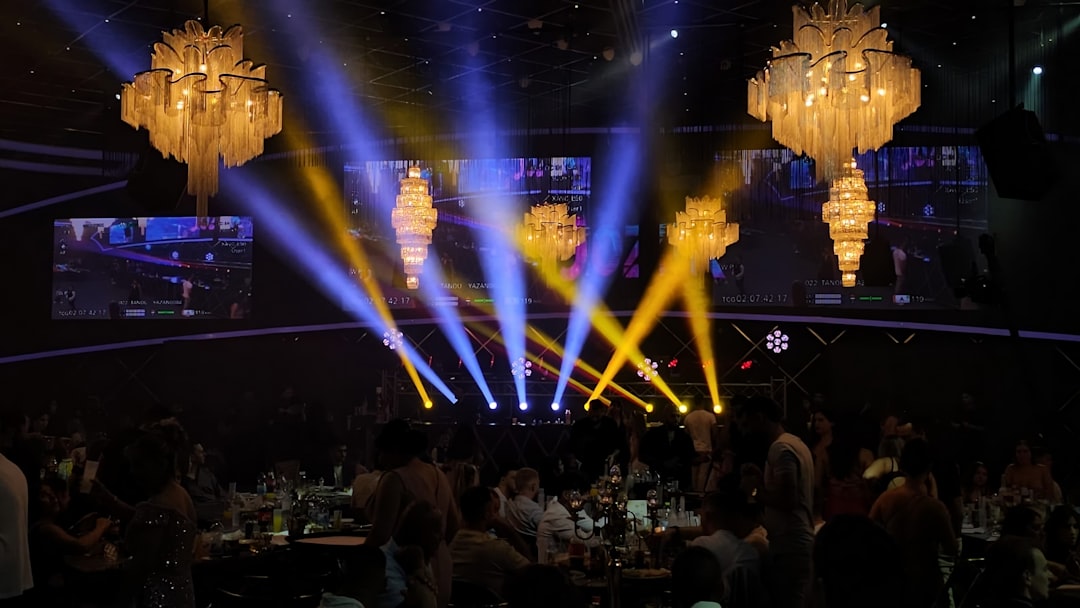
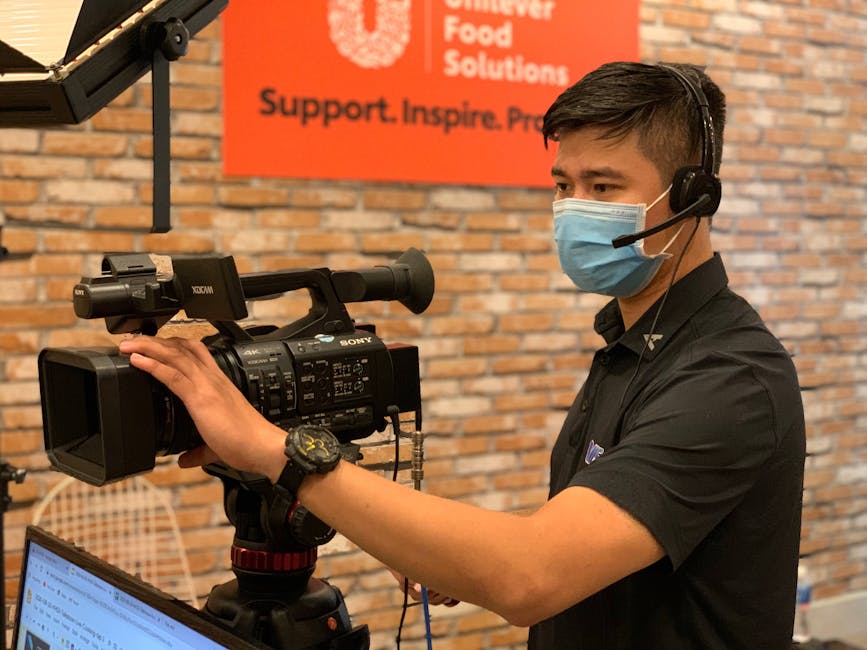
Next comes visual impact. This involves everything from high-definition video projection to large-format LED walls. In April 2026, the standard for "good" visuals has shifted; audiences now expect movie-quality production. We also incorporate stage lighting to set the mood and professional scenic design to ensure the physical environment aligns with your brand. For a deeper dive into how these elements work together, check out our guide on Corporate AV Support.
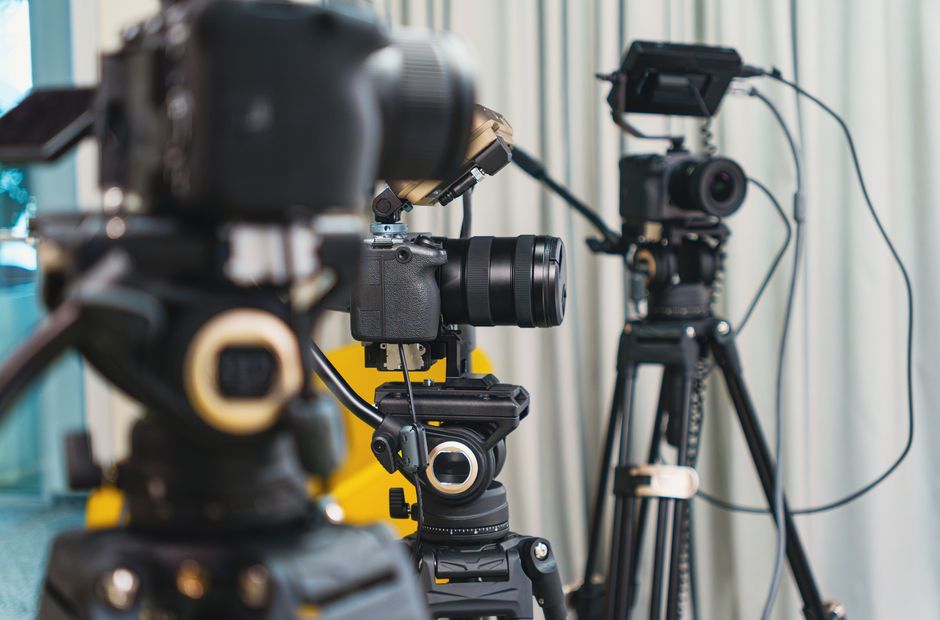
To get the job done right, you need the right tools. While every event is unique, certain pieces of equipment are non-negotiable for a professional setup:
If you're looking for specific gear for a smaller gathering, you might find our Sound System Rental services helpful for ensuring your message is heard.
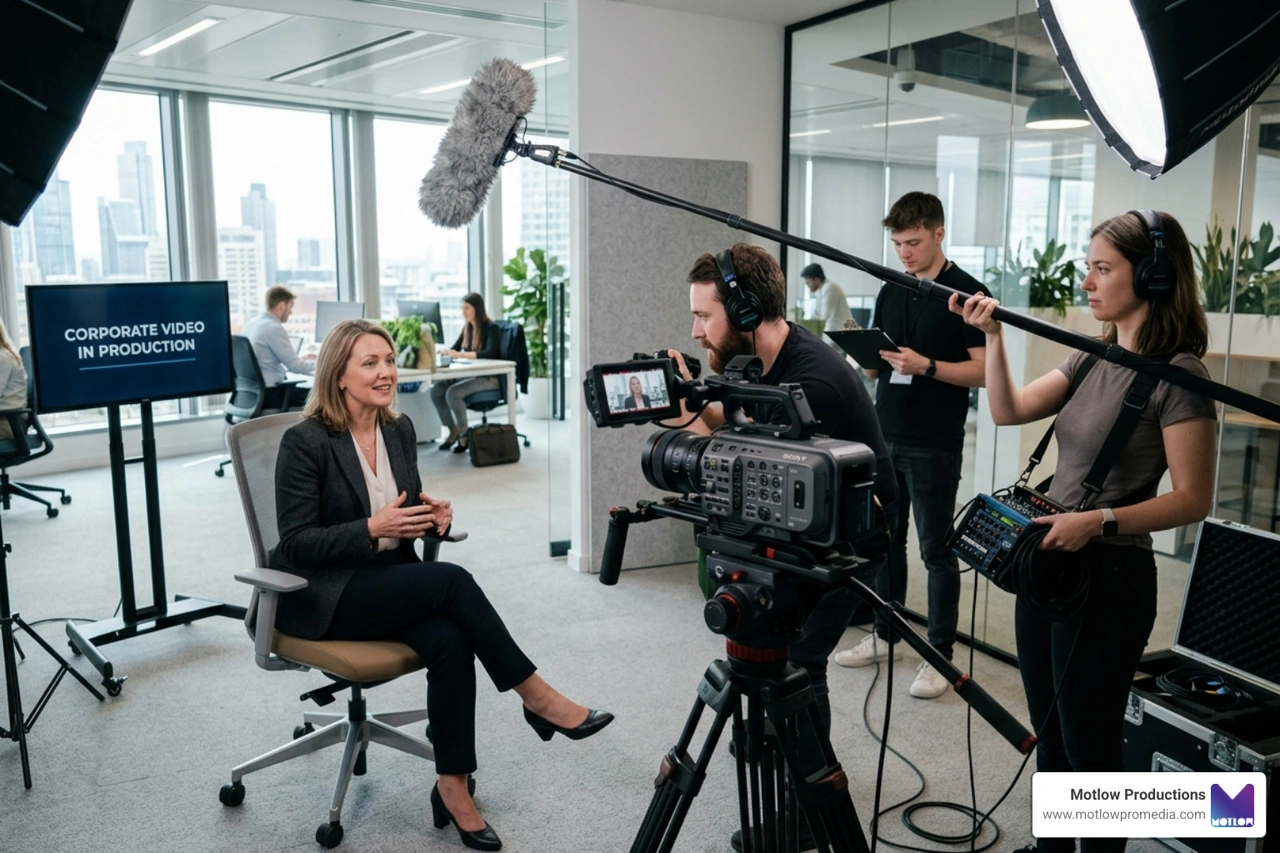
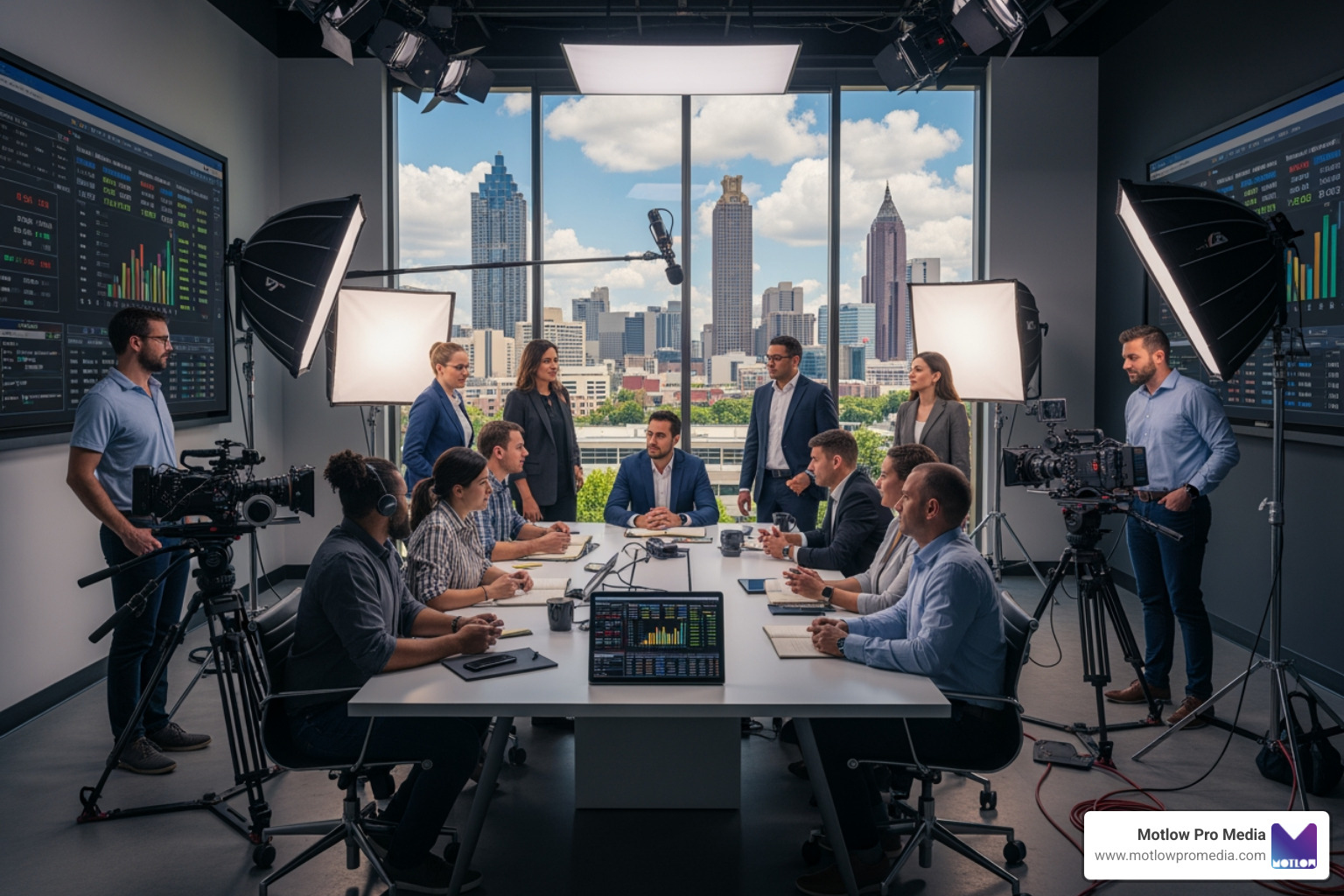
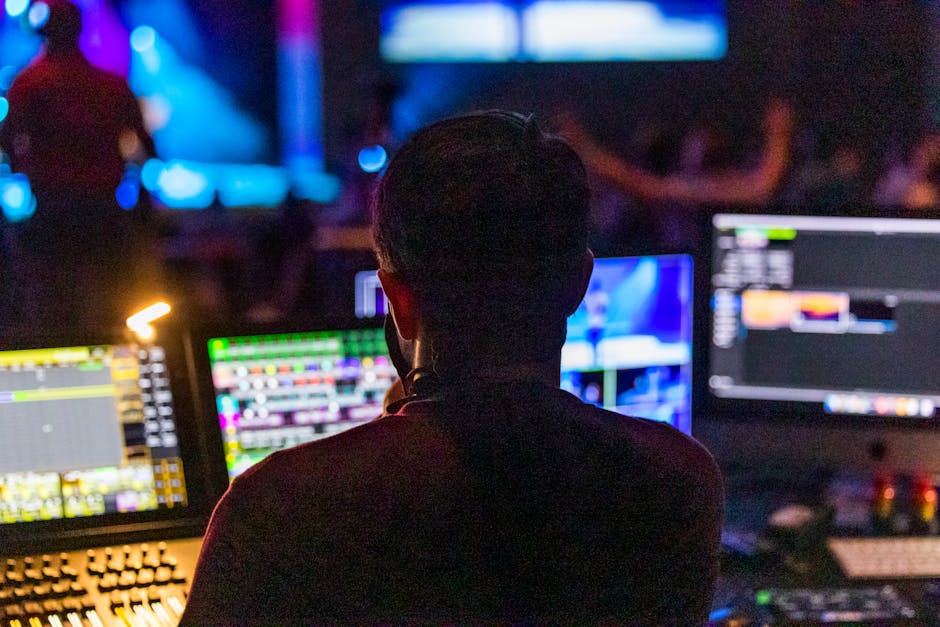
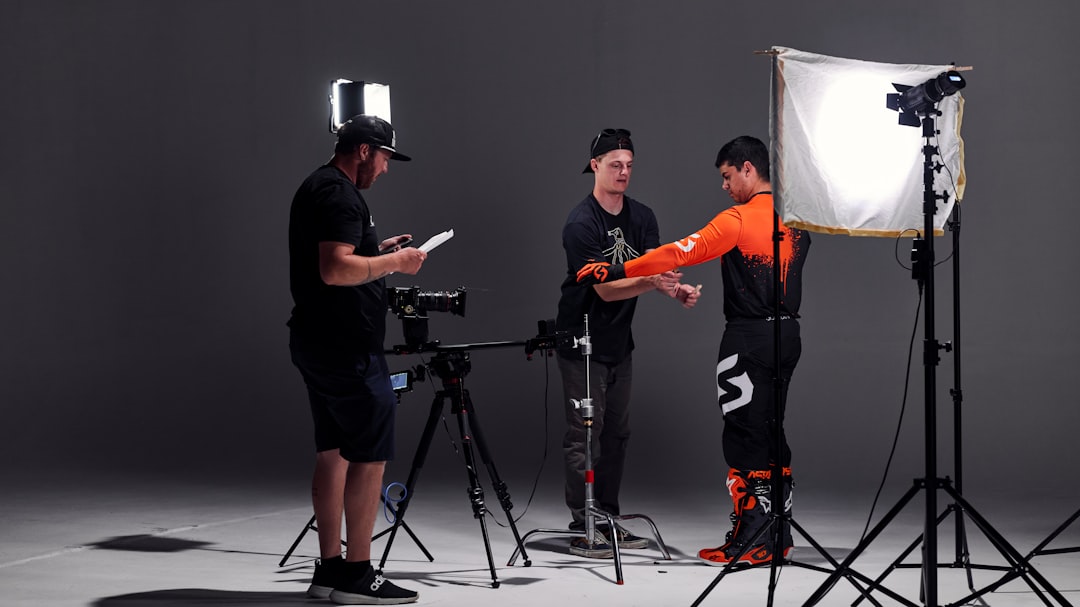
Even the most expensive gear in the world won't save a show if no one is steering the ship. This is where technical direction comes in. A Technical Director (TD) is like the conductor of an orchestra. They handle "show calling"—the precise timing of when a video plays, when the lights dim, and when a speaker's mic goes live.
Beyond just pushing buttons, technical direction involves content management. We manage last-minute slide updates (which always happen), speaker swaps, and transition cues. Our goal is to make the complex look effortless. For high-stakes meetings, having this level of Event Technical Support is what separates a "good" meeting from a "flawless" one.
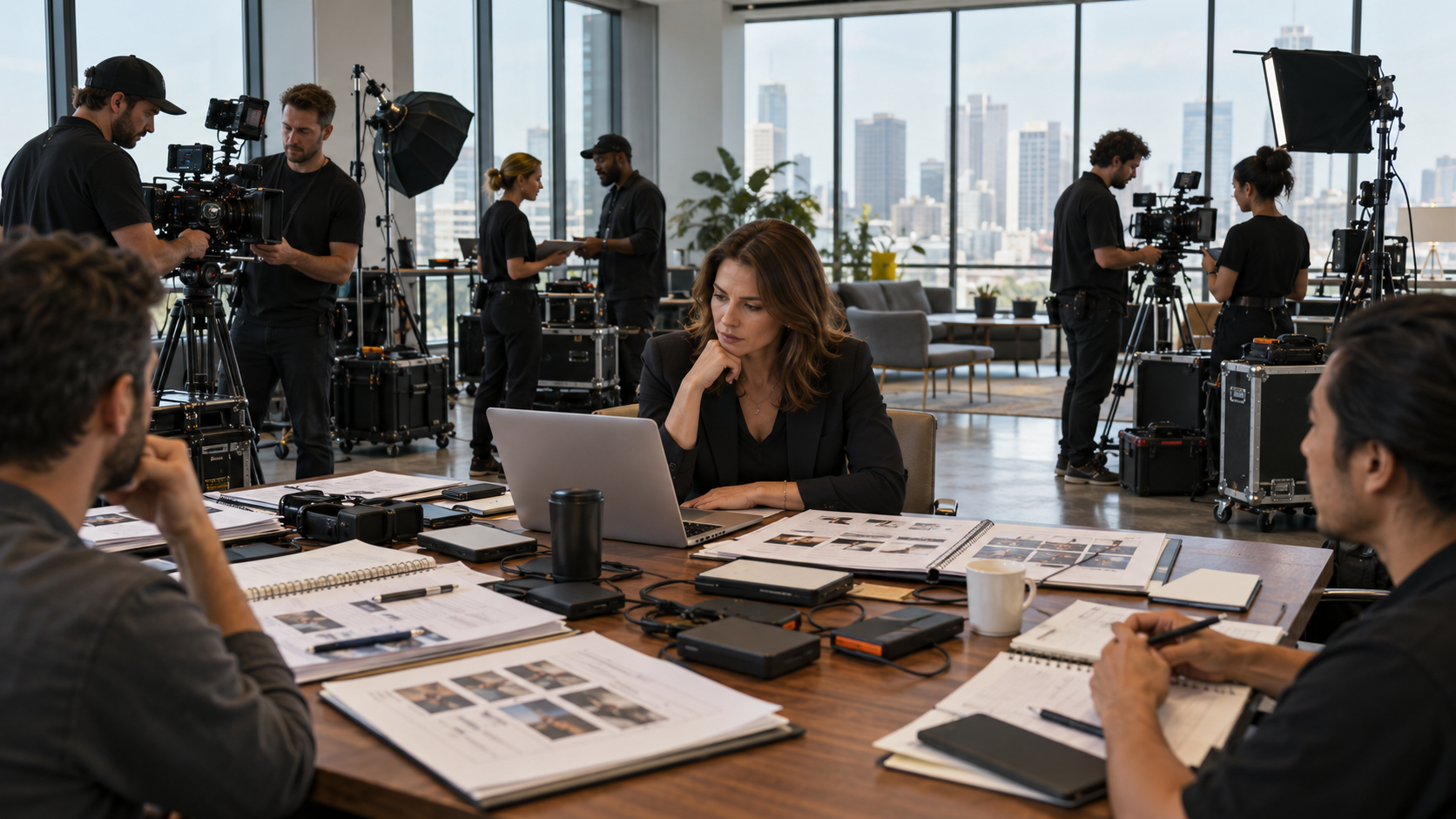
One of the biggest mistakes we see is treating AV as an afterthought. To truly optimize your setup, planning needs to start months in advance. This begins with a clear Request for Proposal (RFP) and a site survey. We love walking a venue early because it allows us to spot potential issues—like low ceilings or poor power outlet placement—before they become "day-of" disasters.
Budgeting is the next hurdle. Corporate meeting AV costs can vary wildly based on the size of your audience and the complexity of your vision.
To give you a realistic idea of what to expect in 2026, here is a breakdown of typical industry investment tiers:
| Event Type | Audience Size | Typical Budget Range | Crew Size |
|---|---|---|---|
| Essential Package | 100–150 | $10,000 – $25,000 | 2–4 |
| Executive Summit | 150–400 | $30,000 – $60,000 | 3–6 |
| Leadership Meeting | 400–1,200+ | $60,000 – $150,000+ | 6–10+ |
For major multi-day conferences with hybrid streaming and complex requirements, budgets frequently exceed $150,000. Investing in Technical Event Production ensures that you aren't just renting gear, but buying the peace of mind that comes with professional execution.
Timing is everything. If you are planning a major conference, you should ideally book your AV production partner 4 to 6 months in advance. For smaller, single-day meetings, a window of 4 to 8 weeks is usually sufficient.
Key milestones include:
Effective Event Production Management means we handle the logistics so you can focus on your content. You can learn more about how we structure these milestones by reviewing Our Process.
This is a hot topic in the industry. Most hotels and convention centers have an "in-house" AV provider. While convenient, they often come with a hidden cost. In-house providers typically pay the venue a commission of 30% to 50% of their total revenue. This means a significant portion of your budget isn't going toward better gear or more experienced staff—it’s going to the hotel's bottom line.
By contrast, a third-party provider (like us!) often delivers 30–50% more value for the same spend. We aren't beholden to venue commissions, so we can invest more in high-end technology and specialized talent. For events with AV budgets over $25,000, third-party production almost always provides a better ROI. For more insights on this choice, see our Corporate Event Production Complete Guide.
When you’re reviewing quotes, keep an eye out for these warning signs:
Transparent pricing and clear communication are the hallmarks of a good partnership. Our Onsite Event Production Complete Guide covers how to vet these proposals effectively.
Many planners feel pressured to use in-house AV because of "outside vendor fees" hidden in venue contracts. However, most venues will waive or reduce these fees if you negotiate before you sign the contract.
Ask for "flexibility clauses" that allow you to bring in your own team. Be prepared to pay for venue-specific needs like power drops or union labor coordination, but don't let them lock you into a provider that doesn't fit your needs. Having Live Event Support that you trust is worth the effort of a little contract negotiation.
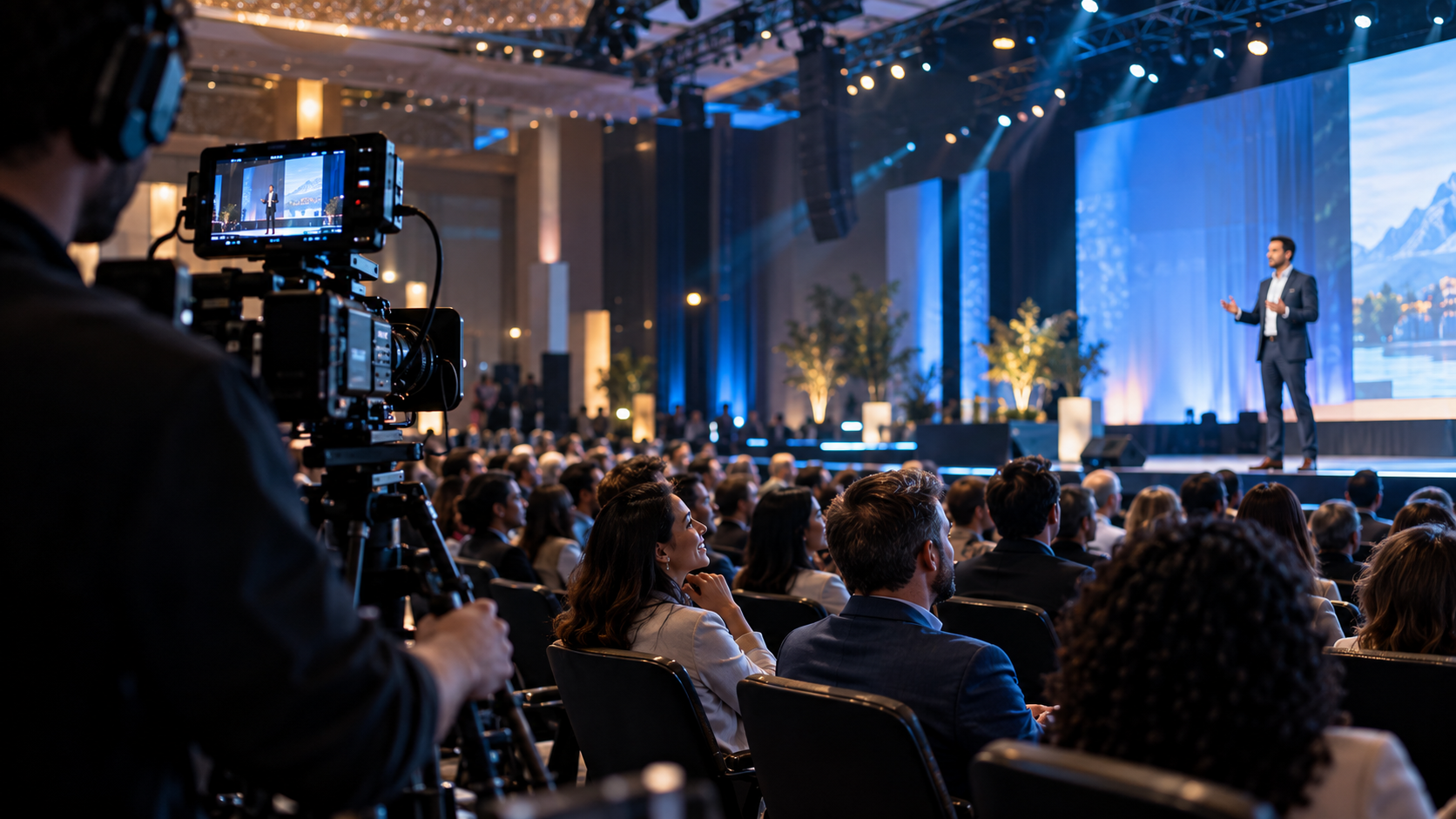
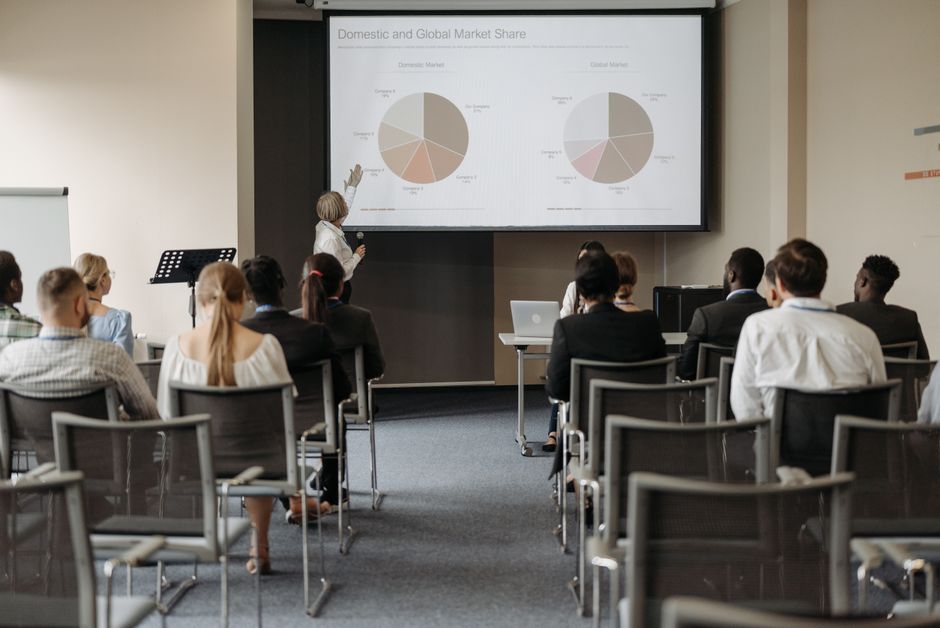
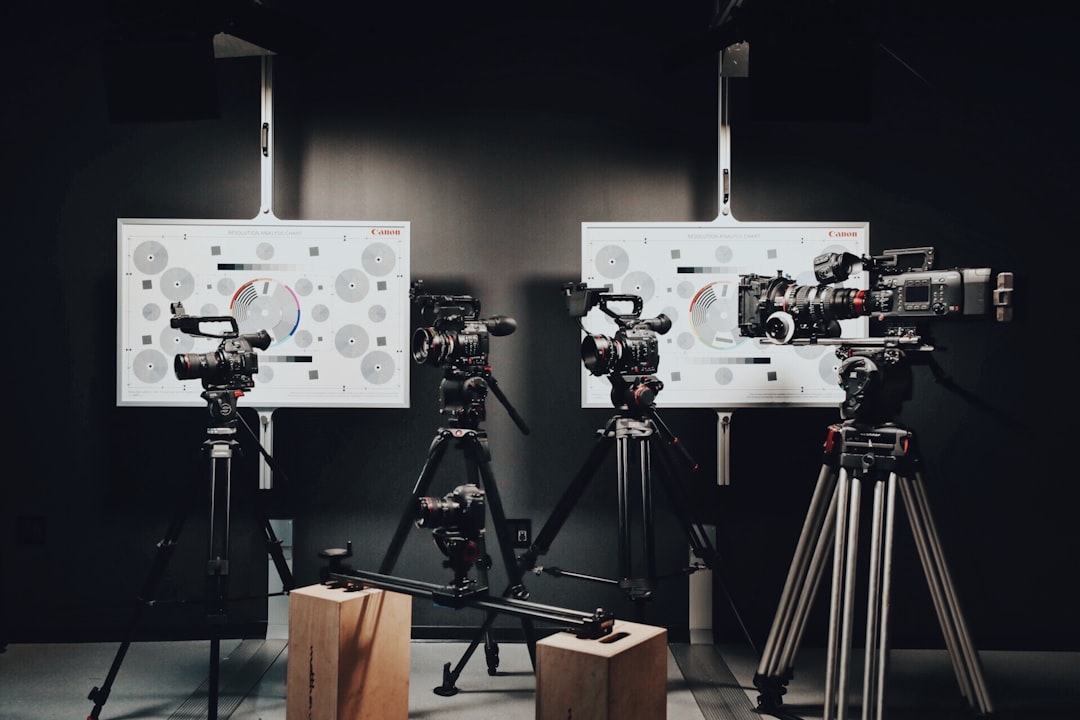
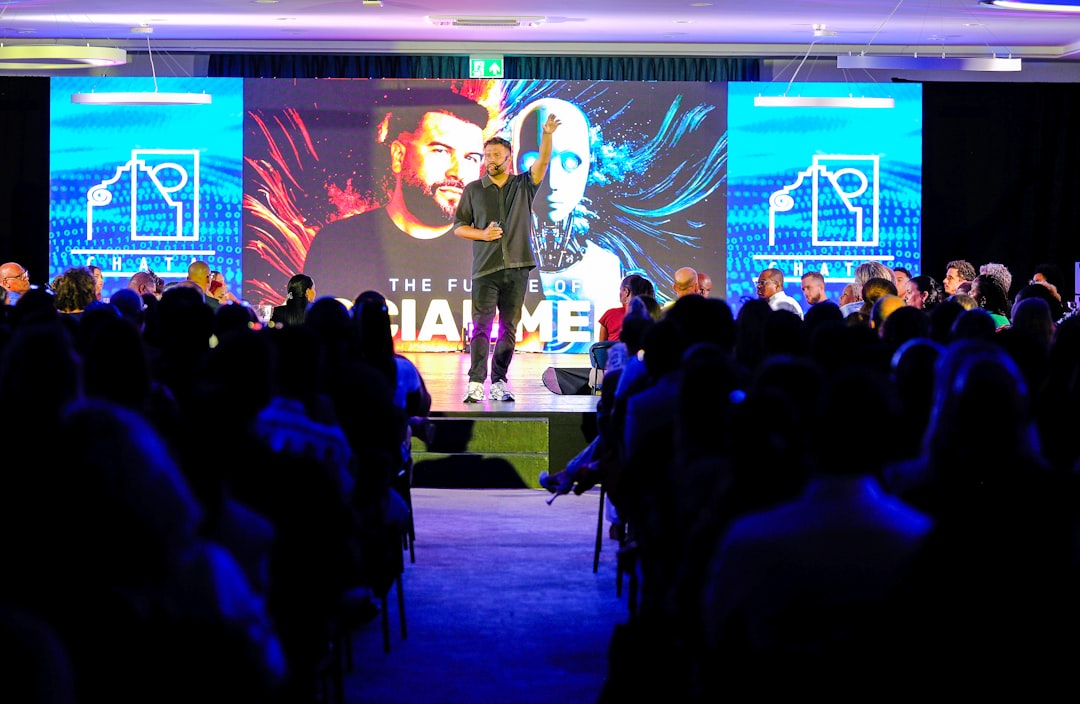
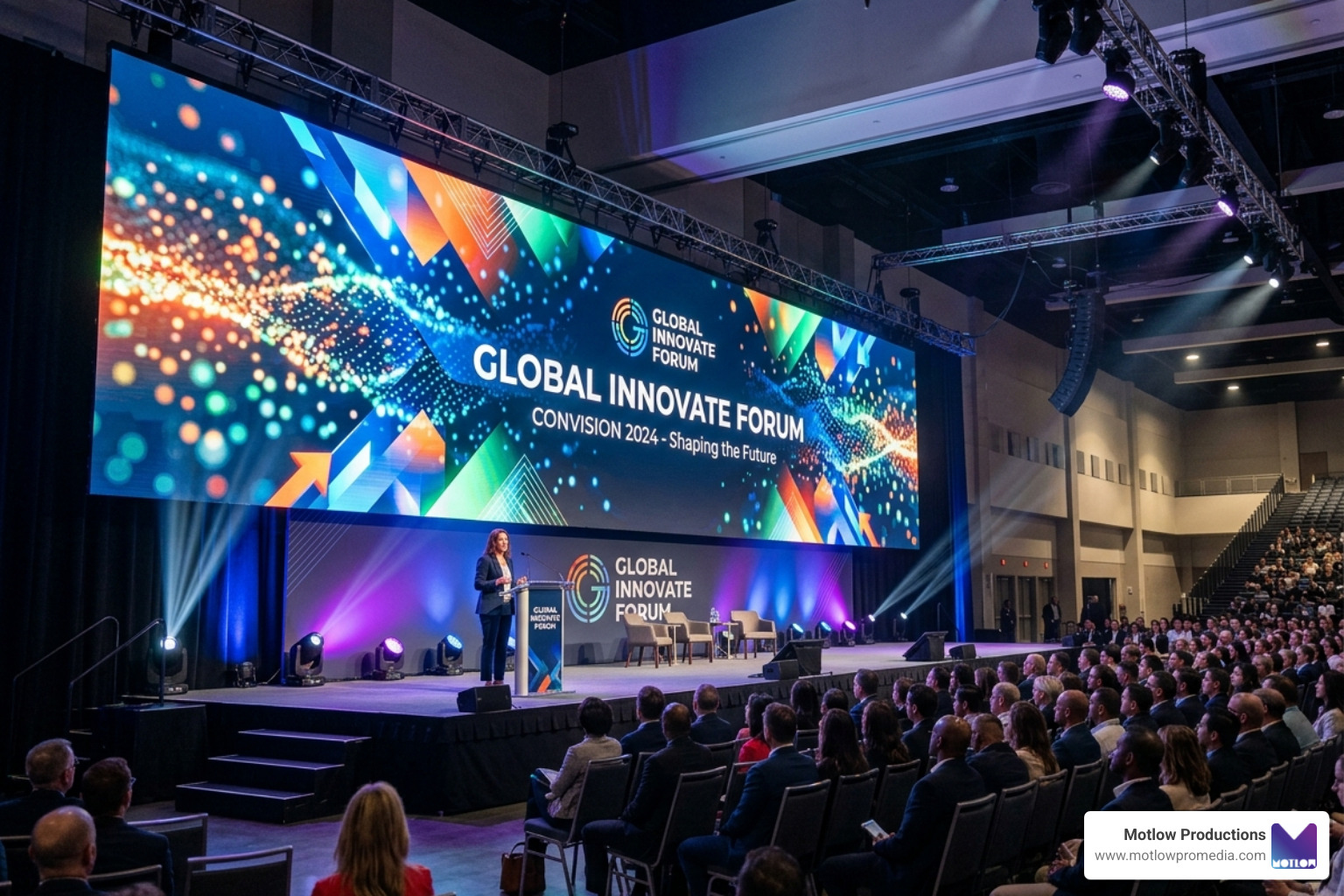
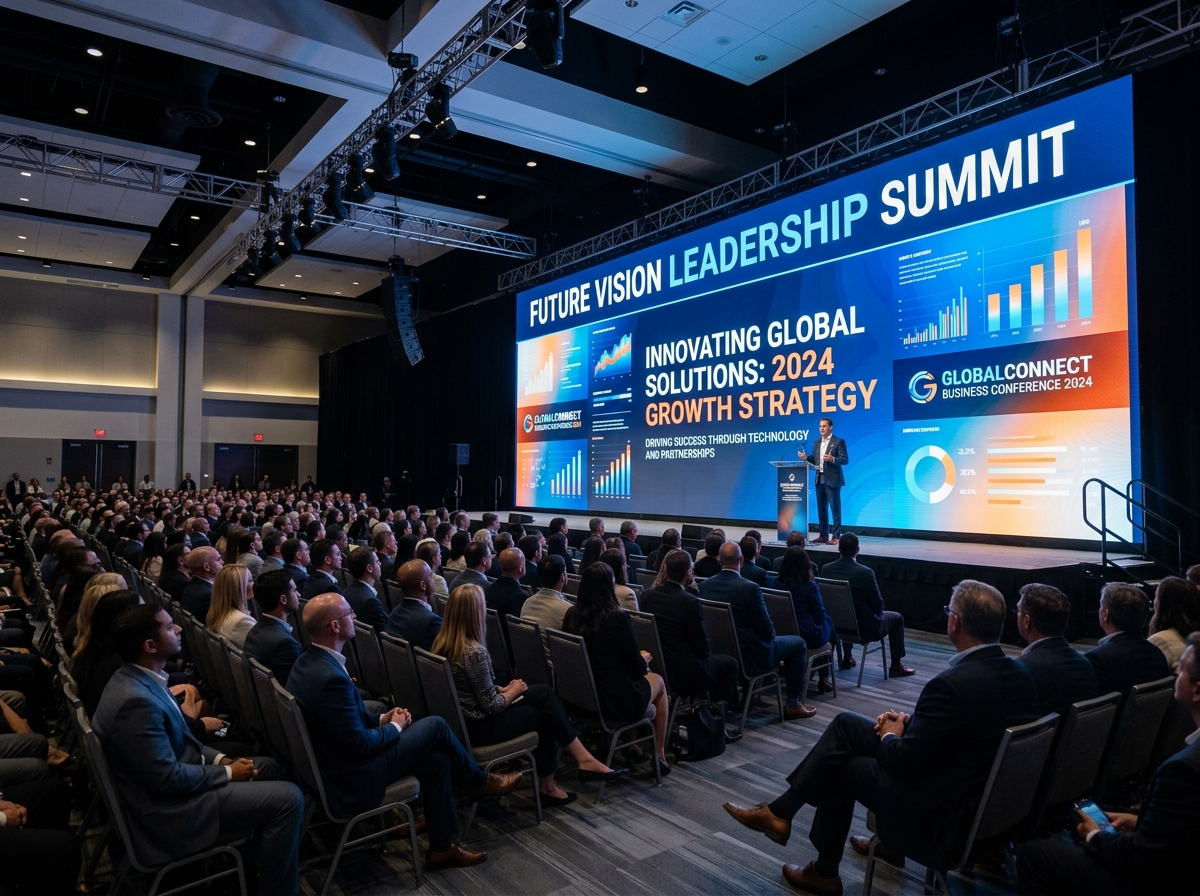
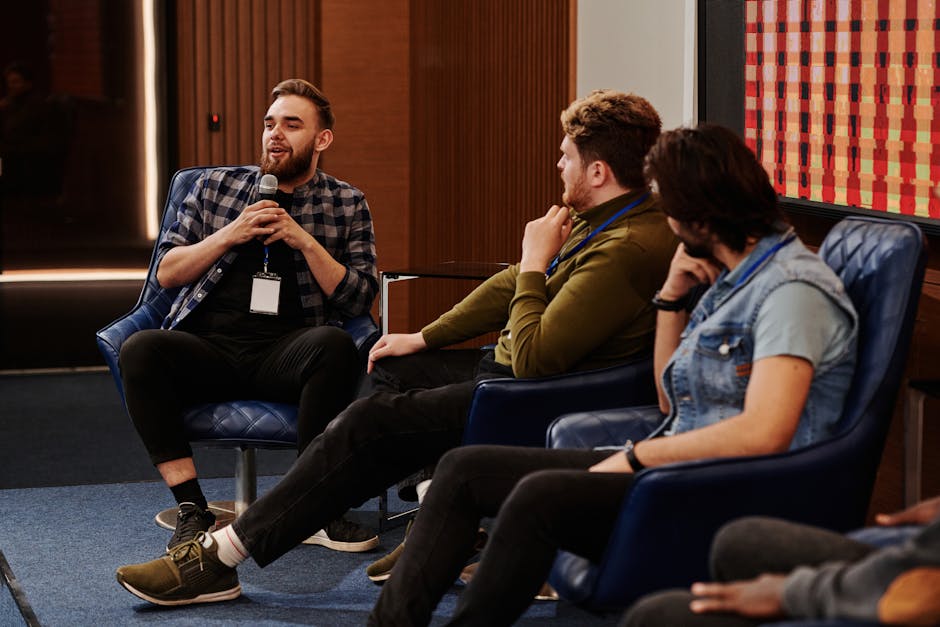
A 20-person board meeting requires a very different approach than a 5,000-person user conference. For small rooms, the focus is on intimacy and ease of use—think high-quality soundbars and simple plug-and-play screen sharing. For massive conferences, we move into the realm of "stadium-sized" tech: line-array speakers that can throw sound to the back of a hall and multi-camera setups for "IMAG" (Image Magnification), so the people in the back can actually see the speaker's face.
Regardless of size, the goal remains the same: clarity and engagement. Whether you need a single technician for a workshop or a full crew for a multi-city tour, our Services are designed to scale with you.
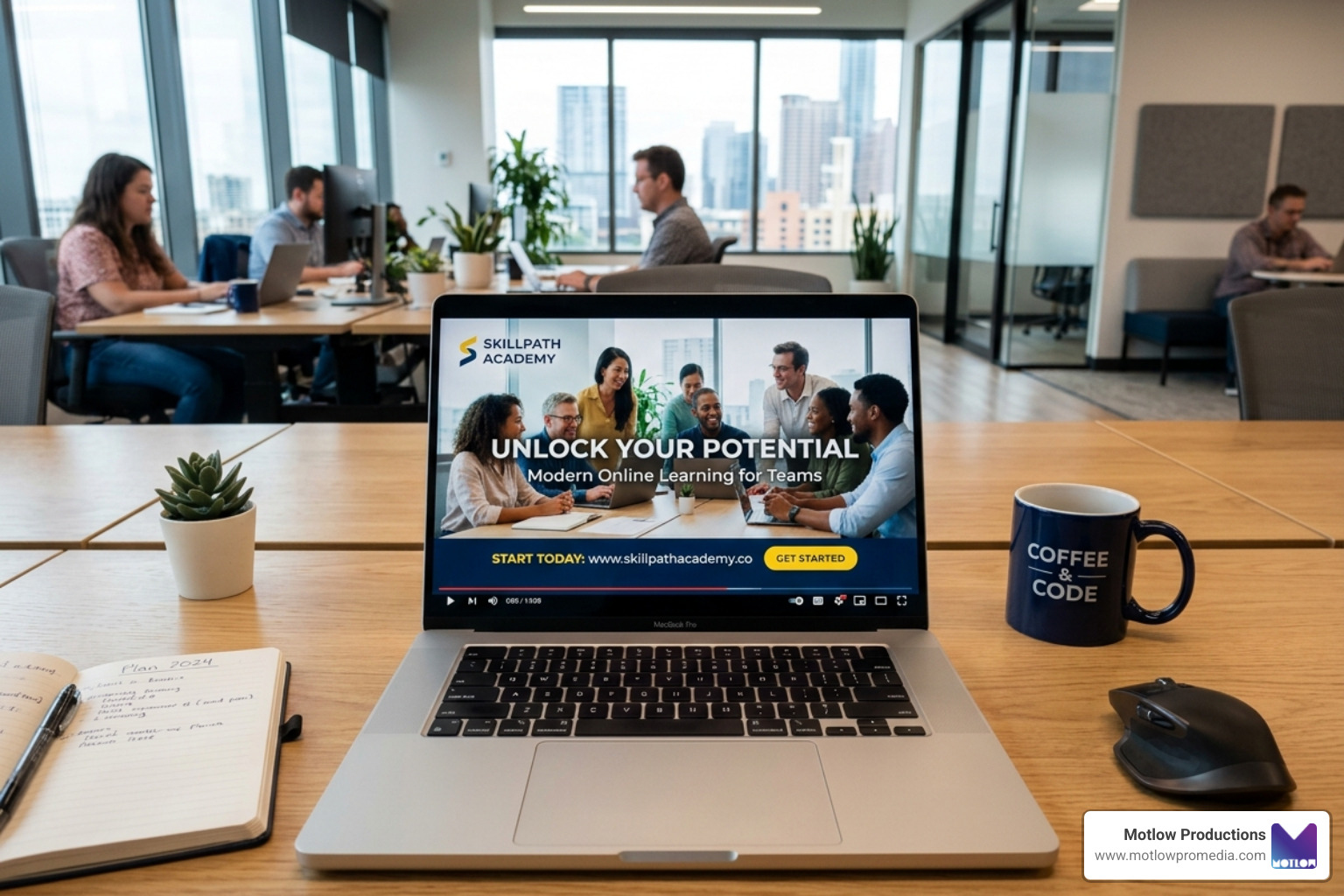
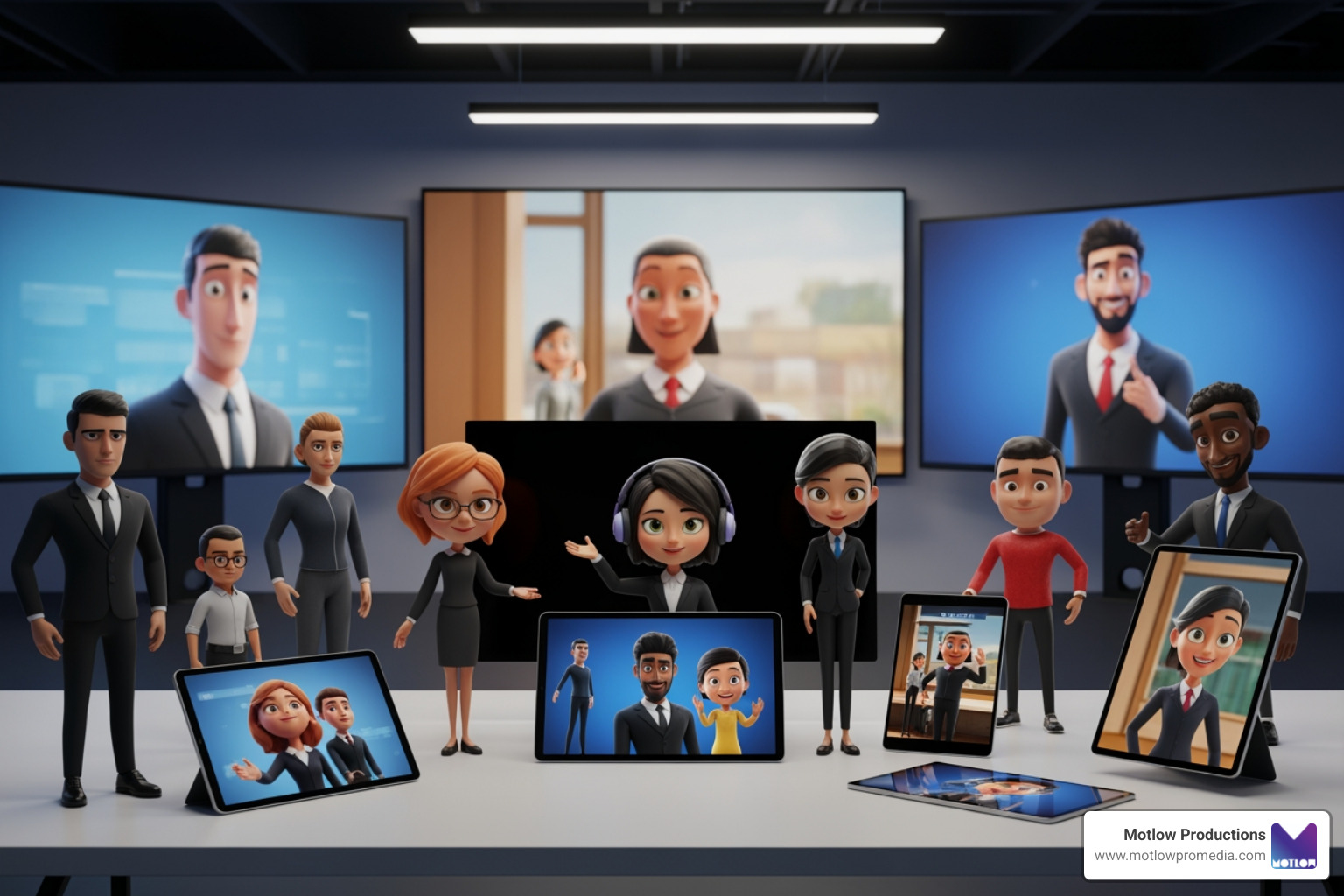
In 2026, "hybrid" is no longer a buzzword—it's the standard. A successful hybrid event ensures that remote attendees aren't just watching a "fly on the wall" video, but are actively engaged.

To optimize for hybrid, we use:
We are seeing some exciting shifts in how Corporate meeting AV is used to drive engagement:
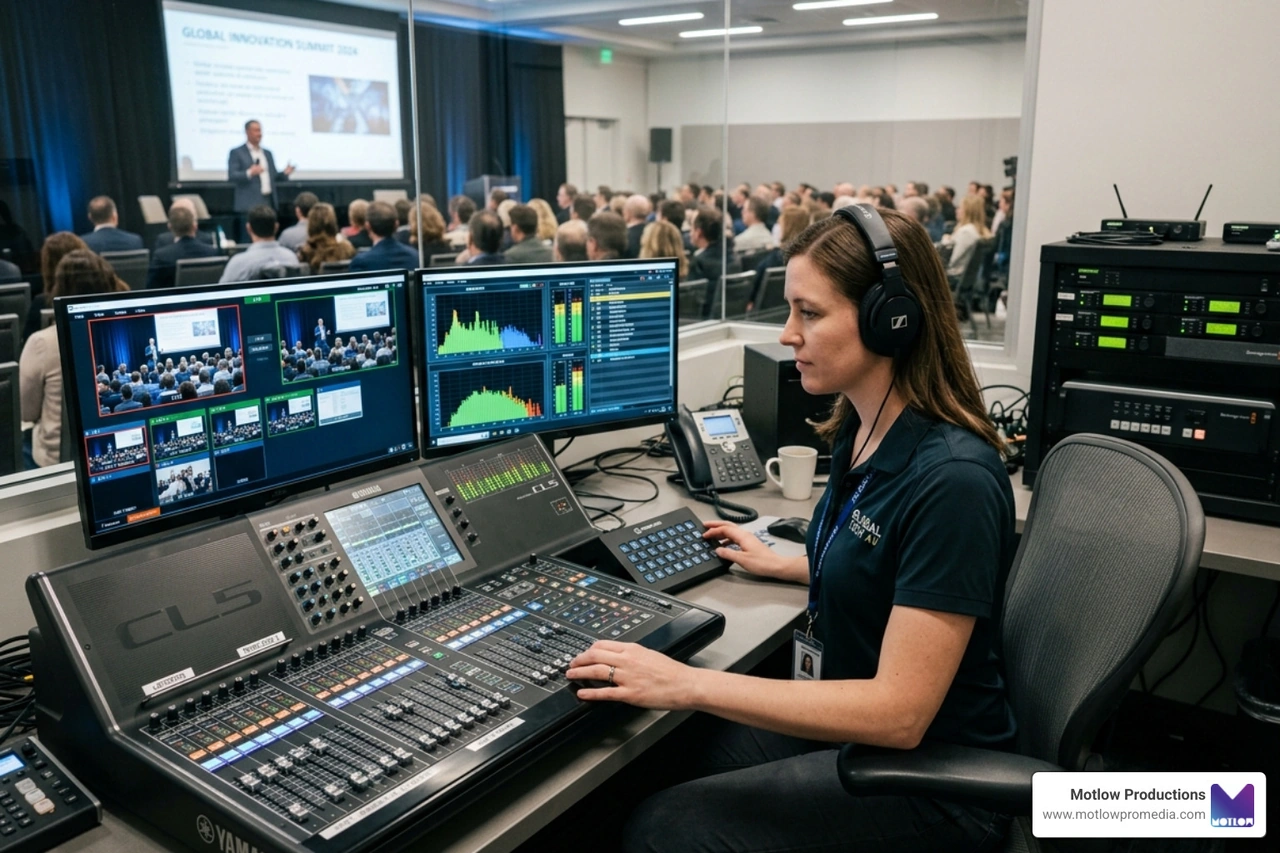
On the day of the event, the "hands-on" part of our partnership truly shines. We arrive early for setup and stay through the final strike. The most important thing we do? Rehearse. We don't just check the mics; we run the "show flow" with the speakers so they feel comfortable with the stage layout and the clicker.
Technical glitches often stem from "frequency interference." In a hotel full of other meetings, wireless mics can sometimes cross-talk. We perform expert RF (Radio Frequency) coordination to ensure our channels are clean. We also calibrate every screen to ensure your brand colors look exactly right—whether they are on a massive LED wall or a remote attendee's laptop.
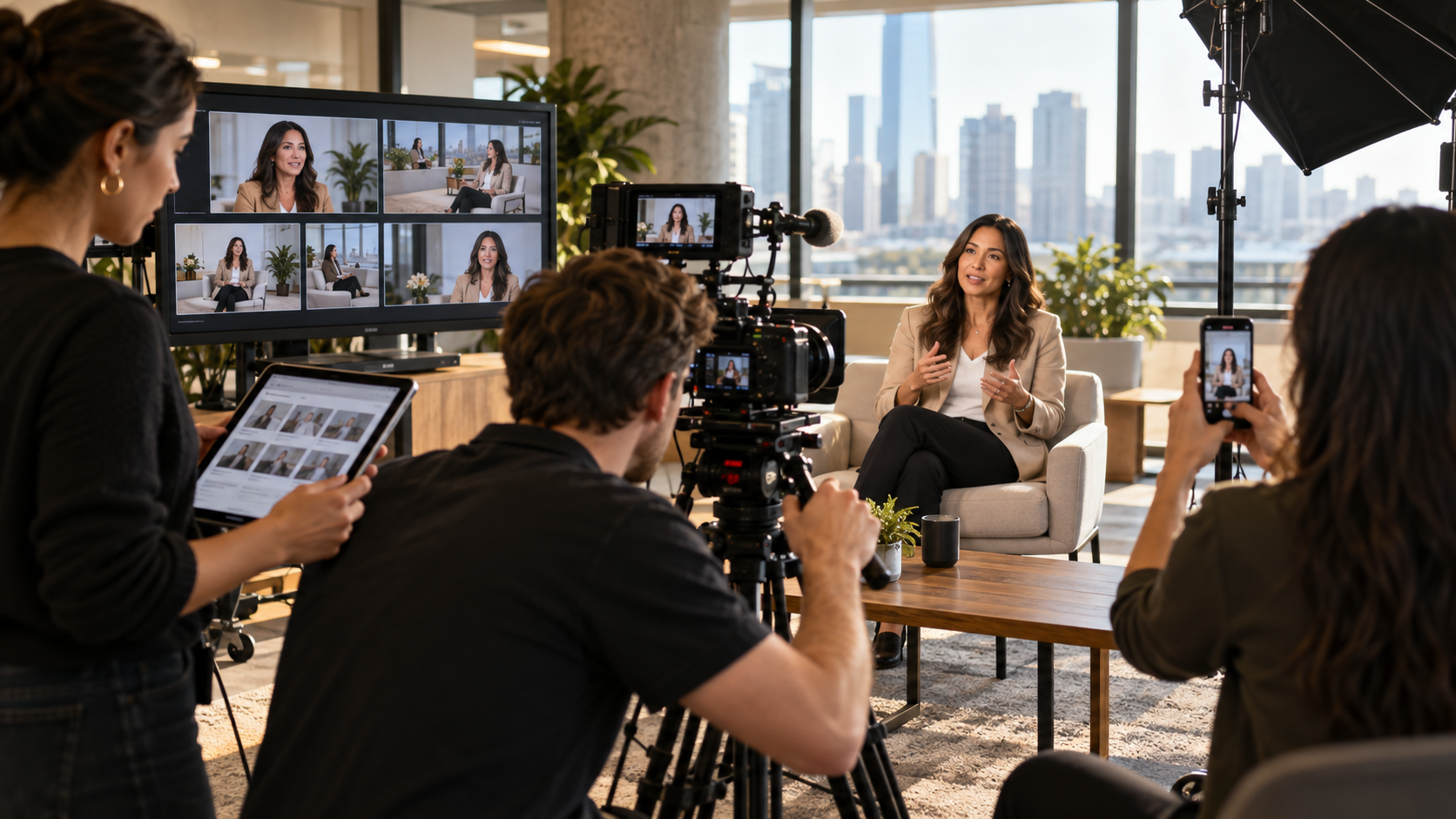
The meeting doesn't end when the attendees leave. We provide professional recording handoffs so you can repurpose your keynotes for marketing or internal training. We also look at data—livestream engagement metrics and attendee feedback—to measure the ROI of your AV investment. This helps us refine the strategy for your next event.
For a 500-person event, you are looking at the "Executive" to "Leadership" tier. Depending on whether you need a single screen or a full LED wall with hybrid streaming, costs typically range from $40,000 to $80,000.
Yes! In almost all cases, you have the right to bring in your own production team. The key is to negotiate this into your venue contract early to avoid or minimize "outside vendor" fees.
For large conferences, 4 to 6 months is the sweet spot. This allows for site visits, custom stage design, and proper crew scheduling. For smaller meetings, 4 to 8 weeks is usually enough time to secure gear and talent.
At Motlow Pro Media, we believe that Corporate meeting AV should be the least of your worries. Our "hands-off, but hands-on" partnership means we act as a trusted extension of your team. We handle the complex technical layers, the last-minute deck changes, and the high-pressure transitions, so you can focus on what matters most: your message and your audience.
From the first RFP to the final content handoff, we are committed to seamless execution and clear communication. Ready to elevate your next gathering? Optimize your next event with professional services and experience the difference that expert production makes.
Some clients want to give notes in a live Zoom call. Others prefer a group text or email thread. However you like to communicate, we adapt. You’ll never be left guessing where things stand - and you’ll always have a say before anything goes out the door.





Phone:
+1 863-250-8639
.png)
Email:
info@motlowpromedia.com