









-5.jpg)

























































Thank you! Your submission has been received!
Oops! Something went wrong while submitting the form.

.avif)
September 29, 2026
Most corporate video budget problems do not begin with an expensive camera choice. They begin with unclear scope, late decisions, unrealistic schedules, or deliverables that expand after the crew and edit plan were priced. A reliable budget connects the communication goal to the production method and makes tradeoffs visible before money is committed. The objective is not to minimize every line item, but to protect the parts of the project that affect clarity, credibility, safety, and long-term usefulness.
Marketing managers and corporate communications teams usually watch a budget slip in the same predictable spots: an extra crew day that wasn't planned, a location swap that ripples through the schedule, a reshoot nobody wanted, or a deliverable that got added after the quote was locked. None of that is unusual, but all of it is avoidable if scope gets nailed down before pricing does. A budget built on assumptions instead of decisions is the one that grows.
The recommended approach is to work backward from the intended business use and define the people, systems, approvals, and assets required to support it. Success means the approved scope, schedule, and resource plan remain aligned through filming and post-production. That standard is more useful than judging the work only by how busy the production looked or how many files were delivered. Every section below turns that principle into a practical decision.
Name the main audience, message, distribution channel, desired action, and useful lifespan of the video before discussing equipment or shoot dates. A focused objective makes it easier to choose length, style, speakers, locations, production value, and supporting assets.
List every expected deliverable with aspect ratio, approximate duration, graphics, captions, music, language versions, and delivery deadline. If an item is optional, label it as optional so the base budget does not quietly absorb future ideas.
Turn this deliverable list into something the next project can reuse rather than a one-time exercise: the file or approval each version needs, who signs off on it, and the last date it can change before pricing locks. A team working from a tested list moves faster and is far less likely to see the same unplanned deliverable sneak back into a "final" budget.
For additional context, see the corporate video budget guide.
Creative development, research, scripting, storyboarding, scheduling, location planning, interview preparation, releases, and technical design all reduce risk on the filming day. Cutting preparation can make the quote look lower while moving the cost into overtime, confusion, extra revisions, or reshoots.
Decide which planning tasks the internal team can complete well and which require a producer, director, writer, or technical lead. Assign deadlines and owners so missing inputs do not compress the final preparation window.
For marketing managers and corporate communications teams, this is worth writing down as a real plan rather than an informal expectation: name who owns each pre-production task, when it's due, and what has to be approved before filming can start. Check that plan against whether it's actually keeping scope, schedule, and resources aligned, and if a task shifts to a different owner or deadline, update the plan and tell whoever it affects before the shoot gets closer.
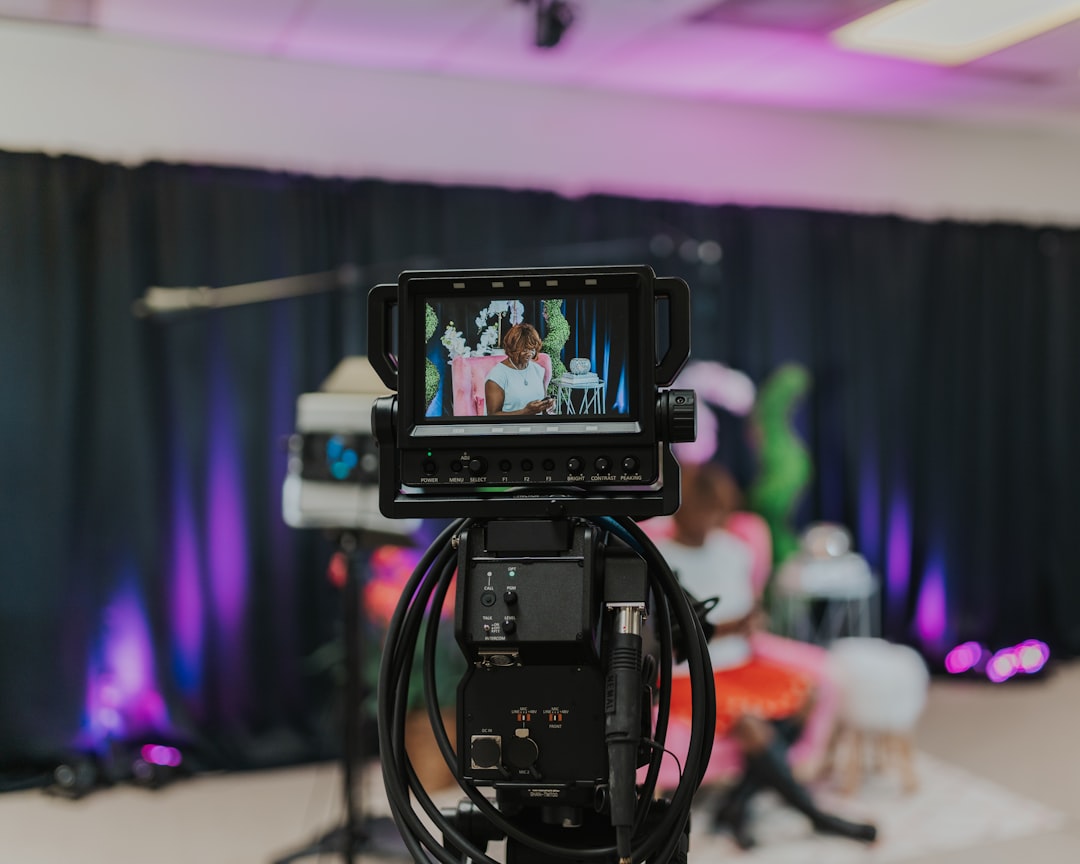
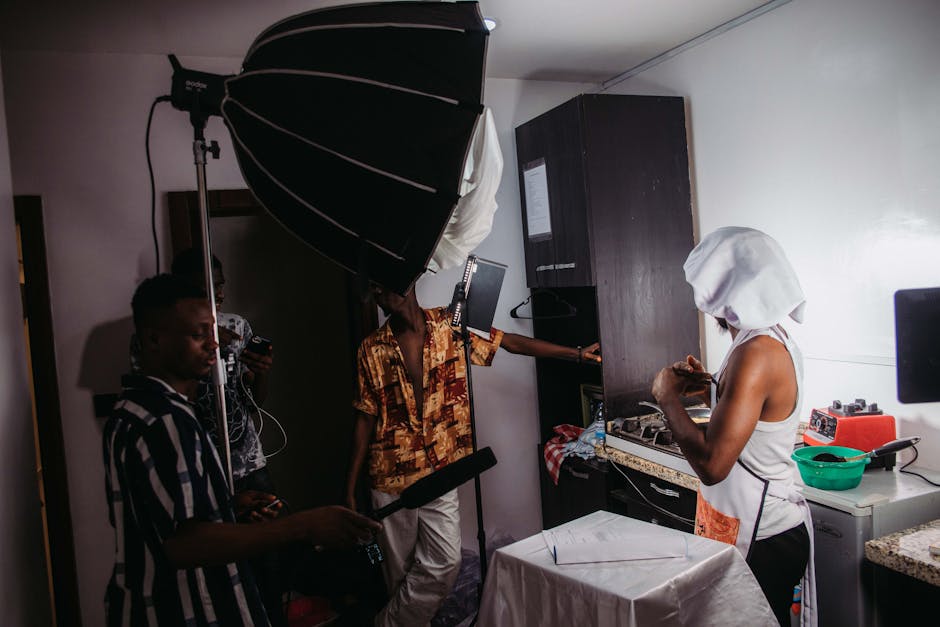
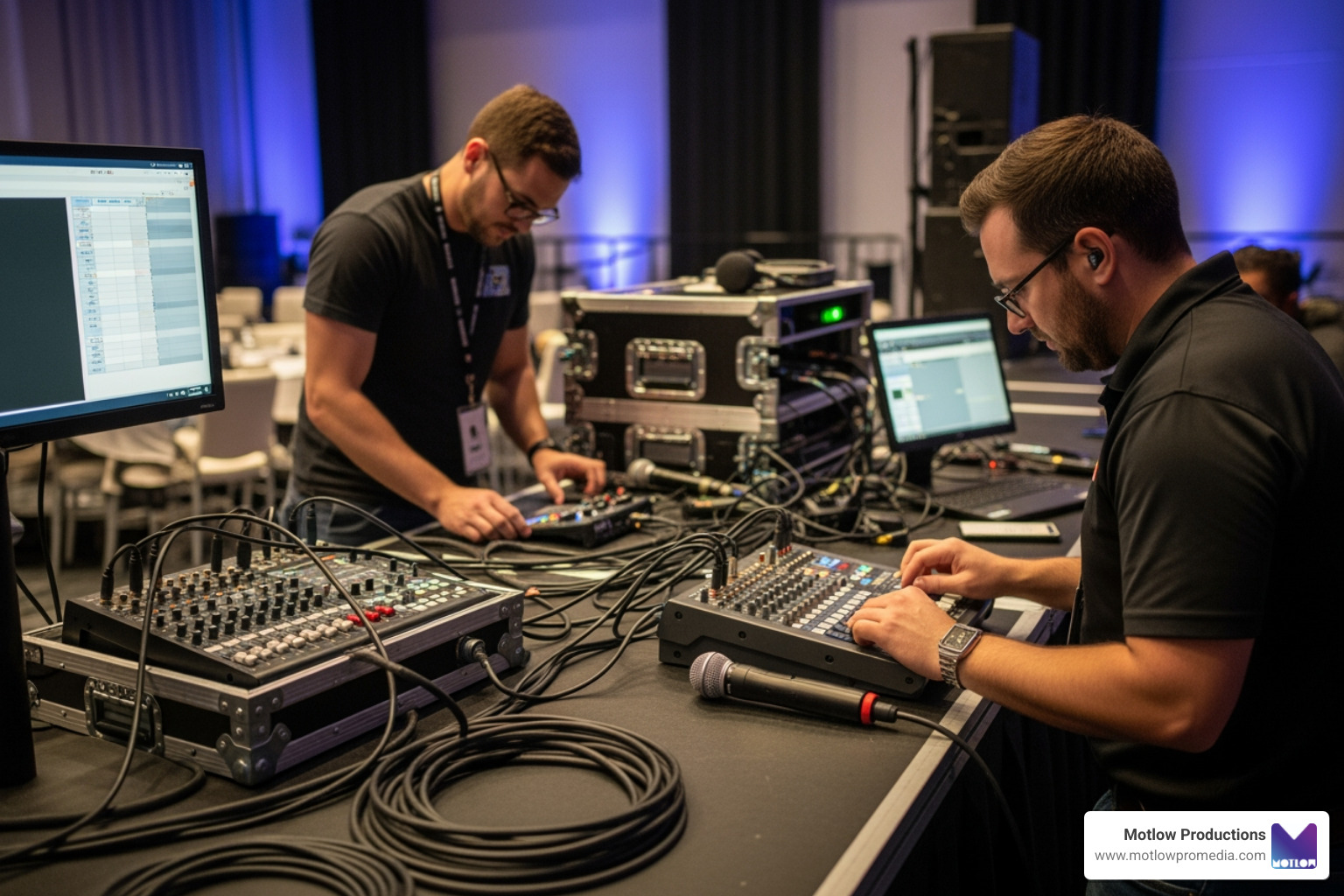
A production-day budget includes crew, equipment, preparation, logistics, and post-production dependencies.
Every location change consumes time for travel, access, unloading, lighting, sound, reset, and approval. A schedule that appears efficient on paper may produce very little usable camera time if the day is fragmented across buildings or uncontrolled spaces.
Consolidate compatible scenes, scout sound and power conditions, secure access, and identify a quiet holding area for speakers. Use a realistic call sheet that includes setup, transitions, breaks, and a contingency buffer.
Getting this right comes down to making the schedule's assumptions visible before the crew is booked: what has to be confirmed about each location, who confirms it, and how quickly the team gets an answer if a space becomes unavailable. That visibility is what keeps marketing managers and comms teams from absorbing overtime, an extra crew day, or a hastily rebooked location once the shoot is already underway.
For additional context, see the production method Motlow Pro Media follows.
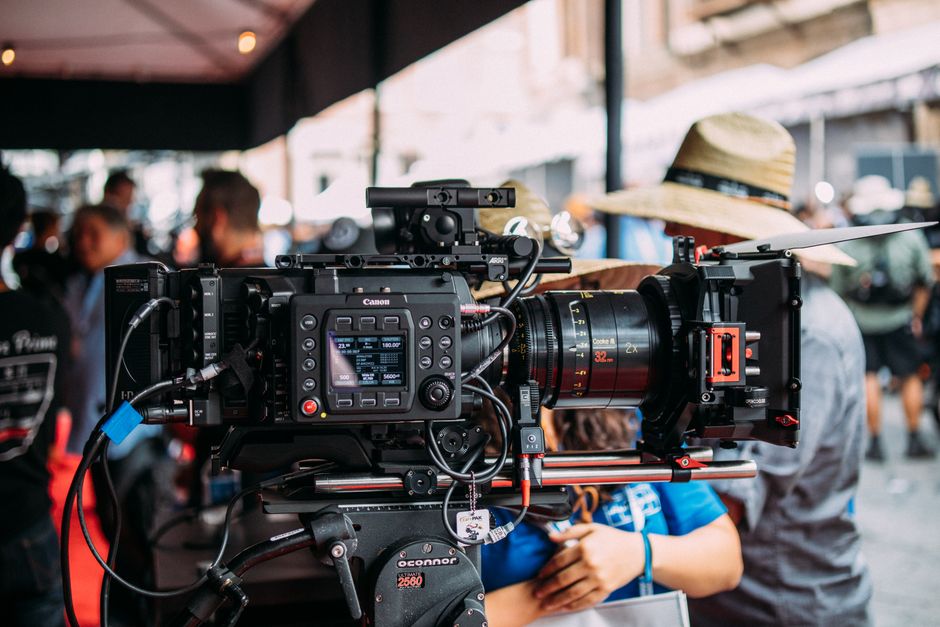
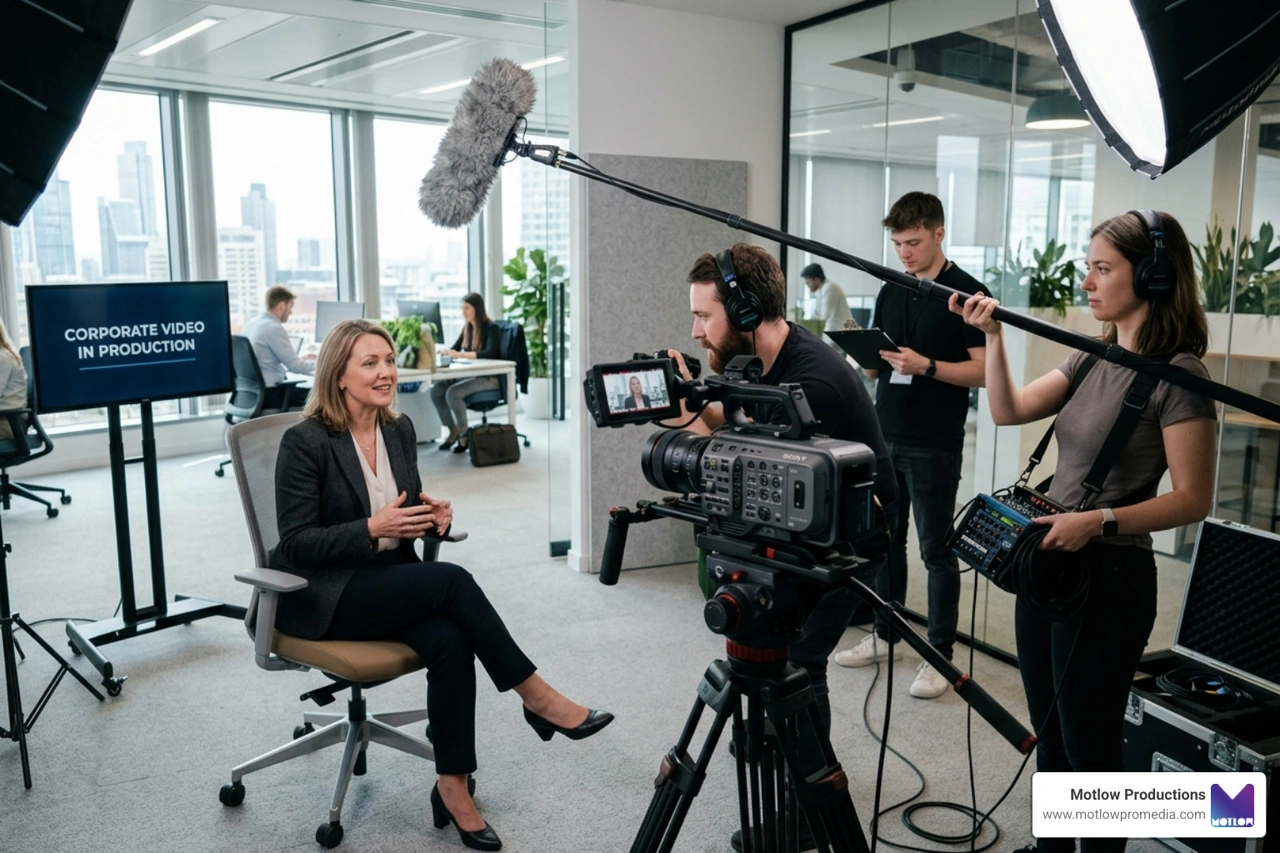
Crew size should reflect the number of simultaneous responsibilities, not a generic idea of what a professional set should look like. Interviews, moving demonstrations, multiple rooms, executive schedules, live feeds, teleprompters, complex lighting, and fast turnarounds each create different staffing needs.
Ask why each role and equipment package is included and what risk or capability it addresses. Removing a resource is a genuine saving only when its responsibility is also removed or reassigned safely.
Put this reasoning directly into the crew brief instead of leaving it as a mental note between the producer and the client. A useful justification is specific enough that someone reviewing the quote later could see exactly what each role covers and why. Revisit the crew plan again before call sheets go out, while a change is still cheap to make, and hold it to one standard: does it keep the approved scope, schedule, and resources aligned all the way through post?
For additional context, see Eventbrite's run-of-show template.
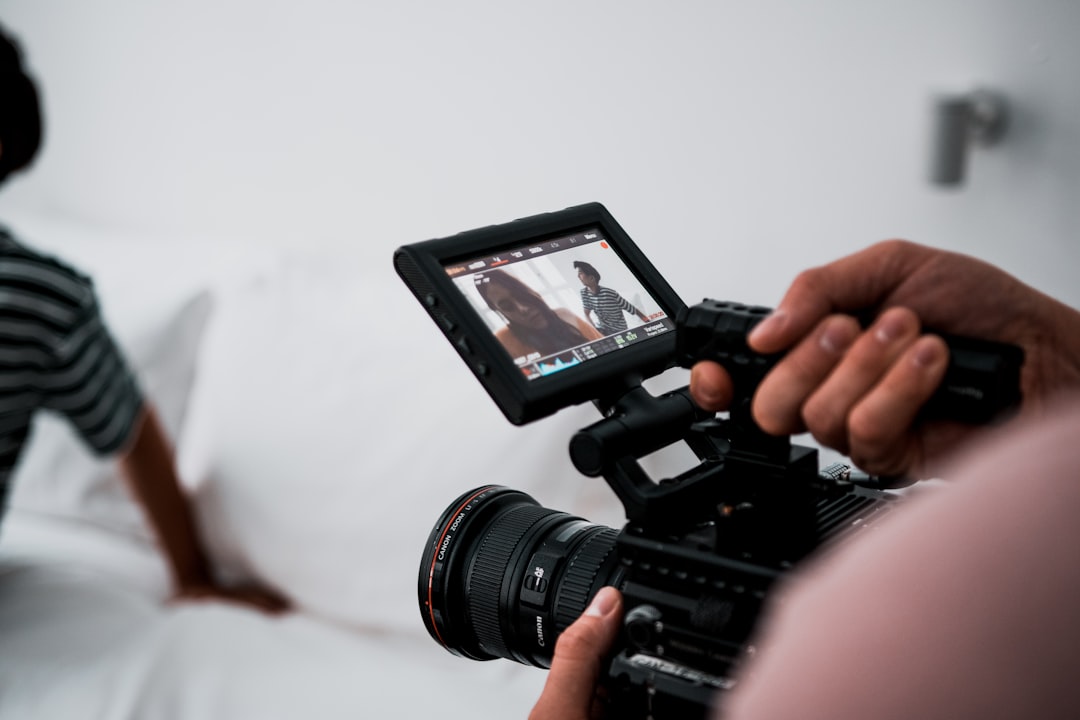
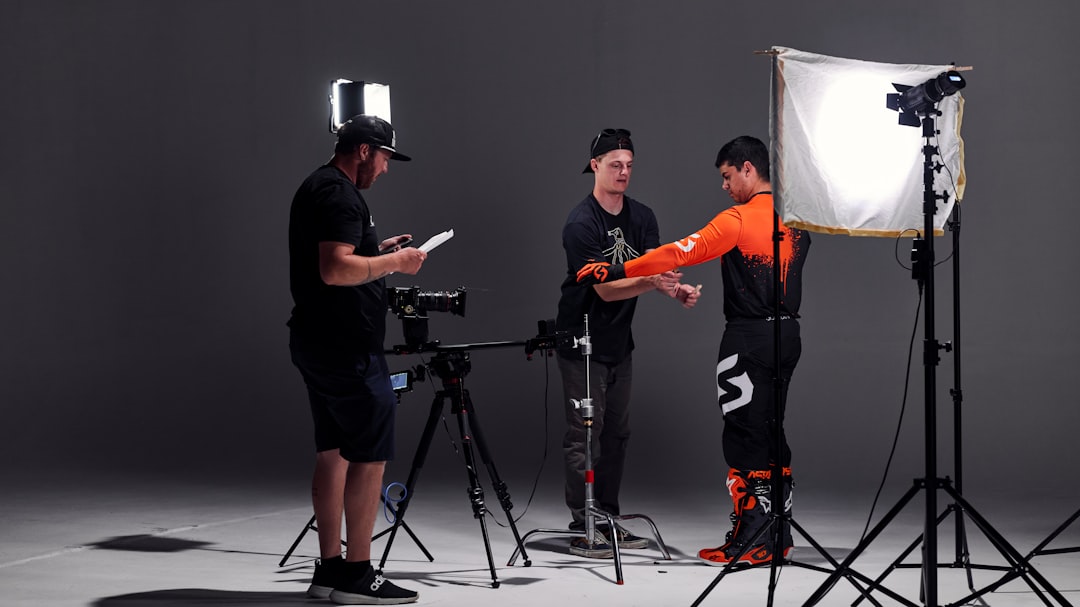
A clear shot list and schedule reduce wasted time and unplanned changes.
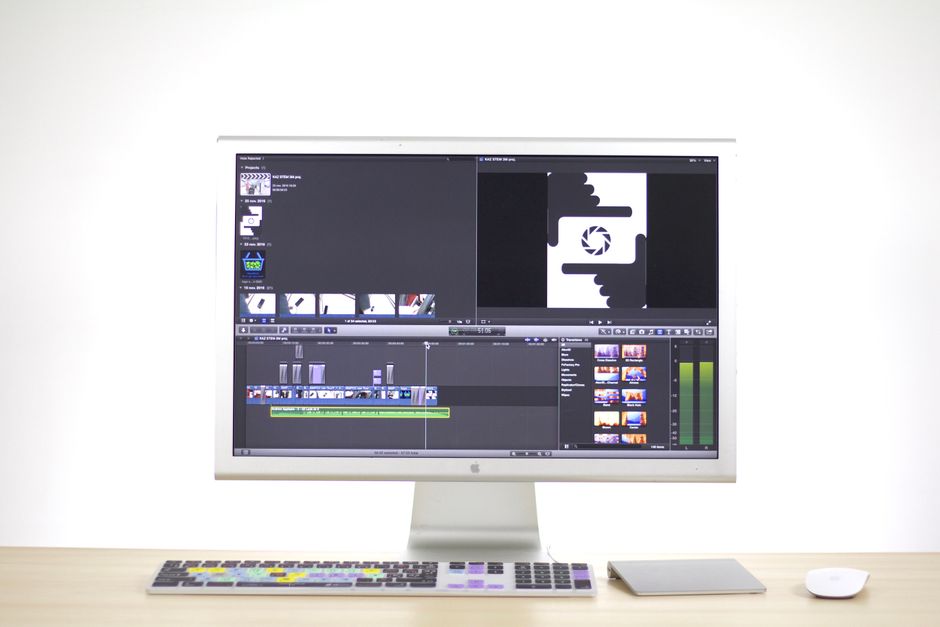
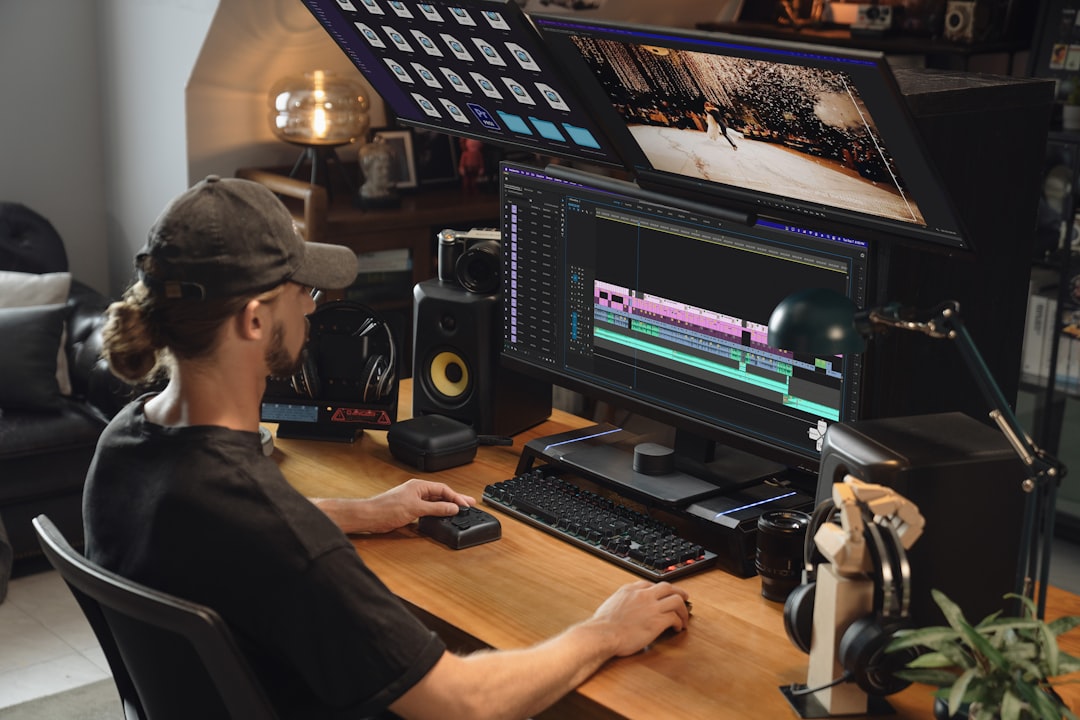
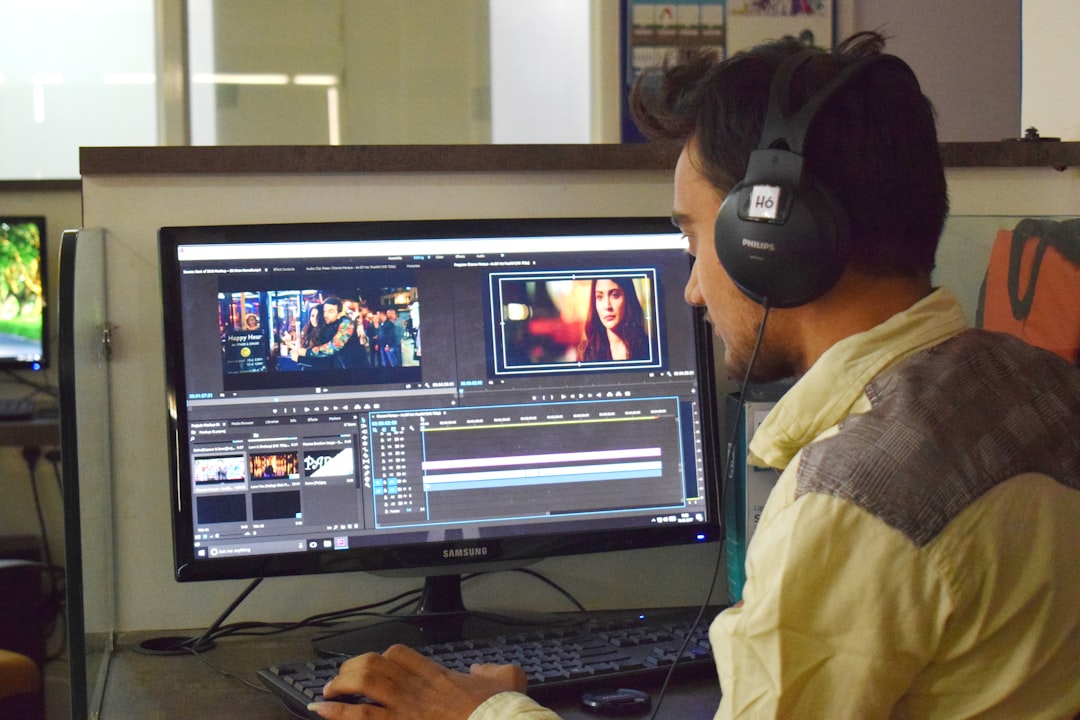
Editing costs depend on footage volume, story complexity, graphics, audio cleanup, music, captions, versions, review rounds, and delivery requirements. The phrase 'one video' is not a complete post-production scope when the team also expects teasers, vertical clips, revised statistics, and multiple stakeholder versions.
Specify the feedback process, number of review rounds, decision maker, and what constitutes a scope change. Consolidated feedback and accurate source materials are among the simplest ways to protect the edit budget.
This is also a good point to weigh what belongs to the internal marketing team versus what the edit partner should own outright — who approves rough cuts, who owns final sign-off, and what happens when a stakeholder wants "just one more" revision. Settling that division before editing starts is what keeps revision cycles and unplanned deliverables from quietly expanding the post-production invoice.
Weather, travel, executive availability, venue access, technology, compliance review, and operational changes can affect even a strong plan. A modest contingency allows the team to respond without treating every adjustment as a crisis or sacrificing essential quality.
Document which risks are covered, which require a change order, and who can authorize additional spending. Transparent contingency planning is more useful than pretending uncertainty does not exist.
When it's time to size this contingency, ask what would actually go wrong if a given risk weren't covered — a reshoot, a missed deadline, a rushed edit. That answer sorts risks into what genuinely needs a reserve, what can be handled adaptively, and what's unlikely enough to skip, and it keeps the budget realistic instead of either padded or fragile. For marketing managers and comms teams, that's what turns "staying on budget" from a hope into a plan that survives contact with the actual shoot.
For additional context, see W3C's guidance on captions.
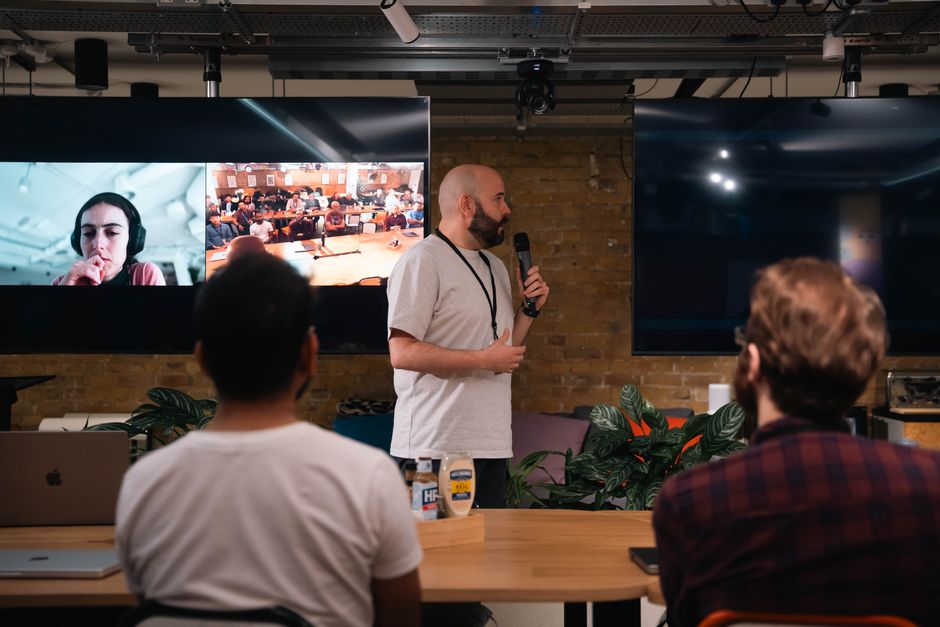
Get the marketing owner, the producer, and whoever controls budget or final sign-off into one 45-minute working session before pricing is finalized. Use it to decide which deliverable, pre-production, and location questions above need answers now, and put a date on each one so scope doesn't stay undefined into the shoot week. The goal is a plan the team can execute, not another round of open questions.
From there, weigh the crew, post-production, and contingency decisions against the schedule and resources actually available. Cut anything without a clear audience, owner, or use, and protect whatever most directly keeps scope, schedule, and resources aligned through delivery. Where a dependency can't be resolved cleanly, name the likely cost in timing, budget, or quality rather than letting it stay an unstated assumption.
After delivery, take a short look at what happened versus what was planned: which line items held, what caused overtime or rework, and what should change in the next budget. Keep those notes with the brief, schedule, releases, and final files so the next shoot starts from real numbers instead of a fresh guess.
Major cost drivers include additional filming days, locations, crew responsibilities, travel, talent, complex lighting or audio, specialized equipment, graphics, animation, rapid delivery, and multiple final versions. List the specific drivers relevant to a given project in the brief so the client and the production team are pricing the same scope.
Not proportionally. Equipment preparation, travel, load-in, setup, and administration exist for both. A half day can be economical when scope and logistics truly fit the shorter window. Confirm which case applies in the brief before assuming a shorter shoot means a proportionally smaller invoice.
The appropriate amount depends on project uncertainty. Discuss the most likely risks with the producer and reserve a visible amount or approval process rather than hiding contingency inside unrelated line items. Write the agreed contingency into the brief so nobody is surprised by a change order later.
A corporate video stays on budget when the scope is specific, the schedule reflects real production time, responsibilities are assigned, and post-production expectations are documented. Good budgeting is not about buying the cheapest day on set. It is about reducing avoidable uncertainty and spending deliberately on the elements that make the final content useful.
Some clients want to give notes in a live Zoom call. Others prefer a group text or email thread. However you like to communicate, we adapt. You’ll never be left guessing where things stand - and you’ll always have a say before anything goes out the door.





Phone:
+1 863-250-8639
.png)
Email:
info@motlowpromedia.com