



























































Thank you! Your submission has been received!
Oops! Something went wrong while submitting the form.


Many companies know they need more video, photography, event content, social clips, executive interviews, and brand media. The harder part is knowing what to create first, how everything should connect, and how to avoid wasting money on one-off projects that do not support a larger strategy.
That is where fractional media leadership can help.
Fractional media leadership gives companies access to strategic media direction without hiring a full-time internal media executive. Instead of only bringing in a video crew when something needs to be filmed, a fractional media leader helps the company think through the full picture: what content is needed, why it matters, how it will be produced, where it will be used, and how it supports business goals.
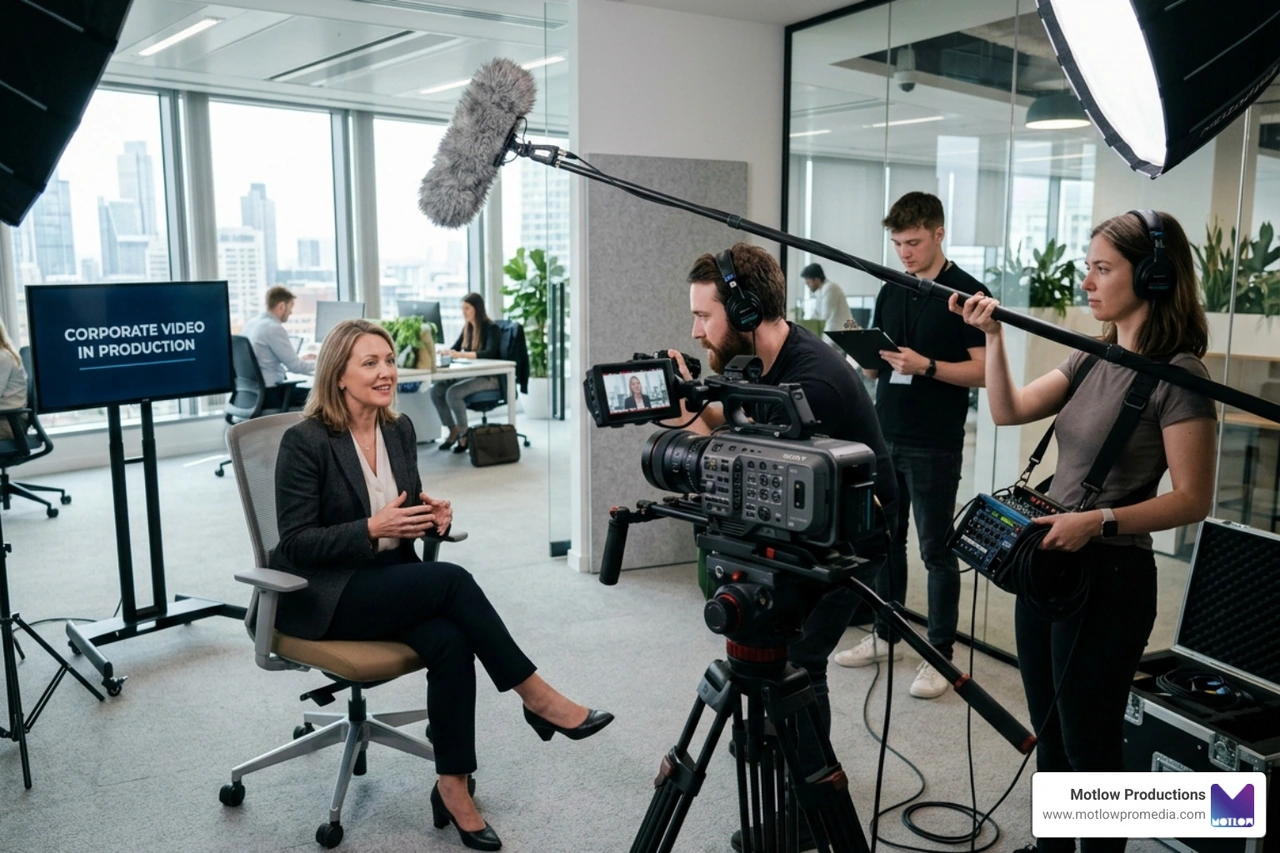
For marketing teams, this can be especially valuable when video and content needs are growing faster than internal resources. A company may need conference coverage, executive interviews, customer testimonials, recruiting videos, brand photography, livestream support, and social media clips, but not have a dedicated media strategist managing all of it.
Through Motlow Pro Media's services, companies can connect production work with strategic planning so media becomes part of the marketing system instead of a collection of disconnected assets.
Fractional media leadership is strategic media guidance provided on a part-time, project-based, or ongoing basis.
It is similar in concept to a fractional CMO, fractional creative director, or fractional marketing leader, but focused specifically on video, photography, content capture, event media, production planning, and content strategy.
A fractional media leader may help a company decide:
This role is not just about managing cameras or edits. It is about making smarter decisions before production begins.
A company may already have a marketing manager, communications lead, event planner, or creative team. Fractional media leadership supports those roles by bringing focused media strategy and production experience into the planning process.
Corporate content needs have changed.
Companies are no longer producing one polished brand video every few years and calling it finished. They need website videos, LinkedIn clips, executive thought leadership, conference recaps, testimonial videos, recruiting content, internal updates, livestreams, short-form clips, event photography, sales enablement videos, and visual assets for campaigns.
That volume creates pressure.
Marketing teams are expected to publish consistently, support sales, help recruiting, cover events, keep leadership visible, and make the company look professional online. But many teams do not have someone internally who owns the full media strategy.
Without that leadership, media decisions can become reactive.
A department asks for a video. An executive wants a clip. An event needs coverage. HR needs recruiting content. Sales wants a customer story. Marketing needs social posts. Each request may make sense individually, but the company may still lack a clear system.
Fractional media leadership helps organize those needs into a strategy. It turns scattered requests into a media plan that supports the business.
A video vendor is often hired to complete a specific production task. That might include filming a brand video, recording an event, editing a testimonial, or producing a highlight reel.
A fractional media leader helps decide what should be produced and why.
The difference is strategy.
A production vendor may ask, "What do you want us to film?"
A fractional media leader asks, "What content does the company need, what business goal should it support, and how can we capture it efficiently?"
Both roles can be valuable, and sometimes the same partner may provide both strategy and production. The important distinction is that fractional media leadership comes earlier in the process.
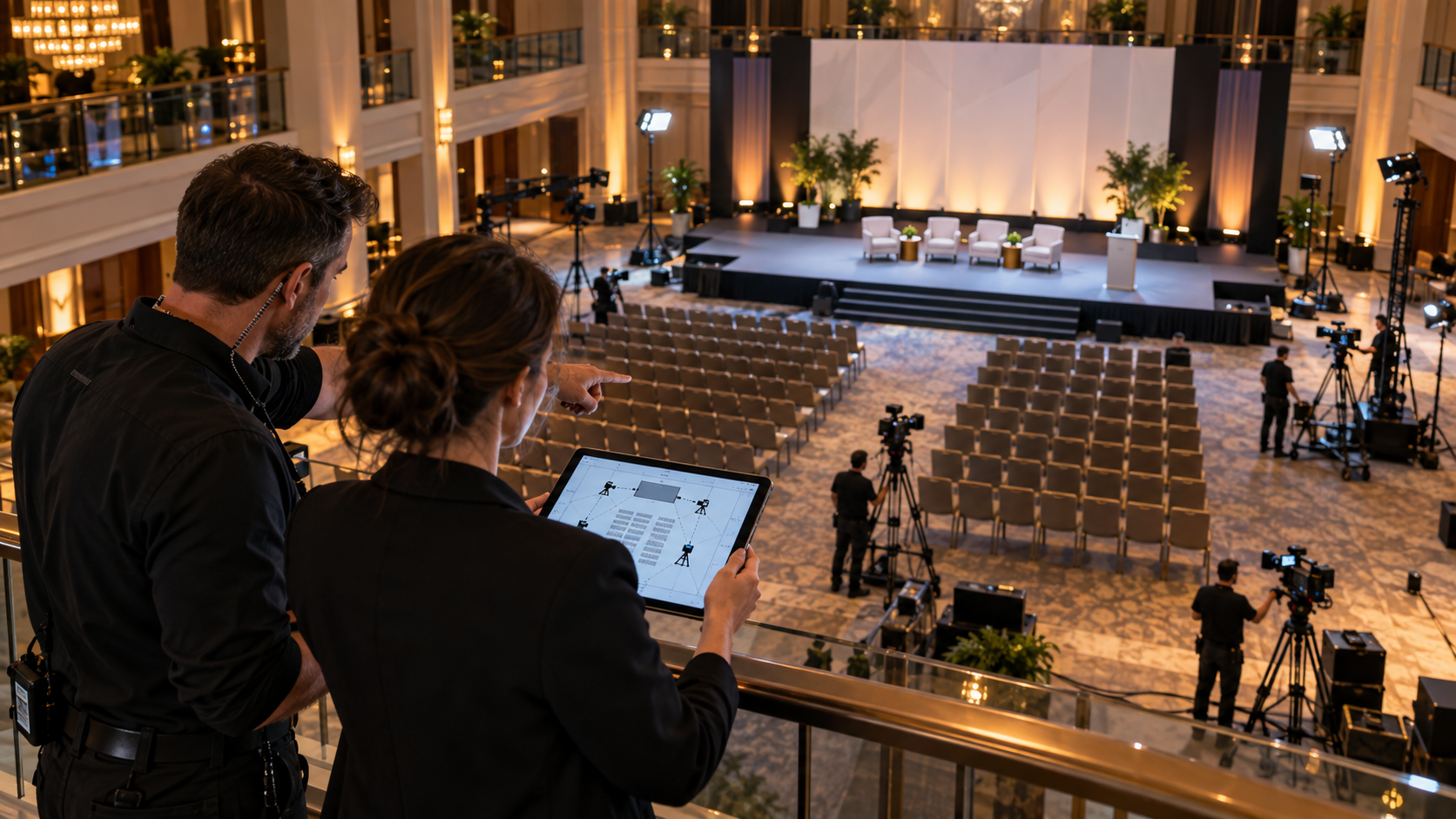
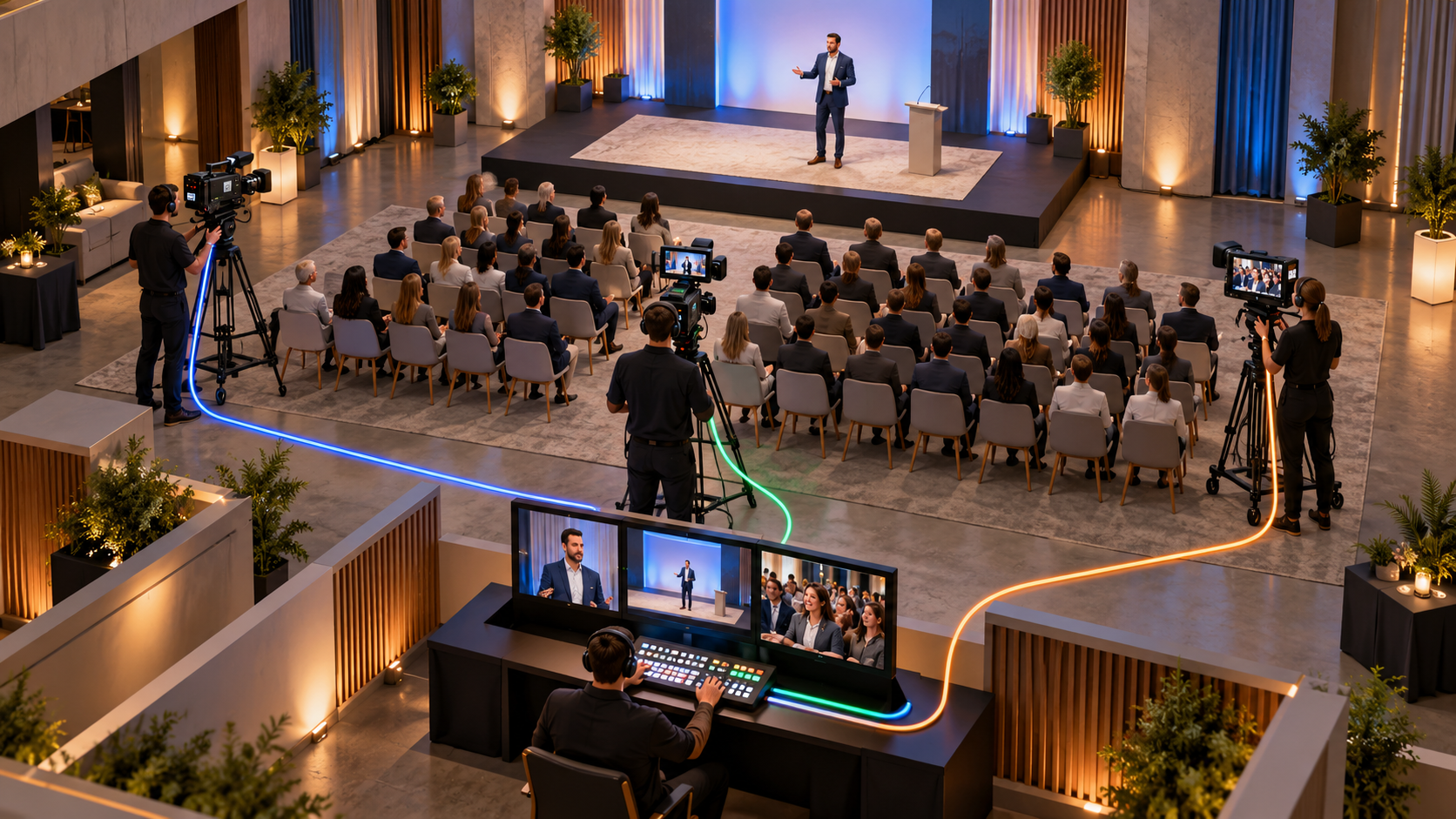
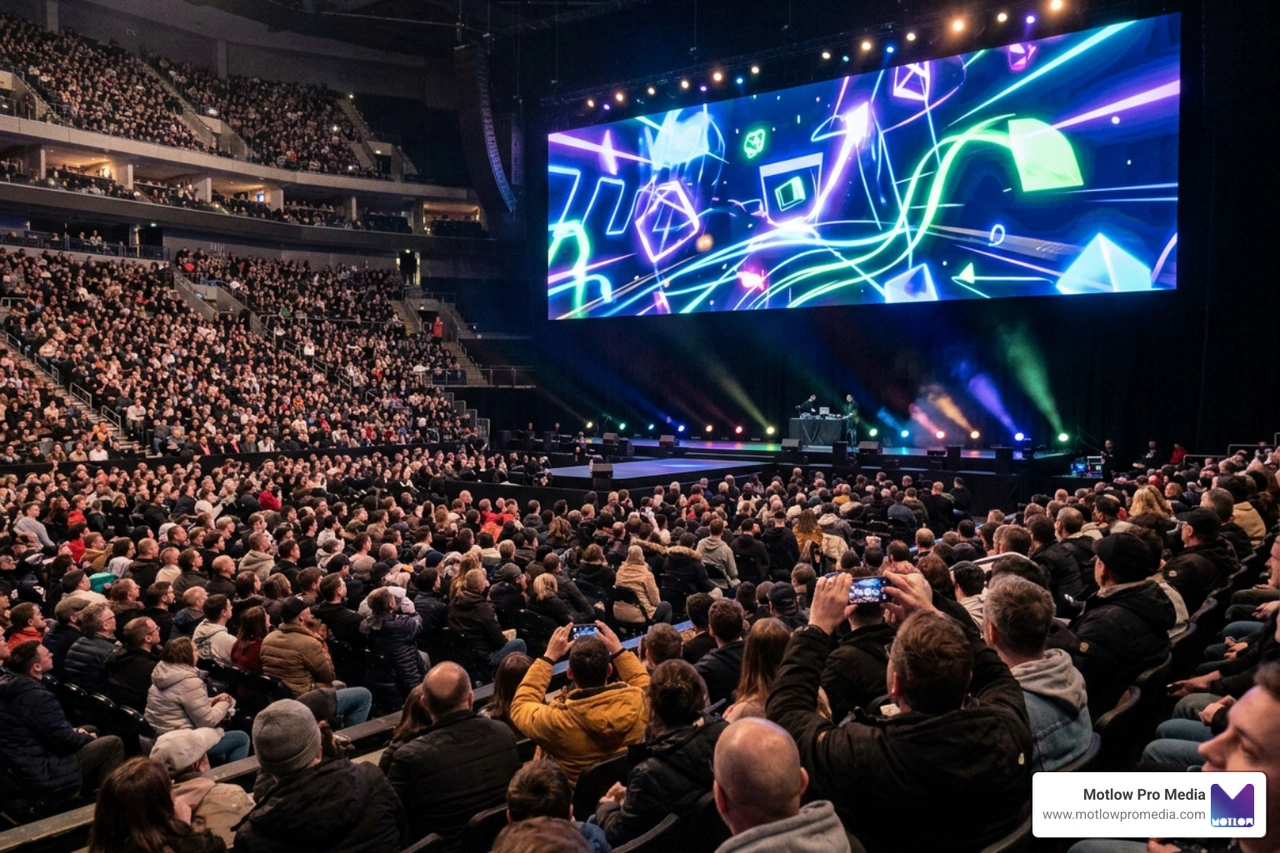
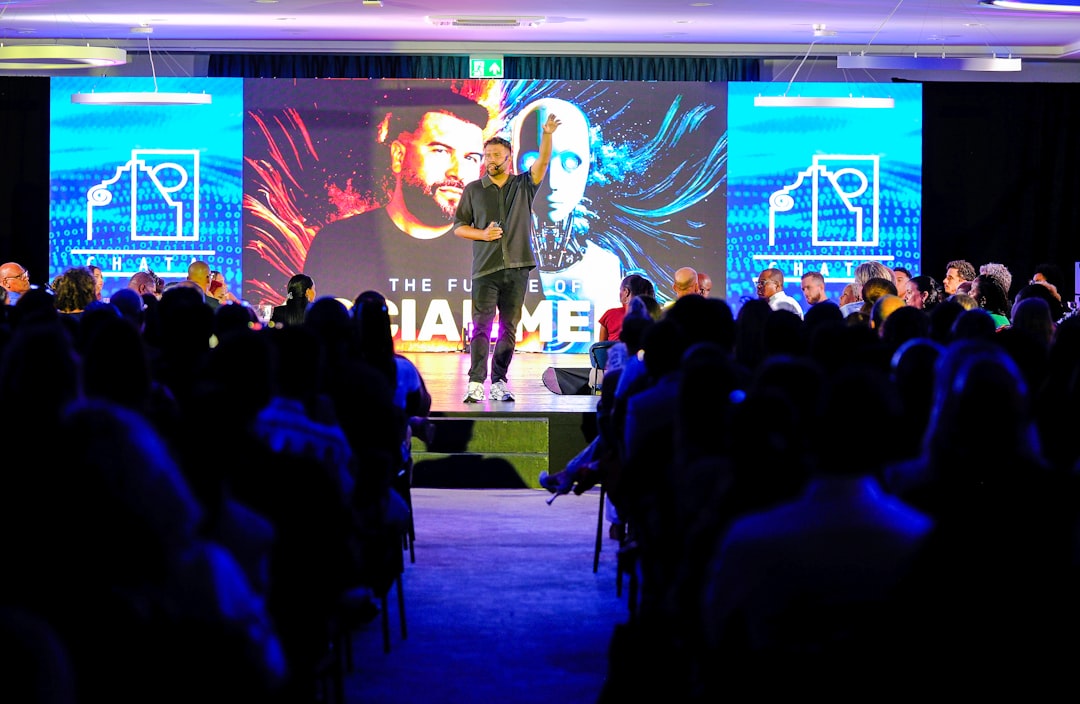
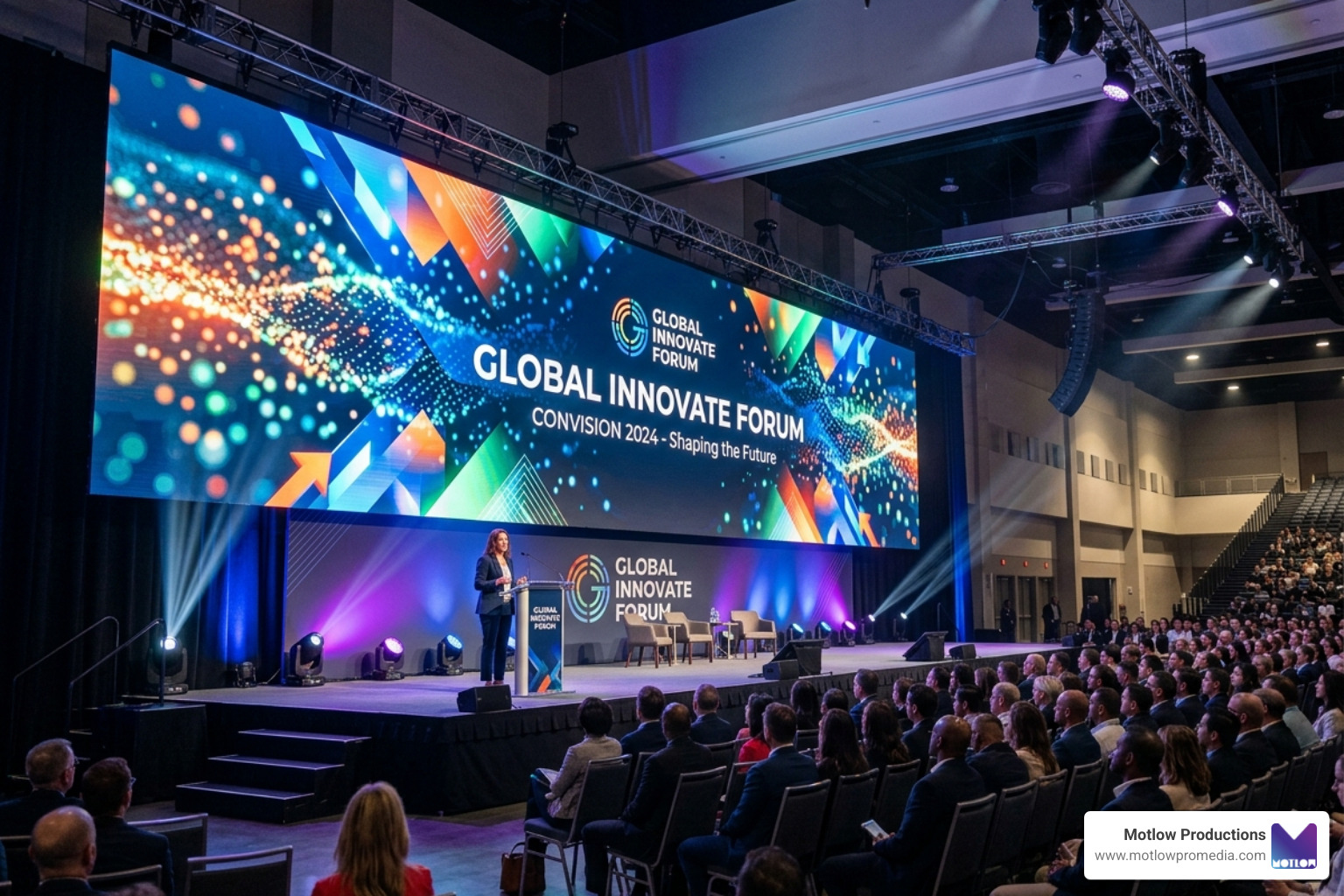
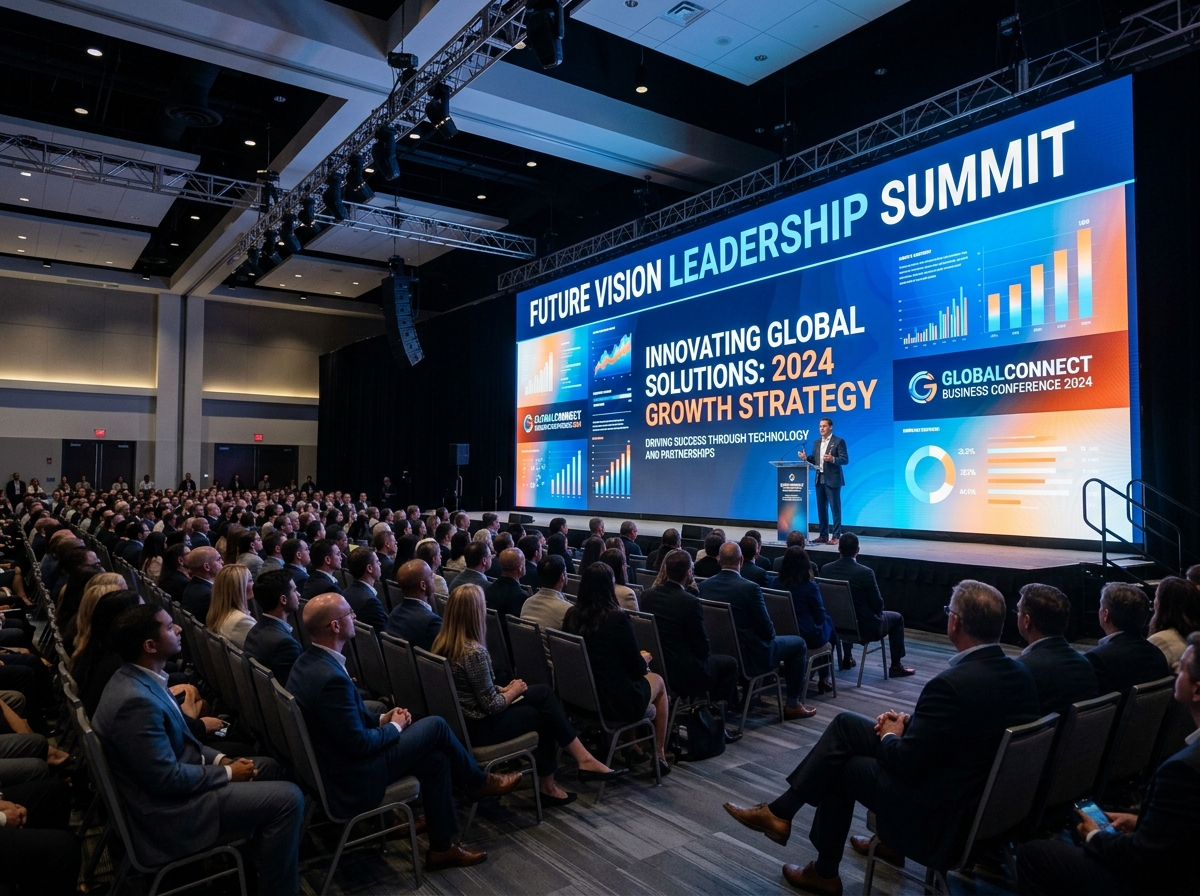
For example, instead of waiting until two weeks before a conference to book video coverage, a fractional media leader may help the marketing team plan the event content months in advance. That plan may include keynote recordings, executive interviews, sponsor content, audience reactions, social clips, photography, internal communications, and post-event distribution.
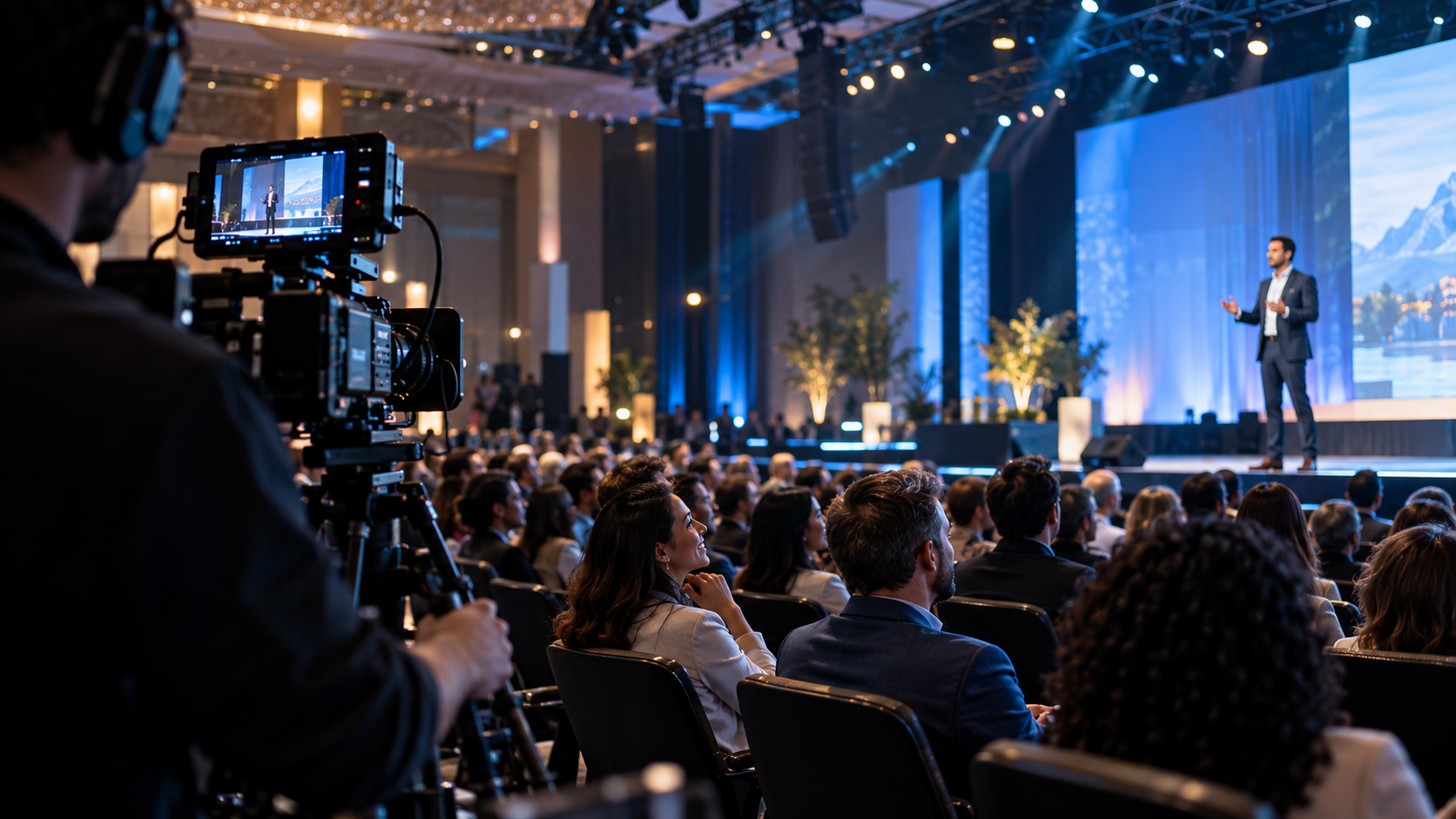
The A-Z Guide to Conference Video Production explains why events should be treated as content opportunities, not just live experiences. Fractional media leadership helps companies think that way before the event happens.
Not every company needs fractional media leadership. Some teams only need occasional project-based production. But companies with growing content needs may benefit from strategic support.
Fractional media leadership may be a good fit for companies that:
It can also help companies that already have an internal marketing team but need outside production strategy. The marketing team may know the brand, audience, and campaigns well, while the fractional media leader brings production planning, content capture, and repurposing expertise.
This combination can make the entire content process more efficient.
Marketing managers are often responsible for many things at once. They may be managing campaigns, email, social media, reporting, vendors, websites, events, sales support, and leadership requests.
Adding media strategy on top of that can become overwhelming.
Video production requires decisions about message, audience, format, location, schedule, interview questions, b-roll, editing, distribution, approvals, and reuse. Event media adds another layer with run-of-show planning, camera coverage, photography, livestreaming, sponsor needs, and fast-turnaround deliverables.
A fractional media leader can help carry that strategic load.
They can work with the marketing manager to prioritize projects, build production calendars, identify content opportunities, and make sure media investments are connected to actual business needs.
This does not replace the marketing manager. It gives them a strategic partner who understands how media gets planned, captured, edited, and used.
Fractional media leadership can support many types of corporate content and production planning.
That may include:
The goal is to make media more intentional.
Instead of producing a video because someone asked for one, the company can ask where that video fits into the larger strategy. Will it support sales? Recruiting? Brand trust? Event promotion? Internal communication? Executive visibility? Website conversion?
When every asset has a job, the content library becomes more valuable.
One of the biggest benefits of media leadership is budget efficiency.
Video and photography production can become expensive when every project is planned separately. A company may book one shoot for a brand video, another for recruiting, another for executive clips, another for event content, and another for social media. Each shoot may have setup time, crew time, planning time, and editing time.
A strategic media plan can combine needs.
For example, one production day may capture:
That does not happen automatically. It requires planning before the shoot.
The business video production partner guide is a helpful resource for understanding why production partners should be evaluated not only by filming quality, but by how well they understand business goals and content use.
A fractional media leader can help the company get more from each production investment by planning for repurposing from the start.
Media assets often serve more than one department.
Marketing may need brand videos and social clips. Sales may need customer stories and short service explainers. HR may need recruiting videos and culture content. Leadership may need internal communication clips. Events teams may need conference recaps and sponsor content.
Without coordination, these departments may request separate projects that could have been planned together.
Fractional media leadership helps connect the dots.
A single executive interview may support thought leadership, sales enablement, internal communications, and recruiting. A single customer testimonial may support the website, sales emails, social media, and event presentations. A single conference may generate recap videos, sponsor content, speaker clips, photography, and future event promotion.
When departments communicate before production, the company captures smarter content.
Resources like HubSpot's video marketing research continue to show how important video is across marketing strategies, while LinkedIn's B2B thought leadership resources highlight the value of credible leadership content for professional audiences.
The strongest companies do not treat media as an emergency project.
They build a system.
A year-round media system may include quarterly production days, executive interview sessions, conference capture plans, monthly social clips, customer testimonial campaigns, recruiting content, and internal communication videos. Instead of starting from zero each time, the team knows what is being captured, why it matters, and how it will be used.
Fractional media leadership can help build that structure.
For example, a company might plan:
That kind of calendar makes production more efficient. It also helps the marketing team stay consistent.
Instead of reacting to content requests, the company works from a media roadmap.
Executives are often the most underused media asset inside a company.
They have expertise, perspective, industry knowledge, client insight, and leadership voice. But without a plan, executive content can feel inconsistent. One month there may be a LinkedIn video. Then nothing for three months. Then a rushed interview before a conference.
Fractional media leadership can help create a more consistent executive visibility plan.
That may include:
The goal is not to make executives perform. The goal is to help them communicate clearly and consistently in ways that support the business.
A strong media leader can help prepare questions, guide topics, plan filming days, and make sure the footage becomes useful content after the interview.
A company may be ready for fractional media leadership if media needs are growing but ownership is unclear.
Signs may include:
If these problems sound familiar, the issue may not be production quality. It may be media leadership.
The company may need someone to help decide what content matters, how to capture it, and how to turn it into assets that support multiple business goals.
The first mistake is treating every video as a separate project. This makes content more expensive and less connected.
The second mistake is waiting until the last minute to plan event coverage. That often leads to missed speaker clips, sponsor content, and audience moments.
The third mistake is underusing executive expertise. Leaders may have valuable insights, but without a plan, that content never gets captured consistently.
The fourth mistake is producing videos without a distribution plan. A video should have a clear use before it is filmed.
The fifth mistake is ignoring sales and HR needs. Marketing content can often support multiple departments when planned correctly.
The sixth mistake is failing to repurpose content. One interview, event, or production day can often create many assets.
The seventh mistake is measuring media only by the finished video. The real value is often the full content library created from the production.
What is fractional media leadership?
Fractional media leadership is part-time or ongoing strategic guidance for a company's video, photography, event media, and content production needs. It helps teams decide what to create, why it matters, and how to use it.
Is fractional media leadership the same as hiring a video production company?
Not exactly. A video production company may focus on filming and editing a specific project. Fractional media leadership helps plan the larger media strategy behind those projects.
Who benefits from fractional media leadership?
Companies with growing video, event, photography, recruiting, sales, and content needs can benefit, especially if they do not have an internal media director.
Can fractional media leadership help reduce production waste?
Yes. By planning content needs in advance, companies can capture more useful assets from each production day and avoid paying for disconnected one-off projects.
Does a company still need an internal marketing team?
Yes. Fractional media leadership works best when it supports the internal marketing team. The marketing team knows the brand and audience, while the media leader helps guide production strategy and content use.
This is, in many ways, a description of what a 90-Day Content Engine is meant to provide: not a single production booked when a need becomes urgent, but ongoing strategic leadership that keeps planning, budgeting, and content capture moving in the same direction quarter after quarter. Companies that adopt fractional media leadership are, in effect, choosing a recurring partnership over a series of disconnected projects.
Fractional media leadership helps companies turn video, photography, event coverage, and content production into a strategic system. Instead of reacting to one-off requests, companies can plan media around business goals, audience needs, campaign calendars, sales support, recruiting, internal communications, and executive visibility.
For companies that need more content but are not ready to hire a full-time media director, fractional media leadership can fill the gap. It gives marketing teams the strategic support they need to make better production decisions, stretch budgets further, and build a content library that keeps working long after each shoot or event ends.
When media is led strategically, every production day becomes more valuable.
Some clients want to give notes in a live Zoom call. Others prefer a group text or email thread. However you like to communicate, we adapt. You’ll never be left guessing where things stand - and you’ll always have a say before anything goes out the door.





Phone:
+1 863-250-8639

Email:
info@motlowpromedia.com