



-5.jpg)



























Thank you! Your submission has been received!
Oops! Something went wrong while submitting the form.

.avif)
October 2, 2026
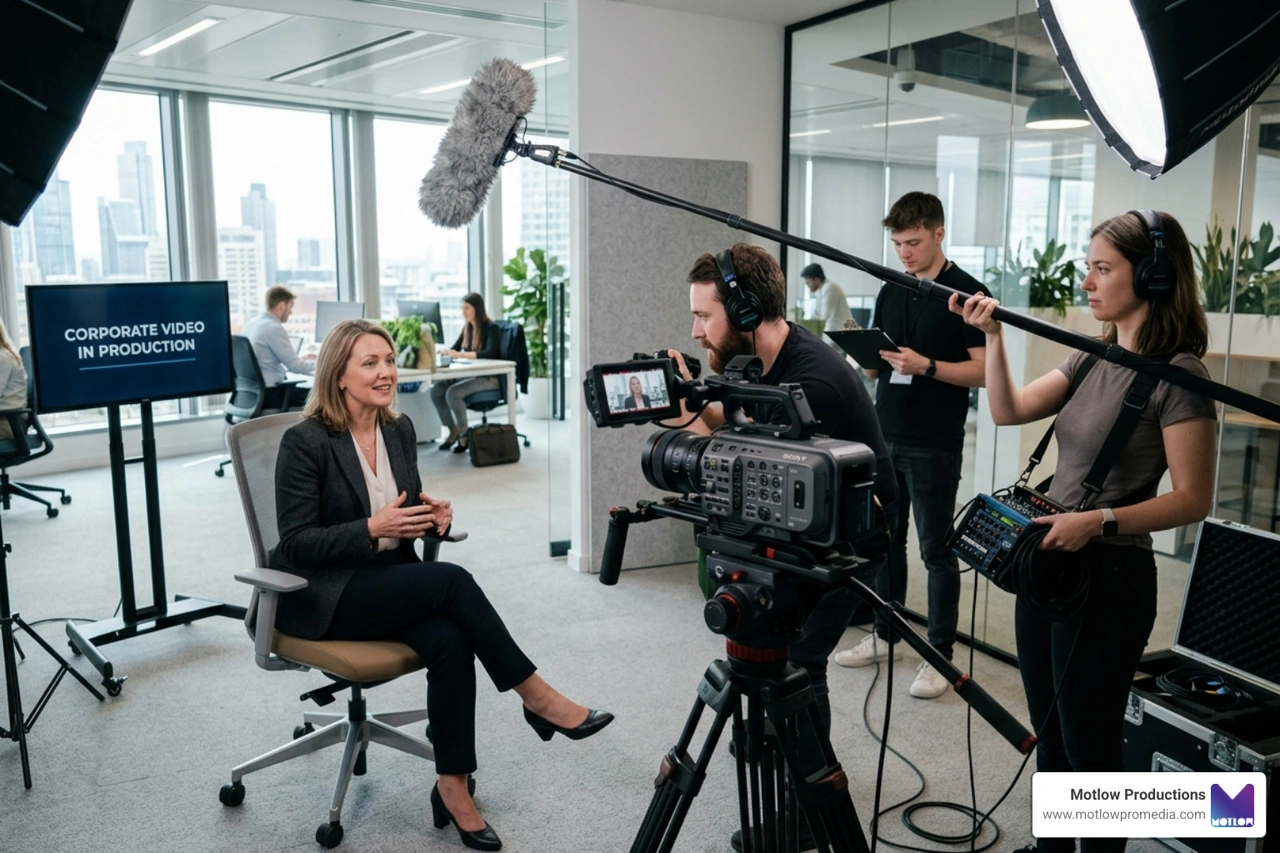
Corporate teams are being asked to create clearer, more useful content across more channels, and pre-production media plan is a practical place to start.
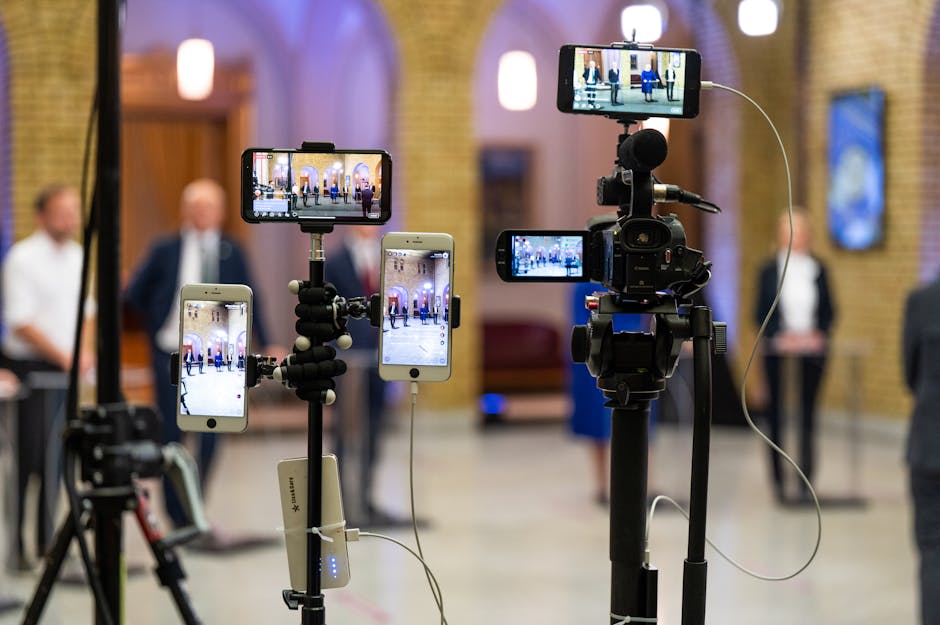
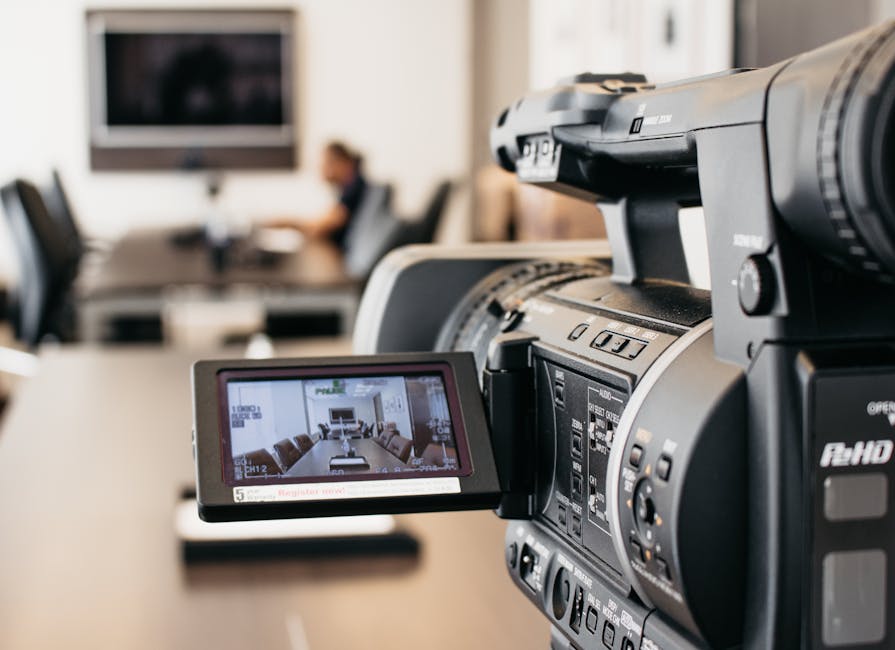
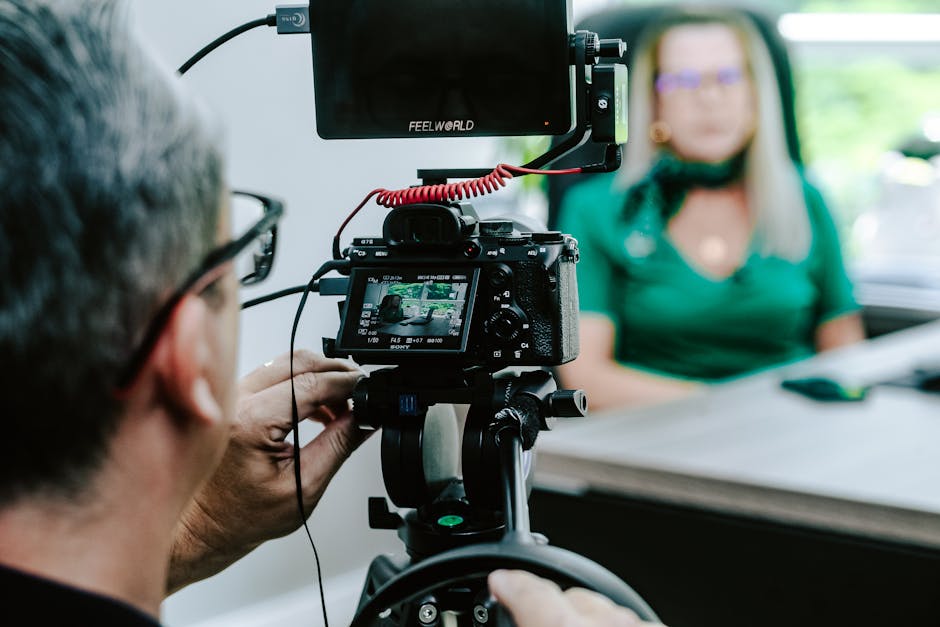
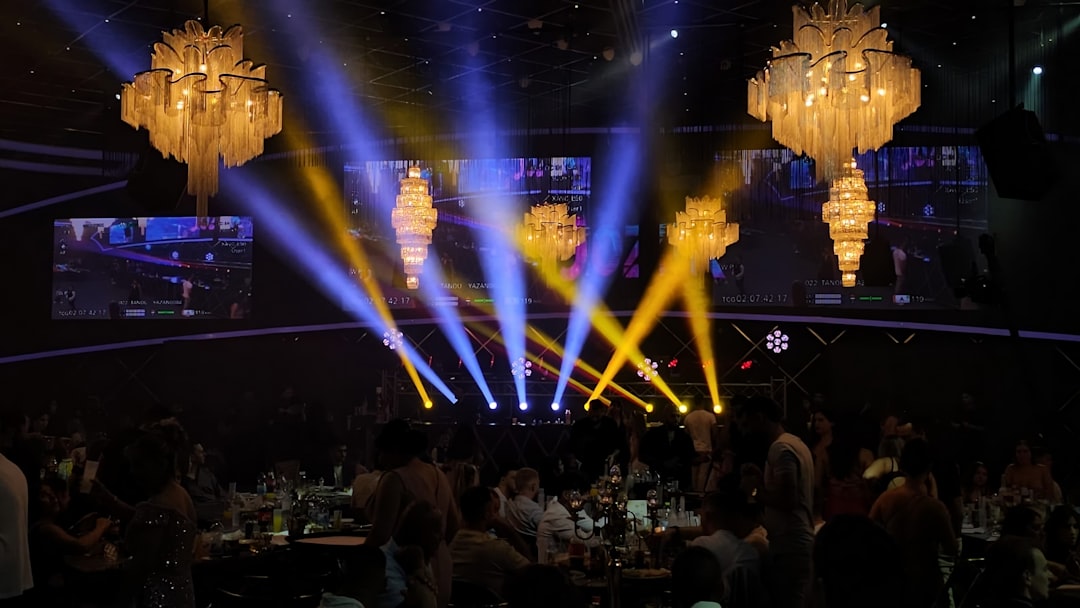
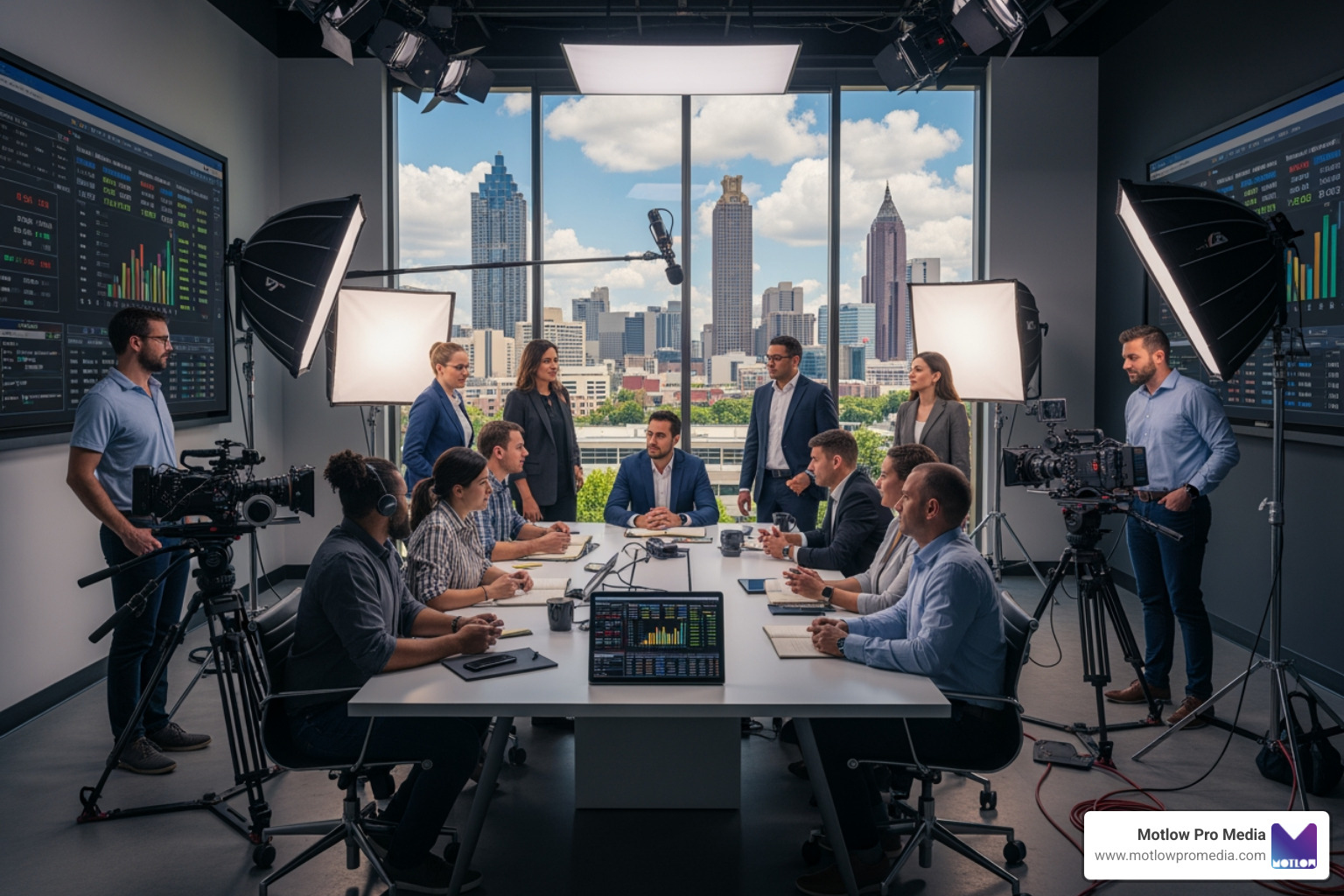
For event marketers and corporate communications teams, the challenge is not simply producing another asset. The real goal is to make event video, photography, livestreaming, and post-event content more intentional before the event begins while keeping the message organized, consistent, and easy to reuse.
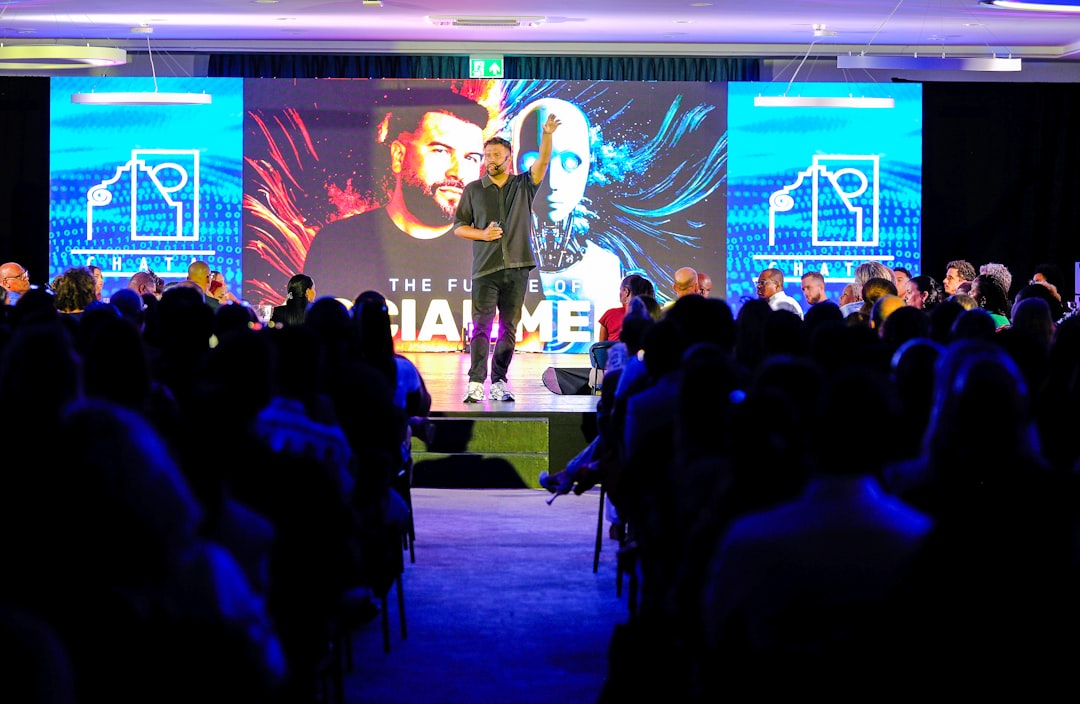
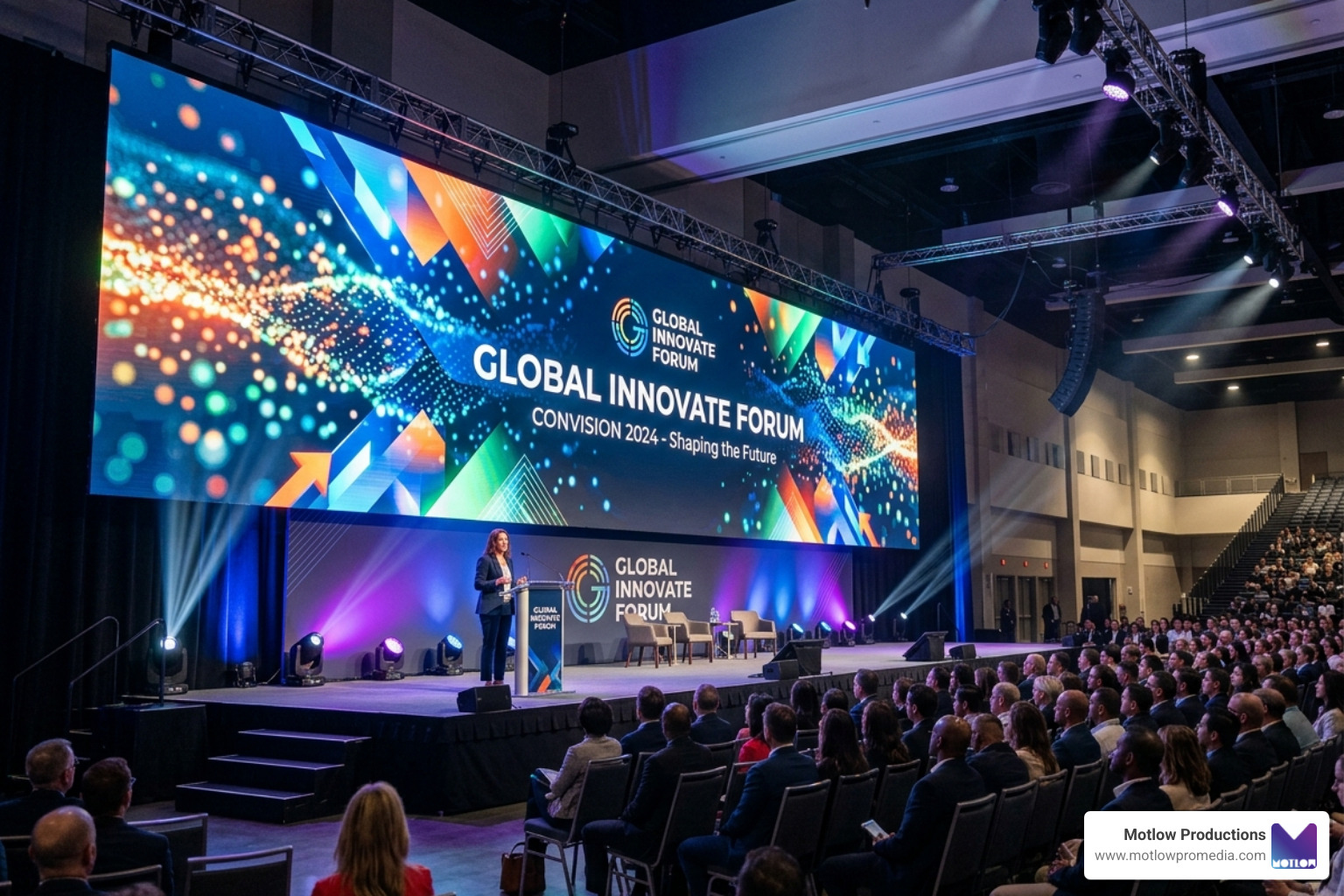
This matters because events move quickly, and the best moments can only be captured if the production plan exists before doors open. When the work is planned early, production becomes more efficient and the final content supports more than one deadline.
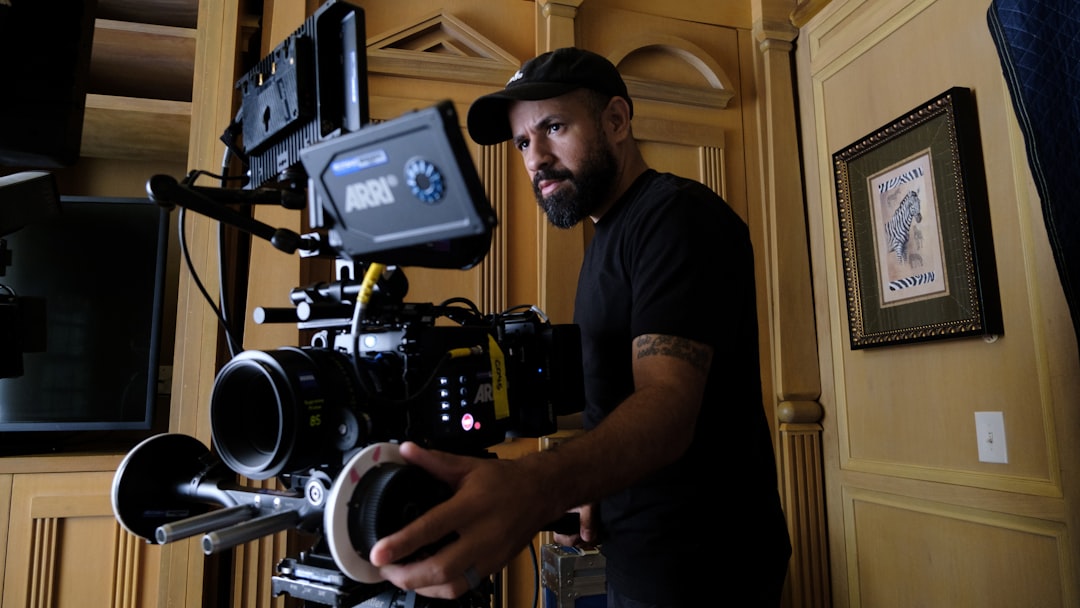
Through Motlow Pro Media's corporate video, photography, event production, livestreaming, and content strategy services, companies can turn one planning moment into a stronger media system for the year ahead.
Related resources:
Motlow Pro Media services: https://www.motlowpromedia.com/services-motlow
Business video production partner guide:
https://www.motlowpromedia.com/blog/business-video-production-complete-guide
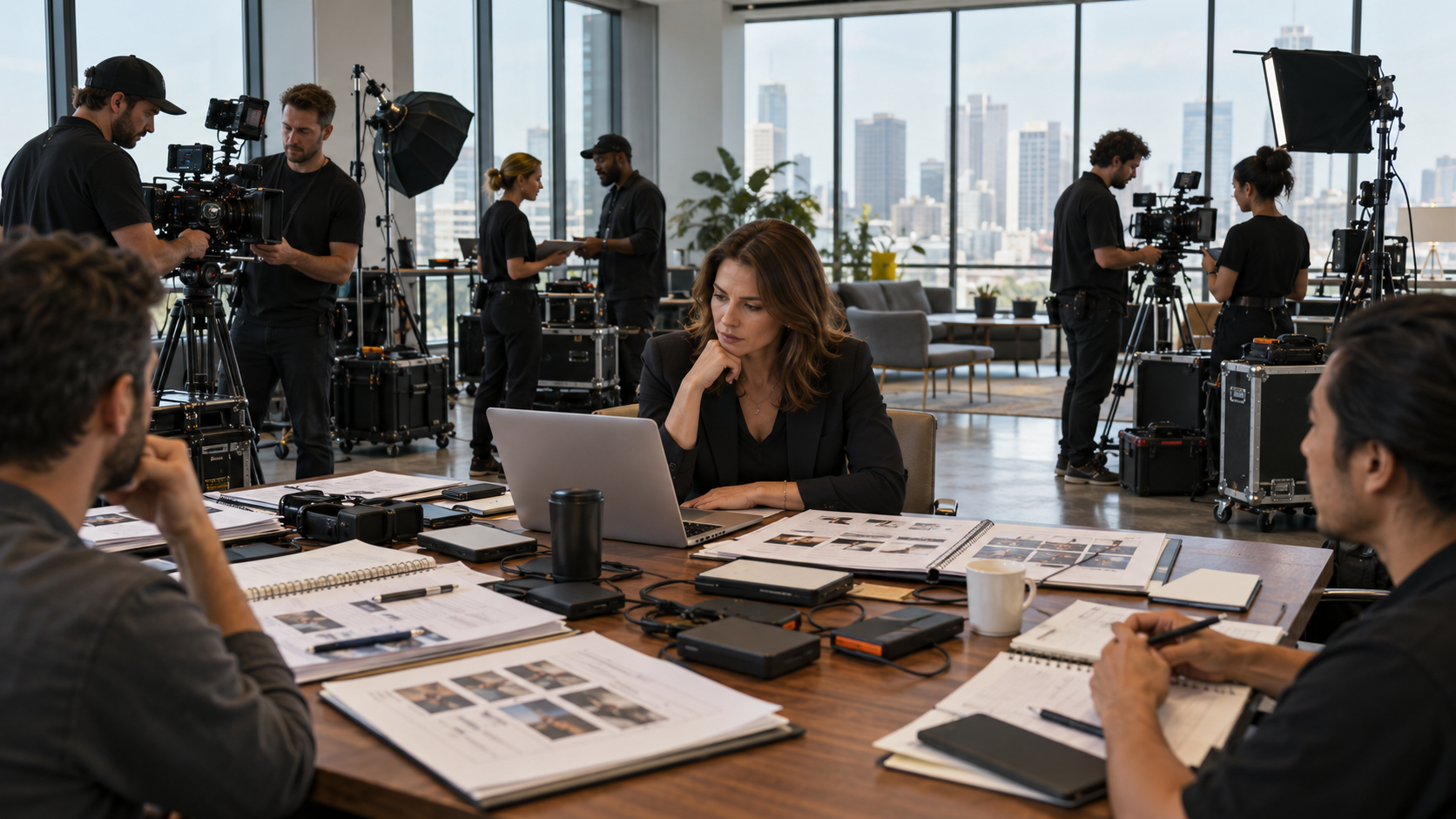
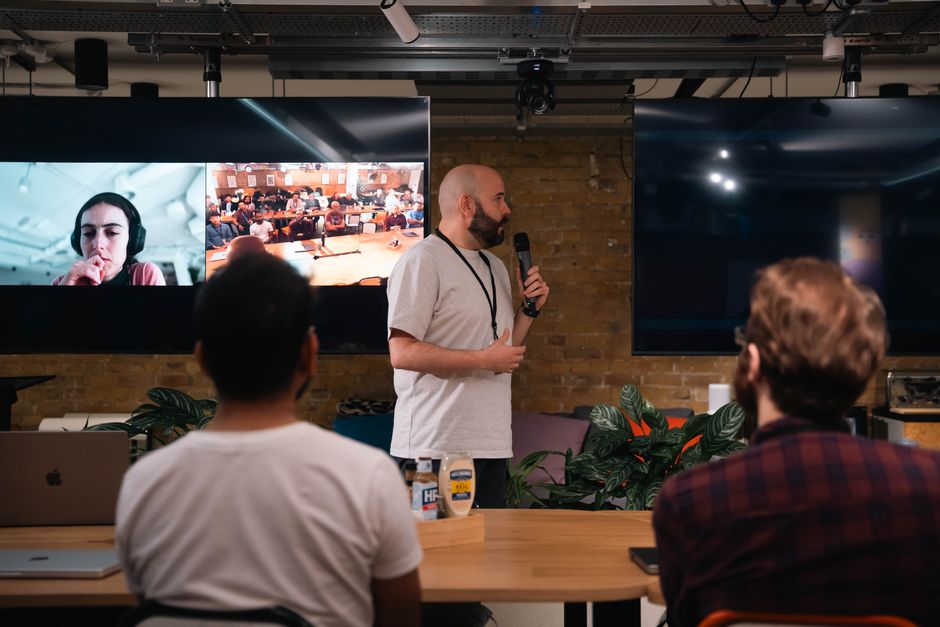
The media plan should start with the event objective. A client conference, internal town hall, leadership retreat, training event, product launch, and sponsor event each require different video and photography priorities.
For event marketers and corporate communications teams, this step should be documented before production begins. The team should know who owns the decision, what assets are needed, what approvals are required, and where the finished content will be used.
The practical value is that make event video, photography, livestreaming, and post-event content more intentional before the event begins becomes a repeatable process instead of a one-time request. That structure saves time, reduces rework, and helps the company create content that remains useful after the first publish date.
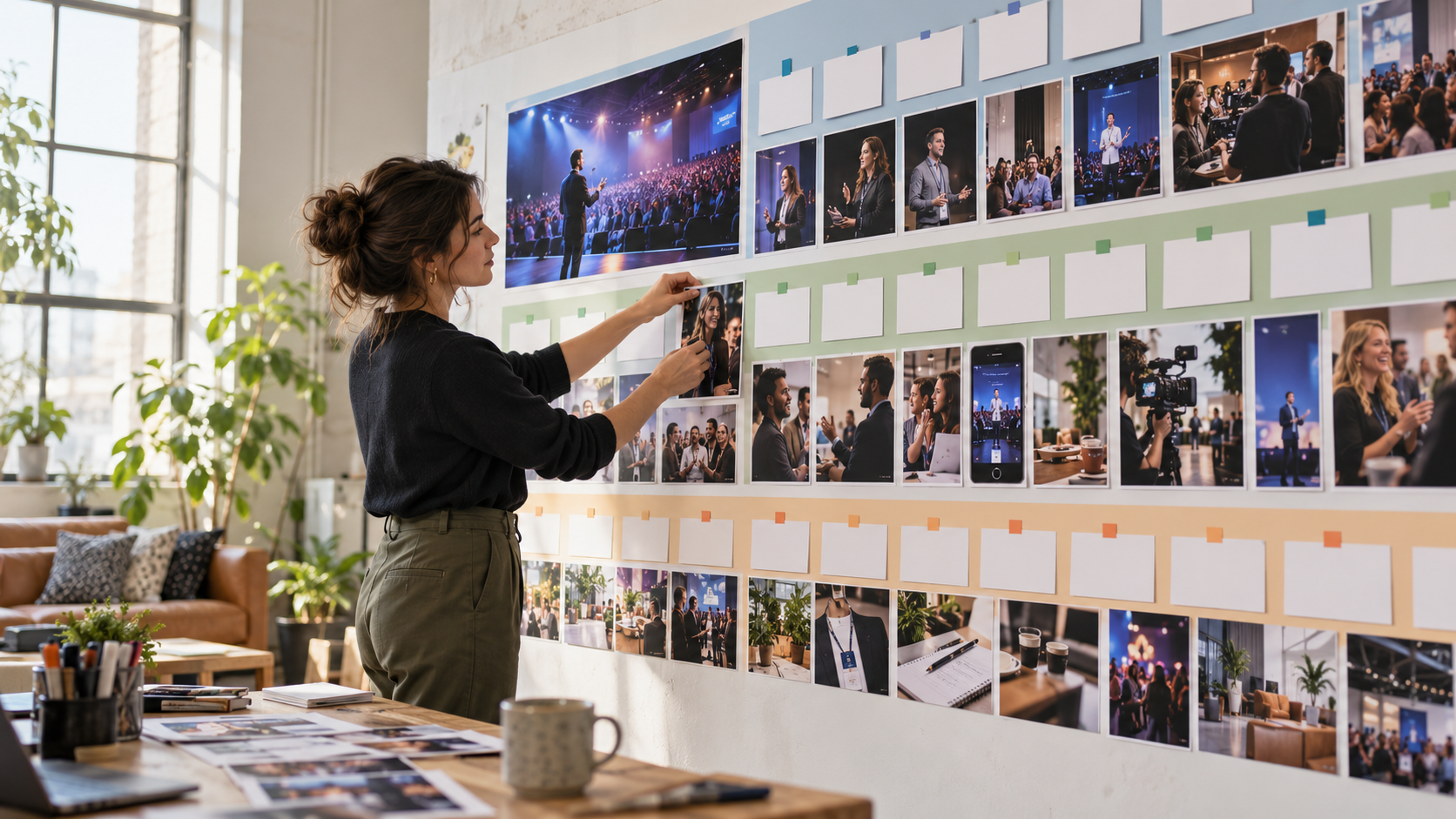
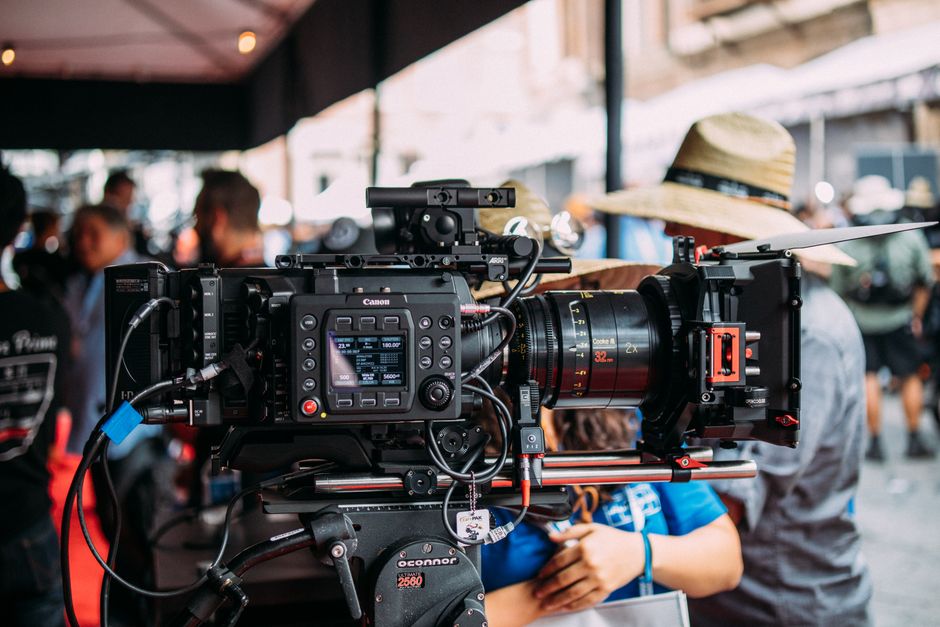
List the assets needed after the event, including recap videos, speaker clips, photography, livestream recordings, sponsor content, attendee testimonials, and social clips. Then plan what must be captured to create those assets.
For event marketers and corporate communications teams, this step should be documented before production begins. The team should know who owns the decision, what assets are needed, what approvals are required, and where the finished content will be used.
The practical value is that make event video, photography, livestreaming, and post-event content more intentional before the event begins becomes a repeatable process instead of a one-time request. That structure saves time, reduces rework, and helps the company create content that remains useful after the first publish date.
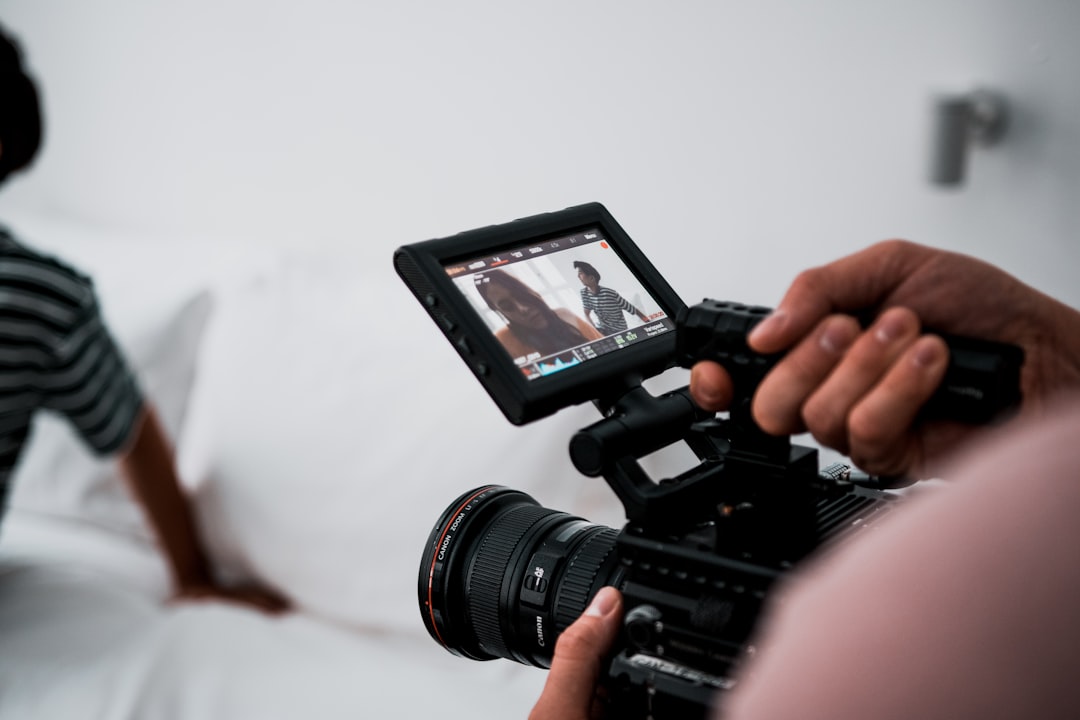
Production teams need a detailed schedule that includes room locations, speaker availability, setup windows, interviews, breaks, sponsor moments, and must-capture sessions. This prevents important moments from being missed.
For event marketers and corporate communications teams, this step should be documented before production begins. The team should know who owns the decision, what assets are needed, what approvals are required, and where the finished content will be used.
The practical value is that make event video, photography, livestreaming, and post-event content more intentional before the event begins becomes a repeatable process instead of a one-time request. That structure saves time, reduces rework, and helps the company create content that remains useful after the first publish date.
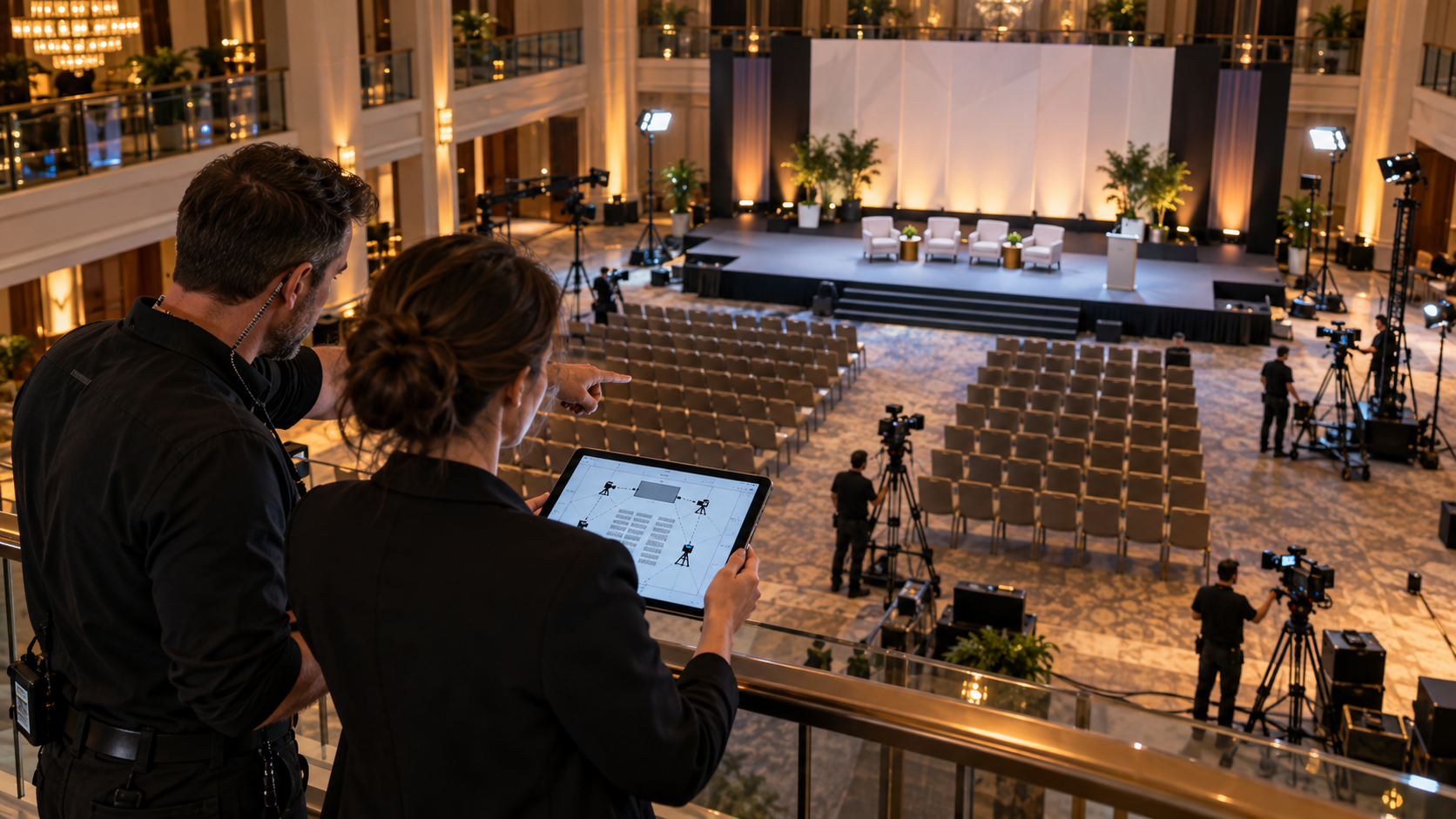
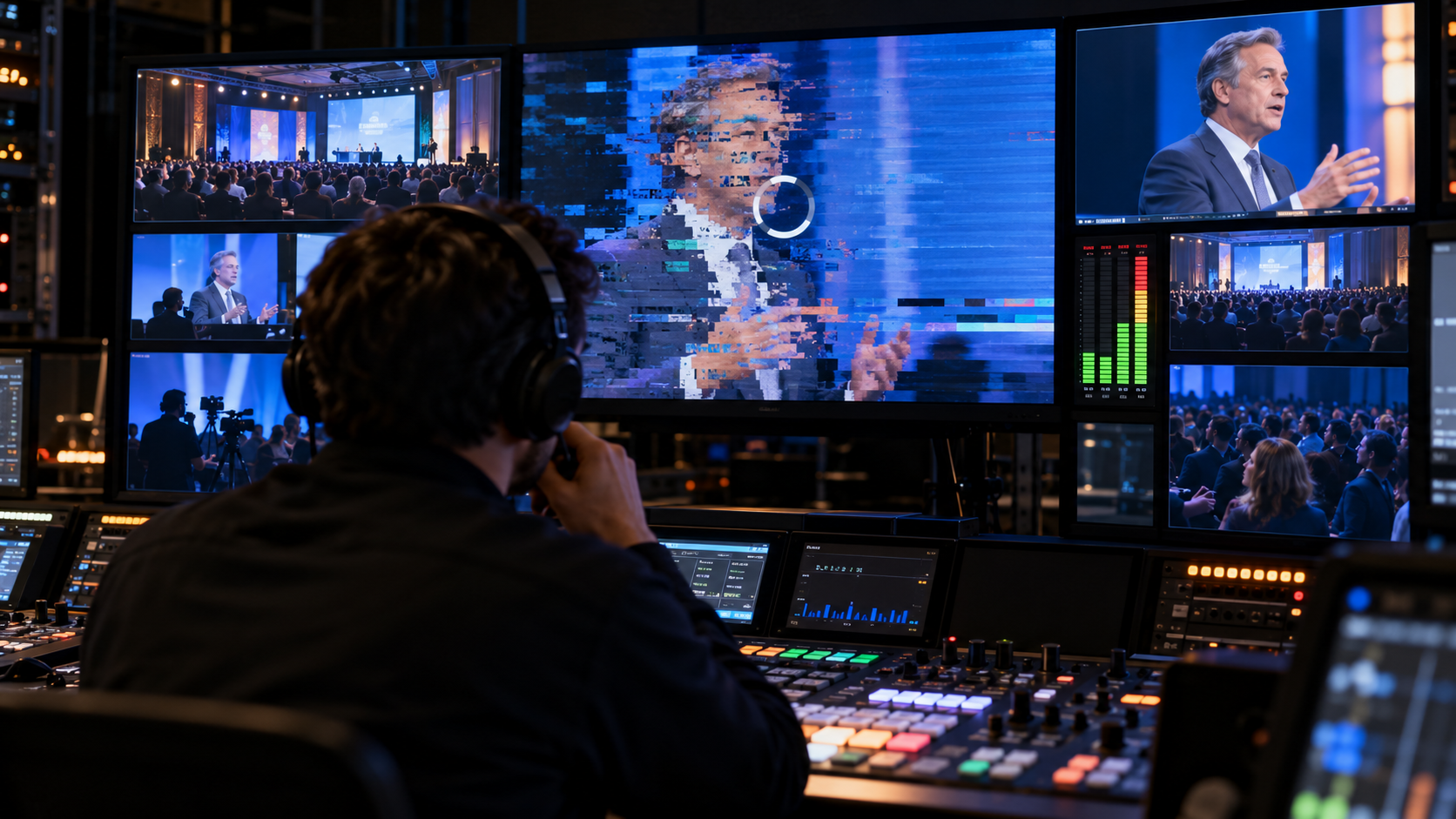
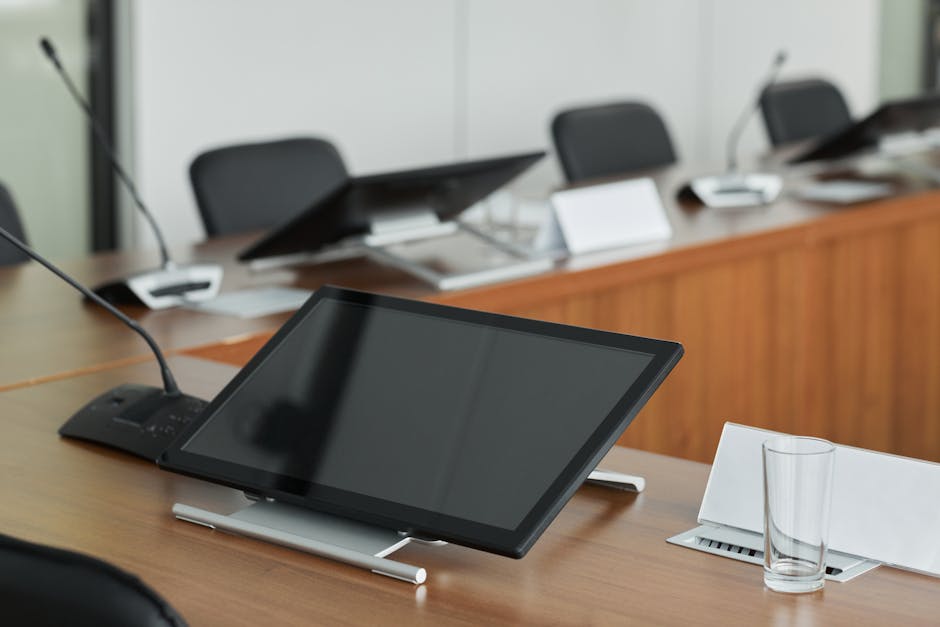
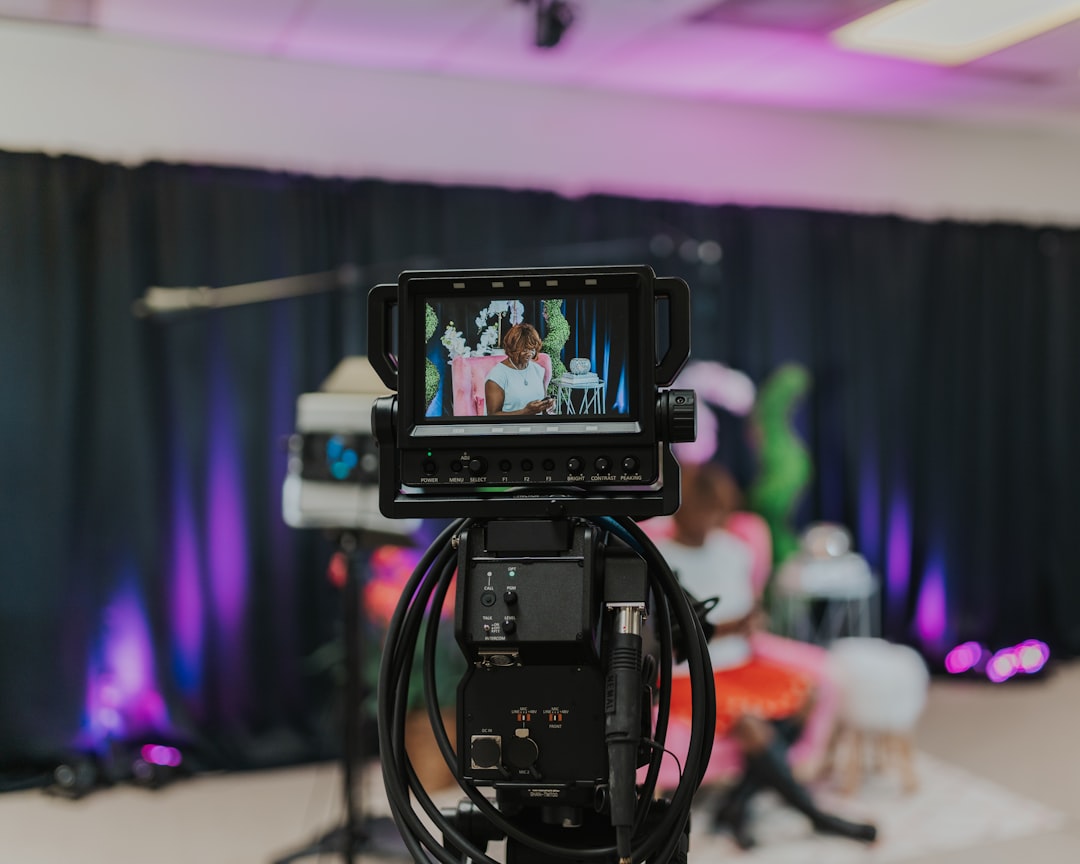
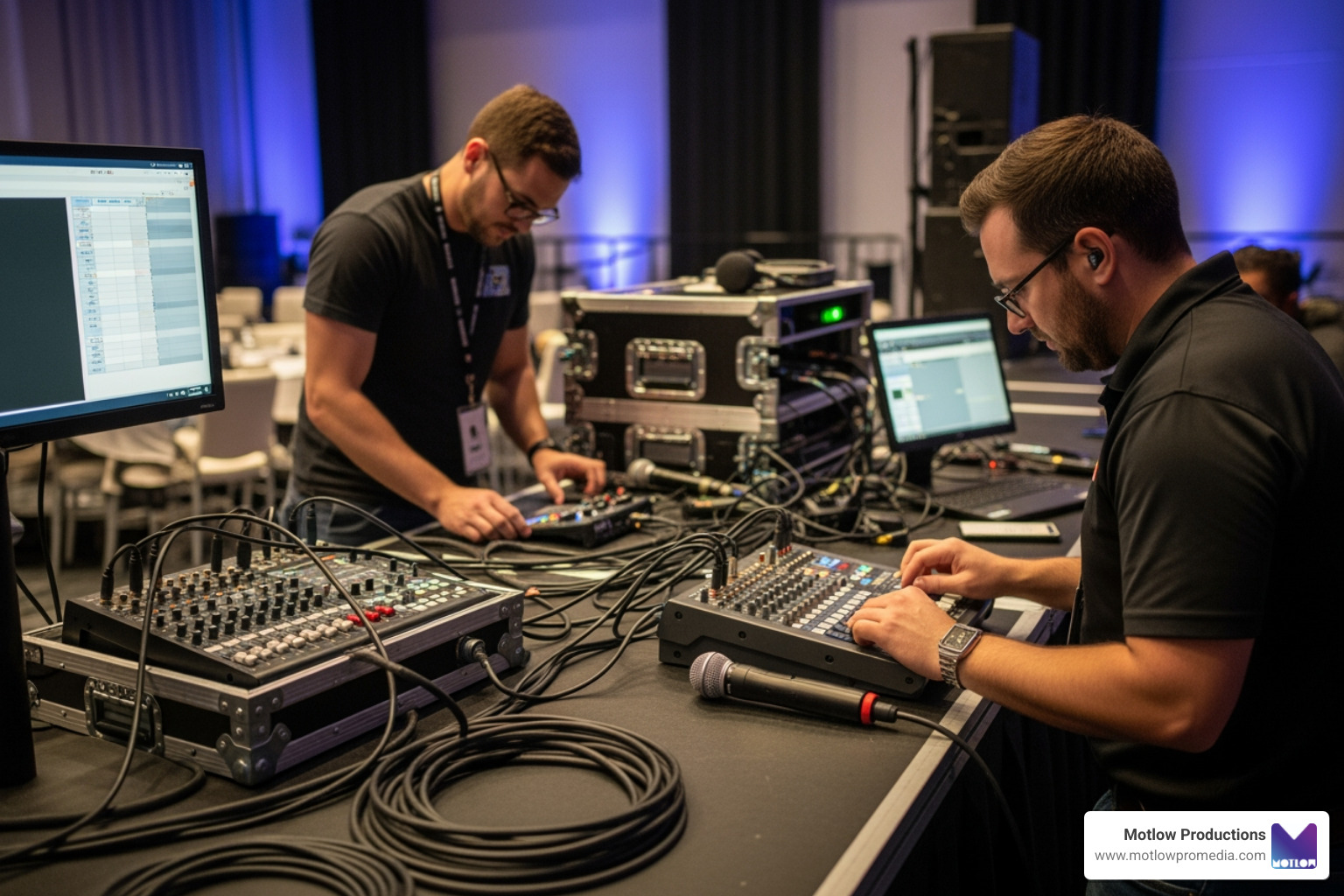
Audio feeds, microphones, internet access, lighting, camera positions, and presentation slides should be confirmed before event day. Technical assumptions are one of the biggest risks in event production.
For event marketers and corporate communications teams, this step should be documented before production begins. The team should know who owns the decision, what assets are needed, what approvals are required, and where the finished content will be used.
The practical value is that make event video, photography, livestreaming, and post-event content more intentional before the event begins becomes a repeatable process instead of a one-time request. That structure saves time, reduces rework, and helps the company create content that remains useful after the first publish date.
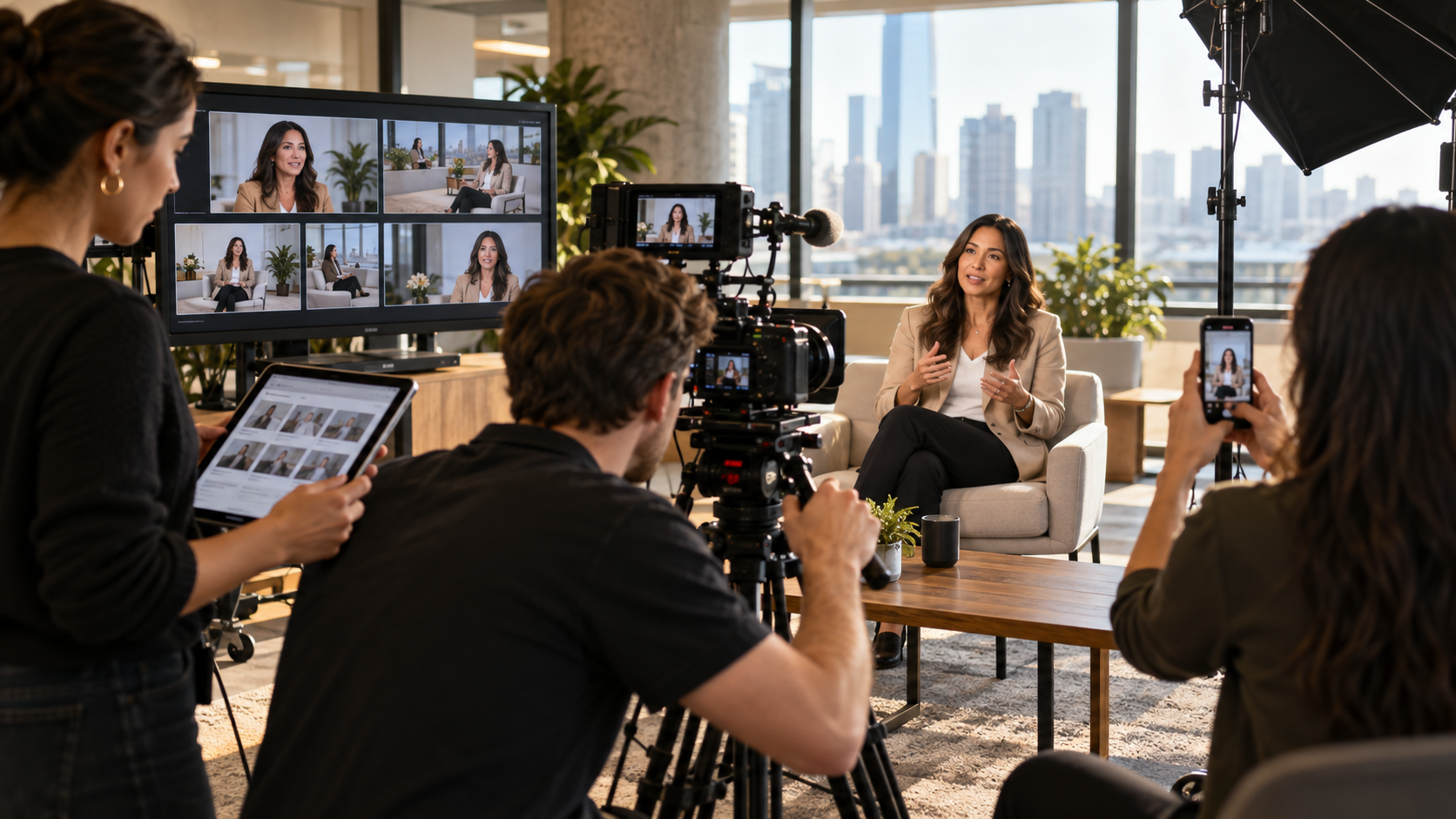
Executives, speakers, sponsors, customers, and attendees are often available for a limited time. Pre-production should include interview targets, questions, locations, and approval needs.
For event marketers and corporate communications teams, this step should be documented before production begins. The team should know who owns the decision, what assets are needed, what approvals are required, and where the finished content will be used.
The practical value is that make event video, photography, livestreaming, and post-event content more intentional before the event begins becomes a repeatable process instead of a one-time request. That structure saves time, reduces rework, and helps the company create content that remains useful after the first publish date.
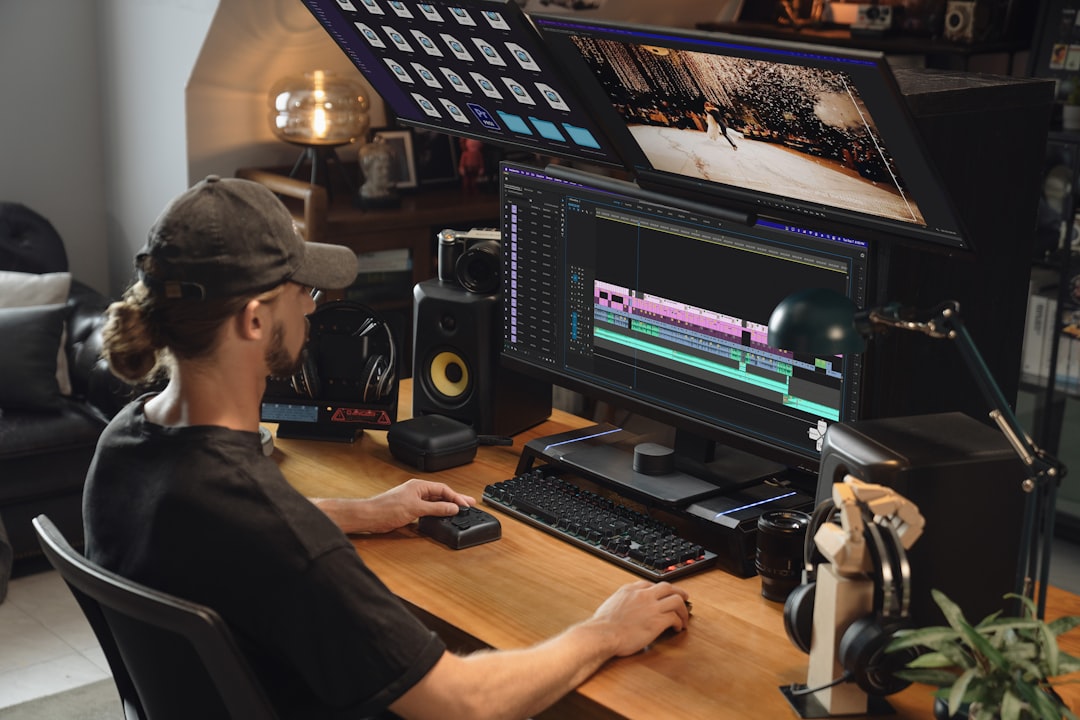
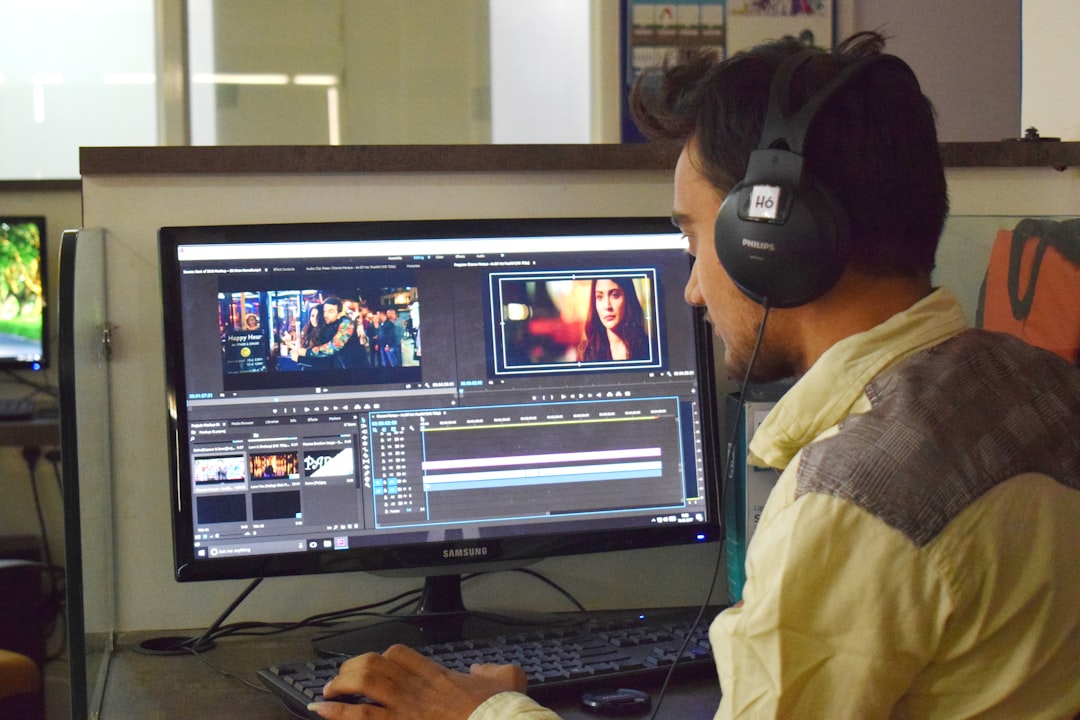
The media plan should include editing priorities, review owners, publishing deadlines, social rollout, sponsor deliverables, and asset organization. Post-event momentum is easier to protect when the process is already approved.
For event marketers and corporate communications teams, this step should be documented before production begins. The team should know who owns the decision, what assets are needed, what approvals are required, and where the finished content will be used.
The practical value is that make event video, photography, livestreaming, and post-event content more intentional before the event begins becomes a repeatable process instead of a one-time request. That structure saves time, reduces rework, and helps the company create content that remains useful after the first publish date.
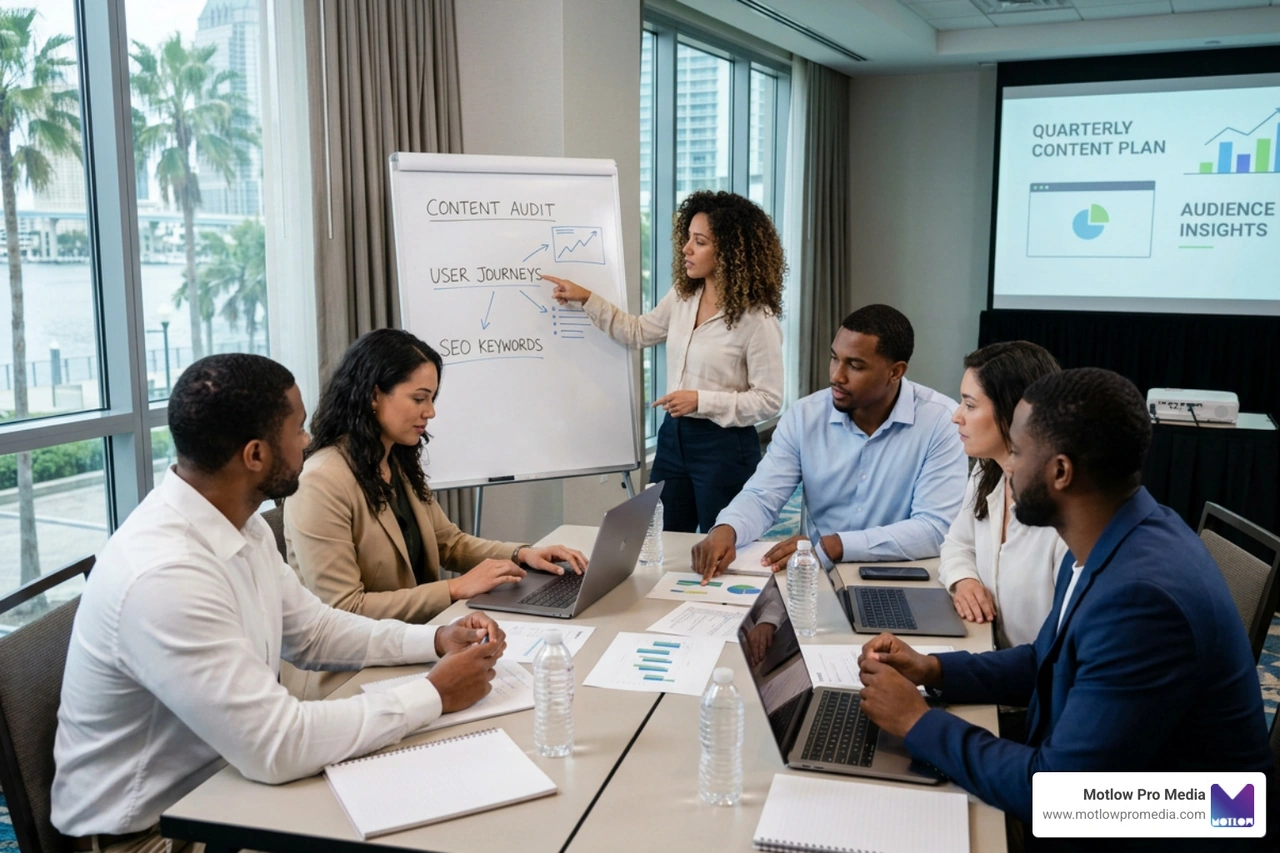
Start with a short working session that includes the marketing owner, the person responsible for production, and any team that will use the final content. Review the goal, audience, timeline, channel plan, and required deliverables before the first shoot, interview, livestream, or event day is scheduled.
Then create a simple brief that lists the message, required assets, speakers or participants, shot list, locations, approvals, distribution plan, and repurposing opportunities. This brief should be practical enough for another team member or production partner to execute without reconstructing the strategy from old emails.
After publishing, review how the content was actually used. Note which assets supported sales, recruiting, internal communication, social media, email, or future planning. That review turns one project into a stronger operating standard for the next one.
- Confirm the business goal of the event.
- List required video, photography, livestream, and social deliverables.
- Map rooms, speakers, interviews, and sponsor priorities.
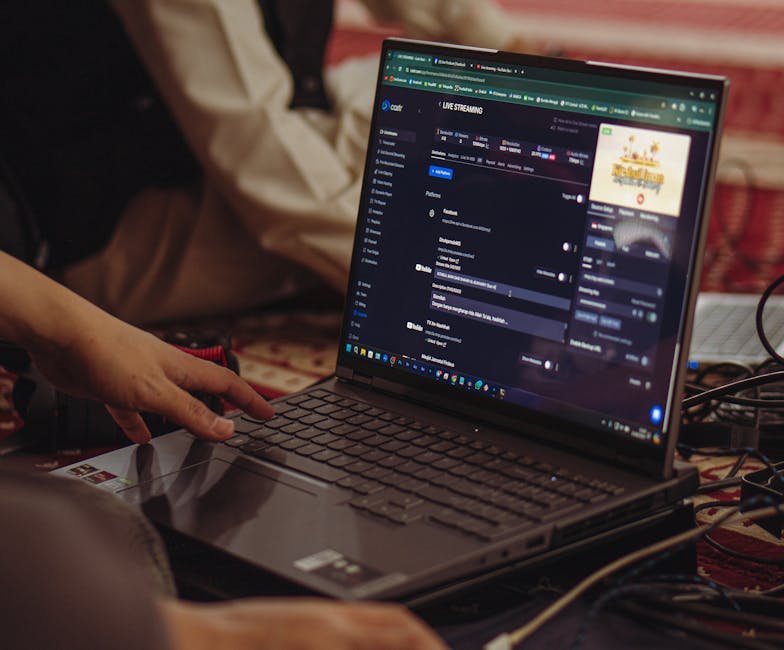
- Test audio, internet, slides, and livestream requirements.
- Schedule interviews before event day.
- Approve post-event editing and publishing workflows in advance.
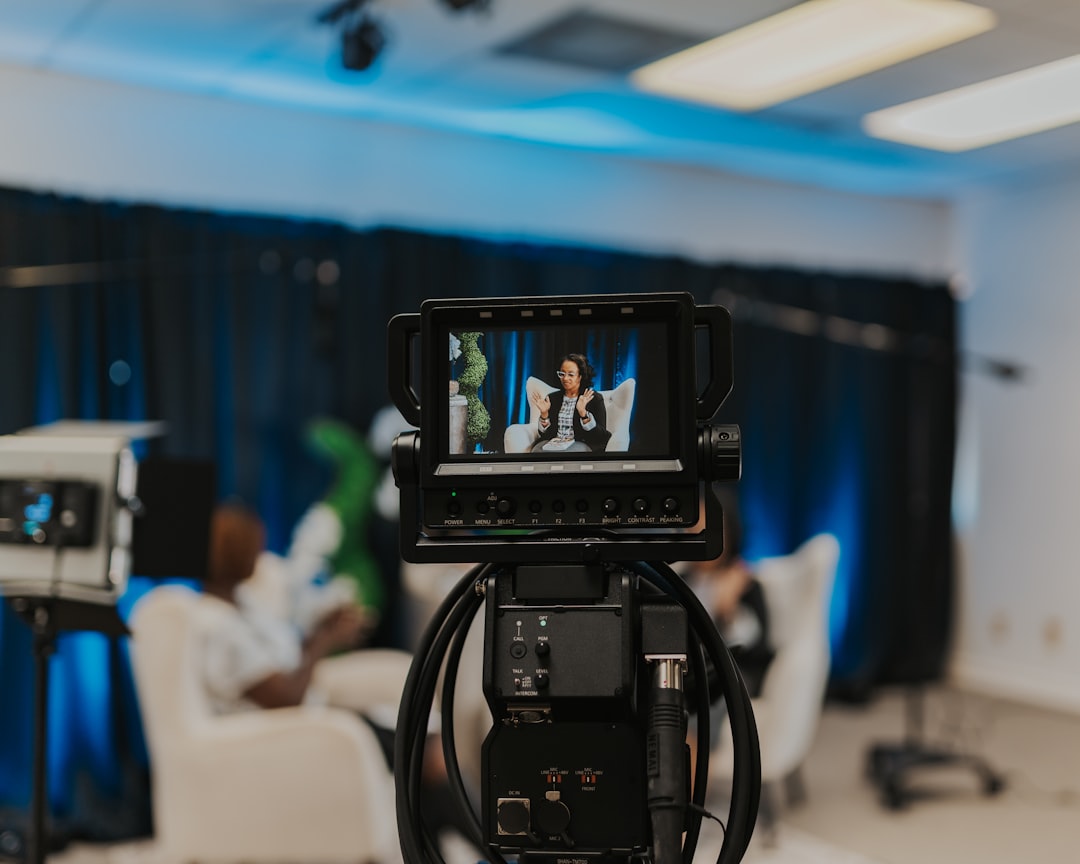
It is the plan that defines what will be filmed, photographed, streamed, edited, reviewed, and published before the event begins.
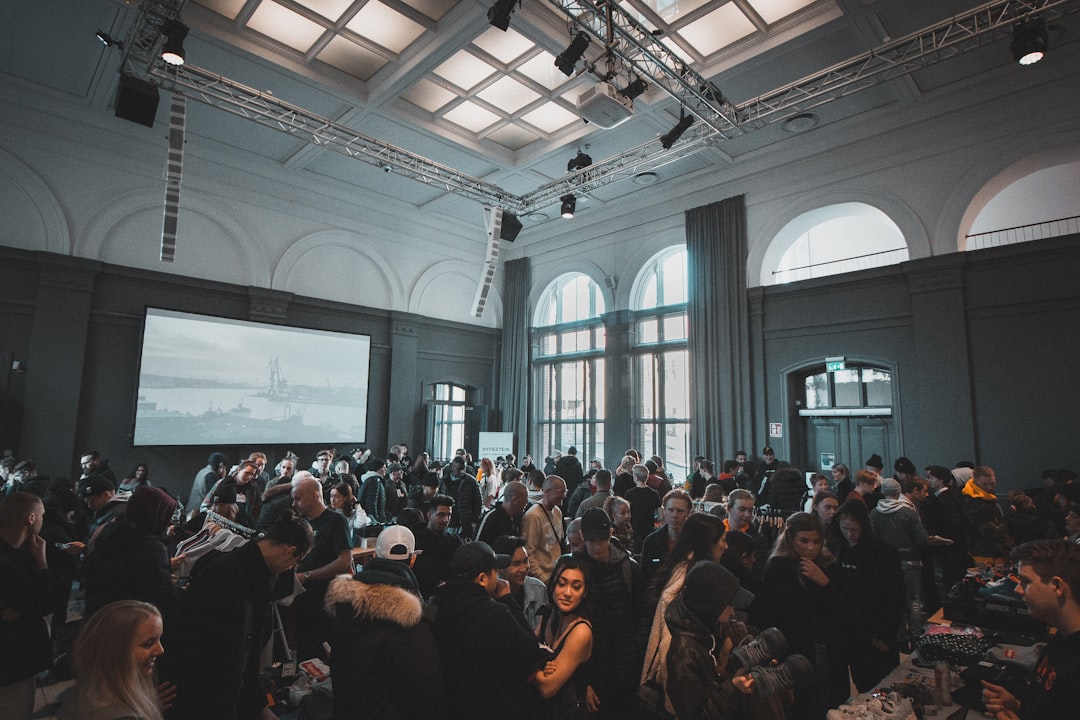
Many event moments cannot be recreated. Pre-production helps the team capture the right people, sessions, audio, and visuals while they are available.
Yes. Sponsor deliverables should be planned before the event so booth photos, interviews, branded moments, and engagement footage are captured intentionally.
Why Every Corporate Event Needs a Pre-Production Media Plan is not only a content topic. It is a planning decision that helps companies create media with a clearer purpose, stronger reuse, and better alignment across departments.
When event marketers and corporate communications teams plan around audience needs, final deliverables, approvals, and distribution before production begins, the work becomes easier to execute and more valuable after delivery. The result is a stronger content library that supports marketing, sales, recruiting, events, leadership, and internal communication throughout the year.
- Motlow Pro Media services: https://www.motlowpromedia.com/services-motlow
- Motlow Pro Media portfolio: https://www.motlowpromedia.com/portfolio
- A-Z Guide to Conference Video Production: https://www.motlowpromedia.com/blog/conference-video-production-guide-2026-d2908
- How to Choose a Professional Business Video Production Partner: https://www.motlowpromedia.com/blog/business-video-production-complete-guide
- Content Marketing Institute strategy resources: https://contentmarketinginstitute.com/
- Wistia video learning resources: https://wistia.com/learn
- Google Search Central video best practices: https://developers.google.com/search/docs/appearance/video
Some clients want to give notes in a live Zoom call. Others prefer a group text or email thread. However you like to communicate, we adapt. You’ll never be left guessing where things stand - and you’ll always have a say before anything goes out the door.





Phone:
+1 863-250-8639
.png)
Email:
info@motlowpromedia.com