


-5.jpg)



















Thank you! Your submission has been received!
Oops! Something went wrong while submitting the form.

.avif)
September 29, 2026
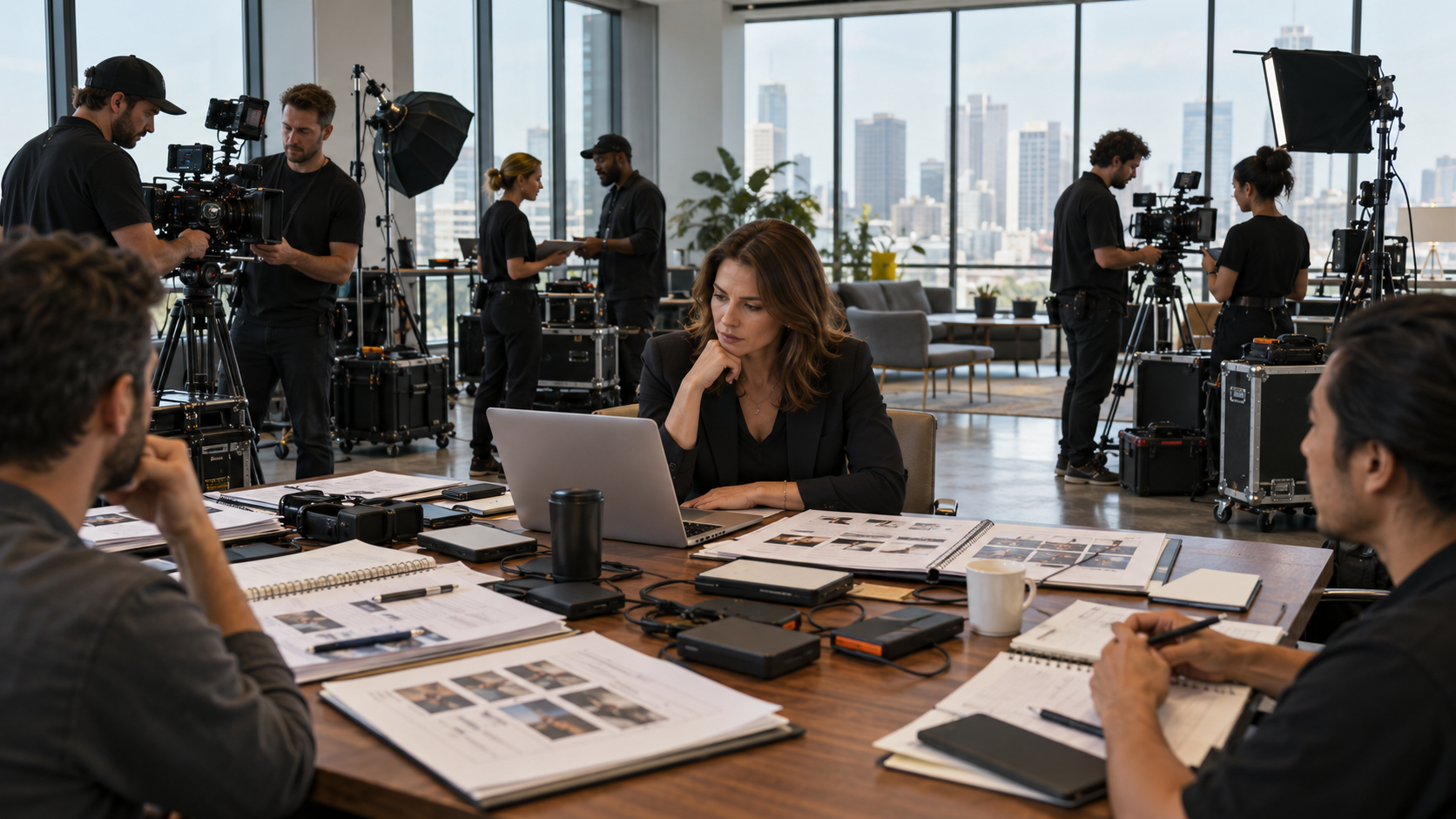
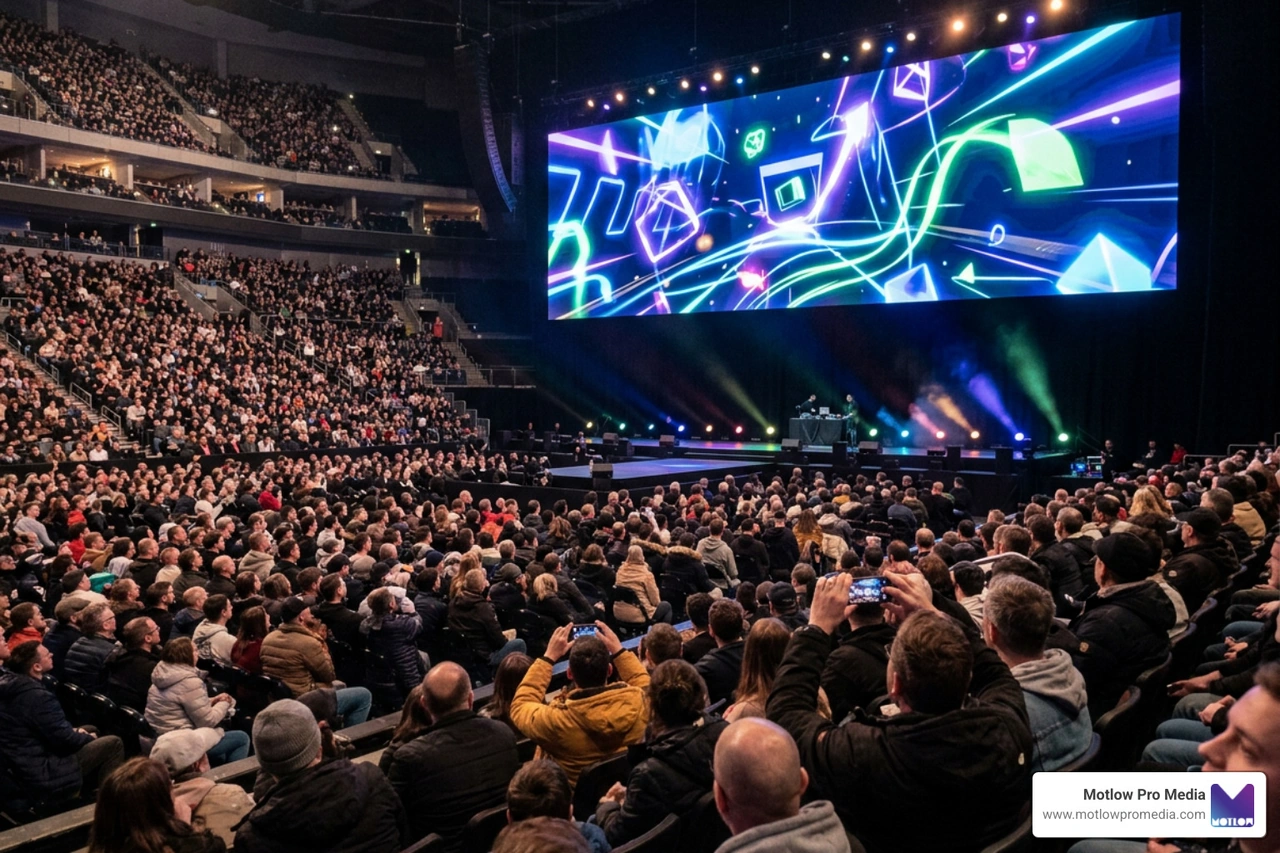
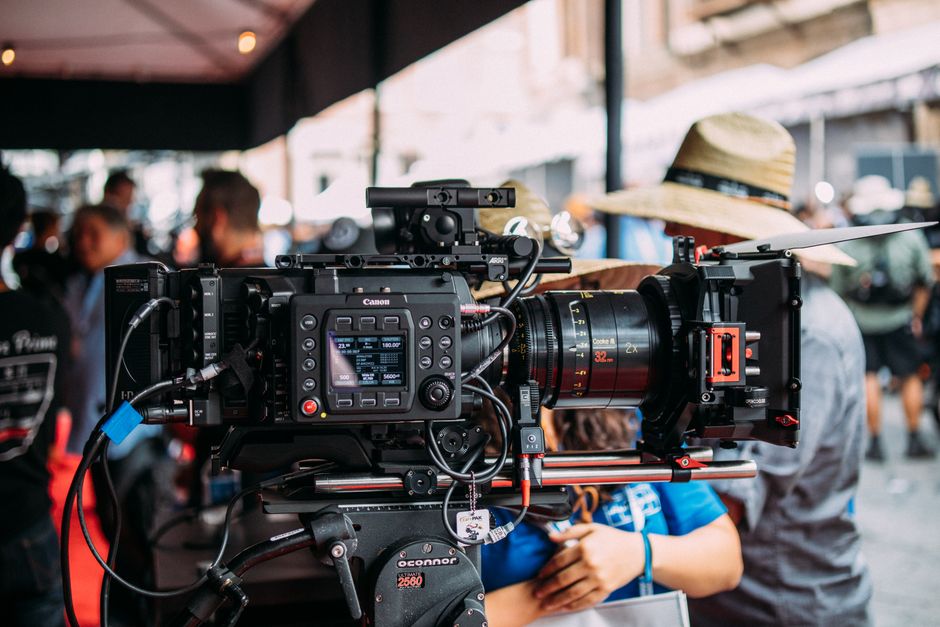
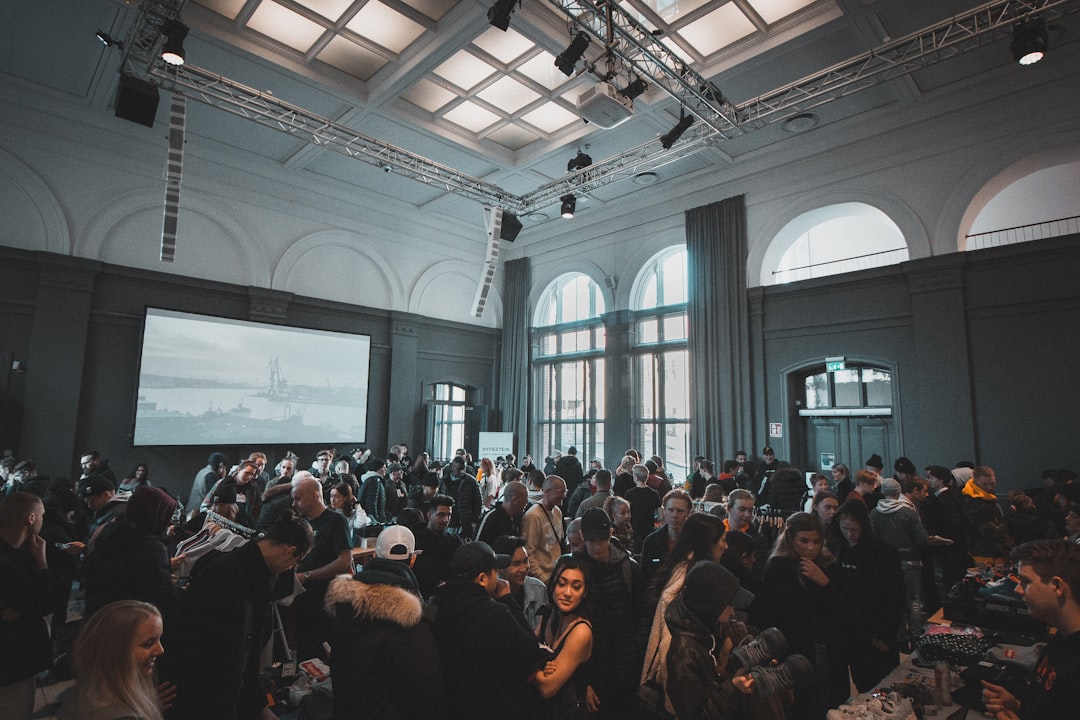
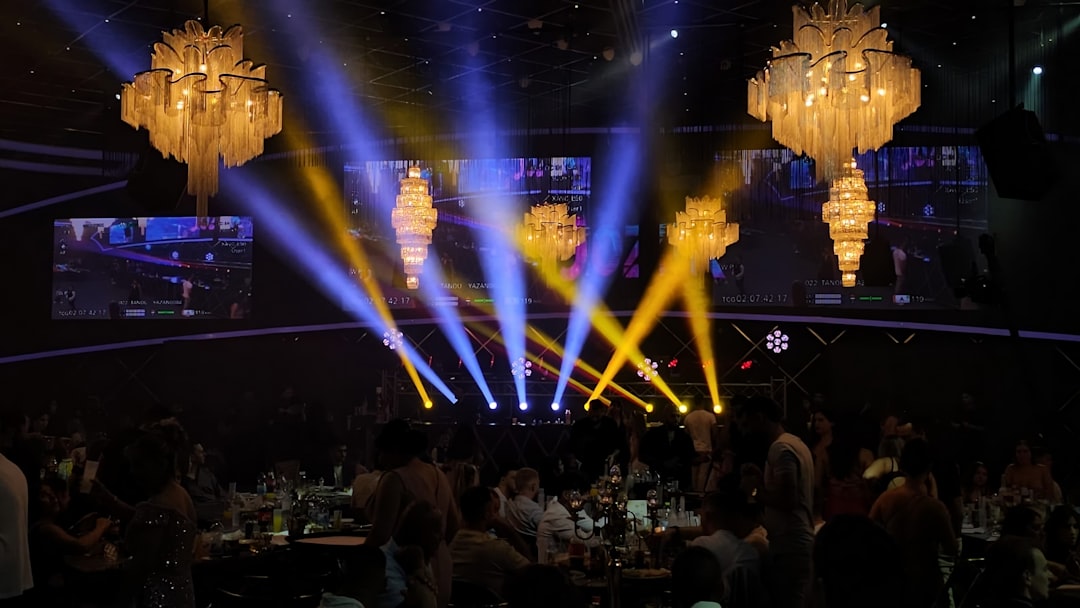
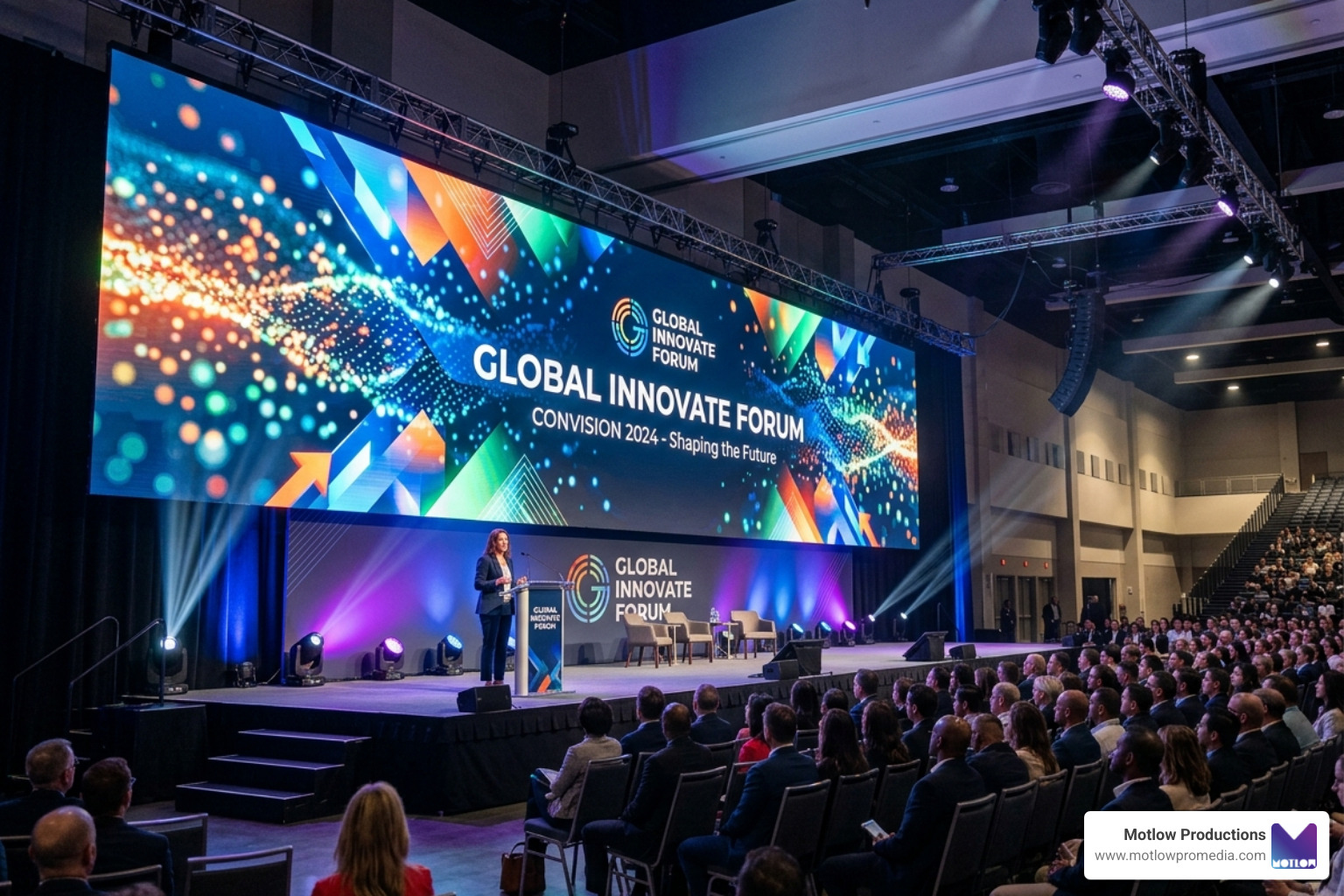
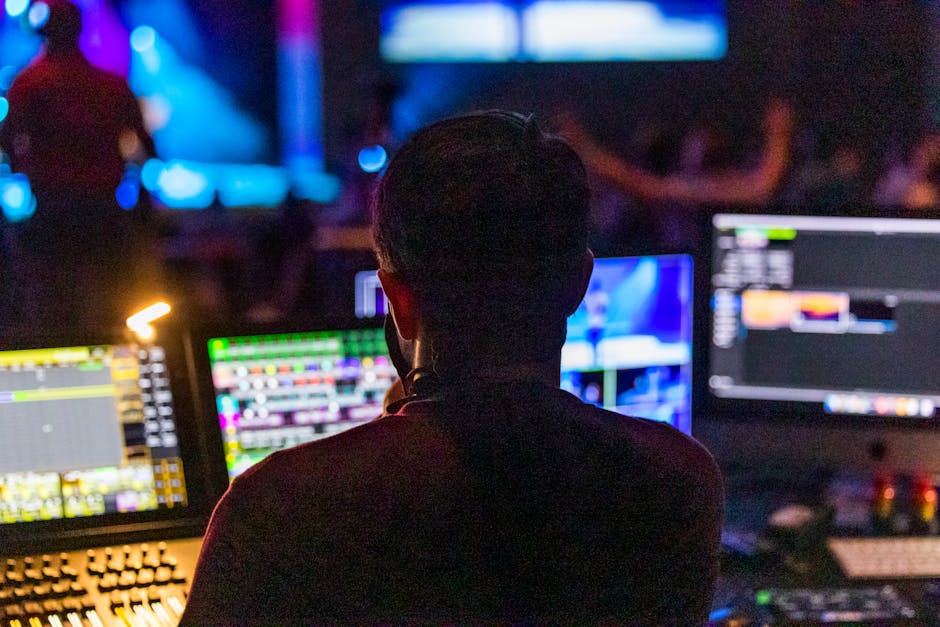
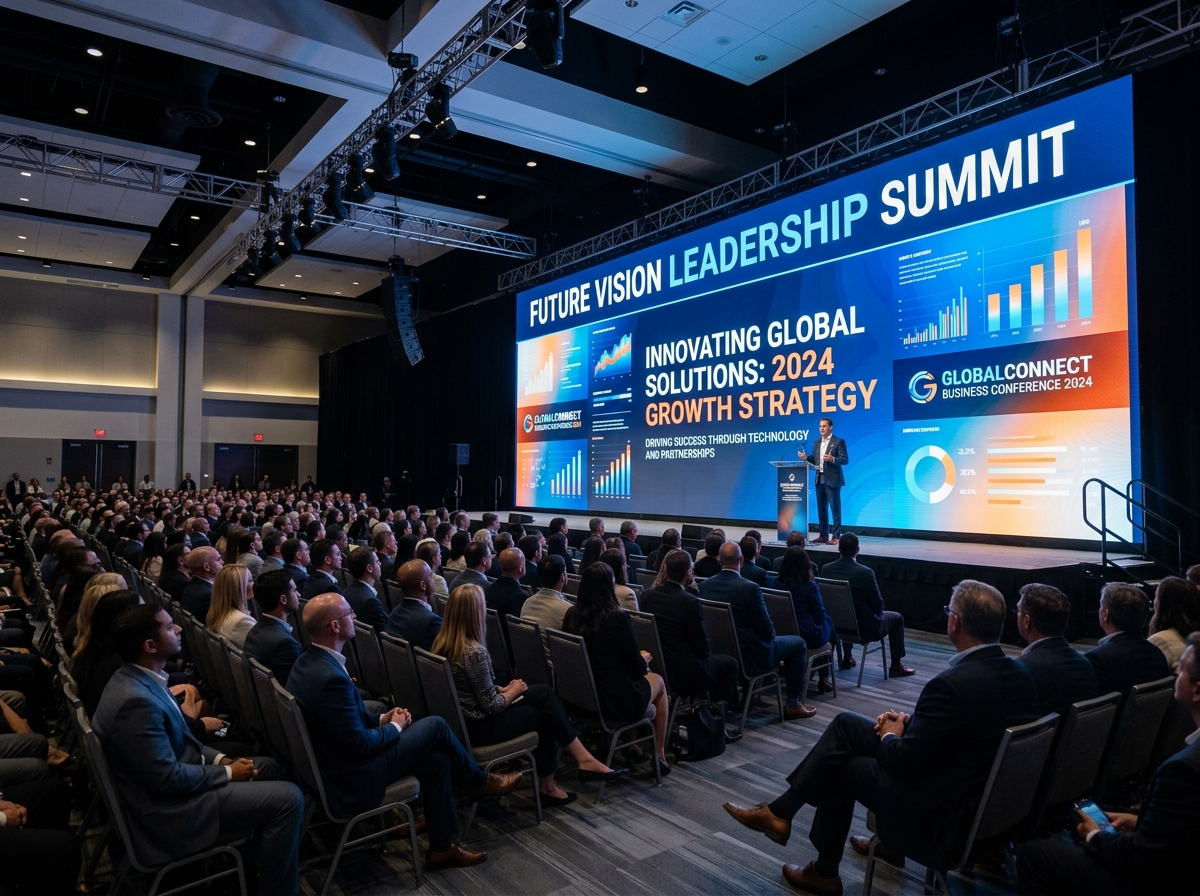
Corporate event production can look seamless from the audience's perspective. The speakers walk on stage, the microphones work, the screens display the right visuals, the cameras capture the right angles, and the event appears to move naturally from one segment to the next.
Behind the scenes, that smooth experience is rarely accidental.
A successful corporate event production depends on planning, communication, technical coordination, crew leadership, and a clear understanding of what the event needs to accomplish. For marketing teams, communications leaders, and event planners, it helps to understand what actually happens behind the curtain. You do not need to become a technical director, but you do need to know what your production partner should be managing before, during, and after the event.
The strongest productions are not just about lights, cameras, and sound. They are about protecting the brand experience and creating content that can continue working after the event ends. That is why Motlow Pro Media's services include event production, corporate video, photography, livestreaming, and strategic media support together rather than treating each piece as a separate task.
Before anyone talks about cameras, lighting, staging, or livestream settings, the production team needs to understand the purpose of the event.
Is the event designed to educate clients? Launch a new initiative? Celebrate employees? Train internal teams? Attract sponsors? Capture thought leadership? Build social media content? Support sales? Strengthen brand credibility?
The answer changes the production plan.
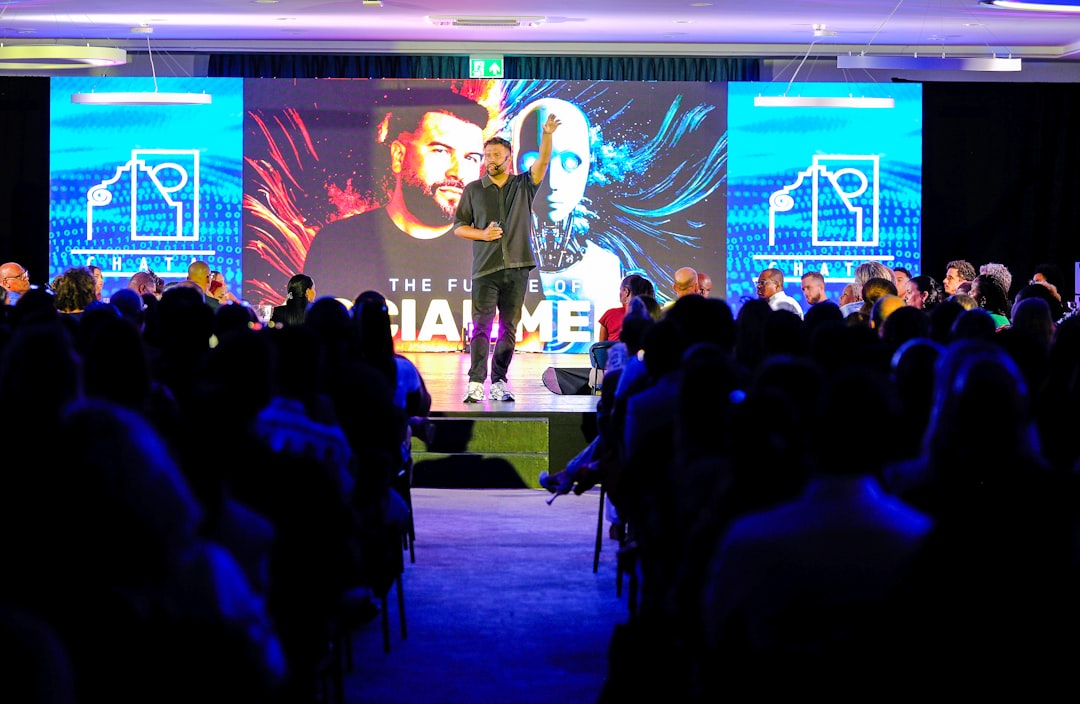
A leadership town hall may need clean audio, a confident stage setup, and a reliable recording for employees who cannot attend live. A corporate conference may need multi-camera coverage, event photography, sponsor footage, speaker interviews, and a livestream. A product announcement may need tighter brand control, polished visuals, and faster post-event editing.
When the goal is clear, the production team can make better decisions. They can recommend the right crew size, equipment, camera placement, run-of-show support, and deliverables. Without that clarity, the production can still look busy, but the final content may not serve the marketing team well.
Most production problems show up during the event, but they usually begin before the event.
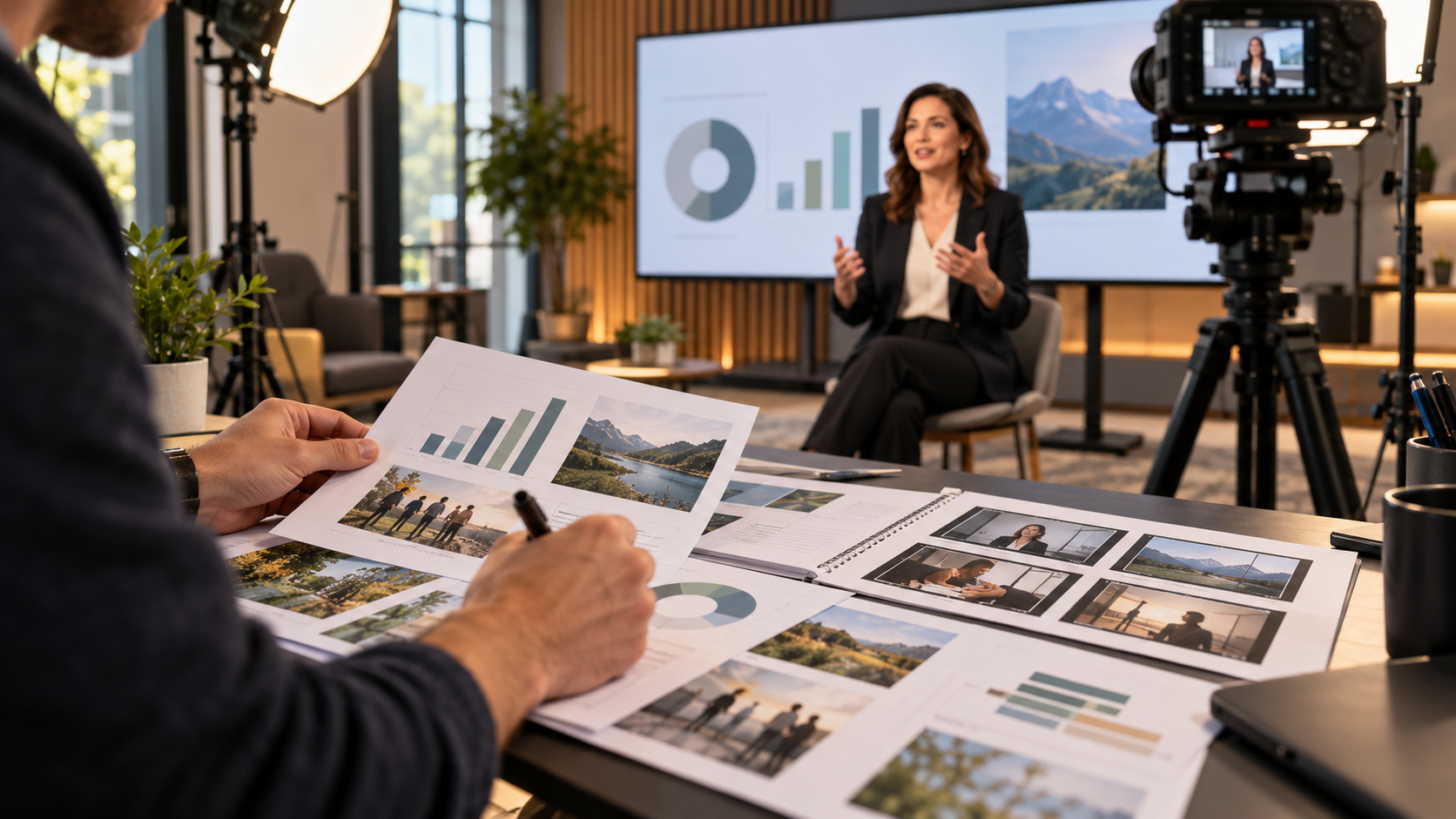
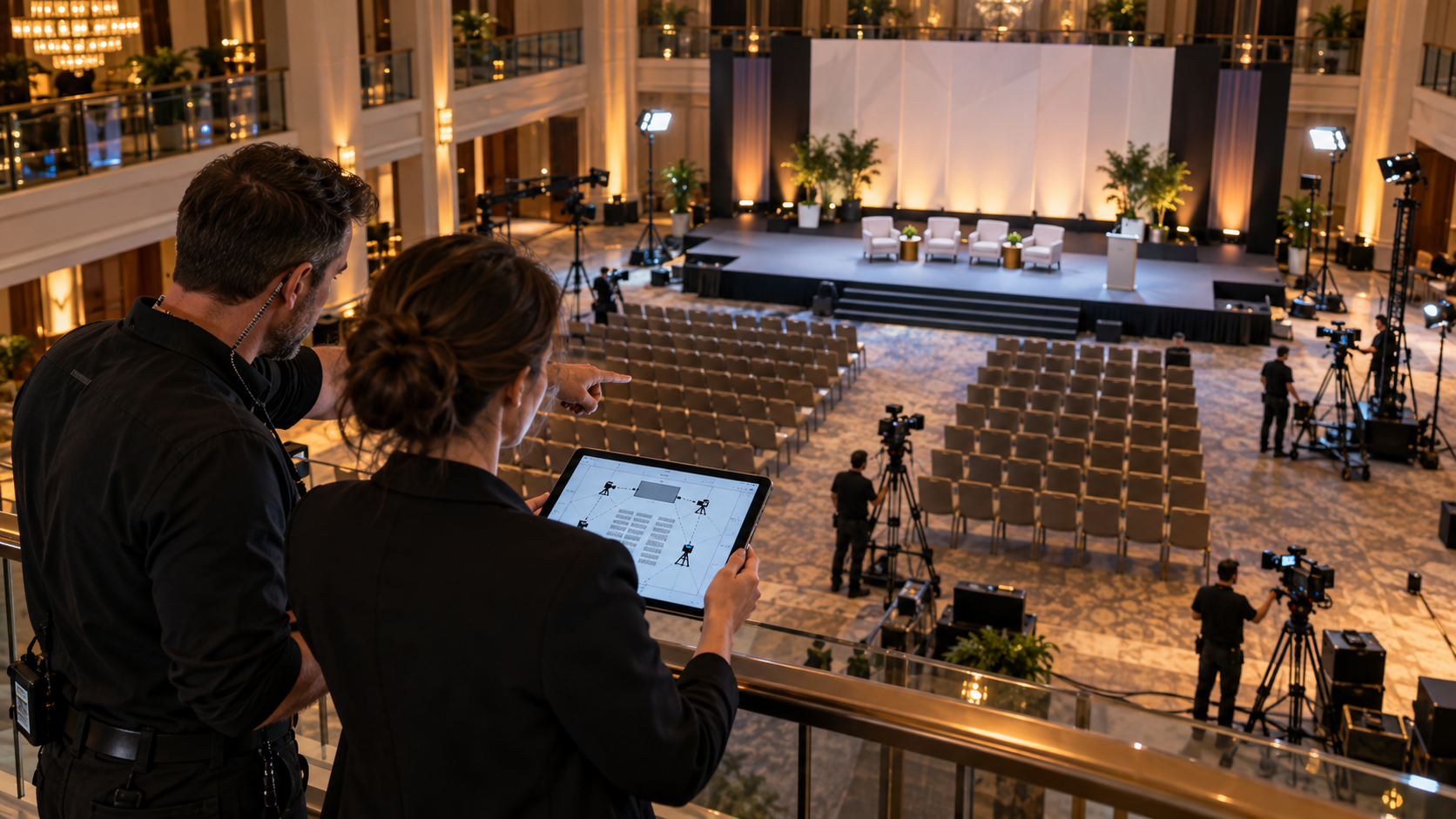
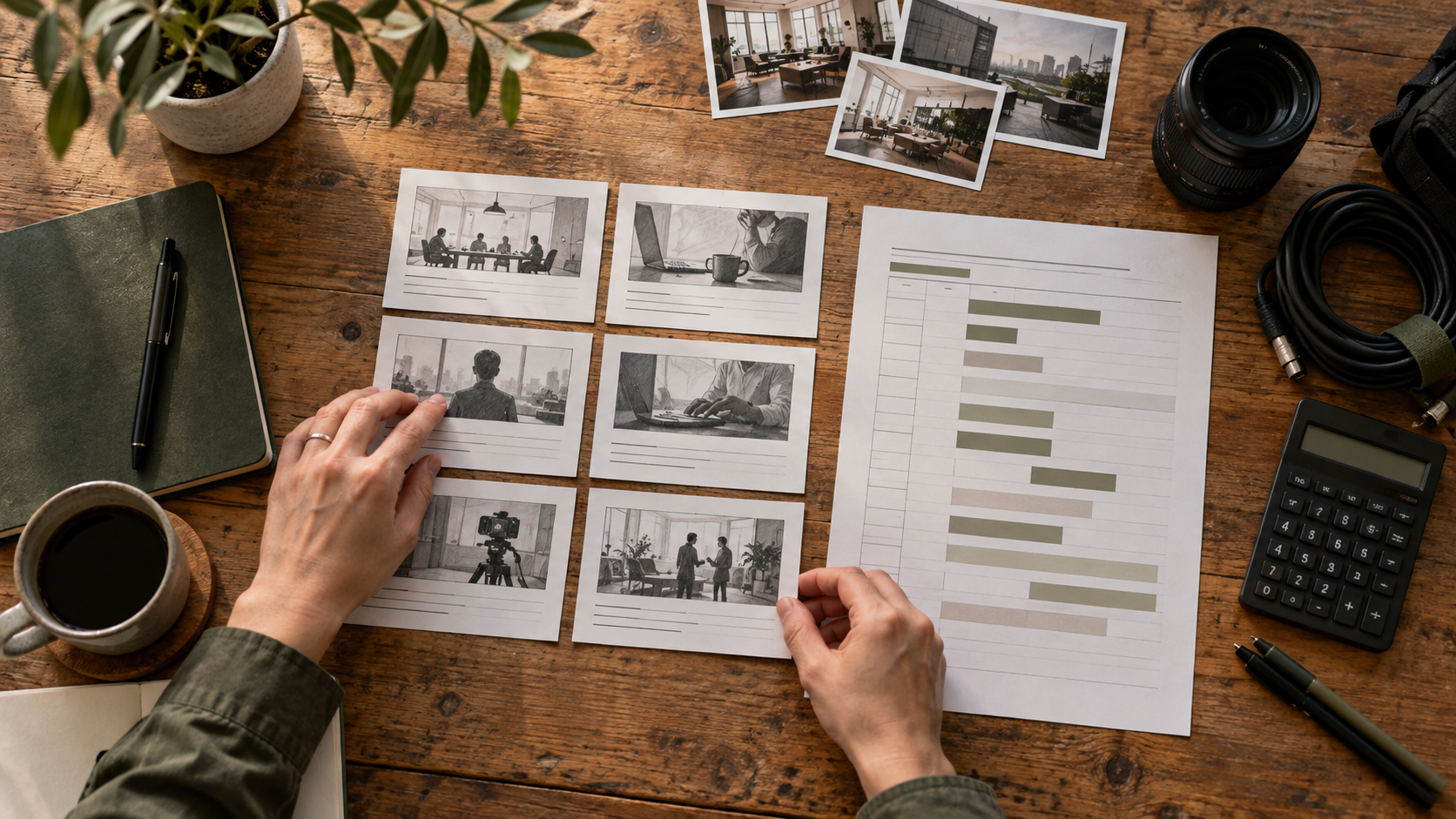
Pre-production is the planning phase. This is where the production team reviews the venue, schedule, speaker list, room layout, technical requirements, brand expectations, and final content needs. It is also where the team identifies risk before the room is full of attendees.
A strong pre-production process may include:
This planning phase is especially important when the event needs to create content afterward. The A-Z Guide to Conference Video Production explains why conferences and corporate events should be treated as content opportunities, not just one-day experiences.
When pre-production is skipped or rushed, the crew is forced to solve preventable problems on-site. That can affect the event experience, the quality of the footage, and the usefulness of the final deliverables.
A run of show is more than a schedule. It is the production roadmap.
It tells the team what happens, when it happens, who is involved, what needs to be shown on screen, what microphones are needed, when cameras should be ready, and where attention should be focused. For a corporate event, the run of show helps connect the event planner, marketing team, speakers, production crew, venue staff, and AV support.
A strong run of show helps prevent confusion around transitions. It can answer questions like:
Who introduces the keynote speaker?
When does the sponsor video play?
When does the panel start?
Will there be audience Q&A?
Does the livestream need a holding slide?
Which moments need to be recorded for post-event clips?
Which moments need photographers to capture sponsor signage?
The more specific the run of show is, the easier it is for the production team to stay ahead of the event instead of reacting to it. That does not mean every second must be rigid. Live events always require flexibility. But flexibility works best when there is a clear plan to adjust from.
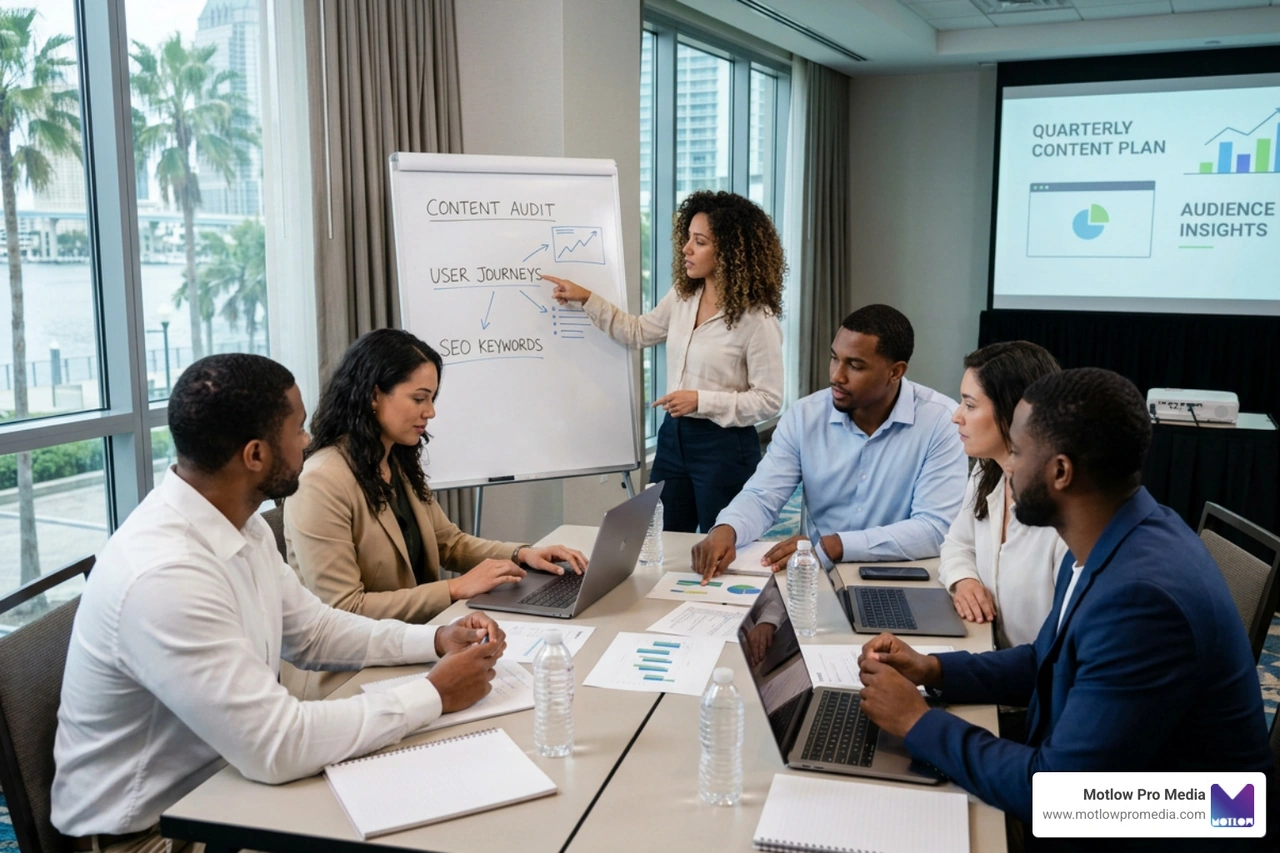
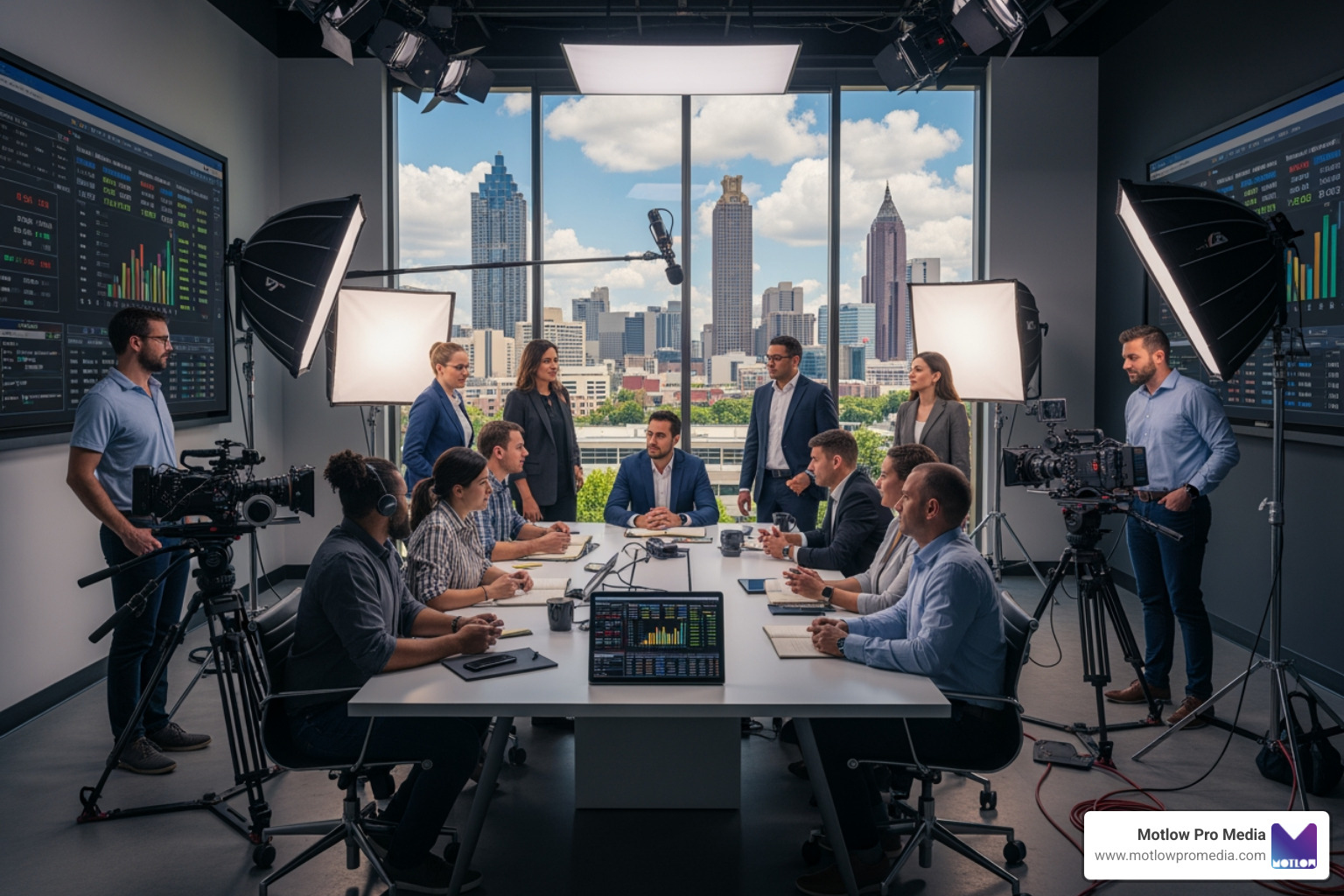
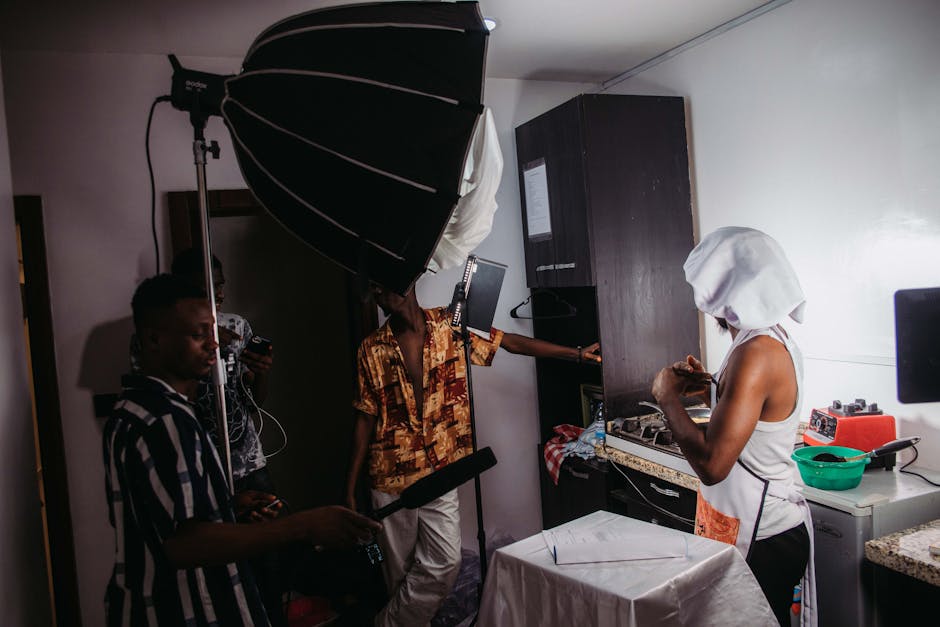
From the outside, it may look like "the video team" is one group doing one job. In reality, successful corporate event production usually involves several coordinated roles.
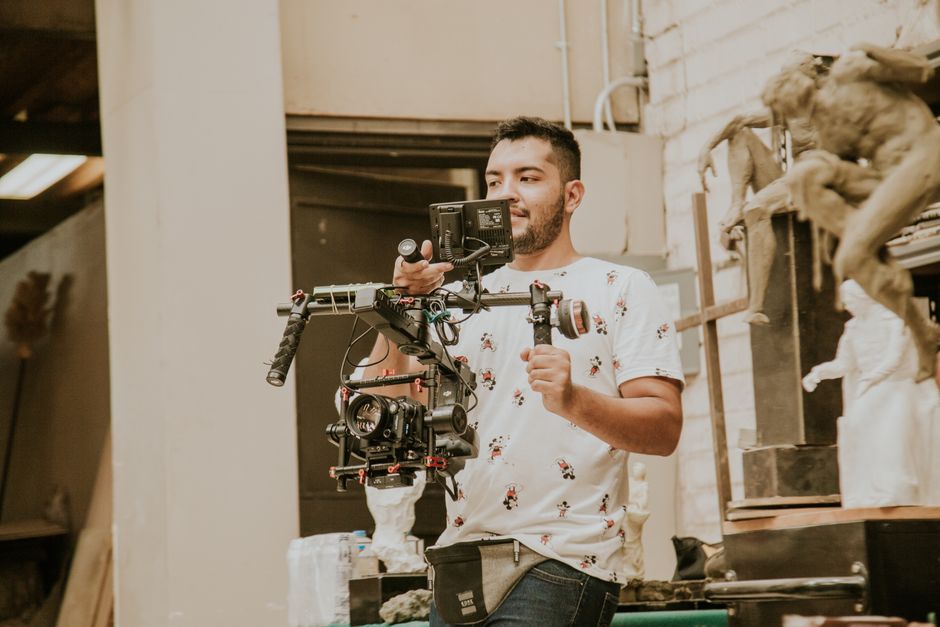
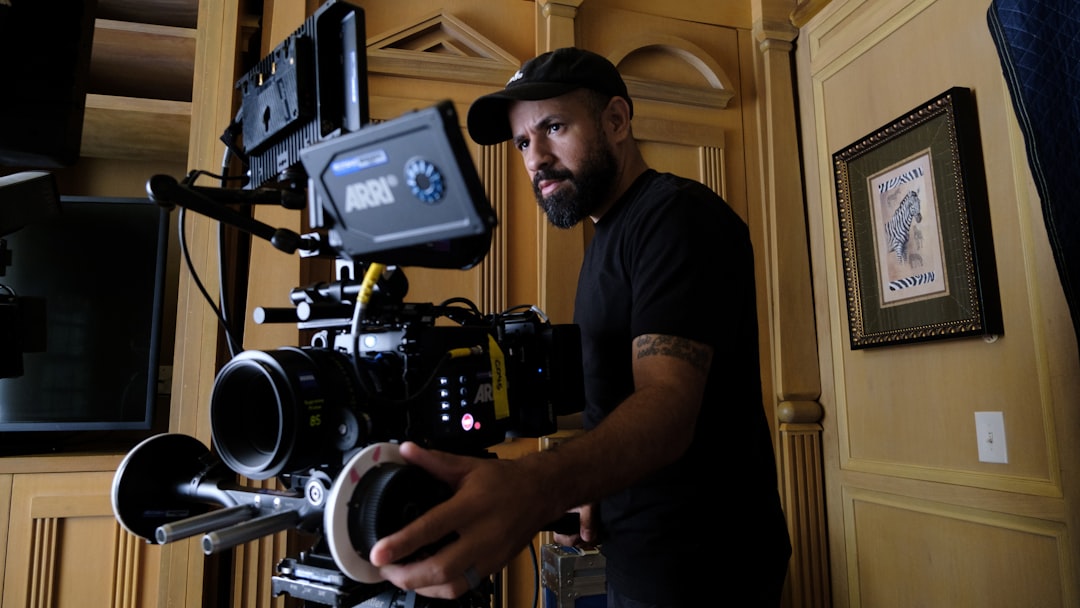
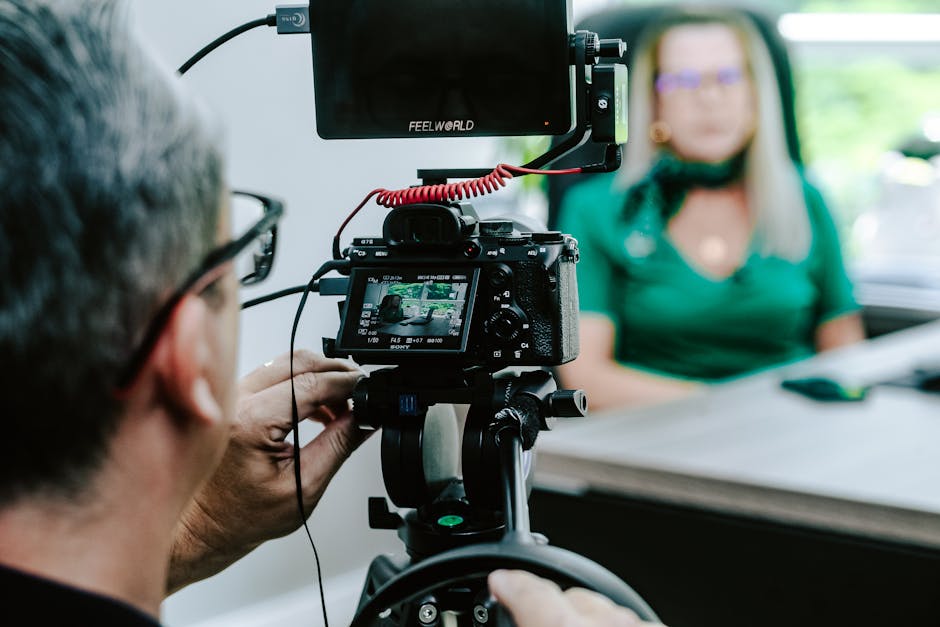
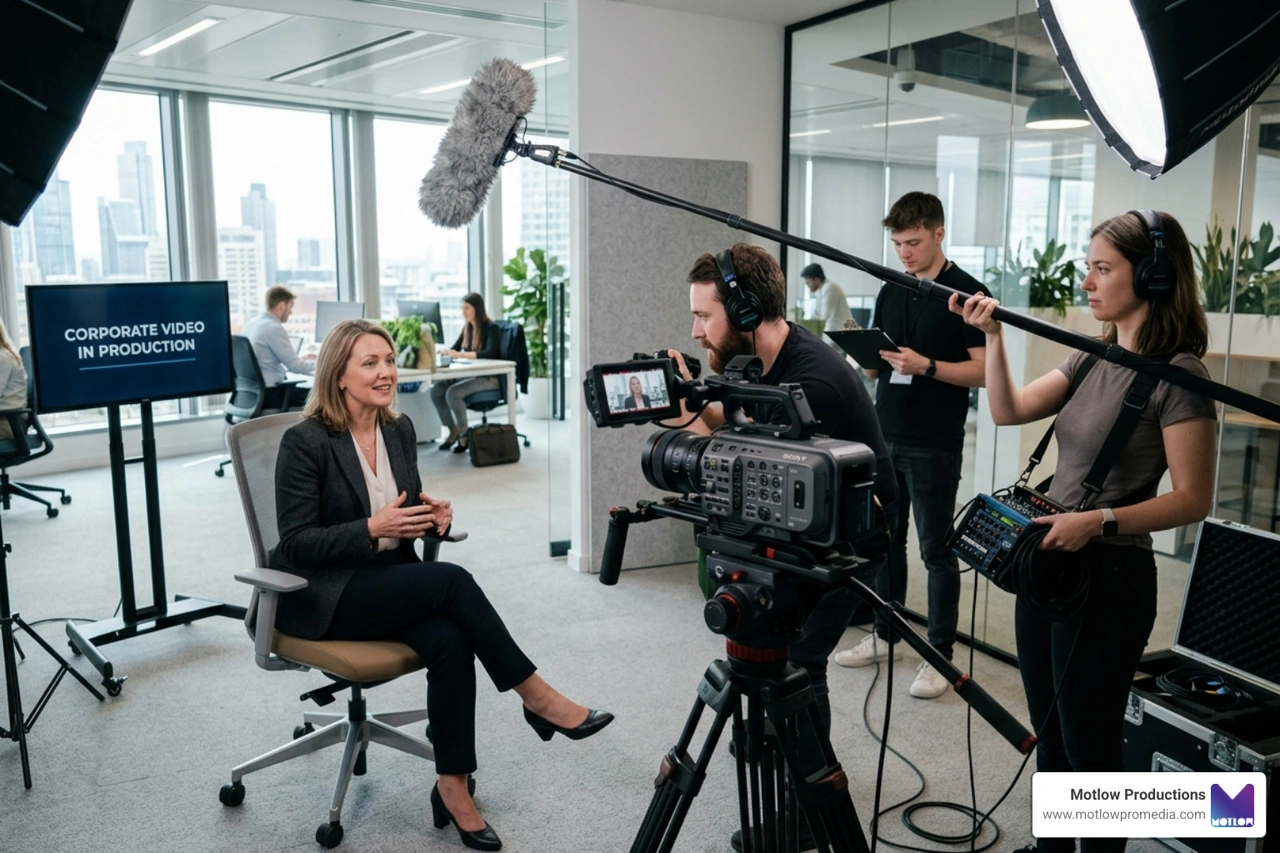
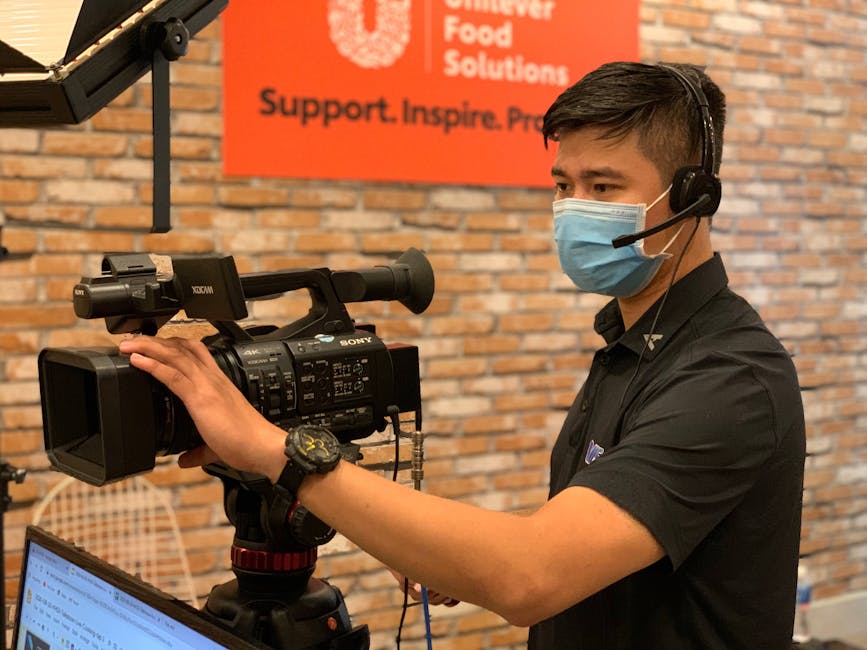
The producer helps connect the event goals to the production plan. The technical director or show director manages the live switching and production flow. Camera operators capture assigned angles. Audio support manages microphones, feeds, and room sound. Photographers capture still images for marketing use. Production assistants may help with logistics, timing, setup, and communication. Editors or post-production teams turn the captured footage into final deliverables after the event.
Not every event needs every role, but every event needs role clarity.
When roles are unclear, important details can fall through the cracks. The AV team may assume the production team is handling the livestream. The production team may assume the venue is handling audio. The marketing team may assume someone is capturing sponsor photos. Clear responsibilities prevent those gaps.
This is one reason choosing a strong partner matters. The business video production partner guide is a useful resource for evaluating whether a production team can think strategically instead of simply showing up with cameras.
If the audience cannot hear clearly, the production suffers immediately.
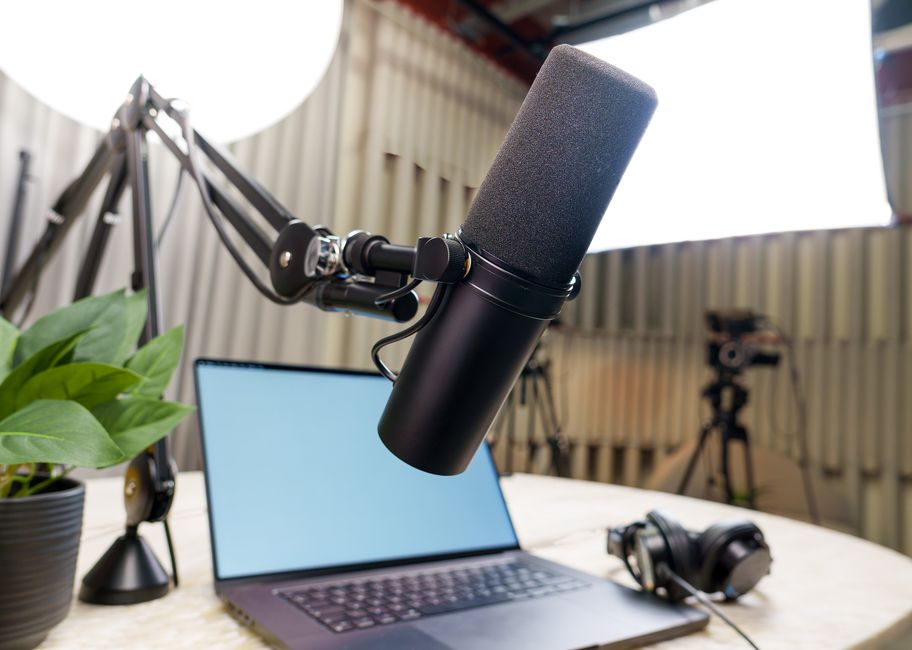
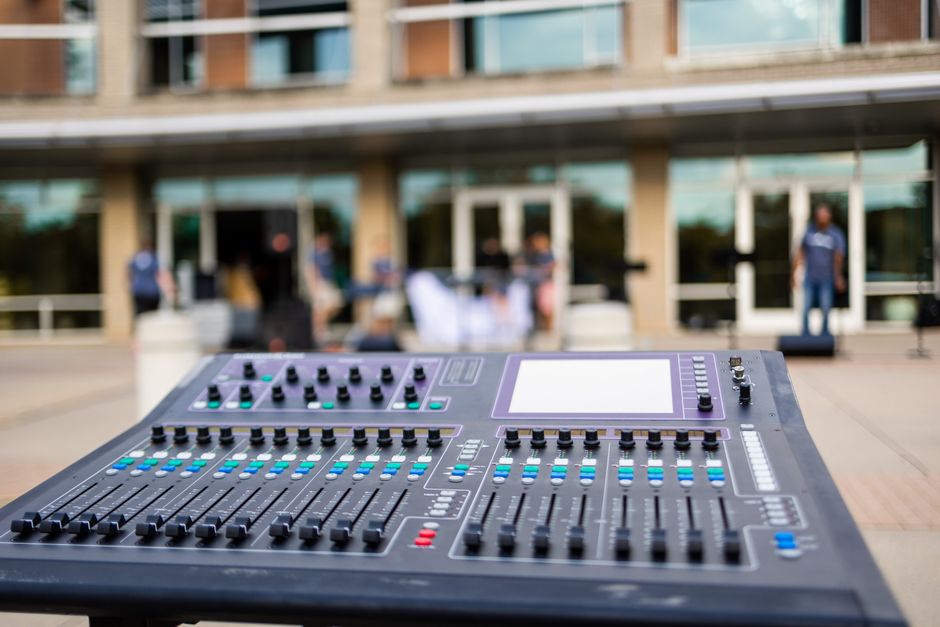
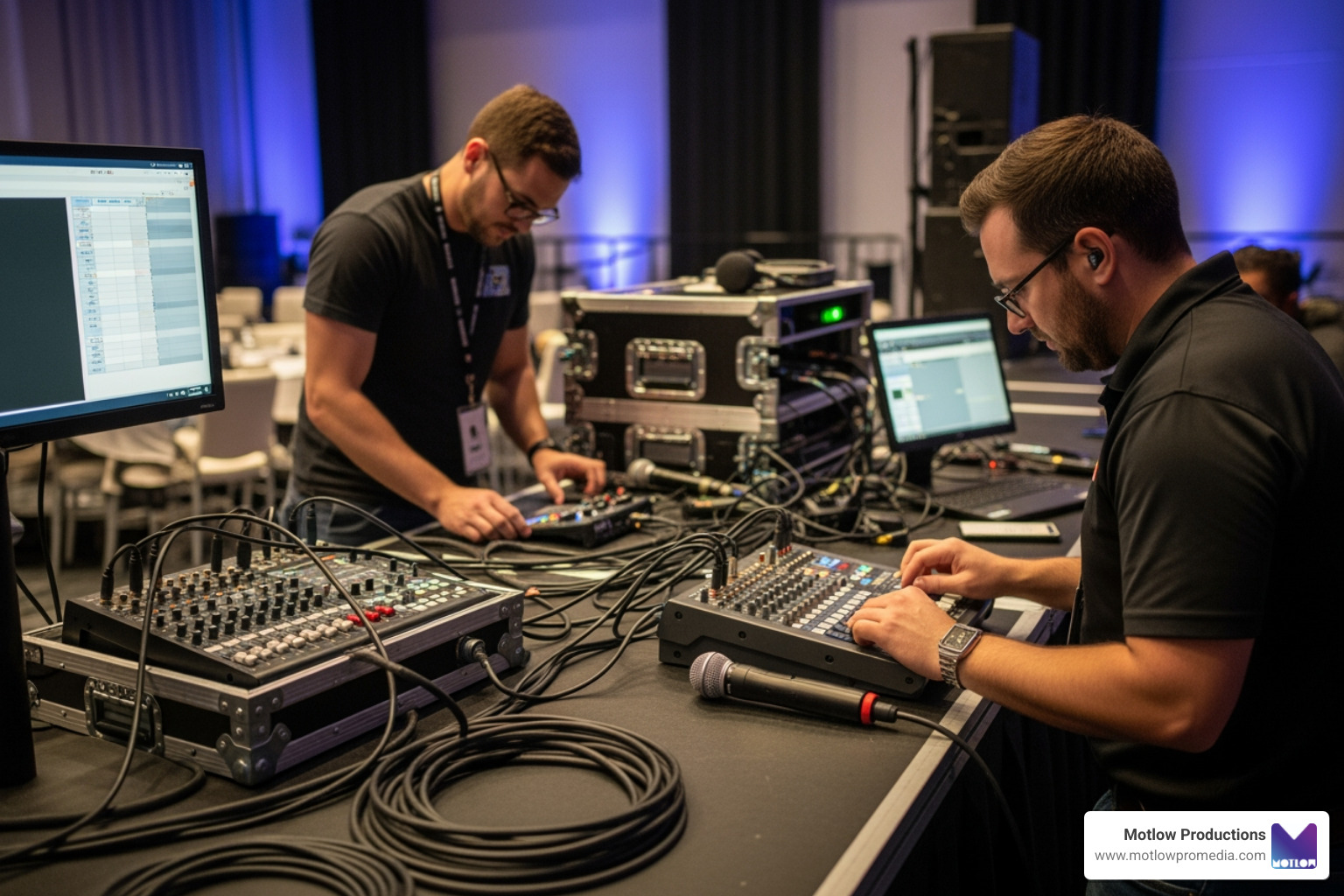
Audio affects the people in the room, the livestream audience, and the final video. Clean sound matters for keynote presentations, panels, Q&A sessions, executive remarks, sponsor segments, and recorded clips. It also matters for post-production. Poor audio can make otherwise beautiful footage difficult or impossible to use.
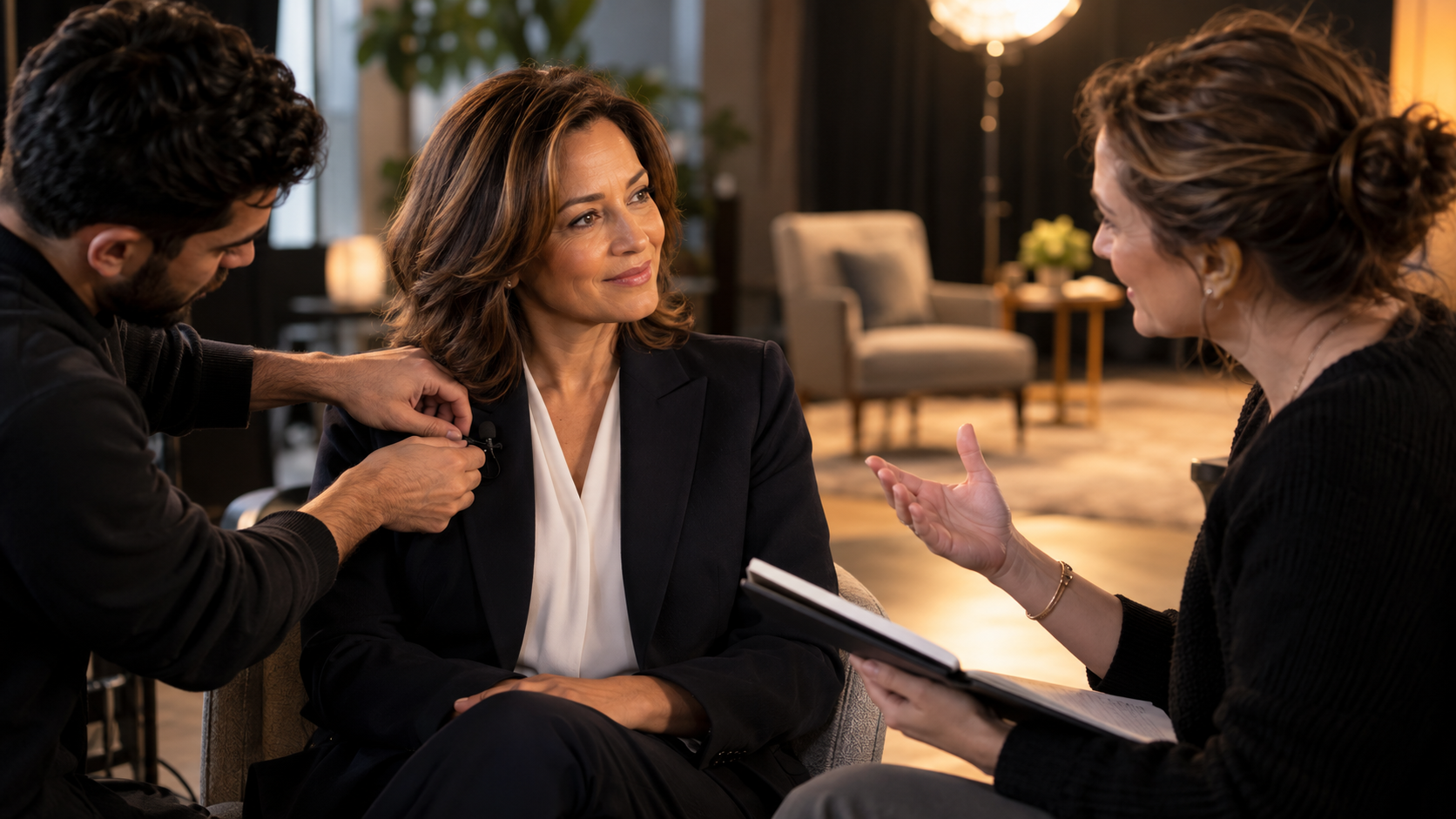
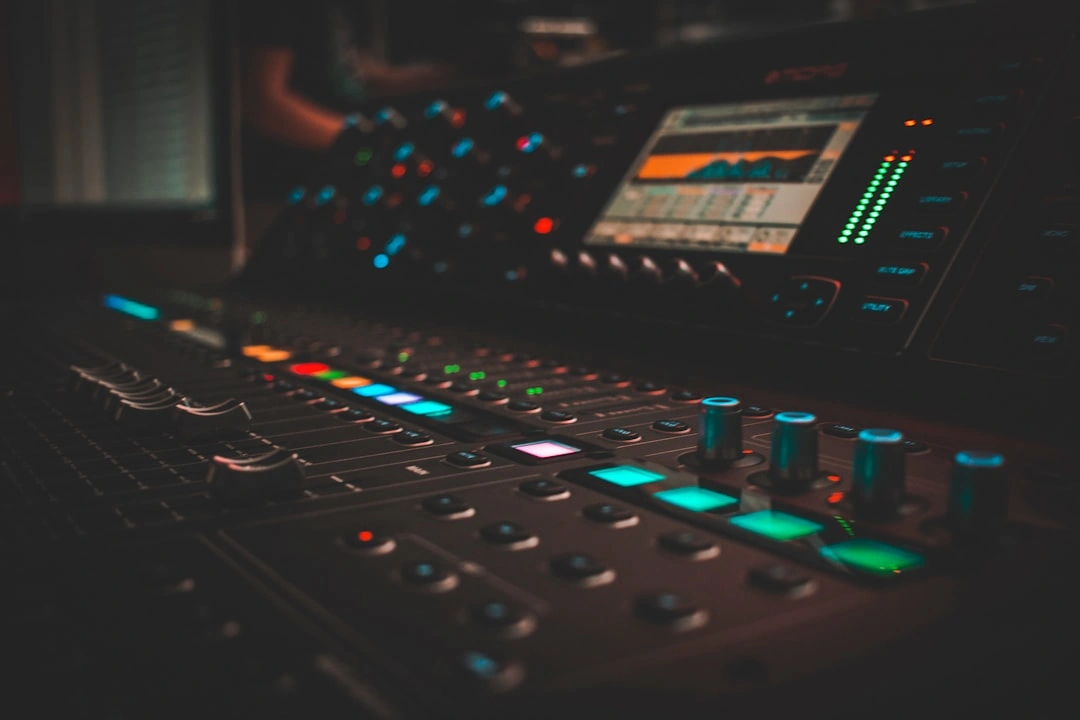
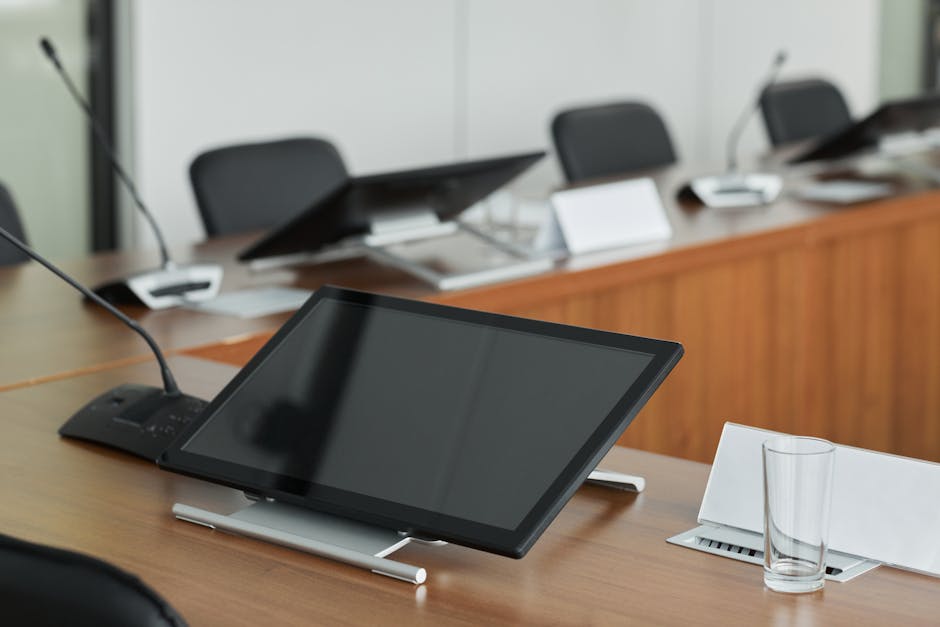
Corporate events may require several types of microphones. A keynote speaker may need a lavalier microphone. A panel may need handheld microphones or table microphones. Audience Q&A may need a roaming microphone. A livestream may need a clean audio feed separate from what the room hears.
The production team should also think about backup plans. What happens if a microphone fails? What if a speaker turns away from the mic? What if the room has echo? What if music, applause, or crowd noise affects the recording?
Marketing teams do not need to manage those details directly, but they should ask how audio will be handled. A polished event video is only as strong as the sound behind it.
Lighting is not just about making people visible. It shapes how the event feels on camera and in the room.
Corporate events often happen in ballrooms, hotel conference spaces, casinos, auditoriums, offices, and venues that were not designed primarily for video. The room may look fine to the eye but appear dark, flat, or inconsistent on camera. A speaker may be well-lit from one angle but shadowed from another. LED walls or projection screens may create exposure challenges.
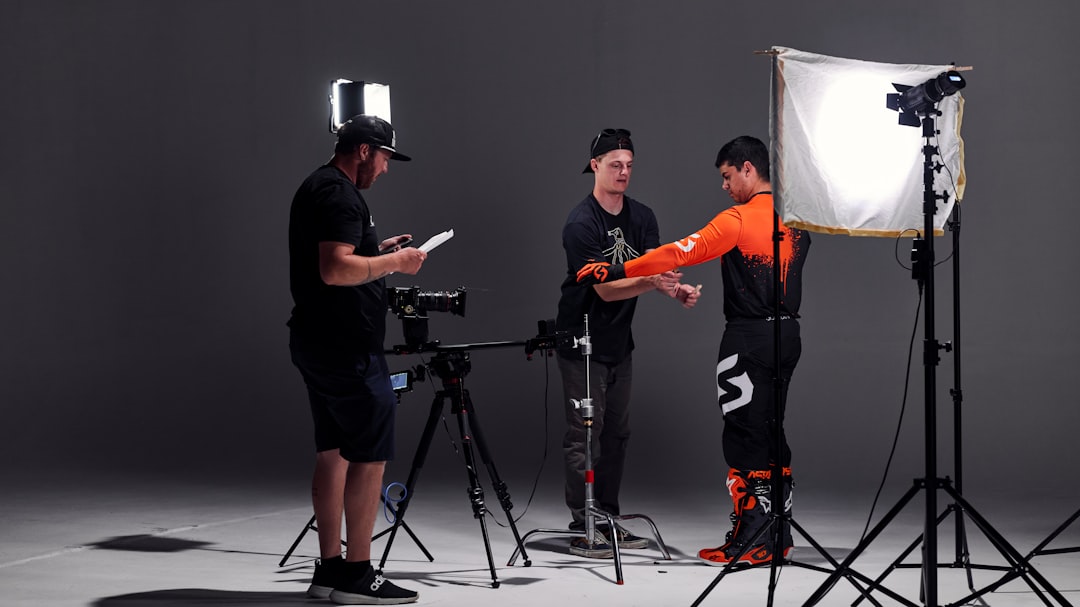
A professional production team looks at lighting early. They think about the stage, audience, sponsor signage, speaker faces, camera angles, photography needs, and livestream quality. If the event will be filmed, lighting should be planned with cameras in mind from the start.
Good lighting also protects the brand. A high-level corporate event should not look like an afterthought. The lighting should support the tone of the event, whether that tone is professional, celebratory, educational, or executive-level.
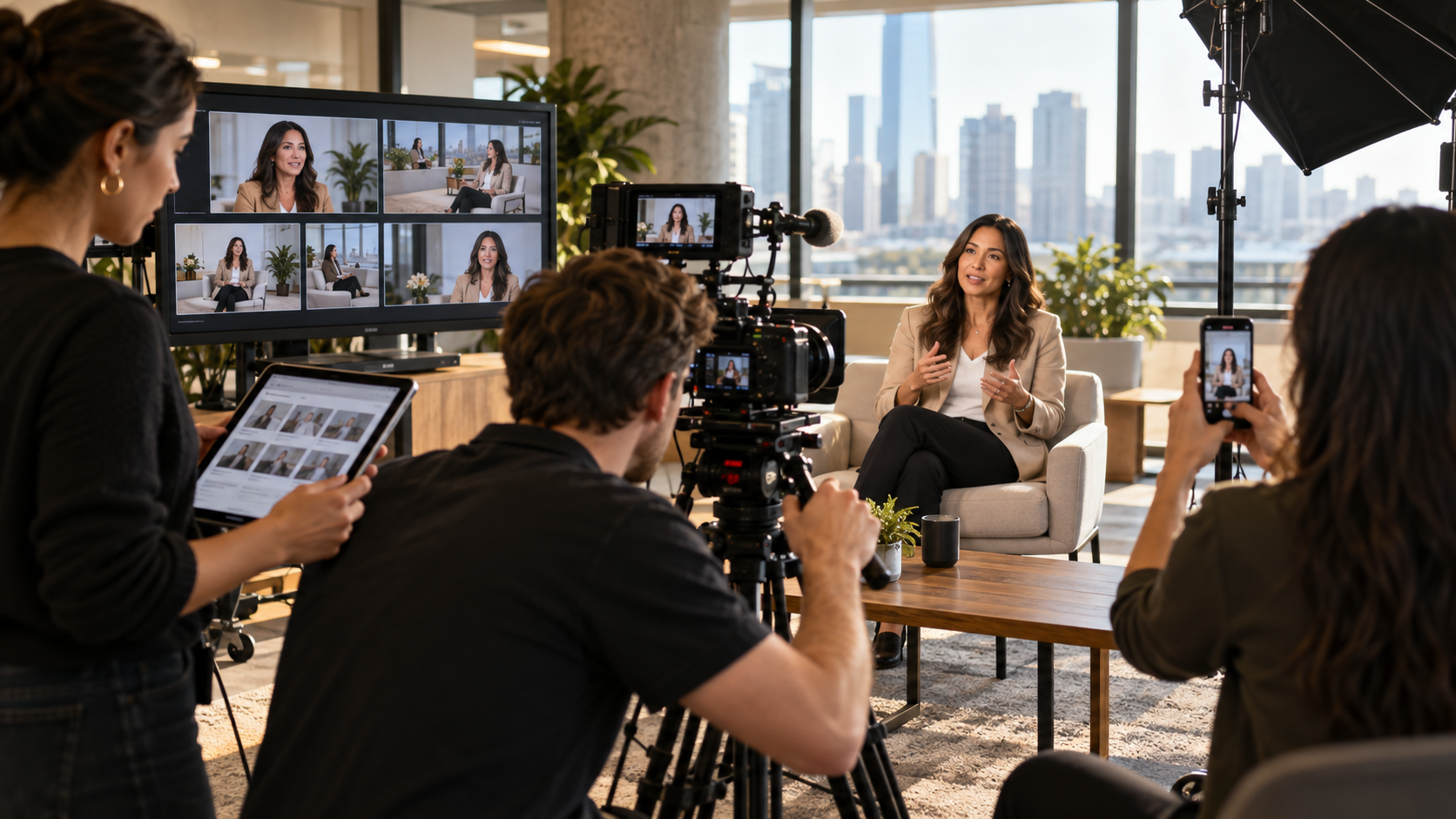
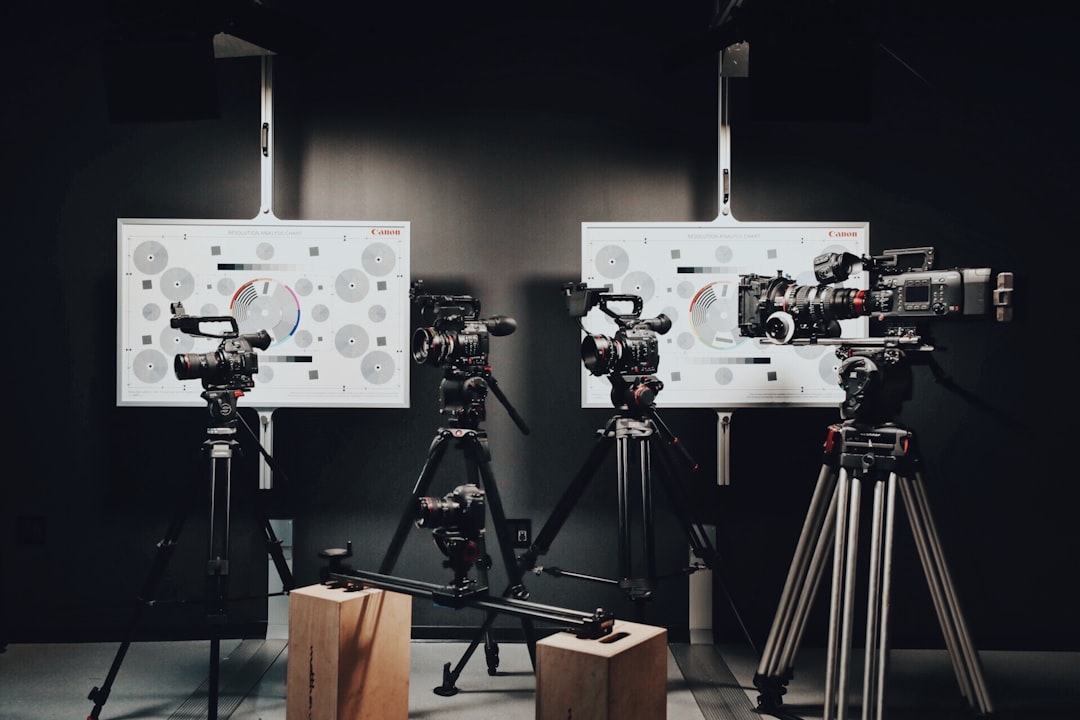
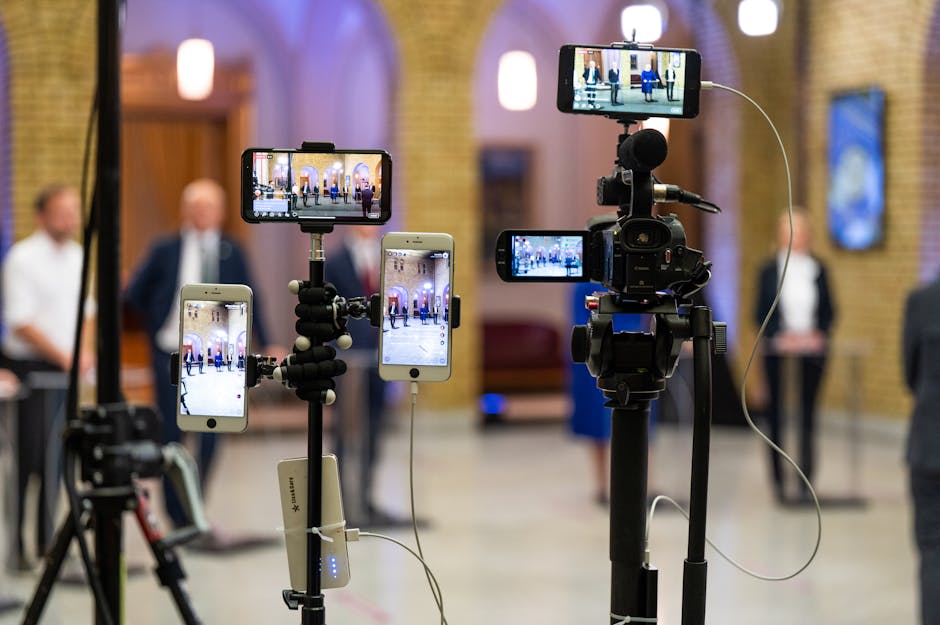
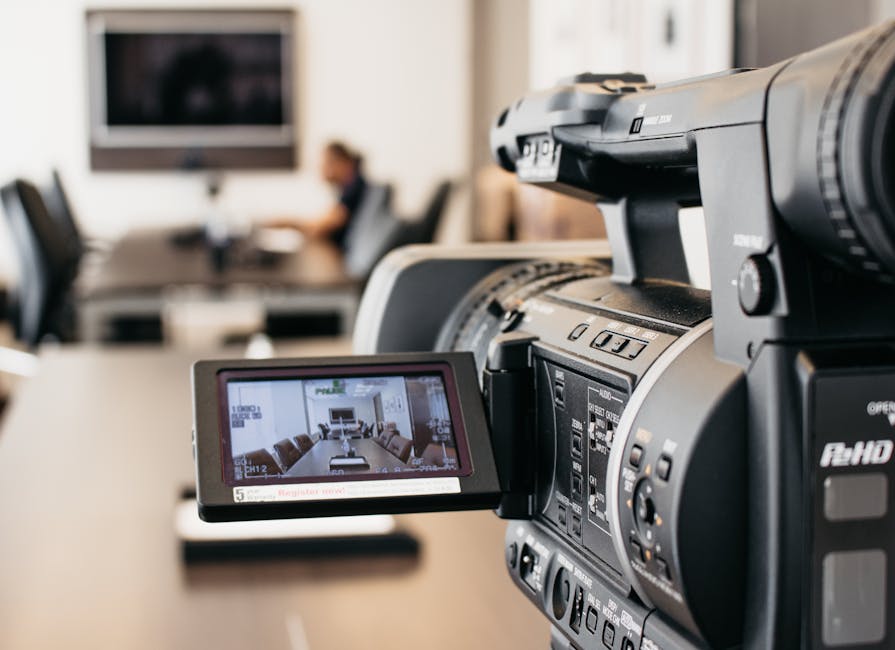
Camera placement is one of the biggest behind-the-scenes decisions in event production.
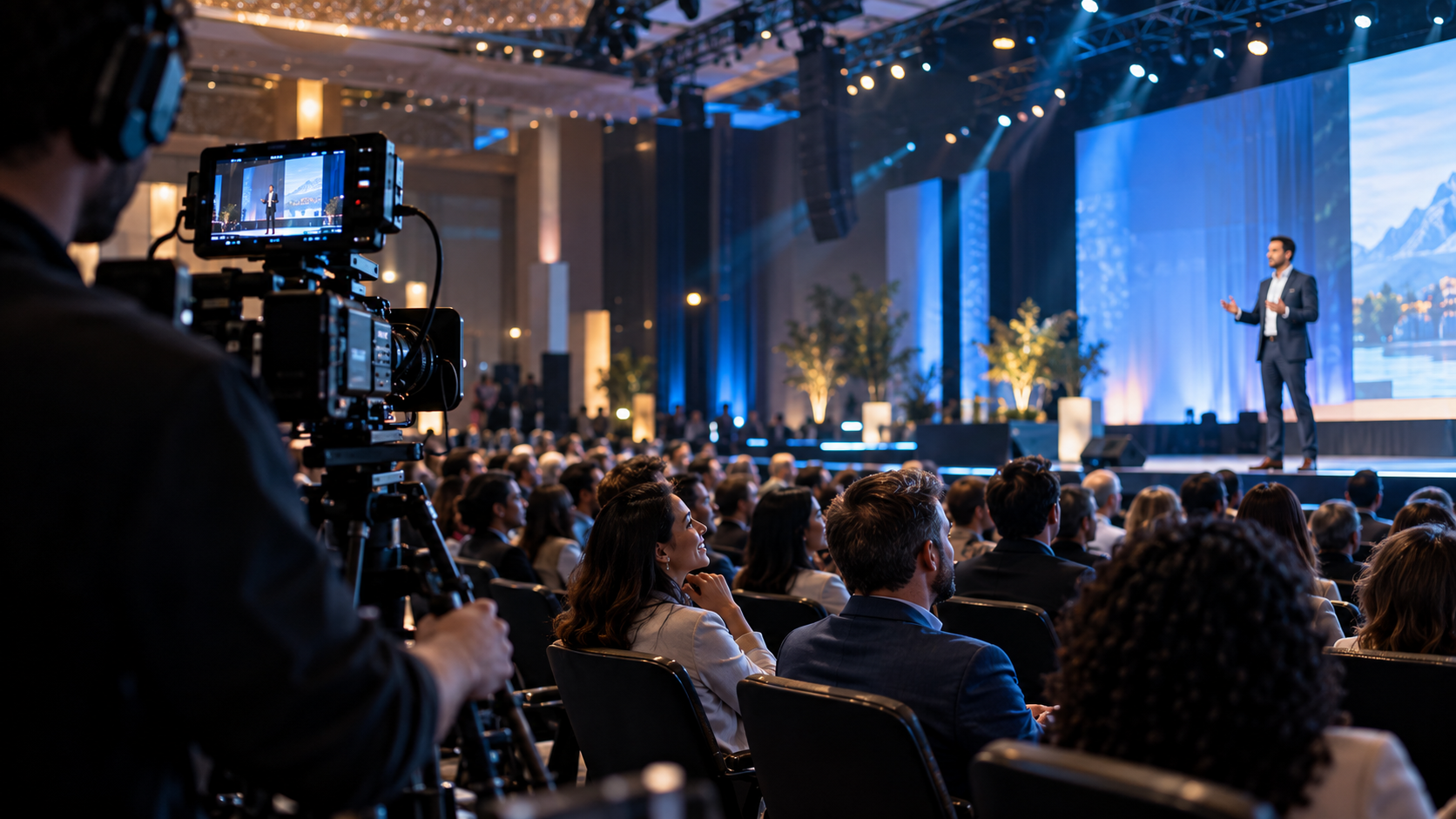
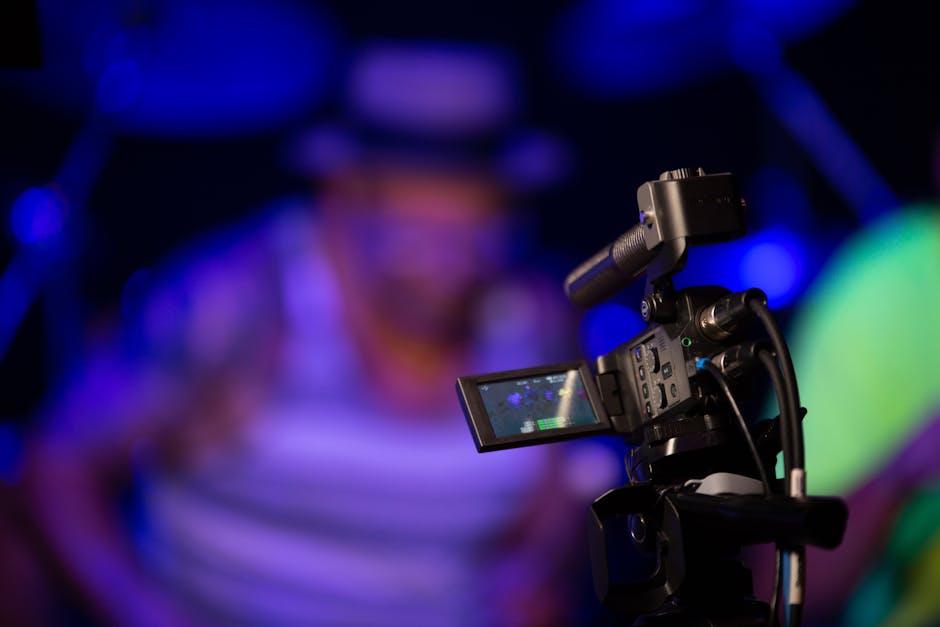
A camera that looks fine in the room may not capture the right story. A wide shot may show the stage but miss speaker expression. A close-up may show emotion but miss the audience energy. A camera near the aisle may capture strong movement but risk being blocked by attendees. A livestream camera may need a different position than a camera meant for post-event editing.
The production team should place cameras based on the event goals and deliverables.
For example, if the event will produce a highlight reel, the team may need audience reactions, networking shots, sponsor details, and movement throughout the room. If the event will produce full-session recordings, the team may prioritize clean speaker angles and slide integration. If the event will support executive thought leadership, the team may also capture interviews, environmental b-roll, and behind-the-scenes footage.
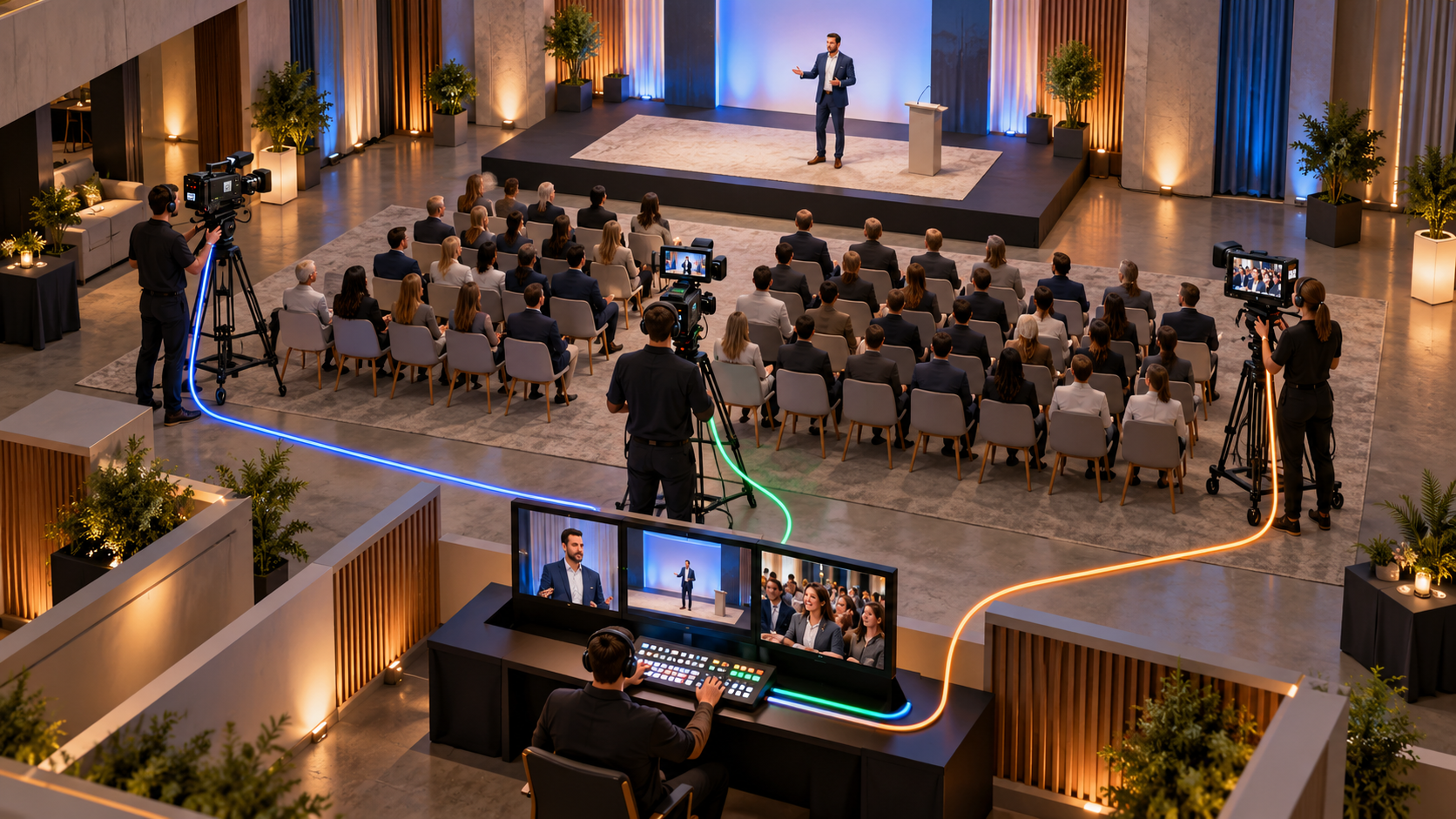
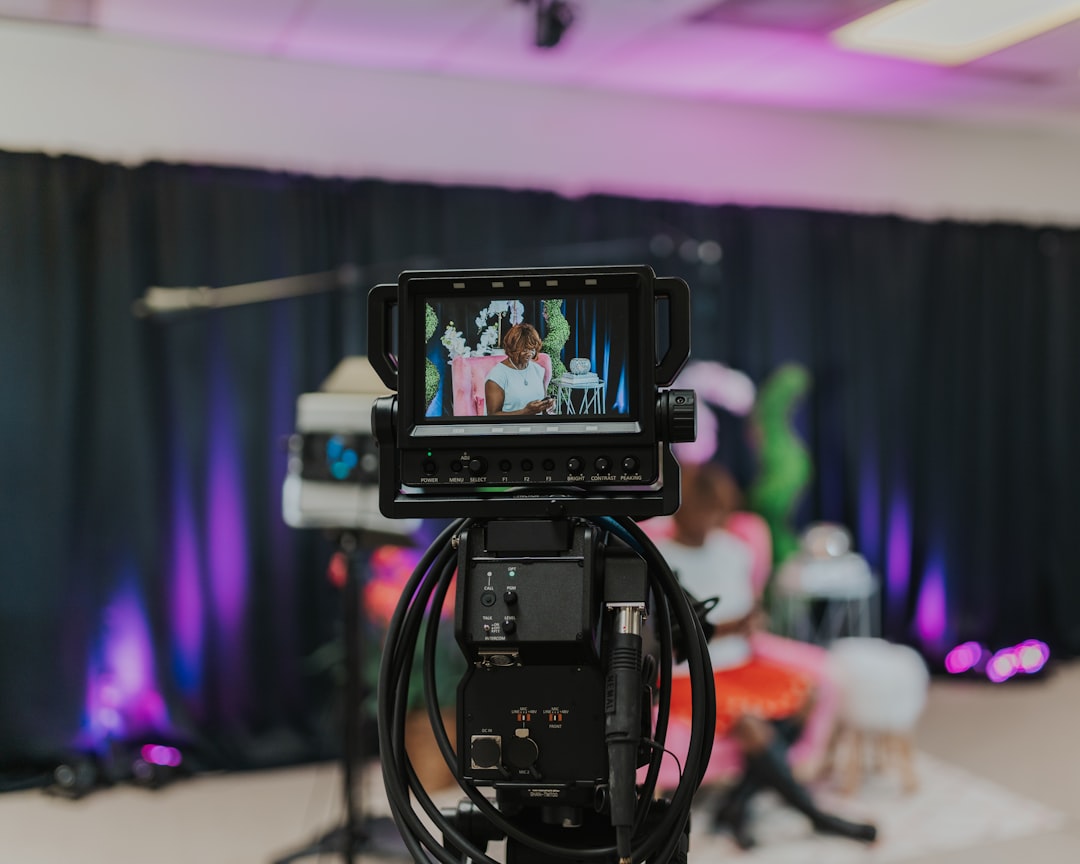
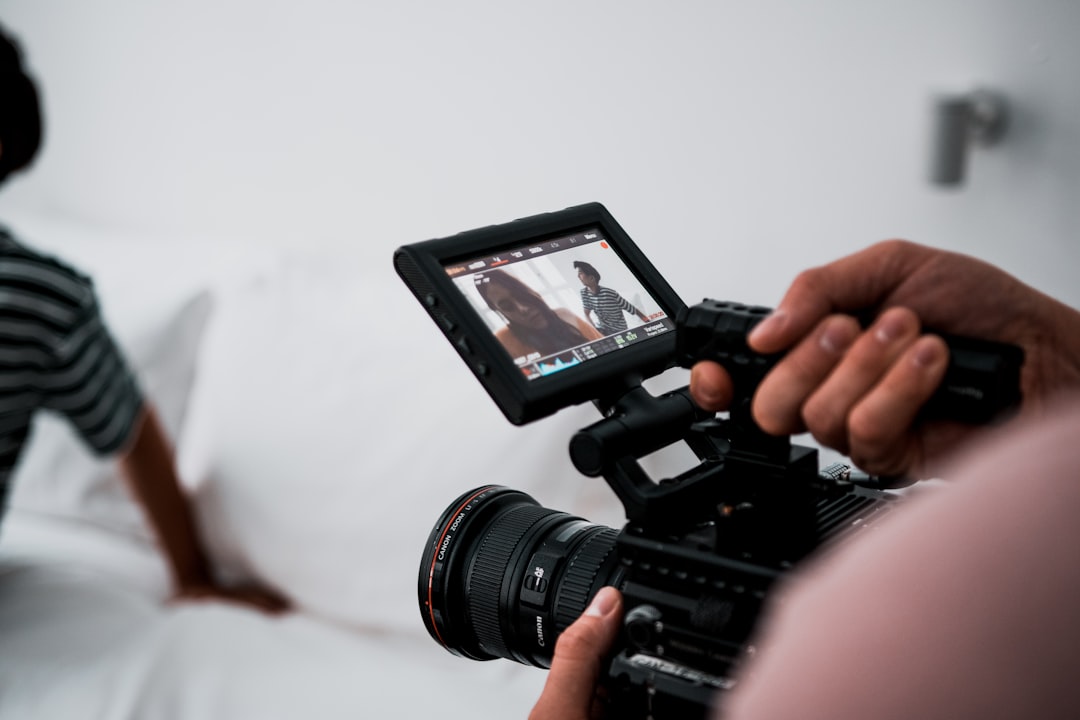
A multi-camera setup gives editors more options and gives live viewers a more polished experience. This is why multi-camera production is often valuable for corporate events that need to serve both the live audience and future viewers.
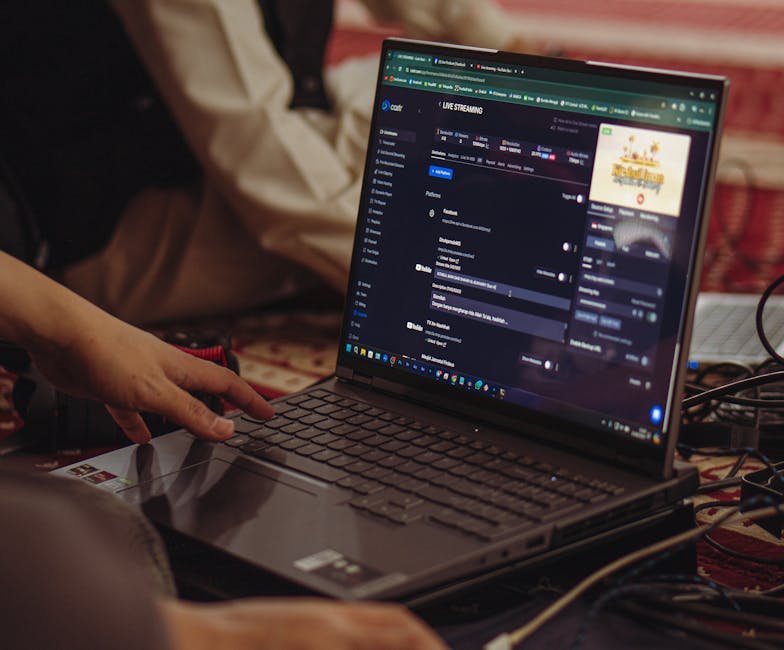
Livestreaming can extend the reach of a corporate event, but it also adds complexity.
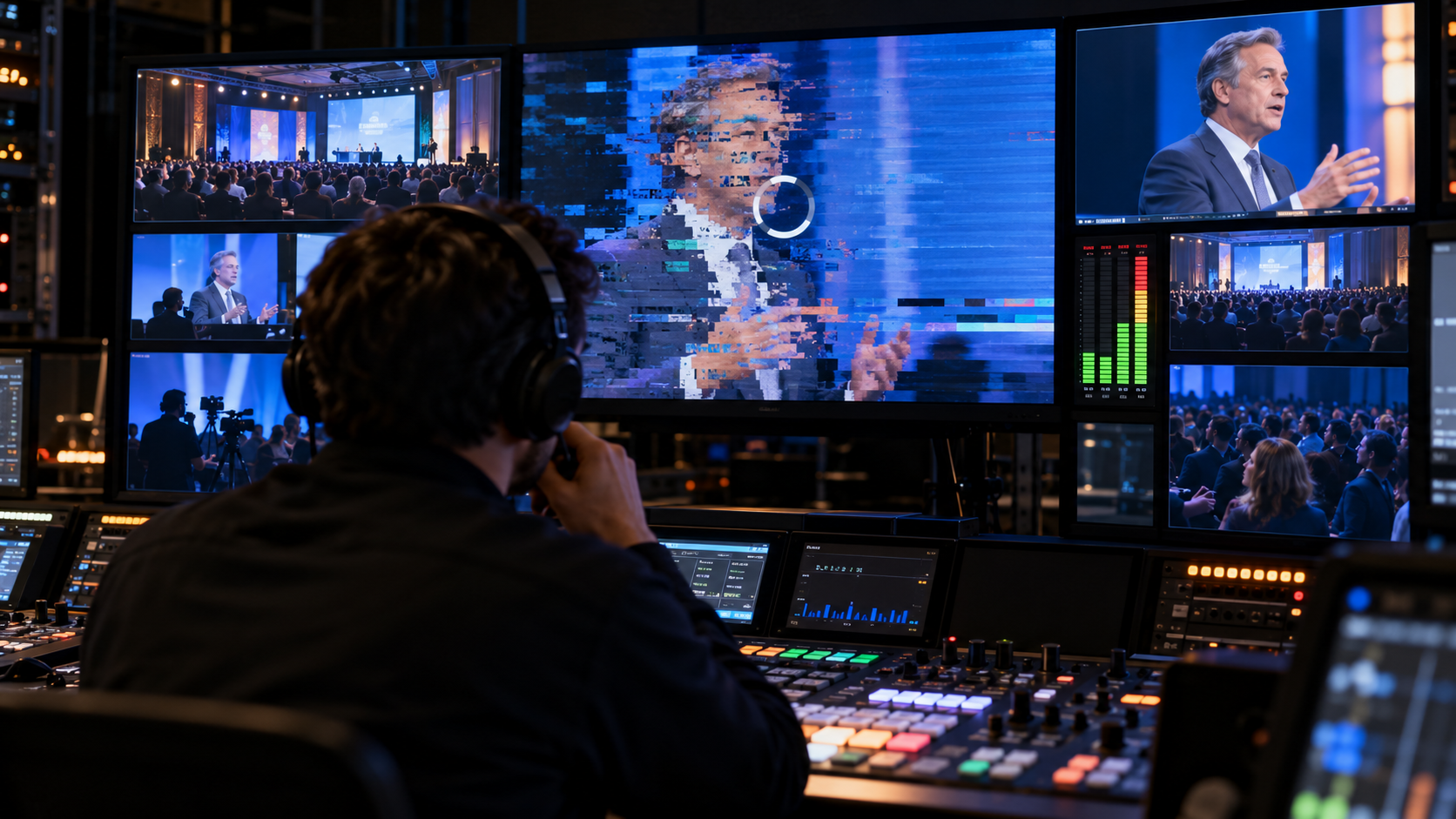
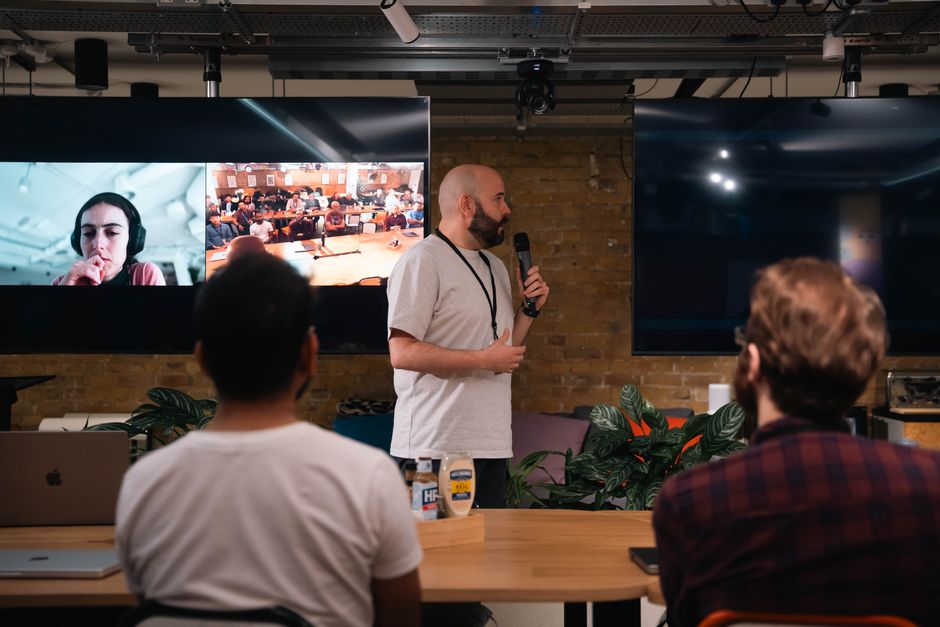
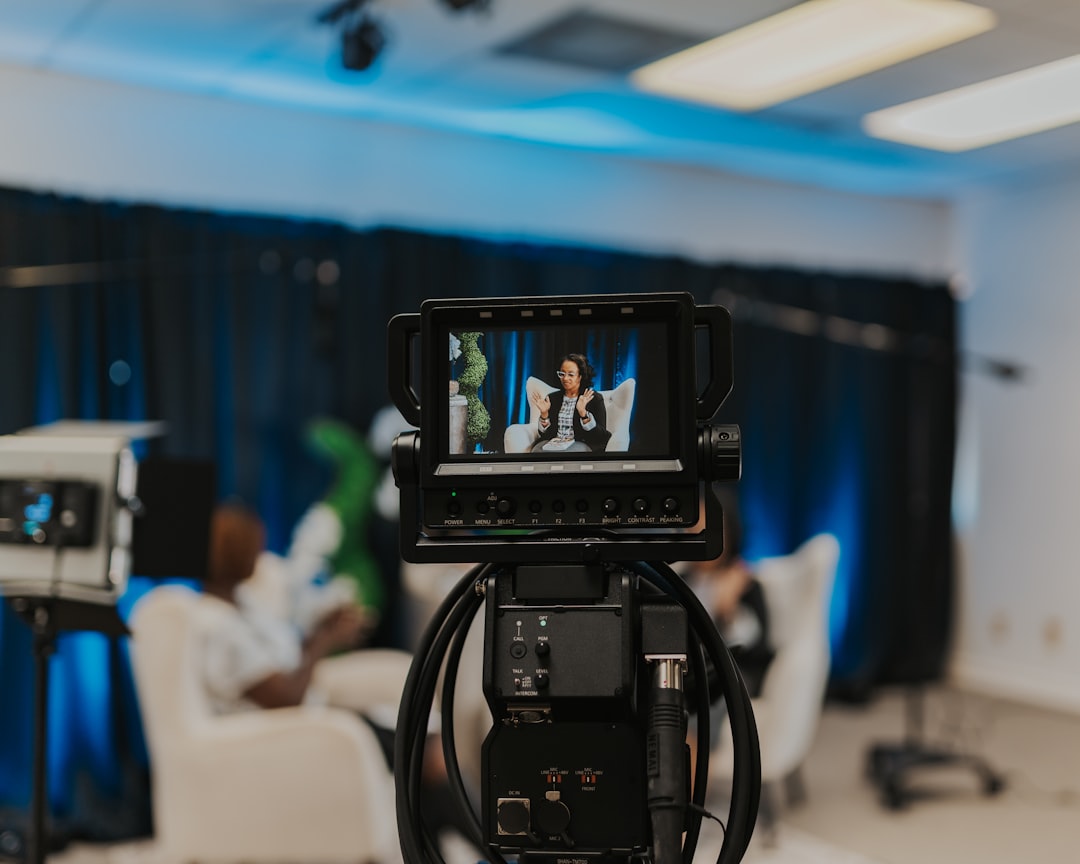
The production team must think about camera feeds, audio feeds, internet reliability, platform settings, encoding, graphics, stream monitoring, backup plans, and the remote viewer experience. A livestream is not simply a camera pointed at a stage. It is a broadcast experience.
External platforms also have technical requirements. For example, YouTube's live encoder guidance explains how streaming setup affects delivery, while Vimeo's live streaming resources outline considerations for live broadcasts.
For marketing teams, the most important thing is to clarify responsibility. Who is managing the stream? Who is monitoring it live? Who has access to the platform? What happens if the internet connection fails? Will the livestream be recorded? Will the recording be edited later?
These questions should be answered before event day.
Corporate event photography is often treated as a side task, but it can become one of the most useful parts of the event content package.
Strong photography can support social posts, recap emails, internal communications, sponsor reports, website updates, recruitment content, sales decks, and future event promotion. But to be useful, the photographer needs direction.
The marketing team should identify must-capture moments before the event. That may include:
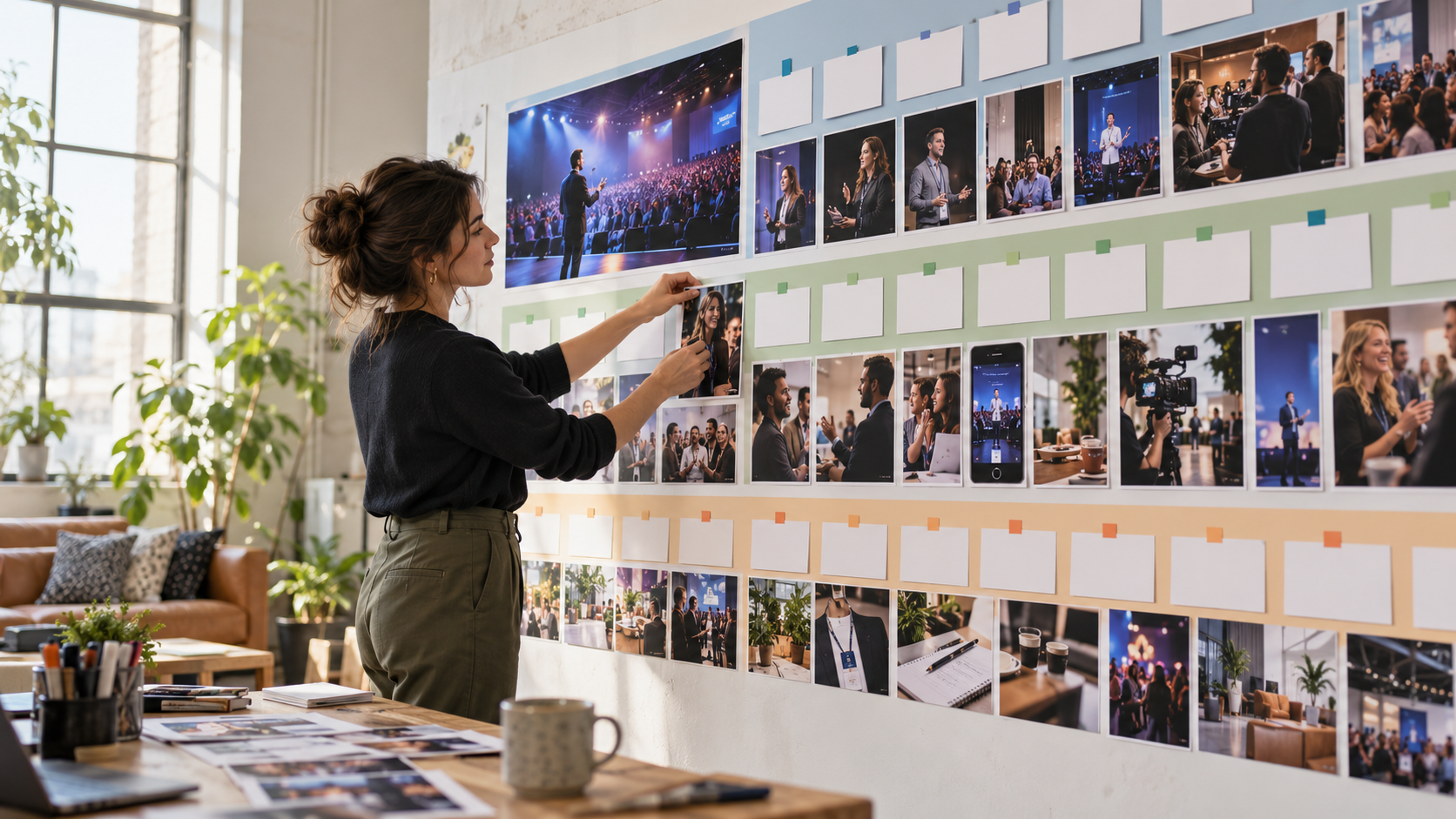
Photography should support the event story, not just document that people were there. The Motlow Pro Media portfolioshows how event visuals, corporate photography, and video can work together to create a stronger brand library.
The most polished event productions usually have strong communication behind them.
The crew needs to know who can make decisions on-site. The marketing team needs to know who to go to with questions. Speakers need to know where to be and when. Venue staff needs to know what the production team is setting up. The event planner needs to know if timing changes affect the production plan.
Good communication may include pre-event calls, shared run-of-show documents, contact sheets, crew briefings, speaker check-ins, and real-time communication during the event. The goal is not to overcomplicate the process. The goal is to reduce confusion when the schedule is moving quickly.
Live events always change. Speakers run long. Rooms flip late. Attendees arrive early. A sponsor needs an extra photo. A panel gets added. A good production team can adapt, but adaptation is much easier when communication channels are clear.
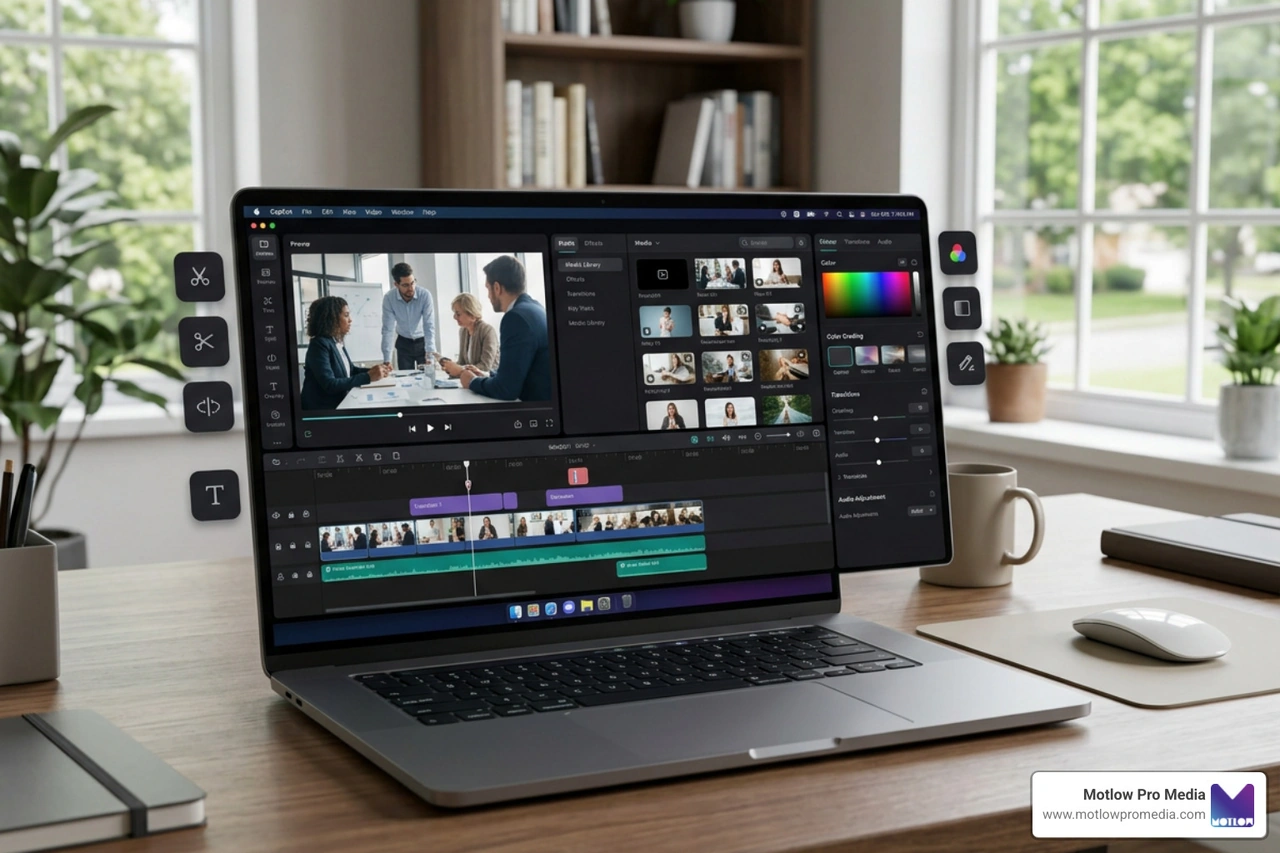
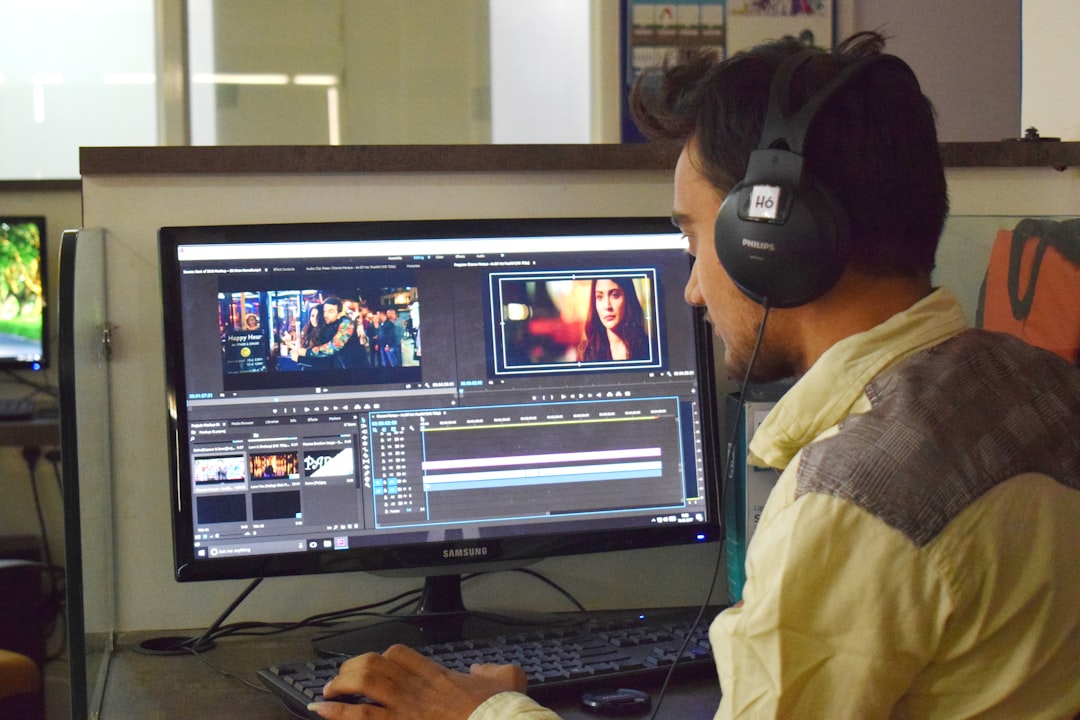
Post-production is not just what happens after the event. It should be planned before the event begins.
If the marketing team needs a recap video, the production team should know what story the recap should tell. If leadership needs full-session recordings, the team should plan clean capture and audio. If social clips are needed quickly, the team should capture strong soundbites and plan the editing workflow in advance.
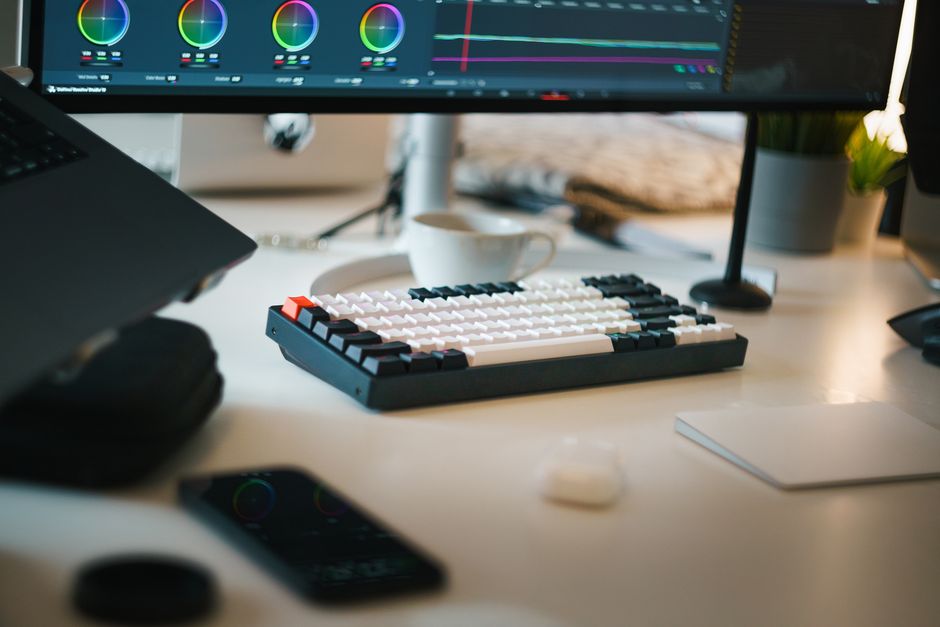
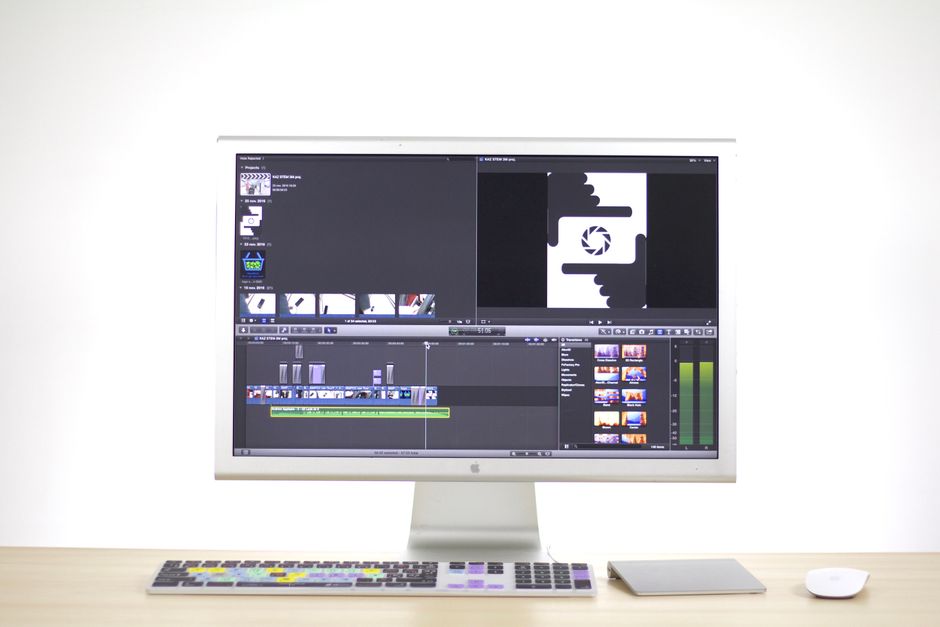
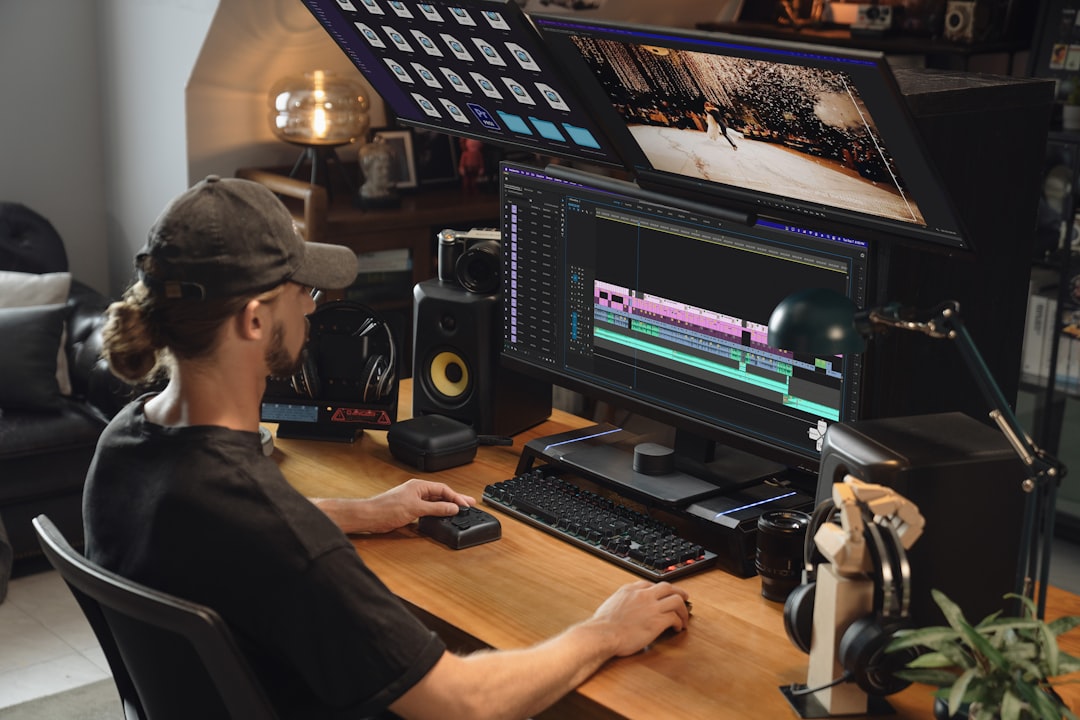
Post-production can include:
The value of a corporate event increases when the content is planned for future use. HubSpot's video marketing researchcontinues to show how central video is to modern marketing, which is why event footage should be planned as a marketing asset rather than a storage folder.
The first mistake is waiting too long to involve the production team. If the production partner is brought in after the venue, agenda, staging, and schedule are already locked, there may be fewer options to improve the event capture.
The second mistake is assuming the venue AV team and production team are doing the same job. Venue AV may support the room experience, while the production team may support recording, livestreaming, photography, and final content. Those responsibilities should be clearly separated.
The third mistake is skipping the run of show. Even a simple event needs a timeline and clear production notes.
The fourth mistake is forgetting post-event deliverables until after the event. If the team wants social clips, sponsor recaps, or fast-turnaround highlight videos, that needs to be planned before cameras roll.
The fifth mistake is treating the event as a one-time expense instead of a content opportunity. A strong corporate event can generate weeks or months of useful marketing assets when production is planned intentionally.
What is corporate event production?**
**Corporate event production is the planning and execution of the technical, visual, audio, video, photography, and content-capture elements of a business event. It can include cameras, lighting, microphones, livestreaming, staging support, photography, and post-production.
How early should a production team be involved?**
**The earlier, the better. A production team should ideally be involved once the event goals, venue, and general schedule are being discussed. Early involvement helps prevent avoidable technical and content issues.
Is event production the same as venue AV?**
**Not always. Venue AV usually supports the in-room experience, while a production team may focus on video capture, livestreaming, photography, brand presentation, and post-event content. Some events need both.
What should marketing teams prepare before event day?**
**Marketing teams should prepare the event goals, audience information, run of show, speaker list, brand requirements, must-capture moments, livestream needs, and final deliverables.
Can one corporate event create multiple pieces of content?**
**Yes. A well-produced event can create recap videos, speaker clips, social media posts, photography galleries, internal updates, training content, sponsor recaps, and sales support materials.
None of this behind-the-scenes coordination gets easier by accident — it gets easier when the same production team returns event after event already knowing your run-of-show habits, your brand expectations, and your team's shorthand. That is the practical case for a recurring creative partnership over a fresh vendor search before every event: the planning compounds instead of resetting.
A successful corporate event production is built behind the scenes. The audience sees the polished final experience, but the quality comes from planning, communication, technical coordination, and a clear content strategy.
When the production team understands the event goals, run of show, audience, brand expectations, and post-event deliverables, the event becomes more than a live moment. It becomes a source of valuable content that supports marketing, communications, sales, recruiting, and brand trust long after the event is over.
Some clients want to give notes in a live Zoom call. Others prefer a group text or email thread. However you like to communicate, we adapt. You’ll never be left guessing where things stand - and you’ll always have a say before anything goes out the door.





Phone:
+1 863-250-8639
.png)
Email:
info@motlowpromedia.com