







-5.jpg)



















































Thank you! Your submission has been received!
Oops! Something went wrong while submitting the form.

.avif)
June 26, 2026
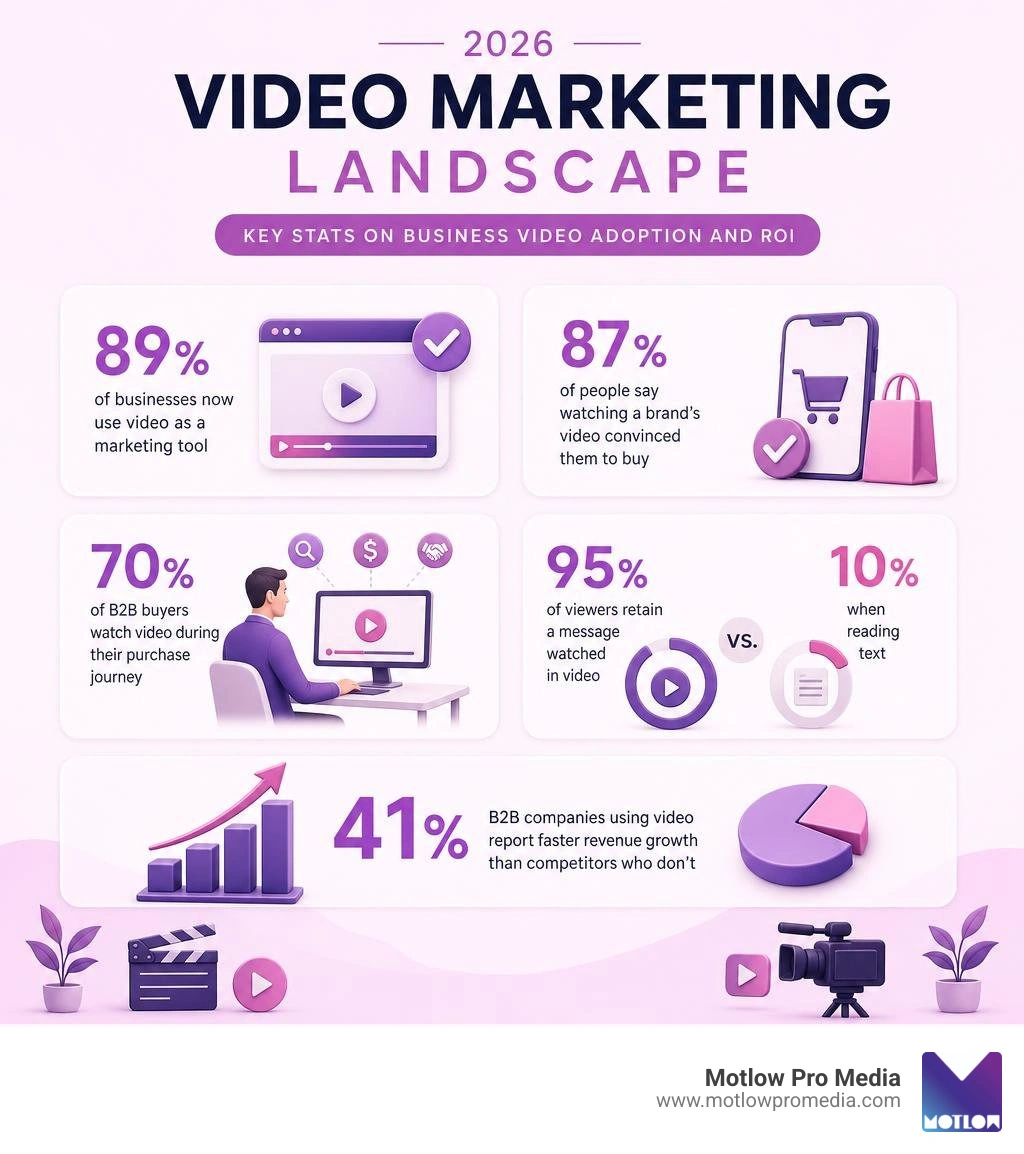
Video content for business is one of the most effective tools a marketing team can use to build trust, drive conversions, and grow revenue — and the data backs that up clearly.
Here's a quick snapshot of what businesses need to know:
Whether you're a corporate marketing director managing an internal team or a brand trying to cut through the noise, video isn't optional anymore. It's the format audiences expect — and the one algorithms reward.
This guide covers everything: strategy, formats, production systems, ROI measurement, and what's coming next.
I'm Miranda Motlow, founder and CEO of Motlow Pro Media, a full-service media agency based in Tampa, Florida. I've spent more than a decade producing video content for business — from short-form social campaigns to live productions — with a journalism background that keeps every project grounded in real storytelling. The frameworks and recommendations in this guide come directly from that hands-on experience.
If you have ever scrolled past a wall of text to click on a 30-second clip, you already understand why video is king. In 2026, visual communication is the default language of the internet. Audiences do not just prefer video; they demand it.
For brands, investing in high-quality Business Video Content is no longer about checking a box on your social media checklist. It is about building a scalable engine for brand trust, SEO authority, and customer acquisition.
When a prospect lands on your website, they are looking for a reason to trust you. Text can make claims, but video provides proof. It shows the faces of your team, the reality of your product, and the authentic enthusiasm of your clients. This visual proof directly impacts search engine optimization. Google and other search engines actively favor pages with embedded video assets because they keep users on the page longer, reducing bounce rates and signaling high-quality content. In fact, search results that include video earn a 41% higher click-through rate than plain text.
To truly understand how to leverage this medium, check out our Business Video Production Complete Guide, which maps out the entire operational process from concept to delivery.
The business case for video goes far beyond simple engagement metrics. It directly accelerates the sales cycle. Consider these key benefits:
The most common mistake we see businesses make is treating views, likes, and shares as the ultimate measure of video success. While those vanity metrics are great for a quick dopamine hit, they do not pay the bills.
To build a sustainable video marketing program, you must align your tracking with actual business outcomes like pipeline contribution, customer acquisition cost (CAC), and customer lifetime value (LTV).
| Metric Category | Vanity Metrics (What to Monitor) | Pipeline Metrics (What to Measure for ROI) |
|---|---|---|
| Top of Funnel | Views, Impressions, Social Shares | Click-Through Rate (CTR), Inbound Referral Traffic |
| Middle of Funnel | Video Play Rate, Average View Duration | Lead Form Completions, Resource Downloads |
| Bottom of Funnel | Comments, Emoji Reactions | Demo Requests, Sales Meetings Booked, Pipeline Sourced |
| Customer Retention | Video Likes | Customer Support Ticket Reduction, LTV Expansion |
By shifting your focus to pipeline metrics, you can trace a direct line from a specific video asset to closed-won revenue. For example, tracking how many prospects watched a product demo on your pricing page before booking a meeting gives you a clear picture of that asset's conversion power.
A successful video strategy does not rely on one viral hit. Instead, it requires a structured, multi-layered approach that guides a prospect from their very first interaction to a closed deal. We do this by mapping specific video formats to each stage of the customer journey.
To make this work, you need a solid foundation of Strategic Content Planning. By taking the time to outline your goals, target audience, and key messaging upfront, you can ensure that every video asset you produce serves a distinct purpose in your broader Business Content Strategy.
Here is how to structure your video funnel.
At the top of the funnel, your audience does not know who you are, and frankly, they do not care about your product yet. They care about their own problems. Your goal here is to capture attention, build brand awareness, and establish initial trust.
This is where short-form, platform-native video shines. By creating high-energy, educational clips that address common industry pain points, you can ride the wave of social media algorithms to reach new audiences. Alongside short-form assets, a flagship Corporate Brand Video or a high-level Brand Advertising Video serves as your digital handshake, introducing your brand's mission, values, and core perspective to the world.
Once a prospect knows your name and recognizes their own problem, they enter the consideration phase. Now, they are actively looking for solutions. Your middle-of-funnel video content should focus on deep education, showing exactly how you solve their problems.
This is the perfect home for product explainer videos, in-depth how-to guides, and framework breakdowns. Through thoughtful Corporate Content Creation, you can translate abstract business concepts into clear, visual systems. If your product is complex, a 2-to-4-minute explainer video can outline your workflow, answer common operational questions, and position your brand as the obvious expert in your space.
At the bottom of the funnel, the prospect is on the 5-yard line. They understand their problem, they know how your product works, and they are comparing you to your competitors. Now, you need to eliminate friction and build the ultimate trust required to close the deal.
The two most powerful assets at this stage are customer testimonials and Video Sales Letters (VSLs). Written case studies are easily ignored, but video case studies generate 4x more qualified leads because they feature real clients sharing unscripted, before-and-after transformations.
To convert these high-intent viewers, you must write highly persuasive scripts. For a detailed breakdown of how to structure these bottom-of-funnel scripts, check out this guide on How to Write B2B Sales Content for YouTube (2026) | SyncGTM.
Once these assets are ready, embedding them strategically as Video for Websites—especially on your homepage, pricing page, and booking confirmations—creates a highly persuasive conversion loop.
To learn more about the core assets your business needs to build this pipeline, read about the 5 Videos Every Business Needs to Generate Pipeline and Build Trust | VID .
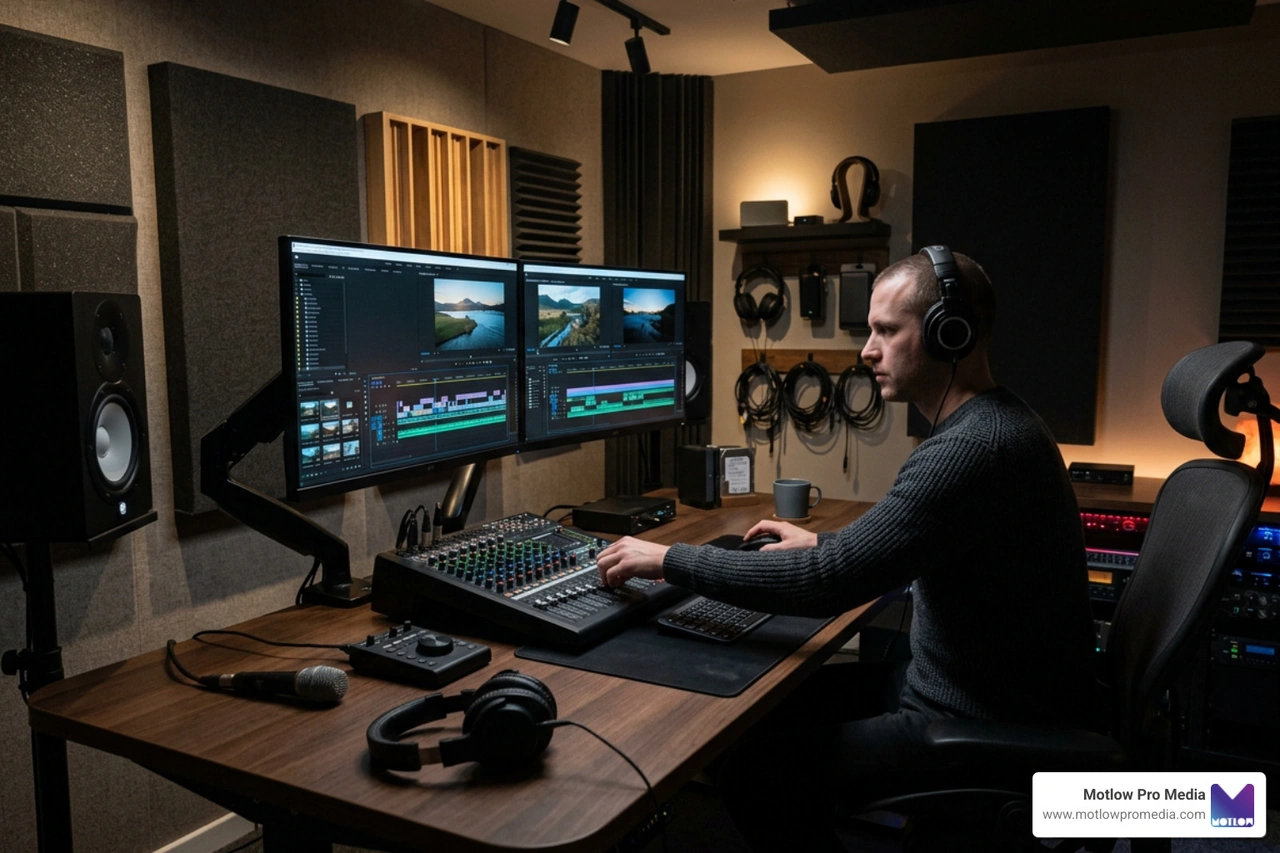
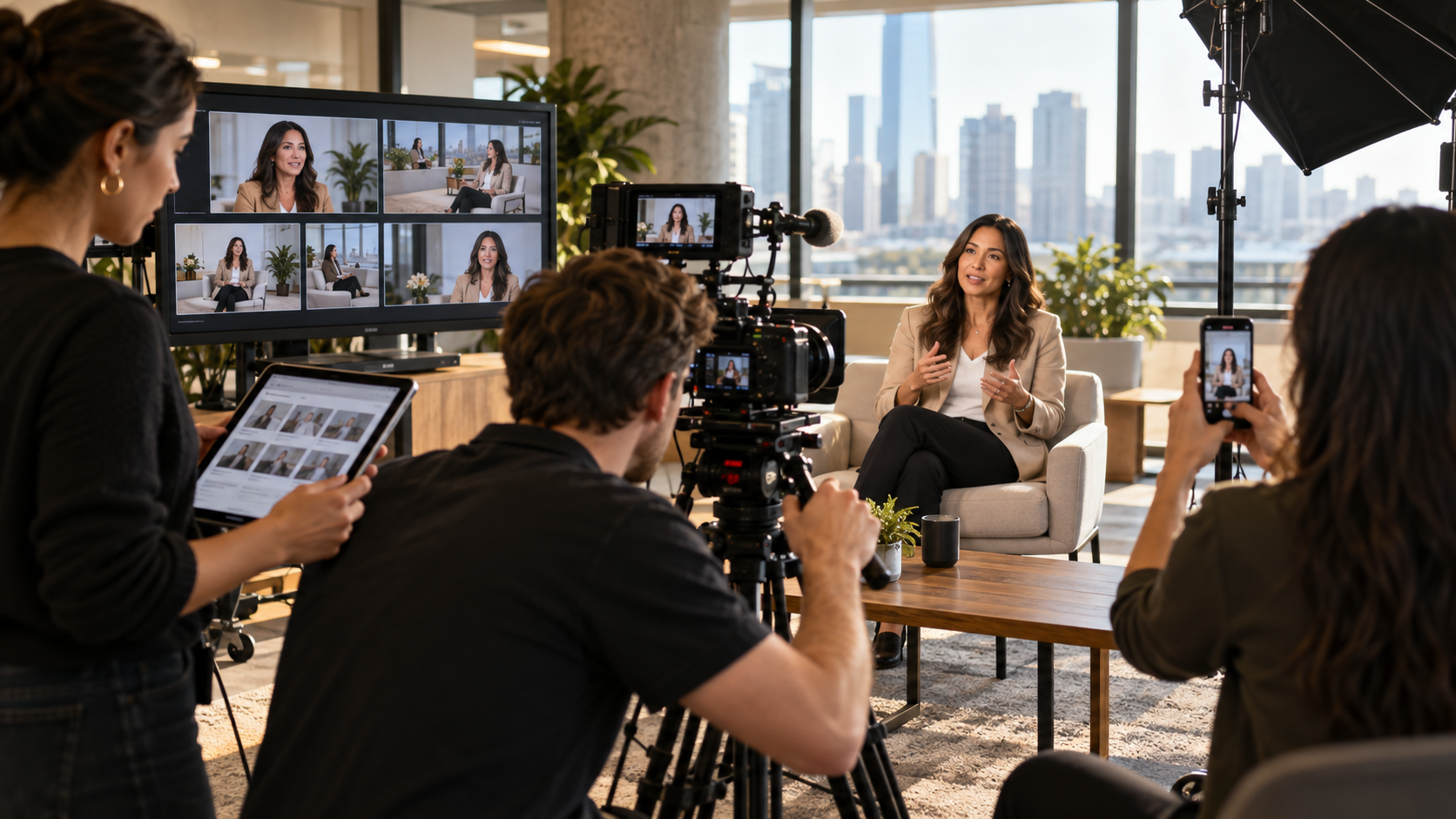
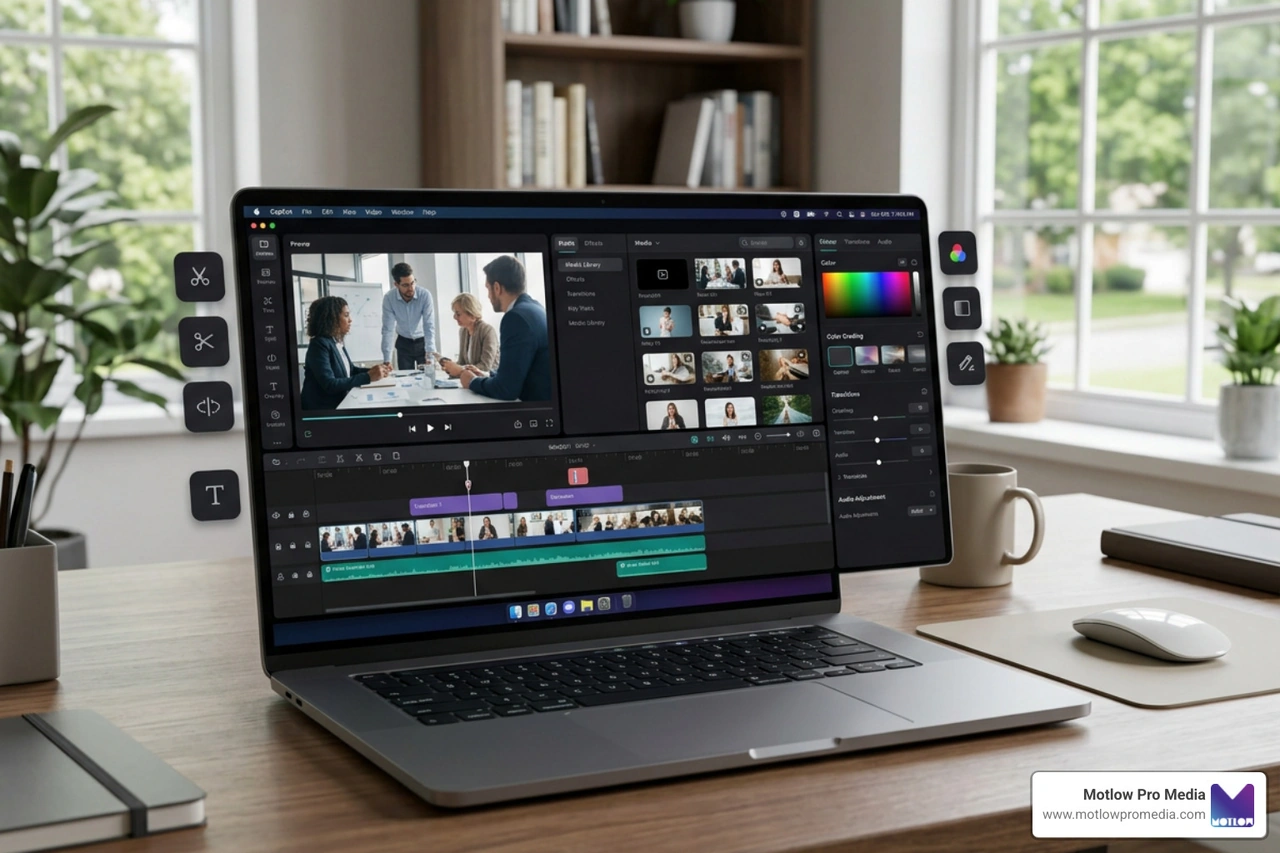
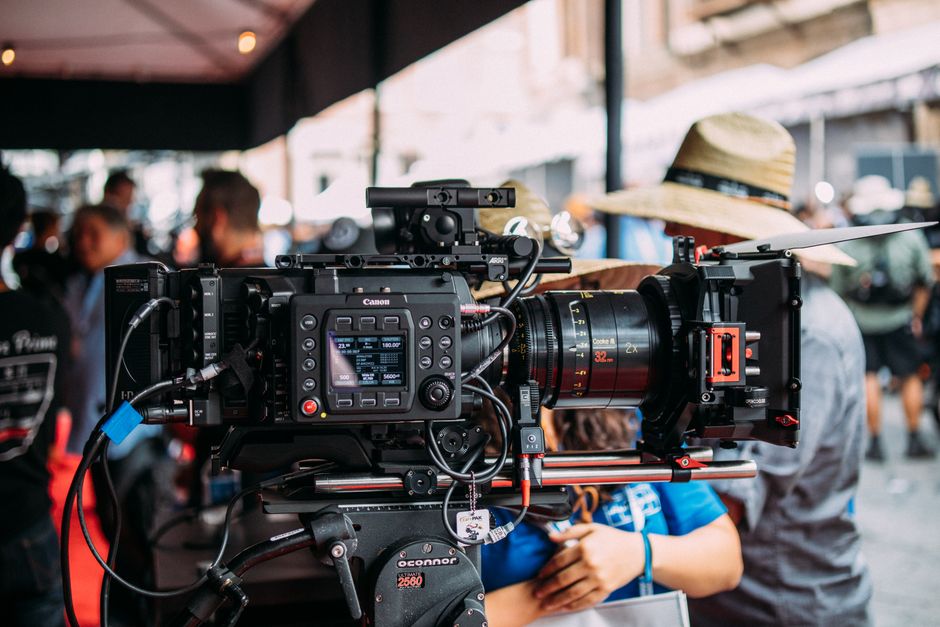
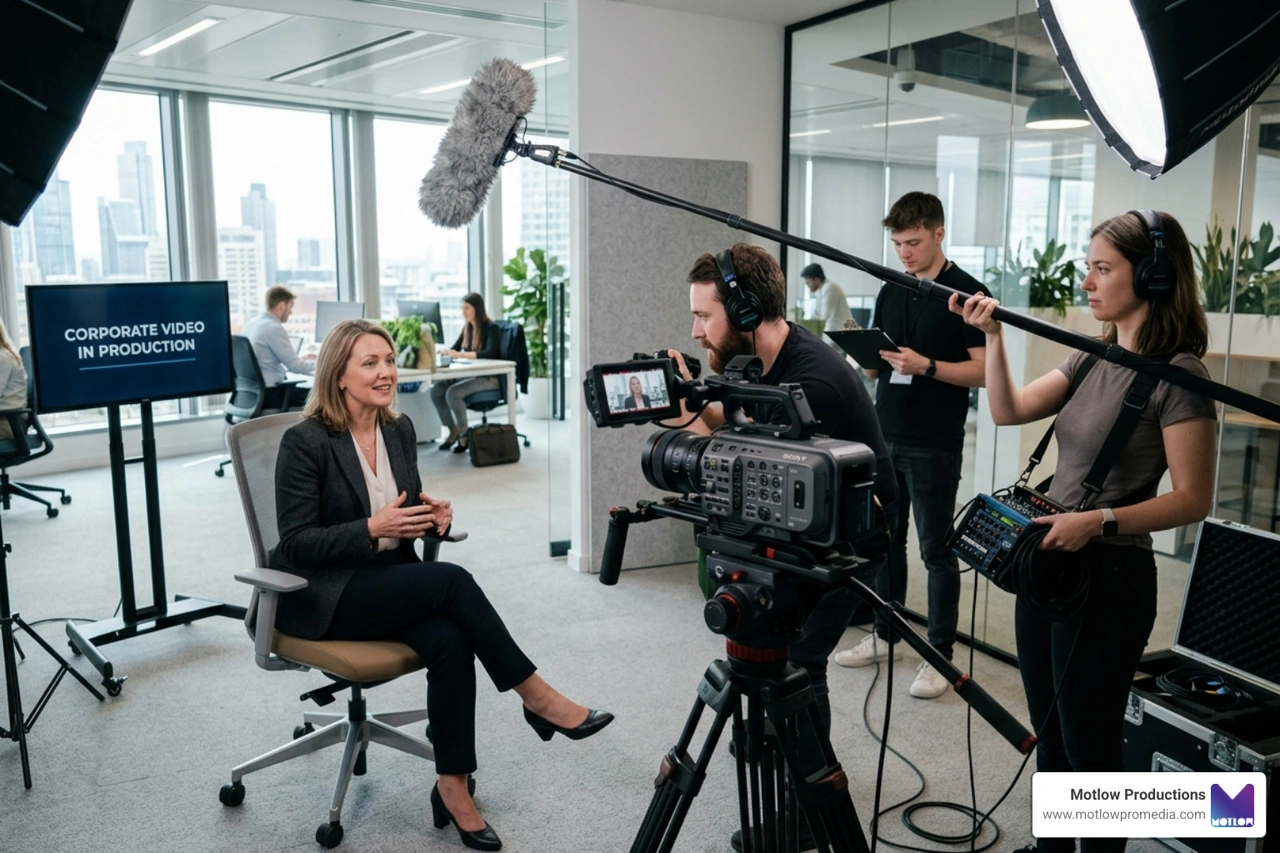
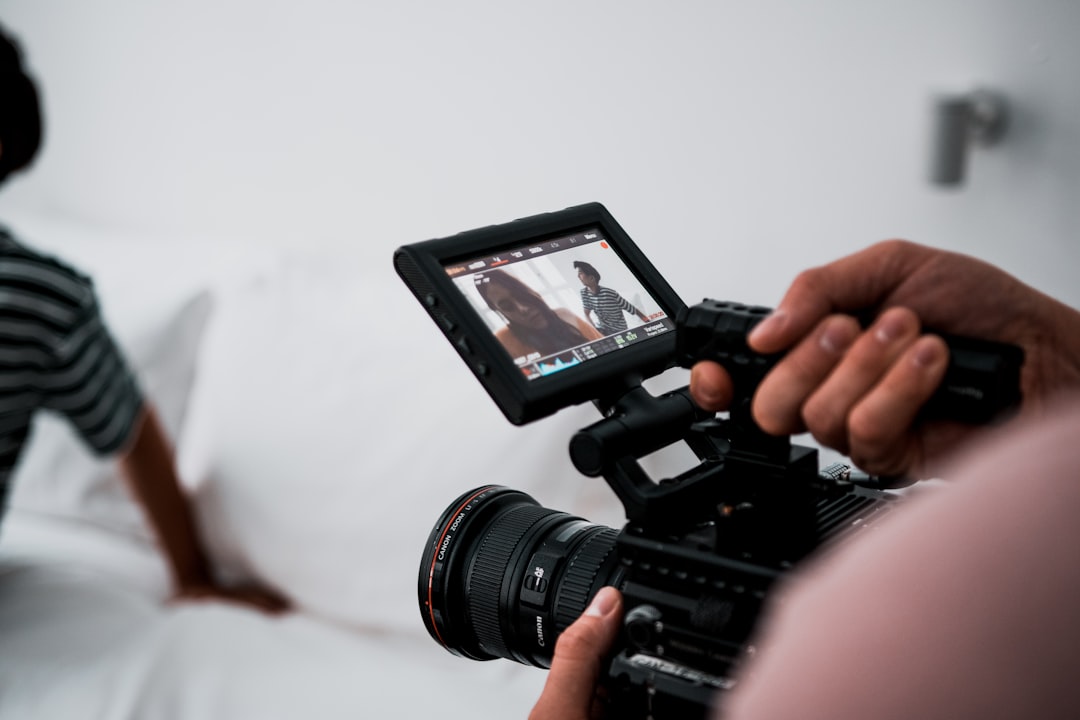
Now that you have your strategy mapped out, let's talk about execution. Different platforms and formats require different technical and creative approaches. Whether you are shooting in a studio here in Tampa or recording a quick update from your desk, keeping production standards high is crucial.
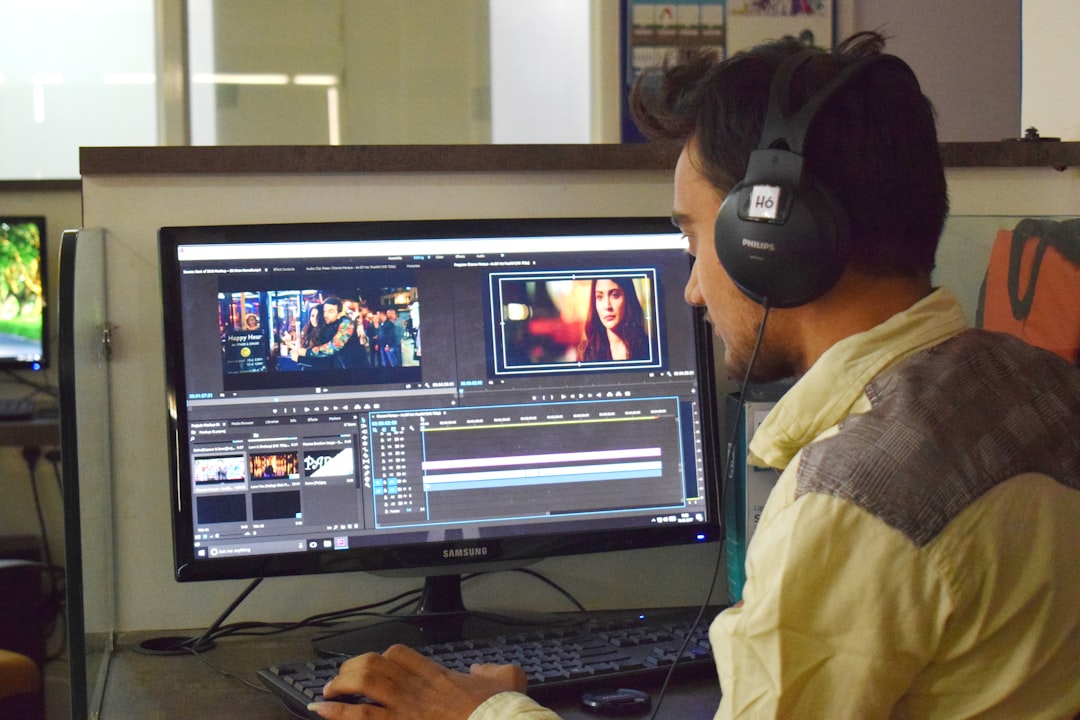
To dive deeper into the logistics of planning, filming, and editing corporate assets, explore our Corporate Video Production Complete Guide.
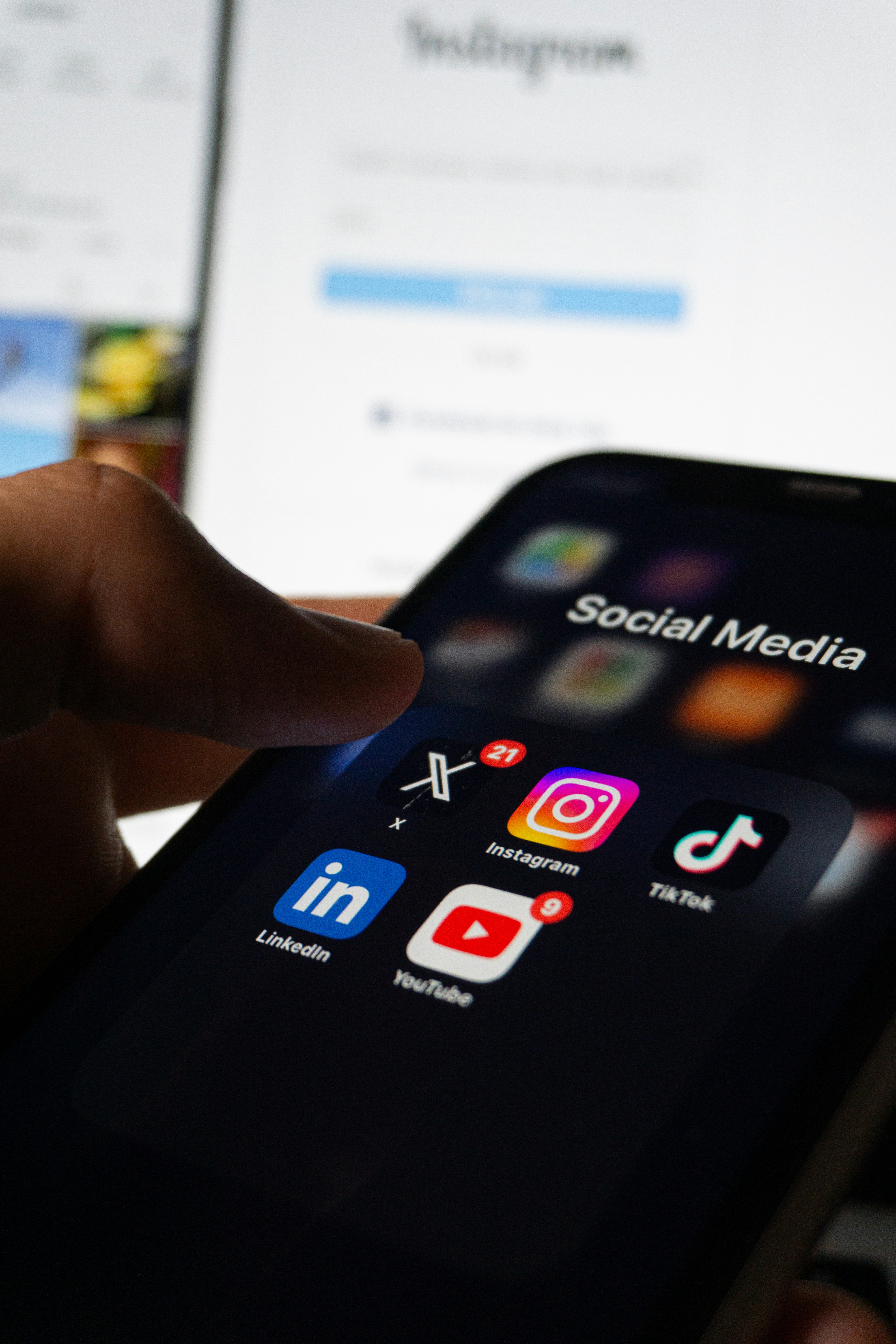
Short-form video (TikTok, Instagram Reels, YouTube Shorts, and LinkedIn video) is the fastest-growing segment of digital marketing. However, the rules of short-form are vastly different from traditional video.
For a comprehensive look at how to scale this style of content, check out our Corporate Content Creator Guide.
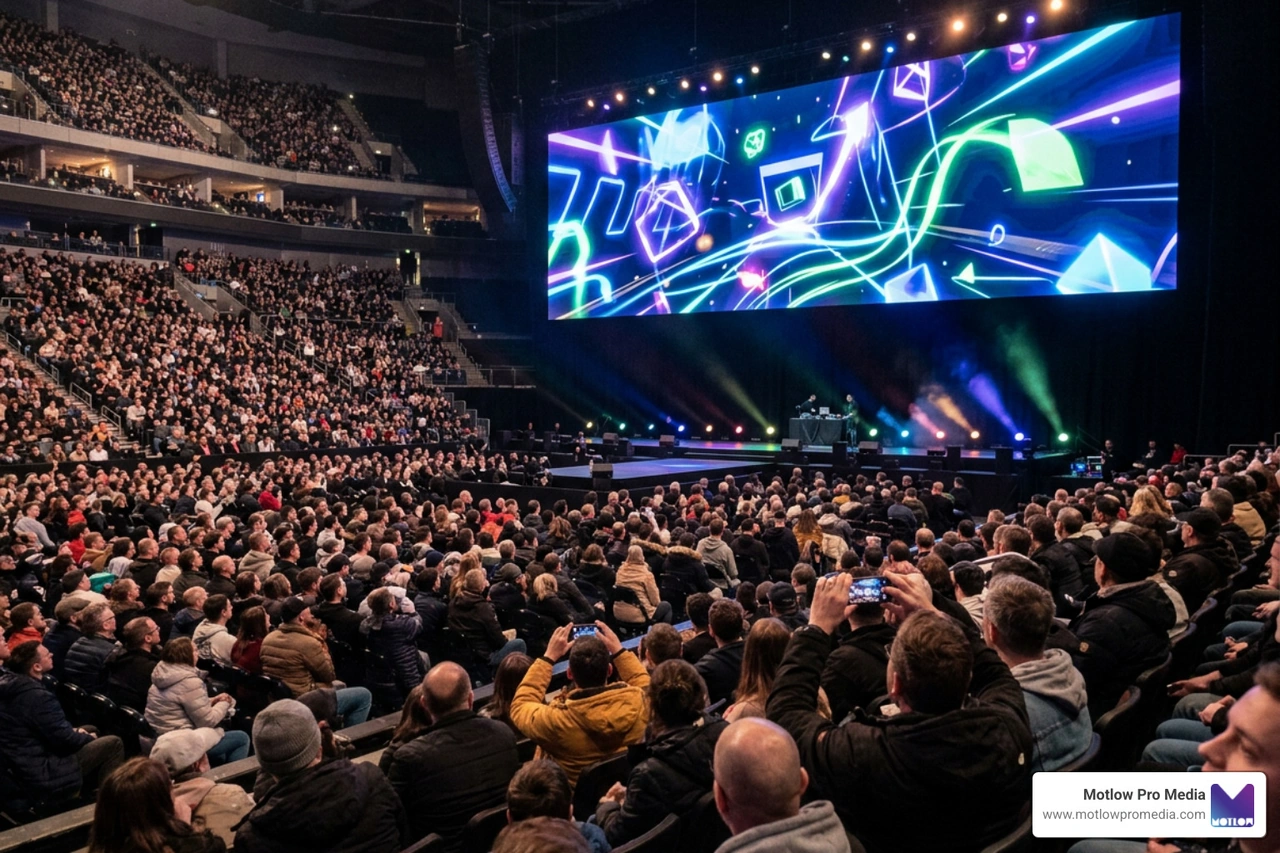
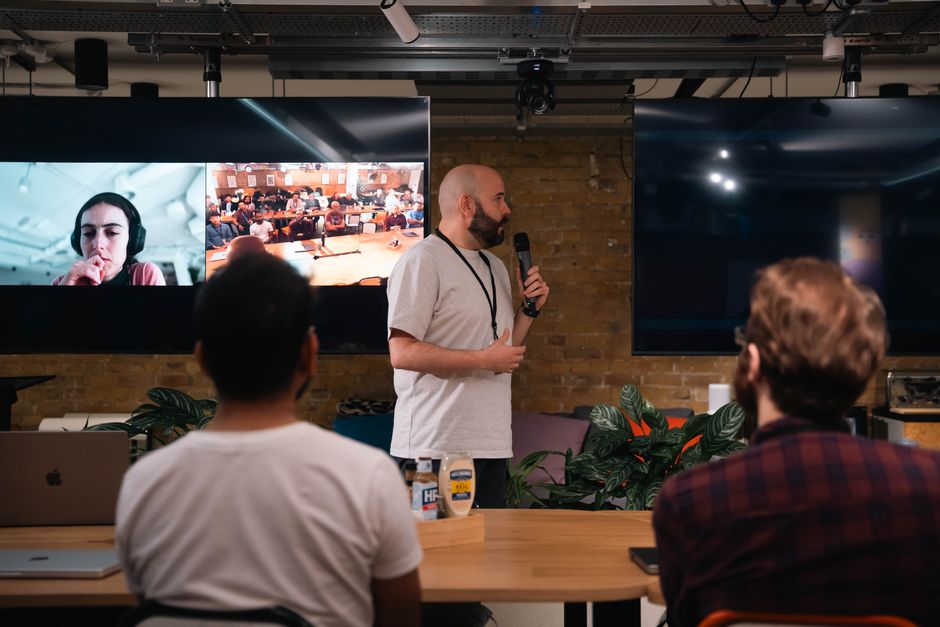
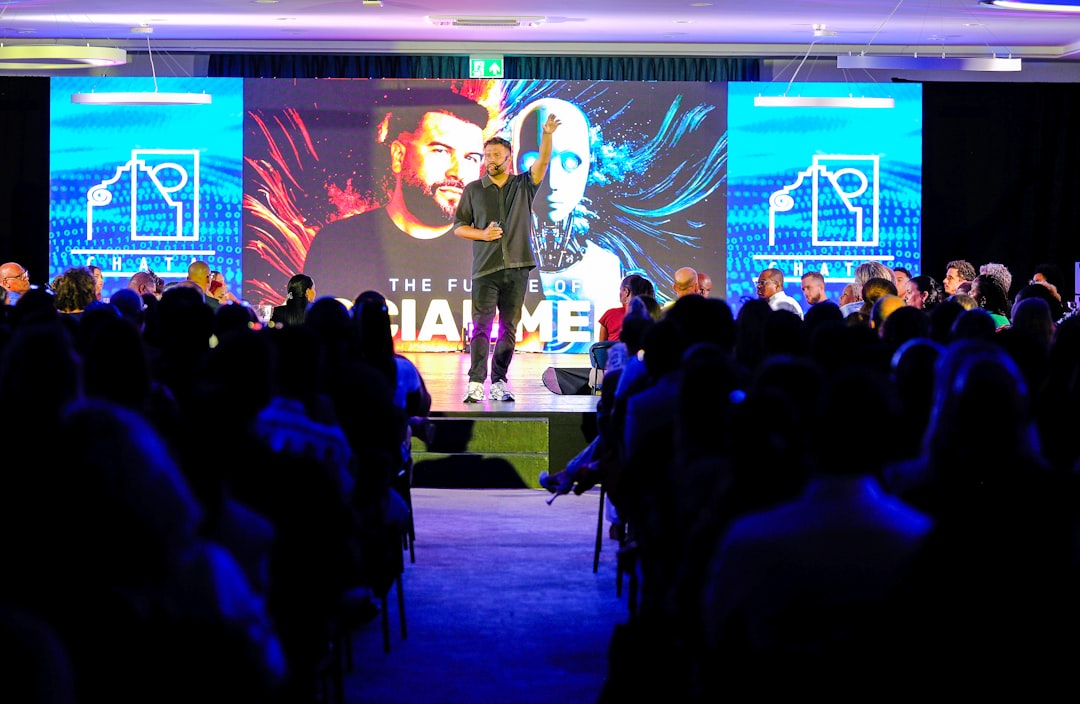
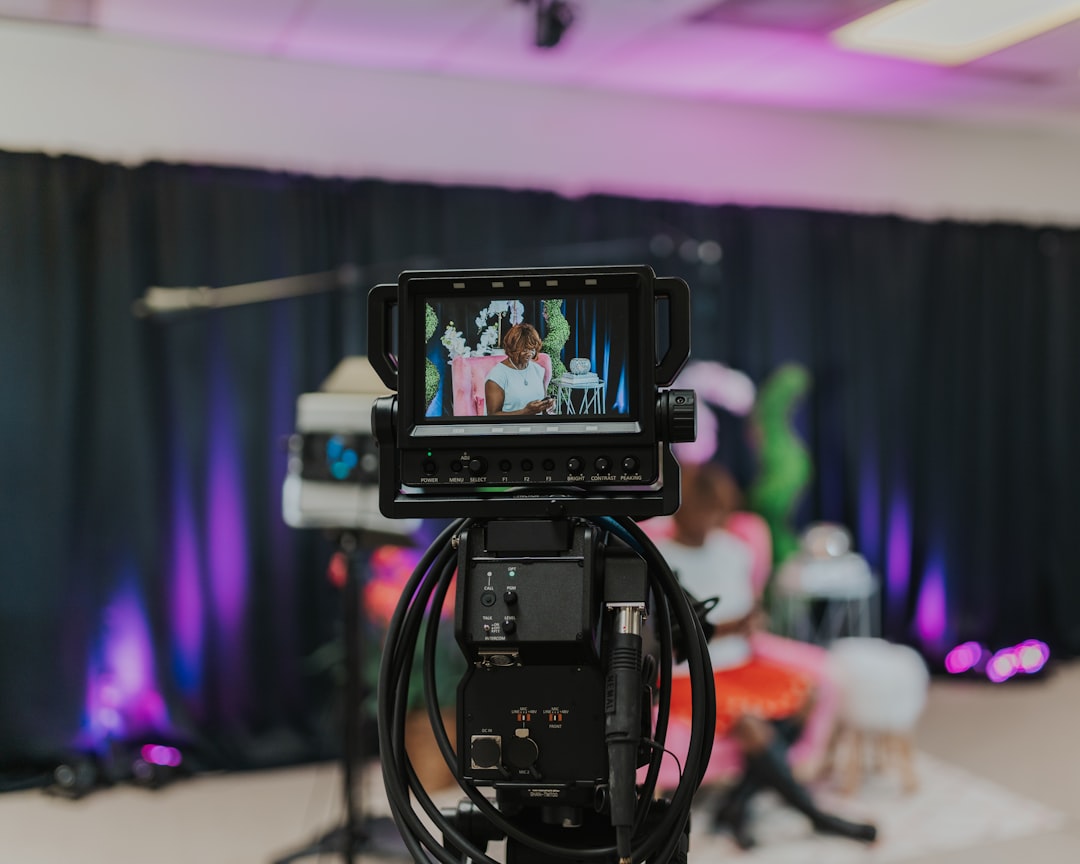
While short-form is fantastic for capturing attention, long-form and live videos are where deep relationships are built. When producing webinars, panel discussions, or educational series, your focus should be on delivering structured, high-value information.
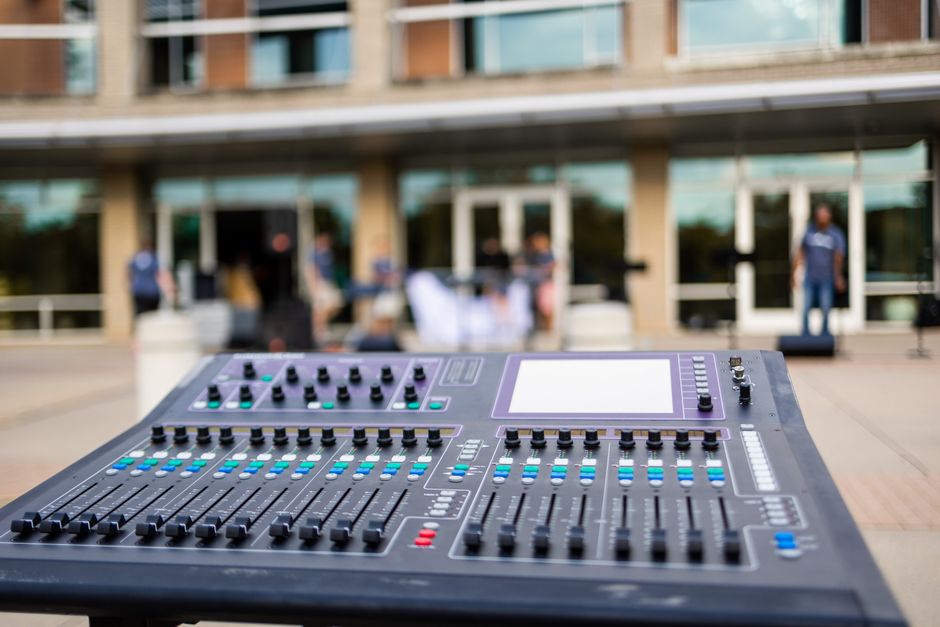
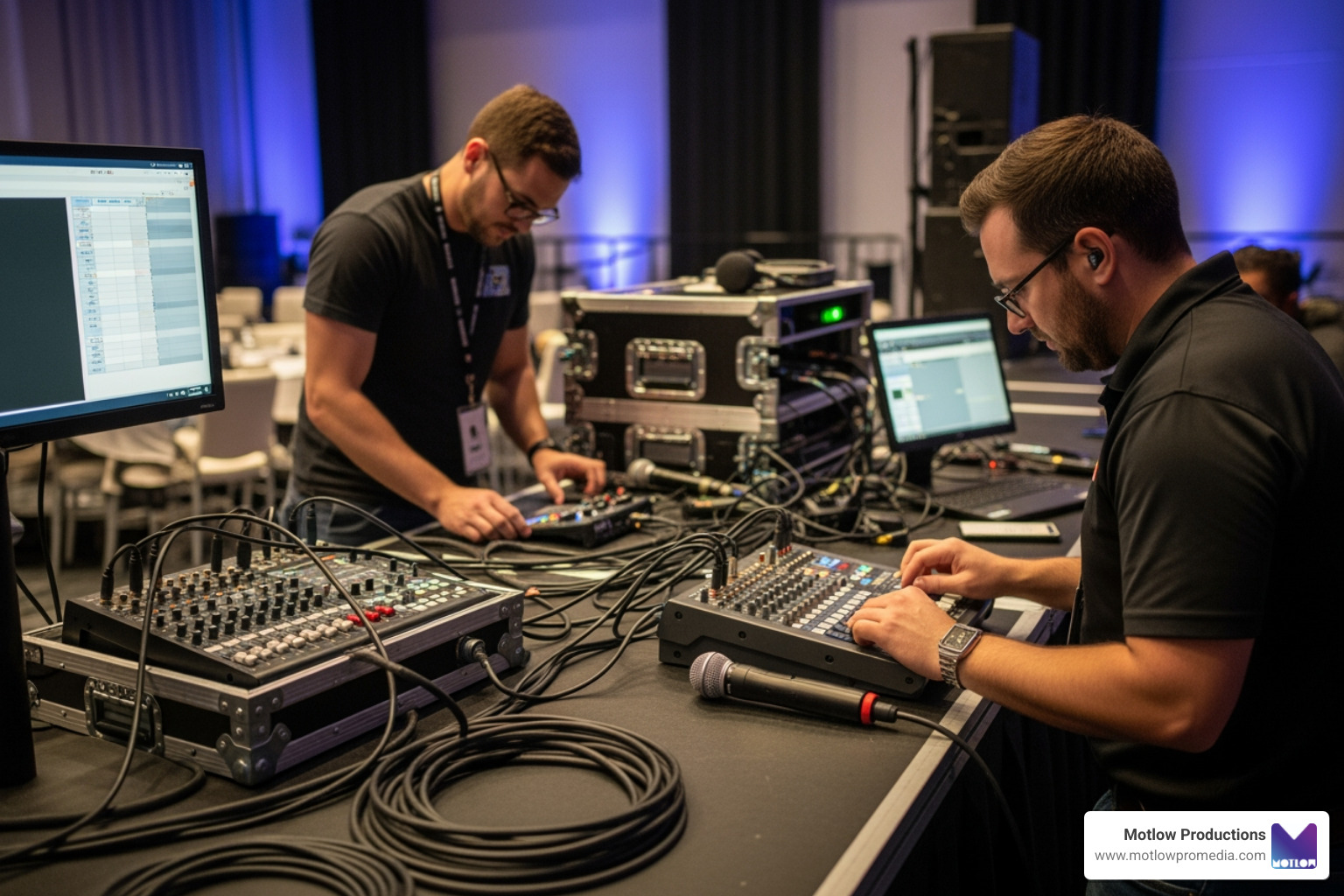
Live streaming and webinars have exploded in popularity because they allow for real-time interaction. When planning a live broadcast, always test your audio and video connections at least 30 minutes before going live, and ensure you leave ample time to address viewer questions directly.
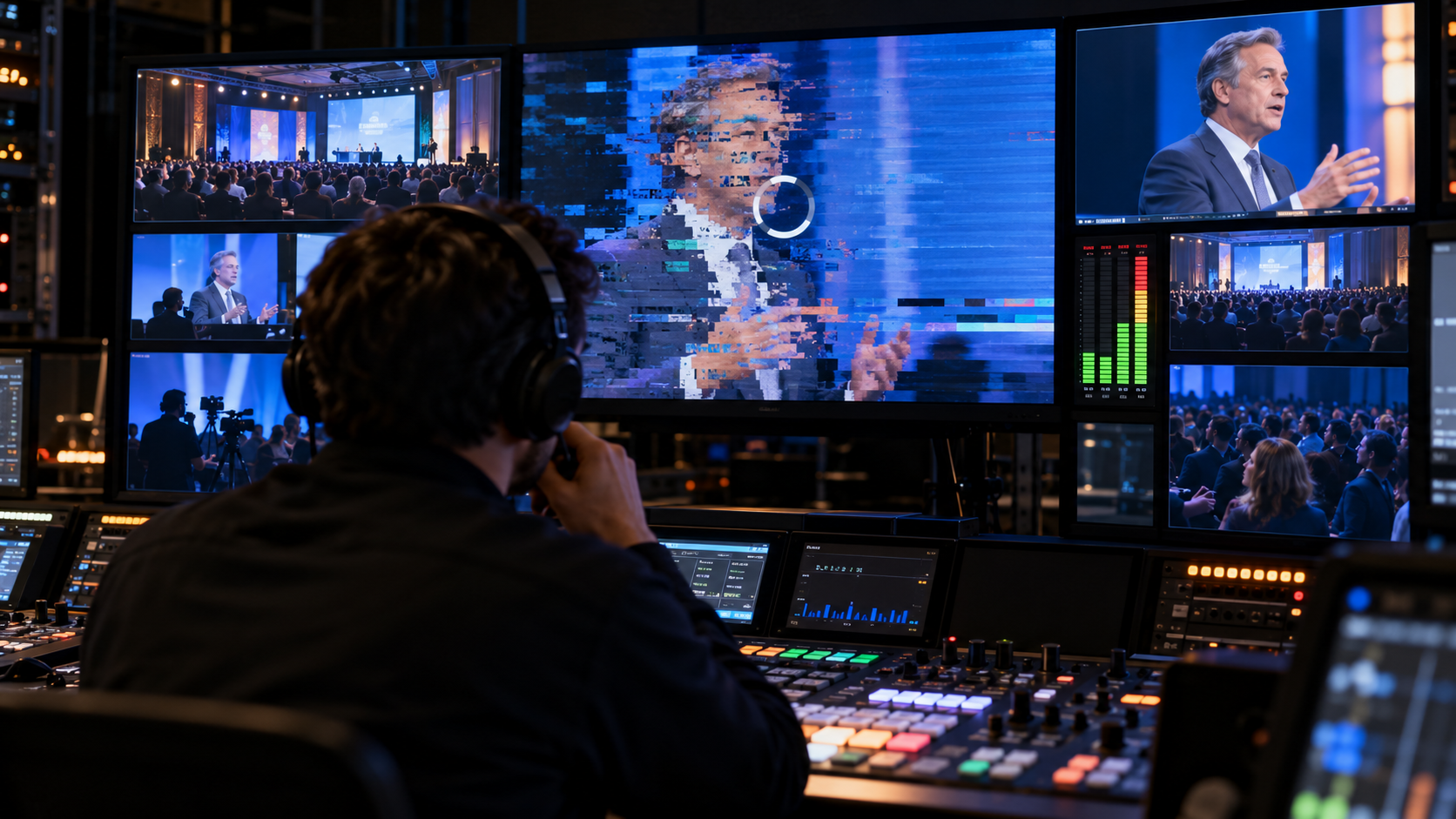
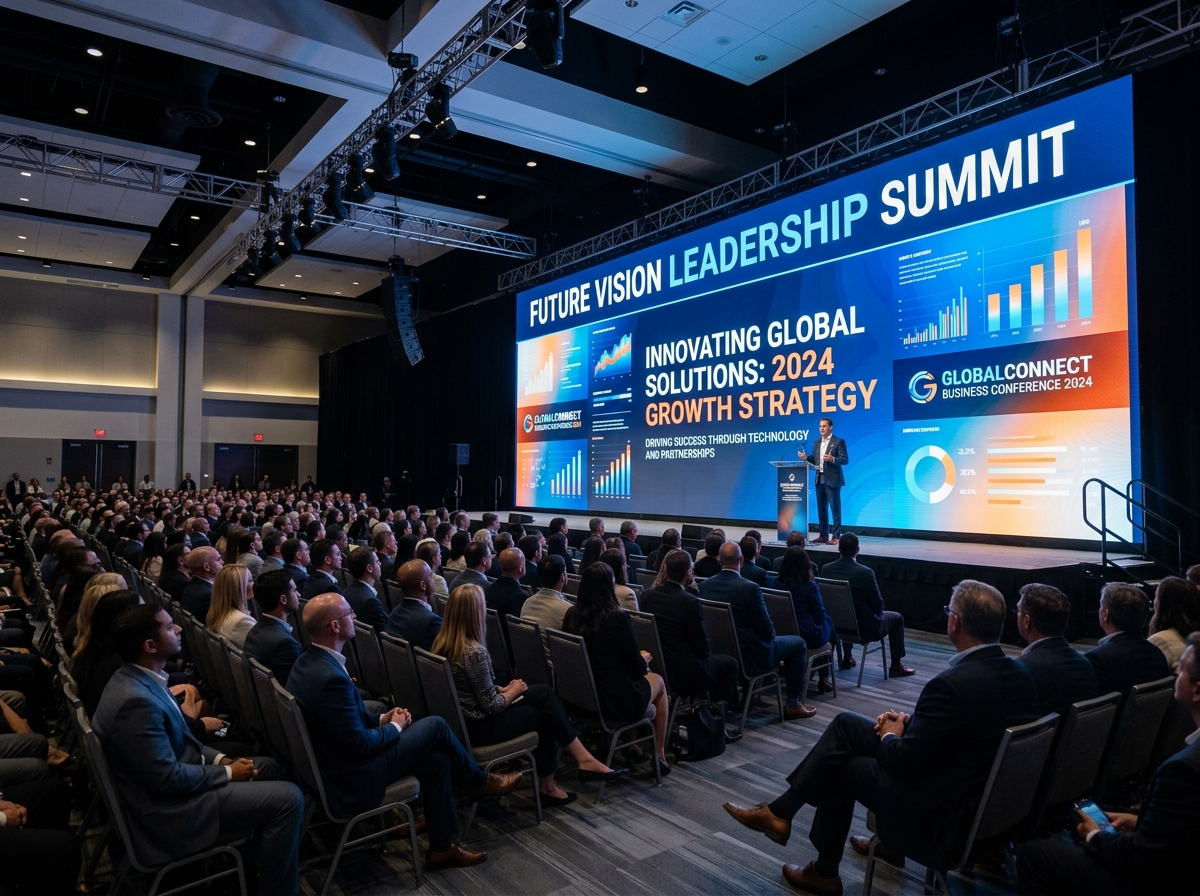
If you are hosting a major corporate event, bringing in professional live event support ensures a flawless broadcast that can be recorded, sliced, and repurposed into evergreen marketing assets for months to come. Learn how to elevate your brand's presence with a Professional Corporate Video production setup.
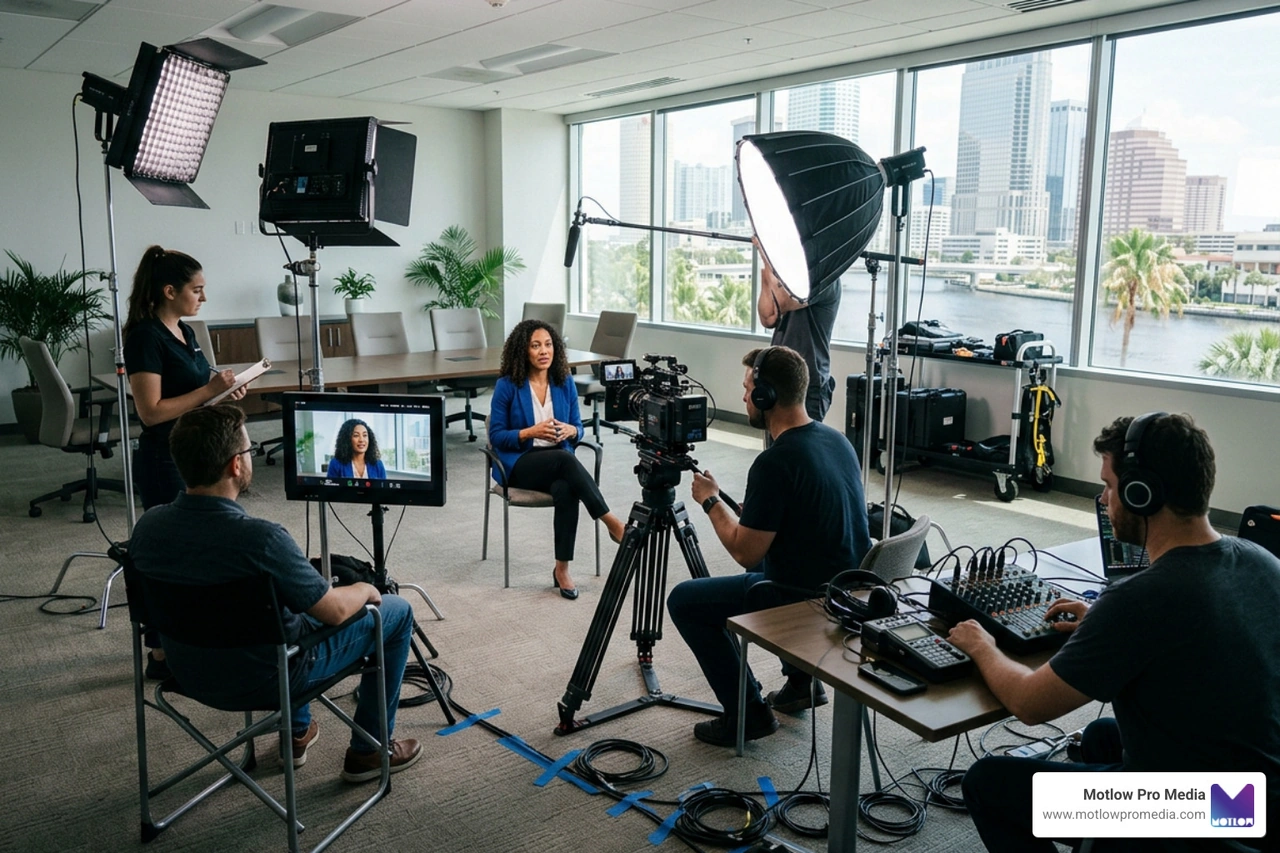
The biggest barrier to video marketing success is not a lack of budget; it is a lack of consistency. Too many businesses approach video reactively—filming a random clip when inspiration strikes, getting overwhelmed by the editing process, and then abandoning the project for months.
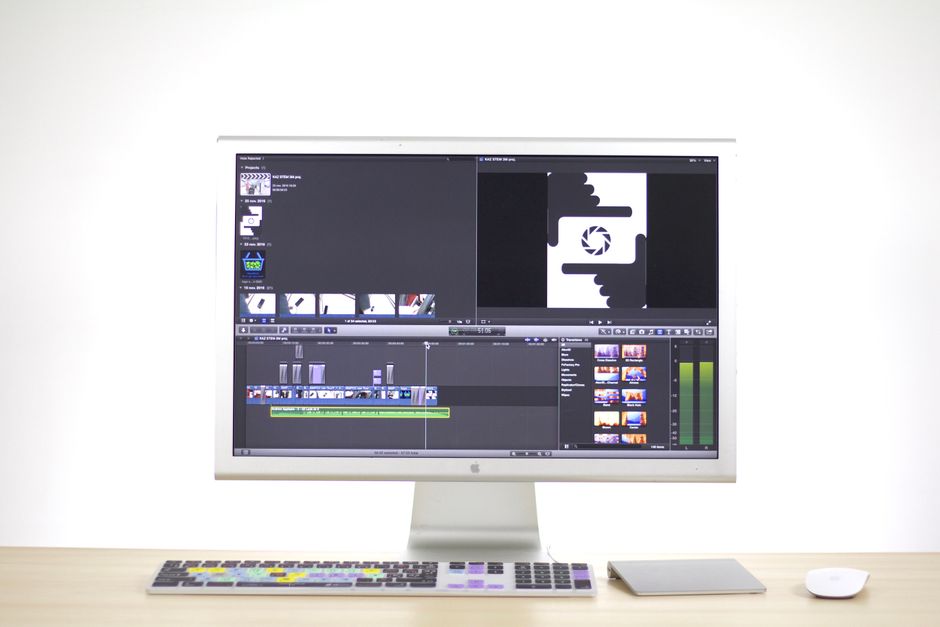
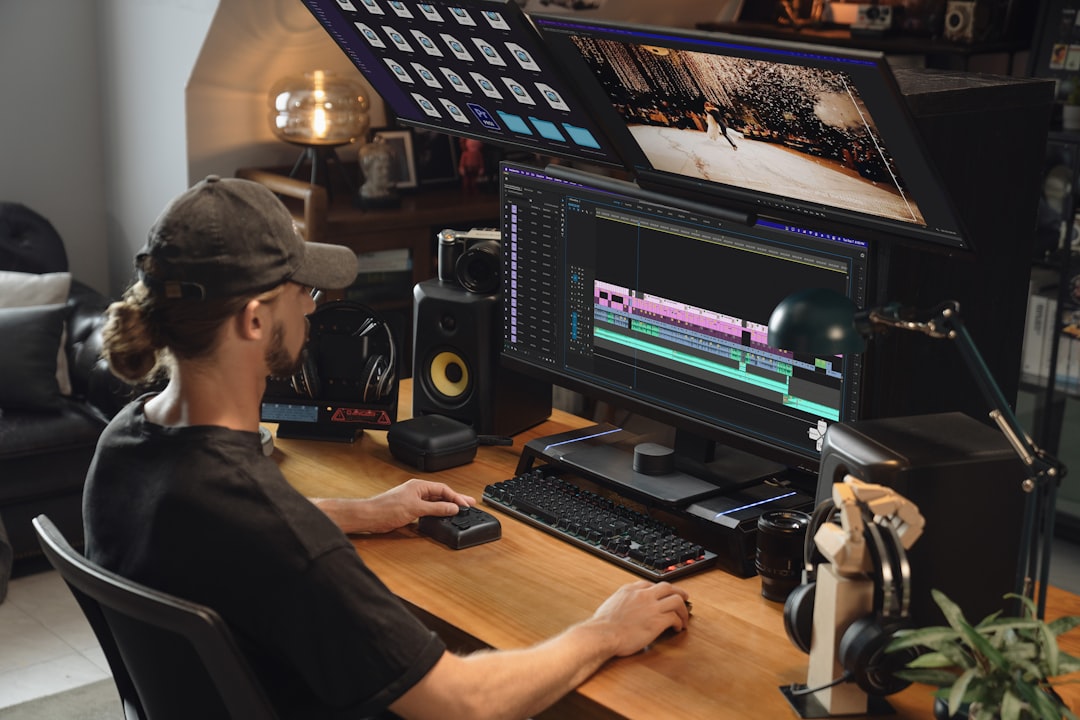
To win, you must treat video as a repeatable operational system rather than a creative luxury. This starts with partnering with an Expert Video Production team that can help you plan, shoot, and edit your assets in structured, efficient batches.
If you wait for creative inspiration to strike before making your next video, your content calendar will quickly dry up. Consistent creators rely on documented ideation systems.
We recommend building an ICP (Ideal Customer Profile) Question Bank. Work closely with your sales and customer support teams to list every single question, objection, and point of confusion your prospects have. Each of those questions is a validated video topic that your audience is actively searching for.
Additionally, organize your content into 3 to 5 core Content Pillars. For example, a B2B logistics company might have pillars for "Supply Chain Efficiency," "Regulatory Compliance," and "Company Culture." By mapping your ICP questions to these pillars, you can easily brainstorm months of content in a single 60-minute session.
If you ever find yourself struggling to fill your content calendar, use this guide on How to Generate Video Ideas When You're Stuck | VID to jumpstart your creative engine.
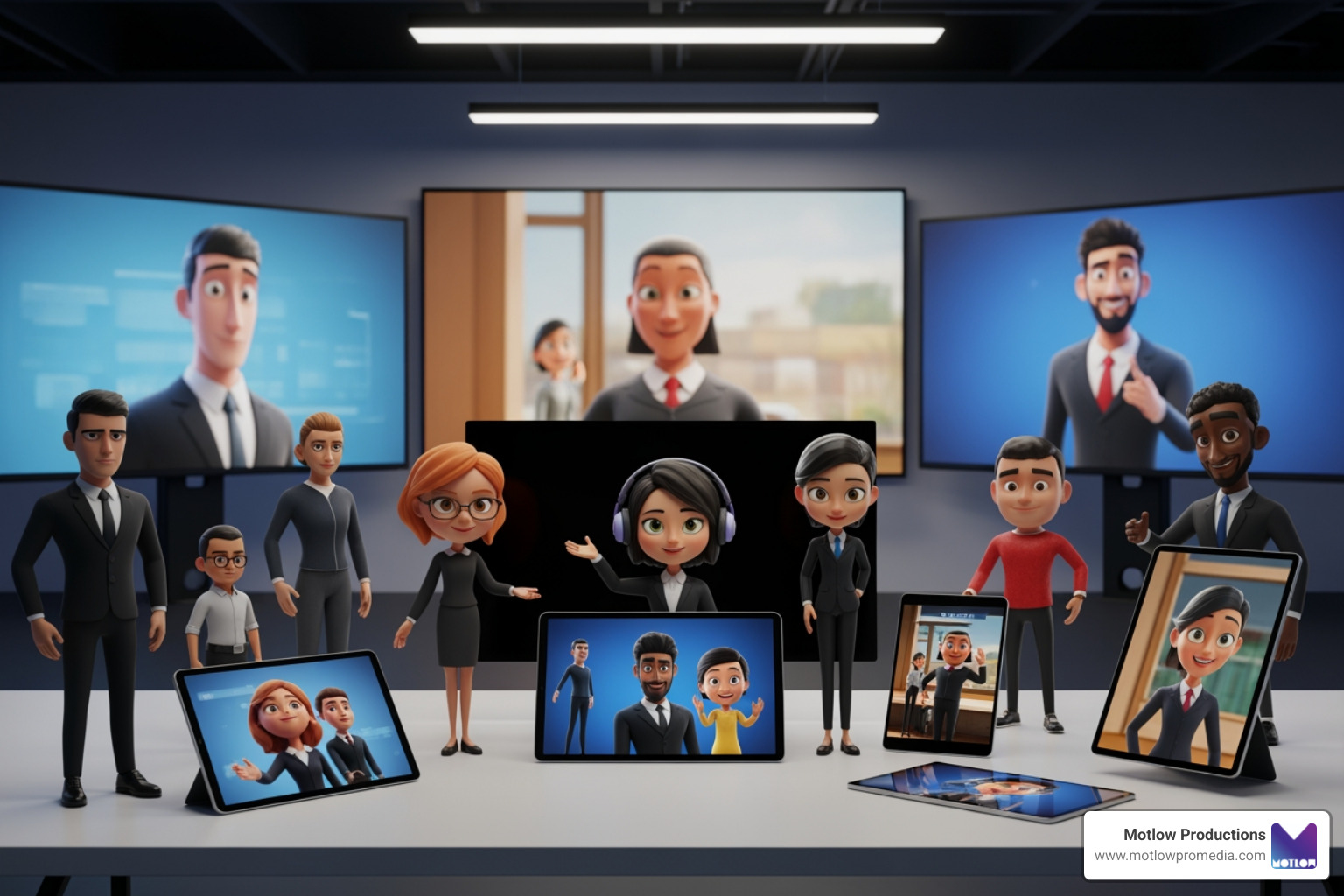
As we look ahead, the video marketing landscape is evolving rapidly. Technology is making it easier than ever to create highly relevant, personalized viewing experiences.
When using these advanced tools, the key is to keep the human element at the center. As demonstrated in creative B2B campaigns like Microsoft 365 | Hank knows pizza. Copilot knows Excel. - Black Camel Agency , the most memorable video assets place advanced technology in everyday, relatable business settings, showing how tools support human expertise rather than replace it.
It depends entirely on the format and the viewer's intent. For top-of-funnel social content, aim for 30 to 90 seconds. For middle-of-funnel product explainers and case study walkthroughs, keep it tight at 3 to 5 minutes. If you are producing a deep-dive Video Sales Letter (VSL) for a high-ticket B2B offer, a duration of 6 to 15 minutes is standard to thoroughly address complex objections and build trust.
The most reliable way is to build a centralized ICP Question Bank sourced directly from your sales calls, customer support tickets, and search data. By establishing 3 to 5 clear content pillars and holding a monthly 60-minute ideation session, you can easily maintain a rolling 30-day backlog of highly relevant video topics without ever starting from a blank page.
Stop tracking views as your primary metric. Instead, connect your video hosting platform to your CRM to track pipeline metrics. Measure click-through rates on your call-to-actions, the number of leads generated directly from video landing pages, and the percentage of closed-won deals that engaged with your video assets during the sales cycle.
Building a library of high-impact video content for business is one of the most valuable investments your brand can make. It is a permanent digital asset that works for you 24/7—educating prospects, building trust, and closing deals while your team focuses on growth.
But we know that managing scripts, lighting, cameras, audio, editing, and distribution can feel like a full-time job.
That is where we come in. At Motlow Pro Media, we are a premier Media Production Company based right here in Tampa, Florida. We specialize in providing comprehensive Corporate Video Services, live event support, and long-term media leadership for brands who want to scale their content without the stress.
Our unique "hands-off, but hands-on" partnership means we do all the heavy lifting. We act as a seamless, trusted extension of your team—handling the strategy, the technical execution, and the creative storytelling, while keeping communication crystal clear every step of the way. You get professional, high-converting video assets, and you don't have to worry about a single detail on set.
Ready to take your business video strategy to the next level?
Book a consultation with Motlow Pro Media today, and let’s build a scalable video engine that drives real pipeline for your business.
Some clients want to give notes in a live Zoom call. Others prefer a group text or email thread. However you like to communicate, we adapt. You’ll never be left guessing where things stand - and you’ll always have a say before anything goes out the door.





Phone:
+1 863-250-8639
.png)
Email:
info@motlowpromedia.com