





-5.jpg)




















Thank you! Your submission has been received!
Oops! Something went wrong while submitting the form.

.avif)
September 29, 2026
Customer testimonial videos can be some of the most persuasive content a company creates. They give prospects a chance to hear from someone who has already worked with the business, used the service, attended the event, or experienced the result.
That third-party voice matters.
A company can explain its own value all day, but a customer story often feels more believable because it comes from outside the organization. When the testimonial is specific, honest, and professionally produced, it can support sales conversations, website conversions, event promotion, social media, email campaigns, and trust-building throughout the buyer journey.
The challenge is that testimonial videos can easily become too scripted. If the customer sounds coached, vague, or overly promotional, the video loses credibility. The best testimonial videos feel natural, focused, and real.
That requires planning. Through Motlow Pro Media's services, marketing teams can plan testimonial videos, interviews, event content, and post-production deliverables with the final trust-building goal in mind.
A strong testimonial video starts before the camera is set up. It starts with choosing the right customer.
The best testimonial is not always the customer with the biggest name or the most polished speaker. It is the customer who can clearly explain the problem, the experience, and the value of the relationship.
A strong testimonial subject should be able to speak about:
Specificity matters. A vague testimonial that says "they were great to work with" is not nearly as useful as a customer explaining what made the process easier, faster, clearer, or more successful.
Before filming, the marketing team should identify the story they want to tell. Is this about trust? Speed? Expertise? Event execution? Communication? Strategy? Production quality? The clearer the story, the stronger the interview will be.
A testimonial video should not begin with praise. It should begin with context.
What was the customer trying to accomplish before they hired the company? What challenge were they facing? What was at stake? What would have happened if they did not solve the problem?
This context helps viewers recognize themselves in the story.
For example, a marketing director watching a testimonial may relate to another team struggling with event content, tight deadlines, unclear production needs, or pressure to make one conference produce more useful assets. A hospitality leader may relate to the need for polished visuals that support brand trust. A corporate communications team may relate to the challenge of filming executives in a way that feels natural and professional.
The testimonial becomes more powerful when the viewer thinks, "That sounds like our situation."
This is why the interview should ask about the before-state, not just the final result.
The fastest way to weaken a testimonial is to make it sound scripted.
Customers should not be asked to memorize lines. They should not be handed marketing copy and told to repeat it. Viewers can usually tell when the language does not sound natural.
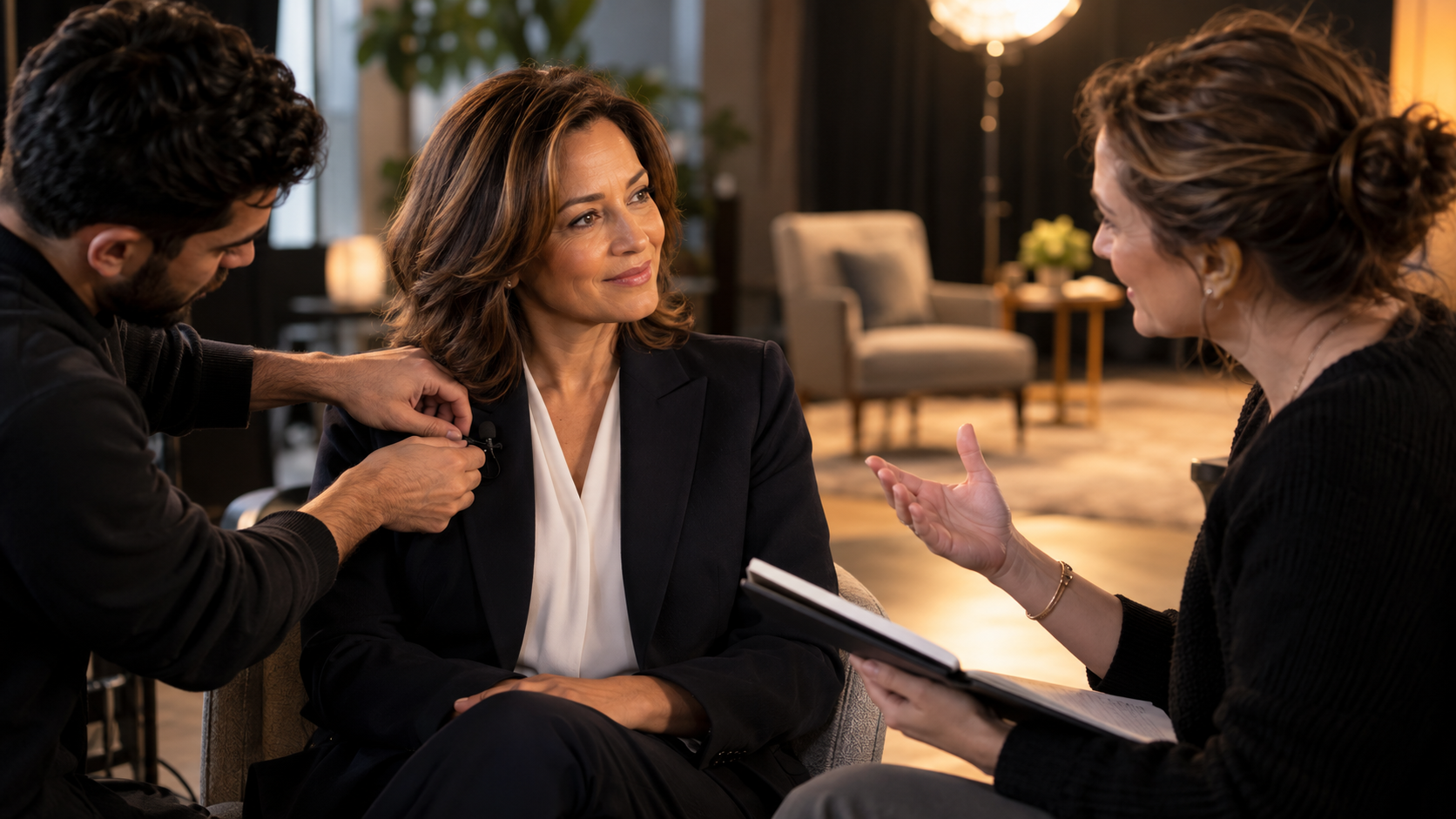
Instead, the production team should guide the customer with thoughtful interview questions. The goal is to help them explain the experience in their own words.
Strong testimonial questions may include:
The customer's exact wording is often more believable than polished marketing language. A good editor can shape the strongest moments without making the customer sound unnatural.
Customers should feel prepared, but not rehearsed.
Before filming, send a simple prep document. It should explain the purpose of the video, the general topics, the filming schedule, wardrobe guidance, and where the video may be used. This helps the customer feel comfortable and respected.
The prep should not include word-for-word answers. Instead, it should include themes and sample questions so the customer can think through their experience.
A good prep process may include:
This preparation helps the customer speak with more confidence while still sounding authentic.
For marketing teams, this balance is important. Too little preparation can make the customer nervous. Too much scripting can make the testimonial feel fake.
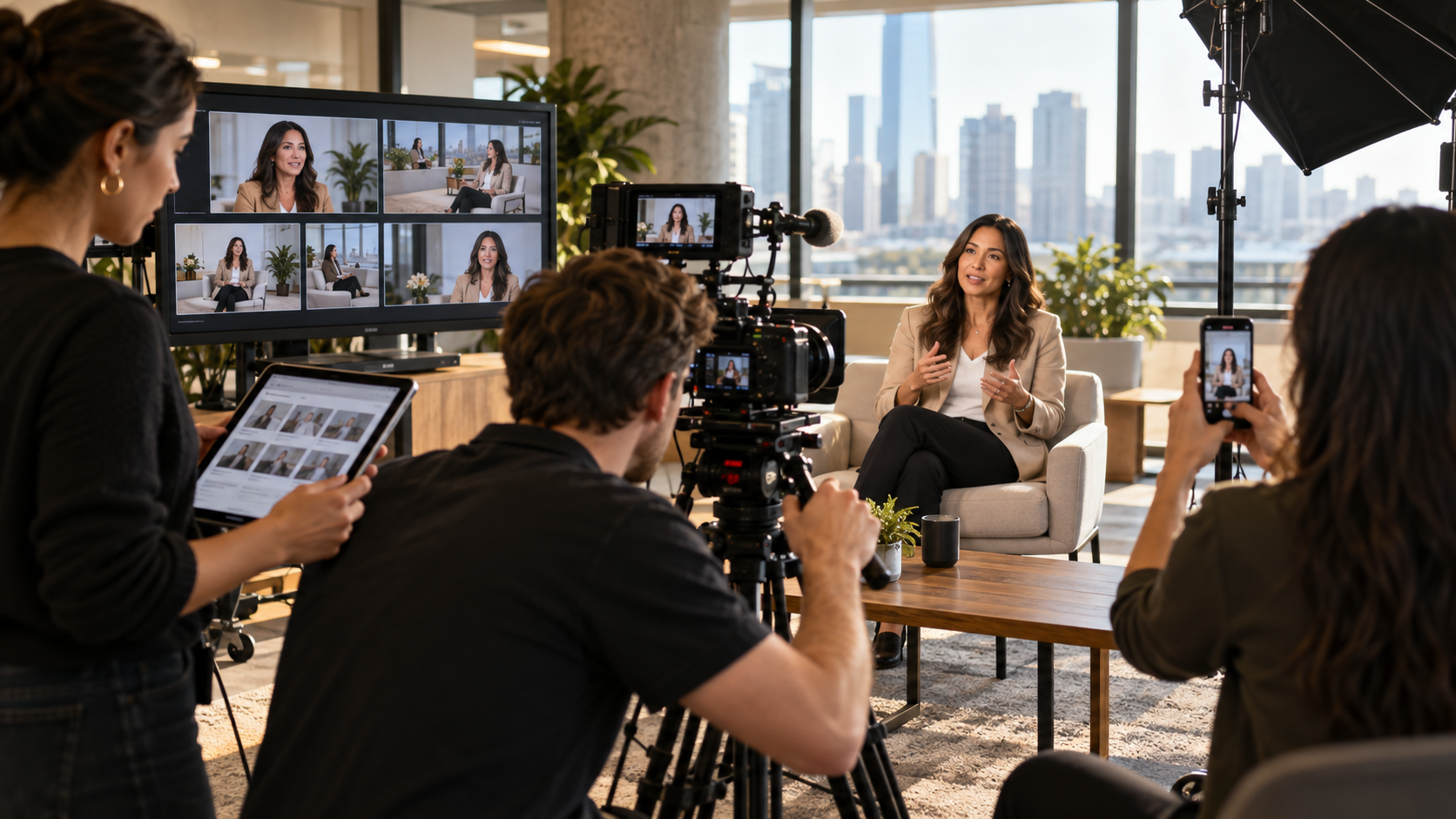
The location of a testimonial video shapes how the story feels.
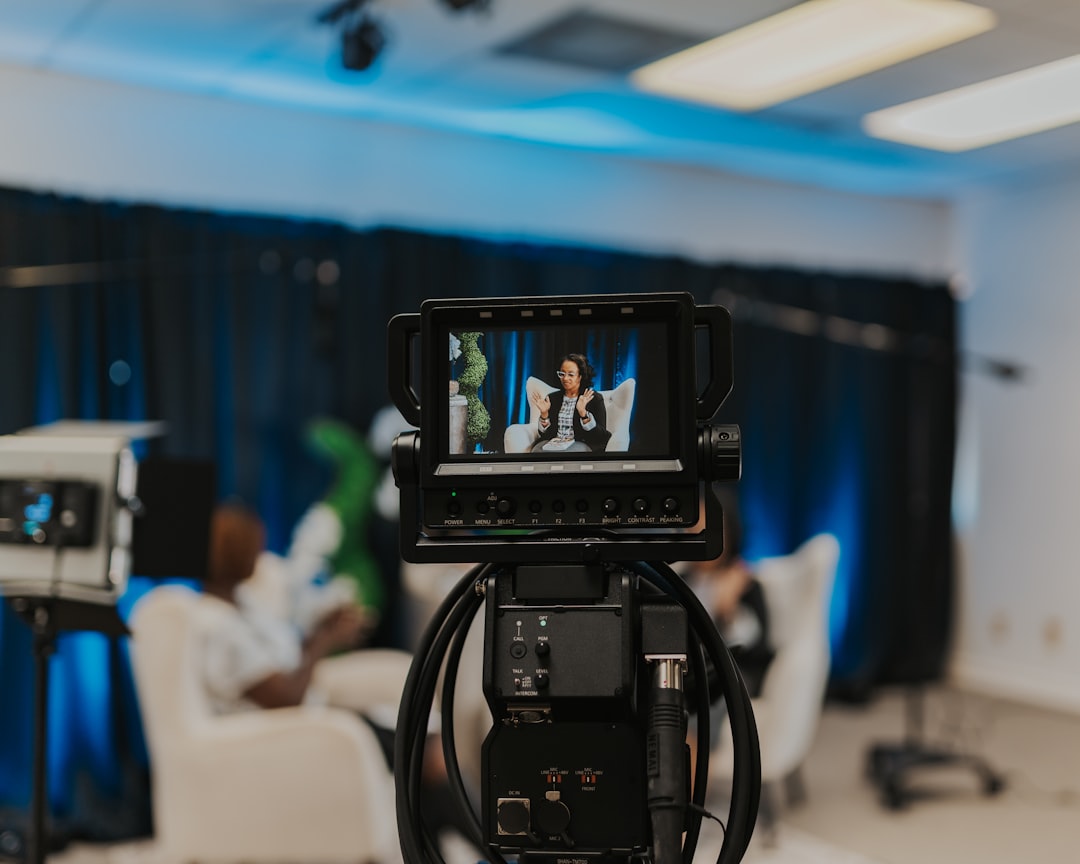
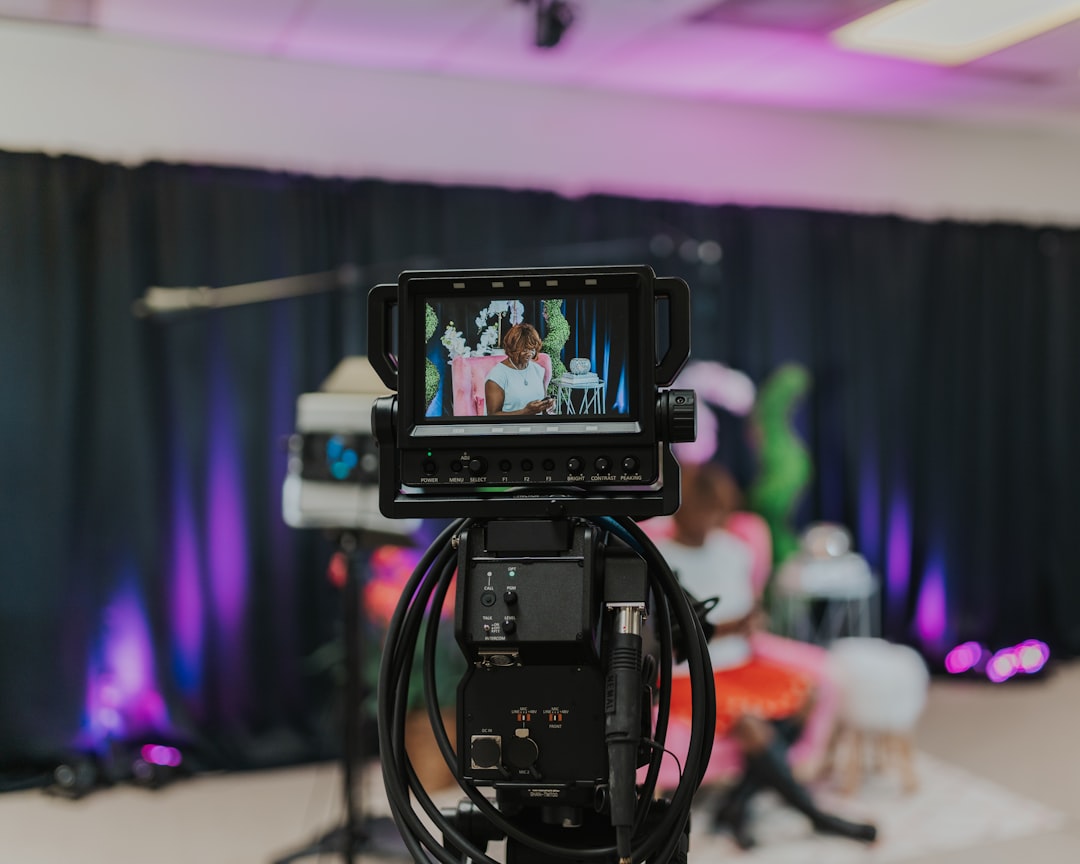
A customer can be filmed in an office, conference room, event space, production environment, hotel, casino, workplace, or another relevant setting. The best location depends on the story.
If the testimonial is about a corporate event, filming near the event space may add context. If the story is about a long-term partnership, a clean professional environment may work better. If the testimonial is about a specific project, filming in a location connected to that project can make the story feel more grounded.
The setting should look professional without distracting from the speaker. It should also sound good. A beautiful background will not help if the room is noisy, echoey, or difficult to control.
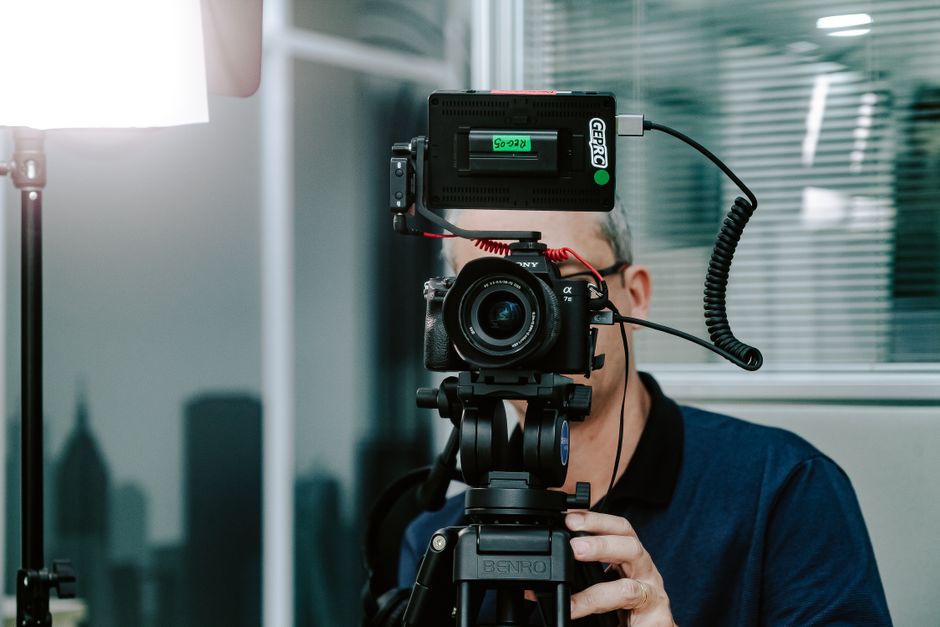
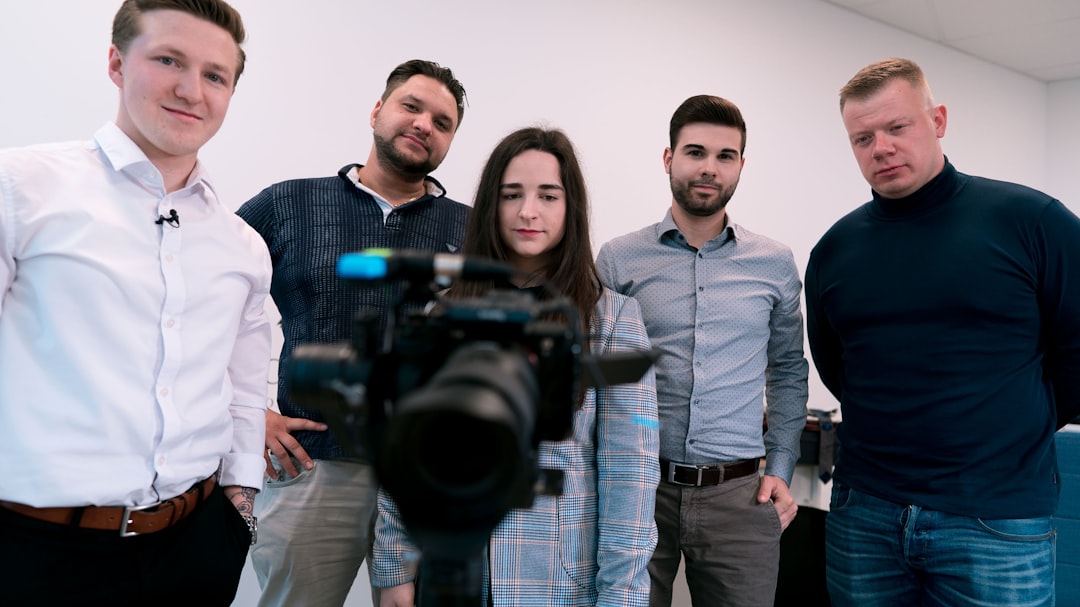
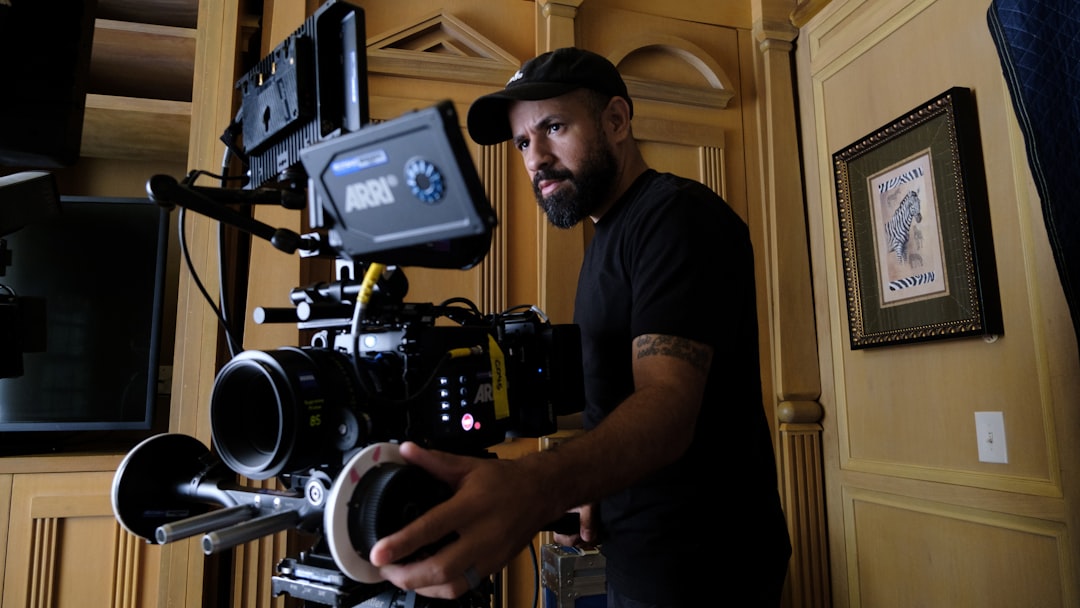
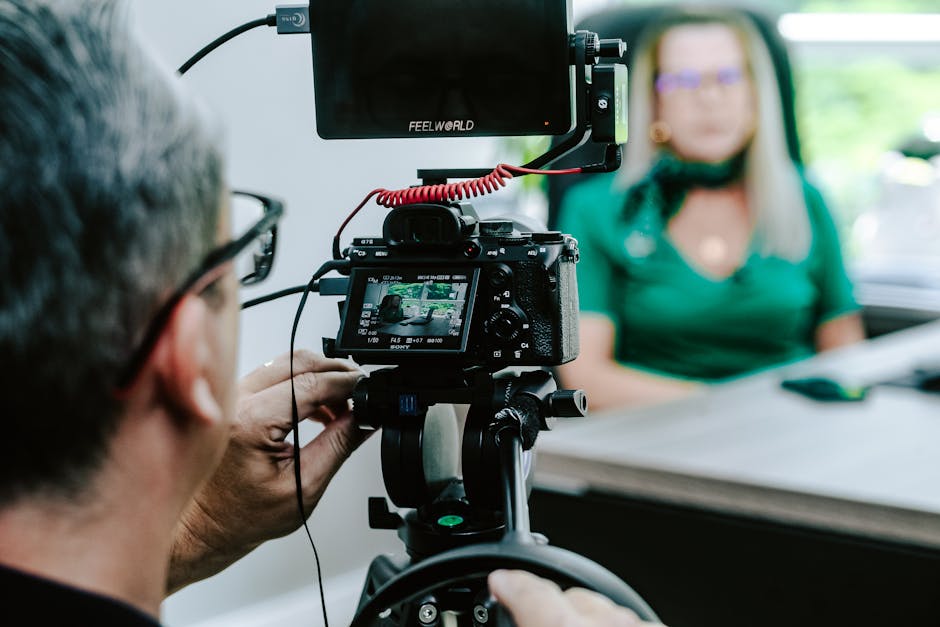
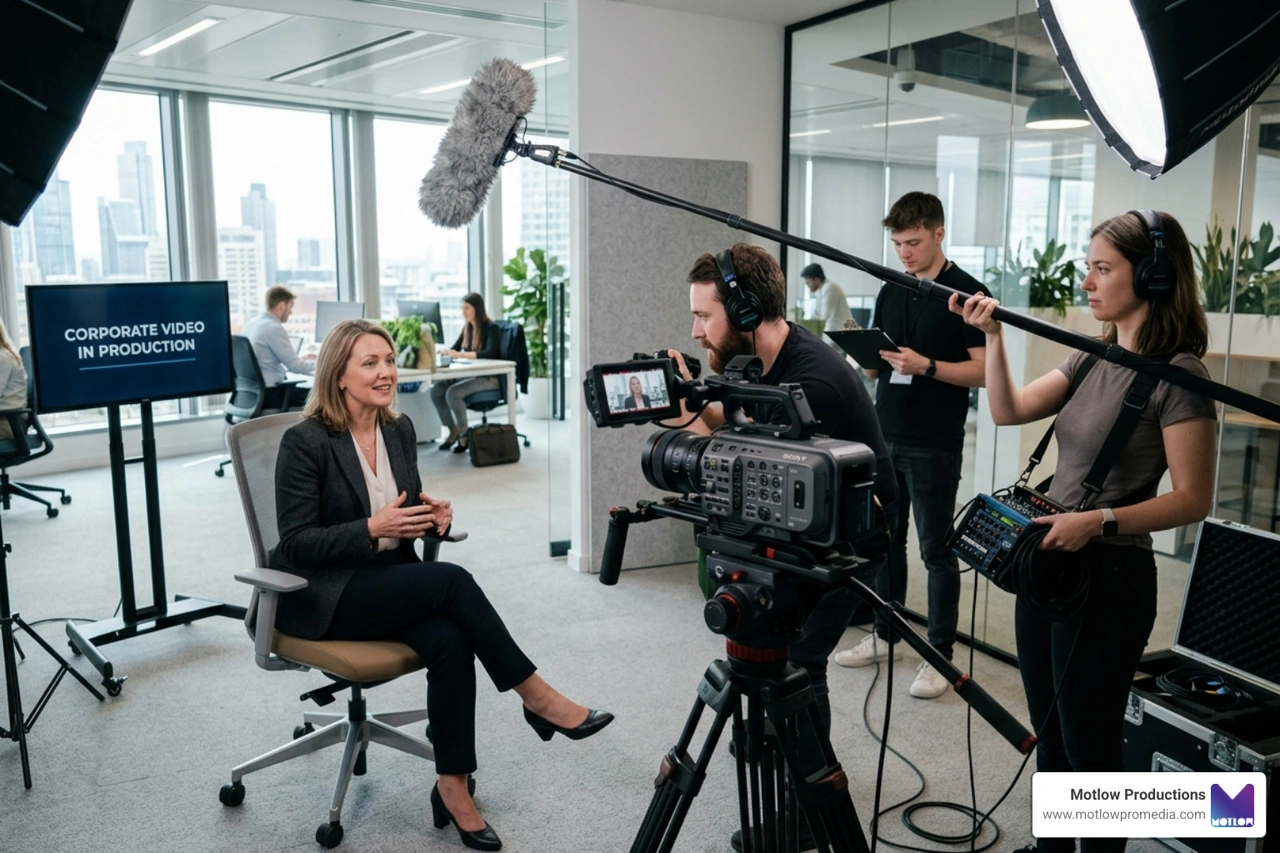
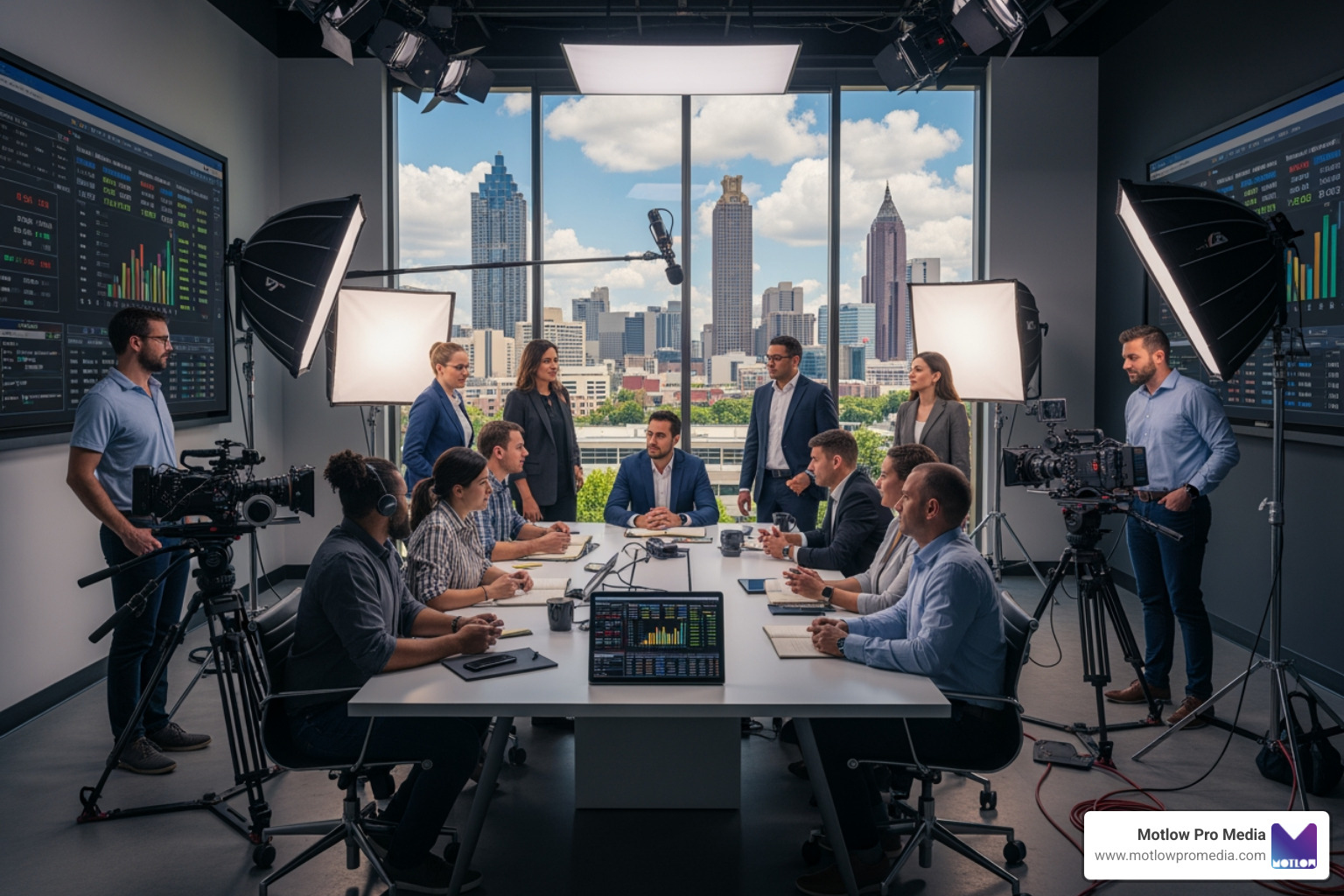
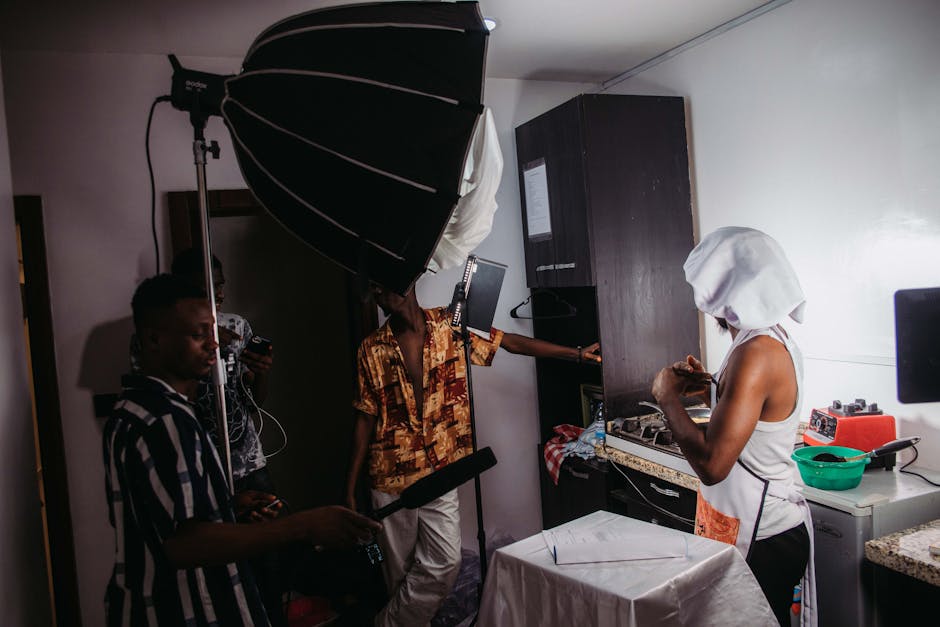
A professional production team can help evaluate the environment for lighting, sound, camera angles, background distractions, and brand fit.
A good testimonial has a beginning, middle, and end.
The beginning explains the problem. The middle explains the experience. The end explains the outcome or takeaway.
Without that structure, the testimonial may become a collection of compliments instead of a story. Compliments are nice, but stories are more persuasive.
A strong testimonial structure might look like this:
The customer had a challenge.
They needed a partner they could trust.
The process was clear and professional.
The team solved the problem or improved the experience.
The customer would recommend the company because of specific reasons.
This structure helps the final video feel natural and complete. It also helps the editor choose soundbites that move the story forward.
The business video production partner guide is a helpful resource for understanding why strategic planning matters before filming begins.
Specific details make testimonials believable.
A customer saying "the team was great" is positive, but not very informative. A customer saying "they helped us capture keynote sessions, executive interviews, and sponsor content in one production day" is much more useful.
Specificity helps prospects understand what the company actually did and why it mattered.
During the interview, the production team should listen for vague answers and ask follow-up questions. For example:
"What made the process easier?"
"What did that allow your team to do?"
"What would have been harder without that support?"
"What was the most useful part of the final content?"
"What feedback did you hear from your team or audience?"
Follow-up questions are where the strongest testimonial moments often come from. The first answer may be polite. The second answer is often more specific.
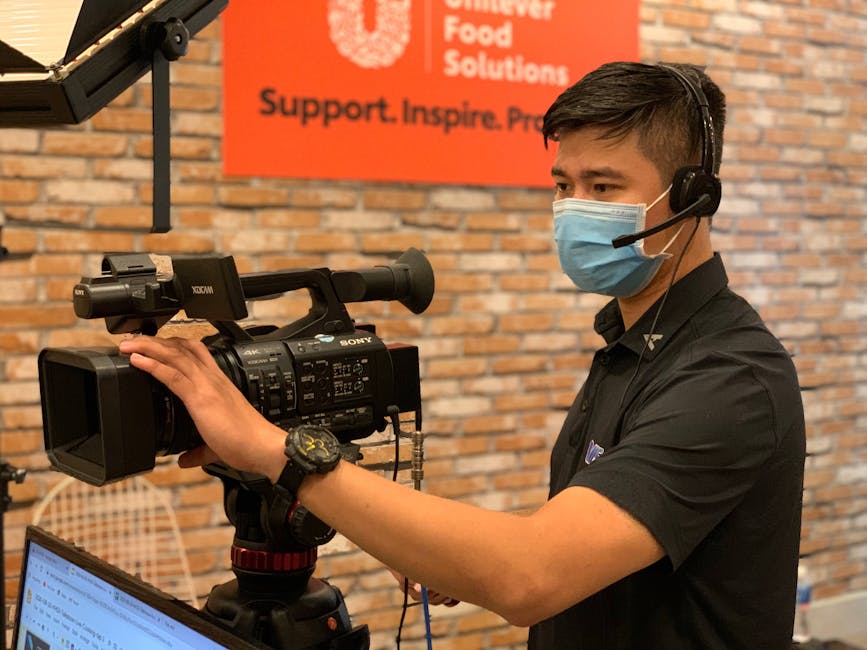
A testimonial video becomes stronger when the viewer can see what the customer is talking about.
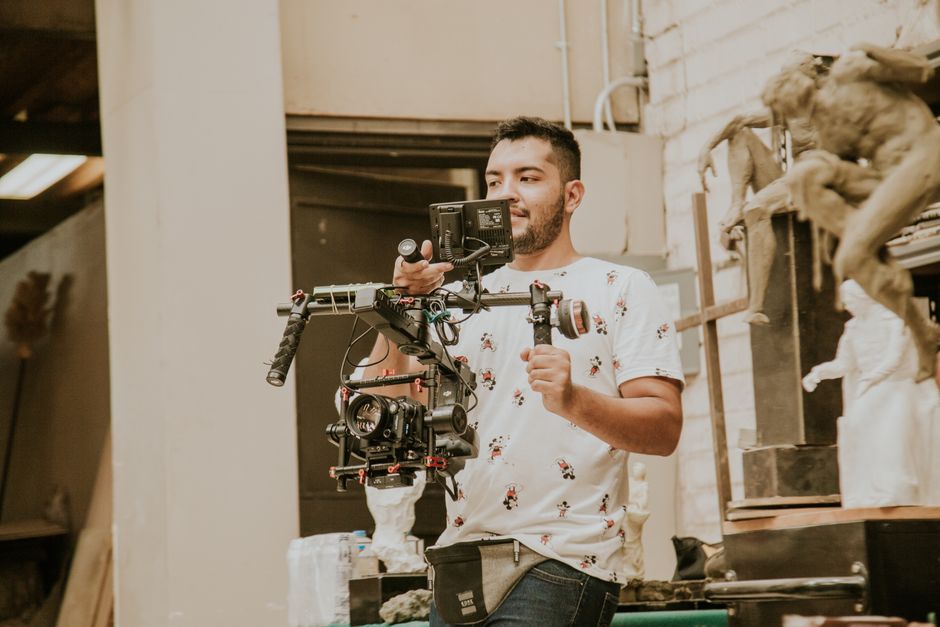
B-roll is the supporting footage that brings the story to life. For a testimonial, that might include the customer interacting with a team, using the final product, attending an event, reviewing deliverables, walking through a space, or engaging with the service.
For Motlow-style corporate media, testimonial b-roll might include:
B-roll helps the final video feel less static. It also gives the editor a way to cover cuts, shorten answers, and make the customer story more visual.
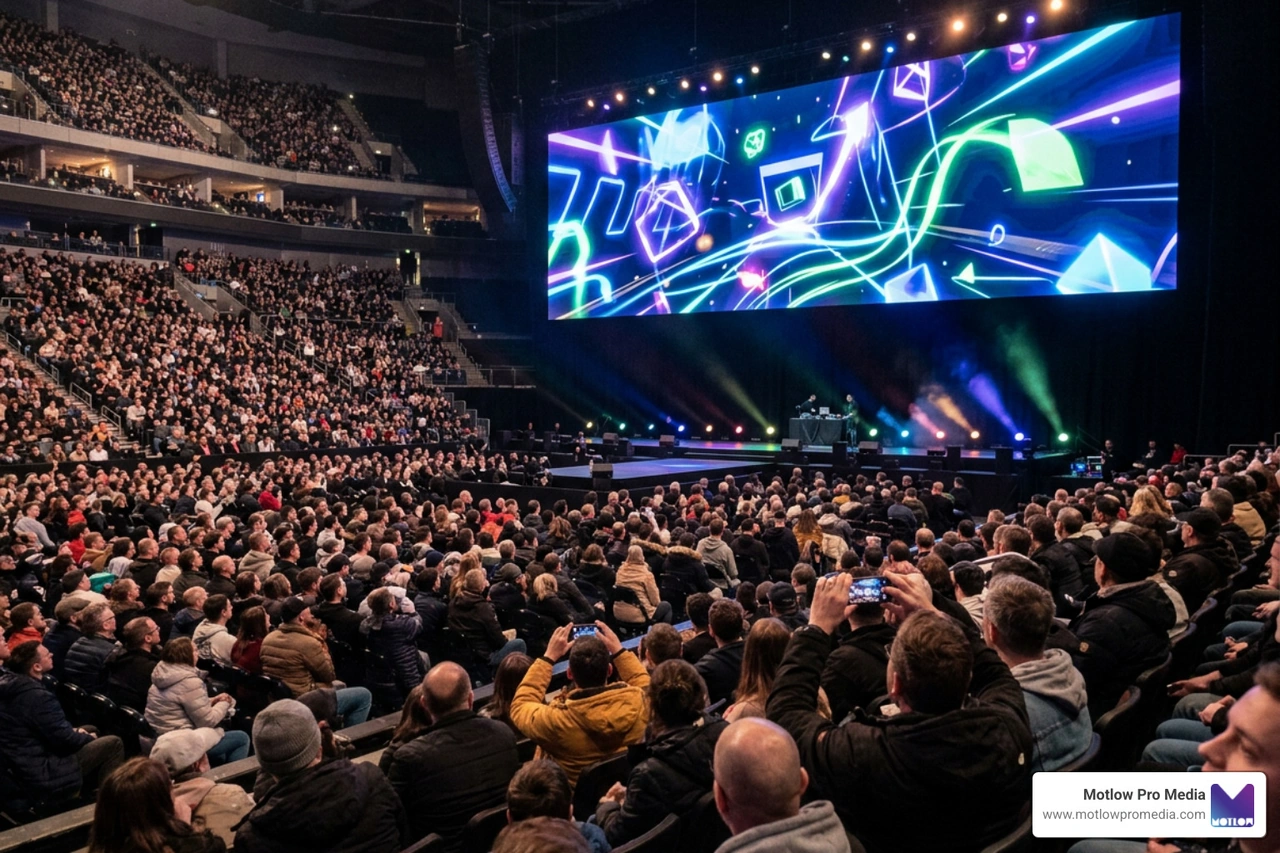
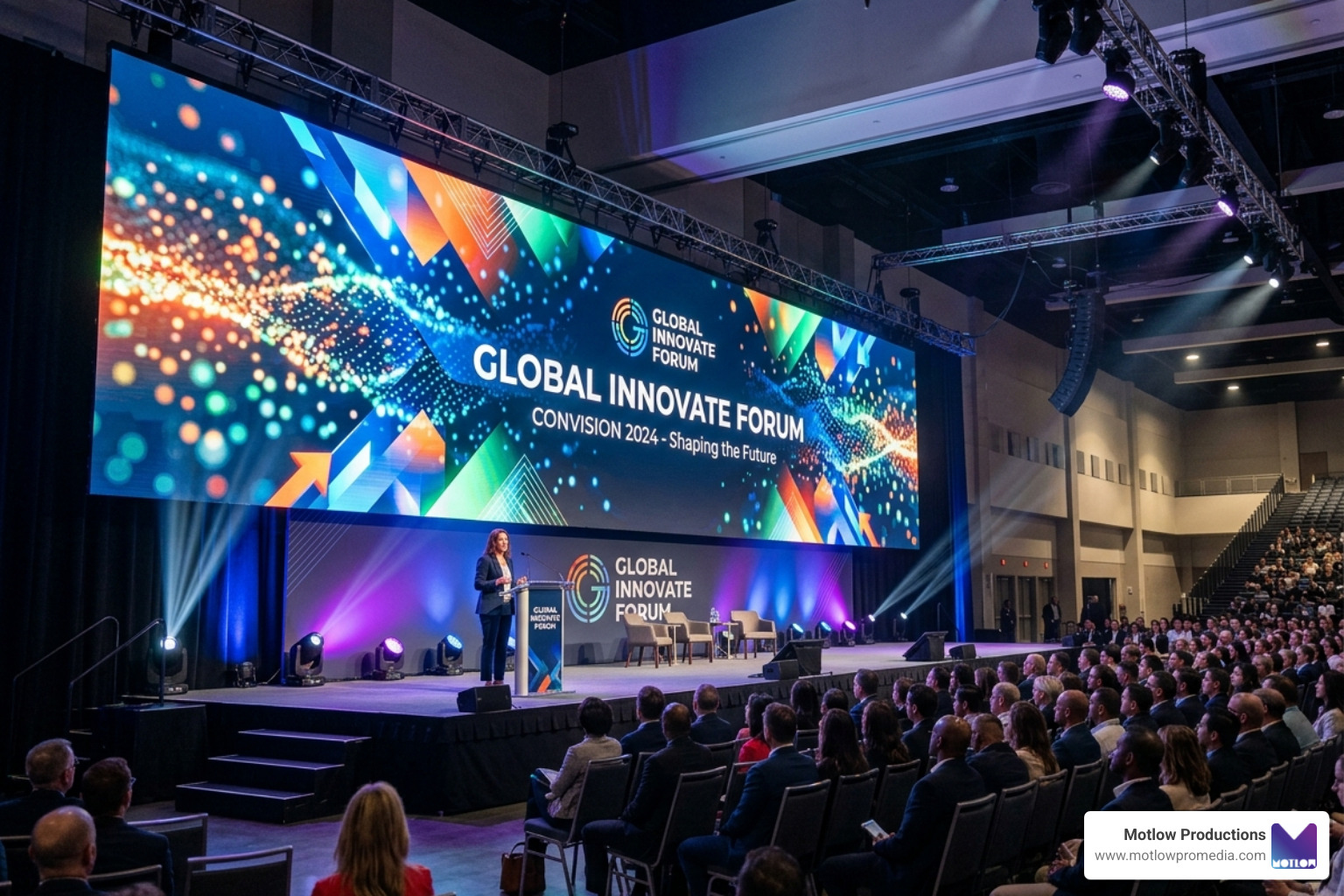
The A-Z Guide to Conference Video Production explains how event footage can become a broader content library. The same idea applies to testimonials: capture more than the interview so the final story has visual proof.
A testimonial interview may produce 30 minutes of footage, but the final video should not try to use everything.
The edit should focus on the strongest story. That usually means choosing the clearest problem, most specific experience, and most credible outcome. A strong testimonial video may be 60 to 120 seconds, depending on where it will be used. Longer versions can work for case studies, sales pages, or internal presentations, but shorter versions are often better for social and website use.
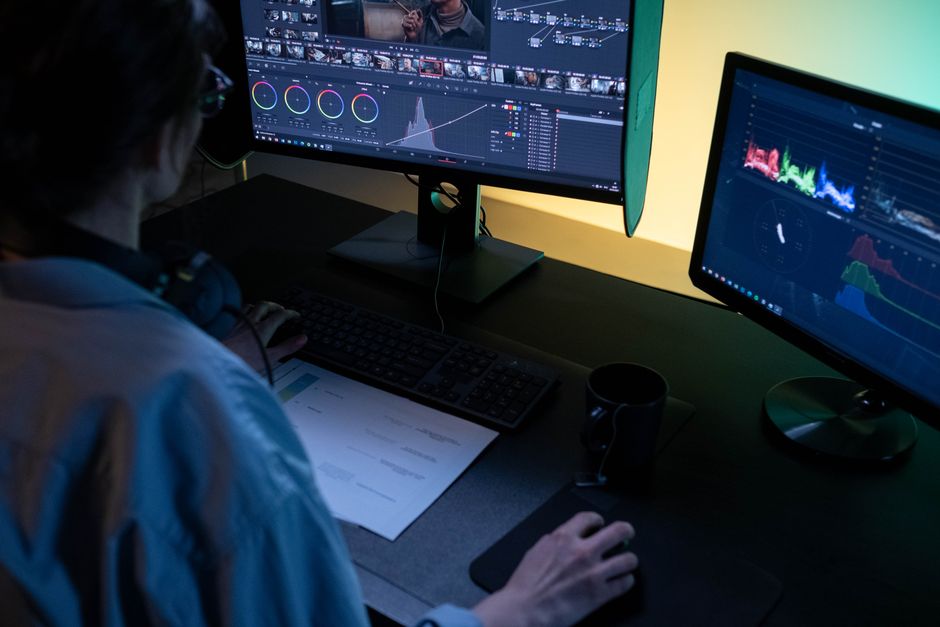
The final edit should remove repetition, tighten long answers, balance audio, improve pacing, and support the story with b-roll. It should sound like the customer, not like the company rewrote the customer's words.
Music, graphics, captions, lower thirds, and branding can help polish the video, but they should not overpower the customer's voice.
One testimonial can often become several useful assets.
A full testimonial video may work well on a website or case study page. A shorter quote clip may work on LinkedIn. A vertical version may work for social campaigns. A written quote can be used in an email. A still image from the shoot can support a blog or sales deck.
Before filming, marketing teams should decide which versions they need.
Possible testimonial deliverables include:
Planning versions in advance helps the production team capture the right framing, soundbites, and b-roll. It also helps the marketing team get more value from the production day.
External resources like HubSpot's video marketing research and LinkedIn's B2B thought leadership resources are useful reminders that video can support multiple stages of professional marketing and buyer education.
A testimonial video depends on trust between the company and the customer.
The customer is giving their time, name, voice, and experience. The process should feel organized and respectful. That means clear communication before filming, a comfortable environment during the interview, and appropriate approval expectations afterward.
The customer should know where the video may be published and how their comments may be used. If the company has legal, compliance, or brand review requirements, those should be handled early.
A smooth experience also makes the customer more comfortable on camera. When they feel respected, they are more likely to speak openly and naturally.
Customer testimonial videos should not sit on one page and disappear.
They can support multiple parts of the buyer journey. Early-stage prospects may use testimonials to understand what problems the company solves. Mid-stage prospects may use them to compare options. Late-stage prospects may use them to feel more confident before making a decision.
Testimonials can appear on:
The Motlow Pro Media portfolio is useful for showing how different types of corporate video and photography can work together. A testimonial should not be treated as a single asset. It should become part of a larger content system.
The first mistake is over-scripting the customer. Authentic language is more believable than perfect marketing language.
The second mistake is choosing a customer without a clear story. A positive relationship is not always enough. The customer should be able to explain the problem and experience.
The third mistake is asking only praise-based questions. Good testimonials need context, not just compliments.
The fourth mistake is ignoring production quality. Poor lighting, bad audio, and weak framing can reduce credibility.
The fifth mistake is skipping b-roll. Without supporting visuals, the testimonial may feel flat.
The sixth mistake is making the final video too long. The strongest version is usually focused and edited around the best soundbites.
The seventh mistake is failing to repurpose the content. A testimonial can support sales, marketing, social media, email, and events when planned correctly.
What makes a customer testimonial video effective?**
**An effective testimonial feels authentic, specific, and relevant. It explains the customer's challenge, what the experience was like, and why the solution mattered.
Should testimonial videos be scripted?**
**Usually, no. Customers should be prepared with topics and questions, but their answers should sound natural. Over-scripting can make the testimonial feel less trustworthy.
How long should a testimonial video be?**
**Many testimonial videos work well between 60 and 120 seconds, but longer versions can be useful for case studies or sales conversations. Shorter cutdowns can be created for social media.
What questions should we ask in a testimonial interview?**
**Ask about the customer's original problem, why they chose the company, what the experience was like, what changed afterward, and what they would tell someone considering the service.
Can one testimonial become multiple content pieces?**
**Yes. One testimonial interview can become a full video, social clips, written quotes, sales assets, website content, and campaign material.
Trust-building content like this rarely comes from a single testimonial — it comes from a steady stream of them, captured consistently enough that prospects encounter proof at every stage of their decision. That is the case for treating testimonials as part of an ongoing content partnership rather than a one-off shoot: a recurring engagement keeps new customer stories coming in as relationships close, instead of leaving the library to go stale between projects.
Customer testimonial videos build trust when they feel real. The strongest testimonials are not built around generic praise. They are built around specific stories, clear problems, honest experiences, and credible outcomes.
For marketing teams, the key is to prepare without over-controlling the message. Choose the right customer, ask thoughtful questions, capture strong b-roll, protect audio and lighting quality, and plan multiple versions before filming begins.
When testimonial videos are produced with strategy, they become more than nice customer quotes. They become trust-building assets that support sales, marketing, events, recruitment, and long-term brand credibility.
Some clients want to give notes in a live Zoom call. Others prefer a group text or email thread. However you like to communicate, we adapt. You’ll never be left guessing where things stand - and you’ll always have a say before anything goes out the door.





Phone:
+1 863-250-8639
.png)
Email:
info@motlowpromedia.com