-5.jpg)




























Thank you! Your submission has been received!
Oops! Something went wrong while submitting the form.

.avif)
April 30, 2026
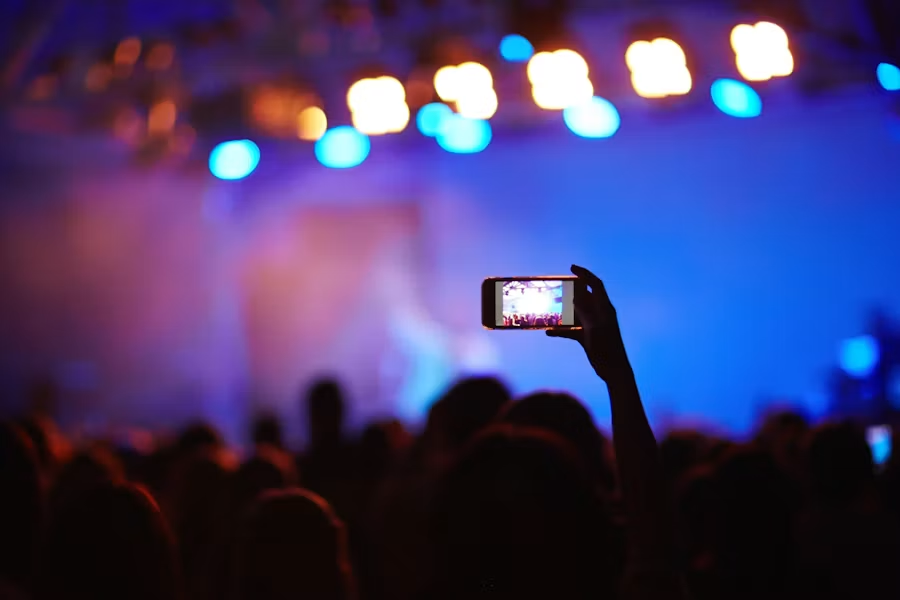
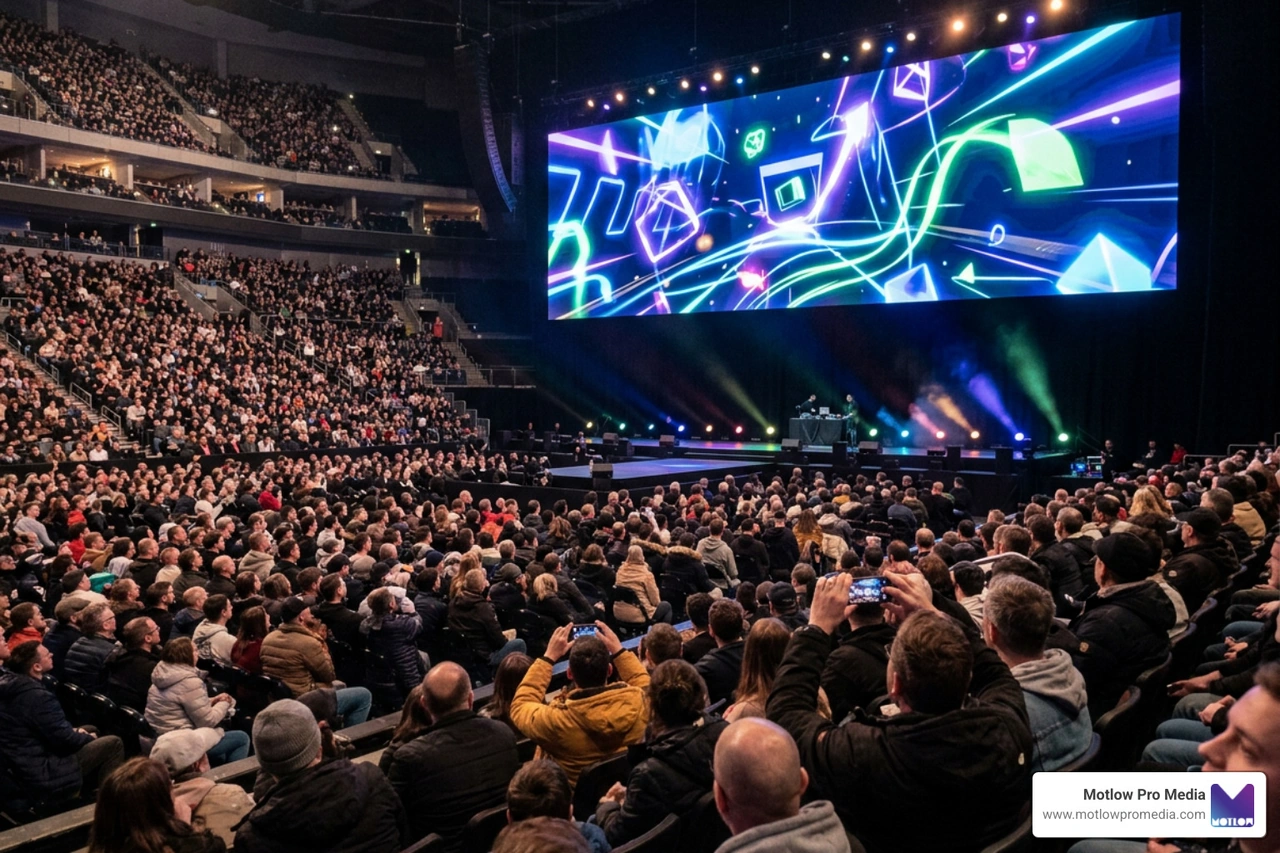
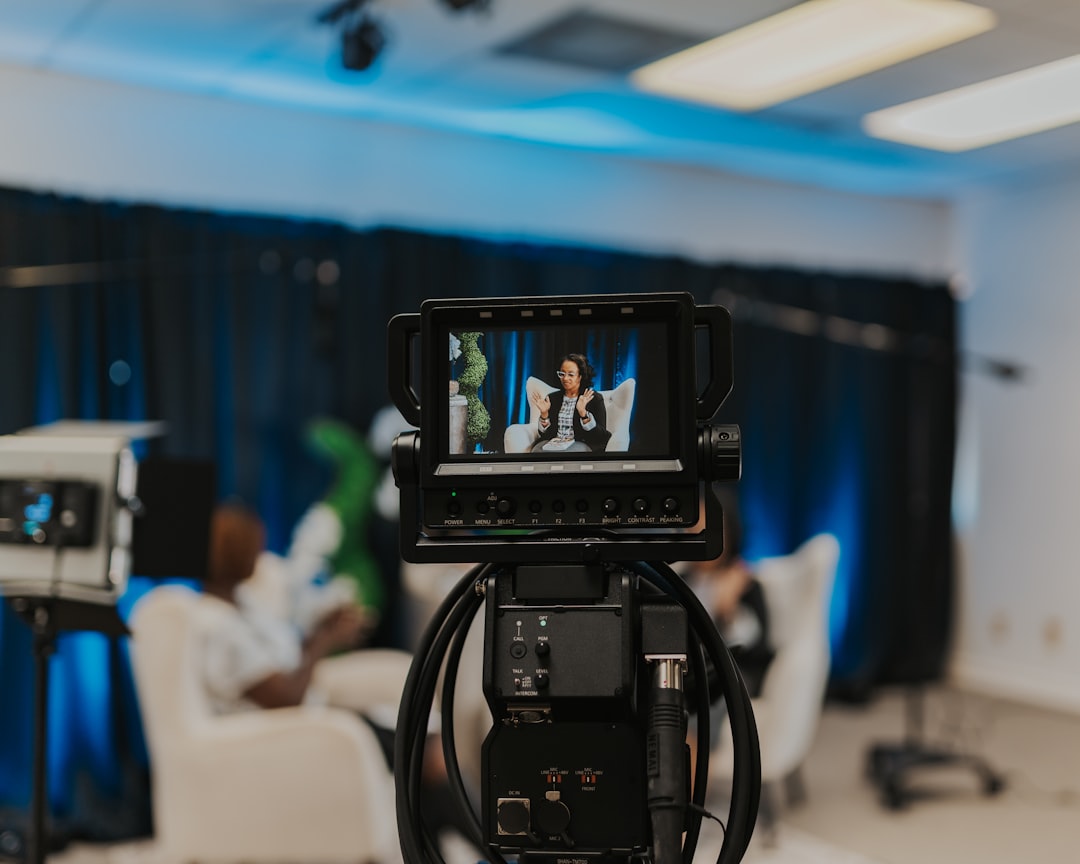
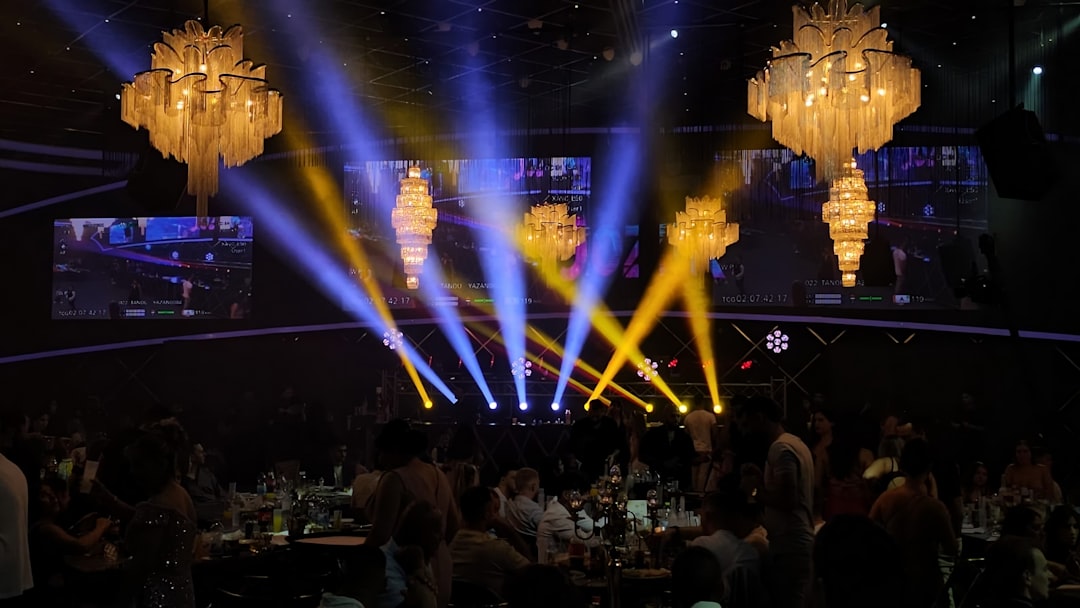
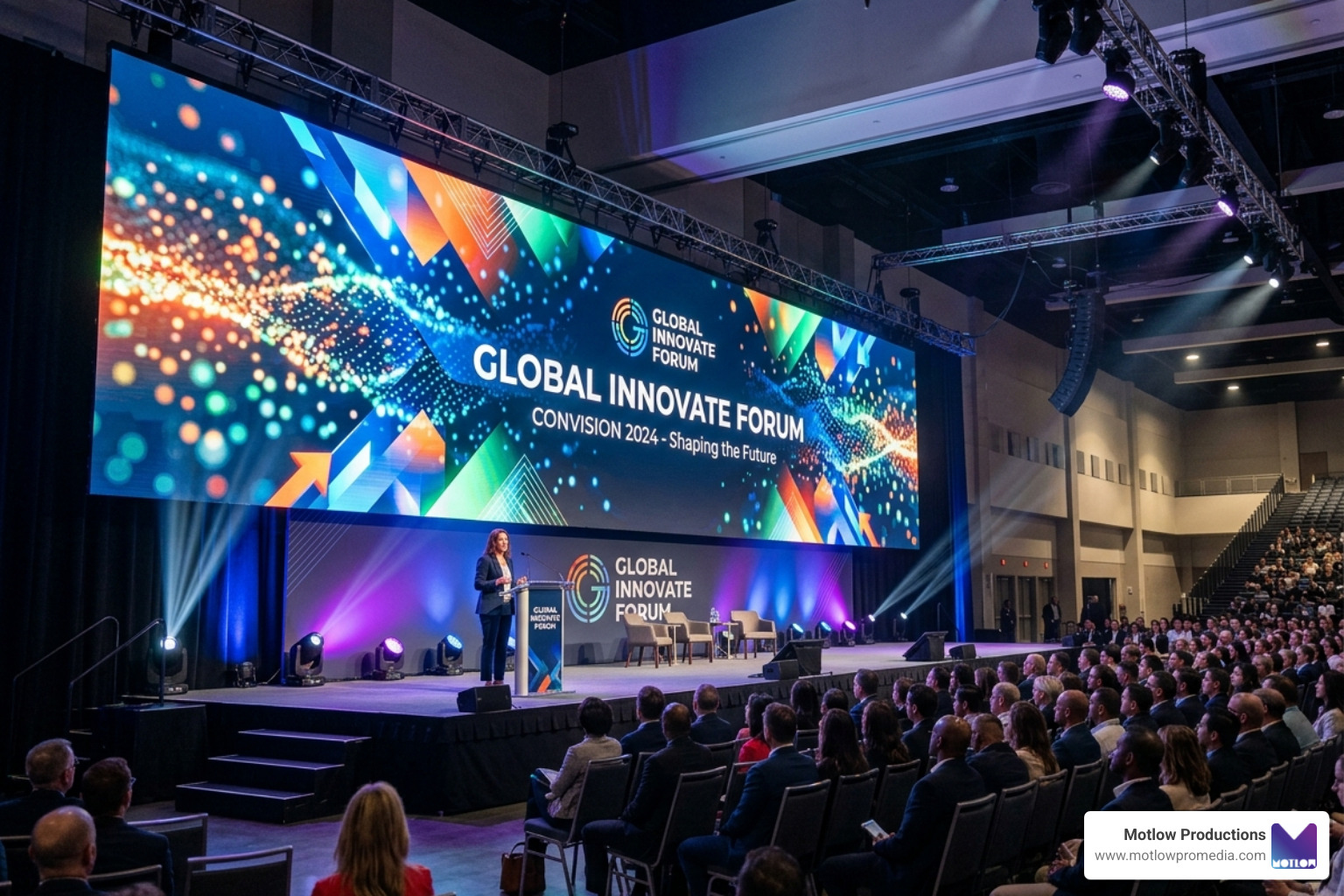
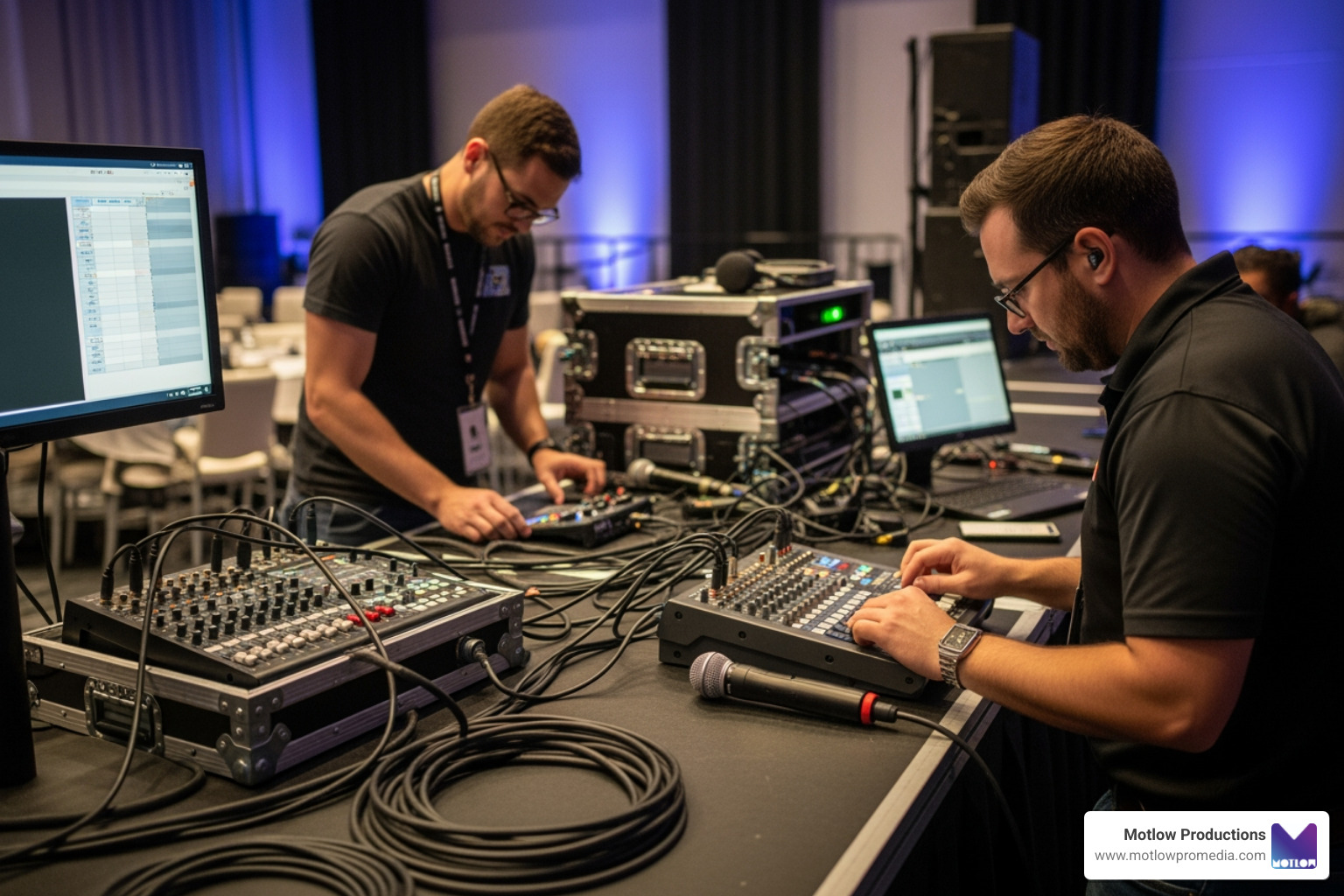
Event technical production is the full system of technology, crew, and planning that brings a live event to life — from the sound that fills a room to the lights that set the mood to the video that keeps every screen sharp and on cue.
Here's a quick breakdown of what it covers:
| Component | What It Does |
|---|---|
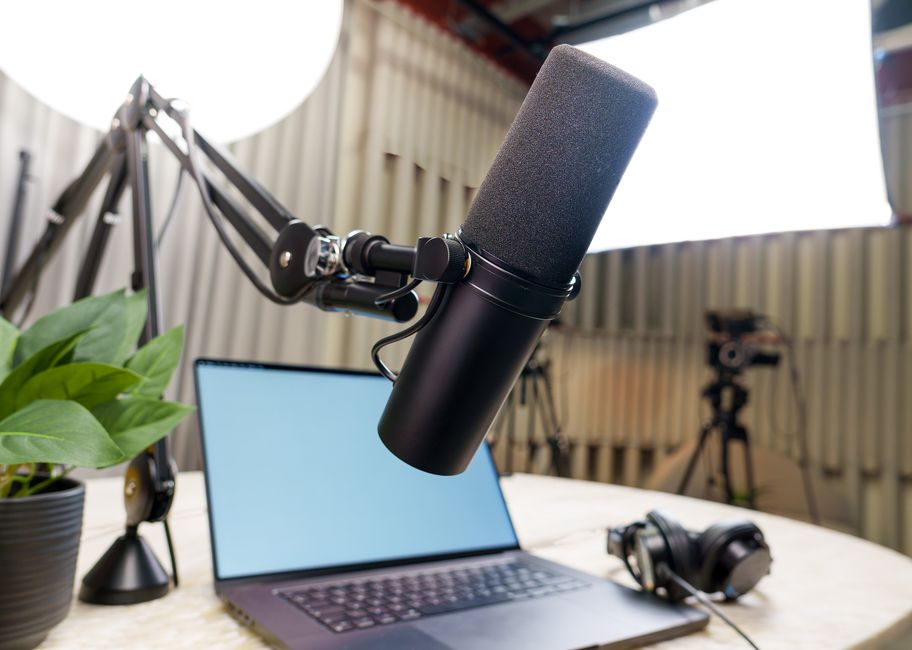
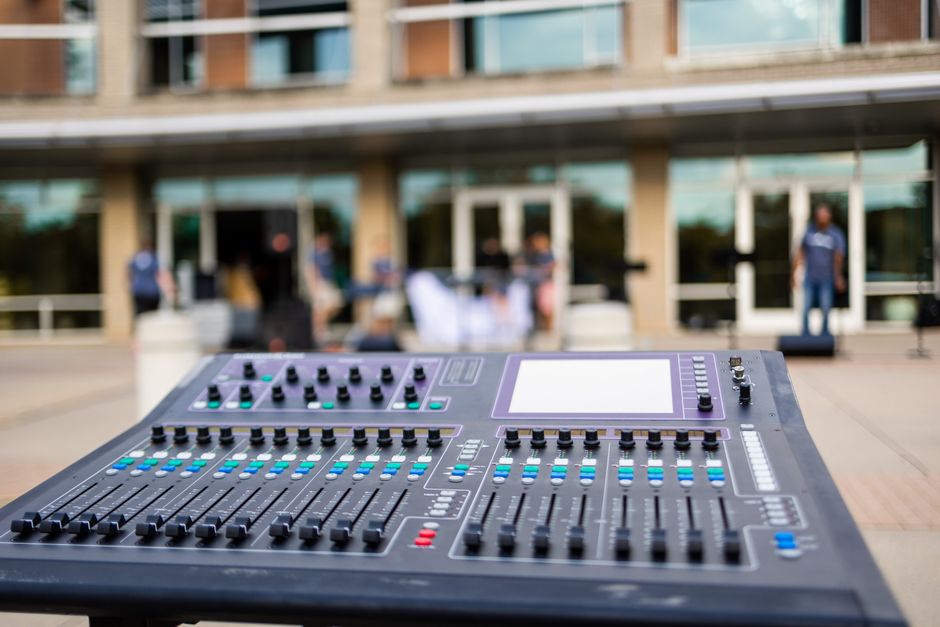
| Audio | Microphones, speakers, mixers — everything the audience hears |
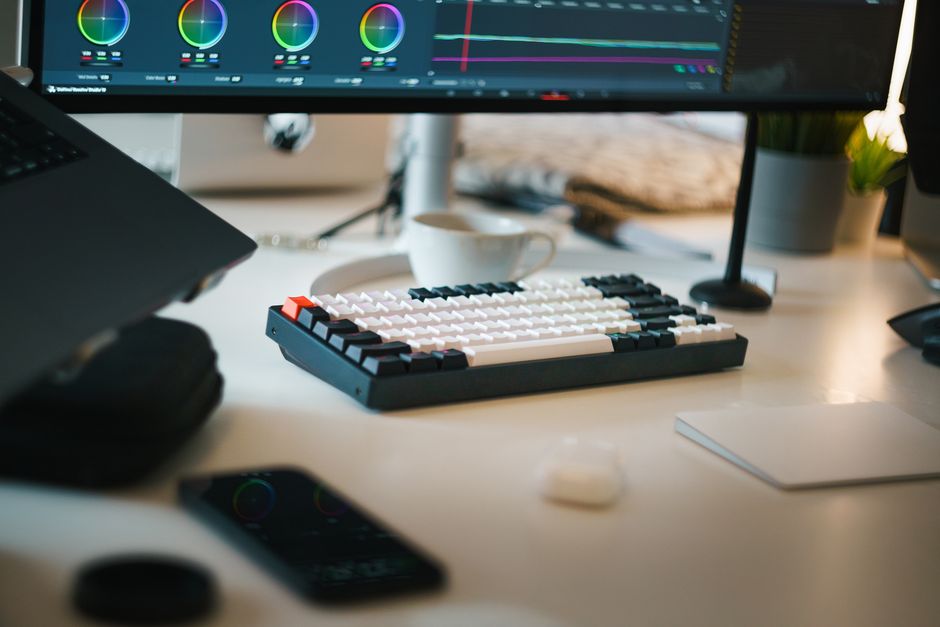
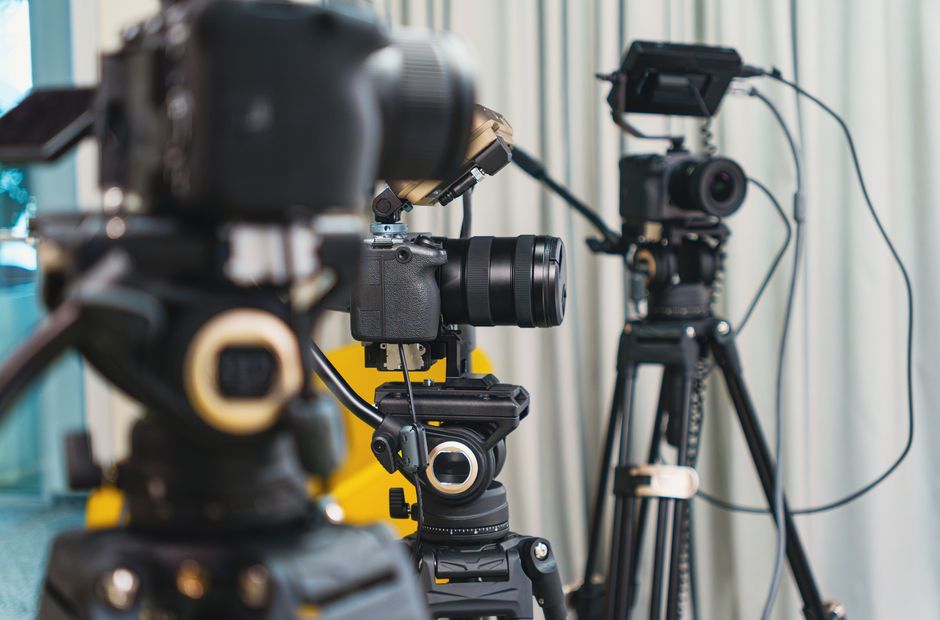
| Video | LED walls, projectors, cameras, switching — everything they see |
| Lighting | Stage and ambient lighting design and control |
| Rigging | Safe suspension of equipment above the event space |
| Power | Distribution and backup systems that keep it all running |
| Crew | Engineers, directors, and show callers managing it live |
Most people don't notice great technical production. They just feel it — the energy in the room, the clarity of every word, the seamless flow from one moment to the next. But when something goes wrong? Everyone notices.
AV is the second-largest budget line at most events, right after venue costs. Yet it's often the area where teams feel the most out of their depth, handing off decisions to a "tech team" without fully understanding what they're buying or why it matters.
That's a risky gap — especially when your brand is on the stage.
I'm Miranda Motlow, founder and CEO of Motlow Pro Media, with over a decade of experience in live production and event technical production across high-stakes marketing and entertainment environments. I wrote this guide to give you a clear, practical understanding of how technical production works — so you can make smarter decisions, ask better questions, and run events that land exactly the way you intended.

Event technical production vocab explained:
At its simplest, Event technical production is the "how" behind the "wow." While event planning focuses on the guest list, catering, and invitations, technical production focuses on the logistical infrastructure and equipment operation required to translate a creative vision into a physical reality. It involves the planning, installation, and real-time management of all technical elements.
Think of it as the bridge between an organizer's desk and the audience's sensory experience. Whether you are hosting a small corporate seminar or a massive music festival, the technical setup must be tailored to the site topography and venue limitations. For instance, a festival might require 10 months of advance planning to account for outdoor acoustics and power grids, while a corporate meeting might only need four months.
Our approach to Event Media Services emphasizes that technical production is not just about having the loudest speakers or the brightest lights. It is about using those tools to control the atmosphere, build emotional connections, and ensure that every participant—whether in the front row or the back—has the same high-quality experience.
To master Event technical production, you have to understand the individual building blocks that make up the whole. If one piece of the puzzle is missing or poorly executed, the entire production can feel "off."

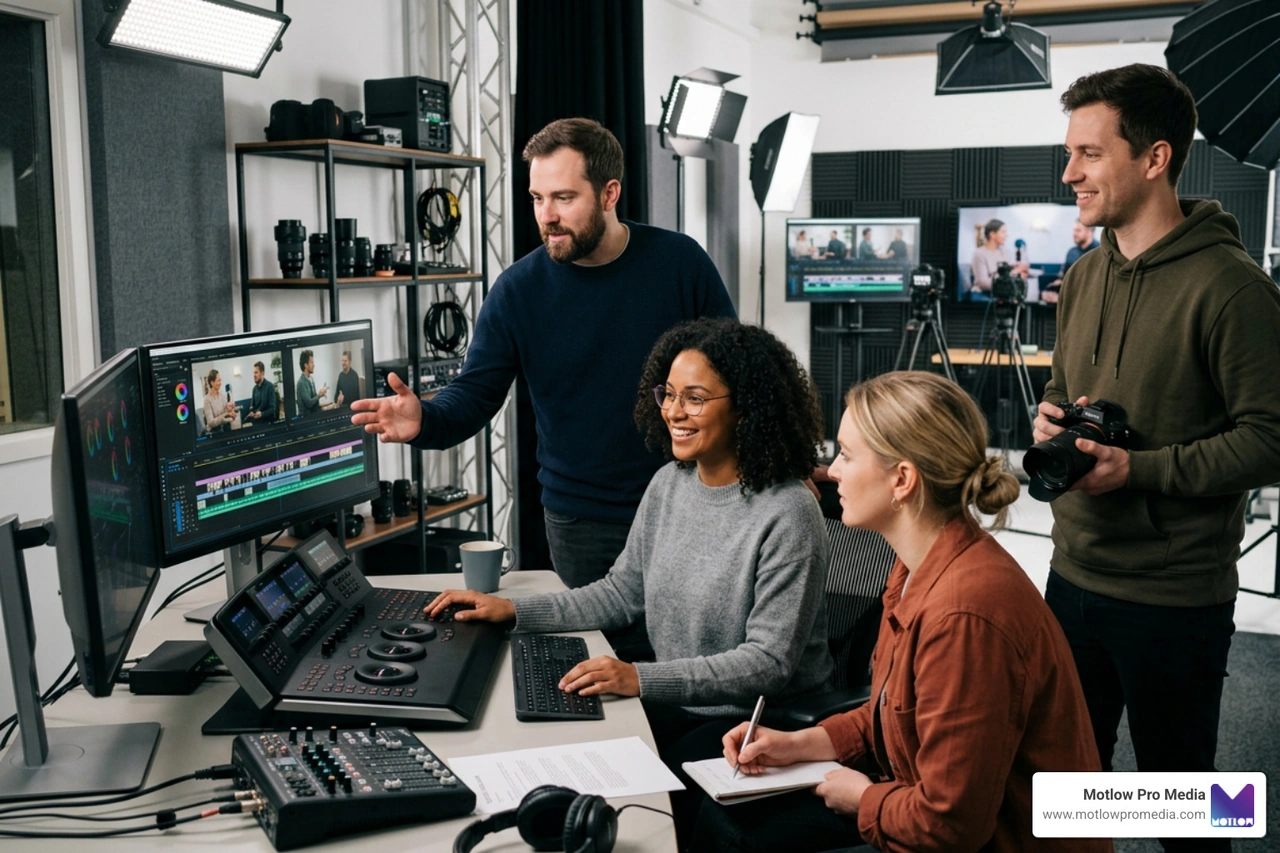
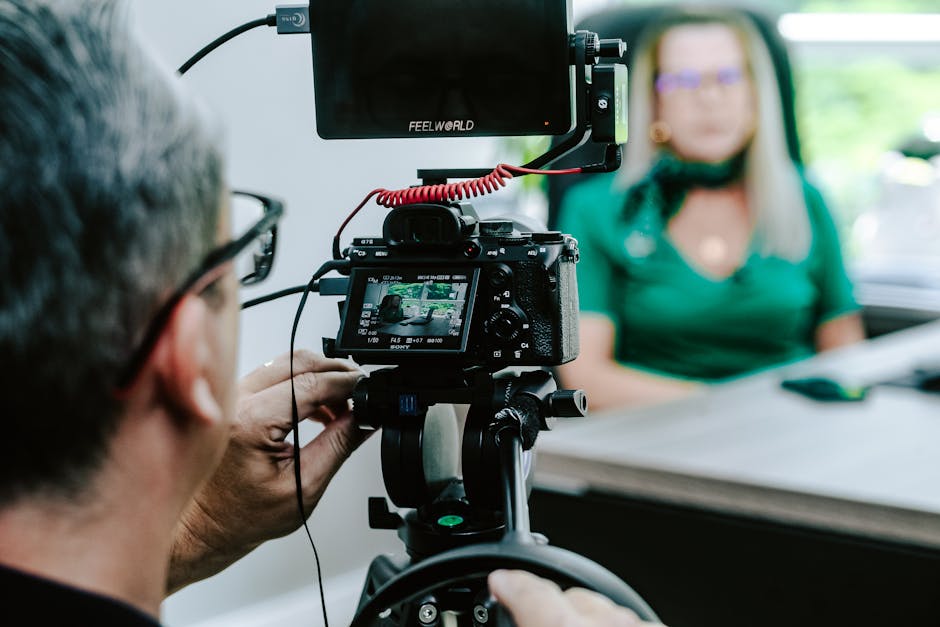
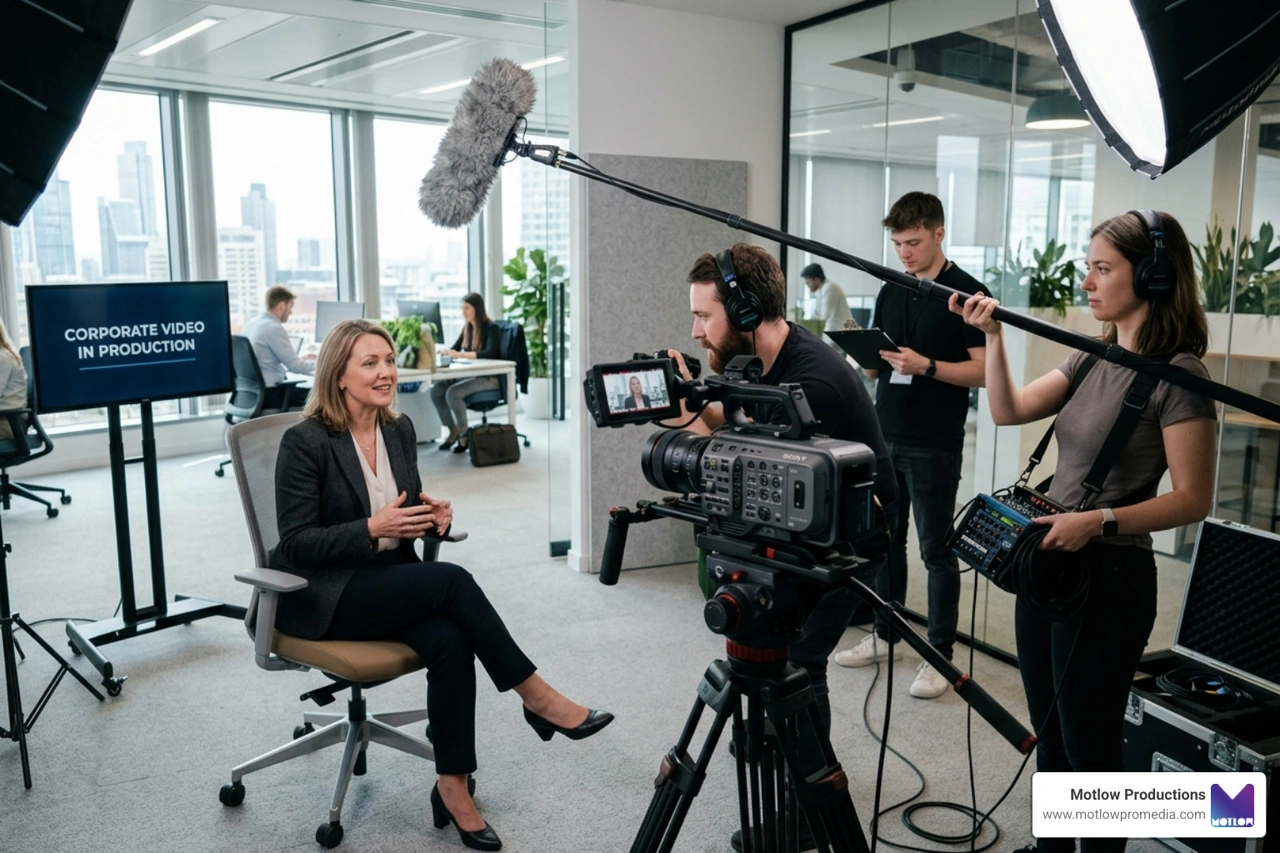
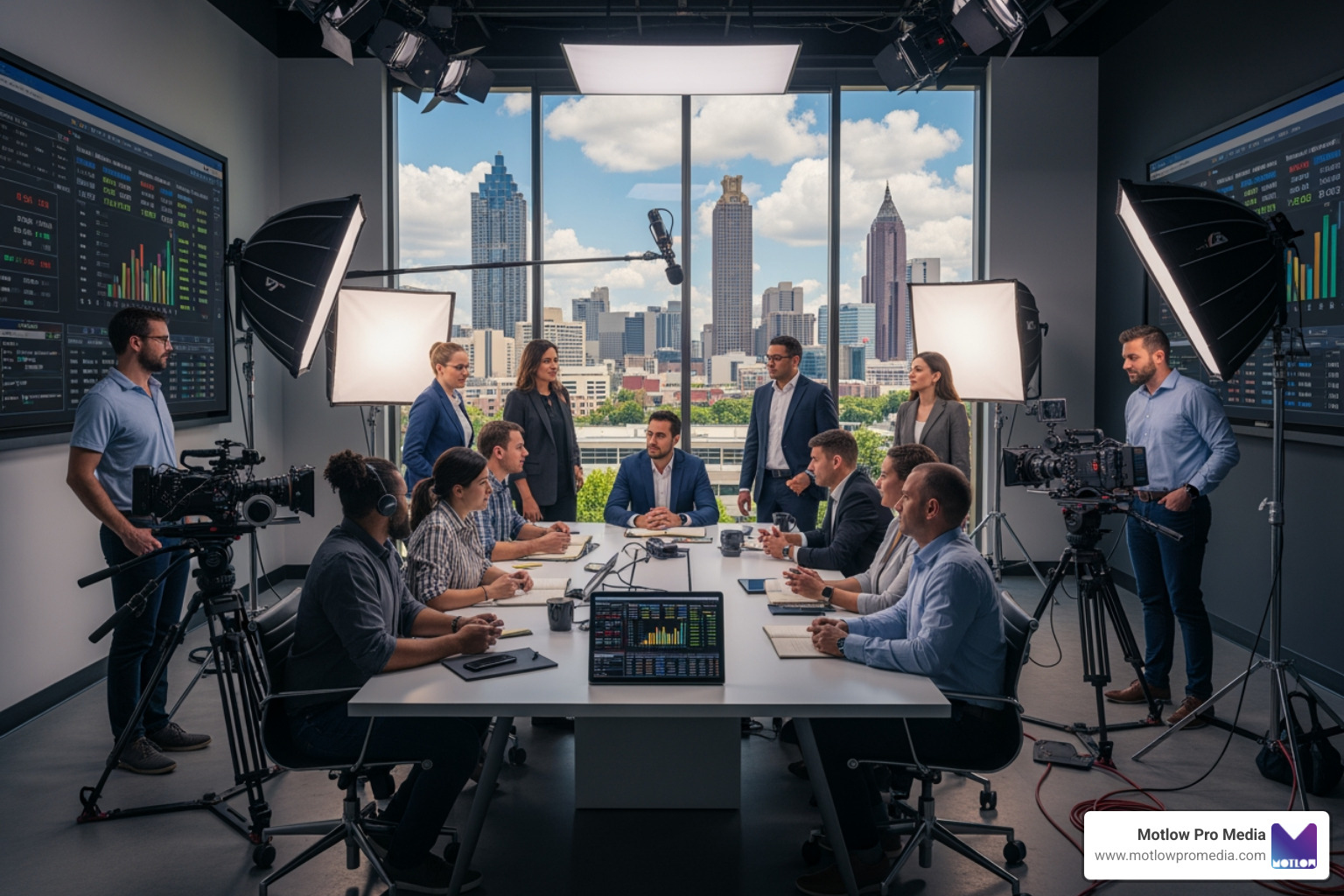
A successful show is only as good as the people behind the consoles. We provide Live Event Support by assembling a specialized team of experts:
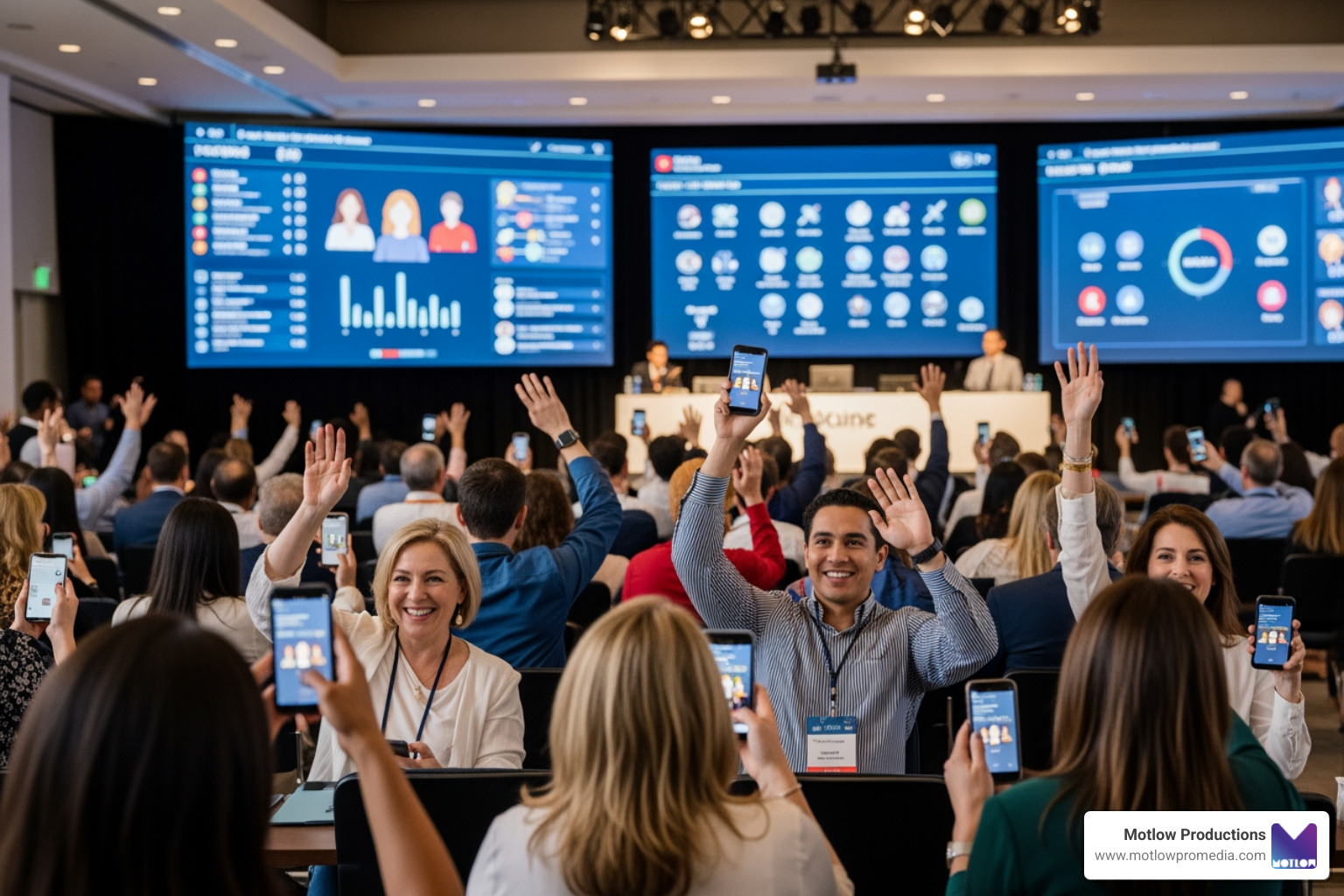
The industry is evolving rapidly. Audience Engagement Technology is moving beyond simple Q&A apps into AI-driven content and immersive LED volumes (think of the tech used in The Mandalorian).
Hybrid events are also here to stay. This requires decentralized production workflows where remote feeds are managed in real-time alongside the in-person experience. For high-security or regulated industries, this often involves encrypted streaming and secure transmission paths to ensure that sensitive corporate data doesn't leak during a global broadcast.
If the event planner is the architect, the Technical Production Manager (TPM) is the general contractor. The TPM takes the visual and audio aesthetics from a blueprint to a real-time production.
A TPM’s job is to act as a technical bridge between the organizer’s vision and the crew’s execution. They handle the "nitty-gritty" details that can make or break a budget, such as:
At Motlow Pro Media, our TPMs operate as a trusted extension of your team. We take a "hands-off, but hands-on" approach—meaning you don't have to worry about the technical details, but we are always right there to ensure your goals are met.
Successful Event technical production doesn't happen by accident. It follows a rigorous, multi-stage process.
To ensure your event goes off without a hitch, we recommend following these industry-standard best practices:
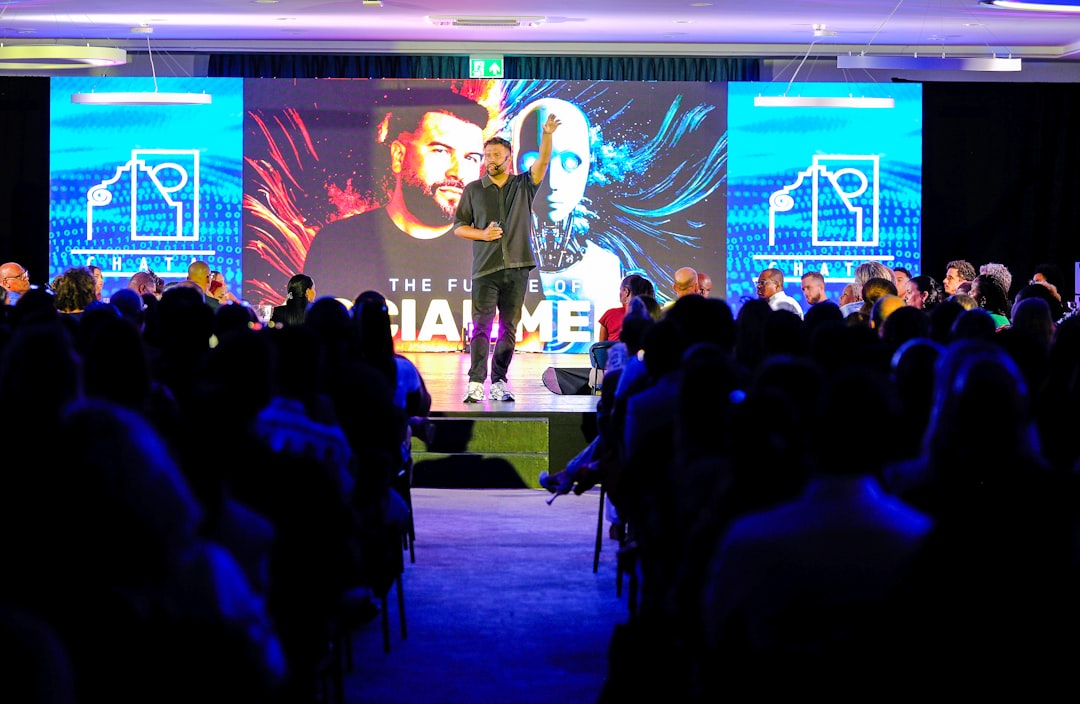
One of the most important shifts in modern production is moving from a speaker-centric model to an audience-centric one.
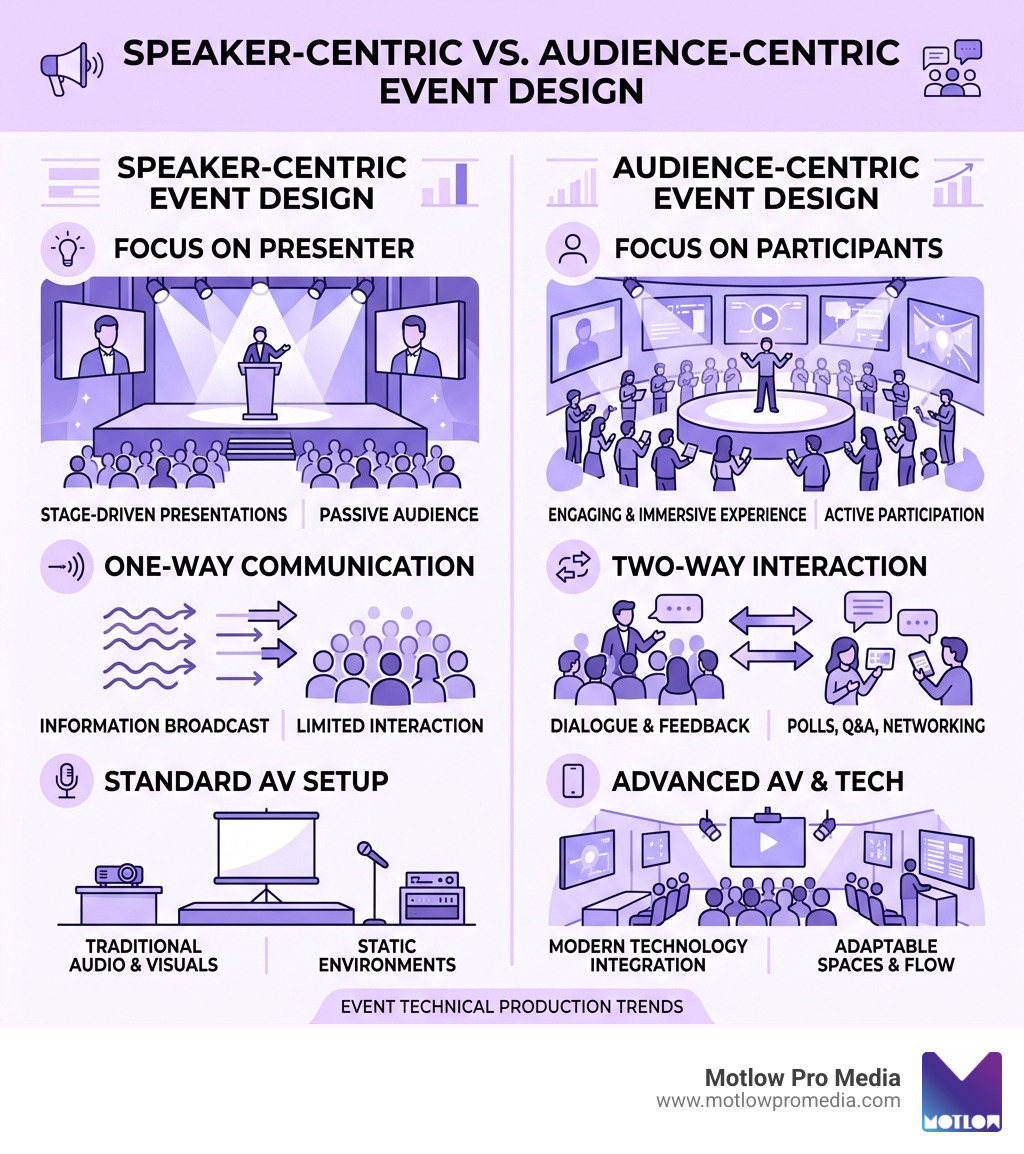
By focusing on Nashville Event Production standards, we ensure that both the speaker feels supported and the audience feels included.
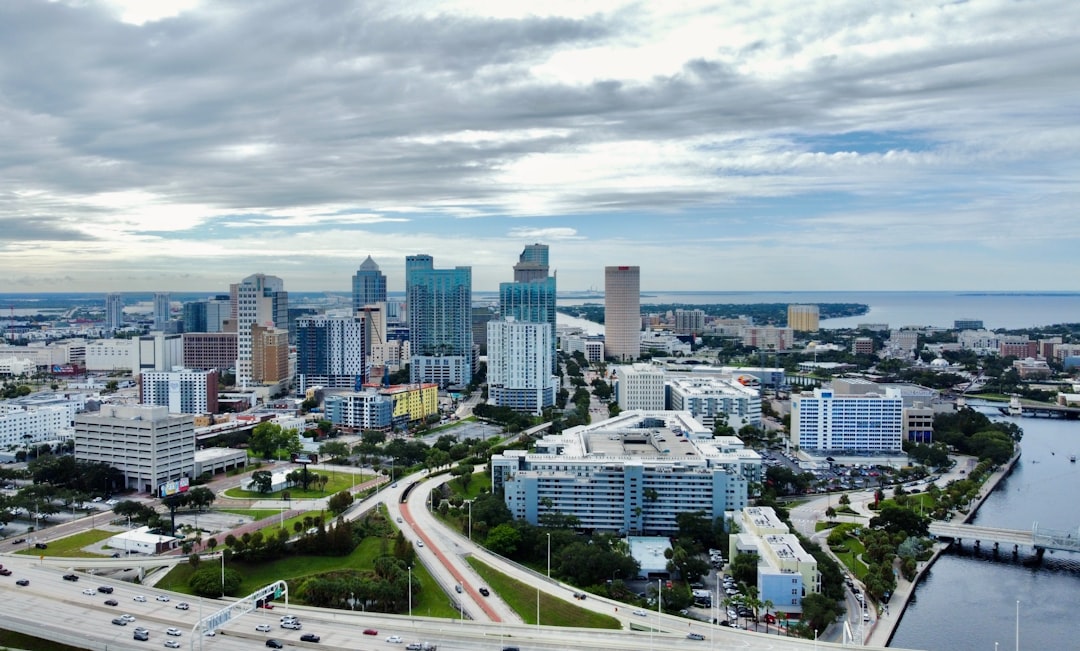
AV is typically the second-largest cost after the venue. To get the best value, start with a clear RFP (Request for Proposal). Don't just ask for "a sound system"—ask for a system that covers 500 people in a 10,000-square-foot room. Negotiate your quotes line-by-line and watch out for venue-specific "patch fees" (the fee a venue charges you to use their built-in speakers). For large-scale examples like the Seminole Hard Rock Gasparilla Pirate Fest 2025, budgeting starts months in advance to account for the massive scale of equipment needed.
Event planning is the "what" and "who"—the guest list, the menu, the invitations, and the timeline. Event production is the "how"—the hardware, the software, the crew, and the technical execution. Planning is creative and administrative; production is creative and technical.
The biggest mistake is a lack of rehearsals. Even the most expensive gear can't save a show if the transitions haven't been practiced. Other common pitfalls include poor communication architecture (who talks to whom on the headsets?) and failing to account for venue power limitations.
Event technical production is a complex, multi-faceted discipline, but you don't have to master it alone. At Motlow Pro Media, we pride ourselves on being more than just a vendor; we are your production partner. We provide a "hands-off, but hands-on" partnership that allows you to focus on your guests and your message while we handle the technical heavy lifting.
From the first site visit to the final strike, we offer the trusted media leadership and seamless execution your brand deserves. Whether you're planning a corporate town hall, a high-security broadcast, or a large-scale festival, we ensure your technical execution is seamless and stress-free.
Ready to elevate your next event? More info about event technical production services
Some clients want to give notes in a live Zoom call. Others prefer a group text or email thread. However you like to communicate, we adapt. You’ll never be left guessing where things stand - and you’ll always have a say before anything goes out the door.





Phone:
+1 863-250-8639
.png)
Email:
info@motlowpromedia.com