










-5.jpg)







































Thank you! Your submission has been received!
Oops! Something went wrong while submitting the form.

.avif)
April 15, 2026
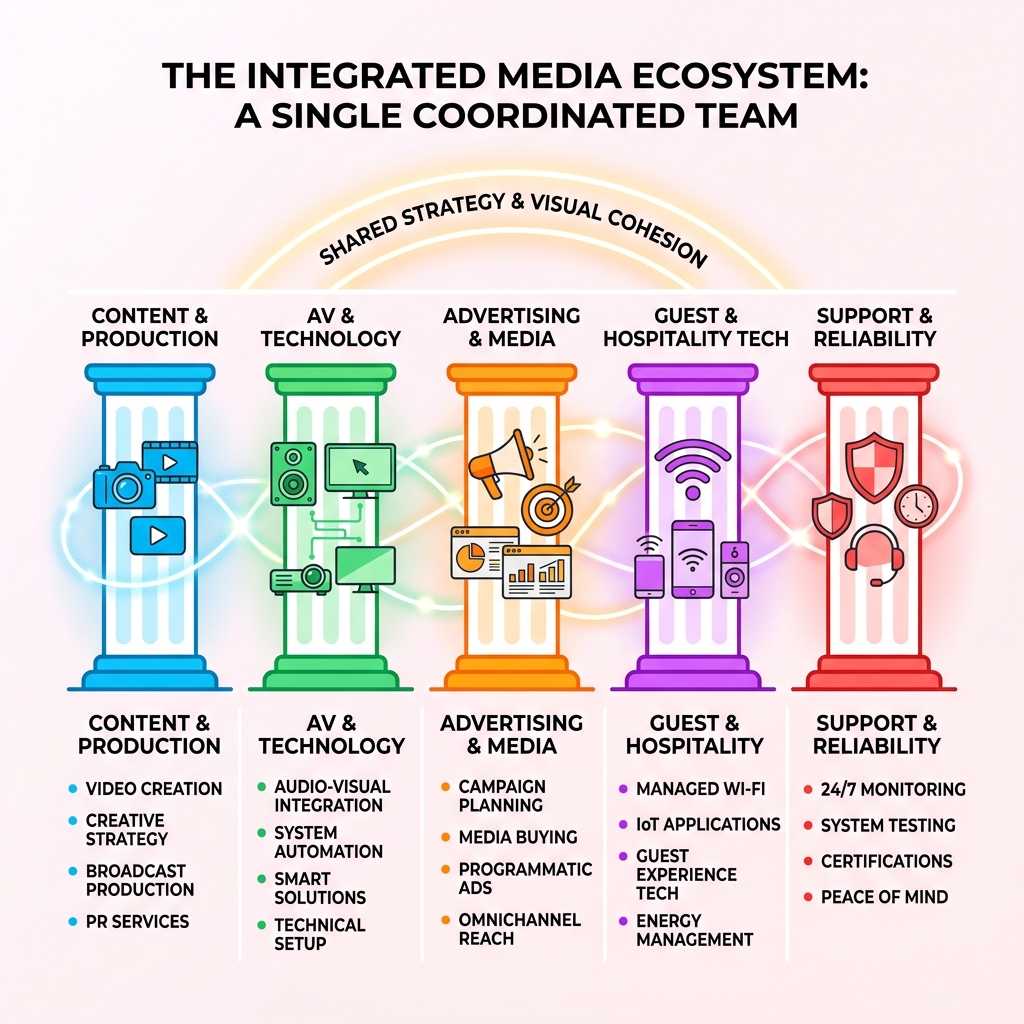
An integrated media solutions provider is a single partner that handles multiple media functions — from content creation and AV integration to advertising, broadcast, and digital strategy — under one roof.
Quick answer: What does an integrated media solutions provider do?
| Function | What It Includes |
|---|---|
| Content & Production | Video, creative, broadcast, PR |
| AV & Technology | Audio-visual integration, smart automation |
| Advertising & Media | Planning, buying, programmatic, omnichannel |
| Guest & Hospitality Tech | Managed Wi-Fi, IoT, energy management |
| Support & Reliability | 24/7 monitoring, testing, certifications |
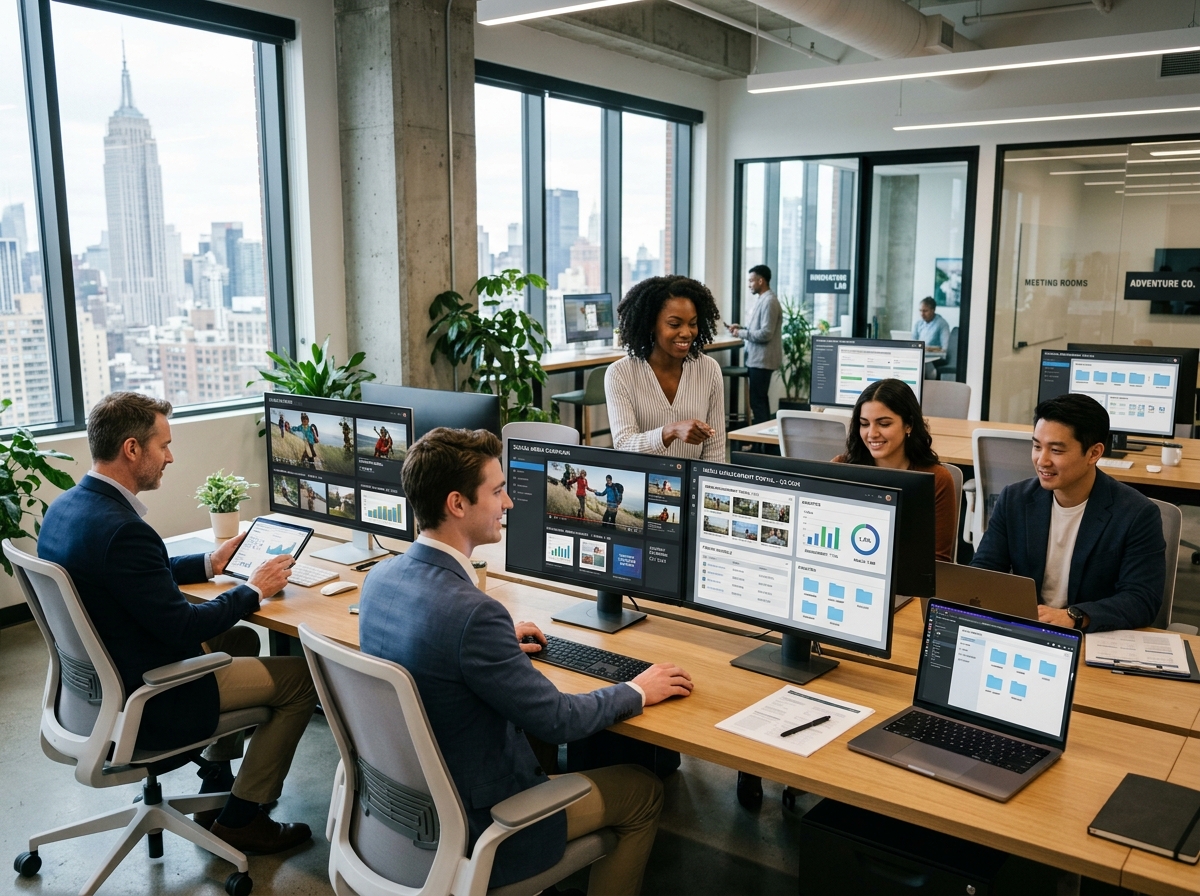
If your marketing team is juggling five vendors, three platforms, and a different contact for every project — things break down fast. Timelines slip. Brand messaging gets inconsistent. And you spend more time managing vendors than actually marketing.
That's exactly the problem an integrated provider solves. Instead of siloed services, you get one coordinated team with a shared strategy.
The media landscape has also gotten harder to navigate. As one industry observer put it, there is no longer a single medium that reaches everyone equally — and every time a new platform emerges, audience habits shift again. A fragmented vendor approach simply can't keep up.
I'm Miranda Motlow, founder and CEO of Motlow Pro Media, and after more than a decade producing marketing content — from casino campaigns to live events — I've seen how choosing the right integrated media solutions provider transforms what an internal team can achieve. Keep reading to find out how to evaluate your options and what to look for.
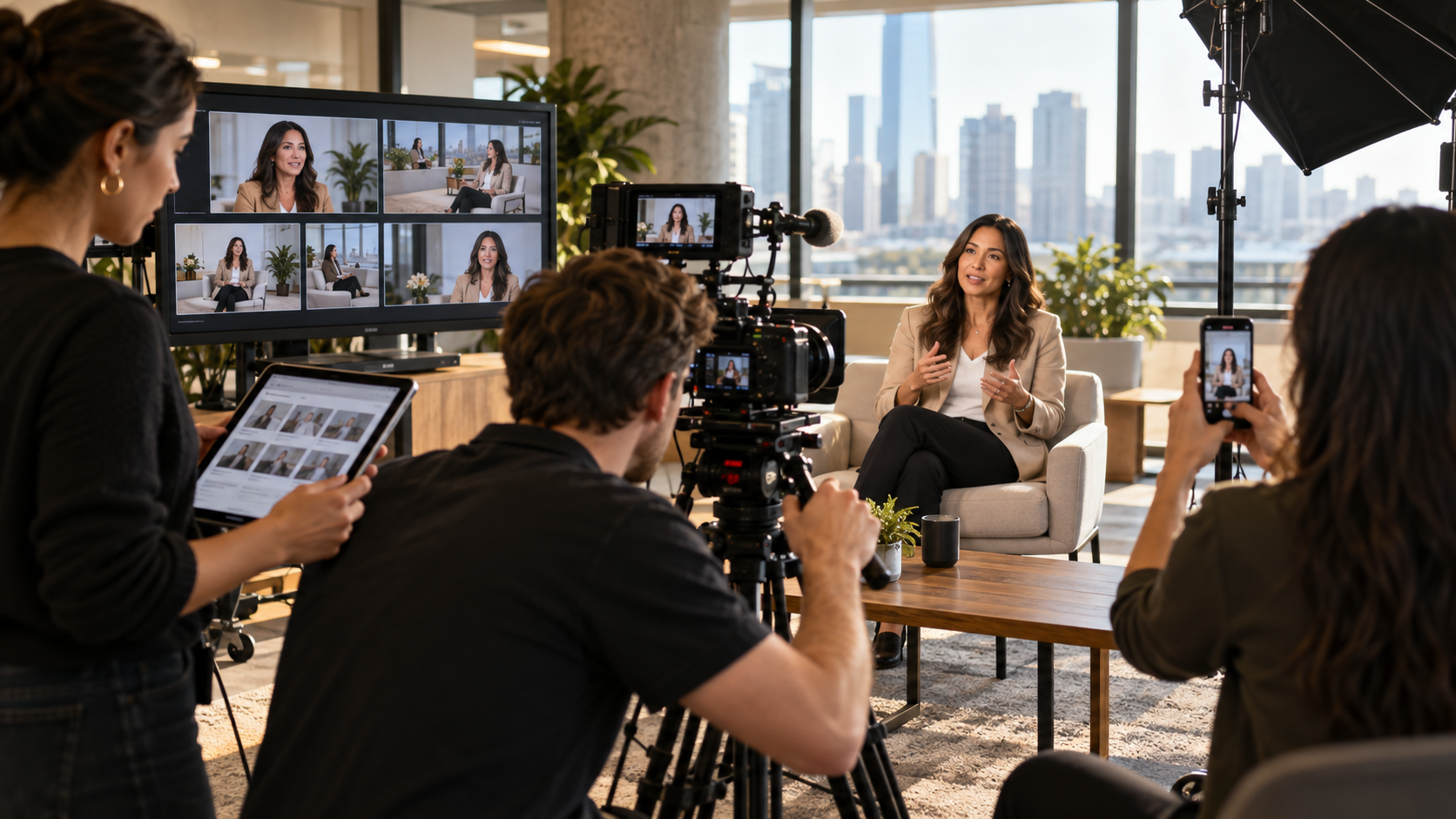
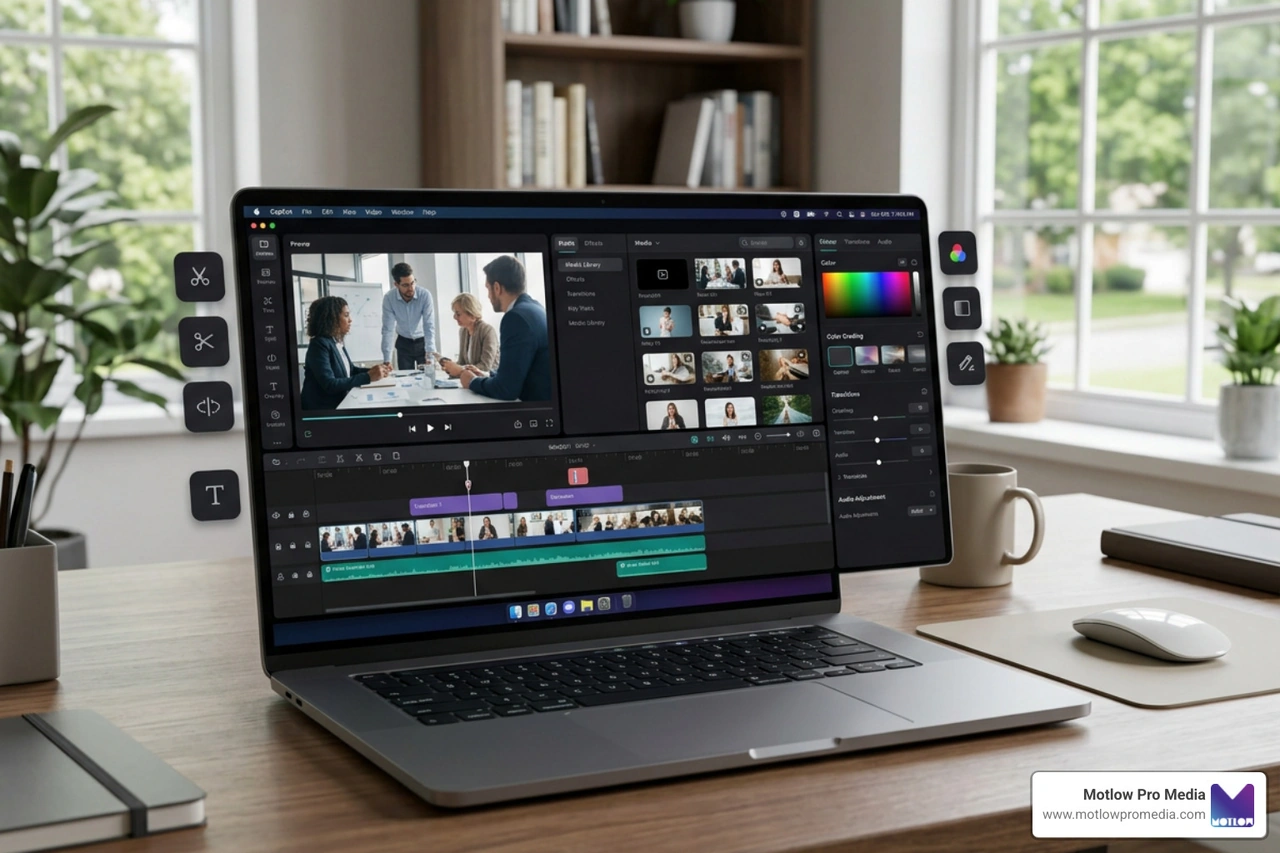
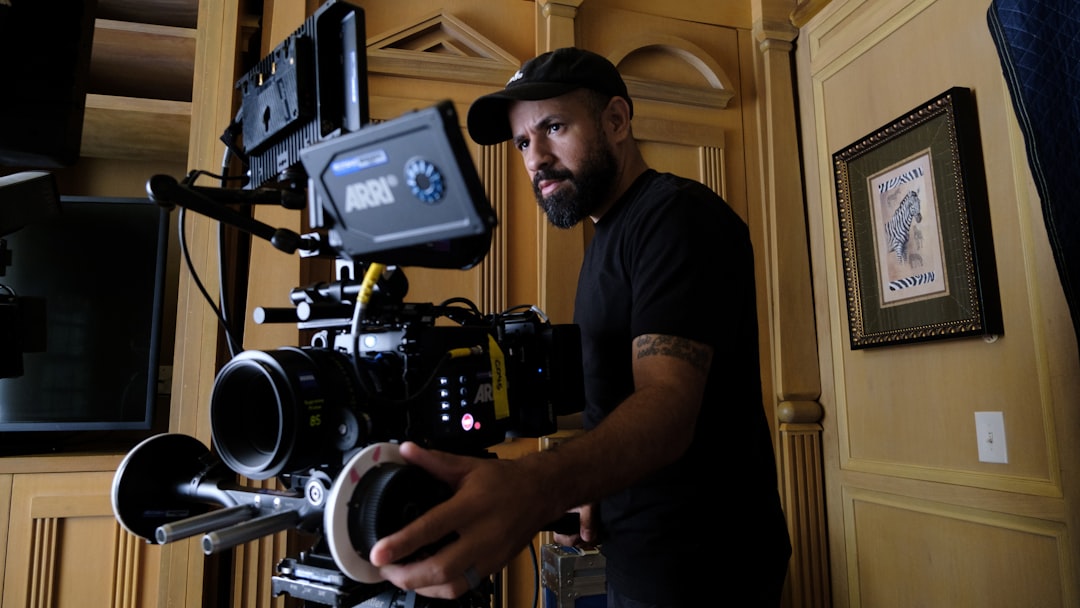
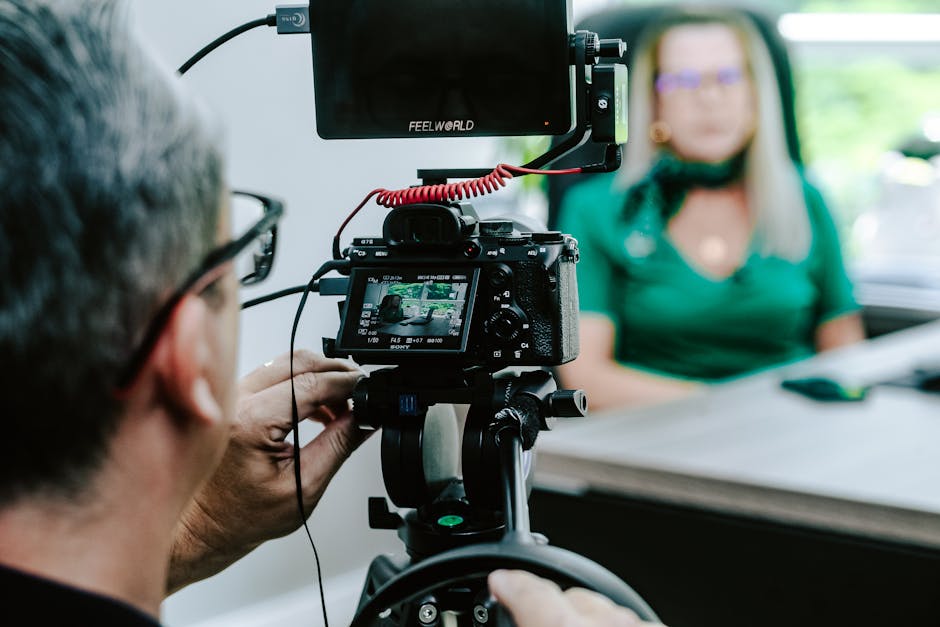
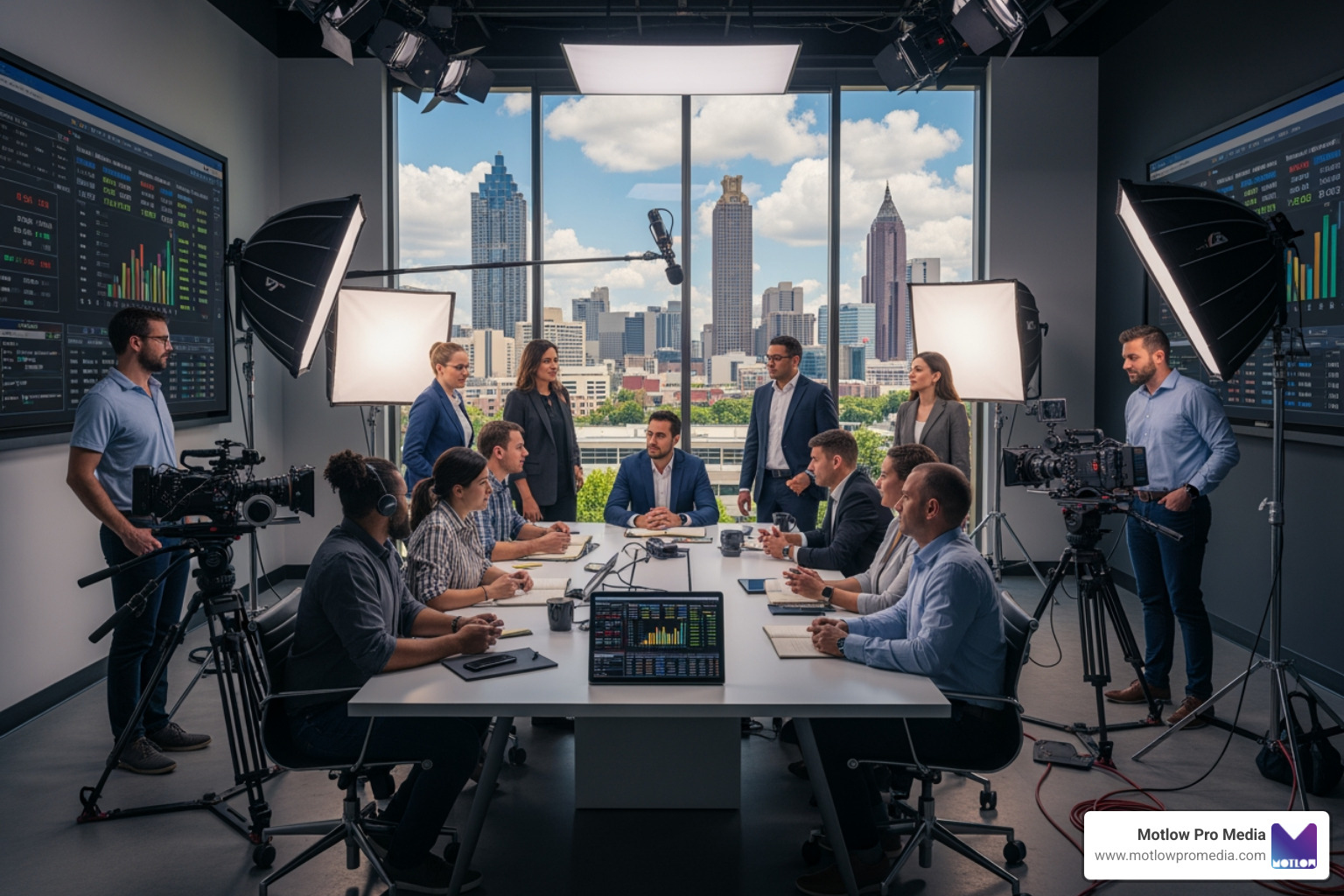
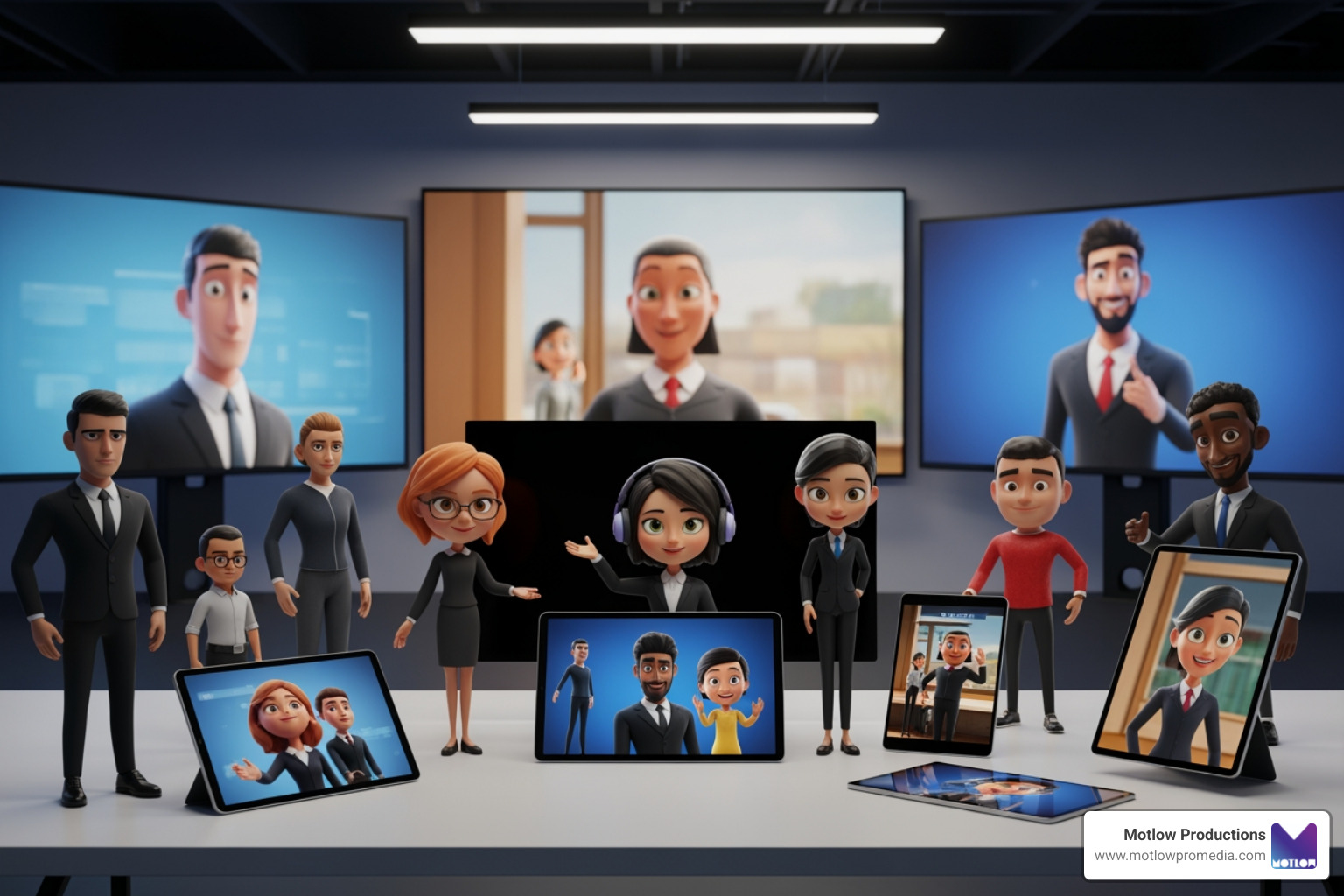
When we look at the landscape of modern media, it is clear that "good enough" no longer cuts it. A true integrated media solutions provider does more than just sell a service; they bridge the gap between technical infrastructure and creative execution. This involves a hands-on integration of production, planning, buying, and vendor collaboration to ensure a comprehensive campaign.
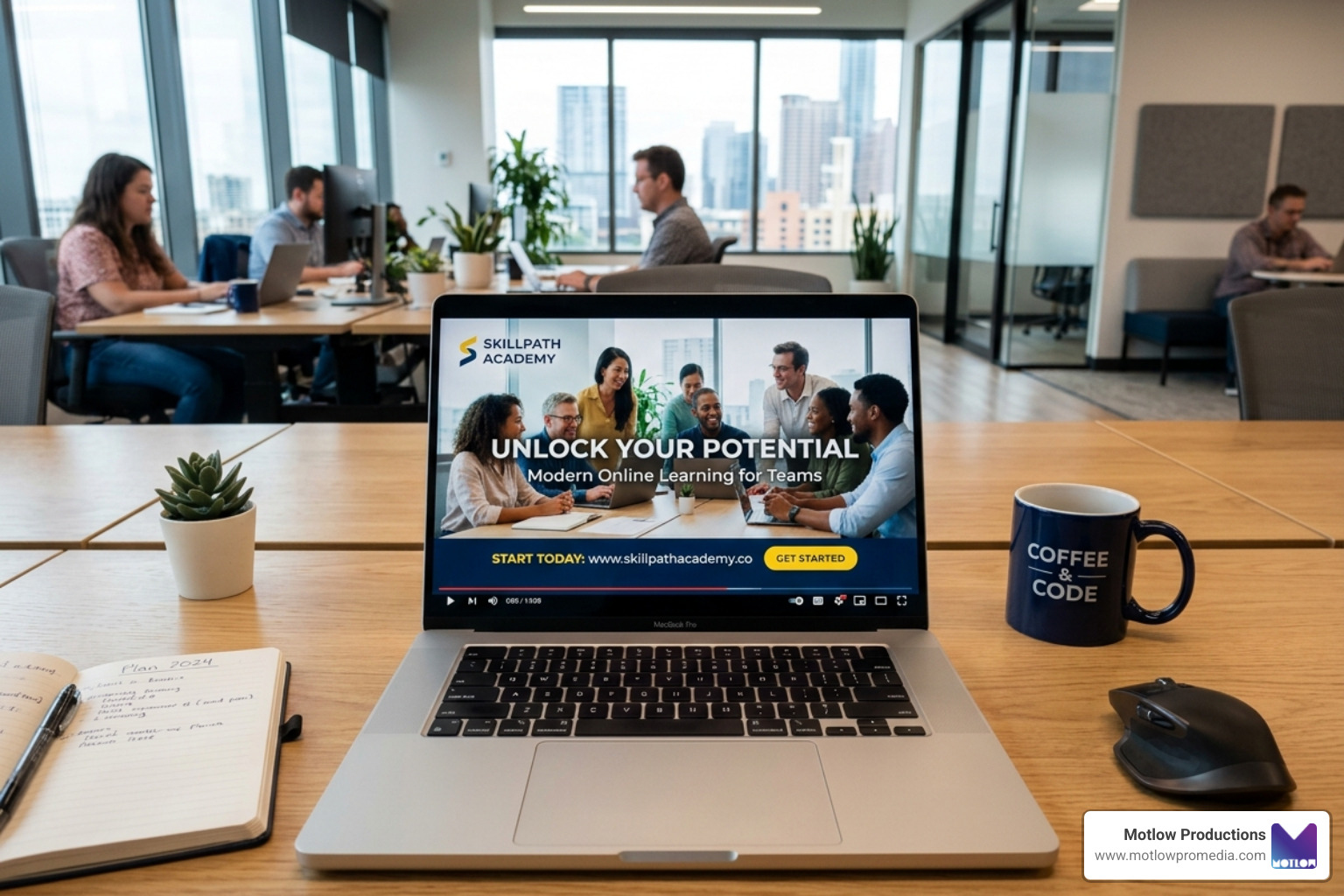
At the heart of these services is media planning and creative production. This isn't just about making a pretty video; it’s about ensuring that your online creative works seamlessly alongside traditional media like TV, radio, and print. By using current technology for targeted buys, a provider can ensure your message reaches the right eyes at the right time.
Success in these projects often starts long before the cameras roll or the cables are plugged in. Robust pre-production planning is the foundation of any integrated strategy. It involves identifying intersecting platforms where your target audience lives—whether that’s scrolling through social reels, watching OTT/CTV content, or walking past a digital billboard.
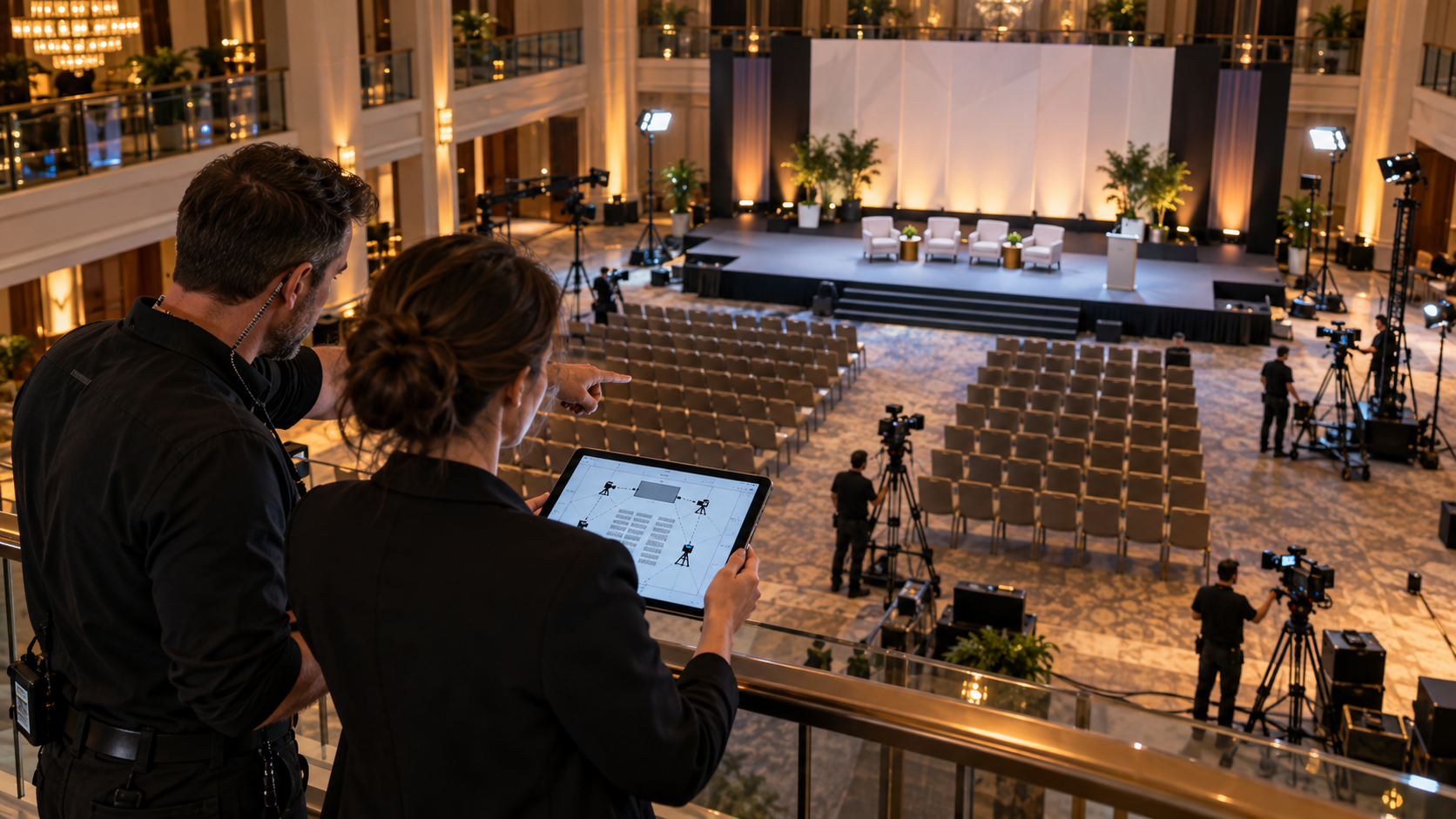
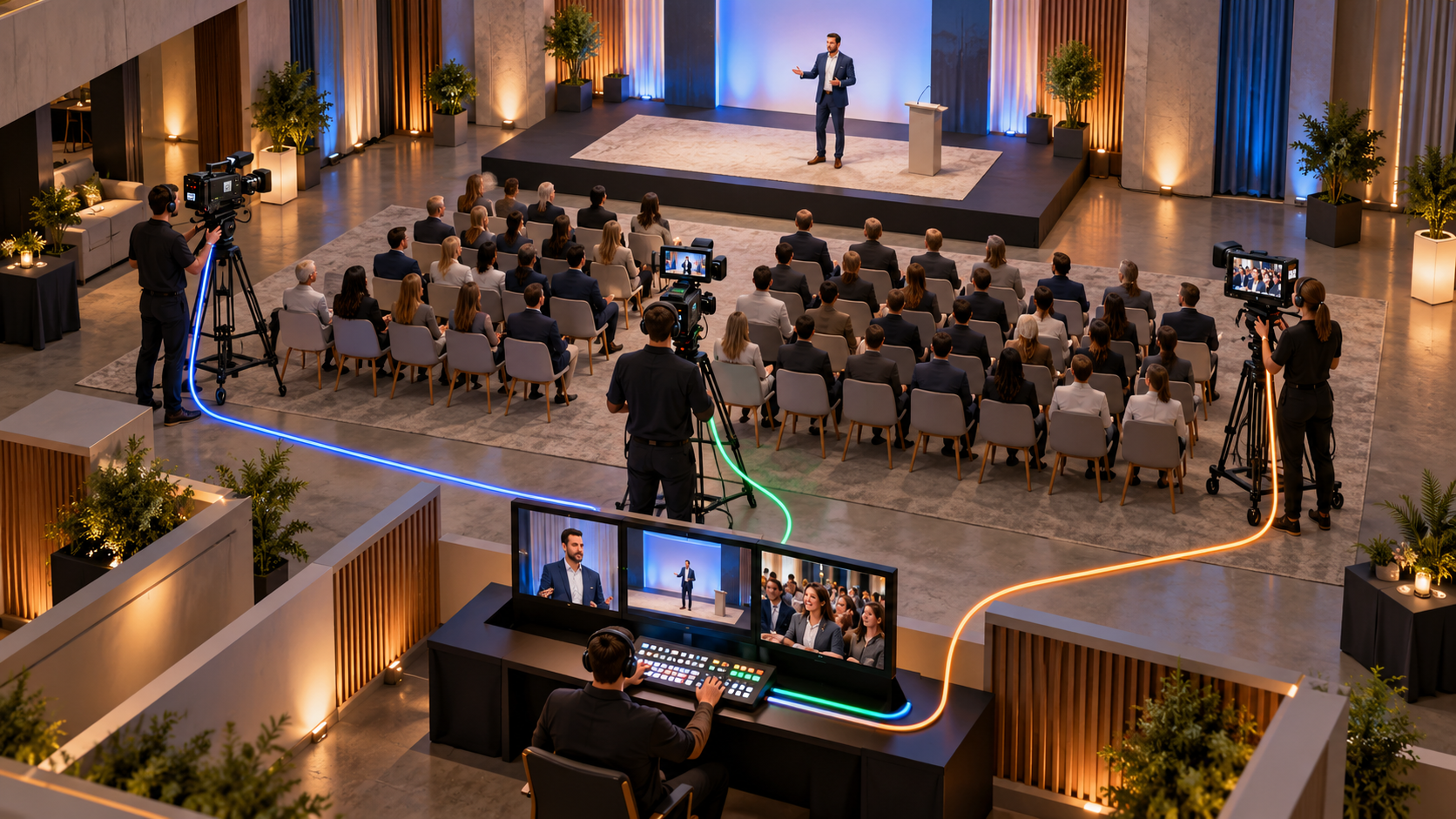
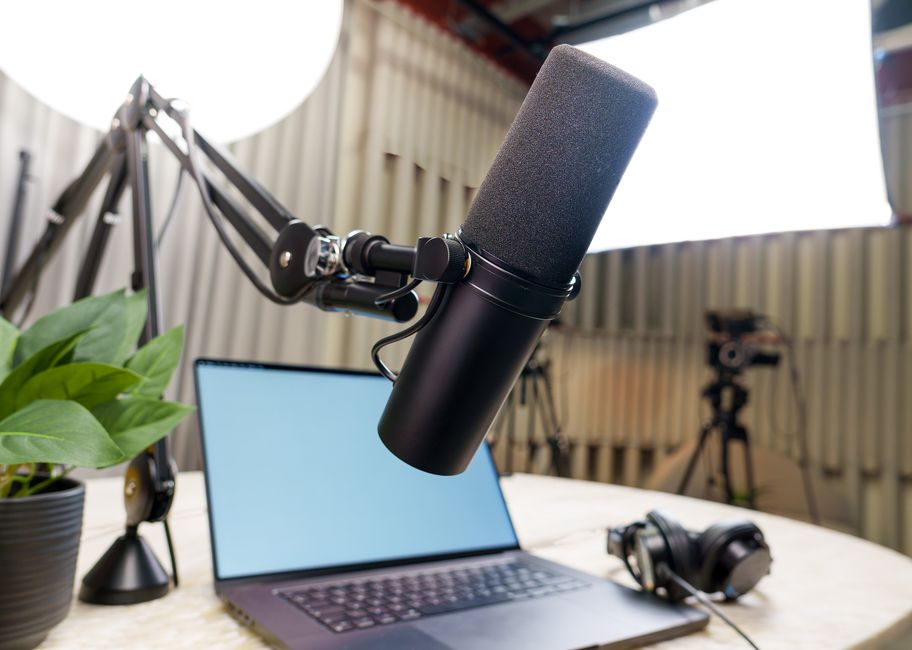
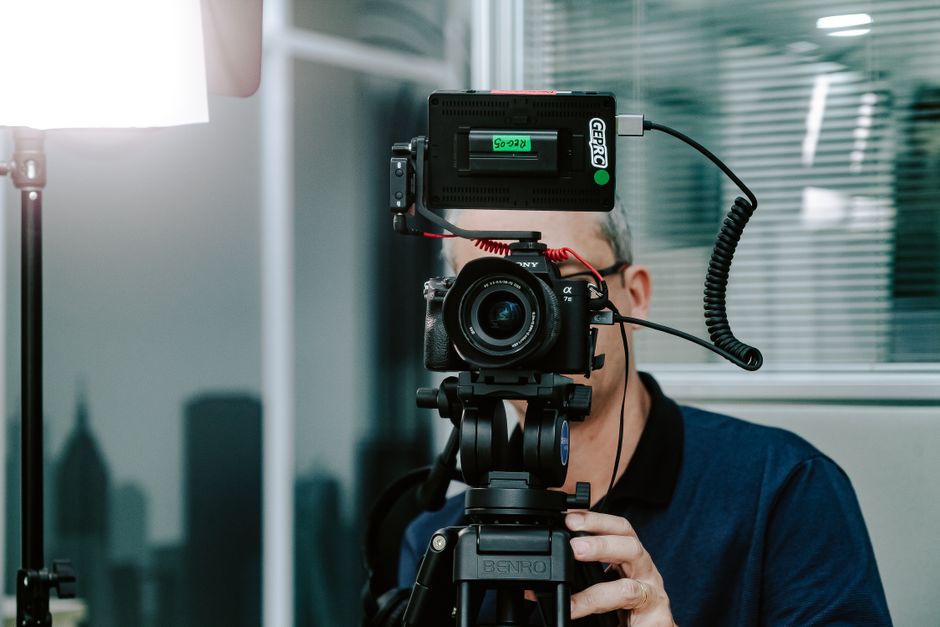
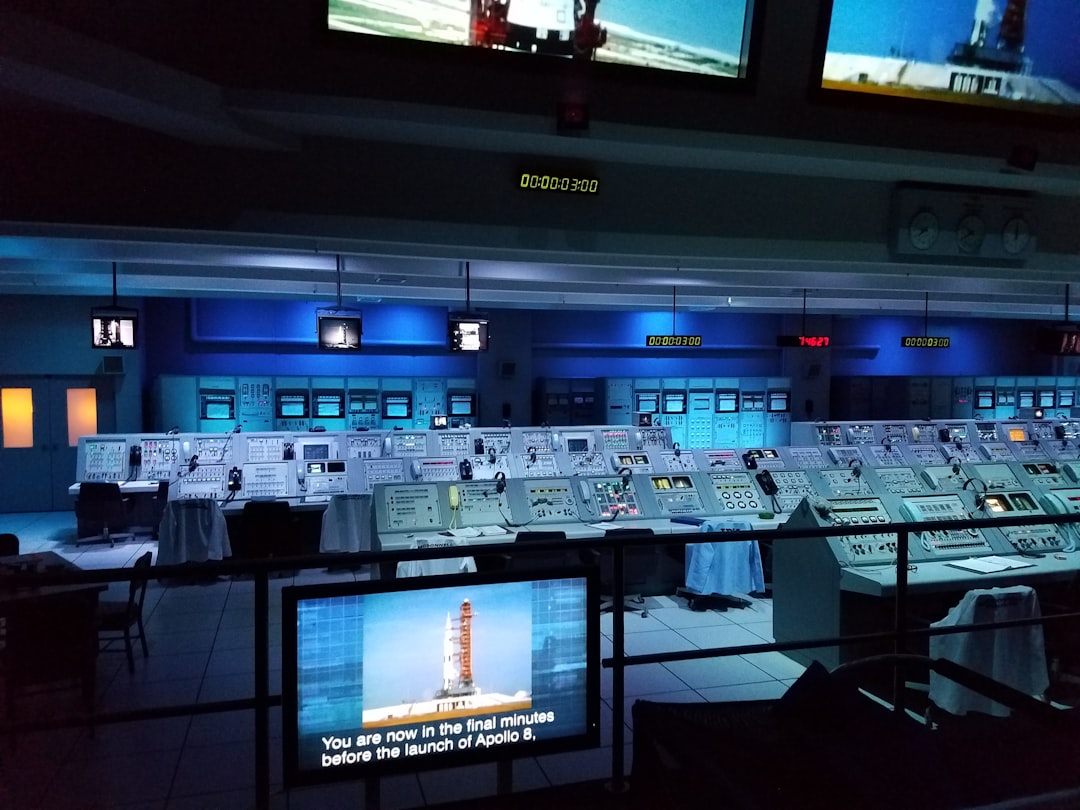
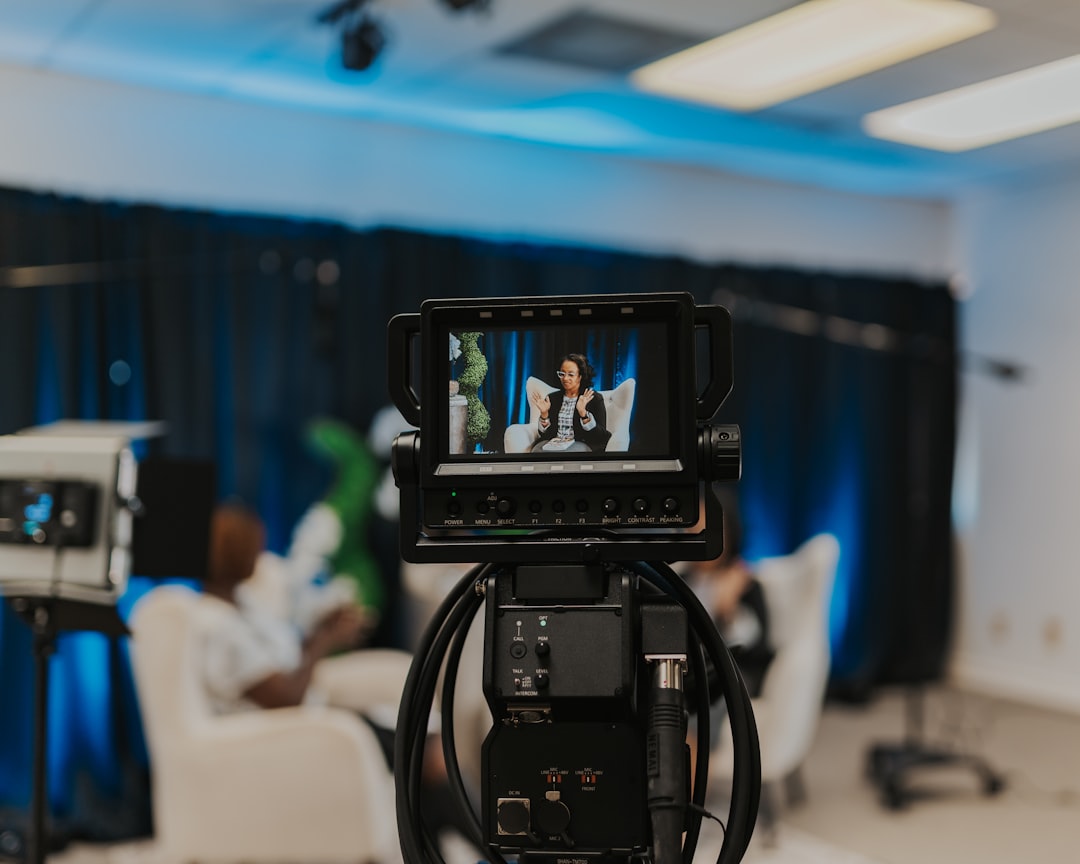
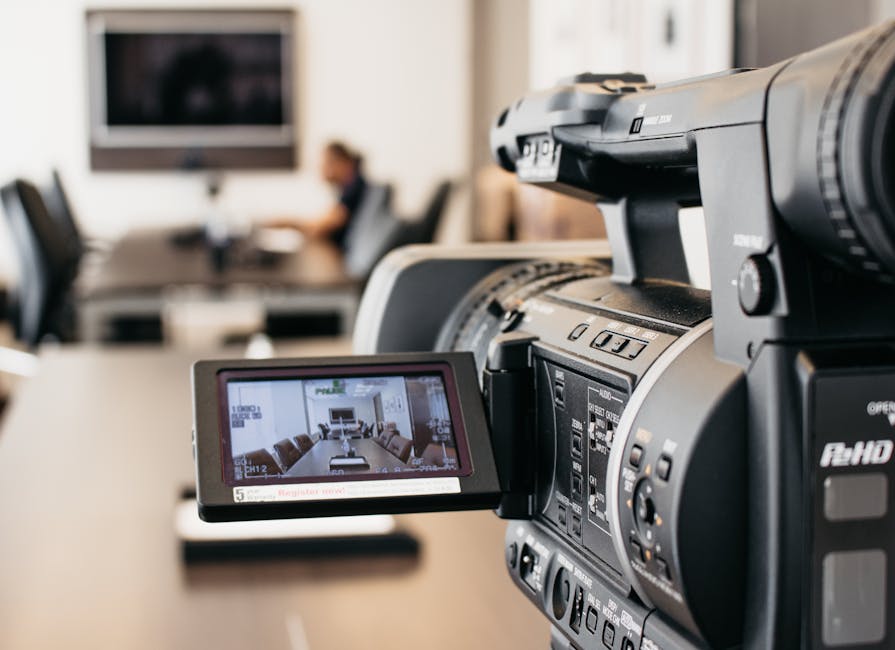
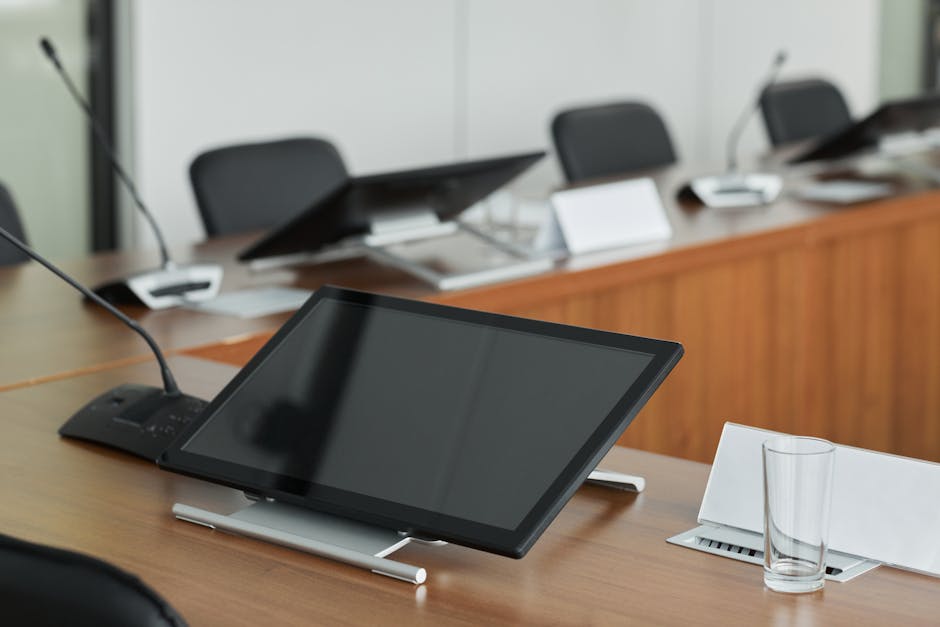
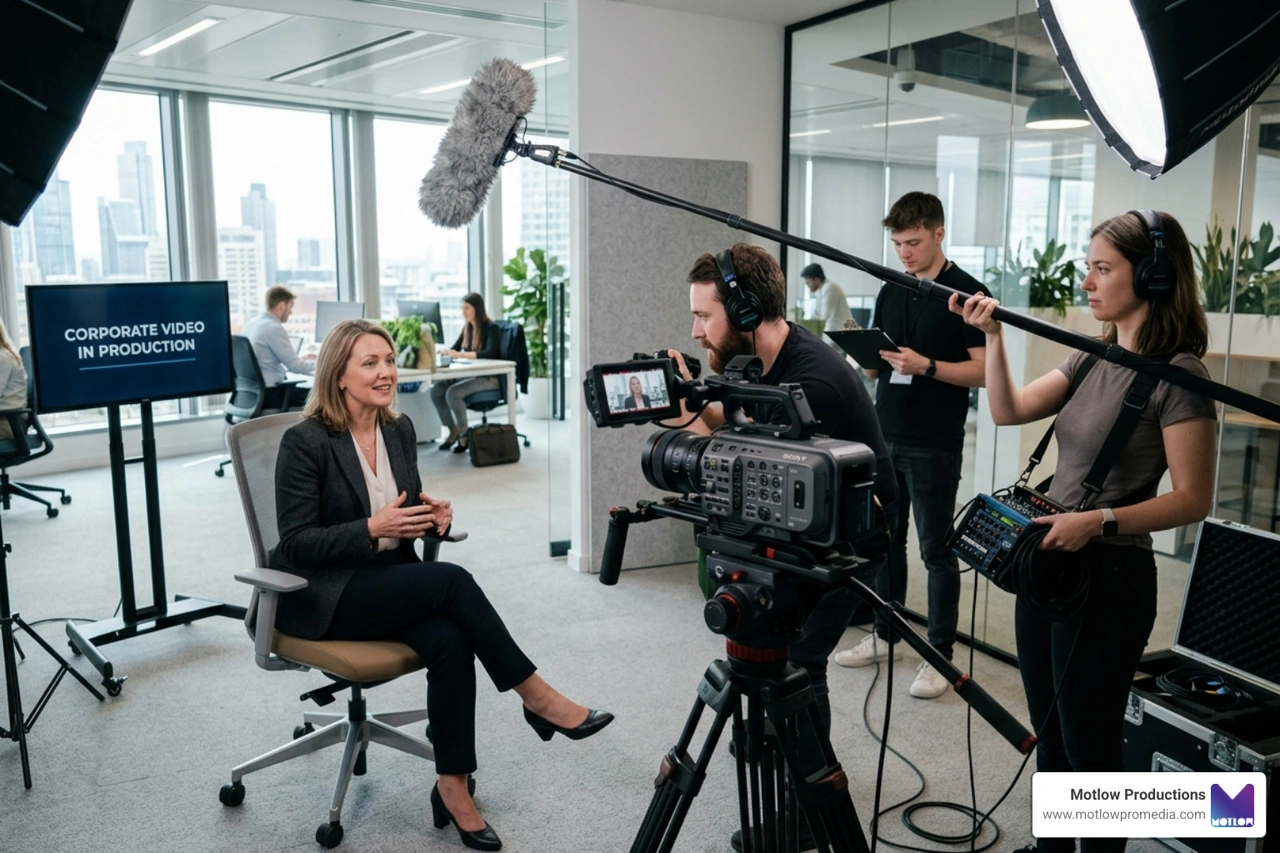
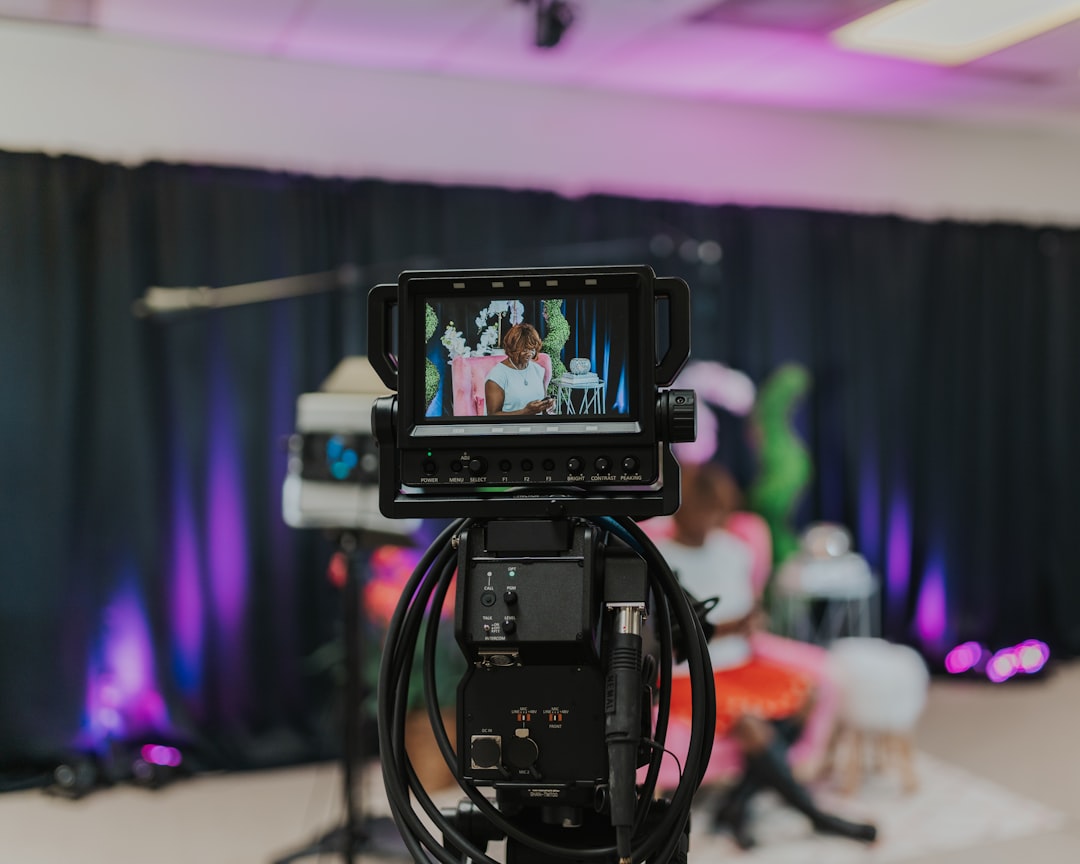
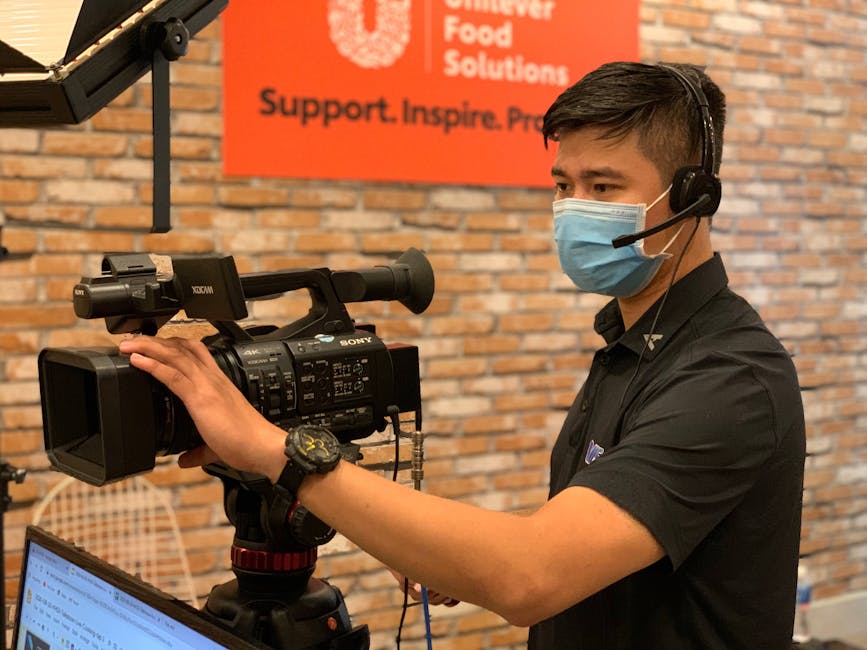
For many organizations, the "media" in integrated media refers to the physical and digital backbone of their communication. This includes high-performance broadcast environments that require precision engineering. We aren't just talking about a webcam and a microphone; we are talking about full-scale corporate AV support that includes:

Integration also extends into the environments where we live and work. Modern providers leverage industry-leading technology like Crestron systems to "tame" technology for the end-user. The goal is to keep complexity in the background. Imagine a single button labeled "WELCOME" that illuminates a pathway from the foyer to the kitchen, or a "PARTY" scene that adjusts lighting and music simultaneously.
In the hospitality sector, this takes the form of managed Wi-Fi and guest technology. This includes casting solutions, hotel TV, and IoT control for energy management. If you are unsure where your organization stands, you can even start your technology assessment to receive an objective benchmark of your guest-facing tech.
Why go through the trouble of integrating everything? The answer usually comes down to the bottom line. When you move away from siloed services, you eliminate the "middleman" friction that drains budgets and slows down production.
| Feature | Traditional Siloed Services | Integrated Media Solutions |
|---|---|---|
| Communication | Multiple points of contact; high risk of "telephone" errors | Single point of contact; unified strategy |
| Costs | Multiple markups and overlapping management fees | Streamlined billing; often significant ROI improvement |
| Execution | Disjointed; creative might not fit the technical specs | Seamless; technology and creative are designed together |
| Speed | Slowed by vendor-to-vendor coordination | Agile; capable of quick pivots during market shifts |
One of the most staggering statistics in the industry highlights this: some enterprises have seen an 80% reduction in operating expenses after implementing a unified, cloud-based media management platform. By centralizing content creation, scheduling, and billing, businesses can achieve a faster "time to revenue." Furthermore, specialized event media services ensure that live experiences are delivered without the technical glitches that often plague multi-vendor setups.
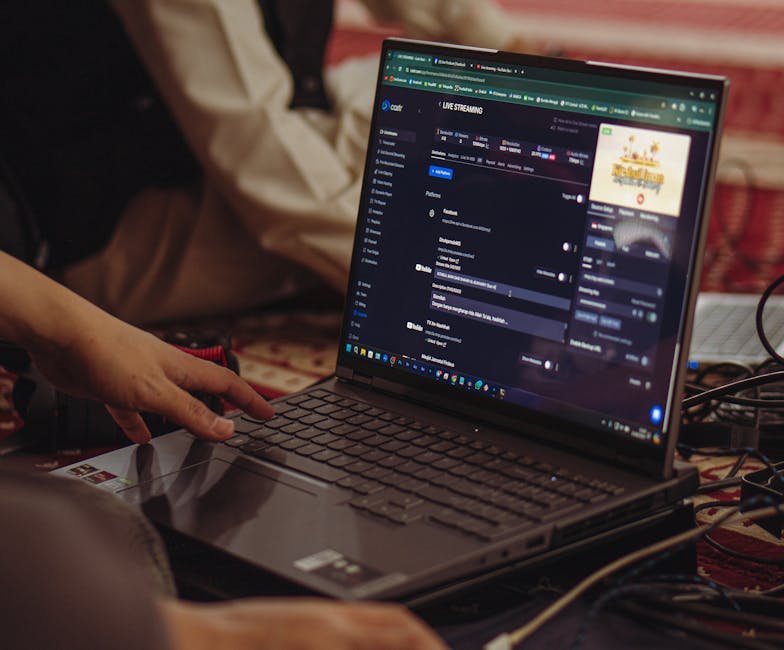
Technology is the engine of integration. Leading providers use cloud-based platforms to manage the entire advertising lifecycle—from the initial proposal to final billing. This includes leveraging programmatic advertising (like OTT/CTV, digital out-of-home, and native ads) to move with the audience across a non-linear journey.
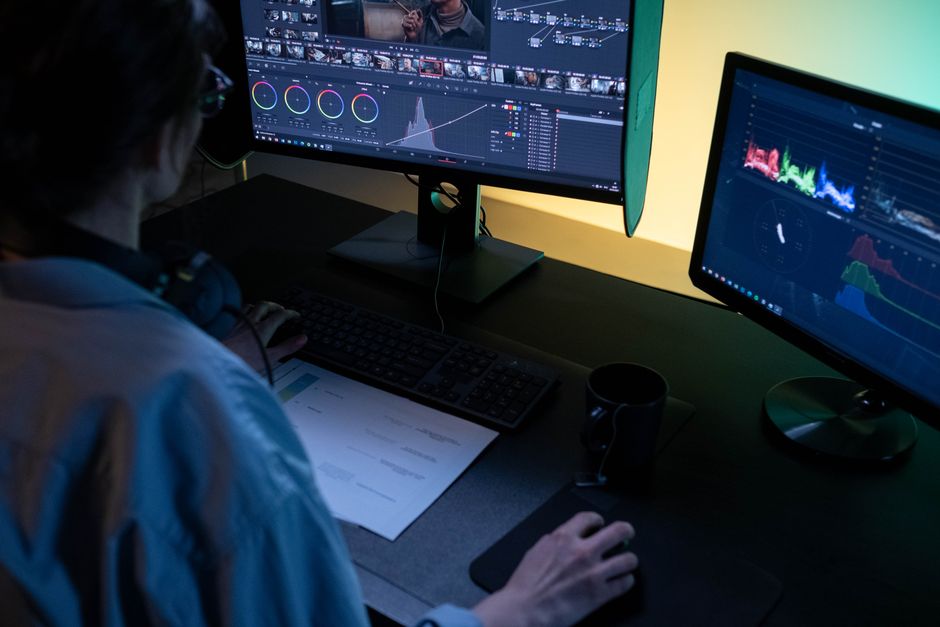
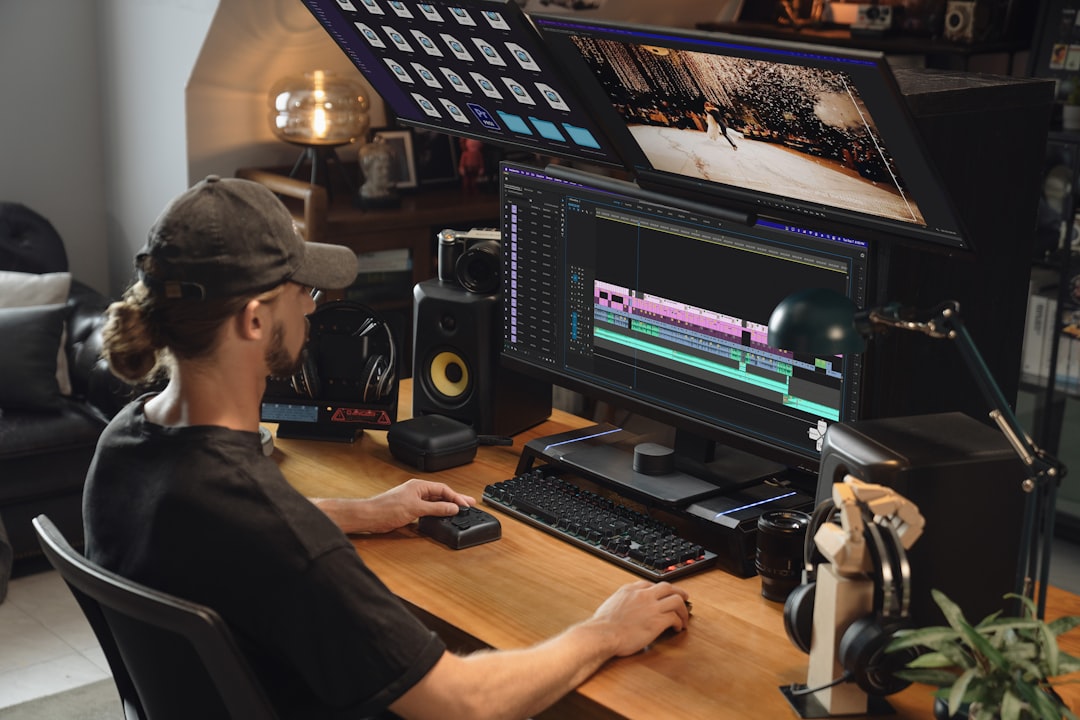
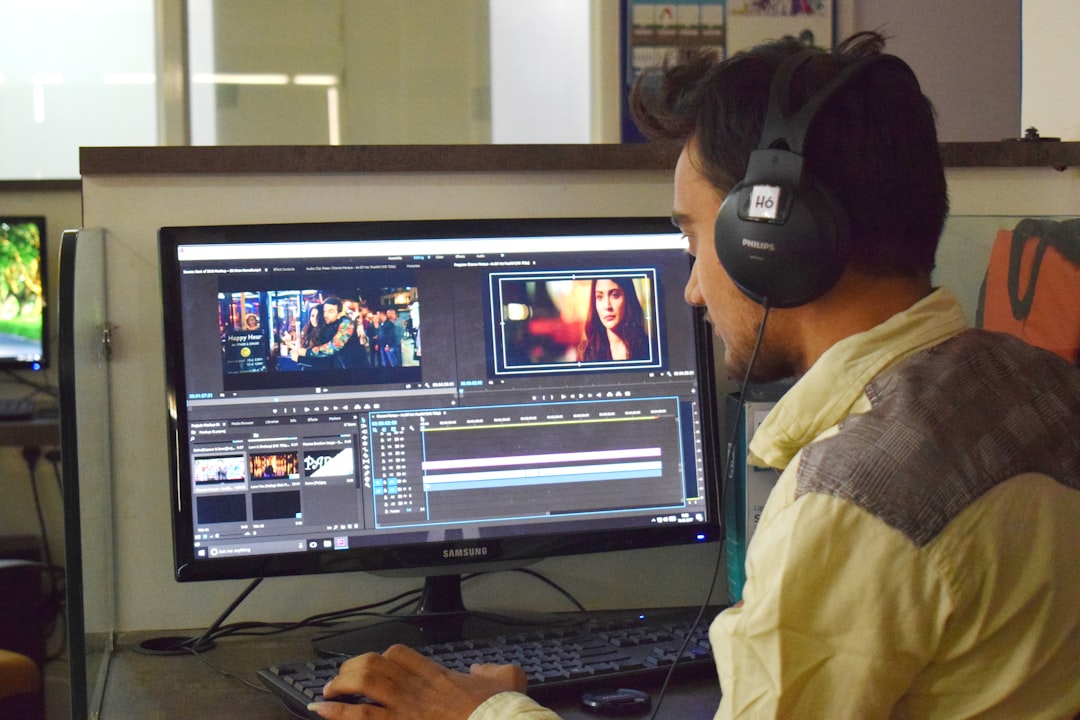
Innovation also means using expert video production that is optimized for the platform it lives on. Whether it is AI-optimized content or high-end episodic docuseries, the technology ensures the content is not just created, but successfully distributed and measured.
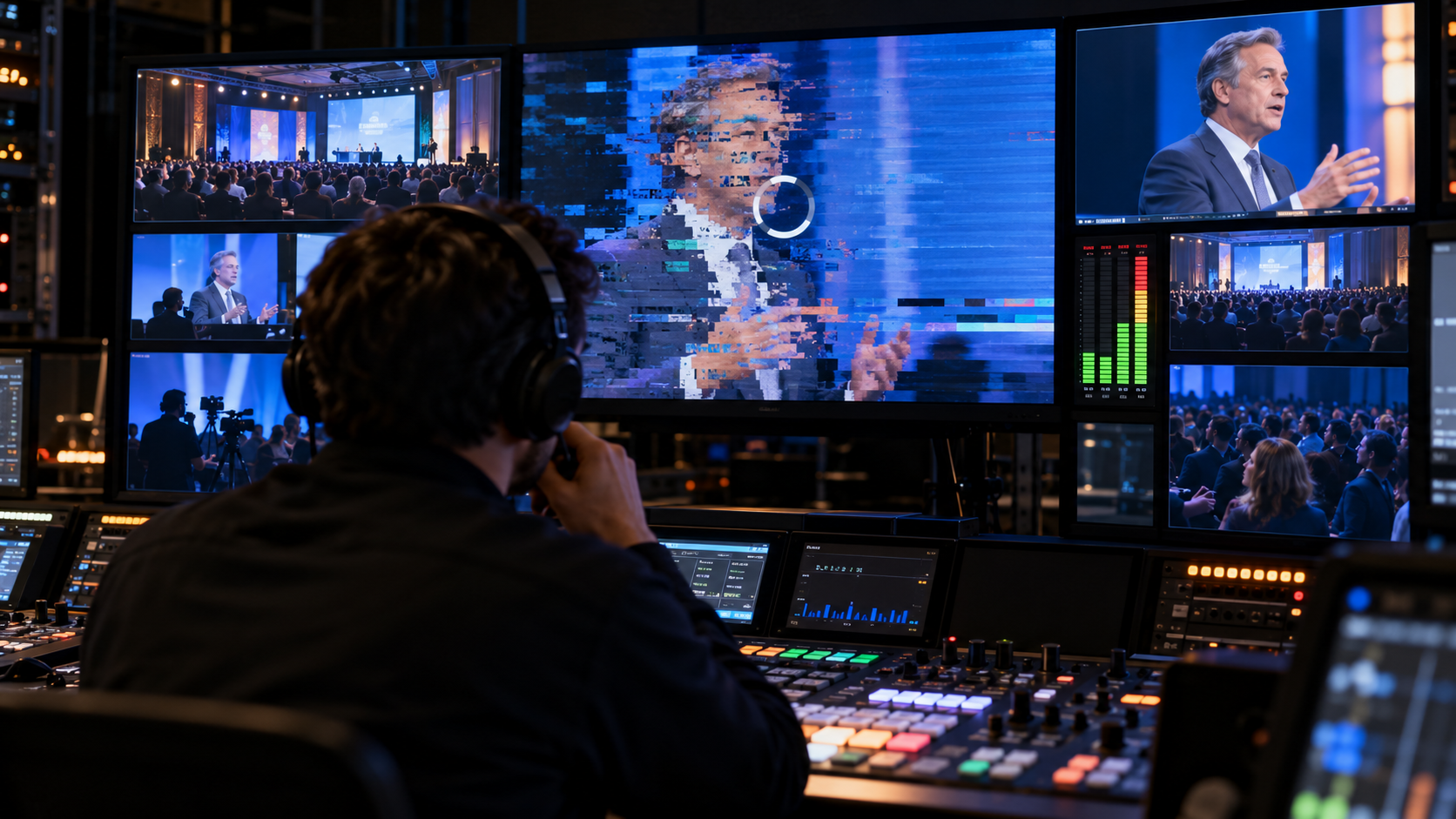
We know that in media, a system that doesn't work is worse than no system at all. Reliability is ensured through rigorous testing. Some providers utilize "Interoperability Labs" where systems are pre-built, pre-wired, and pre-programmed before they ever reach the client site. This factory-like testing process guarantees that the setup "just works" upon installation.
To maintain this performance, look for providers that offer:
You can learn more about how we handle these complexities by viewing our integration process.
Media integration isn't a one-size-fits-all product; it is a strategy that adapts to various sectors. In the hospitality and serviced living sectors (like student housing or senior living), the focus is often on the "Guest Experience." This means seamless Wi-Fi, easy-to-use casting, and smart room controls that make a guest feel at home while helping the operator achieve net-zero goals through energy monitoring.
In the corporate world, corporate content creation is used to build brand authority and internal culture. Large-scale enterprises with multiple sites benefit from standardized AV solutions that allow a team in Toronto to collaborate perfectly with a team in London or New York.
Every industry has unique "pain points." A ministry or non-profit might need an agile strategy to pivot during a global crisis, while a retail brand might need a high-impact pop-up event supported by social reels. A provider acts as a consultant, developing long-term communication plans tailored to these specific operational needs.
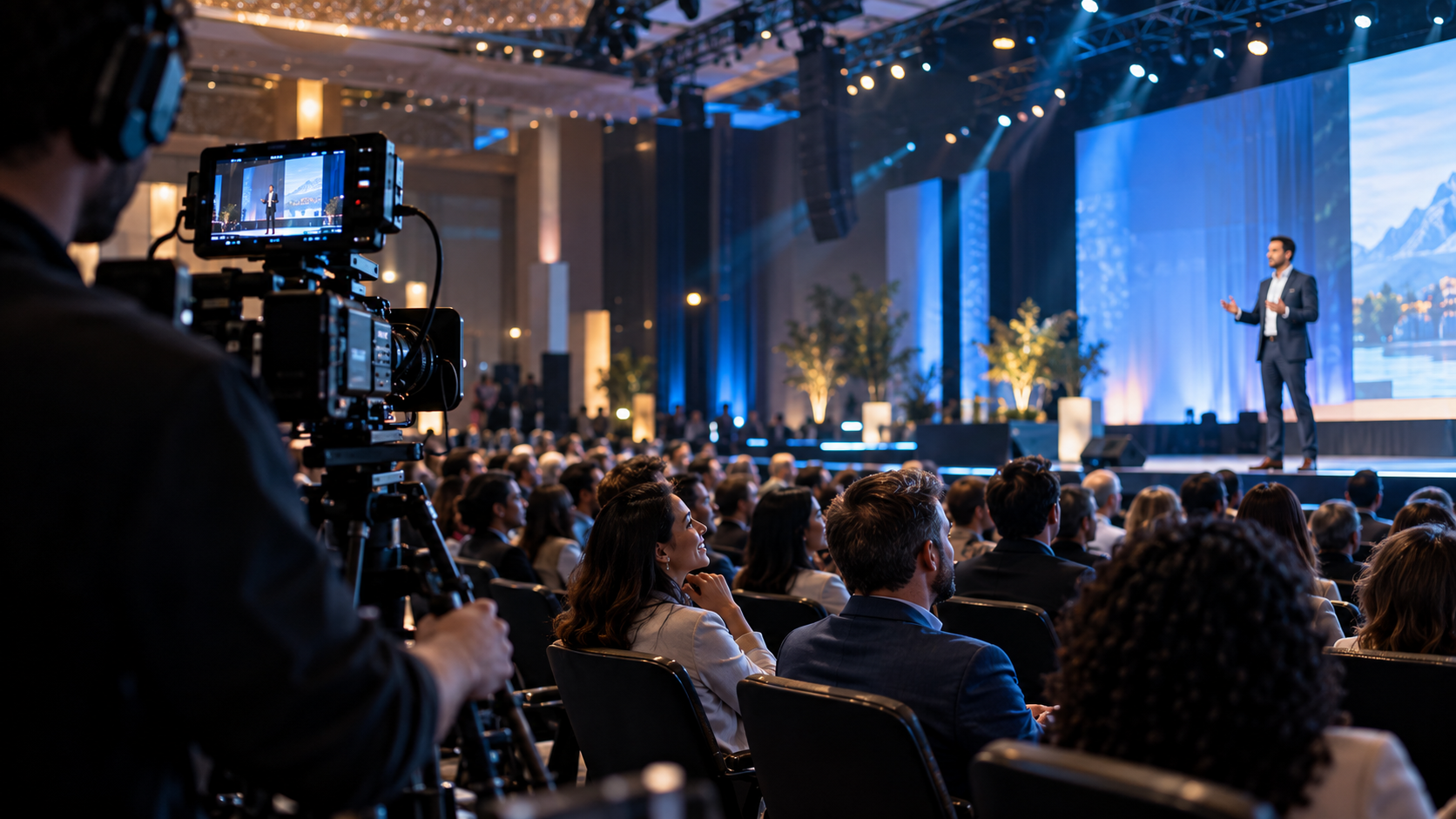
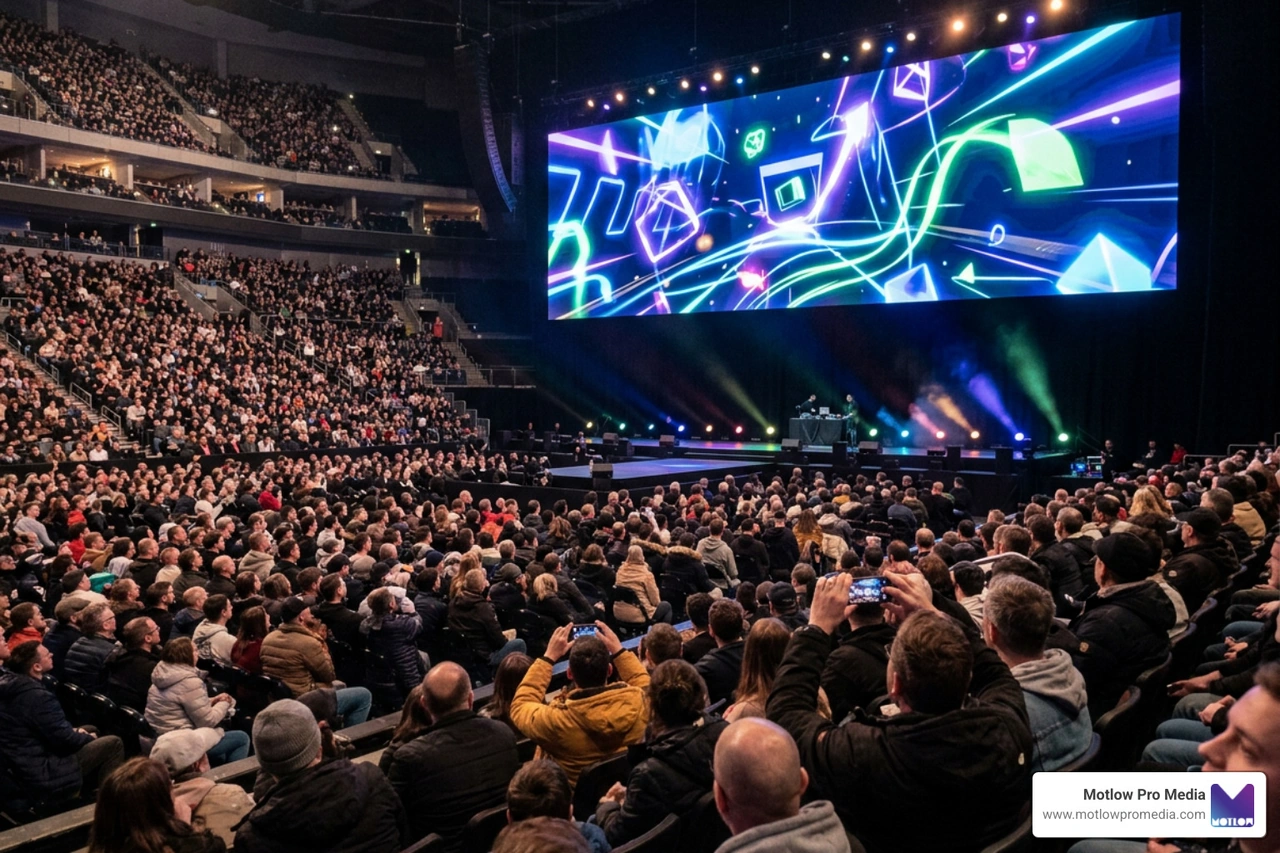
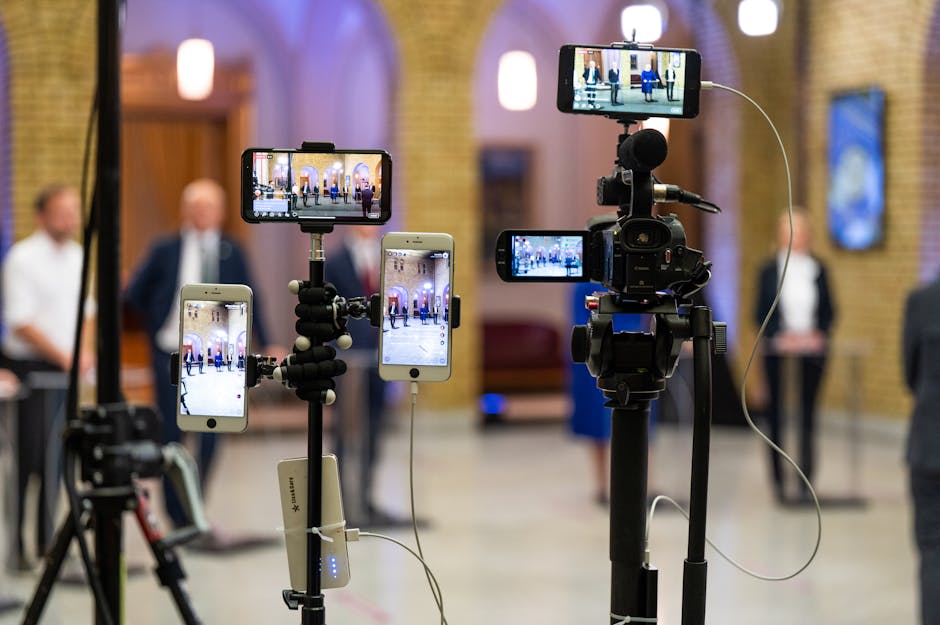
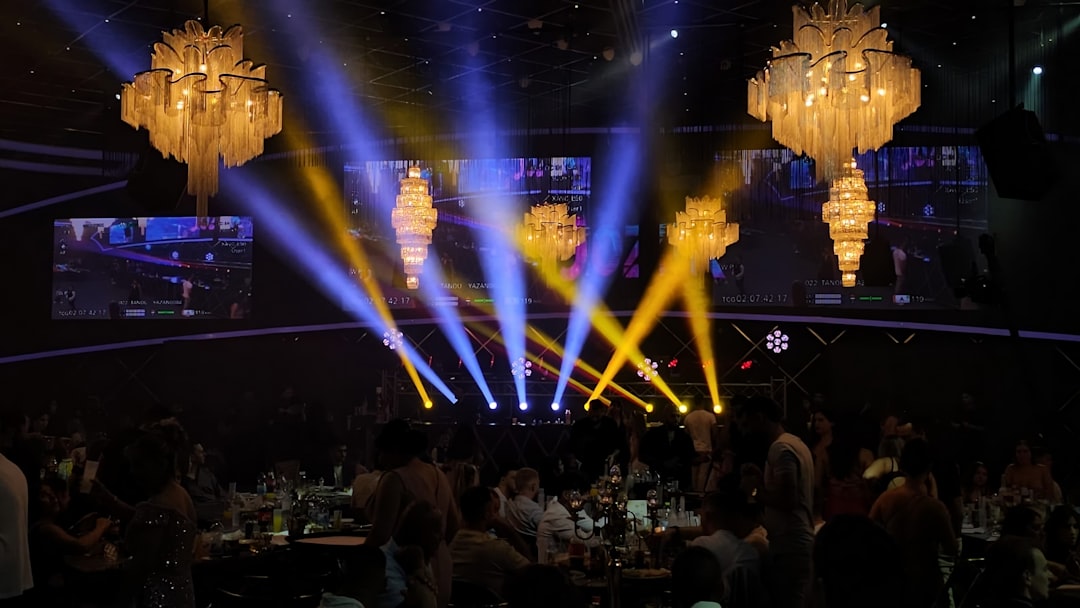
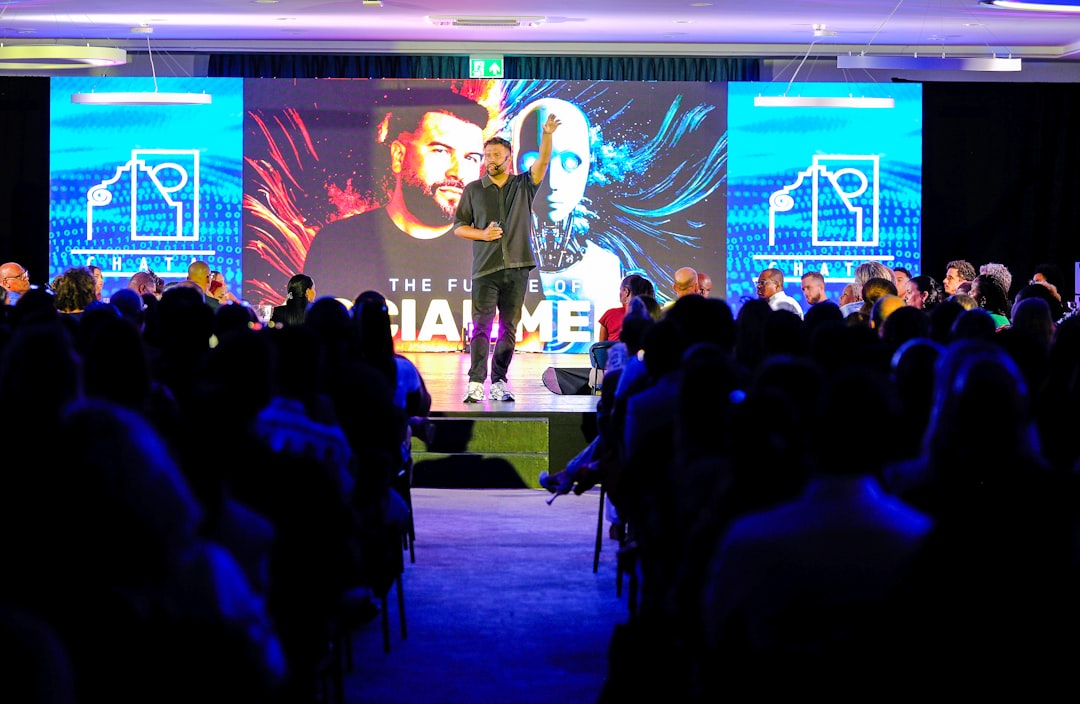
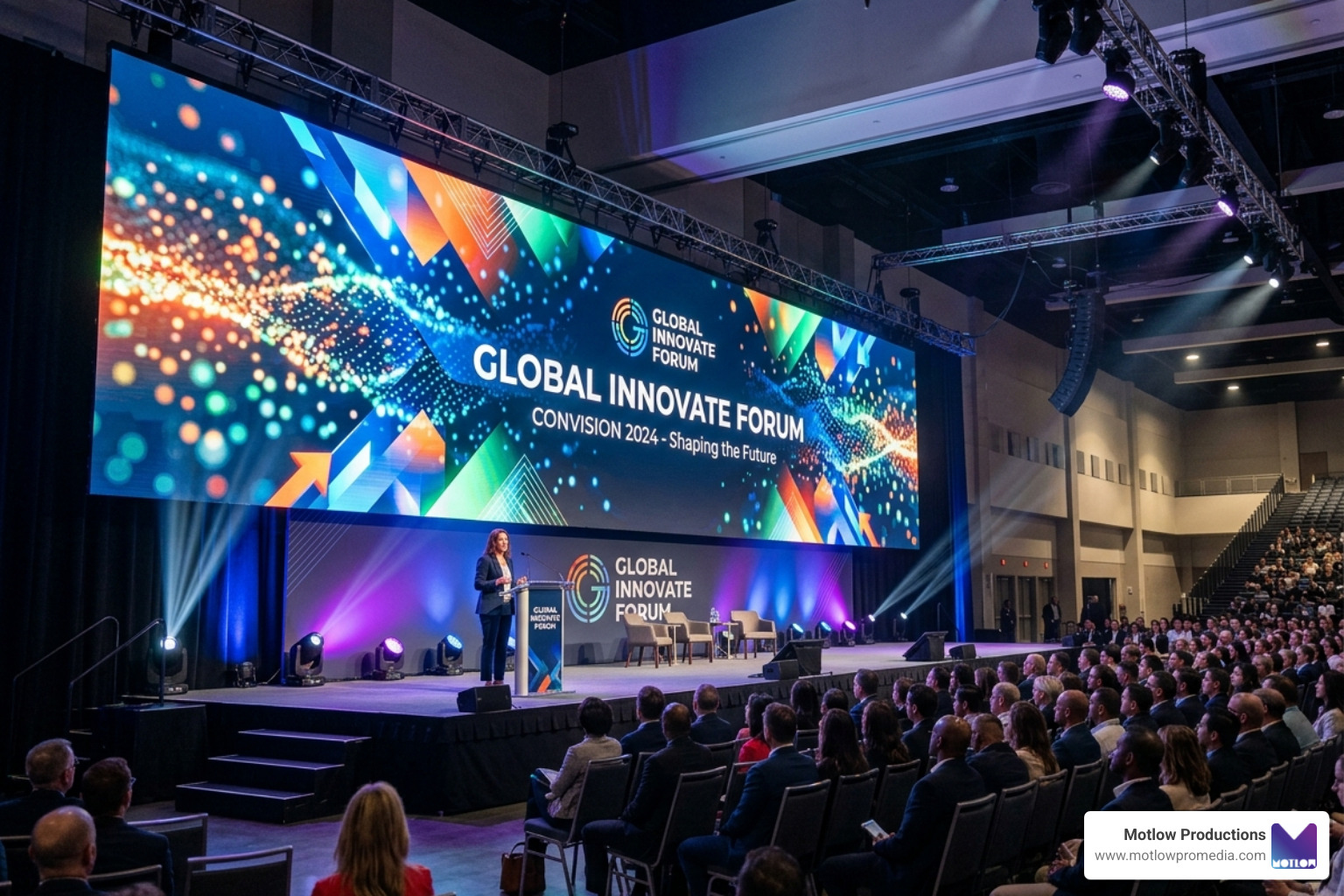
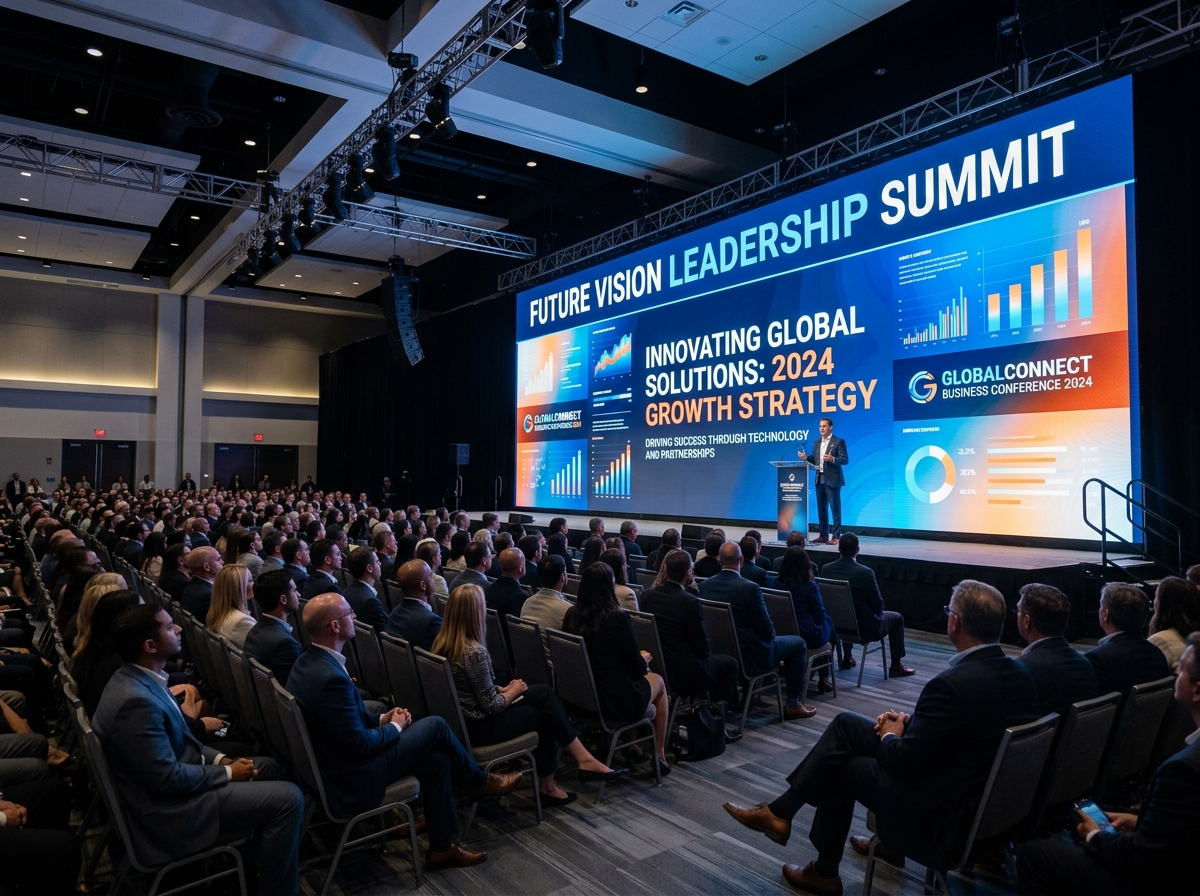
For those hosting major gatherings, live event support is indispensable. This includes everything from the physical hardware (screens and sound) to the digital reach (live streaming and social amplification).
The modern consumer journey is rarely a straight line. A person might see a billboard, hear a podcast ad, and then interact with a social media post before ever making a purchase. An integrated media solutions provider maps these touchpoints. By using data-driven insights, we can identify exactly where your audience is and what they need to do next.
This level of brand transformation requires a team that speaks many languages—the language of the producer, the researcher, the engineer, and the marketer. You can follow industry updates on LinkedIn to see how these multi-disciplinary teams are shaping the future of communication.
The future of the media industry is being shaped by two massive forces: sustainability and artificial intelligence.
Net Zero Goals: We are seeing a major shift toward "sustainable buildings." Integrated providers are now incorporating IoT sensors that monitor usage patterns and program thermostats and lighting to maximize efficiency. Some climate control integrations can save thousands of dollars in energy costs, often paying for themselves within the first year.
AI and Immersive Tech: From AI-optimized content distribution to Virtual Reality (VR) and Augmented Reality (AR), the way we consume media is becoming more immersive. Hybrid events are also becoming the standard, requiring event video solutions that cater to both an in-person audience and a global digital one simultaneously.
Traditional services are often "siloed," meaning one company does your video, another handles your Wi-Fi, and a third manages your ads. Integrated media brings these together. It’s the difference between buying ingredients from five different stores and having a master chef design and cook the entire meal for you. It ensures that the technology supports the creative, and the creative is optimized for the technology.
The primary benefit is the reduction of overlapping management costs. When one team handles the lifecycle of a project, there is less waste, fewer errors, and a streamlined workflow. Statistics show that moving to integrated cloud solutions can reduce operating expenses by up to 80% for large-scale media companies.
Reliability is built through standardization and pre-testing. By using an "Interoperability Lab," a provider can assemble and test a full AV or IT rack in a controlled environment before shipping it. This minimizes field installation time and ensures that a system deployed in one city works exactly like the one deployed in another.
At the end of the day, your media strategy shouldn't be a source of stress. It should be the engine that drives your brand forward. At Motlow Pro Media, we believe in a "hands-off, but hands-on" partnership. This means we take the technical and creative burden off your shoulders—acting as a trusted extension of your team—while keeping you fully informed through clear, transparent communication.
Whether you need seamless live event execution, long-term media leadership, or high-impact content, choosing an integrated media solutions provider is the first step toward a more efficient and successful future.
Ready to simplify your media landscape? Start your project with our integrated services and let’s build something remarkable together.
Some clients want to give notes in a live Zoom call. Others prefer a group text or email thread. However you like to communicate, we adapt. You’ll never be left guessing where things stand - and you’ll always have a say before anything goes out the door.





Phone:
+1 863-250-8639
.png)
Email:
info@motlowpromedia.com