









-5.jpg)














































Thank you! Your submission has been received!
Oops! Something went wrong while submitting the form.

.avif)
April 10, 2026
Digital content production is the end-to-end process of planning, creating, publishing, and measuring media — text, video, audio, graphics, and more — designed to reach and engage a specific audience online.
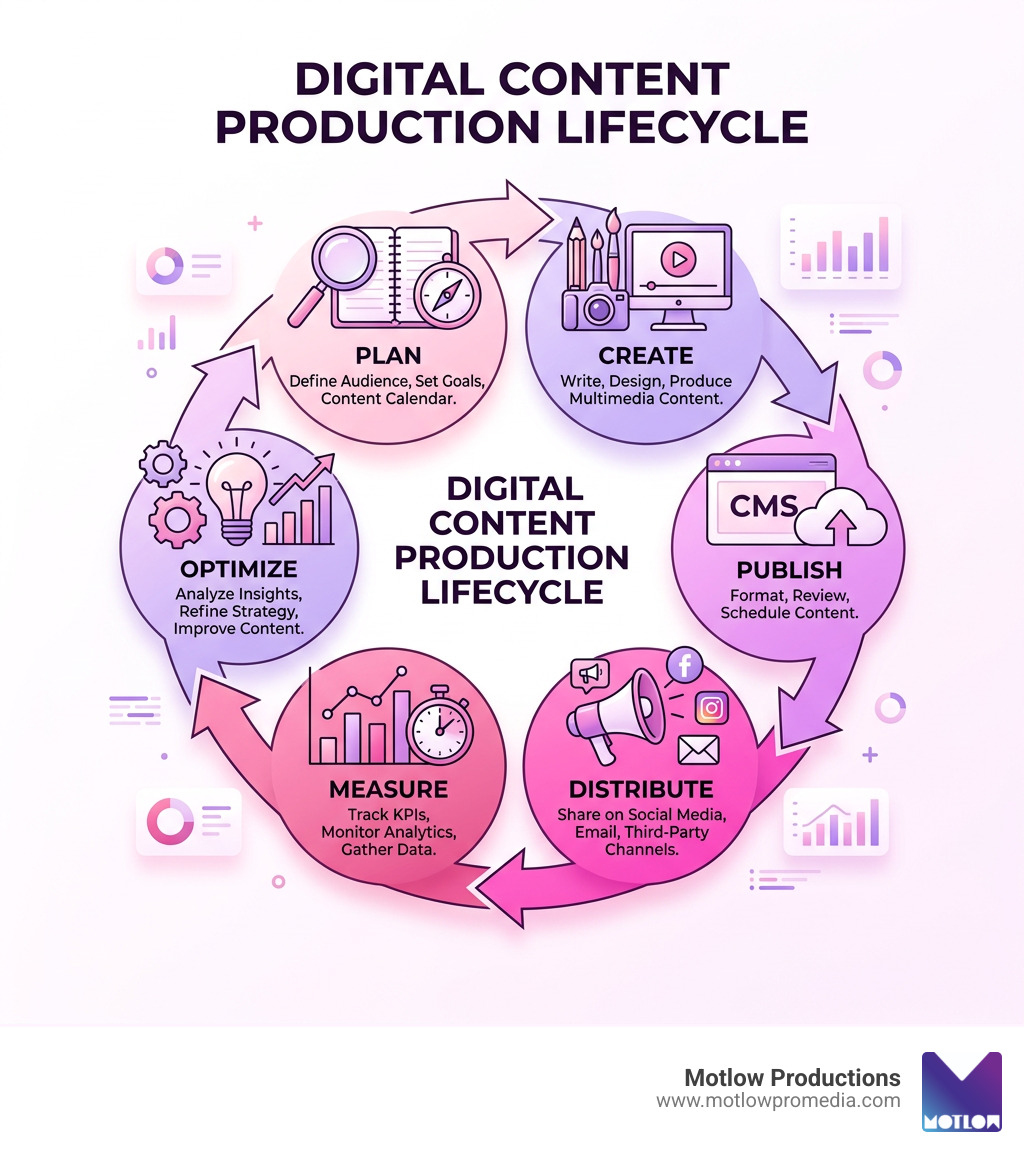
If you want the short version, here's how the process breaks down:
This is different from traditional content creation, which was largely linear, print-focused, and slow to update. Digital production is iterative, multi-format, and built for platforms that change fast.
The stakes are real. A single bakery grew its organic traffic by 214% through consistent blogging. An art supplies company built lasting customer loyalty through video tutorials. These aren't outliers — they're what happens when content production is done with intention.
The challenge for most marketing teams isn't knowing that content matters. It's knowing how to produce it consistently, at quality, without burning out internal resources.
I'm Miranda Motlow, founder and CEO of Motlow Pro Media, and I've spent over a decade helping brands — including casino marketing teams operating in some of the most competitive spaces imaginable — build digital content production systems that perform. This guide covers everything I've learned about making content that connects.
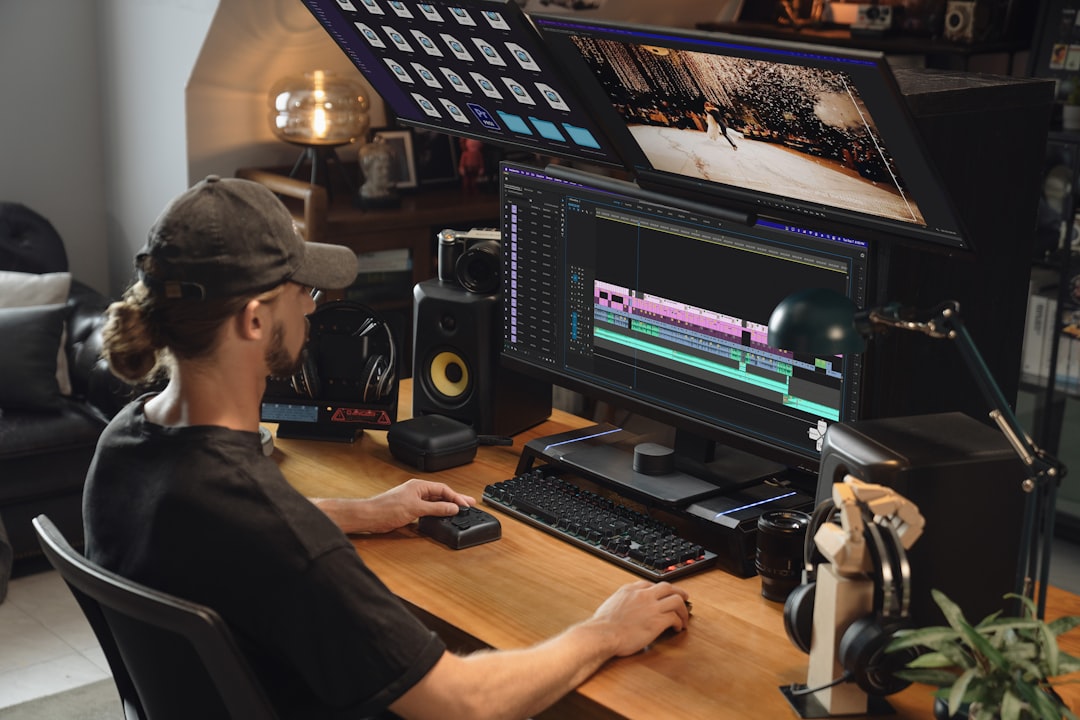
Successful digital content production isn't just about "making stuff." It is a structured discipline that blends creativity with technical precision. In our experience, the most effective teams treat content like a product—it needs a roadmap, a quality control phase, and a clear distribution strategy.
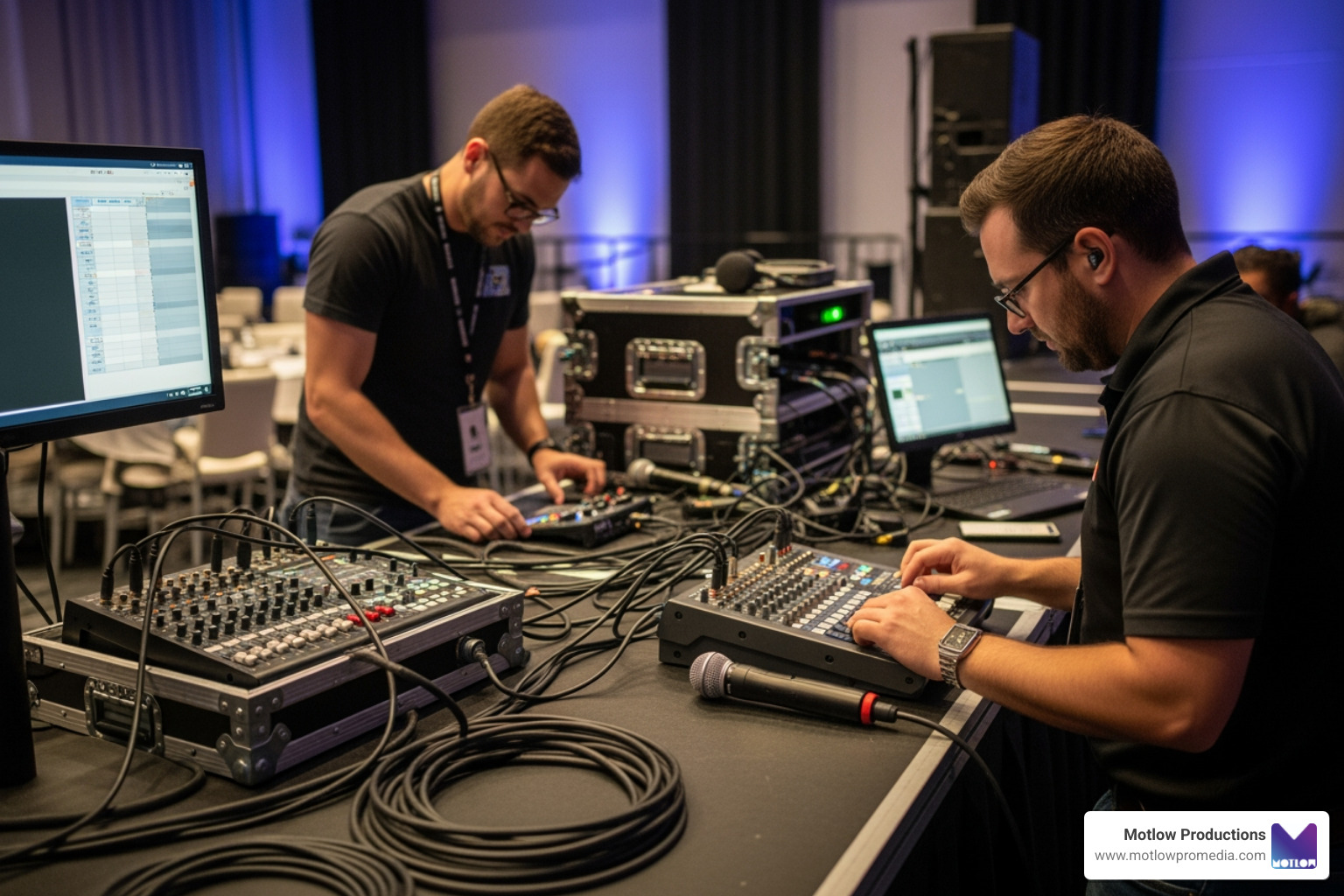
One of the biggest shifts in modern Digital media is the move toward workflow automation. By using project management tools like Monday, teams can ensure that no piece of content falls through the cracks. This is a core part of Our Process, where we focus on seamless execution so our clients can focus on their high-level goals.
| Feature | Traditional Production | Digital Content Production |
|---|---|---|
| Primary Medium | Print, TV, Radio | Web, Social, Mobile, Apps |
| Speed to Market | Weeks to Months | Hours to Days |
| Audience Interaction | One-way (Passive) | Two-way (Interactive/Engaged) |
| Feedback Loop | Delayed (Surveys/Nielsen) | Real-time (Analytics/Comments) |
| Longevity | Fixed (Static) | Iterative (Can be updated) |
At its heart, Content creation is the contribution of information to any media for an end-user. However, in the digital age, this process is heavily influenced by search intent—understanding exactly what a user is looking for when they type a query into a search engine. We don't just create content to fill a page; we create it to solve a problem or answer a question.
Before a single frame of video is shot or a word is typed, we must understand who we are talking to. This starts with building audience personas—detailed profiles that include age, gender, interests, and, most importantly, their "pain points."
A robust Business Content Strategy relies on several key pillars:
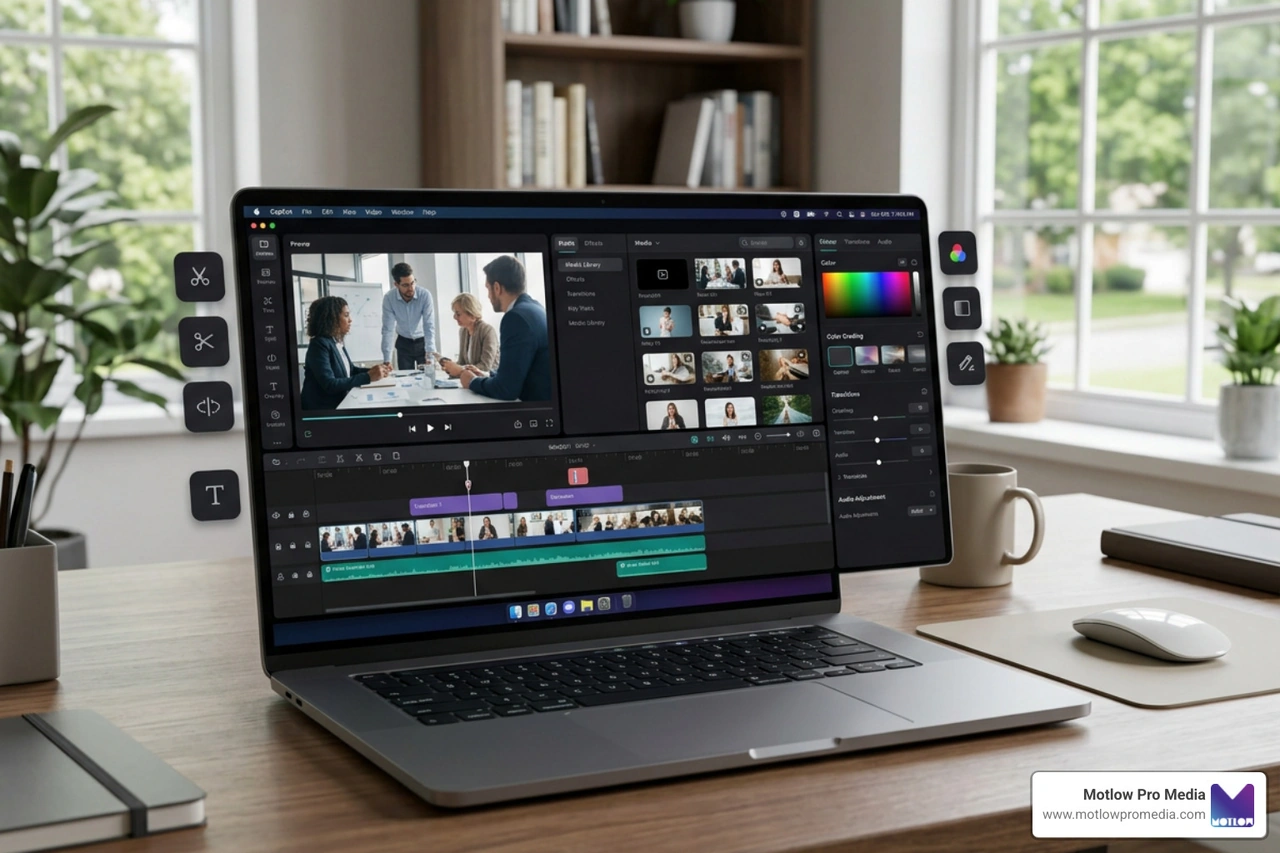
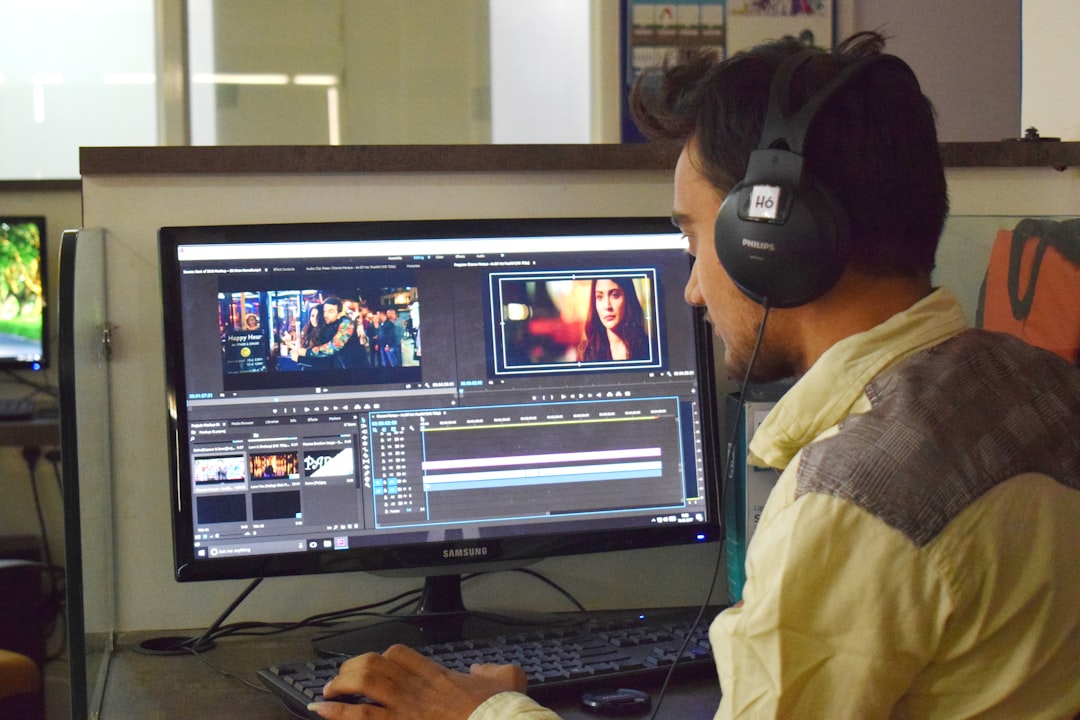
Once the plan is in place, we move into the "making" phase. Modern digital content production is rarely just text. It’s a multimedia experience.
In digital content production, not all formats are created equal. The "best" format depends entirely on where your audience hangs out and what they want to achieve.
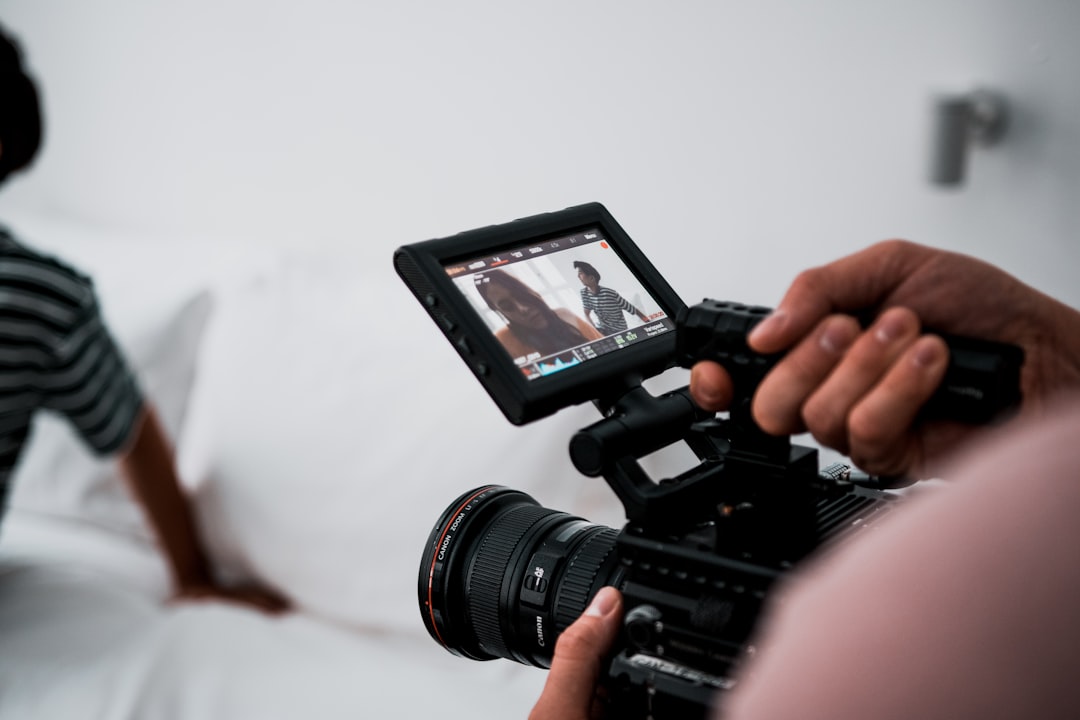
Short-form video is currently the most explosive trend in digital media. Platforms like TikTok and Instagram Reels have changed how we consume information. However, we always recommend starting with "pillar content"—long-form assets like a 20-minute Expert Video Production or a deep-dive podcast.
Once you have that pillar, you can repurpose it into:
This "create once, distribute many" philosophy is how you scale without losing your mind.
As mentioned, U.S. Podcast consumption is at an all-time high. Podcasts allow for a personal connection that text simply can't match.
For lead generation, we often use "gated content." These are high-value assets—like a Business plan template or a proprietary research report—that users can only access by providing their email address. This is a proven way to turn casual "spectators" (who make up 69% of internet users) into active leads.
The rise of AI has disrupted everything. Tools like ChatGPT can help generate ideas or drafts, but they require a human touch. Google's guidance on automatically generated content is clear: content created solely to manipulate search rankings is a violation, but AI-assisted content that is helpful and high-quality is welcomed.
To scale truly global digital content production, many companies are moving toward a "Headless CMS" (Content Management System). This separates the content (the words and images) from the presentation (the website or app), allowing you to push updates to multiple platforms simultaneously.
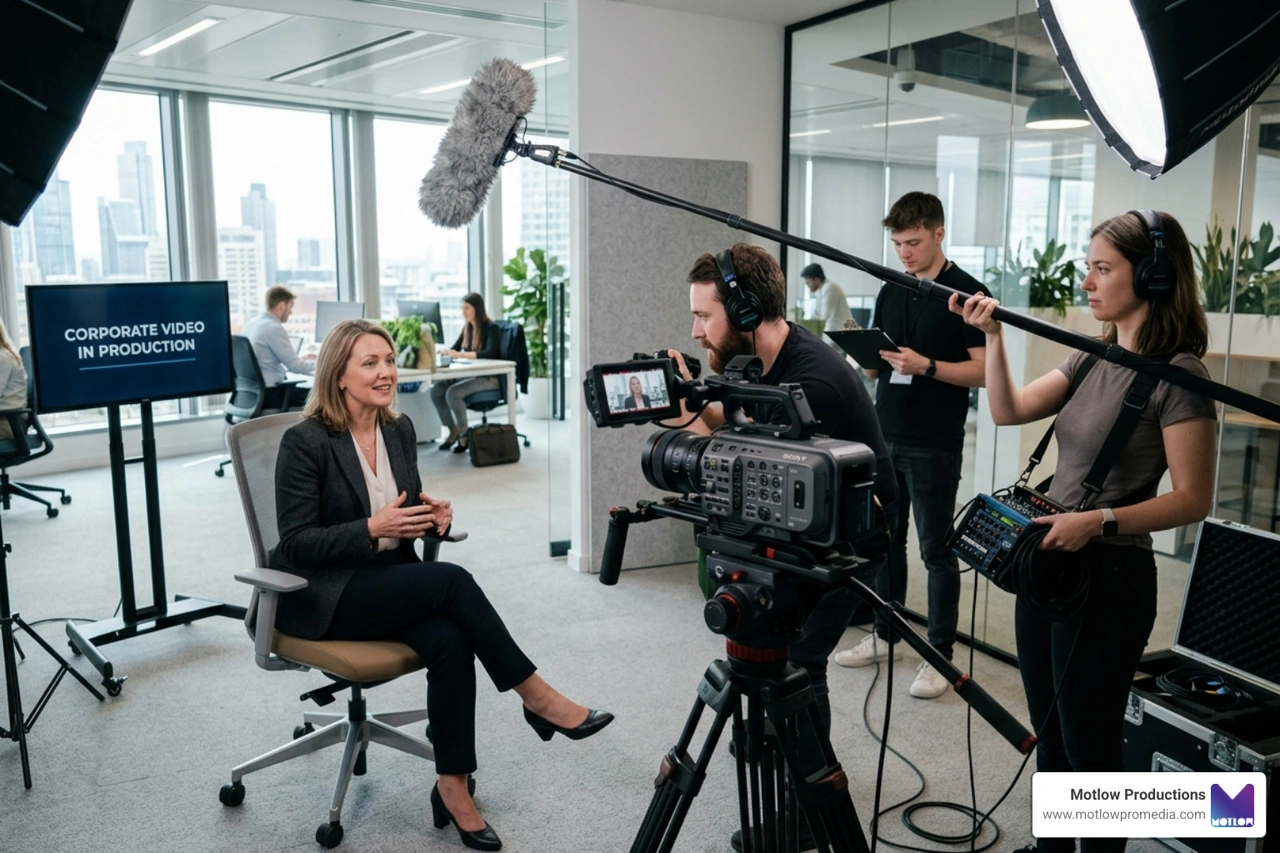
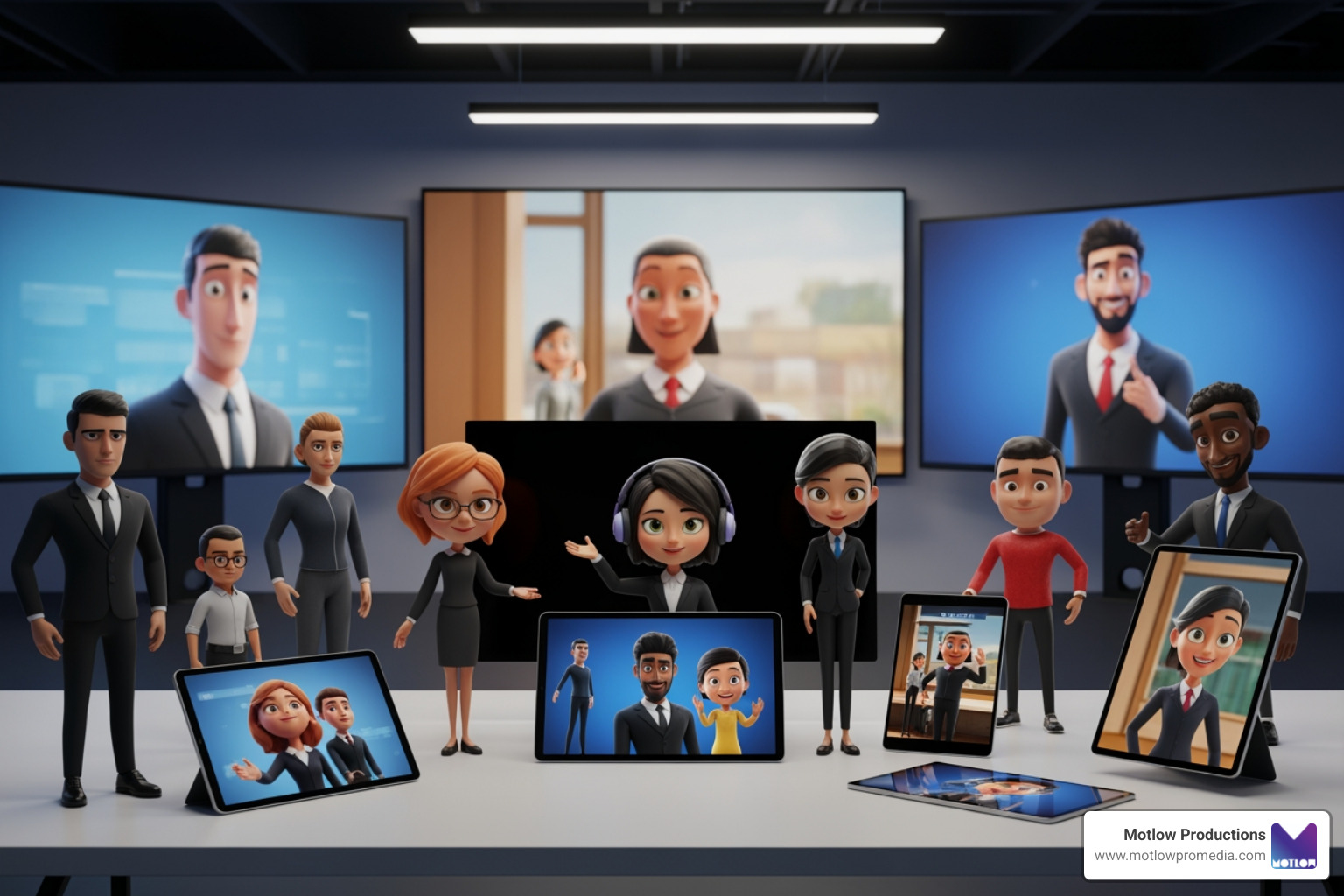
Not every message is best delivered by a human on camera. Sometimes, complex ideas need a Corporate Animation Video Guide to make them digestible. Animation is particularly effective for Video for Internal Communications and Employee Training Videos.
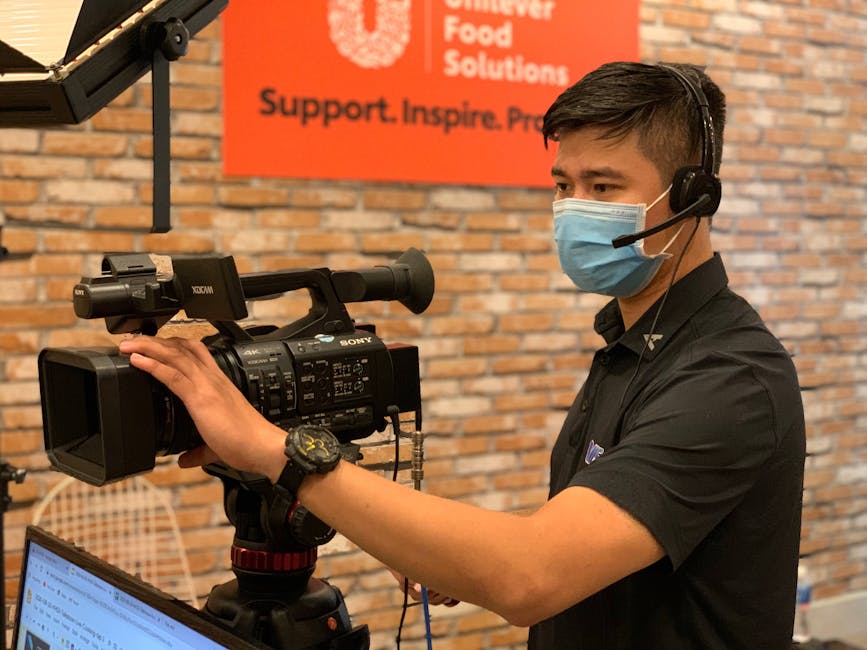
When producing video today, two things are mandatory:
You can't manage what you don't measure. In digital content production, we look at more than just "likes." We use Google Analytics to track:
A common mistake is spending 100% of your time on production and 0% on promotion. We follow the 80/20 rule: spend 20% of your resources creating the content and 80% promoting it. If a great video is produced but no one sees it, did it really happen?
The digital landscape is fraught with challenges. From Research on social media misinformation to complex Intellectual property issues, creators must be vigilant.
Platforms like YouTube, TikTok, and Meta have strict content policies. Violations can lead to demonetization, strikes, or permanent bans. This is why we emphasize Social Media Ethics and Rhetoric and the E-E-A-T principles (Experience, Expertise, Authoritativeness, and Trustworthiness). In an era of "fake news," being a trusted source is your greatest competitive advantage.
Traditional content is often static and one-way (like a billboard or a TV ad). Digital content production is interactive, data-driven, and iterative. It allows for real-time feedback and can be updated instantly to reflect new information or trends.
We recommend a mix of tools: Ubersuggest for keyword data, Answer the public for understanding the specific questions your audience is asking, and Google Analytics to see what is already working on your site.
Success should be measured against your specific goals. If your goal is brand awareness, look at reach and impressions. If it's lead generation, look at click-through rates and form completions. Always calculate your ROI by comparing the cost of production against the revenue generated from that content.
At Motlow Pro Media, we believe that digital content production is the heartbeat of modern business. It’s how you build brand trust, foster customer loyalty, and establish media leadership in a crowded marketplace.
Whether you need Internal Communications Video Production or a comprehensive Business Content Strategy, our goal is to be a seamless extension of your team. We provide the "hands-off, but hands-on" partnership that allows you to scale your content without the stress of managing the technical minutiae.
Ready to elevate your brand's digital presence? Explore our Services and let's start creating content that actually moves the needle.
Some clients want to give notes in a live Zoom call. Others prefer a group text or email thread. However you like to communicate, we adapt. You’ll never be left guessing where things stand - and you’ll always have a say before anything goes out the door.





Phone:
+1 863-250-8639
.png)
Email:
info@motlowpromedia.com