






-5.jpg)



































Thank you! Your submission has been received!
Oops! Something went wrong while submitting the form.

.avif)
April 9, 2026
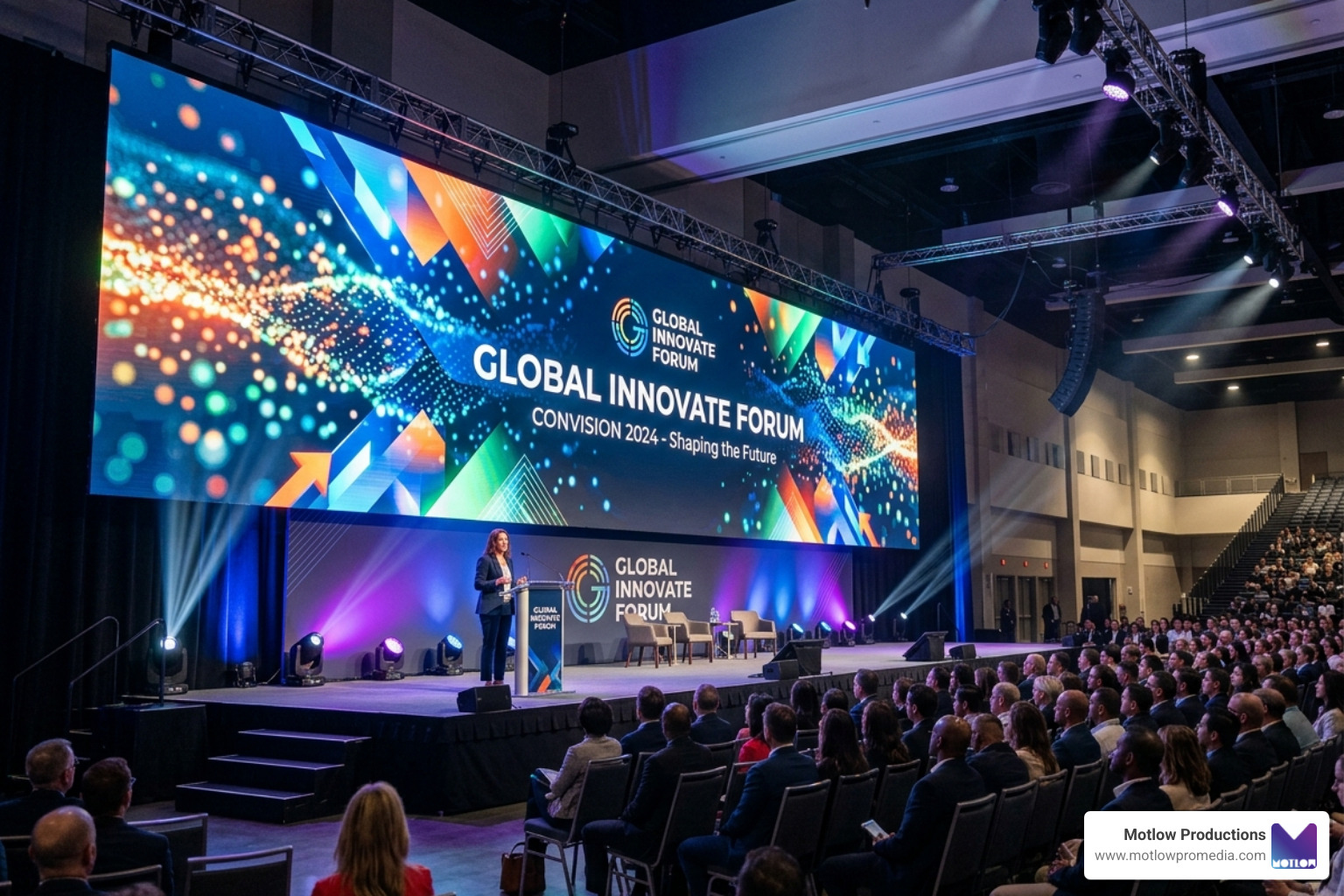
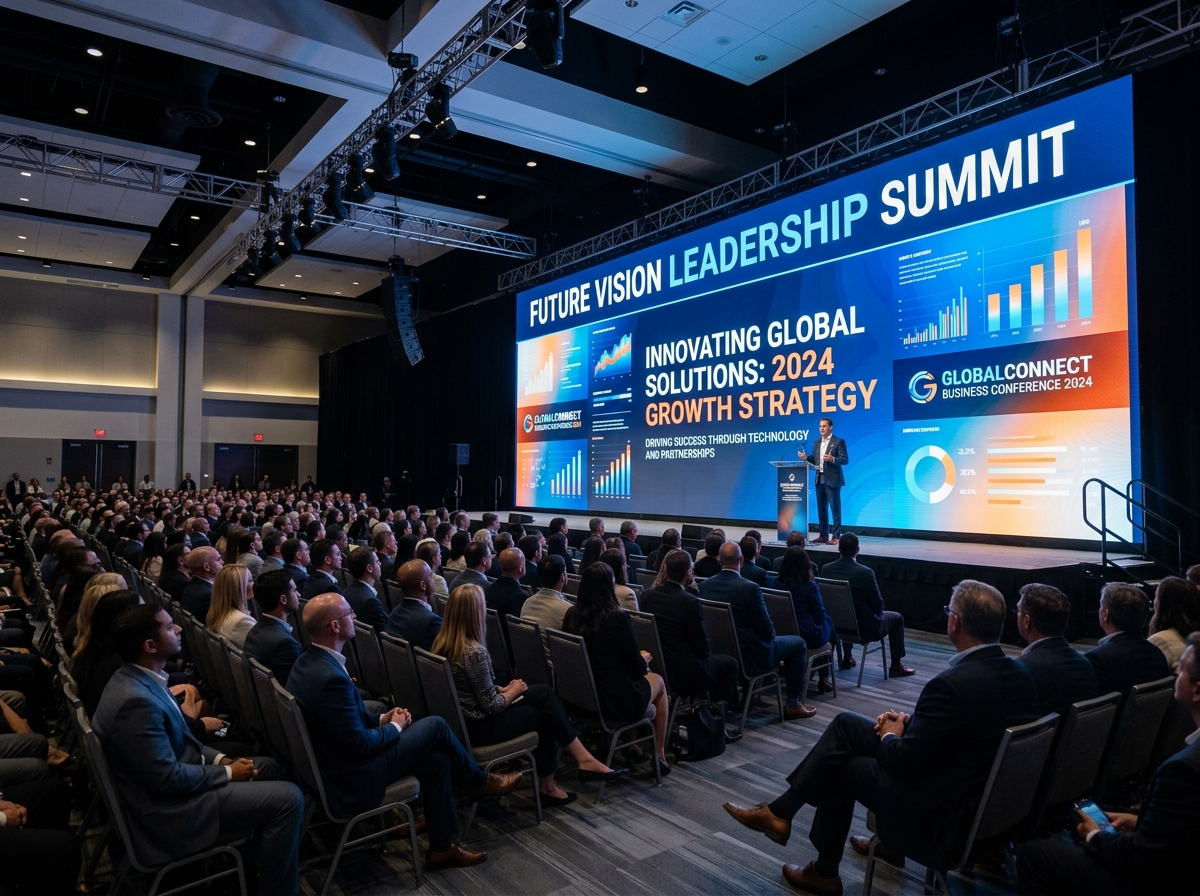
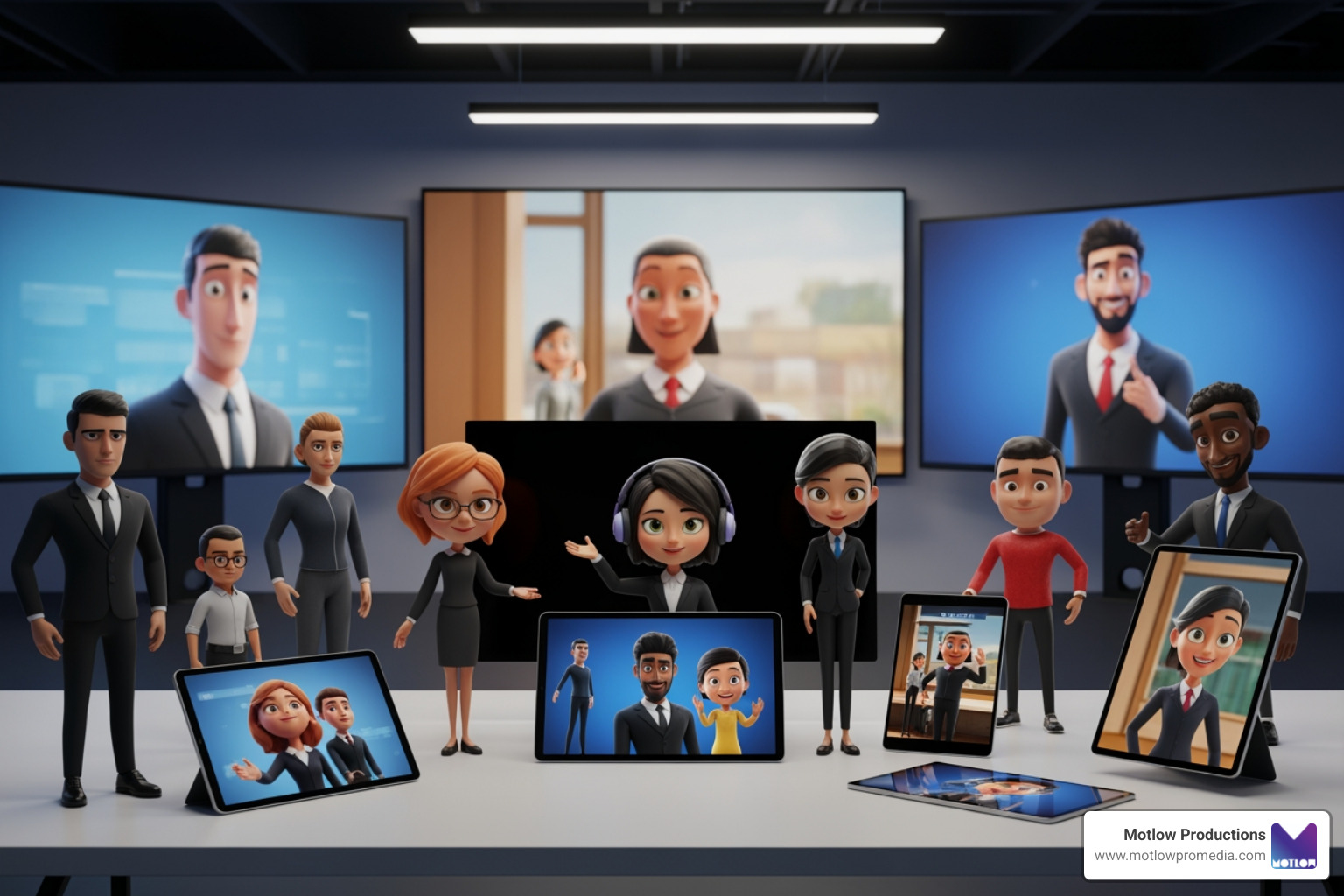
A virtual trade show is an online event that replicates the experience of a physical trade show — complete with exhibitor booths, product demos, networking, and live sessions — all accessible from any internet-connected device.
Here's a quick breakdown of what that means in practice:
| Element | Virtual Trade Show |
|---|---|
| Location | Fully online, browser-based |
| Booths | Interactive 2D or 3D digital spaces |
| Networking | Live chat, video calls, AI-powered matchmaking |
| Reach | Global — no travel required |
| Analytics | Real-time tracking of every interaction |
| Format | Live, on-demand, or hybrid |
The demand is real. Research shows that 70% of event professionals are actively producing, considering, or interested in virtual events. One event platform reported registration numbers hitting 300% of their previous in-person totals after going virtual.
The reason is simple: virtual removes the walls. No travel costs. No venue limits. No geographic barriers. Attendees from anywhere in the world can walk your exhibit hall, chat with your team, and buy your products — all without leaving their desk.
But here's the catch: most virtual trade shows fail to drive leads because they're built like webinars with a few extra rooms. The difference between a forgettable online event and one that actually moves the needle comes down to strategy, production, and the right tools.
I'm Miranda Motlow, founder and CEO of Motlow Pro Media, and I've spent over a decade producing live and digital content that connects brands with audiences — including the kind of high-stakes virtual trade show experiences where flawless execution isn't optional. In this guide, I'll walk you through exactly how to build a virtual exhibit hall that performs.
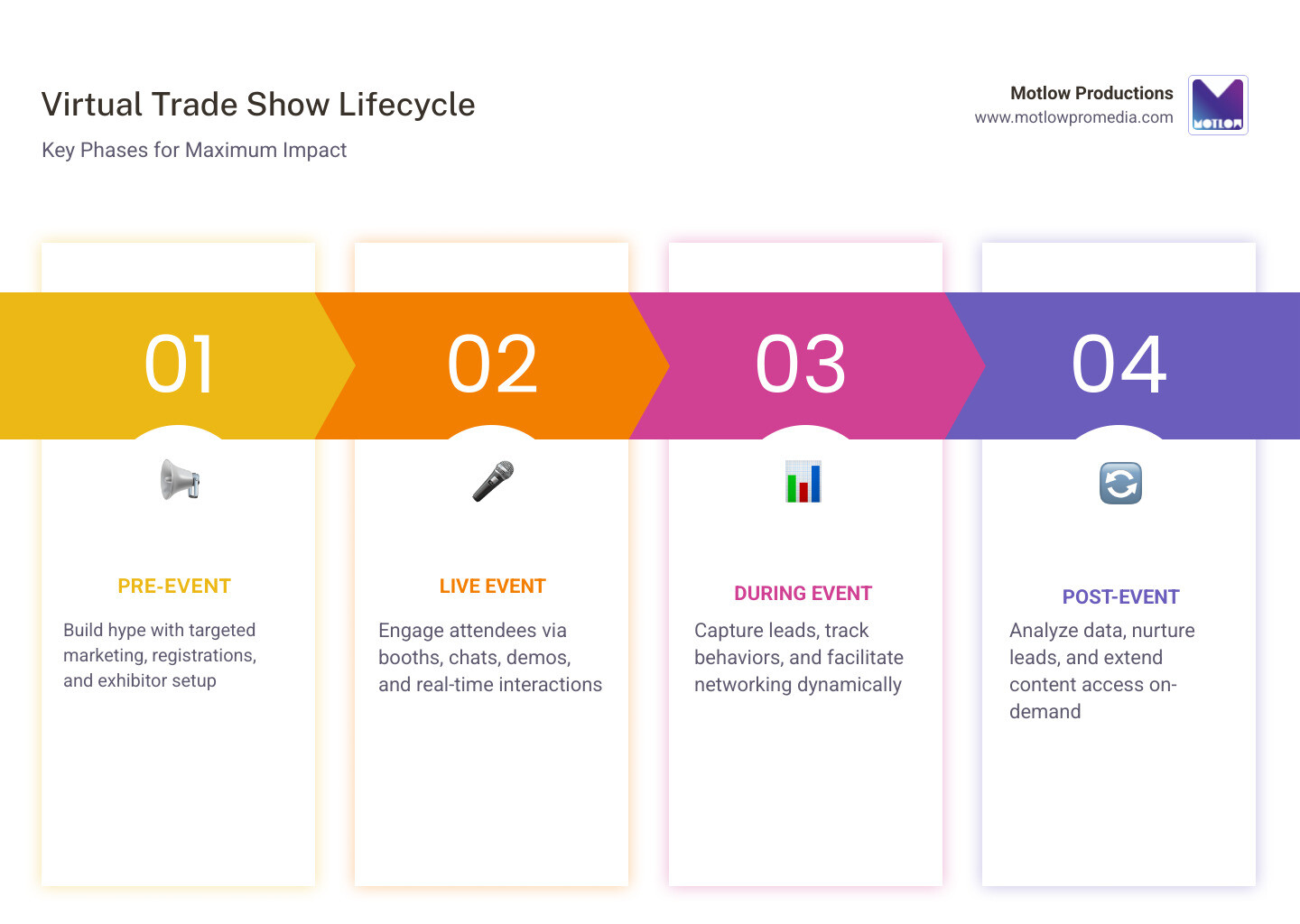
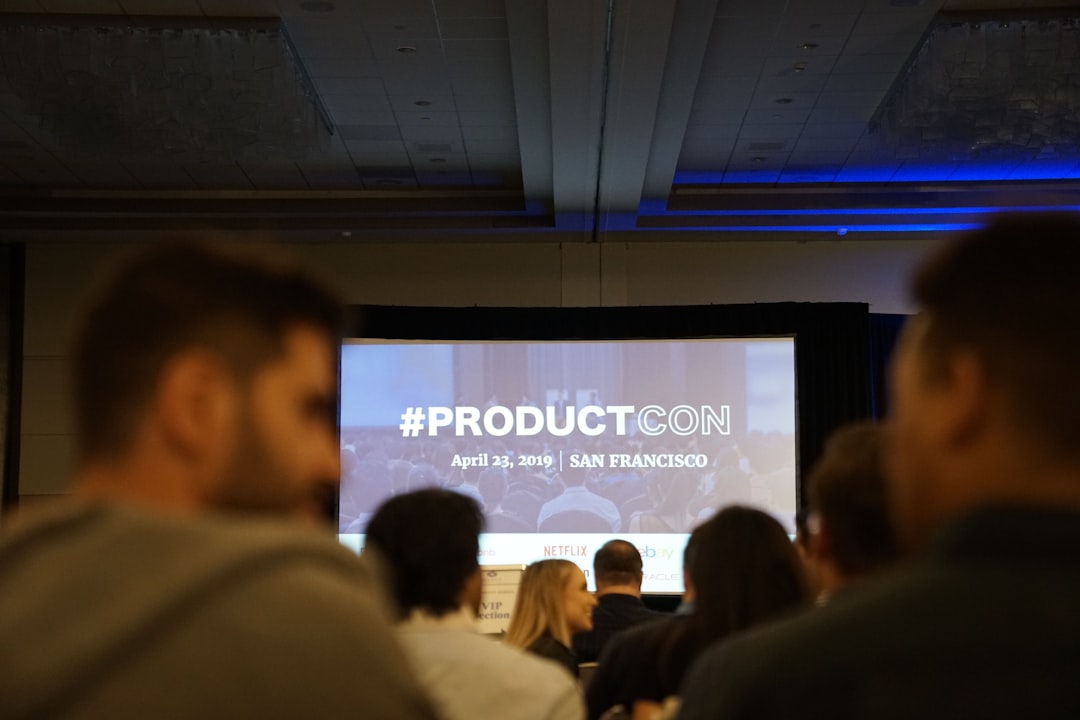
When we talk to clients about moving their exhibition online, the conversation usually starts with "How much can we save?" and ends with "Look at all this data!" The shift to a Virtual trade show isn't just a backup plan; it’s a strategic upgrade.
Traditional trade shows are notorious budget-eaters. You have to pay for the venue, drayage, physical booth construction, travel, hotels, and those $50 convention center sandwiches. By going digital, you eliminate these overheads. A famous "Quick Stat: GE Healthcare Saved 1/3 Costs With Virtual Booth" highlights how even industry giants see massive bottom-line improvements by pivoting to virtual environments.
In an era where corporate social responsibility matters, a Virtual trade show is the "greenest" event you can host. There’s zero carbon footprint from air travel and zero waste from discarded brochures or single-use booth materials. Furthermore, you aren't limited by the fire marshal's capacity or the local airport's flight schedule. You can host 10,000 attendees as easily as 100, drawing in a global audience that otherwise couldn't justify the travel time.
In a physical hall, you might guess how many people walked past a booth. In a virtual hall, we track every click. You get precise metrics on document downloads, video views, and booth dwell time. This level of insight allows for a much more accurate calculation of ROI compared to traditional methods. To see how we integrate these digital strategies into broader event plans, you can find more info about event video solutions on our blog.
To drive leads, your Virtual trade show needs to feel like a destination, not a directory. If it looks like a basic website, people will bounce. If it looks like a high-tech hub, they’ll explore.
We often recommend using "Digital Twins"—virtual replicas of physical venues—to give attendees a sense of familiarity. Whether you choose a stylized 3D environment or a realistic photo-based 2D interface, the goal is immersion. Interactive booths should allow users to "walk up" to a display, click on a product, and see a 360-degree preview or an AR model.
| Feature | 2D Environment | 3D Immersive Environment |
|---|---|---|
| User Experience | Simple, fast, website-like | Gamified, "walk-through" feel |
| Accessibility | Works on almost any device | May require higher bandwidth |
| Branding | Limited to banners and icons | Fully customizable architecture |
| Engagement | High efficiency for quick info | High "wow" factor and dwell time |
An effective exhibit hall needs a searchable marketplace where attendees can filter by product category, price, or brand. Within the booths, exhibitors should have a dedicated portal to manage their own content—uploading videos, brochures, and digital business cards. This "hands-off" empowerment for exhibitors saves the organizer time while ensuring the booths stay updated.
Engagement is the lifeblood of any event. Without it, you’re just hosting a library of PDFs. We use a variety of tools to keep the energy high:
For a real-world look at how high-profile brands handle these transitions, check out this "Case Study of a virtual product launch". It illustrates how interactive elements can replace the tactile experience of a physical launch. You can also view our latest event portfolio to see how we’ve helped our clients maintain that human connection in digital spaces.
The ultimate goal of any Virtual trade show is to fill the sales funnel. This requires more than just a "Contact Us" button.
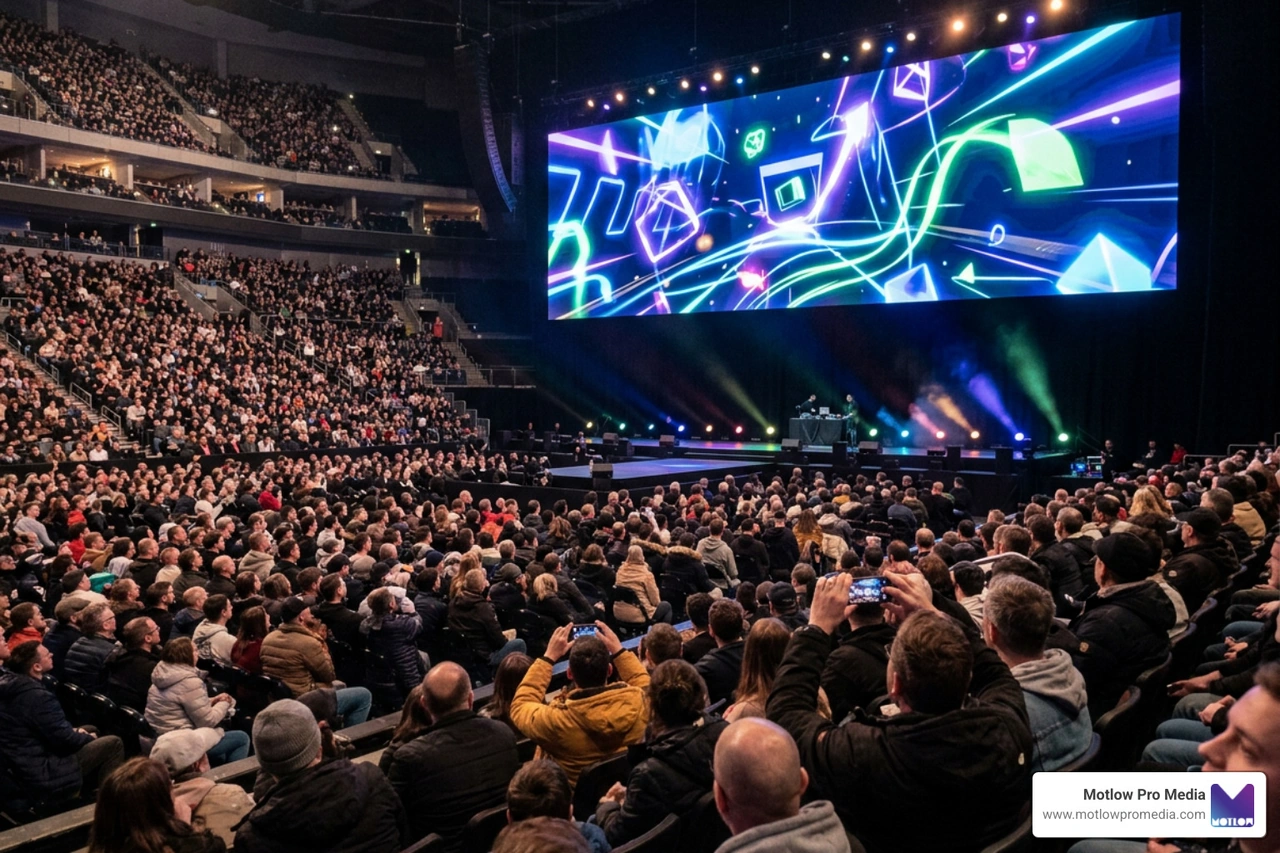
To see how we capture the energy of large-scale events and translate them into lead-driving content, check out our Gasparilla Pirate Fest 2025 coverage. While that was a live production, the principles of capturing high-impact moments remain the same.
Launching a Virtual trade show is a marathon, not a sprint. It typically takes a few weeks to a few months of planning to ensure a seamless execution.
No event is without its hiccups. The most common challenge in a Virtual trade show is attendee retention. It is much easier to "walk out" of a browser tab than a physical convention center.
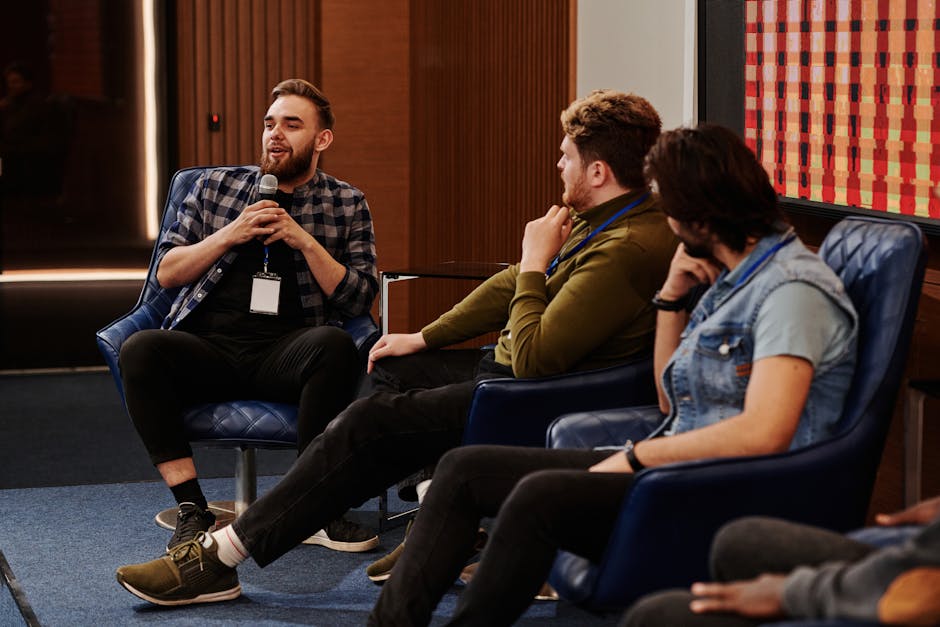
To keep people logged in, you must provide value beyond the booths. Live "Main Stage" presentations, celebrity keynote speakers, and interactive polls keep the audience engaged. We also recommend "Asynchronous Messaging"—allowing people to leave questions for exhibitors who might be in a different time zone.
The future of the Virtual trade show is hybrid. This combines the "boots on the ground" energy of an in-person show with the global reach of a digital platform. We’re also seeing the emergence of:
For more insights on where the industry is heading, you can read more on our media blog.
While a basic setup can be done in a few weeks, a high-impact, custom-branded Virtual trade show usually requires 8 to 12 weeks. This allows time for booth customization, speaker rehearsals, and a robust marketing window.
Yes, but it requires a different approach. Instead of "hopeful" networking at a cocktail hour, virtual platforms use "Smart Matchmaking" to connect people with shared interests. Features like 1:1 video breakouts and moderated roundtables often lead to more productive business conversations than a noisy convention floor.
Beyond total registrations, you should track:
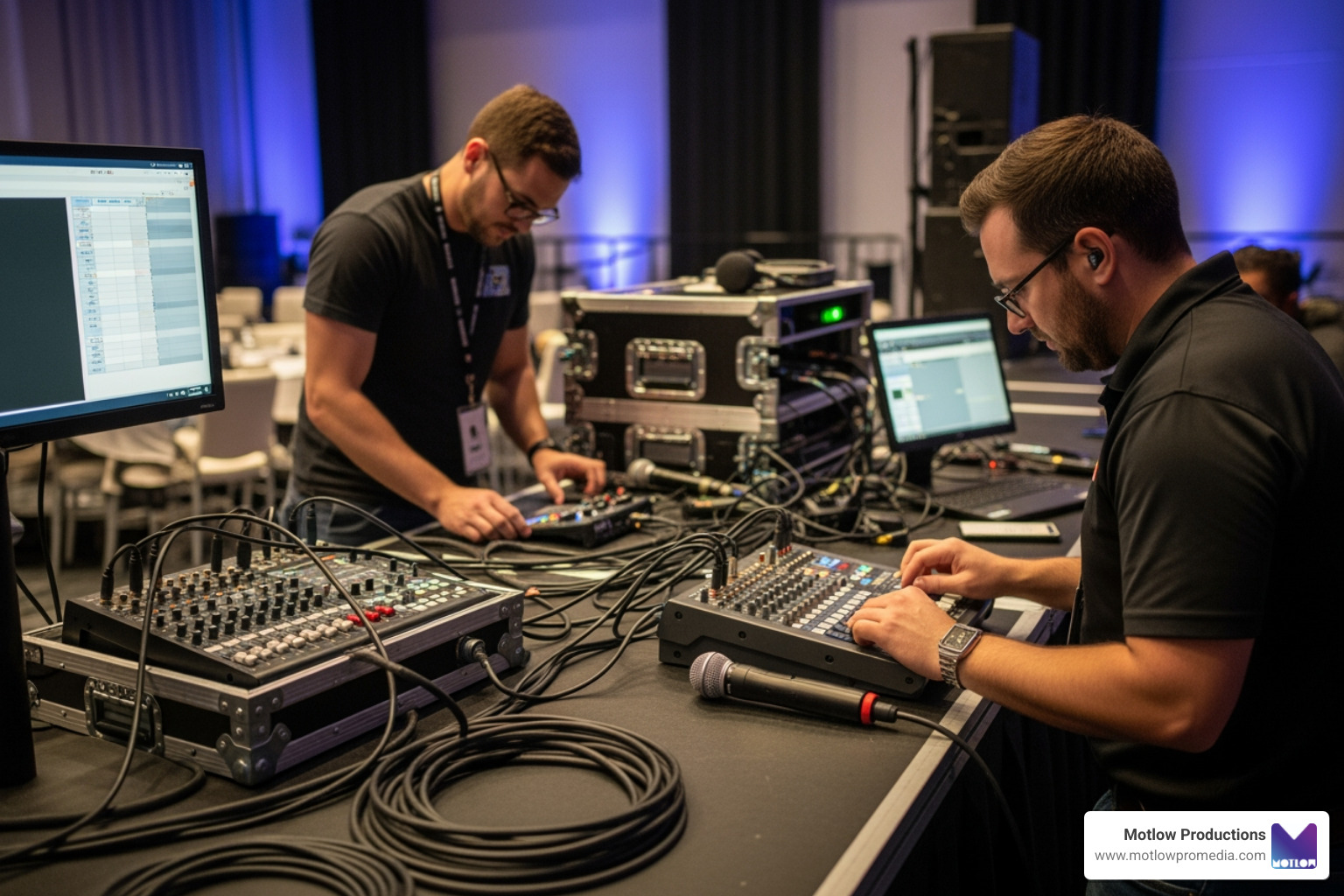
Building a Virtual trade show that actually drives leads isn't just about picking a software platform; it’s about creating a professional, seamless experience that respects your audience's time. At Motlow Pro Media, we pride ourselves on being a "hands-off, but hands-on" partner. We take the technical heavy lifting off your plate—from live production and content creation to media leadership—acting as a trusted extension of your team.
Whether you are looking to host a global B2B marketplace or a niche industry conference, we provide the media expertise to ensure your message isn't just sent, but received. Our goal is to make your digital transformation feel like a natural evolution of your brand.
Ready to see how we can elevate your next digital event? Start your journey with our professional services and let’s build something that moves the needle.
Some clients want to give notes in a live Zoom call. Others prefer a group text or email thread. However you like to communicate, we adapt. You’ll never be left guessing where things stand - and you’ll always have a say before anything goes out the door.





Phone:
+1 863-250-8639
.png)
Email:
info@motlowpromedia.com