


-5.jpg)




















Thank you! Your submission has been received!
Oops! Something went wrong while submitting the form.

.avif)
April 6, 2026
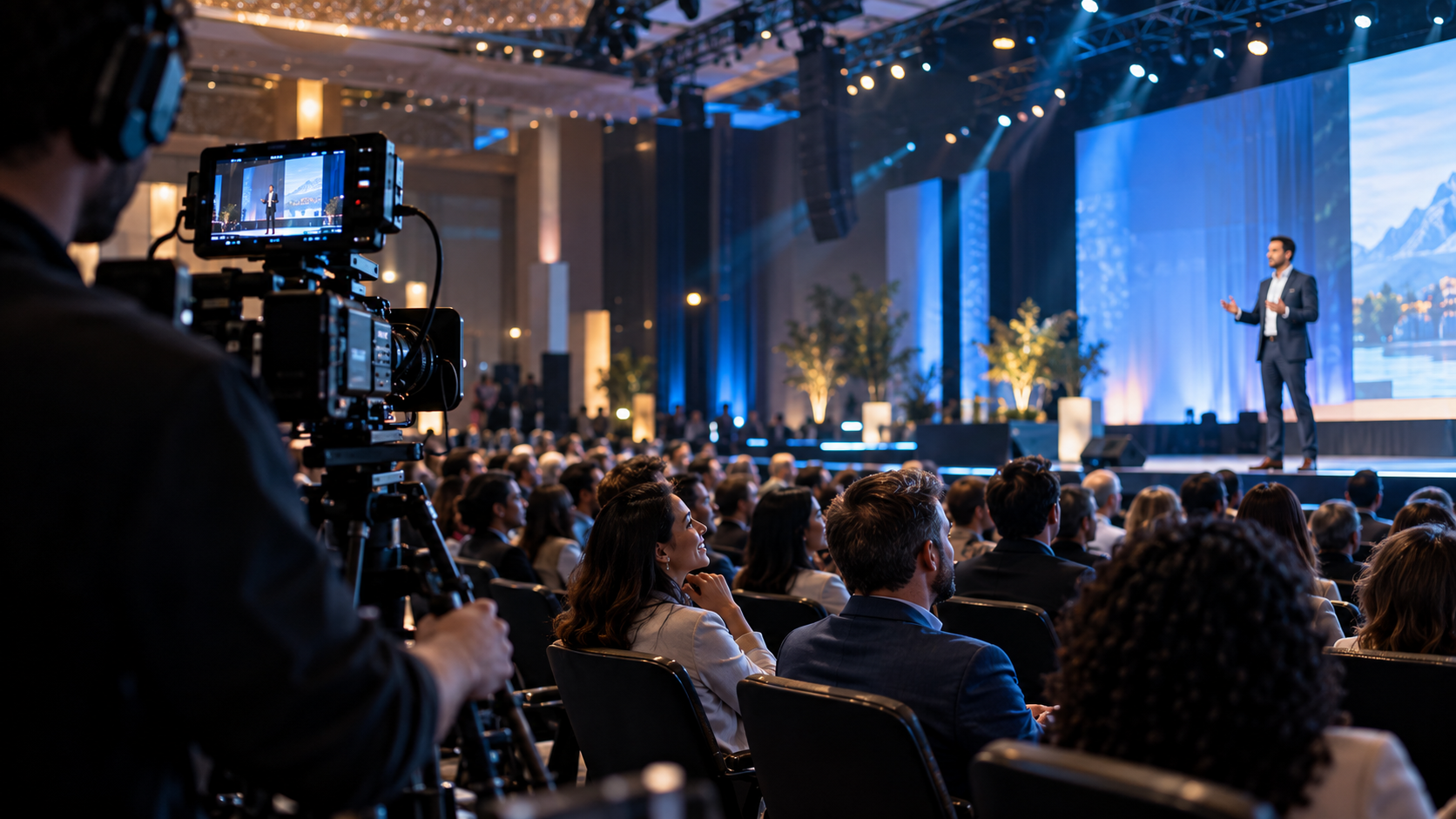
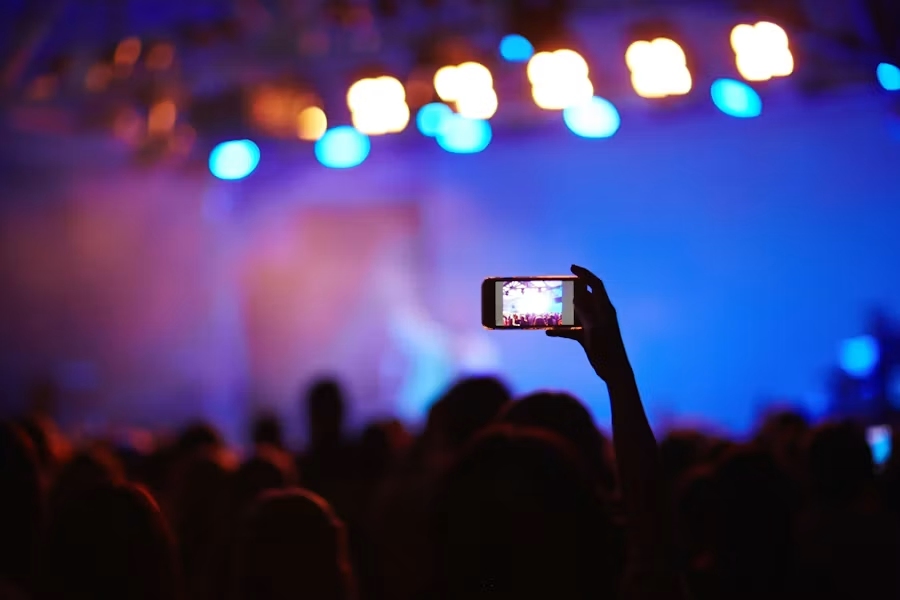
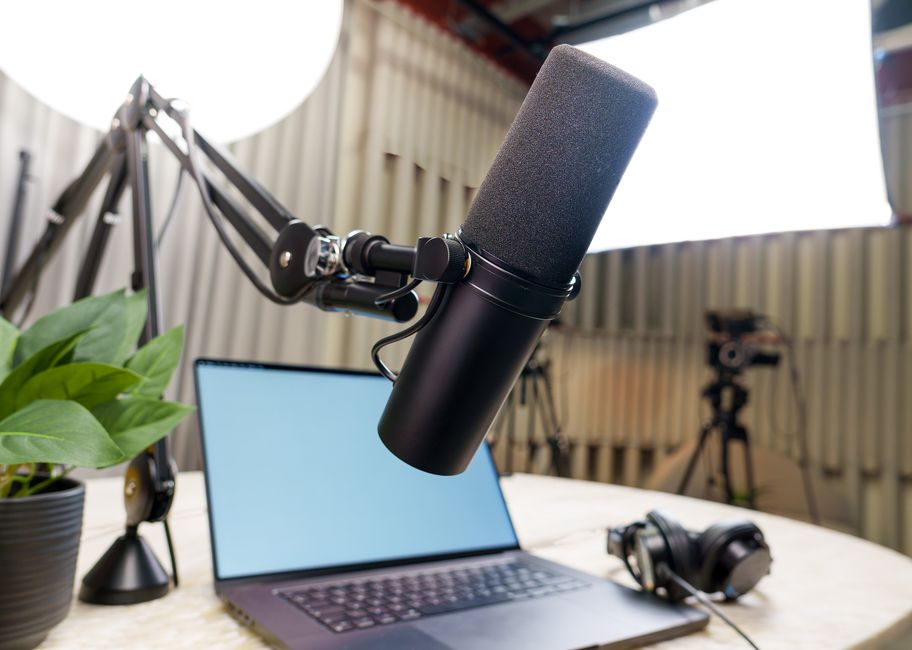
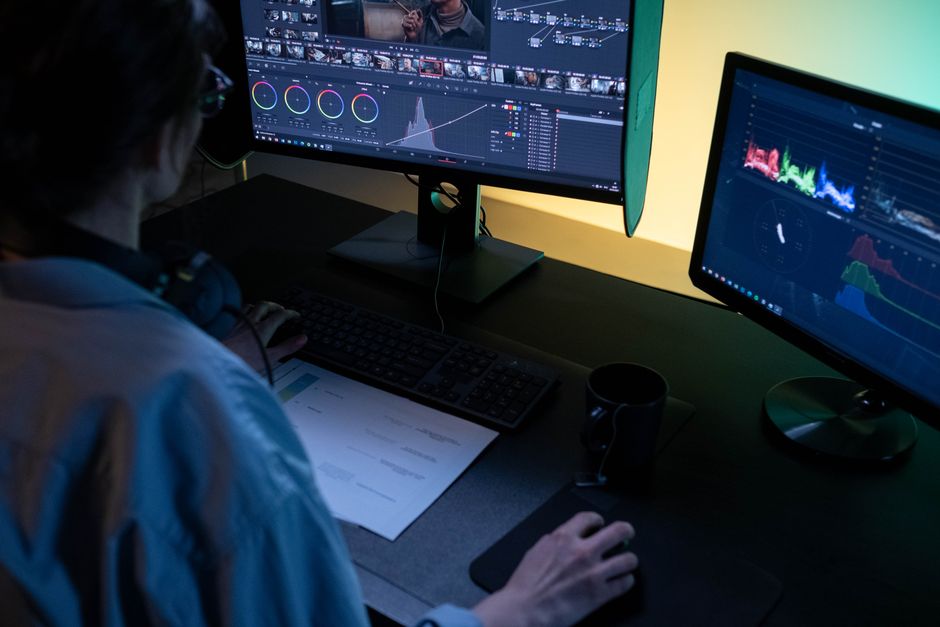
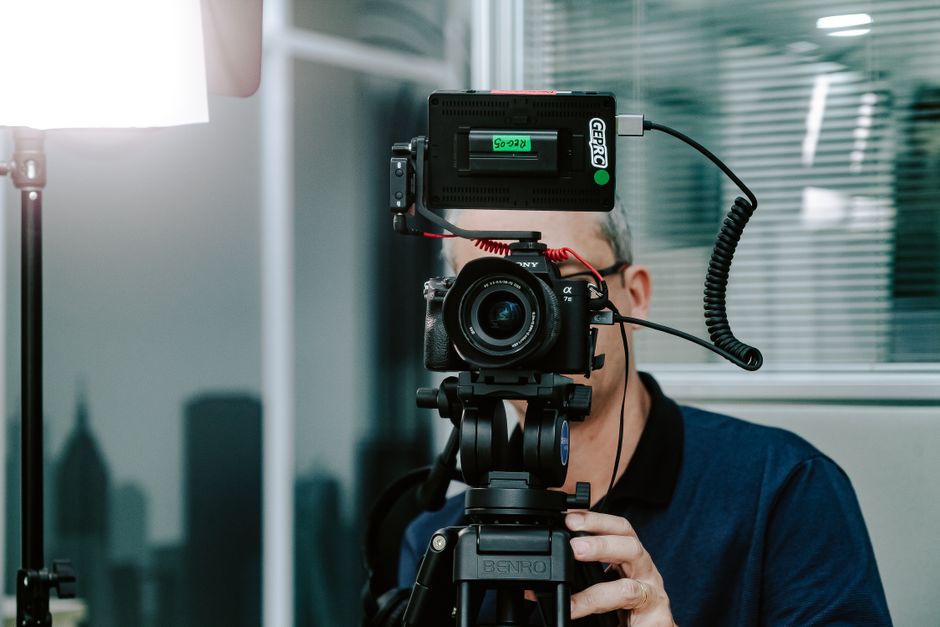
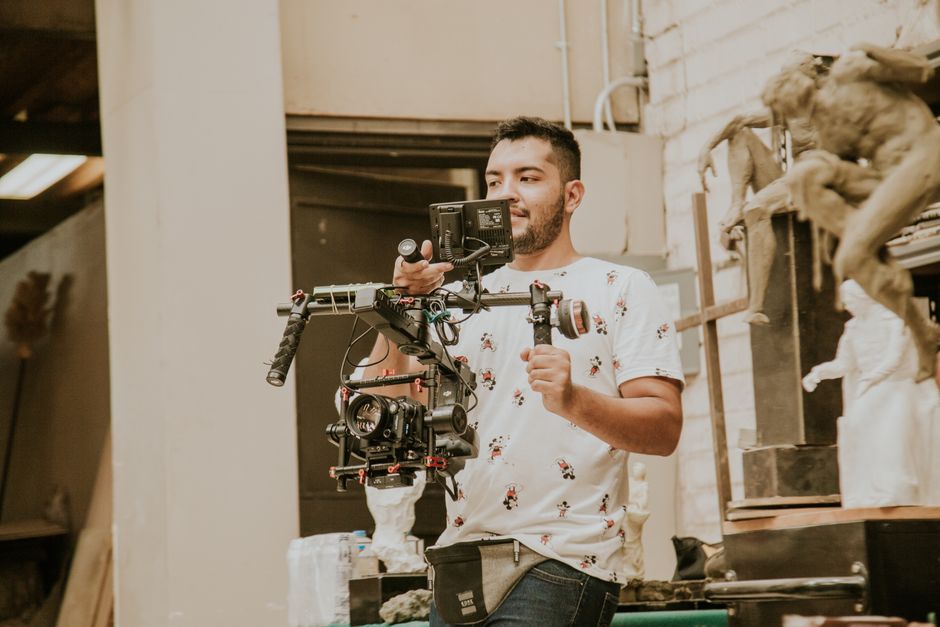
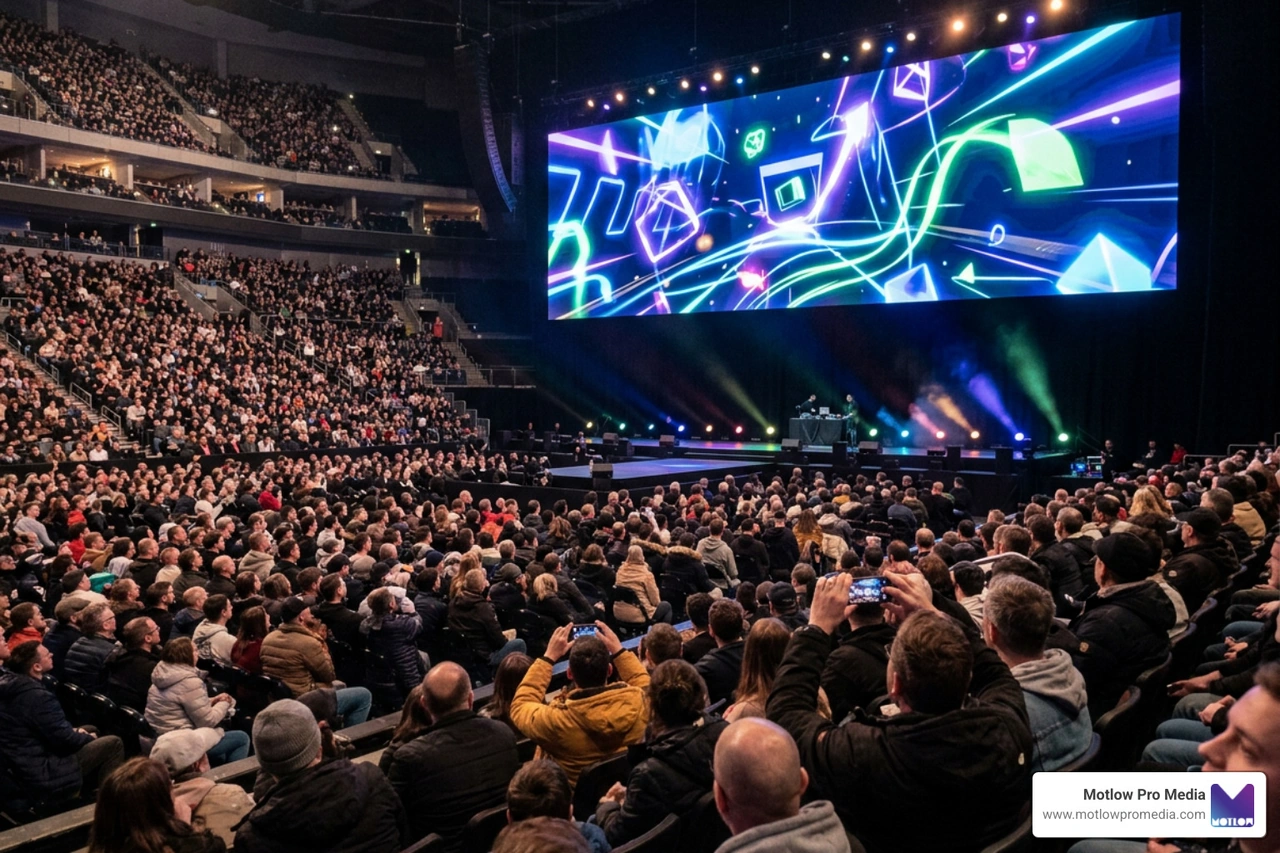
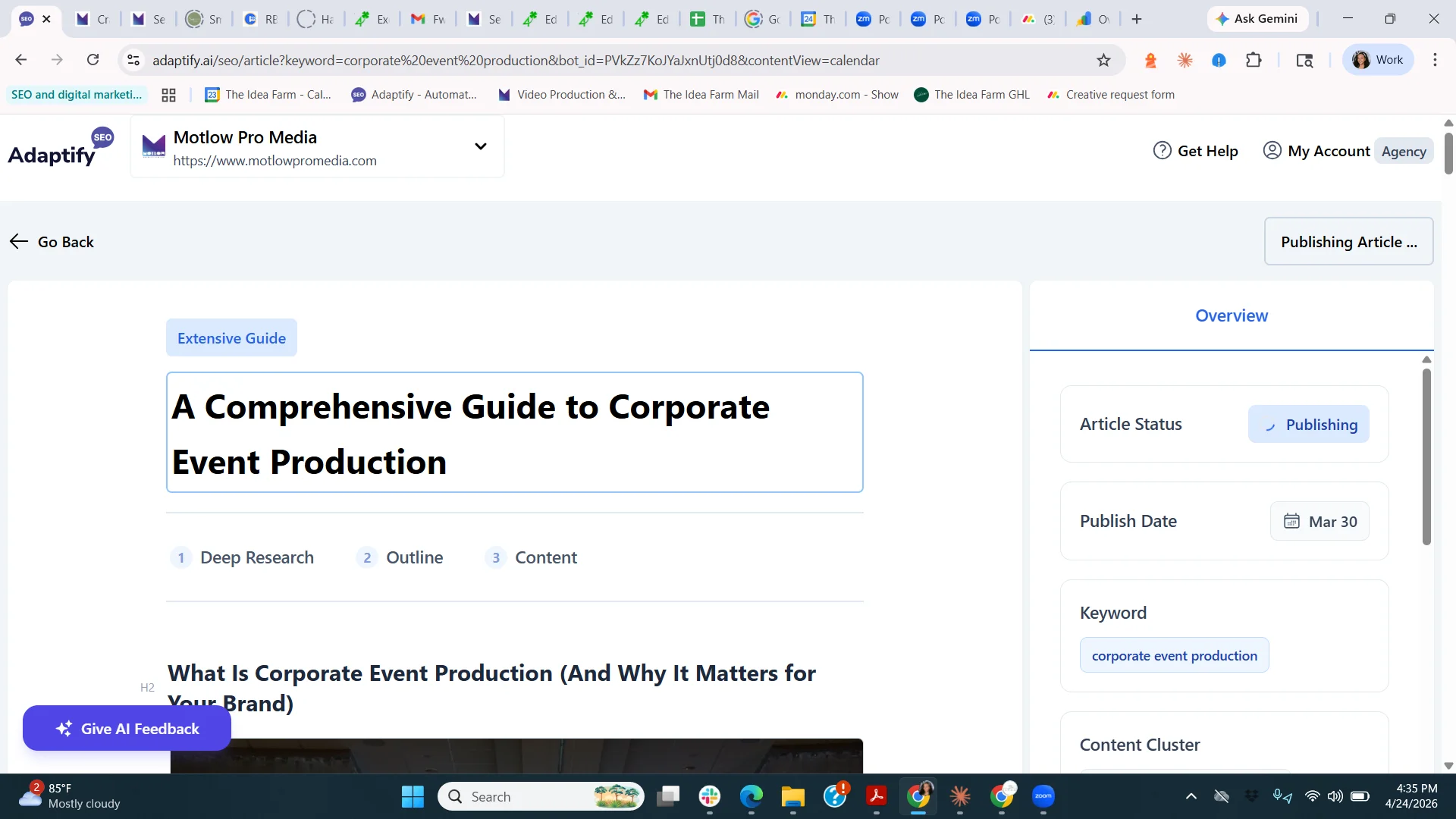
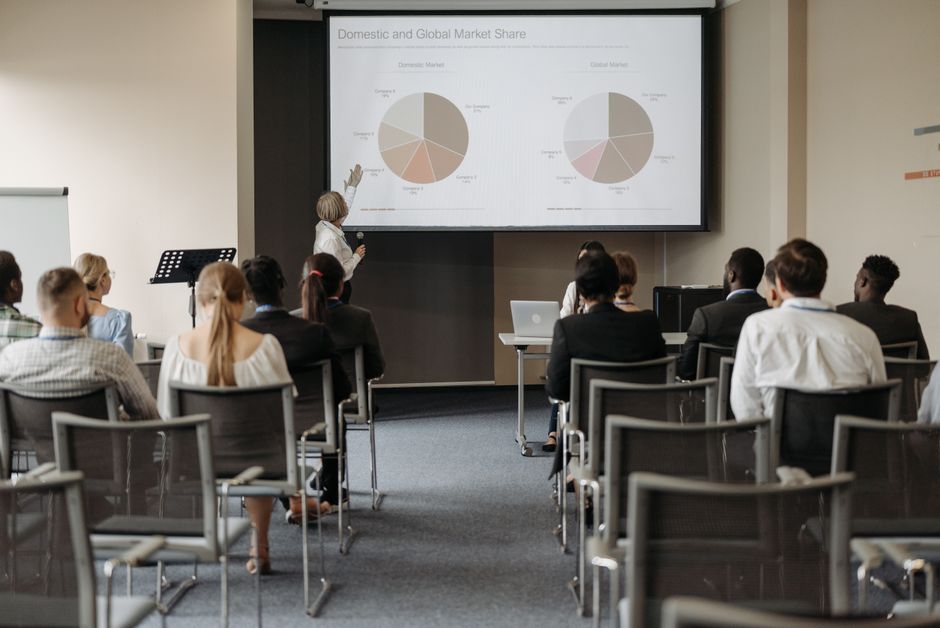
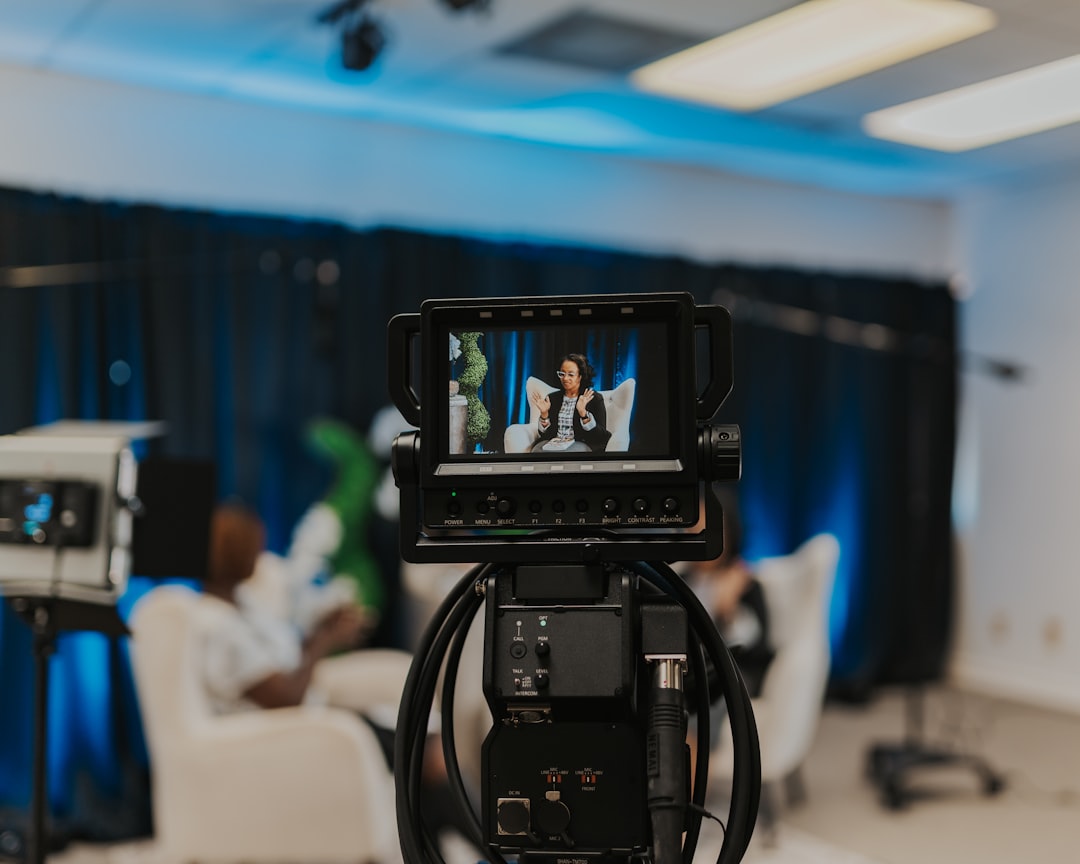
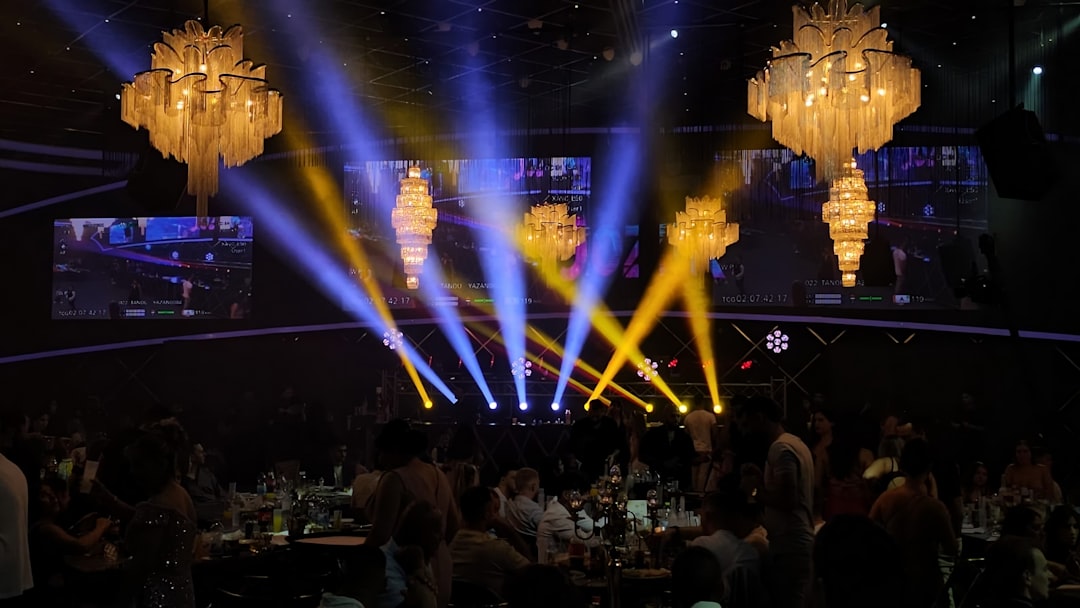
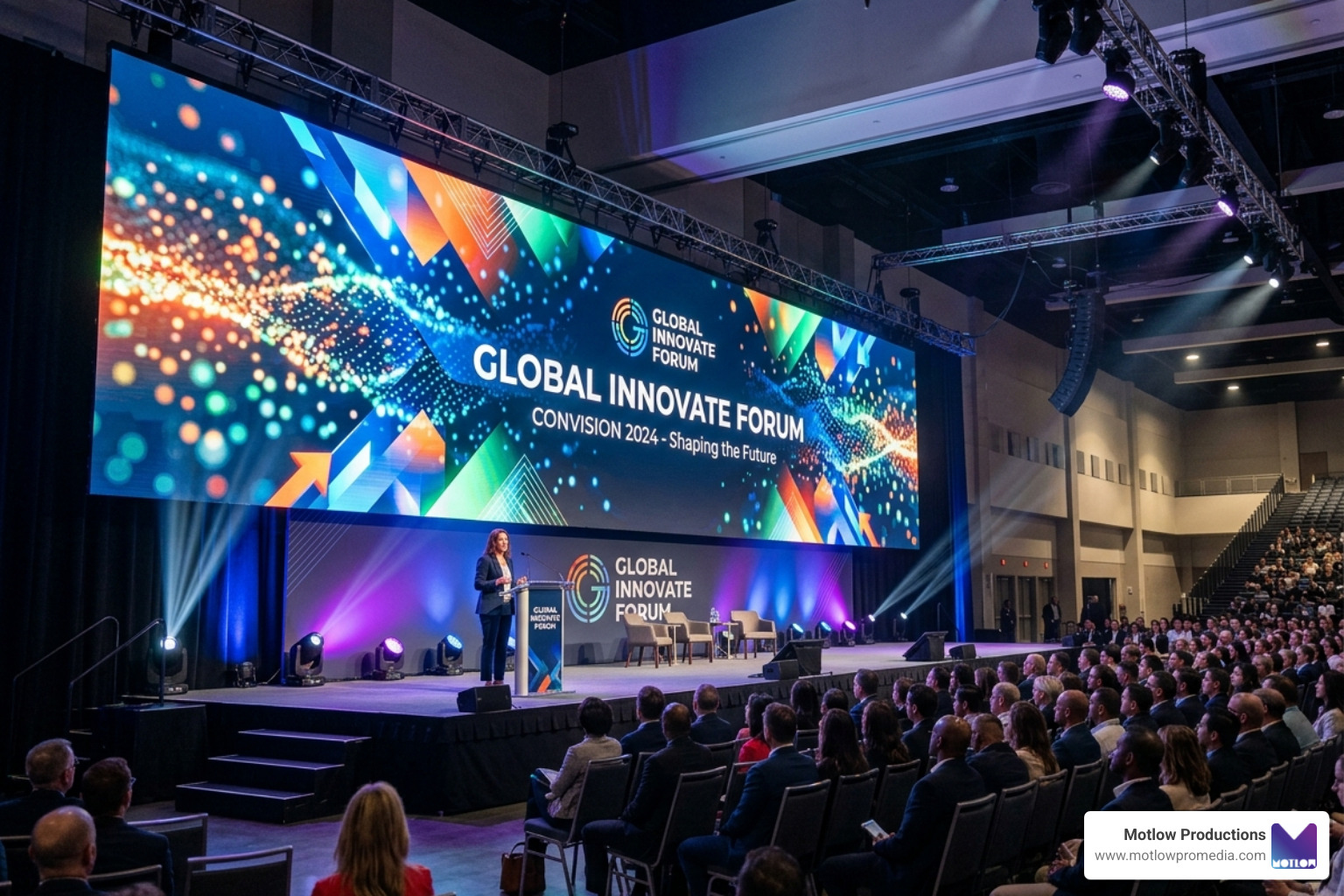
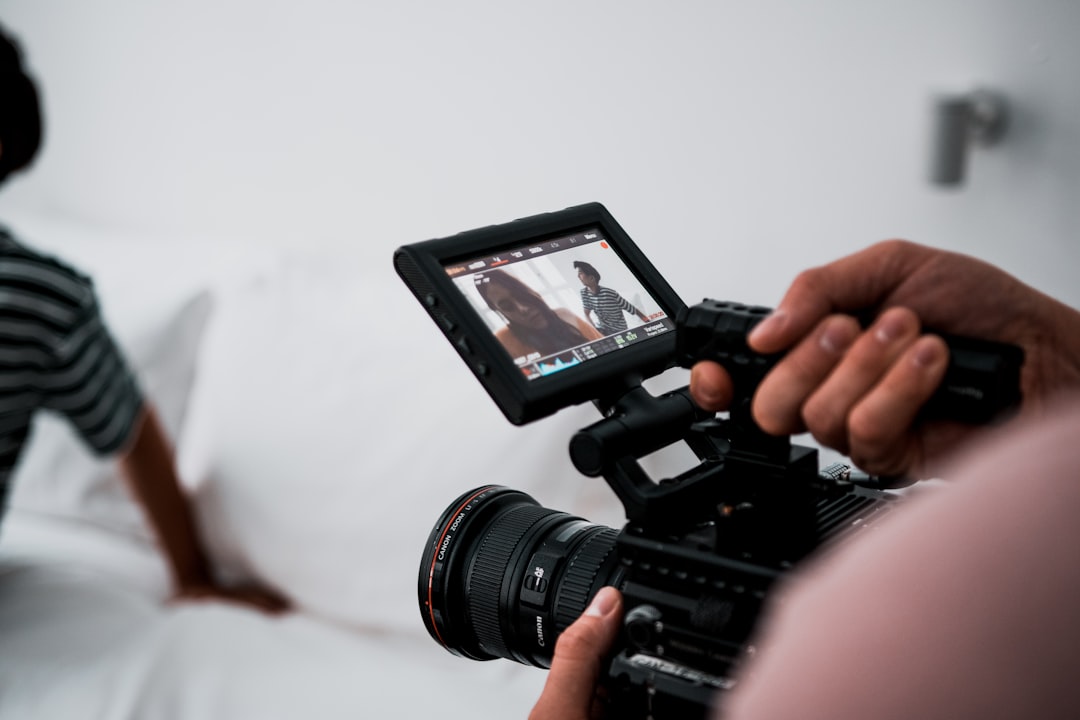
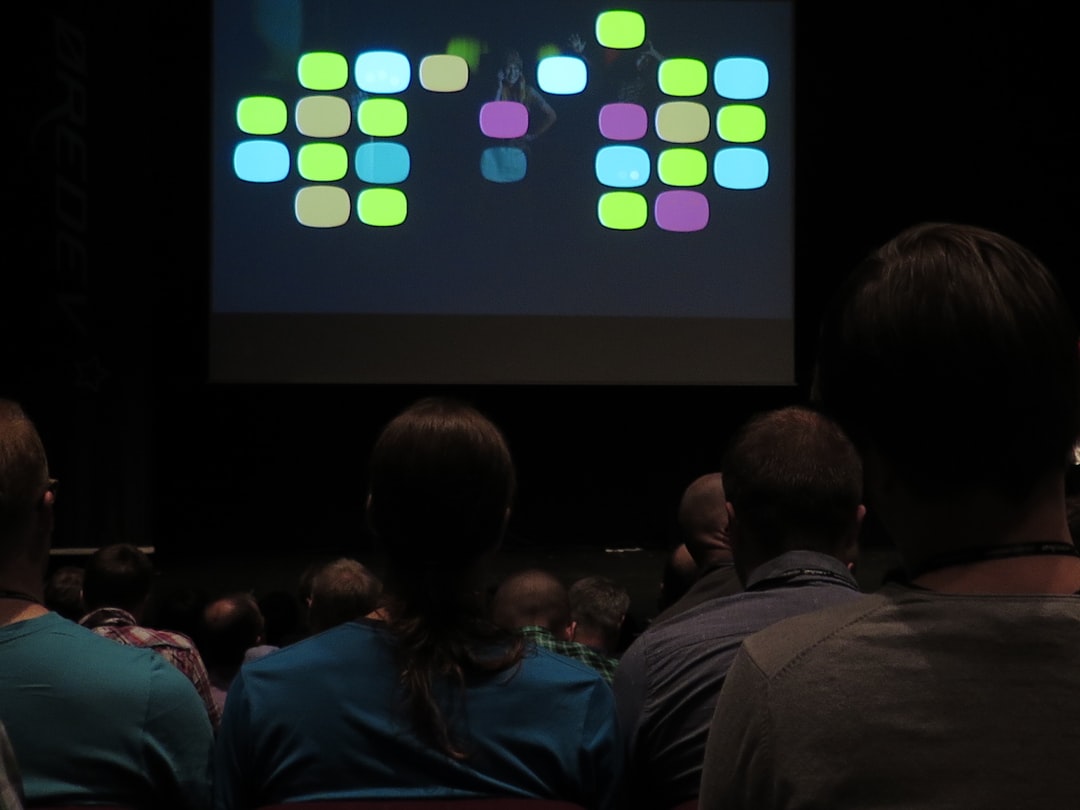
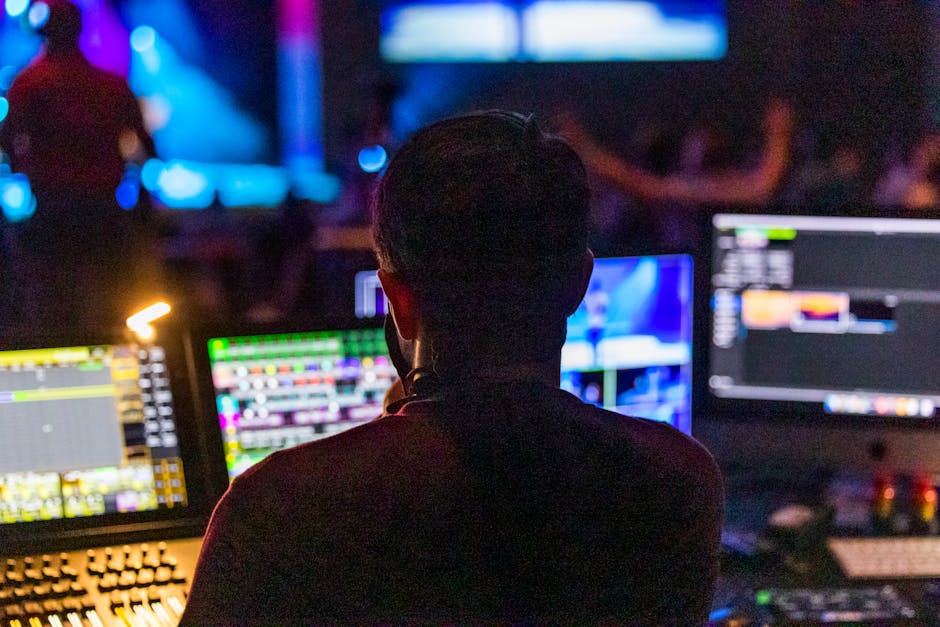
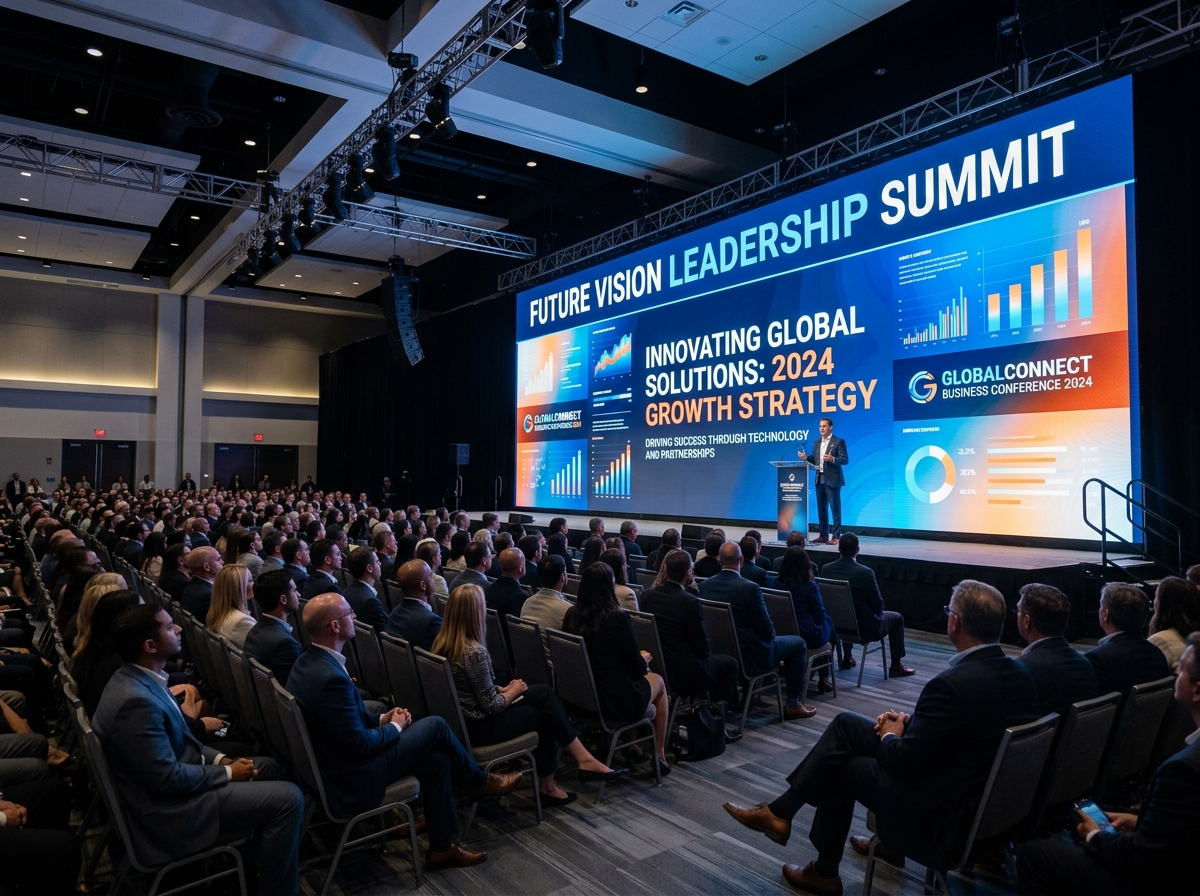
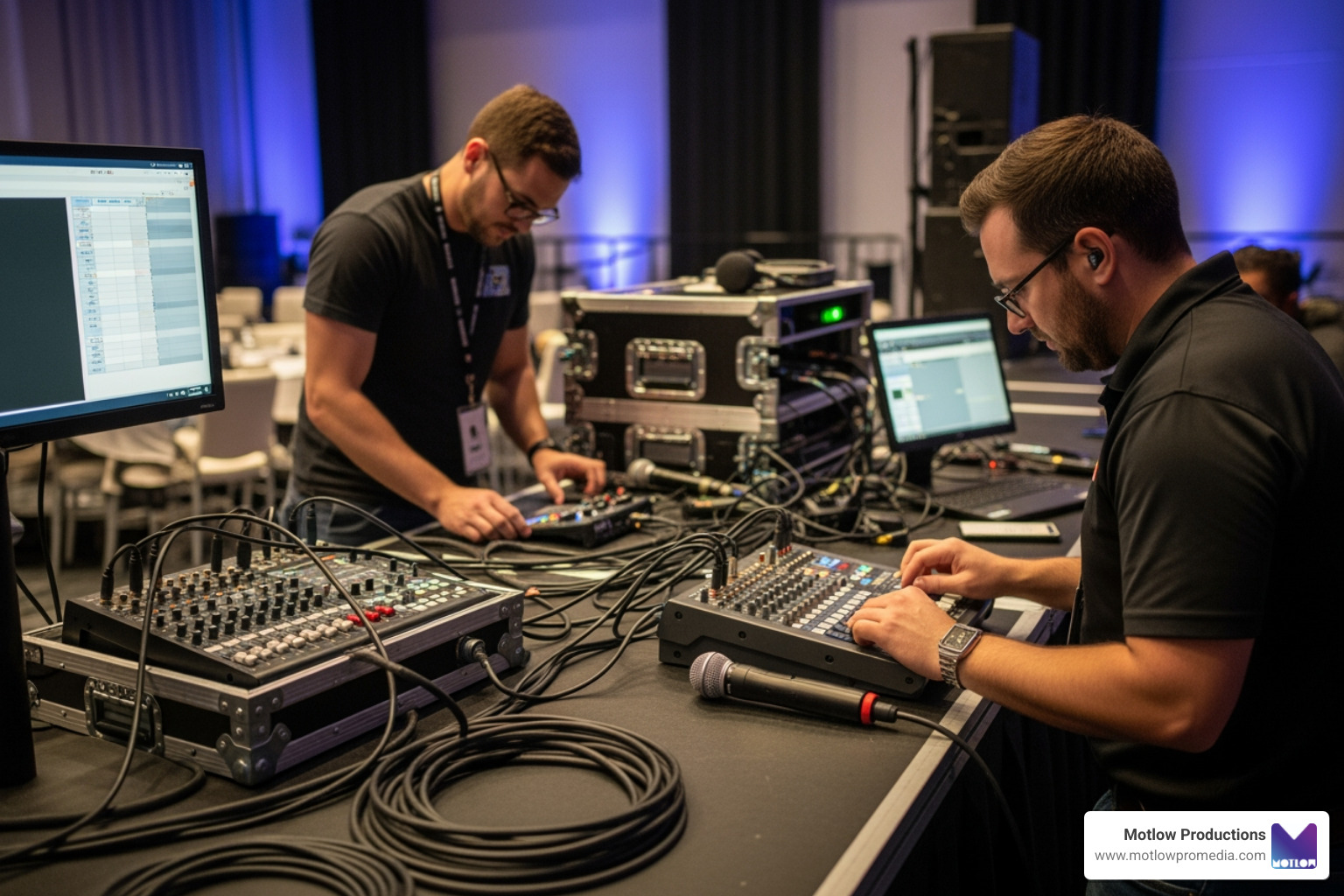
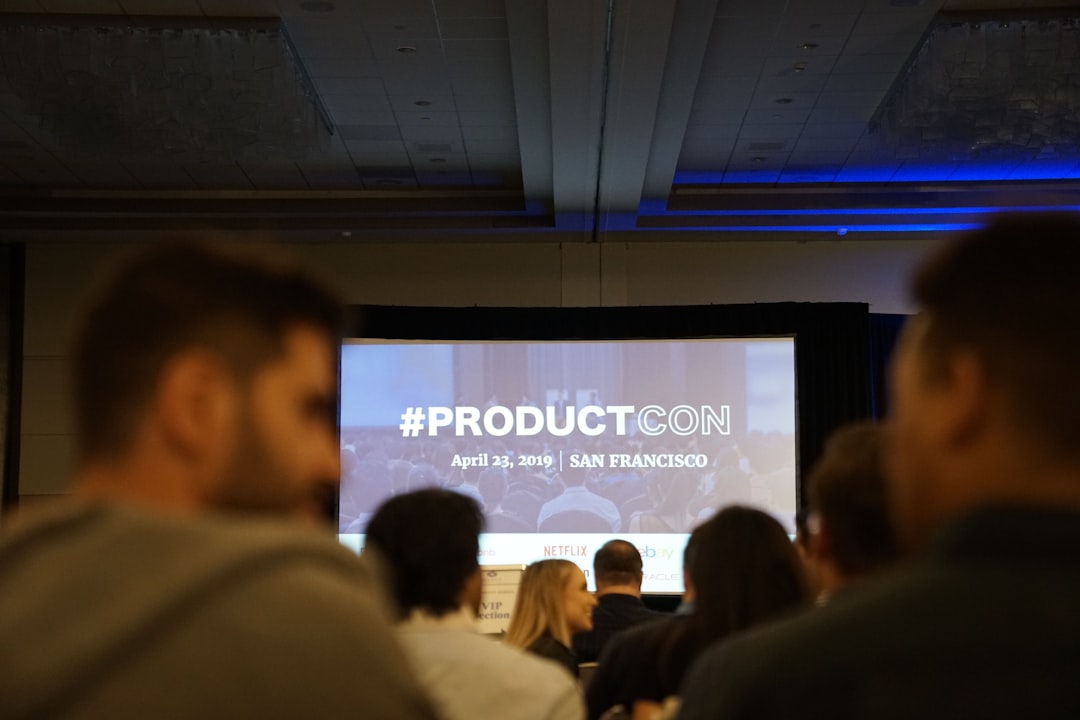
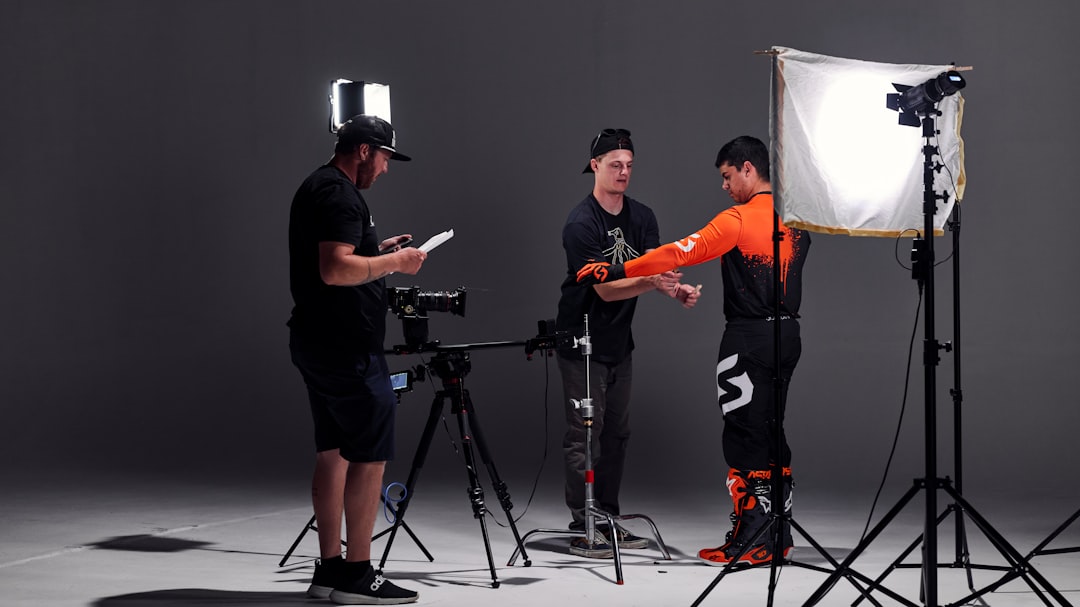
At its core, event production management is the "behind-the-scenes magic" that transforms a static concept into a fully realized, immersive experience. While a planner might choose the date and the keynote speaker, the production manager is the one ensuring that when that speaker walks on stage, the microphone works perfectly, the lighting hits the right spot, and the visual presentations are crisp on every screen.
It is where technical expertise meets creative vision. We focus on the sensory experience—the "how it looks, sounds, and feels"—to ensure your audience stays engaged from the moment they walk in until the final "strike" (the industry term for tearing down the equipment). To truly understand this role, we need to look at how it fits into the broader event ecosystem.
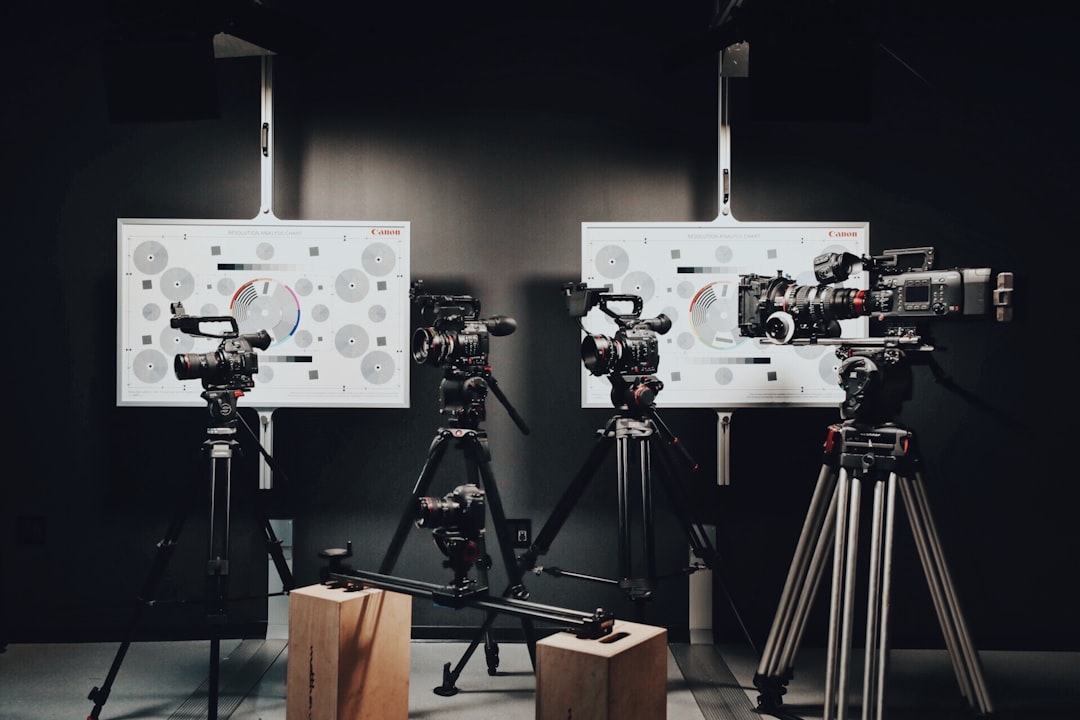
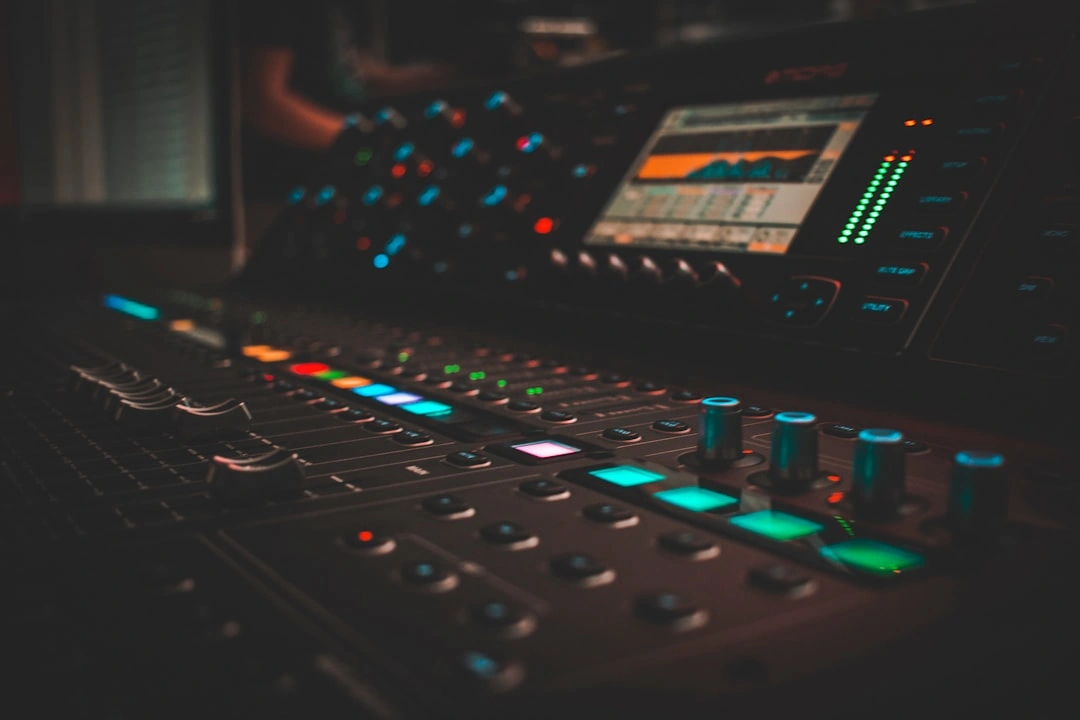
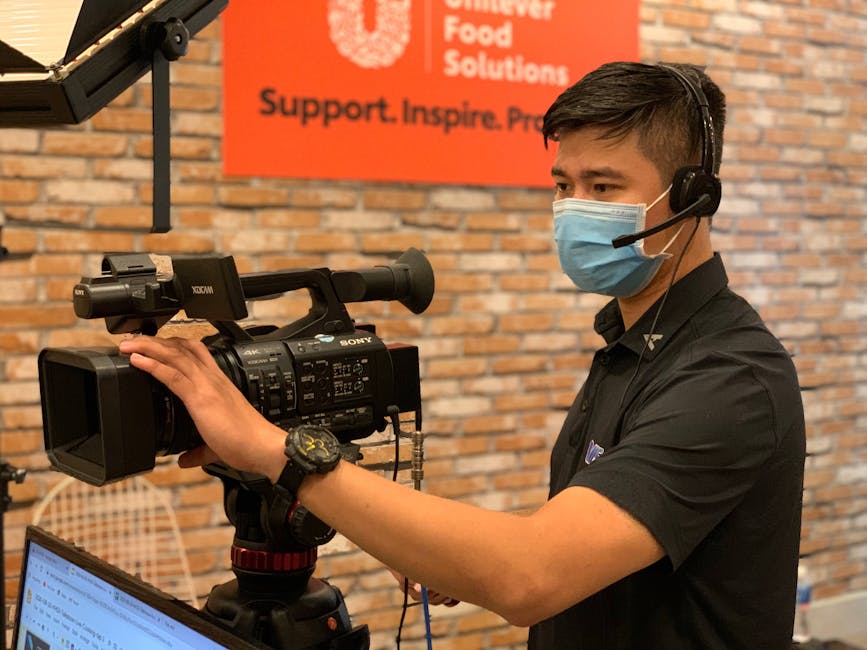
Event production management involves the technical implementation of an event's vision. This includes managing audiovisual systems, stage design, and technical direction. It’s about storytelling through technology. Whether we are using projection mapping to turn a boring ballroom wall into a dynamic landscape or coordinating a complex signal flow for a global broadcast, our goal is seamless execution.
For us at Motlow Pro Media, this means acting as a trusted extension of your team. You can learn more about our specific approach on our Services Motlow page, where we detail how we handle the heavy technical lifting so you can focus on your guests.
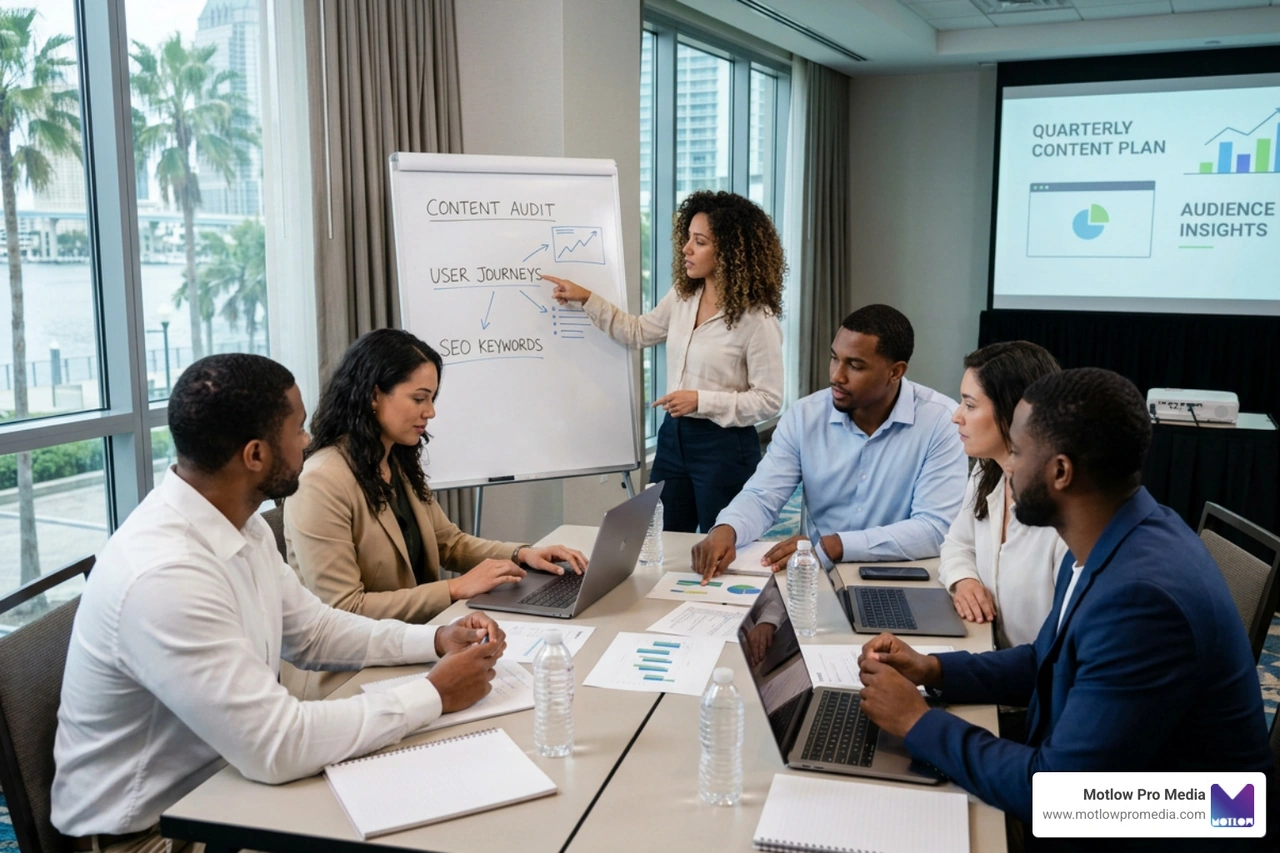
It’s common to hear these terms used interchangeably, but in the industry, they represent very different pillars of a successful show.
| Feature | Event Planning | Event Management | Event Production |
|---|---|---|---|
| Primary Focus | Strategy & Logistics | Organization & Execution | Technical & Creative Implementation |
| Key Tasks | Venue, Catering, Marketing | Schedules, Vendors, Risks | AV, Lighting, Staging, Rigging |
| Timeline | 6–12 months out | Ongoing oversight | Final months & live execution |
According to How to Master Event Production: Tips, Challenges & Timelines, while planning happens over months, production intensity peaks in the final weeks and during the live show itself.
To create a high-impact environment, several technical "layers" must work in harmony. If one fails, the entire production can feel amateur.
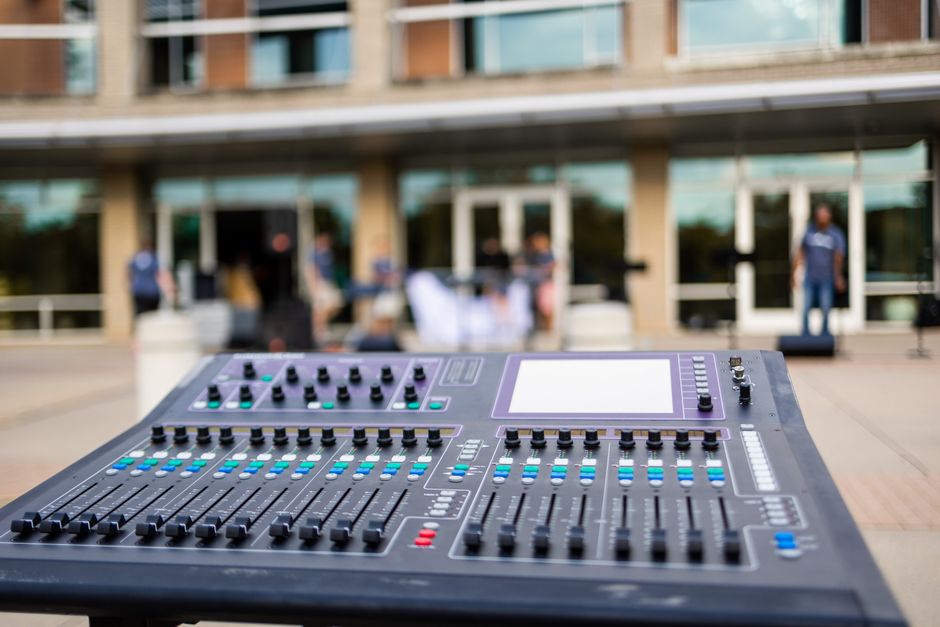
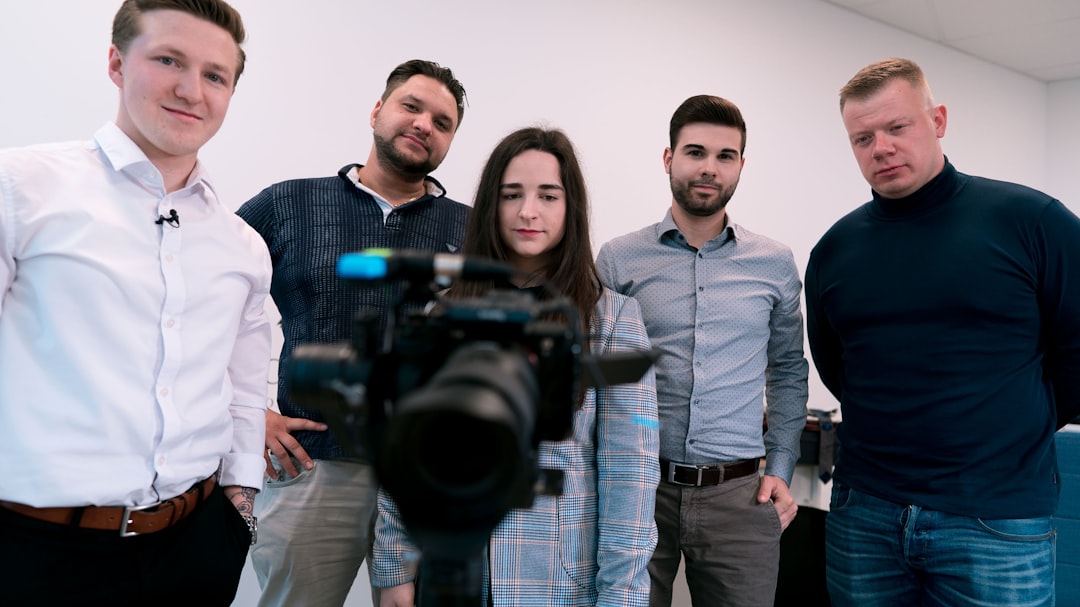
The backbone of any event is its technical infrastructure. This includes:
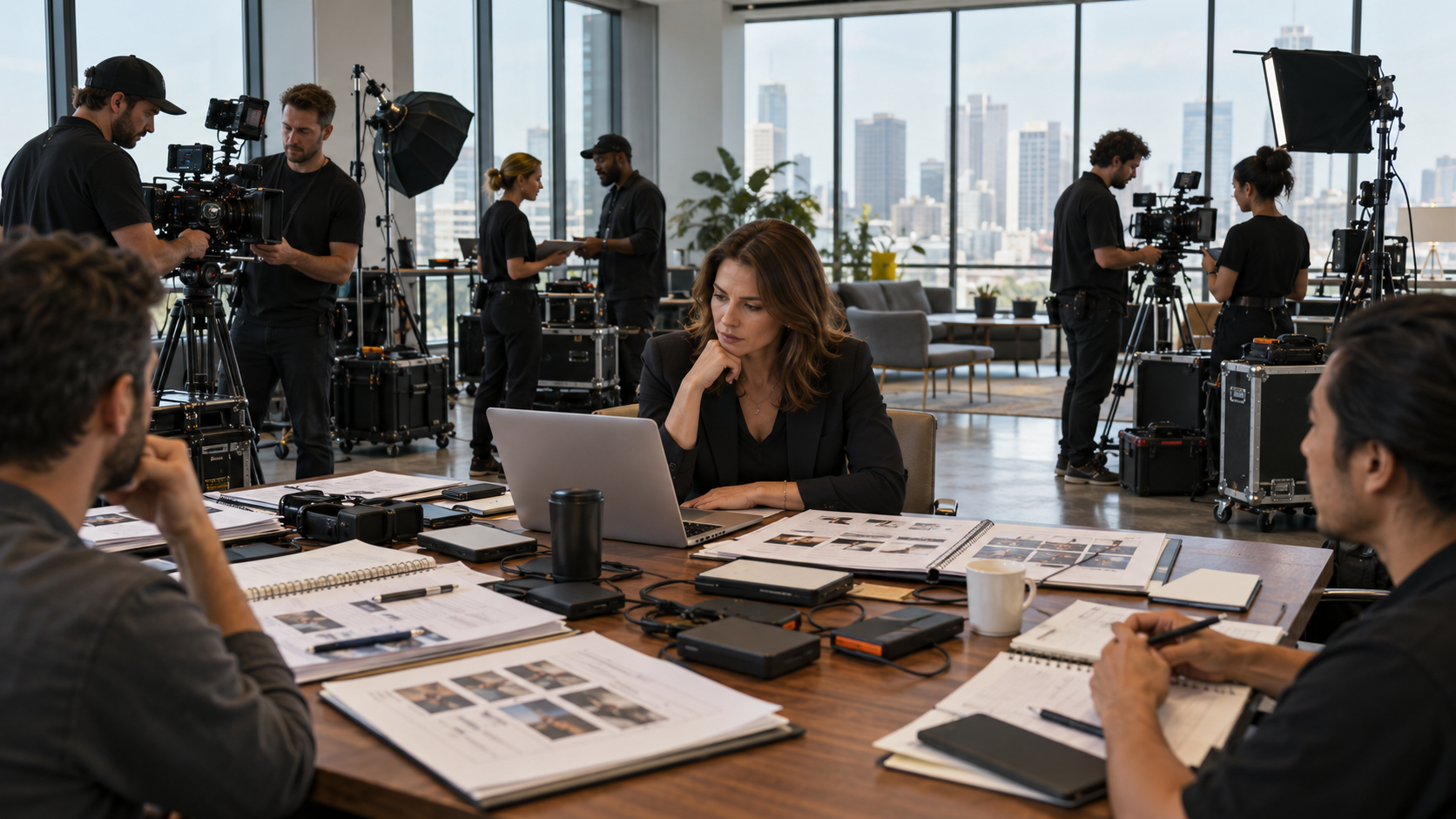
Event production management requires acting as a "conductor" for a dozen different vendors. We manage labor schedules, coordinate load-in times to prevent venue overcrowding, and ensure everyone has the right permits.
Using tools like Todoist for vendor follow-ups can help automate the "check-in" process, ensuring that every contract is signed and every delivery is on track. We also work closely with local authorities to ensure fire Marshall permits and electrical safety standards are met, protecting both your brand and your attendees.
A successful production doesn't happen by accident. It requires a lead time of 3–6 months for complex events involving custom staging and equipment sourcing.
Budgeting for production is an art form. You have to account for equipment rentals, specialized labor (like engineers and stagehands), and logistics.
A golden rule in the industry is to reserve 10-15% of your production budget for contingencies. Last-minute changes are a reality of live events, and having a buffer prevents financial stress. If you need help with the physical aspects of the event, hiring a professional producer early can actually save you money by preventing costly mistakes and "rush" fees.
The "Run-of-Show" (ROS) is the production's bible. It is a minute-by-minute schedule of every cue, from the "house lights down" to the "closing video play."
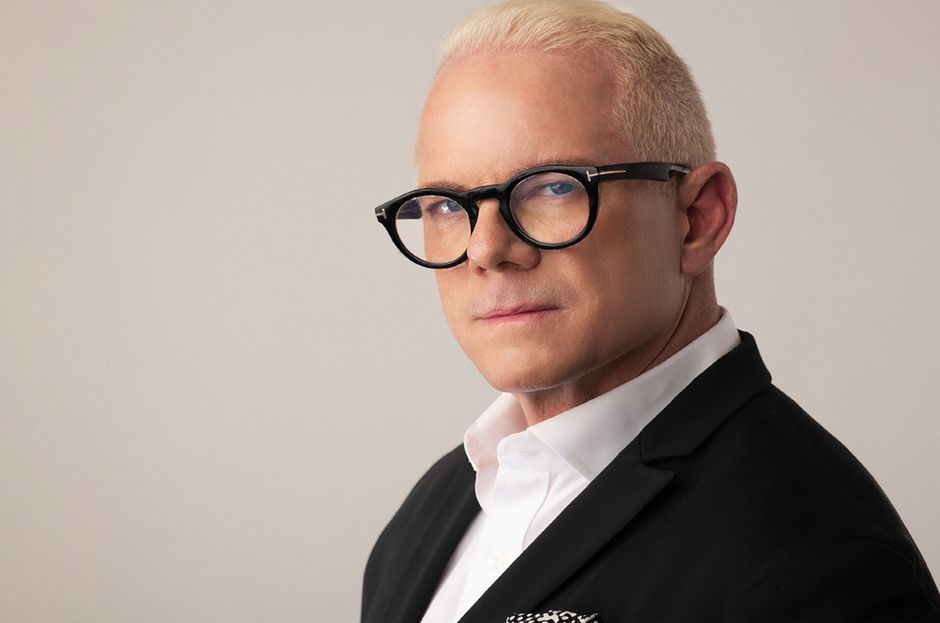
Industry expert Steven Angel emphasizes the importance of meticulous detail management during this phase. We schedule technical rehearsals—at least one full "dry run"—to ensure the transitions are smooth. After the event, we conduct a "strike" and a post-event debrief to analyze what worked and how to improve the next iteration.
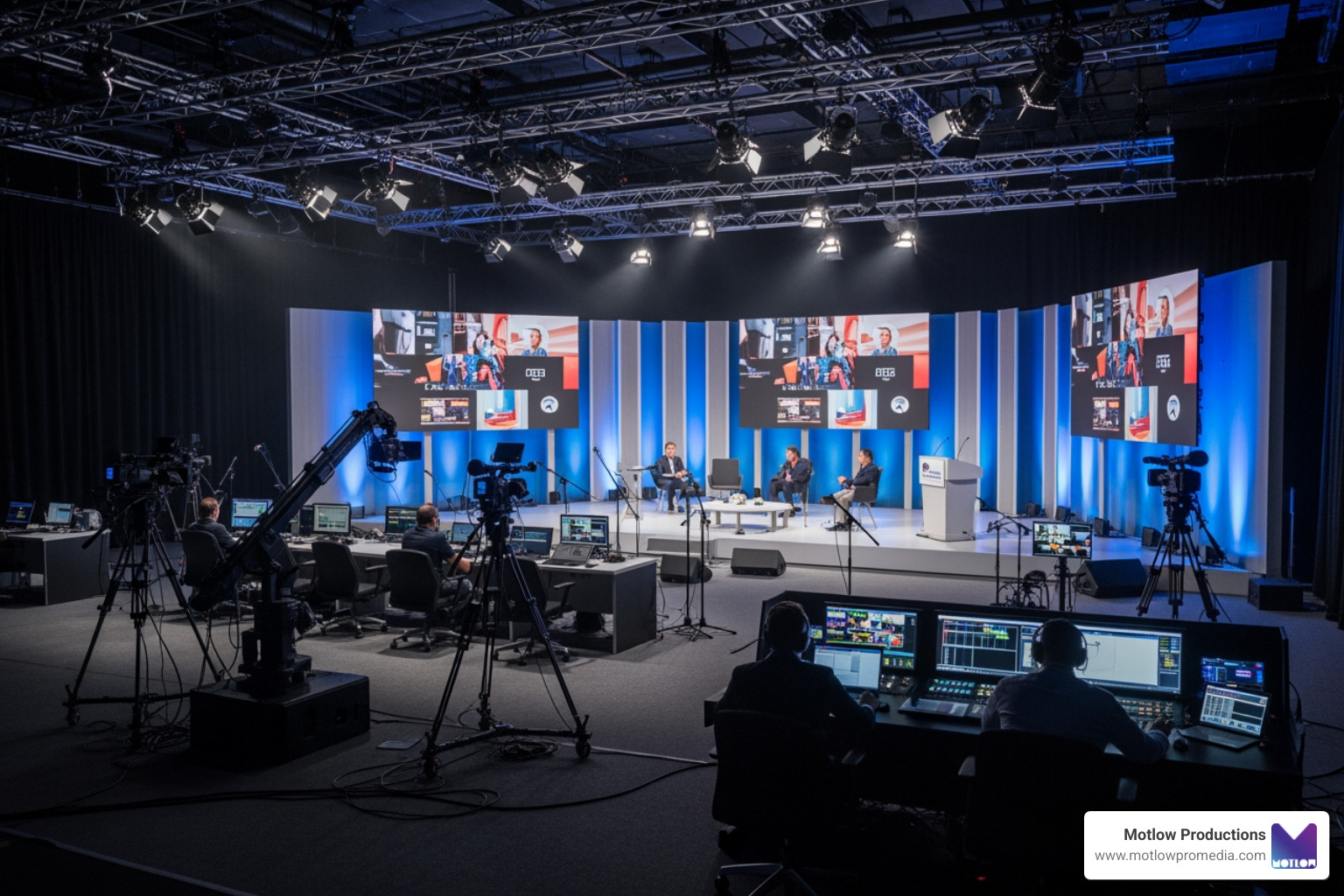
The landscape of events changed forever in 2020. Today, event production management must account for audiences that may not even be in the same room.
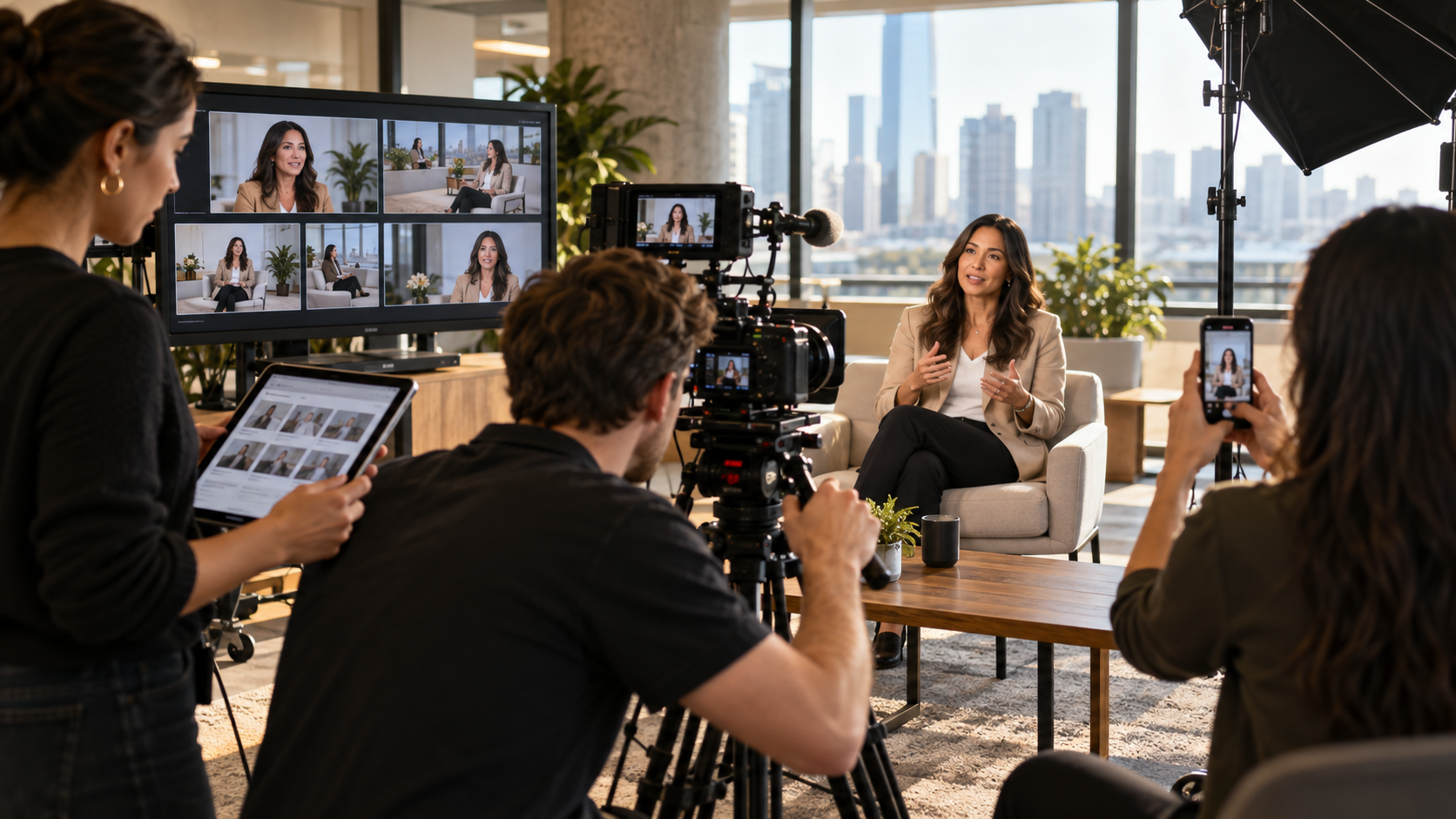
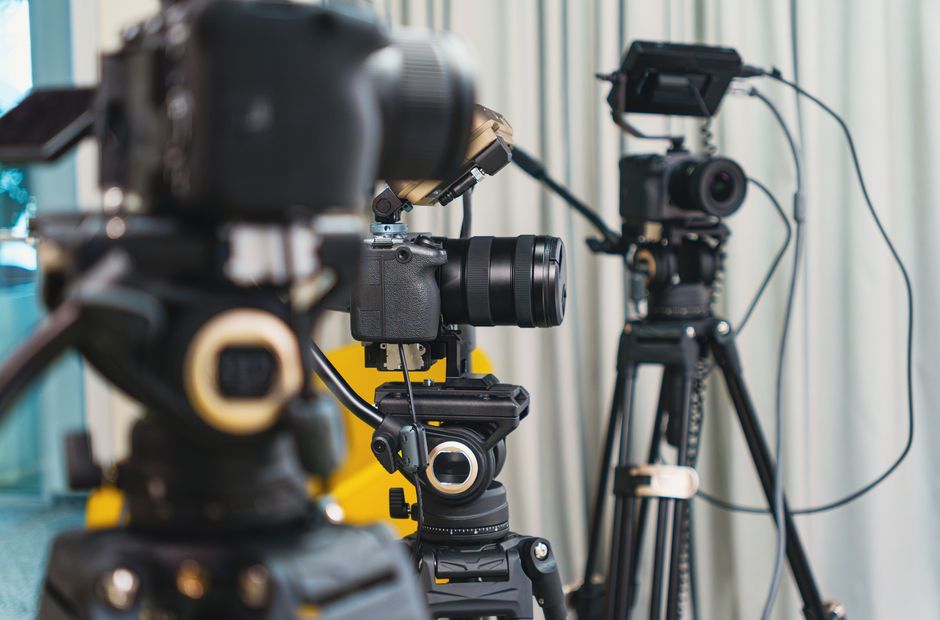
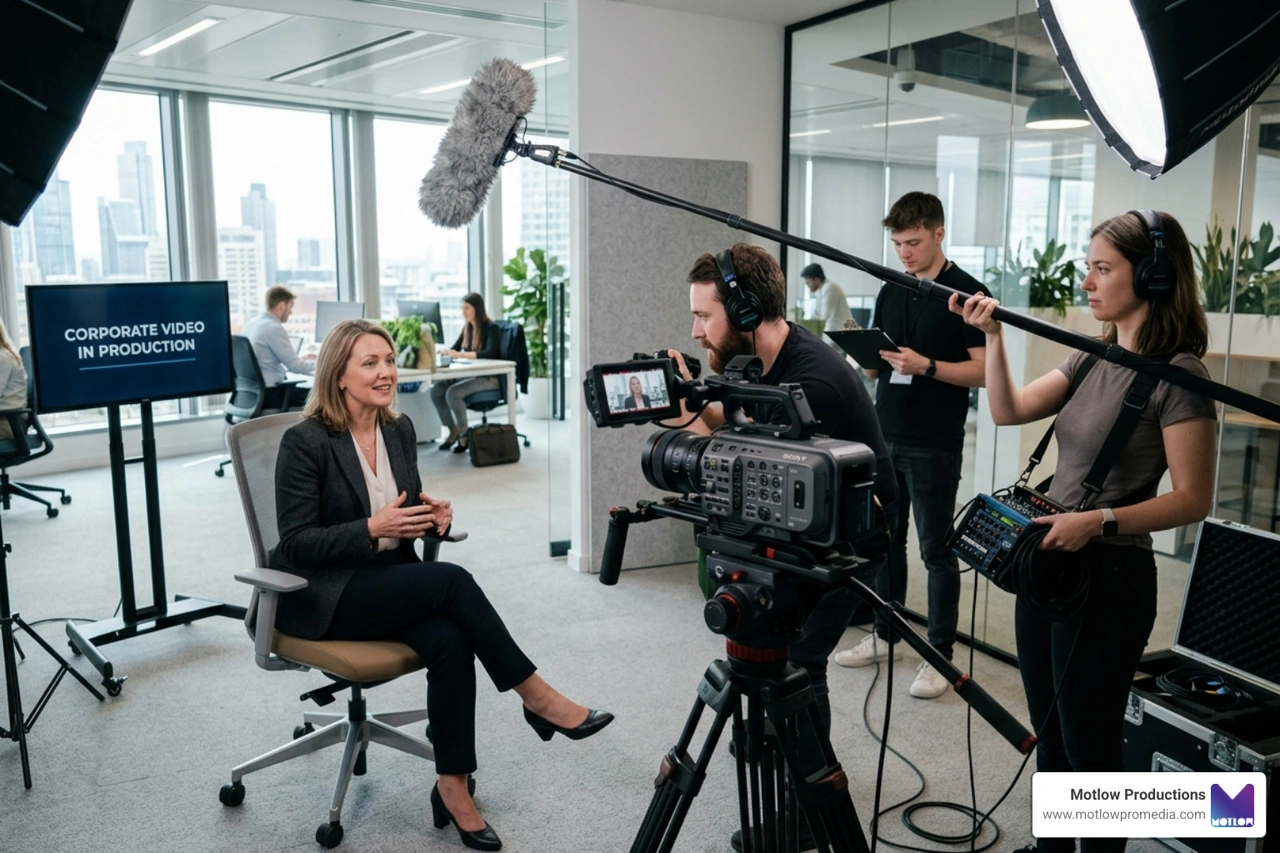
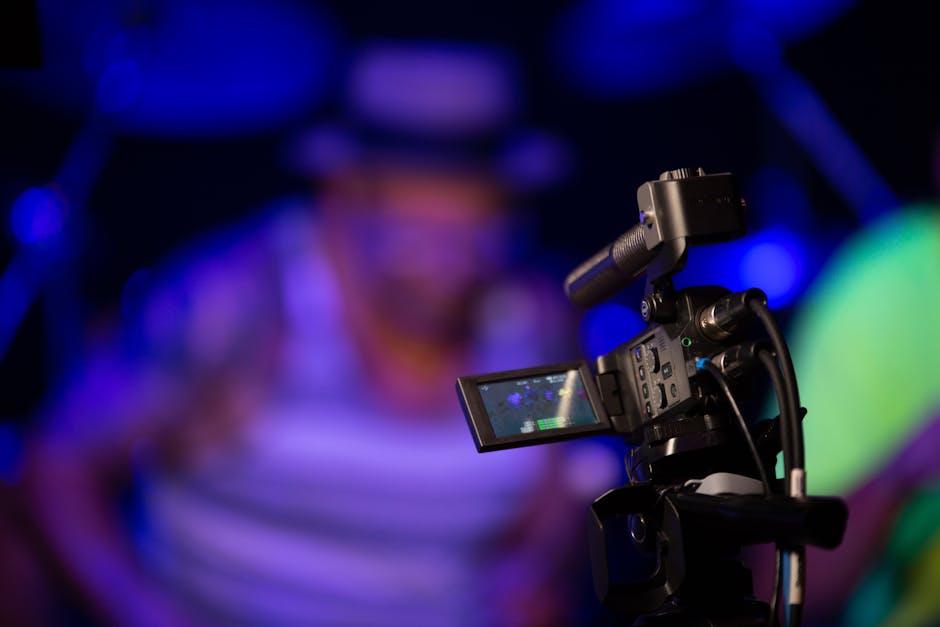
Statistics show a 35% increase in virtual or hybrid attendance globally since 2020. This accessibility is a game-changer, but it requires a "digital-first" mindset. You can't just stick a camera in the back of a room and call it a hybrid event; you need a dedicated production plan for the online stream.
To keep remote audiences from "tuning out," we use interactive tools like live polling, Q&A sessions, and virtual lobbies. Synchronous engagement—ensuring the online audience feels the same "Moment of Impact" as the live audience—is the hallmark of great production. For more on how we bridge these gaps, check out our Services page.
Events are unpredictable. A speaker’s laptop might die, a wireless mic might hit interference, or a bulb might blow. The difference between a disaster and a "hiccup" is the production team’s preparation.
A great production manager needs to be part engineer, part artist, and part diplomat. They must be:
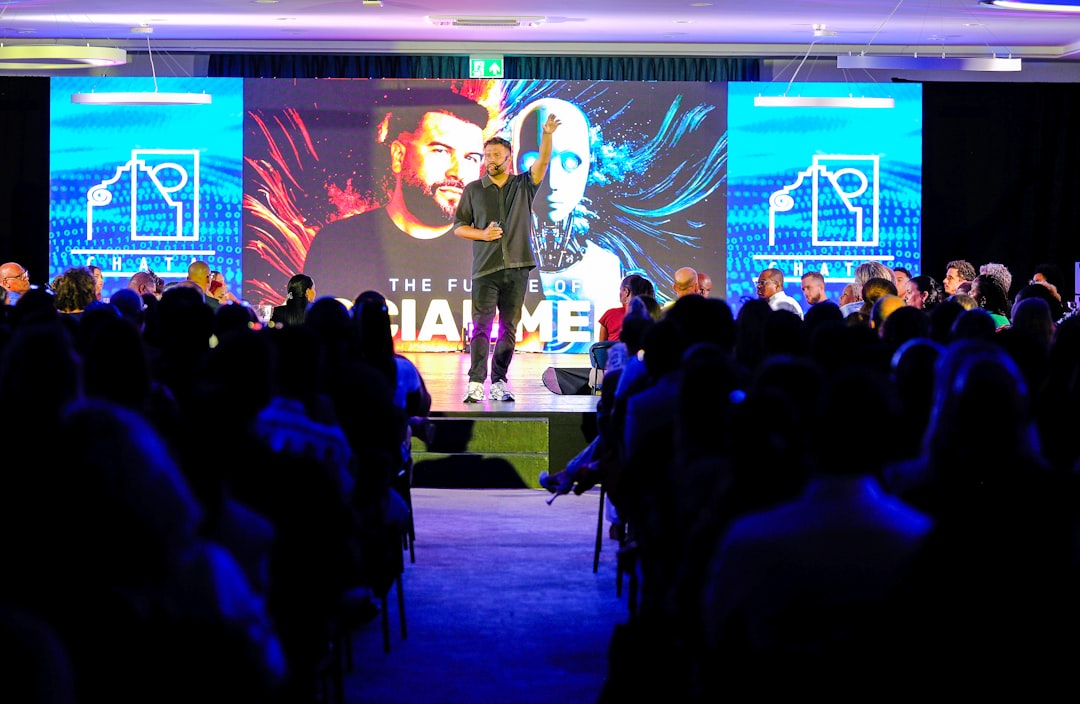
Successful production is often invisible because it's so smooth. A great example is our work on the Portfolio: Seminole Hard Rock Gasparilla Pirate Fest 2025. Large-scale festivals like this require massive coordination of outdoor staging, weather-proof AV, and crowd safety. Other examples include corporate keynotes where a CEO's message is amplified by immersive LED backdrops or product launches that use "reveal" lighting to create drama.
While some large corporations have in-house AV teams, many find that a turnkey event production company is more cost-effective.
Preparation is the only cure. We employ "roaming troubleshooters"—staff members whose only job is to walk the floor with spare tools and cables. We also use "same-day, same-task" scheduling to ensure the team stays focused and doesn't get overwhelmed by the "noise" of a busy event day.
At the end of the day, event production management is about confidence. It’s about knowing that when the lights go up, your brand is going to shine. At Motlow Pro Media, we pride ourselves on our "hands-off, but hands-on" partnership. We take the technical burden off your shoulders while keeping you informed every step of the way.
Whether you are planning a high-stakes corporate keynote, a global hybrid summit, or a large-scale festival, the right production partner makes all the difference. Ready to elevate your next experience? Partner with Motlow Pro Media for expert event production and let's create something extraordinary together.
Some clients want to give notes in a live Zoom call. Others prefer a group text or email thread. However you like to communicate, we adapt. You’ll never be left guessing where things stand - and you’ll always have a say before anything goes out the door.





Phone:
+1 863-250-8639
.png)
Email:
info@motlowpromedia.com