



-5.jpg)



































Thank you! Your submission has been received!
Oops! Something went wrong while submitting the form.

.avif)
March 24, 2026
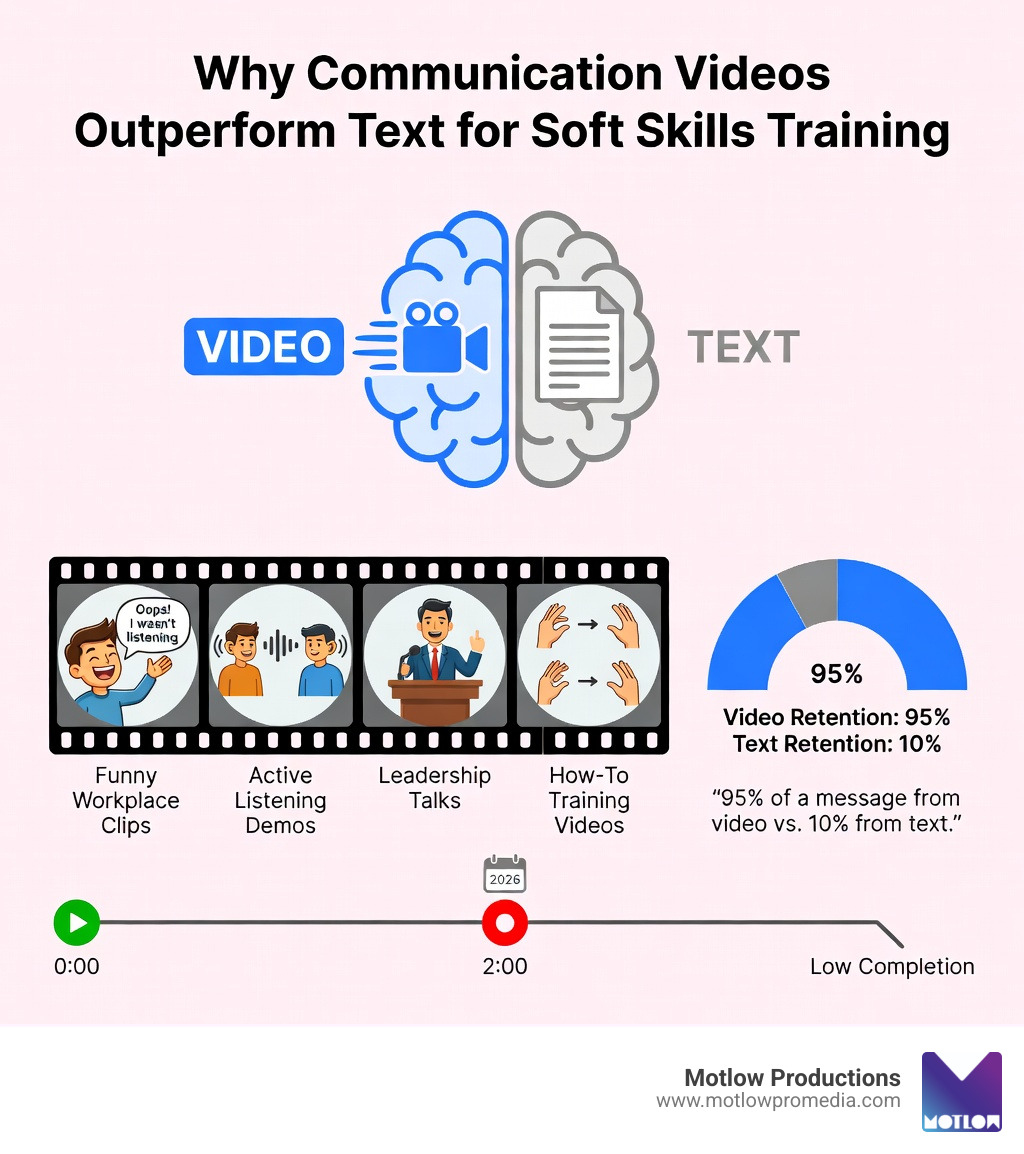
Communication videos are one of the most effective tools for teaching soft skills like active listening, body language, and leadership — faster and more memorably than any written guide.
Here is a quick look at why they work and what types are most useful:
| Type of Communication Video | What It Teaches | Best For |
|---|---|---|
| Funny workplace clips | Listening, empathy, self-awareness | Team training, culture building |
| Active listening demos | Focus, verbal cues, emotional matching | Customer service, sales teams |
| Leadership/TED-style talks | Preparation, audience research, confidence | Managers, executives |
| How-to training videos | Step-by-step skills, body language | Onboarding, HR training |
| Budget DIY videos | Storytelling, brand communication | Small business marketing |
Soft skills are notoriously hard to teach with text alone. You can read about body language, but seeing it in action changes how your brain processes it. You can study active listening techniques, but watching someone do it wrong — hilariously wrong, even — makes the lesson stick in a way a bullet-point list never could.
This is the gap that communication videos fill so well.
Research backs this up. According to a Salesforce report, 88% of customers prefer shopping with brands that deliver great customer service. Yet most teams never get structured training on how to communicate well with customers. Video closes that gap quickly and at scale.
Whether your team is struggling with interrupting each other in meetings, reading client body language, or presenting ideas with confidence — there is a communication video for that.
I'm Miranda Motlow, founder and CEO of Motlow Pro Media, with over a decade of experience creating communication videos and marketing content that help brands connect with their audiences. My background in journalism and business storytelling gives me a front-row view of what makes video-based communication training actually work — and I'll walk you through exactly that in this guide.
Sometimes, the best way to learn what to do is to watch someone do exactly what not to do. Humor breaks down defenses and makes people more open to self-reflection. When we watch a character fail at communicating, we often see a bit of ourselves in the mistake.
Here are five of the best communication videos that use humor to teach serious workplace lessons:
Why does humor work so well for communication videos? It’s all about relatability. When a team watches a funny video together, it creates a shared language. Instead of a manager saying, "Stop interrupting me," they can jokingly say, "Don't be 'The Guy Who Finishes Sentences.'"
Humor also helps with social cues. It allows us to observe awkward or "wrong" behavior from a safe distance, making it easier to identify those same behaviors in our own lives. This leads to faster behavioral change because the lesson is tied to a positive emotional memory (laughter) rather than a negative one (a lecture).

If words are the "what" of communication, non-verbal cues are the "how." In business, the "how" often matters more. As mentioned earlier, 88% of customers prefer shopping at brands that provide great customer service, and great service is built on empathy and rapport.
Communication videos are uniquely suited to demonstrate active listening because they capture the nuances that text cannot: the slight nod, the empathetic tilt of the head, or the "poker face" required during a tough negotiation.
Non-verbal communication includes everything from eye contact and tone of voice to micro-expressions and posture. These cues impact brand perception instantly. If a service provider says "I'm happy to help" while sighing and looking at their watch, the customer believes the watch, not the words.
Key non-verbal elements to watch for in communication videos include:
By watching video demonstrations, employees can learn to "read" a customer's experience. If a client seems annoyed or disinterested, their body language will show it long before they say it. Communication videos help teams spot these signs early so they can pivot their approach and save the sale.
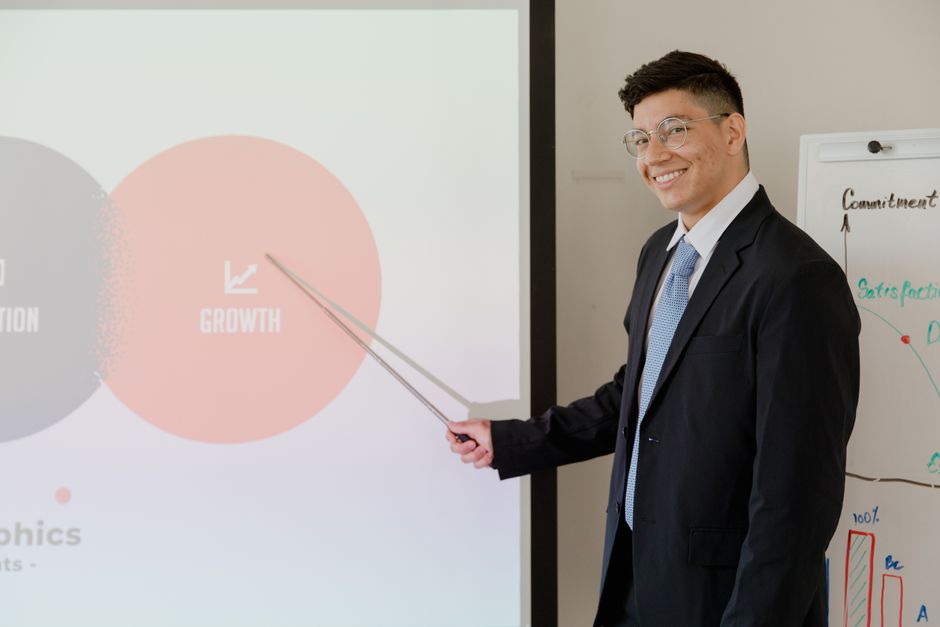
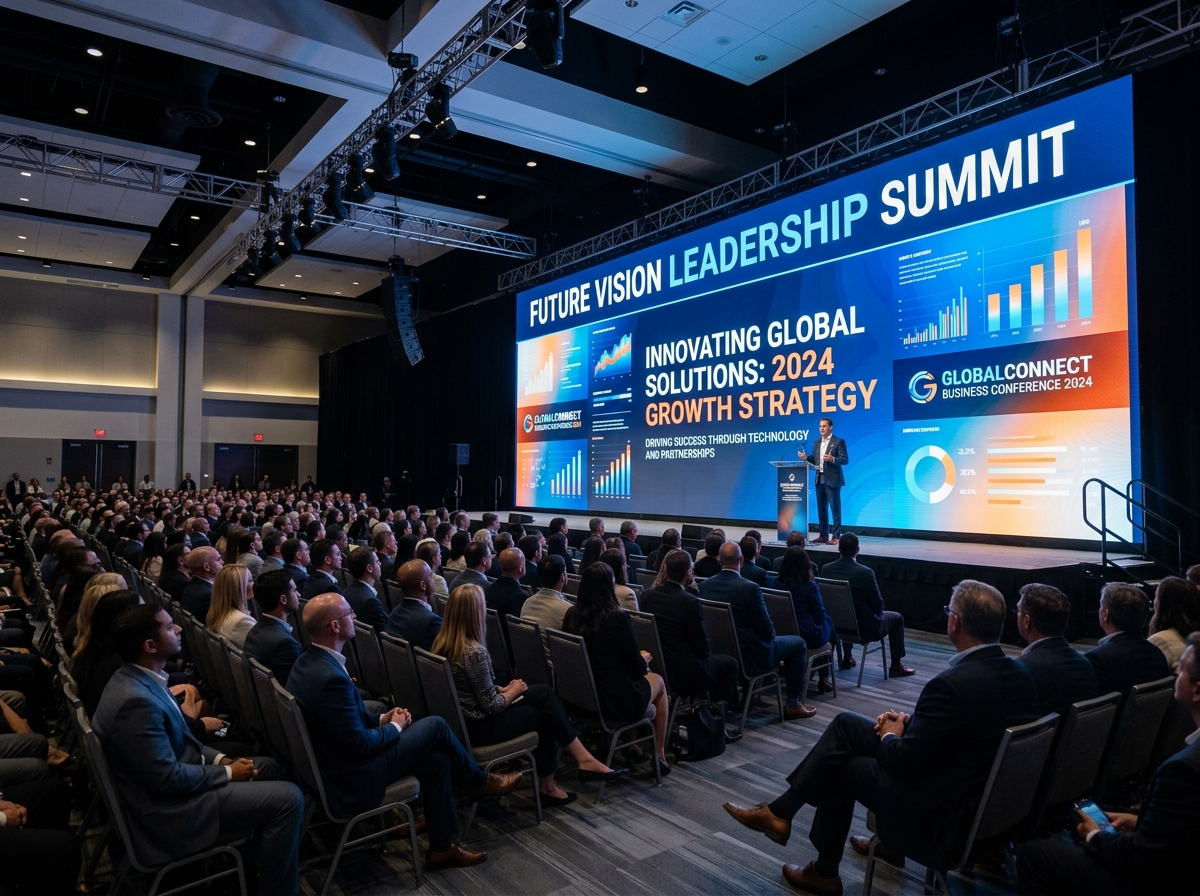
For those in leadership, communication is a science. Experts like J.D. Schramm from Stanford GSB emphasize that effective communication is the result of thoughtful preparation. It isn't just about being a "natural" speaker; it's about audience research and tailoring your message.
Resources like TED-Ed: How to Speak with Meaning and TED-Ed: How to Clearly Communicate Your Idea provide leaders with strategies to "paint pictures" with their words. Using analogies—the "it’s like this" approach—helps complex ideas stick in the minds of employees and stakeholders.
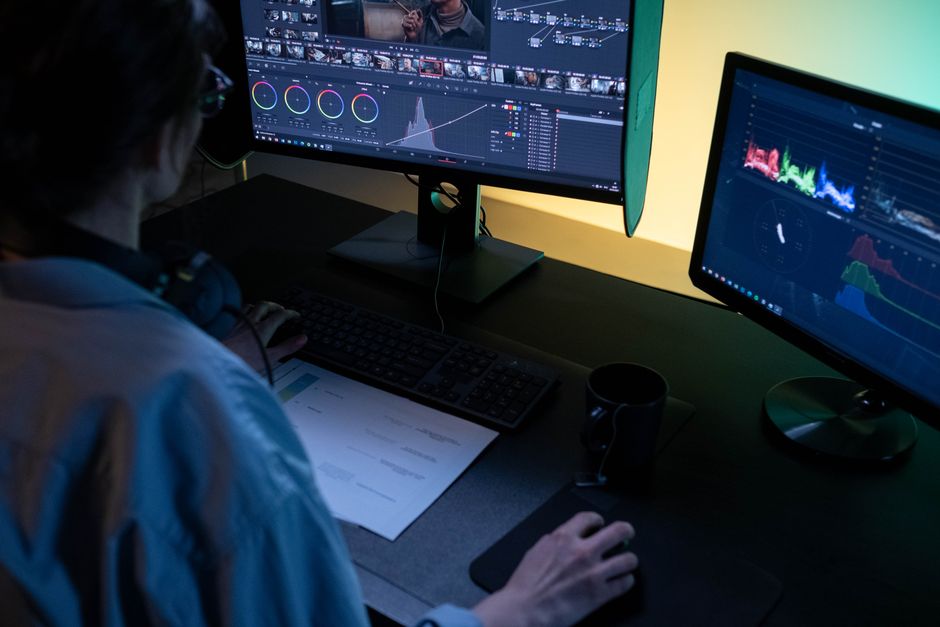
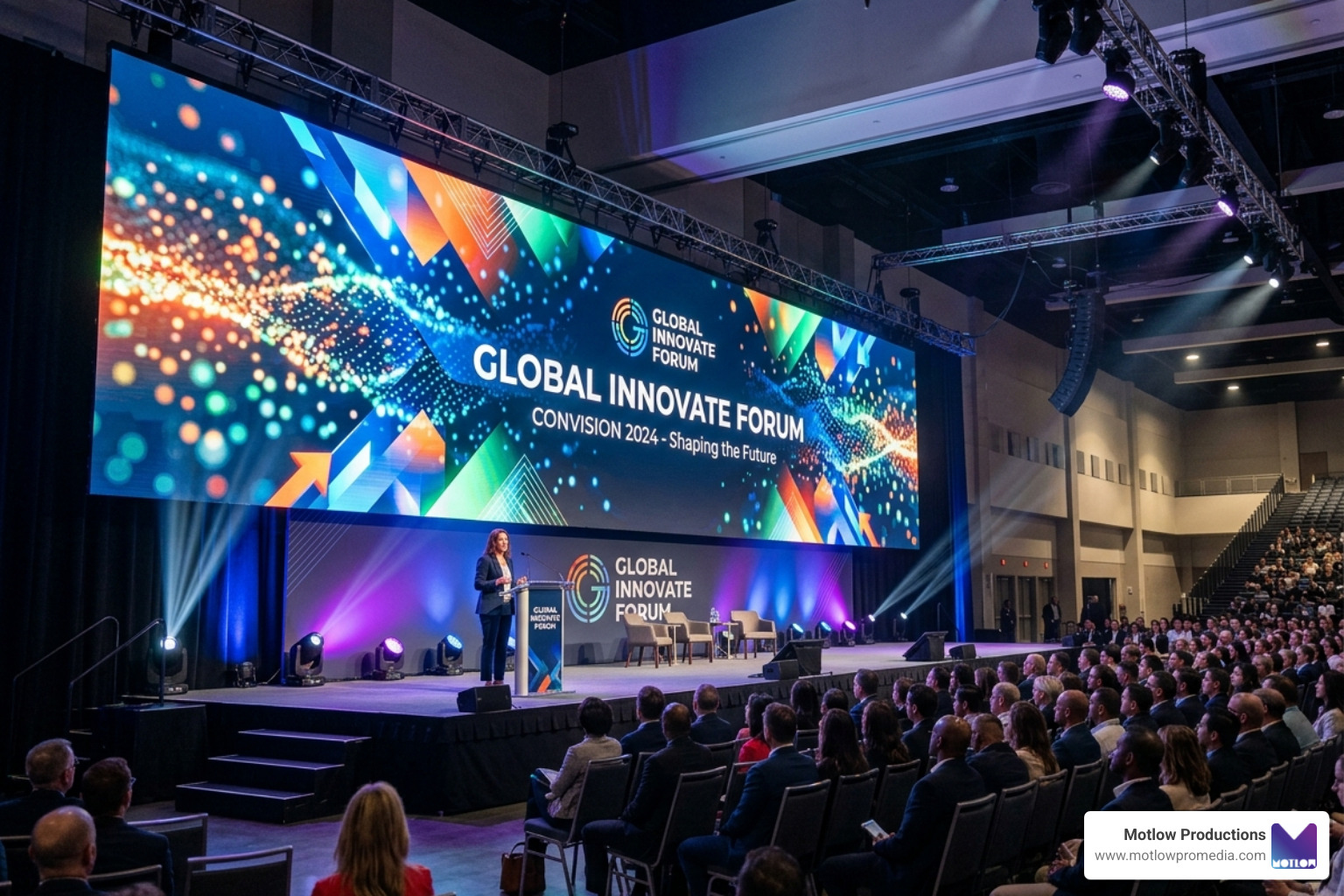
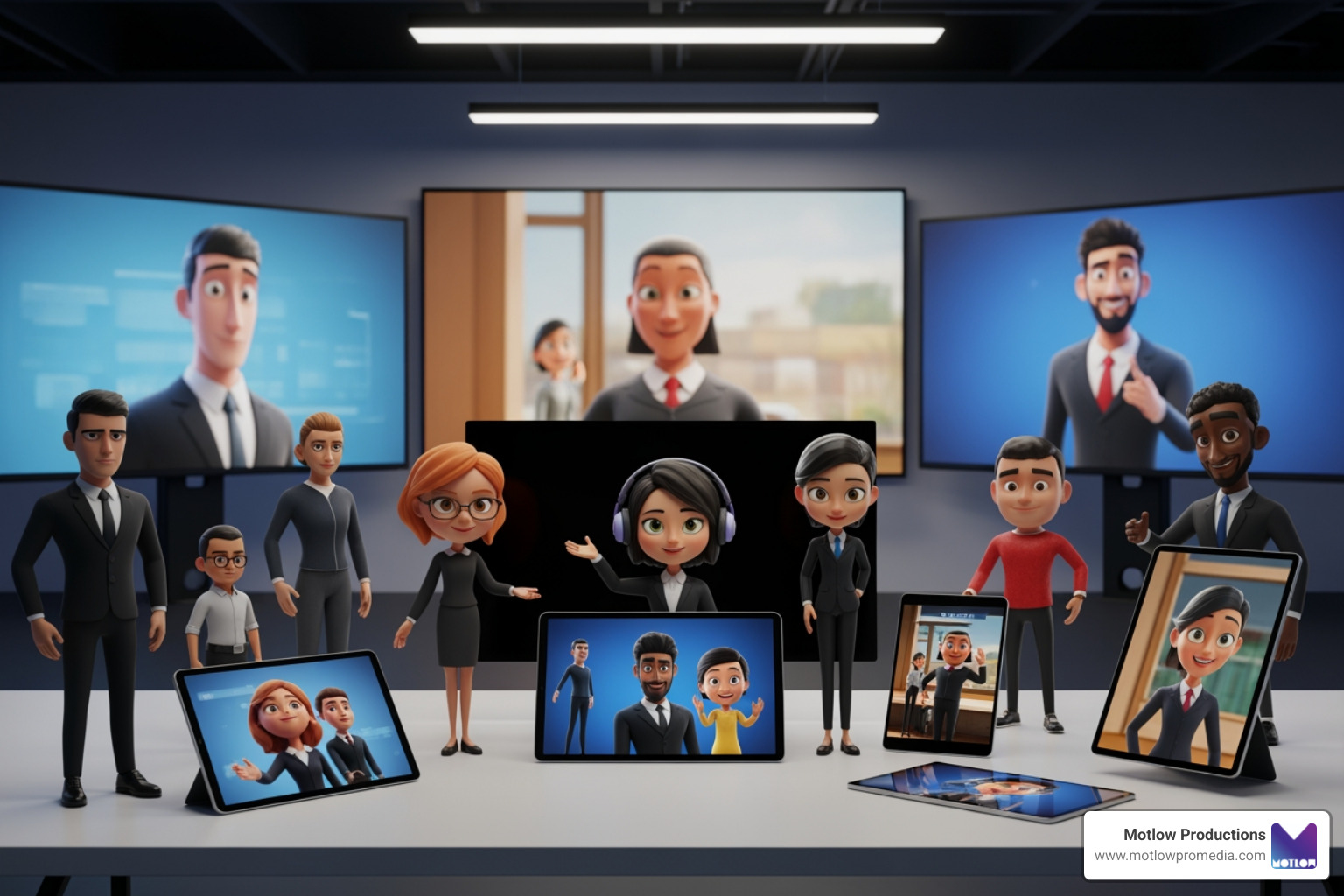
As we move into 2025, the standard for communication videos is rising. With the advent of AI-assisted editing and 4K video standards, professional production is no longer just a "nice to have"—it’s a competitive necessity.
Professional videos help businesses:
Investing in professional media leadership ensures that your brand looks modern and professional. Low-quality videos with bad lighting or shaky shots can actually hurt your brand, making you look careless. In contrast, a polished video suggests a polished product.
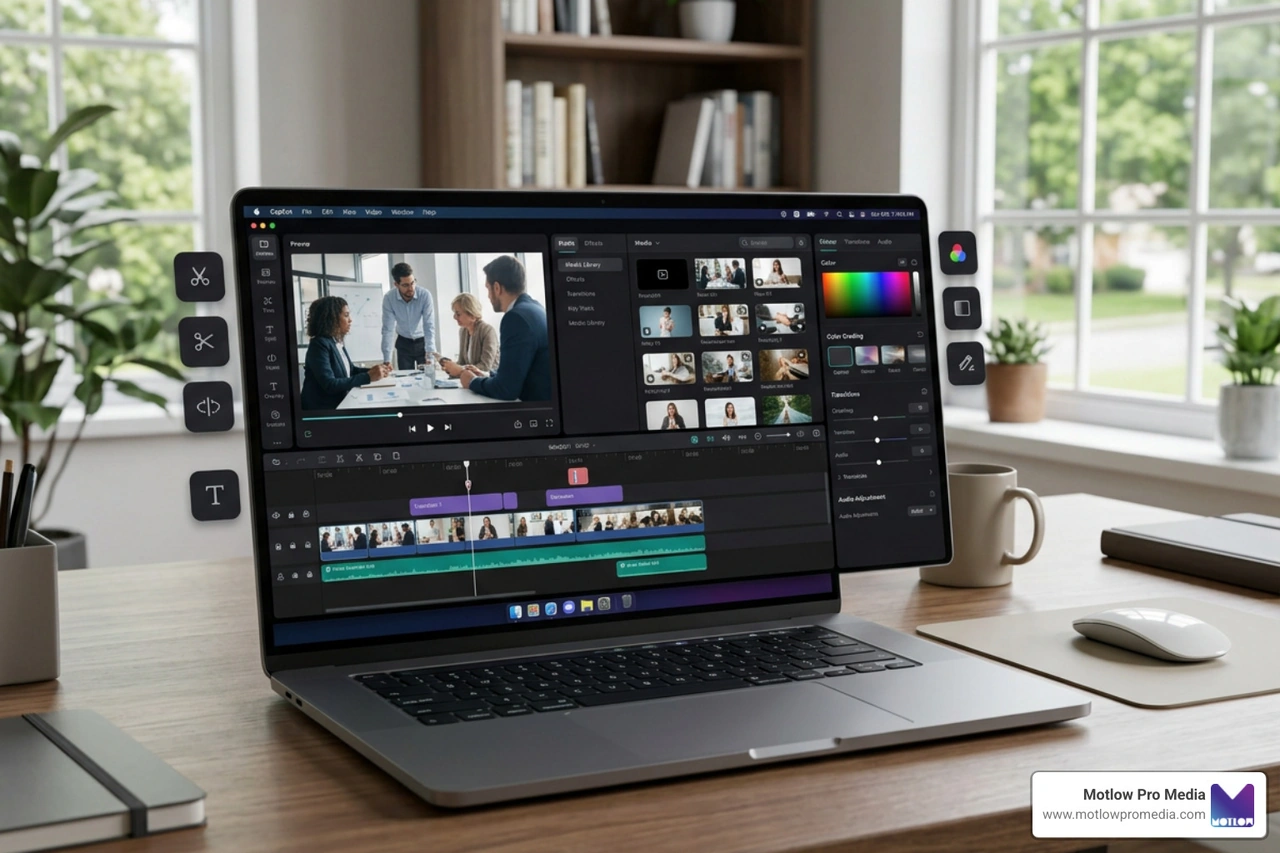
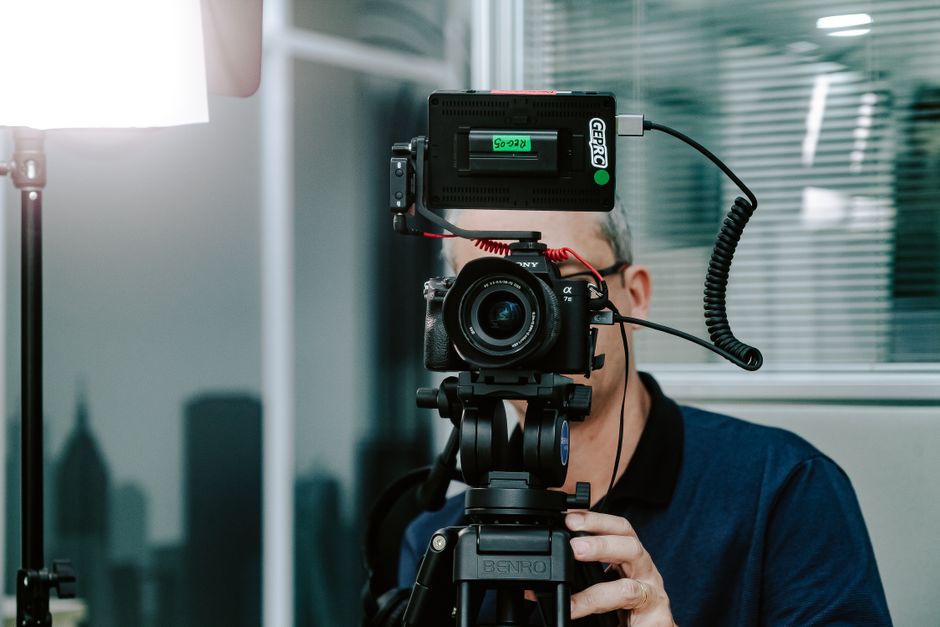
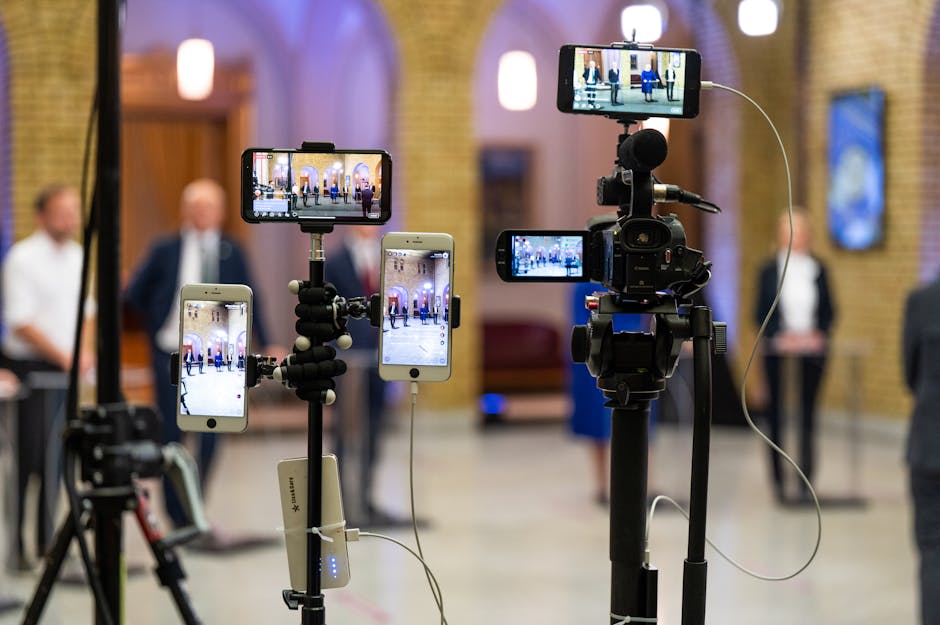
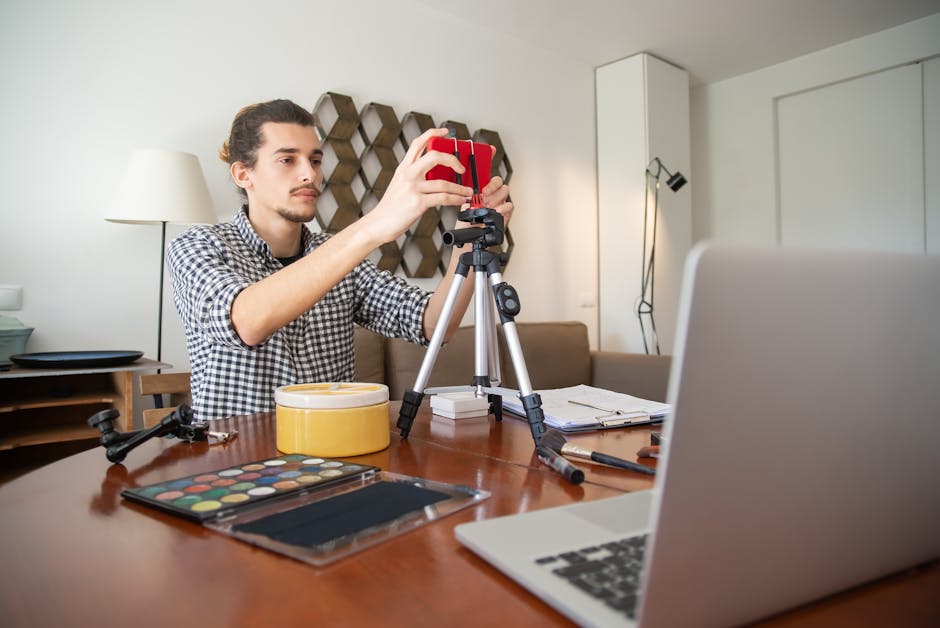
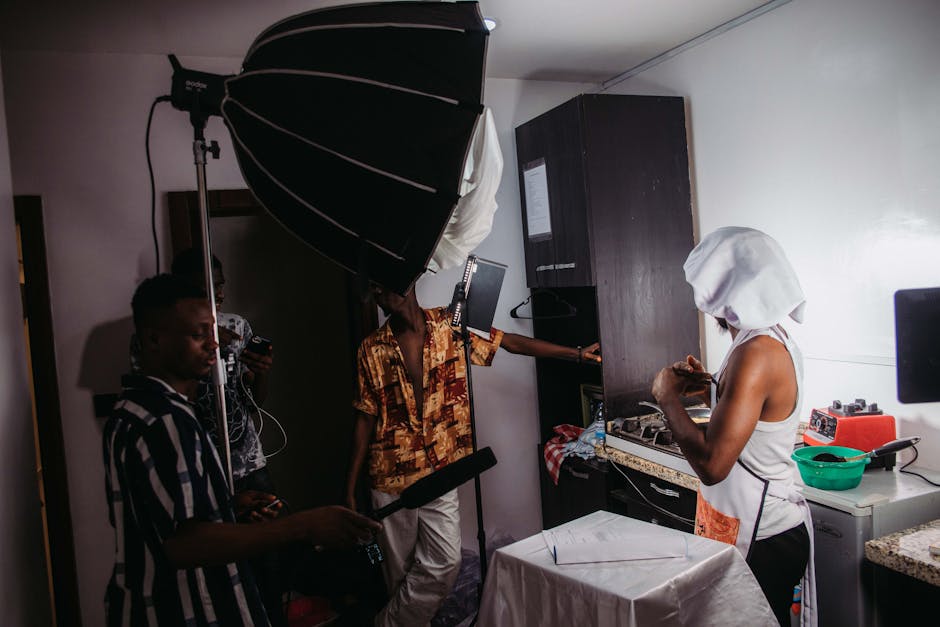
You don't always need a Hollywood budget to create impactful communication videos. Modern technology has democratized video production, allowing small businesses to produce great content with tools they already own.
| Feature | DIY Video Production | Professional Production |
|---|---|---|
| Cost | $0 - $500 | $2,000 - $10,000+ |
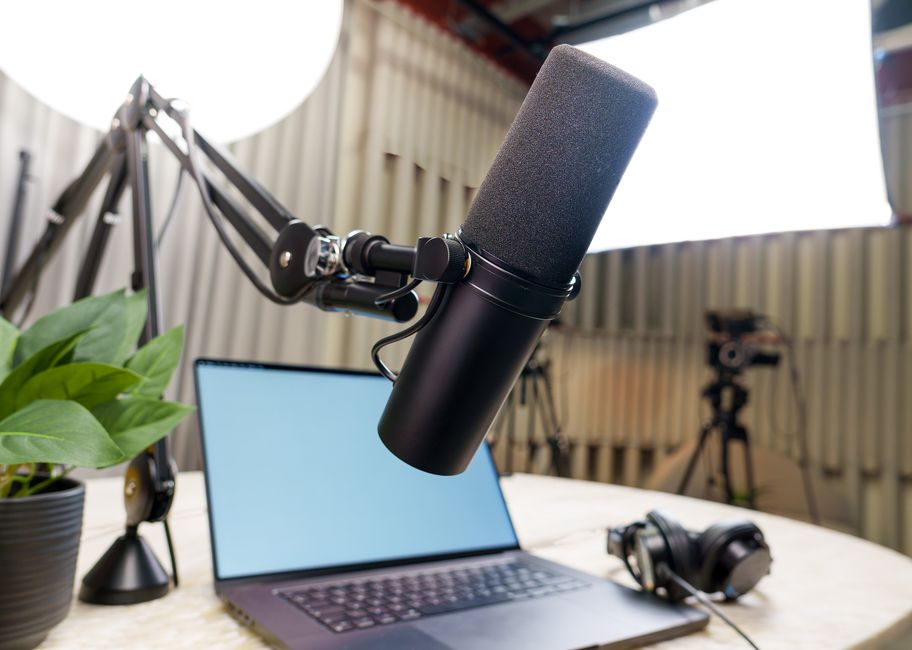
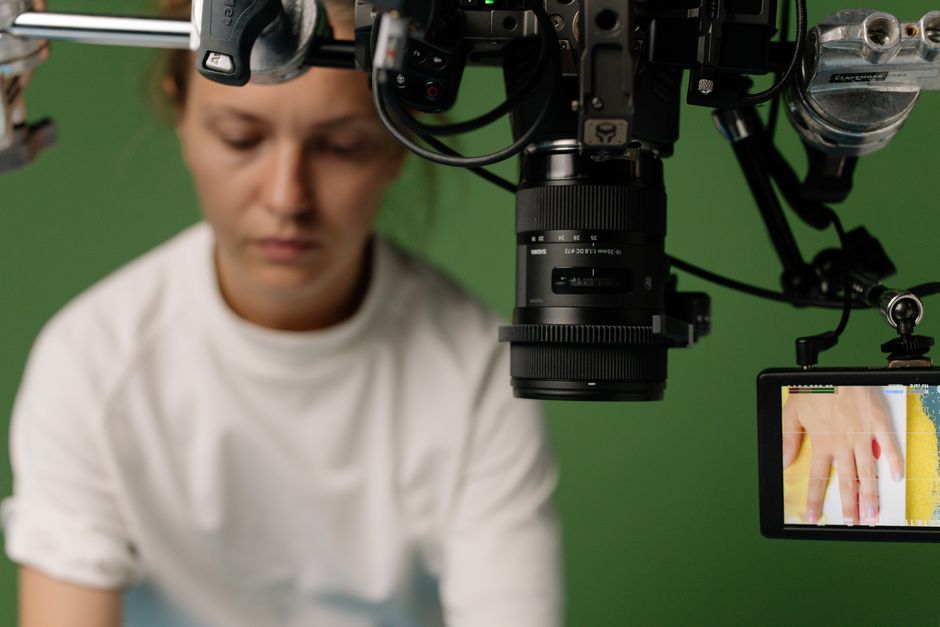
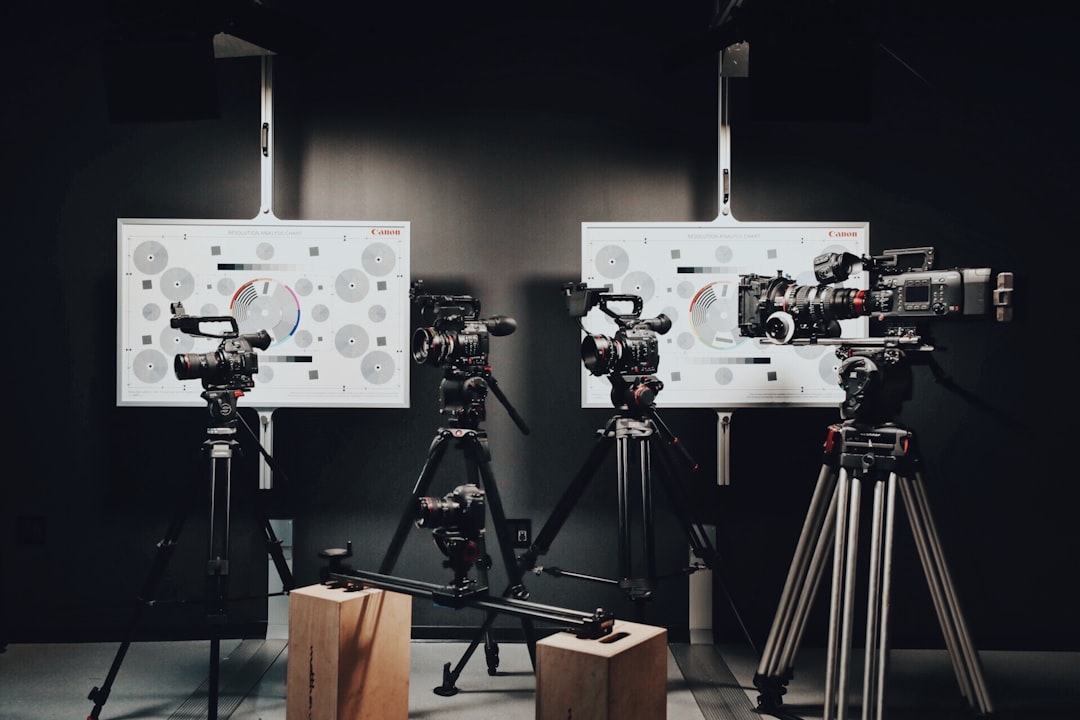
| Equipment | Smartphone, natural light, $50 mic | 4K Cinema cameras, studio lighting, boom mics |
| Talent | In-house staff | Professional actors/presenters |
| Best Use | Daily social updates, internal tips | Brand anthems, high-stakes training, ads |
| Turnaround | Hours/Days | Weeks |
To keep costs low while maintaining quality, follow these practical steps:
The secret to a great communication video isn't the camera—it's the script. Even the most expensive production will fail if the message is muddled.
The human brain processes images 60,000 times faster than text. Communication videos engage both the auditory and visual senses, which creates a stronger emotional connection and higher memory retention. When you see a person's face and hear the emotion in their voice, you are more likely to trust the message than if you read it in an email.
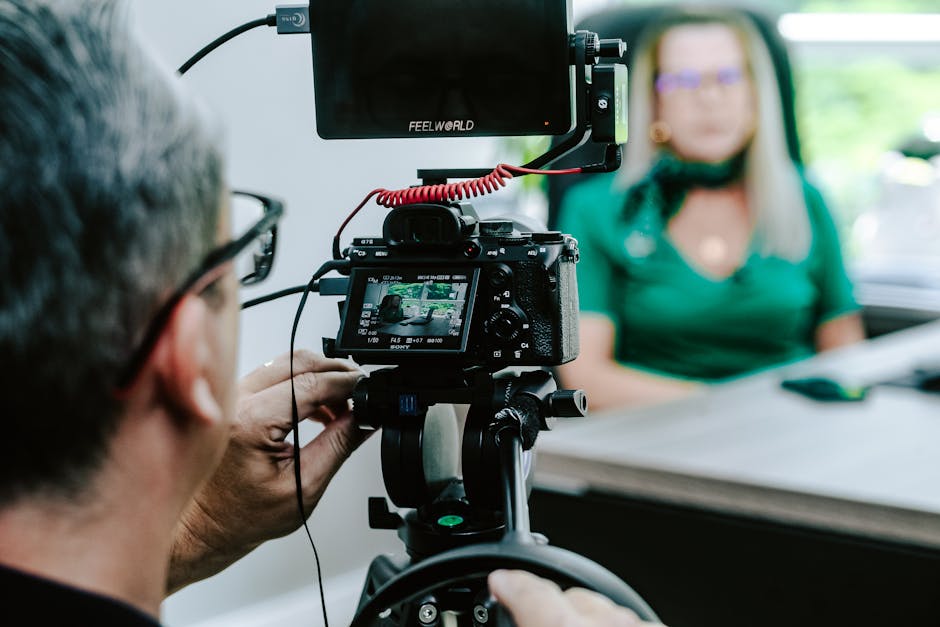
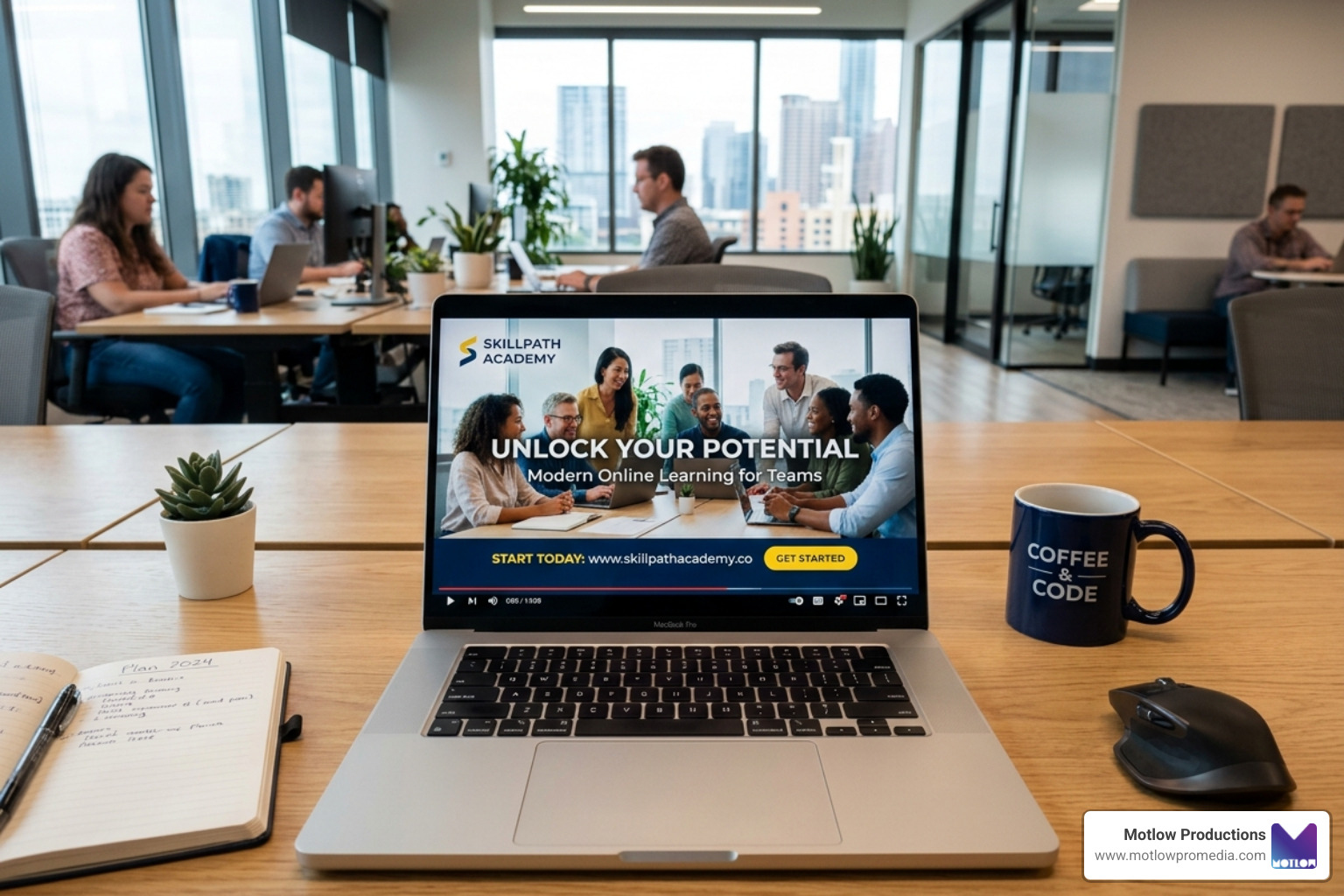
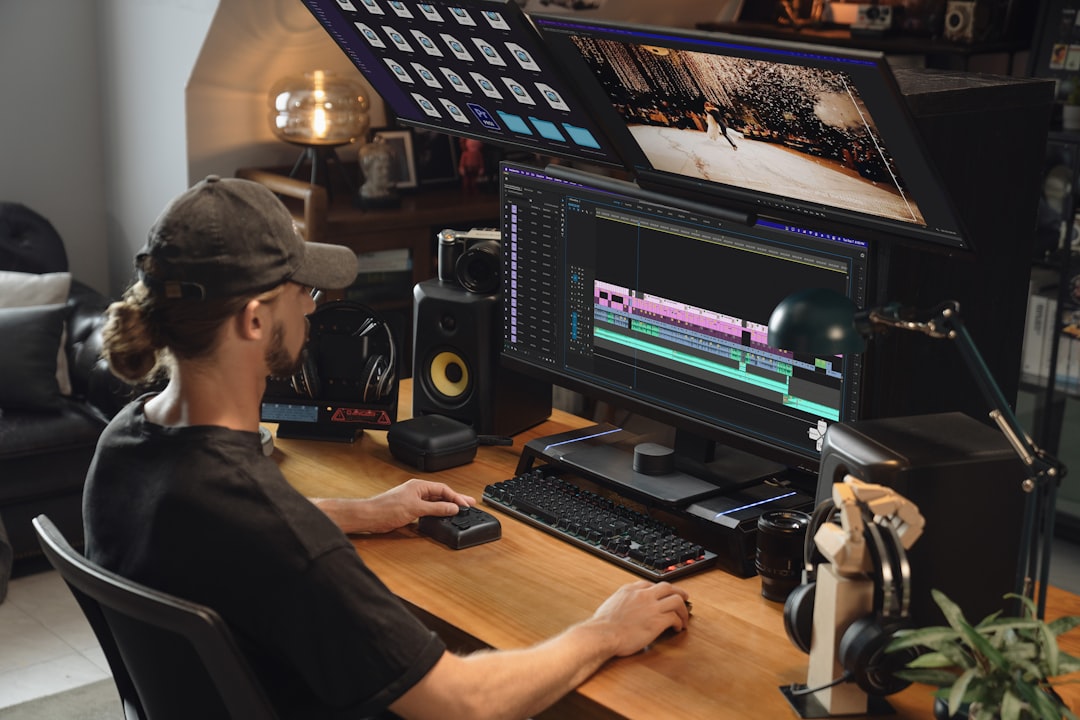
Start small. Use tools like PowerPoint to create "explainer" videos by recording your screen and voice. Focus on authentic storytelling—customers today value "real" and "transparent" content over overly produced, "corporate" sounding videos. You can also use free AI tools for basic editing and captioning.
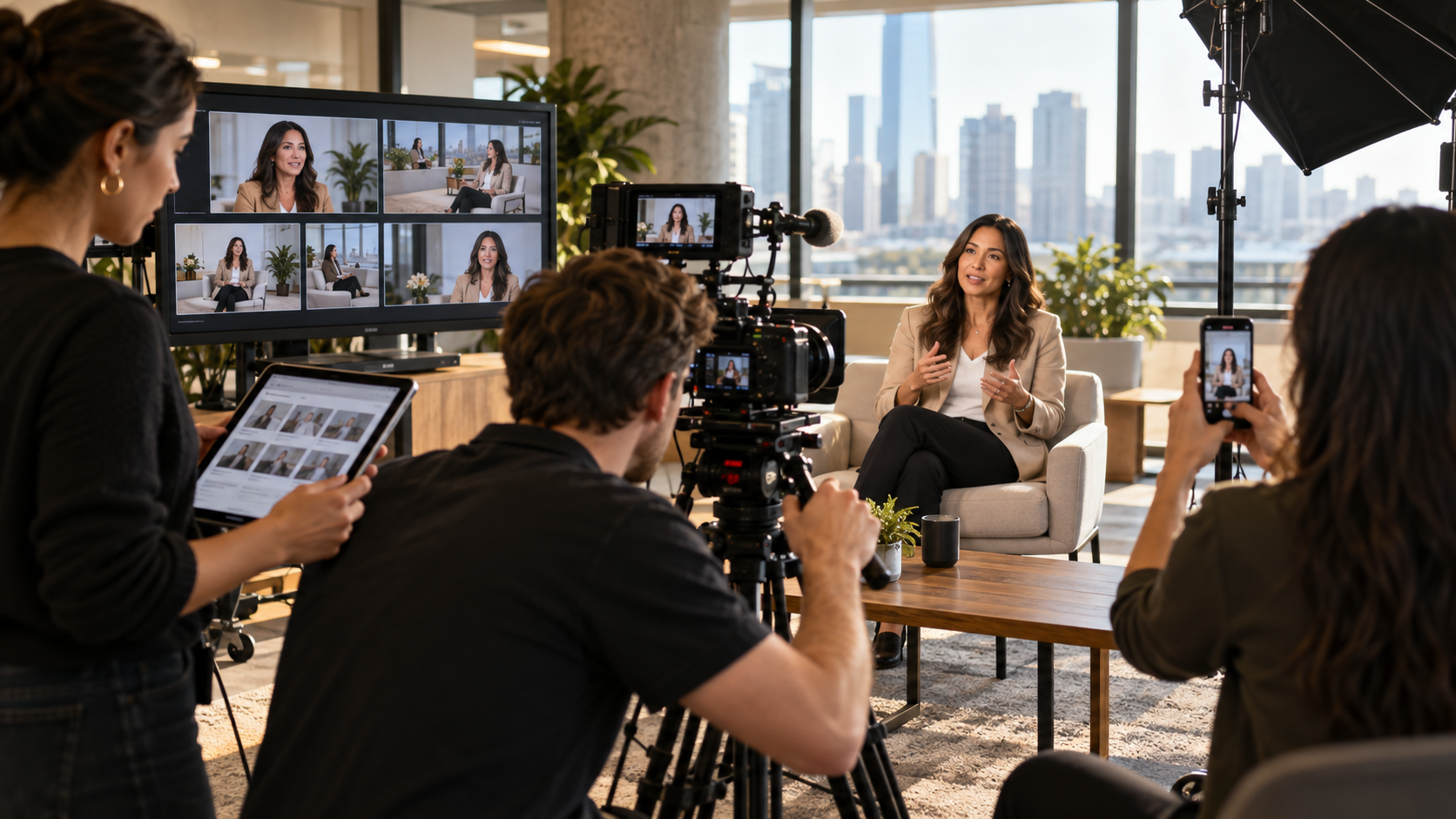
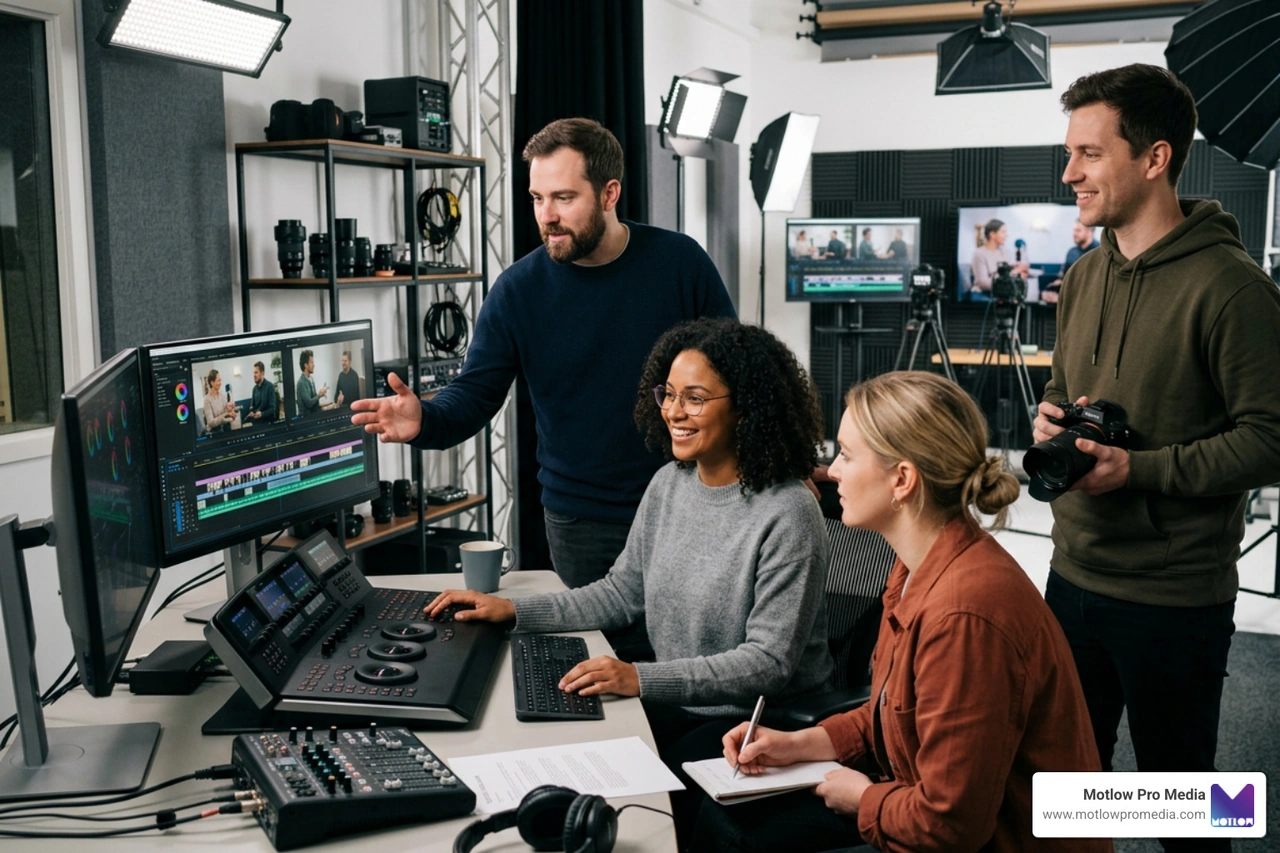
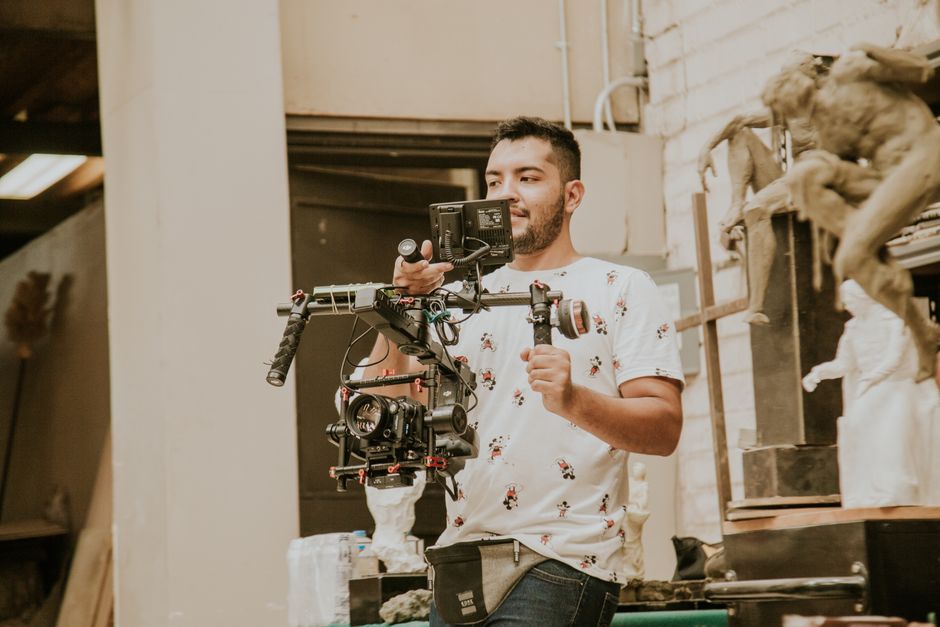
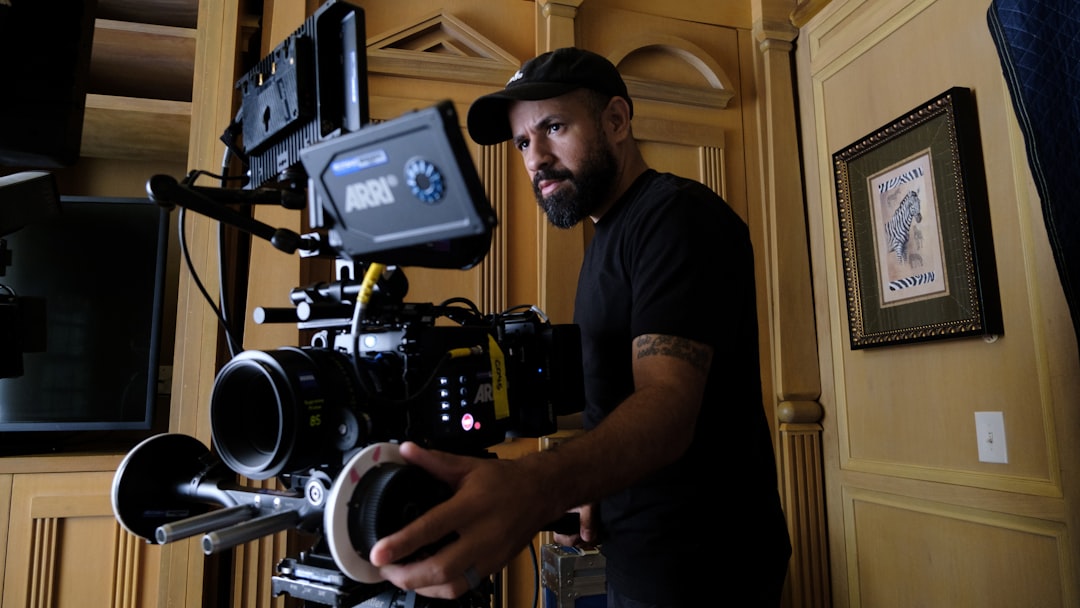
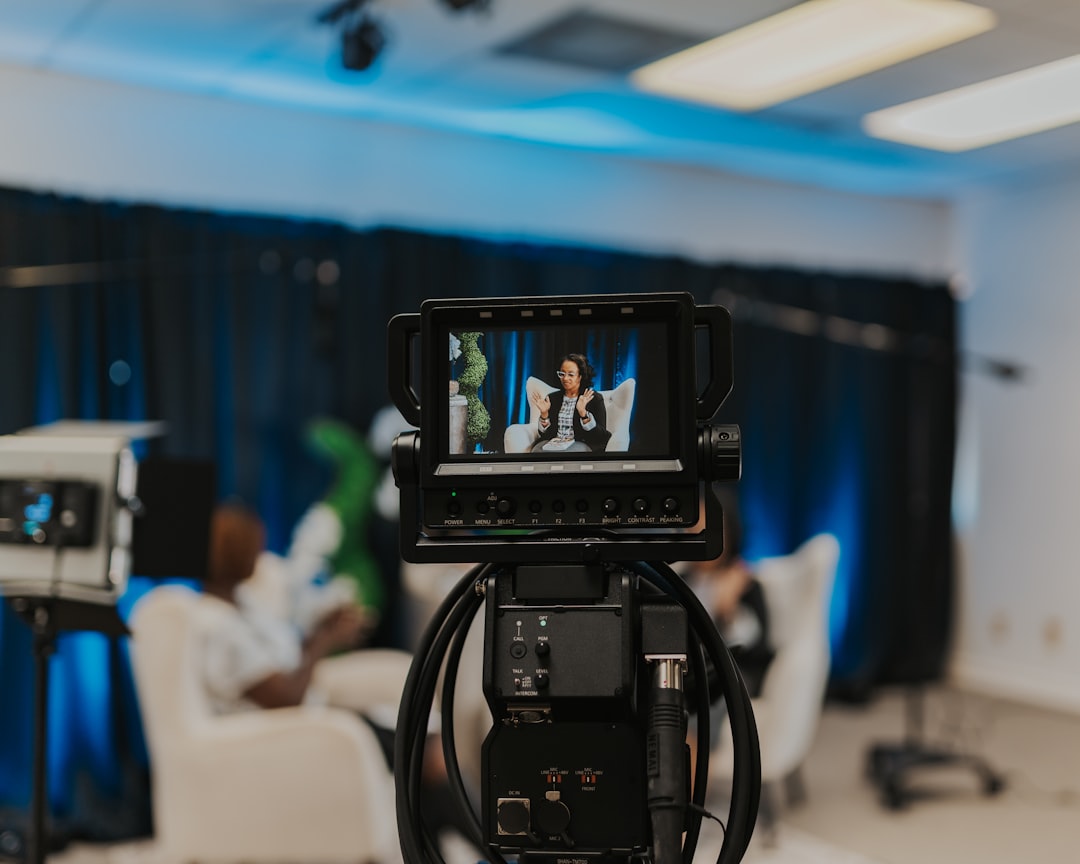
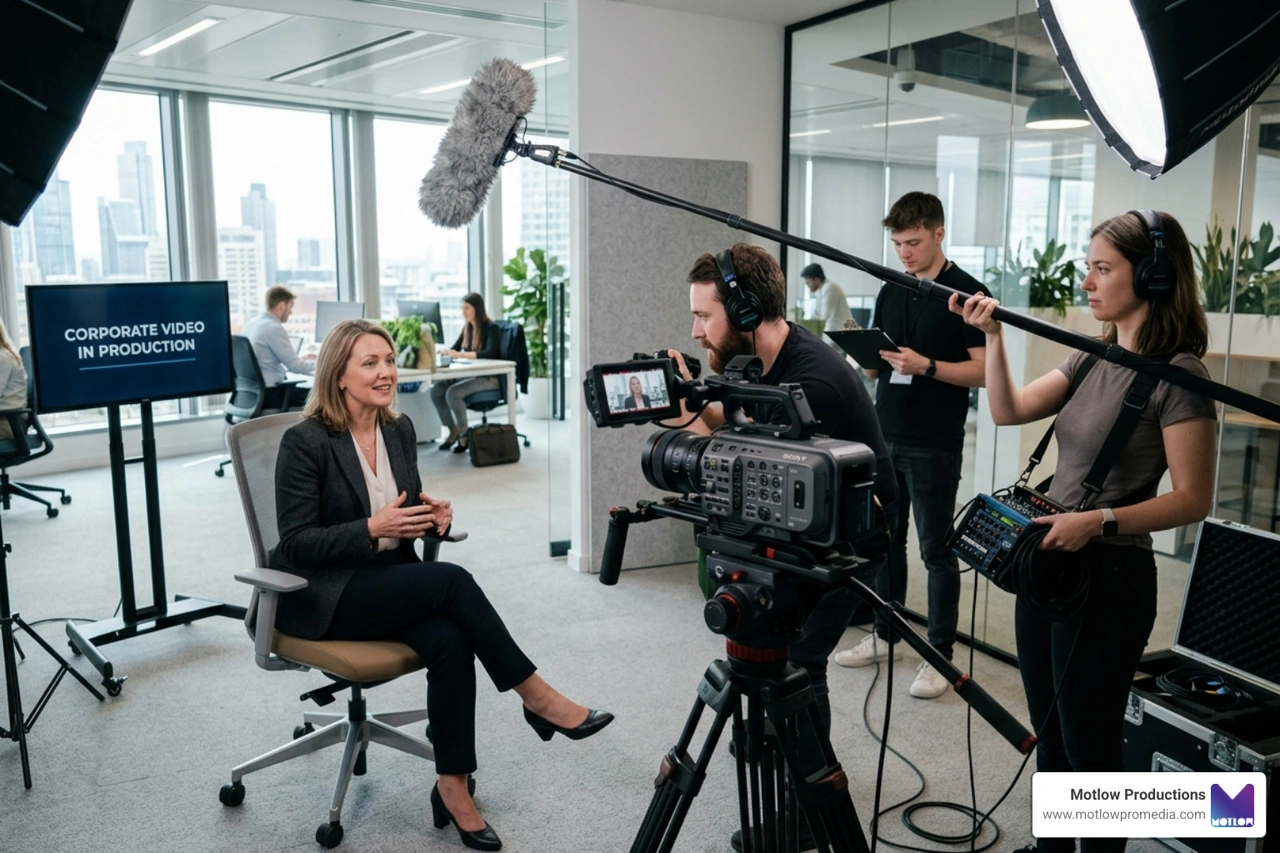
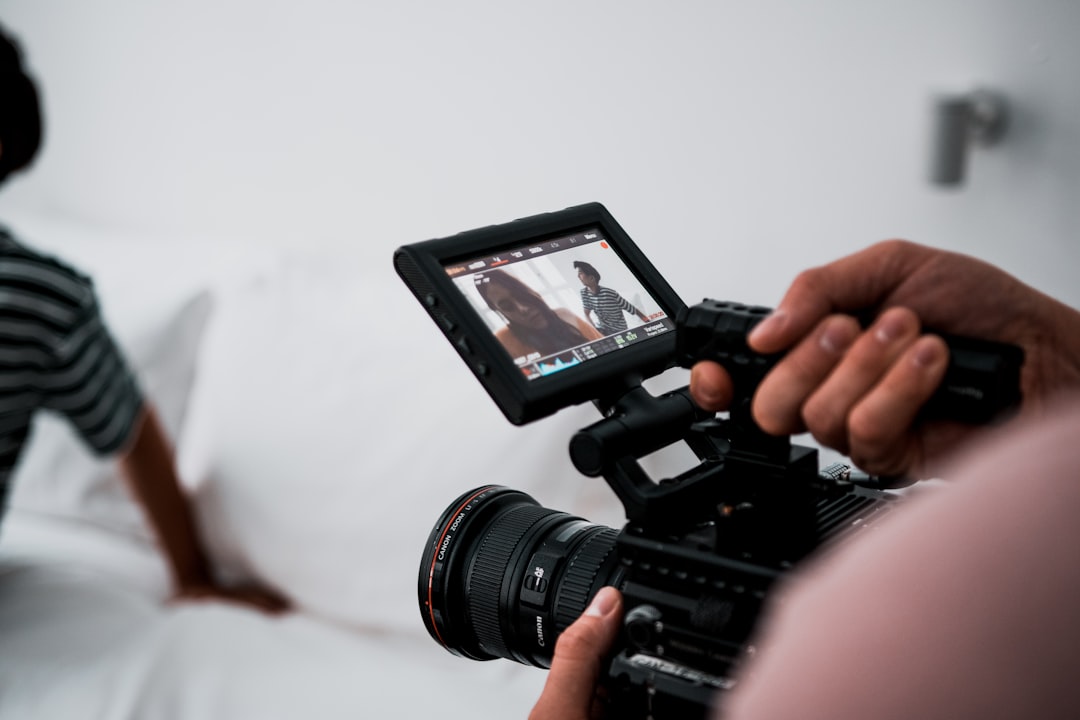
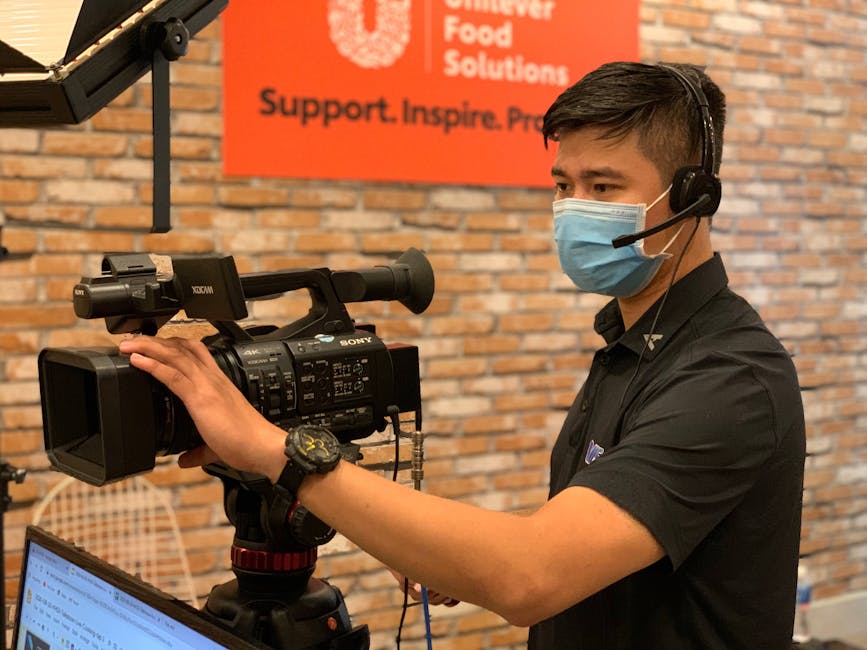
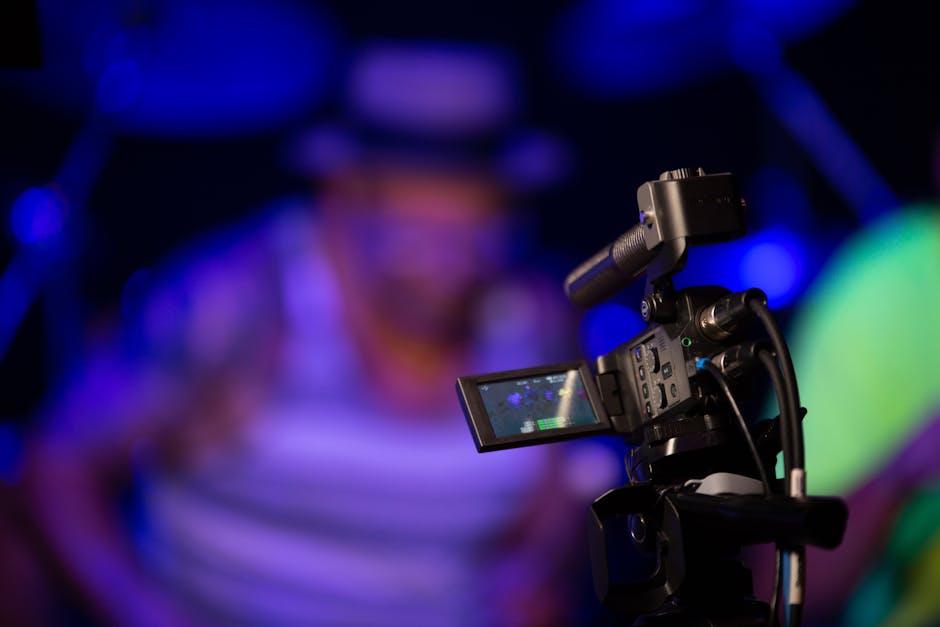
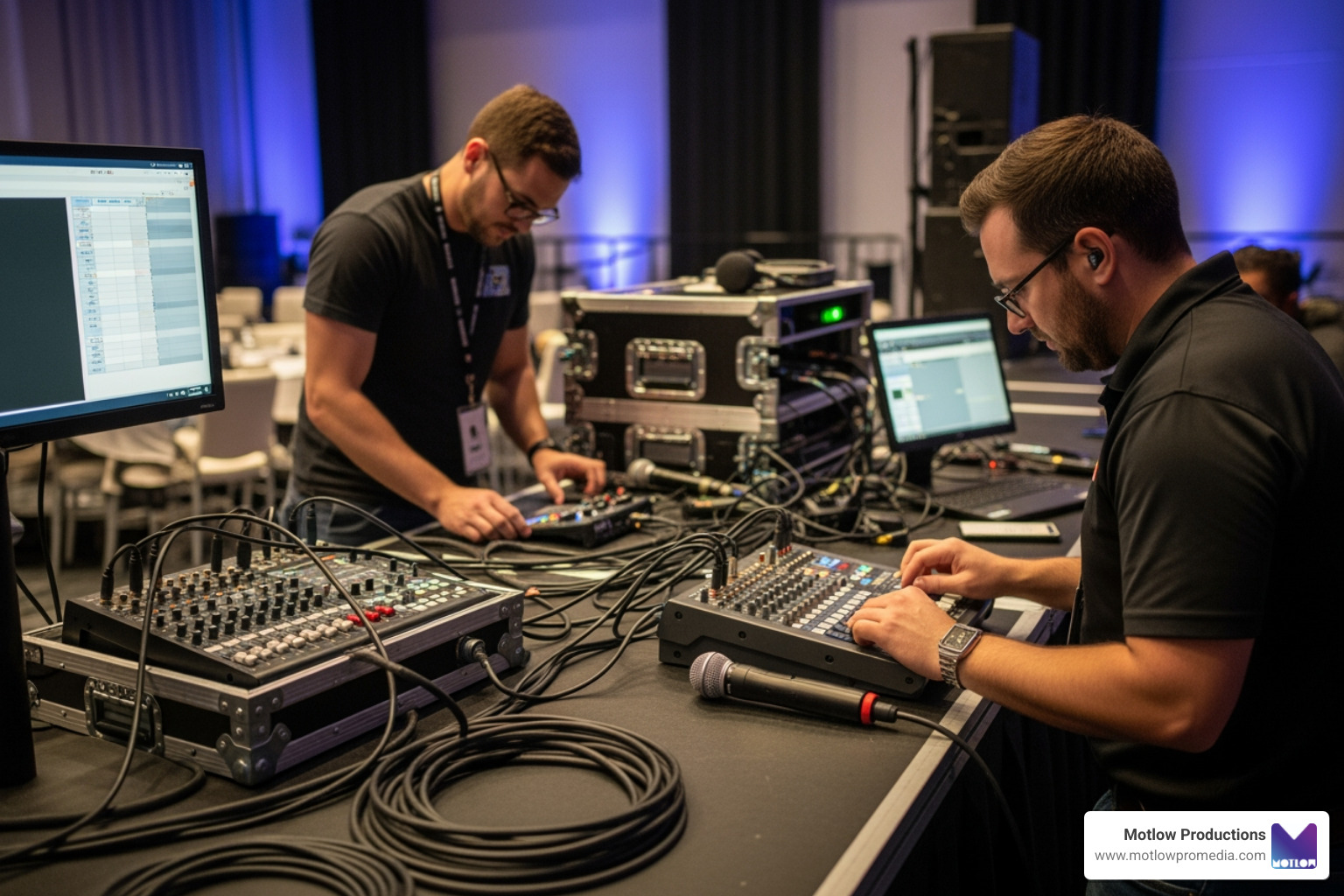
Professional production removes the "technical friction" of DIY. You don't have to worry about bad lighting, shaky shots, or audio hiss. A professional team like us acts as a trusted extension of your staff, handling the "hands-on" execution so you can focus on the "hands-off" strategy. This results in a higher "first impression" score with potential clients.
At the end of the day, communication is about connection. Whether you are sharing a funny clip to lighten the mood in a meeting or producing a high-end training series for your global team, communication videos are the bridge that turns abstract soft skills into concrete actions.
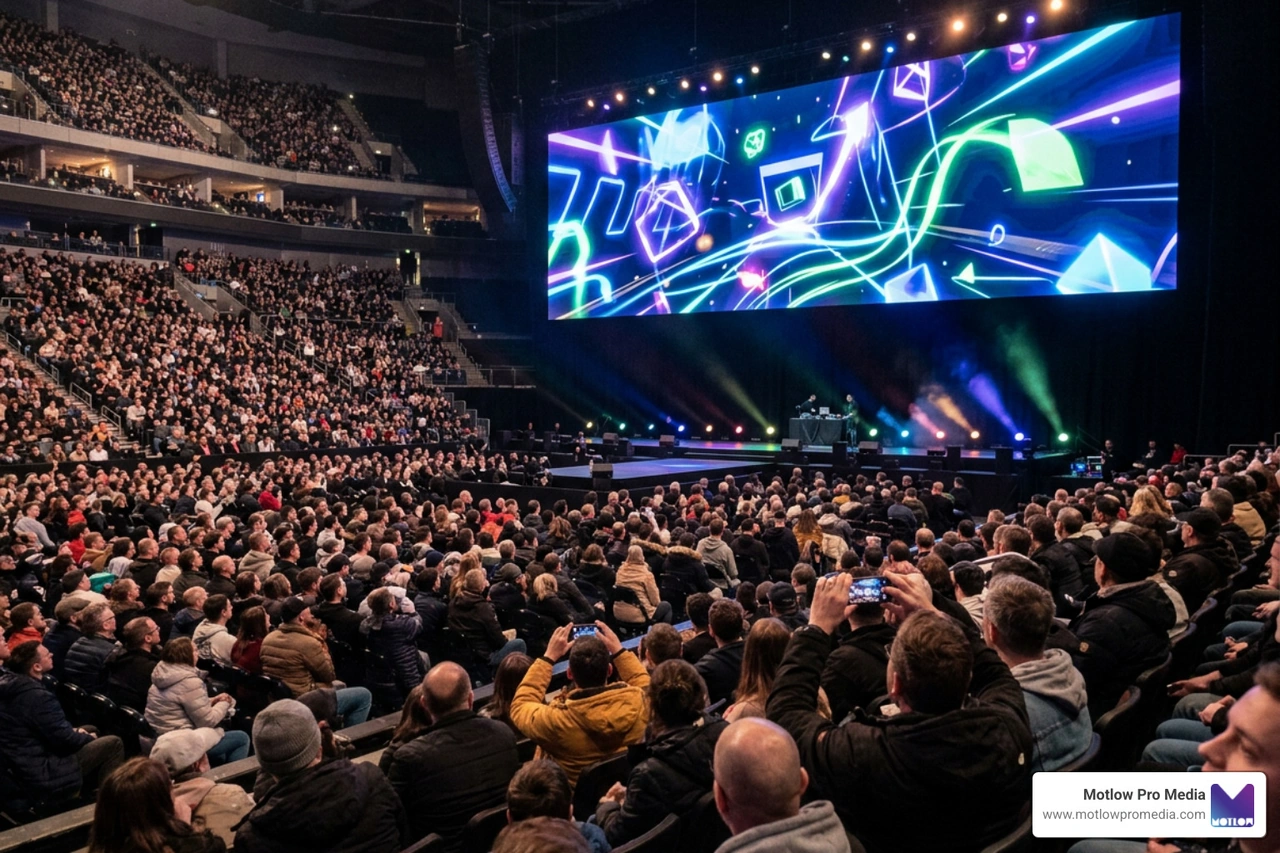
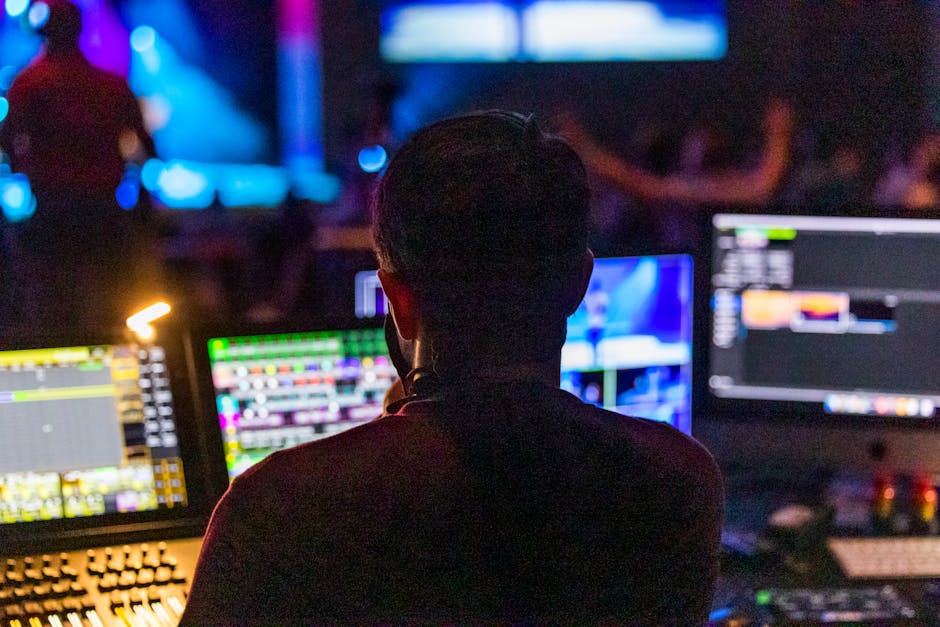
At Motlow Pro Media, we specialize in this kind of media leadership. We believe in a "hands-off, but hands-on" partnership—we take the technical burden off your shoulders while ensuring your unique brand voice shines through. From live event support to long-term content strategy, we provide the seamless execution you need to stand out in a crowded digital landscape.
Ready to transform your workplace communication? Improve your workplace skills with Motlow Pro Media and let’s start telling your story the right way.
Some clients want to give notes in a live Zoom call. Others prefer a group text or email thread. However you like to communicate, we adapt. You’ll never be left guessing where things stand - and you’ll always have a say before anything goes out the door.





Phone:
+1 863-250-8639
.png)
Email:
info@motlowpromedia.com