





-5.jpg)





















Thank you! Your submission has been received!
Oops! Something went wrong while submitting the form.

.avif)
Audio post production houses are specialized studios that transform raw audio into polished, professional soundtracks for film, TV, commercials, trailers, podcasts, and digital content. They handle everything from dialogue editing and sound design to final mixing in formats like stereo, 5.1 surround, and Dolby Atmos.
Top audio post production houses offer:
Most people don't realize that 90% of emotional impact in media comes from sound. A crisp line of dialogue, perfectly timed sound effects, or an immersive Dolby Atmos mix can mean the difference between content that connects and content that falls flat.
The best audio post production houses combine technical excellence with creative insight. Top-tier studios finish hundreds of 5.1 cinema trailers each year with senior engineers who have logged 40,000+ studio hours. Other facilities have been serving their regions for over 40 years, while elite teams work on Oscar-winning and Cannes Palme d'Or projects. Whether you are looking for Dallas audio post expertise or global production standards, choosing the right partner matters.
Top houses offer free mix feedback, 12-month project archiving, and same-day service to keep your production on track.
I'm Miranda Motlow, founder and CEO of Motlow Pro Media, and I've spent over a decade creating marketing content for clients who demand both emotional resonance and technical precision—the exact combination that defines great audio post production houses. My background in journalism and video storytelling has shown me how the right audio partner lifts every project.
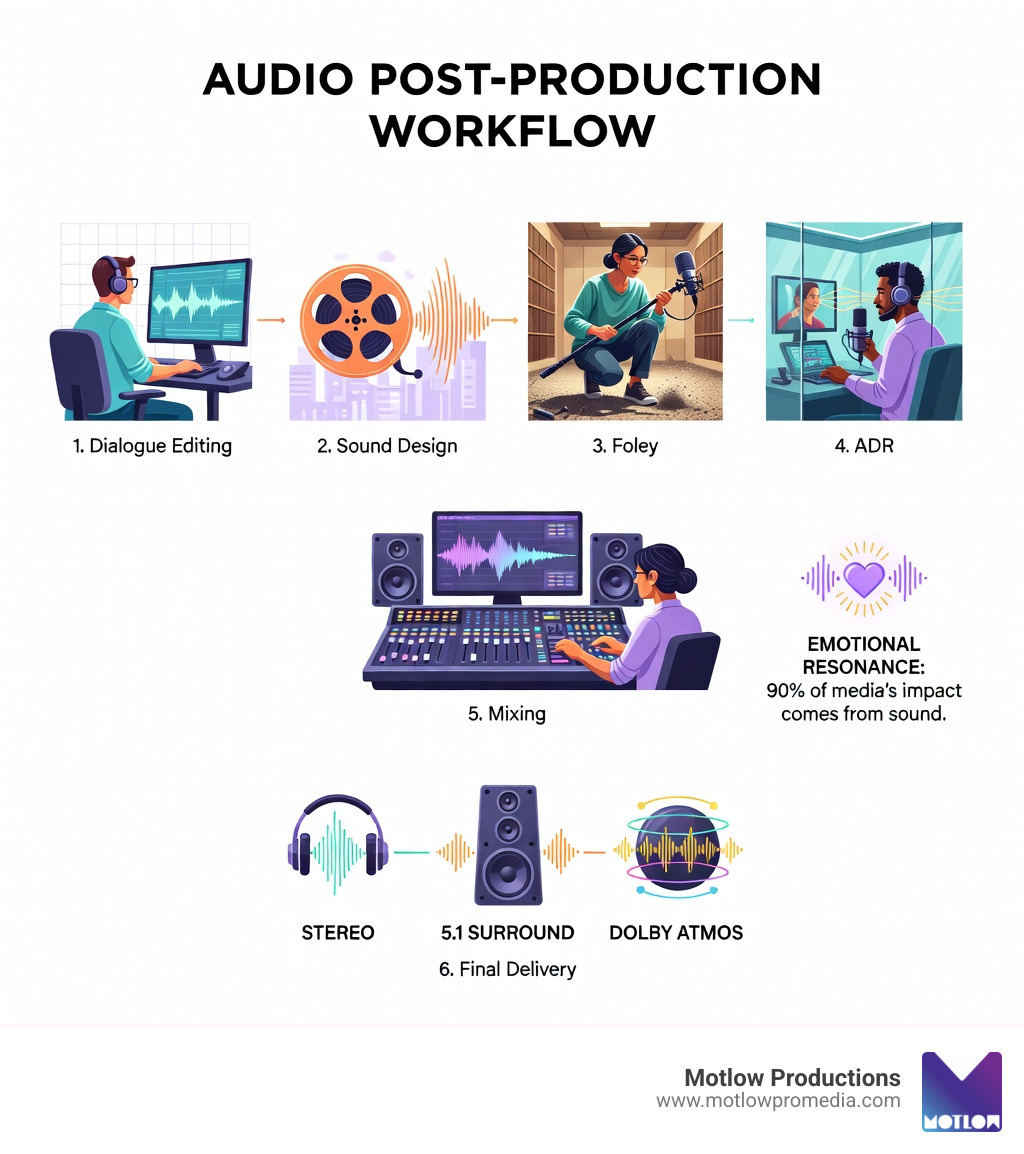
When we talk about audio post production houses, we aren't just talking about someone turning up the volume. We’re talking about a multi-layered process that takes a project from "rough around the edges" to "award-ready."
This is the foundation. A dialogue editor’s job is to ensure every word spoken on screen is intelligible and clear. They remove distracting background noises, clicks, pops, and "mouth sounds."
Named after Jack Foley, this is the art of creating everyday sound effects in a studio. Think of the crunch of footsteps on gravel, the jingle of keys, or the rustle of a silk dress. High-end studios often have dedicated Foley stages filled with props to recreate these sounds with organic texture.
Sometimes location audio is just unusable. In these cases, actors come into a "loop group friendly" ADR studio to re-record their lines while watching the footage. Top houses in major production hubs provide the perfect environment for actors to recapture their original performance in a controlled setting.
While Foley covers the small stuff, sound design handles the "big" stuff. This includes everything from the roar of a spaceship engine to the "flap-your-trousers" trailer effects that make audiences jump in their seats.
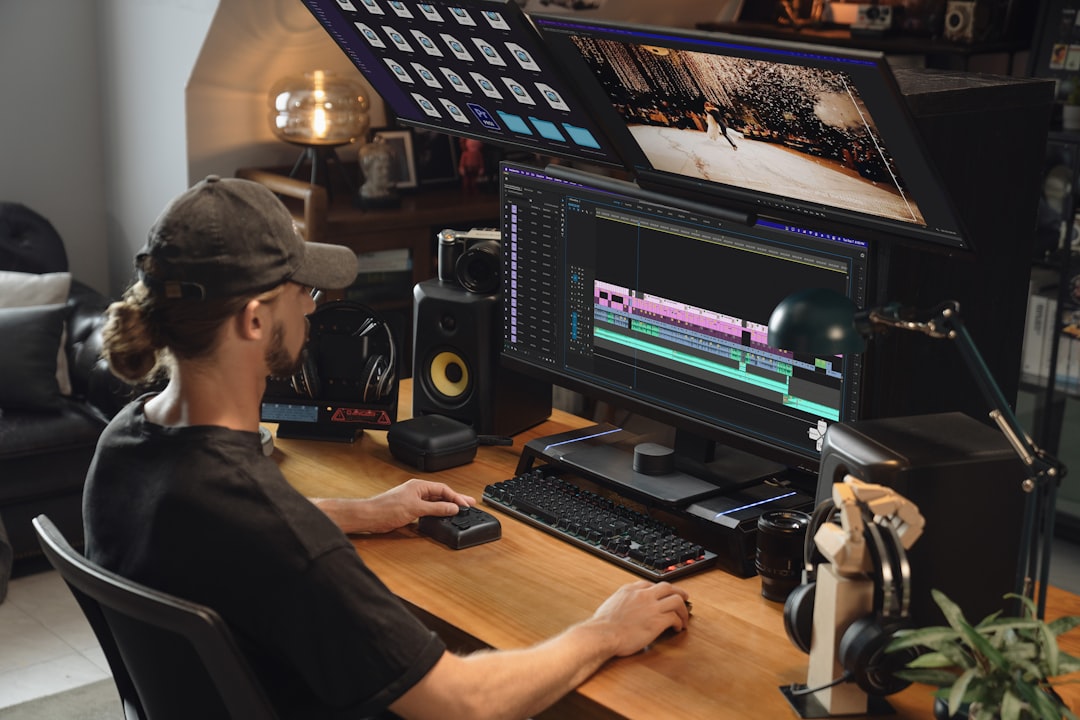
Modern audio post production houses use AI-empowered software and state-of-the-art hardware to clean up audio that would have been discarded a decade ago.
This is where all the elements—dialogue, music, Foley, and SFX—are blended together. The goal is to ensure nothing clashes and the "art and soul" of the project shines through. As audio engineer Eddie Kramer said, "Mixing is way more art and soul than science."
The industry has moved far beyond simple stereo. Today, we live in an era of immersive sound.
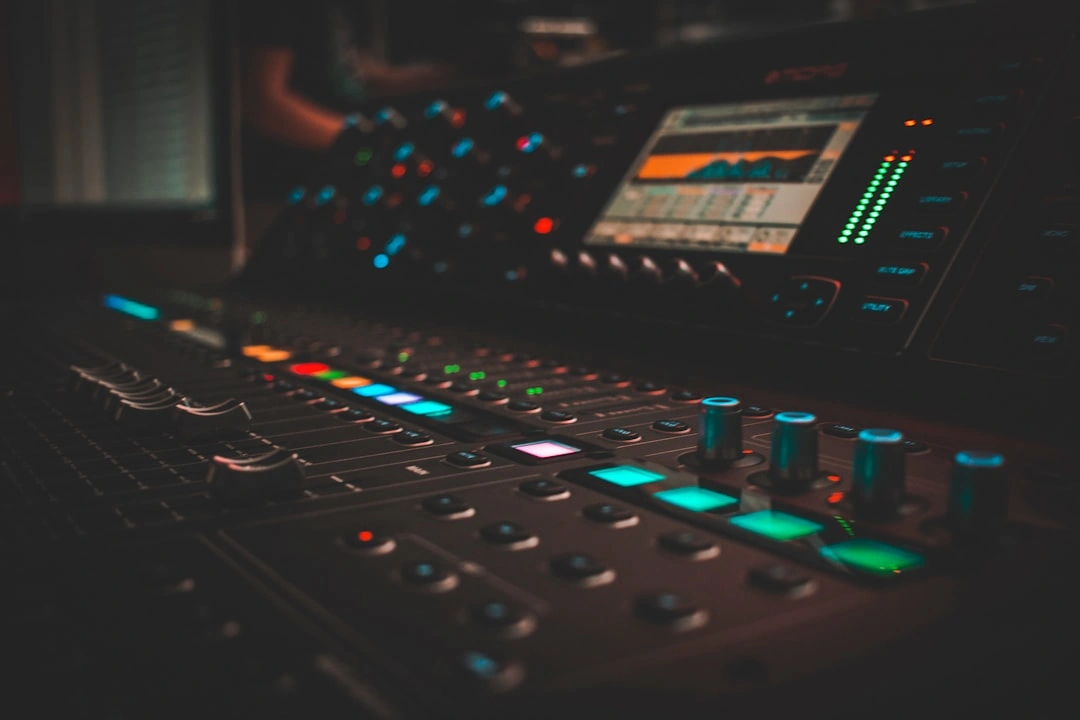
Premium studios boast 18-discrete speaker mix stages and high-end monitoring from brands like Genelec or Unity Audio Boulders. These setups allow engineers to place sound with pinpoint accuracy, which is essential for VR, high-end gaming, and theatrical releases.
Not every project is a feature film. Many audio post production houses specialize in high-turnover, high-impact media:
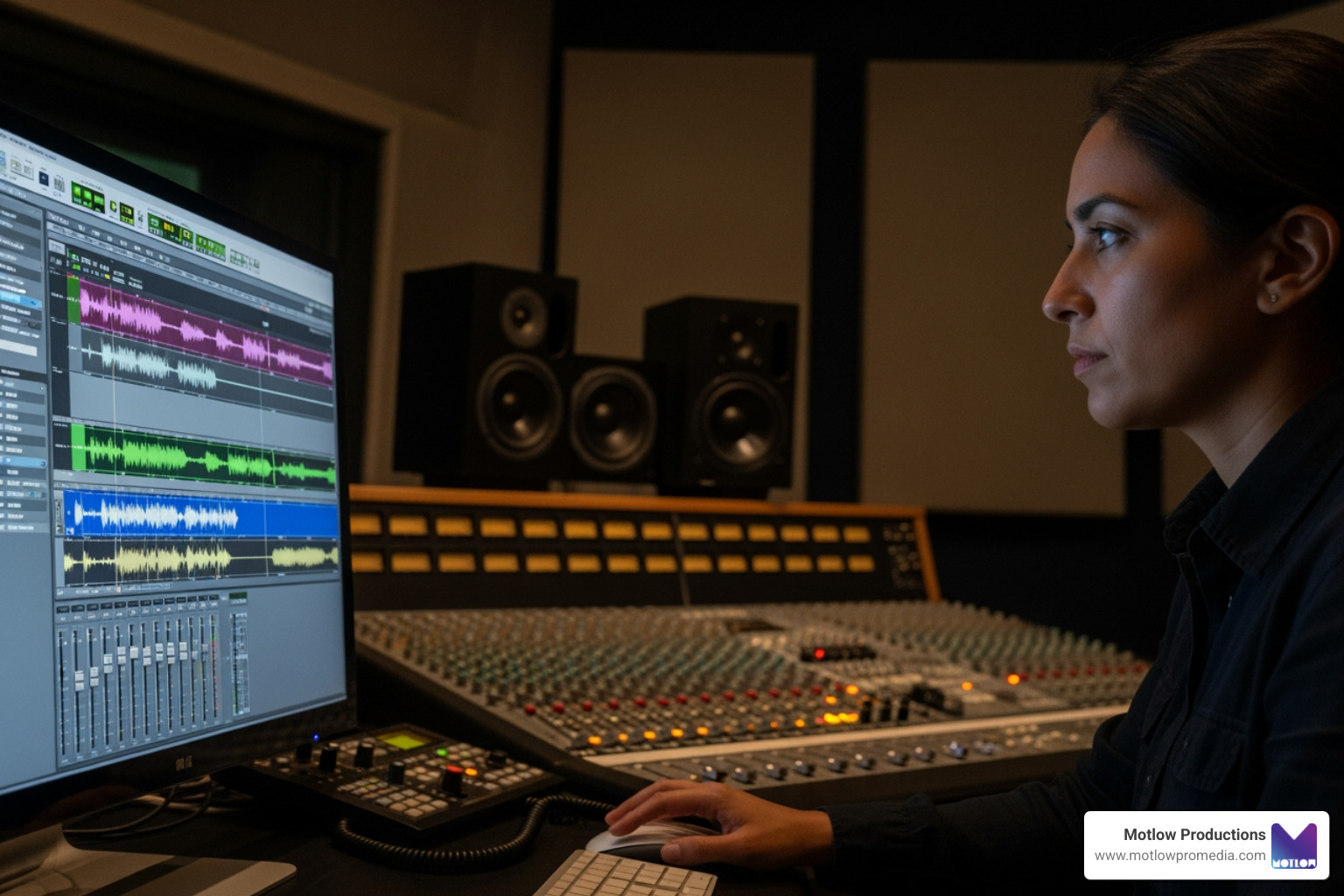
When you walk into a premium audio post house, you can feel the difference immediately. It’s not just about the gear; it’s about the environment.
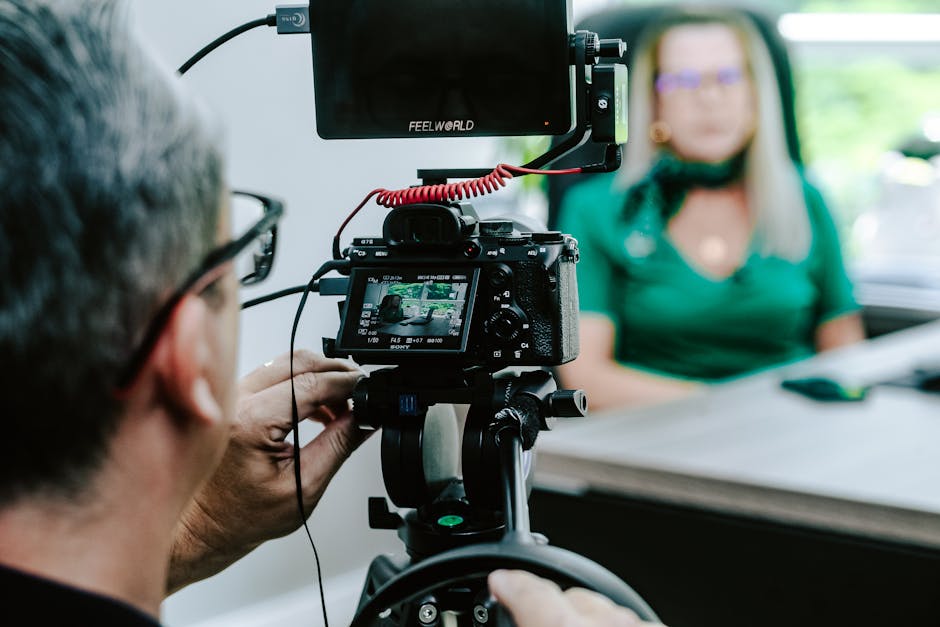
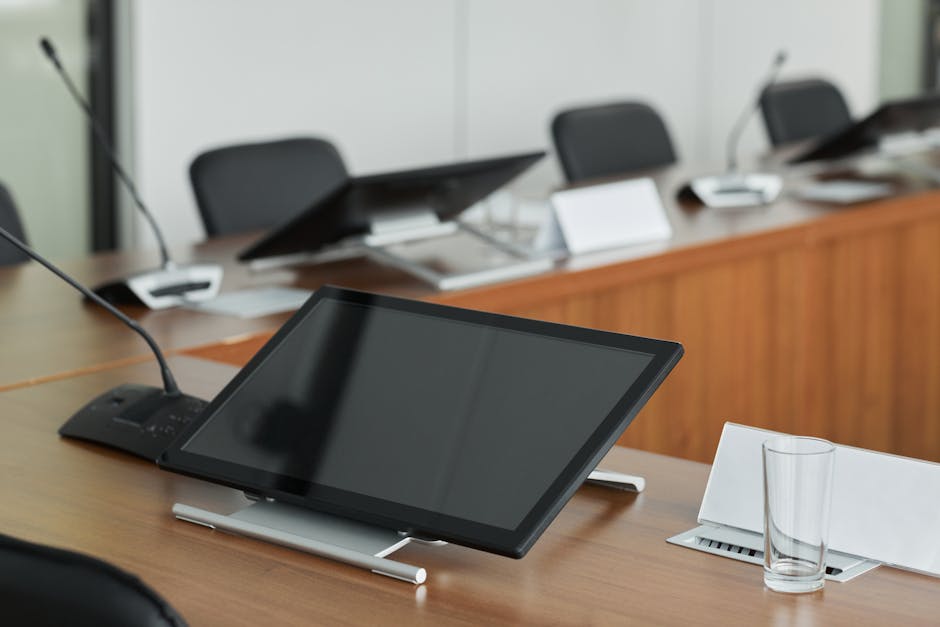
A premium facility isn't just a room with some egg-carton foam on the walls. They are purpose-built from the ground up for "sonic world-building." For example, top-tier studios are often built over many months to ensure perfect acoustics. These spaces often include:
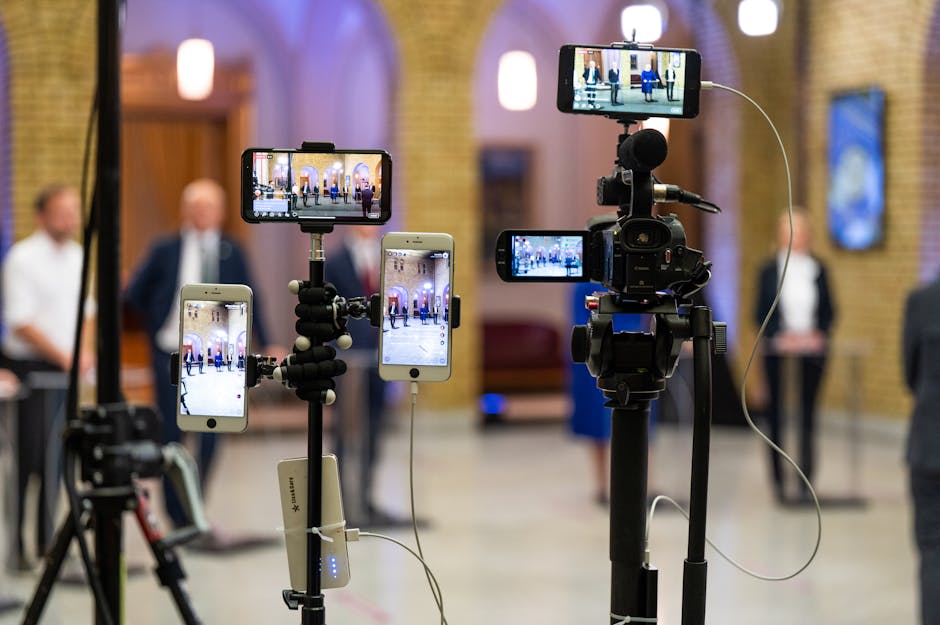
In a post-COVID world, you don't always have to be in the room. Top houses use tools like FrameIO or specialized remote-mix software to allow directors to review a mix in real-time from anywhere in the world.
The equipment is only as good as the person operating it. This is an industry where hours logged matter.
The world of audio is changing fast. Here is a look at how formats are evolving:
| Format | Audio Channels | Best Use Case |
|---|---|---|
| Stereo | 2 Channels (L/R) | Podcasts, Social Media, Mobile Content |
| 5.1 / 7.1 Surround | 6-8 Channels | Standard Cinema, DVD/Blu-ray, Home Theater |
| Dolby Atmos | Object-based (up to 128) | Immersive Cinema, VR, High-end Streaming |
AI is no longer a buzzword; it’s a tool. From removing wind noise to identifying the best takes in a podcast, AI is helping engineers work faster. However, as the pros might tell you, it still takes a human ear to know when the "vibe" is right.
Immersive soundscapes for VR require "spatial audio," where the sound changes based on which way the user turns their head. This requires a completely different mixing philosophy than traditional film.
With the rise of streaming, the volume of trailers and "sizzles" has exploded. Studios have had to develop hyper-efficient workflows to deliver 5.1 mixes in hours rather than days.
Selecting from the many audio post production houses available can be daunting. Here’s what we suggest looking for:
While many editors try to mix in-house, specialized audio post production houses offer:
Sound editing is the process of gathering, cleaning, and placing the sounds (the "building blocks"). Mixing is the process of balancing those sounds, adding effects, and ensuring the final output sounds cohesive and professional.
Even the best location sound mixers can't stop a barking dog, a loud air conditioner, or a technical glitch in the microphone. ADR allows the production to get "clean" dialogue that can then be processed to sound like it was recorded on location.
Networks and streaming platforms have strict rules (like -24 LKFS/LUFS) to ensure viewers don't have to constantly adjust their volume. If your mix is too loud or too quiet, it will be rejected. Professional audio post production houses use specialized meters to ensure you are always in compliance. For a deeper overview of why broadcast loudness rules exist and how they're measured, see EBU R 128.
At the end of the day, your project deserves to be heard as much as it deserves to be seen. Whether you are looking for a veteran engineer or a specialized team for your next trailer, the right audio post production houses act as a trusted extension of your team.
At Motlow Pro Media, we understand that the best media comes from a "hands-off, but hands-on" partnership. We pride ourselves on seamless execution and clear communication, much like the elite audio houses we’ve discussed today. If you're looking for media leadership that treats your content with the same enthusiasm and technical rigor as a Hollywood mix stage, we're here to help.
Learn more about our content creation and media leadership services
If you're ready to start your next project, reach out to us directly at Motlow Productions to see how we can lift your corporate media to new "sonic heights."
Remember: Sound isn't just half the experience—it's the soul of the story.
Some clients want to give notes in a live Zoom call. Others prefer a group text or email thread. However you like to communicate, we adapt. You’ll never be left guessing where things stand - and you’ll always have a say before anything goes out the door.





Phone:
+1 863-250-8639
.png)
Email:
info@motlowpromedia.com