








-5.jpg)
































Thank you! Your submission has been received!
Oops! Something went wrong while submitting the form.

.avif)
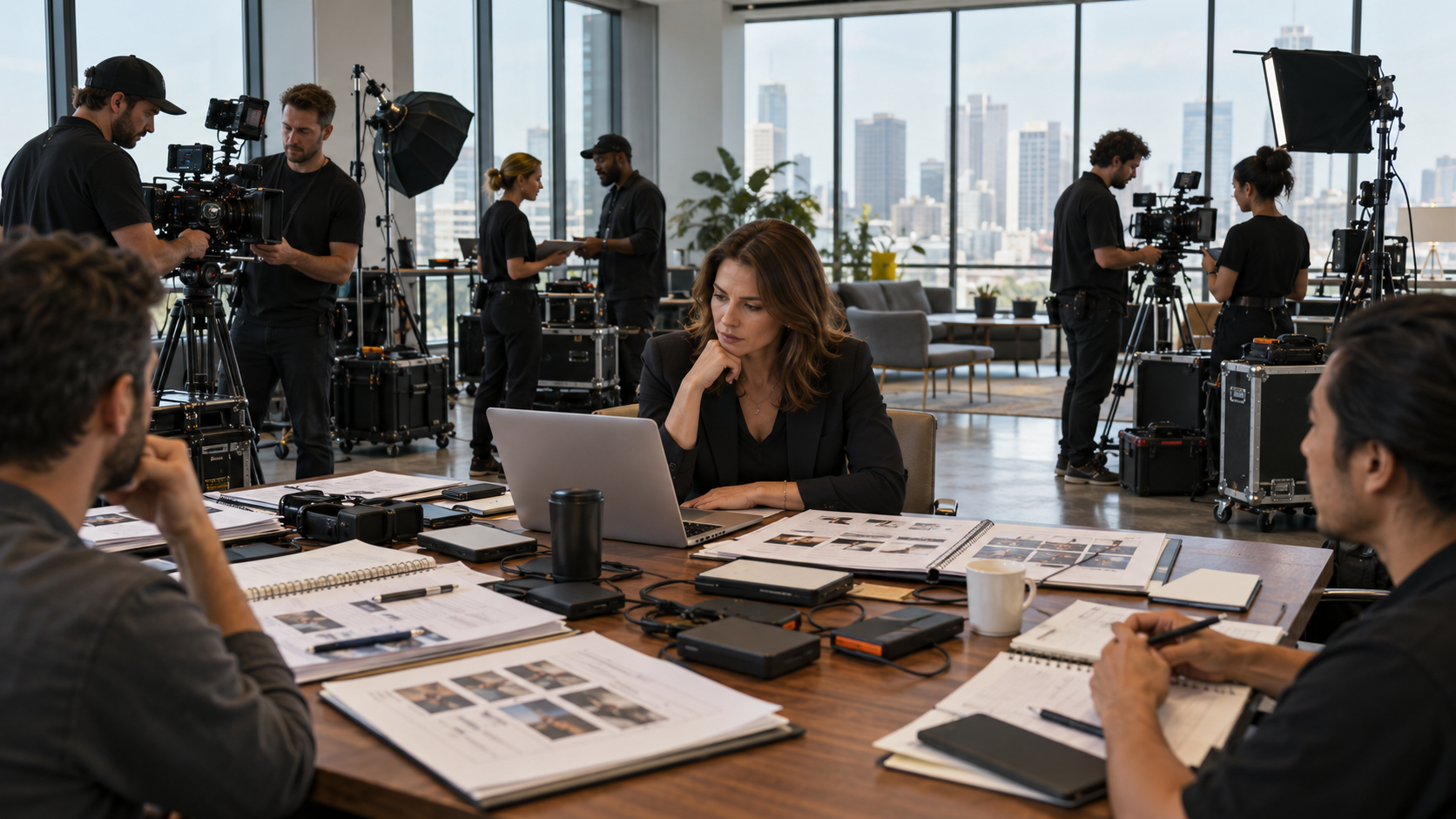
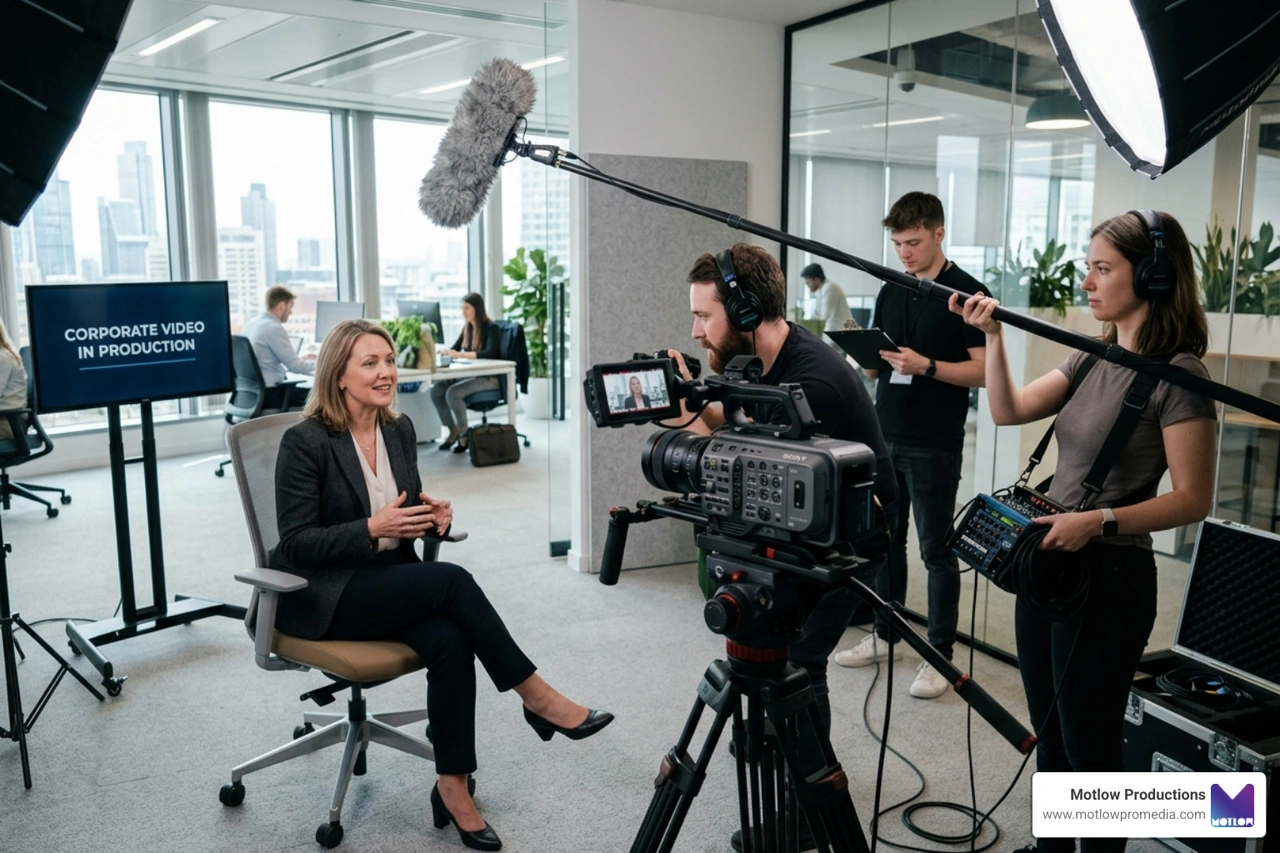
Pre-production planning is the critical phase where you organize every creative, logistical, and financial element before cameras roll. It's the difference between a smooth, professional production and a chaotic scramble that wastes time and money.
What Pre-Production Planning Includes:
Behind every seamless production is a well-planned pre-production process. As one filmmaker puts it: "Preparing for a film shoot is daunting – particularly if you didn't go to film school. But the simplest way to approach the pre-production process is to break it down into chunks."
The reality is stark: most productions aim to shoot five pages per day (about five minutes of screen time), and experts recommend dedicating at least one-third of your total production timeline to pre-production. For a year-long project, that means four months of planning before you ever hit record.
Yet many corporate teams skip this phase or rush through it, leading to budget overruns, missed deadlines, and content that doesn't meet brand standards. When you're juggling multiple projects with stretched internal resources, the temptation to jump straight to production is real. But as the research shows, pre-production is the cheapest part of any production - it's where you can move slowly, weigh options, and make changes without significant financial loss.
The alternative? Phrases like "we'll deal with it on set" or "we'll fix it in post" become expensive Band-Aids for problems that should have been solved during planning.
I'm Miranda Motlow, CEO of Motlow Pro Media, and over the past decade I've seen how thorough pre-production planning transforms casino marketing campaigns and corporate video projects from stressful scrambles into smooth, professional productions. Whether we're creating a 30-second social video or managing a live event, the planning phase is where we build the foundation for content that truly connects with audiences.

When we talk about Pre production planning, we aren't just talking about a "to-do" list. We are talking about the structural integrity of your project. Think of it like a blueprint for a house; you wouldn't start pouring concrete without knowing where the plumbing goes.
The first pillar is budget itemization. This isn't just a total number at the bottom of a page. It is a granular look at every single expense, from equipment rentals to the lunch provided for the crew. A critical mistake many make is failing to include contingency funds. We always recommend "padding your budget" to account for the unexpected—whether that's a sudden rainstorm during an outdoor shoot or a piece of equipment that needs an emergency replacement.
Resource allocation is the art of making sure your money goes where it will have the most impact. For example, if you have a limited budget, you might choose to shoot in a local office rather than a high-end studio to save funds for a better cinematographer. To help you steer this, check out this A Quick Guide to Planning your Pre-production Schedule.
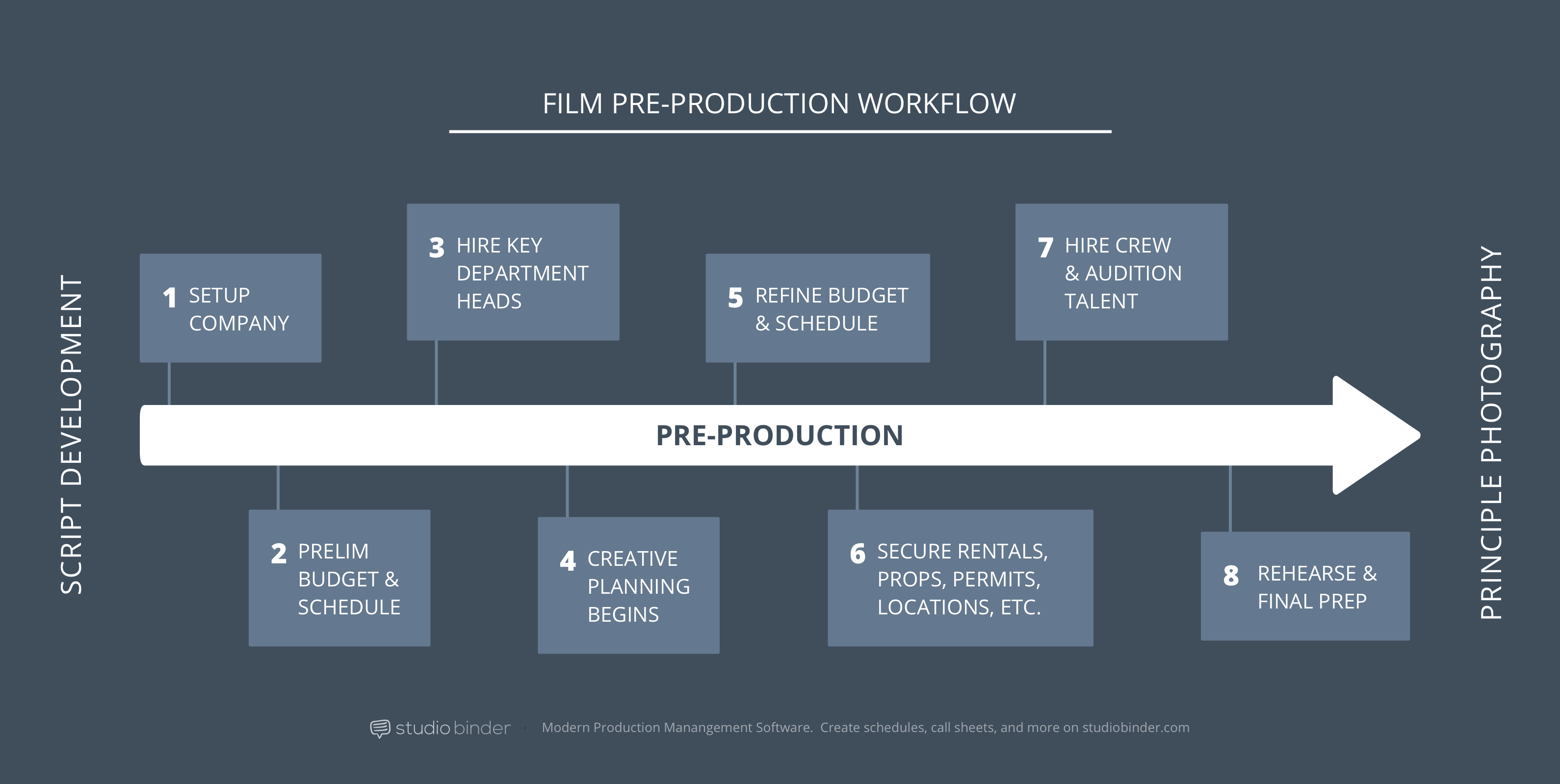
Timing is everything. One of the most reliable industry benchmarks is the one-third rule: pre-production should take up at least 33% of your total project timeline. If you have a project due in three months, you should spend the first full month in the planning phase.
The timeline varies based on the project scope. A 30-second commercial might require two weeks of prep, while a feature film or a complex corporate documentary could require months. Setting clear milestones—such as "Script Locked," "Casting Complete," and "Locations Secured"—keeps the momentum moving forward. You can find a high-resolution chart here to help visualize this workflow.
You can't do it alone. Even in a corporate setting, you need a core team that understands the mission.
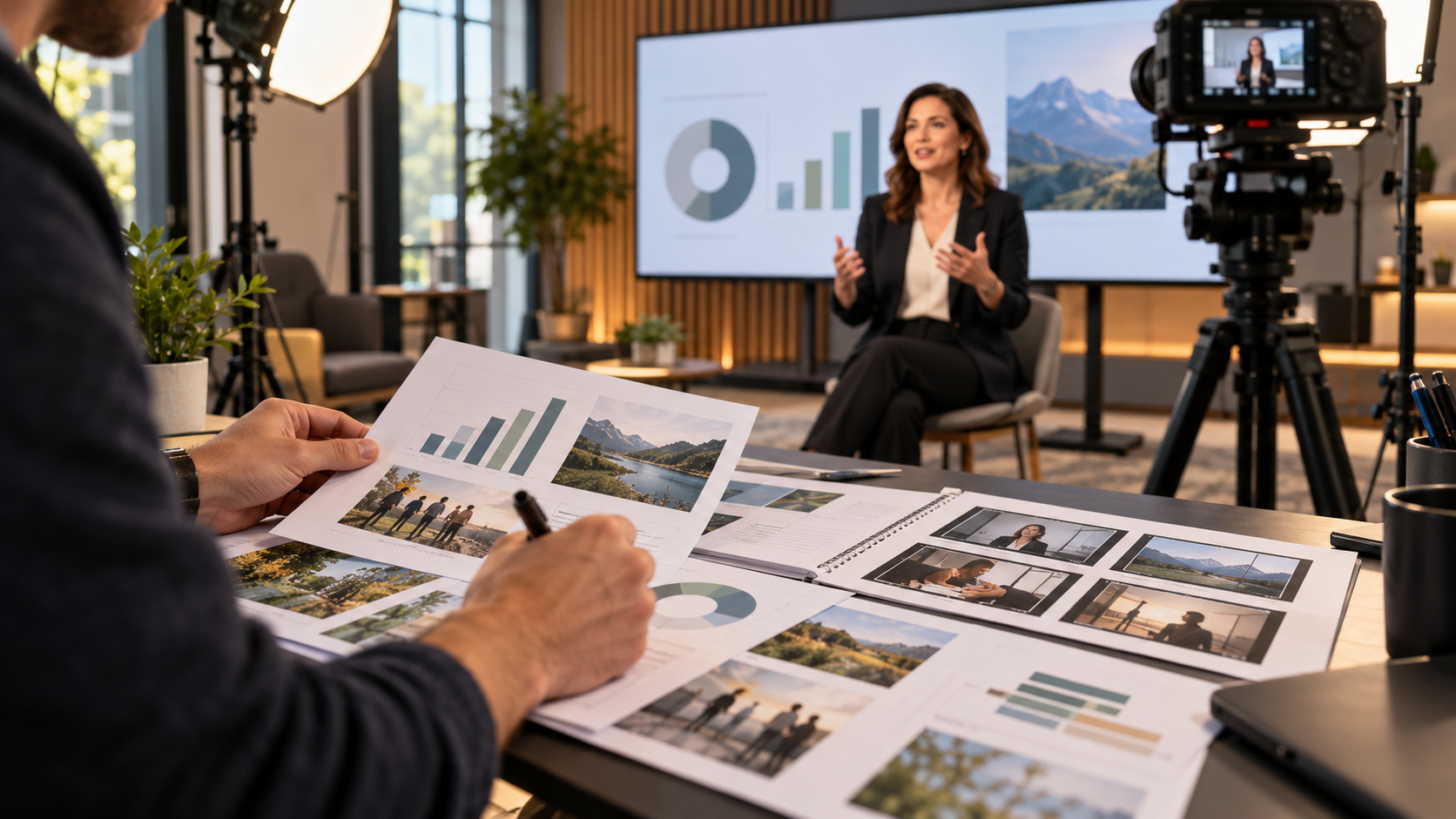
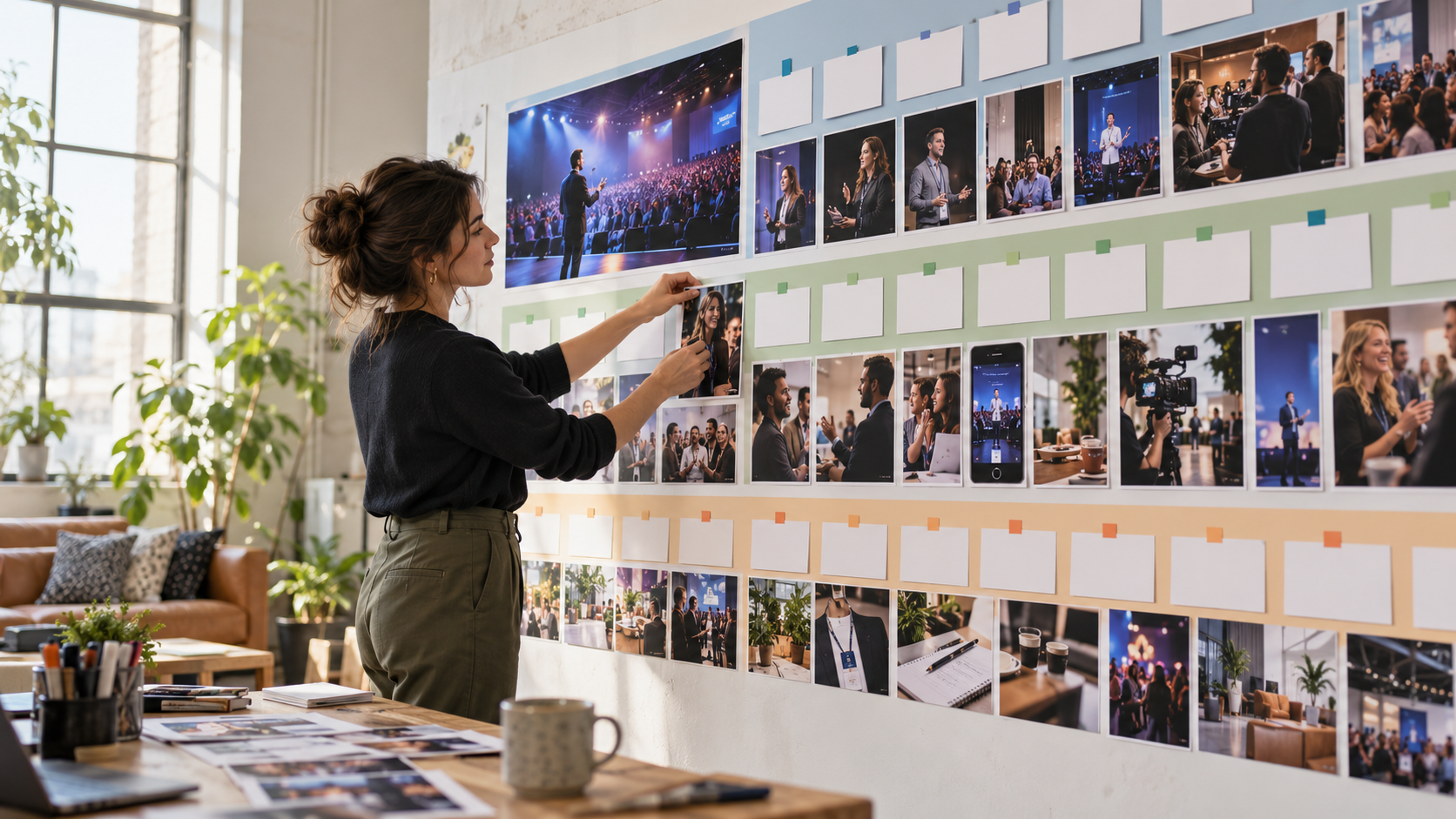
Before we ever pick up a camera, we need to "see" the movie. Visual storytelling starts with storyboarding. This process allows us to map out scene continuity and camera angles so there are no surprises on the day of the shoot. It also helps departments work independently; if the lighting crew knows exactly where the actors will be standing, they can prep the set faster.
If you're looking for a way to streamline this, you can Try Boords Free. It’s a fantastic tool that has been trusted by over a million creatives to iterate quickly and gather feedback in one place.
The script breakdown is the process of combing through the screenplay and highlighting every single "element" required. This includes:
This script breakdown process is what transforms a creative story into a logistical reality. Without it, you’ll inevitably find yourself on set realizing you forgot a key prop, which can stall production for hours.
While storyboards show the "what," the shot list shows the "how." This is a collaborative effort between the Director and the DP. We decide on the lighting schemes and specific lens choices for every single shot. Crafting a visual rendition of the script allows the entire crew to stay aligned with the creative vision, ensuring that the final product looks exactly how we imagined it during development.
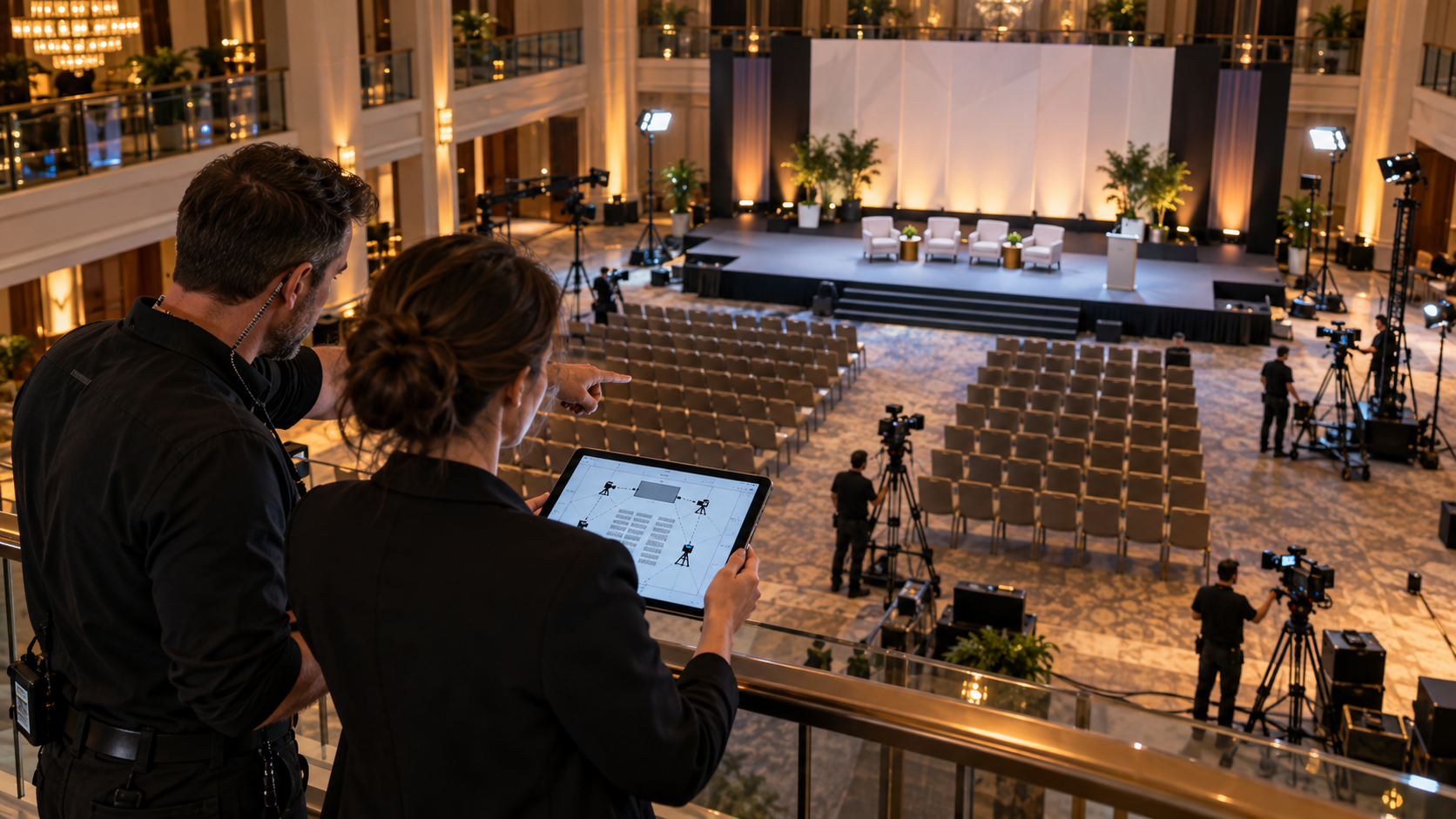
Logistics might not be "glamorous," but they are the "heavy lifting" of Pre production planning. This phase includes location scouting, where we look at more than just the aesthetics. We conduct tech scouts to check for power outlets, parking for the crew, and the sound environment. (Pro tip: Never shoot a period piece next to a busy highway unless you want a post-production nightmare!)
Securing locations also means you must Engage with local authorities early to obtain the necessary permissions. Overlooking this can lead to costly fines or being shut down mid-shoot.
In the corporate world, paperwork is your best friend. You need:
Maintaining a tight pre-production workflow for these documents ensures that your production is safe, legal, and efficient.
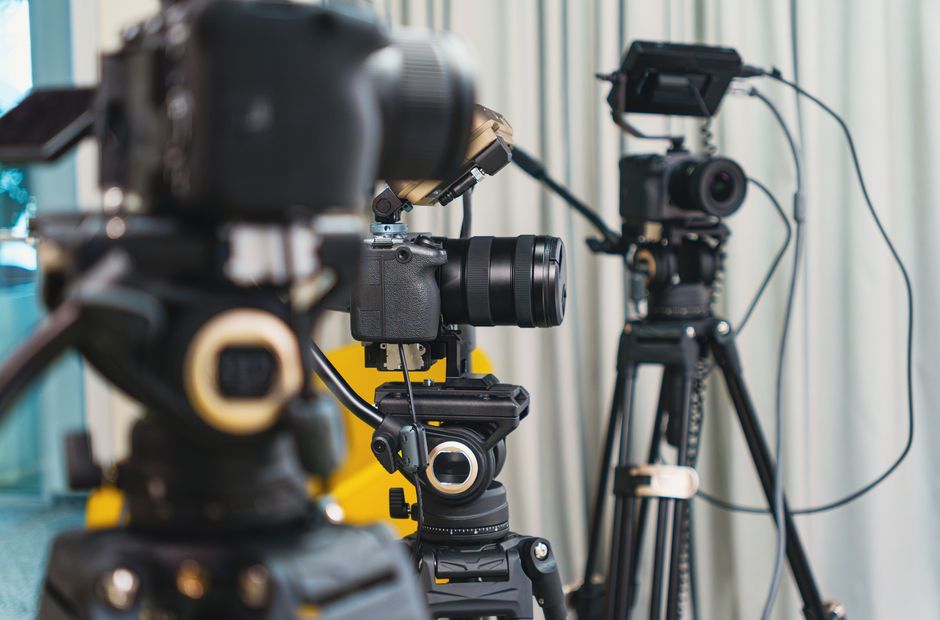
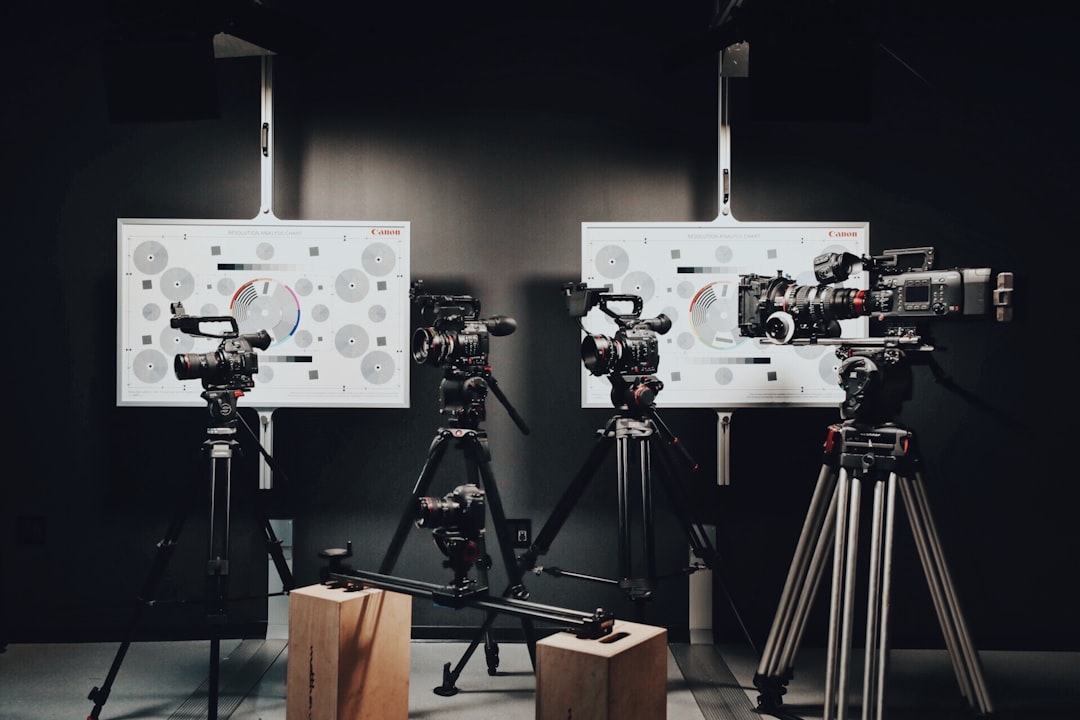
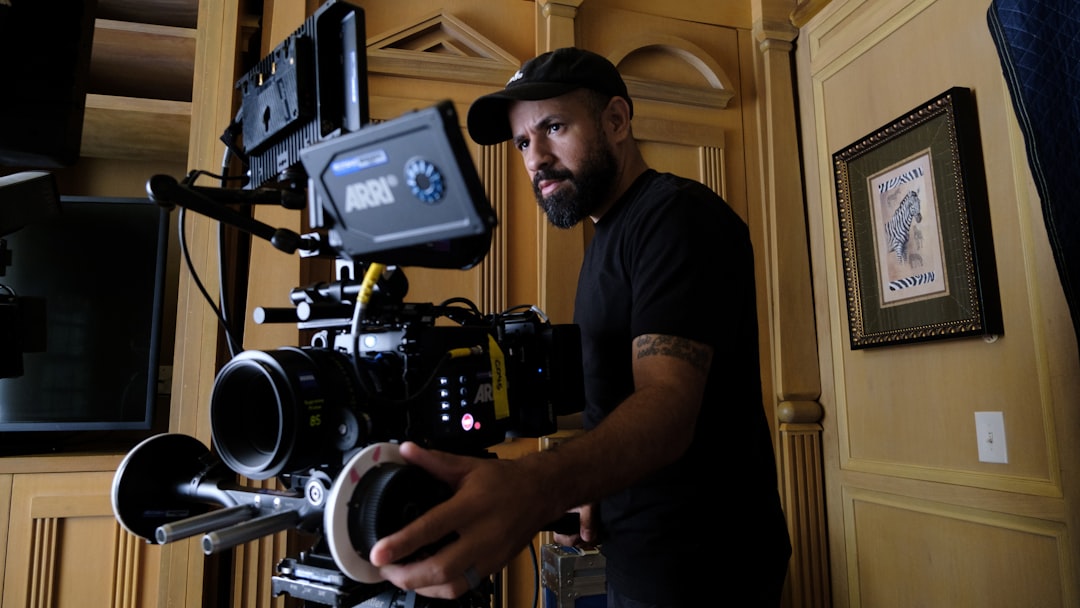
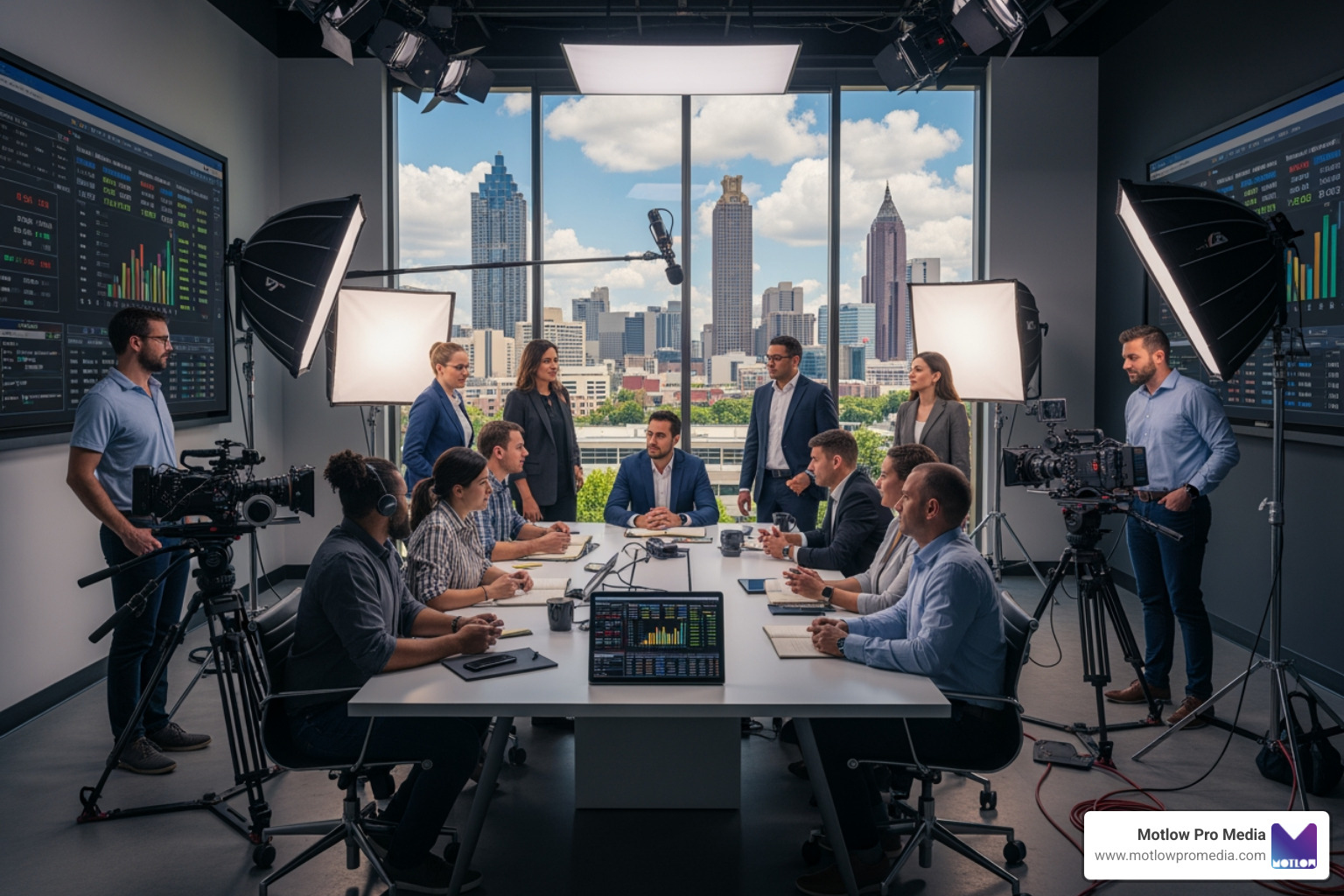
Once the shot list is finalized, we build the gear manifest. This is a detailed list of every camera, lens, light, and microphone needed. We work with rental houses well in advance, especially for specialized gear like cranes or high-end cinema drones.
Logistics also include transport—how is the gear getting to the set? Do we need a specialized van or certified operators for heavy machinery? While many use specialized software, sometimes a well-organized sheet in Microsoft Excel is the most customizable way to track these moving parts.
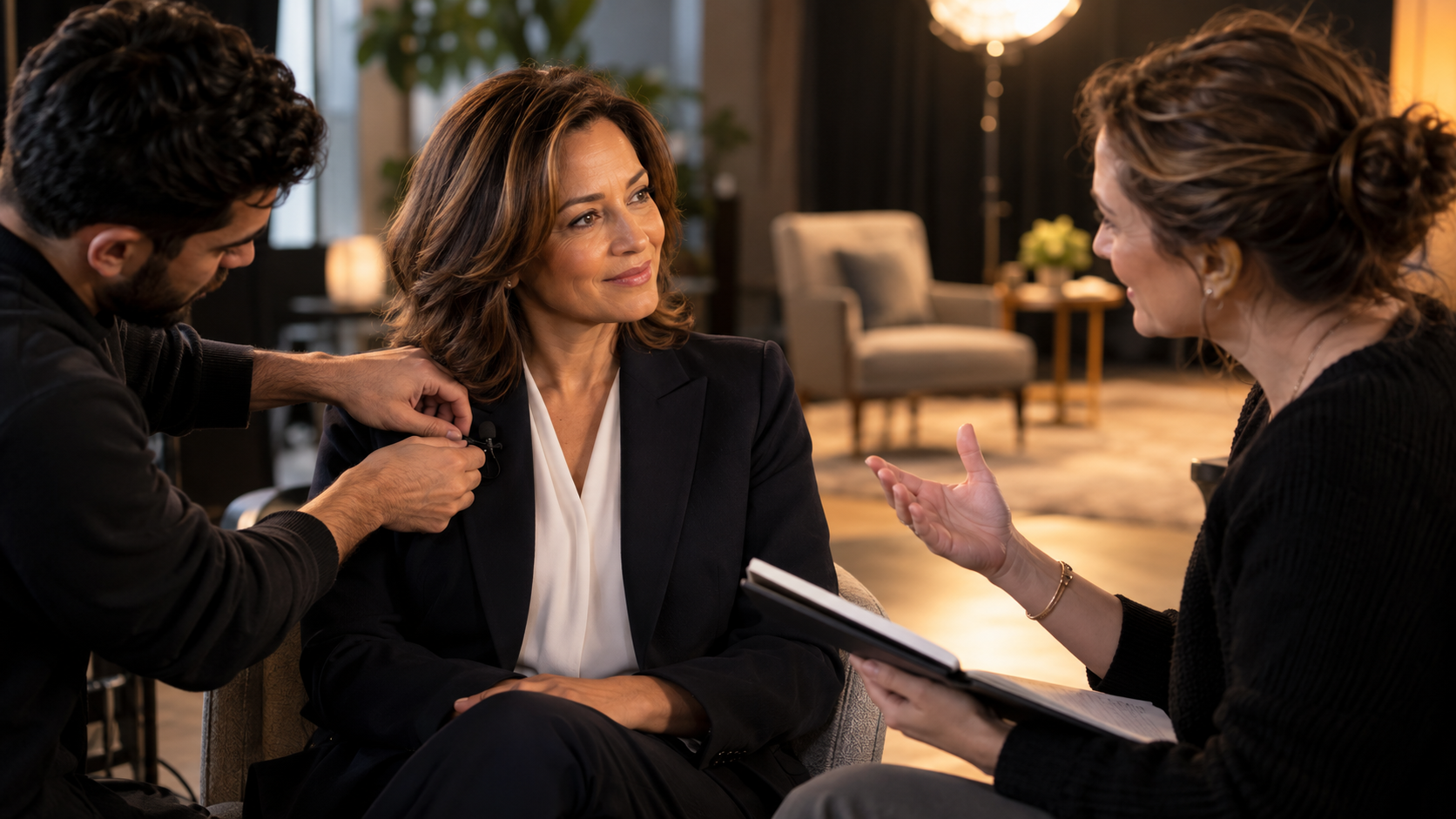
As we approach the shoot dates, we move into the "lock-in" phase. This starts with script locking—no more changes! Then, we conduct rehearsals. For corporate videos, this might just be a table read with the executives who will be on camera. For narrative work, it’s about chemistry tests and blocking (deciding where people move in the frame).
Even big stars like Robert Pattinson participate in this process to ensure that when the cameras finally roll, the performance is peak quality. Rehearsals allow us to spot technical issues early, which saves precious time on the actual shoot day.
A good schedule is a work of art. We follow the 5-page rule: aiming to shoot about five pages of script per day. To stay efficient, we use location grouping—shooting all scenes that take place in the "Boardroom" at the same time, even if they appear in different parts of the script.
We also factor in actor availability and always include buffer days. If a shoot is scheduled for three days, we might plan for four just in case of delays. For more on this, check out The Ultimate Pre-Production Guide: Step-by-Step Planning for Filmmakers.
Pre-production doesn't just look forward to the shoot; it looks forward to the edit. We plan for VFX markers if we are using green screens and establish a data management plan for how footage will be backed up.
Briefing the editor early on the delivery specifications (is this for YouTube, TV, or a cinema screen?) ensures that we shoot in the right resolution and aspect ratio. Studios like Pixar Animation Studios are famous for this; their pre-production and post-production phases overlap so heavily that the "edit" is often being planned before a single frame is finalized.
As a rule of thumb, allocate at least one-third of your total timeline to pre-production. For a standard corporate video project spanning six weeks, you should spend two full weeks in the planning phase. The more complex the project (multiple locations, large cast, heavy VFX), the longer this phase needs to be.
The most common mistake is rushing the script or failing to account for contingency funds. If the script isn't "locked" and finalized, every change made during production will cost five times as much. Additionally, poor communication between the director and the department heads can lead to mismatched expectations on set.
Because it bridges the gap between the "creative dream" and "logistical reality." The breakdown tells the producer exactly how many people to hire, what props to buy, and how many days of shooting are required. It is the primary document used to create an accurate budget and schedule.
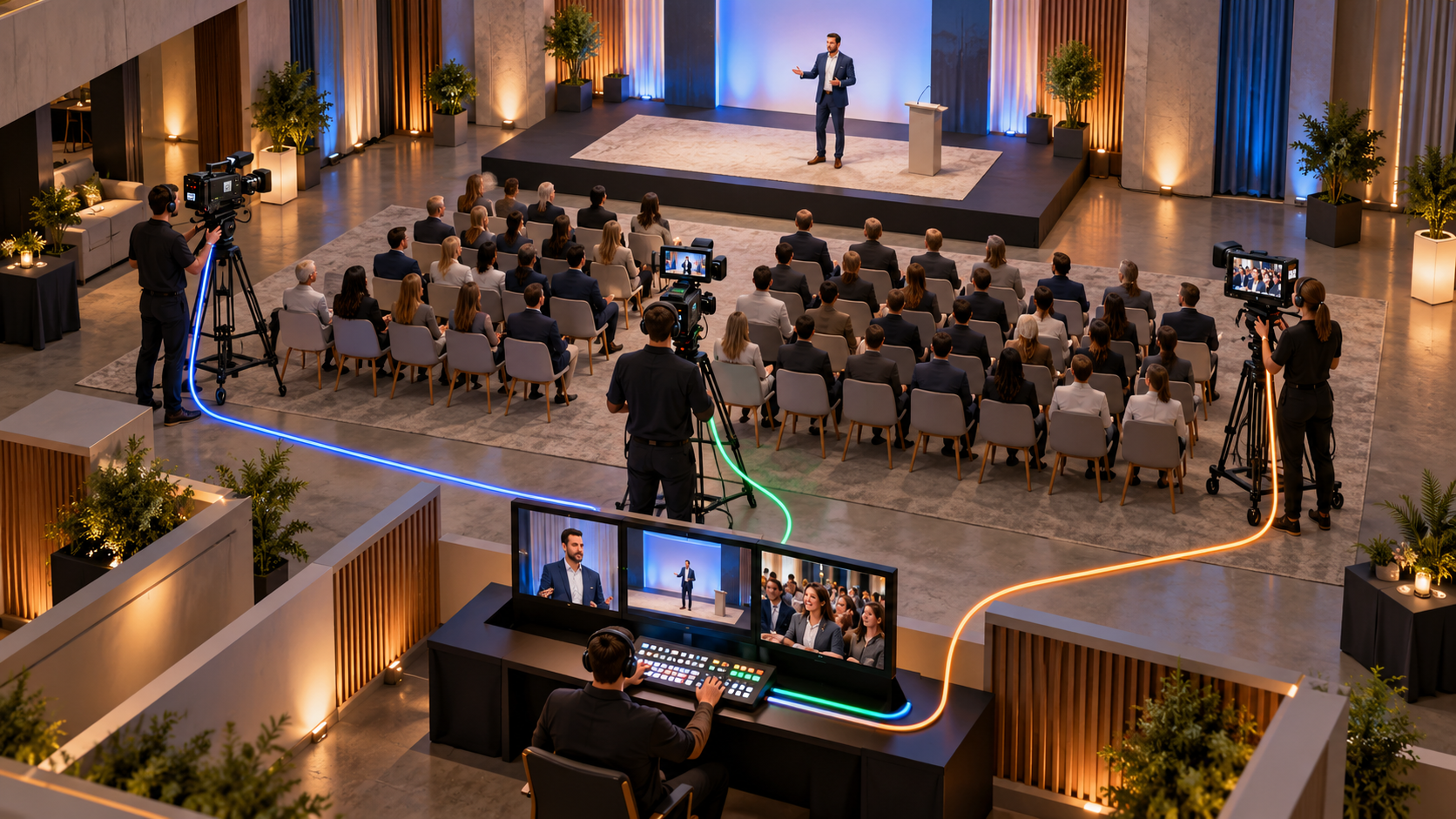
At Motlow Pro Media, we believe that great stories aren't just "captured"—they are built. Our "hands-off, but hands-on" partnership means we take the heavy lifting of Pre production planning off your plate while remaining a trusted extension of your team. Whether you need live event support, high-end content creation, or long-term media leadership, we ensure that every detail is locked in before the first "Action!" is ever called.
Ready to start your next project with a team that values precision and creativity? More info about our media services can be found on our website. Let's build something incredible together.
Some clients want to give notes in a live Zoom call. Others prefer a group text or email thread. However you like to communicate, we adapt. You’ll never be left guessing where things stand - and you’ll always have a say before anything goes out the door.





Phone:
+1 863-250-8639
.png)
Email:
info@motlowpromedia.com