











-5.jpg)









































Thank you! Your submission has been received!
Oops! Something went wrong while submitting the form.

.avif)
March 3, 2026
Internal communications video production is the process of creating video content to inform, engage, and connect employees across your organization. Here's what you need to know:
Key Elements of Effective Internal Communications Video Production:
When was the last time your employee excitedly opened a corporate email or eagerly read your company's training manual? The truth is, traditional text-based communications are failing. We live in a video-first world where people consume content through Instagram Reels, YouTube, and Netflix, yet most companies still rely on dense emails and PDF documents to communicate with their teams.
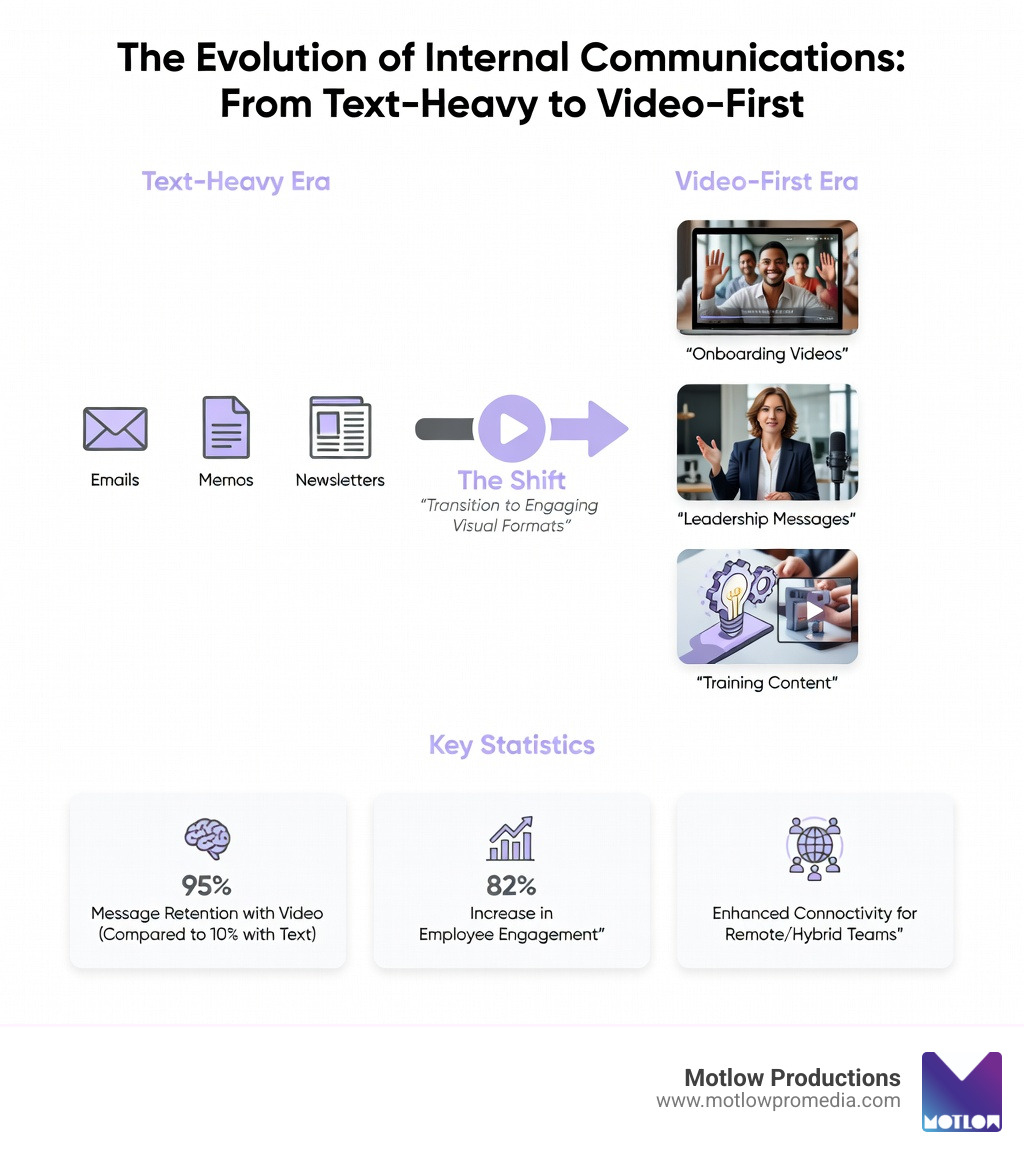
The numbers don't lie. While 59% of executives prefer consuming information via video, and viewers retain 95% of a message when watching a video compared to just 10% when reading, most internal communications still default to text. Add in the reality that 65% of people are visual learners, and it becomes clear: video isn't just a nice-to-have for internal communications. It's essential.
For remote and hybrid teams spread across time zones, video offers something text simply can't deliver—authentic human connection. It humanizes leadership, builds company culture, and creates the kind of engagement that actually moves the needle on retention and productivity.
As someone who has spent over a decade creating video content that connects people to brands and ideas, I've seen how powerful video can be when done right. I'm Miranda Motlow, founder and CEO of Motlow Pro Media, and I've partnered with marketing teams and executives to create internal communications video production that captures attention, builds trust, and drives real business outcomes.
In the modern workplace, information overload is a very real threat to productivity. We are bombarded with Slack notifications, emails, and project management alerts. In this noise, video acts as a signal. It is the most effective way to ensure your message isn't just received, but actually understood and remembered.
The statistics are staggering: viewers retain 95% of a message when watching a video compared to 10% when reading. If you are sending out a critical policy change via a three-page PDF, you are essentially asking 90% of your workforce to forget what you just told them.
Beyond memory, there is the matter of engagement. Research shows that 82% of employees feel more engaged with video-based communication. Why? Because 65% of people are visual learners. Video caters to how our brains are naturally wired to process information—through a combination of sight, sound, and emotional cues.
For global and remote teams, video is the digital "water cooler." It bridges the gap between a home office in one country and a corporate headquarters in another. It provides a human connection that text simply cannot replicate. When you see a colleague's smile or hear the passion in a leader’s voice, you aren't just reading data; you are experiencing the culture.
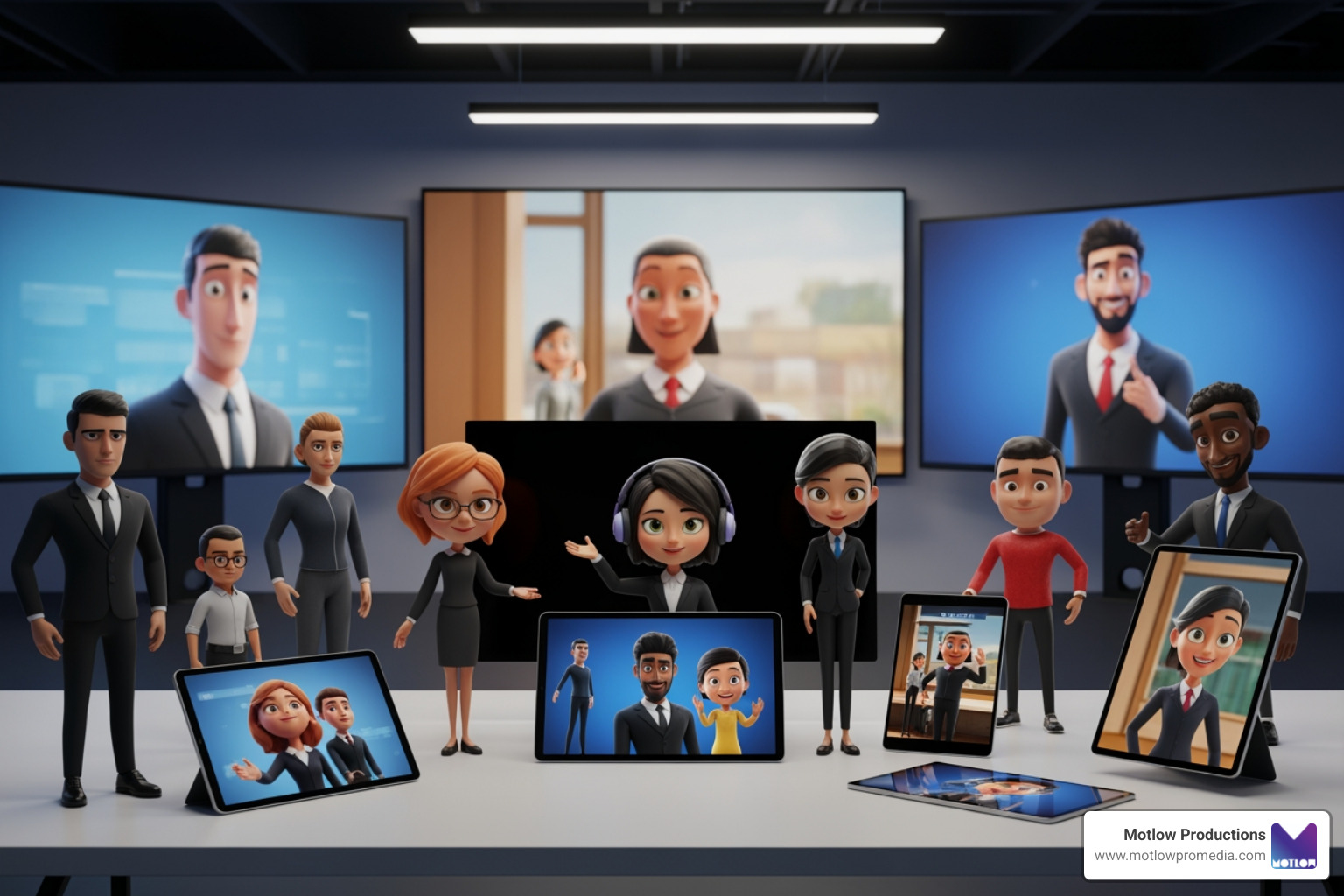
When we talk about internal communications video production, we aren't just talking about one-off "Happy Holidays" clips. A robust strategy involves several different types of content, each serving a specific purpose in the employee lifecycle.

The "information dump" is the enemy of a successful new hire. Instead of handing someone a stack of papers, we recommend a library of on-demand video resources. This approach leverages the fact that 87% of online marketers use video because it works for external audiences—and your internal audience is no different.
Micro-learning is the key here. Instead of a 60-minute training session, break it down into three-minute "snackable" videos. This improves knowledge sharing and allows for high scalability. If a process changes, you only need to update one small video rather than reprinting an entire manual. This ensures consistent messaging across the entire organization, helping everyone develop their skills at the same pace.
Transparency is the bedrock of trust. In the past, a CEO might send a long-winded email that felt like it was written by a committee. Today, 59% of executives prefer consuming information via video, and they should be encouraged to produce it as well.
A short, "selfie-style" video from a leader can feel much more authentic than a polished press release. It allows for a sense of shared purpose and fosters remote collaboration. We also love seeing employee spotlights—videos that highlight the people behind the projects. This builds a culture where people feel seen and valued, which is the ultimate retention tool.
You wouldn't build a house without a blueprint, and you shouldn't start internal communications video production without a strategy. We like to categorize content into two buckets: Evergreen and Timely.
| Feature | Evergreen Content | Timely Content |
|---|---|---|
| Examples | Onboarding, Core Values, Safety Training | Weekly Updates, Crisis Comms, Event Promos |
| Lifespan | 12 - 24 Months | 1 - 7 Days |
| Production Value | High (Professional) | Medium (Quick/Authentic) |
| Goal | Foundation & Education | Engagement & Urgency |
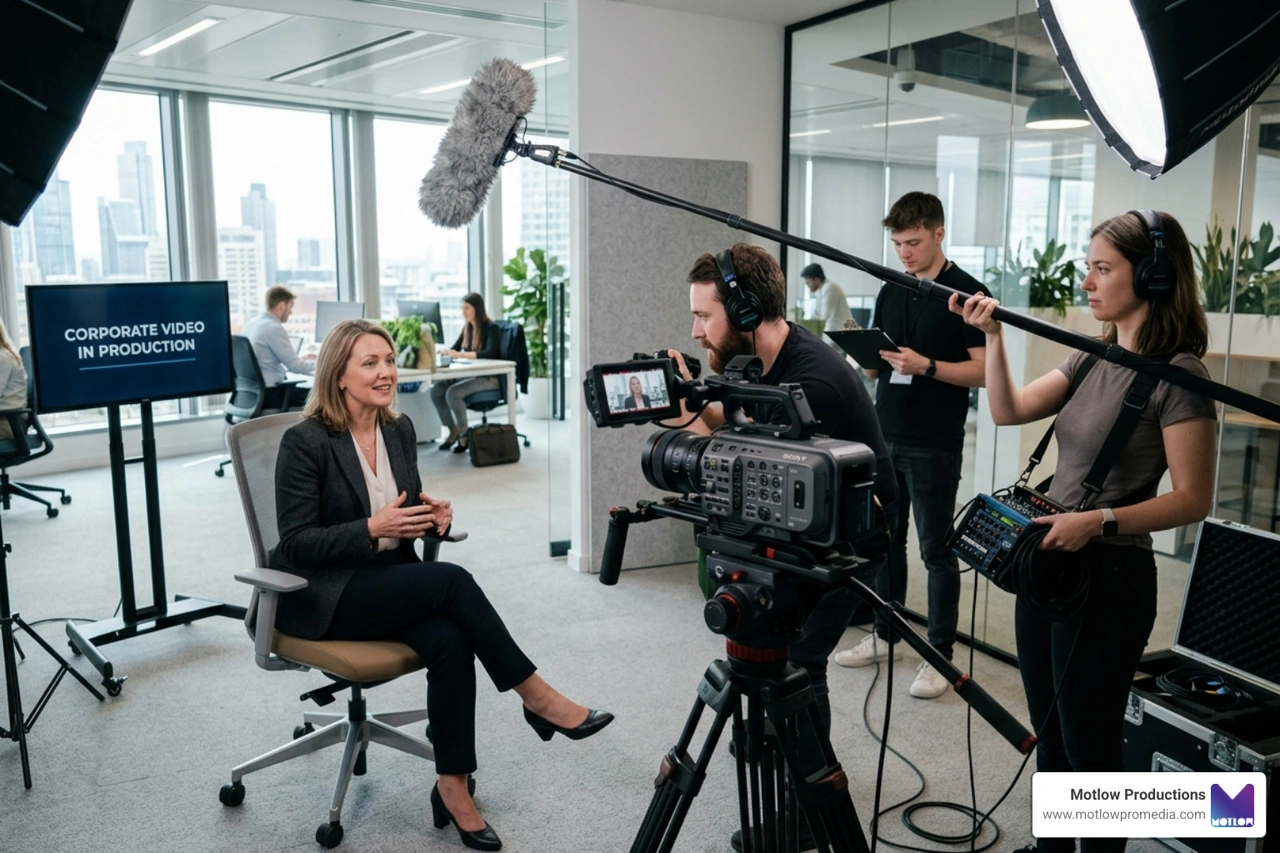
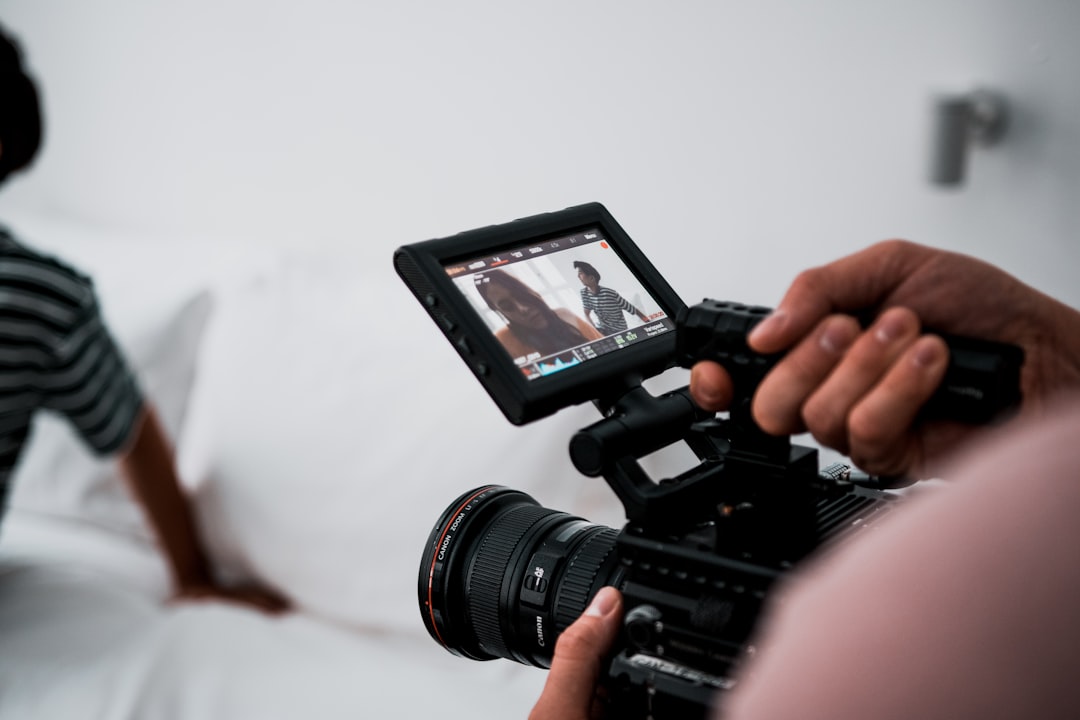
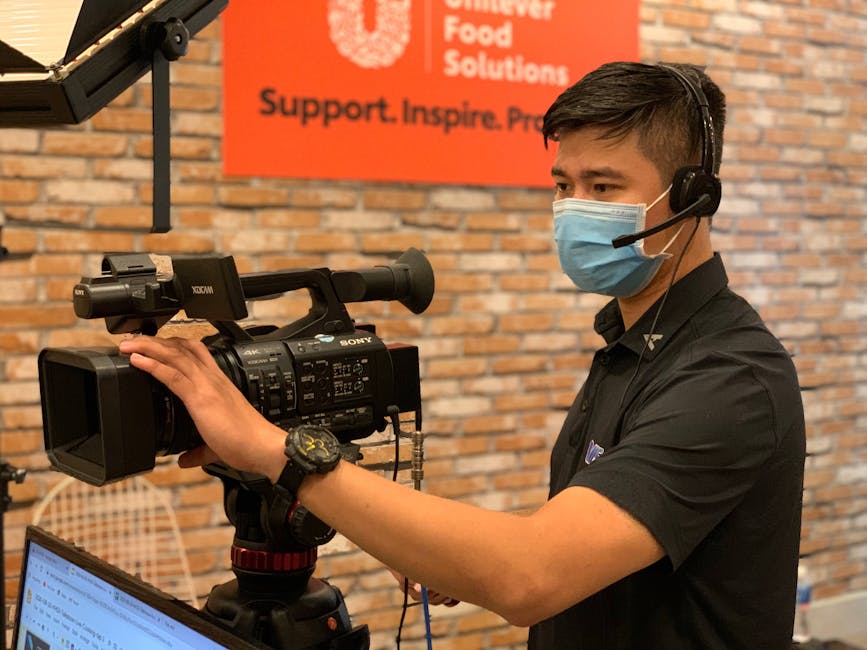
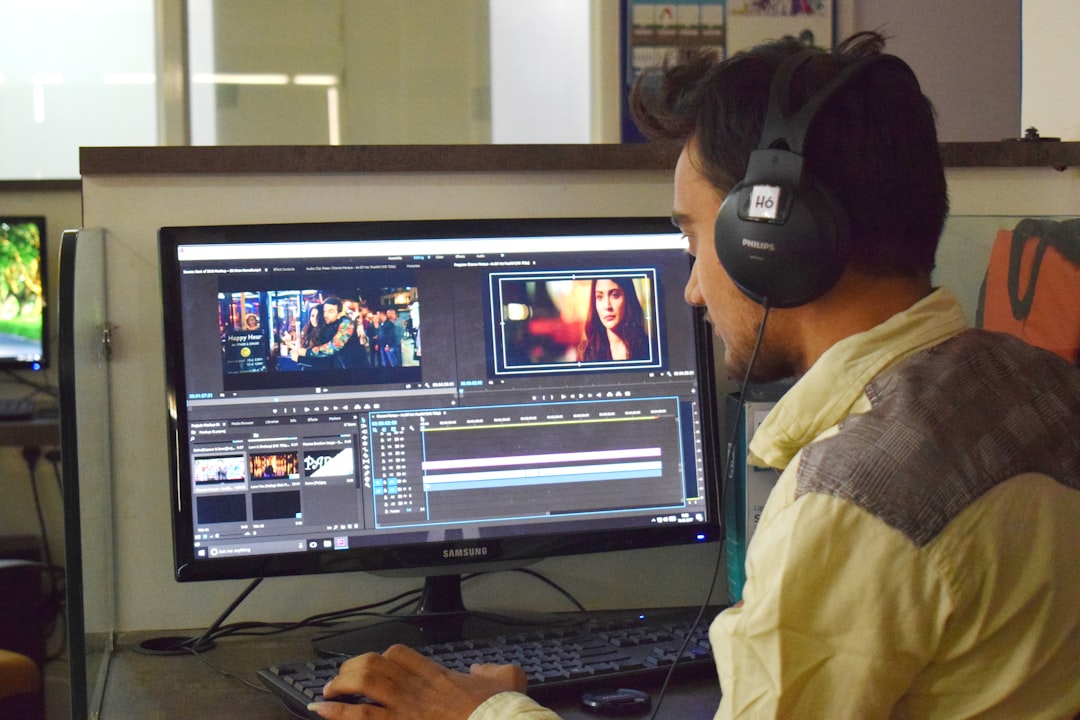
You don't need a Hollywood budget, but you do need professional standards. Poor audio or lighting can distract from even the most important message.
To really lift your content, consider these "pro" moves:
500 million hours of video is watched every single day. Your employees are used to high-quality content in their personal lives; don't let your internal videos be the "boring" part of their day.
How do you know if your internal communications video production is actually working? You have to look at the data.
Common problems often include executive buy-in and budget. When facing these, point to the ROI of retention. If a structured onboarding video helps keep just one high-level employee from leaving, it has already paid for itself.
Technical frustration is another hurdle; 72% of office workers are frustrated with digital communication tools. The solution is to make the video experience as frictionless as possible—embed the video directly in the email or Slack channel so they don't have to log into a separate portal.
For most updates and news, aim for 60 to 90 seconds. For training or deep dives, try to stay under 5 minutes. If the topic requires 20 minutes, break it into four 5-minute "chapters." This respects your employees' time and improves retention.
Security is paramount. Use platforms that allow for domain whitelisting or password protection. When working with a production partner like us, ensure there are NDAs in place and that the footage is stored on secure, private servers rather than public hosting sites.
Meet them where they are. If your team lives in Slack or Microsoft Teams, post the videos there. If you have a robust Intranet or a Learning Management System (LMS), host the library there for easy searching. The key is to reduce the number of clicks it takes to get to the "Play" button.
At Motlow Pro Media, we believe that your internal audience deserves the same level of storytelling and production quality as your external customers. We provide a "hands-off, but hands-on" partnership, acting as a trusted extension of your team. Whether you need live event support, consistent content creation, or long-term media leadership, we handle the technical heavy lifting so you can focus on your message.
Ready to stop sending memos and start making "movies" that actually move your team? We’re here to ensure seamless execution and clear communication every step of the way.
Some clients want to give notes in a live Zoom call. Others prefer a group text or email thread. However you like to communicate, we adapt. You’ll never be left guessing where things stand - and you’ll always have a say before anything goes out the door.





Phone:
+1 863-250-8639
.png)
Email:
info@motlowpromedia.com