









-5.jpg)







































Thank you! Your submission has been received!
Oops! Something went wrong while submitting the form.

.avif)
March 2, 2026
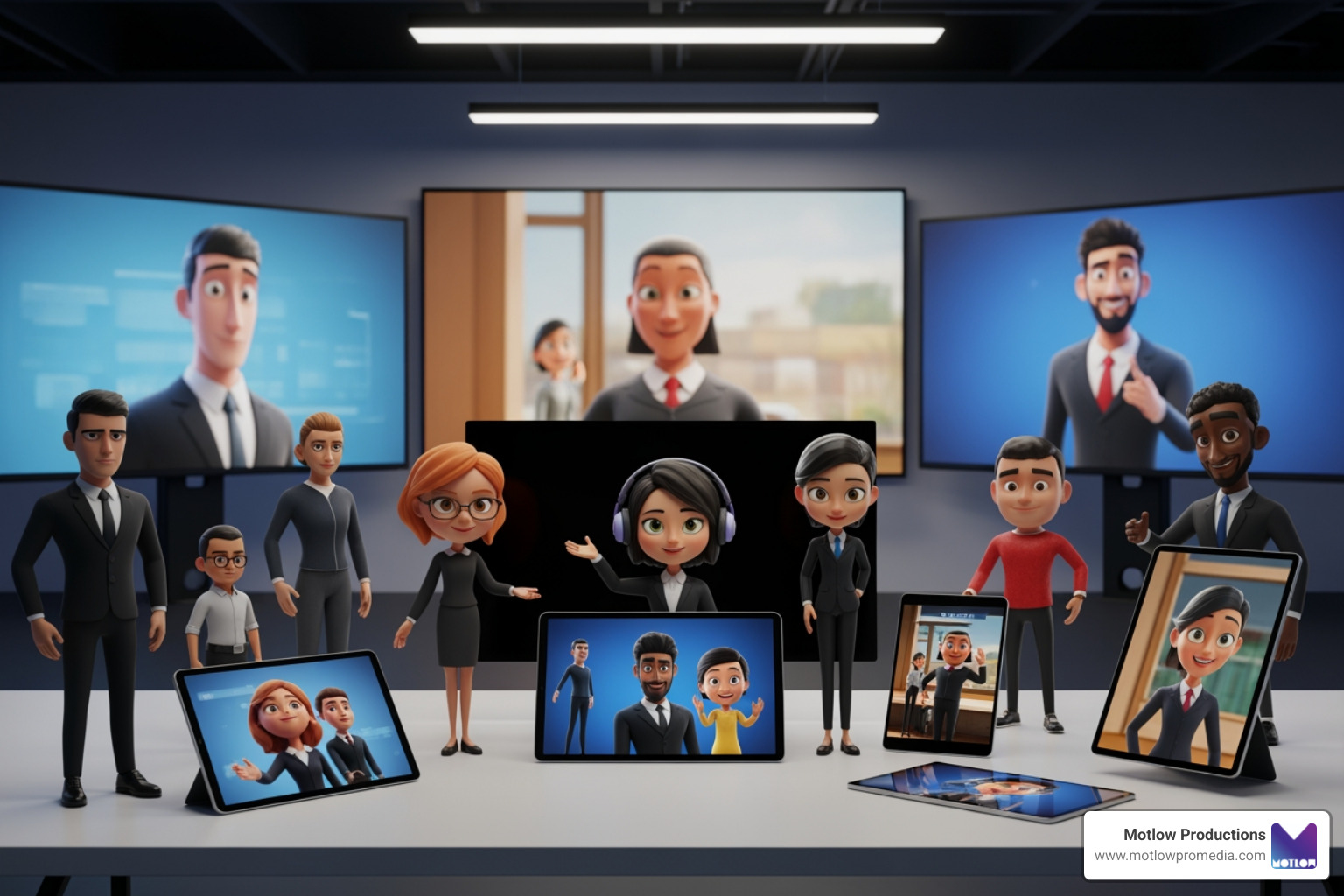
Video for internal communications is the most effective way to boost employee engagement, improve information retention, and connect distributed teams. Here's what you need to know:
Key Benefits:
Common Use Cases:
When was the last time your employee excitedly opened a corporate email? The truth is, traditional internal communications—long emails, dense documents, and endless Slack threads—often go unnoticed. The average employee receives 121 emails per day, and most get skimmed at best.
Video changes that equation completely. Because 90% of information transmitted to the brain is visual, and visuals are processed 60,000 times faster than text, video cuts through the noise in ways that email simply cannot. It's not just about getting attention—it's about making messages stick, building genuine human connection, and saving your team valuable time.
Modern workplaces need modern ways of communicating. Whether your team is fully remote, hybrid, or in-office, video helps you deliver messages that feel personal, authentic, and engaging. It replaces meetings that could have been recordings, turns complex information into digestible content, and gives every employee on-demand access to the information they need.
I'm Miranda Motlow, founder and CEO of Motlow Pro Media, and I've spent over a decade helping organizations use video for internal communications to create authentic connections and drive real results. My background in journalism and strategic content creation has shown me how powerful video becomes when it helps people feel seen, informed, and connected.
In the modern workplace, we are constantly fighting for our team’s attention. We’ve all seen the "TL;DR" (Too Long; Didn't Read) culture in action. When we send out a massive PDF manual or a 1,500-word email from the CEO, we aren't just communicating; we’re often creating a barrier.
The strategy behind using video for internal communications is isn't just about following a trend—it's about brain science. Since 90% of information transmitted to the brain is visual, we are hardwired to respond to movement, facial expressions, and tone of voice.
Consider the sheer volume of noise your team faces. According to Campaign Monitor, the average employee receives 121 emails a day. If your critical update is email number 87, the chances of it being fully understood are slim. Video cuts through this clutter by providing a "snackable" format that is both easier to consume and harder to ignore.
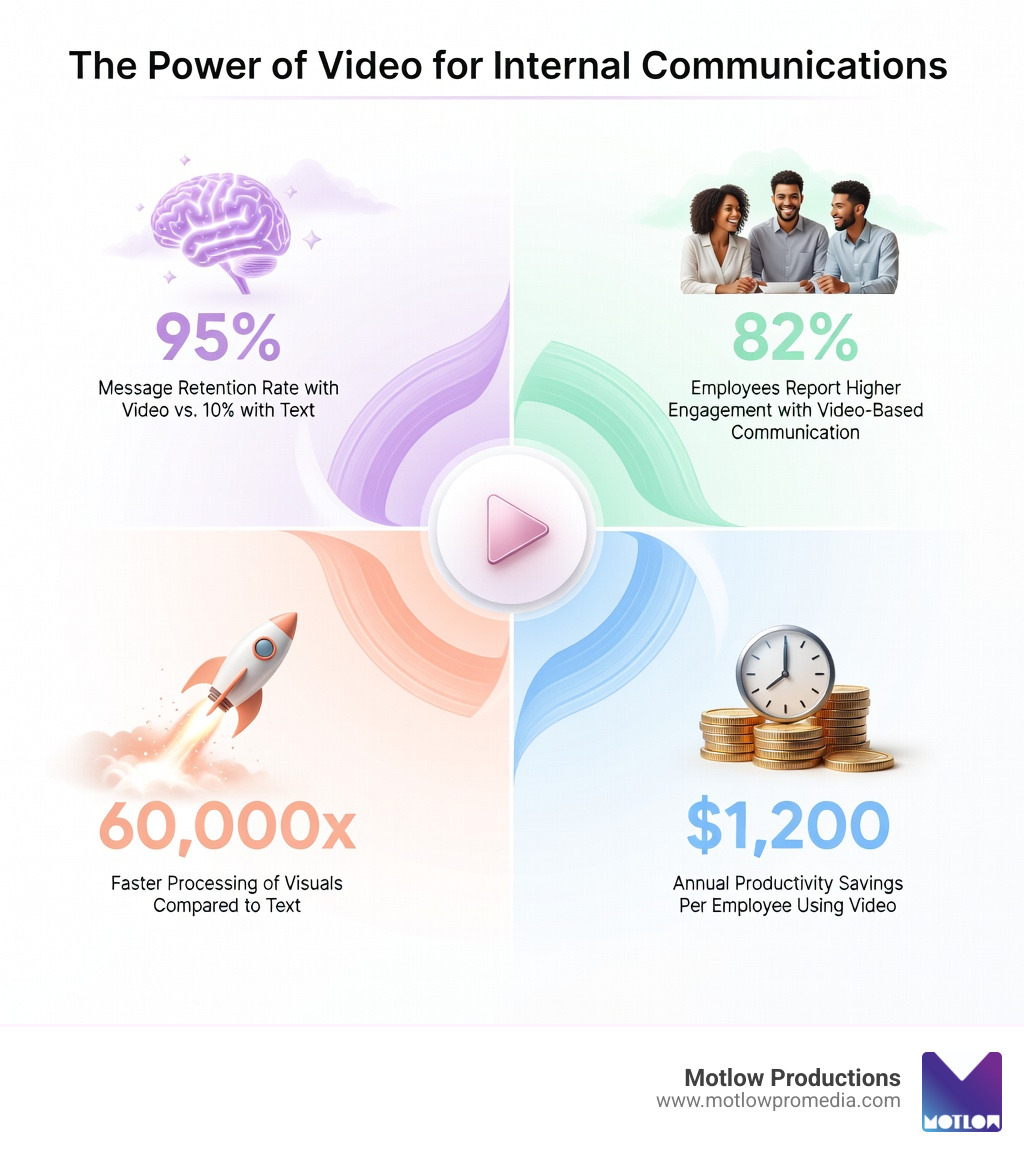
Beyond just "getting the word out," there is a massive productivity argument to be made. Research shows that using more visuals in internal communication can save the average employee 6 minutes and 43 seconds a day. That might not sound like much, but it equates to roughly $1,200 a year in productivity per employee. For a company of 100 people, that’s $120,000 back in your pocket simply by communicating more clearly.
| Feature | Text-Based Communication | Video-Based Communication |
|---|---|---|
| Retention Rate | ~10% | ~95% |
| Processing Speed | Slow (Linear reading) | 60,000x Faster |
| Tone & Nuance | Often misinterpreted | Clear through audio/visual cues |
| Engagement | Low (Skimming is common) | High (48% find it most engaging) |
| Human Connection | Minimal | Strong (Builds trust & empathy) |
Engagement is the "holy grail" of HR and internal comms. We don't just want people to read the news; we want them to feel a part of the story. Studies have shown that the average viewer retains 95% of the message if it is in video form. Compare that to just 10% when reading text, and the winner is clear.
Why is the gap so large? It comes down to emotional impact and authenticity. A video allows a leader to look into the camera, smile, and use their natural voice. This builds a level of trust that a formatted newsletter never will. For a multi-generational workforce—where Gen Z and Millennials are used to consuming information via TikTok and YouTube—video isn't a luxury; it’s their preferred language.
When 82% of employees feel more engaged with video-based communication, failing to use this medium means you're leaving a huge portion of your workforce behind. Video allows for storytelling, which is the most effective way to align a team around a shared mission.
We’ve all been in that meeting—the one that lasts an hour but could have been a five-minute email. Or better yet, a three-minute video. Research indicates that 32% of meetings could be replaced by recorded videos.
By adopting video for internal communications, we can shift toward asynchronous communication. This means your team in New York can watch the update at 9:00 AM, while your team in London watches it at their 9:00 AM, without anyone having to wake up at midnight for a "sync" call.
This on-demand resource library becomes a scalable asset. Once a training video is made, it can be watched 1,000 times by 1,000 different employees without any extra effort from your HR team. This is how you scale culture and knowledge without scaling your overhead.
To build a truly robust strategy, we need to look at the three main directions of communication:
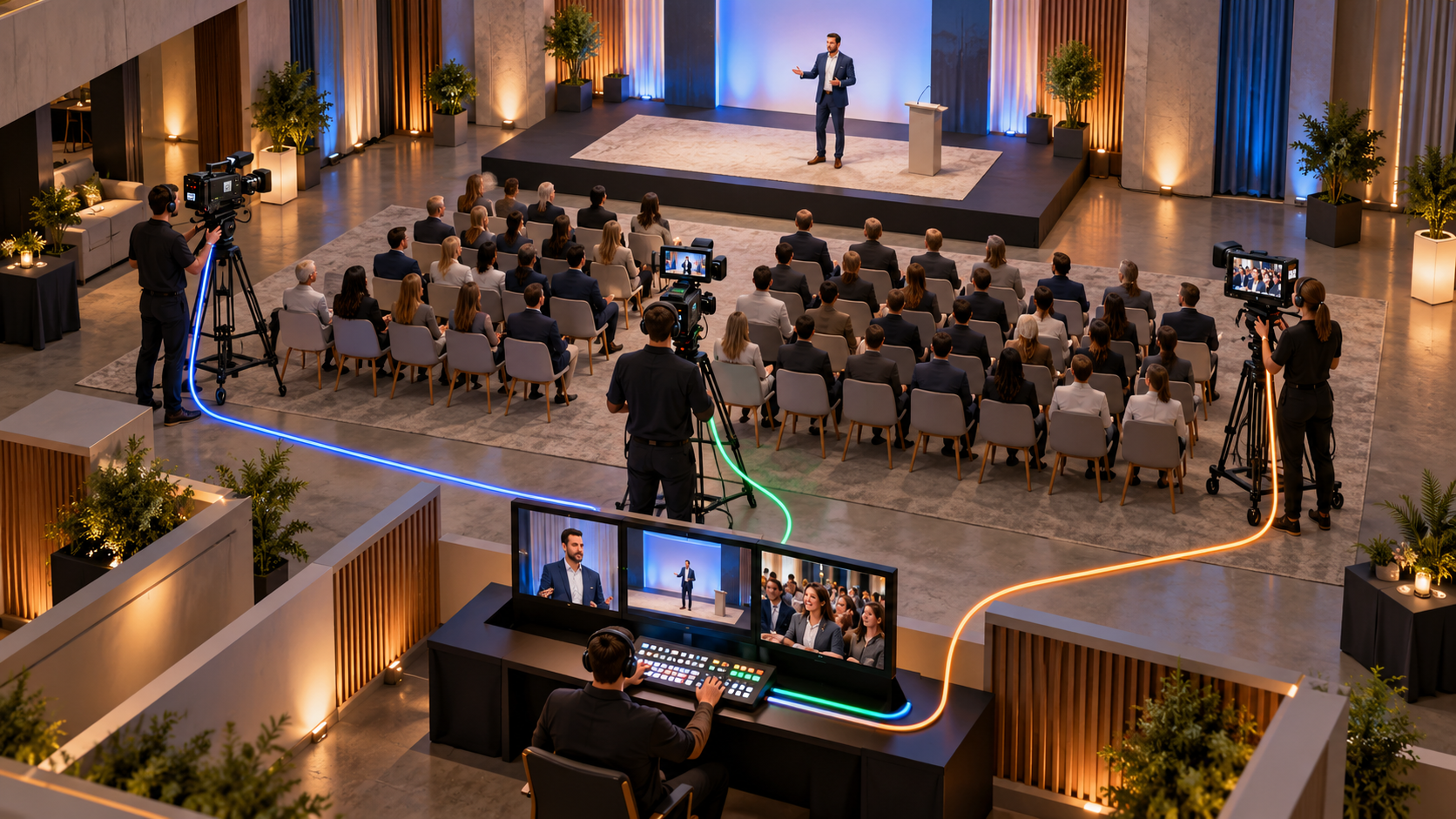
We also have to choose between synchronous (live) and asynchronous (pre-recorded) formats. While live town halls are great for immediate interaction, asynchronous videos are the workhorses of efficiency, allowing employees to learn at their own pace.
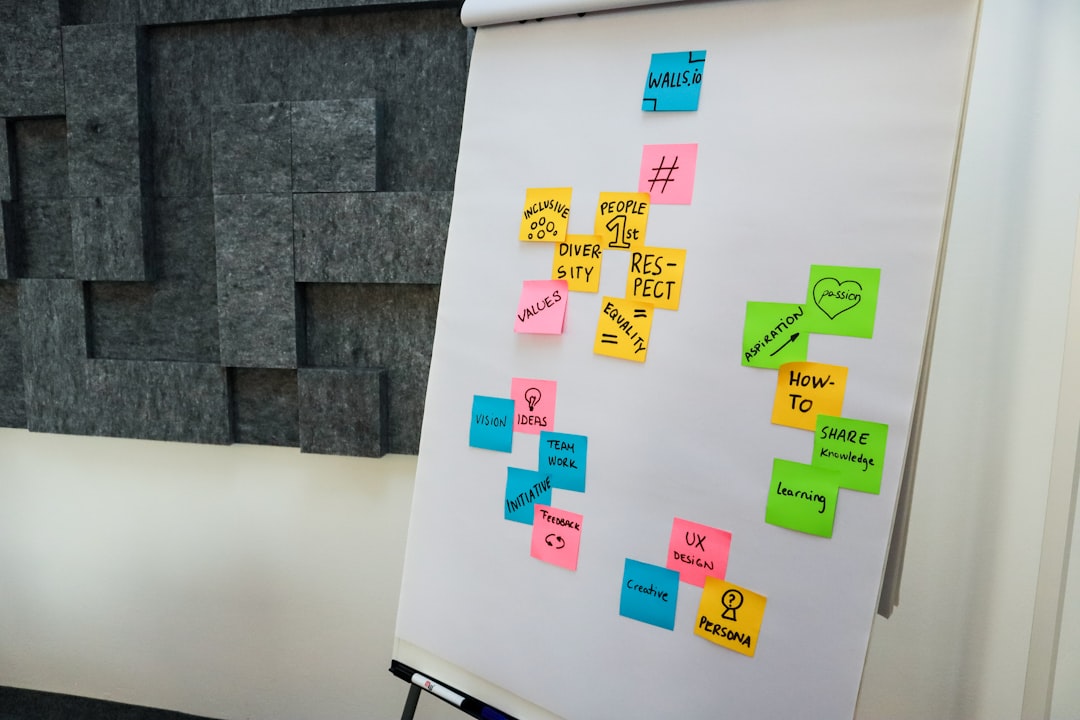
Video is a powerful tool for showing, not just telling, what your company stands for. You can showcase values and diversity by featuring a variety of voices from across the organization.
For remote teams, video acts as the "virtual watercooler." Whether it’s a wellness video encouraging healthy habits or a video where leaders express gratitude on Employee Appreciation Day, these moments build the "social capital" that keeps teams together.
You don't need a Hollywood budget to start, but you do need a plan. A "random acts of video" approach usually leads to inconsistent engagement. Here is our step-by-step guide to building a winning strategy:
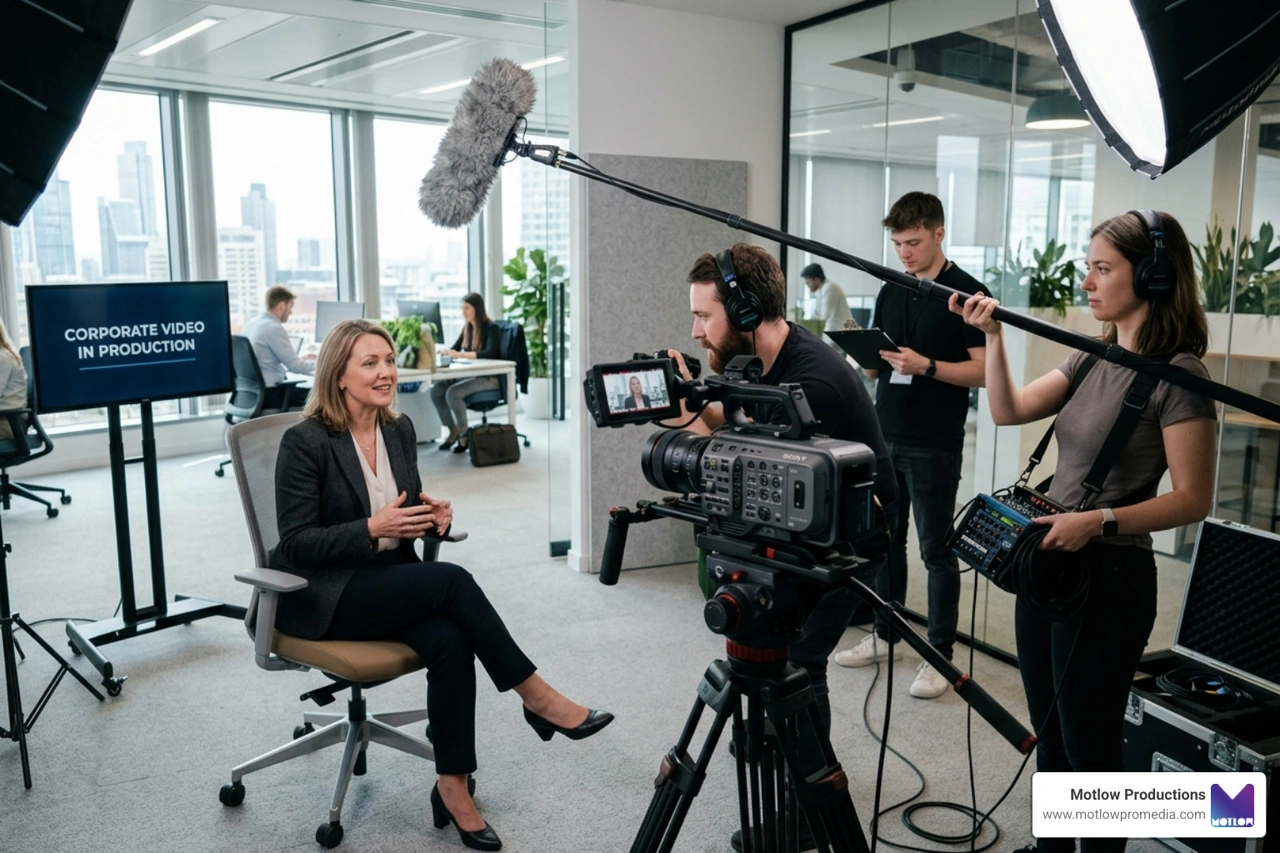
If you find that your internal team is stretched too thin to produce high-quality content, that’s where we come in. At Motlow Productions, we act as a "hands-off, but hands-on" partner. We handle the technical heavy lifting—from live event support to polished content creation—so you can focus on the message. You can find more info about professional media services here.
To prove that your video for internal communications is working, you need to look at the numbers.
ROI can be measured through time savings (fewer meetings), reduced turnover (better onboarding), and increased productivity. If a $5,000 video saves 100 employees 10 minutes of confusion each, it pays for itself almost instantly.
For quick updates, aim for 60-90 seconds. For training or "deep dives," 3-5 minutes is usually the limit before engagement drops. If you have 20 minutes of content, break it into four 5-minute chapters.
Video bridges the "empathy gap." It’s hard to feel connected to a name on a screen, but seeing a teammate’s face and hearing their voice builds rapport. Research indicates that nearly 38% of employees say collaboration is better when working from home if they have the right visual tools.
The future of work is visual. As our teams become more dispersed and our inboxes become more crowded, video for internal communications is no longer just a "nice to have"—it is a strategic necessity. It is the key to future-proofing your workplace culture and ensuring that your most important messages don't just get sent, but get heard.
At Motlow Pro Media, we understand that you’re busy running your business. That’s why we offer a partnership that provides seamless execution and clear communication. We don't just make videos; we act as a trusted extension of your team, providing the media leadership you need to succeed.
Ready to transform your internal comms? Start your video journey with us today and let's build a more connected, engaged, and productive workforce together.
Some clients want to give notes in a live Zoom call. Others prefer a group text or email thread. However you like to communicate, we adapt. You’ll never be left guessing where things stand - and you’ll always have a say before anything goes out the door.





Phone:
+1 863-250-8639
.png)
Email:
info@motlowpromedia.com