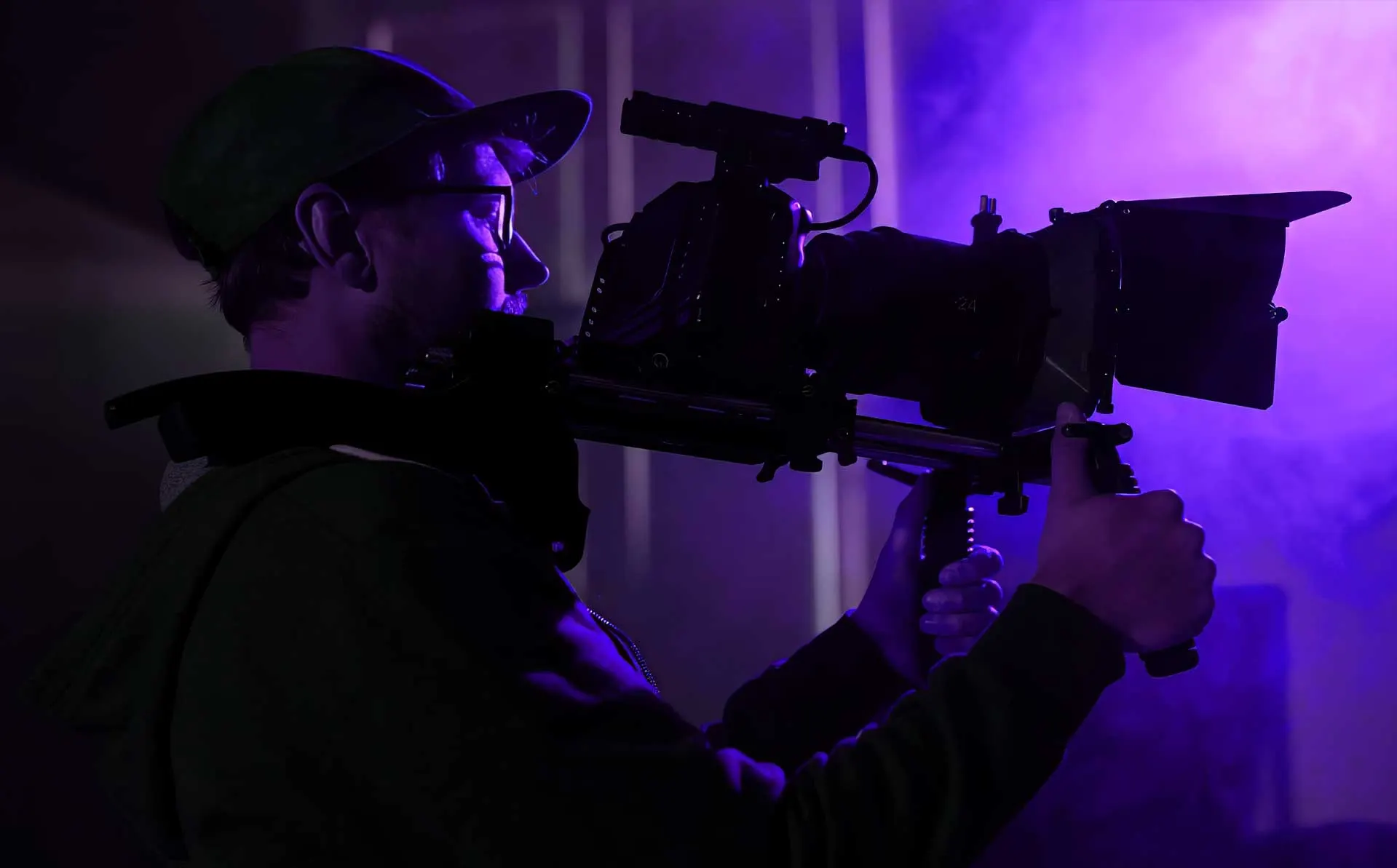
What Makes Corporate Video Content Feel Authentic Instead of Scripted
This guide explains how marketing teams can make corporate video content feel authentic instead of scripted by preparing speakers well, asking better questions, using real examples, and balancing polish with natural delivery.
By Motlow Pro Media·Tampa, FL
Corporate video does not need to feel stiff to feel professional.
In fact, some of the strongest corporate videos work because they feel natural. The speaker sounds like a real person. The message is clear. The visuals support the story. The company feels credible without sounding overly rehearsed.
That is the balance marketing teams should aim for.
A scripted corporate video can sometimes feel too polished, too cautious, or too generic. The words may be technically correct, but the delivery may not feel believable. Viewers can often sense when someone is reading language they would never actually use in a real conversation.
Authentic corporate video content feels different. It still has strategy, planning, and professional production behind it, but the final result feels human. It sounds like the people in the company understand the audience, care about the work, and can explain the message clearly.
Through Motlow Pro Media’s services, companies can plan corporate video production, executive interviews, employee videos, event content, and customer testimonials in a way that feels polished without losing authenticity.
Authentic Does Not Mean Unplanned
One of the biggest misunderstandings about authentic video is that it should be completely unscripted.
That is not usually true.
Authentic corporate video still needs planning. The team should know the goal, audience, message, location, speaker, interview topics, and final use before filming begins. Without planning, the video may feel scattered, unclear, or too casual for the brand.
The difference is that planning should support natural communication, not replace it.
A strong video may use:
Talking points instead of a word-for-word script
Interview questions instead of memorized answers
Real examples instead of generic statements
Natural delivery instead of forced performance
Clear direction instead of rigid scripting
Professional production without making the speaker feel staged
Authenticity comes from clarity and truthfulness. The speaker should know what they are trying to communicate, but they should still sound like themselves.
Start With a Real Audience Problem
Authentic video starts with the audience, not the company.
A video that begins with broad company language can feel scripted quickly. Phrases like “we are committed to excellence” or “we provide innovative solutions” may be true, but they are often too general to feel meaningful.
A more authentic approach begins with the problem the audience actually has.
For example, instead of saying:
“We provide strategic corporate media production services.”
A more natural message might be:
“Marketing teams are being asked to turn events, interviews, and campaigns into more content than ever. The challenge is capturing the right footage before the moment is gone.”
The second version feels more specific because it starts with the viewer’s reality.
When the audience hears a problem they recognize, the video feels more relevant. The company does not have to force credibility. It earns credibility by showing that it understands the situation.
Use Talking Points Instead of Full Scripts
Full scripts can be useful for certain videos, such as commercials, announcements, or highly controlled brand pieces. But for executive interviews, employee spotlights, customer testimonials, service explainers, and thought leadership content, talking points often work better.
Talking points give speakers direction without making them sound memorized.
A good talking point document may include:
The purpose of the video
The audience
Main message
Key topics
Examples to mention
Words or claims to avoid
Sample questions
Desired takeaway
This helps the speaker feel prepared while still allowing room for natural answers.
The production team can guide the conversation and capture the strongest version of the message. The final edit can then shape those natural answers into a polished video.
The business video production partner guide is a helpful resource for understanding why video planning should connect audience, purpose, and final use before filming begins.
Ask Better Interview Questions
Authentic answers come from better questions.
Generic questions usually create generic answers. If the interviewer asks, “Tell us about your company,” the speaker may fall into formal language. If the interviewer asks, “What problem do clients usually have when they come to you?” the answer will usually be more specific and useful.
Better questions help people tell real stories.
For example:
What problem were you trying to solve?
What do clients usually misunderstand about this process?
What makes this work harder than people expect?
What does a successful project feel like for the client?
What should someone know before planning this kind of event?
What stood out about the experience?
What would you tell another company considering this?
What makes the team’s approach different in practice?
These questions encourage examples, not slogans.
Authentic video content often comes from the follow-up question. The first answer may be polished. The second answer may be more real. A good interviewer listens for the moment when the speaker stops performing and starts explaining.
Let People Speak Like People
Corporate video often becomes stiff when speakers try to sound too formal.
They may use language that sounds appropriate for a brochure but unnatural on camera. The result can feel scripted even if the speaker is not reading from a script.
A more authentic video uses clear, human language.
Instead of:
“Our organization leverages cross-functional collaboration to optimize client outcomes.”
Say:
“Our team works together from the beginning so clients know what is happening and feel supported through the entire process.”
The second version is easier to understand and more believable.
Professional does not mean complicated. For most corporate videos, clear language is stronger than corporate language. Viewers should not have to work hard to understand the message.
Use Real Examples
Specific examples make video content feel authentic.
A speaker saying, “We help clients get more value from events,” is clear but broad. A speaker explaining, “One event can become a recap video, speaker clips, sponsor content, photography, and sales follow-up assets when the capture plan is built before the event,” is more useful.
Examples help the audience picture the value.
Marketing teams should prepare speakers by asking them to think about:
A project they are proud of
A client challenge they helped solve
A common mistake they see
A moment that explains the company’s process
A question they answer often
A lesson learned from a recent event
A specific way the team supports clients
Real examples make the message feel grounded. They also help the video stand out because the content becomes harder to copy.
Any company can say it is strategic. A specific example shows what strategy looks like.
Keep Customer Testimonials Natural
Customer testimonials should never feel forced.
A testimonial works because it gives the audience an outside perspective. If the customer sounds overly scripted, the trust value drops. The viewer may wonder whether the person is saying what they actually think or repeating a prepared message.
A strong testimonial should feel guided, not staged.
The customer should understand the topic and purpose, but the answers should be in their own words. The interviewer can ask thoughtful questions, prompt for details, and help the customer clarify the story.
Good testimonial questions may include:
What challenge were you facing before the project?
What made you decide to move forward?
What was the process like?
What stood out about the team?
What did the final content help you do?
What would you tell someone considering this service?
The best testimonial videos sound like a real client explaining a real experience.
Prepare Speakers Without Over-Rehearsing
Preparation is important, but over-rehearsing can make people sound stiff.
Speakers should know what the video is about, what topics may come up, and what the audience needs to understand. They should not feel like they need to memorize perfect answers.
Over-rehearsing can create several problems:
Answers sound memorized.
Speakers become nervous about forgetting words.
Delivery feels less conversational.
The video loses natural pauses and emotion.
The message feels less believable.
A better approach is to prepare ideas, not exact sentences.
Before filming, speakers can review the topic, think through examples, and practice explaining ideas out loud. Then, during the interview, they can answer naturally with guidance from the production team.
Choose the Right Interview Environment
The environment affects how authentic the video feels.
If the room feels uncomfortable, loud, crowded, or rushed, the speaker may become tense. If the space feels calm, professional, and well-prepared, the speaker is more likely to relax.
A good interview environment should be:
Quiet
Comfortable
Professional
Visually appropriate
Free from distractions
Set up with good lighting
Prepared for clean audio
Scheduled with enough time
The environment should also fit the message.
An executive interview may work well in a polished office or conference setting. An employee culture video may feel better in a collaborative workspace. An event interview may need a quiet branded area near the main event. A customer testimonial may feel strongest in the customer’s own environment.
The location should support the story without distracting from it.
Use B-Roll to Show the Real Work
B-roll helps a corporate video feel more authentic because it shows the work, people, setting, and process behind the message.
A talking-head interview can be strong, but supporting visuals make the story easier to believe. When a speaker talks about collaboration, show the team working together. When a customer talks about an event, show the event. When an executive talks about service quality, show the preparation behind the scenes.
Useful b-roll may include:
Team meetings
Event setup
Speakers on stage
Audience reactions
Employees working
Client interactions
Production crews in action
Behind-the-scenes details
Office or workplace visuals
Finished content being used
B-roll turns statements into visual proof.
The A-Z Guide to Conference Video Production explains why event footage, speaker moments, audience reactions, and behind-the-scenes visuals can make event content more useful long after the event ends.
Balance Polish With Realness
Authentic video should still look and sound professional.
Poor lighting, distracting backgrounds, bad audio, shaky footage, or unclear edits can weaken the message. Authenticity does not mean low quality. It means the content feels real while still respecting the brand.
Professional production helps with:
Clean audio
Strong lighting
Natural framing
Interview direction
B-roll planning
Editing rhythm
Color correction
Captions
Music selection
Final formatting
The goal is to remove distractions so the message feels clear.
A video can be polished and authentic at the same time. The polish should support the speaker’s message, not hide it.
Avoid Overproduced Messaging
Sometimes corporate videos feel scripted because the message has been overproduced.
Too many reviewers may soften the language until it loses personality. A simple answer may become a long statement. A real example may be replaced with a safer phrase. The final video may be accurate, but it may not feel human.
Marketing teams should protect the natural strength of the speaker’s voice.
That does not mean ignoring brand standards or compliance. It means keeping the message as clear and direct as possible.
A useful review question is:
“Would someone actually say this out loud?”
If the answer is no, the message may need to be simplified.
Let the Editing Keep Natural Moments
Editing plays a major role in authenticity.
A corporate video does not need to include every pause, laugh, or imperfect sentence. But removing every natural moment can make the video feel too sterile.
Sometimes the strongest moments are small:
A thoughtful pause
A natural smile
A simple explanation
A speaker correcting themselves and finding the right words
A customer reacting honestly
A leader speaking plainly
A behind-the-scenes moment that shows real work
The edit should feel clean, but not lifeless.
A good editor knows how to shape the story while preserving the speaker’s humanity.
Make the Message Useful, Not Just Promotional
Authentic corporate video usually gives the audience something useful.
A video that only promotes the company may feel self-focused. A video that helps the audience understand a problem, avoid a mistake, make a decision, or see a process more clearly feels more valuable.
For example, instead of only saying:
“Hire our team for your next event.”
A more useful video might explain:
“What marketing teams should capture at every corporate event so the footage can support social media, sales, recruiting, and future promotion.”
That kind of content still supports the company, but it leads with value.
Authenticity is easier when the people on camera are actually connected to the story.
Real employees, clients, executives, speakers, and attendees bring details that actors or generic voiceovers cannot. They know the work. They know the experience. They can explain what matters in a way that feels specific.
This is especially useful for:
Customer testimonials
Employee spotlights
Executive interviews
Recruiting videos
Event recaps
Internal communications
Sales enablement clips
Culture videos
The production team can help real people feel comfortable on camera. The final content should still be professional, but the message will feel more believable because it comes from people who know the work firsthand.
Keep the Call to Action Natural
A scripted call to action can make an otherwise authentic video feel forced.
The call to action should match the tone of the video and the viewer’s stage in the journey. A testimonial may not need a hard sales pitch. An educational video may simply invite viewers to learn more. An event recap may encourage registration for the next event. A recruiting video may point candidates to the careers page.
Natural calls to action may include:
Learn more about our services.
View our portfolio.
See how we support corporate events.
Explore our video production process.
Contact our team to plan your next project.
Watch more client stories.
See what our team can capture at your next event.
The CTA should feel like the next helpful step, not a sudden sales line.
Common Mistakes to Avoid
The first mistake is over-scripting every answer. Talking points usually create a more natural result.
The second mistake is using corporate language that no one would say in conversation. Clear, simple language feels more believable.
The third mistake is asking generic interview questions. Better questions create better stories.
The fourth mistake is not preparing speakers. Authentic does not mean unplanned.
The fifth mistake is removing every natural moment in editing. A polished video should still feel human.
The sixth mistake is relying only on talking-head footage. B-roll helps show the real work behind the message.
The seventh mistake is making the video too self-promotional. Authentic content usually gives the audience something useful.
Frequently Asked Questions
What makes corporate video content feel authentic? Authentic corporate video content feels real because it uses natural delivery, real examples, thoughtful interview questions, clear language, strong b-roll, and speakers who understand the topic.
Does authentic video mean unscripted video? Not always. Authentic video still needs planning. Talking points, interview questions, and a clear message help guide the content without making speakers sound memorized.
How can companies make executive interviews sound less scripted? Use talking points instead of full scripts, ask specific questions, encourage real examples, keep the environment comfortable, and let executives explain ideas in their own words.
Why do customer testimonials sometimes feel scripted? Testimonials can feel scripted when customers are told exactly what to say. They work better when customers are prepared with topics but allowed to answer naturally.
Can a video be polished and authentic at the same time? Yes. Professional lighting, audio, framing, and editing can make a video stronger without making it feel fake. The key is to keep the message human and believable.
The Bottom Line
Authentic corporate video content does not happen by accident. It comes from clear strategy, thoughtful preparation, strong interview direction, real examples, and professional production that supports the message without making it feel forced.
The goal is not to make corporate videos casual or unpolished. The goal is to make them believable. Speakers should sound like themselves. Customers should tell real stories. Employees should explain real experiences. Executives should share clear perspective. The visuals should show the work behind the message.
When corporate video feels authentic, it builds trust faster. It helps buyers, employees, candidates, and partners understand not only what the company does, but why the company is worth listening to.