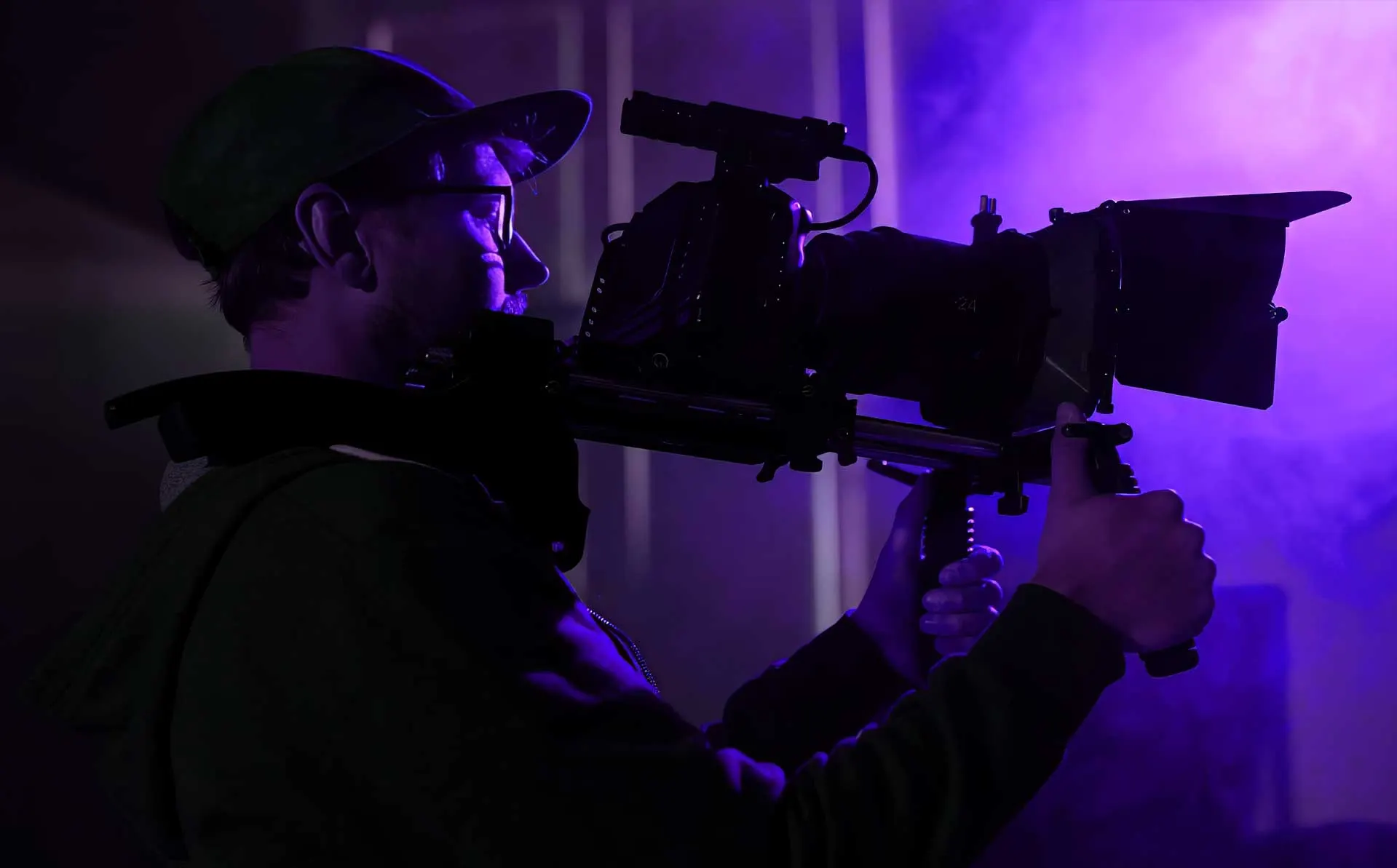
Employer branding is not only what a company says about working there. It is also what people can see.
Candidates look at careers pages, LinkedIn posts, employee spotlights, company events, recruiting emails, and behind-the-scenes content to understand what a workplace actually feels like. They want to know who works there, what the environment looks like, how teams interact, and whether the culture seems real.
That is where corporate photography becomes valuable.
Professional corporate photography gives companies a stronger visual library for recruiting, employer branding, internal communications, and social media. It helps a company show its people and culture in a way that feels polished, consistent, and believable.
For growing companies, this matters because employer branding often competes with client-facing marketing for attention. The website may look professional, the sales materials may be polished, and the brand video may be strong, but the careers page may still rely on stock photos, outdated headshots, or random phone pictures from past events.
That disconnect can weaken recruiting.
Through Motlow Pro Media's services, companies can plan corporate photography, video production, event coverage, and media strategy together so employer branding visuals feel intentional instead of last-minute.
Why Corporate Photography Matters for Employer Branding
Employer branding is about helping people understand what kind of company they may be joining.
Words matter, but visuals often make the first impression. A candidate may read that a company values collaboration, leadership, growth, and culture. But if the visuals feel generic or outdated, the message may not feel convincing.
Corporate photography helps support employer branding by showing:
- Real employees
- Real work environments
- Team collaboration
- Leadership presence
- Company events
- Workplace culture
- Training and development
- Community involvement
- Behind-the-scenes moments
- Professionalism and brand consistency
The goal is not to make the company look perfect. The goal is to make it feel credible, human, and aligned with the message the company is already sharing.
For candidates, authentic visuals can make the company feel more approachable. For employees, strong photography can reinforce pride in the workplace. For marketing and HR teams, it creates a reusable content library that supports multiple channels.
Stock Photos Cannot Carry an Employer Brand
Stock photography can be useful in some situations, but it cannot fully represent a company's employer brand.
Candidates can usually tell when images are generic. A stock photo may show smiling employees in a conference room, but it does not show the actual people, space, leadership, or culture behind the company. It may fill a visual gap, but it does not build real trust.
Employer branding needs specificity.
The strongest recruiting visuals show the company's real environment. That may include employees working together, leaders speaking at internal events, teams gathering for training, employees interacting with clients, behind-the-scenes production, or candid moments from company meetings.
Specific images help candidates imagine themselves there. They also make the company feel more transparent.
A careers page with real photography feels different from a careers page filled with stock images. One shows the company. The other shows an idea of a company.
Start With the Employer Brand Message
Before planning a photography shoot, marketing and HR should clarify the employer brand message.
What should candidates understand about the company? What kind of people thrive there? What does the team value? What makes the workplace different? What should the photography communicate without needing a long explanation?
A strong employer brand photography plan may support messages like:
- We are collaborative.
- We are professional.
- We are growing.
- We invest in our people.
- We are hands-on.
- We care about service.
- We support leadership development.
- We have an active workplace culture.
- We are organized and client-focused.
- We create meaningful work.
Once the message is clear, the shot list becomes easier to build.
For example, if the company wants to emphasize collaboration, the shoot should capture real team interaction, planning sessions, working meetings, and cross-department conversations. If the company wants to emphasize leadership access, the shoot should capture executives interacting naturally with employees. If the company wants to emphasize growth, the shoot may include training, mentoring, onboarding, or team development moments.
The photography should support the story.
Capture People, Not Just Spaces
Office photos are useful, but employer branding is about people.
A beautiful workspace can help, but candidates usually care more about who they will work with and how the team feels. Corporate photography should show employees naturally, not just empty rooms, desks, signage, or building exteriors.
Useful people-focused shots may include:
- Team members collaborating
- Employees in conversation
- Leaders speaking with staff
- Candid work moments
- Group photos
- Training sessions
- Employee spotlights
- Department teams
- Event participation
- Mentorship moments
- Behind-the-scenes work
The best images feel polished but not overly staged. Employees should look comfortable and professional. The photos should feel like a real version of the company, not a forced performance.
This is where a professional photographer can help. They can guide people into natural-looking moments, manage lighting, avoid awkward posing, and capture images that feel useful for actual marketing and recruiting needs.
Build a Shot List Around Recruiting Needs
Employer branding photography should be planned around where the images will be used.
Marketing and HR teams should not simply ask for "some photos of the team." They should build a shot list that connects to recruiting channels and content needs.
Photography may be needed for:
- Careers page
- Job postings
- LinkedIn recruiting posts
- Employee spotlight posts
- Culture blogs
- Hiring campaigns
- Internal newsletters
- Onboarding materials
- Recruiting decks
- Event recap posts
- Company values pages
- Email campaigns
- Paid recruitment ads
Each use may require different image types. A careers page may need wide team shots and environmental photos. LinkedIn may need vertical or square-friendly images. Employee spotlights need individual portraits. Recruiting ads may need strong, simple images with space for text overlay.
A shot list helps the company capture everything in one organized session instead of realizing later that the images do not fit the formats needed.
Show Leadership in a Human Way
Leadership photography can support employer branding when it shows executives and managers as visible, approachable, and engaged.
Candidates often want to know what leadership is like. They may ask whether leaders are involved, whether the company communicates clearly, and whether employees feel supported. Photography can help answer those questions visually.
Useful leadership images may include:
- Executives speaking at company meetings
- Leaders participating in team discussions
- Managers mentoring employees
- Leadership interacting with clients or staff
- Executive portraits
- Behind-the-scenes planning moments
- Leaders at company events
These images should not feel overly formal unless that matches the brand. A mix of polished portraits and candid leadership moments often works best.
Leadership photos can support careers pages, company culture content, internal communications, executive LinkedIn posts, recruiting presentations, and media kits.
Use Event Photography for Employer Branding
Company events are one of the best opportunities to capture employer branding content.
Internal meetings, conferences, trainings, retreats, volunteer days, celebrations, employee recognition events, and industry gatherings can all provide strong visual material. These moments often show the company culture more naturally than a staged shoot.
Event photography can capture:
- Employee engagement
- Leadership visibility
- Team energy
- Training and learning
- Awards and recognition
- Company milestones
- Candid interactions
- Group participation
- Branded environments
- Community involvement
The key is to plan the event photography with employer branding in mind. If the photographer only captures stage shots or posed group photos, the company may miss the human moments that make the culture feel real.
The A-Z Guide to Conference Video Production explains how events can become larger content opportunities. The same idea applies to photography. A company event should not create only a recap album. It should create useful visuals for recruiting, internal communications, social media, and future campaigns.
Make Employee Spotlights Easier
Employee spotlights are one of the most common employer branding content formats.
They can introduce team members, celebrate career growth, highlight departments, support recruiting, and show the people behind the company. But employee spotlights are much easier to create when the company already has a library of professional photos.
Without a photo library, the marketing team may need to ask employees for selfies, crop old event photos, or reuse the same headshot repeatedly. That can make the content feel inconsistent.
A corporate photography session can create:
- Individual employee portraits
- Department photos
- Candid work images
- Team collaboration shots
- Leadership portraits
- Behind-the-scenes images
- Vertical social images
- Website-ready images
This gives the marketing and HR teams more flexibility. They can create employee spotlights without scrambling for visuals every time.
Keep the Photography Authentic
Employer branding photography should feel real.
Candidates are usually not looking for a perfect version of the workplace. They are looking for a believable one. If every image feels staged, overly polished, or disconnected from the actual employee experience, the content can feel less trustworthy.
Authentic photography does not mean casual or low quality. It means the images should reflect the real culture, environment, and people.
To keep photography authentic:
- Use real employees when possible.
- Capture actual work moments.
- Avoid overly forced poses.
- Show a mix of candid and polished images.
- Include different teams and roles.
- Capture real events and internal moments.
- Keep editing natural.
- Avoid making every image look like a stock photo.
The goal is to show the company at its best without making it look artificial.
Support Diversity and Inclusion Thoughtfully
Employer branding photography should represent the real workforce in a thoughtful and respectful way.
Candidates pay attention to who appears in company visuals. They may look for signs of inclusion, leadership representation, team dynamics, and whether different roles are visible. The company should be intentional about showing a fair and accurate picture of its people.
This does not mean forcing representation that does not reflect reality. It means planning the shoot so the photography does not unintentionally overlook departments, roles, locations, seniority levels, or employee groups.
A strong shot plan may include:
- Different departments
- Different job functions
- Leadership and non-leadership roles
- Newer and longer-tenured employees
- Team collaboration
- Individual portraits
- Group moments
- Employees in different work settings
The photography should help candidates see the company more clearly.
Create a Reusable Employer Brand Library
A strong corporate photography shoot should produce more than a few images for one campaign.
The goal is to build a reusable employer brand library. This library can support recruiting, marketing, HR, internal communications, leadership content, and social media throughout the year.
The library may include categories like:
- Leadership
- Team collaboration
- Employee portraits
- Office environment
- Events
- Training
- Culture moments
- Client interaction
- Community involvement
- Behind-the-scenes work
- Department photos
- Branded details
The library should be easy to search and use. File names, folders, dates, usage rights, and approved images should be organized clearly.
A good photo library saves time. It also helps the company maintain visual consistency across channels.
Align Photography With Video Content
Corporate photography and video should not be planned separately when they can support the same strategy.
If a company is already filming executive interviews, recruiting videos, customer stories, or event content, it may be efficient to capture photography during the same production window. This gives the team still images and video assets that feel visually connected.
For example, one production day could capture:
- Executive interview video
- Leadership portraits
- Team collaboration photography
- Recruiting video clips
- Employee spotlight images
- Behind-the-scenes video
- Social media photos
- Website visuals
This makes the production investment more valuable. It also helps the company build a stronger visual identity.
The business video production partner guide is a helpful resource for thinking through how production planning should connect the message, visuals, and final content uses.
Use Photography Across Recruiting Channels
Employer brand photography should be used consistently across recruiting channels.
Strong images can support:
- Careers pages
- Job descriptions
- LinkedIn posts
- Hiring campaigns
- Recruiter outreach
- Employee testimonials
- Culture content
- Event recaps
- Company newsletters
- Onboarding materials
- Recruiting presentations
- Paid social ads
Candidates may interact with the company in several places before applying. If the visuals are consistent, current, and authentic, the employer brand feels stronger.
A candidate might first see a LinkedIn post, then visit the careers page, then review employee spotlights, then look at the company's website. Photography helps connect those touchpoints.
Measure the Value of Employer Brand Photography
The ROI of employer brand photography may not be measured the same way as a direct lead generation campaign, but it still creates value.
Marketing and HR teams can evaluate:
- Careers page engagement
- Job post engagement
- LinkedIn recruiting performance
- Employee spotlight engagement
- Candidate feedback
- Recruiter feedback
- Internal content usage
- Quality of applications
- Consistency of employer brand materials
- Reduced reliance on stock photos
- Faster content creation for HR and marketing
The value also comes from reuse. A strong photography library can support dozens of posts, pages, campaigns, emails, decks, and internal updates.
Resources like LinkedIn's employer branding guidance and SHRM's employer brand resources reinforce the importance of communicating the employee experience clearly and consistently.
Common Mistakes to Avoid
The first mistake is relying too heavily on stock photography. Stock images cannot fully represent the actual employee experience.
The second mistake is only taking headshots. Headshots are useful, but employer branding also needs candid moments, collaboration, events, leadership, and workplace visuals.
The third mistake is not planning the shot list. Without a shot list, the company may miss images needed for careers pages, social posts, recruiting ads, and employee spotlights.
The fourth mistake is making every image look overly staged. Employer brand photography should feel professional and authentic.
The fifth mistake is forgetting about image formats. Careers pages, LinkedIn posts, ads, and email headers may need different crops and orientations.
The sixth mistake is not organizing the photo library. Strong images lose value if the team cannot find them.
The seventh mistake is failing to refresh visuals. Employer branding photography should be updated as the team, workplace, leadership, and culture evolve.
Frequently Asked Questions
What is employer branding photography?
Employer branding photography is professional photography that shows a company's people, culture, leadership, workplace, events, and employee experience to support recruiting and internal communications.
Why is corporate photography important for recruiting?
Corporate photography helps candidates see the real people and environment behind the company. It can make careers pages, job posts, LinkedIn content, and hiring campaigns feel more credible and human.
What photos should a company capture for employer branding?
Useful photos include employee portraits, team collaboration, leadership moments, office environments, company events, training sessions, culture moments, and behind-the-scenes work.
How often should employer brand photos be updated?
Companies should refresh employer brand photography when the team changes, offices change, leadership changes, brand identity changes, or recruiting priorities shift. Many companies benefit from updated photography at least once a year.
Can employer branding photography be captured during company events?
Yes. Internal events, conferences, trainings, retreats, and recognition programs are excellent opportunities to capture authentic culture and team moments.
Employer brand photography ages the same way a team does — people leave, offices change, and events roll around again next year, which means the library needs regular refreshing rather than a single shoot treated as permanent. A recurring content partnership keeps that photography current quarter after quarter, so the careers page and recruiting campaigns never have to rely on outdated images while a new shoot gets scheduled.
The Bottom Line
Corporate photography supports employer branding by helping companies show what the employee experience actually looks like. Strong visuals make recruiting content more credible, careers pages more human, and company culture easier to understand.
For marketing and HR teams, the best approach is to plan photography around real recruiting needs. Capture people, leadership, collaboration, events, culture, and workplace moments with a clear shot list and reusable content library in mind.
When corporate photography is planned strategically, it becomes more than a set of nice images. It becomes a year-round employer branding asset that supports recruiting, retention, internal communications, social media, and long-term brand trust.
Related Reading