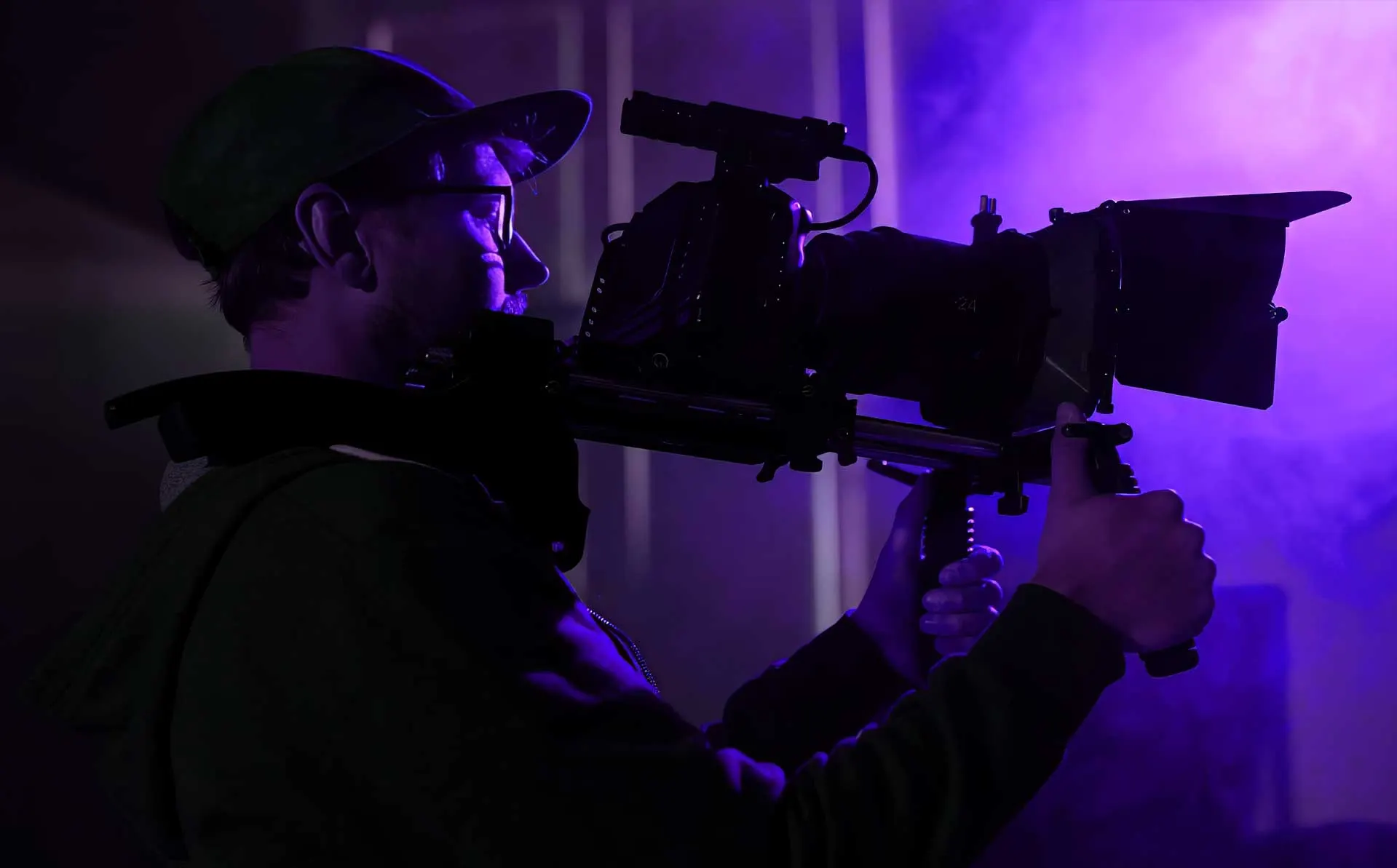
Behind the Scenes: What Happens Before Cameras Ever Turn On
Professional video production begins before filming with discovery, message design, logistics, technical planning, approvals, and risk management.
By Motlow Pro Media·Tampa, FL
Introduction
The visible part of video production begins when cameras record, but the work that protects the story, schedule, budget, and people happens earlier. Pre-production turns a broad request into a practical plan that a crew, speaker, location, and reviewer can execute together. The exact process changes by project, yet the core purpose remains the same: remove avoidable uncertainty before the most time-sensitive work begins.
For corporate clients preparing for a professional video project, the planning challenge is to make decisions early enough that creative ambition and operational reality stay aligned. The topic matters because using expensive camera time to solve questions that should have been answered in planning can consume budget and attention without improving the audience experience. A useful process makes tradeoffs visible before they become emergencies. It also leaves a record that future projects can improve rather than reconstruct.
The recommended approach is to work backward from the intended business use and define the people, systems, approvals, and assets required to support it. Success means the filming day begins with clear decisions, prepared people, controlled logistics, and a shared definition of success. That standard is more useful than judging the work only by how busy the production looked or how many files were delivered. Every section below turns that principle into a practical decision.
Discovery Clarifies the Real Assignment
The first conversation should establish the business problem, audience, message, intended action, channels, lifespan, stakeholders, constraints, and definition of success. A request for a three-minute video may actually be a need for sales clarity, executive trust, employee alignment, or event registration.
Producers test assumptions and identify missing decisions before recommending a format. This keeps the project from solving the wrong problem beautifully.
This is also a useful point for comparing internal capacity with outside support. Identify which decisions belong to marketing, communications, executives, subject experts, venue teams, or production specialists. Confirm the handoff and the consequence of a late answer. That structure reduces using expensive camera time to solve questions that should have been answered in planning without adding unnecessary process.
For additional context, review Pre-production as this part of the plan is finalized.
Creative Development Gives the Story Structure
The team develops the central idea, narrative approach, tone, examples, visual language, and relationship between spoken content and supporting images. Depending on the project, that may involve a treatment, outline, script, interview guide, storyboard, or reference frames.
Creative choices should remain grounded in brand standards and audience needs. Approval at this stage protects the filming day from major conceptual changes.
During approval, ask what the audience would notice if this element were missing or inconsistent. Then decide whether the requirement is essential, adaptable, or optional and make the budget reflect that choice. For corporate clients preparing for a professional video project, the benefit is a more predictable path to the filming day begins with clear decisions, prepared people, controlled logistics, and a shared definition of success. The team can then protect quality without treating every preference as equally critical.
Speaker and Talent Preparation Protects Performance
Executives and subject-matter experts need context, prompts, expectations, wardrobe guidance, timing, and a clear understanding of how their footage will be used. Preparation should make people comfortable without forcing a memorized performance that sounds unnatural.
Producers identify sensitive topics, pronunciation, required claims, and answers that need legal or technical review. A calm speaker is usually the result of a well-managed environment, not luck.
Turn this guidance into a short checklist that can be reused on the next project. Include the evidence or file needed for approval, the person who owns the answer, and the latest responsible decision date. Reuse creates speed because the team starts from a tested standard. It also prevents using expensive camera time to solve questions that should have been answered in planning from returning under a different project name.
A room must be assessed for sound, light, power, space, access, security, background, interruptions, parking, load-in, and operational impact. A visually attractive office can be unusable if HVAC noise, glass reflections, confidential screens, or uncontrolled traffic dominate the setup.
Scouting reveals equipment, crew, and schedule needs early enough to adjust. Location decisions also determine permissions, insurance, signage, and backup options.
For corporate clients preparing for a professional video project, this section should become a documented planning decision rather than an informal expectation. Name the owner, deadline, required inputs, and approval standard connected to locations are evaluated as production systems. Test the decision against whether the filming day begins with clear decisions, prepared people, controlled logistics, and a shared definition of success. If an assumption changes, update the scope and the people affected before work continues.
For additional context, review storyboard as this part of the plan is finalized.
The Technical Plan Connects Every Requirement
Camera, lenses, lighting, sound, grip, teleprompter, power, data, playback, streaming, and backups are selected according to the approved creative and location conditions. The crew confirms formats, frame rates, aspect ratios, delivery standards, and file protection before recording.
Live or multi-camera work also requires signal flow, communication, network, and switching design. Technical planning should make complexity invisible to the client and audience.
The practical value of the technical plan connects every requirement comes from making responsibility visible. Record what must be true, who confirms it, and when the production team can rely on the answer. This protects corporate clients preparing for a professional video project from using expensive camera time to solve questions that should have been answered in planning. It also gives the team a clear basis for evaluating requests that appear after the plan is approved.
Scheduling and Approvals Make the Plan Executable
Call sheets coordinate addresses, contacts, arrival times, crew, speakers, scenes, wardrobe, meals, releases, parking, and emergency information. The schedule includes setup, rehearsals, moves, breaks, buffers, and realistic interview time rather than listing only camera start times.
A final pre-production review confirms decisions and identifies any unresolved item that could stop filming. Everyone should know who can approve changes on the day.
Apply this step in the creative brief, schedule, and review process instead of leaving it in meeting notes. A useful decision is specific enough for another person to act on and trace back to the audience need. Review it again before the filming or event day, when changes still can be handled deliberately. The standard is whether the filming day begins with clear decisions, prepared people, controlled logistics, and a shared definition of success.
For additional context, review call sheets as this part of the plan is finalized.
Putting This Into Practice
Begin with a 45-minute working session involving the marketing owner, the person responsible for production, and the stakeholders who control essential facts, access, budget, or approval. Use the discussion to rank discovery clarifies the real assignment, creative development gives the story structure, speaker and talent preparation protects performance as immediate decisions. Capture open questions in the same brief and assign a date when each answer becomes final. This keeps discovery from becoming a permanent phase and gives the team an executable starting point.
Next, review locations are evaluated as production systems, the technical plan connects every requirement, scheduling and approvals make the plan executable against the real schedule and available capacity. Remove work that has no audience, owner, or distribution path, and protect the elements that directly support the filming day begins with clear decisions, prepared people, controlled logistics, and a shared definition of success. If the team cannot resolve a dependency, label the impact on timing, cost, or quality instead of hiding it. Clear constraints are easier to manage than optimistic assumptions.
After delivery, hold a short review focused on decisions rather than personal preference. Note what improved audience value, what caused delay or rework, which assets were actually used, and which standards should change. Store those lessons with the brief, schedule, releases, source files, and final deliverables. This closes the loop and turns one project into operating knowledge for the next.
Planning Checklist
Approve the audience, message, action, channels, and success definition.
Review the treatment, script, outline, prompts, and visual references.
Prepare speakers, wardrobe, releases, facts, and sensitive topics.
Scout locations for sound, light, power, access, and operations.
Confirm equipment, formats, backups, data, and live signal flow.
Distribute the call sheet and resolve final approvals.
Frequently Asked Questions
How long does video pre-production take?
It depends on complexity, stakeholders, locations, scripting, compliance, and availability. A simple interview may need days, while a campaign, event, or multi-location production may require several weeks. The right answer should be documented in the project brief so corporate clients preparing for a professional video project and production partners work from the same assumption.
Do clients need to write the script?
Not necessarily. The production partner can lead scripting or interview development, but the client must provide subject expertise, brand context, factual review, and a qualified approver. The right answer should be documented in the project brief so corporate clients preparing for a professional video project and production partners work from the same assumption.
Is a location scout necessary?
It is strongly valuable when sound, light, power, access, security, movement, or operational disruption could affect the production. A remote scout may work for simple controlled spaces. The right answer should be documented in the project brief so corporate clients preparing for a professional video project and production partners work from the same assumption.
The Bottom Line
Pre-production is where a professional video becomes feasible. Discovery protects the goal, creative development protects the story, logistics protect the schedule, technical planning protects the footage, and approvals protect the budget. When those pieces are aligned, the filming day can focus on performance and capture rather than unresolved decisions.